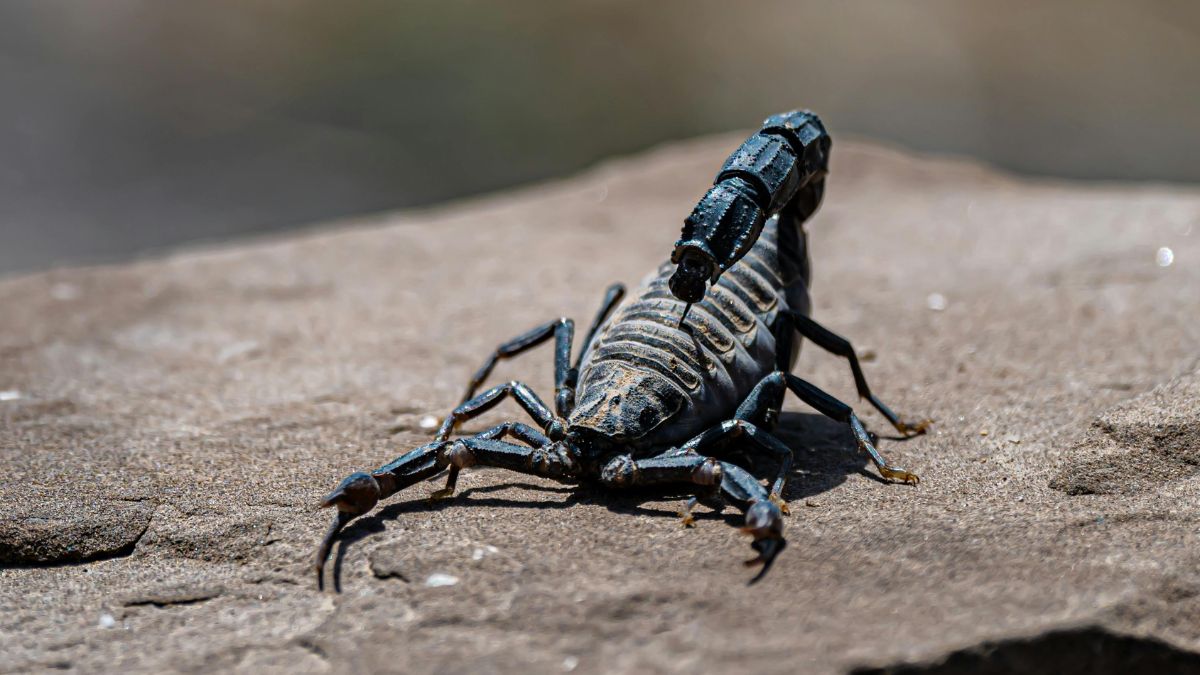
Size has very little to do with dominance in the natural world, and some of the planet’s most formidable hunters measure no longer than a human finger. These small creatures have evolved extraordinary tools, reflexes, and strategies that place them at the very top of their local food chains. Their diminutive frames are often dismissed by both prey and onlookers, which only adds to their advantage. From rainforest floors to ocean depths, these animals command their environments with ruthless efficiency. The following creatures prove that nature’s most dangerous predators are often hiding in plain sight.
Dragonfly
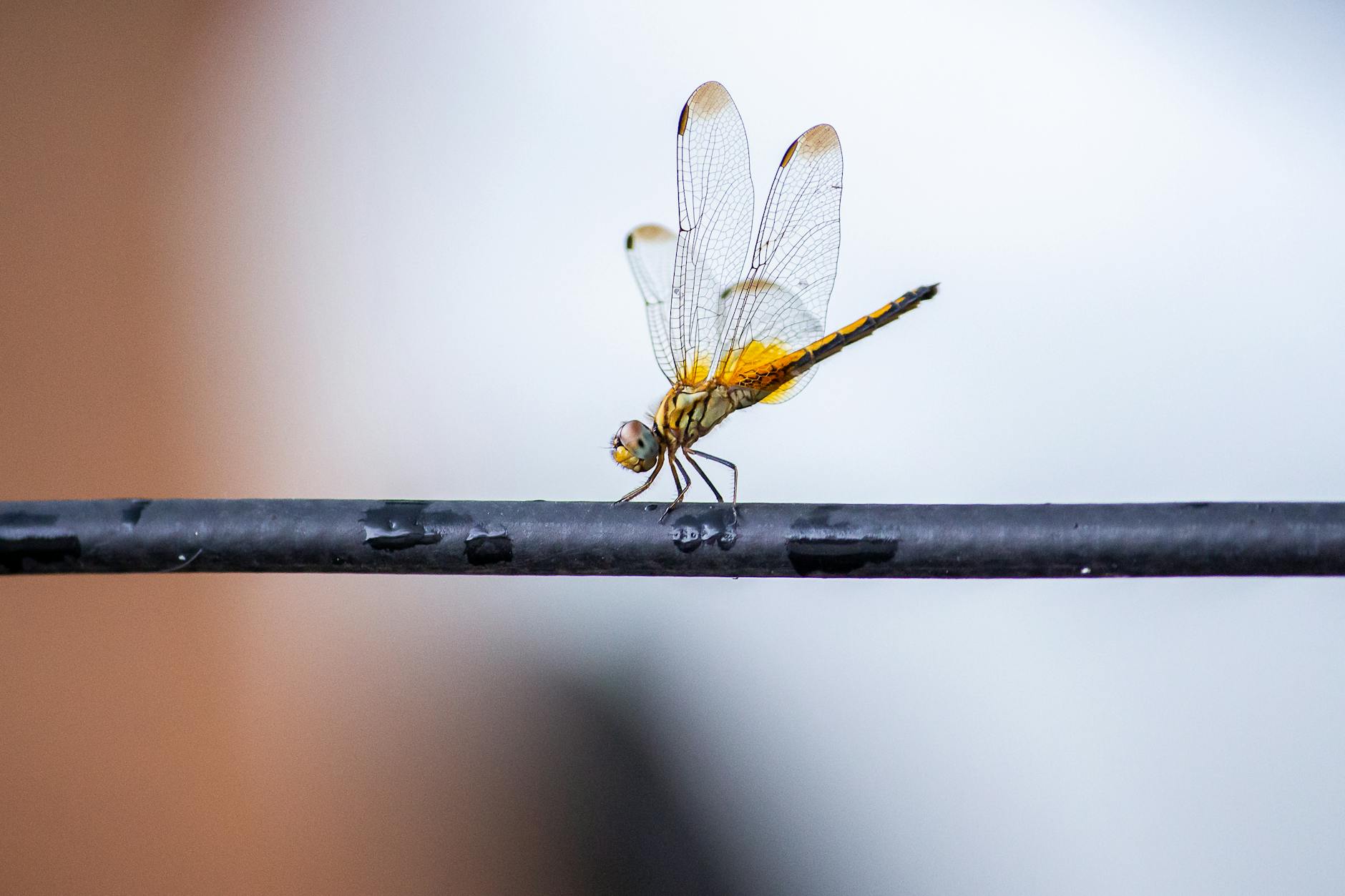
The dragonfly holds one of the highest hunting success rates of any predator on Earth, successfully catching prey in roughly 95 out of every 100 attempts. It uses specialized compound eyes that cover nearly its entire head to track moving targets with extraordinary precision. Each wing operates independently, giving it the ability to hover, fly backward, and make sharp mid-air corrections at high speed. The dragonfly typically intercepts prey by calculating a flight path to where the target will be rather than chasing it directly. This predictive hunting strategy makes it one of the most effective aerial predators in the animal kingdom.
Pistol Shrimp
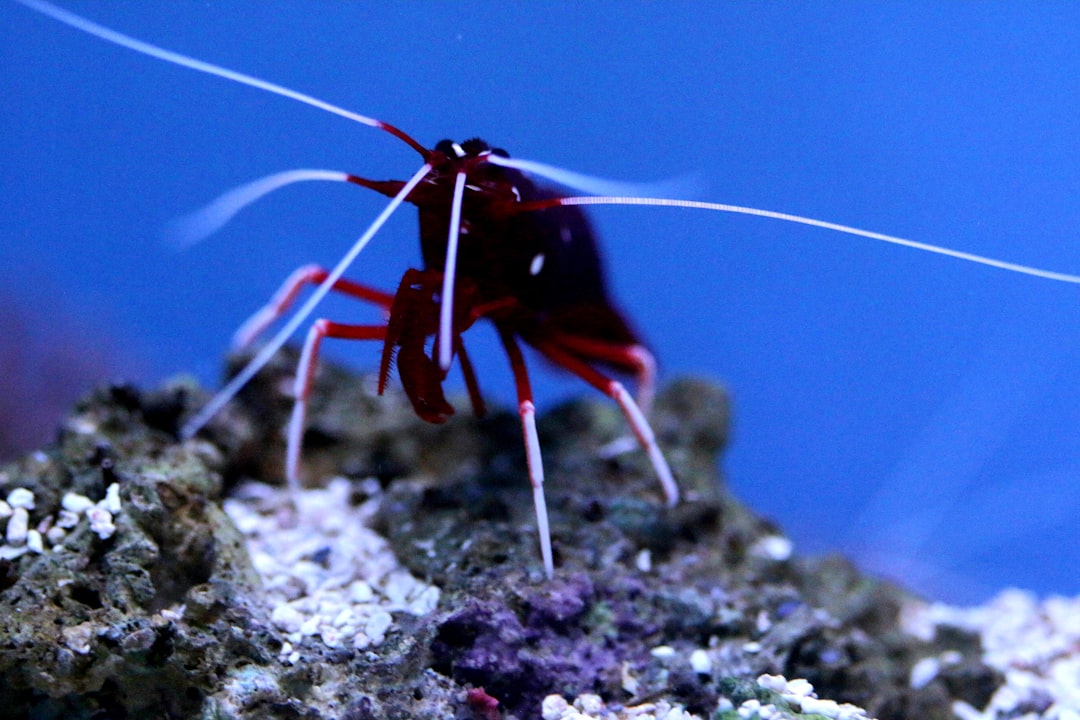
The pistol shrimp is a small crustacean that generates one of the most powerful biological forces on the planet using a single oversized claw. When it snaps the claw shut, it creates a cavitation bubble that collapses at temperatures briefly rivaling the surface of the sun. The resulting shockwave stuns or kills nearby fish and invertebrates instantly. The snap also produces a sound louder than a gunshot, making colonies of pistol shrimp one of the dominant sources of underwater noise in tropical waters. This ability allows a creature smaller than a human thumb to neutralize prey without ever making direct physical contact.
Mantis Shrimp
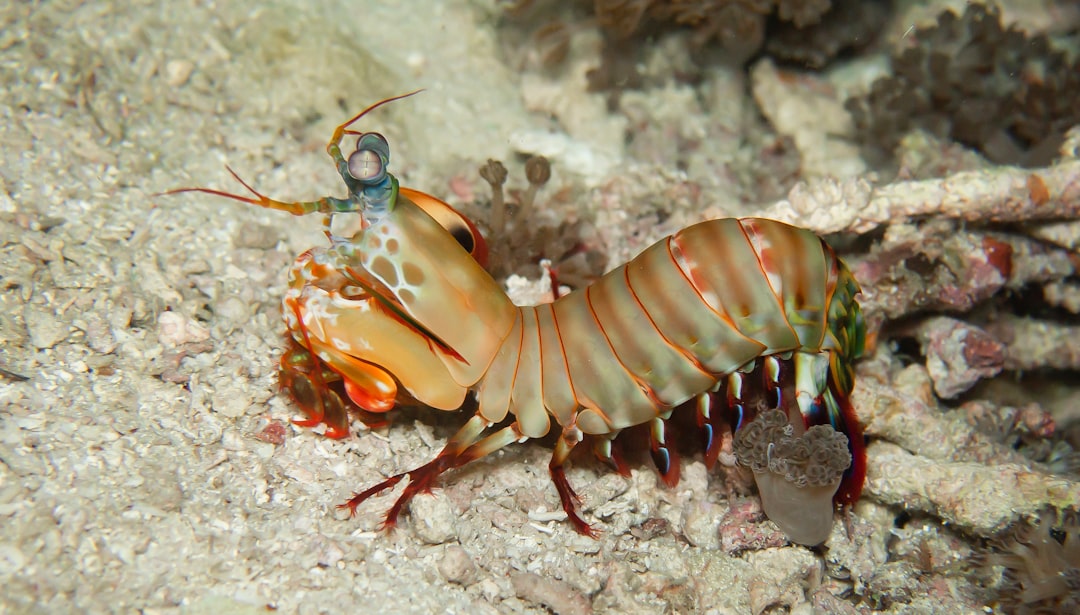
The mantis shrimp packs a punch that accelerates faster than a bullet fired from a gun, using club-like appendages to shatter the shells of crabs, mollusks, and fish. Its strike generates a force many times greater than its own body weight, and the impact creates a secondary cavitation shockwave similar to the pistol shrimp. Mantis shrimp also possess the most complex visual system of any known animal, capable of detecting sixteen different color channels compared to the three that humans use. This visual sophistication allows them to assess threats and prey with remarkable accuracy. They are known to repeatedly break aquarium glass, which has earned them a cautious reputation among marine biologists.
Jumping Spider
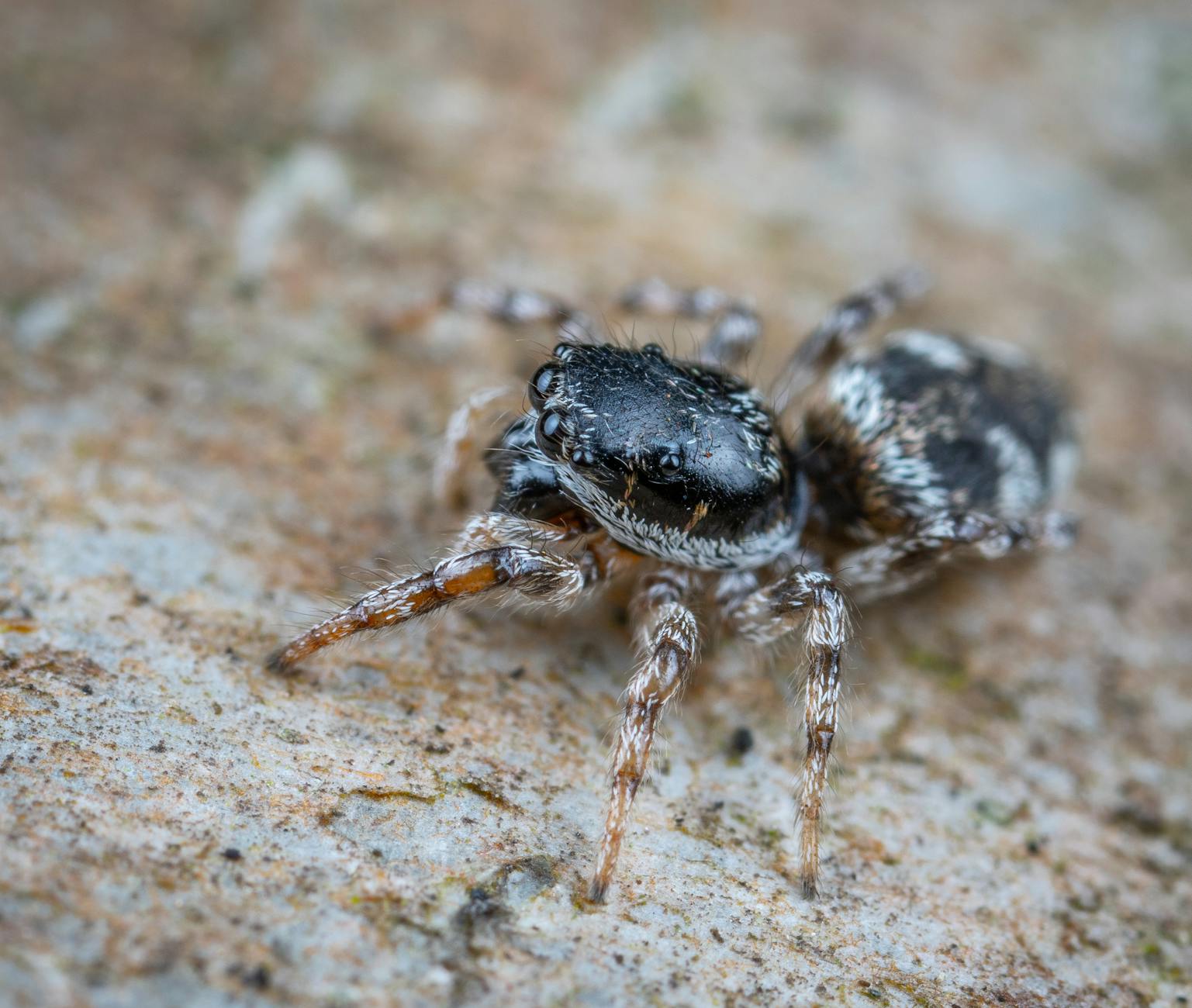
Jumping spiders are active daytime hunters that stalk and ambush prey with a level of intelligence unusual for animals of their size. They plan multi-stage routes around obstacles to approach targets from unexpected angles, demonstrating problem-solving behavior rarely seen in invertebrates. Their forward-facing eyes provide exceptional depth perception, allowing precise leaps onto prey several times their own body size. Some species actively hunt other spiders, including those significantly larger than themselves. A silk safety line attached before each jump ensures survival even when a leap fails, making them remarkably durable hunters.
Blue-Ringed Octopus
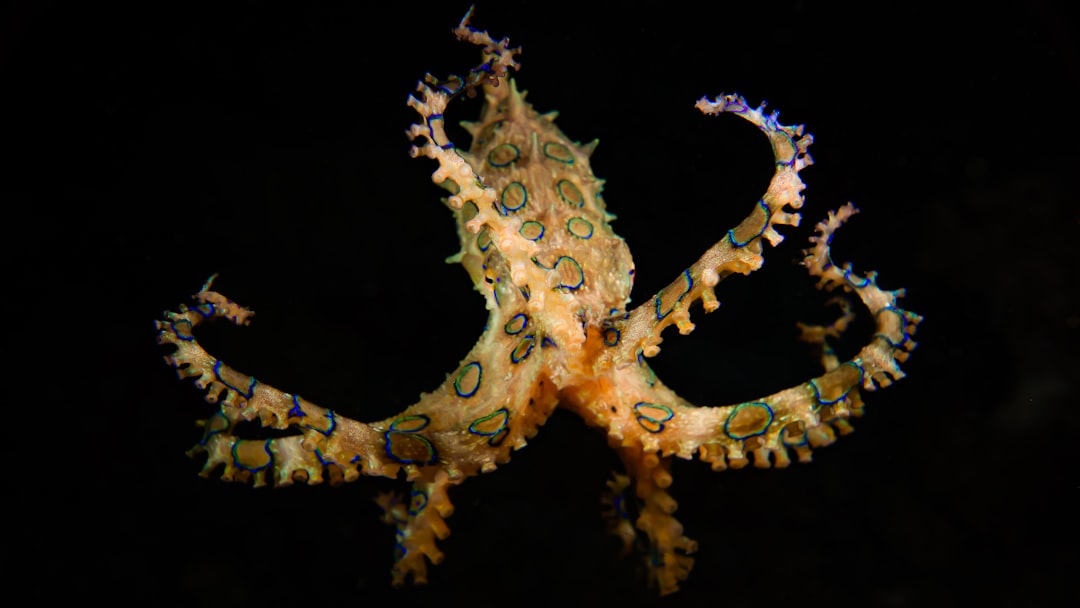
The blue-ringed octopus is roughly the size of a golf ball yet carries enough venom to kill multiple adult humans within minutes. It produces tetrodotoxin in its saliva, one of the most potent naturally occurring neurotoxins known to science. When threatened or preparing to bite, iridescent blue rings flash across its skin as a warning display. There is currently no antivenom for its bite, making medical response entirely dependent on keeping the victim breathing until the toxin clears. Despite its peaceful temperament, this tiny cephalopod is considered one of the most dangerous marine animals in the world.
Portia Spider
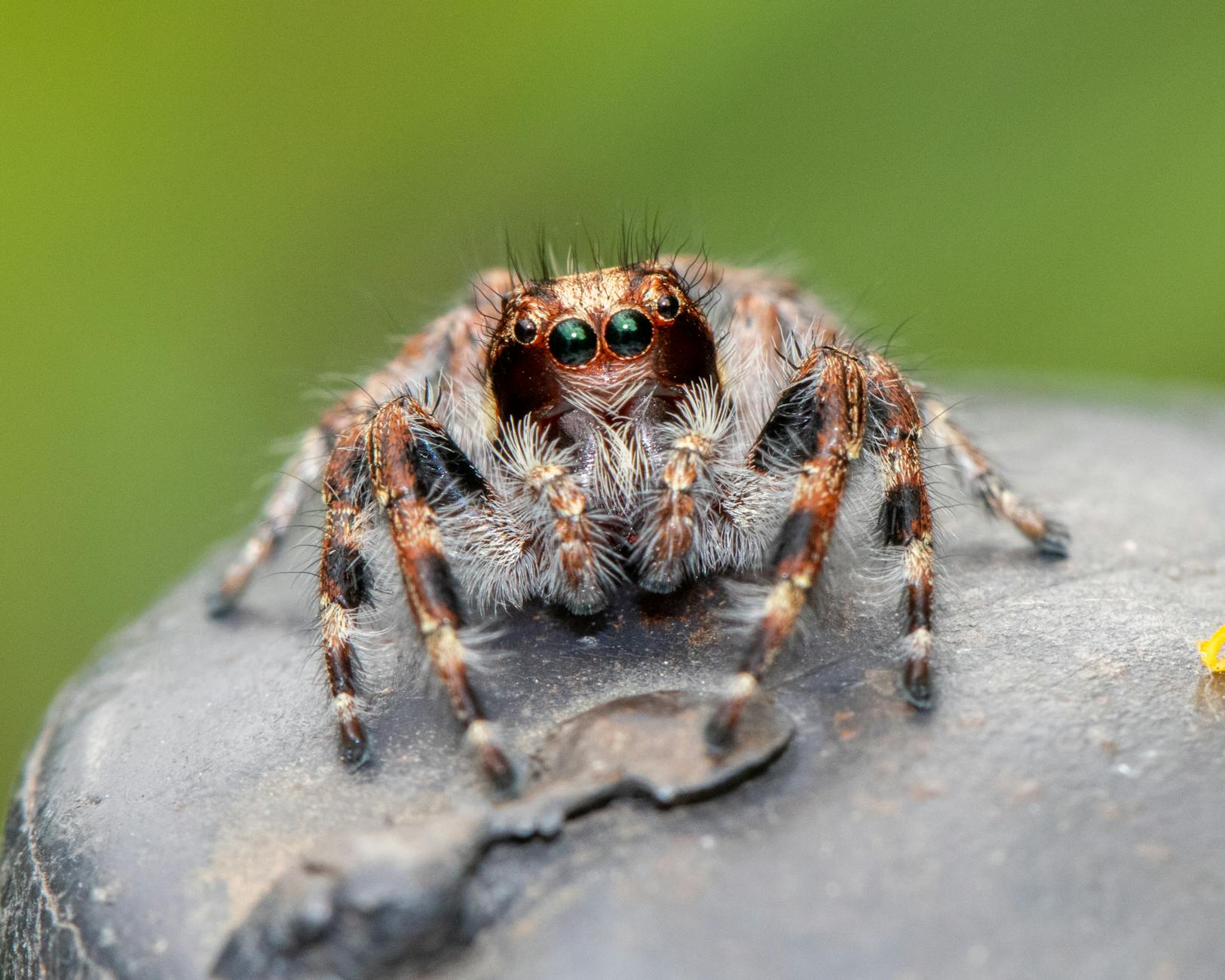
Portia is a genus of jumping spider that has earned a reputation among researchers for displaying cognitive abilities far beyond what its brain size should allow. It routinely hunts other spiders, including species with far more dangerous weaponry and much larger bodies. When a direct approach is likely to fail, Portia will sometimes spend an hour or more planning a detour that keeps it out of the prey’s field of vision. It also mimics the vibrations of trapped insects to lure web-dwelling spiders into striking range. Scientists regard it as one of the most intelligent invertebrates ever studied.
Driver Ant
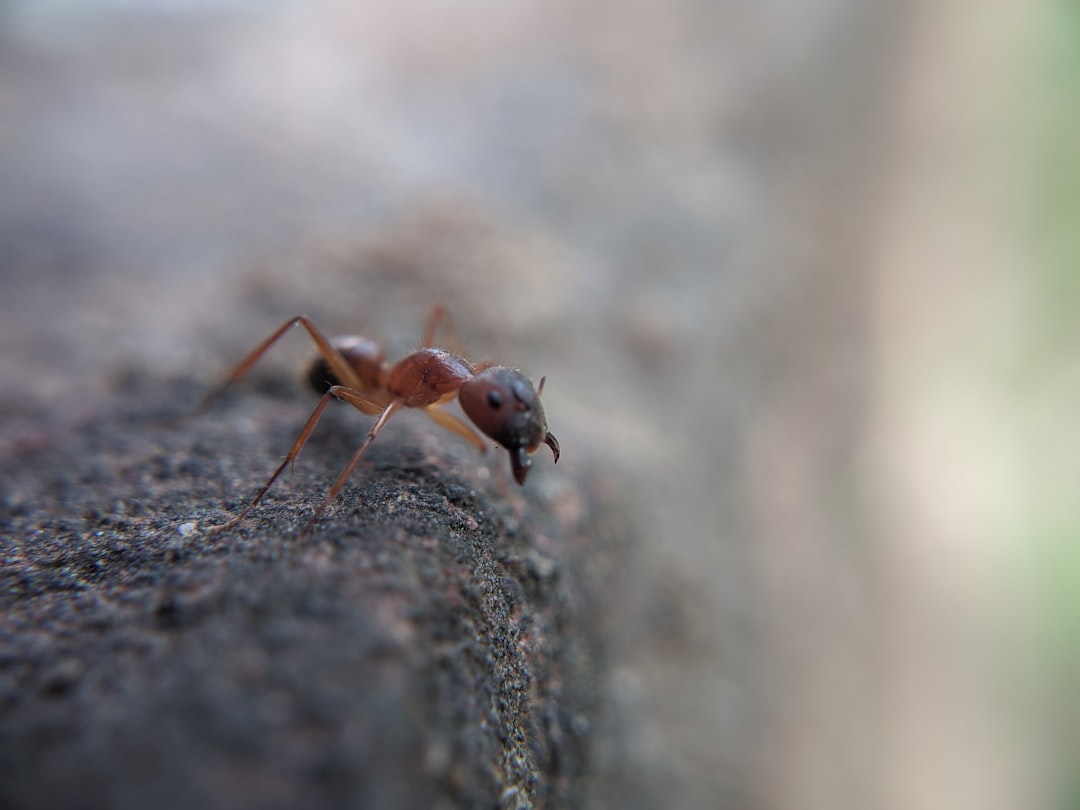
Driver ants, also known as army ants in their African form, operate as a unified superorganism capable of overwhelming virtually any creature in their path. A single colony can contain up to 22 million individuals, and when food becomes scarce they mobilize in columns that can stretch for hundreds of meters. Their mandibles are strong enough to be used as emergency sutures in some traditional communities. No animal in their habitat is too large to be swarmed and dismantled given enough time and numbers. Even large mammals such as tethered livestock have been found reduced to skeletons following a driver ant raid.
Trap-Jaw Ant
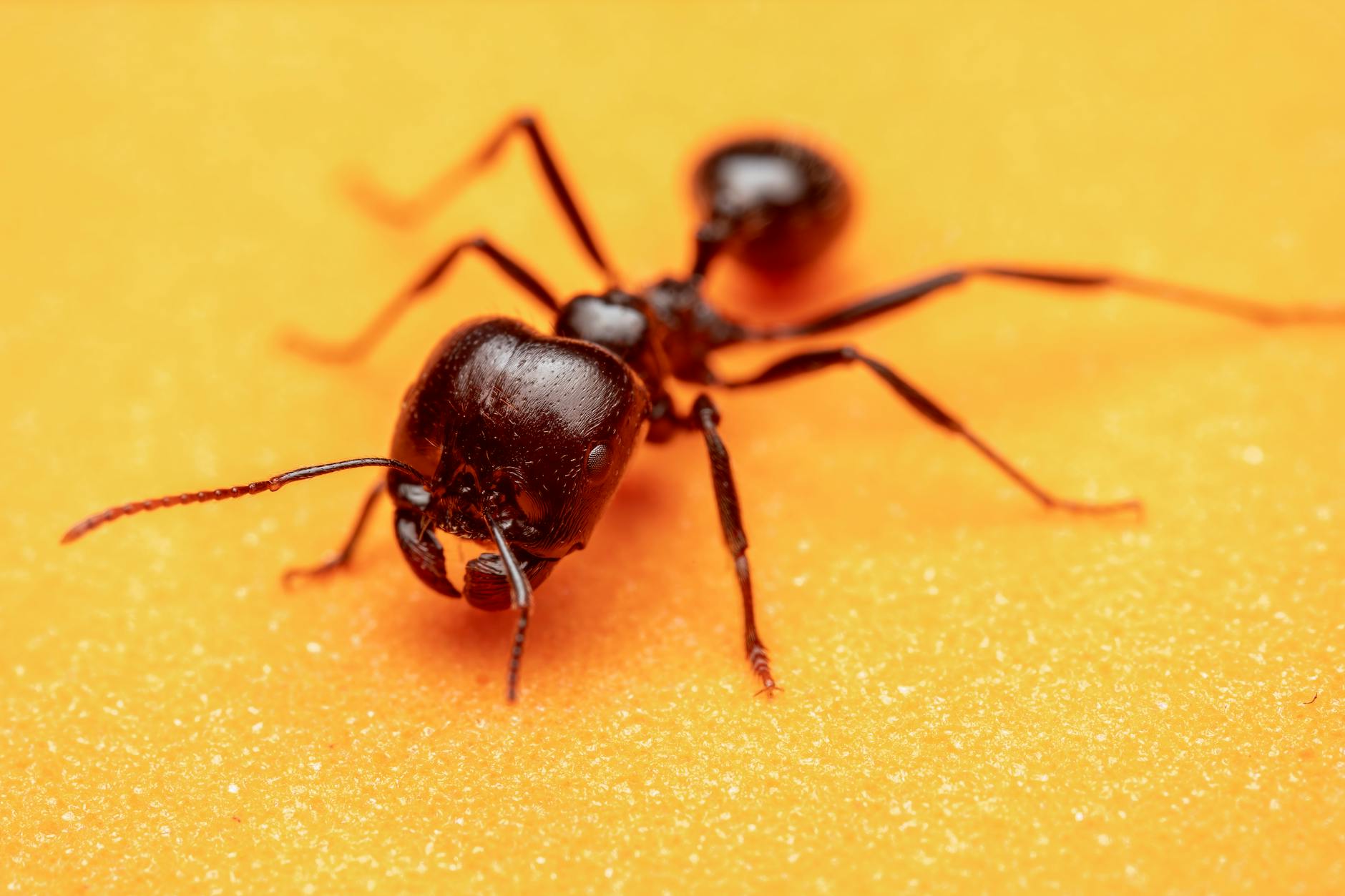
The trap-jaw ant closes its mandibles faster than any other predatory appendage ever recorded in the animal kingdom. Its jaws can snap shut at speeds exceeding 140 miles per hour, generating forces that can fling prey or attackers several centimeters through the air. This same mechanism is used defensively, where the ant snaps its jaws against the ground to launch itself into the air and escape threats. The strike delivers enough force to stun or dismember insects many times the ant’s own size. Trap-jaw ants are aggressive hunters that actively pursue prey rather than waiting in ambush.
Cone Snail
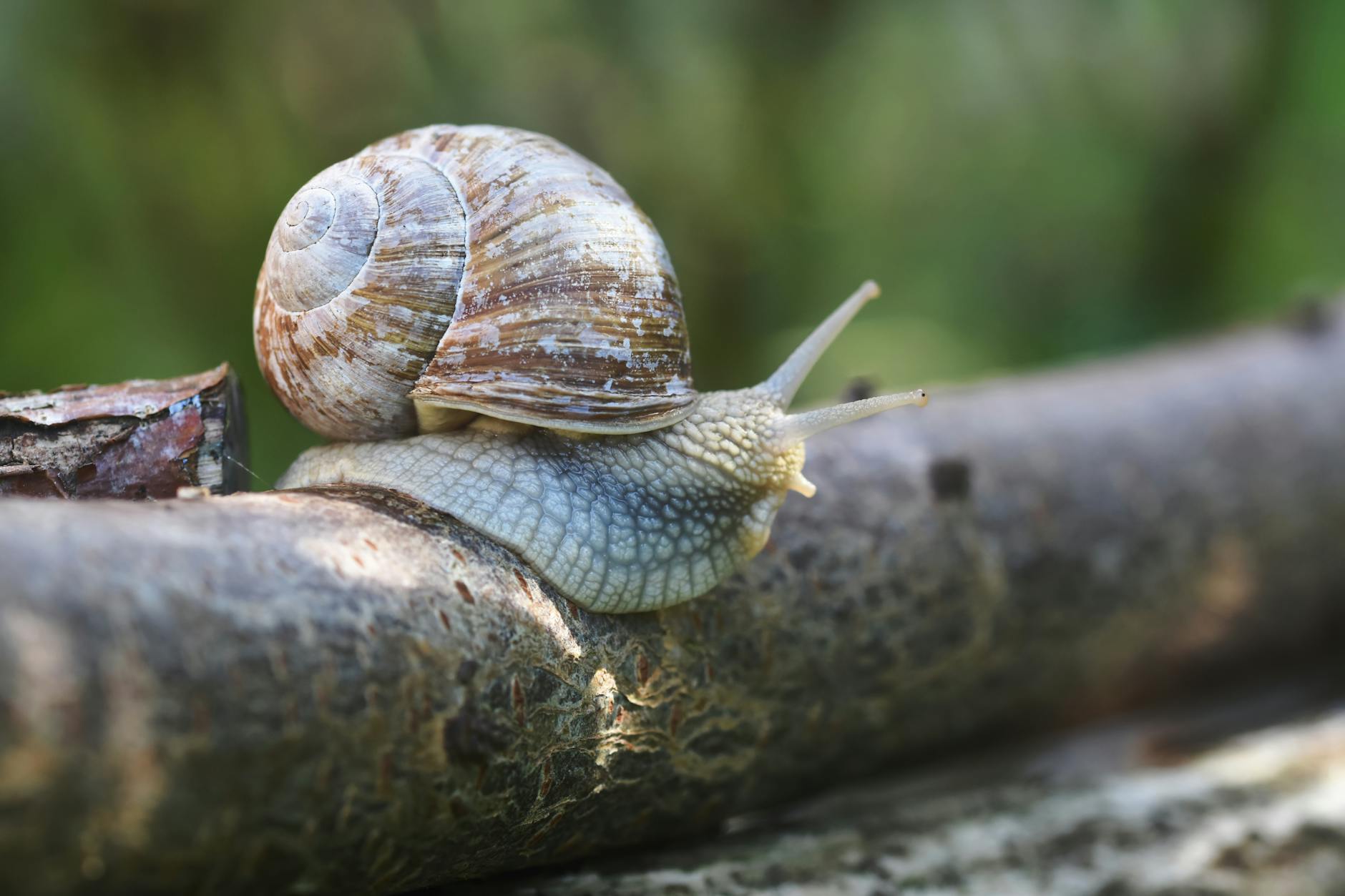
Cone snails are slow-moving marine gastropods that have developed one of the most sophisticated venoms in the natural world to compensate for their lack of speed. A flexible proboscis can extend from any part of the shell’s opening, allowing the snail to strike in almost any direction without warning. The harpoon-like tooth it uses for injection is hollow and capable of penetrating wetsuits and thick clothing. The venom contains a cocktail of hundreds of distinct compounds called conotoxins that paralyze the nervous system almost immediately. There is no antivenom, and some cone snail species are capable of killing a human in a matter of hours.
Pygmy Shrew
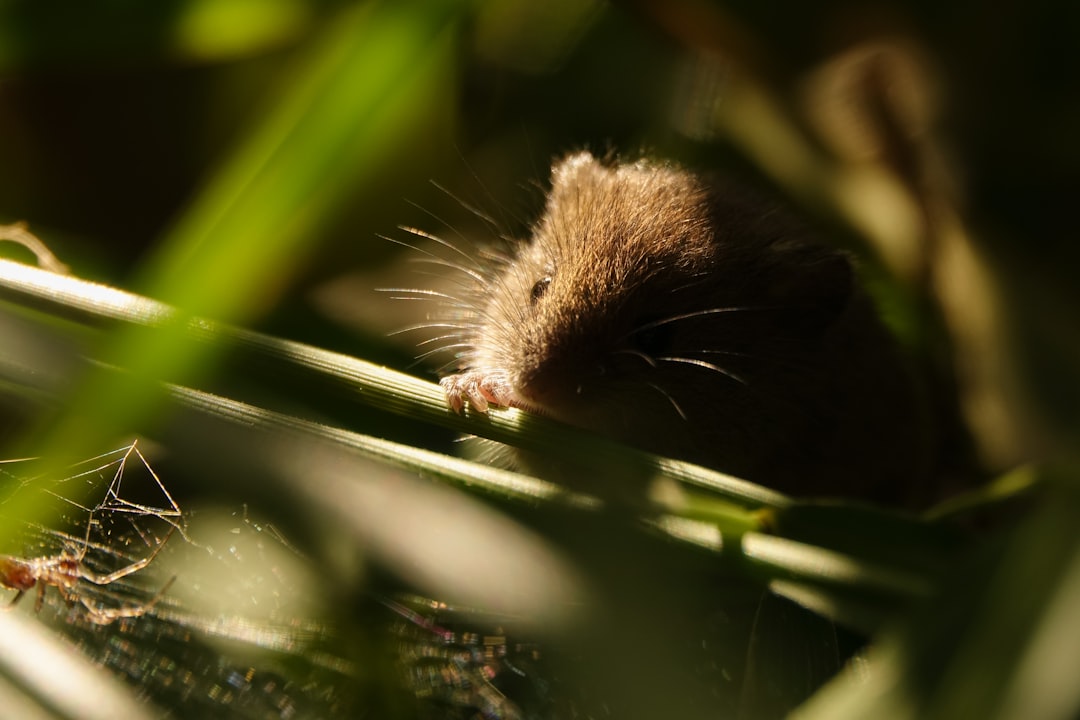
The pygmy shrew is one of the smallest mammals on Earth and is also one of the most relentless predators by body weight. It must consume more than its own body weight in food every single day or risk dying from starvation within hours. Its heart beats at over a thousand times per minute, driving a metabolism so extreme that it cannot pause hunting even briefly. The pygmy shrew will attack and consume earthworms, beetles, and other invertebrates continuously throughout the day and night. Despite weighing less than a coin, it is a dominant consumer of invertebrate life in the soil-level ecosystem it inhabits.
Stoat
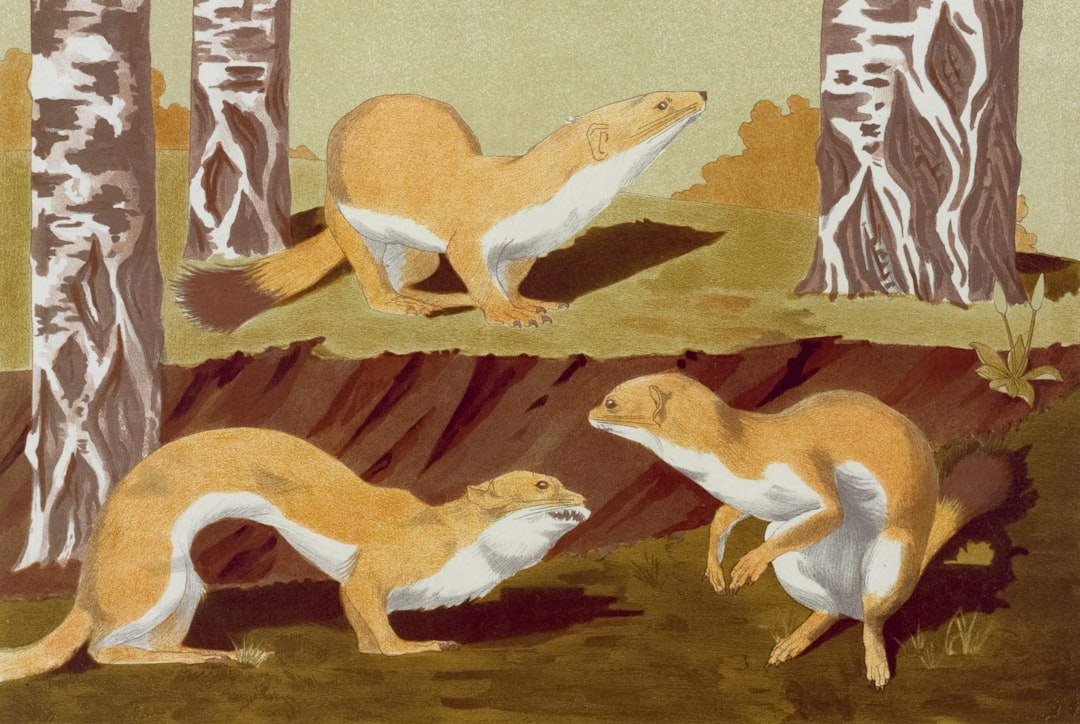
The stoat is a small mustelid that regularly takes down prey several times its own body mass, including rabbits that outweigh it by a significant margin. It uses a hypnotic spinning or leaping display called a “weasel war dance” to confuse prey before delivering a precise bite to the base of the skull. Its slender body allows it to pursue rodents and rabbits directly into their burrows, removing any chance of escape. Stoats are relentless trackers capable of following a scent trail for miles across difficult terrain. In ecosystems where they have been introduced outside their native range, they have caused severe damage to ground-nesting bird populations.
Bombardier Beetle
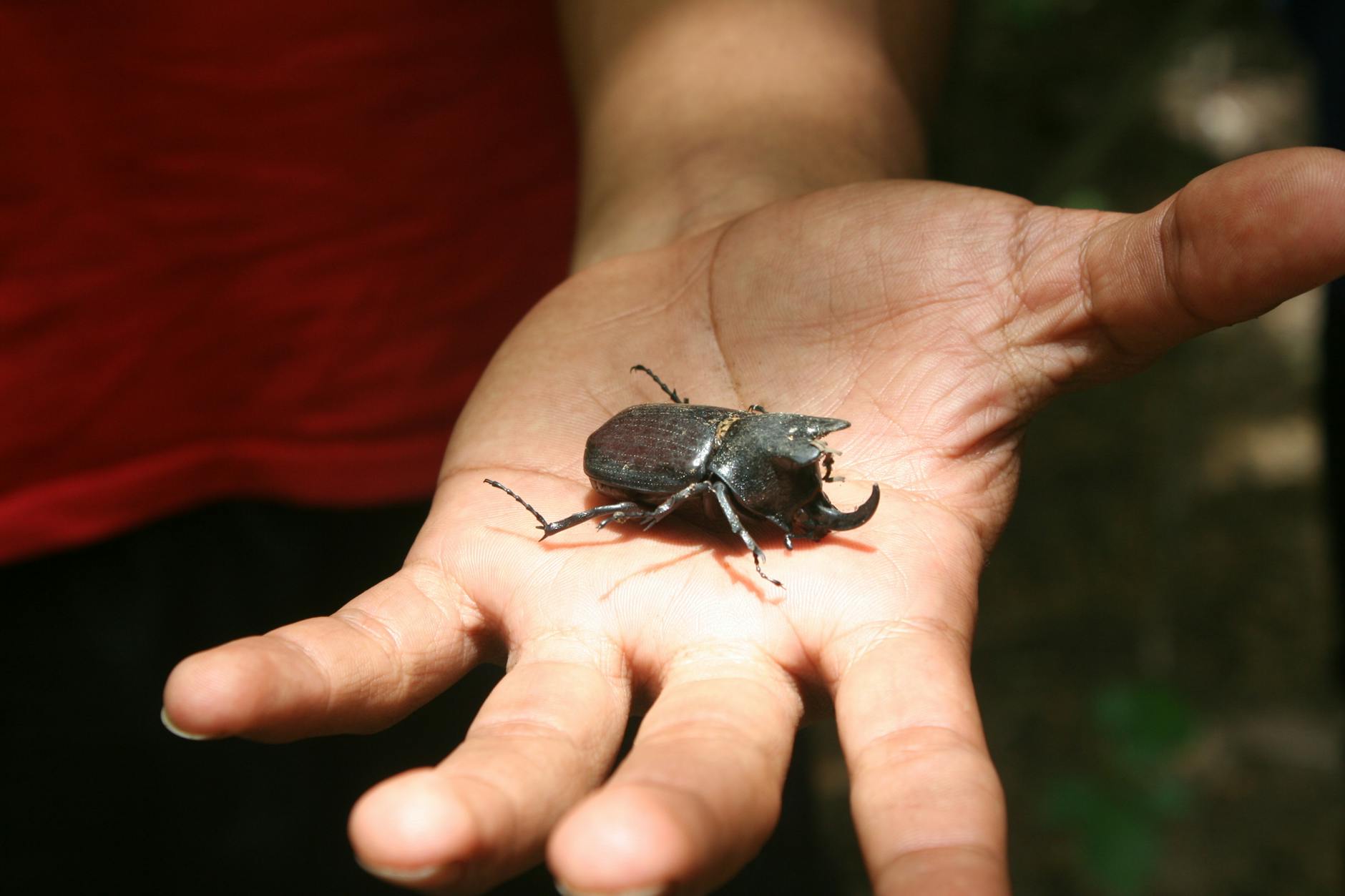
The bombardier beetle is a small ground-dwelling insect that defends itself and subdues prey using a chemical explosion generated inside its own body. It mixes hydroquinone and hydrogen peroxide in a specialized reaction chamber, producing a boiling spray that exits through a rotating nozzle at the tip of its abdomen. The discharge reaches temperatures of around 100 degrees Celsius and is fired in rapid pulses at targets with remarkable accuracy. The spray is capable of killing small insects and deterring much larger predators including frogs, which have been observed spitting out bombardier beetles after ingesting them. The speed and heat of the reaction are so extreme that scientists spent years debating how the beetle survived producing it.
Irukandji Jellyfish
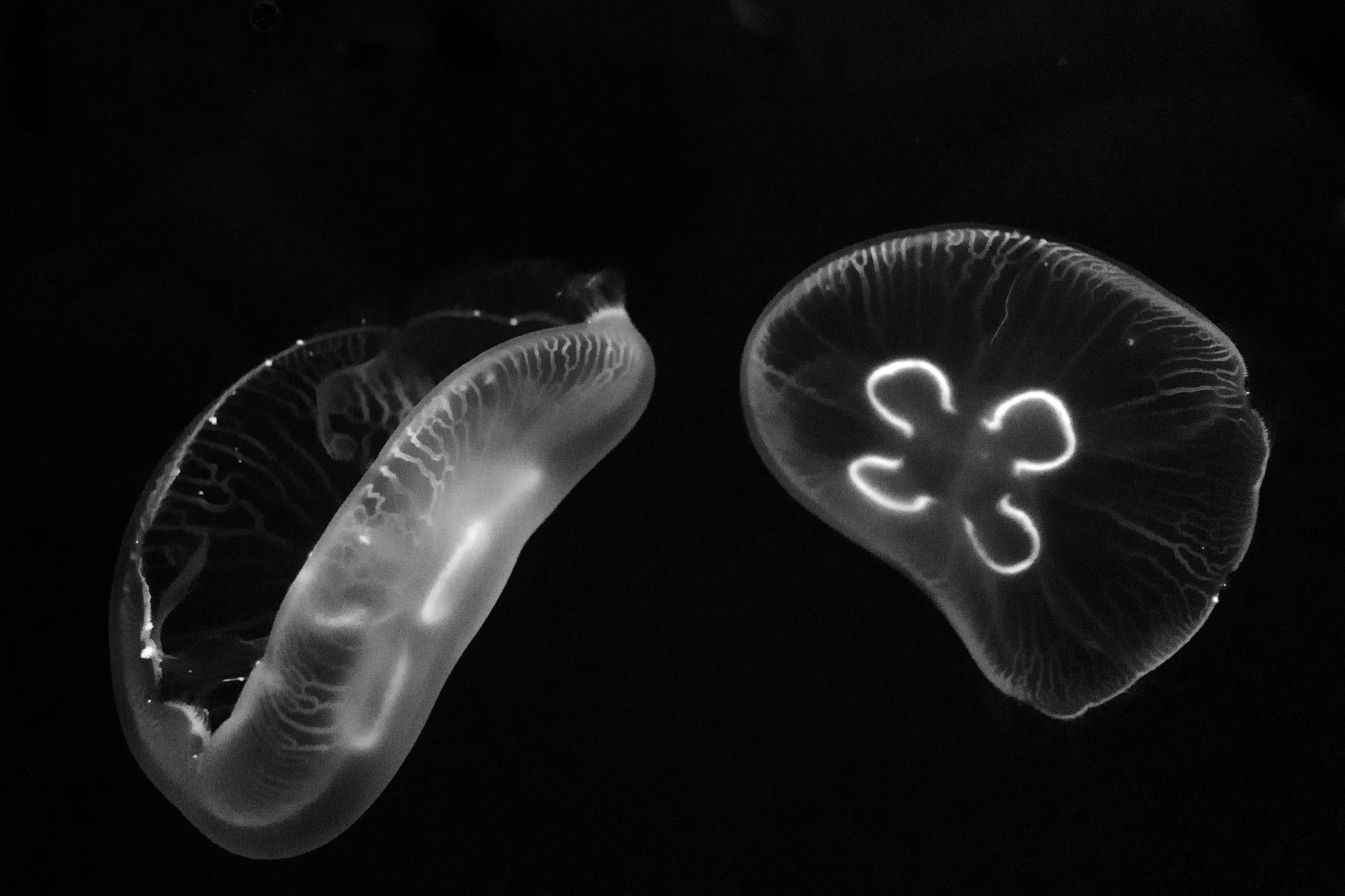
The Irukandji jellyfish is roughly the size of a human thumbnail and is considered one of the most venomous marine creatures on the planet. Unlike most jellyfish, it can fire stinging cells from all four of its trailing tentacles as well as from its bell, making contact nearly impossible to avoid in open water. Its venom triggers a severe and potentially fatal condition known as Irukandji syndrome, which causes extreme pain, hypertension, and a sense of impending death in victims. It is nearly transparent and invisible to the naked eye in natural ocean conditions. The full range of its venom’s chemical composition is still not completely understood by researchers.
Weasel
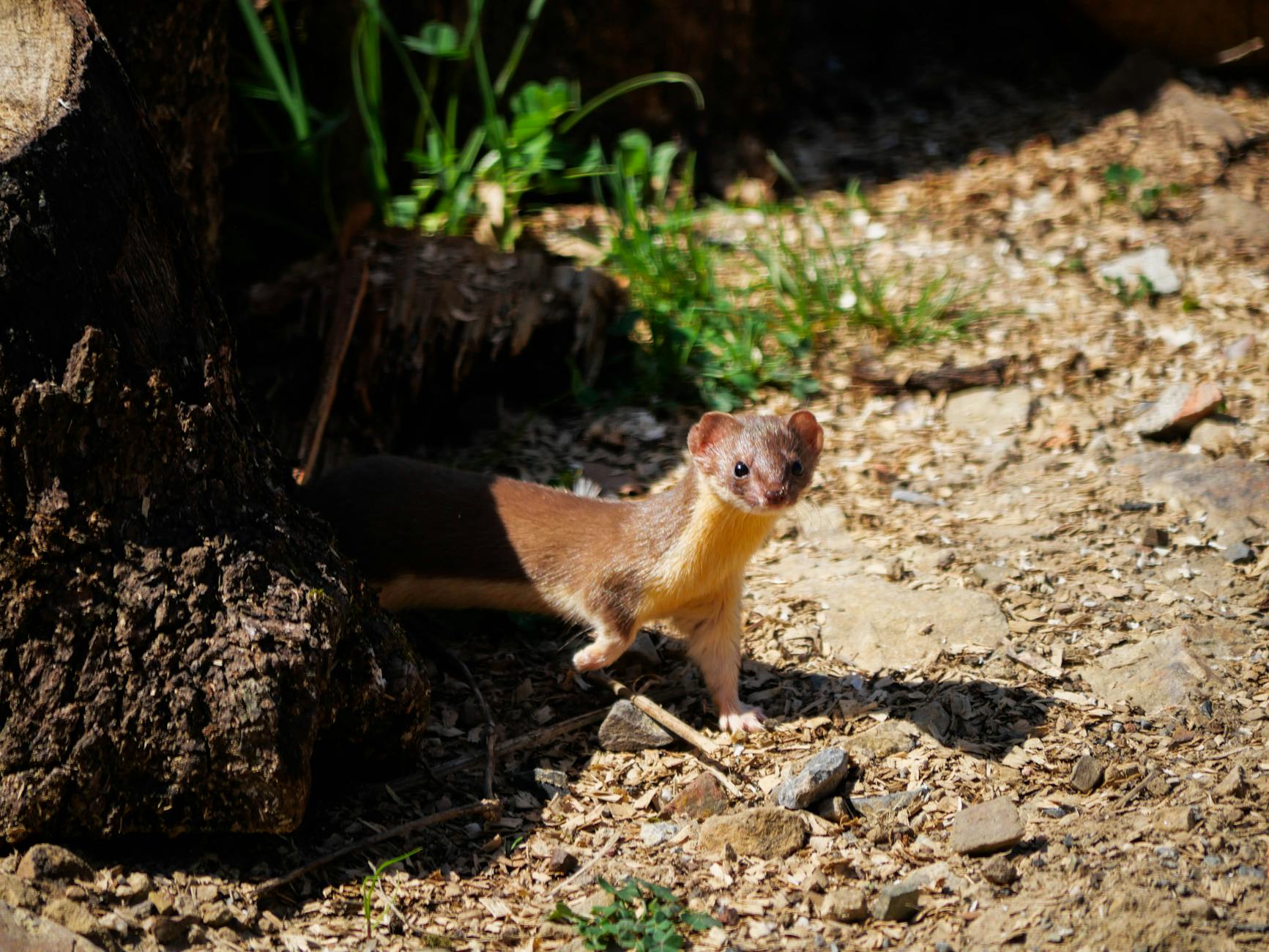
The common weasel is the smallest carnivorous mammal in the world and is capable of killing prey up to ten times its own body weight. Its long flexible spine allows it to twist and turn through tight underground tunnels in pursuit of voles, mice, and young rabbits. It kills with a precise bite delivered to the back of the skull, dispatching prey almost instantly. Weasels have an exceptionally high metabolic rate and must kill frequently to sustain themselves, making them near-constant hunters throughout the day and night. Farmers historically regarded a single weasel as sufficient to clear an entire barn of rodents.
Deathstalker Scorpion
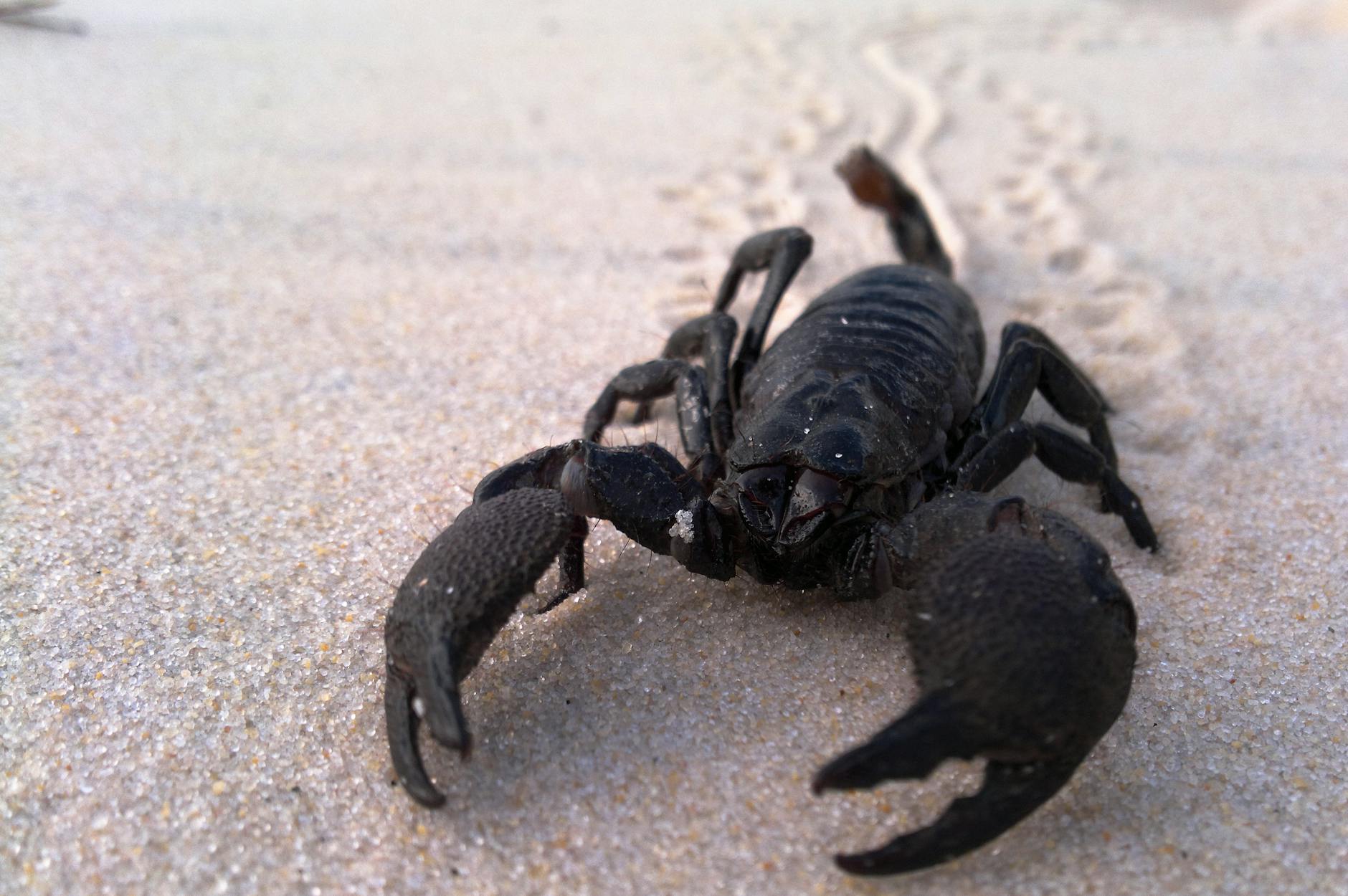
The deathstalker scorpion is a small pale-colored arachnid found across North Africa and the Middle East that possesses the most toxic venom of any scorpion species. Its light build is a counterintuitive sign of danger since the most venomous scorpion species typically have slender claws and rely on venom rather than brute gripping strength to subdue prey. It hunts insects, spiders, and small lizards at night using highly sensitive sensory hairs across its body to detect vibrations in the sand. A single sting delivers a complex venom containing multiple neurotoxins that can cause paralysis, respiratory failure, and cardiac arrest. Researchers have found that compounds in its venom show promising applications in cancer treatment and pain management.
Which of these surprisingly powerful tiny creatures fascinates you most — share your thoughts in the comments!




