Many gardeners make the mistake of dismissing small insects as mere nuisances, never suspecting the widespread damage quietly unfolding beneath leaves and along stems. Some of the most destructive garden pests are also among the easiest to overlook, blending into the landscape with deceptive calm. Understanding which bugs pose the greatest threat is one of the most valuable steps any gardener can take to protect their plants. From delicate ornamentals to productive vegetable beds, no garden is truly immune to the slow destruction these creatures can cause. Recognizing the warning signs early makes all the difference between a thriving outdoor space and one left beyond saving.
Aphids
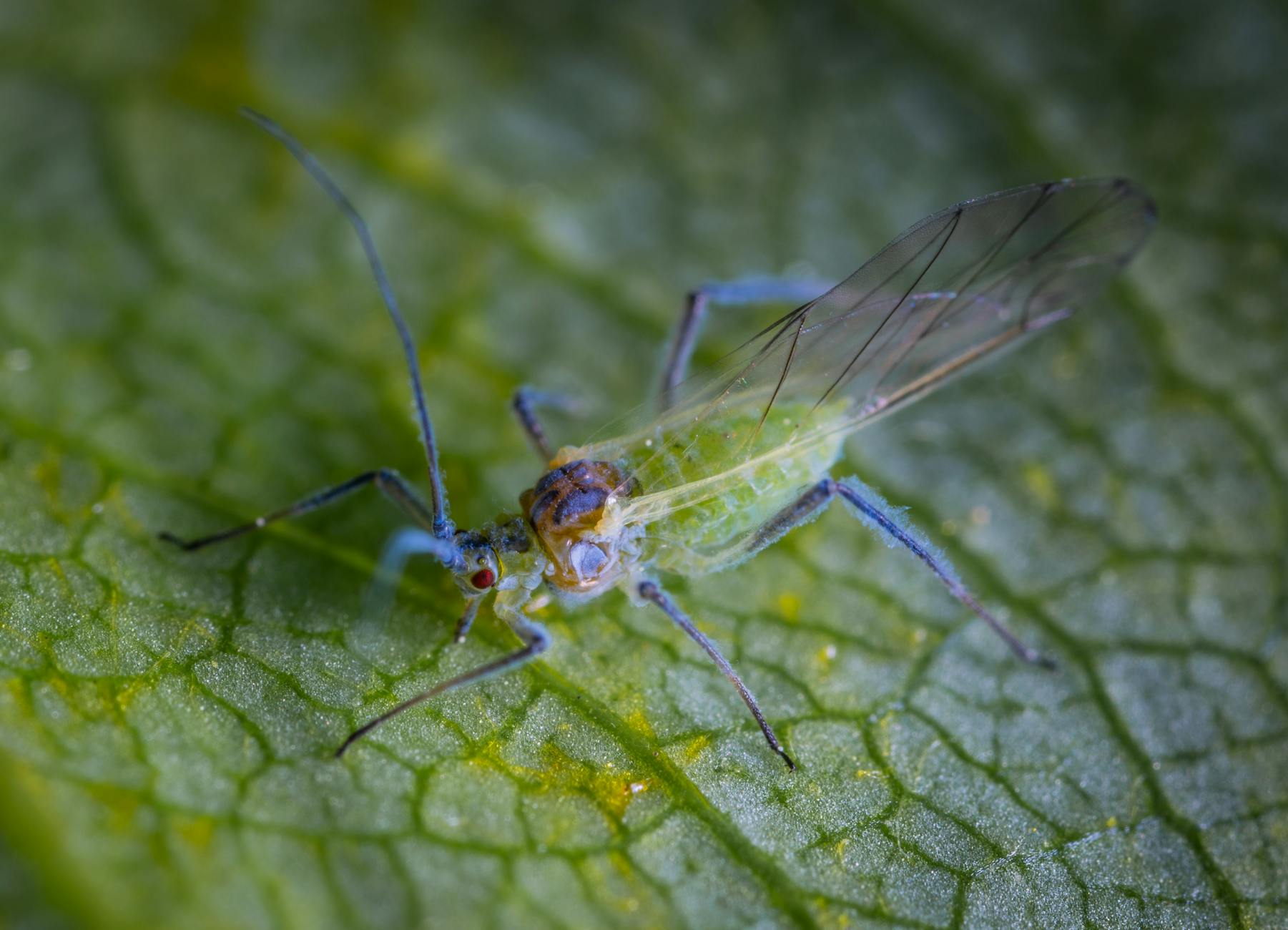
Aphids are tiny, soft-bodied insects that cluster on new growth, stems, and the undersides of leaves in enormous numbers. They feed by piercing plant tissue and extracting sap, which weakens the plant over time and causes leaves to curl, yellow, and distort. A moderate infestation can stunt growth across an entire bed within a matter of weeks. Aphids also excrete a sticky substance known as honeydew, which encourages the growth of sooty mold and attracts other pest species. Their reproductive rate is extraordinarily high, meaning a small colony can explode into a garden-wide problem almost overnight.
Whiteflies
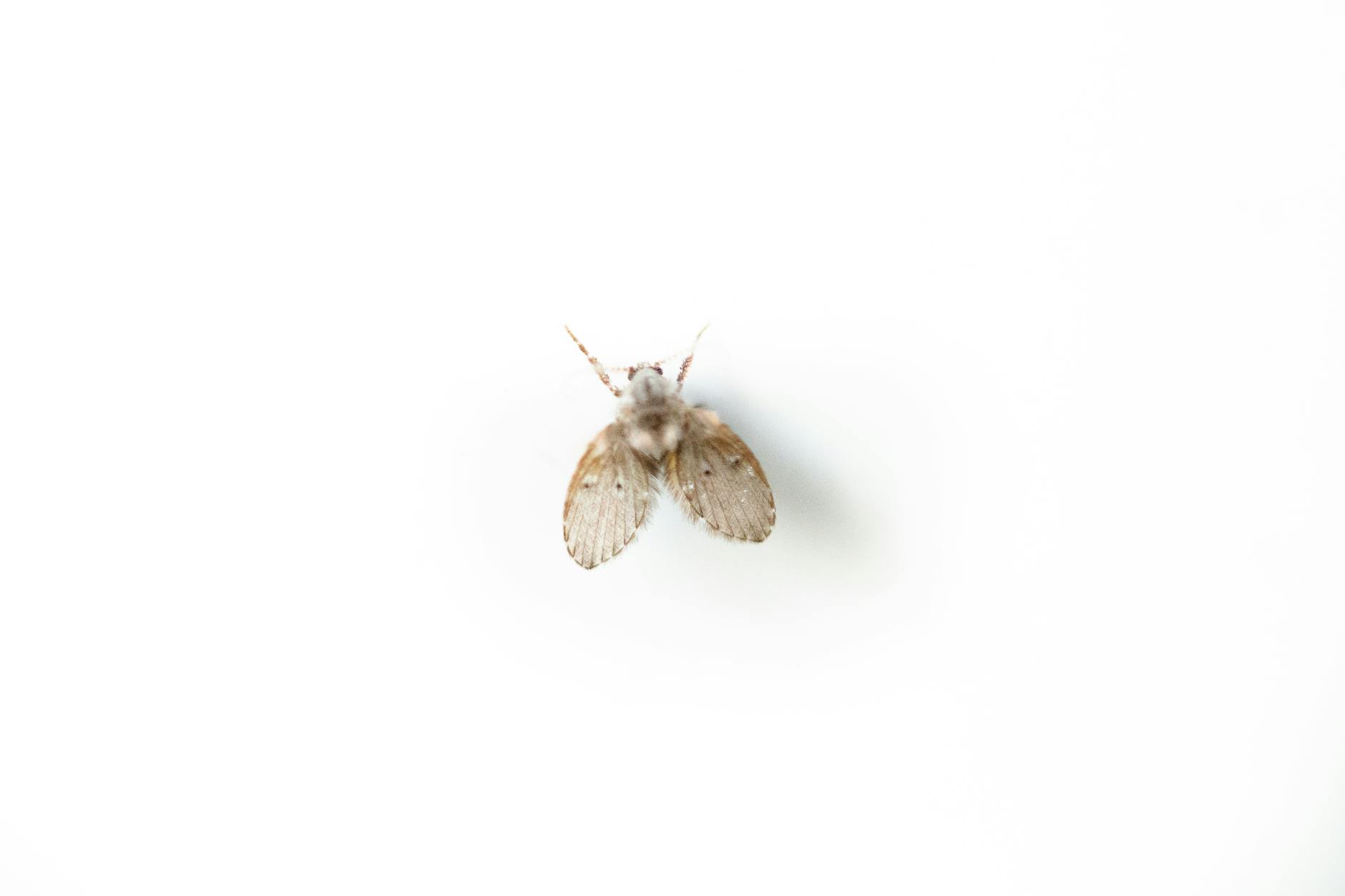
Whiteflies are tiny winged insects that gather in dense clouds on the undersides of leaves, feeding on plant sap and causing rapid deterioration. Affected plants often show yellowing, wilting, and premature leaf drop even when watering and nutrition appear adequate. Like aphids, whiteflies produce honeydew that coats foliage and invites fungal infections to take hold. They are particularly devastating to tomatoes, peppers, cucumbers, and ornamental flowering plants. Their waxy, scale-like nymphs are resistant to many treatments, making early detection and consistent management essential.
Spider Mites
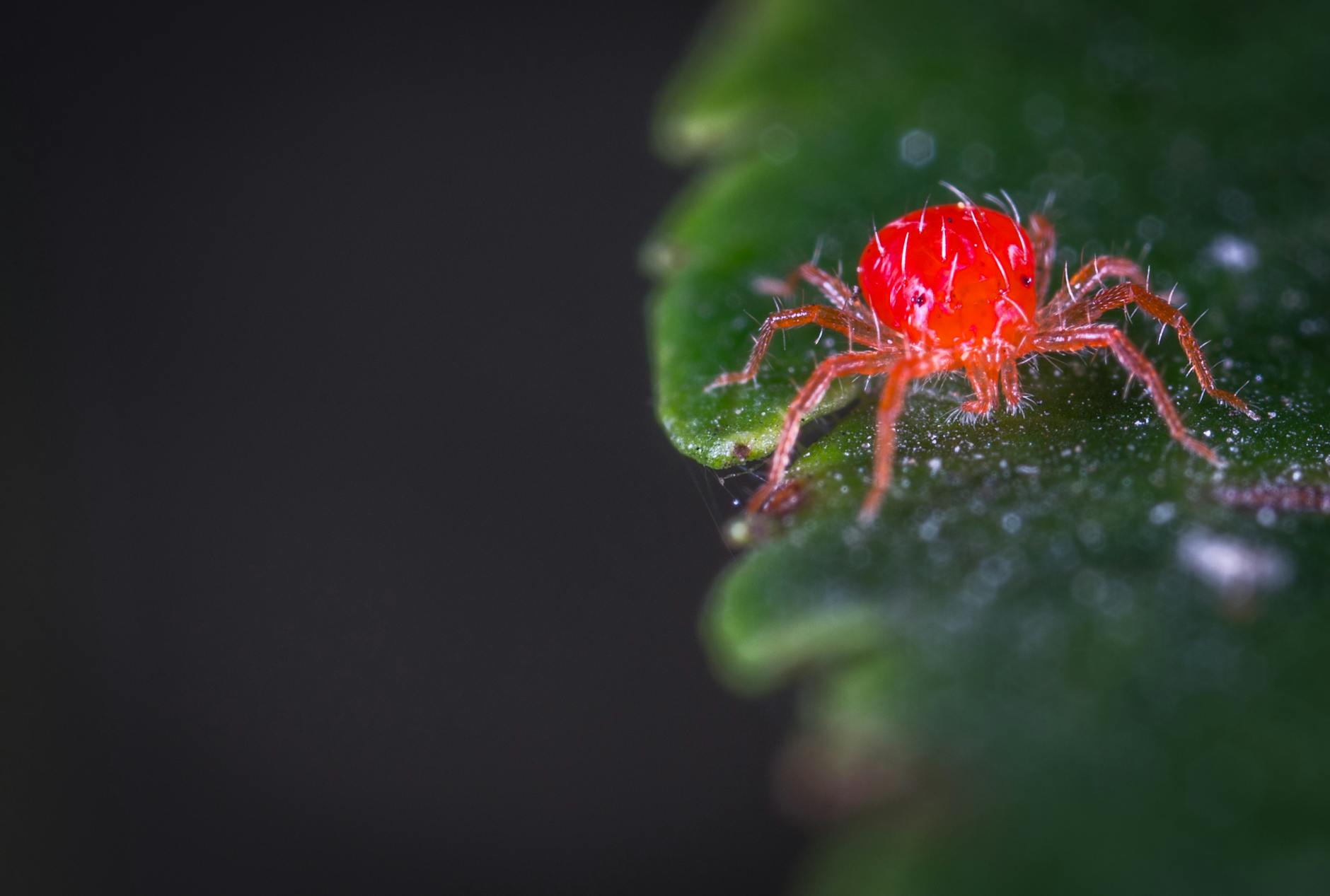
Spider mites are not technically insects but are among the most damaging arthropods found in home gardens worldwide. They are nearly invisible to the naked eye and typically go unnoticed until the plant shows stippled, bronzed, or silvery foliage. These mites feed on the cellular content of leaves, and heavy infestations can defoliate an entire plant within days during hot, dry weather. Fine webbing stretched across leaves and stems is often the first visible sign that a colony has established itself. They spread easily on clothing, tools, and the wind, allowing infestations to jump quickly from one plant to the next.
Fungus Gnats
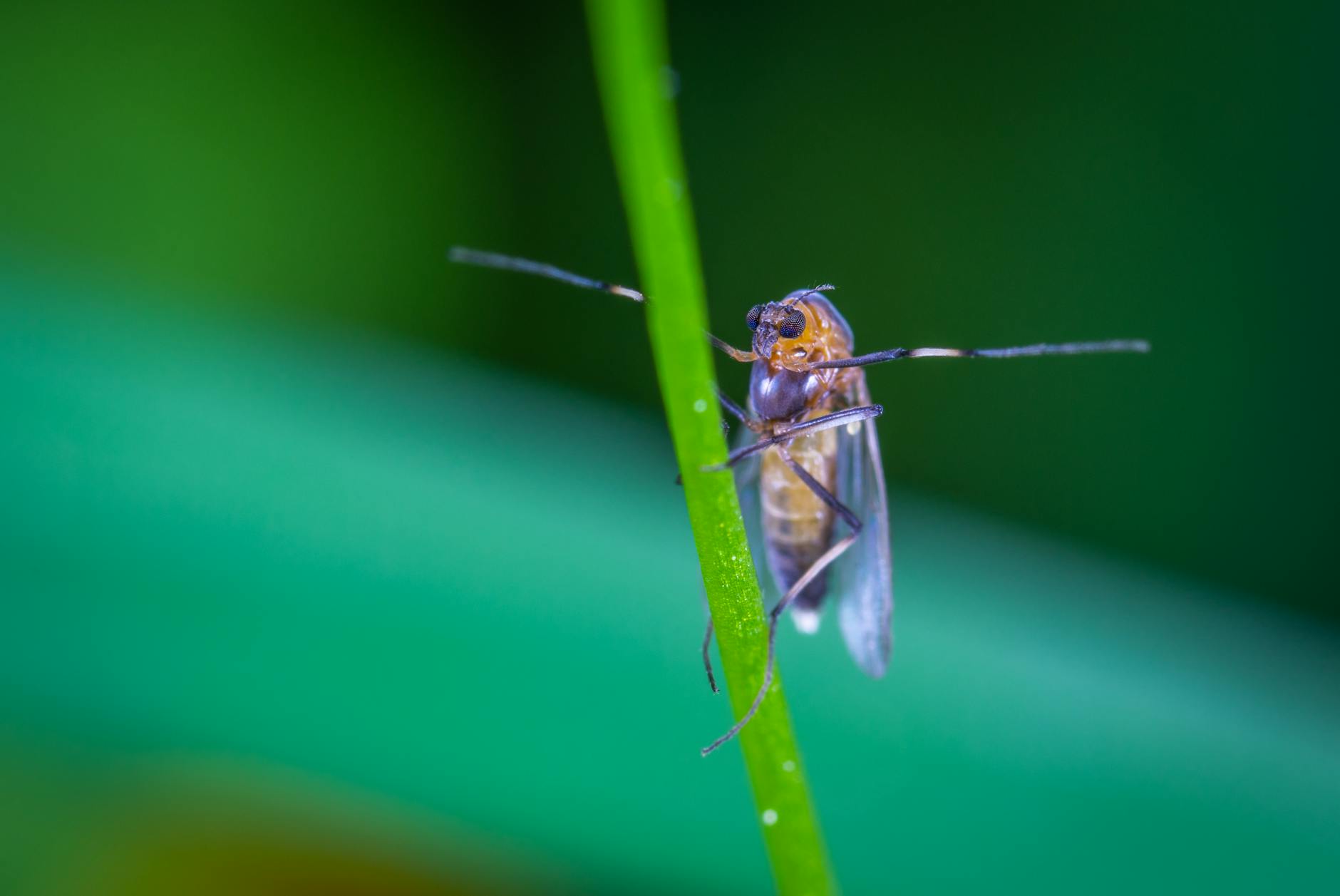
Fungus gnats are small, dark flies most commonly found hovering around the soil surface of potted plants and garden beds with high organic matter. While adult gnats are largely harmless, their larvae feed on plant roots and organic matter just below the soil surface, causing significant underground damage. Young seedlings and recently transplanted specimens are especially vulnerable to larval feeding, often wilting and collapsing without obvious above-ground cause. Overwatered or poorly drained soil creates ideal breeding conditions, allowing populations to multiply rapidly across an entire growing space. Persistent infestations weaken root systems and make plants far more susceptible to disease and environmental stress.
Thrips
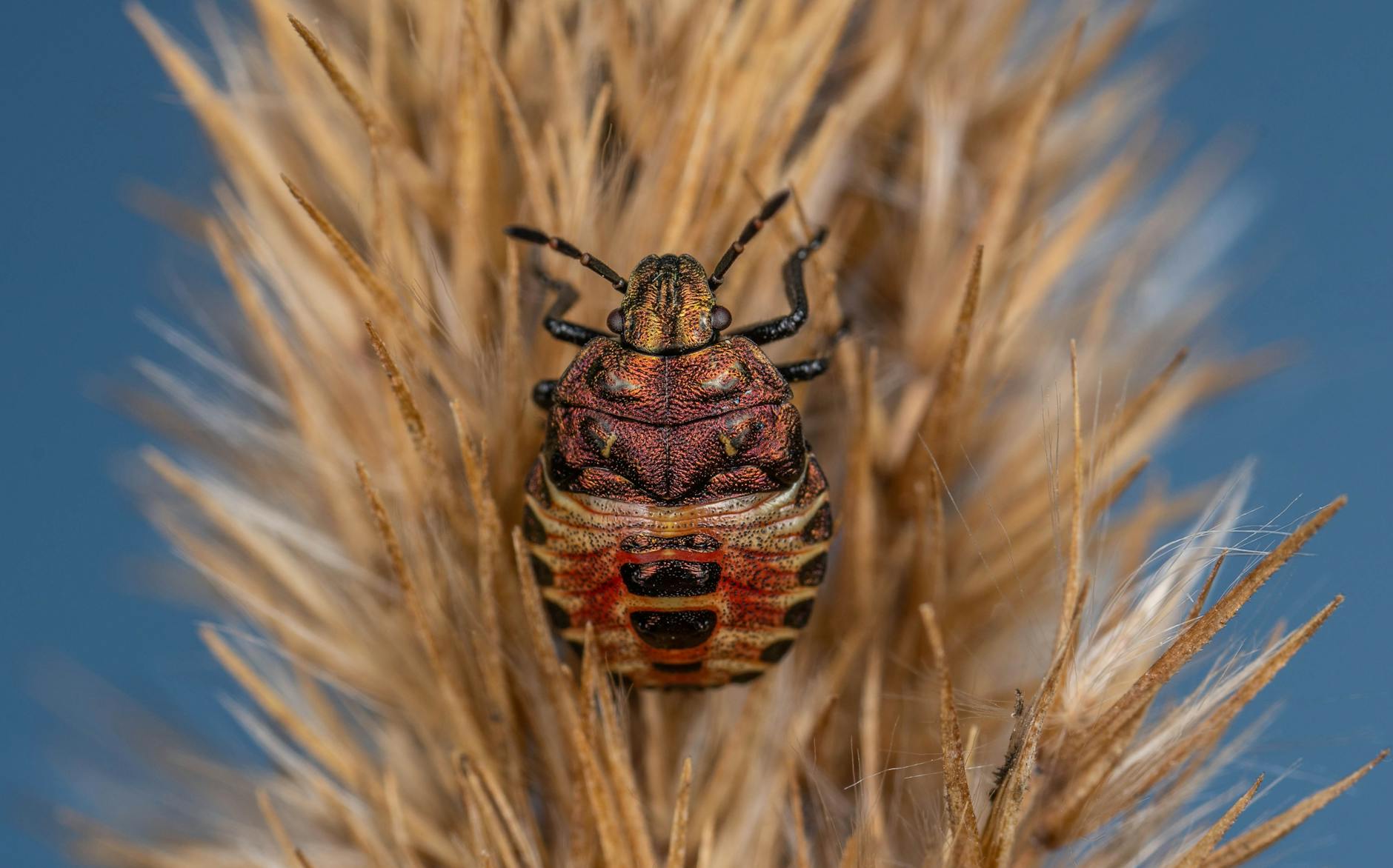
Thrips are slender, fast-moving insects barely visible without a magnifying lens, yet capable of causing extensive damage to flowers, foliage, and fruit. They rasp the surface of plant tissue to feed on the cell contents, leaving behind silvery streaks, scarring, and distorted growth. Many species also carry and transmit serious plant viruses that cannot be treated once a plant is infected. Ornamental plants such as roses, dahlias, and hostas are frequent targets, as are a wide range of fruiting vegetables. Because thrips hide deep within flowers and folded leaves, populations often reach damaging levels before a gardener notices any problem.
Scale Insects
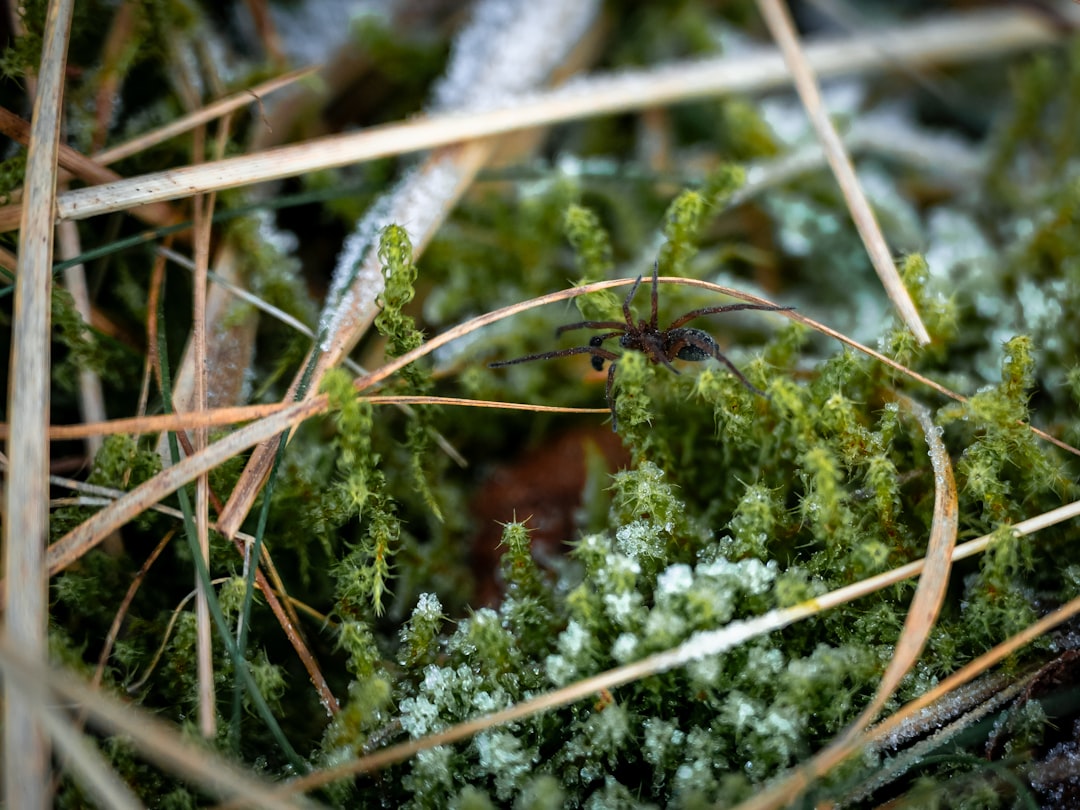
Scale insects attach themselves to stems, branches, and leaves where they feed continuously on plant sap beneath a hard or waxy protective covering. Their armor-like shells make them highly resistant to contact sprays and difficult to dislodge by hand. Over time, scale feeding causes yellowing leaves, stunted growth, and branch dieback that can spread throughout an entire shrub or tree. Fruit trees, citrus plants, and ornamental woody shrubs are particularly susceptible to severe infestations. Because they remain motionless for much of their life cycle, they are frequently mistaken for natural bark texture or harmless growths rather than active pests.
Mealybugs
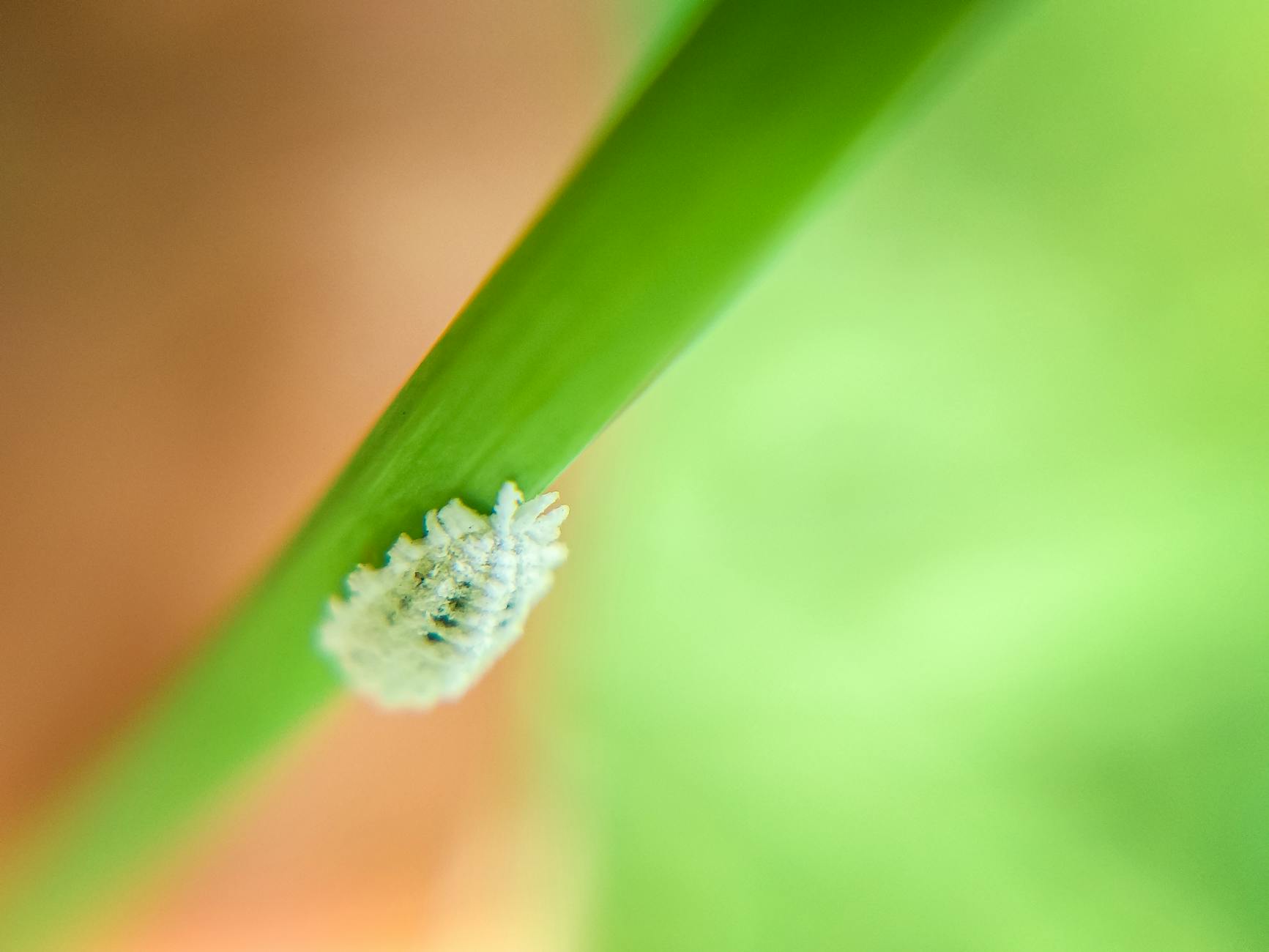
Mealybugs are soft, oval insects covered in a white, powdery wax that makes them appear almost decorative against green foliage. They colonize the joints of stems, leaf axils, and root zones, drawing sap and secreting honeydew that promotes mold growth on surrounding plant surfaces. Heavy infestations cause leaves to yellow and drop, and can eventually kill even established perennials and shrubs if left unmanaged. They are particularly problematic in warm, sheltered garden environments and can spread rapidly to neighboring plants through physical contact. Their waxy coating repels water and many pesticide formulations, making them among the most persistent pests a gardener can face.
Cutworms
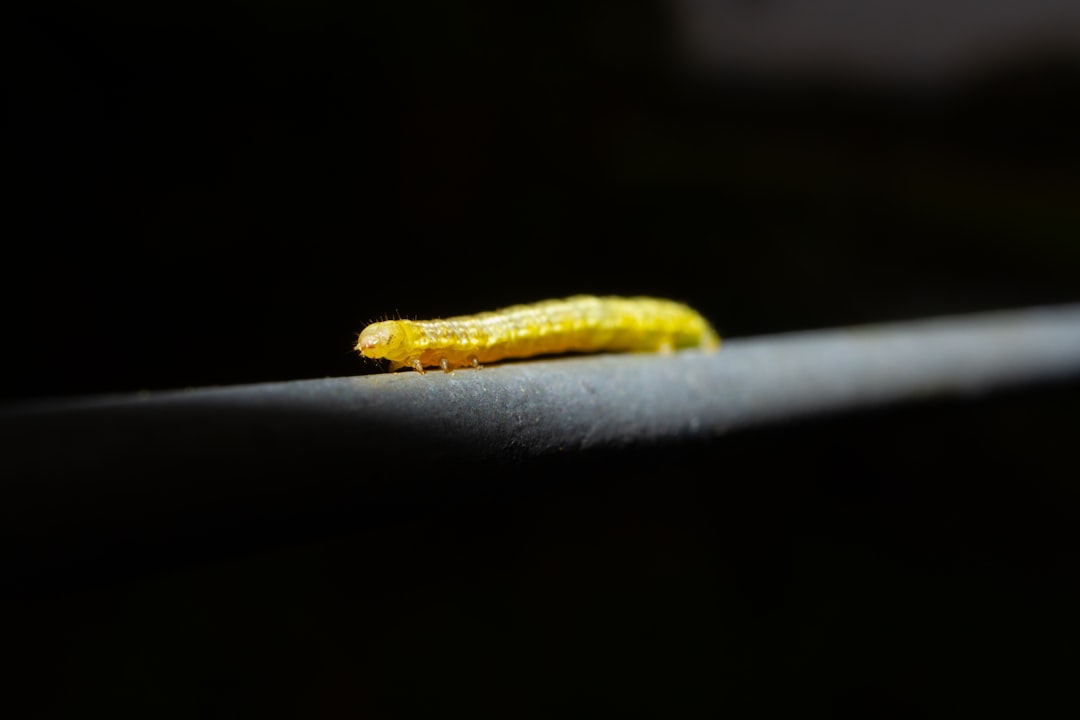
Cutworms are the larvae of several moth species that hide in the soil during the day and emerge at night to feed on plant stems at or just below the soil surface. Their damage appears suddenly and dramatically, with healthy seedlings found completely severed at the base seemingly overnight. They target a broad range of vegetables and flowering annuals, and a single cutworm can destroy multiple plants in a single feeding session. Because they remain underground during daylight hours, many gardeners search for disease or watering problems before identifying the true culprit. Raised beds and tilled soil near garden edges tend to harbor the highest populations.
Earwigs
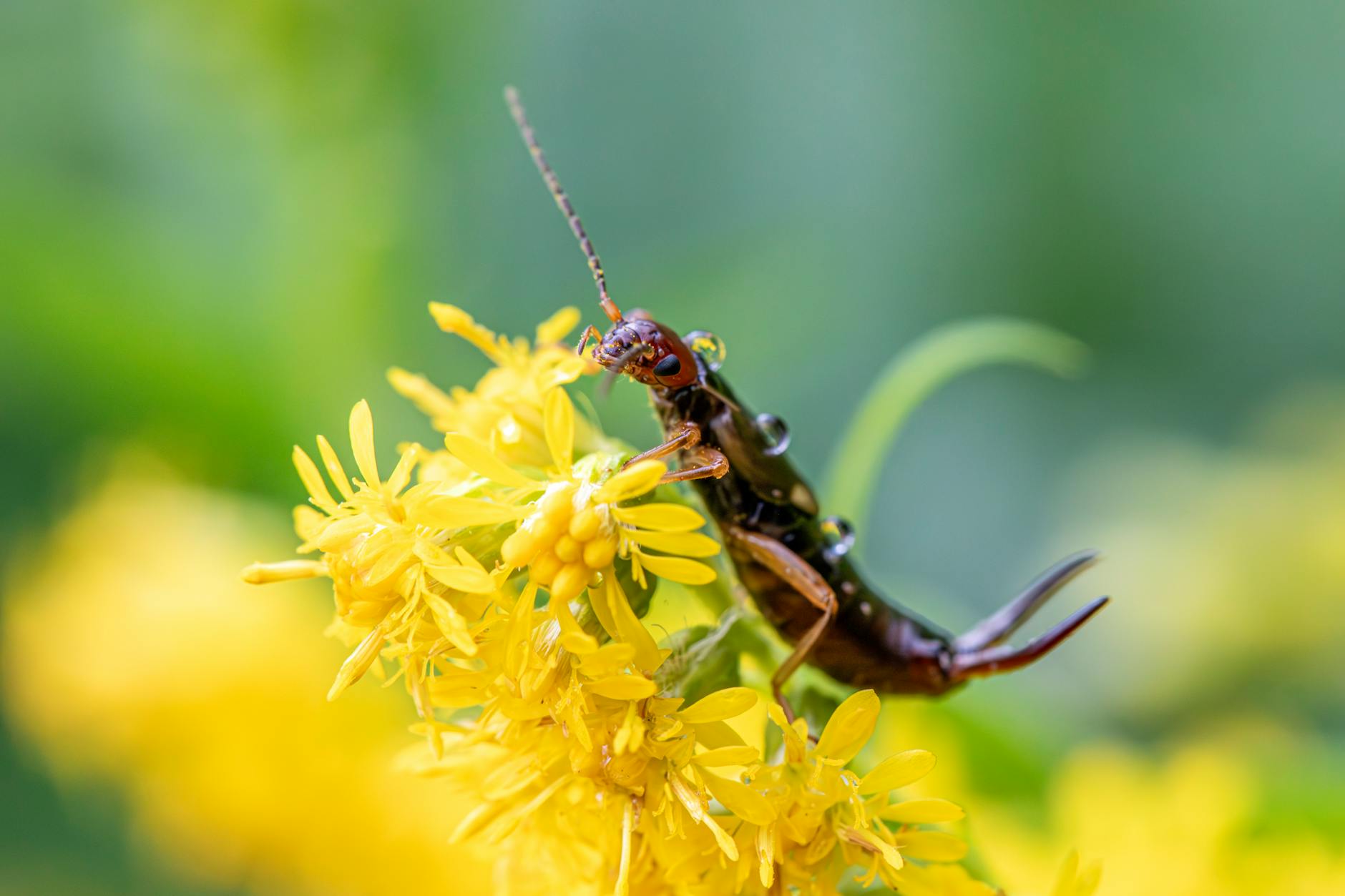
Earwigs are elongated, pincer-bearing insects that are often considered harmless scavengers, but in large numbers they cause considerable feeding damage to soft plant tissue. They chew irregular holes in leaves, flowers, and seedlings, particularly targeting plants such as dahlias, marigolds, lettuces, and strawberries. Their nocturnal habits mean that damage accumulates overnight and is often attributed to slugs or caterpillars rather than earwigs. During daylight hours they shelter in mulch, debris, and the crowns of plants, making them hard to locate and treat. A dense population can ruin an ornamental bed or vegetable crop with surprising speed, especially during warm and humid growing seasons.
Leafhoppers
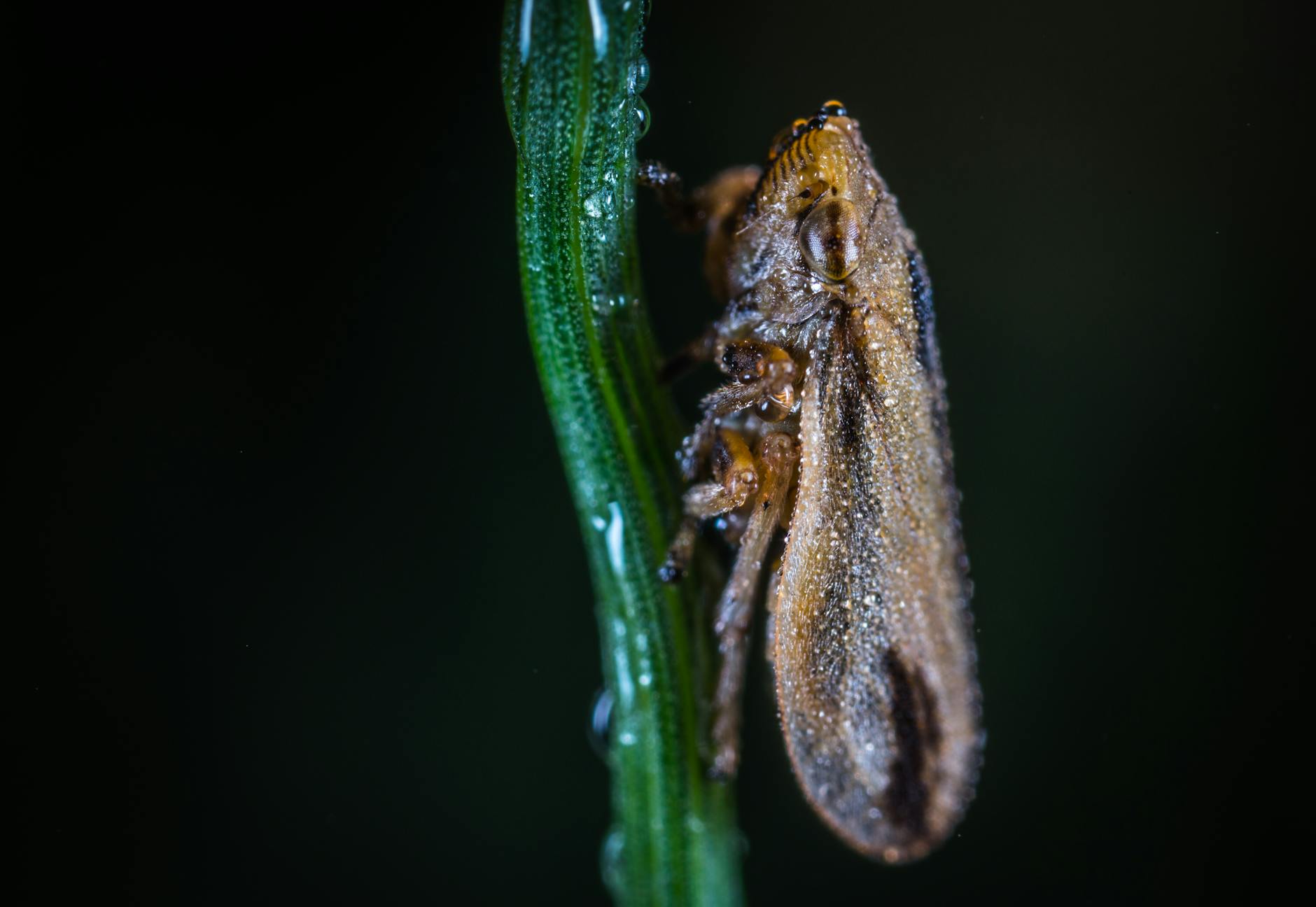
Leafhoppers are small, wedge-shaped insects that jump rapidly when disturbed and feed on the sap of a wide variety of garden plants. Their feeding causes a characteristic stippling or bleaching of leaf surfaces, and heavily infested plants may show general decline, curling, and reduced productivity. Beyond direct feeding damage, many leafhopper species transmit plant viruses and phytoplasmas that are incurable and can spread throughout a garden with devastating effect. They are particularly active during summer months and tend to thrive in warm, dry conditions that many gardens experience during peak growing season. Because they are fast and mobile, controlling populations requires persistent monitoring and timely intervention.
Vine Weevils
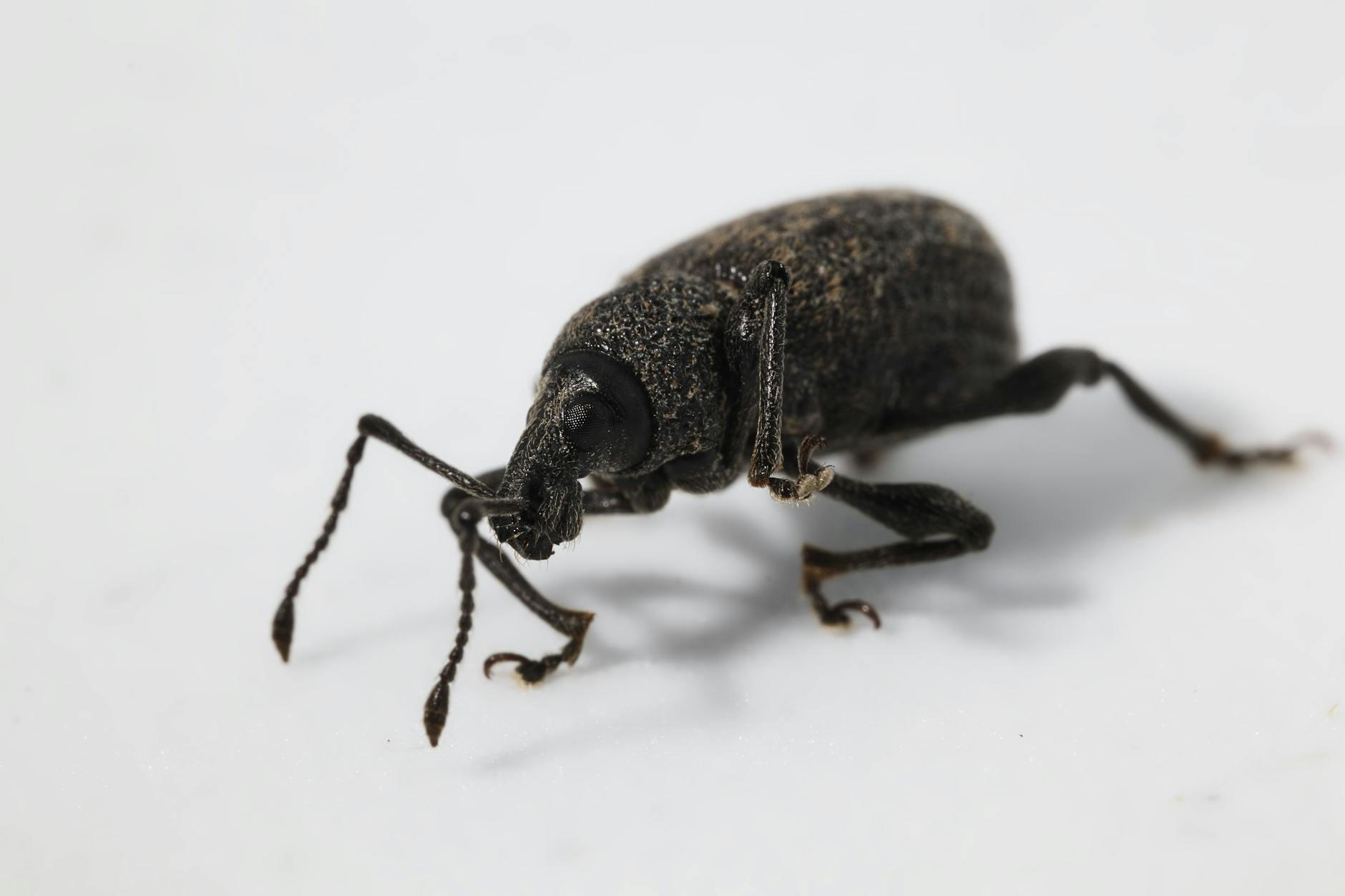
Vine weevils are slow-moving, dull-colored beetles whose adult stage notches the edges of leaves on a wide range of ornamental plants. The real danger, however, comes from their creamy white larvae, which live in the soil and feed voraciously on plant roots from late summer through spring. Potted plants are especially vulnerable because larvae can consume the entire root system before visible symptoms appear above ground. By the time a plant wilts and collapses, the root damage is often too severe to reverse. Strawberries, hostas, heucheras, and container-grown shrubs suffer particularly high losses when vine weevil populations go undetected.
Leaf Miners
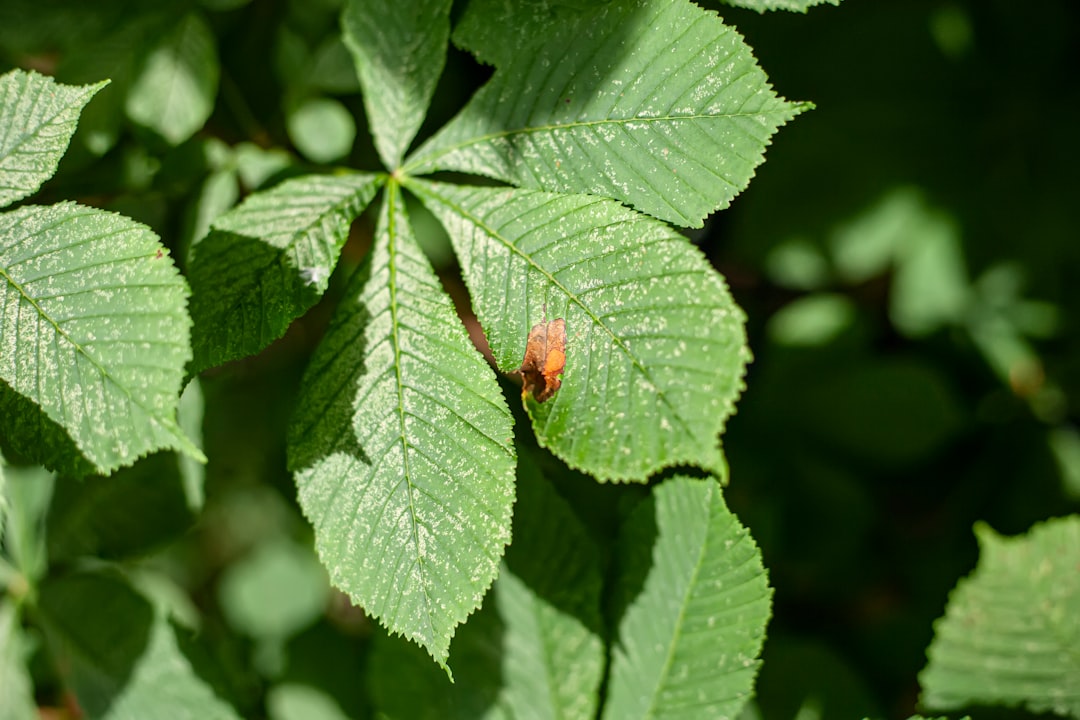
Leaf miners are the larvae of various flies, moths, and beetles that tunnel through the interior of leaves, feeding on the tissue between upper and lower leaf surfaces. Their activity creates distinctive pale, winding trails or blotched patches that are easily visible against the green of healthy foliage. While a small amount of leaf mining rarely kills a plant outright, severe infestations reduce the plant’s ability to photosynthesize and significantly weaken its overall health. Vegetables such as spinach, chard, and tomatoes, as well as ornamental trees and shrubs, are commonly affected. Because the larvae feed inside the leaf tissue, they are protected from many surface-applied treatments, making prevention and early removal of affected leaves the most effective approach.
Slugs
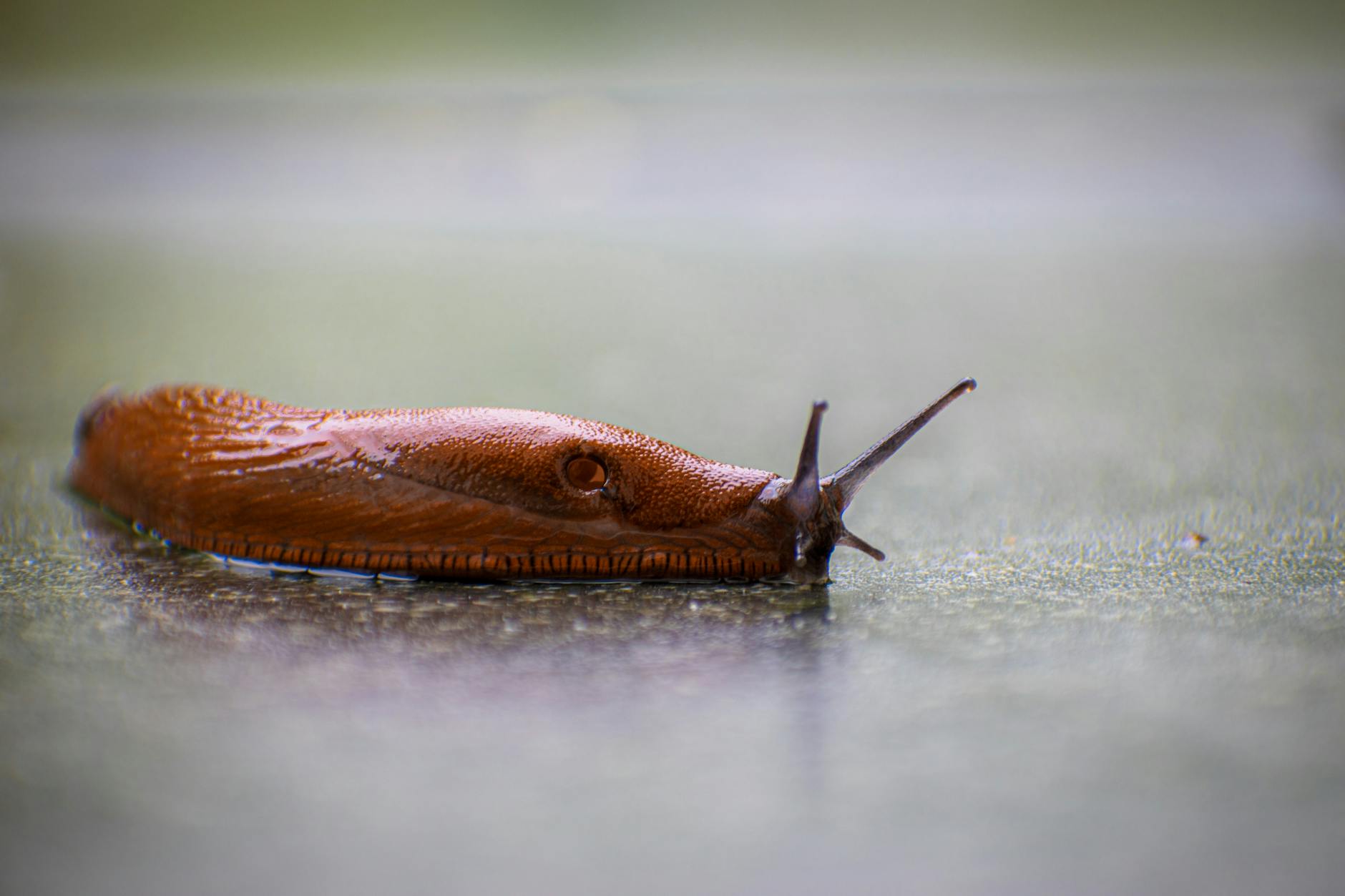
Slugs are soft-bodied mollusks that thrive in moist, shaded garden conditions and emerge primarily at night to feed on a vast range of plant material. They chew large, irregular holes through leaves, stems, flowers, and fruit, and can strip a young plant to the soil line in a single night. Seedlings, hostas, lettuces, and strawberries are among their favorite targets, though almost no garden plant is entirely safe from attack. Their slimy mucus trails are one of the few daytime clues to their presence, since they hide under debris, stones, and dense vegetation during the day. In gardens with heavy clay soil or frequent rainfall, slug populations can reach damaging levels very quickly if left unchecked.
Cabbage Worms
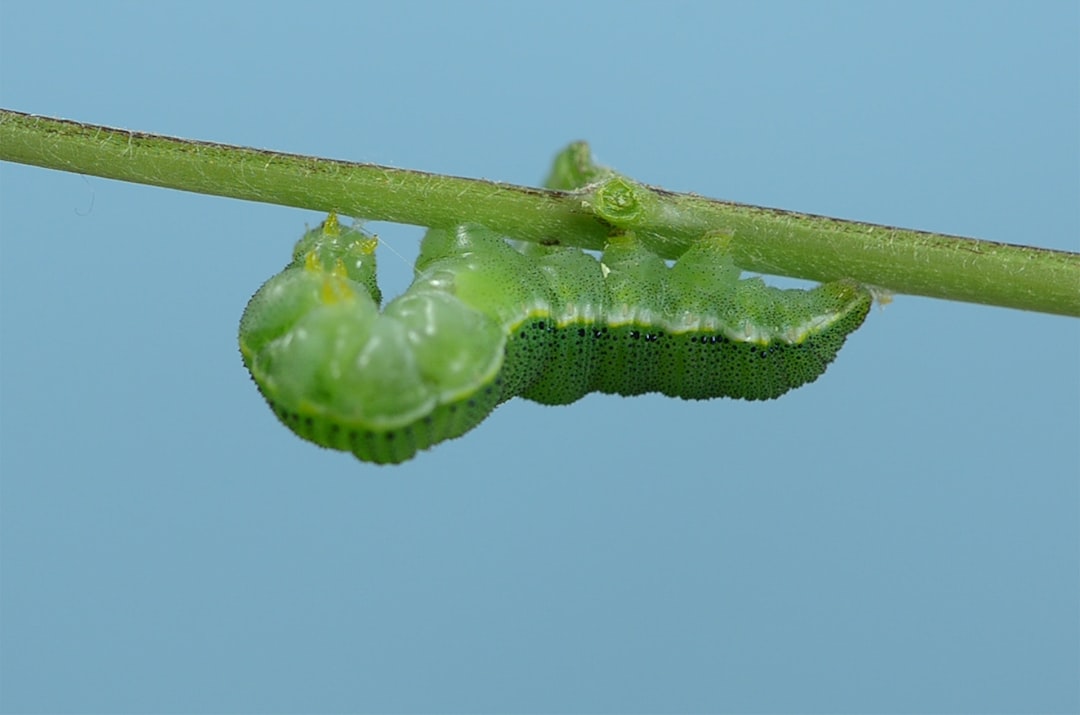
Cabbage worms are the larvae of the common cabbage white butterfly, and despite their unremarkable appearance they are capable of destroying brassica crops with remarkable efficiency. They blend almost perfectly with the green leaves of cabbages, broccoli, kale, Brussels sprouts, and cauliflower, making them easy to miss during routine garden checks. Their feeding creates ragged holes throughout the leaves and, more critically, tunnels into the hearts of heading crops where damage goes unnoticed until harvest. Their frass contaminates surrounding plant material and can attract secondary disease and bacterial infections. A single generation can reduce an entire brassica bed to skeletal remnants if populations are not identified and addressed promptly.
Ants
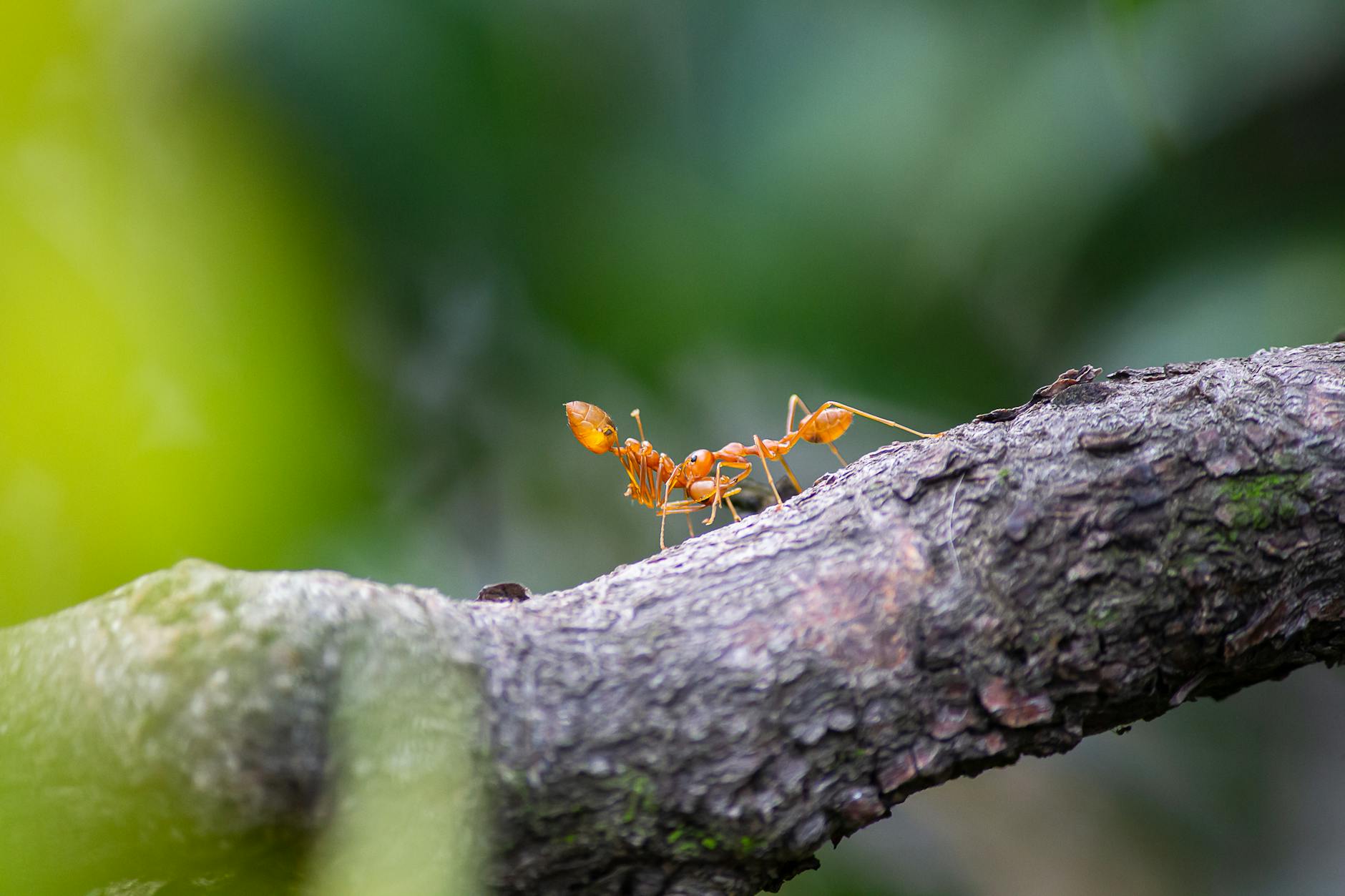
Ants are widely regarded as harmless garden visitors, yet their presence often signals and actively worsens some of the most damaging pest infestations a garden can experience. Many ant species farm aphids, mealybugs, and scale insects for their honeydew secretions, protecting these pests from predators and transporting them to fresh plant growth throughout the garden. In doing so, ants effectively expand and sustain infestations that would otherwise be controlled by natural predators such as ladybirds and lacewings. Some species also excavate soil around plant roots during nest construction, disrupting root systems and causing plants to dry out and destabilize. Addressing an ant problem alongside the sap-feeding pests they protect is often essential to breaking the cycle of recurring infestations.
Which of these garden pests have you spotted in your outdoor space, and what methods have worked best for keeping them under control? Share your experience in the comments.




