
The human body is remarkably skilled at sending signals long before a condition becomes critical. Many people dismiss everyday discomforts as minor inconveniences, fatigue, or simply the result of a busy lifestyle. Yet some of the most ordinary-seeming symptoms can point to underlying health issues that deserve professional attention. Understanding the difference between truly harmless sensations and meaningful warning signs can be genuinely lifesaving. This guide walks through thirty commonly overlooked symptoms and the serious conditions they may sometimes indicate.
Frequent Hiccups

Hiccups that last more than 48 hours are considered persistent and warrant a medical evaluation. In some cases, prolonged hiccups can signal irritation of the phrenic nerve, which runs close to several vital organs. Conditions such as gastroesophageal reflux disease, central nervous system disorders, and even certain tumors have been associated with this symptom. A doctor may order imaging or blood work to rule out structural causes. Most people assume hiccups are always harmless, but duration is the key factor to monitor.
Excessive Thirst

Feeling unusually thirsty even after drinking adequate fluids can be one of the earliest signs of type 2 diabetes. The kidneys work overtime to filter excess blood sugar, pulling fluids from tissues and triggering constant thirst signals. Polydipsia, the medical term for abnormal thirst, is also associated with diabetes insipidus, a rare hormonal disorder affecting fluid regulation. Certain medications and kidney disease can produce the same effect. Anyone experiencing persistent thirst alongside frequent urination should consult a healthcare provider promptly.
Leg Cramps

Occasional leg cramps are common, but frequent or severe cramping may point to deeper circulatory or neurological concerns. Peripheral artery disease restricts blood flow to the lower limbs and often manifests first as cramping during movement or at night. Low levels of potassium, calcium, or magnesium can also trigger muscle spasms with surprising regularity. In pregnant individuals, severe leg cramps may sometimes be linked to deep vein thrombosis. Tracking the frequency, location, and timing of cramps helps a physician identify patterns worth investigating.
Sudden Weight Loss

Losing weight without changing diet or exercise habits is a symptom that should never be ignored. Unexplained weight loss of more than five percent of body weight over six to twelve months is a recognized red flag in medical guidelines. It can be associated with hyperthyroidism, uncontrolled diabetes, inflammatory bowel disease, or in some cases malignancies. The body may be burning through reserves due to an undiagnosed condition driving elevated metabolic activity. Early diagnosis dramatically improves outcomes for most of the underlying causes.
Persistent Bloating

Bloating after meals is expected, but bloating that occurs daily and does not resolve is a different matter entirely. Chronic abdominal distension has been linked to ovarian cancer, particularly in women over 50 who experience it alongside pelvic discomfort. It can also signal celiac disease, liver disease, or intestinal obstruction depending on accompanying symptoms. When bloating is accompanied by appetite changes or unexplained weight shifts, further investigation becomes urgent. A gastroenterologist or gynecologist can help determine the appropriate diagnostic path.
Brain Fog

A persistent sense of mental cloudiness or difficulty concentrating is often attributed to stress or poor sleep. However, brain fog lasting weeks or months may indicate thyroid dysfunction, autoimmune disorders such as lupus, or early neurological changes. It is also a well-documented symptom of chronic inflammation and certain nutritional deficiencies including vitamin B12. Some individuals experience brain fog as a precursor to multiple sclerosis or as a symptom of cardiac conditions affecting cerebral blood flow. Cognitive testing and blood panels can help distinguish lifestyle-related fatigue from something more systemic.
Chronic Fatigue

Tiredness that sleep does not relieve is one of the most commonly dismissed yet medically significant symptoms a person can experience. Chronic fatigue syndrome affects millions and remains underdiagnosed partly because the symptom appears mundane on the surface. It is also a hallmark of anemia, heart failure, hepatitis, and adrenal insufficiency. When fatigue is accompanied by muscle pain, swollen lymph nodes, or low-grade fever, the clinical picture becomes more urgent. Comprehensive blood work is typically the first step in identifying the root cause.
Blurry Vision

Occasional blurring is often assumed to be eye strain from screens or the need for updated glasses. Yet sudden or progressive blurriness can be an early sign of diabetic retinopathy, multiple sclerosis, or a ministroke known as a transient ischemic attack. High blood pressure can cause changes to the blood vessels in the retina that are visible during a routine eye exam before any other symptoms appear. Glaucoma often develops silently and may only manifest as visual disturbance at an advanced stage. Annual eye exams serve as a valuable window into systemic health beyond vision alone.
Cold Hands

Persistently cold hands and feet, even in warm environments, may reflect more than a low circulation tendency. Raynaud’s phenomenon causes blood vessels to narrow dramatically in response to cold or stress, and it is frequently linked to autoimmune conditions including scleroderma and lupus. Hypothyroidism slows metabolic activity throughout the body and commonly presents with cold extremities as one of its first signs. Peripheral neuropathy caused by diabetes can also alter temperature sensation in the hands and feet. Noticing a pattern of coldness alongside other symptoms is worth raising with a physician.
Night Sweats

Waking up drenched in sweat unrelated to room temperature or heavy bedding is a symptom with a notably broad differential diagnosis. Night sweats are a recognized feature of lymphoma, tuberculosis, and HIV in their early stages. They are also strongly associated with hormonal imbalances including menopause and andropause, as well as with hyperthyroidism and certain medications. When they occur alongside unexplained weight loss and swollen lymph nodes, the combination becomes particularly significant from a clinical standpoint. Keeping a symptom diary can help a physician identify relevant patterns more efficiently.
Hair Loss

Losing between 50 and 100 hairs per day is considered normal, but shedding significantly beyond that threshold warrants attention. Diffuse hair thinning across the scalp is a classic symptom of thyroid disorders, both overactive and underactive varieties. Iron deficiency anemia, polycystic ovary syndrome, and autoimmune conditions such as alopecia areata are also common culprits. Certain infections, including fungal scalp conditions, can cause patchy loss that mimics stress-related shedding. Blood tests measuring thyroid hormones, ferritin levels, and androgen profiles are typically the starting point for evaluation.
Jaw Pain

Pain or tension in the jaw is frequently attributed to teeth grinding or temporomandibular joint dysfunction. However, jaw pain radiating to the left arm or chest in combination with other symptoms can be a warning sign of a cardiac event, particularly in women. Trigeminal neuralgia, a nerve disorder causing intense facial pain, is sometimes initially mistaken for dental problems and goes undiagnosed for years. Jaw pain can also accompany temporal arteritis, an inflammatory condition of the blood vessels that carries a risk of vision loss. Any jaw pain that does not resolve with dental treatment deserves broader medical evaluation.
Persistent Cough

A cough lasting more than three weeks is defined as chronic and should not be managed with over-the-counter remedies indefinitely. Chronic cough is a well-known symptom of asthma, gastroesophageal reflux disease, and post-nasal drip, but it also appears in the early stages of lung cancer. Heart failure can cause fluid to accumulate in the lungs, producing a persistent wet or productive cough even without obvious breathlessness. Certain blood pressure medications, specifically ACE inhibitors, are a commonly overlooked pharmaceutical cause. A physician will typically order a chest X-ray and spirometry as initial investigations.
Ringing Ears

Tinnitus, the perception of ringing, buzzing, or hissing in the ears without an external source, affects a significant portion of the adult population. While noise exposure is the most common cause, tinnitus can also signal high blood pressure, which places strain on the delicate blood vessels near the inner ear. Acoustic neuroma, a benign tumor on the auditory nerve, often presents with unilateral tinnitus as its first and only symptom for months or years. Meniere’s disease causes episodes of ringing alongside vertigo and progressive hearing loss. Sudden-onset tinnitus, especially in one ear, should prompt a prompt referral to an audiologist or ENT specialist.
Skin Itching

Generalized itching without a visible rash or skin condition is a symptom that the medical community takes seriously. Chronic pruritus of this kind has been associated with liver disease, kidney failure, and certain blood disorders including polycythemia vera and lymphoma. The liver plays a central role in filtering bile salts, and when this function is impaired, compounds accumulate in the bloodstream and trigger persistent itching. Thyroid dysfunction and iron deficiency can also present in this way. A skin condition must be ruled out first, but when none is found, systemic causes become the priority for investigation.
Swollen Ankles
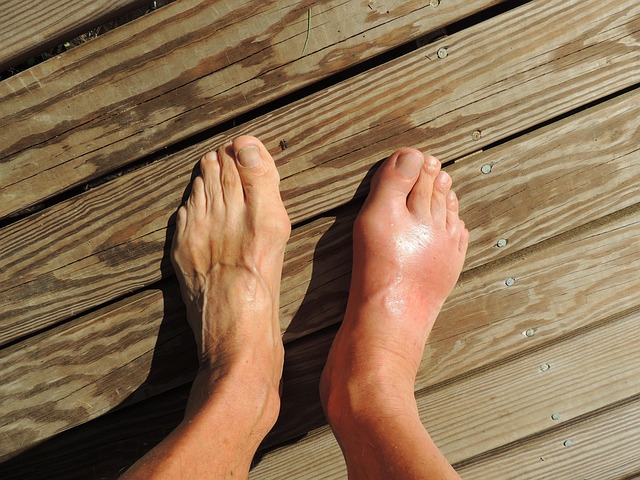
Mild ankle swelling at the end of a long day is generally benign, but swelling that persists or worsens over time carries greater significance. Bilateral ankle edema is a classic symptom of congestive heart failure, as the heart’s reduced pumping efficiency leads to fluid retention in the lower extremities. Kidney disease and liver cirrhosis also impair the body’s ability to regulate fluid balance and commonly produce ankle swelling as a result. Deep vein thrombosis should be considered when swelling is unilateral, warm, and accompanied by calf tenderness. Any unexplained or progressive swelling in the lower limbs merits prompt medical evaluation.
Shortness of Breath

Breathlessness during mild exertion that was previously effortless is not simply a sign of being out of shape. It can be an early indicator of heart disease, particularly in individuals with risk factors such as high blood pressure, high cholesterol, or a family history of cardiac events. Pulmonary embolism, a blood clot in the lungs, frequently presents as sudden unexplained breathlessness and is a medical emergency. Anemia reduces the blood’s oxygen-carrying capacity and produces breathlessness even at rest in severe cases. Anyone experiencing new or worsening breathlessness without an obvious explanation should seek evaluation without delay.
White Tongue

A thin white coating on the tongue can result from dehydration or mouth breathing, but a thick or persistent white coating tells a different story. Oral thrush, a fungal infection caused by Candida overgrowth, is more common in immunocompromised individuals and can indicate underlying conditions such as HIV or uncontrolled diabetes. Leukoplakia presents as white patches on the tongue that cannot be scraped away and is considered a precancerous lesion in some cases. Oral lichen planus, an inflammatory condition, can also produce a lacy white pattern on the tongue and inner cheeks. Any white patch lasting more than two weeks should be assessed by a dentist or oral medicine specialist.
Eye Floaters
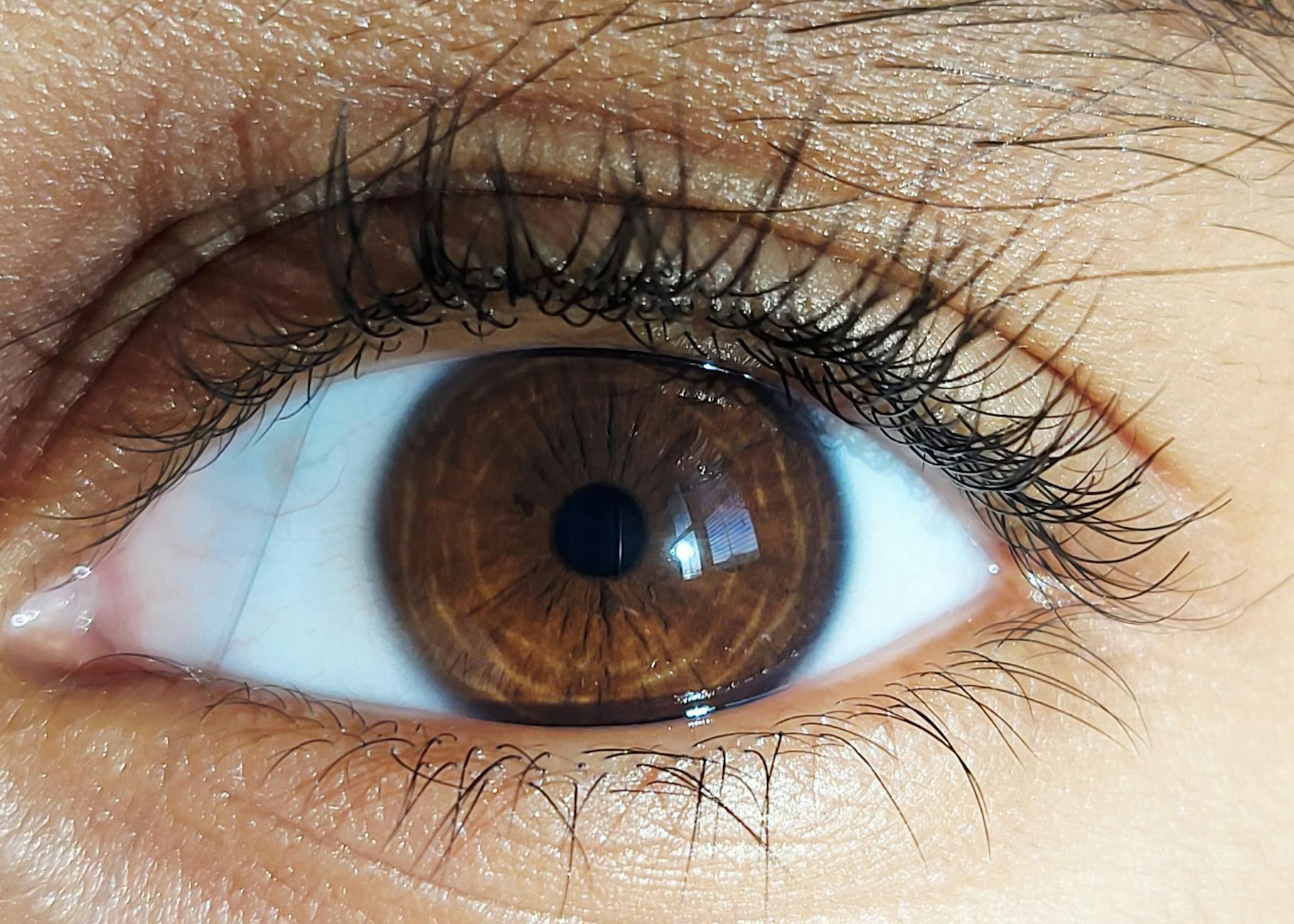
Small spots, threads, or shadows drifting across the visual field are known as floaters and are typically harmless age-related changes in the vitreous humor. However, a sudden increase in floaters, especially when accompanied by flashes of light or a shadow at the edges of vision, is a warning sign of retinal detachment. This condition requires urgent ophthalmological treatment to prevent permanent vision loss. Floaters can also accompany uveitis, an inflammatory eye condition linked to autoimmune disorders including sarcoidosis and ankylosing spondylitis. The distinction between benign and serious floaters is one that requires professional assessment rather than self-monitoring alone.
Eye Twitching

An occasional eyelid twitch is usually caused by fatigue, caffeine, or stress and resolves on its own. Persistent twitching affecting the muscles around the eye or face may indicate hemifacial spasm, a condition involving abnormal nerve compression near the brainstem. Blepharospasm, involuntary forceful blinking, is associated with certain neurological movement disorders and can progressively impair vision if left untreated. Magnesium deficiency has been linked to muscular hyperexcitability including eye twitching, though this is rarely the sole cause of persistent cases. Twitching that spreads beyond the eyelid or lasts more than a few weeks deserves neurological evaluation.
Dry Mouth

Feeling chronically thirsty and dry in the mouth despite adequate hydration is a symptom with several serious associations. Sjogren’s syndrome, an autoimmune disorder, attacks the glands responsible for saliva and tear production and is significantly underdiagnosed, particularly in women. Dry mouth is also a side effect of many medications, but when it occurs independently, it may point to nerve damage, diabetes, or HIV-related complications. Saliva plays a critical role in protecting against tooth decay and oral infections, so persistent dry mouth can lead to rapid dental deterioration as a secondary consequence. Identifying the underlying cause is essential to managing both the symptom and any associated conditions.
Yellow Skin

Yellowing of the skin or the whites of the eyes, known as jaundice, should always be evaluated by a medical professional without delay. In adults, jaundice typically signals a problem with liver function, bile ducts, or red blood cell breakdown. Hepatitis of viral or autoimmune origin is among the most common causes, as is gallstone obstruction of the bile duct. Pancreatic cancer frequently presents with painless jaundice as one of its earliest visible signs, making this a particularly important symptom to act on quickly. Blood tests assessing liver enzymes and bilirubin levels are typically the first step in determining the cause.
Brittle Nails

Nails that crack, peel, or break easily are often attributed to dehydration or excessive hand washing. However, persistent brittleness can be a marker of hypothyroidism, which slows the body’s metabolic processes and affects nail keratin production. Iron deficiency anemia classically presents with spoon-shaped or brittle nails alongside fatigue and pale skin. Fungal infections beneath the nail can cause thickening and fragility that mimics nutritional deficiency and may require antifungal treatment. Longitudinal ridges or color changes in the nail bed are additional features that help a dermatologist distinguish cosmetic concerns from systemic ones.
Dark Urine

Urine that appears significantly darker than pale yellow, especially in the absence of dehydration or certain foods, warrants attention. Brown or tea-colored urine can indicate liver or gallbladder disease, as bile pigments spill into the bloodstream and are excreted through the kidneys. Rhabdomyolysis, the breakdown of muscle tissue, produces dark urine as a result of myoglobin being filtered by the kidneys and can lead to acute kidney injury. Certain medications including some antibiotics and laxatives can alter urine color, but this should be confirmed with a prescribing physician. Persistent dark urine alongside fatigue, nausea, or abdominal pain requires same-day medical assessment.
Frequent Headaches

Headaches that occur more than fifteen days per month or that have changed in character from a person’s usual pattern require investigation. New or worsening headaches in people over 50 may indicate temporal arteritis, a condition that can lead to blindness if untreated. Hypertension is known to cause a specific type of dull, throbbing headache, particularly in the mornings before blood pressure medication is taken. Intracranial pressure from tumors or hydrocephalus can produce a progressive headache that worsens with lying down or straining. A sudden severe headache described as the worst of one’s life is treated as a medical emergency due to its association with subarachnoid hemorrhage.
Mood Swings

Emotional volatility or unexplained shifts in mood that feel disproportionate to circumstances can reflect more than stress or personality traits. Thyroid imbalances, both hypothyroidism and hyperthyroidism, have a well-established effect on emotional regulation and are among the most common correctable causes. Mood swings are also a feature of premenstrual dysphoric disorder, perimenopause, and hormonal conditions affecting the adrenal glands such as Cushing’s syndrome. In some cases, mood changes can be an early neurological signal preceding diagnoses such as bipolar disorder or early-onset dementia. A thorough hormonal panel and psychiatric screening can help distinguish physiological from psychological origins.
Back Pain

Lower back pain is one of the most prevalent reasons people visit a doctor, and most cases resolve with rest and physical therapy. However, back pain that is severe, worsens at night, is not relieved by lying down, or is accompanied by unexplained weight loss carries what clinicians call red flag features. Kidney infections and kidney stones can produce flank pain that mimics musculoskeletal back pain and may be mistaken for a pulled muscle. Abdominal aortic aneurysm, a dangerous bulging of the body’s main artery, sometimes presents as persistent deep back or abdominal pain. Spinal infections and metastatic cancer are among the serious causes that make red flag back pain a priority for imaging and investigation.
Numb Fingers

Tingling or numbness in the fingers is frequently associated with carpal tunnel syndrome or an awkward sleeping position. When it occurs persistently, affects specific nerve distribution patterns, or is accompanied by weakness, the differential expands considerably. Cervical spine disease causing nerve root compression can produce numbness radiating into specific fingers depending on the level of involvement. Multiple sclerosis often presents with sensory disturbances including numbness and tingling in the extremities as one of its earliest neurological features. Peripheral neuropathy from diabetes, vitamin B12 deficiency, or alcohol use is another common cause that benefits from early identification and management.
Pale Gums

Healthy gum tissue is a consistent pink color, and noticeable pallor in the gums or inside the mouth can mirror what is happening systemically. Pale gums are a recognized indicator of anemia, as reduced hemoglobin levels affect the color of all mucous membranes throughout the body. They can also reflect poor cardiovascular circulation, particularly in individuals with heart disease or severe hypotension. Nutritional deficiencies in iron, folate, or vitamin B12 are among the most correctable causes and are identifiable through standard blood tests. Dentists are often the first healthcare professionals to notice this sign, making routine dental visits an unexpected but valuable component of overall health monitoring.
Frequent Urination

Needing to urinate significantly more often than usual, particularly at night, is a symptom that frequently gets dismissed as a hydration quirk. Nocturia disrupting sleep more than once per night is associated with heart failure, diabetes, kidney disease, and bladder dysfunction. In men, prostate enlargement is the most common cause of frequent and urgent urination and can progress to complete urinary obstruction if untreated. Overactive bladder syndrome and interstitial cystitis are chronic conditions that significantly impair quality of life and often go undiagnosed for years. A urinalysis combined with a bladder diary provides physicians with the clearest initial picture of what is driving the pattern.
Share your experiences with any of these symptoms and whether they led to an important health discovery in the comments.




