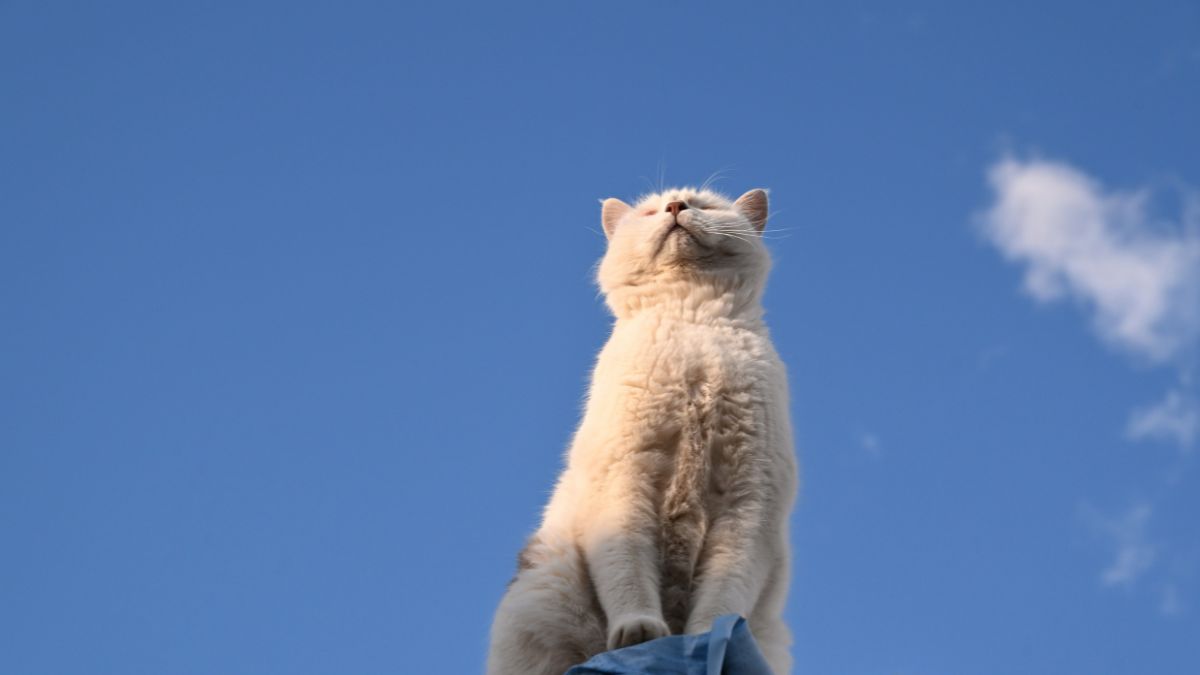
Cats are often celebrated for their independence, but beneath that composed exterior lies a sophisticated social creature with a clear sense of hierarchy. Domestic cats have retained many of the behavioral traits of their wild ancestors, and they use these instincts to navigate their relationships with humans and other animals alike. Understanding the subtle ways a cat communicates its authority can deepen the bond between owner and pet. Many of these behaviors are so quiet and understated that they go completely unnoticed in everyday life. Once recognized, however, they paint a fascinating portrait of a creature who has always known exactly who is in charge.
The Slow Blink
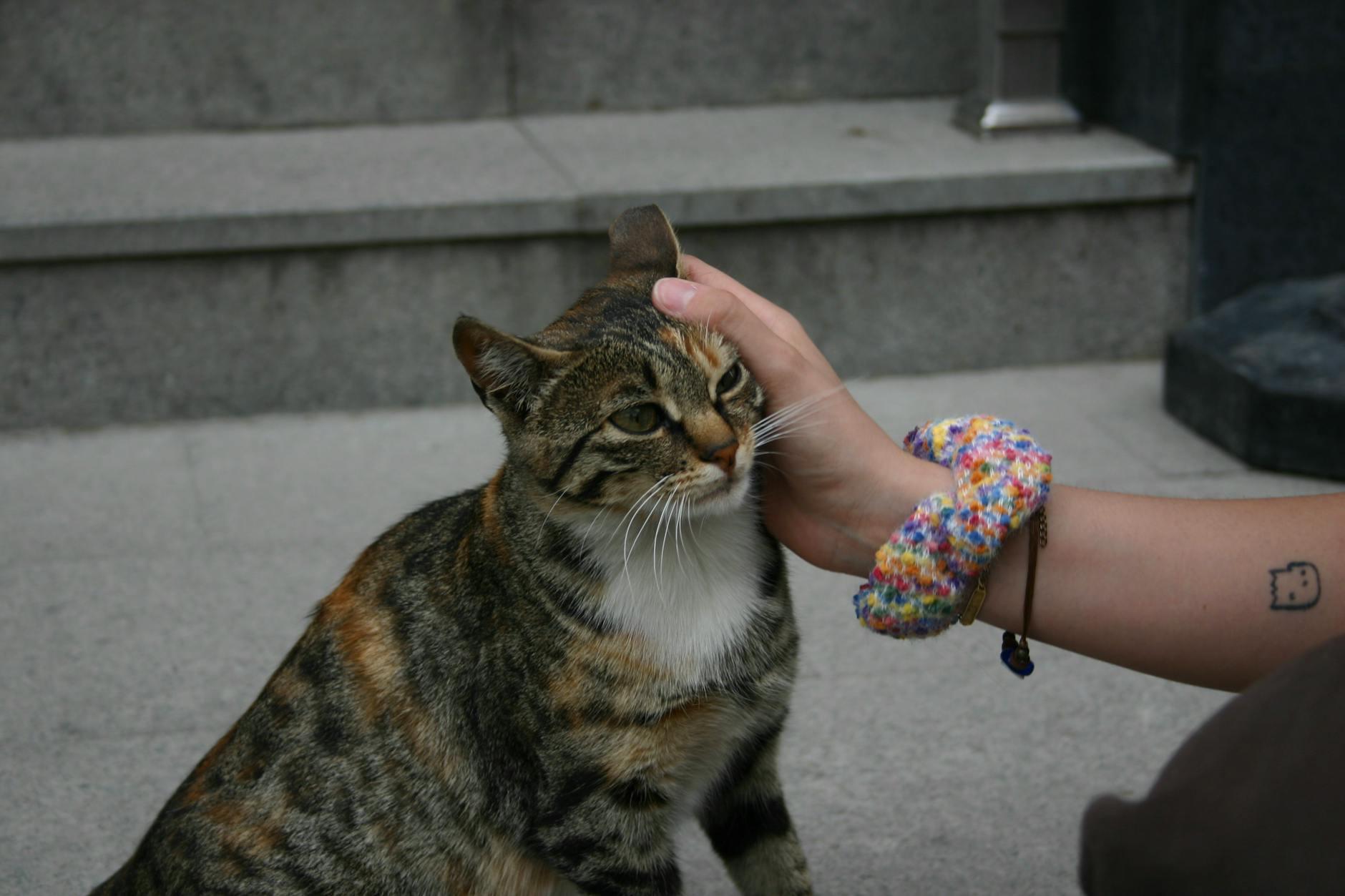
Cats use prolonged, deliberate eye contact as a form of social currency, and the slow blink is one of the most telling expressions of feline confidence. When a cat holds your gaze and blinks slowly, it is signaling that it feels entirely secure and in control of the environment. This behavior is typically directed at those the cat considers subordinate or non-threatening. It functions as a kind of benevolent acknowledgment rather than an act of aggression. The cat is essentially communicating that it is at ease precisely because it holds the upper hand.
Kneading
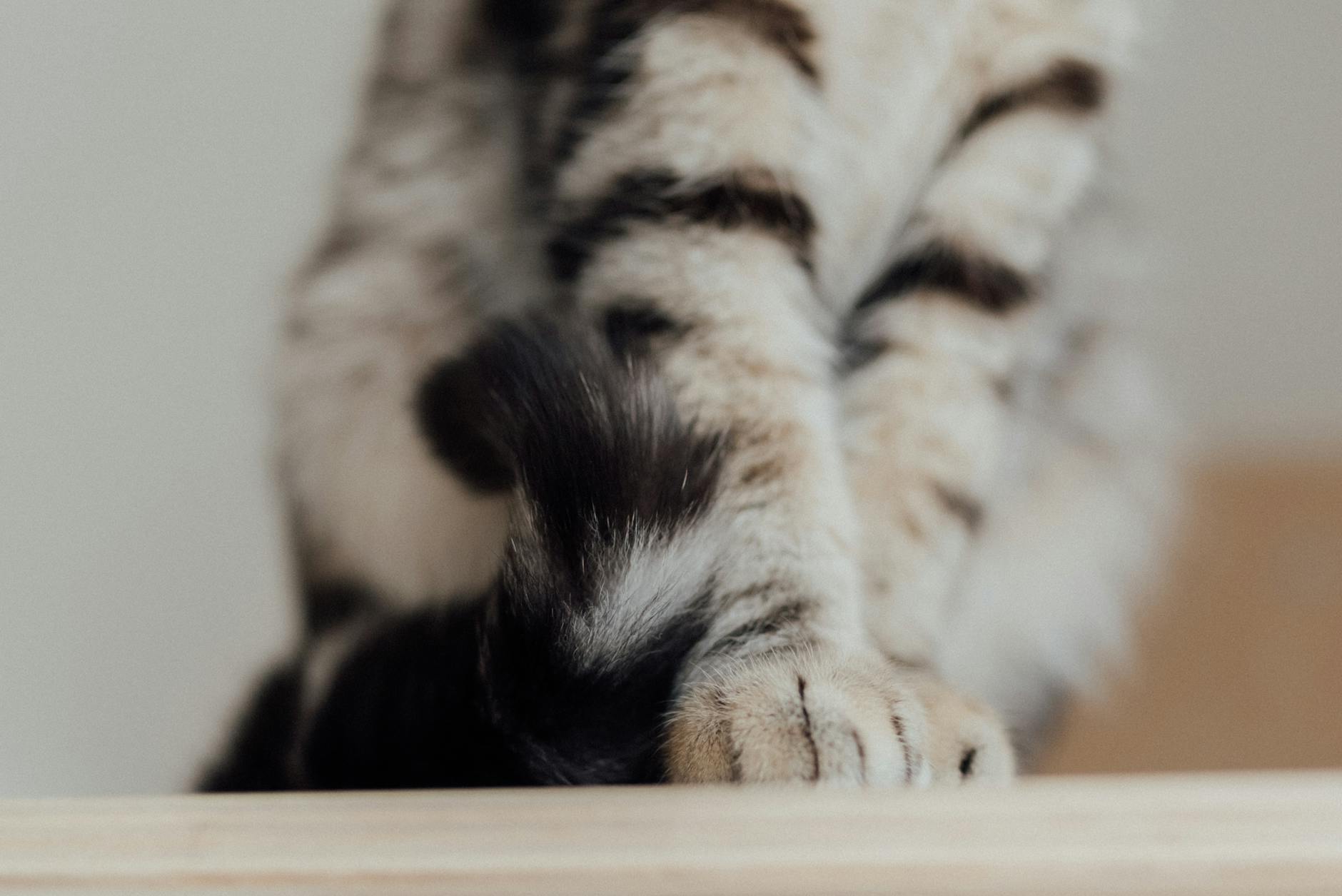
Kneading, the rhythmic pushing of paws against a soft surface, is a behavior rooted in kittenhood but carries a clear territorial message in adult cats. When a cat kneads your lap or a favored blanket, it is activating scent glands located in its paw pads. This deposits its unique chemical signature onto the surface and, by extension, onto you. The act is a subtle form of ownership, marking what the cat considers its personal territory. A cat that kneads you regularly has decided, in the most affectionate of terms, that you belong to it.
Head Bunting
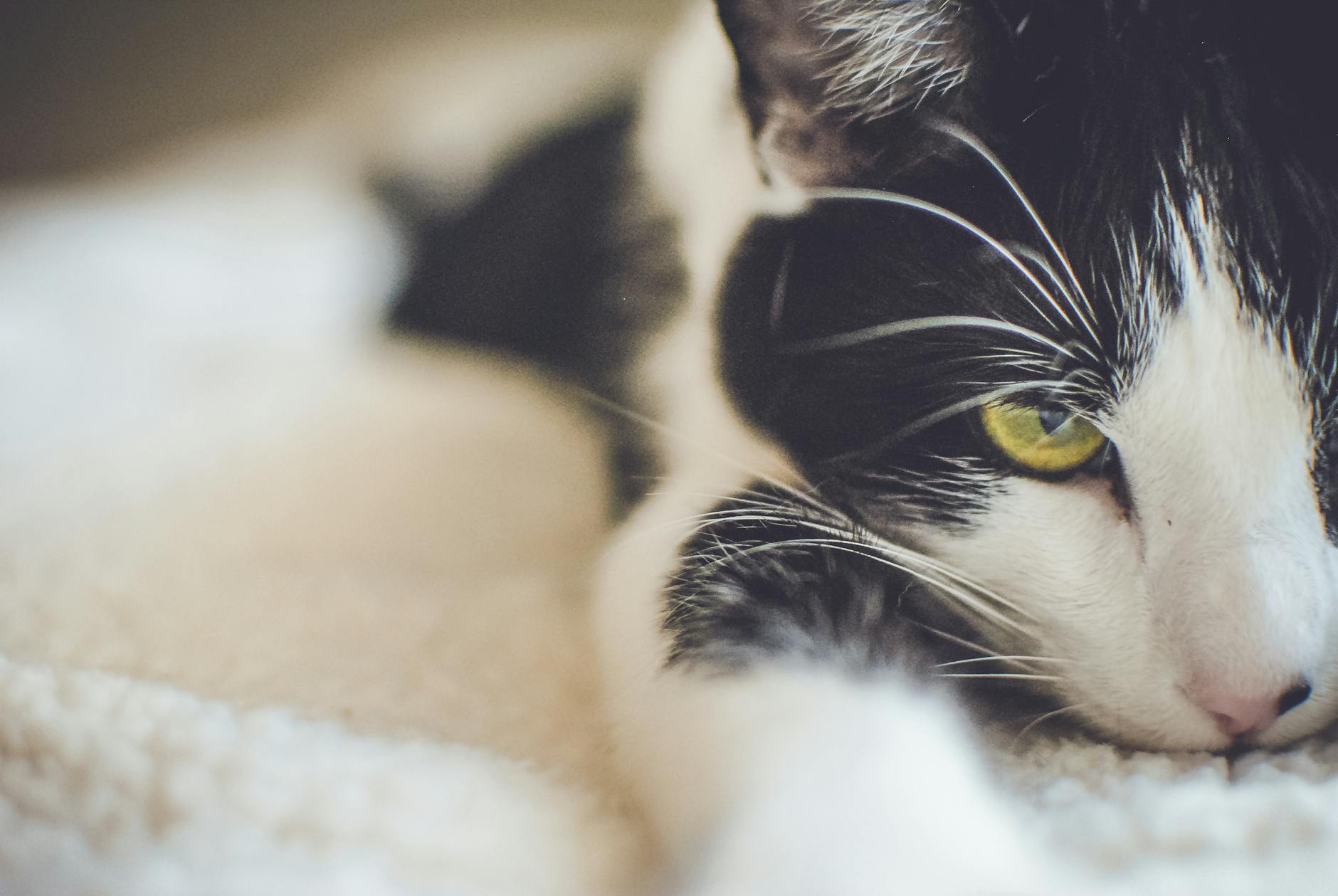
Head bunting, the act of pressing the forehead or cheeks against a person or object, is one of the most direct methods a cat uses to establish ownership. Scent glands are concentrated along the temples, cheeks, and chin, and rubbing these areas transfers the cat’s pheromones to whatever it touches. When a cat bunts against your face or hands, it is registering you as part of its personal domain. This behavior is reserved for individuals the cat has chosen to claim, which makes it both an honor and a quiet power move. The cat is not simply showing affection but actively marking its territory in plain sight.
Tail Positioning
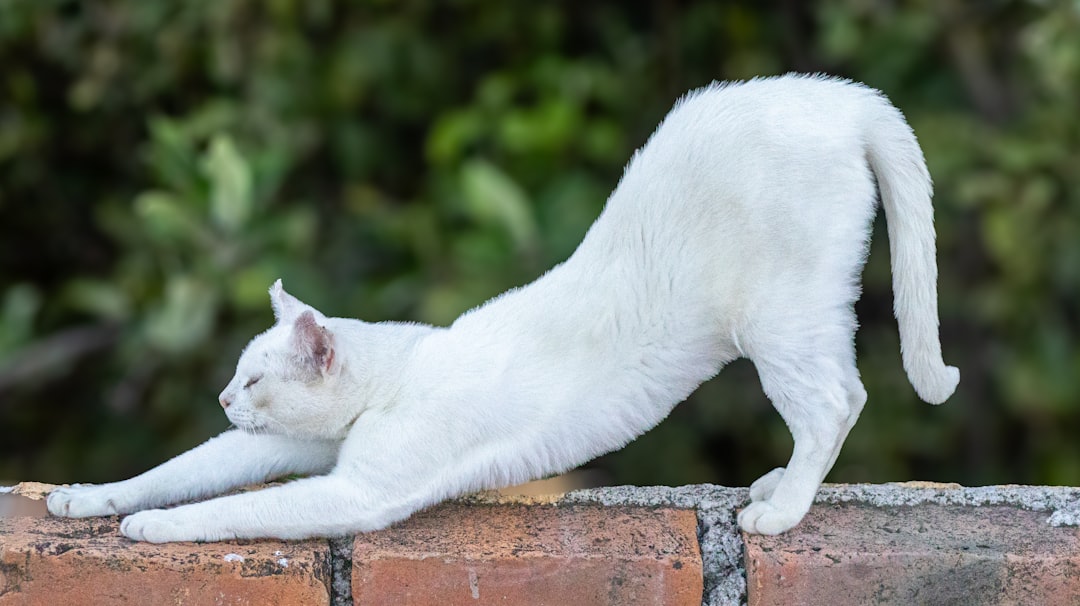
A cat’s tail is one of its most expressive communication tools, and its position reveals a great deal about how the cat perceives its status in any given moment. A tail held high and perfectly vertical is a confident declaration that the cat is dominant and entirely comfortable in its surroundings. When the tail curls slightly at the tip while held upright, the cat is projecting a calm but unmistakable sense of authority. Cats that consistently walk with their tails raised high are asserting their rank with every step they take. This posture is used both with other animals and with humans, making it one of the most universal signals in feline body language.
Blocking Pathways
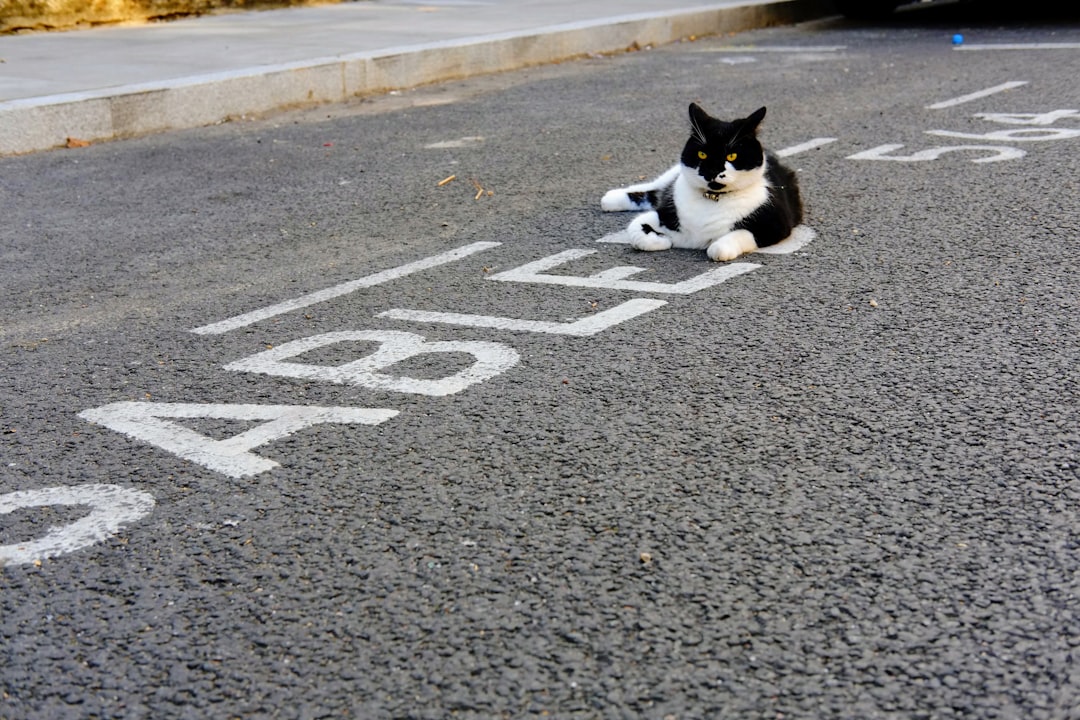
A cat that positions itself in a doorway, hallway, or at the top of a staircase and refuses to move is engaging in a classic act of spatial dominance. By controlling access to key areas of the home, the cat is asserting authority over the household’s physical layout. This behavior mimics territorial strategies observed in wild felines, where holding prime locations signals rank within a group. The cat rarely shows aggression in these moments, relying instead on sheer stillness and presence to make its point. It fully expects other household members to navigate around it, and in most cases, they do.
Ignoring Commands
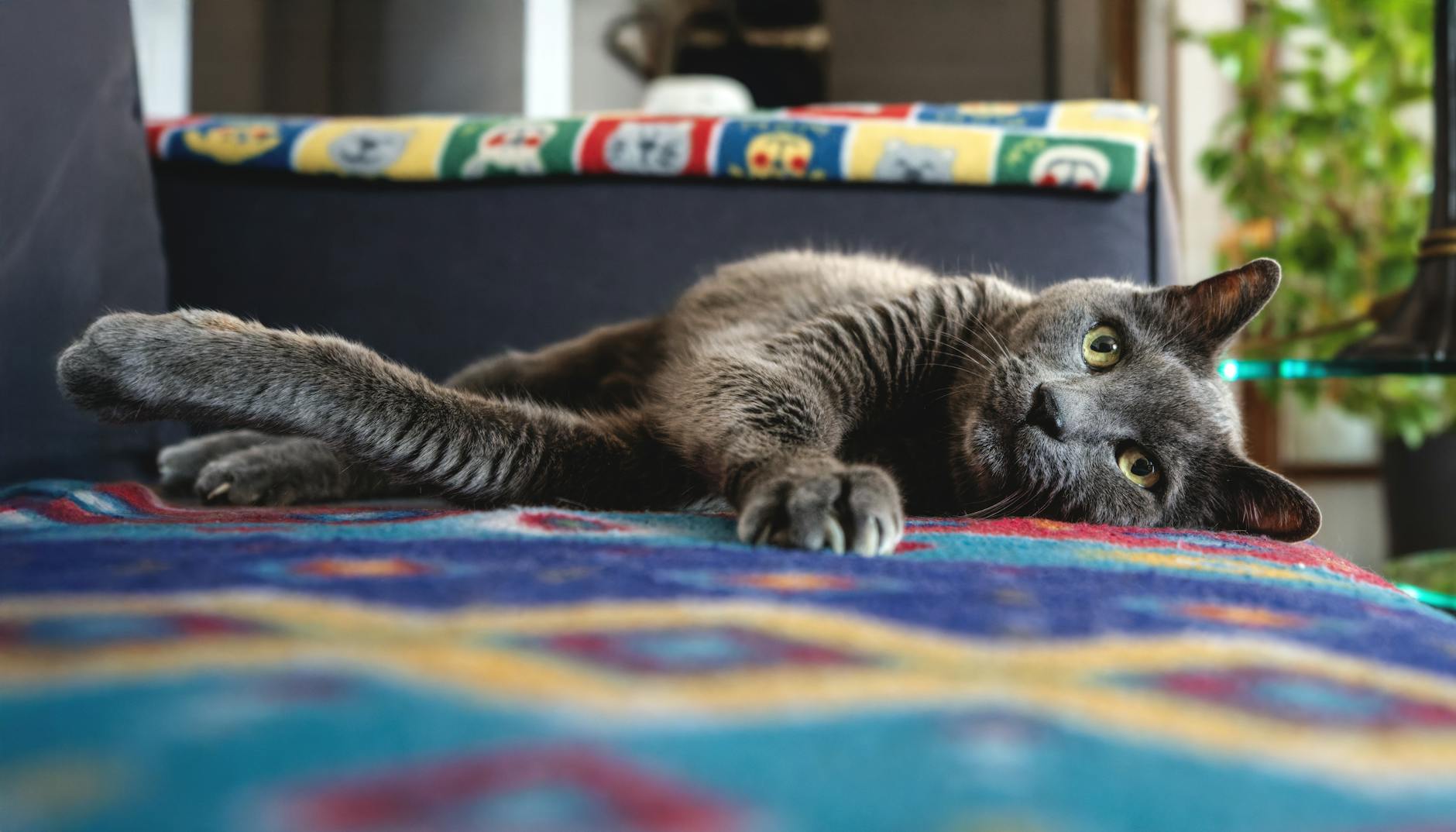
When a cat hears its name and deliberately chooses not to respond, this is not simply a failure to understand. Research has confirmed that cats are fully capable of recognizing their own names and the voices of their owners. The decision not to react is a calculated one, reflecting the cat’s belief that responding is optional rather than obligatory. This selective hearing is a quiet but powerful reminder that the cat operates on its own terms. In feline social structures, the individual with the higher status is rarely required to comply with requests from those ranked below.
Sitting on Belongings
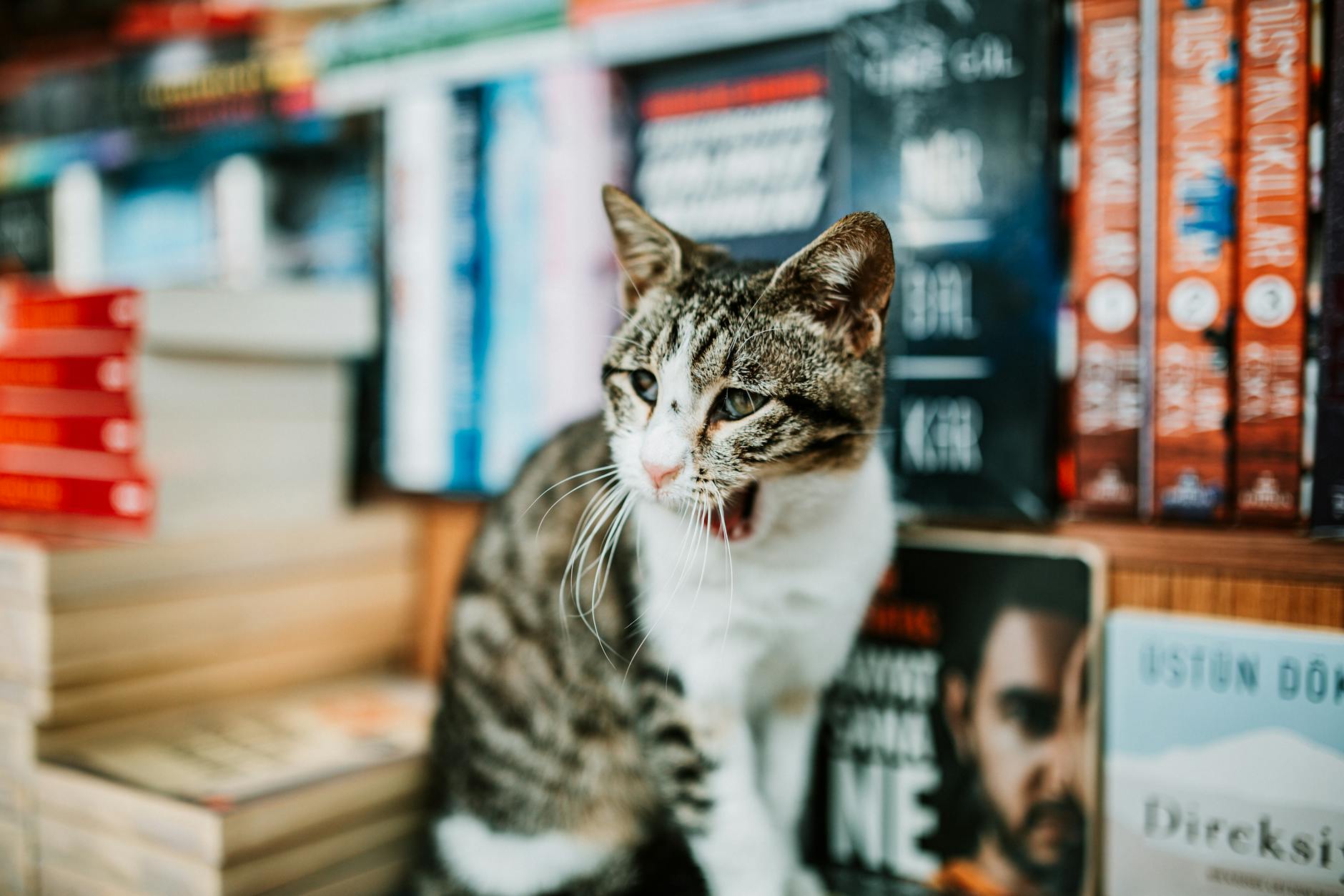
Cats have a well-documented tendency to sit on books, laptops, papers, and clothing belonging to their owners. While warmth and texture can be contributing factors, the behavior is strongly linked to scent marking and territorial claiming. By sitting on personal items, the cat transfers its scent directly onto objects that carry the owner’s smell, effectively overwriting one identity with another. This behavior is also a way of inserting itself into whatever activity the owner is engaged in, asserting that its needs take priority. The cat is not merely seeking attention but actively reclaiming dominance over shared space.
Grooming Humans
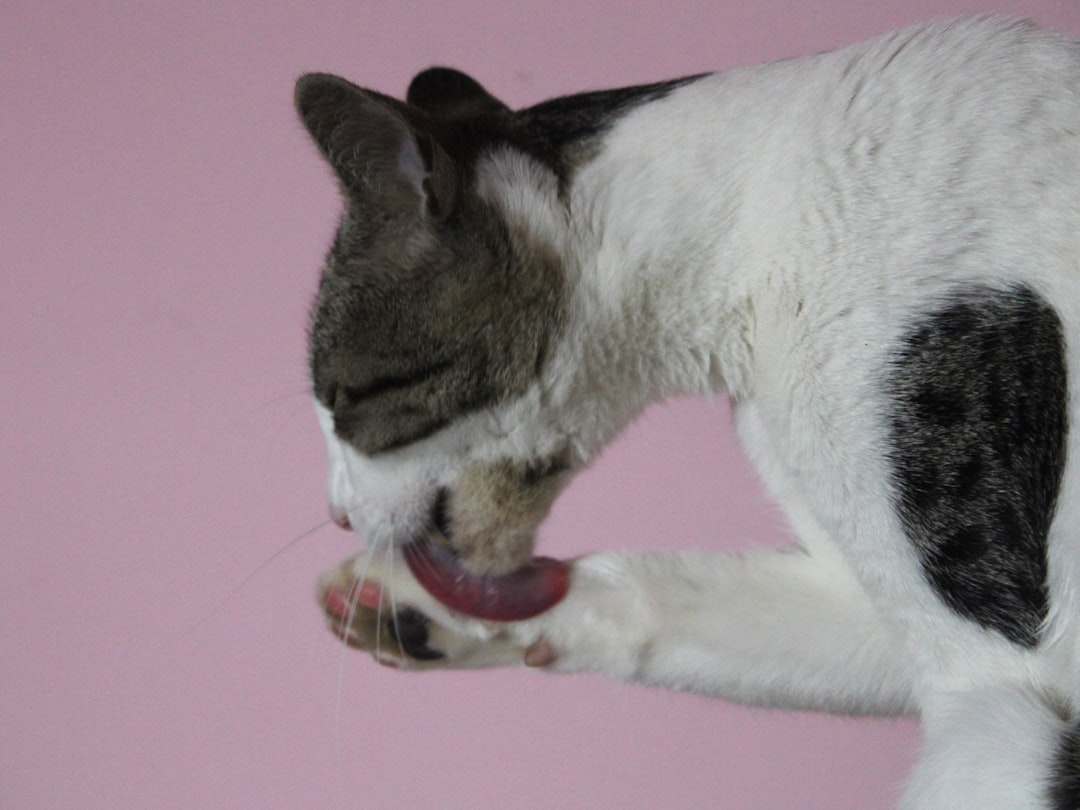
When a cat licks a person’s hand, hair, or face, many owners interpret this as a sign of pure affection, and while warmth is certainly involved, the act also carries a social message. In multi-cat households, grooming is used to establish and reinforce social bonds in which one cat tends to initiate more frequently than the other. The cat that grooms more often is typically the one that considers itself the social superior. By grooming a human, the cat is symbolically placing that person within its social group at a particular rank. It is an act of inclusion, but one that subtly reinforces who sets the terms of the relationship.
Claiming High Spots

Cats instinctively gravitate toward elevated positions because height confers a tactical and social advantage in feline culture. A cat perched on top of a refrigerator, bookshelf, or wardrobe has a commanding view of its territory and communicates its dominance through positioning alone. This behavior is inherited directly from wild cats, where elevation served as both a hunting advantage and a display of rank. The highest spot in any room is considered the most prestigious, and the cat that occupies it regularly is signaling its status to all others present. When a cat consistently chooses the highest available perch, it is making a deliberate statement about its place in the household hierarchy.
Midnight Zoomies
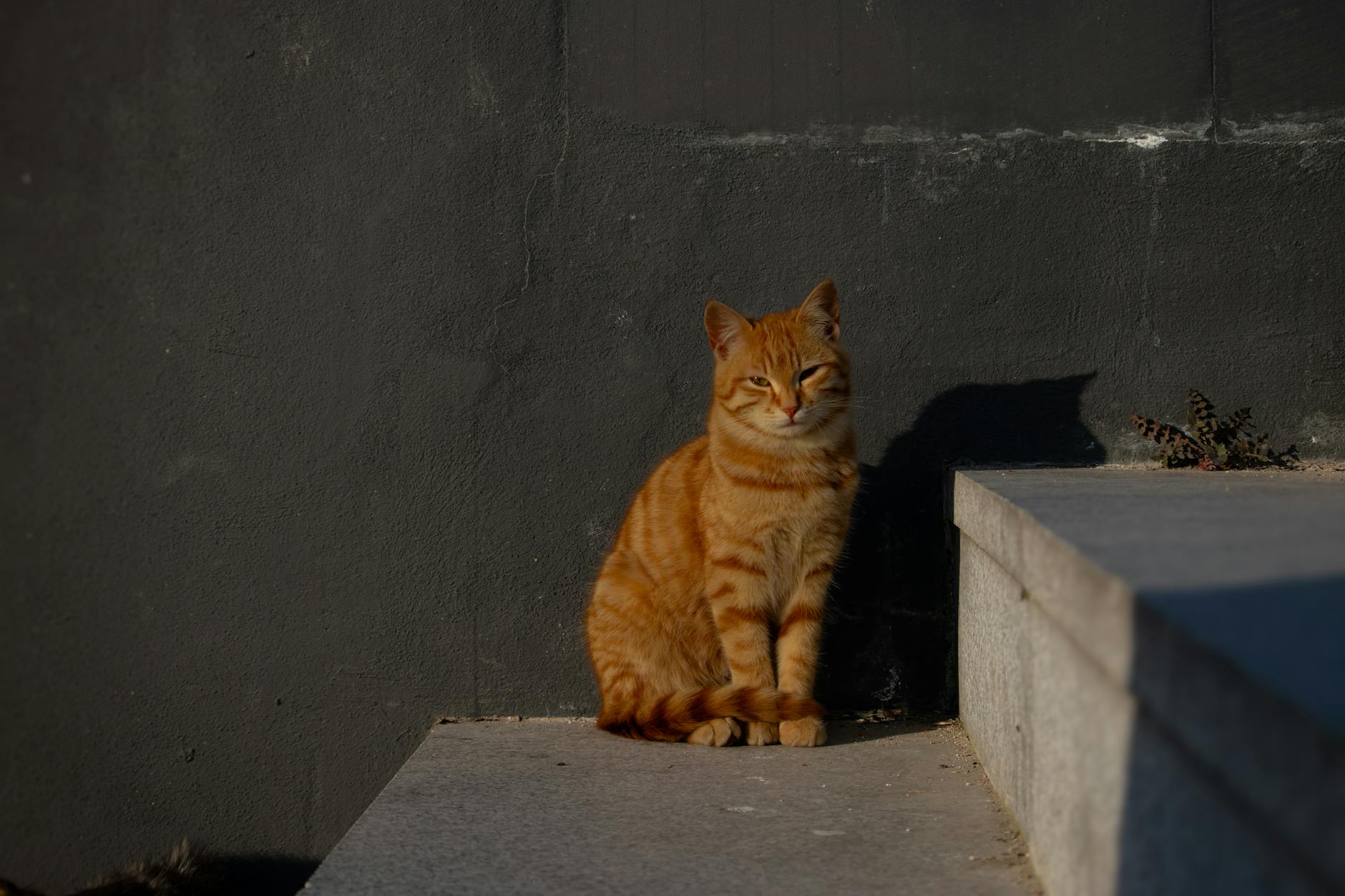
The burst of frantic energy many cats display in the late night or early morning hours, commonly known as the zoomies, serves a specific behavioral function beyond simple restlessness. Cats are crepuscular by nature, meaning they are most active at dawn and dusk, and this activity surge aligns with their prime hunting instincts. By running through the home at full speed during hours when humans are asleep, the cat is exercising full, unchallenged dominance over the entire space. The household is effectively theirs during these hours, with no competition for territory or attention. This uninhibited behavior reflects a cat that is completely confident in its ownership of the environment.
Interrupting Sleep
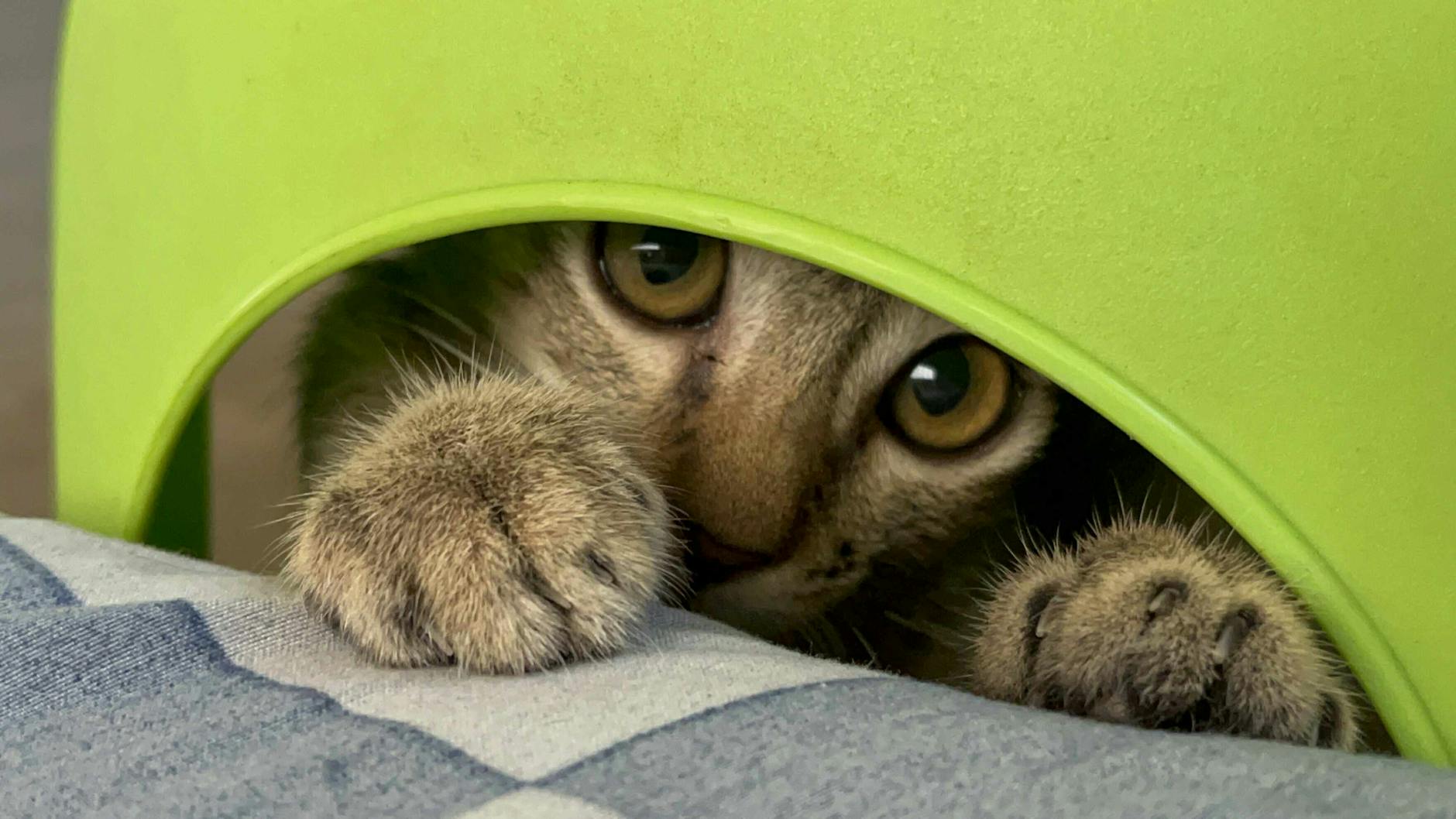
A cat that wakes its owner in the early morning hours by pawing at the face, sitting on the chest, or vocalizing near the bed is engaging in a behavior that prioritizes its own schedule above all else. This is a direct expression of the cat’s expectation that its needs will be met on its timeline rather than the owner’s. In feline social dynamics, the ability to interrupt another individual’s rest without consequence is a marker of elevated status. The cat has learned that this strategy reliably produces results, which reinforces the behavior over time. In effect, the owner’s sleep schedule has been subordinated to the cat’s preferences.
Scent Rolling
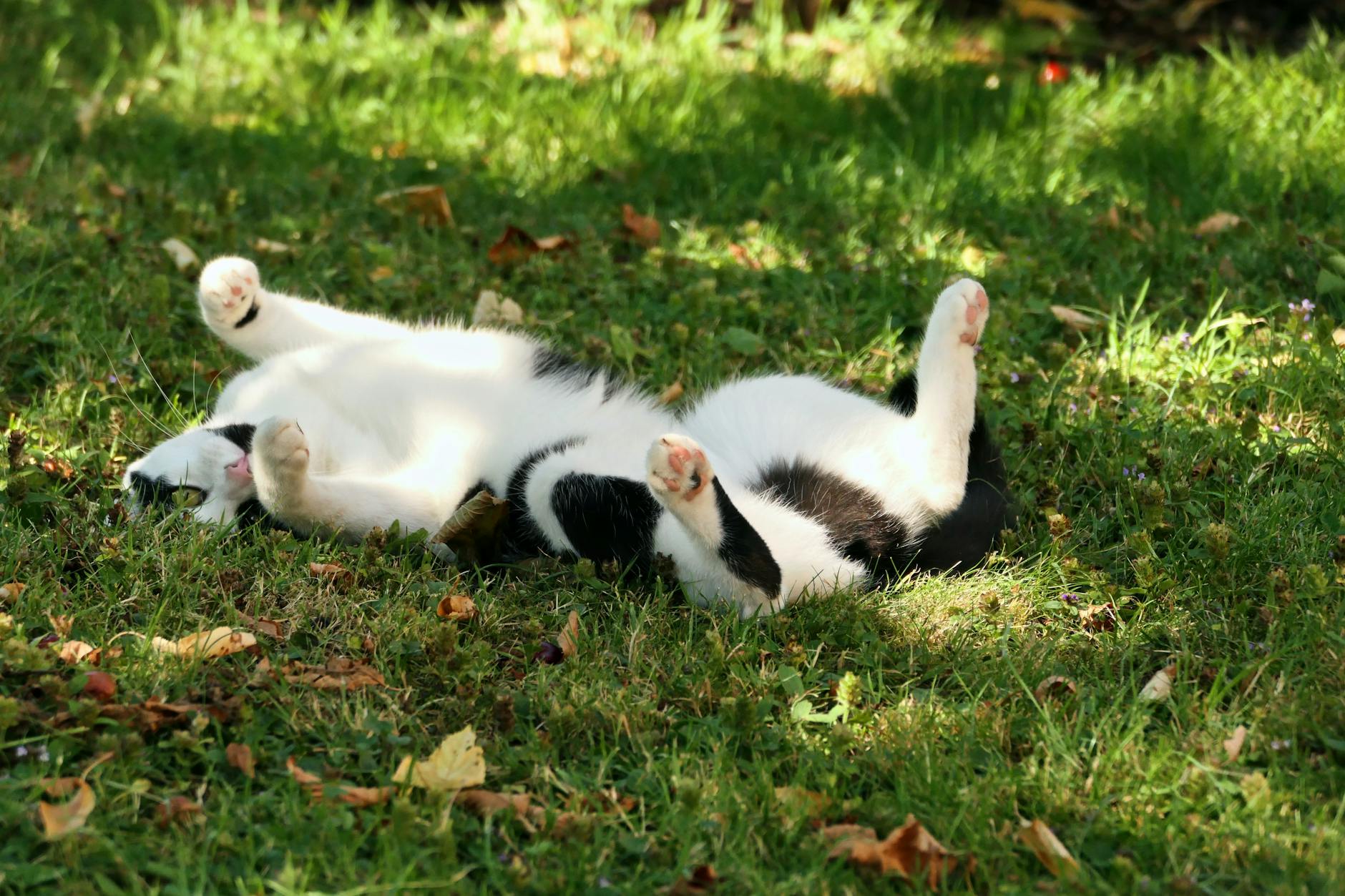
Cats will occasionally roll on surfaces, fabrics, or even directly on their owners in a behavior that goes beyond simple comfort-seeking. This rolling motion activates the scent glands along the cat’s back and sides, depositing its chemical signature across a wide surface area. When performed on a person, it is an assertive act of scent-marking, effectively designating that individual as claimed territory. The behavior is performed with a relaxed, deliberate quality that speaks to the cat’s comfort and confidence in its surroundings. A cat that rolls on you has made a clear and unambiguous decision about ownership.
Sitting on Laps Uninvited
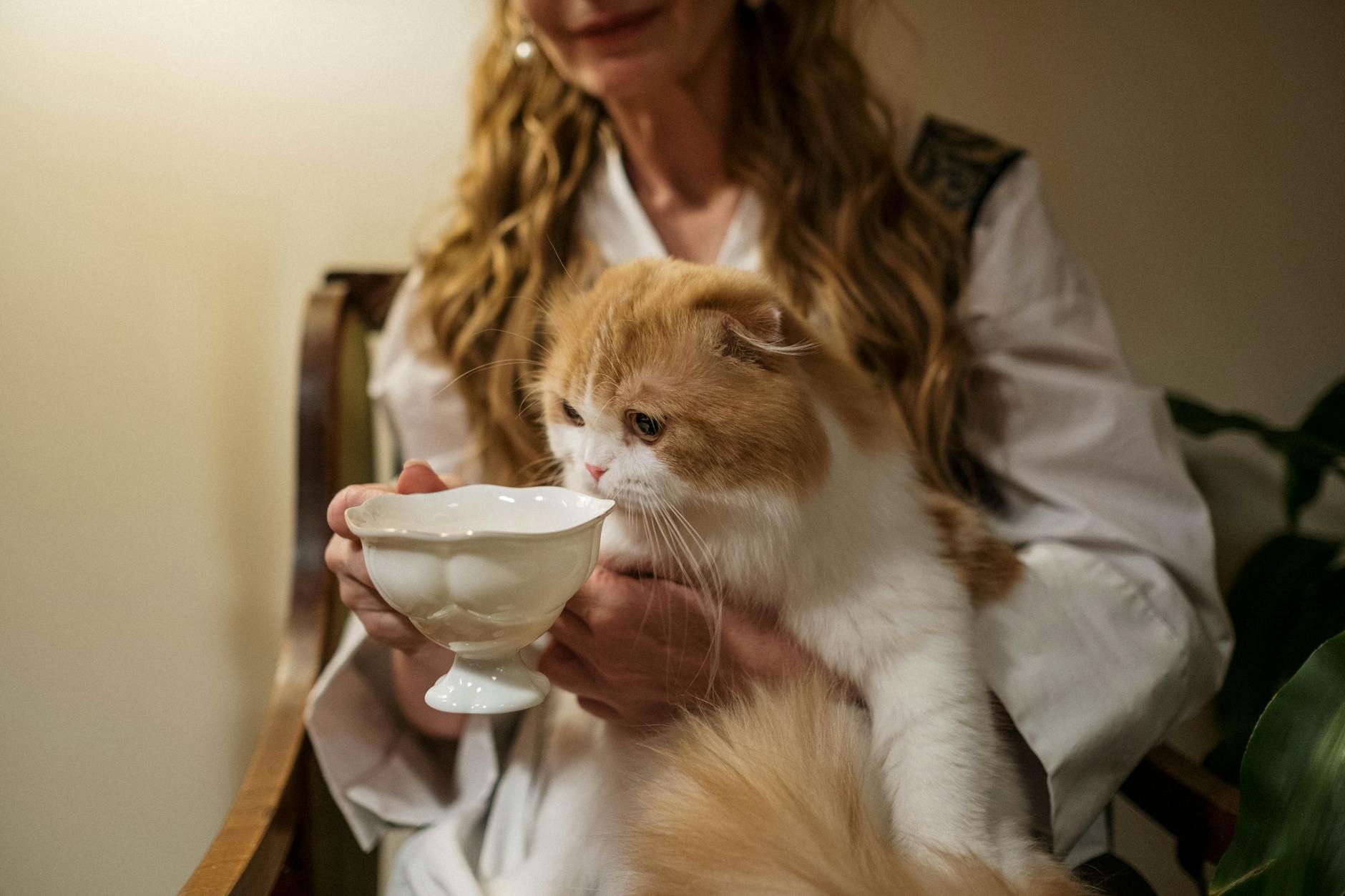
A cat that chooses when to sit on a lap and when to leave, entirely on its own terms, is demonstrating a fundamental aspect of feline dominance. The cat initiates contact when it desires warmth or attention and withdraws the moment it decides the interaction is over. The human in this exchange has no meaningful say in either the beginning or the end of the encounter. This dynamic reflects the cat’s understanding of itself as the decision-maker in the relationship. Owners who wait patiently for a cat’s attention have, in a very real sense, already conceded the terms of the arrangement.
Vocalizing on Demand
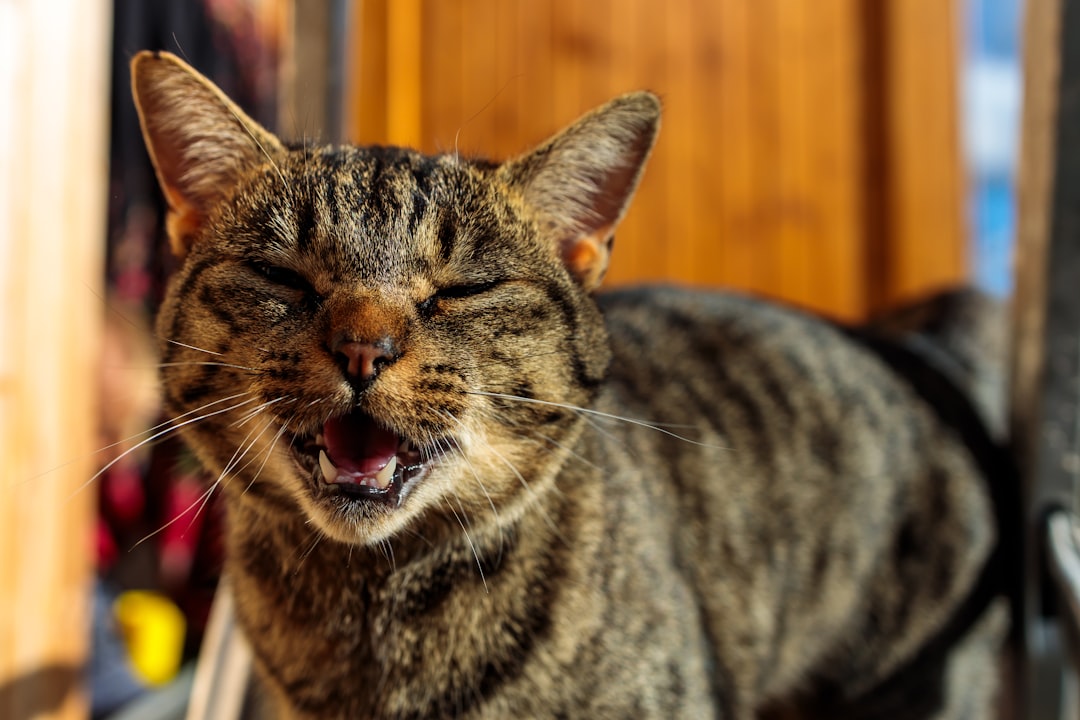
Cats rarely vocalize with other cats in the wild, having developed meowing primarily as a communication tool directed at humans. A cat that meows loudly or persistently until a specific need is met has effectively trained its owner to respond to its commands. This reversal of the expected training dynamic reveals where true authority lies in the relationship. The cat has identified which sounds produce which outcomes and deploys them strategically and consistently. What appears to be simple communication is, in practice, a highly effective system of directing human behavior.
Knocking Objects Over
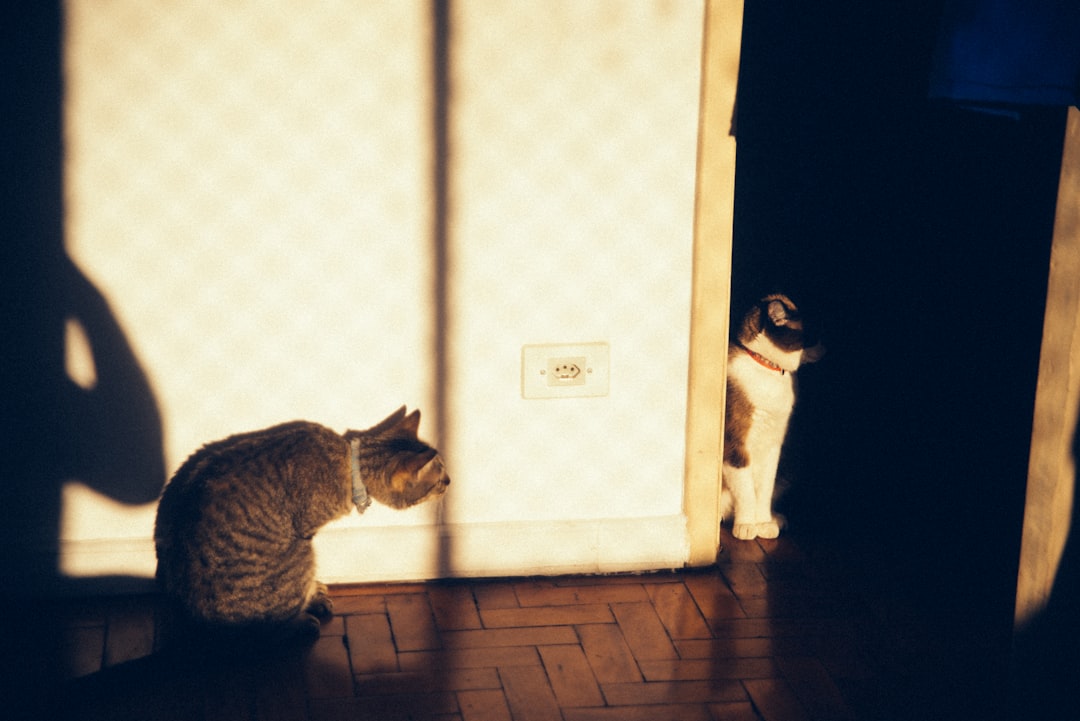
A cat that pushes items off tables, shelves, or countertops with a single deliberate paw is not acting out of boredom alone. This behavior is a calculated test of the environment and of the reactions it provokes in those around it. When an owner responds by rushing over or redirecting the cat, the animal receives immediate confirmation that it holds the power to command attention and movement. The cat quickly learns that this action reliably produces a response, reinforcing the behavior as a tool of control. At its core, this seemingly mischievous habit is a precise and effective method of asserting influence over both space and the people within it.
If your cat has displayed any of these behaviors, share your experiences and observations in the comments.




