Many home cooks assume that dry goods in the pantry will remain edible indefinitely as long as they are kept in a cool place. However the presence of natural oils and sensitive chemical compounds means that many staples lose their potency or flavor faster than anticipated. Ingredients like specialty flours and certain oils are particularly prone to oxidation which can lead to a bitter taste. Understanding the true shelf life of these common items helps maintain the quality of home cooked meals and prevents unnecessary food waste. Checking these dates regularly ensures that every ingredient performs its intended function in a recipe.
Whole Wheat Flour
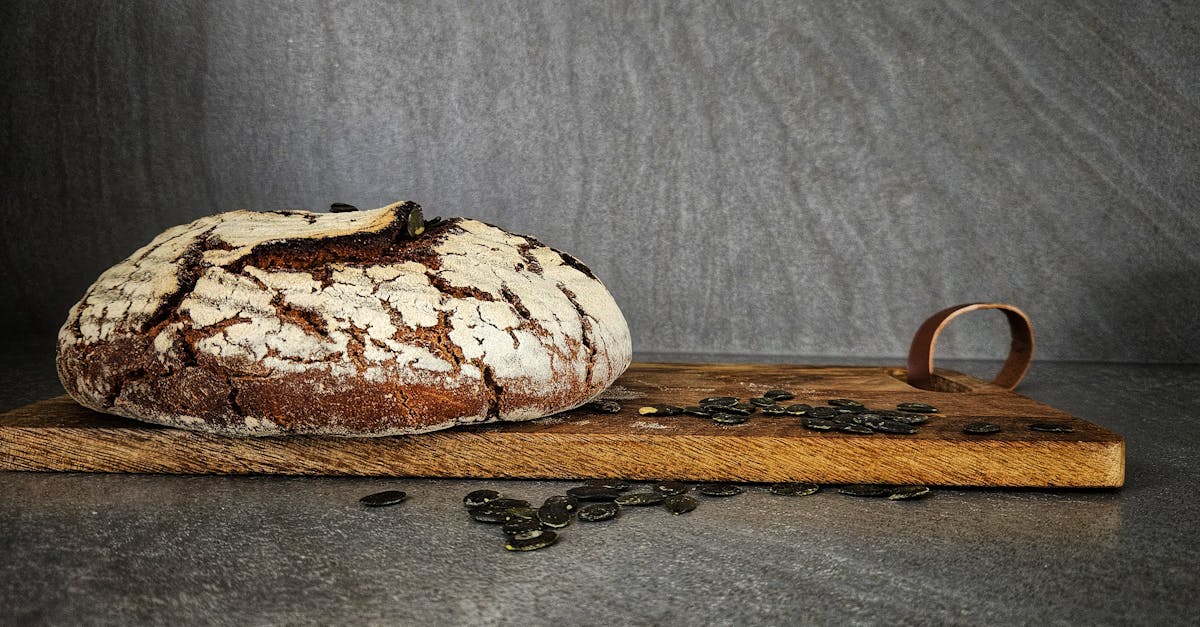
Whole wheat flour contains the bran and germ of the wheat kernel which are high in natural fats. These oils can quickly become rancid when exposed to heat or air in a typical kitchen environment. Most bags will only stay fresh for about six months when stored in the pantry. You can tell it has expired if it gives off a sharp or sour odor. Using old flour can result in a bitter taste in baked goods.
Brown Rice

Unlike white rice which has the outer layers removed, brown rice retains its oil rich bran layer. This nutritional component limits its shelf life to approximately six months in standard storage conditions. Over time the oils oxidize and create a distinct oily or chemical smell. To keep it fresh for longer, many experts suggest storing it in the refrigerator or freezer. Old rice may also take longer to cook or fail to reach the desired texture.
Ground Spices
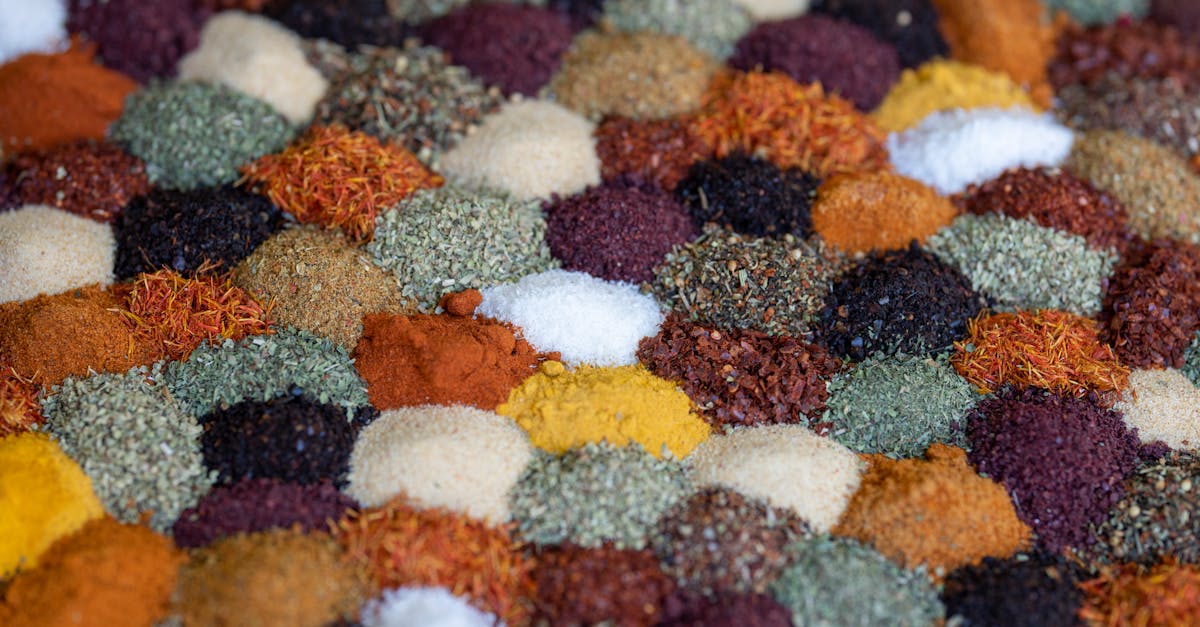
While spices do not typically spoil in a way that causes illness, they lose their flavor and aroma over time. Most ground spices reach their peak quality within six months to one year. Essential oils within the powder dissipate which leaves the seasoning bland and ineffective. You can test freshness by rubbing a small amount in your palm to see if it still releases a strong scent. Replacing old spices ensures that your recipes remain vibrant and flavorful.
Olive Oil
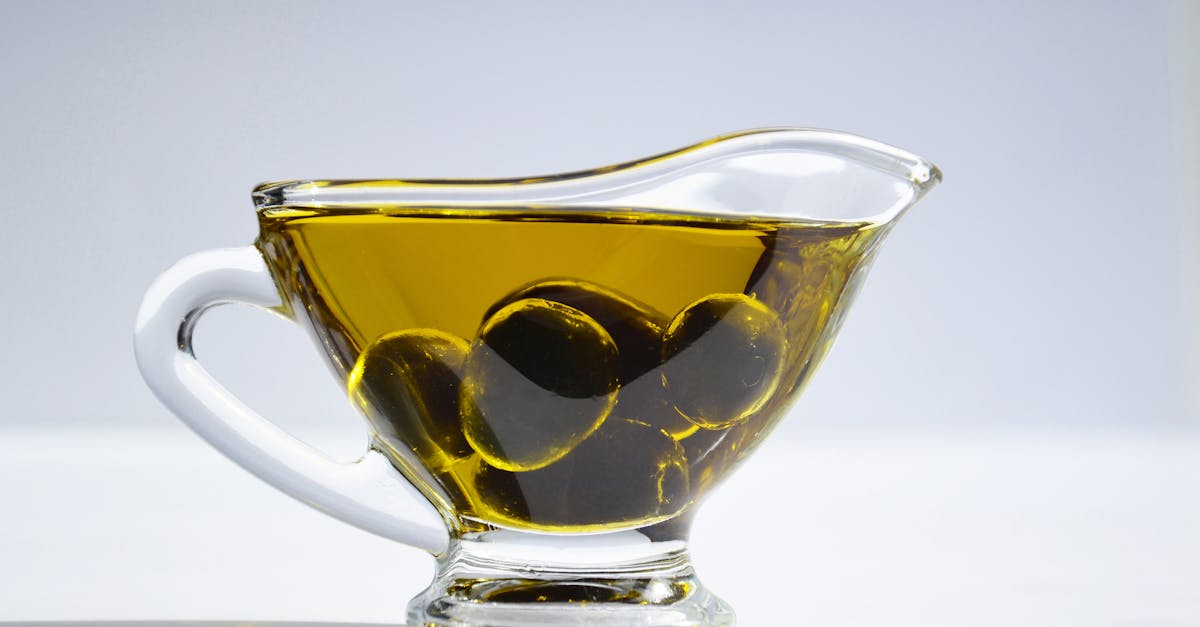
High quality olive oil is a perishable product that is sensitive to light and heat. Once a bottle is opened, the oil begins to degrade through oxidation and may lose its health benefits. Most varieties should be consumed within six months of opening for the best culinary results. Store the container in a dark cabinet away from the stove to slow down this process. If the oil smells like crayons or old nuts, it is no longer fresh.
Baking Powder

Baking powder is a chemical leavening agent that loses its potency as it reacts with moisture in the air. Most containers remain effective for about six months to one year after they are opened. You can test its viability by mixing a teaspoon with a small amount of hot water. If the mixture bubbles vigorously, the powder is still active and safe to use for baking. If no reaction occurs, your cakes and breads will likely fail to rise.
Active Dry Yeast
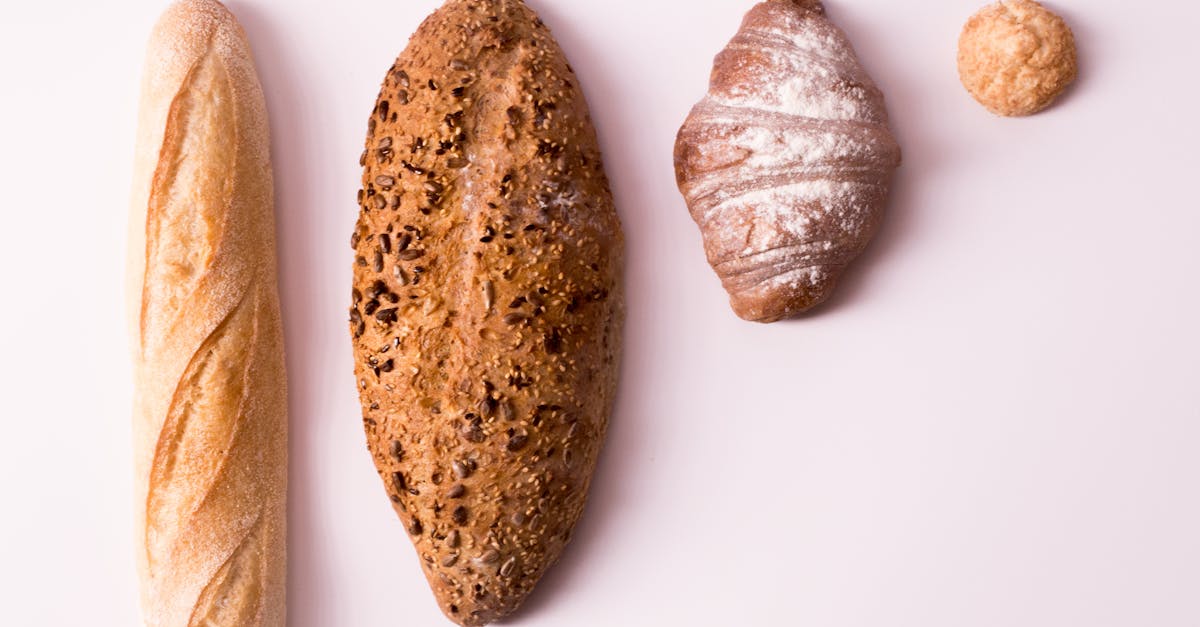
Yeast is a living organism that must be viable to make bread dough rise properly. Unopened packets usually last about a year, but opened jars should be used within four months. It is important to keep yeast in the refrigerator or freezer to maintain its activity level. You should always proof your yeast with warm water and sugar before adding it to a recipe. If the mixture does not foam up, the yeast has died and will not work.
Walnuts

Walnuts contain high levels of polyunsaturated fats that are very susceptible to turning rancid. When stored in a pantry, these nuts can develop an unpleasant bitter taste in as little as three months. Heat and light accelerate the breakdown of the oils within the nut meat. Keeping them in an airtight container in the freezer is the best way to preserve their sweet flavor. Check for a pungent or paint like smell before using them in salads or desserts.
Pine Nuts

Pine nuts are among the most delicate pantry items because of their extremely high oil content. They can spoil in just a few weeks if kept in a warm kitchen or exposed to direct sunlight. Rancid pine nuts can cause a temporary bitter taste sensation that lasts for several days. It is best to purchase them in small quantities and use them immediately. Storing them in the freezer can extend their freshness to about three months.
Flaxseed Meal
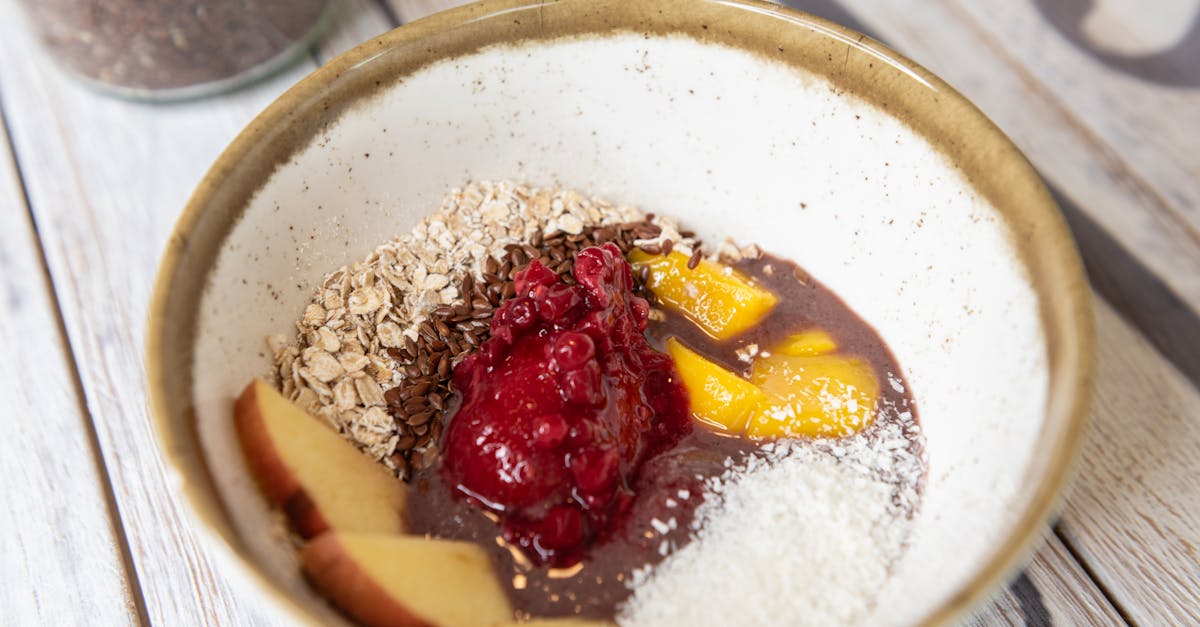
Ground flaxseed provides many health benefits but it has a very short shelf life compared to whole seeds. The grinding process exposes the interior oils to oxygen which leads to rapid spoilage. Most experts recommend using ground flaxseed within a few weeks if stored at room temperature. A fishy or sour smell is a clear sign that the meal has gone bad. Storing the bag in the freezer is highly recommended to protect the sensitive omega three fatty acids.
Brown Sugar

Brown sugar is prized for its moisture content which gives it a soft and pliable texture. Once the bag is opened, the moisture begins to evaporate and the sugar can become rock hard. This usually happens within six months if the container is not perfectly airtight. While the sugar is still safe to eat, it becomes difficult to measure and incorporate into recipes. Using a terra cotta softener can help maintain the proper consistency for a longer period.
Quinoa
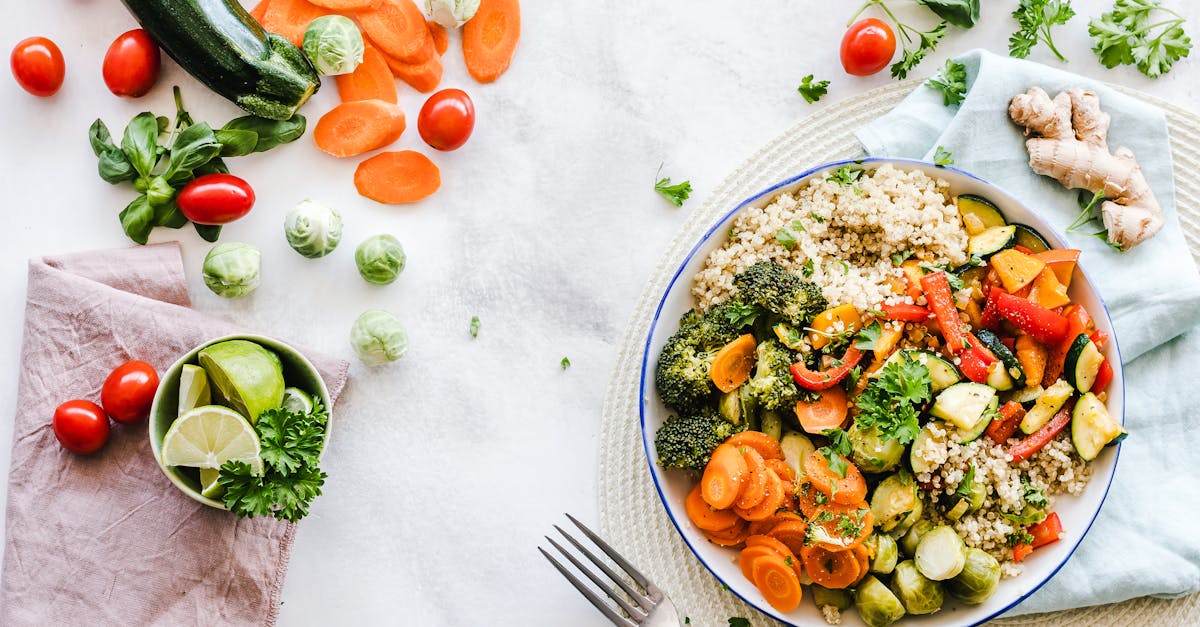
Quinoa is a hearty seed that many people assume will last for years like dried pasta. Because it contains natural oils, it can actually turn rancid after about six months to a year. Heat and moisture are the primary enemies of this grain substitute in the pantry. If the cooked quinoa has a soapy or bitter flavor, it might be past its prime. Storing the dry seeds in a cool and dark place helps maintain their mild and nutty flavor.
Dried Herbs

Dried herbs like basil and oregano lose their volatile oils much faster than most people realize. Their flavor profile usually peaks within six months of opening the jar. After this point, they may still add color to a dish but will provide very little actual taste. Crushing the leaves in your hand should release a strong aroma if they are still fresh. Storing them away from the heat of the oven is crucial for longevity.
Unopened Cereal

Cereal is often purchased in bulk with the idea that it stays fresh indefinitely in the box. Most varieties begin to lose their crispness and flavor about six to eight months after the production date. The fats used in the grains can also go rancid and create an off flavor. Keeping the inner bag tightly sealed with a clip can help maintain the texture for a short time. If the cereal tastes stale or cardboard like, it is time to replace it.
Natural Peanut Butter
Natural peanut butter does not contain the preservatives and stabilized oils found in traditional brands. This means the peanut oil can separate and oxidize quickly at room temperature. It generally stays fresh for only three to four months in a pantry setting. Storing the jar in the refrigerator slows down the oxidation and prevents the oil from going rancid. Always check for a sharp or bitter smell before spreading it on your toast.
Granola

Granola often contains a mix of nuts, seeds, and oils that are prone to spoilage. Even though it feels like a dry and stable food, it usually stays fresh for only about two to three months. The high surface area of the oats and nuts allows for rapid oxidation of the fats. If the granola tastes chewy or has a stale odor, it has likely expired. Keeping it in a sealed glass jar can help preserve the crunch for a few extra weeks.
Sunflower Seeds

Sunflower seeds are packed with oils that can turn quickly if they are not stored correctly. Shelled seeds have a shorter shelf life than those still in the hull because of increased exposure to air. They typically maintain their quality for about three to four months in the pantry. A rancid seed will taste bitter and may have a slightly soft texture. Buying them in smaller amounts ensures you always have a fresh supply for snacking.
Pecans

Pecans are a popular baking ingredient that can spoil faster than many other common nuts. Their high oil content makes them sensitive to warm temperatures and humidity. In a pantry, pecans may only stay fresh and sweet for about four months. Storing them in the refrigerator or freezer is the best way to keep them for a year or more. If the nuts look dark or shriveled, they have probably lost their flavor.
Tea Bags

Tea bags contain finely ground leaves that provide a large surface area for flavor loss. While they will not technically expire or become unsafe, the taste will fade significantly after six months. The delicate aromatic compounds disappear even faster if the tea is not kept in an airtight container. Old tea often produces a flat and unappealing cup that lacks complexity. Keeping your tea collection in a dark and cool cupboard is essential for quality.
Coffee Beans
Whole coffee beans begin to lose their peak flavor within two to four weeks after roasting. The oils that provide the rich aroma are highly sensitive to oxygen and light. While the beans remain safe to brew for months, the quality of the coffee declines rapidly. Storing them in a vacuum sealed container can help preserve the character for a bit longer. If the beans look oily or smell dull, your morning cup will likely be bitter.
Chocolate Chips
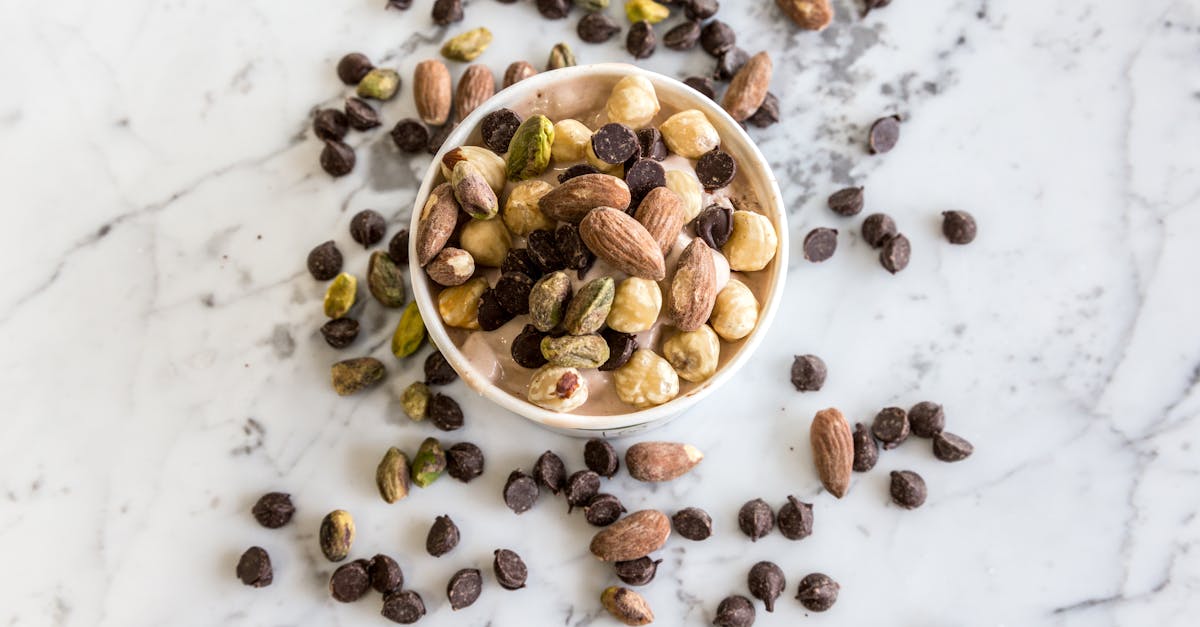
Chocolate chips contain cocoa butter which can absorb odors from other items in your pantry. Over time they can also develop a white coating known as bloom which is caused by fat or sugar crystals rising to the surface. While bloomed chocolate is safe to eat, the texture and flavor may be altered after six months. High temperatures in the pantry will accelerate this process and make the chocolate taste stale. Keeping them in a cool and consistent environment is best.
Coconut Oil

Refined coconut oil has a fairly long shelf life but it is not immortal. It can develop a sour or soapy taste after about eighteen months in the pantry. The presence of moisture or food particles in the jar can cause mold to grow even in an oily environment. Always use a clean spoon to scoop out the oil to prevent contamination. If the color changes from white to yellow, it is likely starting to spoil.
Real Maple Syrup

Pure maple syrup is a natural product that does not contain the preservatives found in pancake syrup. Once the bottle is opened, it must be stored in the refrigerator to prevent mold growth. In the pantry, an opened bottle may only stay fresh for a few weeks before it begins to spoil. Even unopened bottles can eventually develop sediment or lose their flavor profile. Always check the surface of the syrup for any signs of fuzzy growth before using it.
Soy Sauce

Soy sauce is a fermented product but its flavor begins to change once the bottle is opened. The complex salty and savory notes will start to fade after about six months of room temperature storage. Oxidation can also cause the color of the sauce to darken and the taste to become more harsh. Keeping the bottle in the refrigerator can help maintain the original flavor for up to two years. If the sauce develops a strange odor, it should be discarded.
Breadcrumbs

Commercial breadcrumbs are often treated to be shelf stable but they can still go stale or rancid. The small amount of fat in the bread can oxidize over time and create an off flavor. Most canisters will stay fresh for about six months in a dry and cool pantry. If they are exposed to any moisture, they can quickly develop mold which is hard to see in the fine texture. Smell the crumbs before using them to coat meats or vegetables.
Dried Fruit

Dried fruits like raisins and apricots retain a small amount of moisture to keep them soft. This moisture can eventually lead to the growth of mold or yeast if the package is not sealed tightly. Most dried fruits stay at their best quality for about six months to a year in the pantry. Over time they will become very hard and lose their vibrant color and sweetness. Storing them in the refrigerator can keep them plump and tasty for much longer.
Popcorn Kernels

Popcorn kernels require a specific amount of internal moisture to explode when heated. Over time this moisture can evaporate through the hull and leave the kernels unable to pop. Most kernels will stay fresh for about six months to a year before they become duds. Storing them in a tightly sealed glass jar in a cool place is the best way to maintain their popping ability. If your popcorn results in many unpopped kernels, your supply is likely too old.
Canned Frosting

Store bought frosting contains fats and sugars that can eventually break down and separate. Once the plastic tub is opened, it should be used within a couple of weeks or stored in the refrigerator. In the pantry, unopened frosting will usually stay fresh for about eight months to a year. The texture can become grainy or the oils can develop a stale taste over time. Always check the expiration date on the bottom of the container before starting a baking project.
Marshmallows

Marshmallows are primarily made of sugar and gelatin which makes them very sensitive to humidity. In a pantry environment, they can become sticky or hard in just a few months. Once the bag is opened, the air causes them to lose their soft and fluffy texture quickly. While they are still safe to eat, they will not melt properly in hot cocoa or recipes. Keeping the bag in an airtight container can help extend their life for a short period.
Cooking Spray
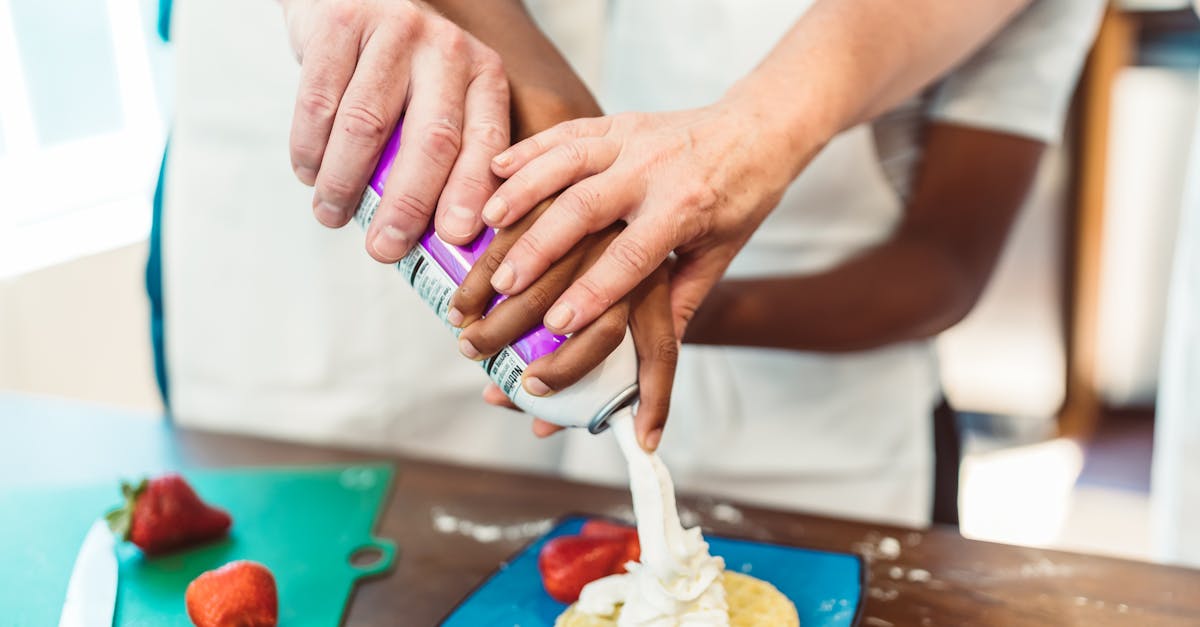
Nonstick cooking spray contains oils and propellants that can degrade over time. The nozzle can also become clogged with dried oil which makes the product difficult to use. Most cans have a shelf life of about two years but the quality often declines after one year. The oil inside can develop a rancid smell that will transfer to your food during cooking. Store the cans in a cool place away from the heat of the stove to prevent premature spoilage.
Bouillon Cubes

Bouillon cubes are high in salt which helps preserve them but they also contain fats and flavorings. These ingredients can lose their intensity and develop a stale taste after about a year. The cubes can also absorb moisture from the air and become soft or crumbly. This changes the way they dissolve in water and can affect the flavor of your soups. Keeping them in their original foil packaging inside a sealed jar is the best storage method.
Potato Flakes

Instant potato flakes are a convenient staple but they can develop an oily smell over time. The processing of the potatoes leaves them vulnerable to oxidation when exposed to air. Most boxes will stay fresh for about six months to a year after they are opened. If the flakes look yellow or smell like old grease, they will not make good mashed potatoes. Keeping the bag tightly clipped inside the box is essential for maintaining a fresh taste.
Protein Powder

Protein powder contains complex proteins and often added fats that can break down over time. Most tubs are best used within six to nine months of opening for maximum nutritional value and flavor. Exposure to heat and moisture can cause the powder to clump or develop a bitter aftertaste. While it may not become dangerous to consume, the quality of the shakes will decrease. Storing the large containers in a cool and dry pantry is crucial.
Chia Seeds
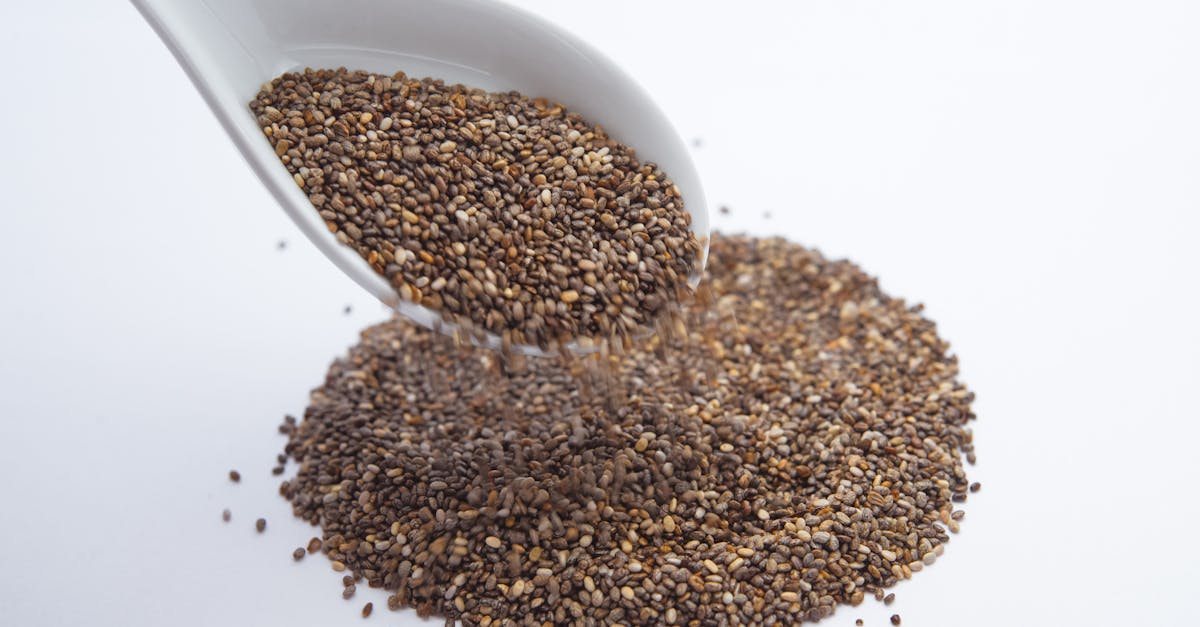
Chia seeds are famous for their high omega three content but these fats are very sensitive to spoilage. While the seeds can last for a year or two in ideal conditions, they often turn rancid sooner in warm kitchens. You can tell they are bad if they have a bitter or sharp taste instead of a mild nutty flavor. They should always be stored in an airtight container away from light. If the seeds seem extra sticky or have a strong smell, discard them.
Hemp Seeds

Hemp seeds are even more delicate than chia seeds because of their soft outer shells. They are highly susceptible to heat and light and should ideally be kept in the refrigerator. In a pantry, they may only stay fresh for about three to four months before the oils oxidize. Rancid hemp seeds have a very distinct and unpleasant grassy or fishy odor. Buying small bags and using them quickly is the best way to enjoy their nutritional benefits.
Flour Tortillas

Flour tortillas are often sold in the bread aisle but they can grow mold surprisingly fast. Once the package is opened, they are exposed to spores in the air and may only last for a week at room temperature. The moisture trapped inside the plastic bag creates a perfect environment for spoilage. It is usually better to store them in the refrigerator to keep them fresh for up to a month. Always check both sides of the tortilla for small spots before eating.
Beef Jerky

Commercial beef jerky is dried and salted to be shelf stable but it does not last forever. Once the vacuum seal is broken, moisture from the air can enter the bag and cause the meat to spoil. Most opened packages should be consumed within three days or kept in the refrigerator. In the pantry, the fats in the meat can also turn rancid and create a sour taste. If the jerky feels soft or has a white fuzzy coating, it is no longer safe.
Cashews
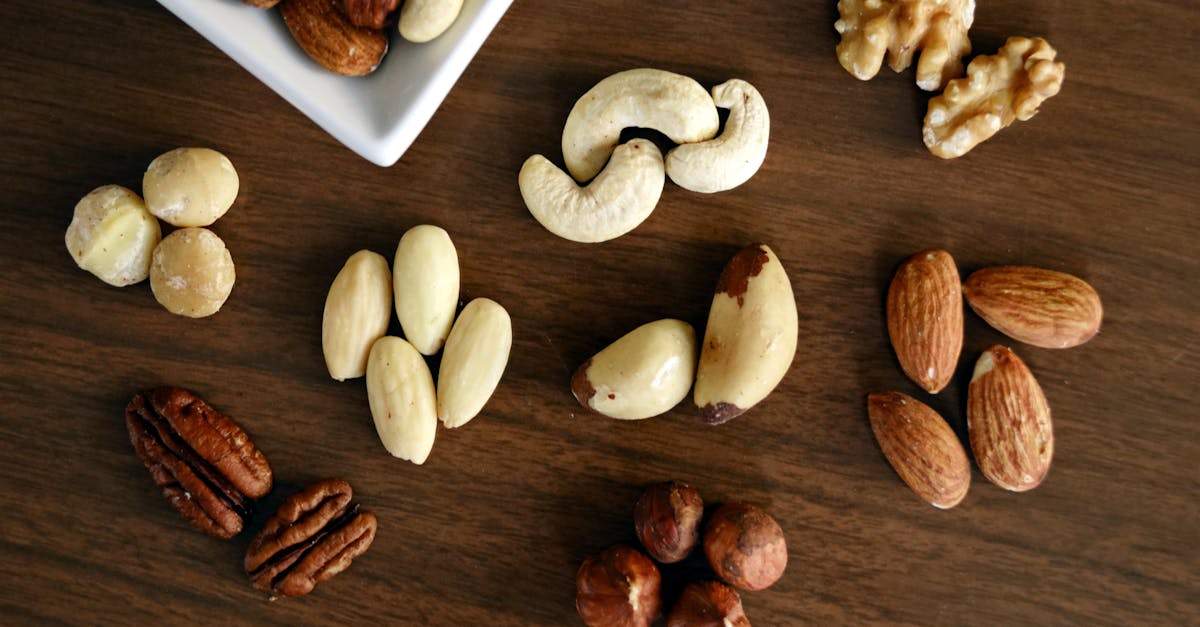
Cashews have a softer texture and a higher moisture content than many other nuts. This makes them prone to molding if they are stored in a humid pantry environment. They typically stay fresh for about six months when kept in a cool and dry place. If the cashews taste bitter or have a rubbery texture, they are past their prime. Keeping them in a sealed glass jar helps protect them from absorbing other pantry odors.
Almond Flour

Almond flour is made from ground nuts and carries all the sensitivity of whole almonds. Because the surface area is so large, the oils in the meal oxidize very quickly. It usually stays fresh in the pantry for only about two to four months after opening. Using rancid almond flour will give your macarons or cakes a very unpleasant and bitter flavor. Storing the bag in the freezer is the most effective way to keep the flour sweet and fresh.
Pumpkin Seeds

Pumpkin seeds are a seasonal favorite that many people keep in the pantry for months. Like other seeds, they are rich in oils that can spoil when exposed to air and warmth. They generally maintain their best quality for about three months at room temperature. A spoiled pumpkin seed will have a sharp and unpleasant aftertaste that ruins a snack mix. Keeping them in a dark and cool spot helps preserve their delicate earthy flavor.
Toasted Sesame Oil

Toasted sesame oil is a finishing oil that is prized for its intense and nutty aroma. Because the seeds are toasted before pressing, the oil is more prone to oxidation than neutral oils. It typically maintains its high quality for about six months after the bottle is opened. Once the oil begins to smell like paint or chemicals, it has lost its culinary value. Keeping the bottle in a cool cabinet away from the stove will help protect the flavor.
Share your best tips for keeping your pantry organized and fresh in the comments.




