Some bridges are celebrated as marvels of human ingenuity, yet the engineers who study them most closely often speak of them with a quiet unease that tourists rarely hear about. The combination of extreme height, unpredictable weather, and the relentless physical forces acting on these structures creates conditions that even seasoned professionals find deeply unsettling. Certain designs push the boundaries of material science so far that even a small miscalculation could have catastrophic consequences. Crossing these bridges means placing absolute trust in physics, maintenance crews, and decades-old calculations. These are the twenty bridges that keep structural engineers awake at night.
Hussaini Bridge
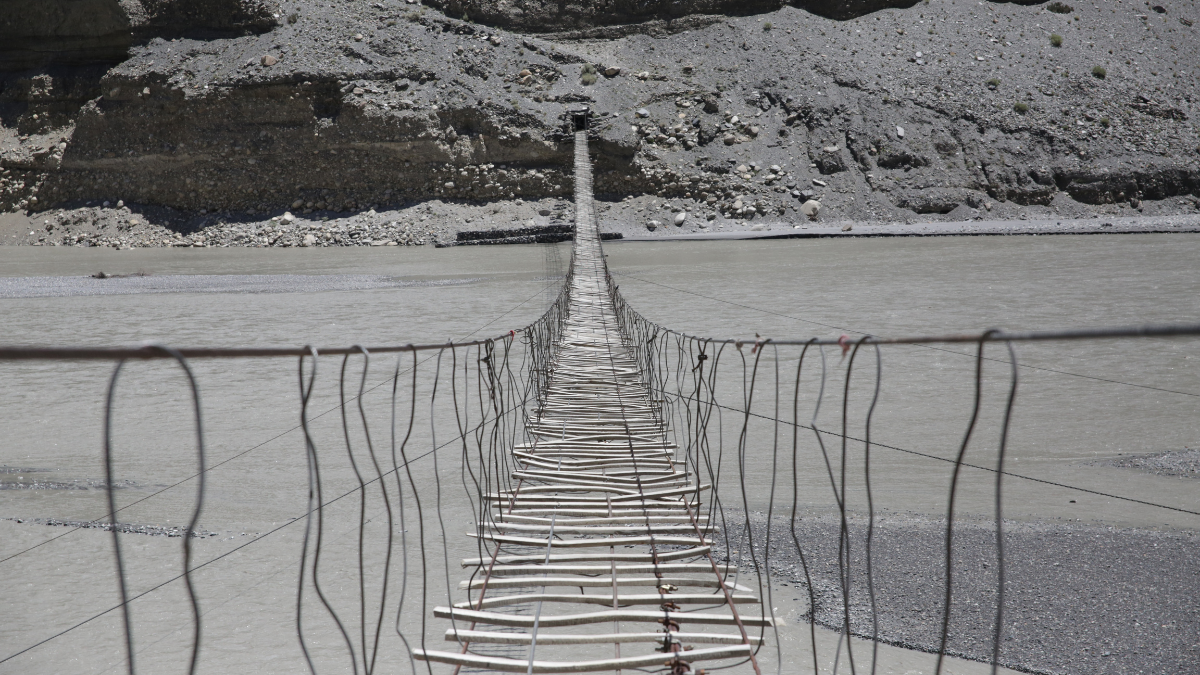
This suspension bridge in northern Pakistan is widely regarded as one of the most dangerous crossings in the world. The wooden planks are spaced unevenly and many are missing entirely, leaving walkers to navigate over a rushing glacial river far below. Strong winds cause the entire structure to sway violently, and the rope handrails offer minimal security. Engineers point to its complete lack of formal structural oversight as a primary concern. Local villagers cross it daily out of necessity rather than choice.
Titlis Cliff Walk
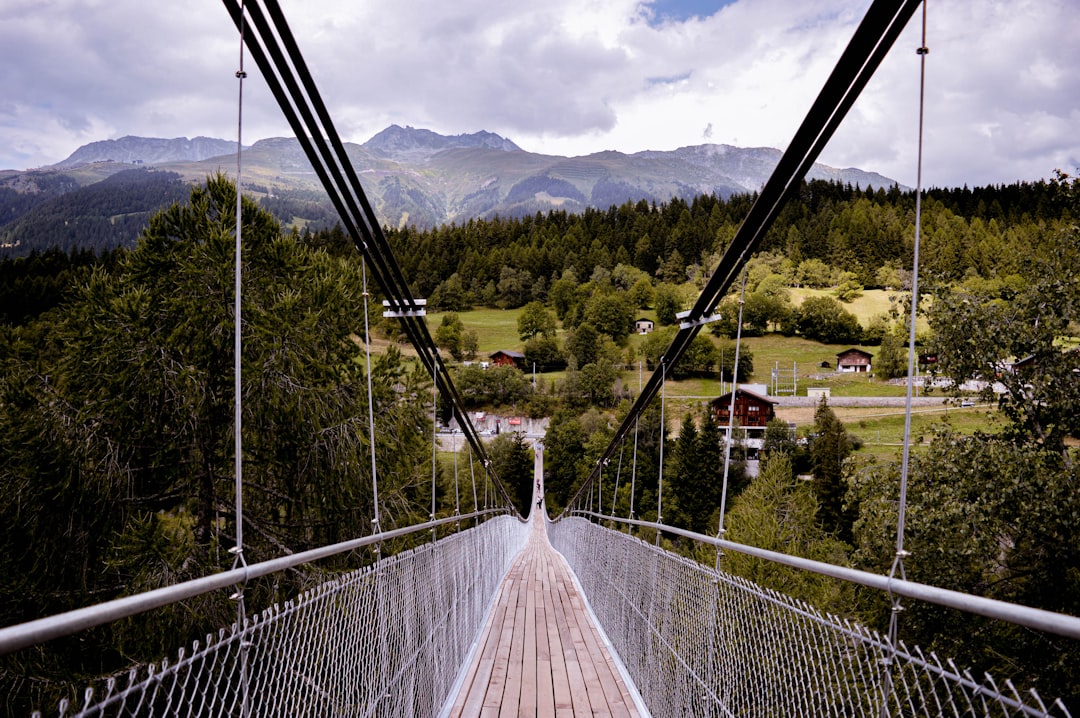
Perched in the Swiss Alps at over three thousand metres above sea level, this bridge holds the record as Europe’s highest suspension bridge. The narrow walkway extends along a sheer cliff face where wind speeds can shift dramatically within seconds. Structural engineers note that thermal expansion at such altitude places unusual stress on the anchor points throughout the year. The transparent floor panels force walkers to confront the full depth of the drop beneath their feet. Even experienced alpine engineers describe the lateral movement of the bridge during gusts as genuinely alarming.
Trift Bridge
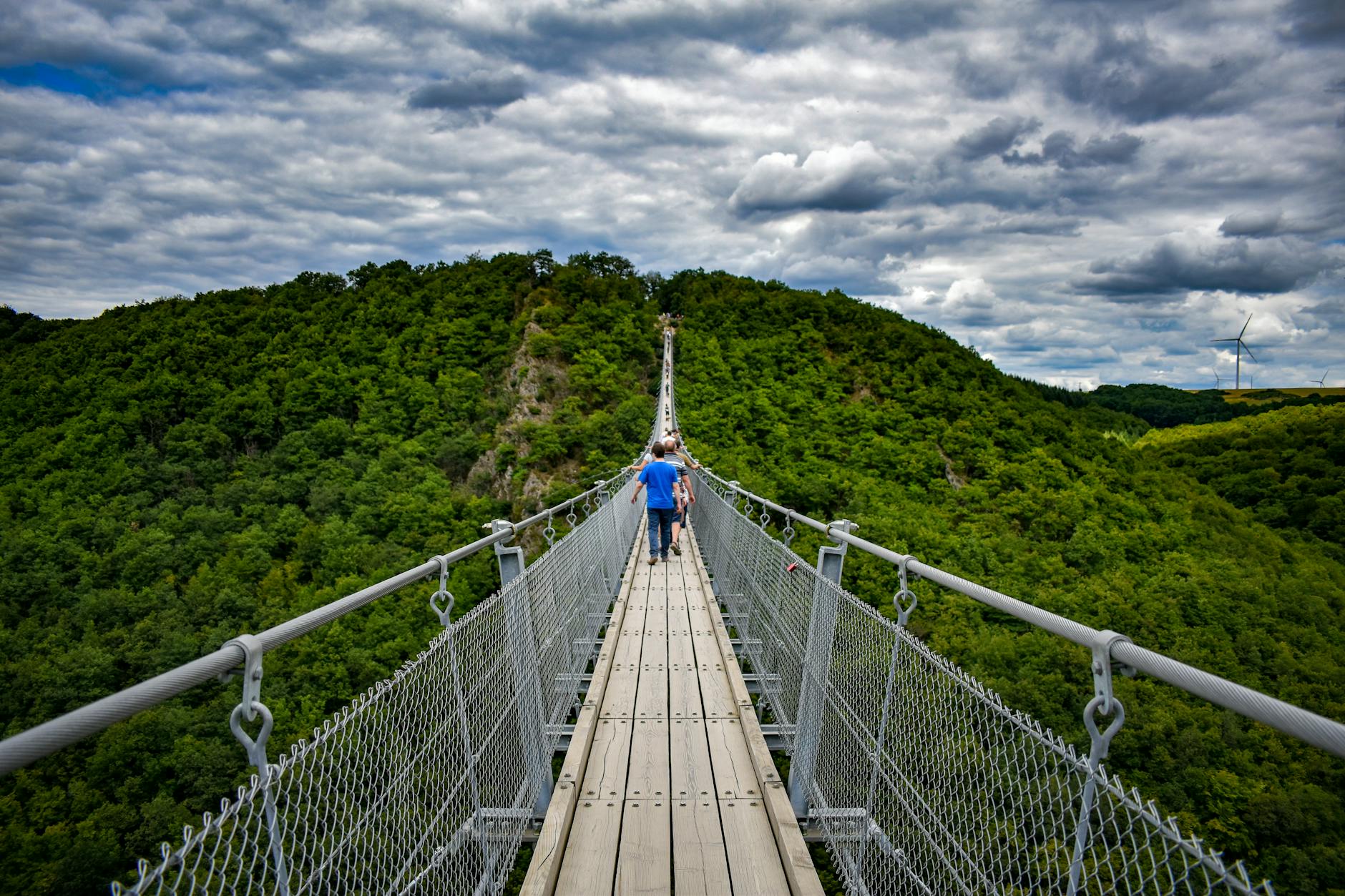
Located deep in the Swiss Alps, this pedestrian suspension bridge stretches over two hundred and seventeen metres across a glacial gorge. The original bridge was replaced after engineers determined the oscillation patterns under heavy foot traffic were dangerously unpredictable. Its considerable height above the Trift Lake below means that any structural failure would be unsurvivable. Wind channelling through the narrow valley creates irregular load distributions that challenge standard engineering models. Maintenance crews must abseil to inspect certain sections due to the complete absence of accessible pathways alongside it.
Aiguille du Midi Bridge
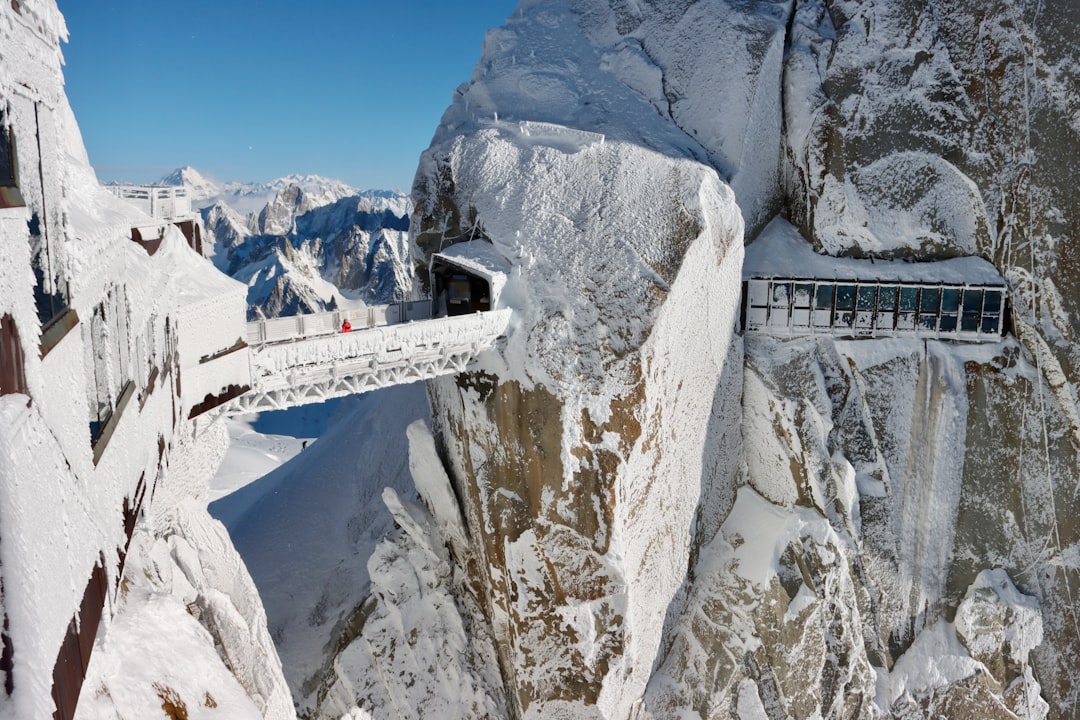
This short but extraordinarily exposed bridge in the French Alps connects two rocky pinnacles at nearly four thousand metres altitude. The air at this height is thin enough to cause cognitive impairment, which engineers flag as a serious safety concern for anyone managing emergency situations on the structure. Ice accumulation on the walkway is a persistent hazard that conventional anti-ice treatments struggle to address effectively. The bridge experiences severe wind loading that far exceeds what most lowland structures are designed to withstand. Its position above a vertical drop of over a kilometre makes even minor structural flex feel catastrophic to those crossing it.
Storseisundet Bridge
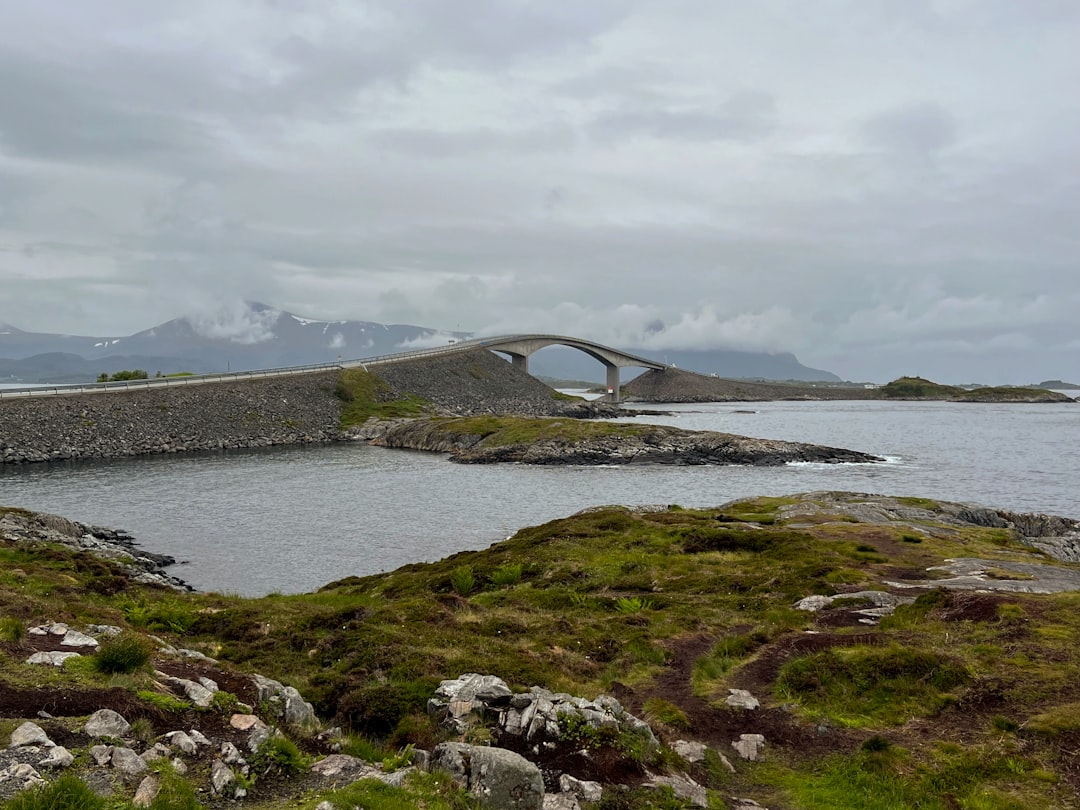
This Norwegian coastal road bridge appears from certain angles to simply end in mid-air, an optical illusion created by its dramatic curves. Its design as part of the Atlantic Ocean Road means it is regularly battered by some of the most aggressive maritime weather in northern Europe. Engineers have documented wave heights during storms that send water crashing directly onto the road surface. The steep gradient combined with sharp curvature creates challenging braking conditions, particularly in icy winters. Structural reviews have repeatedly highlighted the difficulty of conducting routine inspections given its coastal exposure.
Langkawi Sky Bridge
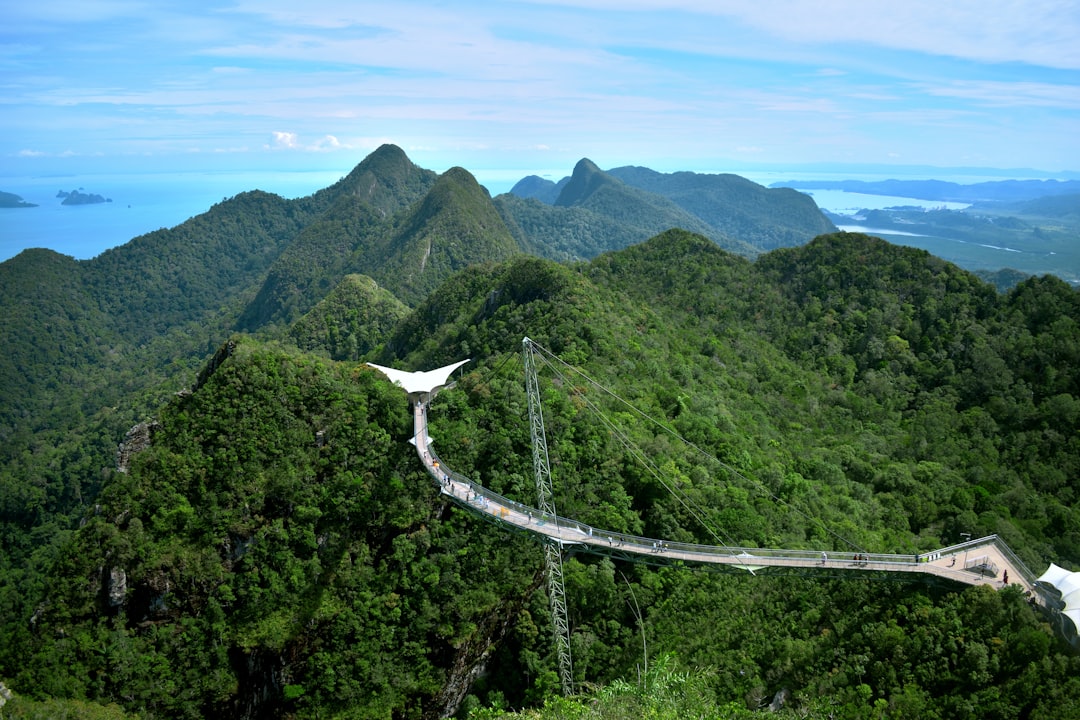
Suspended from a single pylon on a remote Malaysian mountaintop, this curved pedestrian bridge offers no conventional support from below. The asymmetric cable-stay design was considered highly experimental at the time of its construction and has been studied extensively by engineers since. Tropical storms arrive with little warning at this altitude and can transform the crossing from calm to dangerous within minutes. The bridge was closed for several years for major structural reinforcement work, a fact that engineers reference frequently. Its curved geometry creates uneven load distribution that requires constant monitoring through embedded sensor systems.
Puente de Ojuela
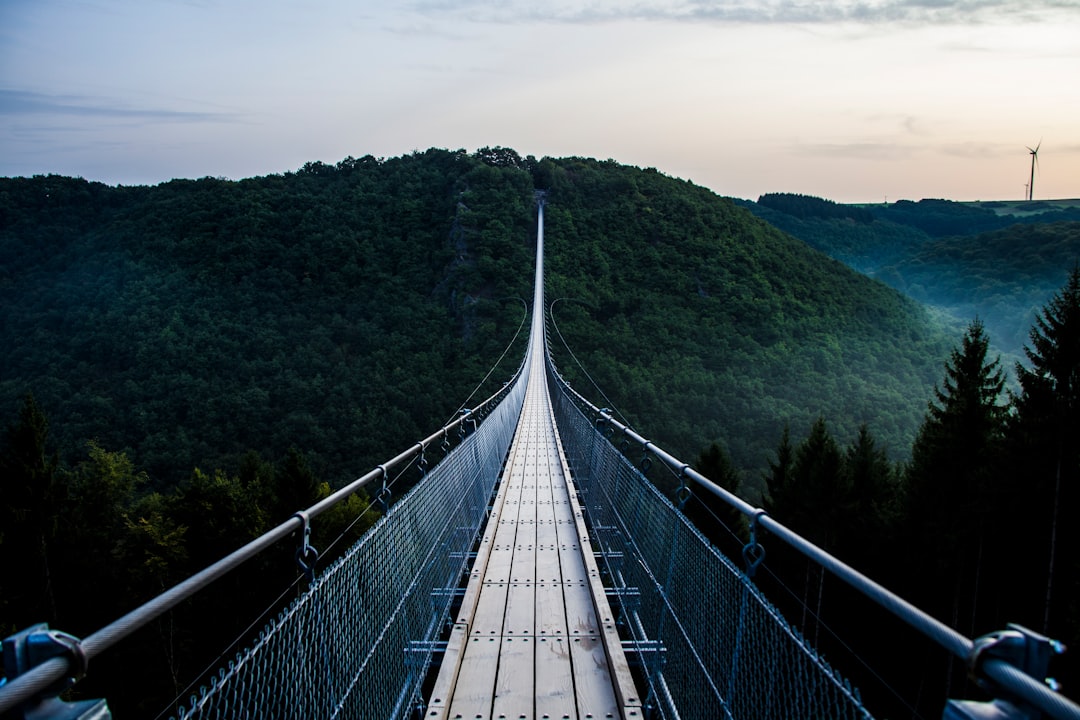
This historic suspension bridge in Mexico dates back to the late nineteenth century and still carries foot traffic today. Many of the original structural elements have never been fully replaced, leading engineers to describe it as a patchwork of different material generations under constant tension. The gorge it spans is deep enough that the full drop is obscured by haze on most days. Wind funnelling through the canyon creates swaying motion that the aging cables manage with diminishing reliability. Structural engineers regard its continued public use as a testament to fortune rather than sound modern safety practice.
Carrick-a-Rede Rope Bridge
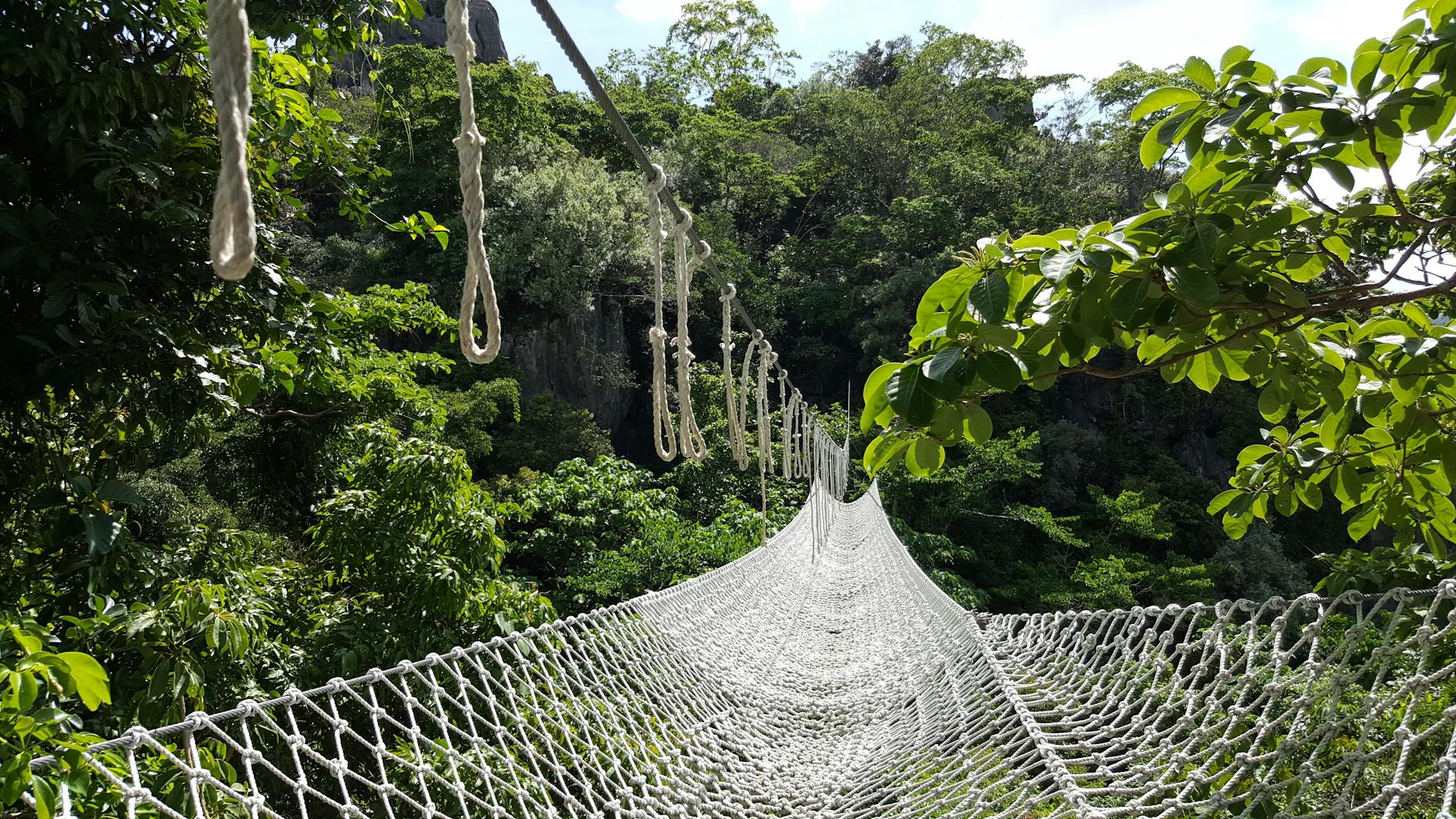
This rope bridge on the northern Irish coastline stretches thirty metres above the rocks and sea below. Originally constructed by salmon fishermen, it was never designed with the engineering tolerances expected of modern public infrastructure. The constant Atlantic wind creates a persistent swaying motion that is difficult to anticipate and balance against. Engineers have noted that the anchor points are set into naturally fractured basalt rock, which does not provide the same reliability as purpose-built foundations. The bridge is disassembled each winter not merely as tradition but as a practical response to the structural battering it receives from seasonal storms.
Quepos Bridge
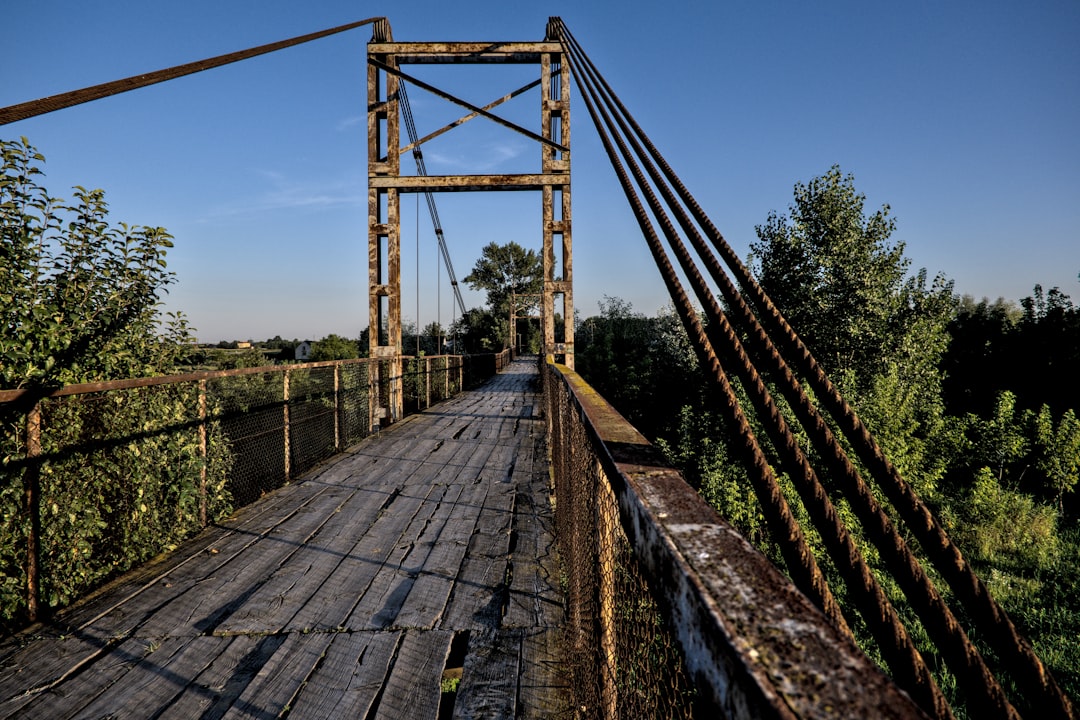
This single-lane road bridge in Costa Rica requires oncoming vehicles and pedestrians to share an extremely narrow path above a significant river drop. Engineers have flagged its combination of high traffic volume and minimal structural width as a serious concern. The tropical climate accelerates corrosion of the steel components at a rate that demands unusually frequent maintenance cycles. During heavy rainfall the river below can rise dramatically, and the resulting hydraulic pressure on the bridge foundations has been studied with growing concern. Local transportation authorities have repeatedly prioritised a replacement structure without securing the necessary funding.
Bailong Elevator Bridge
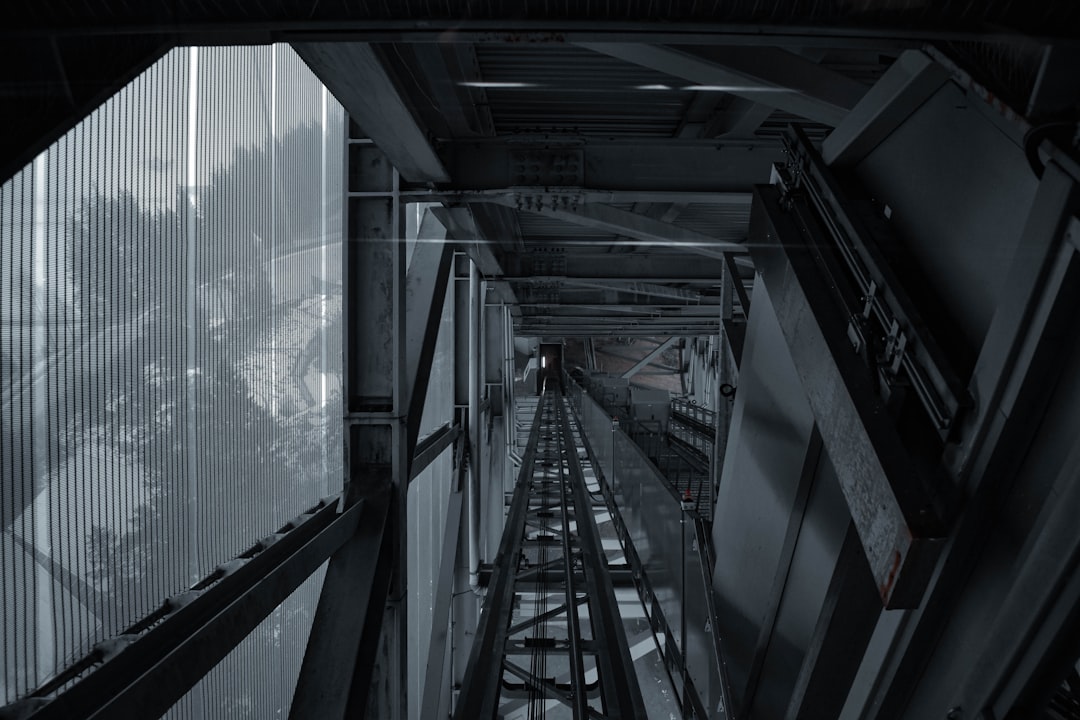
Built into the cliff face of Zhangjiajie in China, this structure carries glass-floored walkways alongside vertical elevator shafts rising over three hundred metres. The sheer cliff absorbs enormous dynamic loads from wind and the movement of thousands of daily visitors. Engineers have raised concerns about the long-term effects of vibration on the rock anchoring systems. The glass floor panels expose visitors to unobstructed views of the vertical drop, creating psychological stress that can impair safe movement. The volume of daily crossings places it among the most heavily loaded tourist bridges on the planet.
Canopy Walk Bridge
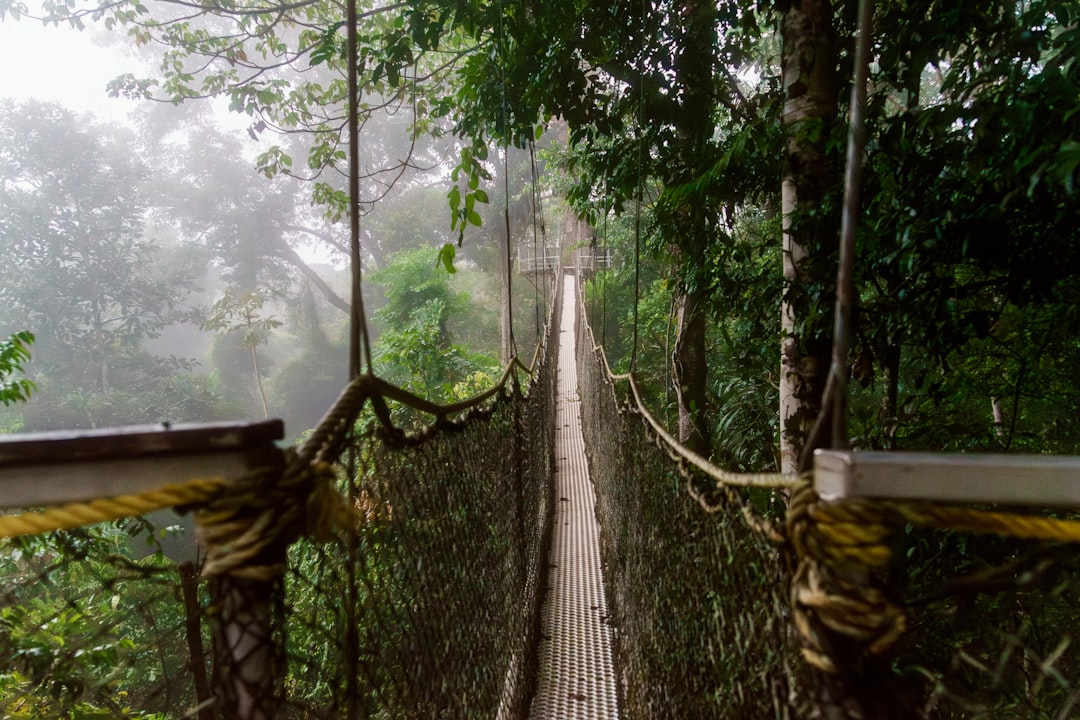
Suspended high in the rainforest canopy of Ghana’s Kakum National Park, this series of walkways sways considerably under the weight of crossing visitors. The bridges are constructed from local timber, aluminium, and rope rather than conventional engineered materials. Engineers observing the structure note that the natural anchors in the forest canopy trees introduce biological variability into what is usually a fixed load-bearing calculation. Humidity and tropical rainfall accelerate material degradation faster than inspection cycles can reliably catch. The height above the forest floor is significant enough that a structural failure would be fatal.
Moses Bridge
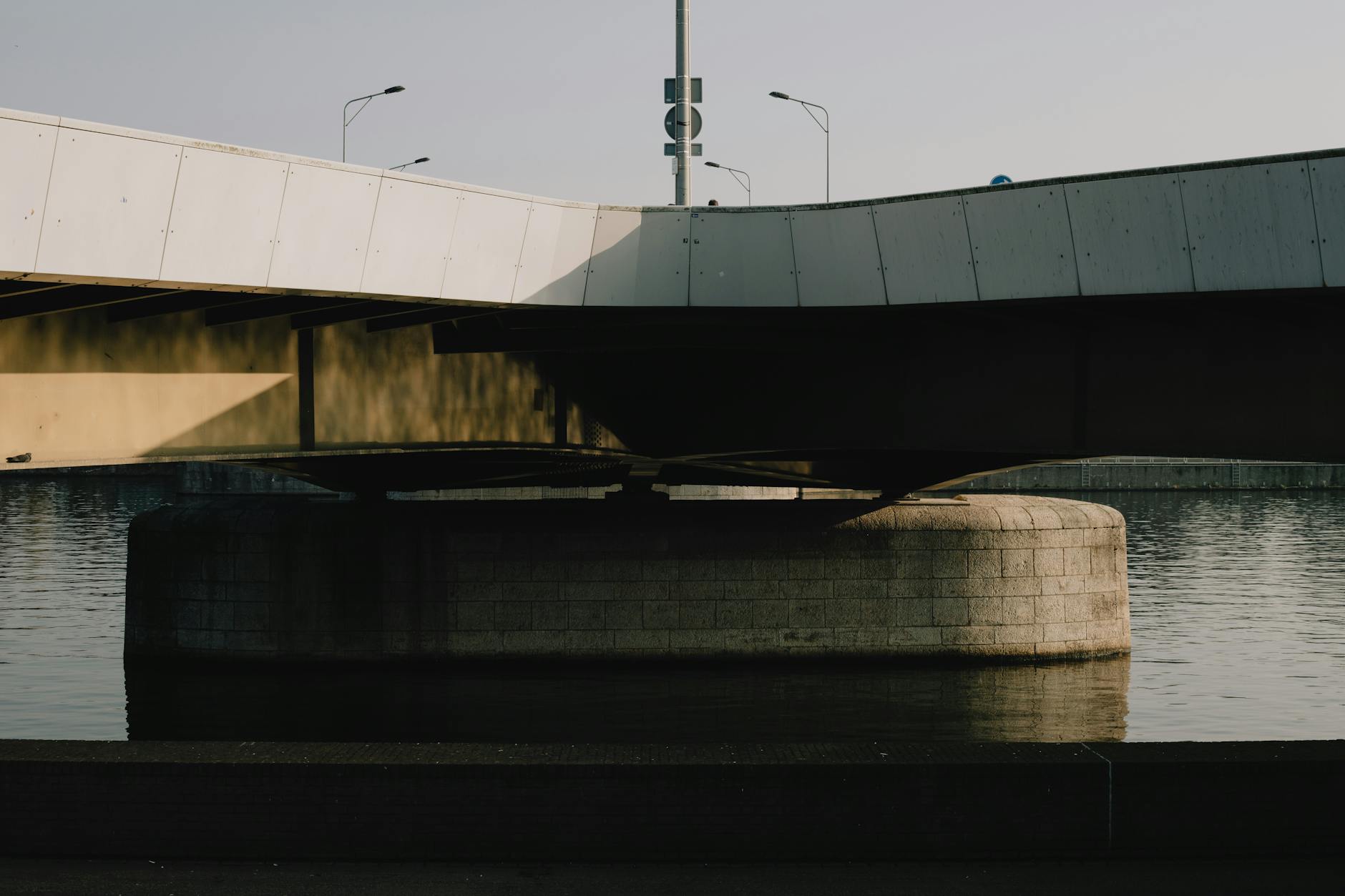
This sunken pedestrian bridge in the Netherlands sits at water level in a historic fort moat, with water rising on both sides of the narrow walkway. Engineers describe its design as conceptually striking but hydraulically unforgiving, as any rise in water level reduces the safety margin dramatically. The waterproofing systems that keep the interior dry require continuous maintenance to function correctly. A single pump failure during a period of heavy rainfall could render the crossing impassable or dangerous within hours. Its position below the natural water surface is unlike almost any other pedestrian structure in the world.
Ghasa Suspension Bridge
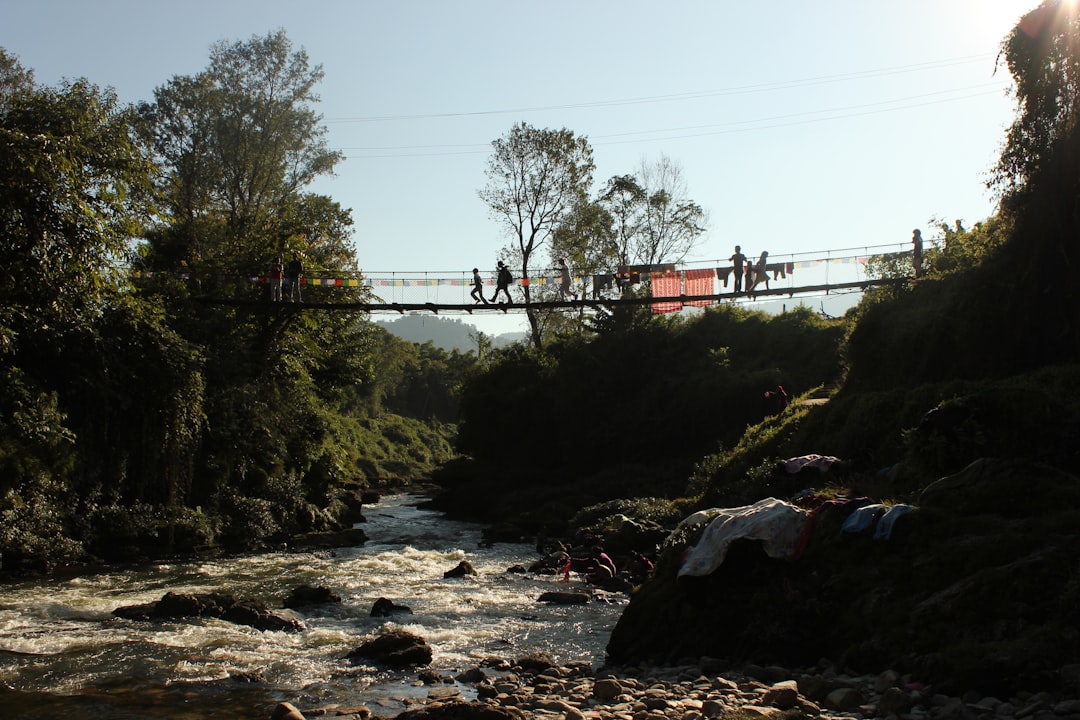
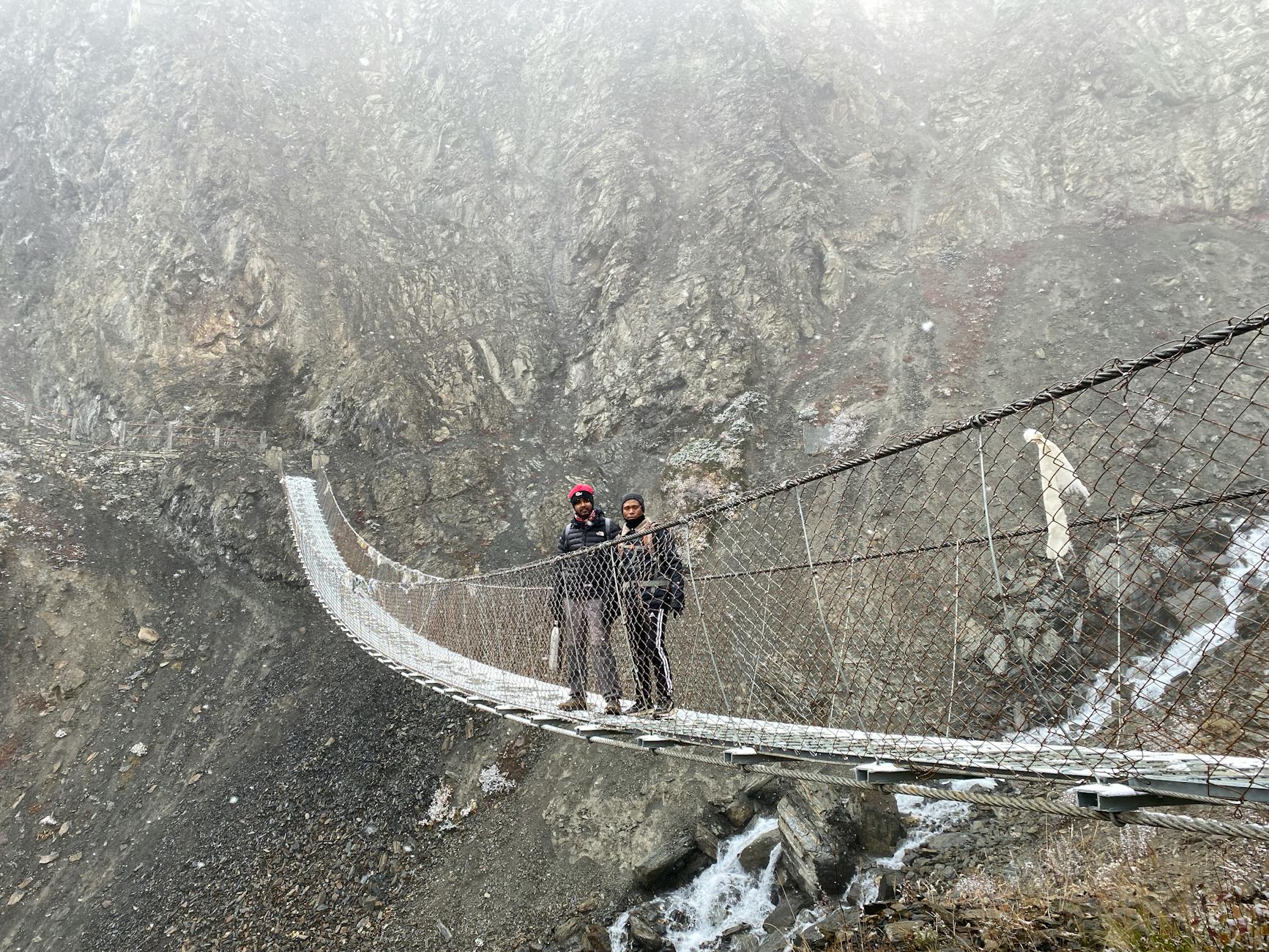
Located in the Annapurna region of Nepal, this high-altitude suspension bridge carries both trekkers and heavily loaded pack animals across a deep gorge. Engineers consistently identify the simultaneous loading of humans and livestock as creating unpredictable dynamic forces in the cables. The cables themselves show visible signs of wear in photographic documentation taken by successive trekking groups over the years. Altitude and extreme temperature variation cause metal components to contract and expand beyond the tolerances used in standard bridge specifications. Remote location means that any structural maintenance requires carrying equipment many hours on foot through difficult terrain.
Kakku Bridge
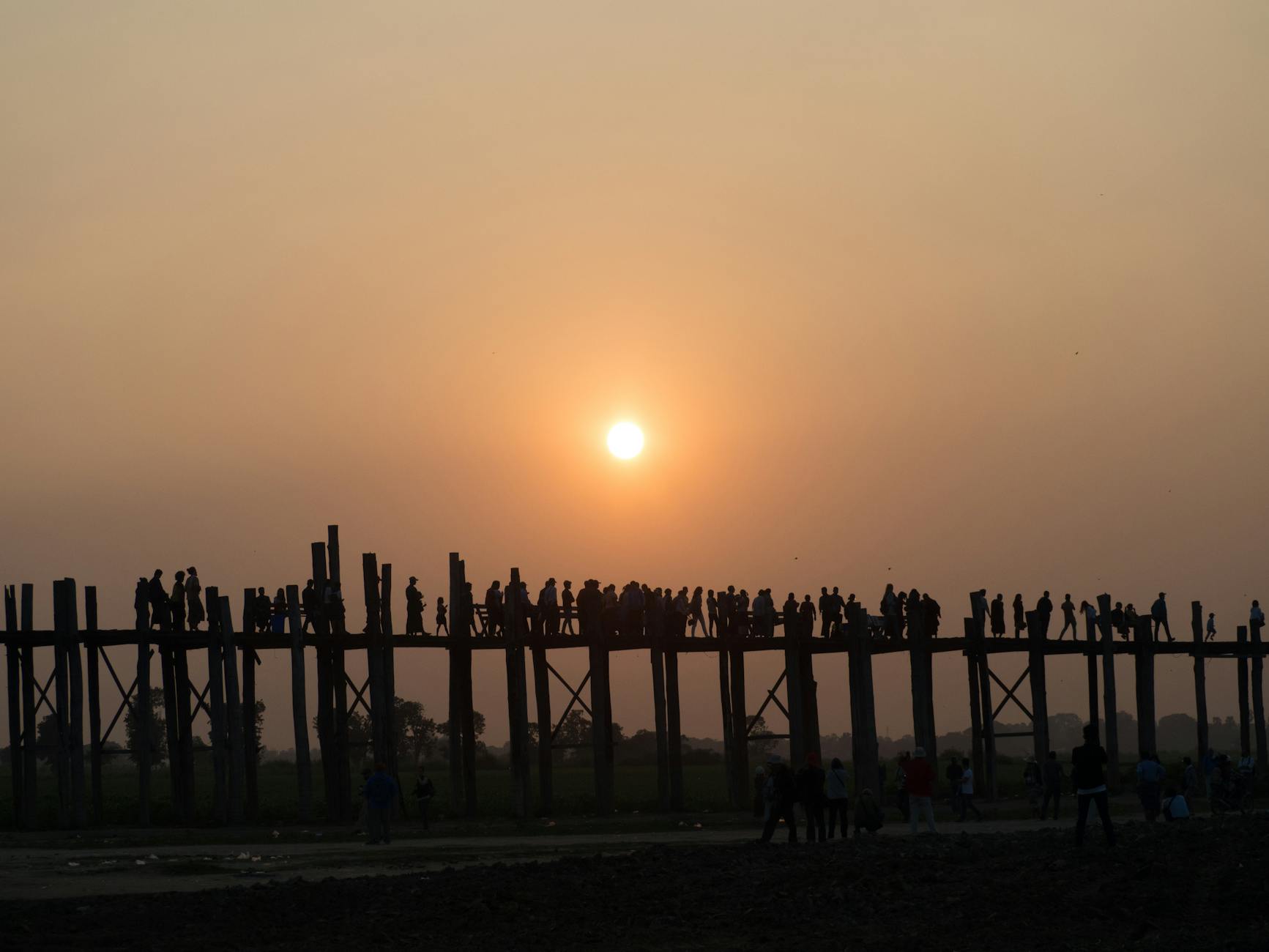
This simple wooden crossing in Myanmar spans a river in a region where formal engineering oversight is extremely limited. The structure is built from locally harvested timber with no standardised grading or load testing applied to the materials. Engineers examining photographs and field reports have noted that the supporting columns show significant lean and water damage. Seasonal flooding regularly submerges the lower structural elements, accelerating rot in ways that are difficult to monitor consistently. Villagers and motorcycle traffic share the crossing daily despite the absence of any formal weight limit enforcement.
Kokonoe Yume Bridge
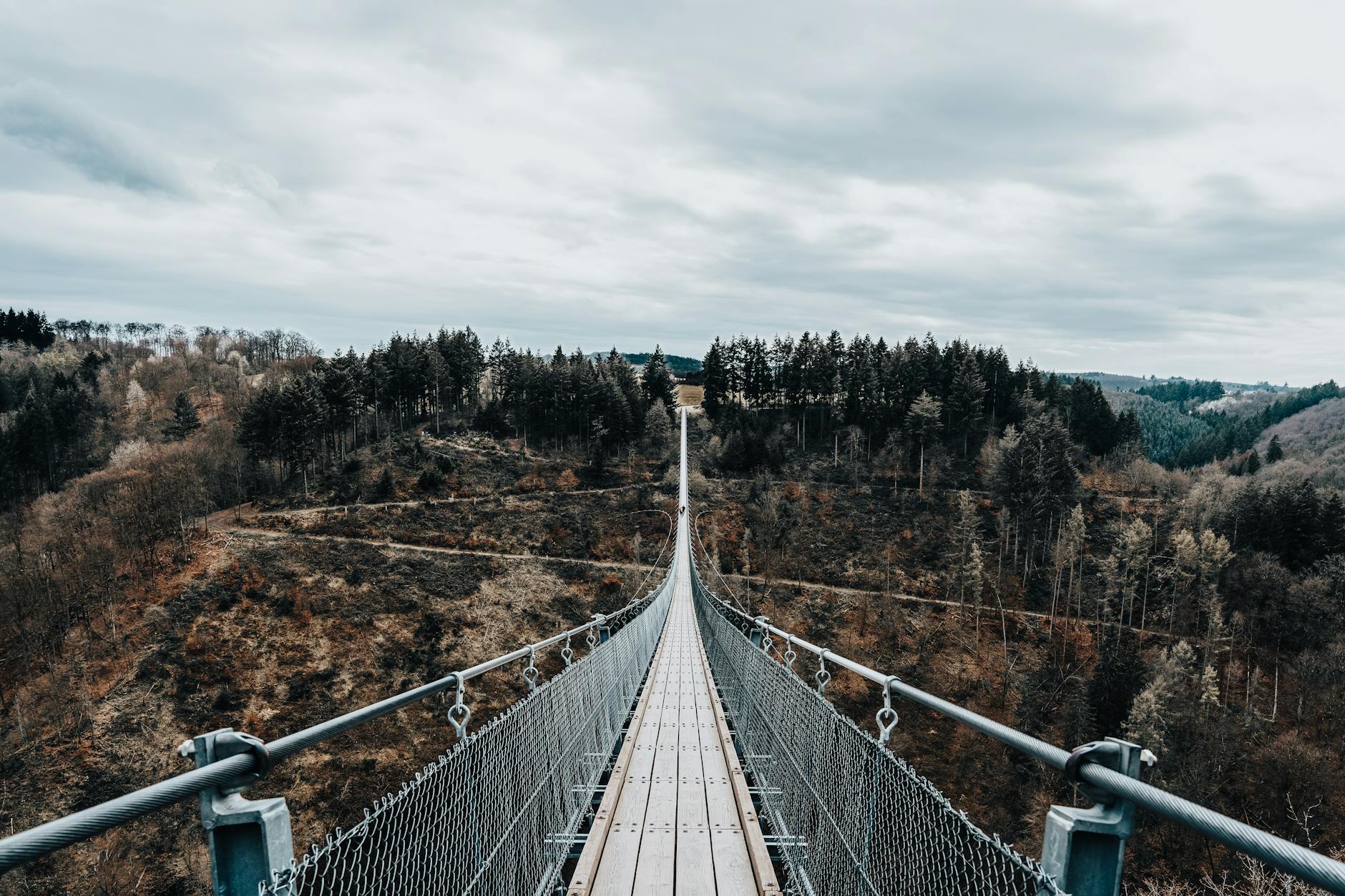
Spanning a volcanic gorge in Japan’s Oita Prefecture, this suspension bridge stretches over one hundred and seventy metres at a height of one hundred and seventy three metres above the valley floor. The volcanic geology of the surrounding area means the anchor foundations sit in ground that is chemically active and subject to gradual mineral degradation. Engineers note that the thermal updrafts rising from the gorge create oscillation patterns that differ from those produced by conventional horizontal wind loading. The considerable pedestrian traffic generates cumulative fatigue stress on the cable connectors over time. Japan’s rigorous engineering culture means it is well monitored but the geological context remains an ongoing area of study.
Royal Gorge Bridge
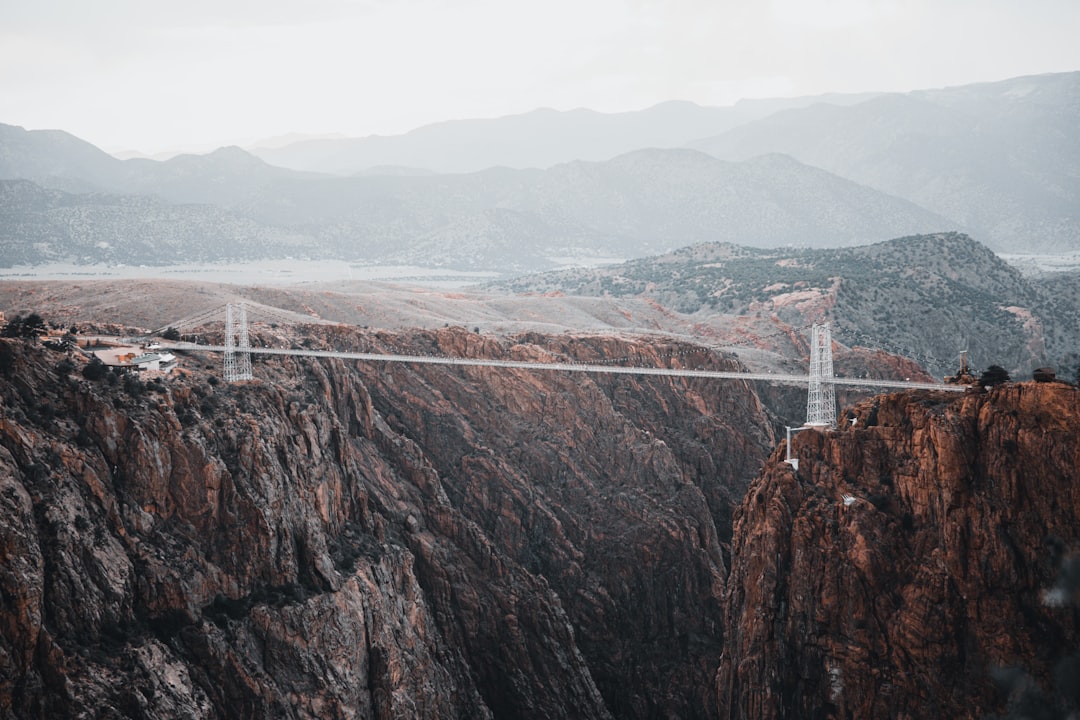
Suspended over three hundred metres above the Arkansas River in Colorado, this bridge held the world record for the highest suspension bridge for over seventy years. The wooden deck was destroyed in a wildfire in 2013 and rebuilt, though engineers note that the original anchor towers were designed under significantly older structural standards. The canyon creates powerful wind channelling effects that produce lateral loading forces difficult to model accurately with standard bridge engineering tools. The gorge walls reflect and amplify sound and vibration in ways that affect how structural resonance is interpreted during inspections. Despite its tourist appeal, engineers consistently cite its height and wind environment as genuinely extreme.
Sidu River Bridge
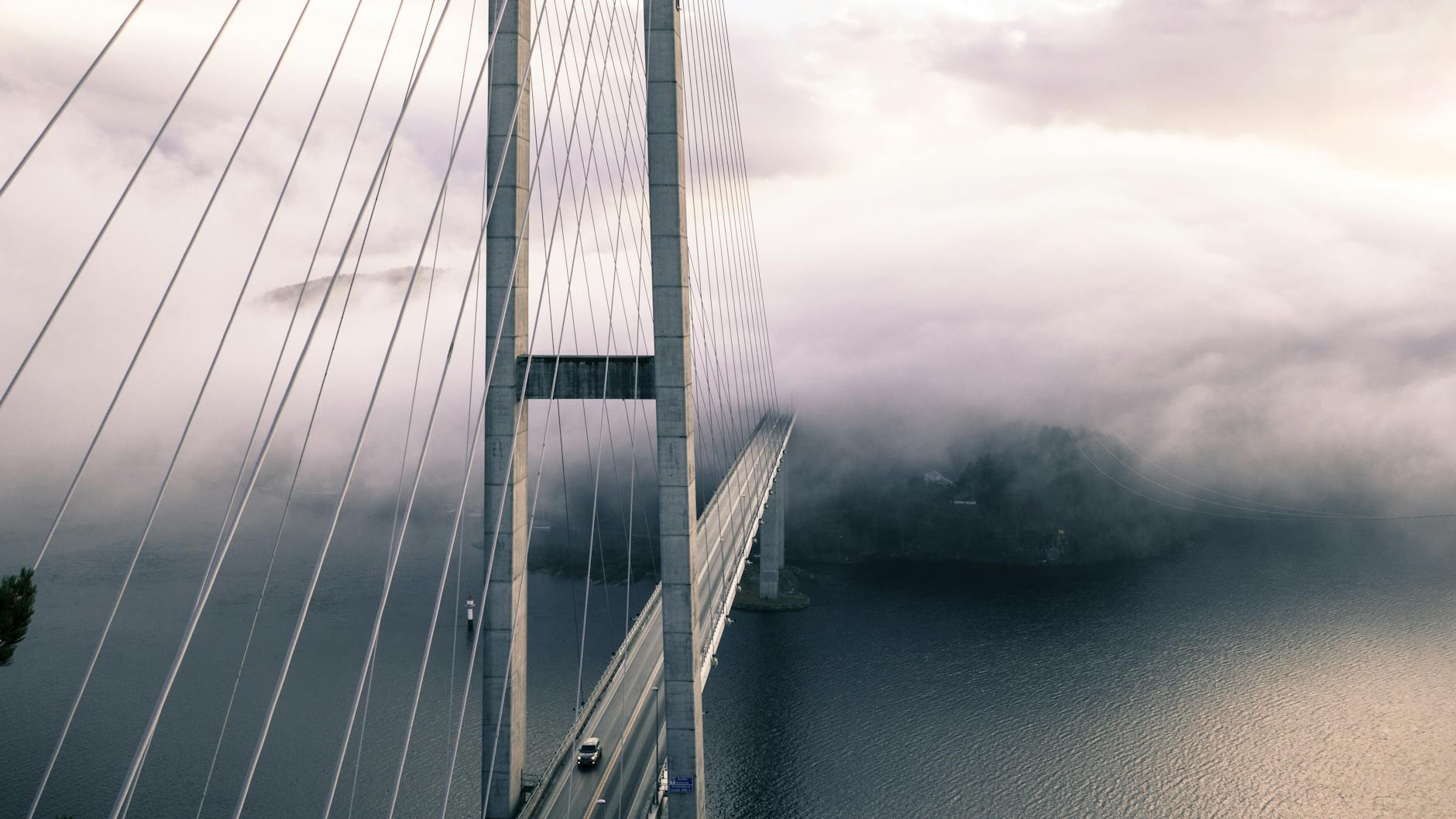
This cable-stayed road bridge in China’s Hubei Province spans one thousand two hundred and twenty two metres at a height of over four hundred and ninety six metres above the river below. It is one of the highest road bridges on the planet, and engineers regard it as operating at the absolute frontier of structural engineering practice. The valley geography creates severe turbulent wind conditions that required years of wind tunnel modelling before construction could begin. Vehicles crossing during storms experience lateral movement in the road deck that is structurally within tolerance but profoundly unsettling to drivers. The extreme height means that standard emergency response protocols are largely ineffective if a serious incident were to occur on the bridge itself.
If you have crossed any of these bridges or know of others that belong on this list, share your experiences in the comments.




