Metabolism encompasses the internal processes that determine how efficiently your body utilizes calories and sustains energy. While fluctuations are normal throughout life, a noticeable decline in metabolic rate can affect overall health and daily productivity. Identifying subtle shifts in physical sensations and energy patterns allows for timely interventions that restore balance. Simple adjustments to nutrition and physical activity can significantly improve metabolic function and long-term wellness. Understanding these common indicators provides a roadmap for optimizing your internal health through sustainable lifestyle habits.
Persistent Fatigue

A constant sense of tiredness that remains even after adequate rest often points toward an inefficient energy conversion process. When the body cannot effectively turn food into fuel, everyday tasks feel more physically demanding than usual. Increasing your intake of iron rich foods like spinach or lean proteins can help support blood oxygen levels and energy production. Engaging in low impact movement such as yoga or brisk walking also encourages the metabolic system to become more active.
Unexplained Weight Gain

Gaining weight without making changes to diet or exercise routines is a common indicator of a metabolic slowdown. This happens because the body requires fewer calories to maintain basic functions than it previously did. Prioritizing strength training helps build lean muscle mass which naturally burns more calories at rest. Adding high protein snacks to your daily routine can also increase the thermic effect of food and support a healthy weight.
Chronic Dry Skin

When metabolism slows down, the body often directs resources away from non essential functions like skin cell renewal. This can lead to a dull or flaky appearance that persists despite the frequent use of moisturizers. Increasing the consumption of healthy fats like avocados and walnuts provides the necessary building blocks for healthy skin membranes. Staying properly hydrated ensures that skin cells remain plump and functional throughout the day.
Thinning Hair

A lack of essential nutrients reaching the scalp can cause hair to become brittle or begin thinning over time. This occurs because the metabolic system prioritizes vital organs over hair follicles when energy levels are low. Including biotin rich foods like eggs and nuts in your diet supports stronger hair growth from the inside out. Regular scalp massages can also stimulate blood flow to the area to deliver necessary nutrients to the follicles.
Brittle Nails

Nails that break or peel easily often reflect a deficiency in the metabolic processes required for keratin production. Slow metabolism can limit the absorption of minerals needed to maintain nail strength and resilience. Eating more calcium rich foods and green leafy vegetables provides the foundation for healthier nail beds. Protecting hands from harsh chemicals and extreme temperatures also prevents further damage while the body recovers.
Cold Hands and Feet

Poor circulation and a lack of internal heat production frequently result in extremities that feel cold to the touch. The body naturally restricts blood flow to the limbs to keep core organs warm when metabolic heat is insufficient. Consuming warming spices like ginger and cinnamon can help improve circulation and boost internal temperature. Incorporating more cardiovascular exercise into your weekly schedule encourages better blood flow to the hands and feet.
Constant Cravings

Frequent urges for sugary or starchy foods suggest that the body is searching for a quick energy fix. These cravings occur when blood sugar levels fluctuate because the metabolism is not processing energy steadily. Balancing meals with a combination of fiber and protein helps stabilize blood sugar and reduces the desire for snacks. Choosing whole grains over refined sugars provides a more consistent source of fuel for the brain and body.
Brain Fog

Difficulty concentrating or a general sense of mental cloudiness can stem from the brain not receiving a steady supply of glucose. A sluggish metabolism often leads to irregular energy delivery to the central nervous system. Prioritizing sleep allows the brain to recover and improves cognitive function during waking hours. Short bursts of intense physical activity can also clear mental fog by increasing oxygen delivery to the brain.
Frequent Bloating

A slow metabolic rate often impacts the speed of the digestive system which can lead to uncomfortable bloating and gas. When food moves too slowly through the digestive tract, it has more time to ferment and cause distress. Incorporating probiotic rich foods like yogurt or sauerkraut supports a healthy gut microbiome and speeds up transit time. Drinking warm water with lemon in the morning can also stimulate the digestive process and reduce morning puffiness.
Low Body Temperature

Maintaining a body temperature consistently below the standard range can be a sign of a suppressed metabolic rate. The chemical reactions that power the body produce heat as a byproduct of energy production. Consuming enough total calories to meet daily needs ensures the body has the fuel required to maintain its internal thermostat. Avoiding long term restrictive dieting prevents the metabolism from entering a protective and cooling conservation mode.
Mood Swings

Fluctuations in energy levels often correlate with shifts in mood and emotional stability. A metabolism that struggles to provide consistent fuel can lead to irritability or sudden dips in happiness. Regular meal timing helps maintain steady blood sugar levels and supports more predictable emotional responses. Practice of stress reduction techniques like deep breathing helps regulate the hormones that influence both mood and metabolism.
Poor Sleep Quality

Difficulty falling asleep or staying asleep may indicate that the body is struggling with hormonal imbalances related to metabolism. An inefficient metabolism can lead to elevated cortisol levels at night which prevents deep and restorative rest. Limiting blue light exposure before bed helps the body prepare for sleep and regulates the circadian rhythm. Creating a consistent bedtime routine signals to the metabolic system that it is time to transition into recovery mode.
Muscle Weakness

Feeling physically weak or noticing a decrease in strength can signify that the body is breaking down muscle for energy. This often happens when the metabolic rate is too low to effectively utilize other energy stores. Increasing protein intake provides the amino acids necessary for muscle repair and maintenance. Consistent resistance training signals the body to preserve muscle tissue even when caloric intake is slightly lower.
Skin Breakouts

Hormonal shifts associated with a slowing metabolism can sometimes trigger adult acne or skin sensitivity. When metabolic waste is not processed efficiently, toxins may attempt to exit the body through the skin. Eating a diet rich in antioxidants helps the liver process waste more effectively and promotes clearer skin. Gentle cleansing routines protect the skin barrier while the internal system works to regain balance.
Afternoon Energy Dips

A significant crash in energy during the late afternoon suggests that the body is failing to sustain energy levels between meals. This common symptom often leads to a reliance on caffeine or sugar for a temporary boost. Choosing a snack that combines healthy fats and protein can bridge the gap and prevent the afternoon slump. Staying active throughout the day with small movements prevents the metabolic rate from dropping too low during sedentary hours.
Slow Digestion

Infrequent bowel movements or a heavy feeling after eating are hallmarks of a sluggish digestive process. Metabolism and digestion are closely linked because the energy used to process food contributes to the overall metabolic rate. Increasing fiber intake through vegetables and whole grains helps move food through the system more efficiently. Adequate hydration is also essential for maintaining the smooth movement of waste through the digestive tract.
Reduced Sweating

If you notice that you rarely sweat even during physical activity, your internal body temperature might be lower than ideal. Sweating is a natural cooling mechanism that relies on the heat generated by metabolic activity. Gradually increasing the intensity of workouts can help jumpstart the body’s thermoregulatory system. Ensuring sufficient intake of electrolytes supports the hydration levels necessary for healthy perspiration and energy transport.
High Cholesterol
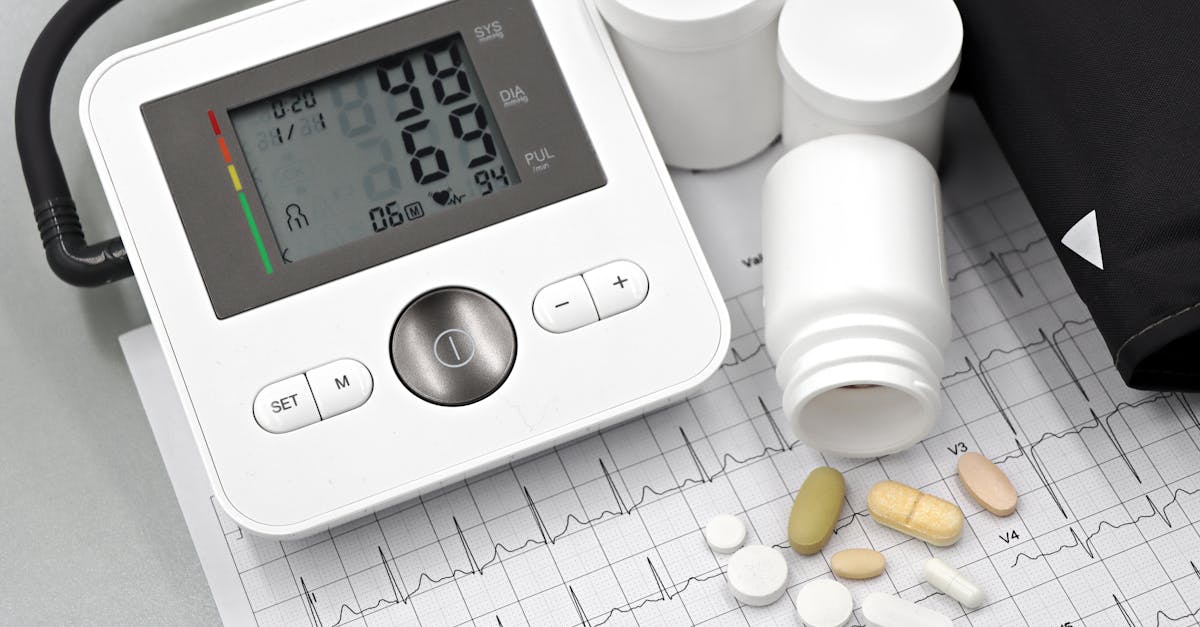
Unexplained rises in cholesterol levels can sometimes be linked to how the body processes fats and hormones. A slowing metabolism may result in the liver being less efficient at clearing cholesterol from the bloodstream. Consuming more soluble fiber from foods like oats and beans can help bind cholesterol and remove it from the body. Regular aerobic exercise supports the production of healthy cholesterol while improving overall cardiovascular efficiency.
Memory Lapses

Forgetfulness or trouble recalling simple information can be a side effect of reduced metabolic energy in the brain. The brain requires a significant amount of the body’s total energy to function and store memories. Engaging in mentally stimulating activities like puzzles or reading helps maintain cognitive pathways and energy demand. Consuming omega three fatty acids from fish or flaxseeds provides the structural fats needed for brain health.
Lack of Focus

An inability to stay on task for extended periods often reflects a lack of steady energy supply to the prefrontal cortex. When the metabolism is slow, the brain may enter a conservation mode that prioritizes survival over complex tasks. Breaking large projects into smaller steps can help manage limited mental energy more effectively. Taking frequent short breaks to move the body helps refresh the mind and stimulate metabolic activity.
Fluid Retention

Swelling in the ankles or a puffy feeling in the face can indicate that the body is not processing fluids efficiently. Slow metabolism can lead to imbalances in sodium and potassium which cause the body to hold onto excess water. Reducing sodium intake and increasing potassium from sources like bananas can help restore fluid balance. Gentle movement and elevation of the legs also encourage the movement of fluids back toward the heart.
Frequent Headaches

Recurrent headaches can be triggered by the fluctuations in blood sugar and hormones associated with metabolic changes. When the body is not converting energy predictably, the brain may react to the lack of stable fuel. Maintaining a consistent hydration schedule helps prevent dehydration related headaches and supports metabolic chemistry. Regular meals ensure that the brain has a steady supply of glucose to function without distress.
Irregular Cycles

For many, a change in metabolic rate can directly impact the hormonal signals that regulate the menstrual cycle. Low energy availability often causes the body to deprioritize reproductive functions to save energy for vital systems. Eating a balanced diet with sufficient calories supports the hormonal balance necessary for regularity. Reducing extreme physical stress can also help the body feel safe enough to maintain normal cycles.
Joint Stiffness

A lack of metabolic efficiency can lead to increased inflammation which often manifests as stiffness in the joints. This discomfort is frequently more noticeable in the morning or after periods of inactivity. Including anti inflammatory foods like turmeric and fatty fish in the diet can help soothe joint discomfort. Low impact exercise keeps joints lubricated and improves the delivery of nutrients to the cartilage.
Sugar Sensitivity

Feeling jittery or experiencing a rapid crash after eating sugar indicates that the body is struggling to manage glucose. A sluggish metabolism often involves a reduced sensitivity to the hormones that regulate blood sugar. Swapping refined sugars for natural sources like berries provides sweetness alongside fiber to slow absorption. Focusing on whole foods reduces the burden on the metabolic system to handle extreme sugar spikes.
Loss of Libido

A decrease in romantic interest can occur when the body is in an energy conservation state due to slow metabolism. Reproductive drive is often one of the first systems to be dialed back when the body perceives a lack of fuel. Prioritizing rest and reducing overall life stress helps the body return to a state of balance. Eating a variety of nutrient dense foods ensures the body has the components needed for healthy hormone production.
Difficulty Building Strength

If progress in the gym has stalled despite consistent effort, the metabolism may not be providing enough energy for muscle synthesis. Muscle growth requires a surplus of energy and specific nutrients that a slow metabolism may not process well. Increasing the frequency of protein consumption throughout the day supports continuous muscle repair. Monitoring recovery time ensures that the body is not being overtaxed beyond its current metabolic capacity.
Sensitivity to Cold

Finding yourself shivering in temperatures that others find comfortable is a classic sign of low metabolic heat. The body generates heat through chemical reactions and a slower rate means less warmth is produced. Wearing layers of natural fibers can help retain the heat that the body does manage to generate. Consuming warm meals and beverages provides an immediate source of external heat to the core.
Morning Brain Fog

Waking up feeling disoriented or extremely groggy suggests that the body struggled to maintain energy levels overnight. This can be caused by a metabolic rate that drops too low during sleep hours. Eating a small snack containing complex carbohydrates before bed can provide a steady trickle of energy through the night. Exposing yourself to natural sunlight immediately upon waking helps reset the internal clock and boost metabolic alertness.
Puffy Eyes

Swelling around the eyes in the morning is often a result of poor lymphatic drainage and fluid retention linked to metabolism. When the system is sluggish, waste products and fluids can settle in the delicate tissues of the face. Using a cold compress can temporarily reduce swelling by constricting blood vessels in the area. Long term improvement comes from supporting the metabolic system through consistent hydration and movement.
Salt Cravings

A strong desire for salty foods may indicate that the adrenal glands are struggling to keep up with metabolic demands. Salt plays a crucial role in maintaining fluid balance and supporting the chemical reactions that produce energy. Choosing high quality sea salts provides trace minerals that support glandular health and metabolic function. Balancing salt intake with plenty of water prevents dehydration and supports kidney function.
Dizziness Upon Standing

Feeling lightheaded when rising quickly can be a sign of low blood pressure or slow metabolic adjustment to positional changes. The body must quickly regulate blood flow when moving, a process that requires immediate energy and coordination. Increasing the intake of electrolytes can help stabilize blood pressure and improve the response to movement. Standing up slowly gives the body more time to adjust the flow of blood and oxygen to the brain.
Brittle Hair

Hair that snaps easily or develops split ends quickly may not be receiving the protein and fats it needs. Metabolism determines how effectively the body uses the nutrients from your diet to build strong tissues. Incorporating healthy oils like olive oil or coconut oil into your meals can improve the quality of hair and skin. Minimizing heat styling protects the hair while you work on improving your internal nutrient processing.
Excessive Thirst

Feeling thirsty even after drinking plenty of water can occur when the body is struggling to balance minerals and sugar. An inefficient metabolism can lead to fluctuations that cause cells to signal for more hydration. Adding a pinch of mineral salt to water can help the body actually absorb and utilize the fluid. Monitoring sugar intake ensures that thirst is not being driven by spikes in blood glucose levels.
Feeling Heavy

A general sensation of heaviness in the limbs or torso often accompanies a decline in metabolic speed. This feeling is different from actual weight gain and relates more to energy flow and muscle tone. Engaging in daily stretching or light calisthenics can help improve the feeling of lightness and agility. Eating lighter and more frequent meals prevents the heavy feeling that often follows a large and difficult to digest feast.
Lack of Morning Hunger

Not feeling hungry for several hours after waking up can be a sign that the metabolism has not yet shifted out of sleep mode. A healthy metabolic rate usually triggers a demand for fuel shortly after the day begins. Starting the day with a small and easy to digest snack can help wake up the digestive system. Gradually moving toward a balanced breakfast helps set a positive metabolic tone for the rest of the day.
Poor Circulation

Cold extremities and skin that takes a long time to return to its normal color after being pressed indicate slow circulation. Metabolism drives the heart rate and vascular responses that move blood through the body. Alternating between warm and cool water in the shower can stimulate the circulatory system and boost metabolic response. Staying active with small movements like toe wiggles or leg lifts helps keep blood moving during long periods of sitting.
Increased Anxiety

Higher levels of worry or a sense of being easily overwhelmed can be linked to the metabolic processing of stress hormones. When the metabolism is slow, the body may have difficulty clearing adrenaline and cortisol from the system. Engaging in rhythmic activities like walking or swimming helps the body process these hormones more effectively. Maintaining a consistent sleep schedule provides the foundation for a more resilient nervous system.
Exercise Intolerance

Feeling unusually exhausted or sore for days after a light workout suggests that the body is struggling to recover. Metabolism is responsible for repairing the microscopic damage that occurs during physical exertion. Reducing the intensity of workouts while focusing on consistency allows the body to build up its metabolic capacity. Prioritizing post workout nutrition with a mix of carbohydrates and protein speeds up the recovery process significantly.
Frequent Illness

Catching every cold that goes around can be an indicator that the immune system is not receiving enough energy to function well. The immune response is a high energy process that relies on a robust and active metabolism. Eating a wide variety of colorful vegetables ensures a steady supply of the vitamins and minerals needed for defense. Practicing good hygiene and getting plenty of rest supports the immune system while the metabolism works to regain its strength.
Share your experiences with improving your energy levels in the comments.




