Your bathroom is one of the most frequently used spaces in your home, yet it often harbors items that are long past their prime. From beauty tools to cleaning supplies, many everyday objects quietly become ineffective or even unhealthy the longer they sit unused or overused. Replacing these items on a regular schedule protects your skin, your health, and the overall hygiene of your space. This guide covers 32 common bathroom items that most people forget to swap out often enough.
Toothbrush
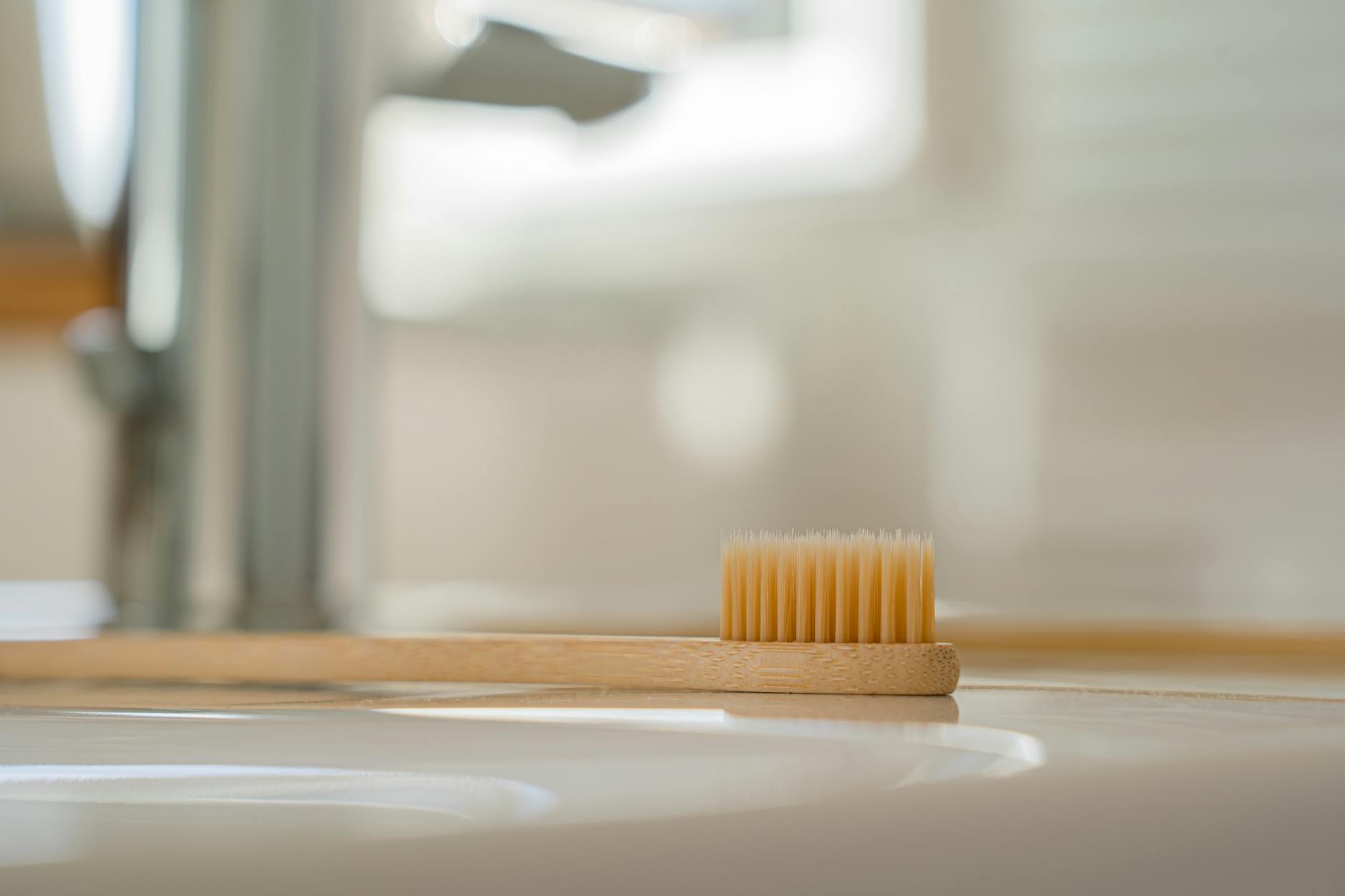
Dentists recommend replacing a toothbrush every three to four months to maintain effective plaque removal. Frayed or splayed bristles are far less effective at cleaning between teeth and along the gumline. Bacteria accumulate on bristles over time, even with regular rinsing. After an illness, replacing the toothbrush immediately prevents reinfection. A fresh toothbrush makes a measurable difference in overall oral hygiene.
Toothpaste
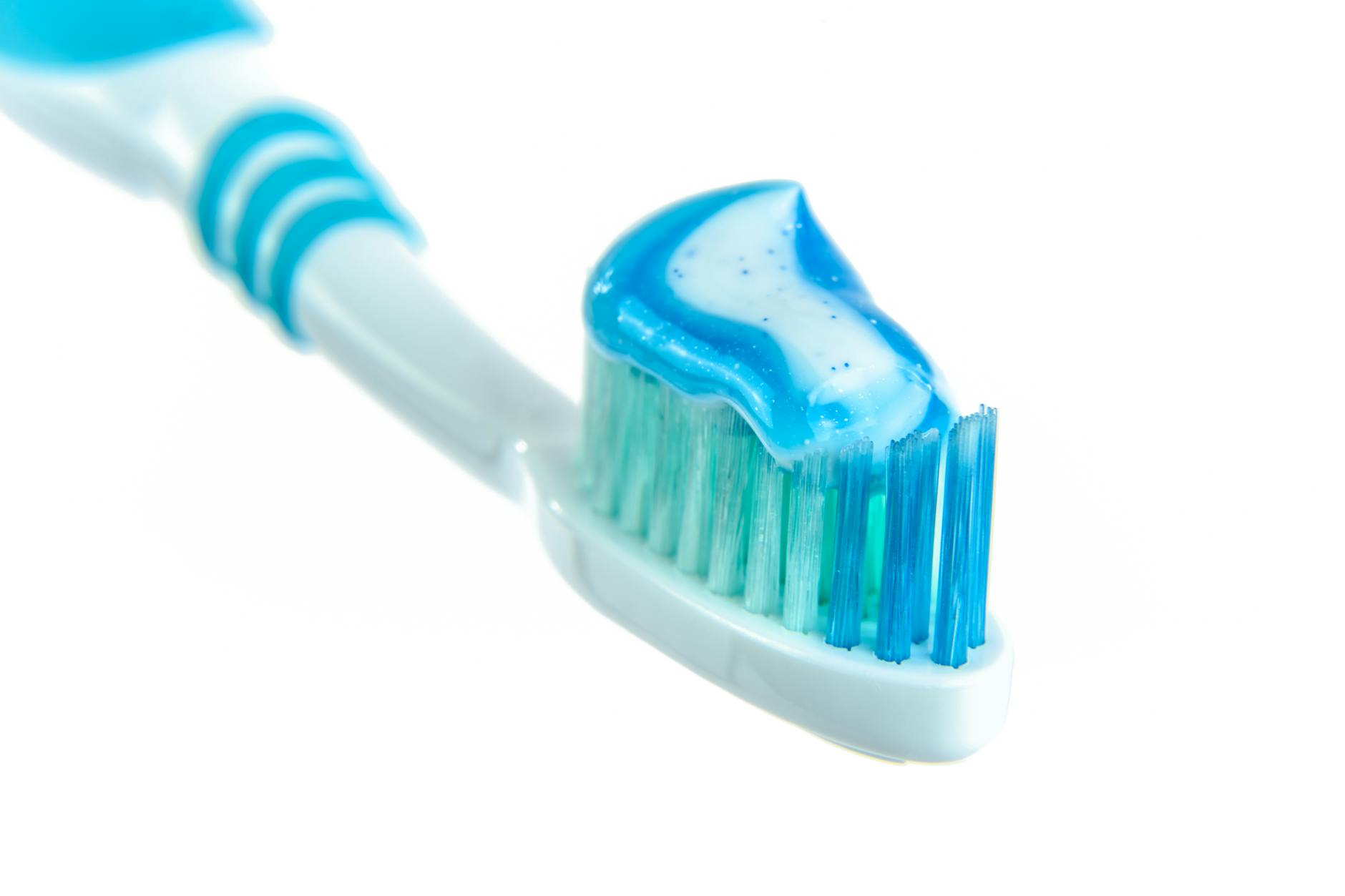
Most people use toothpaste well past its expiration date without realizing the fluoride content degrades over time. Expired toothpaste loses its ability to effectively protect enamel and fight cavities. The texture and consistency can also change, making it less pleasant and less functional to use. Manufacturers print expiration dates on tubes for this reason and dentists recommend following them. Checking the date on your tube every few months is a simple habit worth building.
Tongue Scraper
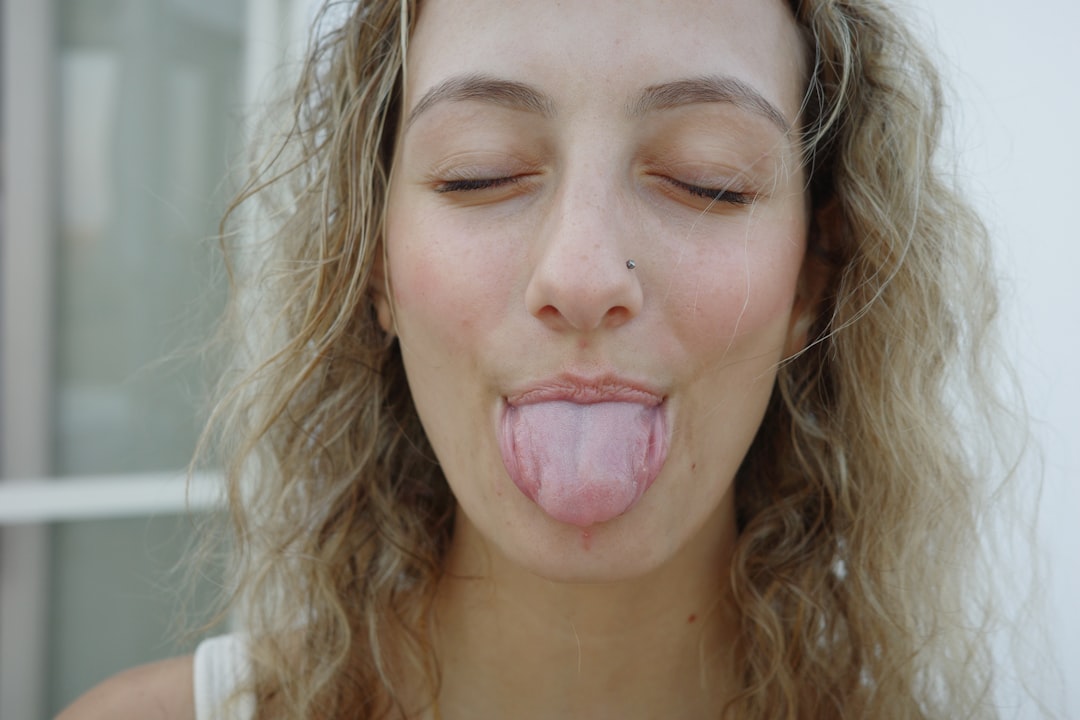
A tongue scraper accumulates bacteria and residue with every use and requires regular replacement. Most metal versions last longer but should still be inspected for rust or warping. Plastic scrapers should be replaced every three to four weeks depending on use. Failing to replace them means redistributing old bacteria back onto a cleaned tongue. A fresh scraper contributes directly to better breath and improved oral health.
Floss
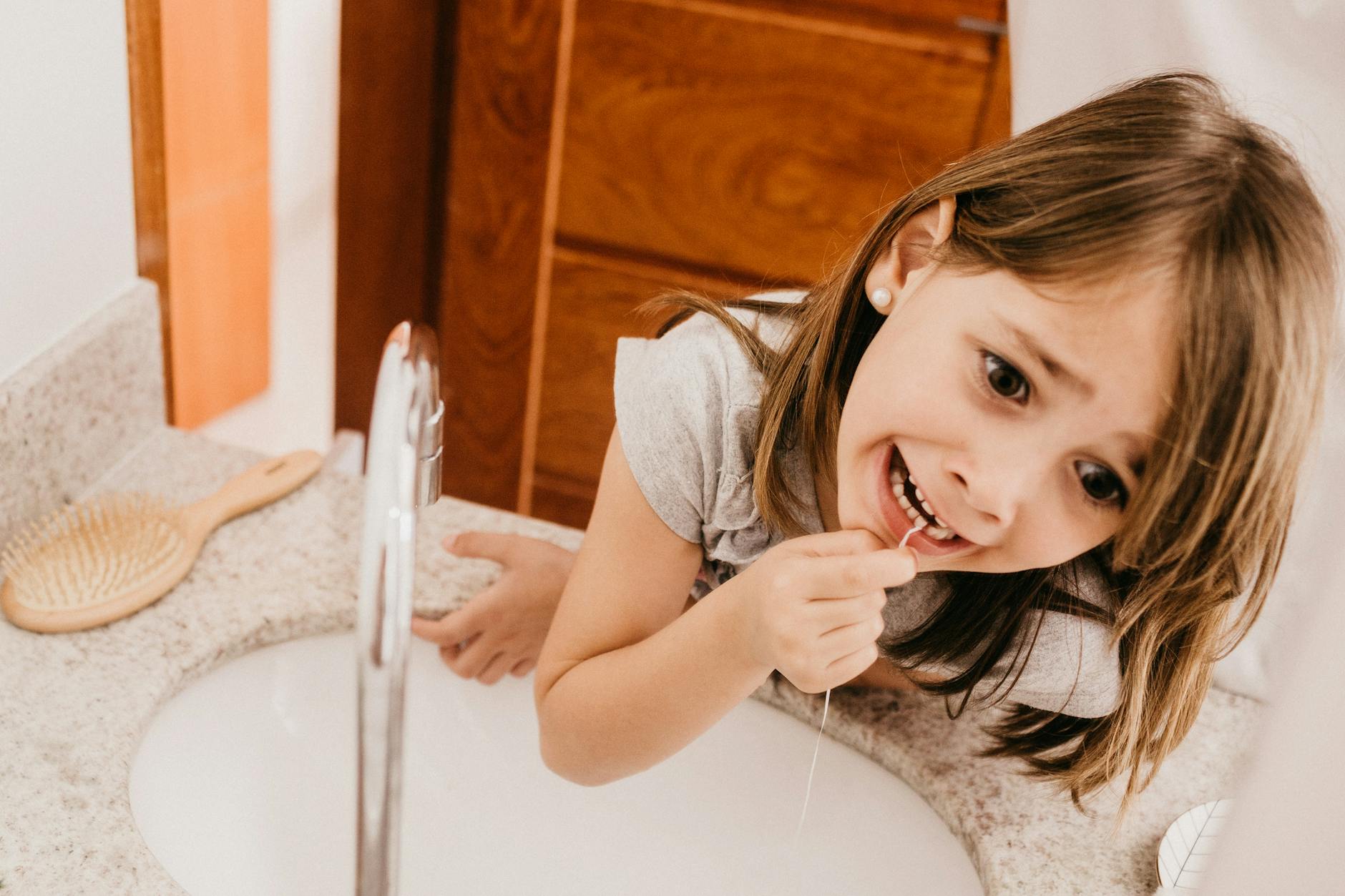
Dental floss does not expire in the traditional sense but can degrade in quality when stored improperly. Floss stored in humid environments can fray more easily and lose its coating effectiveness. An old container of waxed floss may deposit less wax on the strand, reducing its ability to glide smoothly. Flavored varieties lose their taste over time which can discourage consistent use. Keeping a fresh supply on hand encourages the daily habit.
Mouthwash
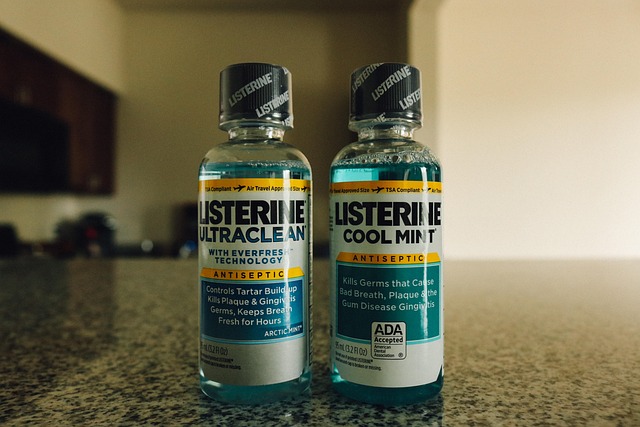
Mouthwash carries an expiration date that reflects the active ingredient potency rather than safety alone. After this date the antibacterial and anti-gingivitis agents begin to break down and become less effective. The alcohol content in some varieties can also evaporate when bottles are not sealed properly. Using expired mouthwash may still freshen breath temporarily but provides little therapeutic benefit. Replacing it regularly ensures the product works as intended.
Razor
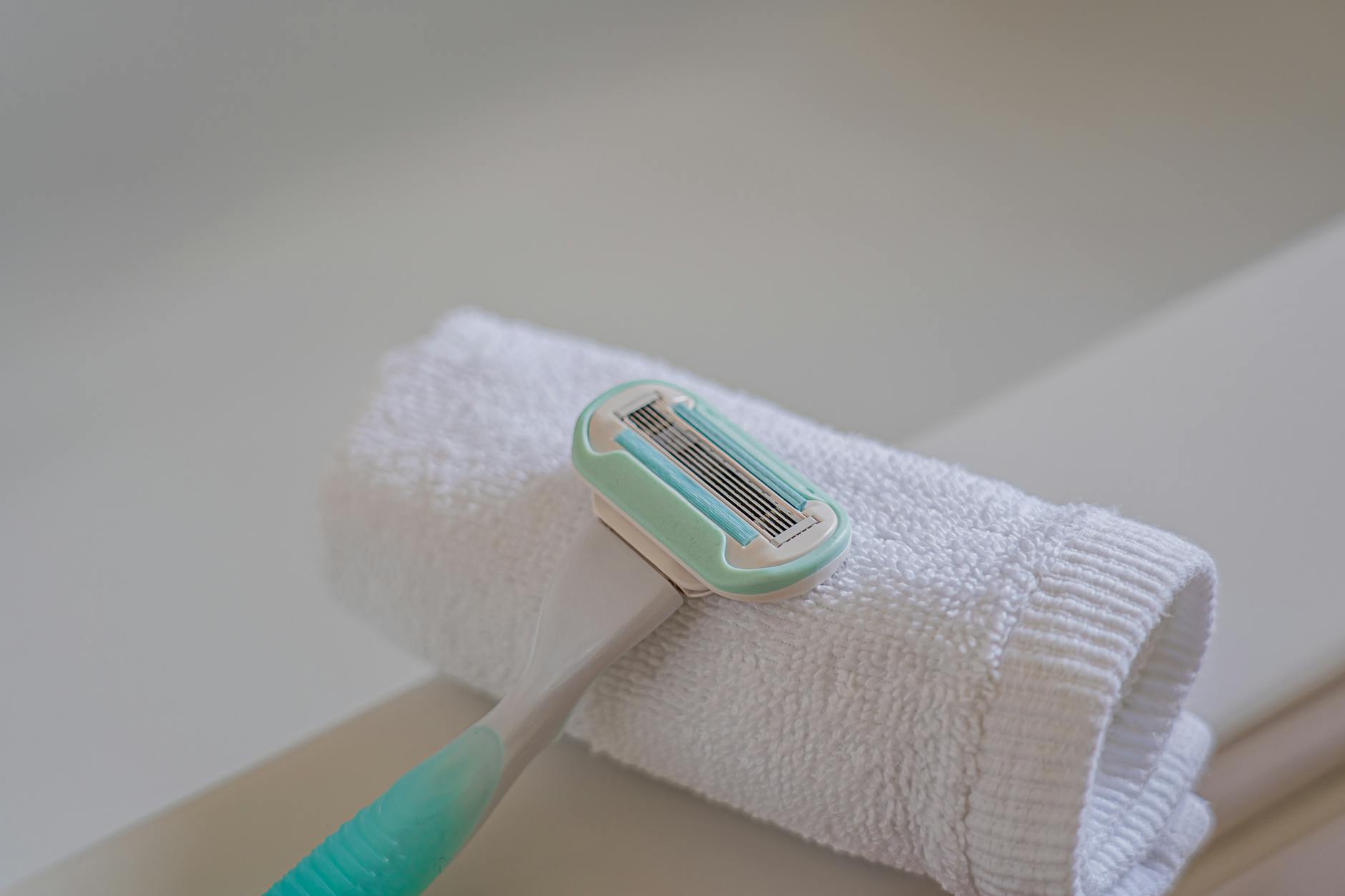
A razor blade should be replaced after five to seven uses to maintain shaving effectiveness and skin safety. Dull blades require more pressure which increases the risk of nicks, irritation, and ingrown hairs. Moisture and soap residue left on blades accelerate rust and bacterial buildup between uses. Disposable razors are not designed for extended use regardless of how the blade appears visually. Replacing blades on schedule keeps skin smoother and reduces post-shave irritation.
Shaving Brush
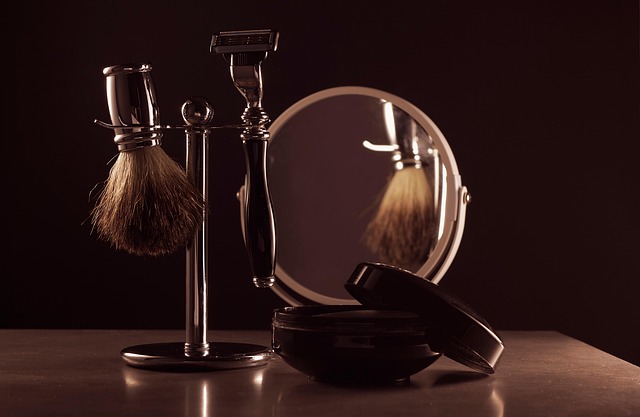
A shaving brush used with traditional wet shaving products needs to be replaced every one to two years. Bristles wear down over time and lose their ability to create a rich lather or lift hairs from the skin. Natural hair brushes are particularly susceptible to mildew if not dried properly between uses. Inspecting the bristles regularly for shedding or odor can help determine when a replacement is due. A quality brush in good condition elevates the shaving experience considerably.
Shaving Cream
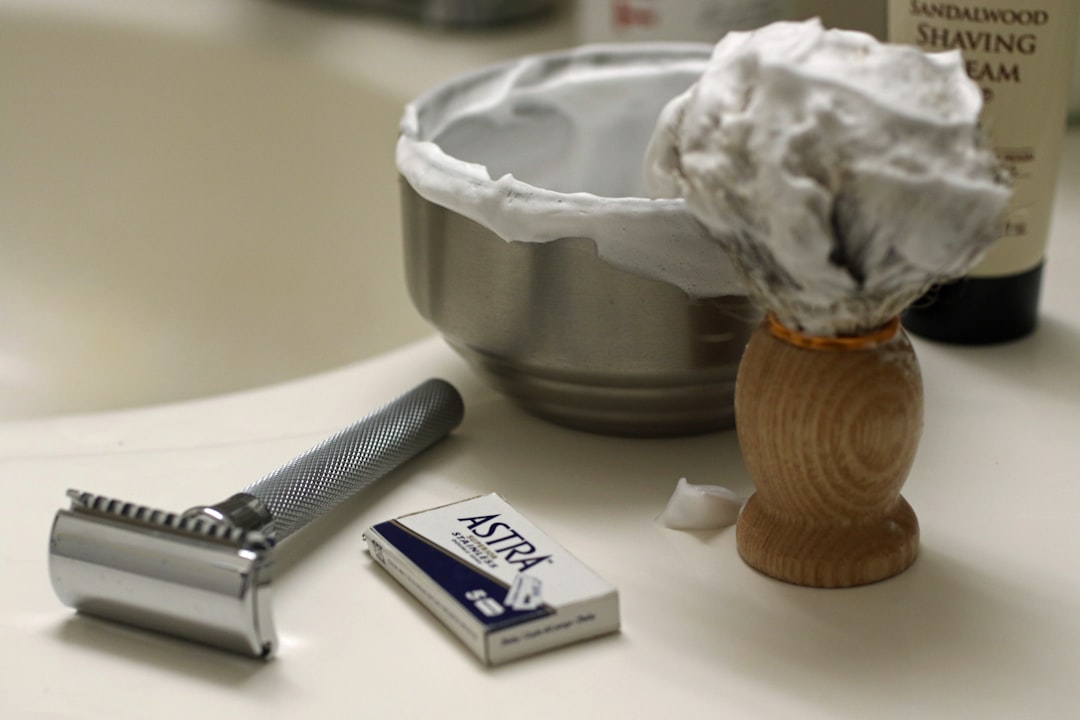
Shaving cream and gel have a shelf life of two to three years when stored correctly. Once opened the formulation begins to oxidize and the moisturizing agents become less effective. An old product may feel thinner or less cushioning which can lead to razor drag and skin irritation. Aerosol cans that have lost pressure also deliver an inconsistent product that does not perform as expected. Replacing shaving cream when it changes in texture or smell is a straightforward skincare step.
Loofah
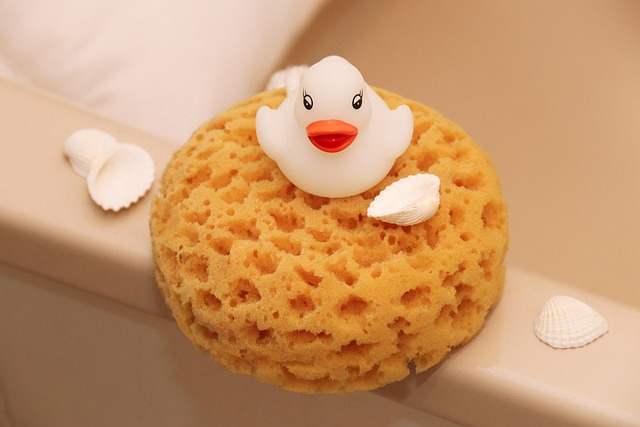
A loofah should be replaced every three to four weeks because it is one of the most bacteria-prone items in any bathroom. Its porous structure traps dead skin cells, soap residue, and moisture which create ideal conditions for bacterial and mold growth. Even rinsing thoroughly after each use does not eliminate the buildup that accumulates over time. Natural loofahs degrade faster and need more frequent replacement than synthetic versions. Keeping a spare on hand makes rotating them a simple routine.
Body Sponge
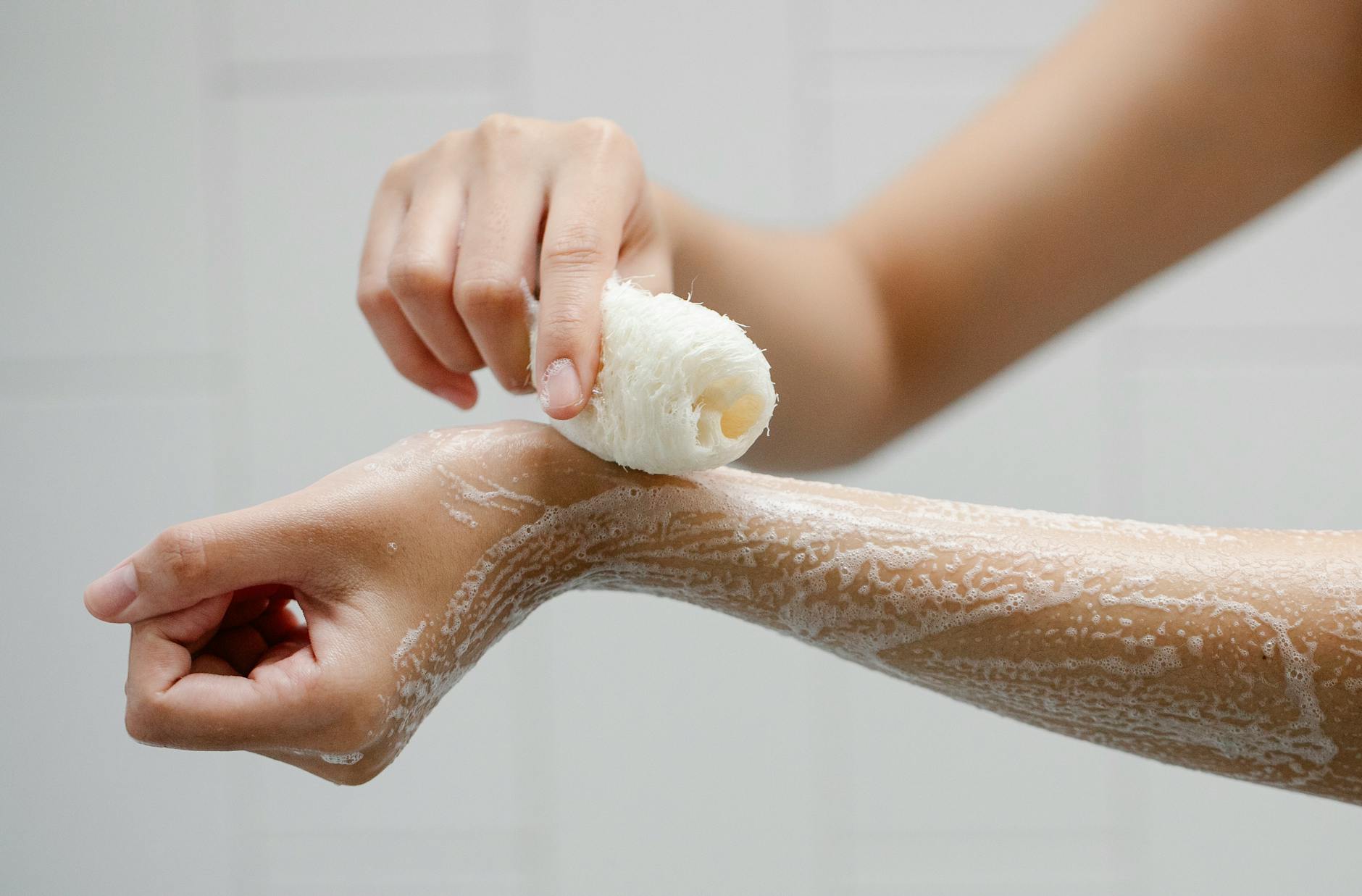
Bath sponges harbor bacteria in much the same way loofahs do and require replacement just as regularly. The dense foam or mesh material retains water long after use, creating a moist environment where microbes thrive. Regular use also compresses and degrades the material, making it less effective at lathering or exfoliating. Washing a sponge in hot water extends its life slightly but does not substitute for full replacement. Replacing it monthly is a straightforward way to keep skin cleaner and healthier.
Bar Soap Dish
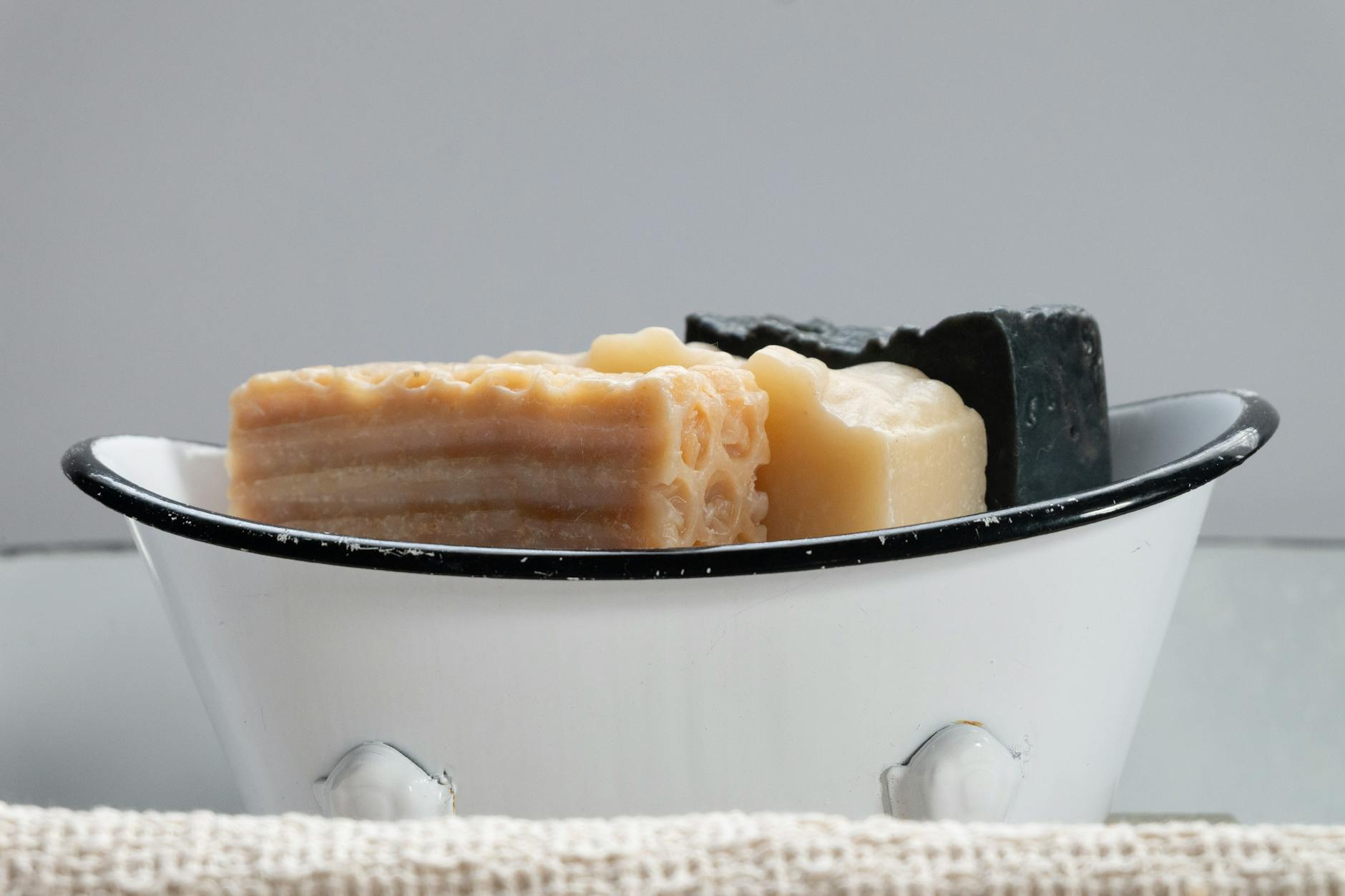
The soap dish sitting beneath your bar soap is often the most overlooked item in a bathroom refresh. Soap residue, water, and skin cells collect in the dish and form a sticky film that encourages bacterial growth. Many soap dishes have ridged or closed bases that trap moisture and become difficult to clean thoroughly. Plastic and ceramic dishes can also crack or stain over time, making sanitation harder to maintain. Replacing or thoroughly sanitizing the dish monthly keeps the area around your sink more hygienic.
Bar Soap
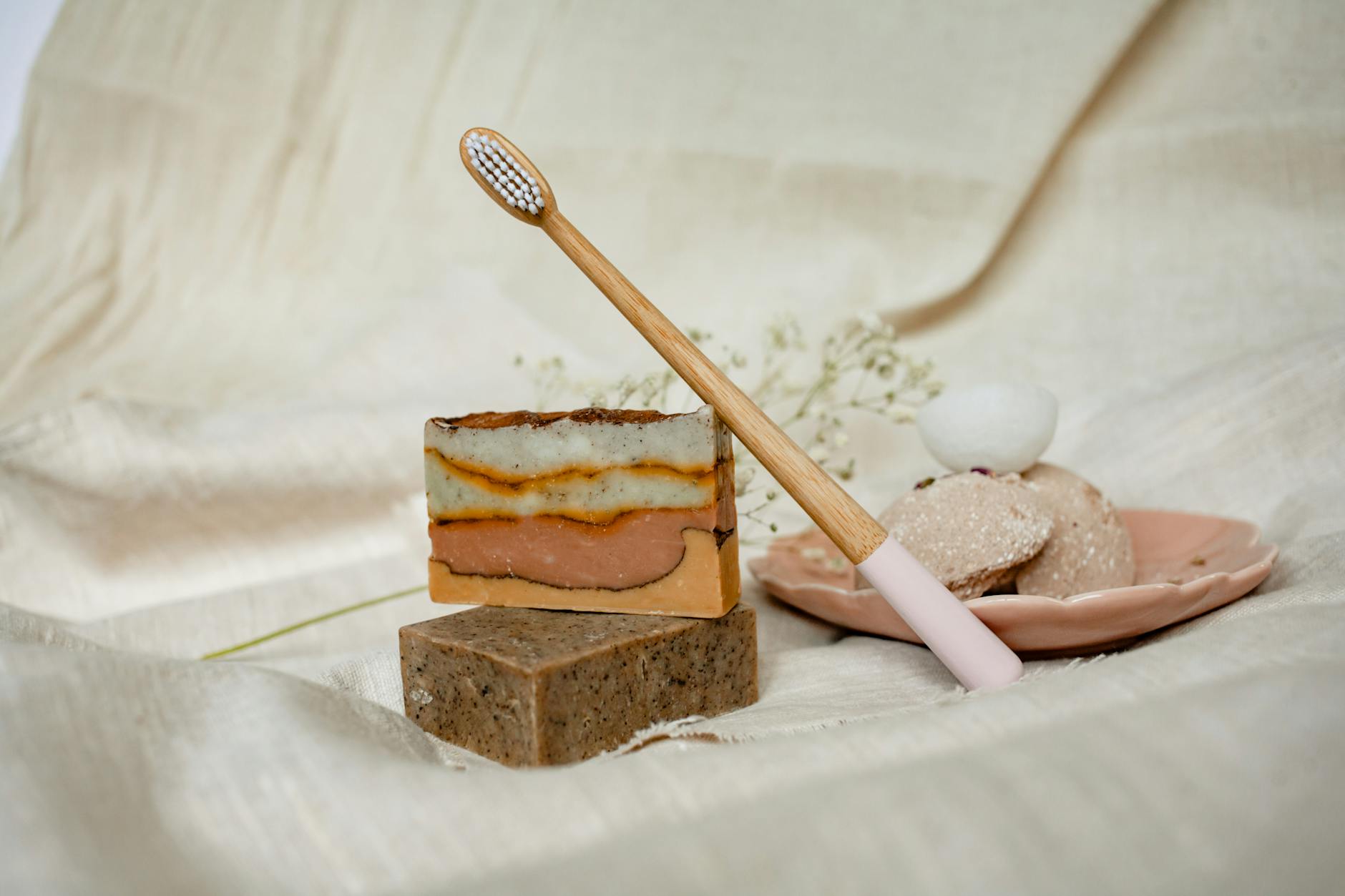
Bar soap that has been sitting in a wet dish for weeks becomes mushy and less effective at lathering. The outer layer accumulates residue from repeated handling which transfers back to the skin during use. Soap that develops cracks or an unusual smell has likely been contaminated by environmental bacteria. Though soap is self-cleaning to a degree, a new bar performs noticeably better than a degraded one. Replacing bar soap regularly ensures a cleaner and more effective wash every time.
Liquid Soap Pump
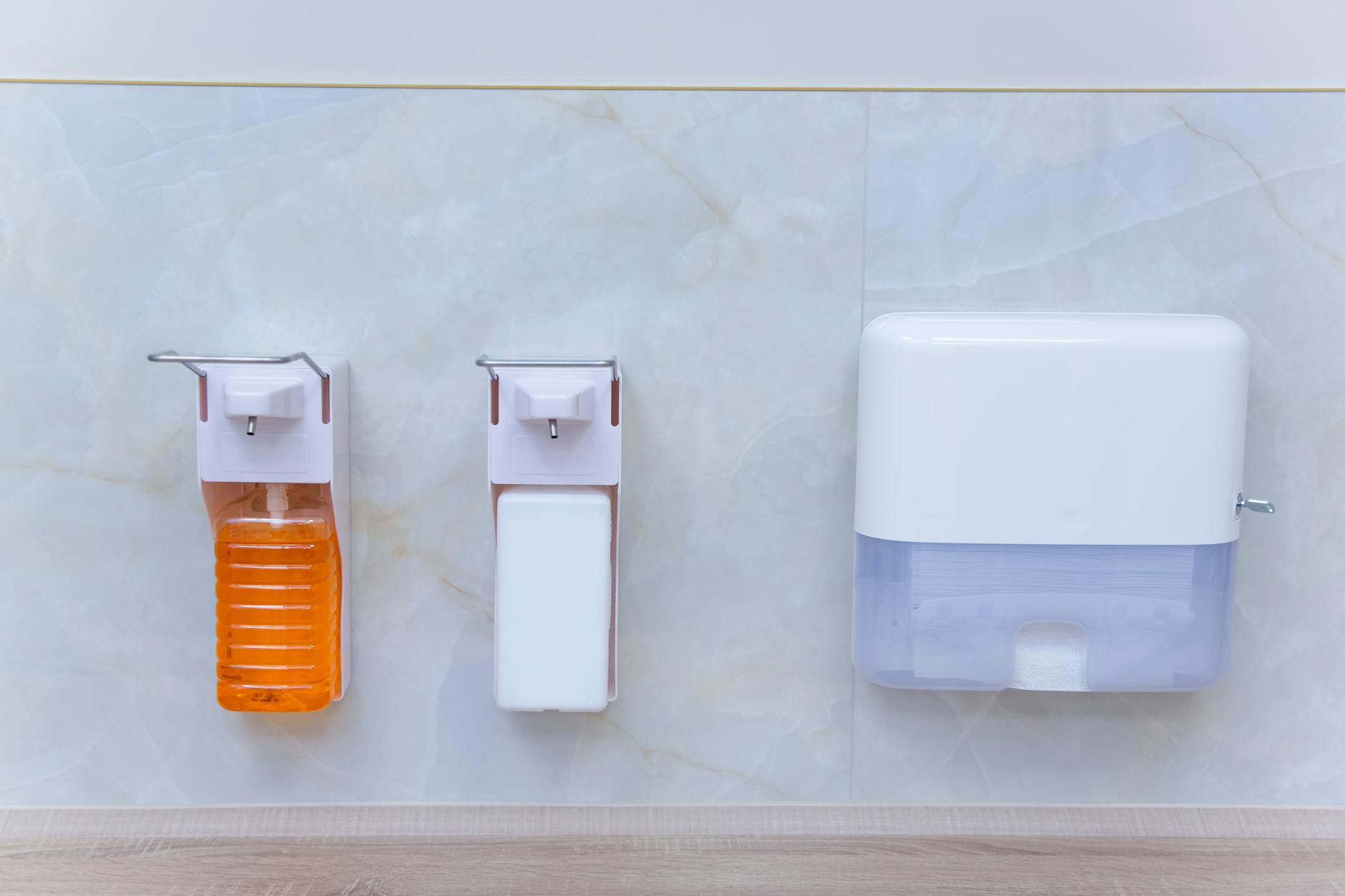
The pump dispenser in your bathroom can harbor bacteria inside the tube and around the nozzle with repeated use. Soap residue builds up inside the mechanism and can introduce old bacteria into each fresh pump. Refillable dispensers should be cleaned thoroughly before being topped up rather than simply refilled. The spring mechanism inside the pump can also weaken over time, delivering inconsistent amounts of product. Replacing or deep cleaning dispensers every few months maintains proper hygiene at the sink.
Hand Cream
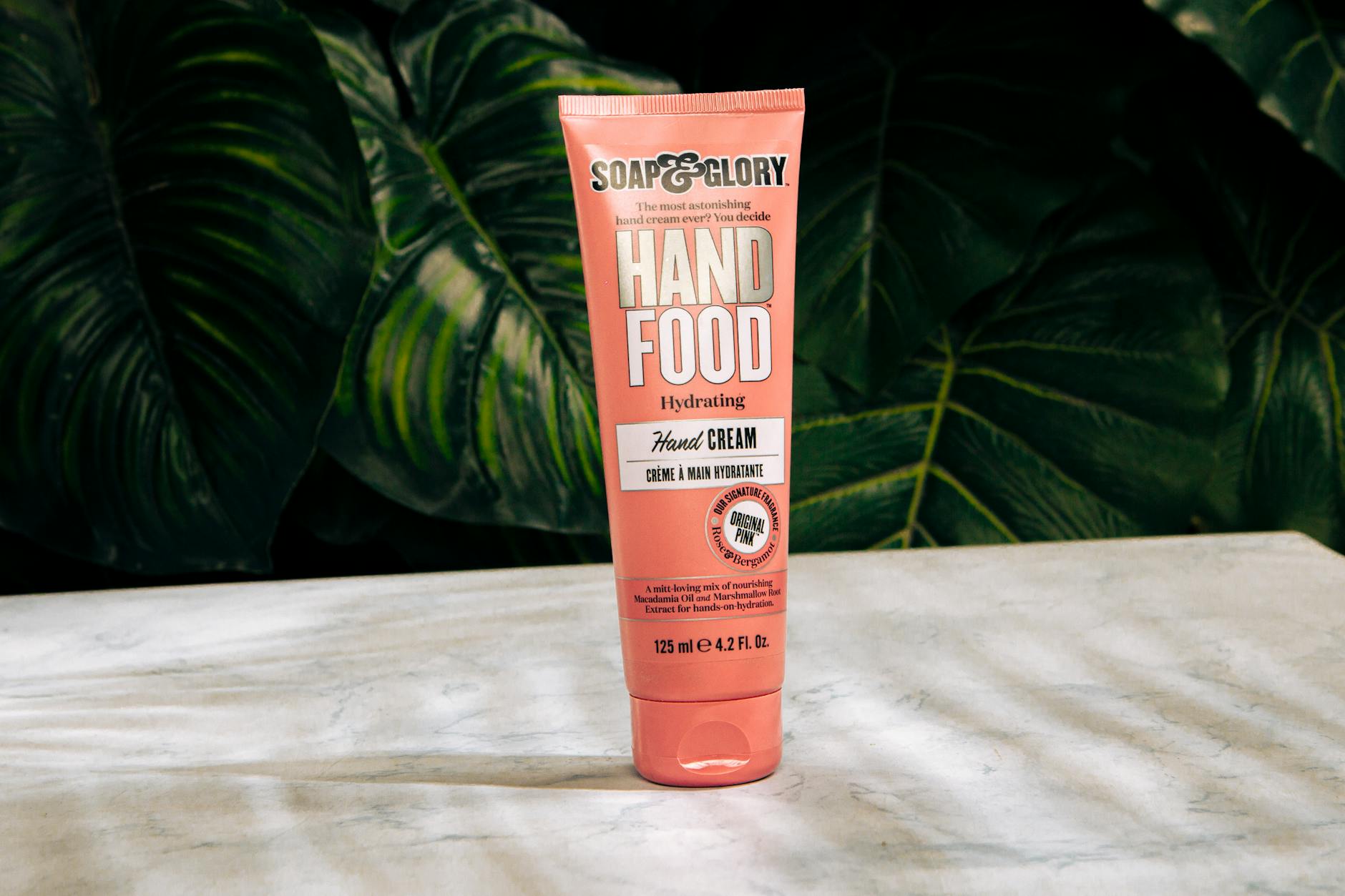
Hand cream has a typical shelf life of one to two years depending on the formula and preservatives used. Once opened the product begins to oxidize, and emollients lose their ability to lock in moisture effectively. Creams stored in jars are more prone to contamination since fingers are regularly dipped into them. A change in smell, texture, or color is a reliable indicator that the product is past its best. Replacing hand cream regularly ensures skin is receiving the full moisturizing benefit.
Face Wash
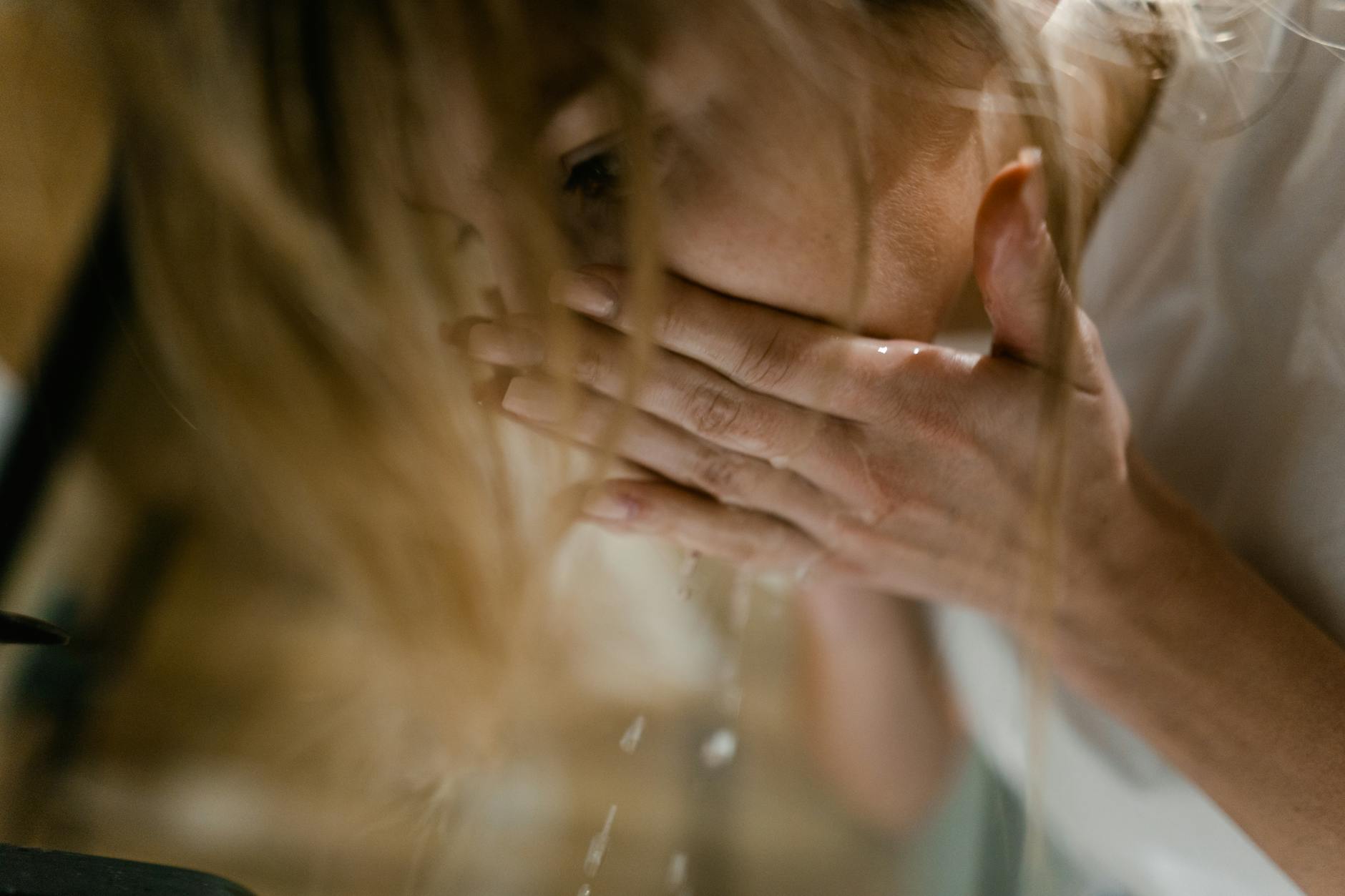
Most face washes remain effective for twelve months after opening, which is typically indicated by a small jar symbol on the packaging. After this point the active ingredients such as salicylic acid or niacinamide begin to degrade. An old cleanser may become less effective at removing makeup, oil, or environmental pollutants from the skin. Some formulas also change in consistency or scent as preservatives break down. Using a fresh product means the skin benefits from the full intended formula.
Toner
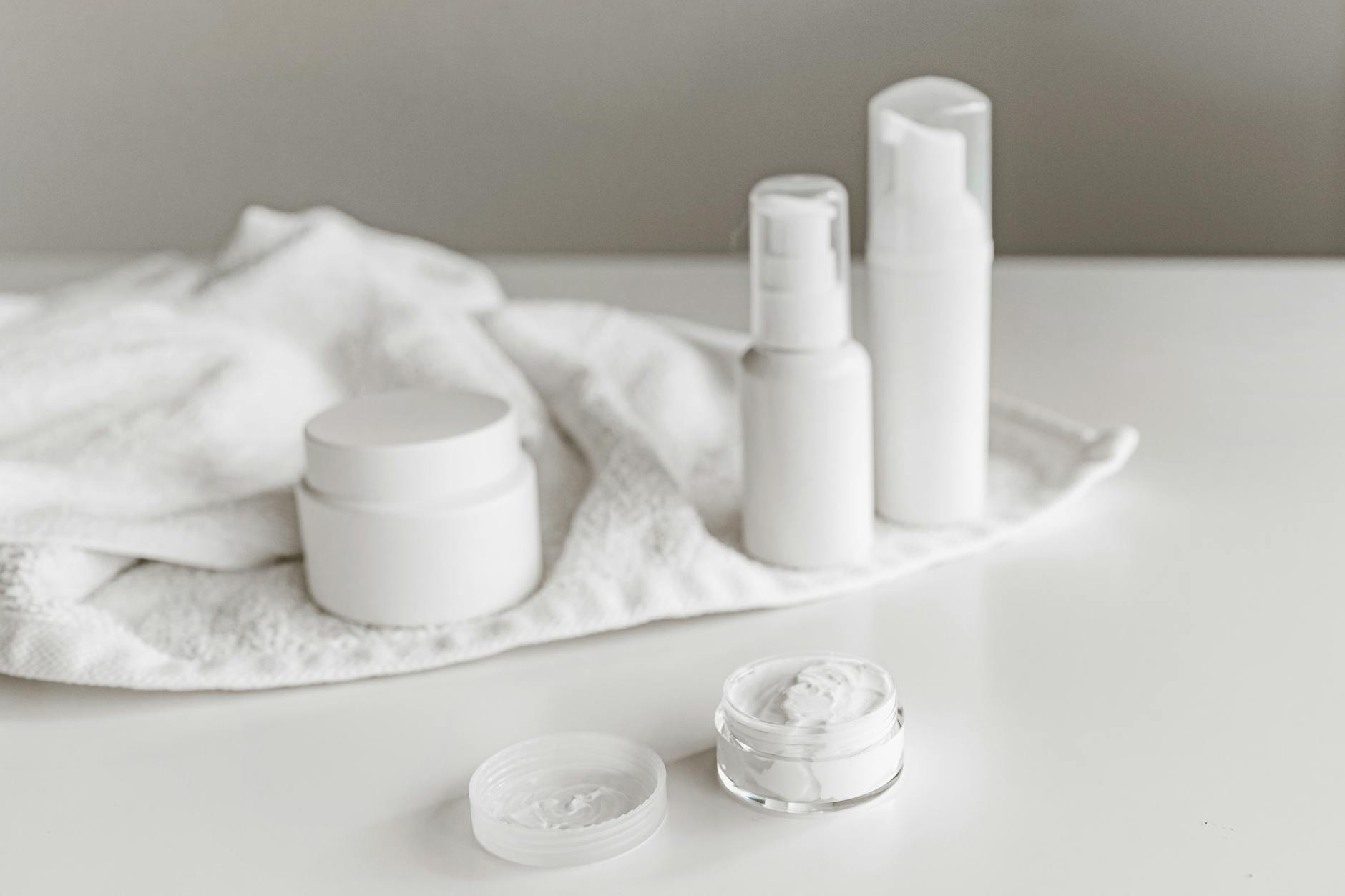
Toner is one of the skincare products that people most commonly use past its expiration date. Active ingredients including acids and antioxidants lose potency once the product has been opened for an extended period. Alcohol-based toners can evaporate partially when bottles are not sealed tightly, altering the concentration of the formula. A toner that smells unusual or appears discolored should be discarded immediately. Replacing toner within the recommended period ensures consistent results in a skincare routine.
Moisturizer
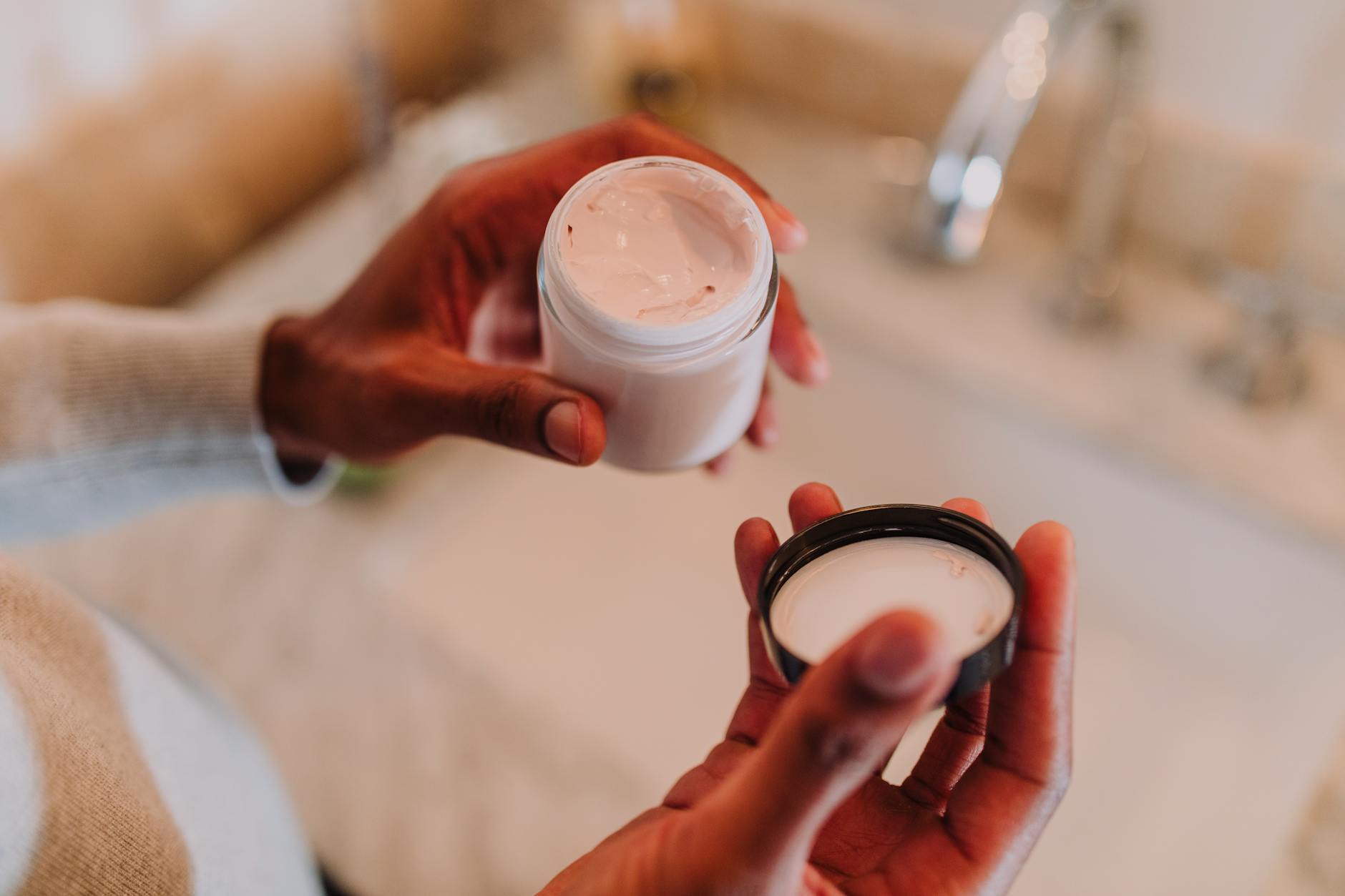
A facial moisturizer typically lasts between six and twelve months once opened depending on the formula. Products in jars are exposed to more air and bacteria than those in pump dispensers, accelerating degradation. SPF moisturizers are particularly sensitive to time since sunscreen agents break down and lose their protective rating. Using an expired moisturizer not only reduces effectiveness but may cause skin irritation or breakouts. Checking the period-after-opening symbol on the packaging guides when to replace.
Sunscreen
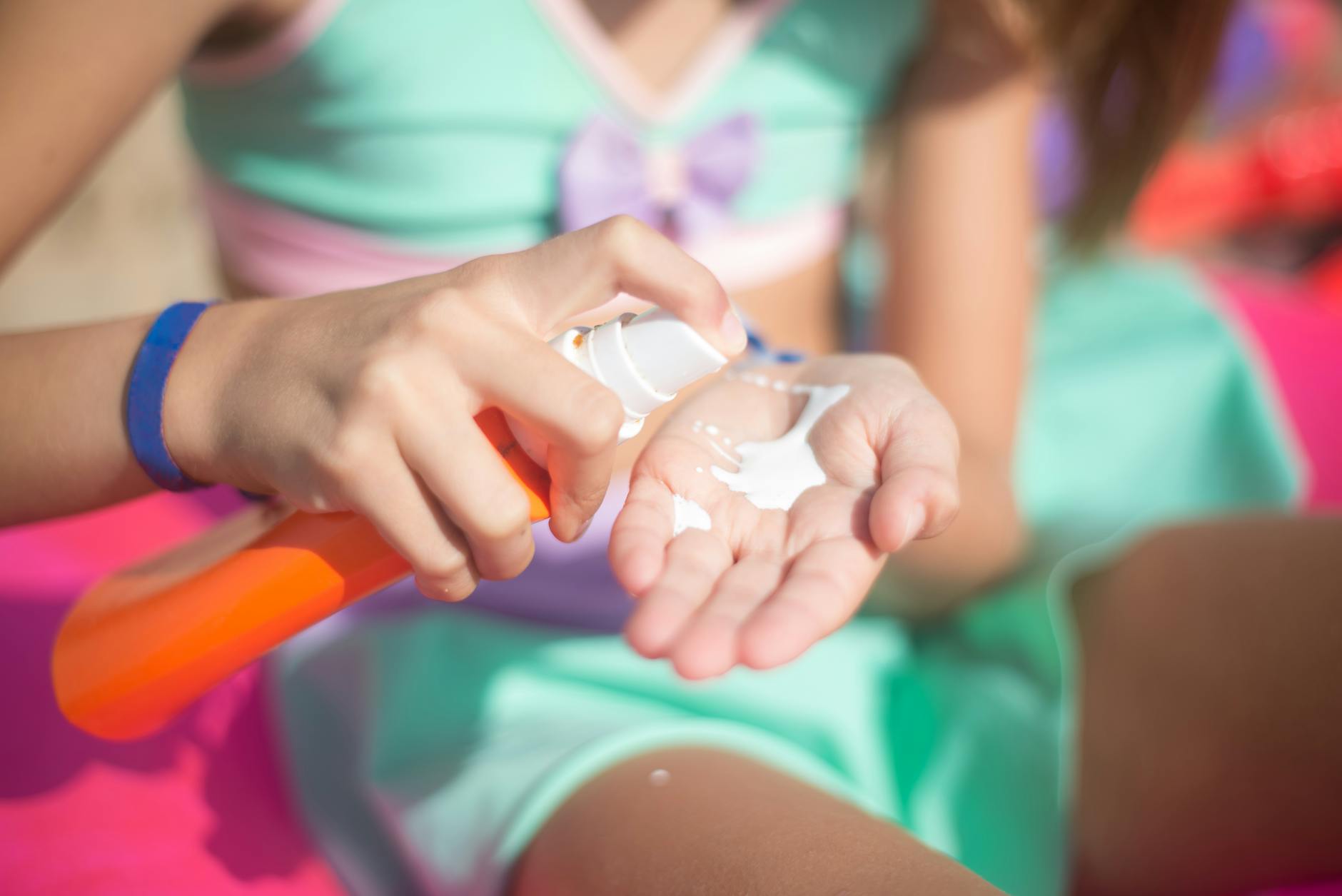
Sunscreen expires and the date on the bottle is one of the most important ones to follow for a skincare product. After expiration the UV-filtering chemicals degrade and the product provides less protection than the SPF rating states. Even before expiration sunscreen stored in hot or humid environments can break down faster than expected. Separation, changes in consistency, or an off smell are signs the formula has been compromised. Replacing sunscreen on schedule is one of the most important steps in daily skin protection.
Lip Balm
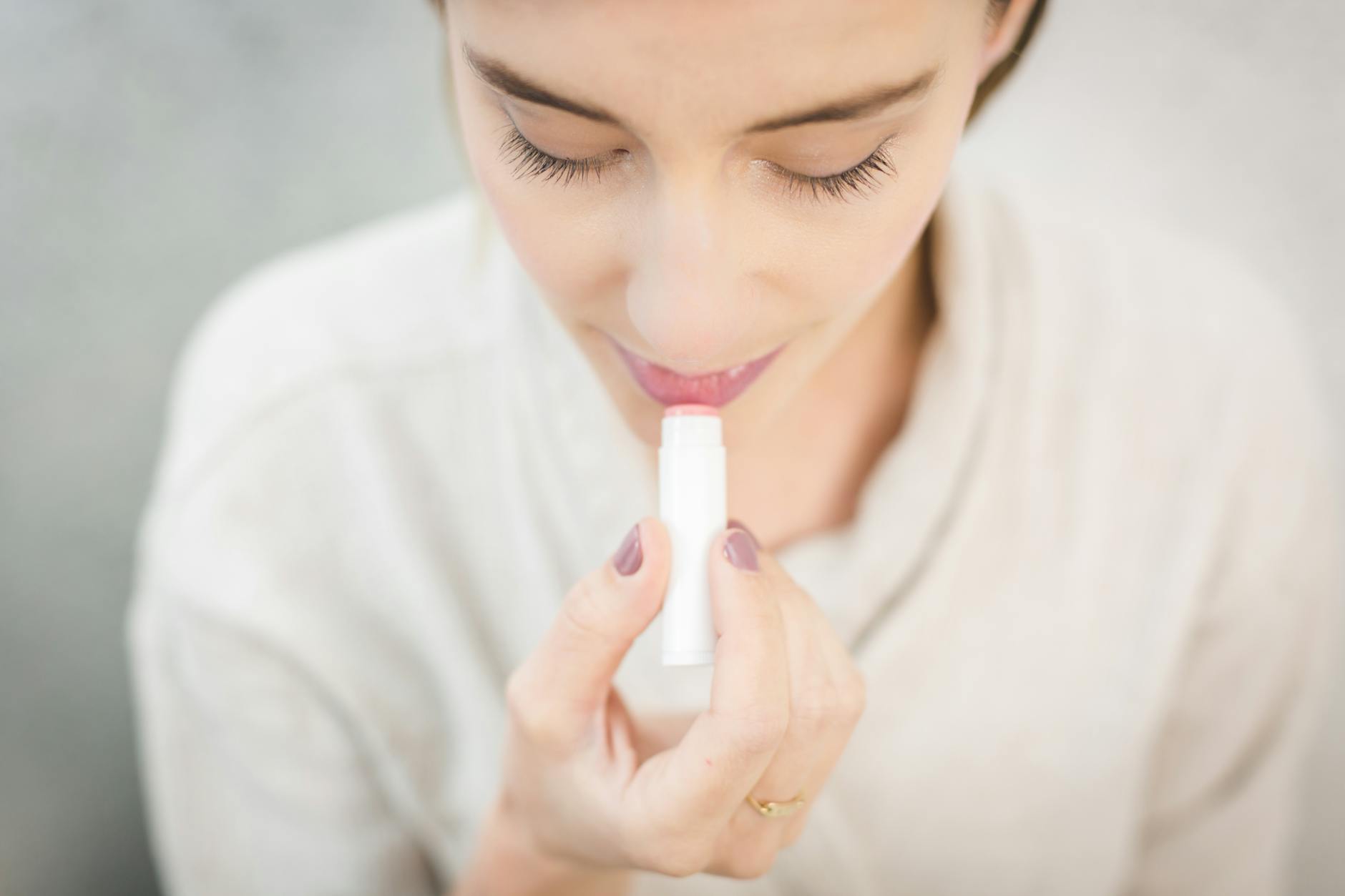
Lip balm has a shelf life of one to two years and common ingredients such as beeswax and petroleum can oxidize over time. Old lip balm may feel less smooth during application and provide reduced moisture retention. Transferring bacteria from the lips to the product and back again increases contamination risk with each use. Scented and flavored varieties lose their aroma and taste as the fragrance compounds break down. Keeping a fresh tube on hand ensures lips stay protected and moisturized effectively.
Makeup Sponge
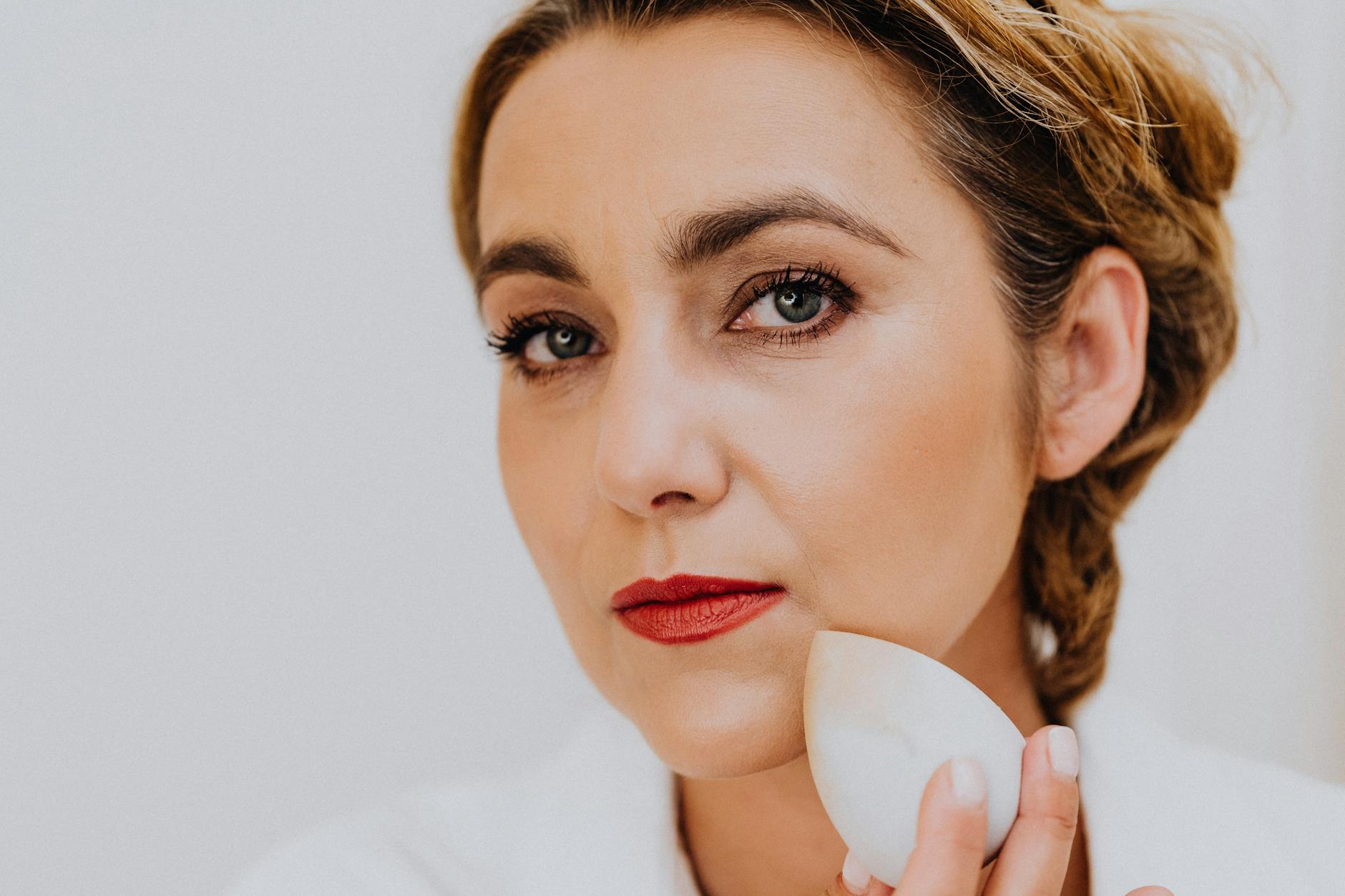
Makeup sponges absorb product, oils, and bacteria with every application and need to be replaced frequently. A sponge used daily should ideally be replaced every one to three months regardless of how often it is cleaned. Washing extends the life of a sponge but does not fully remove product that has been absorbed into the interior foam. Torn, hardened, or misshapen sponges apply product unevenly and affect makeup finish quality. Replacing sponges regularly improves application and protects skin from bacterial exposure.
Mascara
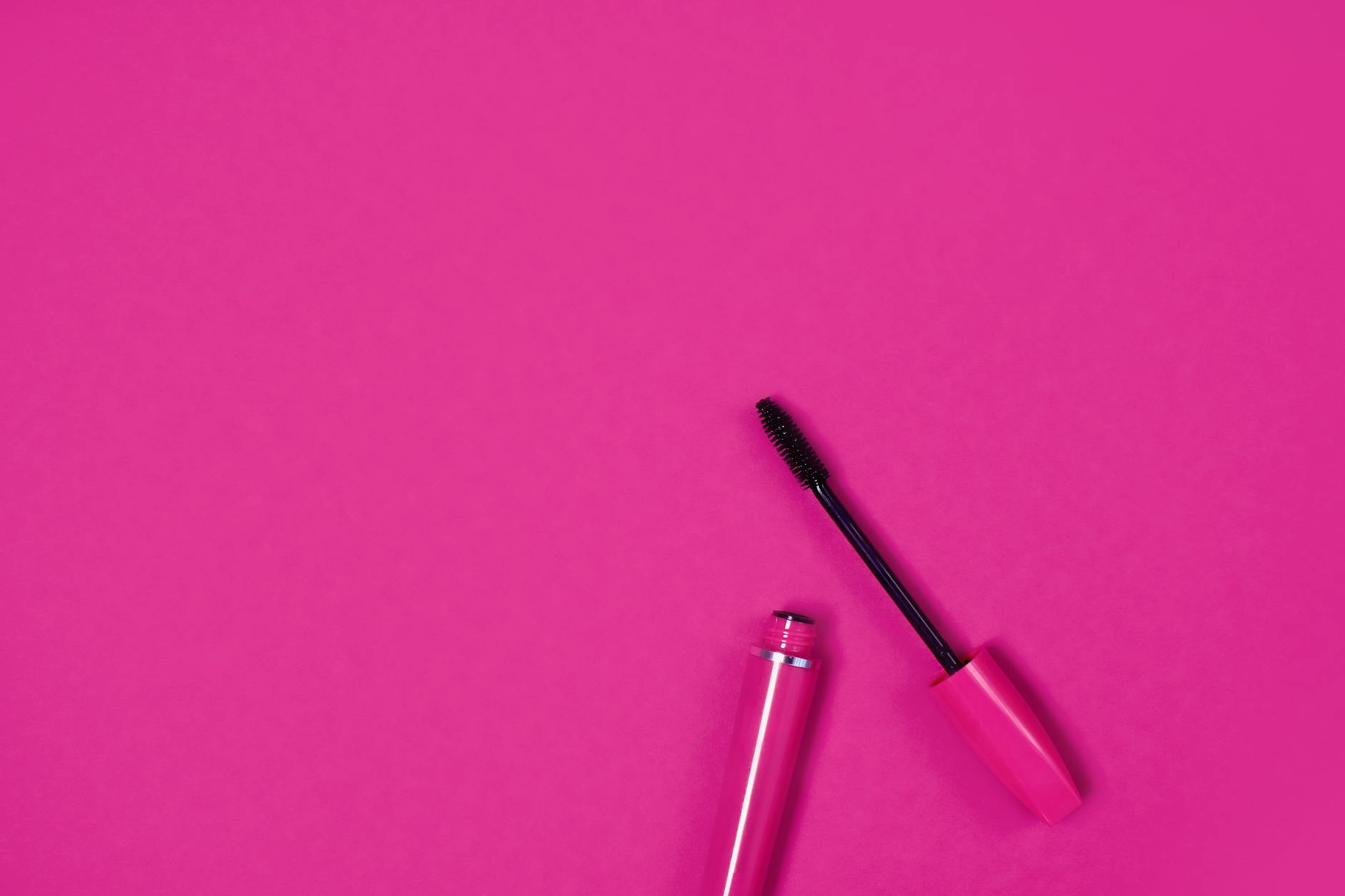
Mascara has one of the shortest shelf lives of any cosmetic product at three months after opening. The applicator wand introduces bacteria into the tube with every use which multiplies rapidly in the moist environment inside. Using old mascara significantly increases the risk of eye infections including conjunctivitis and styes. Dried or clumpy mascara also applies poorly and can cause lashes to stick together. Replacing mascara at the three-month mark is a non-negotiable step for eye health and makeup performance.
Eyeliner
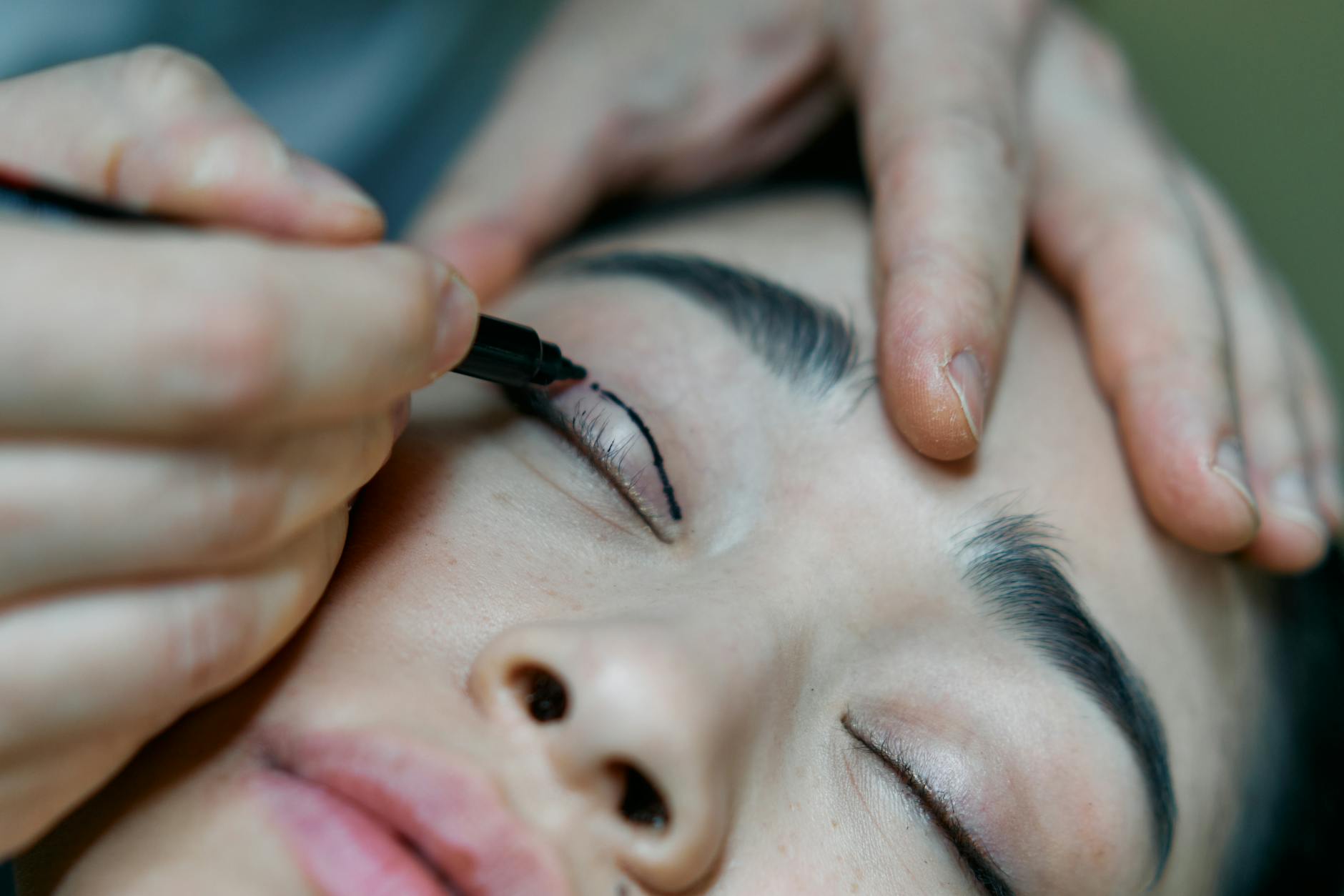
Liquid and gel eyeliners share a similarly short shelf life with mascara due to their moist, bacteria-friendly formulas. Pencil eyeliners last slightly longer but should still be replaced every six months and sharpened regularly to remove the contaminated outer layer. Eyeliner applied near the waterline poses a particular risk when the product is old or improperly stored. Changes in texture, smell, or how the product applies are signs it should be discarded. Keeping eyeliner fresh reduces the risk of eye irritation and infection.
Foundation
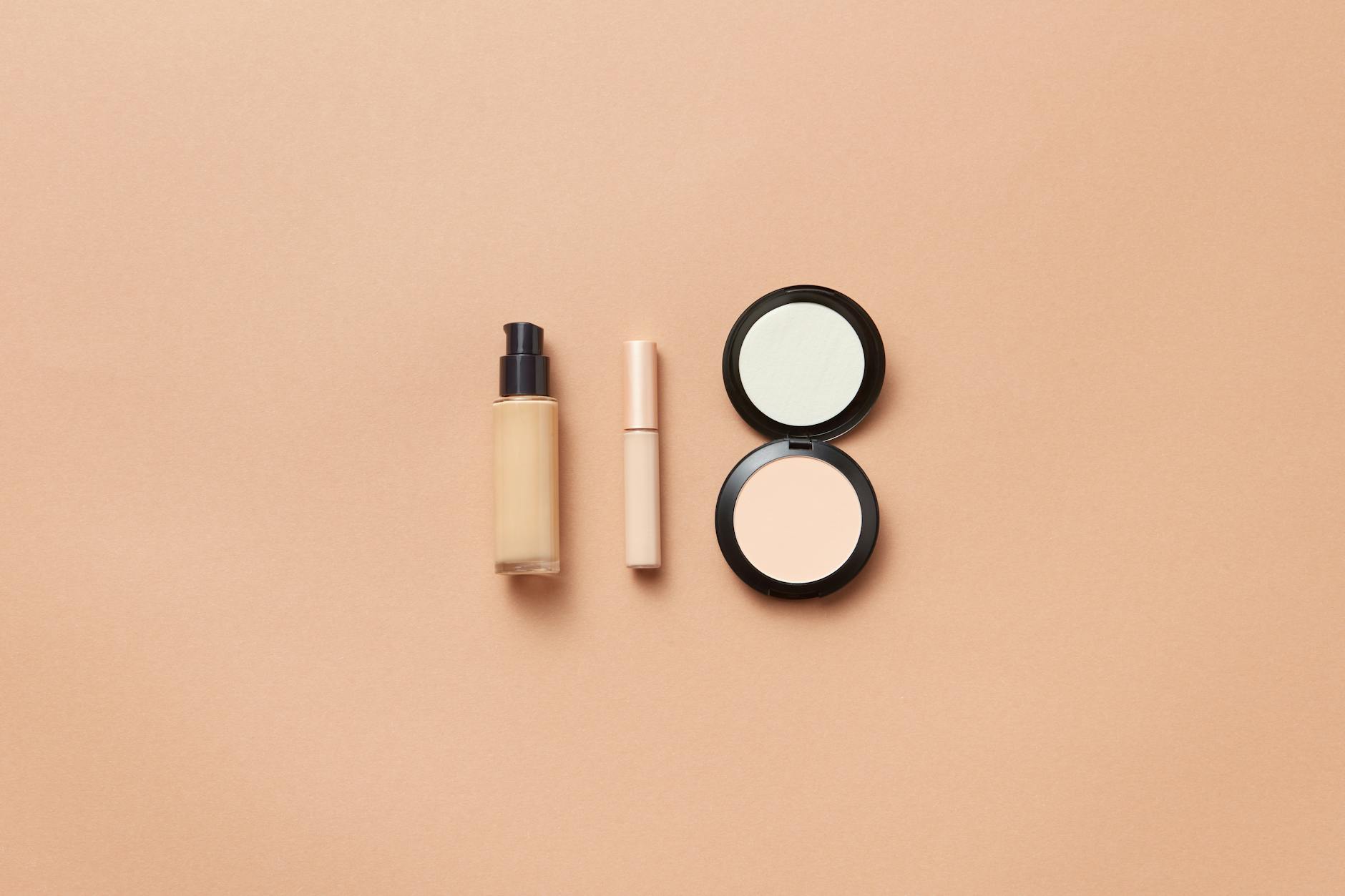
Foundation typically lasts between six and twelve months once opened depending on the formula and packaging. Liquid foundations in pumps have a longer effective life than those in open-faced pots or those applied directly with fingers. Separation, changes in scent, or an altered texture are clear indicators that the product is no longer performing as intended. Applying expired foundation can clog pores or cause skin irritation, particularly for sensitive skin types. Replacing it within the recommended window maintains skin health and ensures consistent coverage.
Cotton Pads
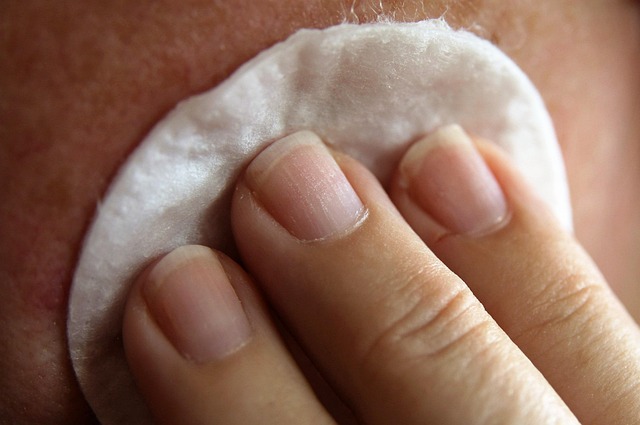
Cotton pads stored in open containers near the sink absorb moisture and airborne bacteria over time. While individually packaged pads remain cleaner for longer, loose ones stored in jars or bowls should be replaced with a fresh batch regularly. Old cotton pads can also develop a musty odor from prolonged exposure to bathroom humidity. Using a contaminated pad to apply toner or remove makeup transfers bacteria directly to freshly cleansed skin. Storing cotton pads in a sealed container and refreshing the supply monthly is a simple hygiene improvement.
Nail File
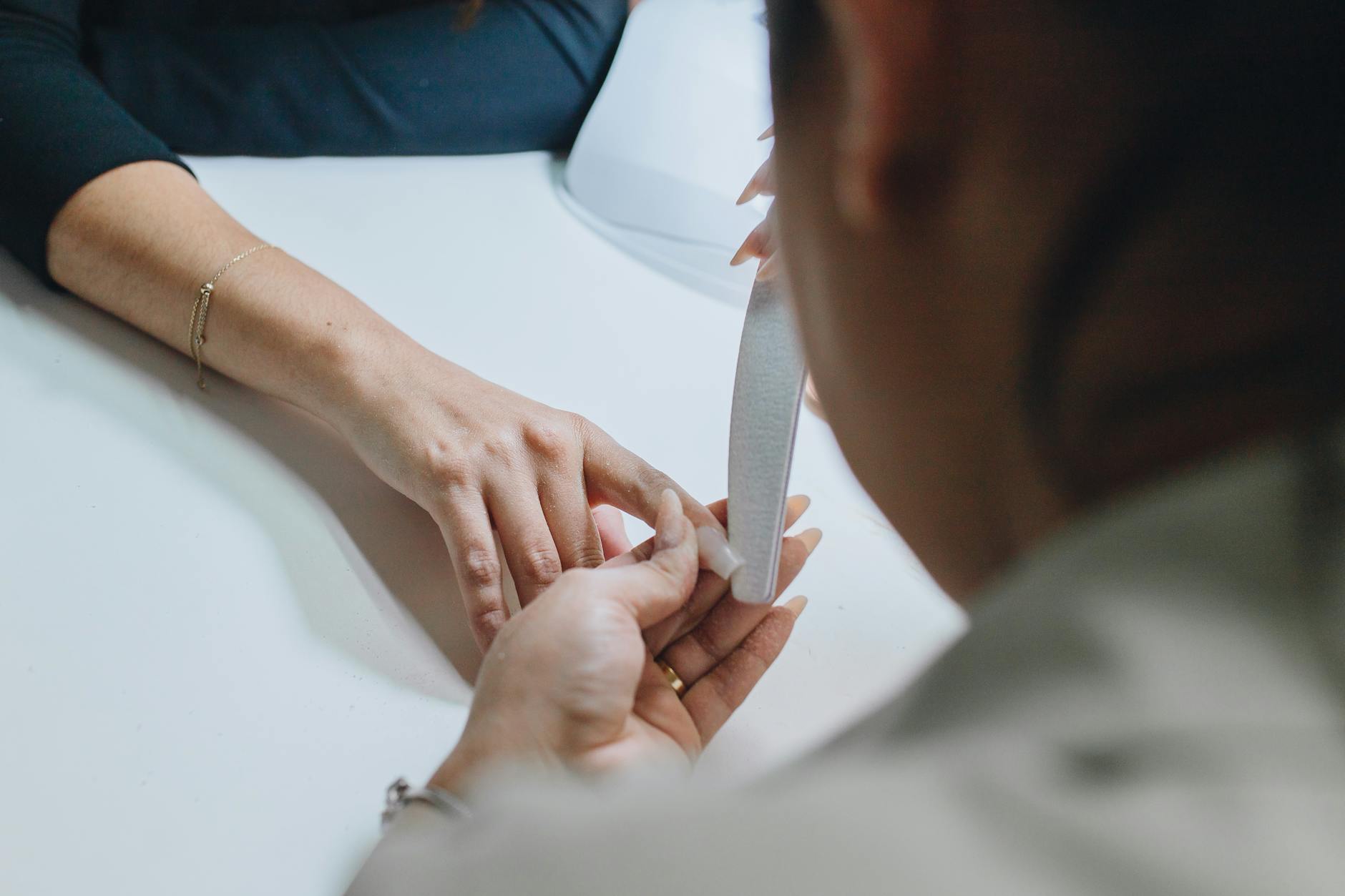
A nail file loses its abrasive surface with repeated use and becomes less effective at shaping nails smoothly. Metal files can be sanitized but still dull over time and should be replaced every few months. Emery boards are single-use tools in professional settings and should be replaced after each home use for hygiene purposes. A worn file drags across the nail rather than smoothing it, which can cause micro-tears and weakening. Replacing nail files regularly produces cleaner edges and supports better nail health.
Nail Clippers
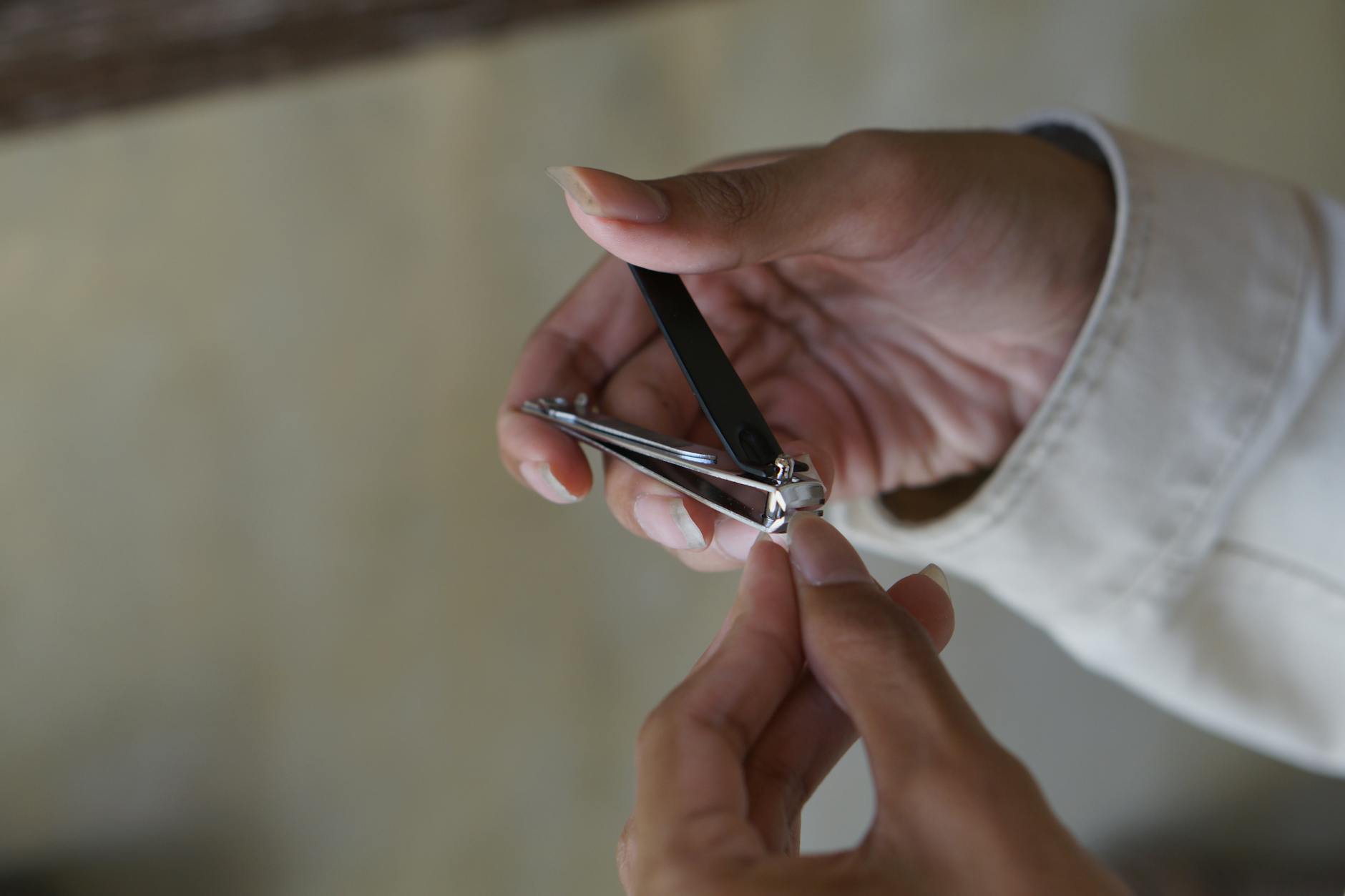
Nail clippers dull and corrode over time especially in the humid environment of a bathroom. Dull blades require more force and can crush or split nails rather than cutting them cleanly. Rust on the blades introduces a hygiene risk particularly if the skin around the nail is accidentally nicked. Cleaning clippers with alcohol between uses extends their lifespan but does not restore dulled edges. Replacing them every one to two years or as soon as they lose their clean cutting action is a straightforward habit.
Hair Brush
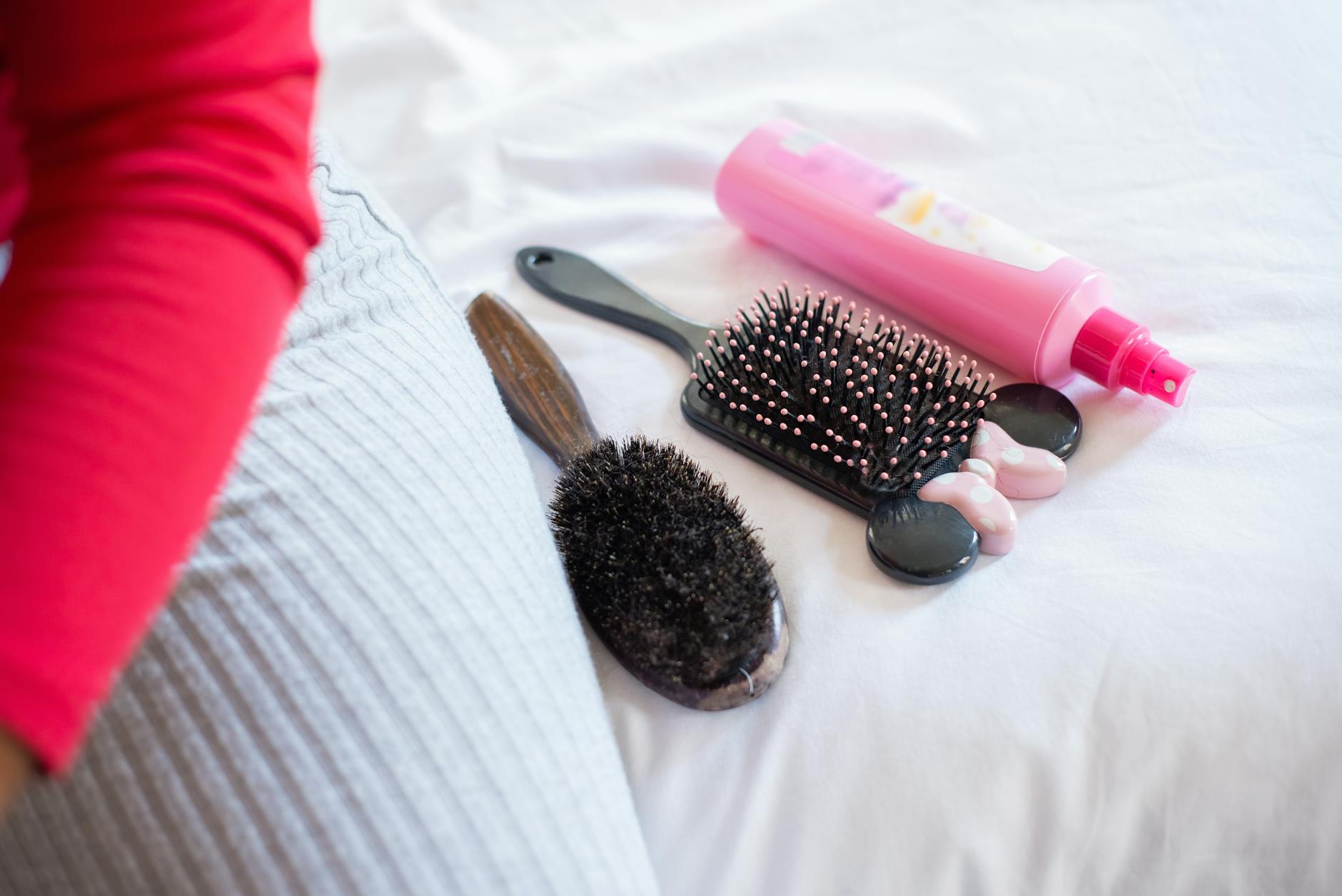
A hairbrush should be cleaned weekly and replaced every six to twelve months depending on use and bristle condition. Accumulated hair, product residue, and skin cells collect deep in the base of the brush where cleaning tools cannot always reach. Bristles that are bent, missing, or splayed no longer distribute pressure or product evenly through the hair. Natural bristle brushes degrade faster than synthetic ones and may develop odors from retained moisture. A brush in good condition detangles more effectively and contributes to healthier-looking hair.
Hair Ties
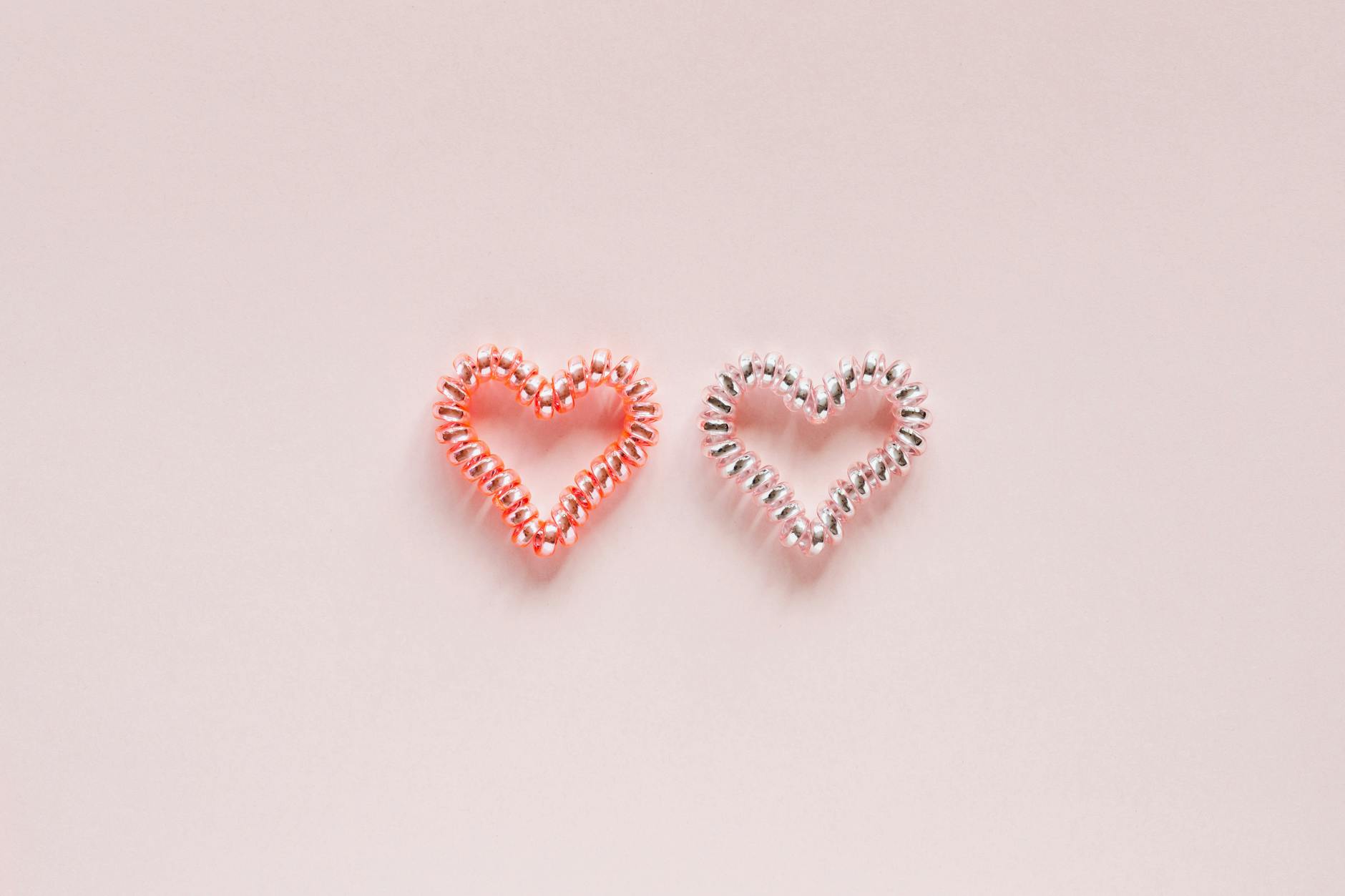
Hair ties lose their elasticity over time and can cause more damage to hair as they age. Old ties snap more easily mid-use or grip inconsistently, which increases tension on individual strands. The fabric coating on many hair ties fades, hardens, or peels, creating rough surfaces that snag and break hair. Overused ties that are stretched out no longer hold styles securely throughout the day. Replacing hair ties every few months is a minor but meaningful step in a hair care routine.
Shower Cap
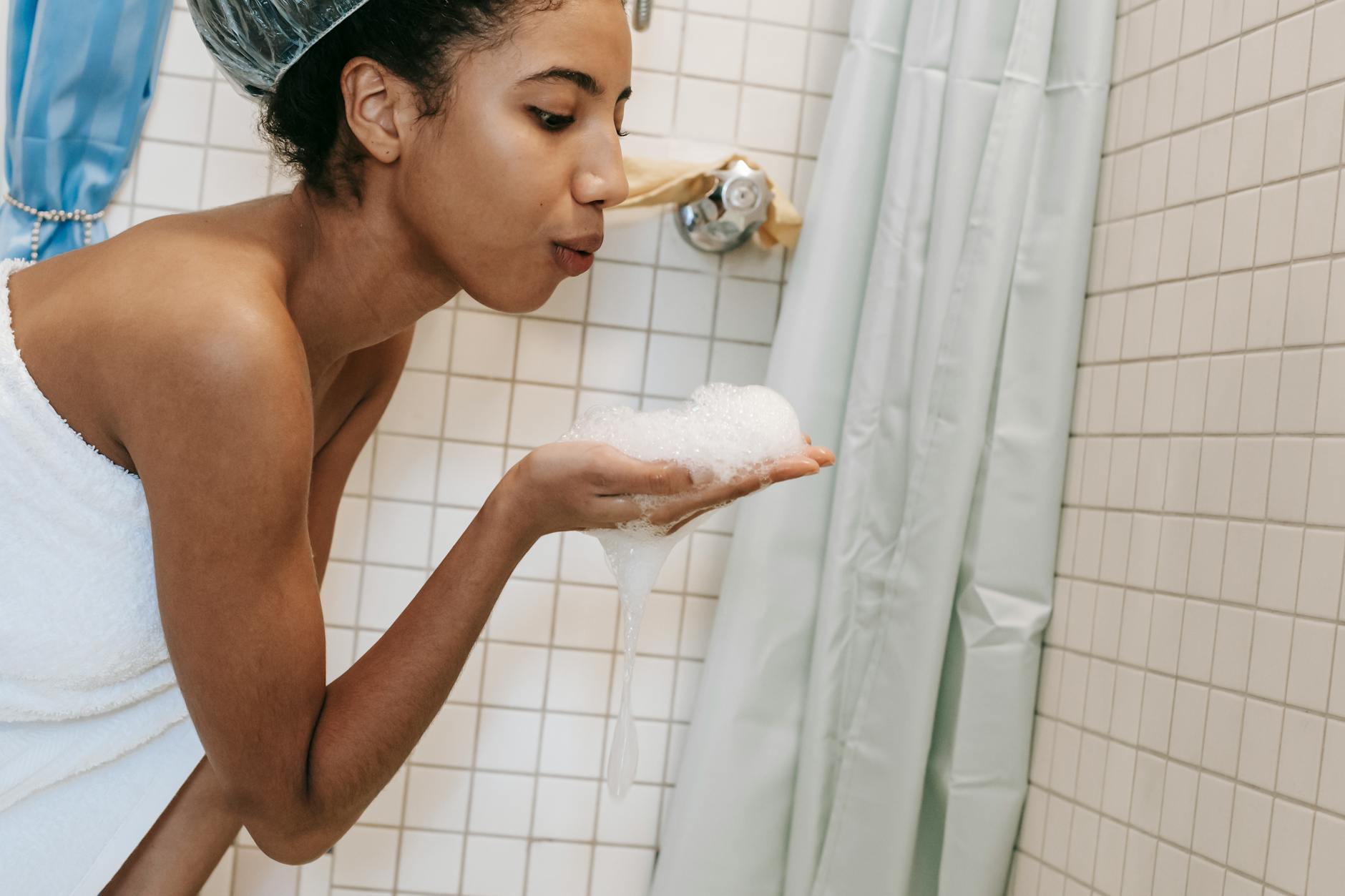
A shower cap deteriorates faster than most people expect due to constant exposure to heat, moisture, and soap residue. The elastic band loses its stretch after repeated use and may no longer create a proper seal around the hairline. The interior lining can develop mold or mildew if the cap is folded away without drying completely. Cracked or yellowed caps also fail to repel water effectively, defeating their primary purpose. Replacing a shower cap every three to six months keeps hair protected during every shower.
Bath Towel
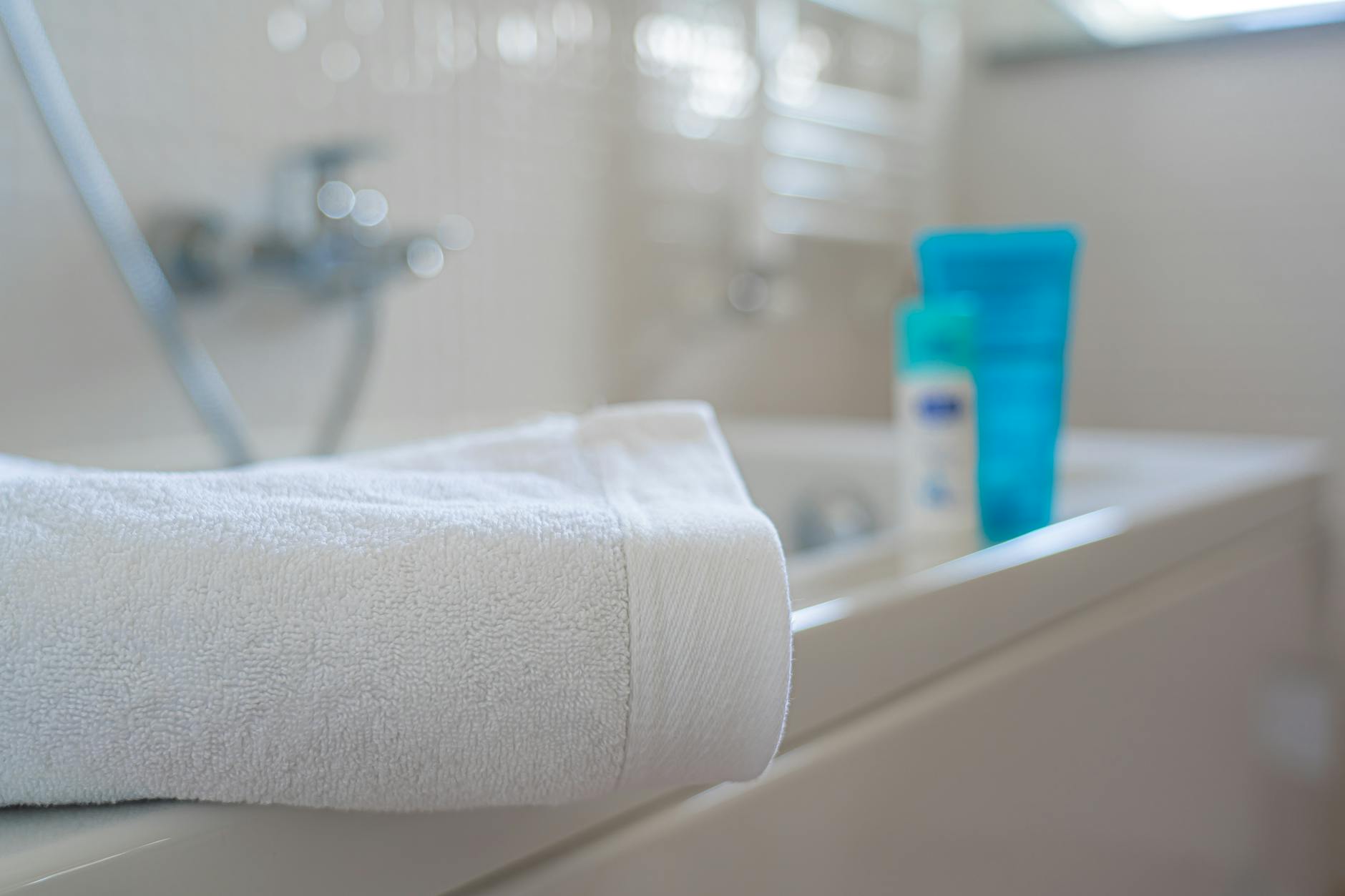
Bath towels should be replaced every one to two years even with regular laundering. Over time towels lose their absorbency as the fibers compress and accumulate product residue that washing does not fully remove. Musty odors that persist after laundering indicate mold or mildew growth deep in the fabric. Rough or scratchy texture from fiber breakdown can irritate sensitive skin after bathing. Fresh towels dry more effectively and contribute to a cleaner post-shower routine.
Hand Towel
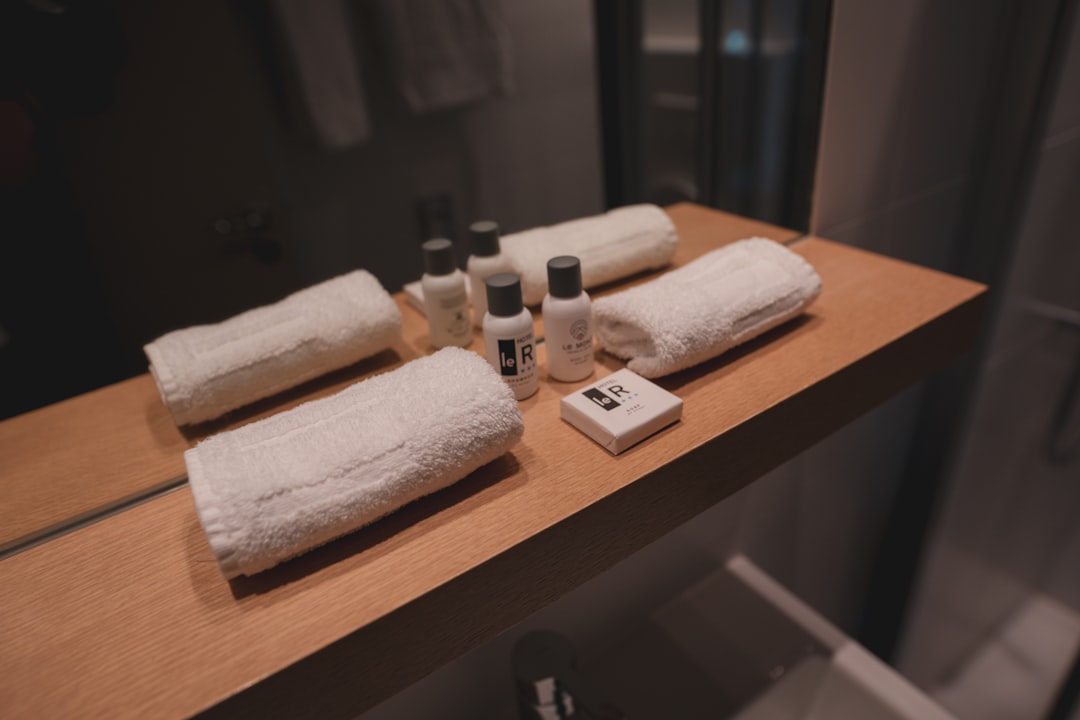
Hand towels are used multiple times daily and accumulate bacteria more quickly than bath towels due to frequent contact. They should be washed every two to three days and replaced with a new set every six to twelve months. Towels that remain damp between uses develop bacterial growth that transfers to hands during drying. Thin or worn hand towels are also less effective at removing moisture from the skin. Keeping hand towels fresh is one of the simplest and most impactful bathroom hygiene habits.
Toilet Brush
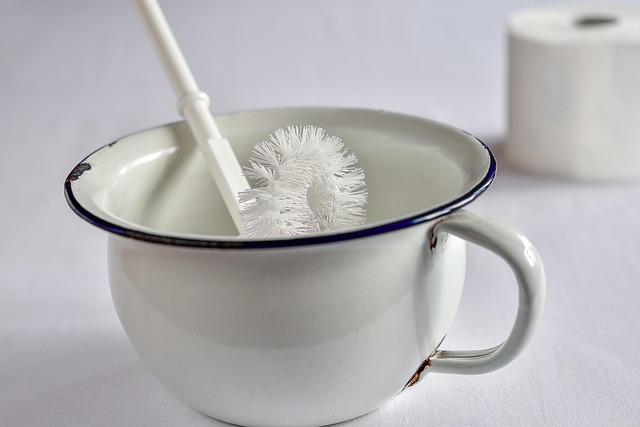
A toilet brush is one of the most bacteria-laden items in any home and should be replaced every six months at minimum. Even with regular disinfecting, the bristles become worn and less effective at scrubbing away buildup over time. Bacteria and residue accumulate in the holder as well, which should be cleaned or replaced at the same time. A brush that looks discolored, splayed, or damaged is no longer doing its job properly. Replacing both the brush and its holder on a consistent schedule is essential for maintaining a sanitary bathroom.
Share your own replacement habits or anything on this list that surprised you in the comments.




