The home is often perceived as a sanctuary of cleanliness but many common surfaces harbor significant bacterial populations. While most people focus their cleaning efforts on the bathroom the toilet seat is frequently cleaner than many everyday objects. Scientific tests reveal that moisture and high traffic areas provide the ideal conditions for germs to thrive. Understanding which items require the most attention can help residents maintain a healthier living environment.
Kitchen Sponge

The porous nature of a kitchen sponge makes it a primary breeding ground for various types of bacteria. Food particles and constant moisture allow microorganisms to multiply and spread across other surfaces during cleaning. Many experts suggest that these items are thousands of times dirtier than bathroom fixtures. Frequent replacement or high heat sanitization is required to keep this tool safe for use.
Kitchen Sink

Food scraps and stagnant water create a film of bacteria that coats the basin of the kitchen sink. This area often contains more fecal bacteria than a toilet because of raw meat preparation and vegetable rinsing. The drain and disposal units provide dark and damp crevices where pathogens can hide and grow. Regular disinfection of the entire sink surface helps prevent cross contamination during meal prep.
Toothbrush Holder
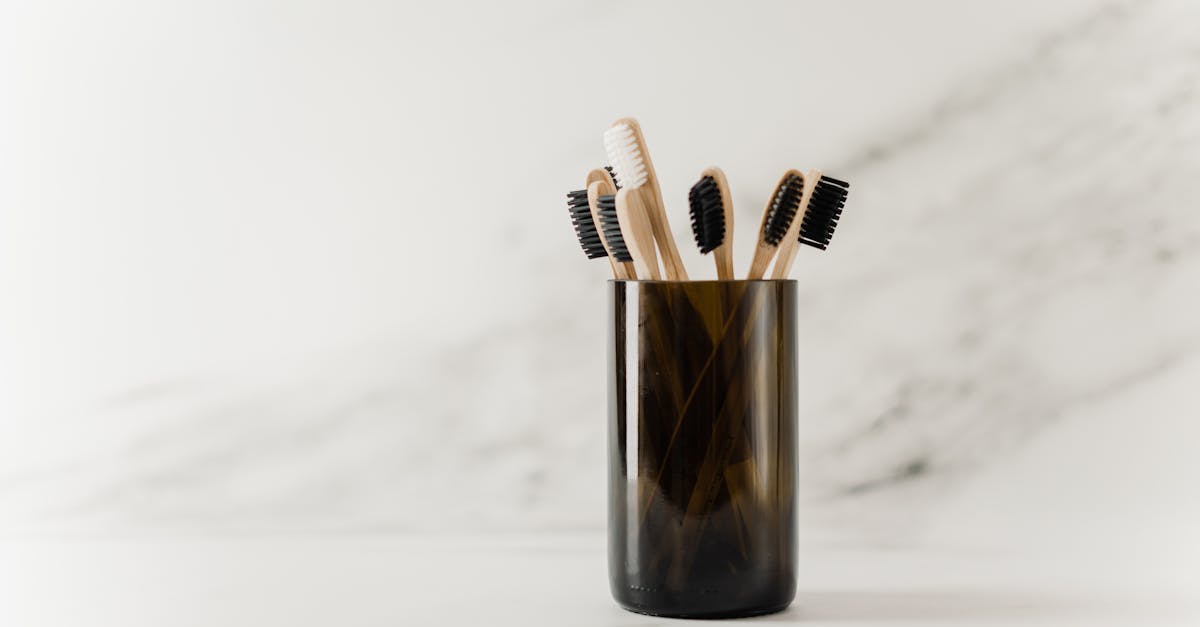
Located in close proximity to the toilet this item often catches airborne particles every time the lid is left open during a flush. The base of the holder frequently collects stagnant water that drips from used toothbrushes. This moisture creates an environment where mold and bacteria can develop without being noticed. Cleaning this accessory weekly is essential for maintaining oral hygiene standards.
Cutting Board
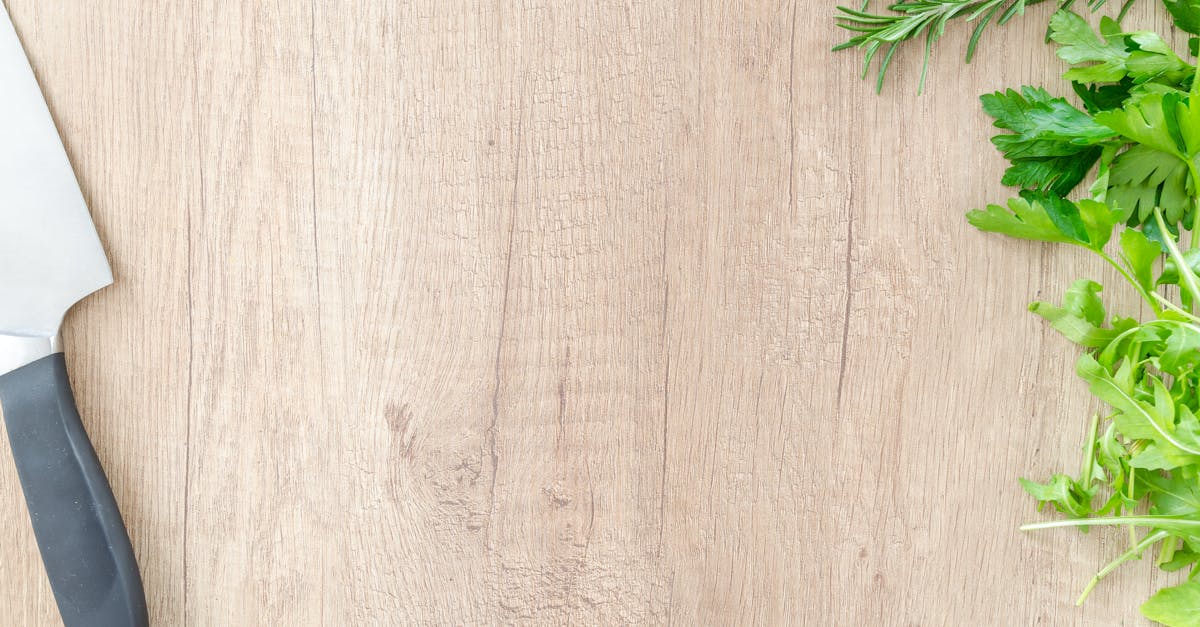
Raw meat residue and vegetable soil can become trapped in the small grooves created by knife blades. These microscopic scratches provide a safe haven for bacteria to escape standard rinsing. Plastic and wood surfaces require deep sanitization to ensure no harmful pathogens remain after use. Using separate boards for different food groups is a common way to limit the spread of germs.
Pet Food Bowl
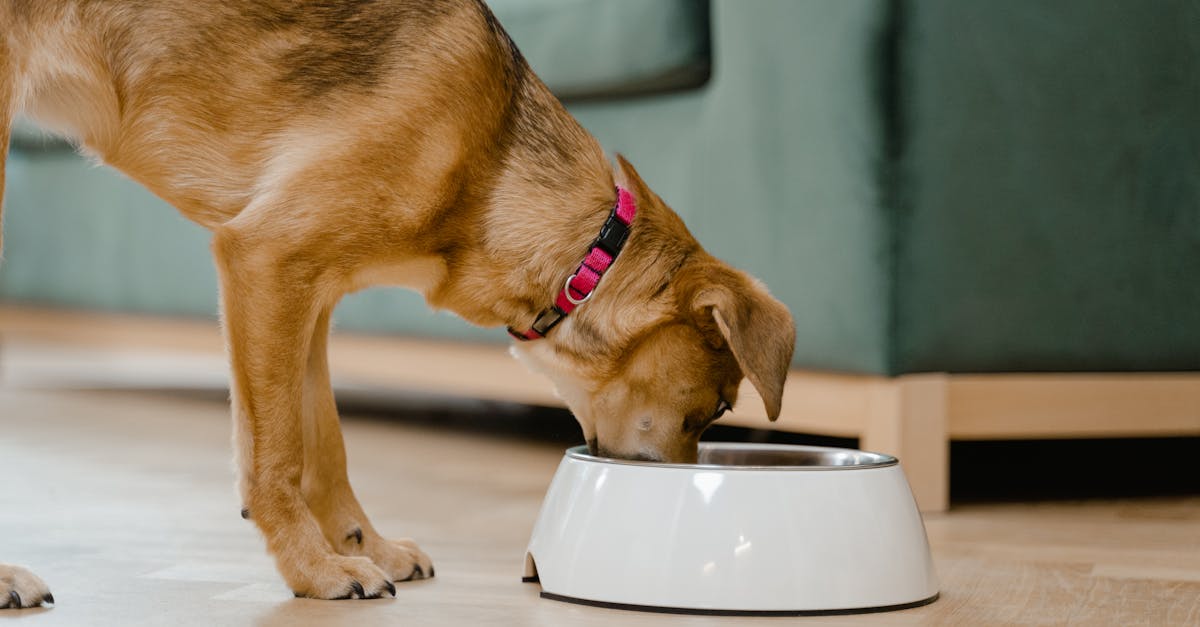
Biofilms often form on the surface of these bowls due to saliva and leftover food particles. This slimy layer consists of various bacteria that can be harmful to both pets and humans. Many owners neglect to wash these dishes after every meal which allows germs to accumulate. Consistent cleaning with hot soapy water is the best way to maintain a safe feeding area.
Cell Phone
Mobile devices are touched hundreds of times a day and travel to many different environments including bathrooms. The heat generated by the battery provides a warm environment that supports bacterial growth. Most people rarely sanitize their screens even though they are constantly held against the face. Wiping the device with a specialized cleaner can significantly reduce the presence of invisible contaminants.
Remote Control

These handheld electronics are used by everyone in the household and are rarely cleaned. Germs from hands and snacks find their way into the crevices between the buttons. Because they are often dropped on the floor or tucked into couch cushions they pick up various types of debris. Routine disinfection is necessary to keep these high touch items hygienic for the whole family.
Computer Keyboard

Skin cells and food crumbs often fall into the spaces beneath the keys of a laptop or desktop. These items are frequently used while eating which increases the likelihood of bacterial contamination. Studies show that keyboards can host significantly more microbes than a typical bathroom surface. Compressed air and alcohol wipes are effective tools for removing hidden grime and sanitizing the buttons.
Coffee Reservoir

The dark and damp environment of a coffee machine water tank is a prime spot for mold and yeast growth. Many users only add water without ever scrubbing the interior of the reservoir. Over time a buildup of mineral deposits and slime can affect the quality of the beverage. Running vinegar through the machine or washing the tank with soap helps keep the system clean.
Refrigerator Handle
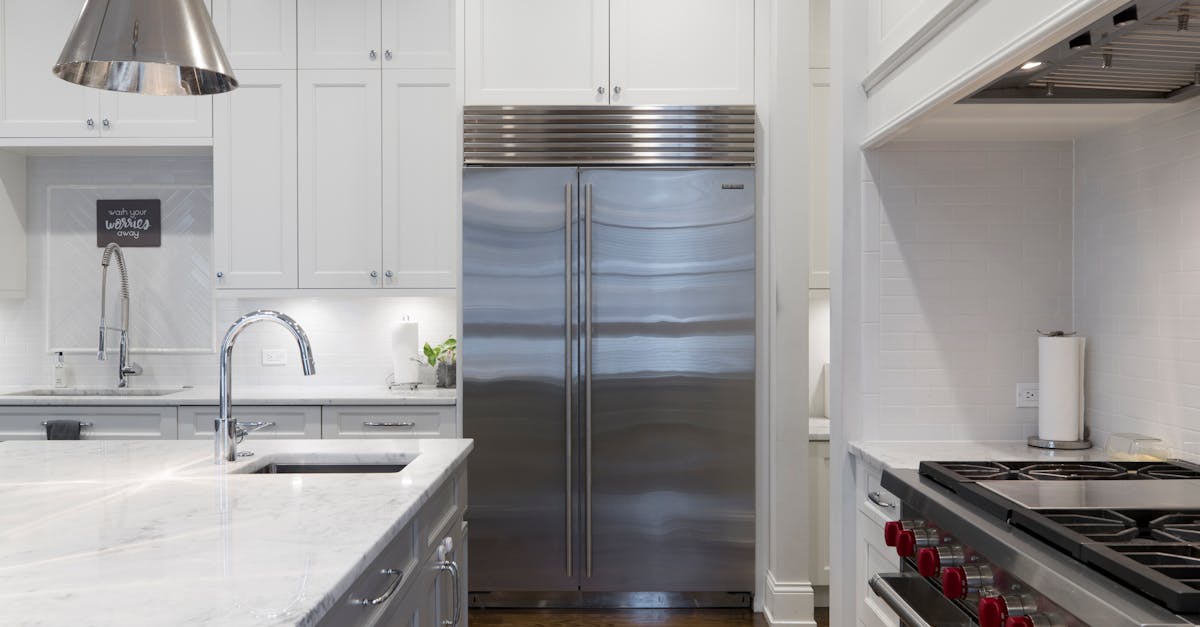
This surface is touched multiple times per hour by different family members often during food preparation. Germs from raw ingredients can easily transfer to the handle and then to the hands of the next person. Since this area is often overlooked during a quick kitchen wipe down it can harbor significant bacteria. Regular attention to all appliance handles is vital for a sanitary cooking environment.
Reusable Grocery Bags

These eco friendly alternatives often carry raw meat and unwashed produce which can leak or shed bacteria. Many people store these bags in their cars where the warmth encourages microbial multiplication. Without regular laundering the fabric can become a vehicle for cross contamination between the store and the home. Washing these bags after each shopping trip ensures they remain safe for carrying food.
Kitchen Faucet

Turning on the water with dirty hands transfers germs directly to the faucet handle. This area is frequently splashed with water and food residue creating a moist environment for bacteria. Because the handle is touched before hands are washed it remains a major point of contamination. Wiping these fixtures daily with a disinfectant helps maintain a cleaner kitchen space.
Hand Towels

Damp towels hanging in the bathroom or kitchen provide an ideal setting for bacterial colonies. These fabrics are often used multiple times before being washed which allows germs to accumulate in the fibers. Moisture from wet hands keeps the material from drying completely between uses. Replacing these towels every few days is a simple way to prevent the spread of illness.
Stove Knobs

These controls are frequently touched while handling raw food or adjusting heat during cooking. Splatters from pans can also land on the knobs and provide a food source for bacteria. Most cleaning routines focus on the stovetop itself while the knobs are ignored. Removing and washing these small parts ensures that the entire appliance is truly sanitary.
Microwave Buttons

The touchpad of a microwave is a high traffic surface that rarely receives a thorough cleaning. Fingers that have just touched raw ingredients or unwashed produce often press these buttons. Because the surface is flat and smooth it can hold onto germs for an extended period. A quick daily wipe with a sanitizing cloth can keep this kitchen essential much cleaner.
Salt and Pepper Shakers

These items are usually on the table during every meal and are handled by everyone. They are rarely washed because people assume they stay clean in the pantry or on the counter. Germs from hands can easily transfer to the surfaces of these dispensers during seasoned cooking or eating. Including these small items in the regular dishwashing routine helps eliminate hidden bacteria.
Dish Rag

Using a cloth to wipe down counters can actually spread bacteria if the rag is not clean. These fabrics stay wet for long periods and trap organic matter from the surfaces they touch. A single dish rag can contain millions of bacteria after only a day of use. It is important to use a fresh cloth daily or switch to paper towels for high risk spills.
Pet Toys

Soft toys can hold onto saliva and dirt while hard toys develop a coating of bacteria over time. Pets often carry these items around the house and leave them on various surfaces. Without regular washing these playthings can become quite unsanitary for both animals and their owners. Placing plush toys in the laundry and scrubbing hard toys keeps them safe for play.
Bed Sheets

Humans shed millions of skin cells and sweat significantly during a full night of sleep. These biological materials accumulate in the bedding and provide food for dust mites and bacteria. Leaving sheets on the bed for too long can lead to skin irritation or respiratory issues. Washing linens in hot water once a week is the standard recommendation for a healthy sleep environment.
Bath Mat

This floor covering stays damp for hours after a shower or bath which encourages the growth of mold. It collects water and skin cells while sitting in a humid bathroom environment. Many people forget that this item needs regular laundering just like their towels. Drying the mat thoroughly between uses and washing it frequently helps maintain bathroom hygiene.
Trash Can Lid

The lid of a kitchen or bathroom bin is a major touch point that often comes into contact with waste. Even hands free models can become contaminated by splashes or proximity to the trash. Germs can live on the plastic or metal surface for several days if not cleaned. Regularly disinfecting the entire bin prevents odors and the spread of harmful microbes.
Shower Curtain

The bottom of a shower curtain or liner is a frequent site for pink mold and soap scum buildup. Constant exposure to moisture and lack of airflow prevent the material from drying out completely. This creates a perfect habitat for bacteria to colonize the folds of the plastic or fabric. Running the curtain through the wash or replacing the liner helps keep the bathroom fresh.
Washing Machine Gasket

The rubber seal around the door of a front loading machine often traps water and lint. This dark and wet crevice is a notorious spot for mold and mildew to develop. If left uncleaned the bacteria can transfer to the clothing being washed. Wiping the gasket dry after each load and leaving the door open helps prevent these issues.
Vacuum Cleaner

The brushes and bags of a vacuum cleaner can harbor a massive amount of dust and allergens. As the machine runs it can sometimes redistribute small particles back into the air. The bristles of the brush roll collect hair and debris that may contain various types of bacteria. Cleaning the filters and the brush head regularly ensures the machine works efficiently and stays sanitary.
Wallet

This item is handled frequently and often placed on public counters or kept in pockets. Money and credit cards are known to carry a high volume of germs from being circulated. Leather and fabric wallets can trap these contaminants within their folds and surfaces. Occasionally wiping down cards and the exterior of the wallet helps reduce the transfer of germs.
House Keys

Keys are touched daily and often dropped on the ground or placed on dirty surfaces. They are rarely cleaned and can carry bacteria from the home to the office and back. Because they are often stored in pockets or purses they stay warm which can help germs survive. A quick soak in soapy water or a wipe with disinfectant can keep them much cleaner.
Ceiling Fan

Dust and pet dander accumulate on the tops of fan blades where they are often out of sight. When the fan is turned on these particles are distributed throughout the room and into the air. This can be a significant source of allergens and bacteria in a living space. Regular dusting with a damp cloth prevents the buildup of these airborne contaminants.
Toaster Tray
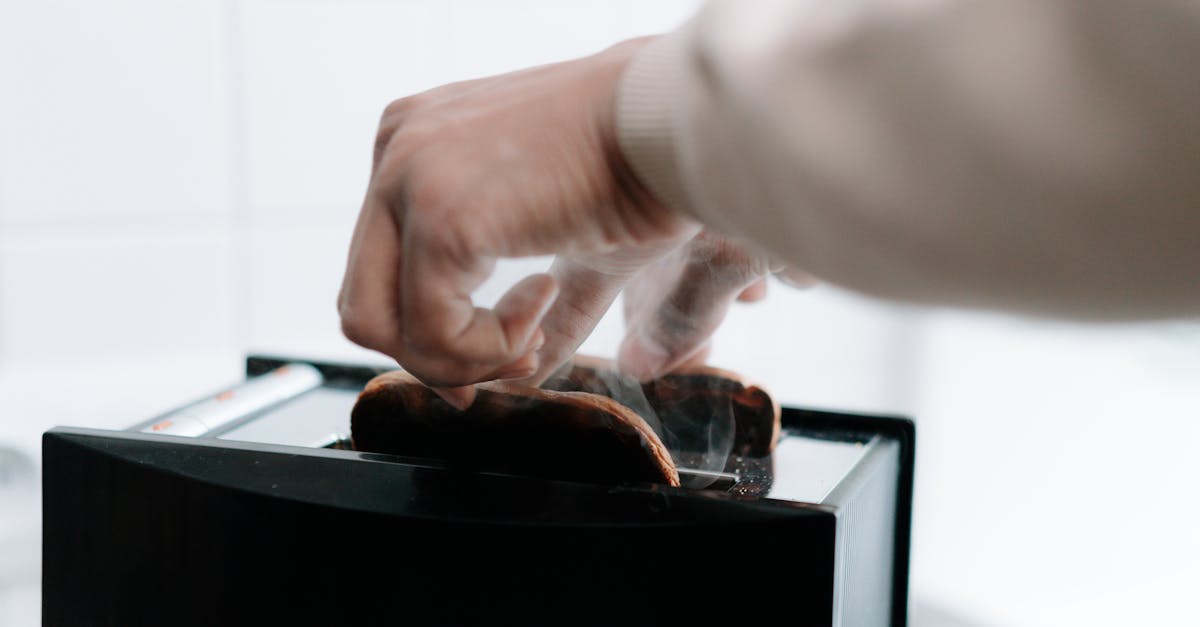
The bottom of a toaster collects crumbs that can become a food source for pests and bacteria. If these particles are left to sit they can also create a fire hazard or produce unpleasant smells. Most people do not think to empty the crumb tray during their regular kitchen cleaning. Sliding the tray out and washing it occasionally keeps the appliance safe and hygienic.
Humidifier
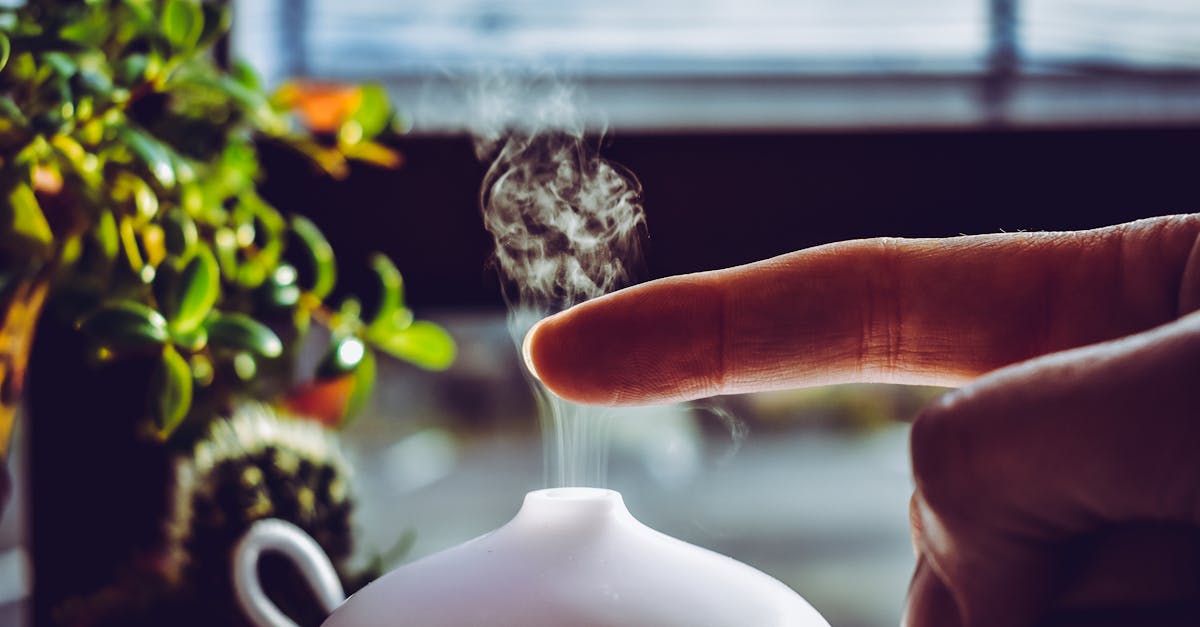
Stagnant water in a humidifier tank can quickly grow bacteria and mold which are then dispersed into the air. Breathing in these contaminants can lead to respiratory problems or allergic reactions. It is essential to empty the tank and dry it out every single day. Using distilled water and cleaning the unit weekly with vinegar ensures the air remains healthy.
Makeup Brushes
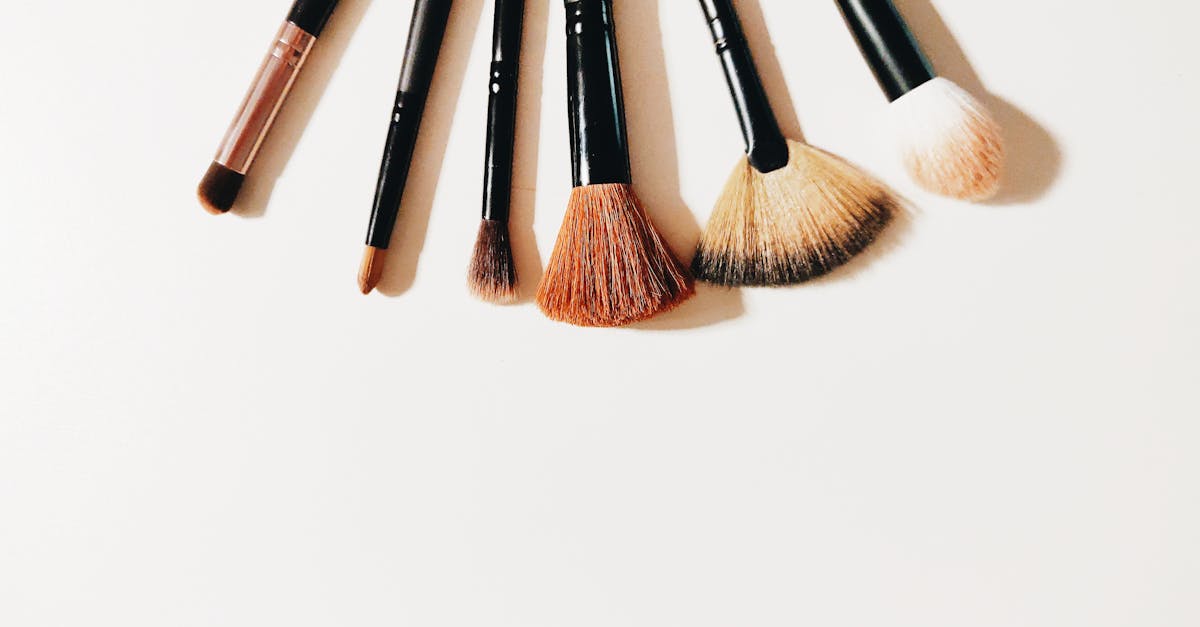
These tools collect oils and dead skin cells from the face as well as bacteria from the air. Using dirty brushes can lead to skin breakouts and infections. Many people use the same brushes for weeks or months without a thorough cleaning. Washing the bristles with a gentle cleanser once a week keeps them soft and sanitary for daily use.
Gaming Controller

Like remote controls these devices are held for long periods and collect sweat and skin cells. The textured surfaces and buttons provide many hiding spots for germs. They are often shared between friends which increases the risk of spreading illness. Using a sanitizing wipe after a long gaming session helps keep the hardware clean.
Doormat

This item is designed to catch dirt and debris from shoes before it enters the home. As a result it becomes a concentrated area for outdoor bacteria and pollutants. Walking across the mat can still track some of these particles into the living space. Shaking out the mat and vacuuming it regularly helps minimize the amount of grime brought inside.
Window Blinds

The horizontal slats of window blinds are perfect for collecting thick layers of dust and dander. These surfaces are often difficult to clean and are frequently ignored during routine chores. Dust mites and bacteria can thrive in the undisturbed dirt on these fixtures. Wiping the slats with a microfiber cloth or a damp sponge helps maintain indoor air quality.
Light Switch

The switches in high traffic areas like the entryway or kitchen are touched by every person in the house. They are rarely included in a standard cleaning routine and can harbor significant germs. Because they are often near doors they can also catch outdoor pollutants. Disinfecting these small surfaces can have a large impact on the overall cleanliness of the home.
Door Knob

Entryway and bathroom door knobs are some of the most frequently touched items in any residence. They serve as a primary point for the transfer of bacteria between different rooms and people. Metal and plastic surfaces can host germs for several hours or even days. Including all door handles in a weekly disinfection routine is a simple way to protect household health.
Please share your favorite tips for keeping your home germ free in the comments.




