
Whether traveling somewhere new or simply exploring an unfamiliar part of your city, knowing how to read an environment can make a real difference in your personal safety. Urban spaces communicate a great deal through visual and social cues that go far beyond crime statistics or reputation. Developing awareness of these signals is a practical skill that many seasoned city dwellers, security professionals and travel writers consider essential. The following signs are drawn from widely observed patterns in urban safety research and real-world experience.
Broken Windows
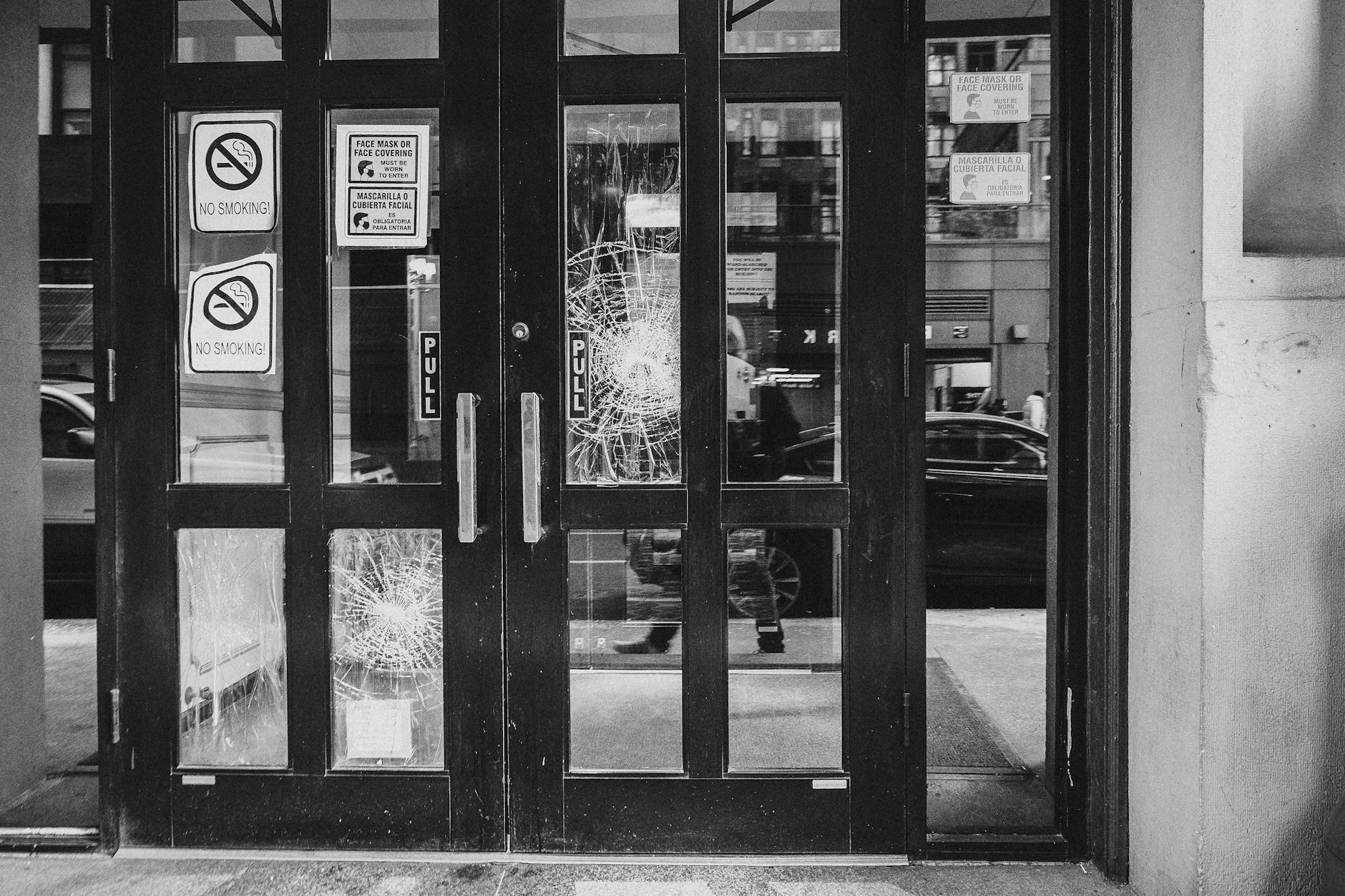
Buildings with shattered or boarded-up windows are among the most recognized indicators of neighborhood decline. This pattern often signals that property owners have either abandoned maintenance or lost confidence in the area’s stability. Research in urban planning has long connected visible disrepair with reduced community investment and oversight. A concentration of damaged windows across multiple properties suggests a systemic issue rather than an isolated incident.
Graffiti

Graffiti that appears on storefronts, residential walls and public infrastructure points to a lack of active maintenance and community enforcement. When tagging goes unpainted for extended periods it often reflects reduced municipal attention to the area. Territorial markings in particular can signal the presence of organized street activity within a given block or zone. The density and style of graffiti can offer additional context about how long an area has been experiencing these conditions.
Abandoned Cars

Vehicles left on the street for days or weeks without being ticketed or towed suggest reduced municipal presence and enforcement. Stripped cars in particular indicate that opportunistic theft operates in the area with relatively low risk of consequence. The presence of multiple abandoned vehicles on a single street amplifies this signal considerably. This pattern often correlates with reduced foot traffic and fewer residents who feel empowered to report issues.
Empty Storefronts

A high concentration of vacant commercial properties indicates that businesses have found the area economically unviable or unsafe to operate in. Long-term vacancies create dead zones on the street level where natural surveillance from shop owners and customers disappears. These gaps in the retail fabric reduce the number of watchful eyes that deter opportunistic crime. When vacancies outnumber active businesses on a block the commercial ecosystem has often broken down significantly.
Poor Lighting

Streets with broken or absent lighting create conditions that are statistically associated with higher rates of street crime. Darkness removes natural deterrents and reduces the ability of residents and passersby to identify and report suspicious activity. Areas where lighting infrastructure has not been repaired suggest that municipal response times in the neighborhood are slow. Visiting such an area at dusk or after dark raises the risk level considerably compared to daytime.
Loitering Groups

Large groups gathered without apparent purpose in doorways, parking lots or on corners can signal the presence of informal street economies. Context matters enormously here as community gatherings are a normal part of urban life in many cultures. The key distinction lies in the atmosphere which may feel tense, watchful or deliberately positioned to monitor foot traffic. Multiple clustered groups across a short stretch of street amplify the signal.
Rapid Departures
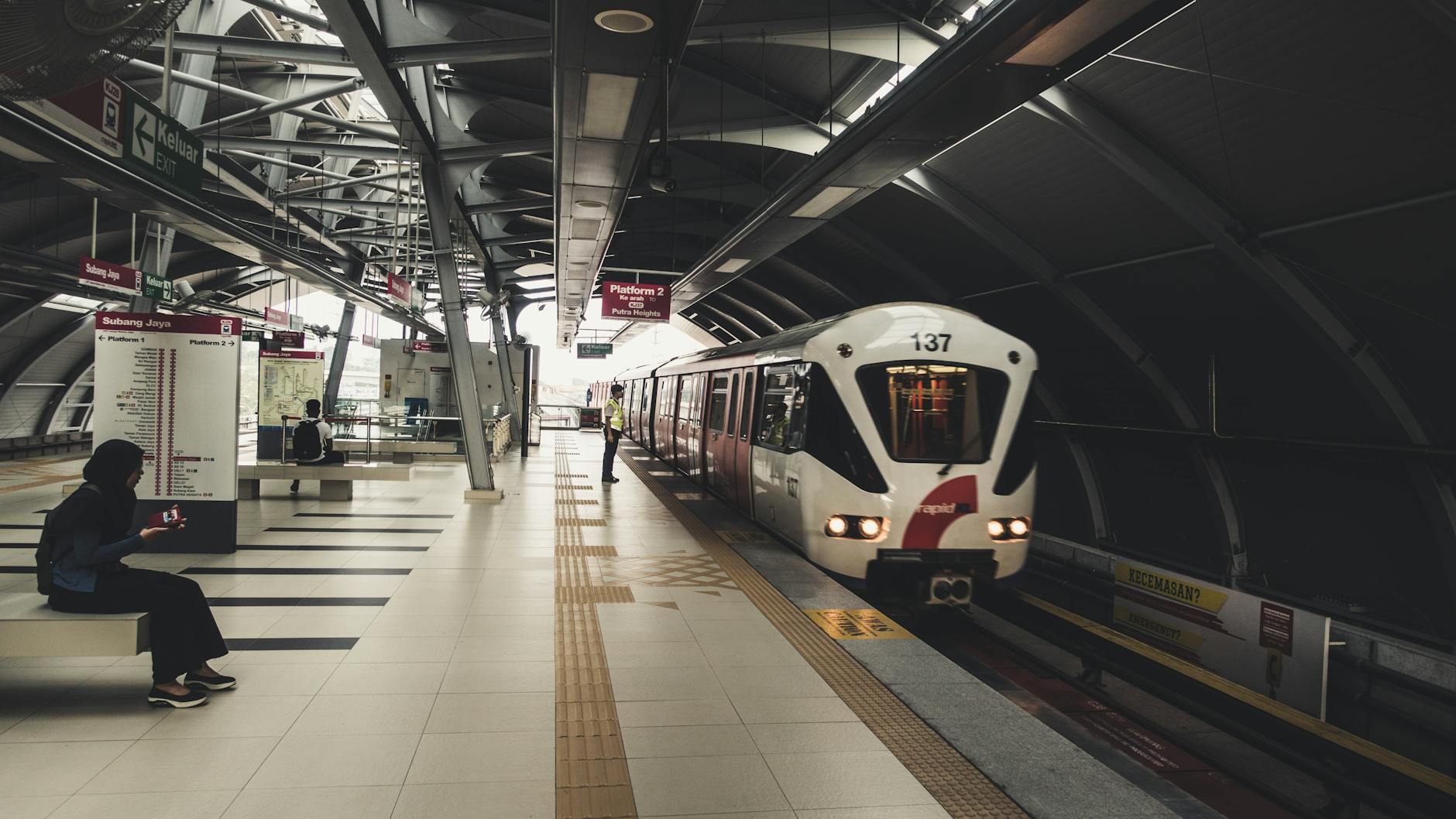
When people in an area quickly scatter or disappear as you approach it often means that something nearby was occurring that those individuals did not want witnessed. This behavioral pattern is distinct from normal pedestrian movement and tends to feel abrupt and coordinated. It can indicate drug activity, illegal transactions or simply a very tense local atmosphere. Paying attention to how people respond to your presence is one of the most immediate real-time signals available.
No Children
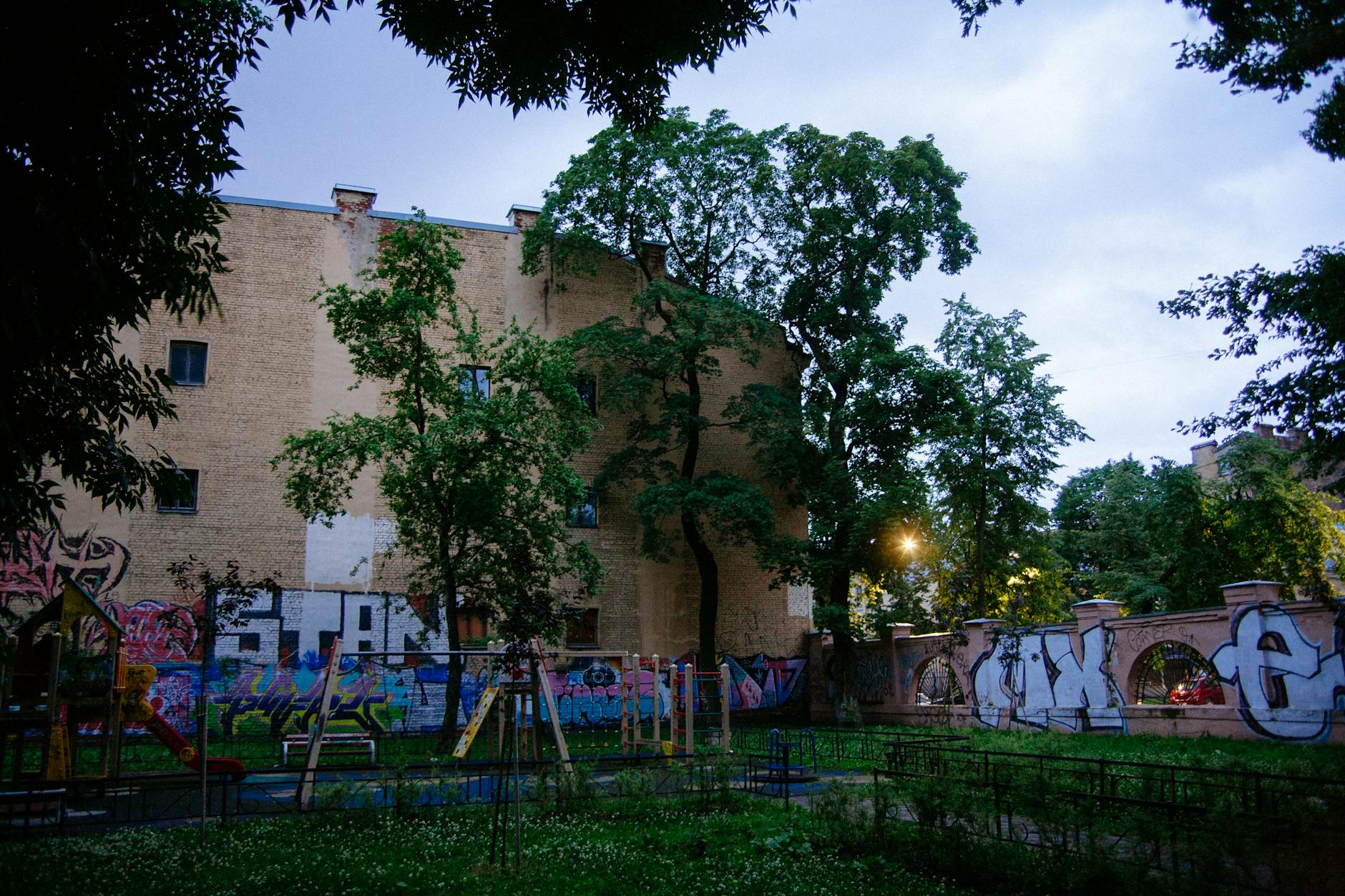
The absence of children playing outdoors in a residential area during daylight hours can be a subtle but telling sign. Parents who feel unsafe allow their children less freedom to play outside which visibly reduces activity on the street. This kind of self-imposed restriction by families reflects a community’s lived assessment of its own safety. A neighborhood with no visible child presence during typical after-school hours warrants closer attention.
Unkempt Lots

Vacant lots filled with debris, mattresses, broken furniture or other dumped materials indicate that the space has gone unmonitored for an extended period. These areas can serve as gathering spots for individuals seeking concealment away from public view. The presence of human waste, drug paraphernalia or makeshift shelter materials raises the concern level further. Neglected lots in a residential area suggest that community stewardship and city services have both receded.
Stray Dogs

A visible population of stray or feral dogs in an urban area often points to a lack of animal control services and reduced community organization. Strays tend to concentrate in zones where food waste is abundant and human foot traffic is low enough for them to operate freely. Their presence can itself pose a safety risk to pedestrians navigating the area. Beyond the direct concern, it reflects the same pattern of reduced oversight that underlies other neighborhood warning signs.
No Eye Contact
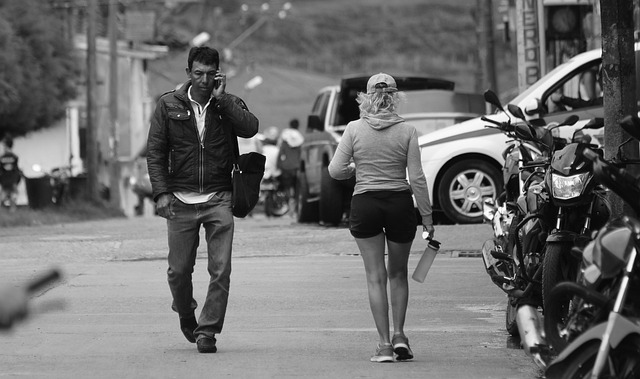
When residents in an area consistently avoid eye contact with strangers it often reflects a learned social habit developed in response to tension or past conflict. In many urban communities this behavior is a protective measure rather than a sign of hostility. However when it is pervasive and combined with other signals it can indicate that residents are wary of the attention that interaction might draw. Social withdrawal of this kind suggests that community trust and openness have eroded over time.
Barred Windows
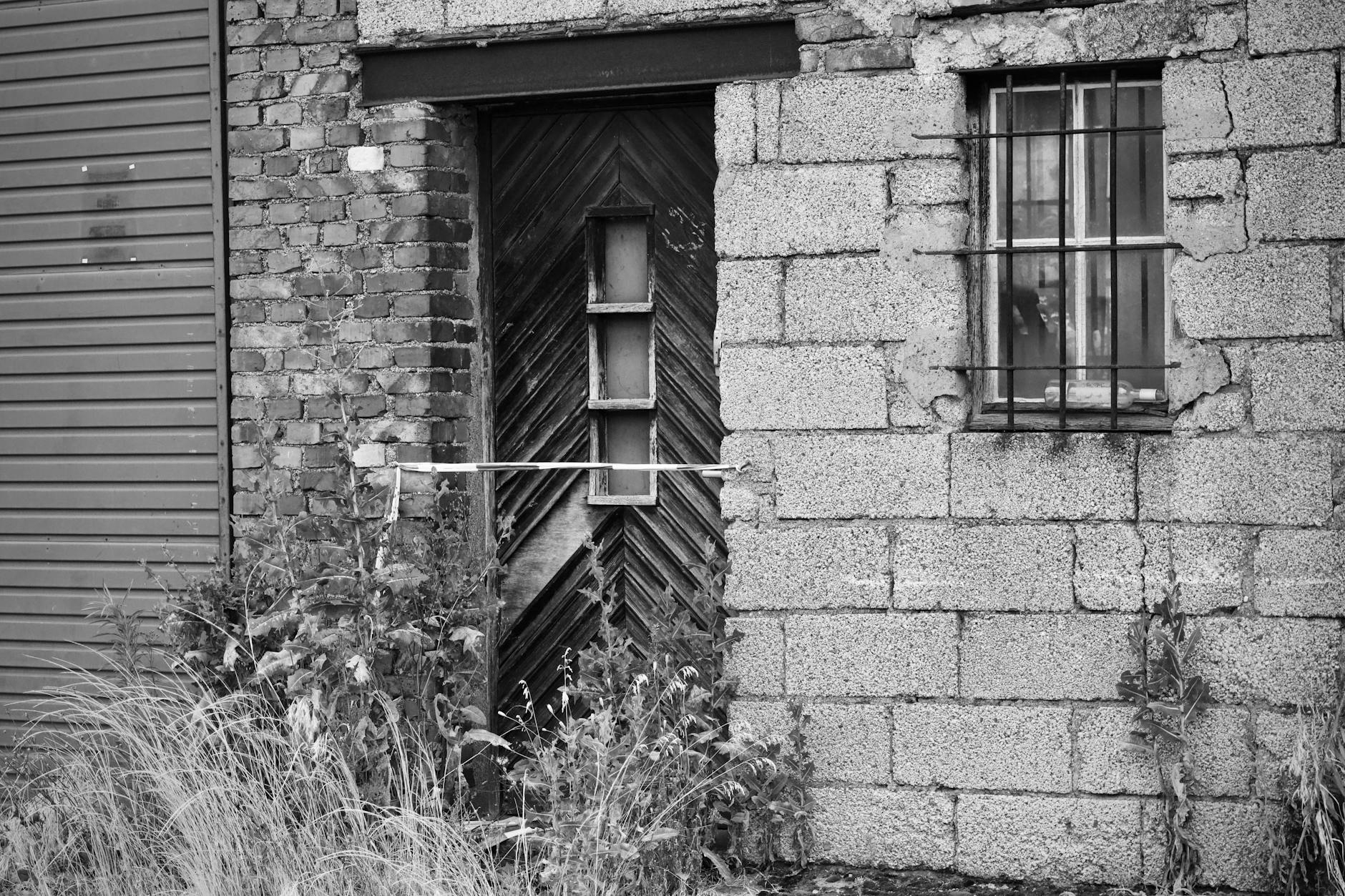
Security bars on ground-floor windows and doors of residential buildings indicate that residents feel a persistent need for physical fortification. While bars are common in dense urban environments their presence on virtually every building on a block suggests an elevated and sustained threat perception. When combined with additional security measures such as cameras, reinforced doors and razor wire the signal strengthens. This kind of layered physical security reflects a community response to ongoing risk rather than precautionary habit.
Heavy Foot Traffic At Night
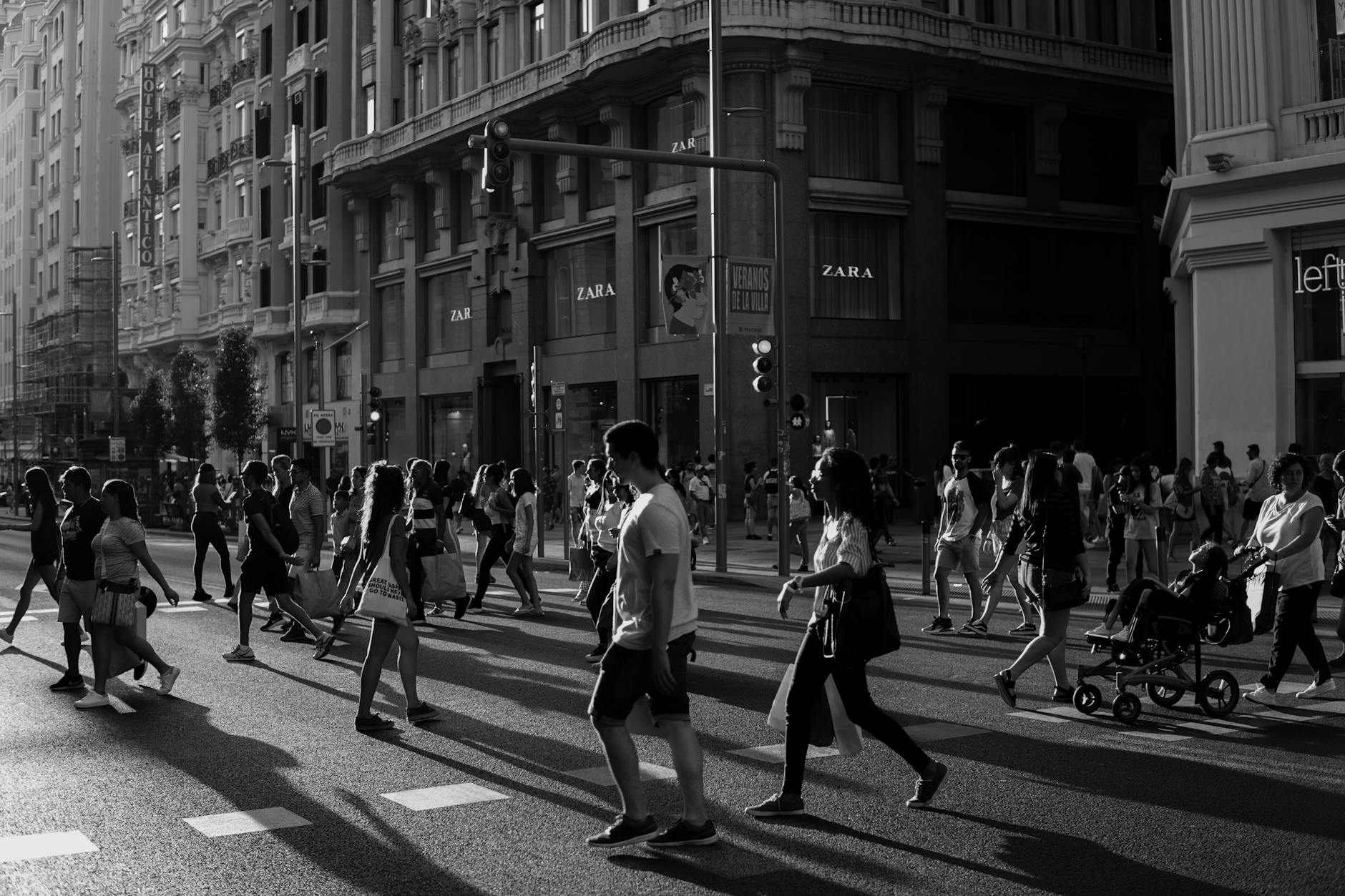
Unusually high pedestrian activity during late hours in a residential area can indicate that informal economies are operating after dark. Street-level transactions, frequent short vehicle stops and shifting groups of individuals are among the more specific patterns to note. This kind of nocturnal activity stands in contrast to the quieter rhythms typical of stable residential neighborhoods at night. The combination of movement patterns and the ages and behaviors of those involved provides additional context.
Drug Paraphernalia

The visible presence of syringes, pipes, foil or small plastic bags on sidewalks or in doorways is a direct indicator of active substance use in the area. This kind of material left in public spaces reflects that users feel safe enough from intervention to consume openly or discard openly. It also suggests that the area has limited foot traffic from residents or authorities who would prompt cleanup. Finding such materials in multiple locations on a single walk signals a systemic issue rather than an isolated incident.
Aggressive Panhandling
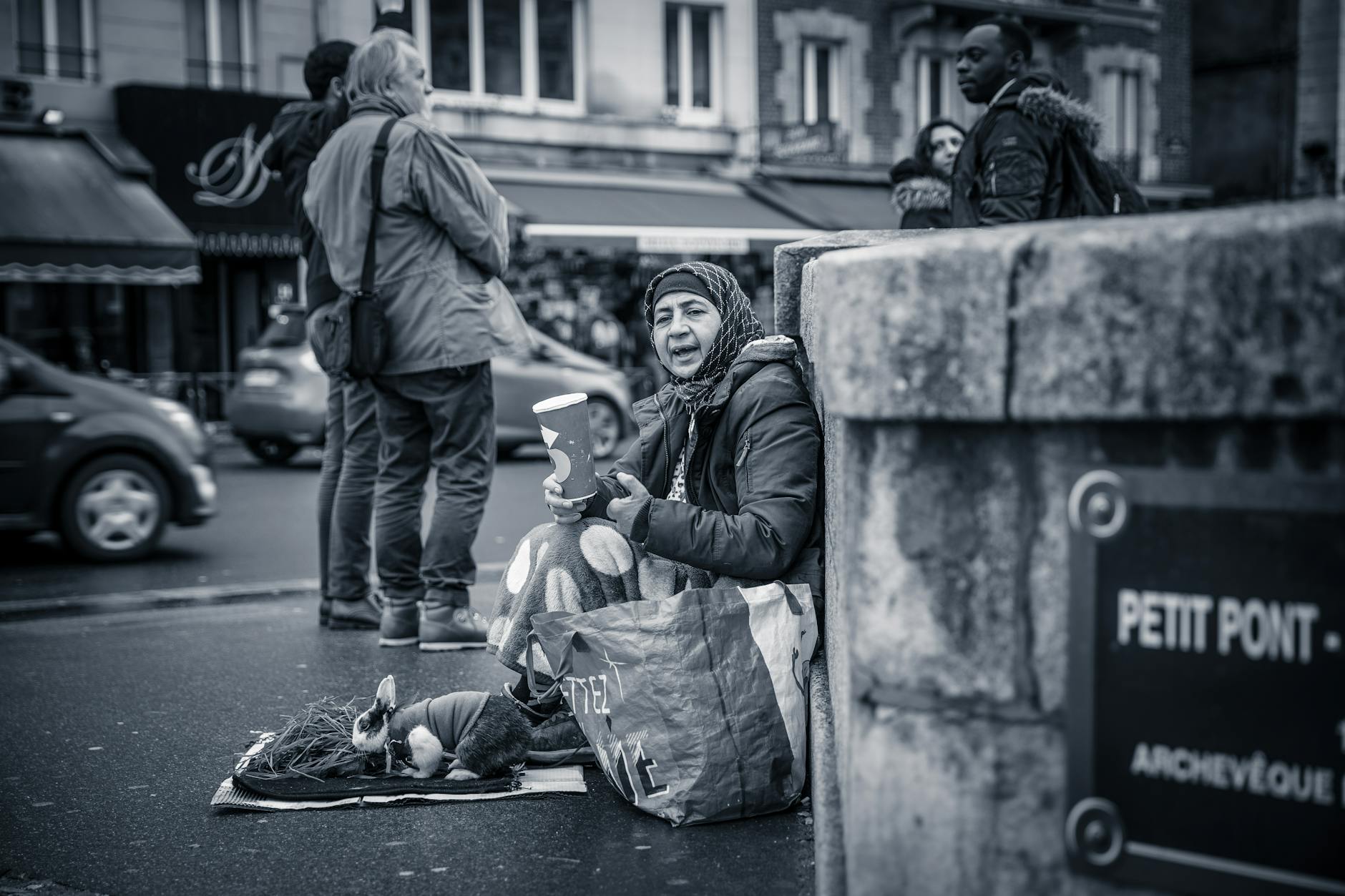
While panhandling itself exists across many urban environments its aggressive form where individuals follow, touch or intimidate passers-by indicates a reduced sense of social consequence. This behavior suggests that the informal norms and community pressures that discourage it in other areas are absent here. It can also reflect a higher density of individuals in crisis without adequate support services nearby. The regularity and concentration of aggressive encounters on a given route is the key distinguishing factor.
Frequent Police Presence
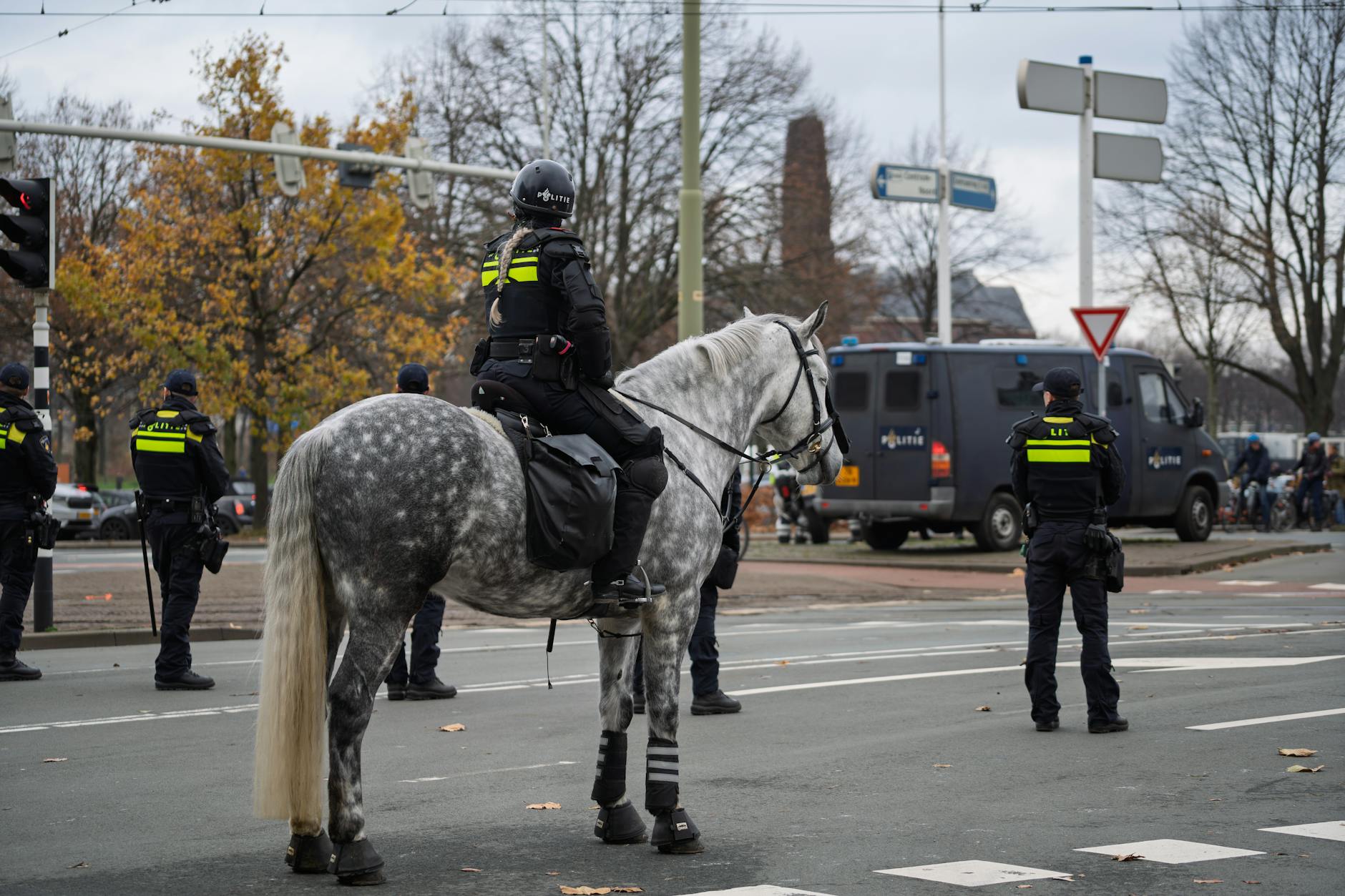
A notably high concentration of police patrols, cruisers or foot officers in an area reflects that law enforcement has identified it as a priority zone. This can paradoxically serve as both a safety measure and a warning signal for those unfamiliar with the neighborhood. Active policing in the area suggests that incidents occur frequently enough to require sustained attention. The pattern of patrol rather than merely passing through is the more meaningful indicator.
Noise Complaints Signs

Posted notices about noise violations, community warnings or repeated municipal enforcement signage suggest an area dealing with recurring public order issues. These official documents reflect that residents have engaged the complaints process which in turn implies ongoing problems significant enough to warrant formal response. Areas papered with such notices alongside evidence of unresolved issues indicate limited compliance with basic community standards. The age and quantity of posted materials tells its own story about how long conditions have persisted.
No Local Businesses

When a neighborhood lacks the small convenience stores, cafes or service businesses that typically form the backbone of urban commercial life it signals a collapse in economic confidence. Functioning local businesses provide jobs, attract foot traffic and create natural surveillance through their daily operations. Their absence leaves residents without resources and leaves streets without the organic activity that deters crime. This commercial void often reflects both financial disinvestment and a perception of risk that keeps entrepreneurs away.
Faded Infrastructure
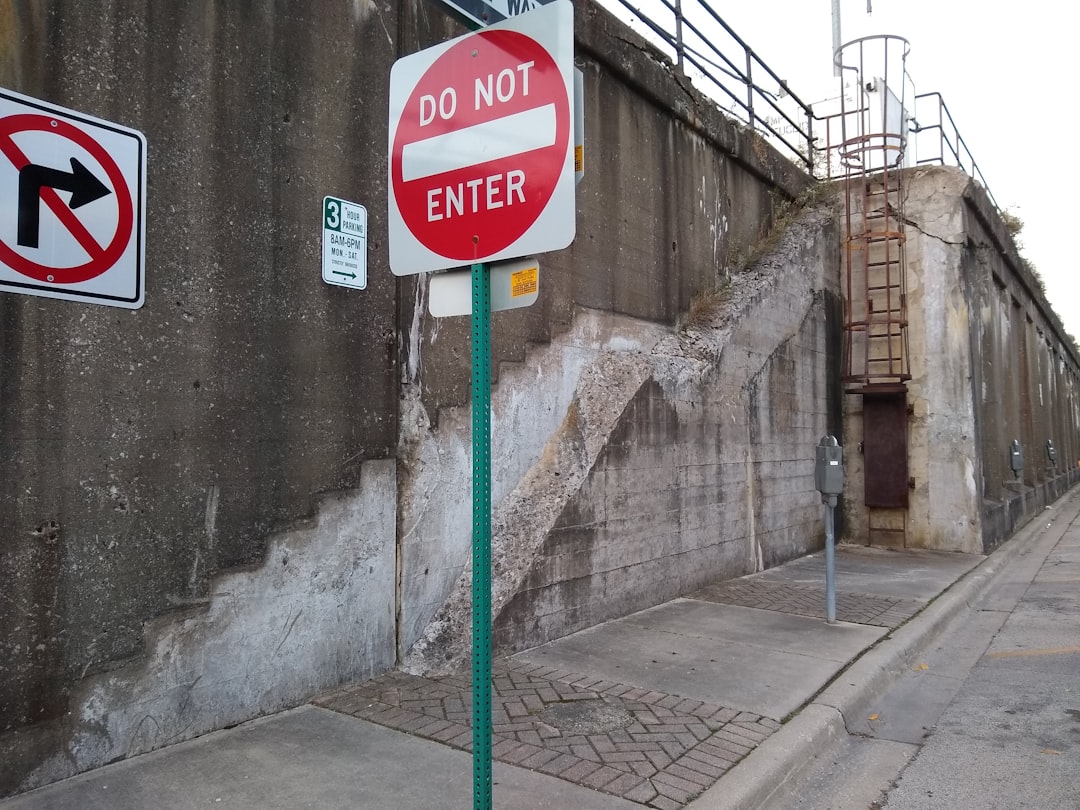
Faded road markings, crumbling sidewalks, broken curbs and outdated street furniture suggest that municipal investment in the area has been minimal for an extended period. Infrastructure in decline reflects how a neighborhood is prioritized at the city planning level. These conditions are inconvenient at best and genuinely hazardous at worst for residents navigating on foot. When multiple forms of infrastructure deterioration appear together they tell a coherent story about long-term neglect.
Tension In The Air
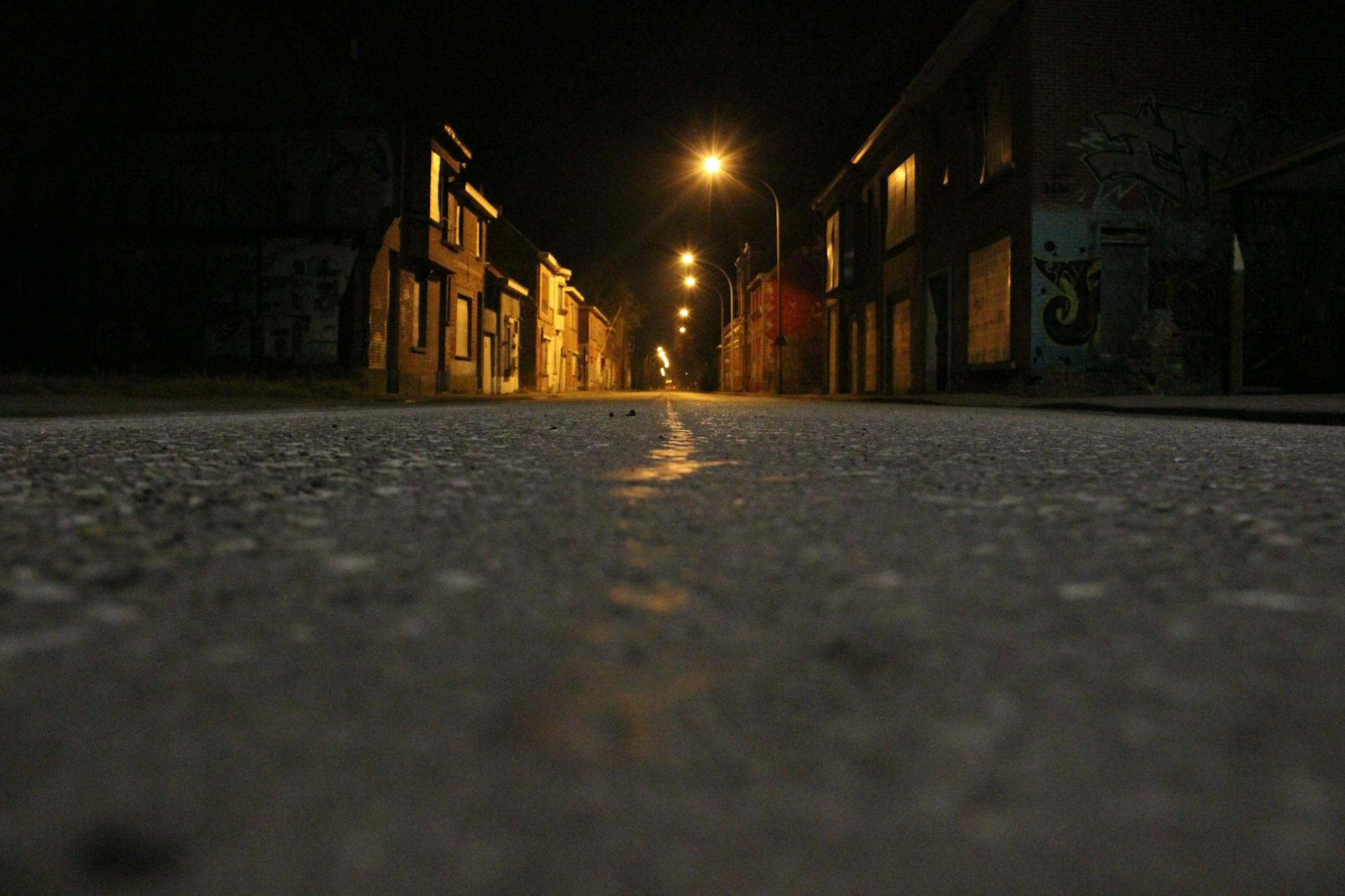
A general atmosphere of guardedness, where few people linger, conversations stop as strangers pass and body language is closed and watchful, is one of the most difficult signs to define but among the most reliable to act on. Urban safety researchers and experienced city navigators consistently describe this ambient tension as a sensory signal worth trusting. It manifests as a collective behavioral mood rather than any single visible indicator. When a space feels actively unwelcoming rather than simply unfamiliar the distinction is usually worth heeding.
No Street Vendors
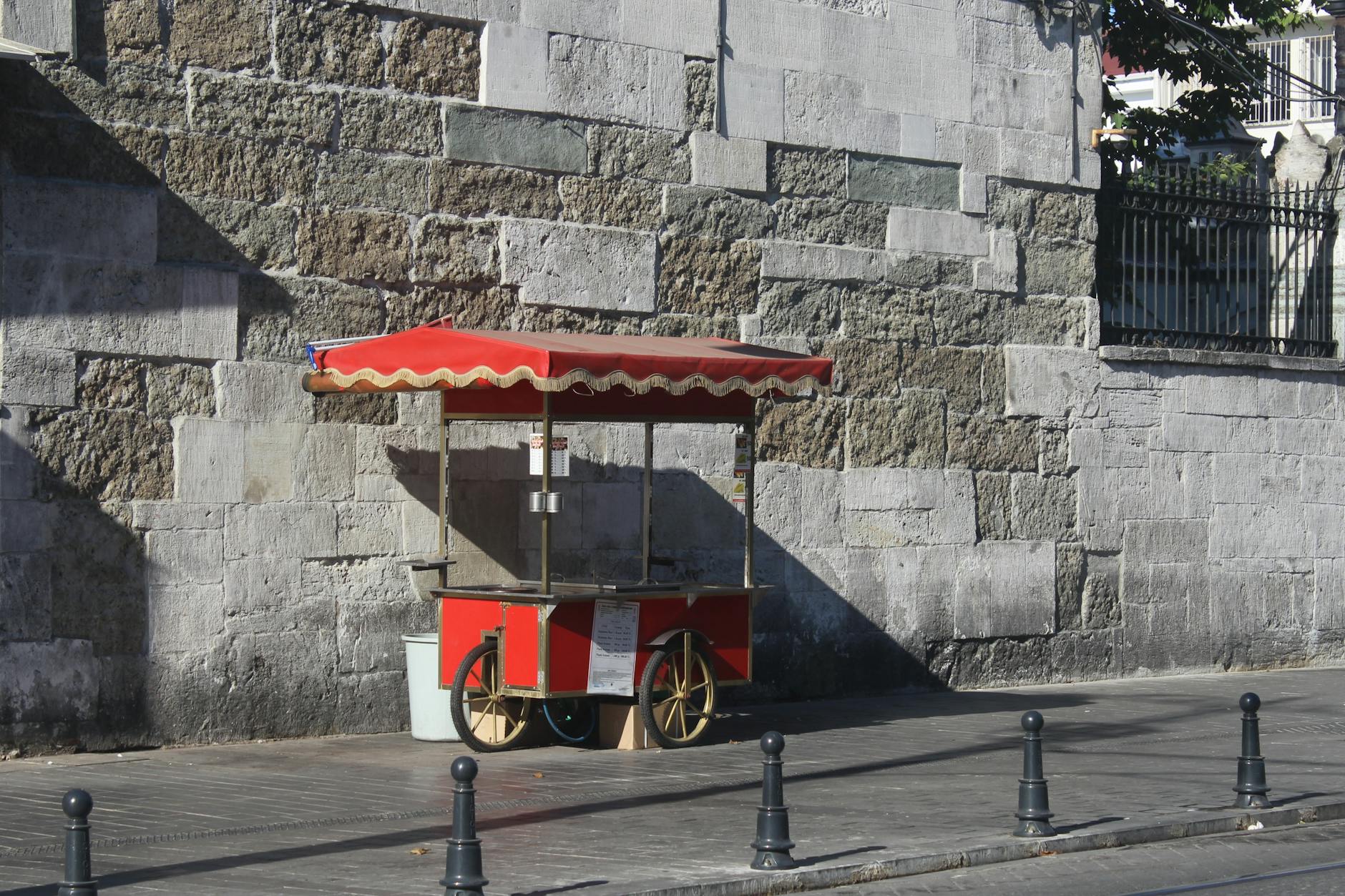
The absence of the informal food carts, market stalls and street vendors that typically populate active urban spaces suggests that foot traffic is too low or the environment too unpredictable for informal commerce to thrive. Vendors gravitate toward areas with natural pedestrian flow, perceived safety and reliable customer volume. Their absence removes a layer of ambient activity that contributes to the feeling of a lived-in neighborhood. Streets without this commercial layer often feel emptier and less surveilled as a result.
Burned Buildings
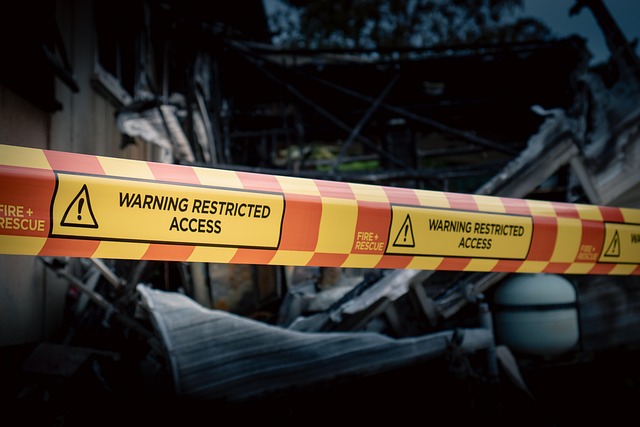
The presence of fire-damaged structures that have not been demolished or restored points to a lack of both private investment and municipal follow-through. Burned buildings attract illegal activity by providing concealed spaces away from the street. Their continued presence signals that the neighborhood is not prioritized for renovation or safety intervention. A single burned structure can become a focal point for a range of additional problems when left unaddressed.
Blocked Sight Lines
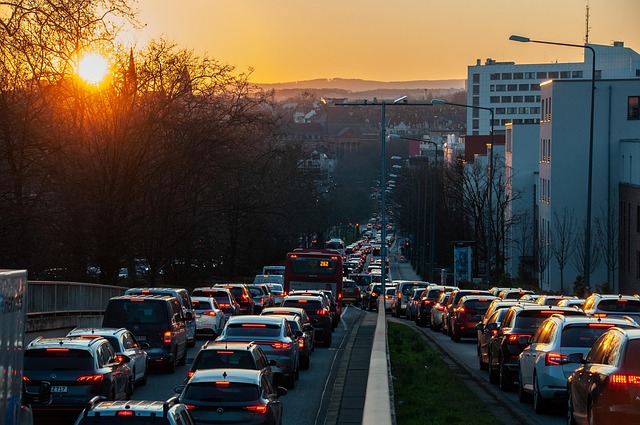
Areas where vegetation, structures or parked vehicles create long stretches of blocked sight lines reduce natural surveillance and create opportunities for concealment. Urban safety design principles consistently emphasize the importance of visibility in deterring opportunistic crime. Overgrown hedges, abandoned scaffolding and tightly packed illegally parked vehicles are among the physical features that diminish sightline quality. When these conditions extend across a significant stretch of street the cumulative effect on perceived and actual safety is notable.
Minimal Greenery

While the absence of trees and green space is a feature of many urban environments its near-total absence on residential streets has been linked in urban planning literature to lower community investment and poorer public health outcomes. Green infrastructure typically reflects active city maintenance and resident engagement with shared spaces. Streets without any maintained greenery often also lack the other markers of community care that correlate with safety. The relationship between urban greening and neighborhood wellbeing is well established across multiple decades of research.
Unfamiliar Currency

The presence of informal exchange systems, whether evidenced by hand signals, coded language or transactional behavior that clearly does not involve standard commercial activity, points to underground economies operating in the open. These exchanges can involve anything from counterfeit goods to controlled substances and their public nature suggests that participants perceive little risk of interruption. Observers who notice these patterns and feel out of place are receiving an accurate social signal. Trusting that instinct and adjusting your route is a practical and well-supported response.
Reading urban environments is a learnable skill that grows sharper with attention and experience, so share the signs you have noticed in your own city travels in the comments.




