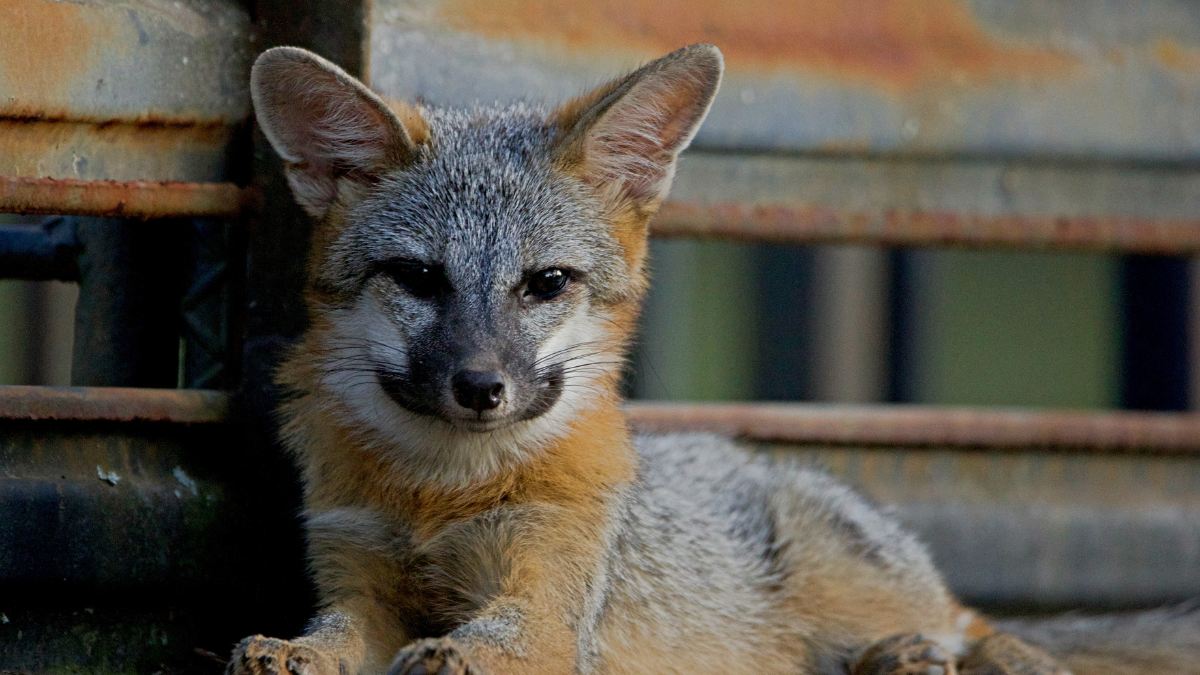
Every spring and summer, well-meaning people encounter tiny wild creatures and instinctively want to help. The impulse is understandable but can cause serious harm to animals that are not actually in danger. Wildlife rehabilitators spend years training to handle these situations safely and effectively. Knowing which animals to leave alone and why could be the most important thing you learn this season.
Fawn
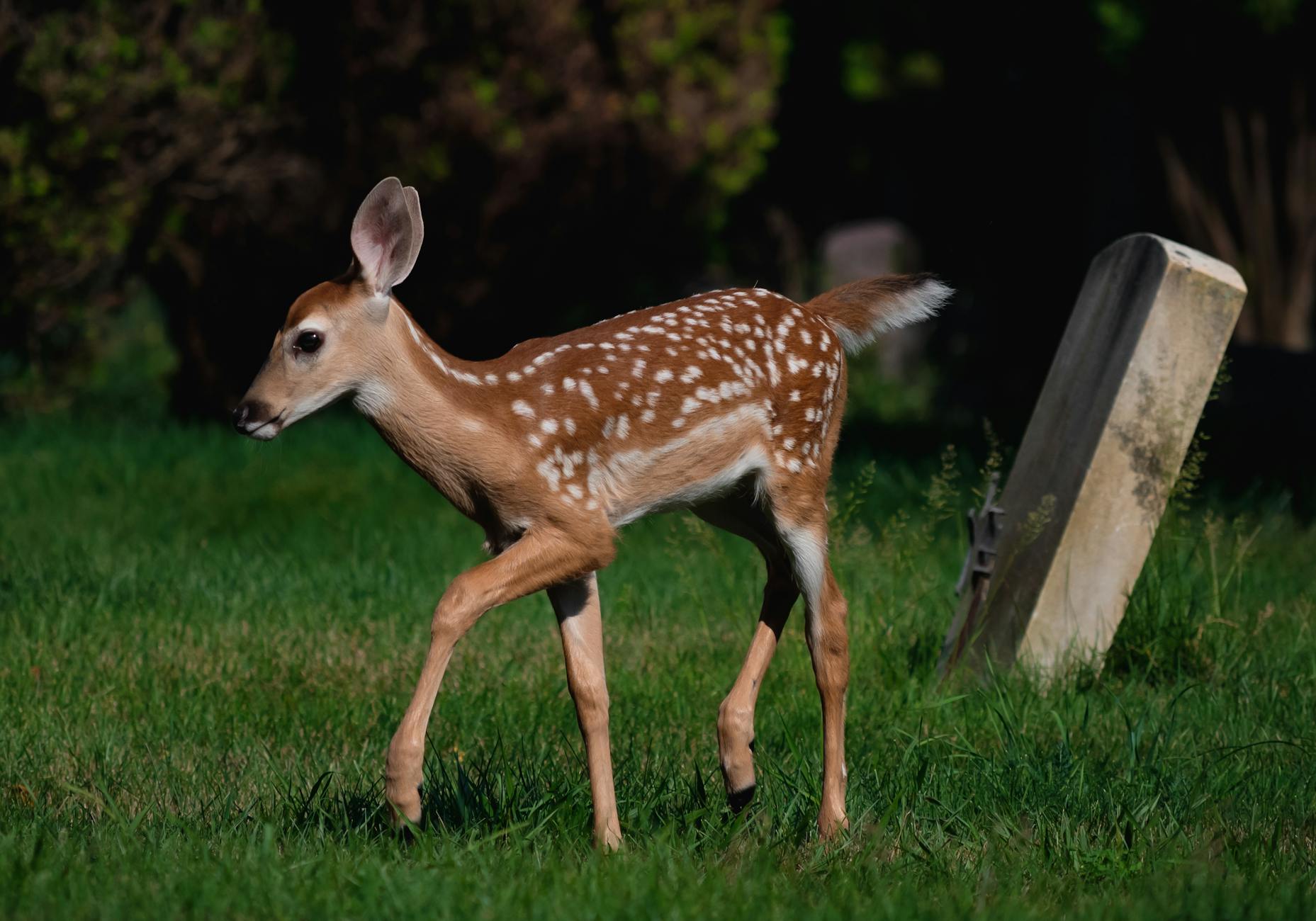
White-tailed deer fawns are frequently found curled alone in tall grass and appear completely abandoned. Mother does deliberately leave their young hidden for hours at a time while they forage nearby. Human scent left on a fawn can cause the mother to become wary and alter her return behavior. These animals are also prone to a condition called capture myopathy where handling causes fatal muscle damage from stress. The best action is always to observe from a distance and walk away.
Fox Kit
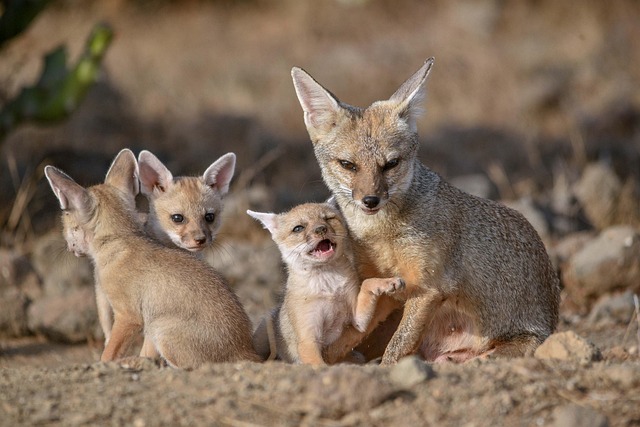
Red fox kits often tumble outside their den entrances and seem helpless and disoriented to passing humans. Parents are almost always watching from a hidden vantage point nearby and return regularly to feed their young. Fox kits carry a range of parasites and diseases including mange and rabies that pose risks to people who handle them. Their small size and soft features make them especially tempting to pick up which is why they top the list of misdirected rescues. Licensed rehabilitators have the protective equipment and medical knowledge to assess them properly.
Rabbit Nestling
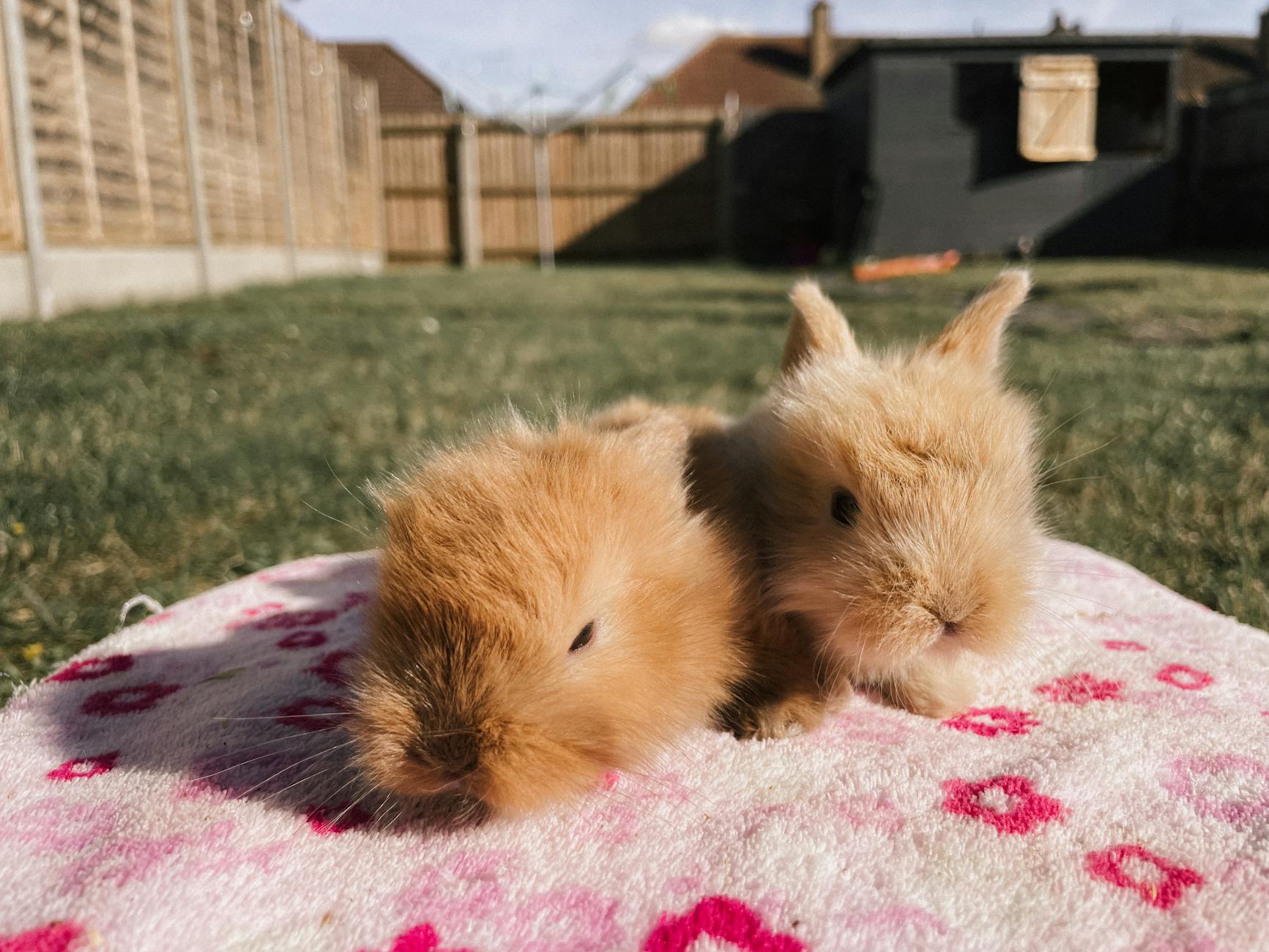
Cottontail rabbit nests are shallow depressions in the ground lined with fur and dried grass that are easily disturbed by lawnmowers or foot traffic. Nestlings found in an intact nest should be carefully covered back up and left entirely alone. Mother cottontails only visit the nest twice a day at dawn and dusk to avoid drawing predator attention. Human handling causes extreme stress in these animals and they can die from shock even without visible injury. A simple test using flour or string around the nest can confirm whether the mother is still returning.
Fledgling Bird
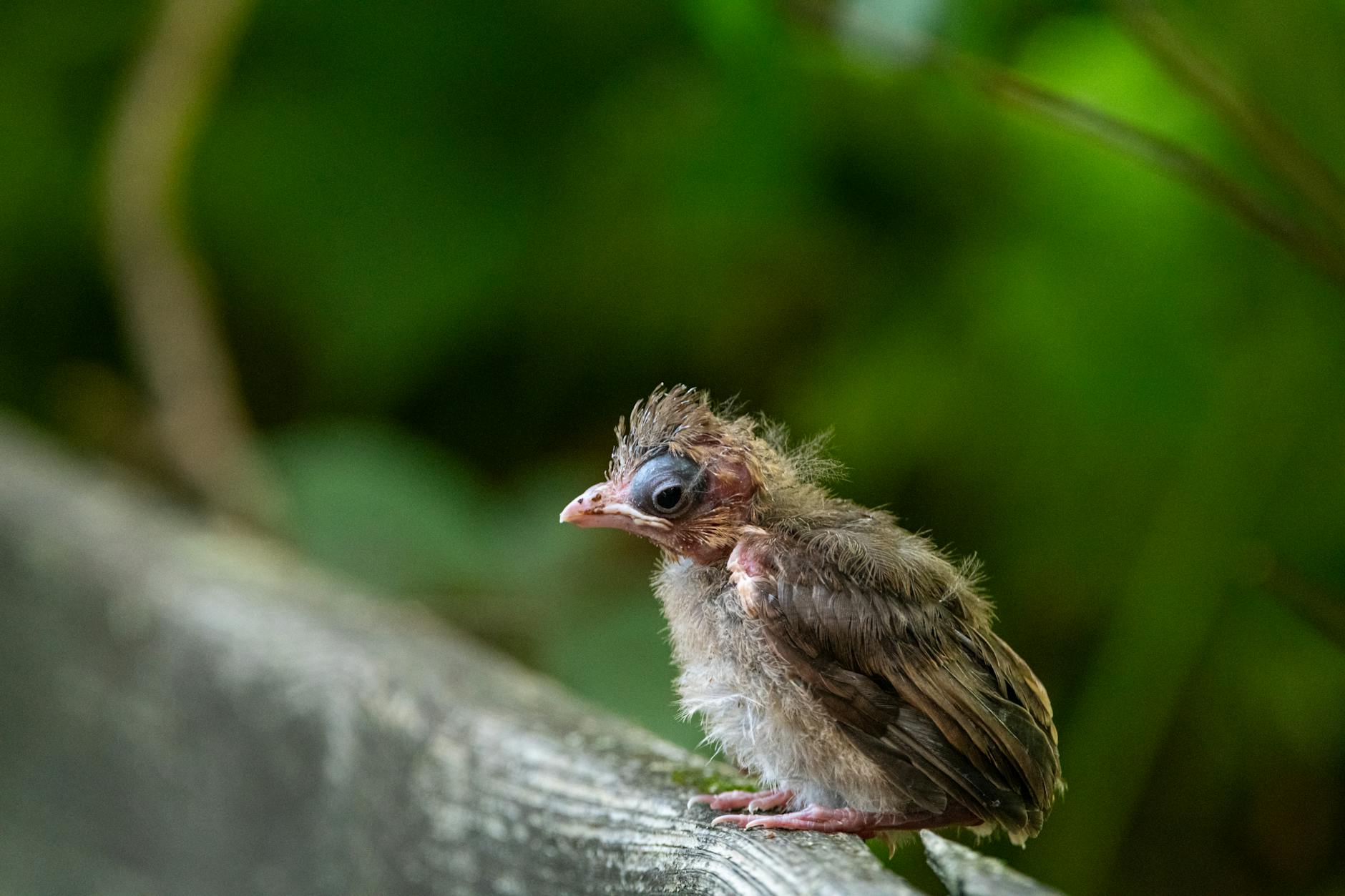
Fledgling birds found hopping on the ground are in a completely normal and necessary stage of development. They have left the nest intentionally and are being actively supervised by their parents from nearby branches. Picking them up removes them from parental care at the exact moment they need it most. Their parents will not reject them due to human touch as birds have a very limited sense of smell. The appropriate response is to move any cats or dogs indoors and allow the natural process to continue undisturbed.
Seal Pup
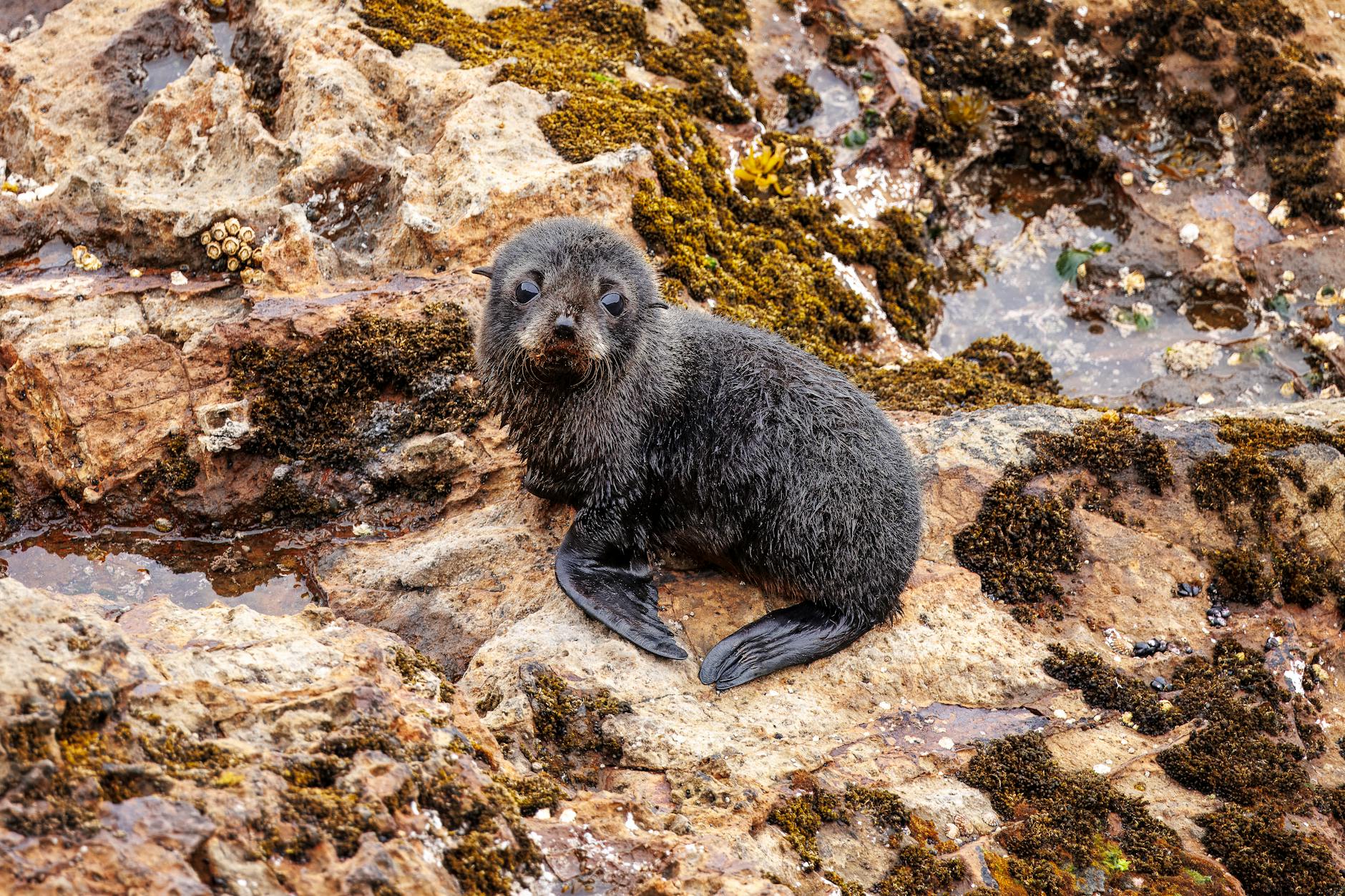
Harbor seal pups are routinely left alone on beaches for many hours while their mothers dive and feed offshore. Crowds of concerned onlookers gathering around a resting pup create enough stress to prevent the mother from returning to nurse. These animals have strong flippers and surprisingly powerful bites that can cause serious injury to an untrained handler. They also carry bacteria including Mycobacterium that can be transmitted through bites or scratches. Coastal wildlife agencies ask the public to maintain a minimum distance of 50 meters and report the sighting through official channels.
Bat Pup
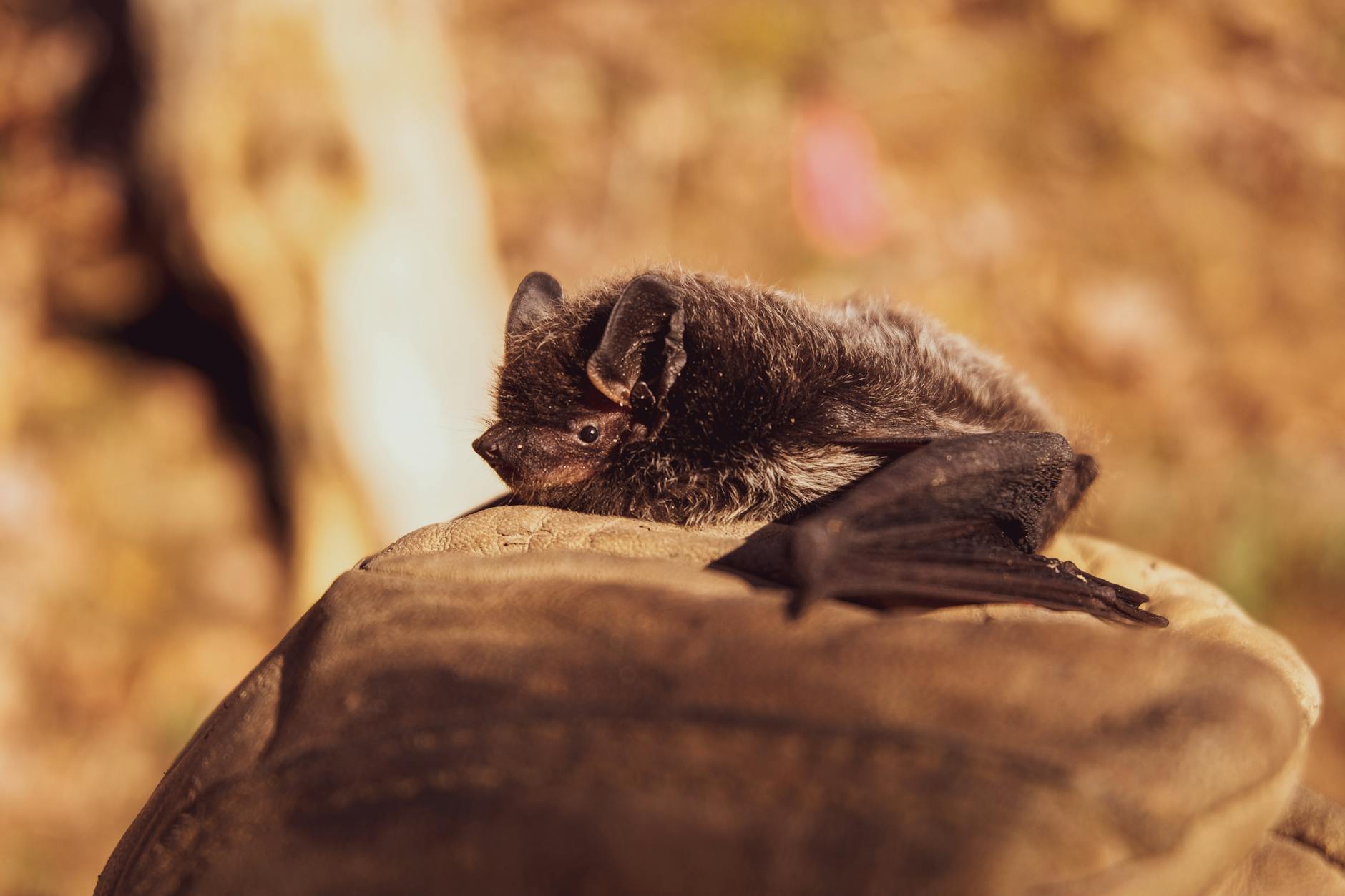
Baby bats are among the most frequently mishandled wild animals despite carrying the highest public health risk of any creature on this list. A bat found on the ground during daylight hours should never be touched with bare hands under any circumstances. Even a bite from a bat pup so small it is barely visible can transmit rabies which is fatal without immediate post-exposure treatment. These animals require specially trained rehabilitators who are vaccinated against rabies before handling them. If contact has already occurred the local health department should be notified immediately.
Opossum Joey
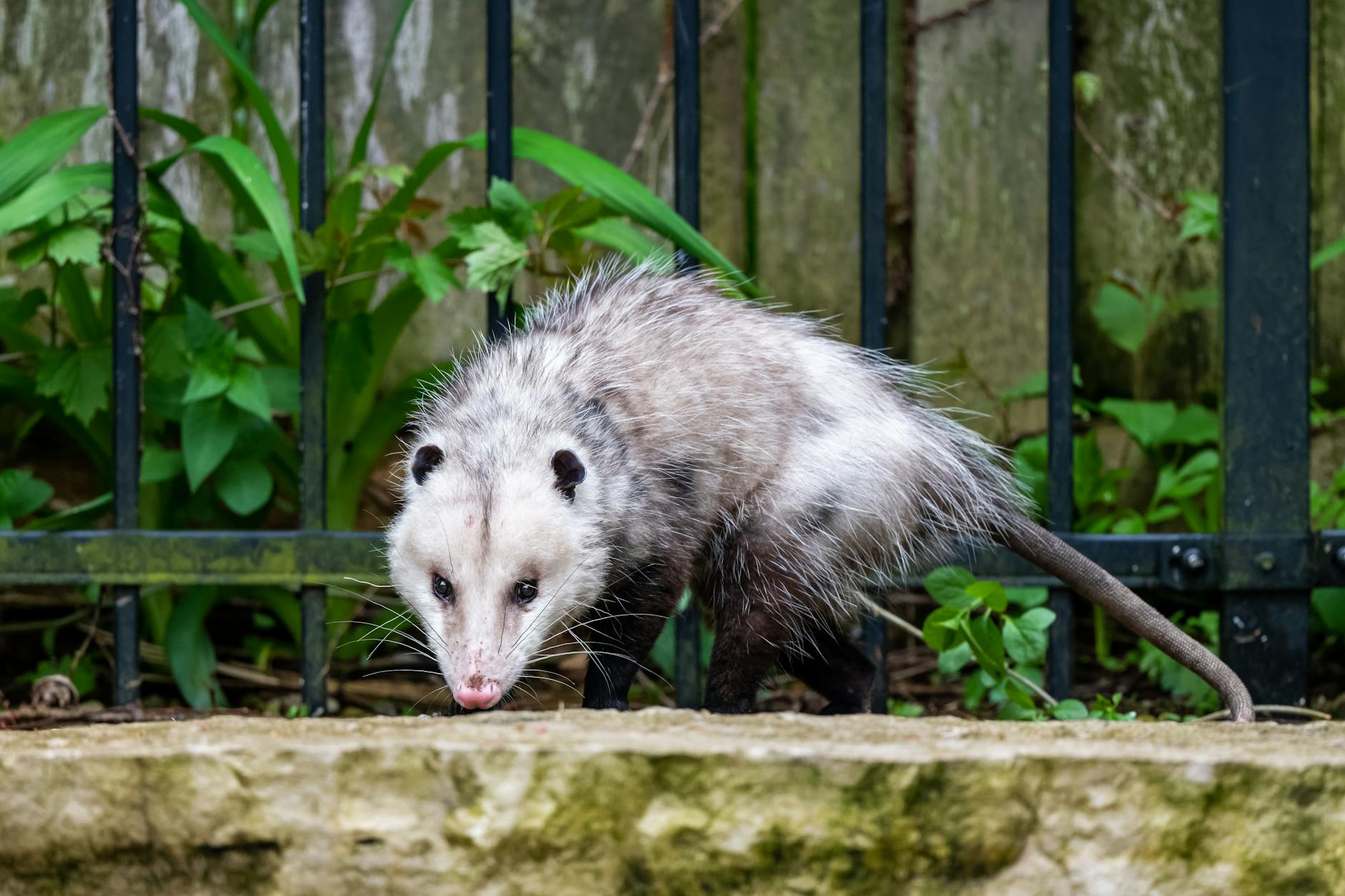
Baby opossums are marsupials that spend their earliest weeks attached to their mother inside her pouch. Joeys found wandering alone are genuinely orphaned if their body length is shorter than approximately 20 centimeters from nose to tail base. However attempting a rescue without proper knowledge causes more harm than help as their temperature regulation and dietary needs are highly specialized. They must be kept warm at a precise and stable temperature or they develop fatal respiratory illness within hours. Calling a wildlife rehabilitator before touching the animal is always the correct first step.
Bear Cub
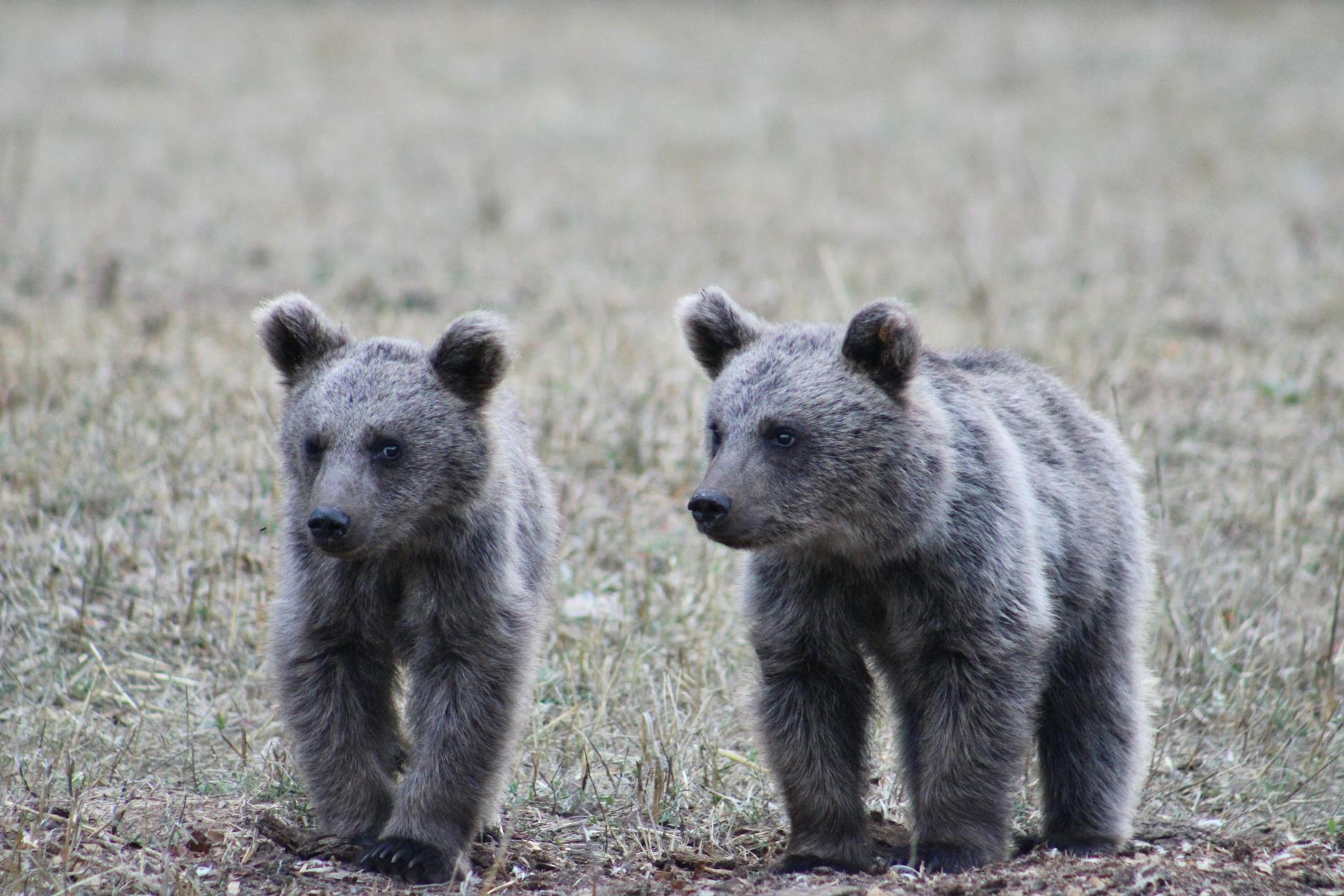
Black bear cubs are extraordinarily appealing and their distress calls are designed by evolution to trigger a caregiving response in nearby animals including humans. Approaching a bear cub in the wild is one of the most dangerous situations a person can create for themselves. Mother bears are almost always within close range and a sow with cubs is responsible for a significant percentage of all bear attacks recorded annually. Cubs also imprint easily on humans which renders them unable to be released into the wild if rehabilitated improperly. Only large permitted wildlife facilities with specialized enclosures are equipped to care for orphaned bears.
Moose Calf
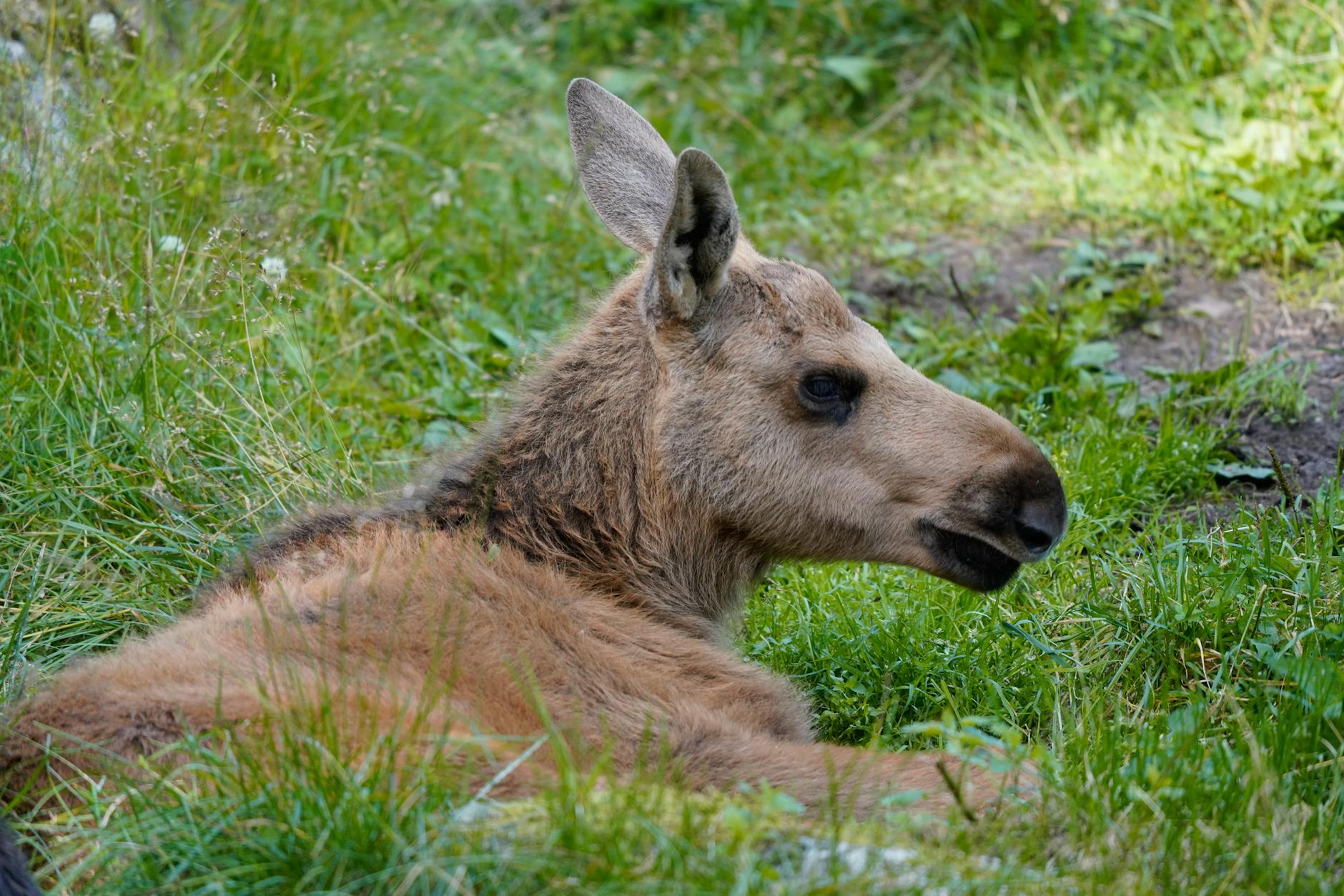
Moose calves are born looking vulnerable and long-legged but they are capable of moving through terrain within hours of birth. Mother moose are highly aggressive animals that charge without warning and are responsible for more attacks on humans in North America than any other large mammal. A calf that appears alone should be observed from the greatest possible distance for a minimum of 24 hours before any wildlife authority is contacted. Calves require specific milk formulas that differ significantly from domestic animal nutrition and cannot thrive on substitutes without expert care. Intervening without professional guidance almost always results in the death of the animal.
Coyote Pup
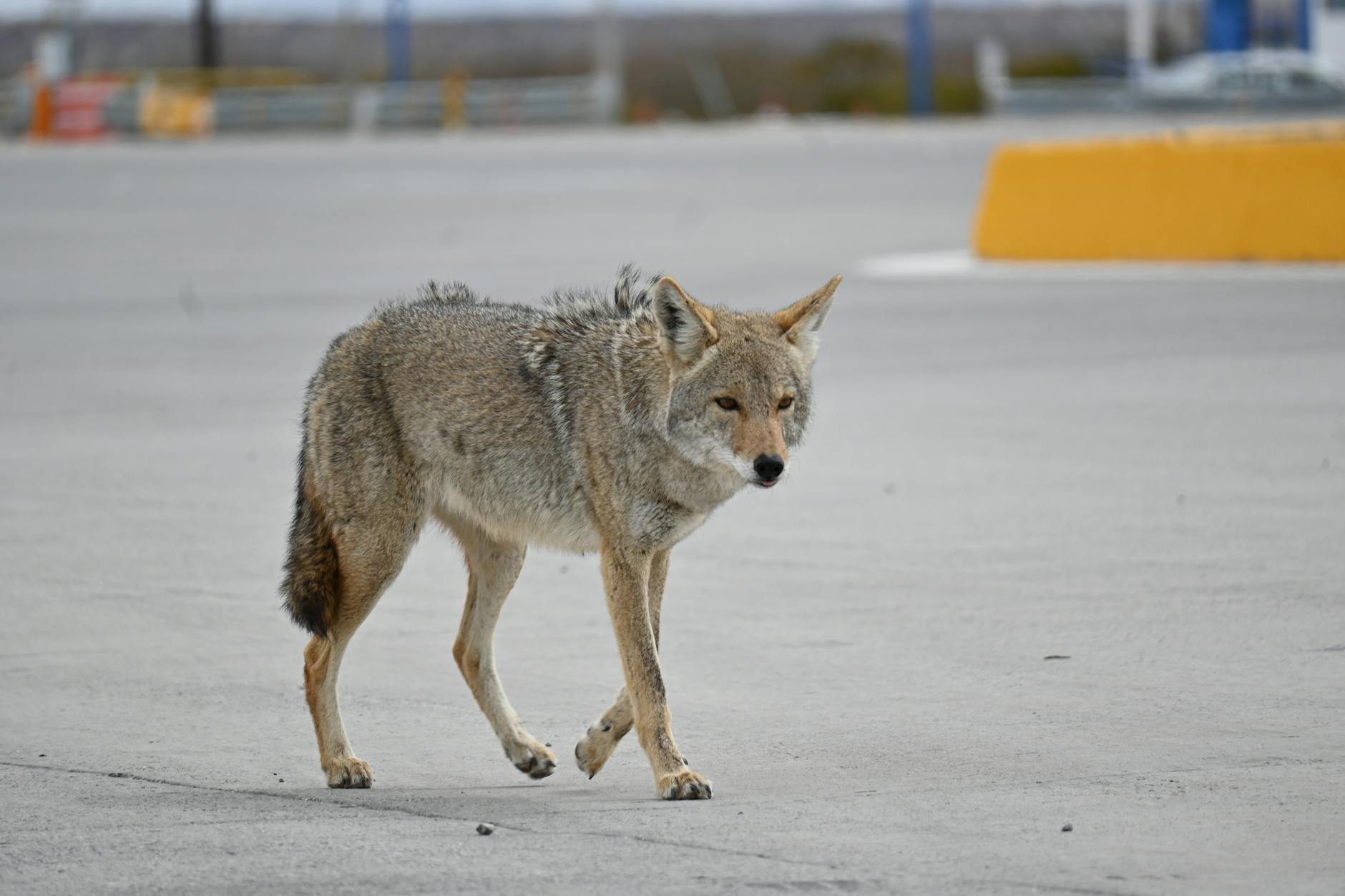
Coyote pups are born in underground dens and only emerge once they are several weeks old and already partially mobile. They are frequently found at den entrances in apparent distress when they are simply exploring as part of normal pup development. Adult coyotes in urban areas have become increasingly comfortable with human presence which means parents may be watching from very close range. Handling a coyote pup triggers a habituation process that makes the animal associate humans with safety and food which creates dangerous adult behavior. Municipalities across North America classify the unauthorized possession of coyotes as a criminal offense.
Alligator Hatchling
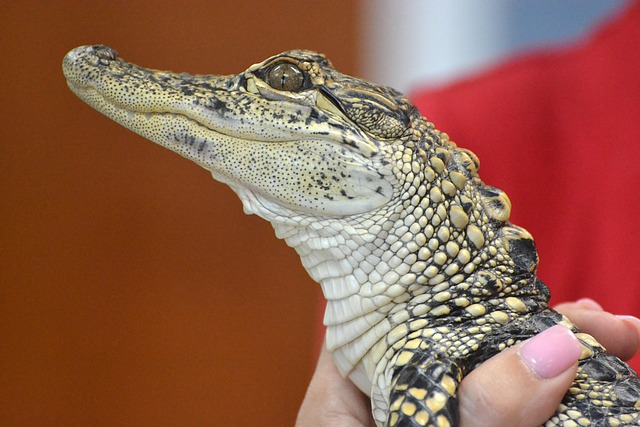
American alligator hatchlings emerge from their nests in groups and immediately begin vocalizing with soft grunting calls. These calls are specifically designed to attract the mother who remains in the immediate vicinity of the nest throughout the hatching period. Female alligators are among the most attentive mothers in the reptile world and will attack anything that approaches their young without hesitation. Even a hatchling only 25 centimeters long delivers a surprisingly powerful bite and carries the same oral bacteria as an adult. State wildlife laws across the American South make it illegal to possess or disturb alligators at any life stage.
Dolphin Calf
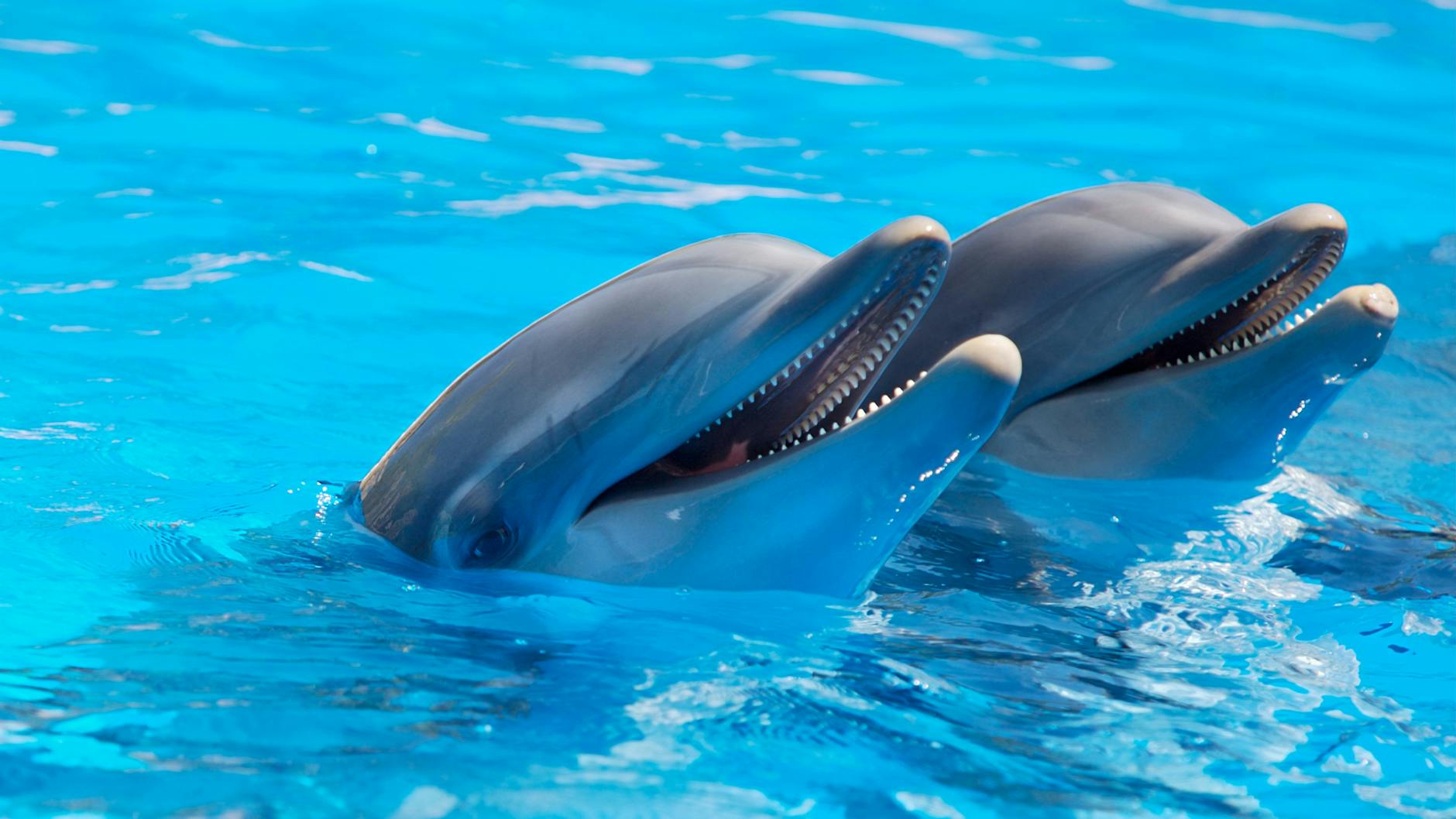
Dolphin calves are air-breathing mammals that require their mother’s milk and physical contact for warmth and developmental stimulation. A calf found alone in shallow water is in genuine distress but requires immediate professional marine mammal response teams rather than public intervention. Pushing a stranded dolphin back into deeper water without assessment frequently causes it to re-strand in a worse condition. Human contact introduces skin bacteria that are highly damaging to a dolphin’s sensitive outer tissue layer. National oceanic authorities in most countries have 24-hour hotlines specifically for marine mammal stranding events.
Hummingbird Nestling
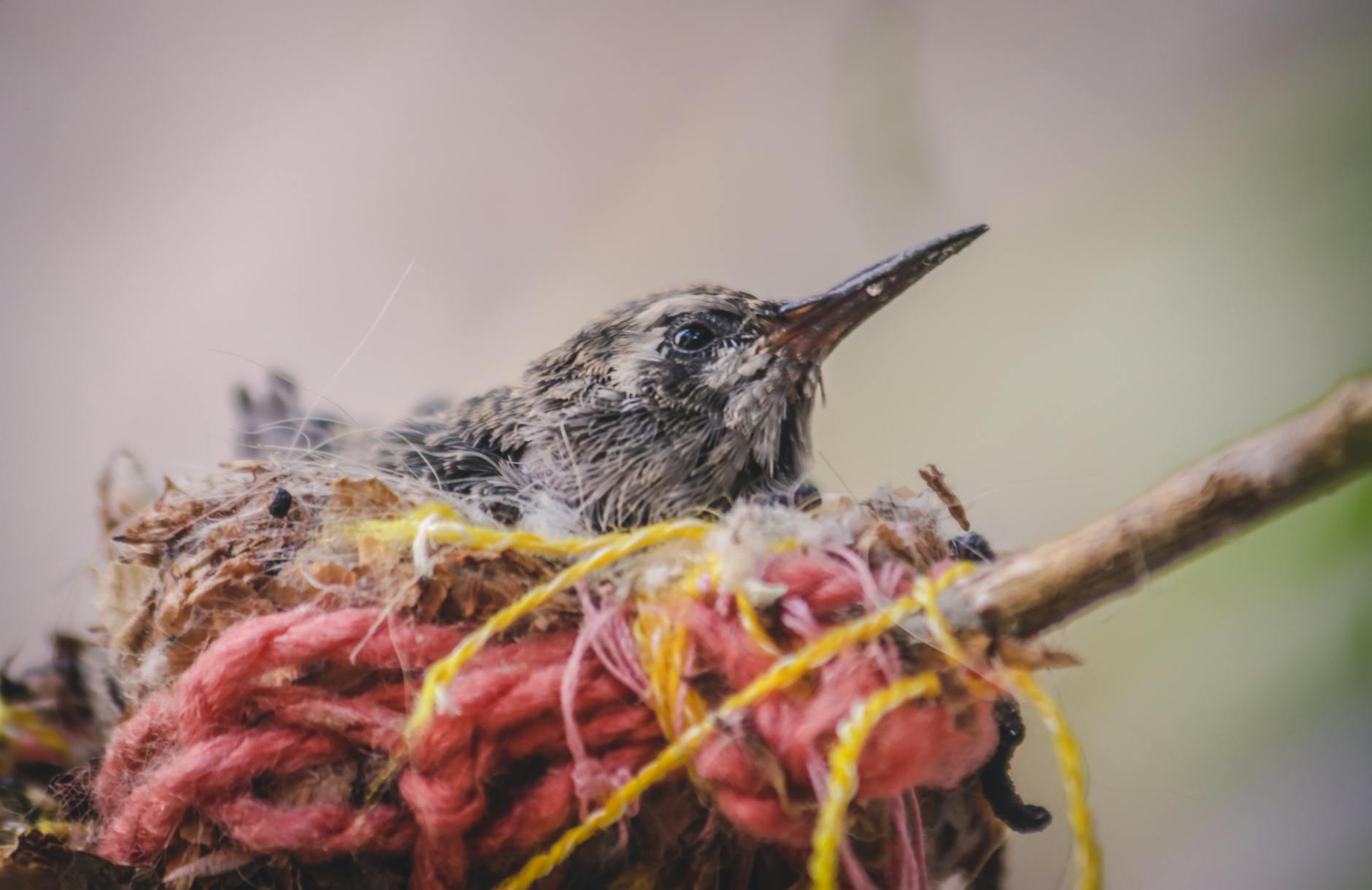
Hummingbird nestlings are among the smallest bird babies in the world and their walnut-sized nests are easily overlooked until a tiny occupant falls out. These birds have the highest metabolic rate of any warm-blooded animal and will begin to suffer irreversible organ damage if not fed within hours of being separated from their mother. They require nectar and live fruit flies fed at precise intervals throughout every daylight hour which is impossible to replicate in a home setting. Their feet and feathers are also extremely fragile and can be permanently damaged by improper handling or housing. Specialist hummingbird rehabilitators are the only individuals with the knowledge and equipment to stabilize these animals successfully.
Elk Calf
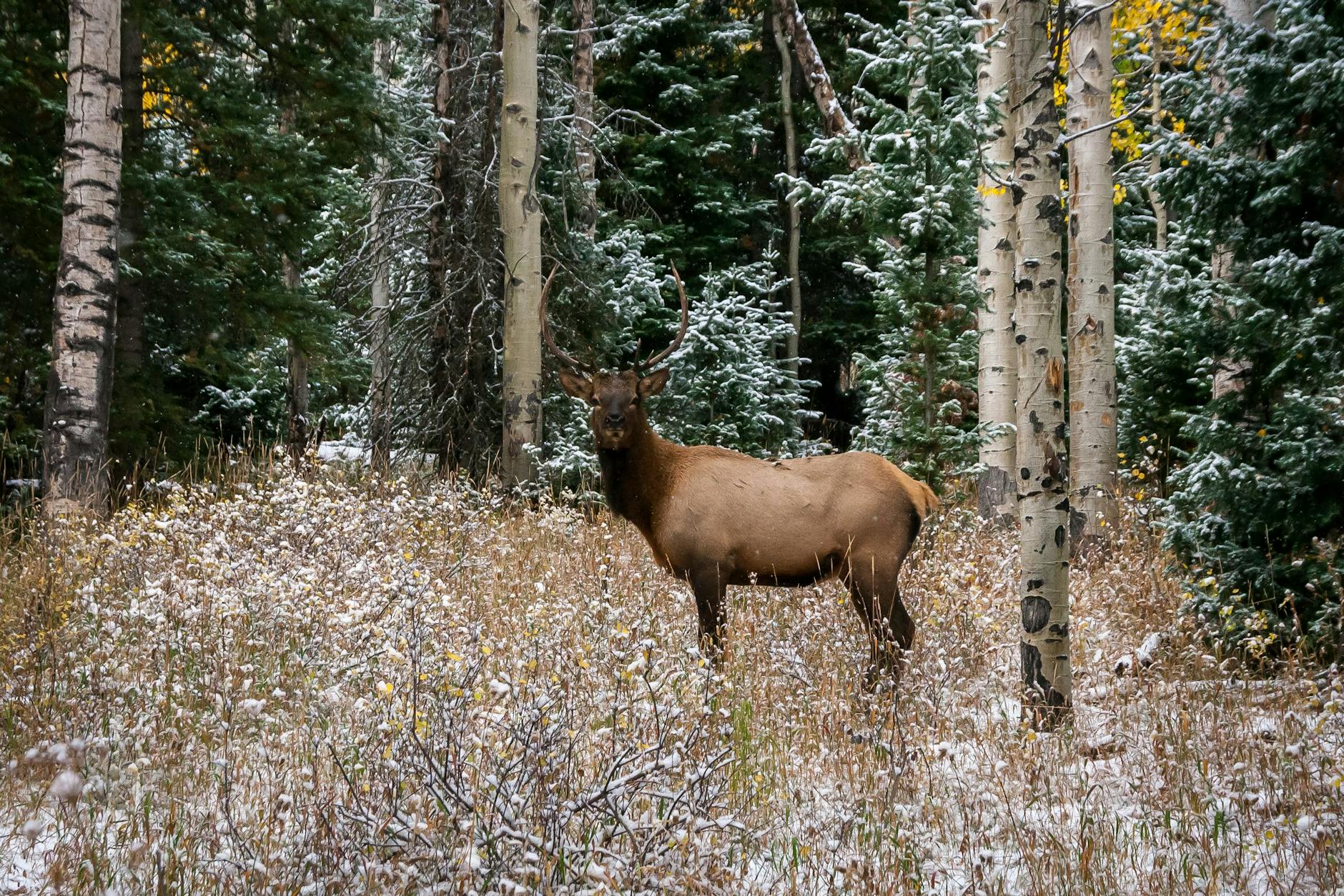
Elk calves are born with spotted coats that provide camouflage in dappled forest light during their first weeks of life. Mother elk leave their calves lying motionless for extended periods as a deliberate anti-predator strategy. A calf that is lying still with its head down is doing exactly what its mother taught it to do and is not in distress. Bull elk and cow elk both exhibit aggressive behavior toward humans who enter their calving areas during late spring. Wildlife officials consistently report that misdirected elk calf rescues are one of the most common and costly interventions they are called to reverse each year.
Whale Calf
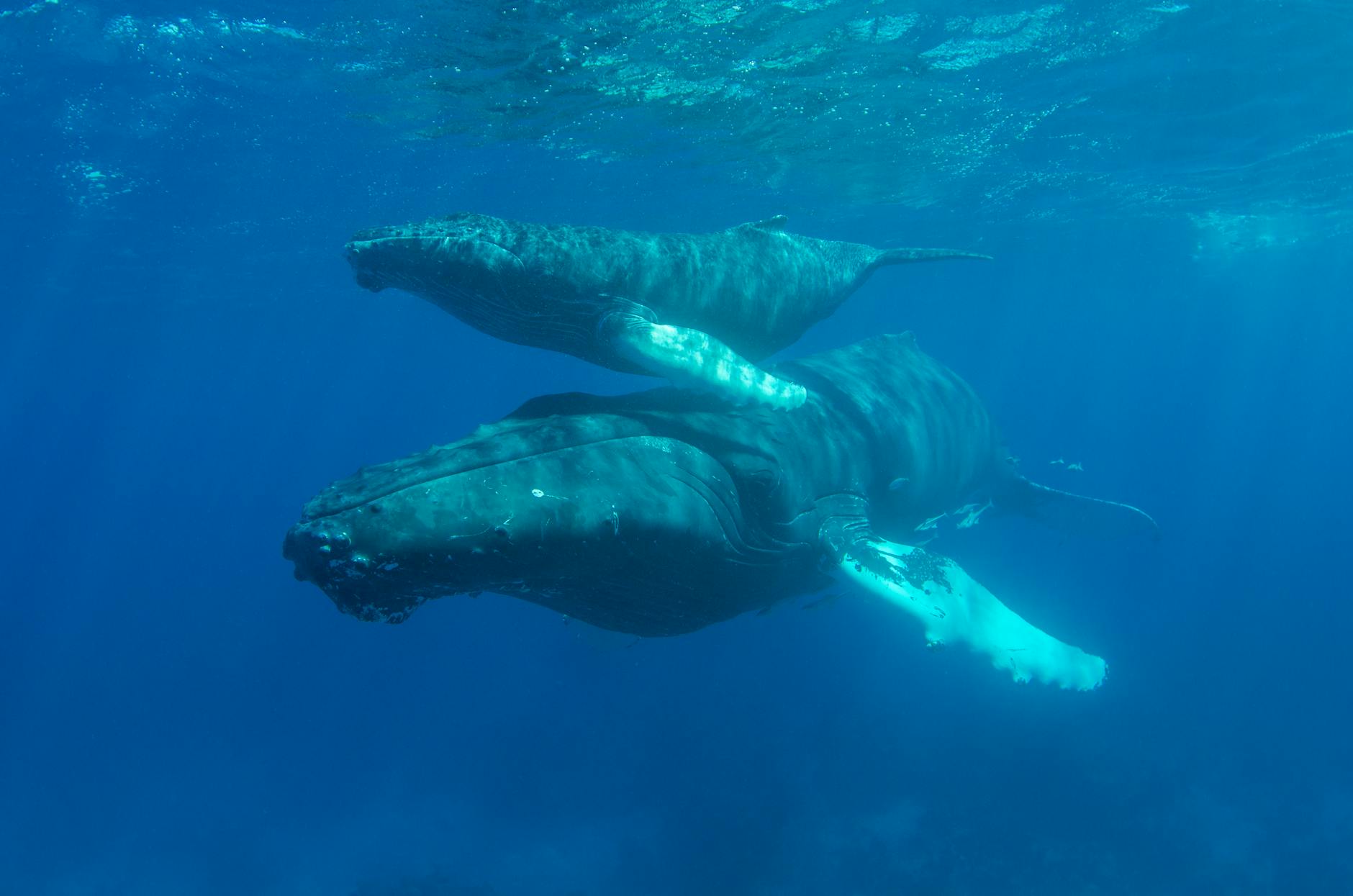
Humpback and gray whale calves are born at sea and are never found in situations where human assistance is appropriate without expert coordination. A calf that has beached itself has almost always done so due to illness or injury that requires full veterinary assessment before any movement is attempted. The weight and physiology of even a newborn whale calf means that improper repositioning causes internal injuries that accelerate death. Marine mammal stranding networks operate internationally and have pre-positioned equipment and trained teams for exactly these scenarios. Bystander attempts to push whale calves back into the water have directly caused preventable deaths in documented stranding events.
Raccoon Kit
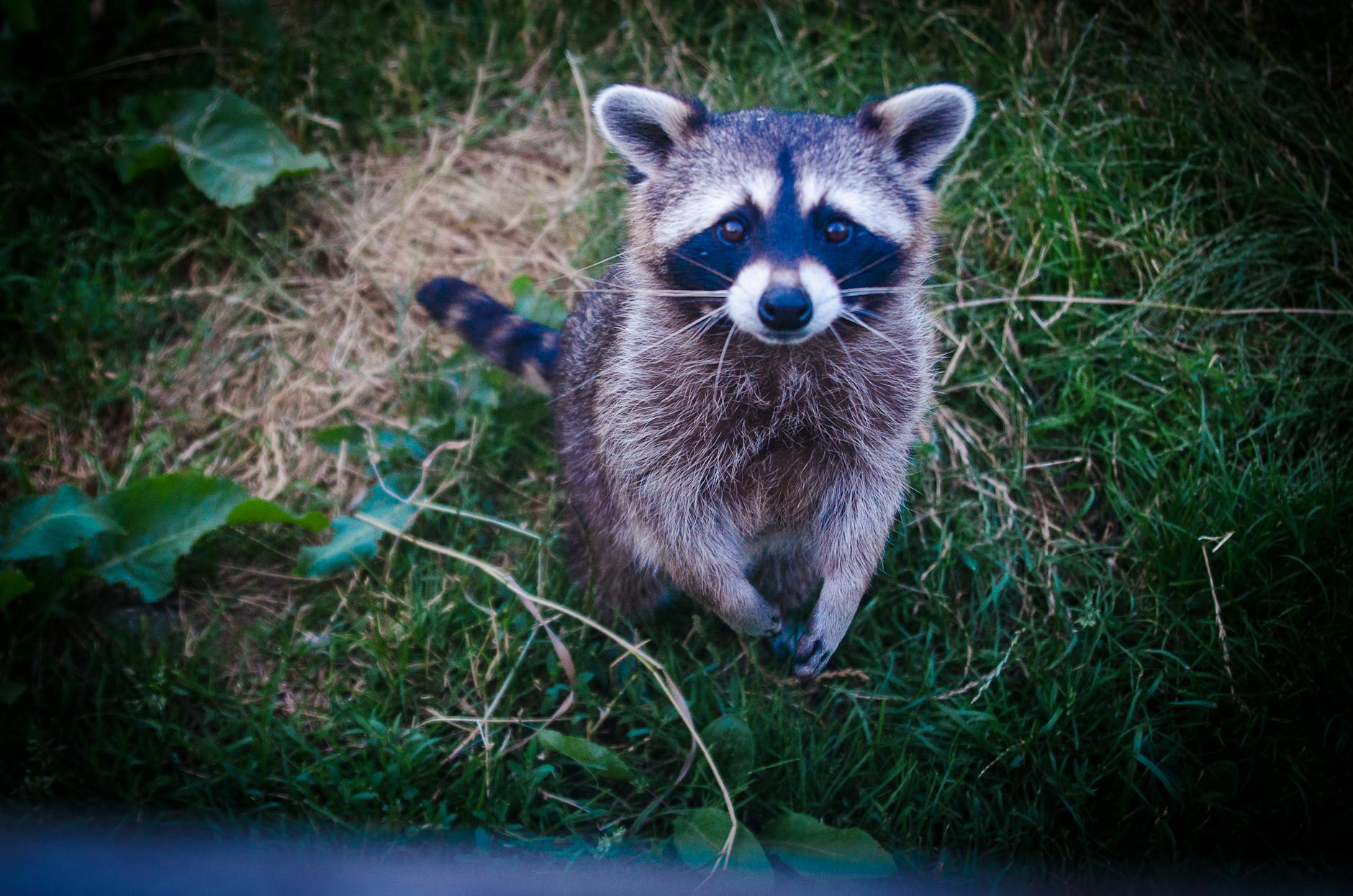
Raccoon kits are born in litters of three to five and remain with their mother constantly for their first eight weeks of life. A kit found alone is either genuinely orphaned or has temporarily wandered from a den that is located very close by. These animals are the primary wildlife vector for raccoon roundworm which is transmissible to humans through contact and is capable of causing permanent neurological damage. They are also highly susceptible to canine distemper which presents symptoms similar to rabies and makes untrained handling particularly risky. Raccoons raised by humans without proper wildlife rehabilitation become permanent human imprints that cannot be released and must live in captivity for life.
Hedgehog Hoglet
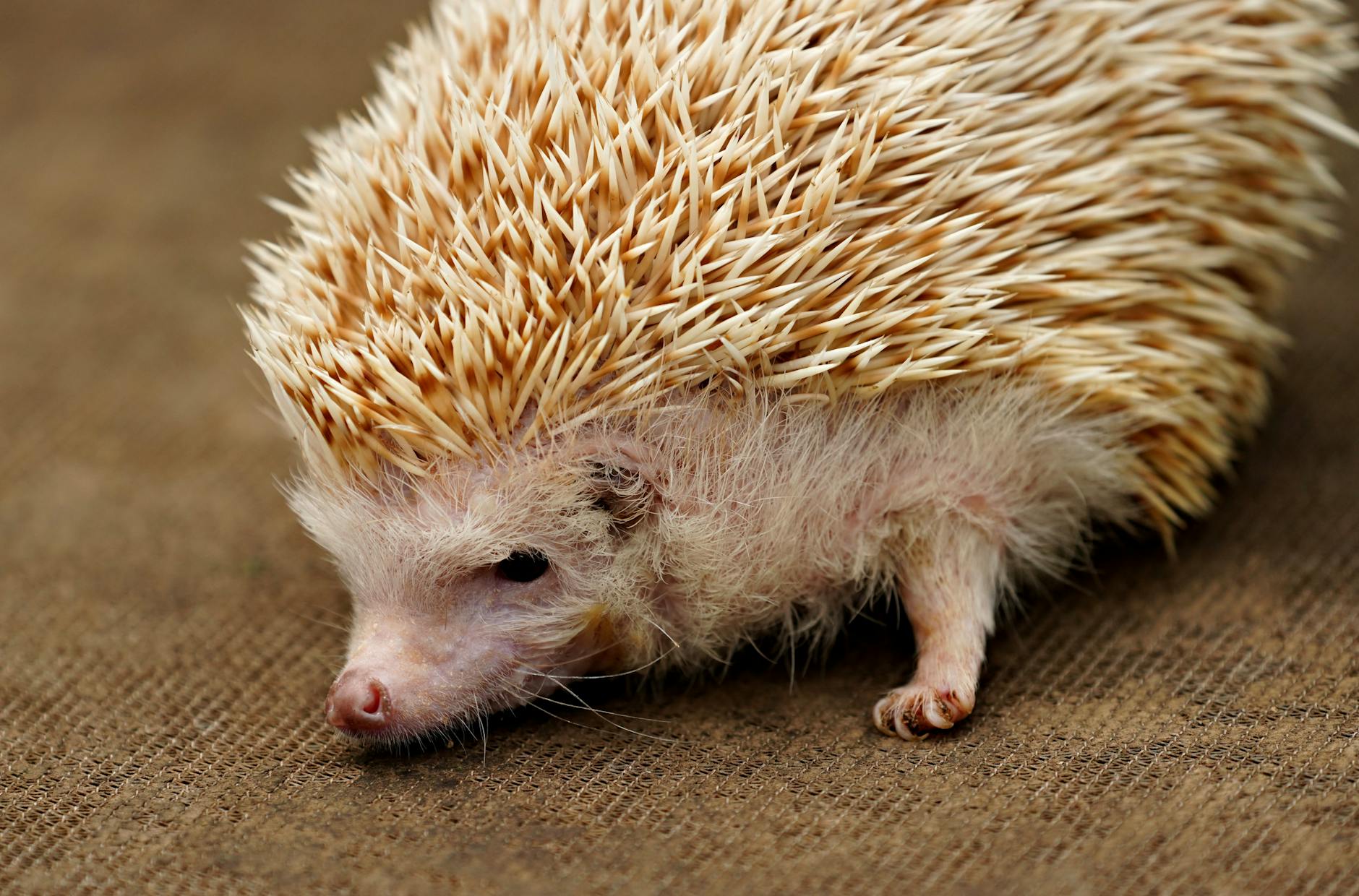
European hedgehog hoglets are born blind and helpless in nests made of dried leaves and grass in garden borders and hedgerows. A hoglet found wandering during daylight hours in summer is likely a genuine orphan as they do not naturally venture out before dusk. However hedgehogs carry Salmonella bacteria on their spines and skin that is easily transmitted to humans through casual contact. Their spine follicles are also extremely sensitive to compression and improper cradling causes pain and internal bruising even when no external injury is visible. British wildlife organizations recommend using thick gardening gloves and a cardboard box as a temporary measure before contacting a specialist.
Otter Pup
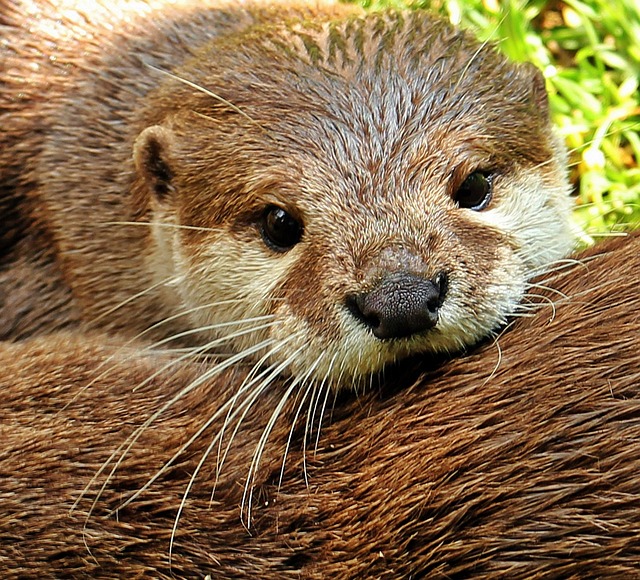
North American river otter pups are born in riverside dens and spend their first weeks entirely dependent on their mother for feeding and grooming. Mother otters are exceptionally attentive and pups found alone without any signs of the female nearby have almost certainly been orphaned. These animals bite with considerable force and their canine teeth are designed to grip slippery fish which makes handling without protective gloves genuinely dangerous. They also require live prey introduction as part of their rehabilitation which is a highly specialized process that prepares them for independent hunting. Otter pups raised without proper wildlife protocols fail to develop natural foraging behavior and cannot survive release.
Lynx Kitten
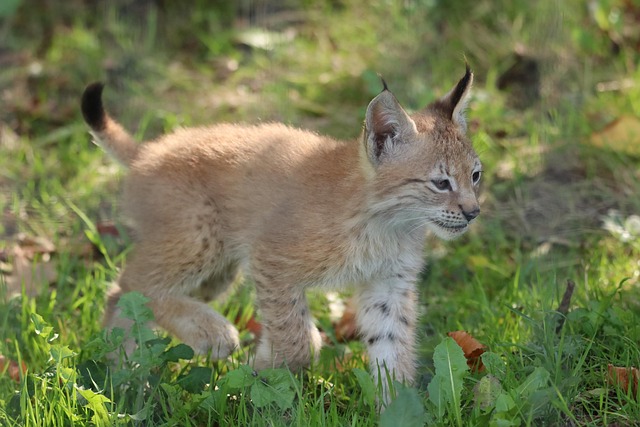
Canada lynx kittens are born in litters of one to four in dens hidden under fallen logs or dense brush in boreal forest zones. They are capable of inflicting deep lacerations with their claws from the first weeks of life despite their small size and soft appearance. Mother lynx are solitary and silent hunters that may be monitoring the area from a position entirely invisible to a human observer. Lynx kittens that are handled by humans require a minimum of two years of carefully managed rewilding before any release can be attempted. Possession of a wild lynx without federal and state permits carries significant criminal penalties across North America.
Cheetah Cub
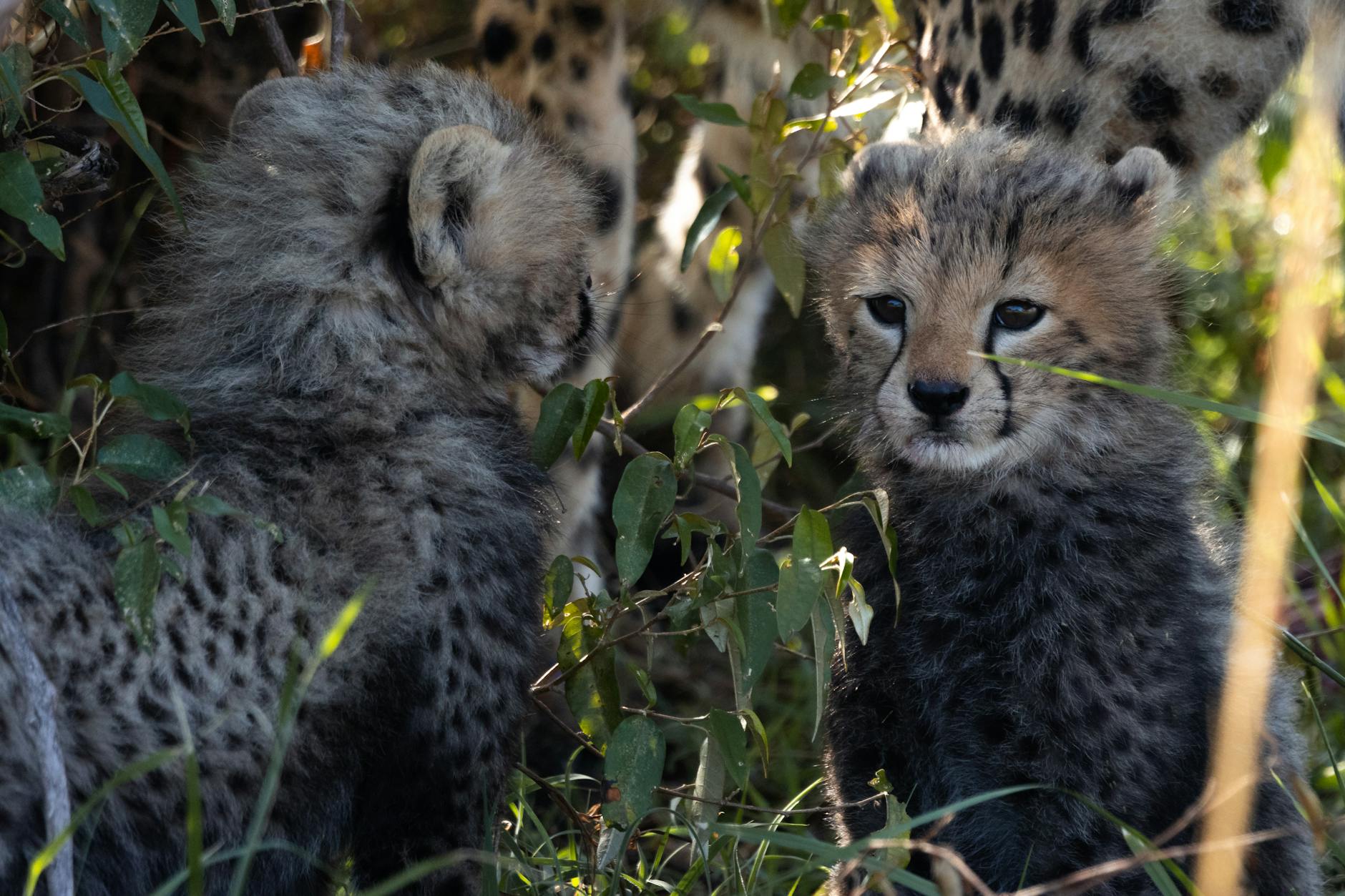
Cheetah cubs are born with a distinctive silver mantle of long hair along their backs that fades as they mature and serves as camouflage in tall savanna grass. Mother cheetahs move their cubs between hiding spots every few days to reduce the risk of predator detection which means a cub found alone may simply be awaiting a transfer. These are legally protected animals under international CITES regulations and interacting with them without authorization constitutes a wildlife crime regardless of the circumstances or intentions involved. Cubs that bond with humans during early development cannot be integrated into wild cheetah populations and must remain in captivity permanently. African wildlife conservancies have rapid-response teams trained specifically for cheetah cub assessments in the field.
If you have ever come across a wild baby animal and wondered what to do share your experience and questions in the comments.




