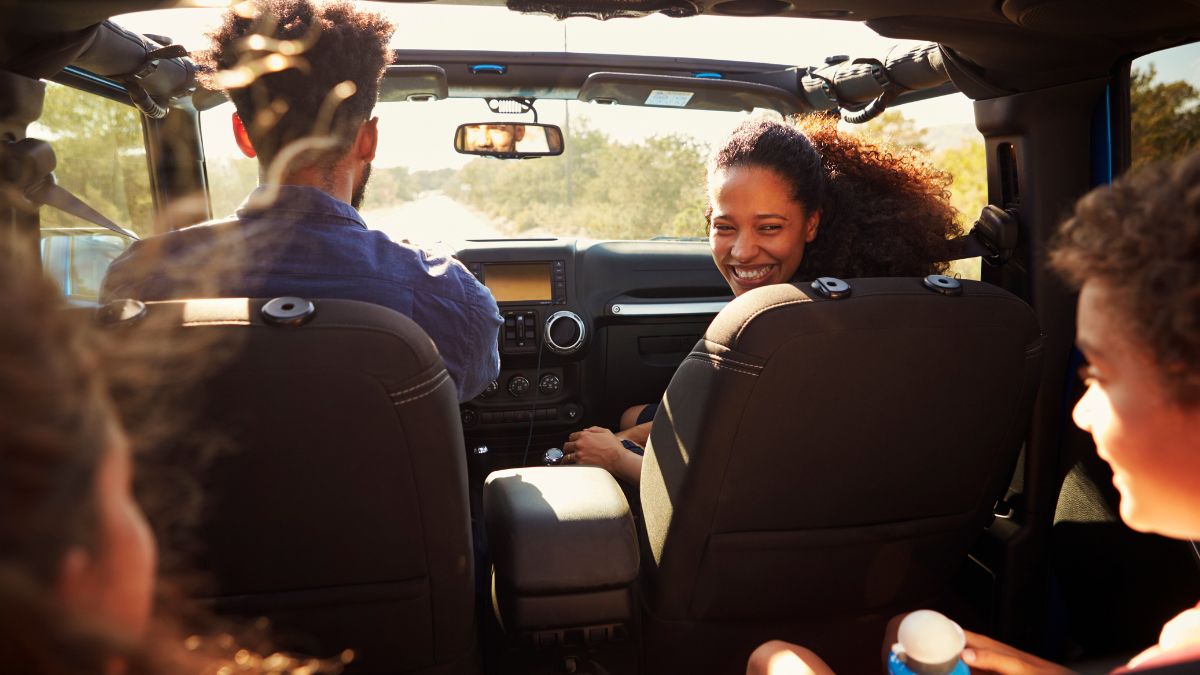
Every seasoned road tripper knows the struggle of an overstuffed car, bags crammed with gear that never gets touched from departure to destination. The excitement of planning a long drive often leads to overpacking, with well-intentioned items taking up precious trunk space and adding unnecessary weight. Many of these objects feel essential during the packing phase but reveal their true uselessness the moment wheels hit the road. This list counts down the twenty most common culprits that road trippers across the world repeatedly pack and consistently ignore. Rethinking what actually earns its spot in the car can transform every future journey into a leaner and more enjoyable experience.
Printed Maps
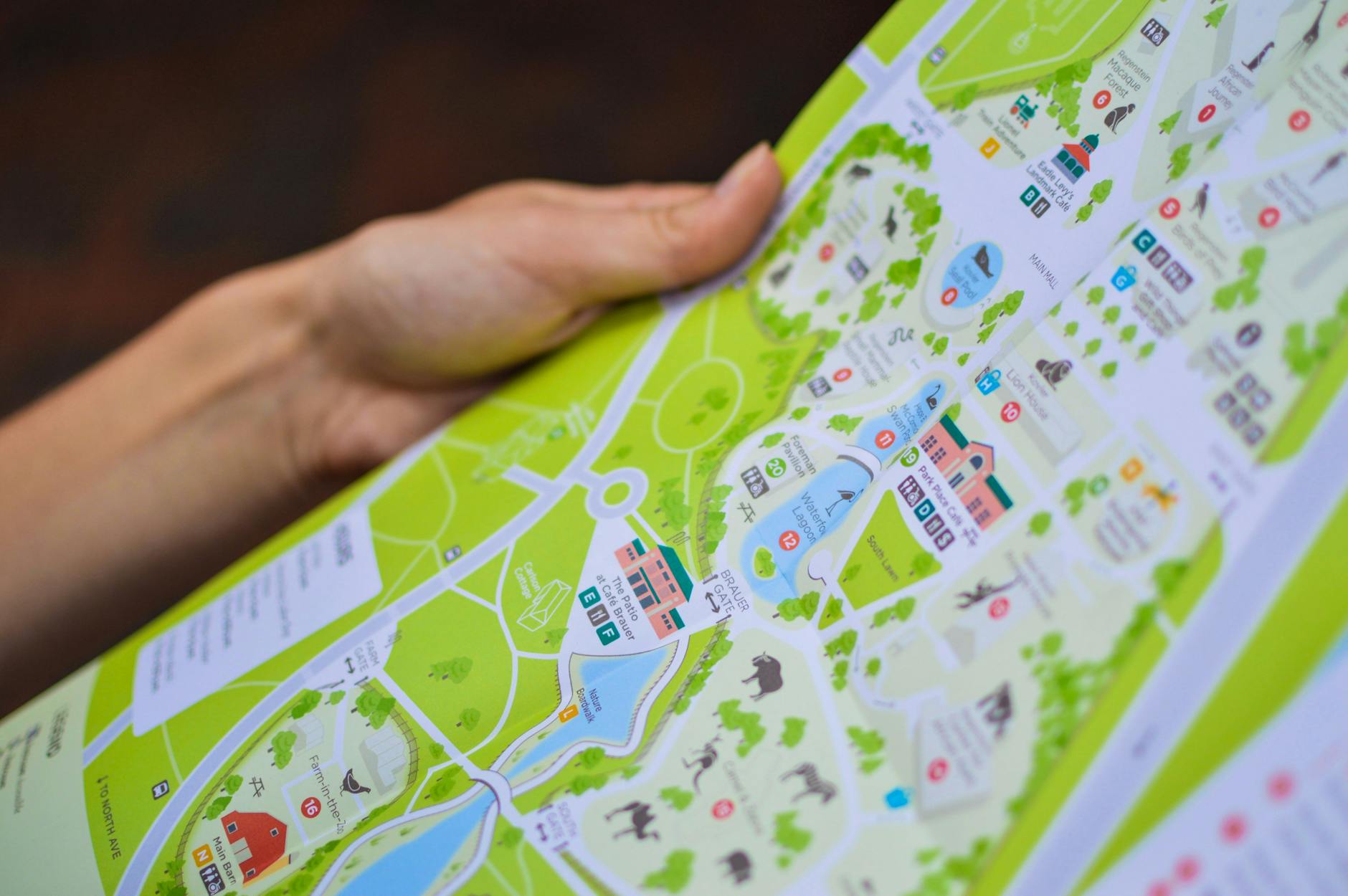
Paper road maps were once a genuine travel essential but GPS technology has rendered them almost entirely obsolete for the average driver. Most smartphones offer offline navigation options that work even in areas with limited connectivity. A folded paper map takes up significant space in the glove compartment and realistically never gets unfolded during a modern road trip. Digital tools update in real time with traffic and road closure information that no printed map could ever provide.
Portable DVD Player
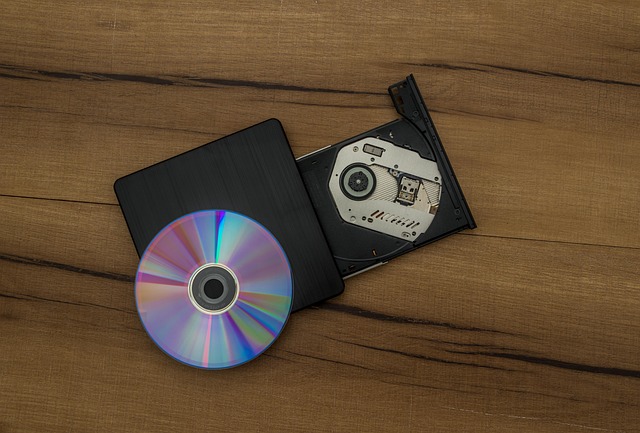
Streaming services accessible on tablets and smartphones have made the portable DVD player a relic of early 2000s family road trips. The device itself is bulky, requires its own power cable, and the discs it depends on are fragile and easy to scratch during travel. Most vehicles now offer built-in entertainment screens or easy Bluetooth connectivity for passengers to enjoy content independently. Packing one of these adds weight and complexity without offering any advantage over already-owned devices.
Physical Guidebooks
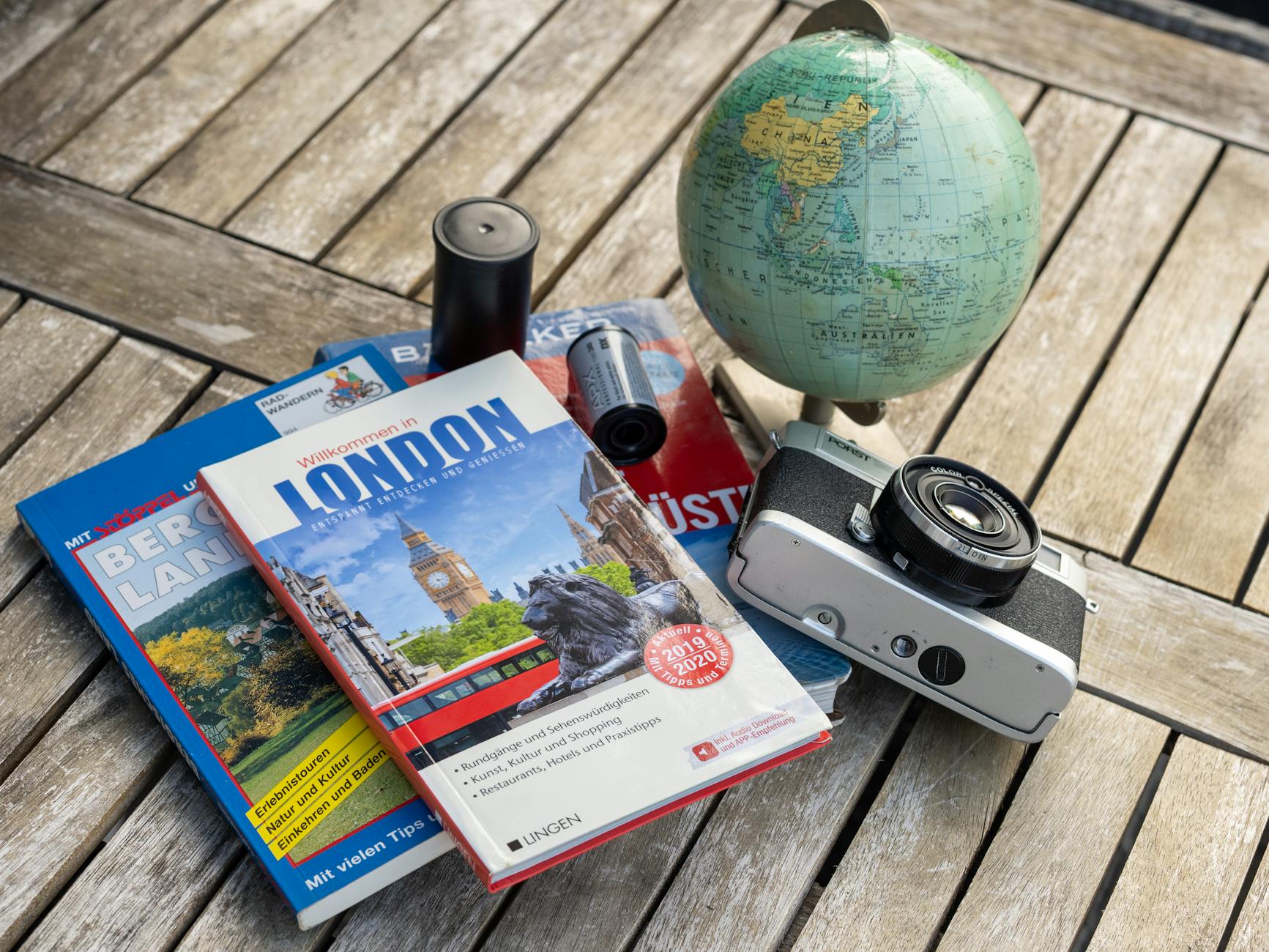
Thick travel guidebooks feel inspiring on the shelf at home but rarely get opened once a road trip is underway. Restaurant recommendations, attraction hours, and local tips found in printed guides go out of date quickly and may no longer reflect current reality. Travel apps and review platforms offer the same information in real time with user-generated updates and photos. The weight and bulk of a full guidebook is rarely justified by how little of it actually gets read on the road.
Roof Cargo Box
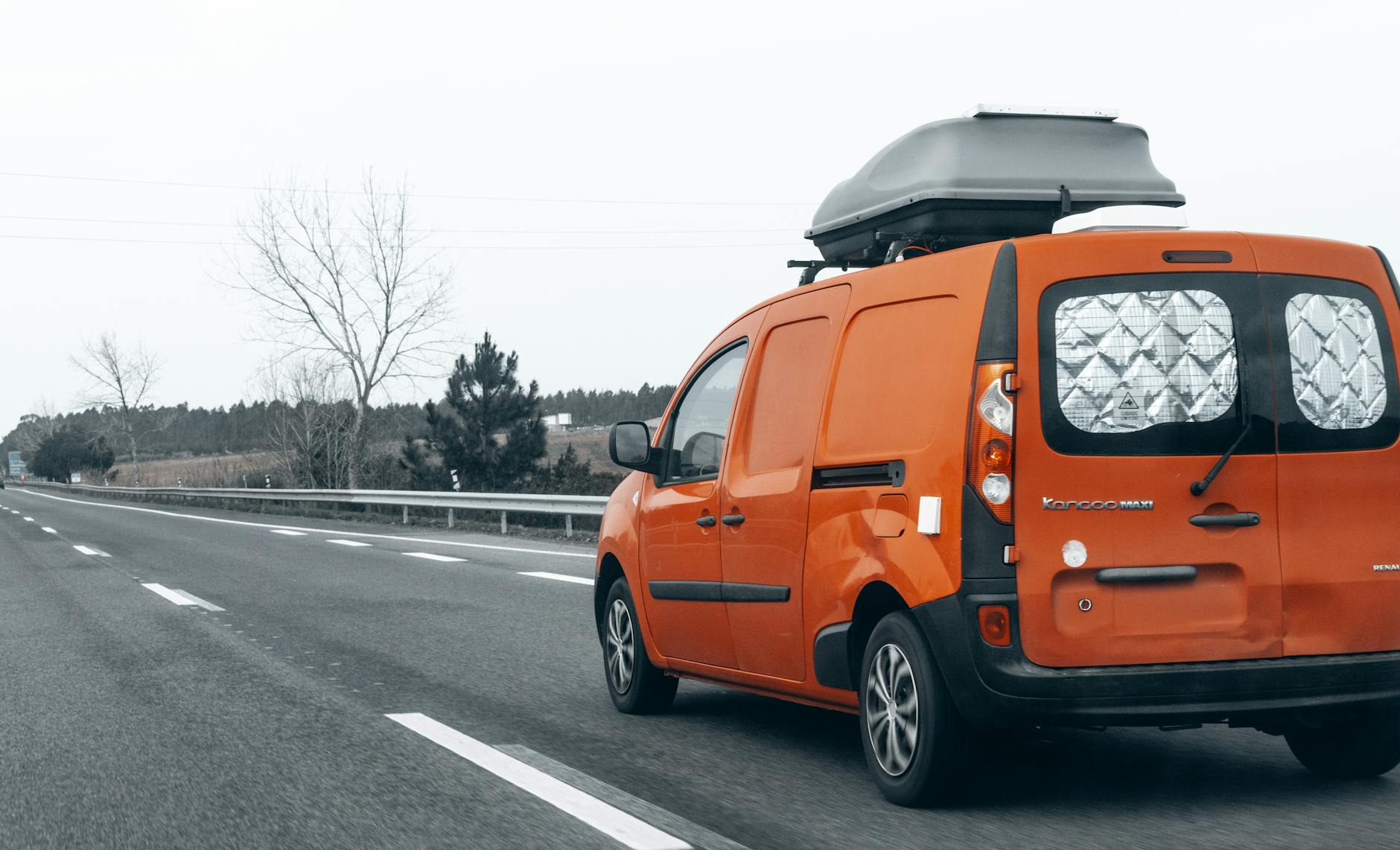
A roof cargo box seems like a logical solution to the space problem but creates more complications than it solves for most casual road trippers. Mounting and dismounting the box is time-consuming and usually requires two people to do safely. The added height significantly increases wind resistance, reducing fuel efficiency noticeably over long distances. Most travellers find that better interior packing strategies eliminate the need for the extra exterior storage altogether.
Extra Spare Tire
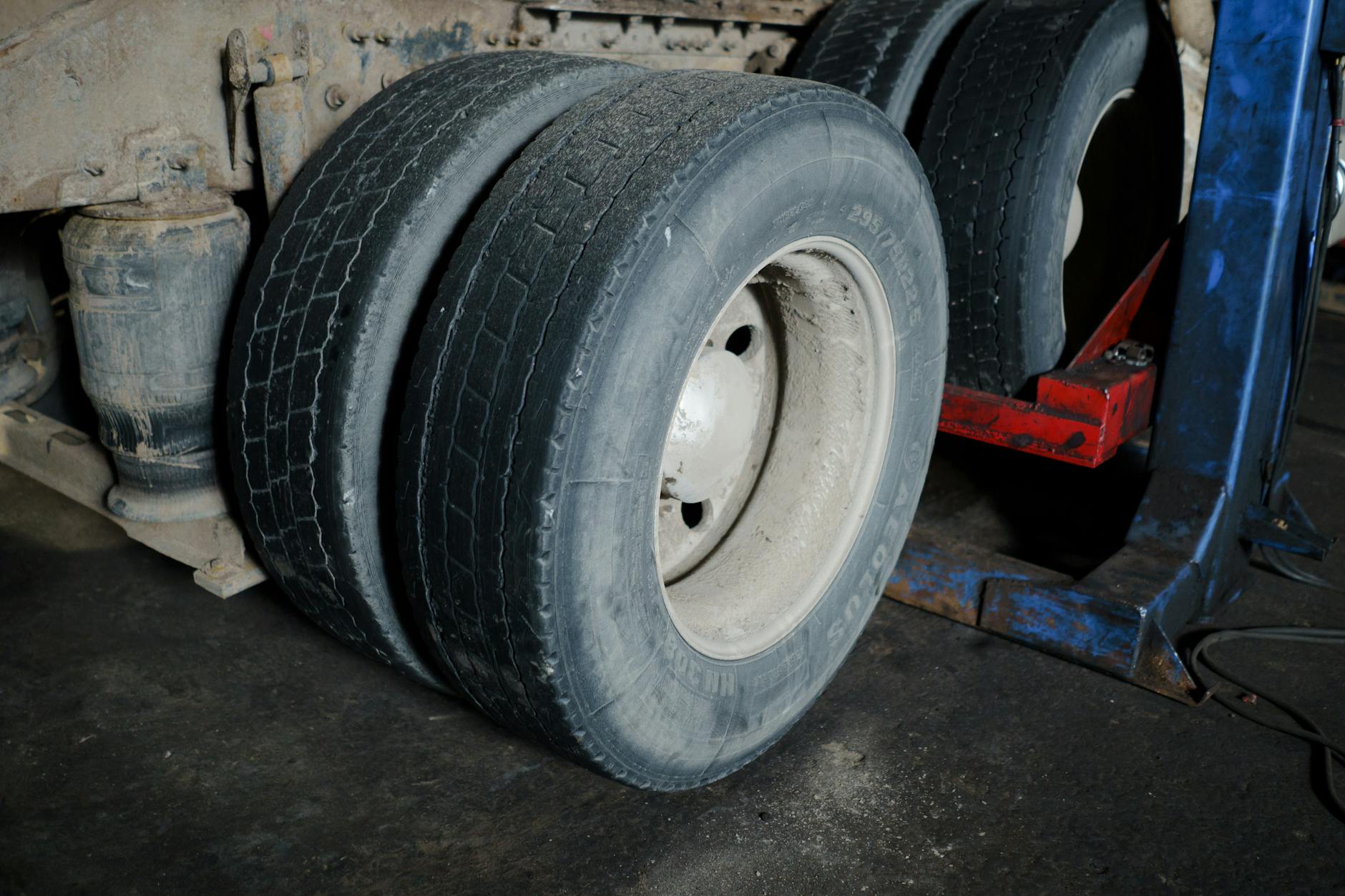
Packing a second spare tire feels like responsible preparation but for most road trips on well-maintained highways it is unnecessary extra weight. Modern vehicles already come equipped with one spare and roadside assistance services can reach most locations within a reasonable timeframe. The additional tire takes up a significant portion of the trunk and adds strain to the vehicle’s suspension over long distances. Insurance and roadside assistance subscriptions make the second spare an emotional comfort rather than a practical necessity.
Bulky First Aid Kit
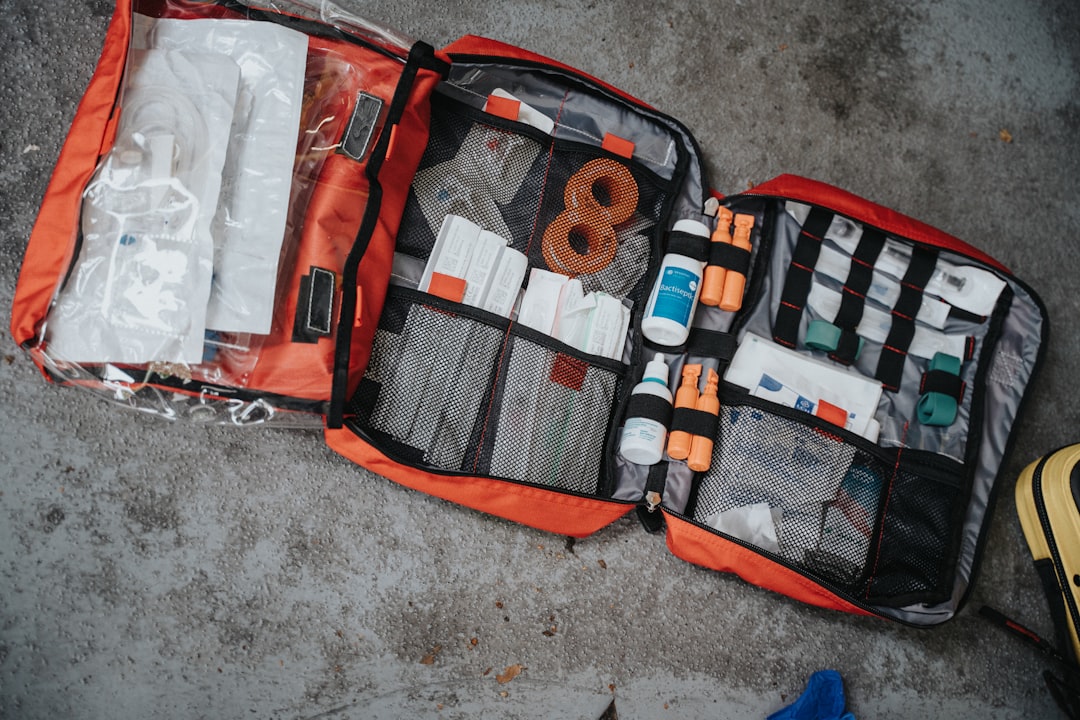
A full-sized professional first aid kit packed with surgical tools and extensive supplies far exceeds what a typical road trip actually requires. A compact kit containing bandages, antiseptic wipes, pain relief tablets, and basic blister treatments covers the realistic range of minor road trip injuries. The oversized versions often contain items with specialised uses that travellers have no training to use safely outside a clinical setting. A small and thoughtfully edited kit takes up a fraction of the space and handles the same practical situations.
Cooler Full of Ice
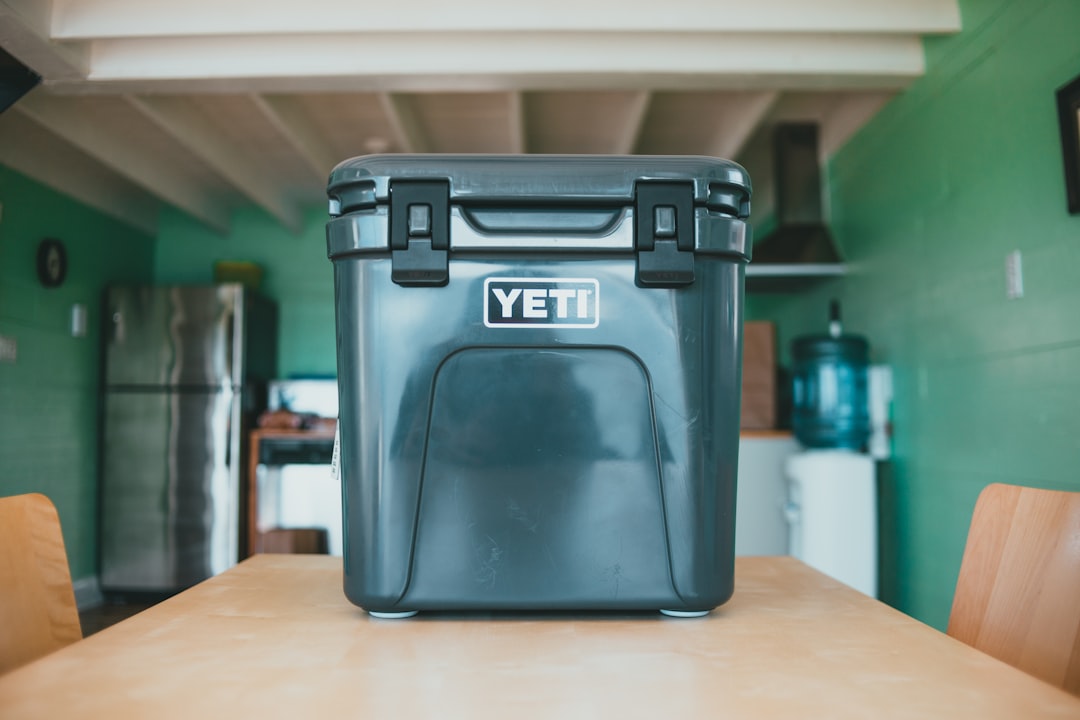
A traditional ice-filled cooler is heavy, messy, and leaves everything swimming in cold water once the ice begins to melt after the first few hours. Electric coolers powered by the car’s 12-volt socket maintain a consistent temperature without producing any water or requiring ice resupply stops. For shorter road trips, insulated bags with a few ice packs accomplish the same goal with far less bulk and weight. The classic ice cooler creates logistical headaches that its more modern alternatives have entirely eliminated.
Full Pillowcase Pillow

Bringing a full-sized sleeping pillow from home occupies a disproportionate amount of backseat or trunk space relative to the comfort it actually delivers in a moving vehicle. Compact travel pillows designed specifically for car or airplane use provide adequate neck and head support in far less space. A standard home pillow also tends to absorb smells, shed fabric, and become misshapen during long trips in warm vehicles. The comfort difference between the two options is negligible once passengers are actually settled into their seats.
Board Games

Board games packed for entertainment during downtime at rest stops or overnight stays almost universally stay sealed inside their boxes for the entire trip. Small-scale card games or phone-based games accomplish the same entertainment goal without requiring a flat stable surface and multiple willing participants simultaneously available. The boxes for most board games are large, oddly shaped, and difficult to fit efficiently into a packed car. Digital entertainment and simpler card formats fill the same social role without the spatial cost.
Heavy Toolbox
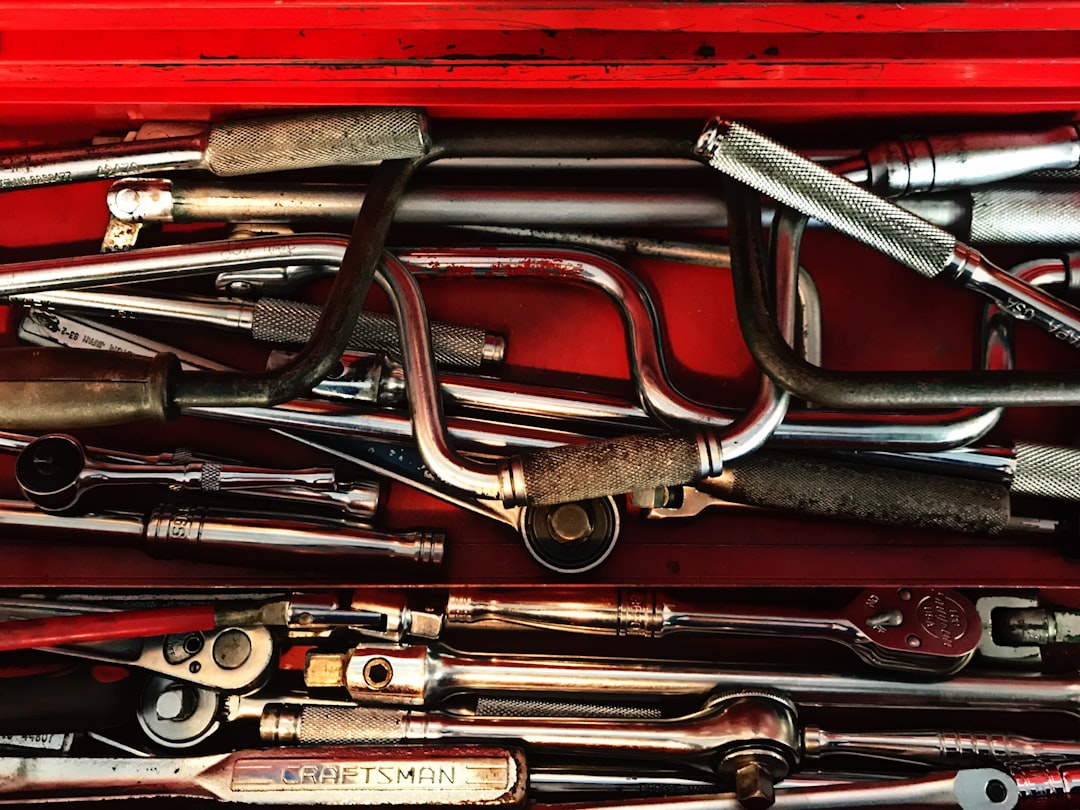
A full mechanic’s toolbox packed out of general preparedness is an item that the overwhelming majority of road trippers never open once during their journey. A compact emergency kit containing jumper cables, a tire pressure gauge, and a few basic tools covers virtually every realistic roadside scenario a non-mechanic could address independently. Professional roadside assistance handles anything beyond that scope quickly and safely. The combined weight of a full toolbox adds strain on the vehicle and occupies valuable cargo space with equipment that requires specialist knowledge to use effectively.
Formal Clothing

Formal outfits packed on the assumption that an unexpected upscale occasion might arise almost never get worn during a road trip. The nature of road travel involves casual stops, outdoor settings, and relaxed environments where smart casual clothing covers every realistic scenario. Formal garments also wrinkle easily when folded into bags and often require ironing before they are wearable. The space taken up by suits, blazers, or formal dresses is almost always better used by practical and versatile everyday clothing.
Excess Footwear
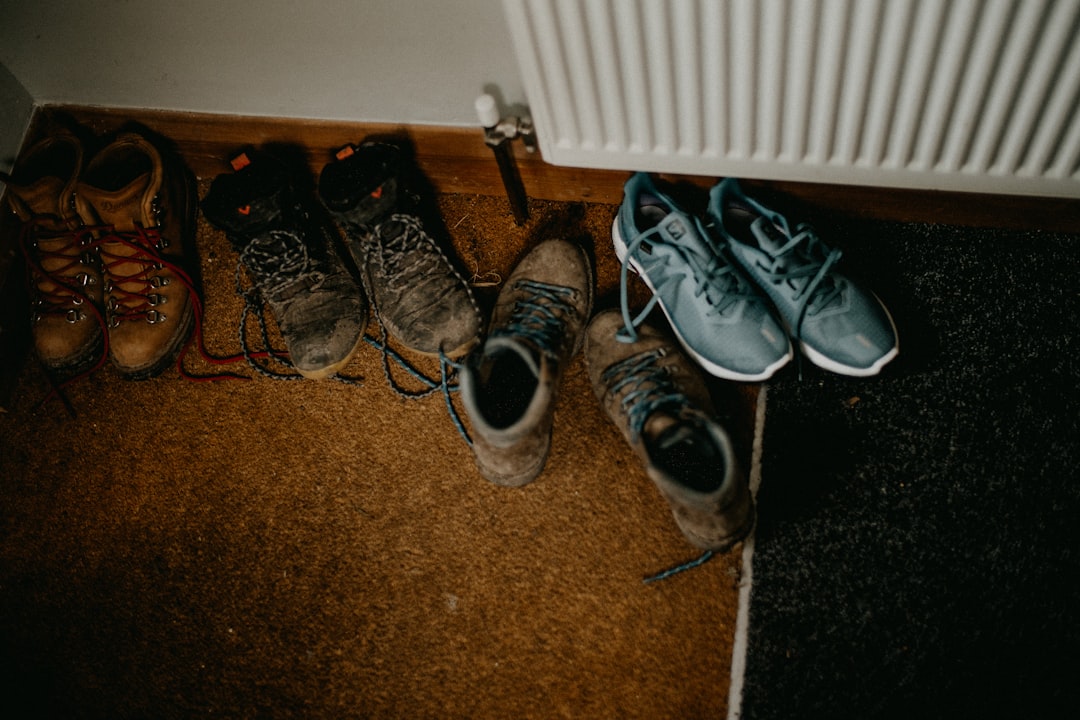
Packing five or more pairs of shoes for a road trip is one of the most common and most wasteful uses of luggage space among frequent travellers. Shoes are among the heaviest and most awkwardly shaped items in any bag and their bulk compounds quickly with each additional pair. A well-chosen selection of three pairs covering everyday wear, outdoor activity, and one smarter option covers virtually every situation a road trip presents. The extra pairs rarely emerge from the bag and simply add weight throughout the entire journey.
Travel Iron
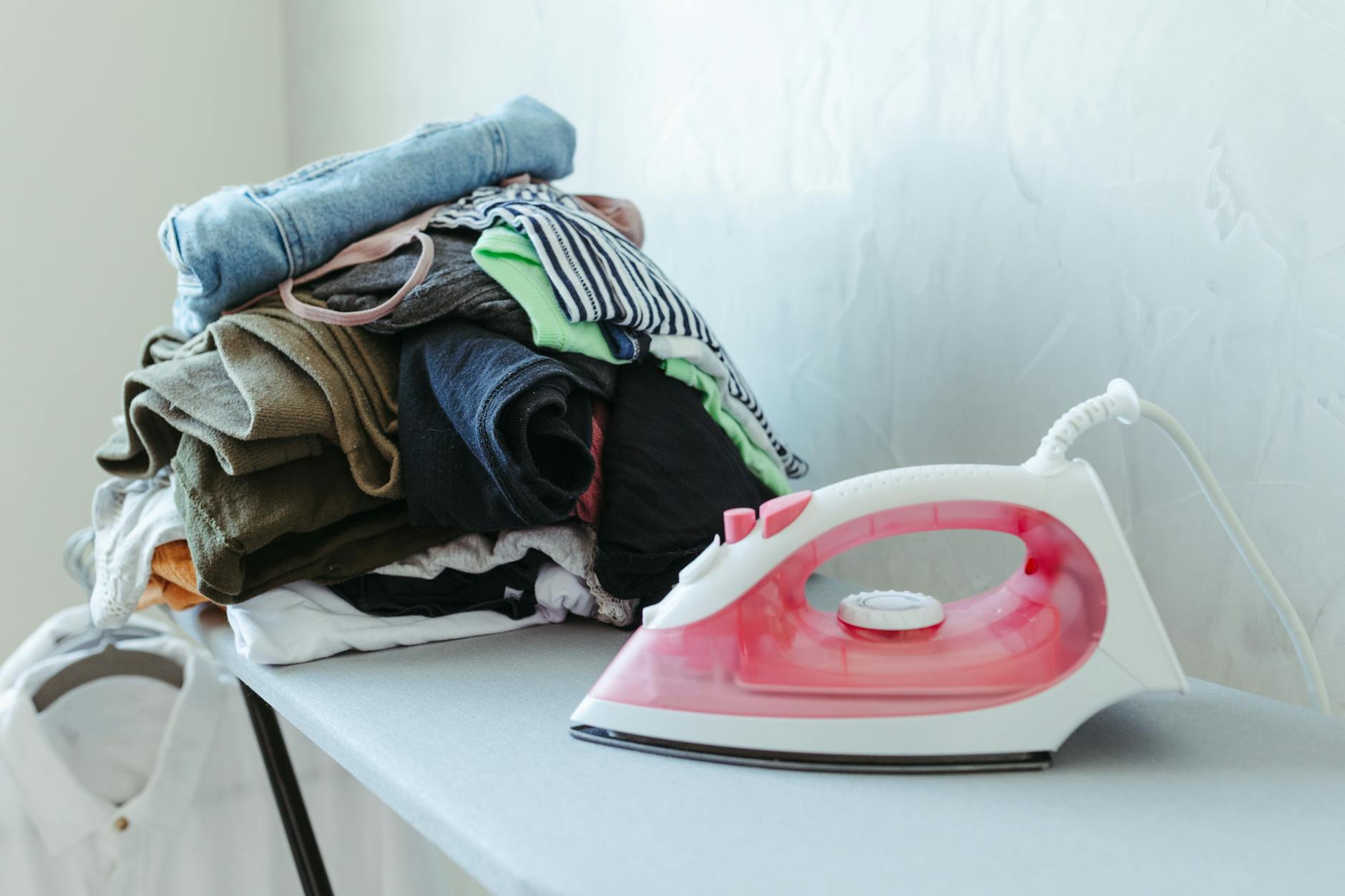
A portable travel iron is packed with good intentions around keeping clothing neat but road trips by nature are not the environment where pressed garments are a practical priority. Wrinkle-release sprays achieve a presentable result in a fraction of the time without requiring a flat surface, an electrical outlet, and careful handling of a hot appliance. Most accommodations used during road trips either have irons available on request or attract guests whose expectations around clothing presentation are appropriately relaxed. The travel iron is a consistent example of an item that adds weight and complexity while solving a problem that rarely materialises on the open road.
Hardcover Books

Hardcover books represent a well-meaning but impractical choice for road trip reading given their considerable weight and rigid form. Paperbacks accomplish the same reading experience at a fraction of the weight and fit more easily into bags and door pockets. E-readers carry an entire library in a device lighter than a single paperback and are far more practical for the variable lighting conditions of a moving vehicle. The physical hardcover almost always stays unread in the bag, outcompeted by screens and the stimulation of the changing landscape outside the window.
Bulky Tripod
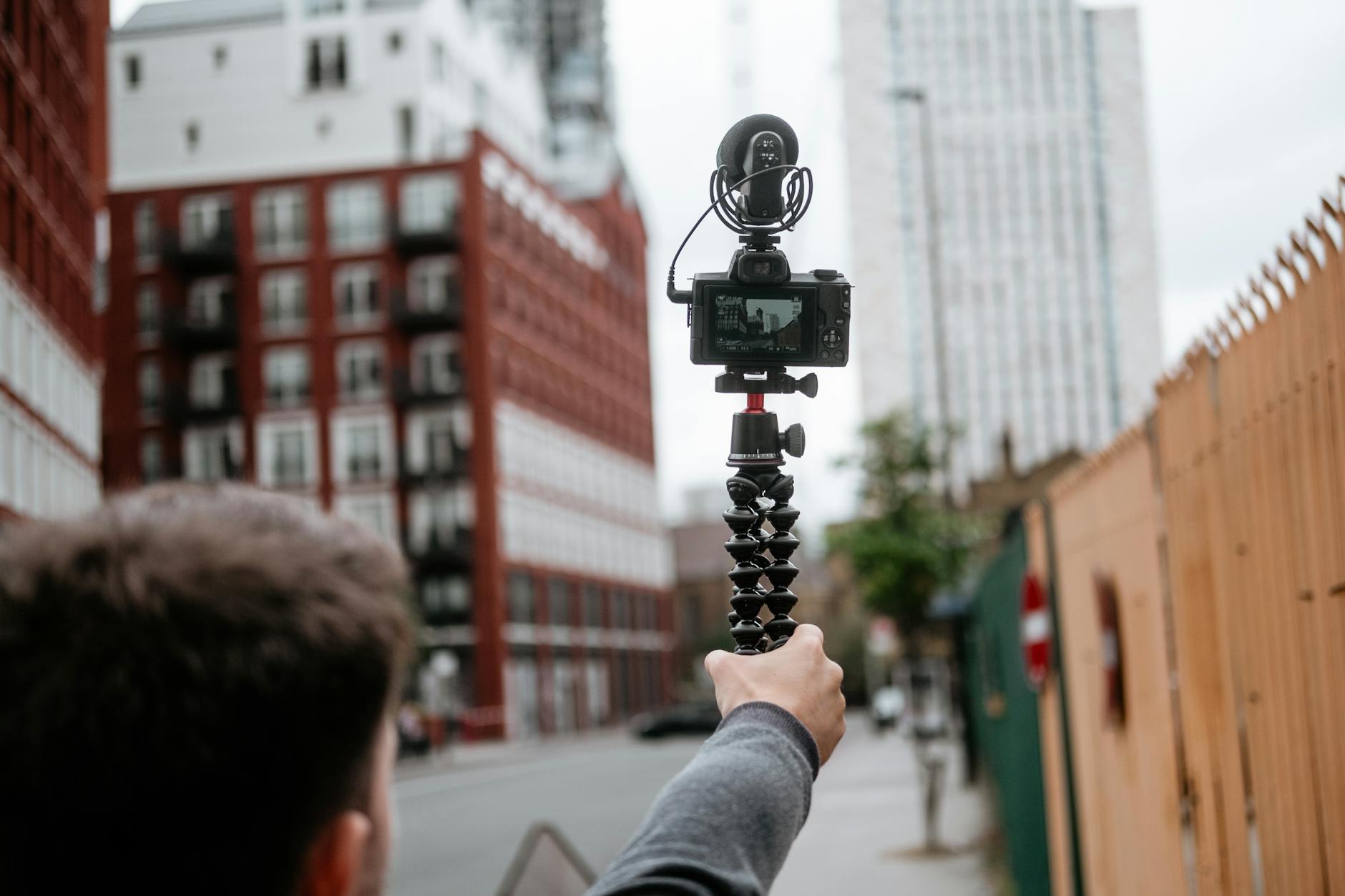
A full-sized photography tripod is packed by many travel enthusiasts who envision elaborate landscape shots at every scenic stop but the reality of road trip schedules rarely allows for extended photography setups. Compact travel tripods and flexible gorilla-style mounts provide adequate stability for casual travel photography at a fraction of the size and weight. Smartphone camera technology has also reduced the need for stabilisation equipment in most everyday travel photography situations. A full-sized tripod ends up occupying significant boot space in exchange for images that could have been captured just as effectively with a pocket-sized alternative.
Camping Stove
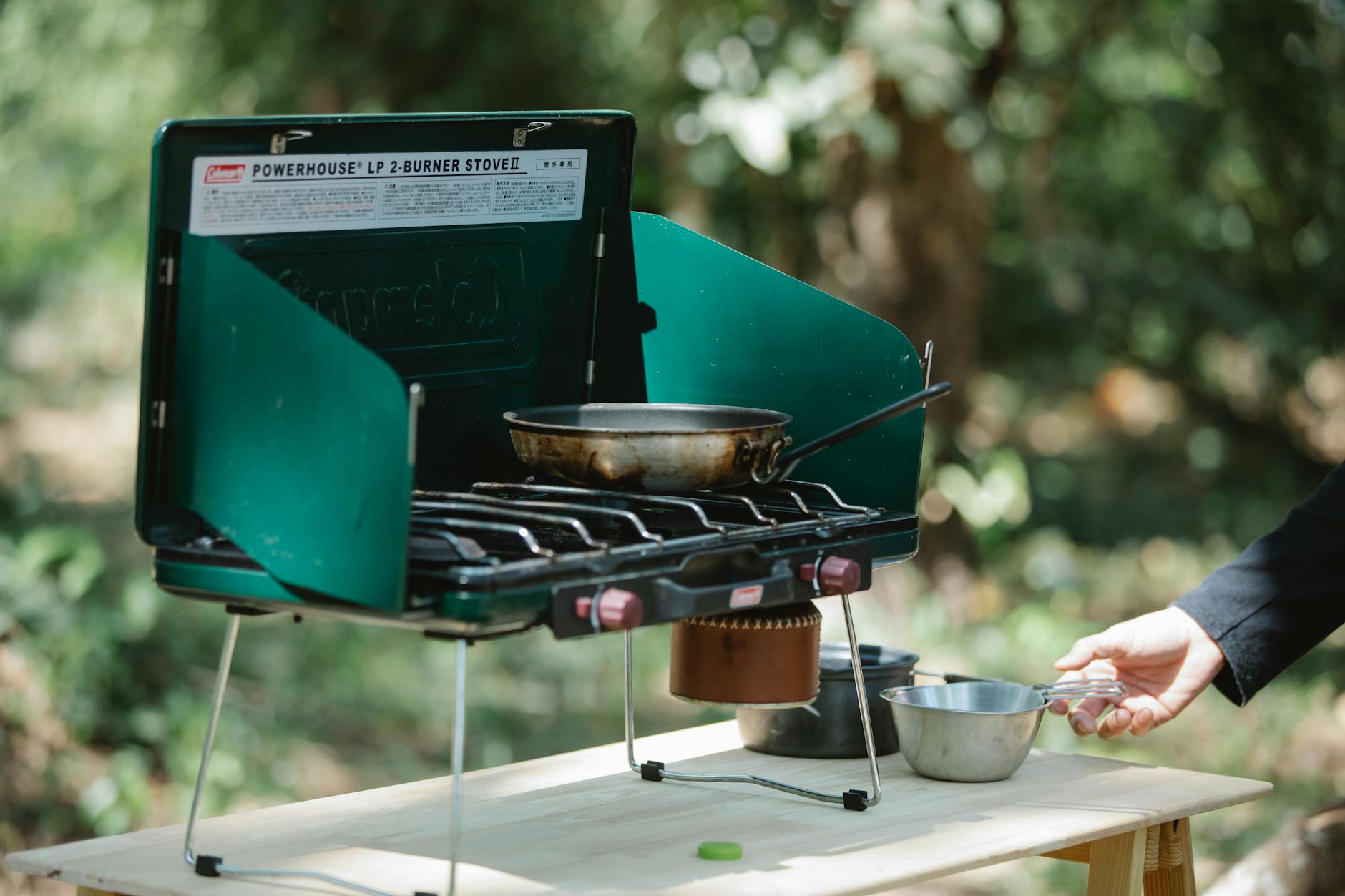
A camping stove packed for a road trip that does not involve genuine wilderness camping or remote overnight stops is a classic example of aspirational overpacking. The stove itself requires fuel canisters, cleaning equipment, a stable cooking surface, and sufficient ingredients to justify its use, creating a chain of dependencies that multiply the overall bulk. Roadside diners, petrol station food options, and pre-prepared snacks fulfil the practical nutrition needs of most standard road trips without any cooking equipment. The camping stove is an item that earns its space on a dedicated outdoor adventure but adds unnecessary weight to an ordinary highway journey.
Excessive Toiletries

Packing full-sized bottles of every toiletry product used at home is a universally common road trip mistake that leads to heavy bags and frequent spillage in warm car boots. Travel-sized versions of essential products cover hygiene needs for most trips of up to two weeks without taking up excessive space. Many accommodations along popular road trip routes provide basic toiletries as standard, further reducing what actually needs to be packed. The wide availability of toiletry products at supermarkets and petrol stations along any major route means that running out is rarely a genuine risk worth over-preparing for.
Physical Alarm Clock

A dedicated travel alarm clock is an item that most road trippers include out of habit despite the fact that every smartphone in the vehicle already performs this function with greater reliability and flexibility. Alarm clock apps allow multiple simultaneous alarms, gradual wake features, and sounds customised to personal preference without requiring any additional device. The physical clock adds weight, requires its own battery supply, and introduces the possibility of an additional item to misplace or forget at accommodation stops. No feature offered by a standalone travel clock cannot be replicated immediately by technology already in every traveller’s pocket.
Neck Pillow Collection

Packing multiple neck pillows in the hope that one of the available options will finally provide the perfect level of comfort represents an optimistic but ultimately space-wasting strategy. One well-chosen memory foam travel pillow with an adjustable closure handles the comfort needs of a single traveller without requiring backup options. Additional pillows pile up in the back seat, shift around during driving, and get in the way of passenger comfort during the journey. A single quality pillow chosen before departure eliminates the problem more effectively than bringing an assortment.
Signal Flares

Emergency signal flares appear in road trip packing lists as a precautionary measure but their practical application outside of genuinely remote off-road travel is almost nonexistent. Modern smartphones allow drivers to share precise GPS locations with emergency services instantly, making a visual distress signal redundant in most realistic breakdowns on public roads. Flares also carry storage and safety risks as they are sensitive to heat and pressure, two conditions commonly found inside a parked car during warm weather. Roadside assistance apps and emergency contact features built into most vehicles today provide a safer and far more effective alternative.
What useless items do you always find yourself packing for a road trip? Share your thoughts in the comments.




