Modern travel requires a discerning eye to separate authentic cultural experiences from commercialized zones designed to exploit visitors. Many of these locations present significant financial risks or physical hazards due to extreme overcrowding and targeted petty crime. Navigating the world safely in 2026 involves recognizing when a destination has become a shadow of its former self. This guide highlights the primary areas where travelers should prioritize caution and consider alternative activities. Understanding these common pitfalls ensures a more rewarding and secure journey for everyone involved.
Times Square
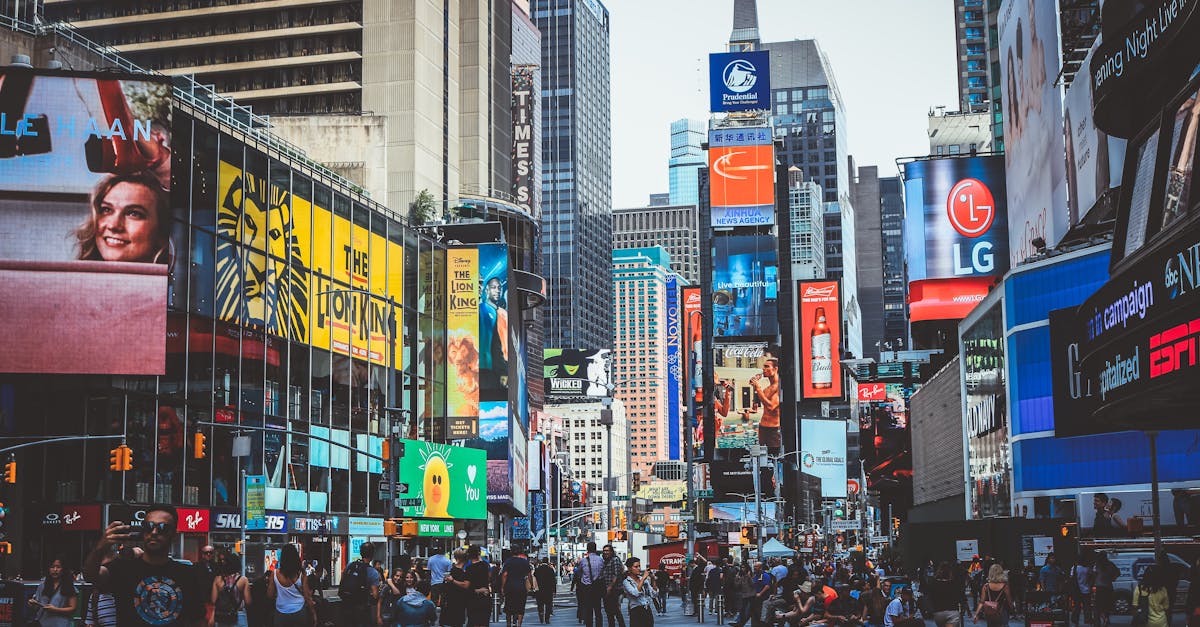
This famous New York City intersection is notorious for its overwhelming noise and dense crowds that create prime opportunities for pickpockets. Many street performers and costumed characters aggressively seek payment for photos while distracting tourists from their surroundings. The restaurants in this district are largely overpriced chains that do not represent the culinary diversity of the city. Visitors often find themselves trapped in slow foot traffic with very few ways to exit quickly. Choosing to visit during the day for a quick photo is usually more than enough for most travelers.
Las Ramblas
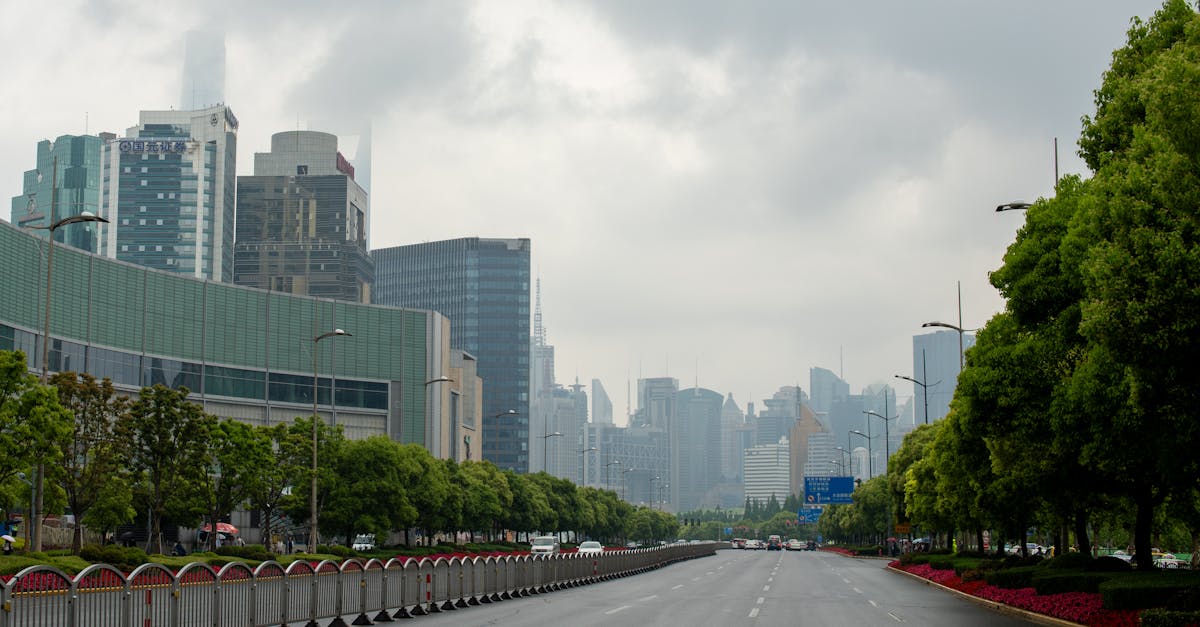
The central promenade of Barcelona is widely considered one of the most high risk areas for professional pickpockets in Europe. Street performers and unauthorized vendors often use elaborate distractions to target unsuspecting tourists carrying bags or cameras. Most of the cafes along the street serve frozen food at inflated prices while lacking genuine Spanish atmosphere. It is common for local residents to avoid this area entirely because of the congestion and commercialization. Exploring the smaller streets of the Gothic Quarter provides a much safer and more authentic experience.
Hollywood Walk of Fame

The reality of this Los Angeles landmark often disappoints visitors who expect a glamorous environment. The sidewalks are frequently dirty and filled with individuals trying to sell music CDs or tour tickets. Pedestrians must navigate around heavy crowds while staying alert for scammers who prey on confused tourists. The surrounding shops primarily sell low quality souvenirs at high prices and lack the charm of the Golden Age of cinema. Moving toward West Hollywood or the Griffith Observatory offers much better views and a safer atmosphere.
Giza Pyramid Camel Rides

Visitors to the ancient wonders of Egypt often encounter relentless touts offering camel rides or guided tours. These individuals may initially suggest a low price but then demand significantly more money once the ride has begun or ended. Travelers frequently report feeling pressured or intimidated by these vendors who operate near the entrance gates. The heat and lack of shade can make these interactions even more stressful for those unprepared for the environment. Booking official tours through reputable agencies is the most effective way to avoid these common scams.
Fisherman’s Wharf

San Francisco’s waterfront district has become a hub for overpriced seafood and generic souvenir shops that cater exclusively to tourists. The area is constantly crowded which makes it a frequent target for car break ins and petty theft in nearby parking lots. Much of the food offered is mass produced and fails to capture the high quality culinary standards of the city’s other neighborhoods. The noise from various attractions can be overwhelming and detracts from the natural beauty of the bay. Visiting the nearby Ferry Building provides a much better taste of local life and high quality food.
Bourbon Street

The main thoroughfare of the French Quarter in New Orleans is known for its intense party atmosphere and significant safety concerns. Late night crowds can become rowdy and the area frequently experiences incidents of theft or public intoxication. Many of the bars serve expensive sugary drinks that are designed for quick consumption rather than quality. The smell and cleanliness of the street are often cited as major drawbacks by visitors seeking a more refined experience. Nearby Frenchmen Street offers superior live music and a more authentic local vibe without the same level of risk.
Patpong Night Market

This Bangkok market is situated in a red light district and is infamous for its aggressive sales tactics and potential scams. Visitors are often lured into upstairs bars with promises of cheap shows only to be met with exorbitant bills and physical intimidation. The goods sold at the stalls are frequently counterfeit and overpriced compared to other markets in the city. Navigating the narrow aisles can be difficult due to the constant pressure from vendors and the presence of pickpockets. Travelers are better off visiting the Chatuchak Weekend Market for a safer and more extensive shopping experience.
Temple Bar District

Dublin’s most famous nightlife area is characterized by extremely high prices for drinks and food that far exceed local standards. While the atmosphere is lively the pubs are often packed with tourists rather than locals which creates a somewhat artificial experience. Late night behavior in the area can become aggressive or unpredictable as the crowds grow larger. Pickpockets are known to operate in the dense crowds outside the bars especially during the peak summer months. Finding a traditional pub in a quieter neighborhood will provide a more genuine Irish welcome and much lower prices.
Charles Bridge

Prague’s historic bridge is one of the most beautiful structures in Europe but it is constantly plagued by heavy congestion. This density makes it a primary location for pickpockets who take advantage of distracted tourists looking at the statues. Street vendors often sell mass produced items that claim to be local crafts but are actually imported goods. Walking across the bridge during the middle of the day can be a frustrating experience due to the slow pace of the crowd. Visiting at sunrise or late at night offers a more peaceful view and reduces the risk of being targeted by thieves.
Trevi Fountain

The area surrounding this iconic Roman fountain is almost always packed with people trying to take the perfect photograph. This environment is perfect for petty criminals who operate in the tight spaces around the water’s edge. Street sellers frequently approach tourists with unwanted roses or cheap jewelry and then demand payment aggressively. The restaurants in the immediate vicinity are well known for their high prices and mediocre food quality. It is much better to view the fountain quickly and then move several blocks away to find a quiet trattoria for lunch.
Venice Gondola Stations

While a gondola ride is a classic Venetian experience the stations near major landmarks like Saint Mark’s Square are often overpriced and rushed. Standard rates are often ignored in favor of higher prices demanded by gondoliers who target unsuspecting tourists. The traffic in the main canals can be so heavy that the romantic atmosphere is lost to noise and congestion. Many travelers find that they pay a premium for a very short trip that does not go through the more scenic quiet backwaters. Booking a ride in a less crowded neighborhood like Cannaregio provides a better experience at a more honest price.
Blue Lagoon
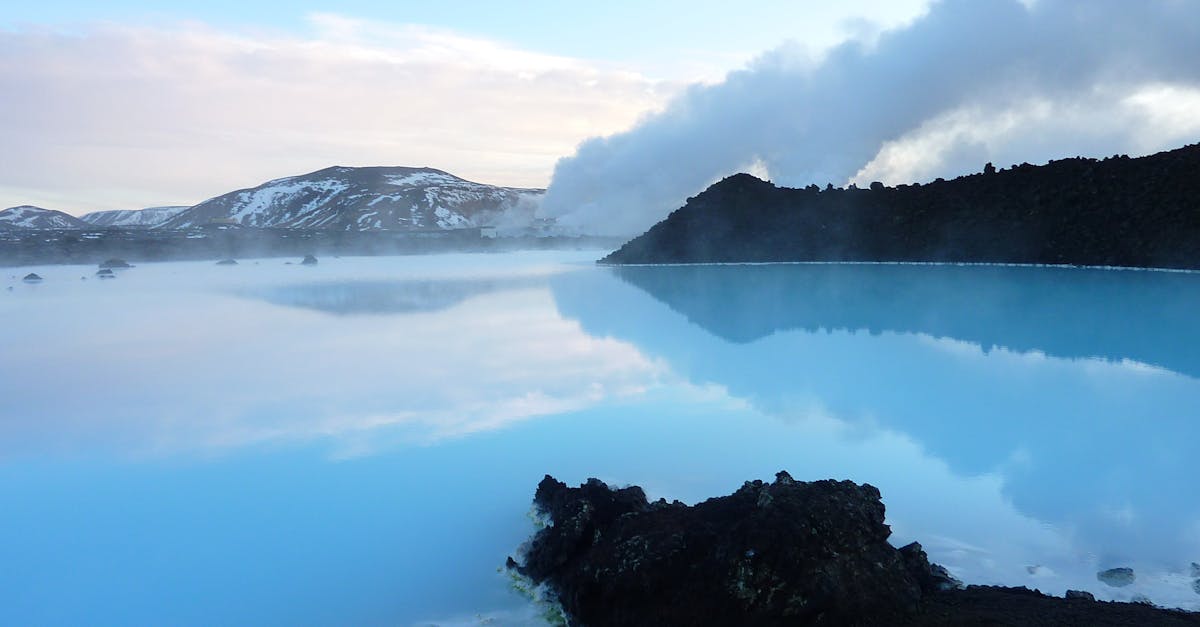
This famous Icelandic geothermal spa has become an expensive and highly commercialized destination that requires booking months in advance. The water is actually a byproduct of a nearby power plant and the facility often feels more like a crowded amusement park than a natural wonder. The entry fees are very high and visitors are often pressured into buying expensive skin products or drinks. Because it is located near the airport it is constantly flooded with large tour groups arriving or departing. Exploring the many natural hot springs scattered throughout the Icelandic countryside offers a more authentic and affordable alternative.
Checkpoint Charlie

This former border crossing in Berlin has been transformed into a commercialized spot that many locals find disrespectful to history. Actors dressed as soldiers charge money for photographs and the surrounding area is filled with fast food joints and souvenir shops. The historical significance of the location is often lost in the noise of traffic and tourist gimmicks. Much of the display is a replica and does not offer a deep understanding of the Cold War. Visiting the Berlin Wall Memorial at Bernauer Strasse provides a much more moving and educational experience.
Waikiki Beach Waterfront
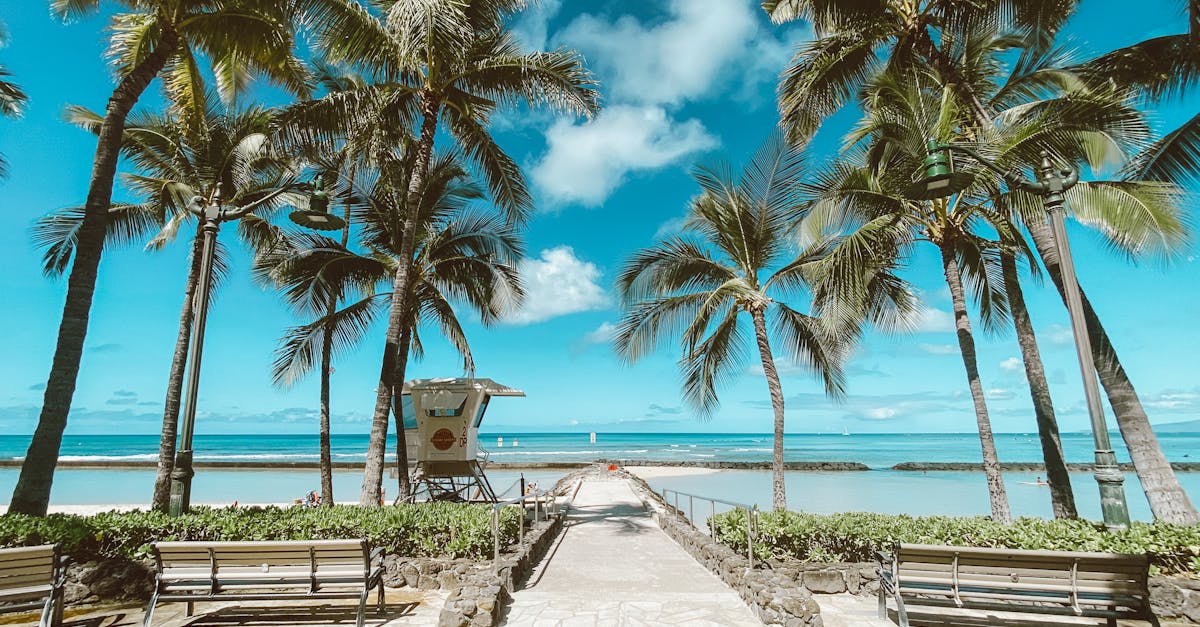
The main beach strip in Honolulu is often extremely crowded and the surrounding hotels and shops carry some of the highest price tags in Hawaii. The water can become congested with beginner surfers and swimmers making it difficult to find a quiet spot. Scams involving bird handlers or street performers are common in the pedestrian areas especially during the evenings. Many of the dining options are high priced franchises that can be found anywhere in the mainland United States. Traveling to the North Shore or the windward side of the island reveals the true natural beauty of Oahu without the tourist traps.
Santorini Sunset Points

The village of Oia is famous for its sunsets but the experience has become a logistical nightmare due to extreme overcrowding. Hours before the sun goes down thousands of people cram into the narrow alleys and onto rooftops to secure a view. This level of congestion can be dangerous in the heat and makes it difficult for emergency services to move if needed. Prices at the restaurants with views are astronomical and the service is often rushed to accommodate the high turnover. Watching the sunset from a boat or a less famous village like Imerovigli is much more relaxing and safe.
Arashiyama Bamboo Grove
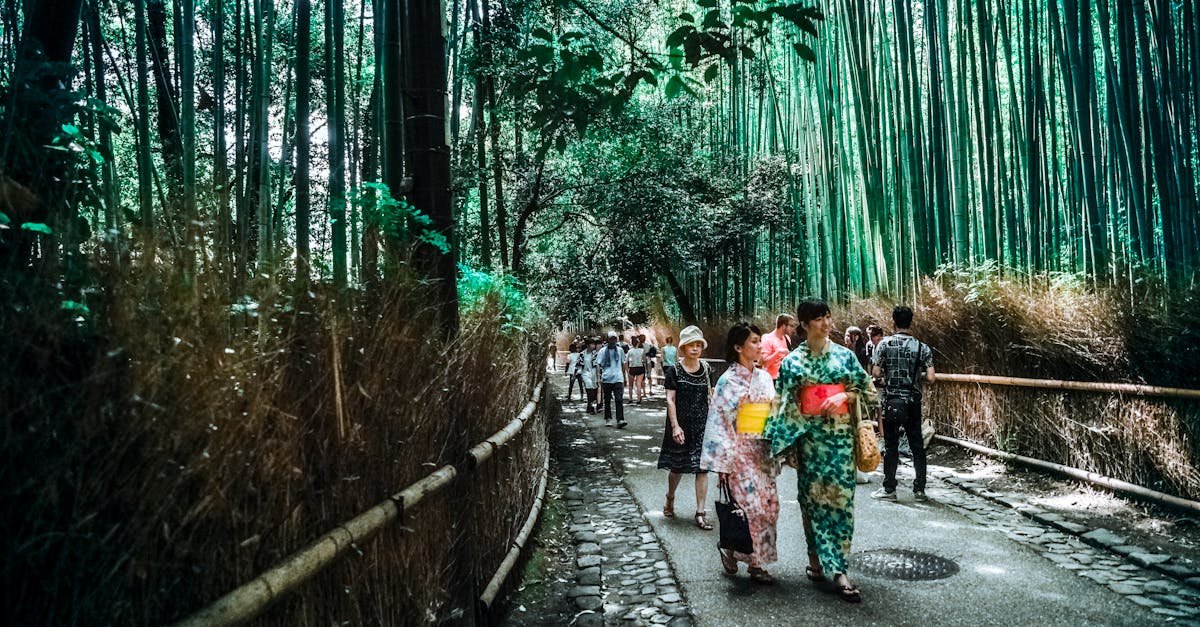
This beautiful Kyoto forest is often so crowded that the tranquil atmosphere depicted in photographs is impossible to find. Visitors must stay on a very narrow path while dodging selfie sticks and large tour groups. The surrounding area is filled with shops selling bamboo themed trinkets that are often not made locally. Petty theft can occur when tourists are distracted by the tall stalks and stop to take photos. Arriving very early in the morning or exploring the lesser known bamboo paths in other parts of the city is a much better choice.
The Little Mermaid Statue
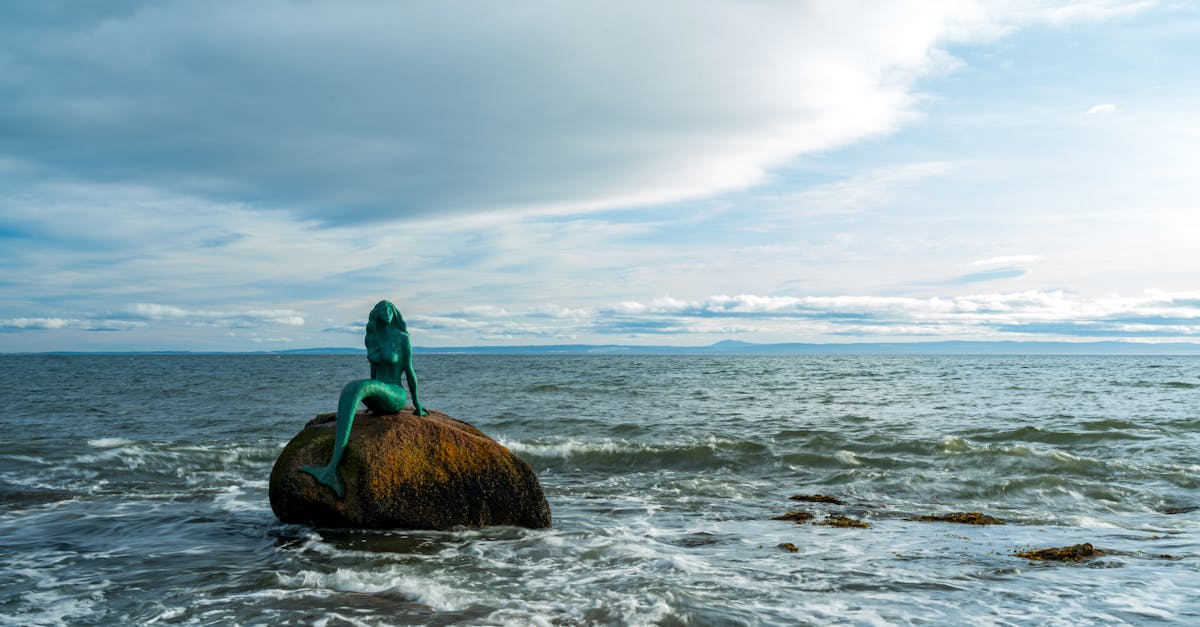
Copenhagen’s most famous statue is surprisingly small and often surrounded by massive crowds from cruise ships. The location is a significant walk from the city center and offers very little else to see once you arrive. Scammers and pickpockets occasionally target the area because tourists are preoccupied with getting a photo of the small bronze figure. The harbor area can be quite windy and cold which makes waiting in a queue for a picture unpleasant. Seeing the statue from a canal boat tour is often more efficient and provides a better perspective of the waterfront.
Navy Pier

This Chicago destination is a collection of carnival rides and chain restaurants that lacks the cultural depth of the rest of the city. The prices for food and entertainment are significantly higher than what locals pay in other neighborhoods. During the summer months the pier becomes incredibly crowded which can lead to long wait times and frustration. There is a high volume of low quality souvenir shops that offer the same items found in airport gift stores. Exploring the city’s world class museums or the architecture along the river provides a much more fulfilling experience.
Bali Swings

Social media has popularized these swings over jungle ravines but they have become expensive photo opportunities with long wait times. Many of these sites have questionable safety standards regarding the harnesses and the structural integrity of the equipment. Visitors often spend more time standing in line for a single picture than they do enjoying the actual landscape. The surrounding environment is often heavily modified and loses its natural charm to accommodate the influx of tourists. Visiting local rice terraces or waterfalls offers a more authentic connection to the beauty of Bali.
Badaling Great Wall

The Badaling section of the Great Wall is the most restored and most visited part of the monument near Beijing. It is frequently overwhelmed by massive tour groups which makes walking along the wall a slow and difficult process. The area is filled with aggressive vendors and overpriced stalls that can detract from the historical importance of the site. During peak holidays the crowds are so dense that movement becomes restricted and safety concerns arise. Visiting the Mutianyu or Jinshanling sections provides a much more peaceful and scenic experience with fewer traps.
Grand Bazaar
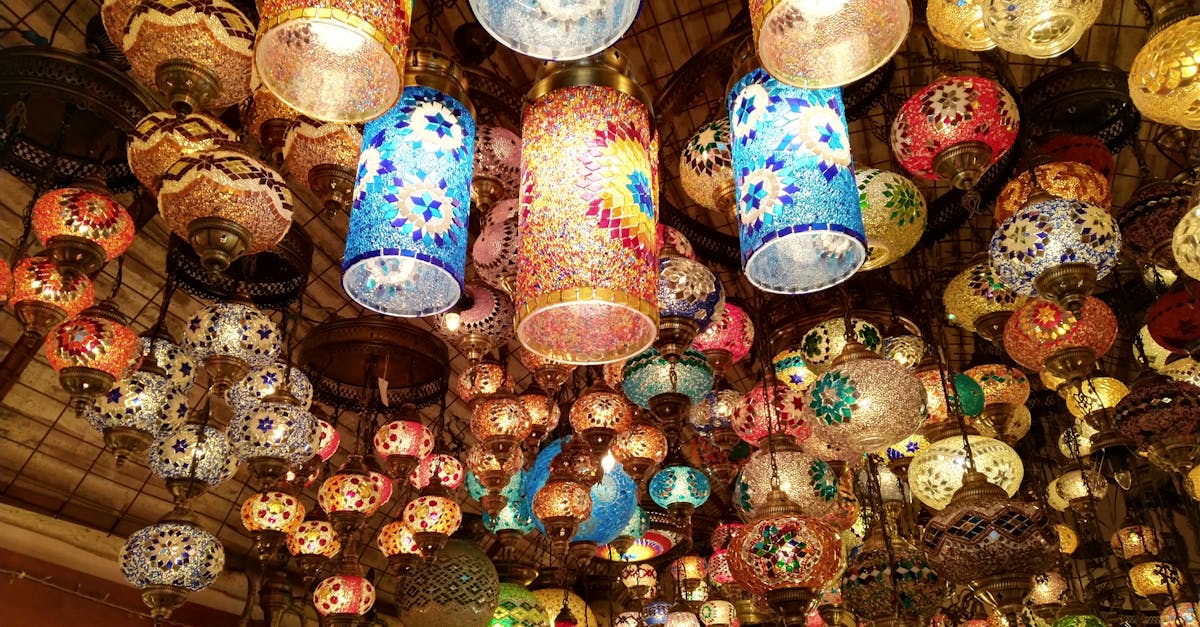
Istanbul’s historic market is a maze of thousands of shops where tourists are frequently targeted with high pressure sales tactics. While it is architecturally stunning many of the items for sale are mass produced and sold at vastly inflated prices to foreigners. It is very easy to get lost in the winding corridors which can be stressful if you are being followed by persistent sellers. Pickpockets are active in the most crowded sections where visitors are easily distracted by the vibrant displays. The nearby Spice Bazaar or smaller local markets offer a more manageable and authentic shopping experience.
Clifton Hill

The street leading to Niagara Falls on the Canadian side is a loud and bright collection of wax museums and haunted houses. This area is designed to keep families spending money on attractions that have nothing to do with the natural wonder nearby. The food is mostly fast food sold at premium prices and the noise levels are constantly high. It can feel like a cheap amusement park that distracts from the beauty of the falls themselves. Taking a hike through the Niagara Glen or visiting the local wineries offers a much more sophisticated trip.
Camden Market
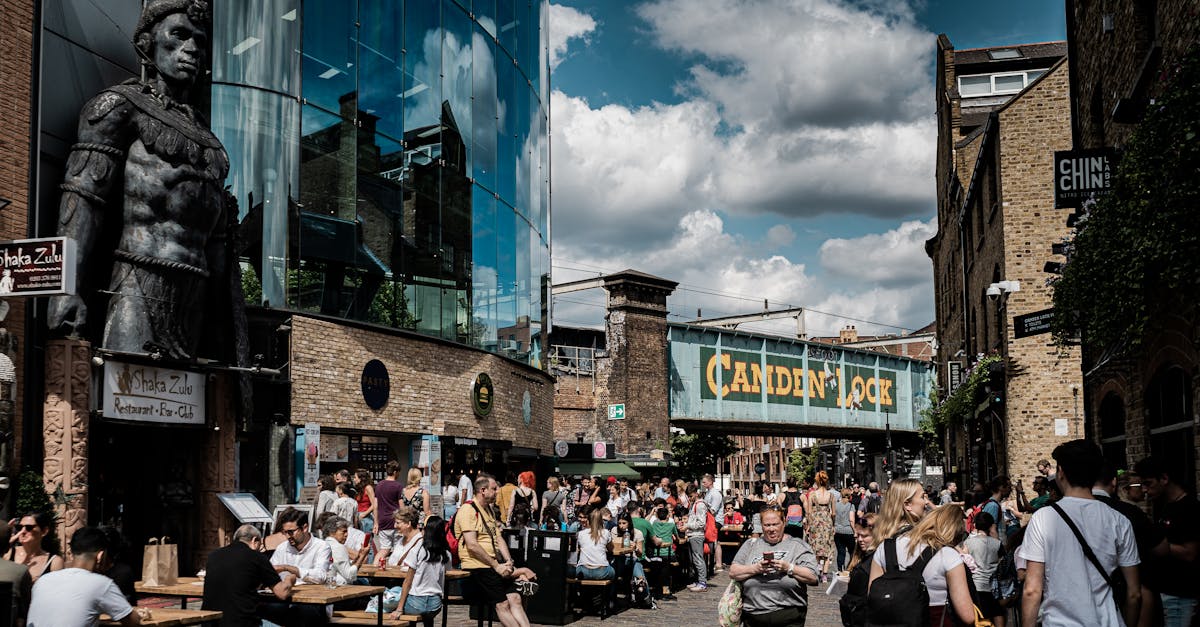
This North London market was once a hub for alternative culture but has become a crowded destination for mass produced clothing and food. The narrow walkways are often blocked by slow moving crowds which makes the area a hotspot for pickpockets. Many of the stalls sell the same generic items that are imported from overseas rather than handcrafted goods. The food stalls can be hit or miss and the prices have risen significantly in recent years. Exploring the smaller markets in East London or independent shops in Islington provides a more genuine local feel.
Champs Elysees
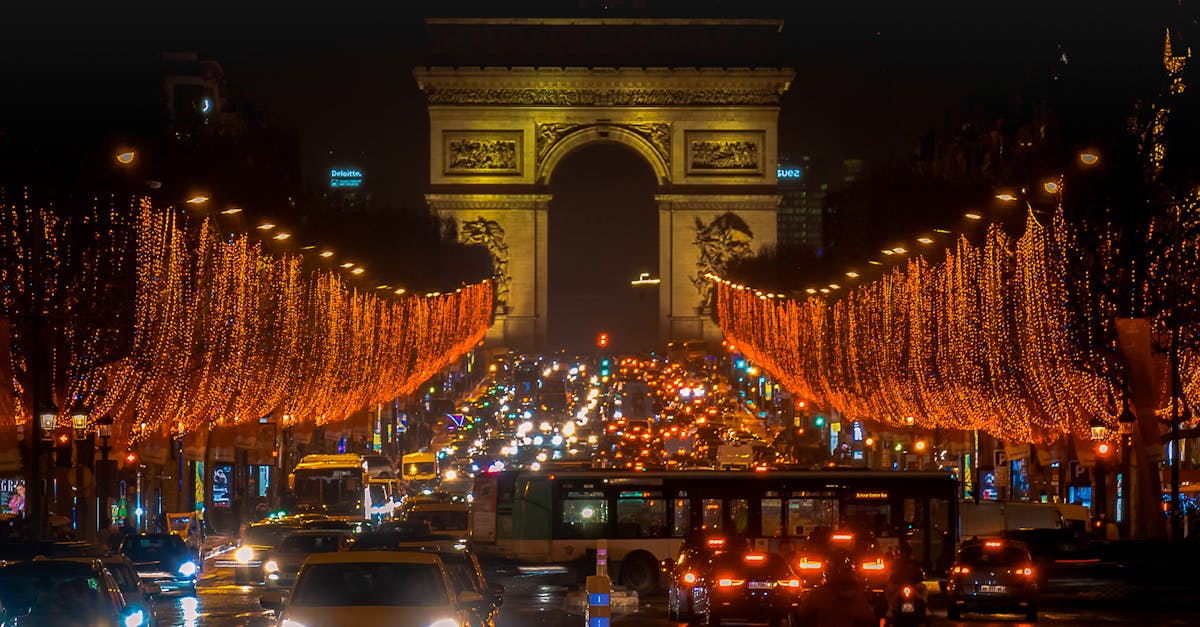
This famous Parisian avenue is now dominated by international flagship stores and expensive car showrooms that lack local character. The restaurants along the street are notorious for their high prices and poor service quality compared to the rest of Paris. Traffic noise and heavy pollution make walking along the sidewalk less pleasant than it appears in movies. Petty crime such as phone snatching is a common occurrence in the busy areas near the metro stations. Staying in the Marais or Saint Germain neighborhoods offers a much more charming and authentic Parisian atmosphere.
Tanah Lot Temple

This Bali temple is set on a beautiful rock formation but the approach is through a gauntlet of hundreds of souvenir stalls. Visitors are often pressured to buy items before they can even see the temple itself. At sunset the area becomes extremely crowded which makes it difficult to find a quiet place to appreciate the scenery. The waves can be dangerous and tourists often ignore safety signs to get closer to the water for photos. Exploring the smaller temples in the northern part of the island provides a more spiritual and tranquil experience.
Copacabana Beach
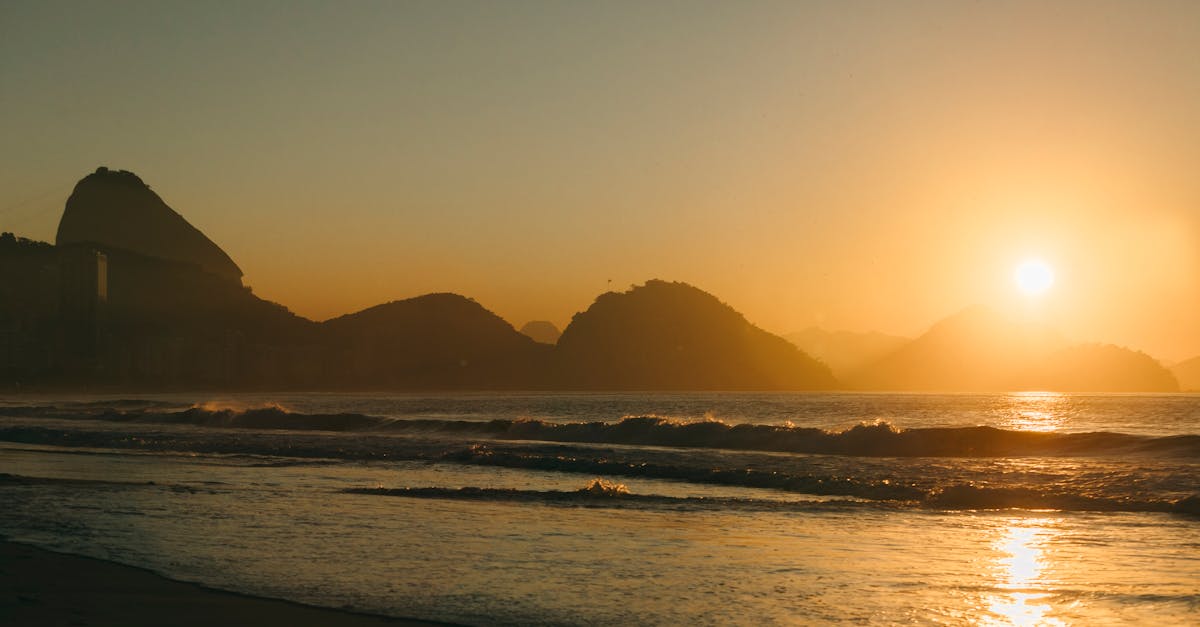
Rio de Janeiro’s most famous beach is a beautiful stretch of sand that unfortunately suffers from high rates of petty crime. Tourists are frequently targeted for their phones and jewelry by groups of thieves who operate on the sand and the promenade. It is generally advised not to bring any valuables to the beach or even leave them unattended for a moment. The water quality can also be a concern due to local pollution levels at various times of the year. Visiting the nearby Ipanema Beach or the quieter beaches in Barra da Tijuca is often a safer choice.
Burj Khalifa Observation Deck
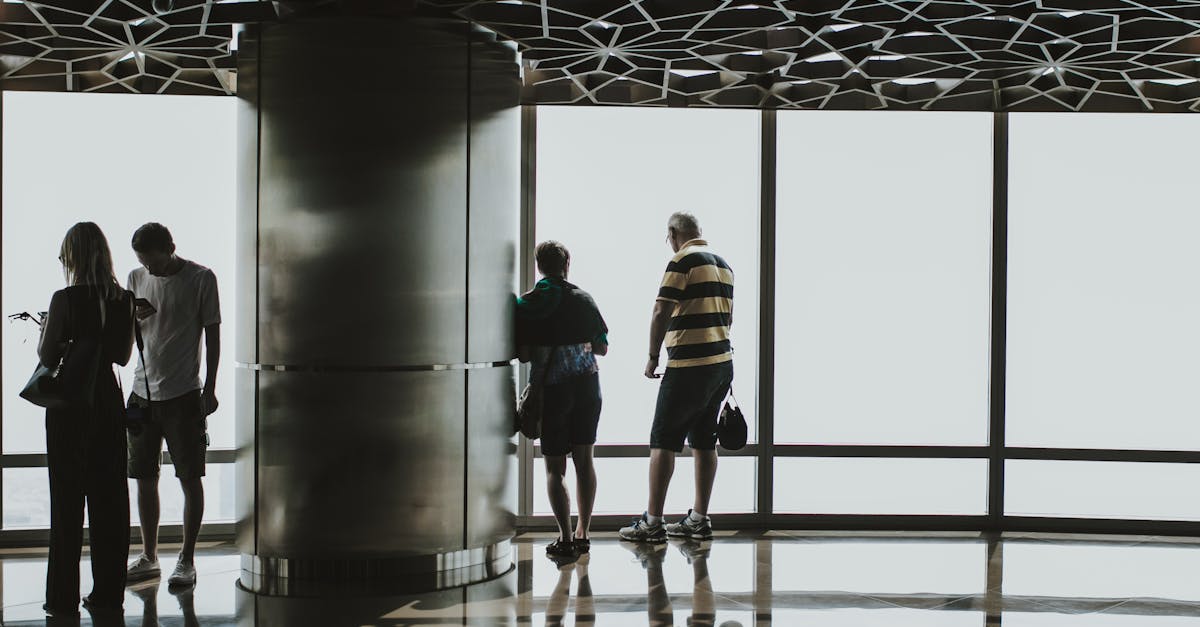
While being in the world’s tallest building is impressive the observation deck experience is often rushed and very expensive. Visitors must navigate long security lines and crowded elevators only to be given a limited amount of time at the top. The views are often obscured by desert haze or sandstorms which can be a disappointment after paying a high entry fee. Much of the experience is designed to funnel guests through gift shops and professional photo stations. Looking at the building from a nearby rooftop lounge at sunset provides a great view without the high cost and crowds.
Prague Old Town Square
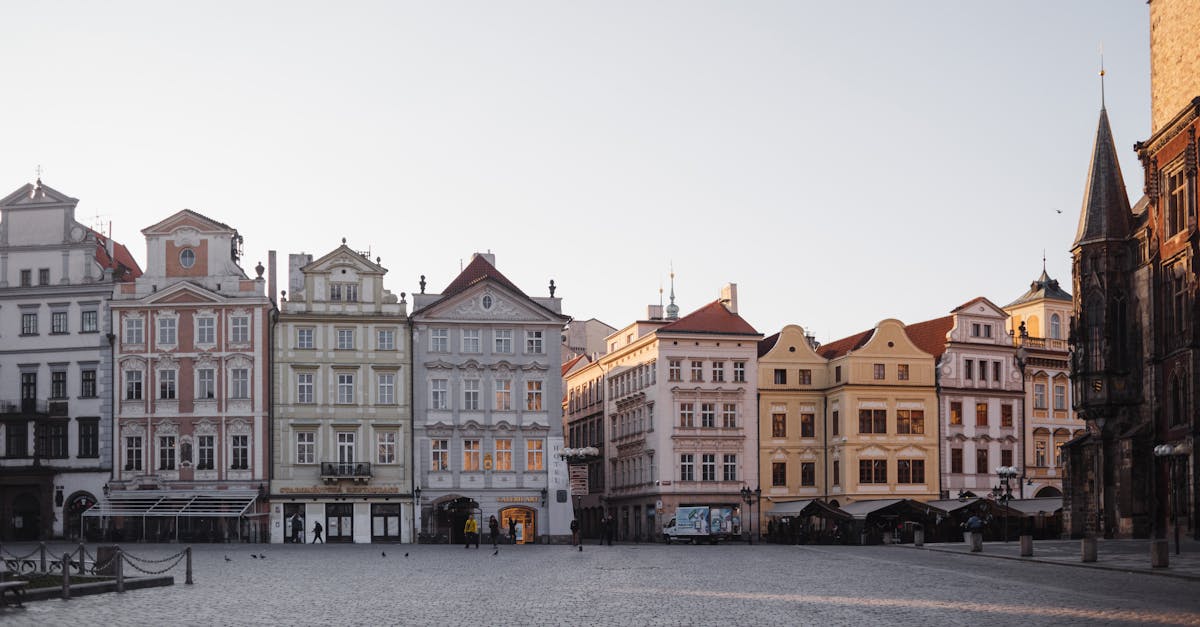
The central square of Prague is a beautiful historic site that is unfortunately surrounded by restaurants with predatory pricing. Many of these establishments charge extra for bread or condiments and have hidden fees on their menus. The area near the Astronomical Clock becomes dangerously crowded every hour as people gather to watch the short performance. Scammers often operate in the square offering overpriced tours or changing money at terrible rates. Walking just a few blocks away into the side streets will lead to much better food and a safer environment.
Dam Square
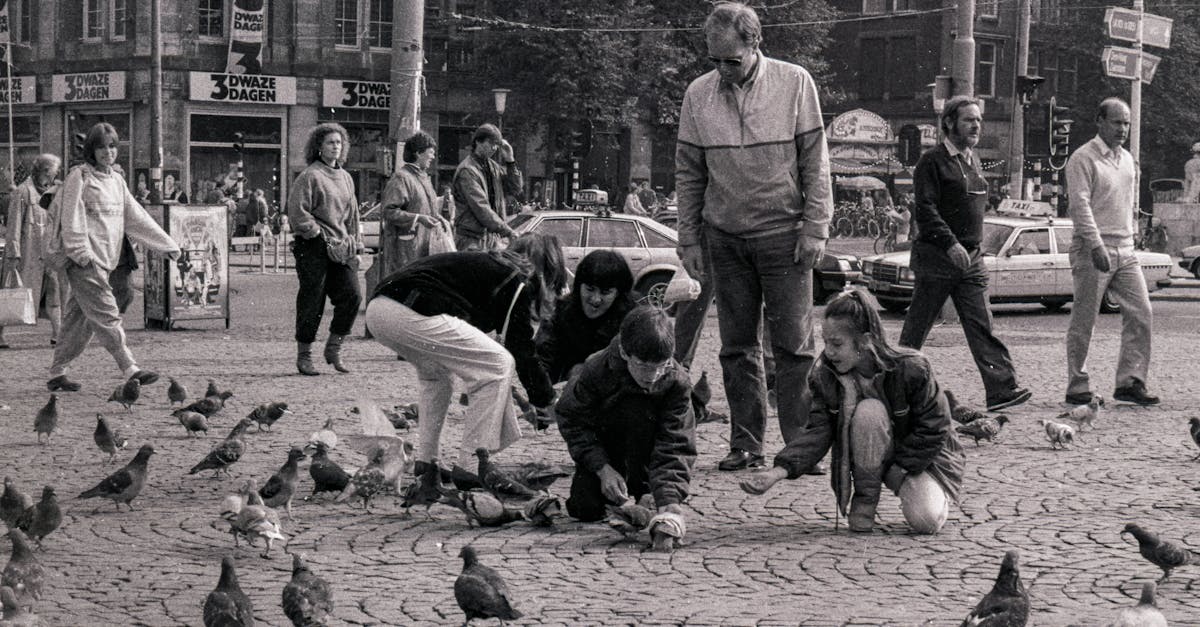
The main square in Amsterdam is a frequent location for pigeon feeding and large crowds that attract pickpockets and scammers. Many of the attractions around the square are tourist focused wax museums or generic souvenir shops. The street performers can be very persistent and sometimes aggressive when asking for tips from passersby. At night the area can feel less safe due to the presence of large groups and late night revelry. Moving toward the Jordaan district or the museum quarter provides a much more pleasant and authentic Dutch experience.
Madame Tussauds
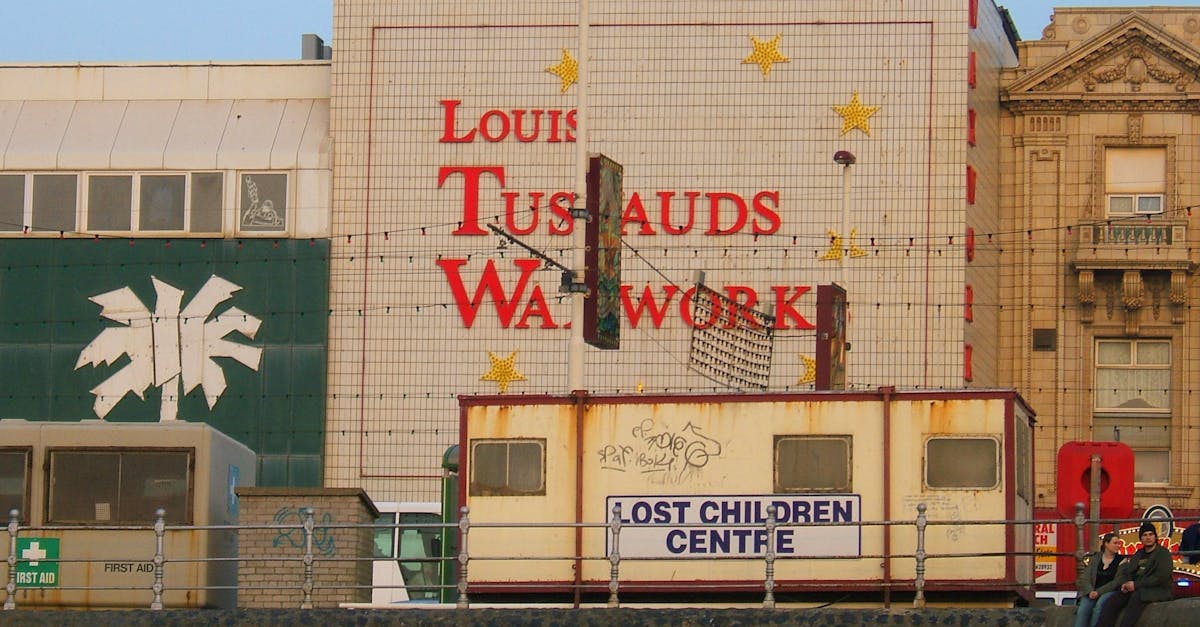
This wax museum franchise exists in many major cities and often has long lines and very high ticket prices. The experience is largely the same in every location and offers little in terms of local culture or history. Many visitors find that once they are inside they are constantly pushed through to make room for more guests. The focus is entirely on taking photos with statues which can be done more cheaply at other smaller attractions. Spending that time and money at a local historical museum or art gallery is much more rewarding.
Victoria Peak Tram
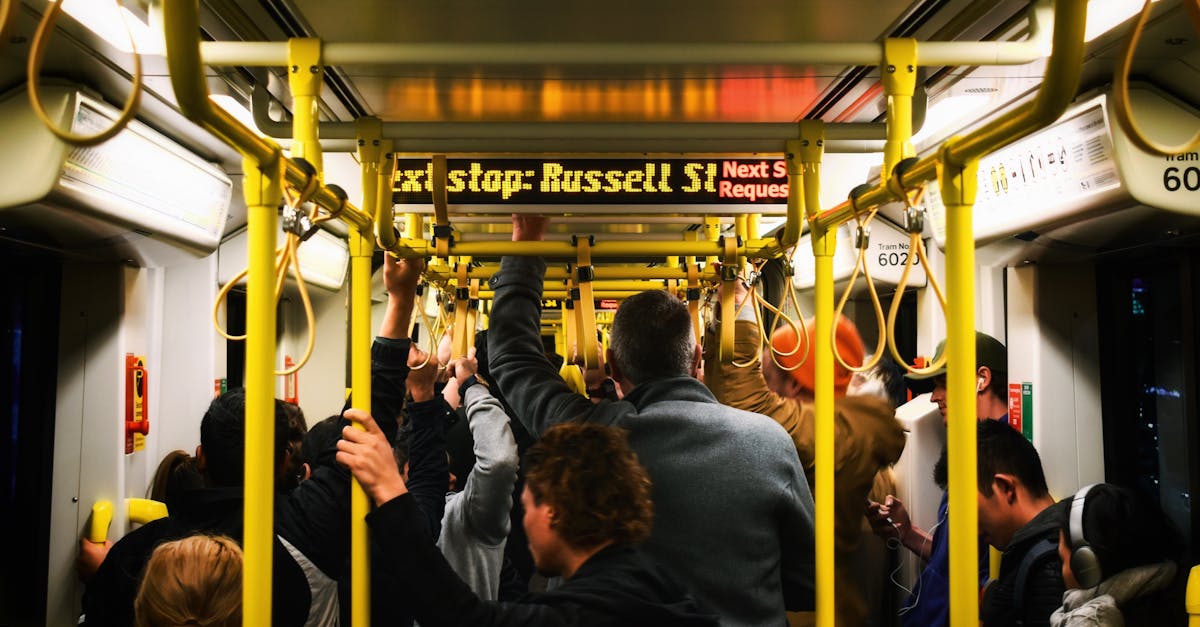
The tram ride to the top of Hong Kong Island is a classic experience but the wait times can often exceed two hours. Once at the top the area is a large shopping mall where you must pay an additional fee to access the best viewing platform. The peak is frequently shrouded in fog which can completely block the view of the skyline below. Many visitors find the experience to be overly commercialized and stressful due to the volume of people. Taking a local bus or the public ferry provides great views of the city at a fraction of the cost.
Nakamise Dori Street
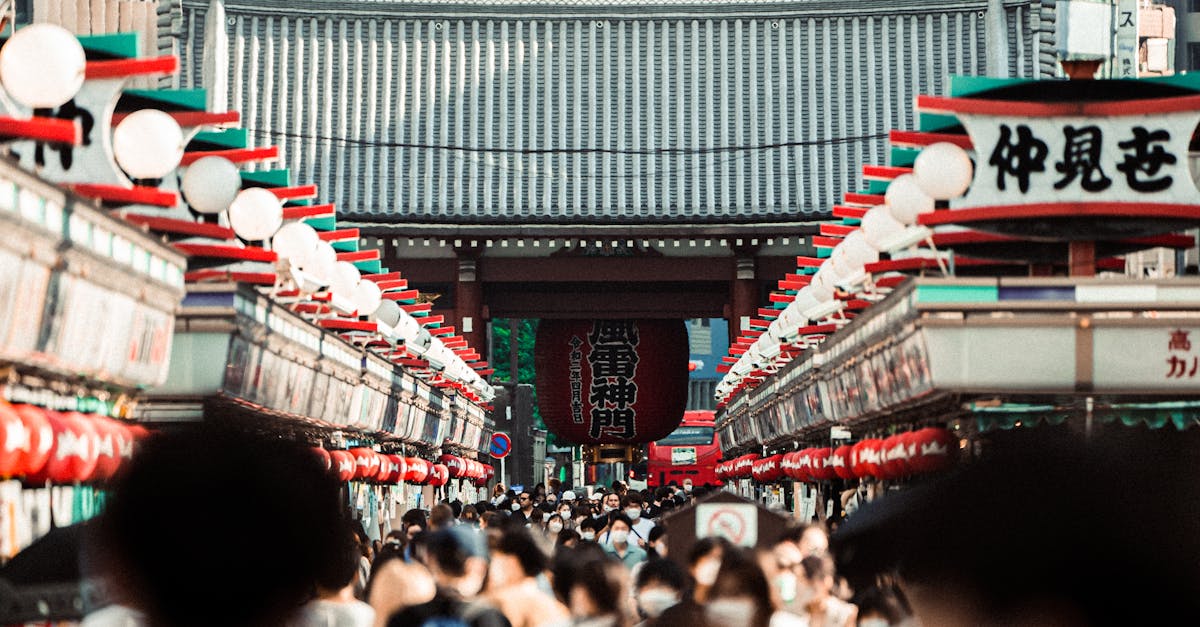
The approach to Tokyo’s oldest temple is a long street filled with stalls selling snacks and souvenirs. This area is incredibly crowded at all hours and it can be difficult to move through the narrow path. While some of the traditional snacks are excellent the prices are higher than what you would find in other parts of the city. Pickpockets occasionally operate in the dense crowds near the main gates where tourists stop suddenly. Visiting early in the morning or exploring the smaller shrines in the surrounding Asakusa neighborhood is much more peaceful.
Aguas Calientes
The town at the base of Machu Picchu exists solely to serve tourists and is filled with overpriced hotels and restaurants. The quality of food and service is often lower than in Cusco because the vendors know they have a captive audience. Travelers are often pressured by touts at the train station to book tours or rooms on the spot. The narrow streets are constantly crowded with people waiting for buses to the ruins above. Staying in the Sacred Valley and taking an early train is often a more comfortable and cost effective way to visit the site.
Punda District

This colorful area of Willemstad in Curaçao is a popular stop for cruise ships and is filled with high end jewelry stores and souvenir shops. Prices in this district are often much higher than elsewhere on the island to capitalize on the influx of cruise passengers. The area can become extremely congested when multiple ships are in port which makes walking difficult. Many of the shops close as soon as the ships depart leaving the area feeling empty and artificial. Renting a car to explore the local beaches and smaller villages offers a much better look at the island’s culture.
Leicester Square

This London hub is a major center for cinema and theater but it is also a magnet for high priced tourist restaurants and street scammers. The crowds are constant and provide a perfect environment for pickpockets to operate unnoticed. Many of the shops sell cheap souvenirs and union jack themed trinkets at inflated prices. Street performers often draw large crowds that block the sidewalks and create bottlenecks for pedestrians. Walking a few minutes into Soho or Covent Garden will reveal a much more diverse and interesting selection of shops and eateries.
Please share your own experiences with tourist traps in the comments.




