Not all body fat is created equal, and the kind you can’t see may be the most dangerous of all. Visceral fat, commonly known as belly fat, builds up deep within the abdominal cavity and wraps around vital organs like the liver and intestines. Unlike the fat that sits just under the skin, this type of fat is strongly linked to elevated risks of heart disease, type 2 diabetes, and fatty liver disease. Factors such as diet, physical activity levels, sleep quality, and chronic stress all play a role in how much of it your body accumulates.
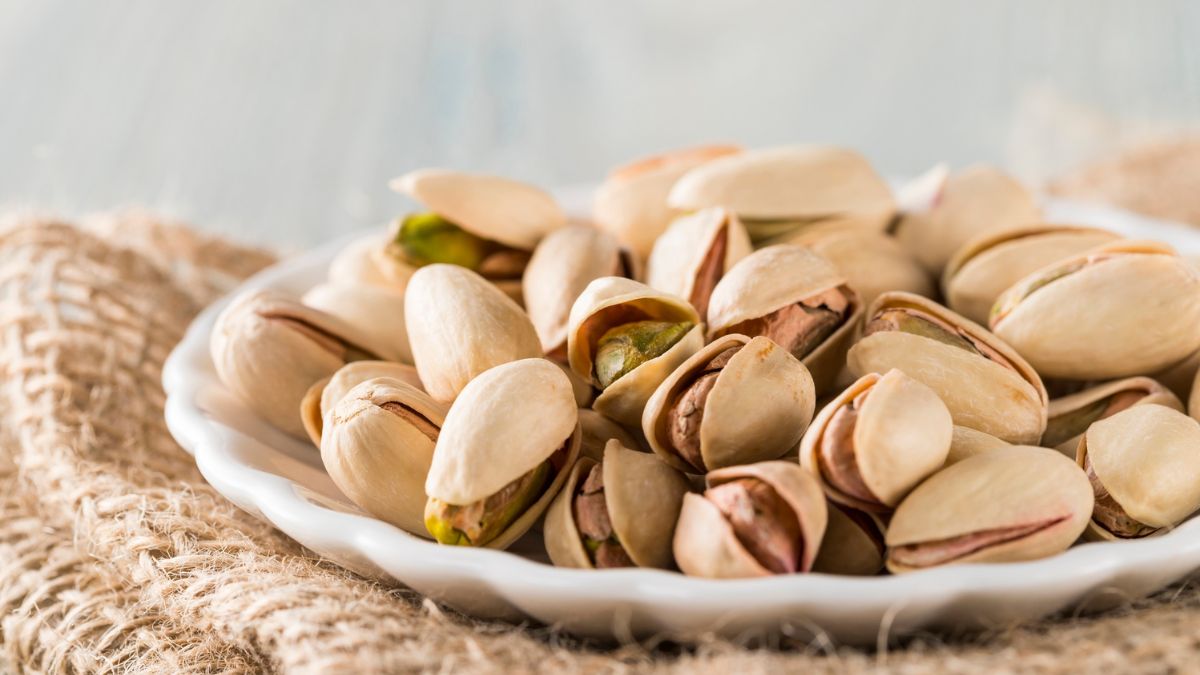
When it comes to tackling visceral fat through nutrition, dietitians are pointing to one particular food as especially promising: pistachios. A one-ounce serving of these little green nuts packs around six grams of protein, making them one of the most protein-rich options in the entire nut family. That protein content matters because a higher-protein diet is consistently associated with reduced fat mass, better appetite regulation, and preservation of lean muscle tissue. Dietitians emphasize, however, that no single food works in isolation, and pistachios are most effective as part of a broader commitment to healthier eating and lifestyle habits.
Dietitian Amanda Godman, speaking to EatingWell, highlighted the fat profile of pistachios as a key part of their appeal. “Pistachios are a good source of healthy, unsaturated fatty acids, which are thought to protect the heart,” Godman said. These unsaturated fats, both monounsaturated and polyunsaturated varieties, work to lower LDL “bad” cholesterol while simultaneously boosting HDL “good” cholesterol levels. Beyond cholesterol management, these fats also appear to improve the body’s sensitivity to insulin, which is a significant factor in preventing the kind of metabolic dysfunction that encourages visceral fat to accumulate in the first place.
On top of their protein and fat content, pistachios bring an impressive antioxidant lineup to the table. They are particularly rich in lutein, beta-carotene, and various polyphenols, compounds that help fight oxidative stress and inflammation throughout the body. Chronic inflammation is closely tied to visceral fat accumulation, so regularly consuming antioxidant-rich foods can support efforts to keep this type of fat in check. This combination of nutrients makes pistachios a genuinely multi-dimensional food when it comes to metabolic health.
Dietitian Johannah Katz added another layer to the case for pistachios by pointing to their calorie profile. “Pistachios can help with weight loss and maintaining metabolic health because they have a lower calorie value — about 160 calories per one-ounce serving,” Katz noted. That modest calorie count, combined with a solid dose of protein and dietary fiber, creates a powerful satiety effect that can help people feel fuller for longer and avoid the kind of overeating that contributes to fat gain. This makes pistachios a smart snack choice for anyone trying to manage their weight without feeling constantly deprived.
It is worth noting that experts are clear: pistachios are a tool, not a cure. Reducing visceral fat requires a consistent, sustained approach that includes regular physical activity, adequate sleep, stress management, and an overall balanced diet. Pistachios fit neatly into that picture, but they work best when they are part of a genuinely healthy routine rather than a standalone fix.
For those unfamiliar with the basics, visceral fat is measured and assessed differently from general body fat. While subcutaneous fat sits just beneath the skin and can be pinched, visceral fat cannot be measured by simple observation. Medical imaging tools like MRI and CT scans provide the most accurate measurements, though waist circumference is often used as a practical proxy. A waist measurement above 35 inches for women or 40 inches for men is generally considered a risk factor for high visceral fat levels. Research consistently shows that even modest reductions in overall body weight, around 5 to 10 percent, can lead to meaningful decreases in visceral fat specifically. The Mediterranean diet, characterized by high intake of plant foods, healthy fats, lean proteins, and minimal processed foods, is among the dietary patterns most strongly associated with lower visceral fat levels in scientific literature. Aerobic exercise, in particular, has been shown in numerous studies to be one of the most effective interventions for reducing visceral fat independently of changes in diet.
Pistachios themselves have a long history of cultivation, originating in western Asia and the Middle East, with evidence of human consumption dating back nearly 9,000 years. Today, the United States is one of the world’s leading producers of pistachios, with California accounting for the vast majority of domestic production. They are botanically a member of the cashew family and, unlike many other nuts, they naturally split open when ripe, which is how they are traditionally sold in their familiar half-open shell.
If pistachios or any other foods have helped you on your journey to better health, share your experience in the comments.




