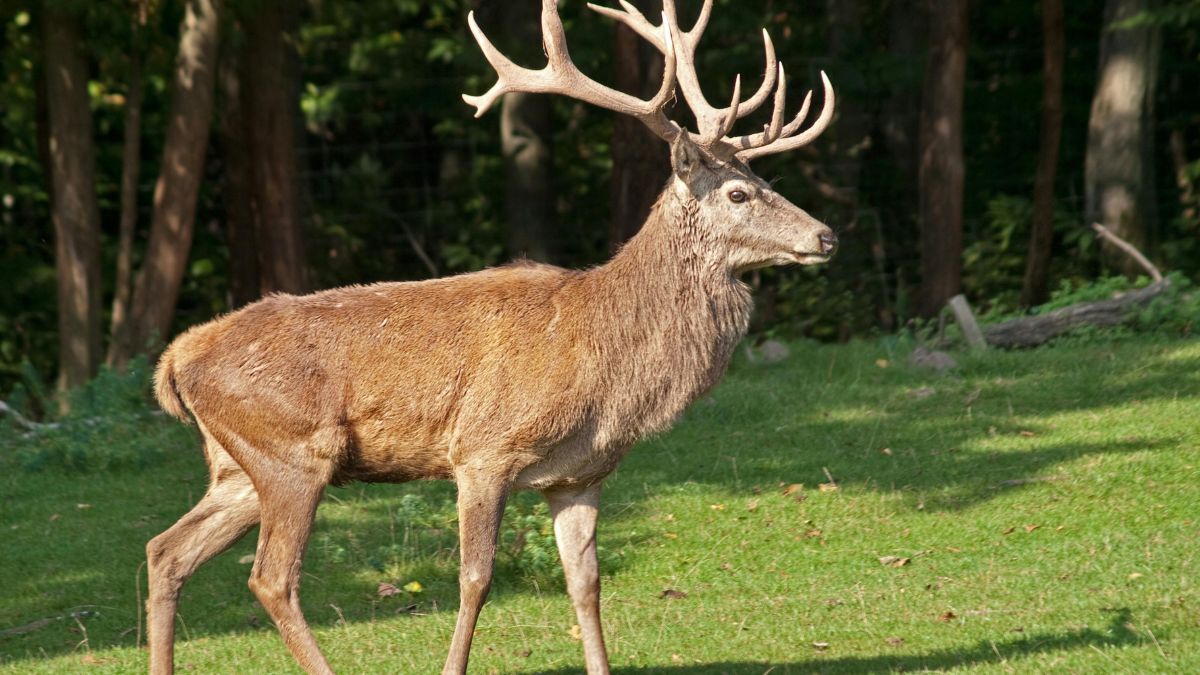
Wild animals across the globe inspire wonder and affection, yet even the most well-meaning gesture of offering food can set off a dangerous chain of reactions. Animals that become accustomed to human-provided meals lose their natural ability to forage and hunt, creating a dependency that shortens their lifespan and weakens wild populations. Feeding wildlife also draws animals into human spaces where they face threats from vehicles, domestic pets and urban hazards. Many animals carry zoonotic diseases that transfer to humans through close contact encouraged by feeding behavior. Understanding which creatures are most vulnerable to this well-intentioned harm is the first step toward becoming a genuinely responsible wildlife observer.
White-Tailed Deer
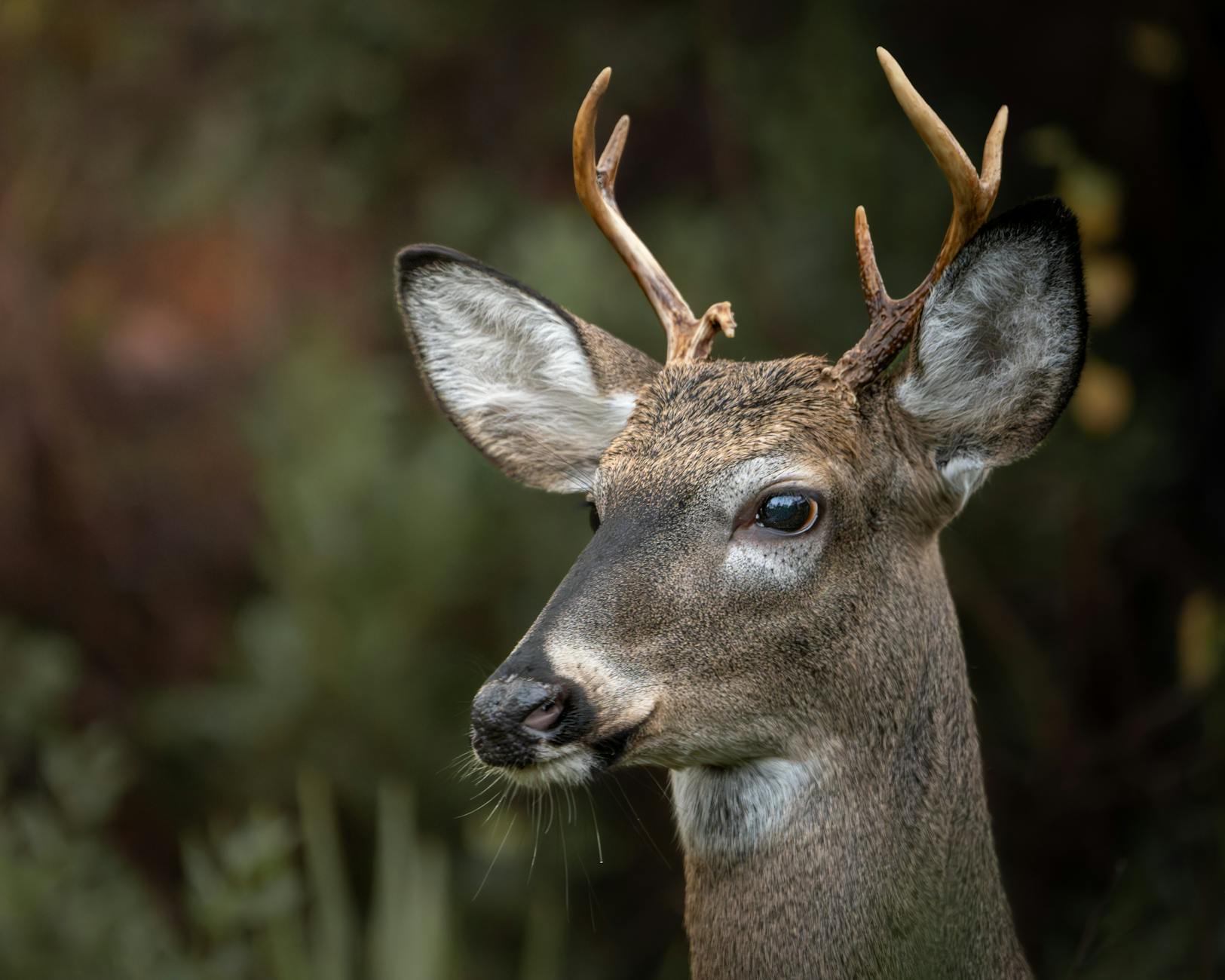
White-tailed deer are among the most frequently fed wild animals in North America, particularly in suburban areas where residents leave out corn or apples. Concentrated feeding sites cause deer to gather in unnaturally large numbers, which accelerates the spread of diseases such as chronic wasting disease through the population. Winter supplemental feeding disrupts the digestive adaptation deer undergo naturally, causing a sudden intake of rich food that can be fatal. Habituation to humans removes the instinctive wariness that protects deer from hunters and predators. Many wildlife agencies across North America have enacted laws prohibiting deer feeding precisely because of these well-documented consequences.
Mallard Duck
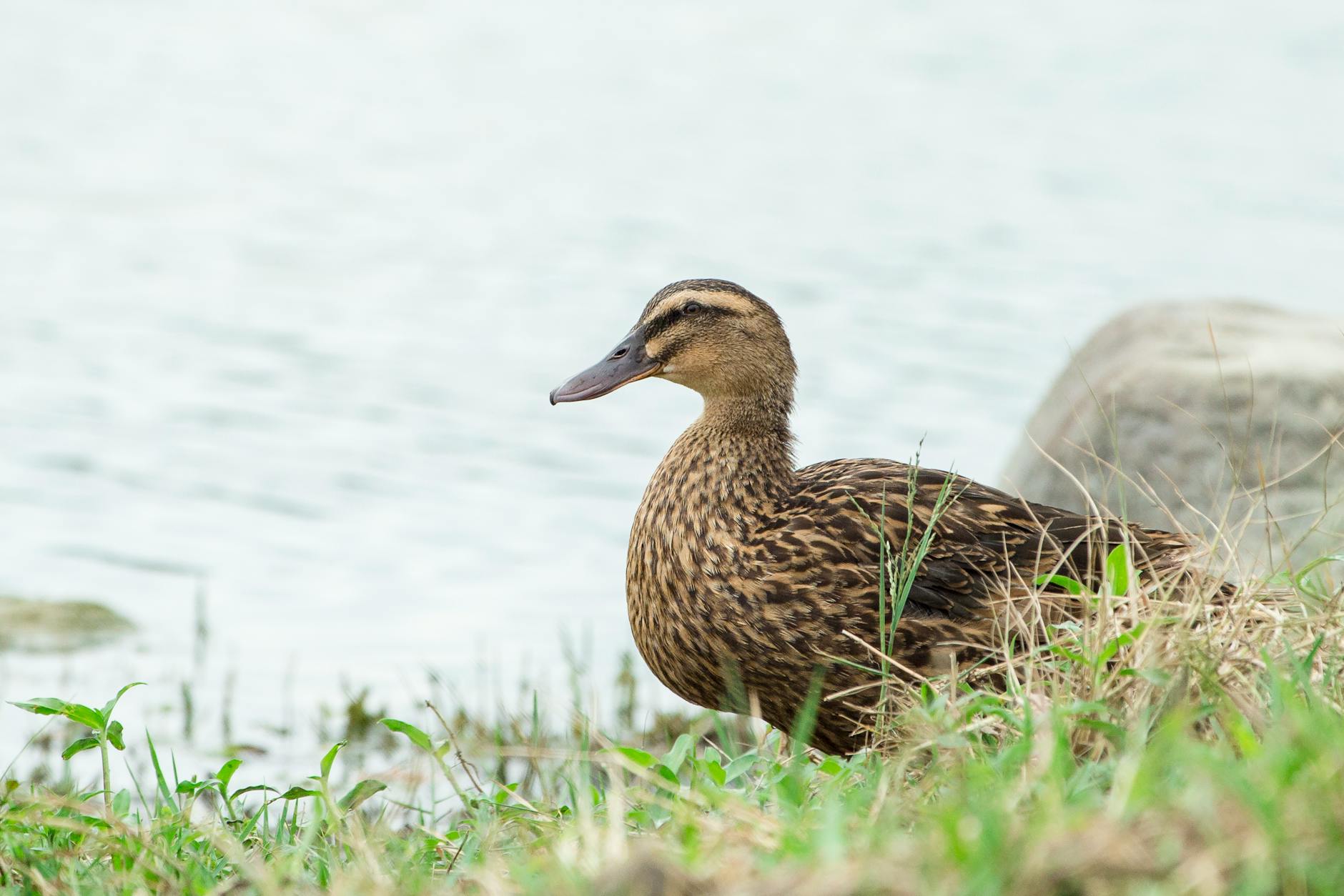
Mallard ducks are a familiar sight in urban parks and are among the most commonly fed wild birds worldwide. Bread and crackers offer no nutritional value and cause a condition called angel wing, a permanent deformity that prevents young ducks from ever flying. Supplemental feeding causes duck populations to concentrate in areas beyond the natural carrying capacity of local waterways. Overcrowding accelerates the spread of avian diseases including duck virus enteritis and avian cholera. Nutrient pollution from uneaten food and increased fecal matter also degrades water quality for entire aquatic ecosystems.
Rhesus Macaque
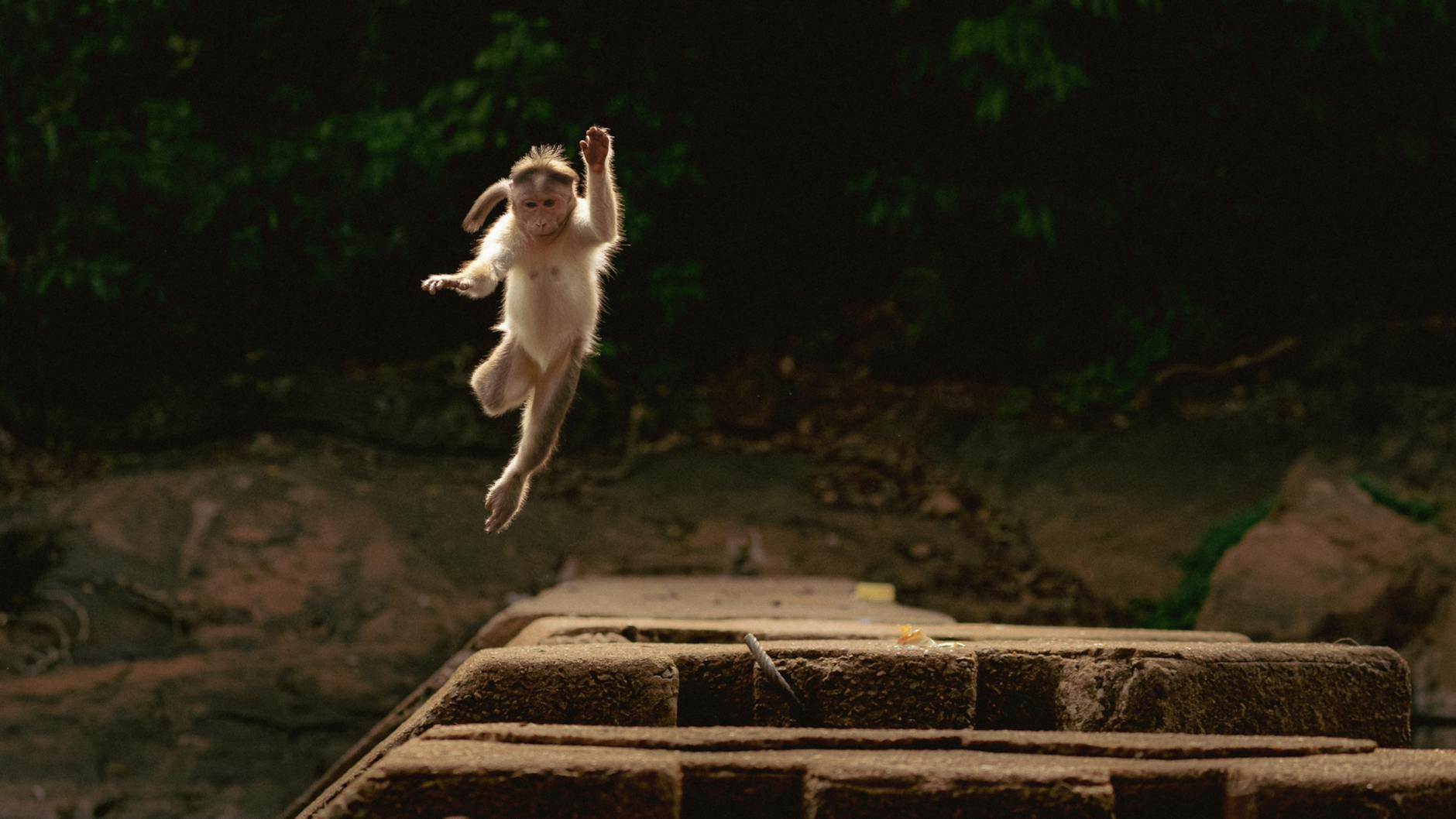
Rhesus macaques are highly intelligent primates found across South and Southeast Asia, often living close to temples, roadsides and tourist destinations. Regular feeding by visitors causes macaque groups to become aggressive and lose their natural fear of humans, leading to biting incidents and property damage. A diet of processed human food contributes to obesity, dental disease and shortened lifespans in these animals. Groups that associate humans with food tend to raid homes, farms and markets at increasing frequency. Wildlife authorities in countries including India and Thailand have issued repeated public warnings about the escalating dangers of macaque feeding.
American Black Bear
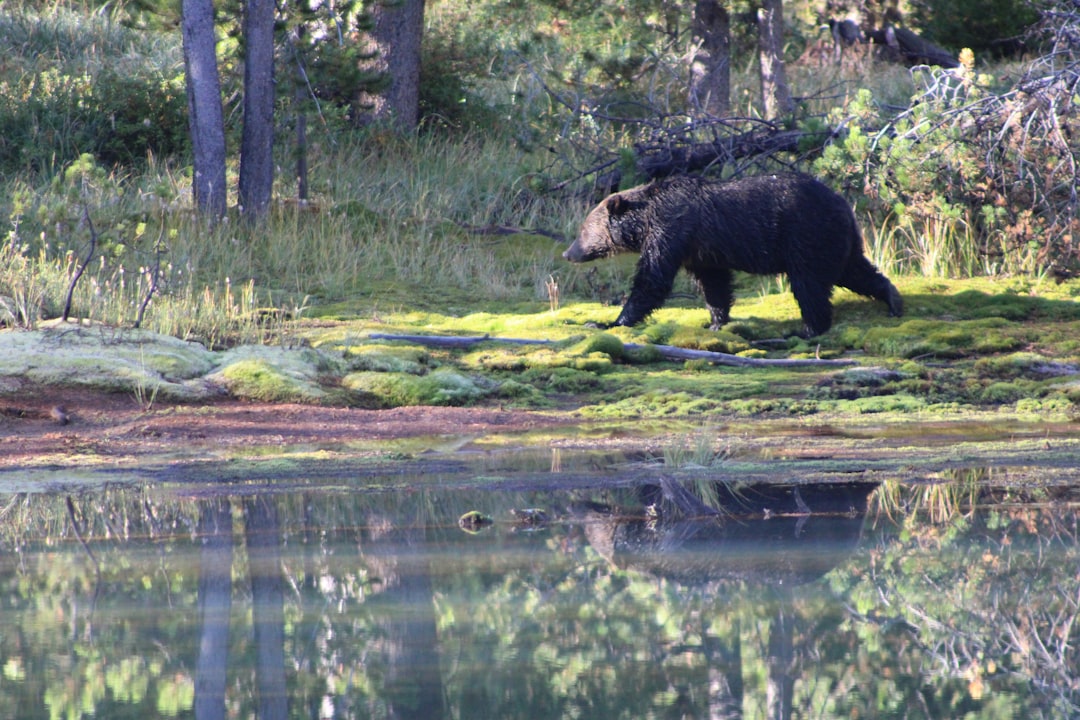
American black bears are powerful and adaptable animals whose behavior shifts dramatically once they associate humans with food. A bear that receives food from humans even once begins actively seeking out campsites, bins and residential properties, placing both the bear and people at serious risk. Wildlife managers operate under the principle that a fed bear is a dead bear, referring to the near-inevitable outcome of relocation or euthanasia for food-conditioned individuals. Bears that lose their natural foraging patterns also fail to accumulate sufficient fat reserves before hibernation, compromising their winter survival. National parks across the United States have invested heavily in bear-proof infrastructure specifically to prevent this cycle from beginning.
European Hedgehog
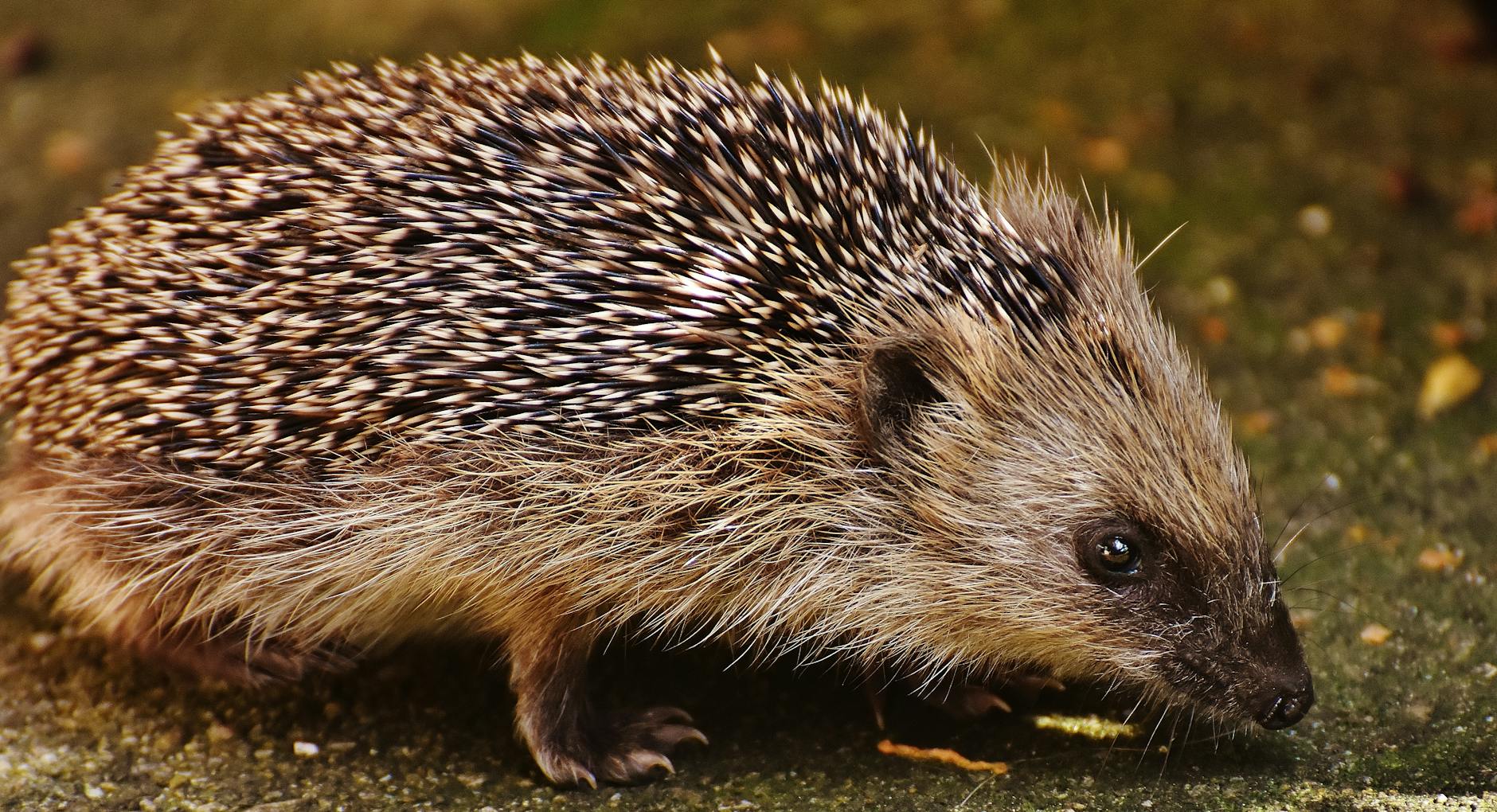
European hedgehogs are beloved garden visitors whose charming appearance makes them frequent targets of well-meaning feeding efforts. Cow’s milk, a commonly offered food, causes severe digestive upset and diarrhea that can be fatal to hedgehogs. Bread offers negligible nutrition and contributes to metabolic deficiencies that weaken the immune system over time. Consistent feeding encourages hedgehogs to remain in a single garden rather than ranging across the wide territory they need to maintain healthy foraging behavior. Stationary feeding stations also attract predators such as foxes and badgers, placing the hedgehog at greater risk than if left to forage independently.
Wild Turkey
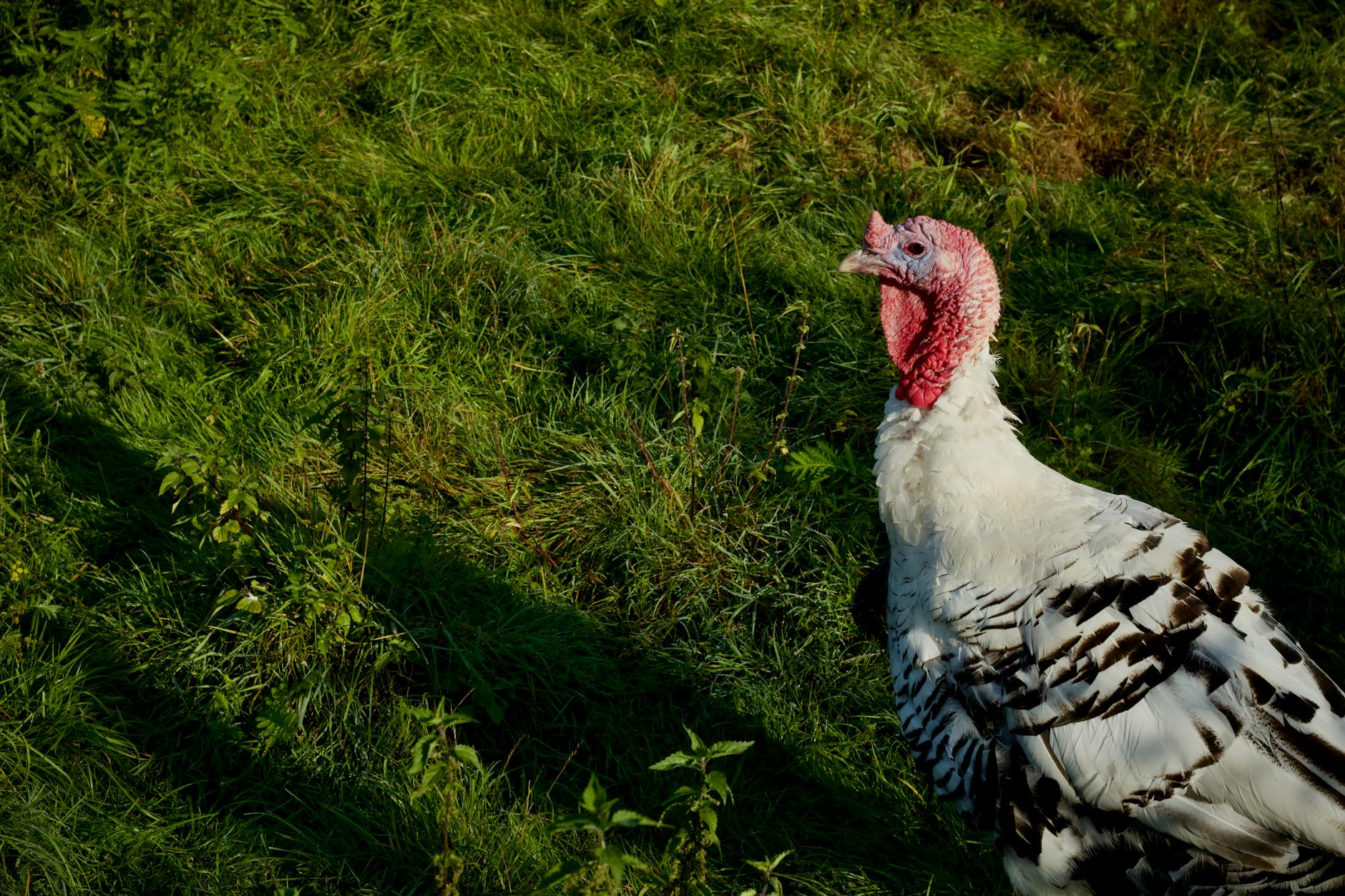
Wild turkeys are highly adaptable birds native to North America that have expanded into suburban and semi-urban environments in large numbers. Feeding congregates turkeys in tight groups that facilitate the rapid spread of respiratory diseases and parasites throughout the flock. Turkeys that receive regular handouts lose their migratory and foraging instincts and become permanently dependent on human provisioning. Habituated turkeys frequently become aggressive toward residents, pets and vehicles, particularly during breeding season. State wildlife agencies consistently advise the public that feeding wild turkeys creates behavioral problems that are extremely difficult to reverse once established.
Coyote
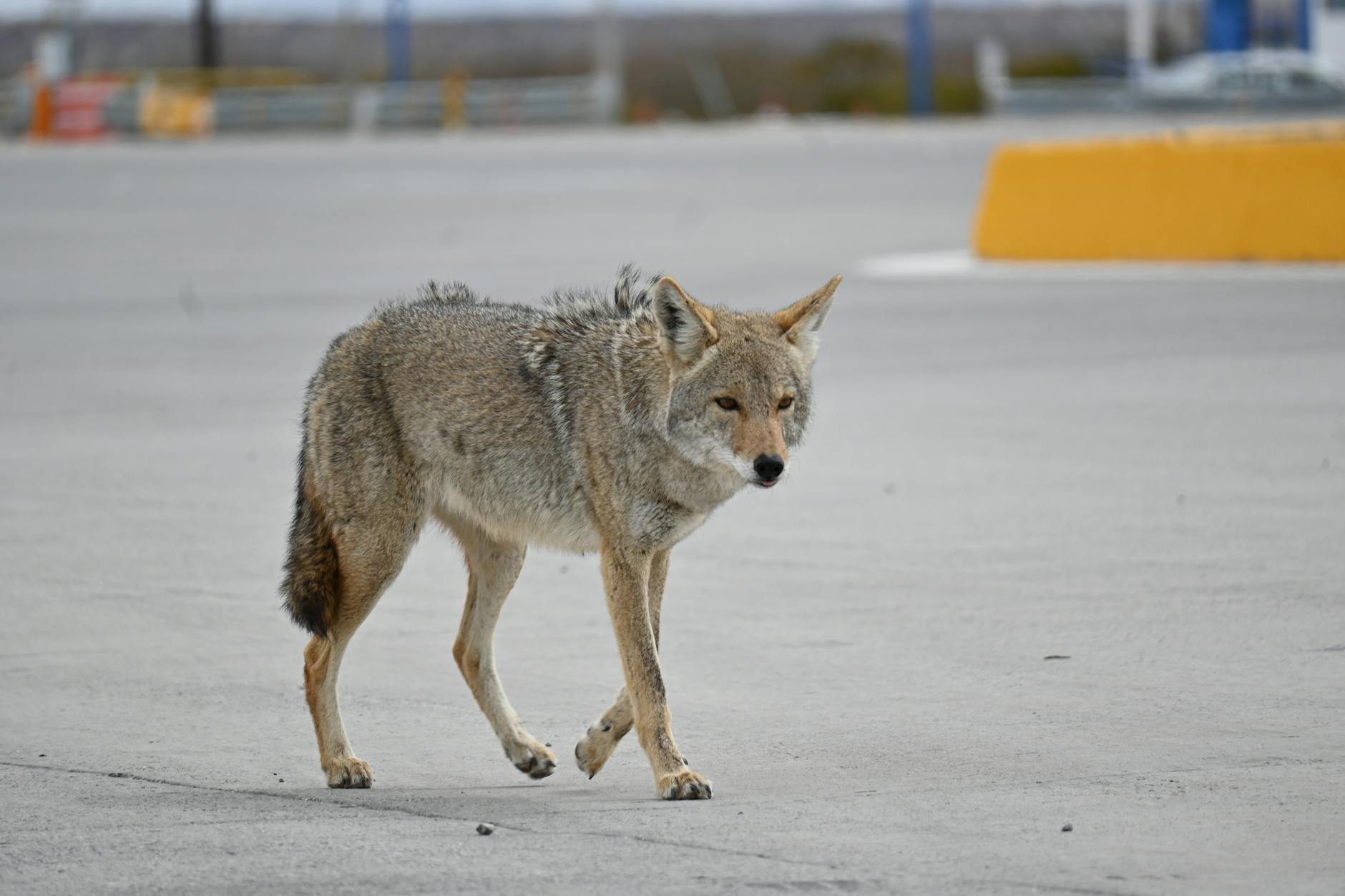
Coyotes are highly intelligent and opportunistic canids found across North and Central America and increasingly in urban environments. Direct feeding or the indirect feeding caused by leaving out pet food and unsecured garbage rapidly eliminates the wariness coyotes maintain toward humans. Bold coyotes that approach humans without fear are frequently perceived as threats and destroyed by animal control authorities. Feeding also disrupts pack dynamics and encourages larger groups to establish territories within densely populated residential areas. Human-coyote conflict incidents recorded in cities across the United States and Canada are closely correlated with neighborhoods where intentional or accidental feeding has occurred.
Grey Squirrel
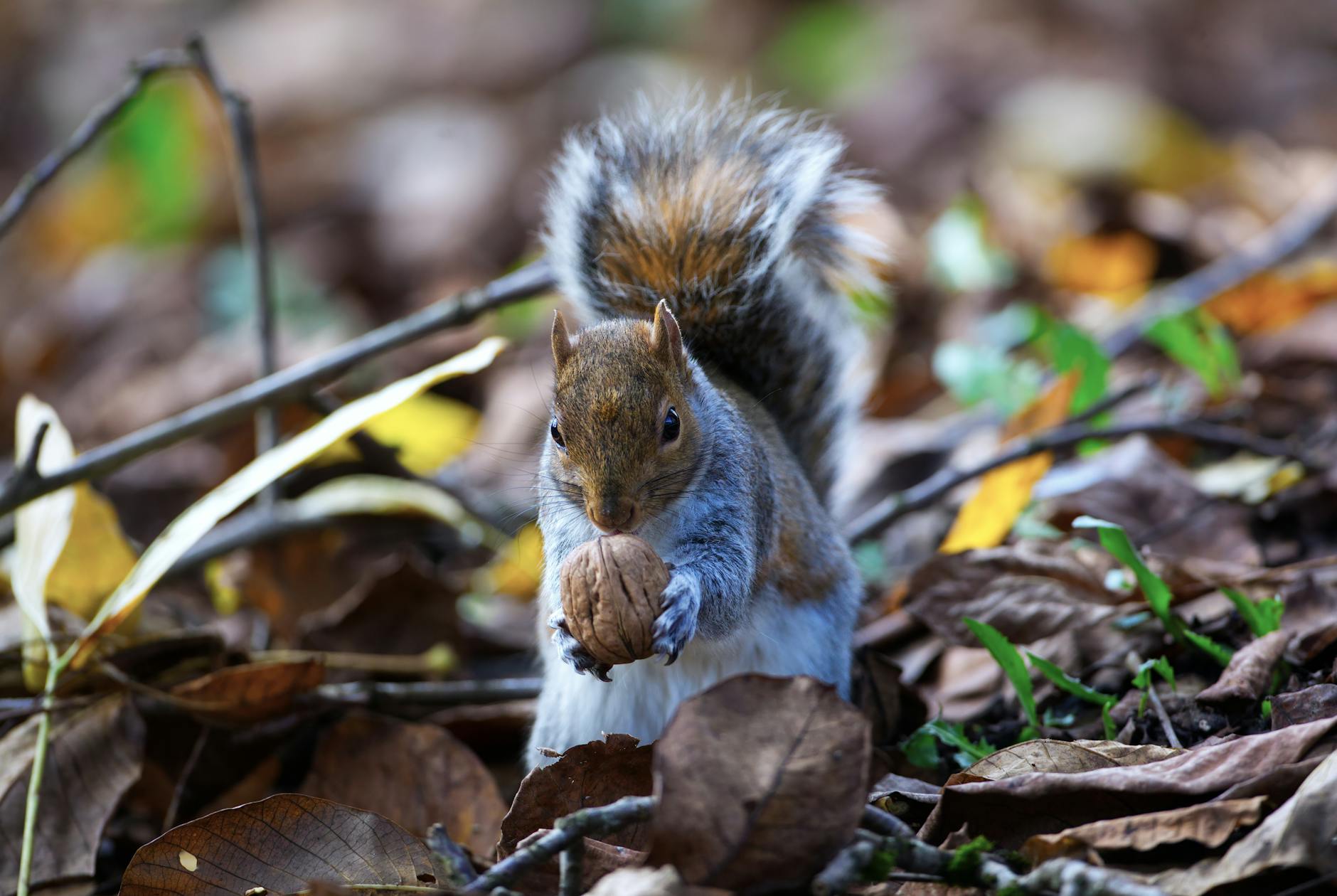
Grey squirrels are among the most frequently fed urban wildlife species in Europe and North America, with many people viewing the practice as harmless entertainment. Regular handouts cause squirrels to abandon natural caching behaviors, reducing the inadvertent seed dispersal that makes squirrels ecologically important to forest regeneration. Processed foods including salted nuts and flavored snacks cause nutritional deficiencies and liver damage in squirrels over time. Feeding draws large numbers of squirrels into concentrated areas, increasing territorial aggression and injury rates among individuals. Dense urban squirrel populations sustained by human food also place significant pressure on songbird populations through increased nest predation.
Stingray
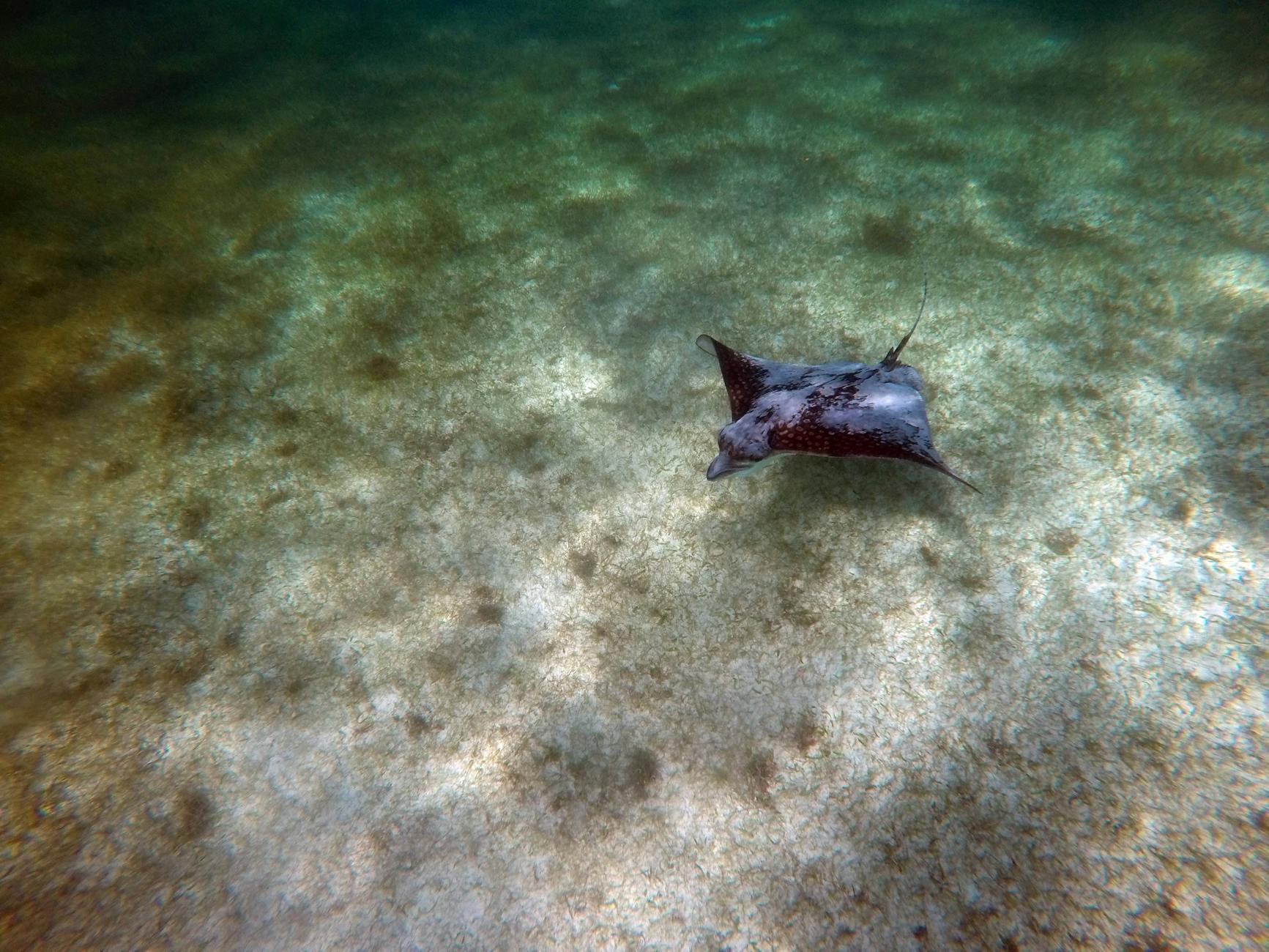
Stingrays found in shallow coastal waters, particularly around popular diving and snorkeling destinations, are frequently approached and fed by tourists seeking close encounters. Sustained feeding trains stingrays to associate human presence with food, which increases the likelihood of defensive stinging incidents when food is not produced. Feeding also disrupts the natural bottom-feeding behavior of stingrays, causing nutritional imbalances from a diet of inappropriate handout foods. Aggregations of stingrays at tourist feeding sites have been shown to interfere with natural mating and migration patterns. Marine wildlife authorities at destinations including the Cayman Islands and the Maldives have documented measurable population health declines linked to tourist feeding activity.
Wild Boar
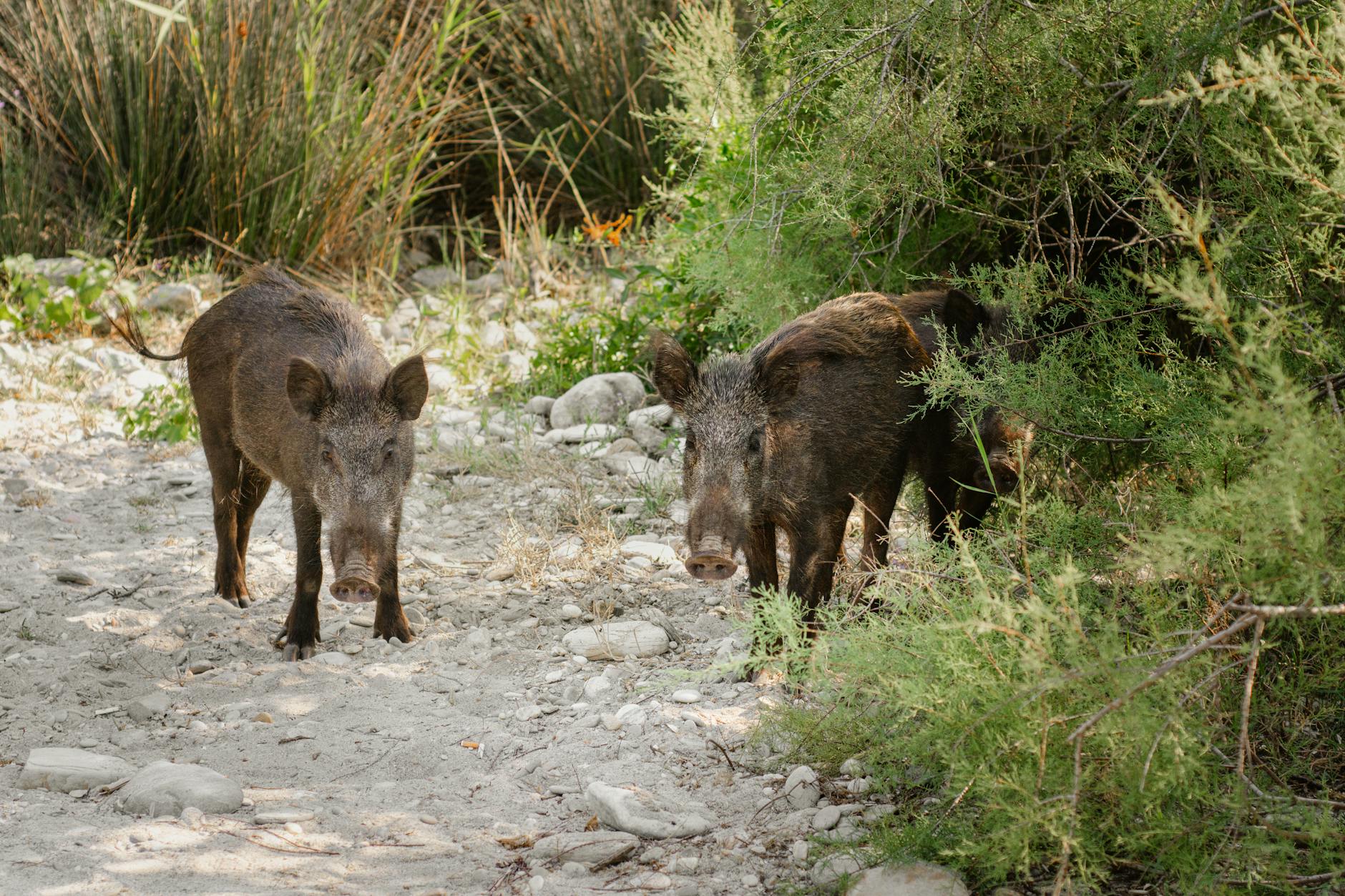
Wild boars are powerful and highly intelligent animals found across Europe, Asia and parts of the Americas that adapt quickly to human food sources. Feeding encourages boars to enter farmland, gardens and residential areas with increasing confidence, causing extensive property damage and posing safety risks to residents and pets. Nutritionally inappropriate foods alter boar gut microbiomes and contribute to disease susceptibility across entire sounder groups. Artificial feeding sites create dense gatherings that accelerate the transmission of African swine fever, a disease with catastrophic consequences for both wild and domestic pig populations. Governments across Europe have implemented strict anti-feeding legislation in response to documented links between boar habituation and agricultural losses worth millions of euros annually.
Moose
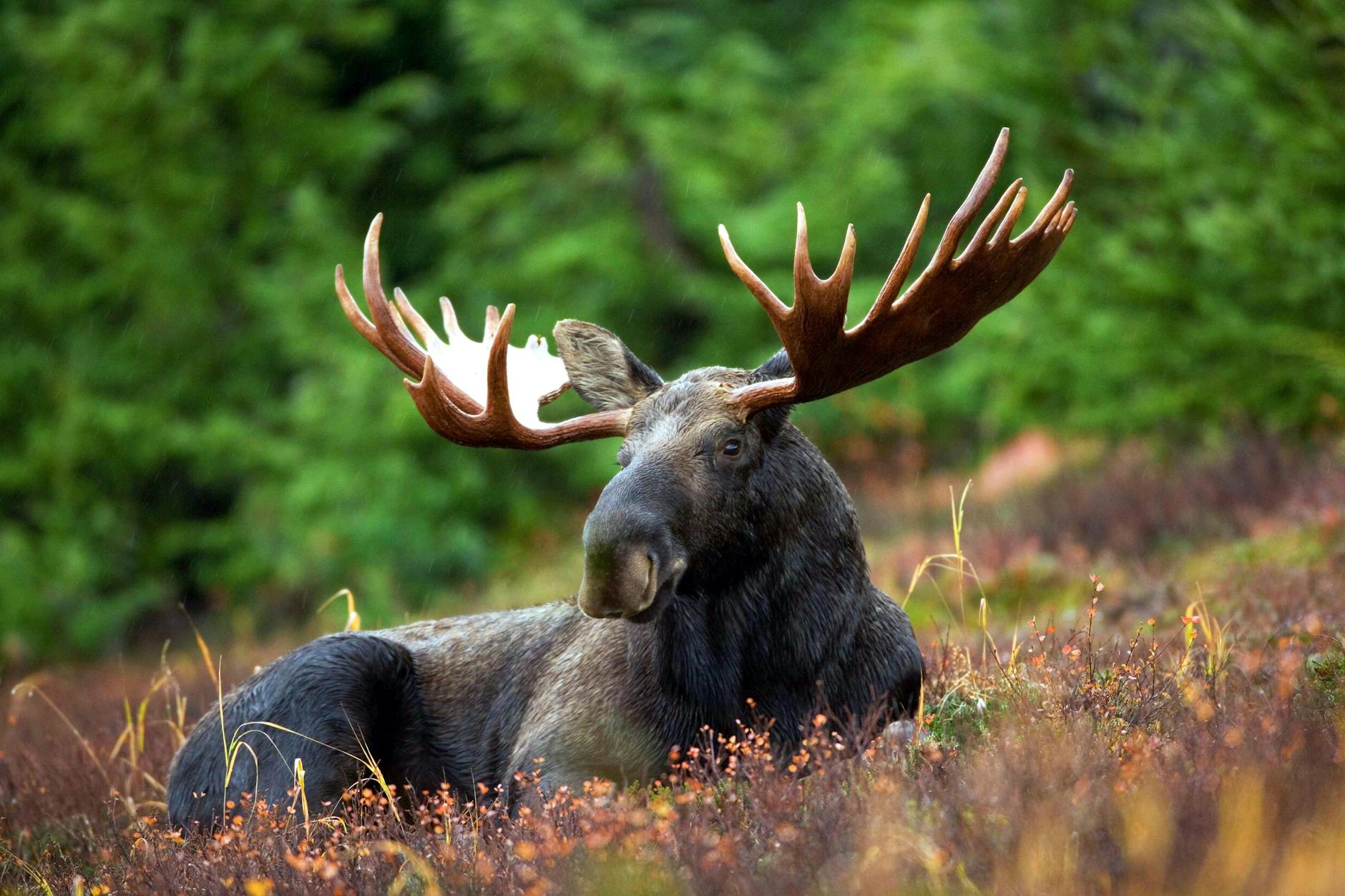
Moose are the largest members of the deer family and inhabit boreal and temperate forests across the northern hemisphere. Their sheer size creates an acute safety risk when habituation to humans occurs, as a startled or food-seeking moose can cause fatal injuries and significant vehicle damage. Supplemental feeding encourages moose to congregate in areas where wolf and bear predation pressure is higher due to visibility, undermining natural antipredator behavior. Foods commonly offered by well-meaning observers including apples and grain are energetically inappropriate and disrupt the complex rumen fermentation moose depend on for survival. Wildlife authorities in Scandinavia and Canada emphasize that moose habituation events almost always end in the destruction of the individual animal.
Seagull
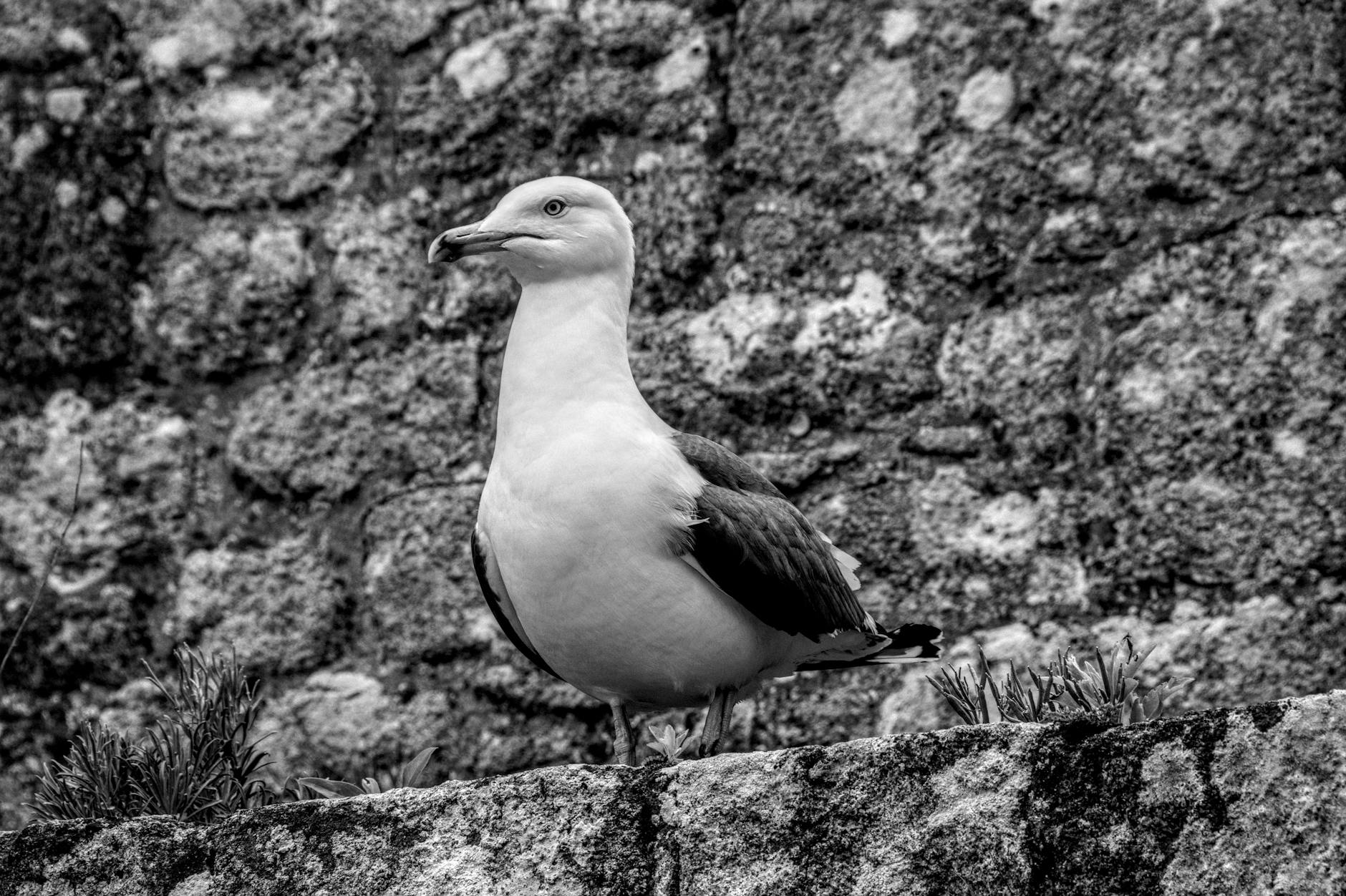
Seagulls are coastal birds found worldwide whose aggressive feeding behavior is directly linked to decades of habituation to human food sources. Handouts of chips, bread and other processed foods cause nutritional disorders and contribute to the explosive population growth seen in urban coastal areas. Emboldened gulls routinely steal food from people, mob outdoor dining areas and injure individuals who carry visible food in seaside towns. Overcrowded nesting colonies supported by human food waste generate noise and sanitation problems that affect residential and commercial areas. Conservation researchers note that the nutritional inferiority of human food contributes to long-term breeding failures even within populations that appear superficially healthy.
Red Fox
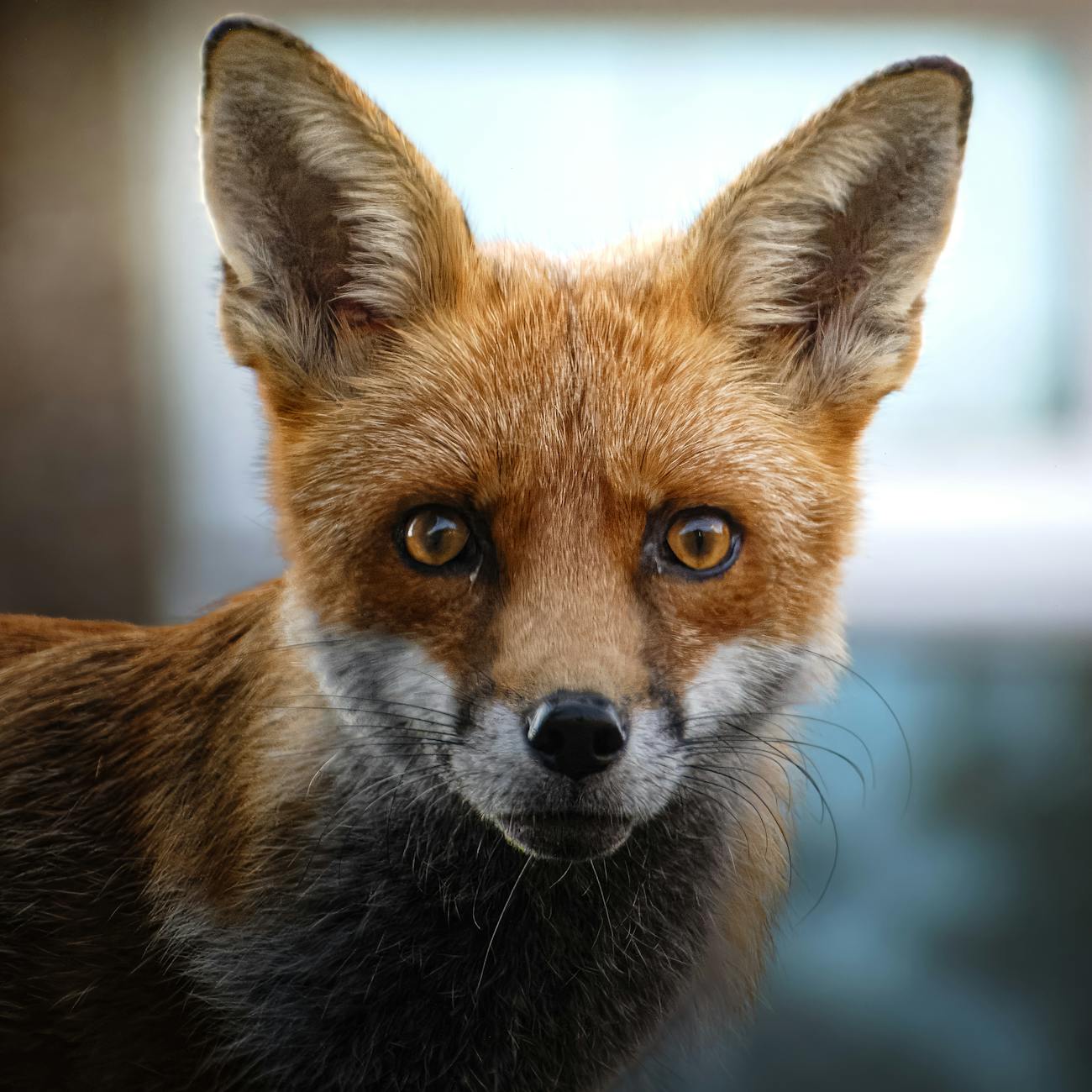
Red foxes are highly adaptable predators found on every continent except Antarctica that thrive in proximity to human settlements. Regular feeding eliminates the natural wariness that keeps foxes at a safe distance from people, pets and livestock. Foxes accustomed to handouts are far more likely to enter homes and gardens uninvited, causing distress and presenting a risk of disease transmission including mange and toxocariasis. A diet of inappropriate foods including cooked meat and processed snacks contributes to dental disease and compromised immune function. Urban fox densities are measurably higher in areas where deliberate feeding occurs, intensifying competition for territory and escalating stress-related behaviors across the local population.
Manatee
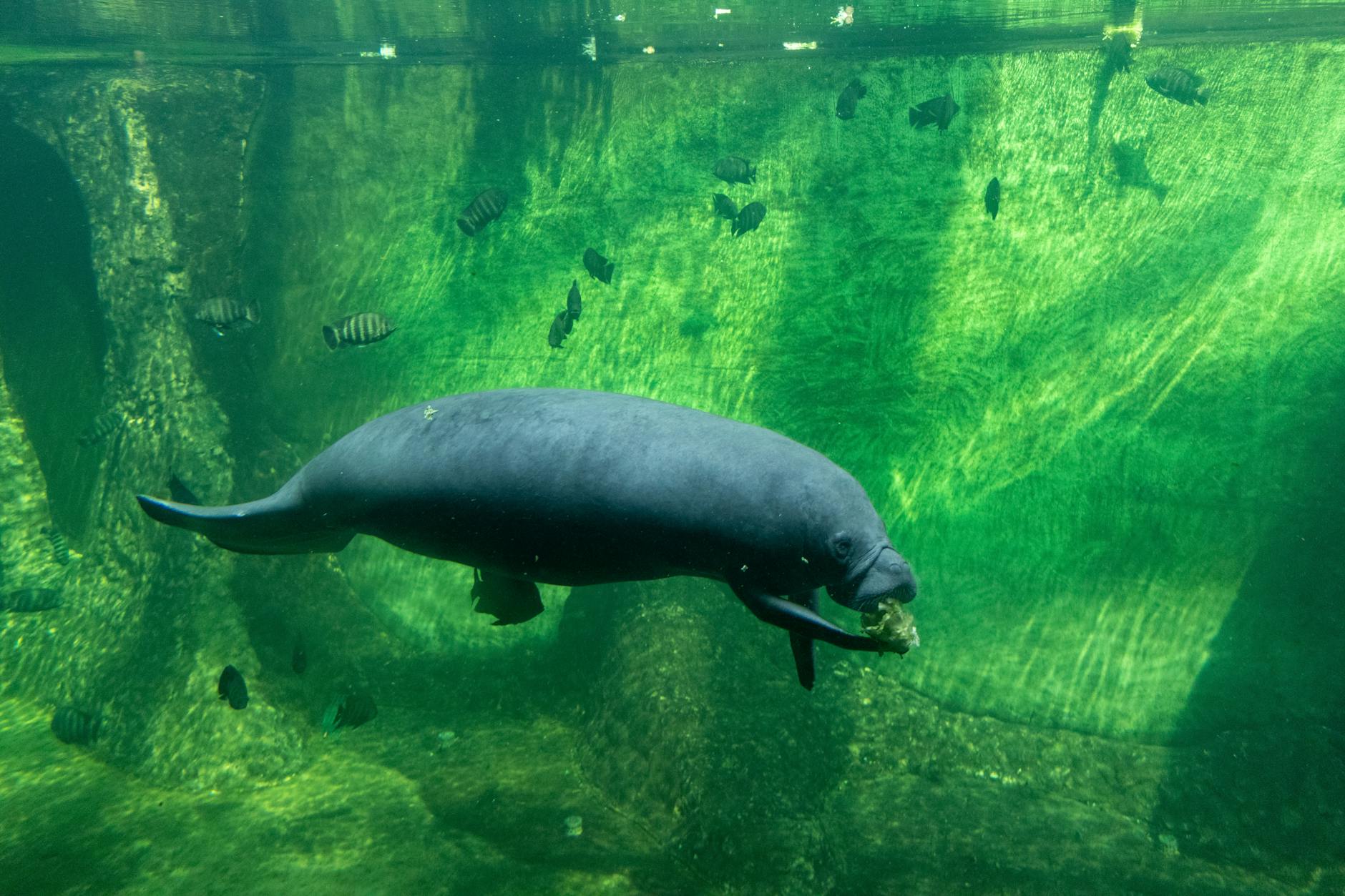
Manatees are large and gentle marine mammals found primarily in the warm coastal waters of the Americas and West Africa. Although feeding manatees may seem like a benign act of care, it is illegal in the United States under the Marine Mammal Protection Act and the Endangered Species Act. Conditioning manatees to seek food from humans draws them into boat traffic zones where propeller strikes are the leading cause of injury and death in the species. Manatees that associate boats with food lose the evasive instincts needed to avoid vessel strikes in busy waterways. The natural foraging behavior of manatees also plays an important role in controlling aquatic vegetation, an ecological function that is undermined when animals abandon natural feeding patterns.
Raccoon
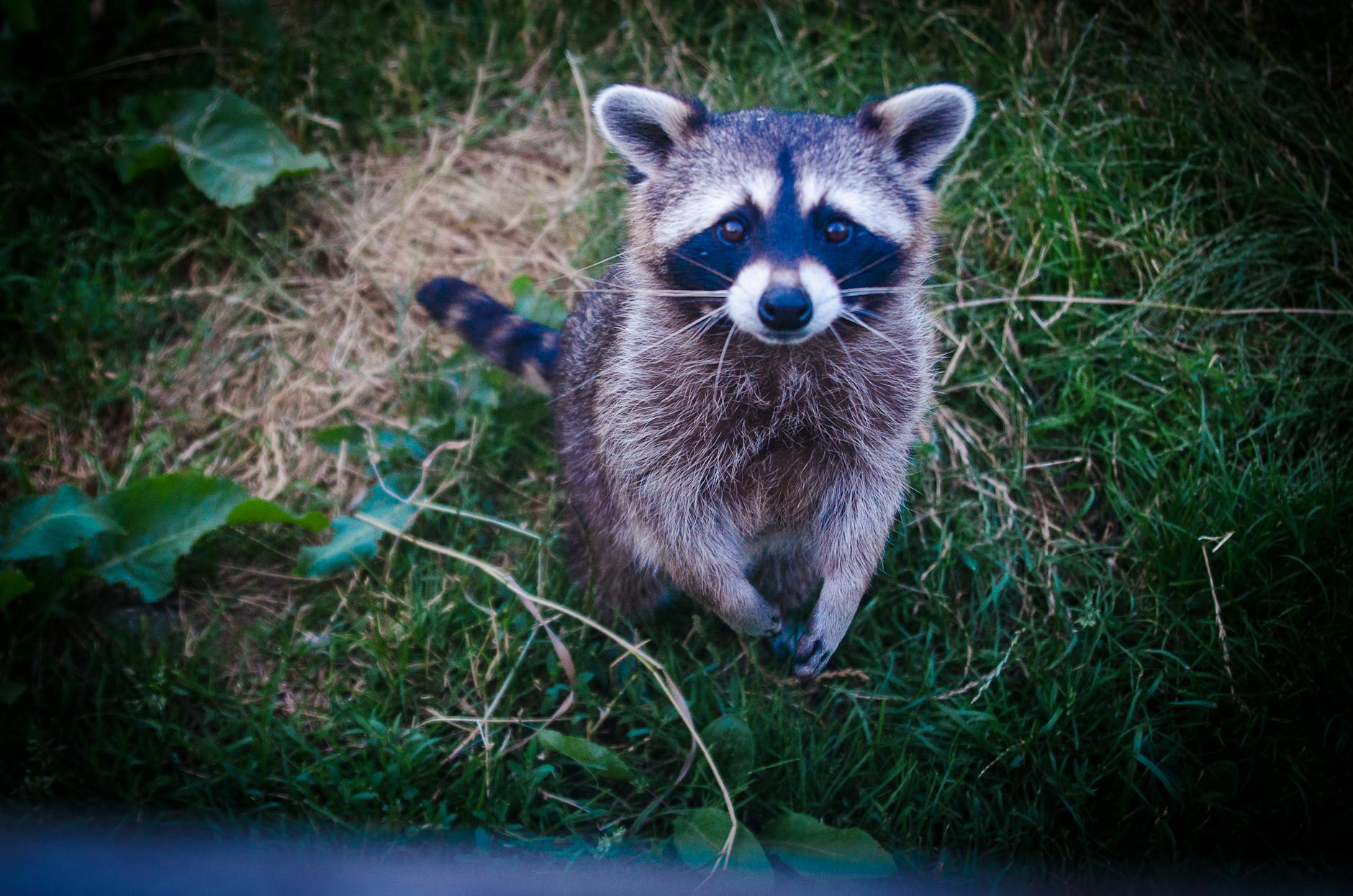
Raccoons are nocturnal omnivores native to North America that have successfully colonized urban environments across Europe, Japan and beyond. Deliberate feeding transforms raccoons from cautious foragers into bold and aggressive animals that raid homes, damage property and raid bird feeders and compost bins. Raccoons are primary carriers of rabies and the parasitic roundworm Baylisascaris procyonis, both of which pose serious public health risks intensified by close human contact. High-density raccoon populations sustained by human provisioning increase the local prevalence of these pathogens within neighborhoods. Animal control authorities in cities including Berlin and Toronto have launched public education campaigns specifically targeting raccoon feeding behavior due to documented health incidents.
Chimpanzee
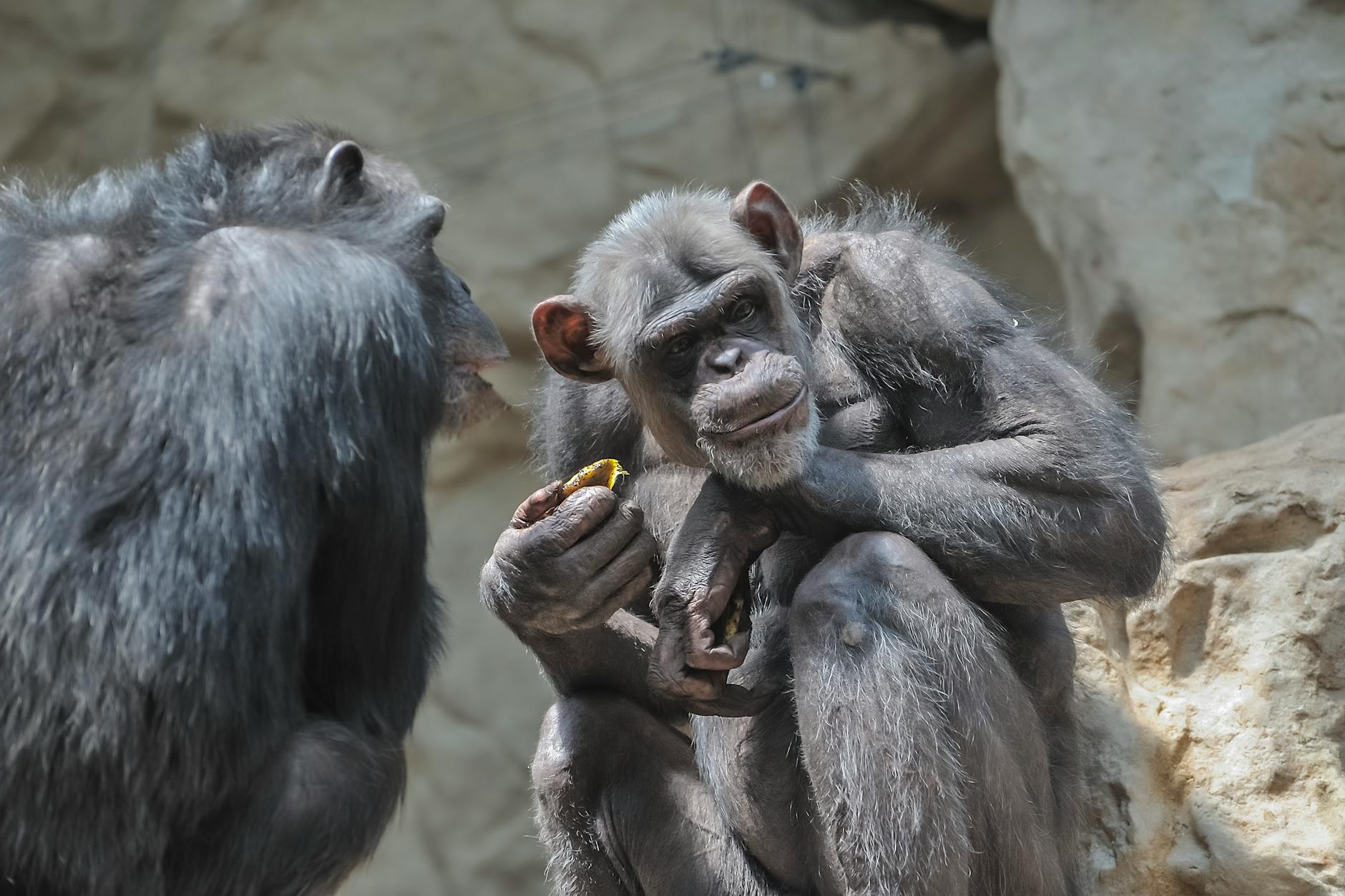
Chimpanzees are highly intelligent great apes found in the forests of sub-Saharan Africa that share approximately 98 percent of their DNA with humans. Tourist feeding at national parks and sanctuary sites blurs the critical behavioral boundary between wild animals and humans, contributing to chimpanzee aggression incidents that have resulted in serious injuries. Human respiratory illnesses transfer with particular ease to chimpanzees due to their close genetic relationship, and provisioning creates the proximity necessary for disease transmission. Habituation caused by food conditioning has been documented to destabilize troop hierarchies and social structures that are essential for chimpanzee psychological health. Conservation organizations working across Uganda, Tanzania and Guinea consistently identify tourist feeding as one of the most immediate threats to the long-term survival of wild chimpanzee communities.
Alligator
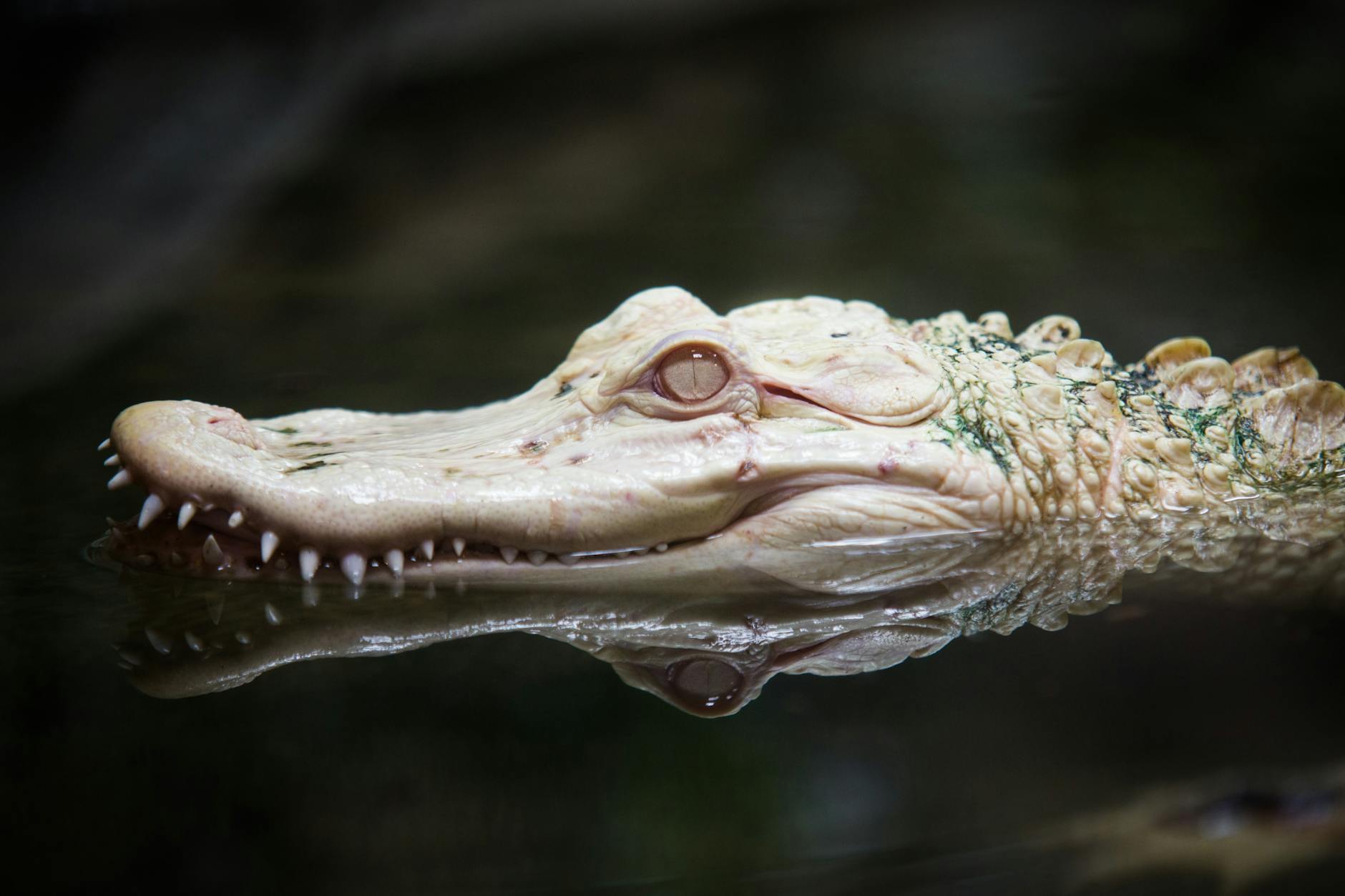
Alligators are ancient reptiles found in the freshwater habitats of the southeastern United States and eastern China that play a vital role in wetland ecosystems. Feeding alligators is illegal throughout Florida and several other states due to the direct link between provisioned alligators and fatal attack incidents. An alligator that has received food from humans loses all instinctive avoidance of people and begins to associate human presence with a feeding opportunity. Conditioned alligators are responsible for a disproportionate number of documented attacks compared to their unprovoked wild counterparts. Wildlife officers are legally required to euthanize alligators that have become food-conditioned because the behavioral change is considered irreversible.
Wild Dolphin
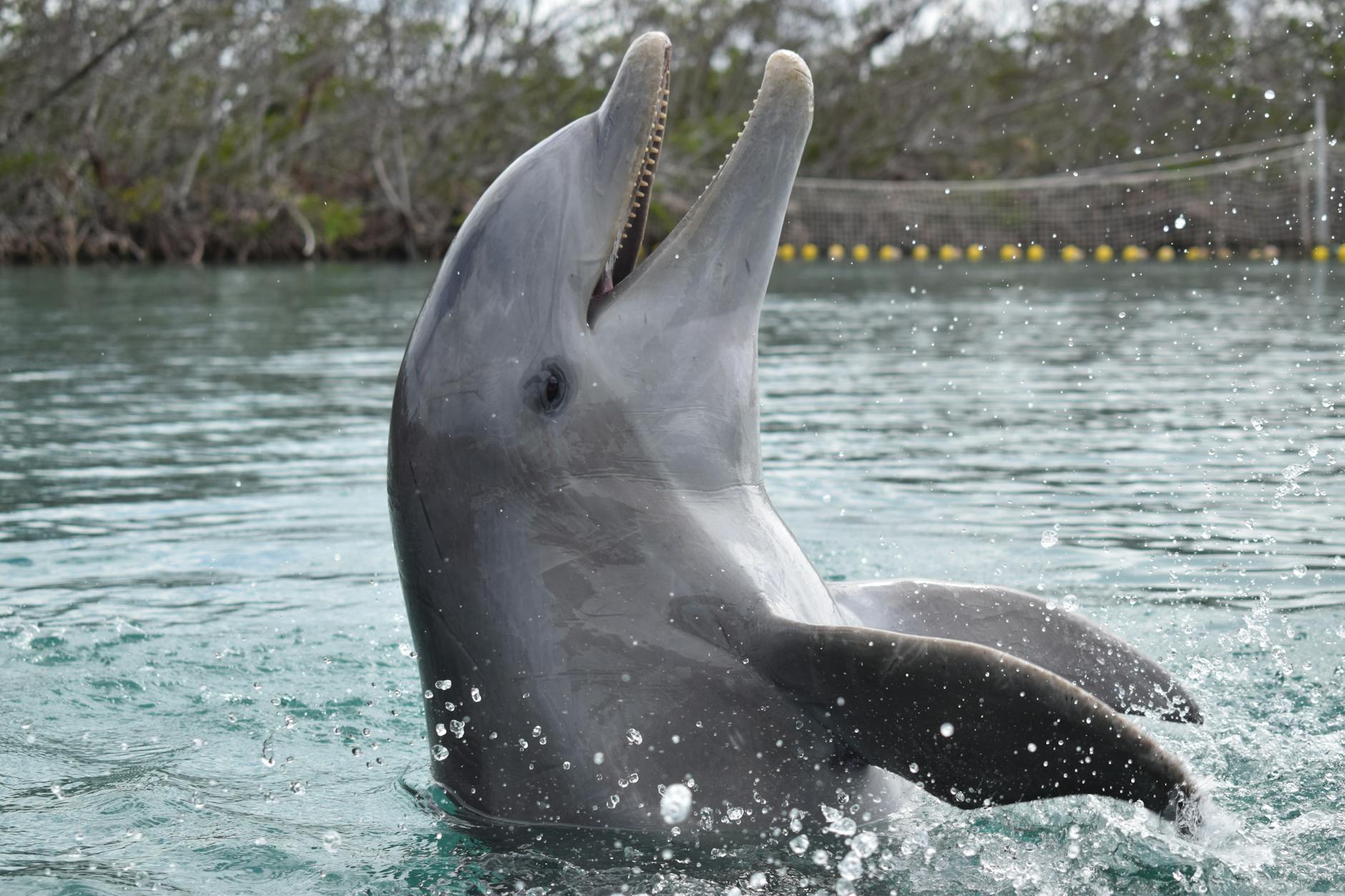
Wild dolphins are among the most charismatic marine mammals and a constant attraction at coastal destinations worldwide. Provisioning dolphins disrupts nursing behavior, with calves of fed mothers showing significantly higher mortality rates because they spend less time learning natural foraging techniques. Dolphins that are regularly fed develop spinal deformities linked to abnormal postures adopted during feeding interactions with boats. Feeding sites concentrate dolphins in areas with heavy vessel traffic, dramatically increasing the risk of propeller injuries and acoustic stress from engine noise. The longest-running study of dolphin provisioning conducted at Monkey Mia in Western Australia recorded a doubling of calf mortality rates in the provisioned population compared to unprovisioned individuals.
Mute Swan
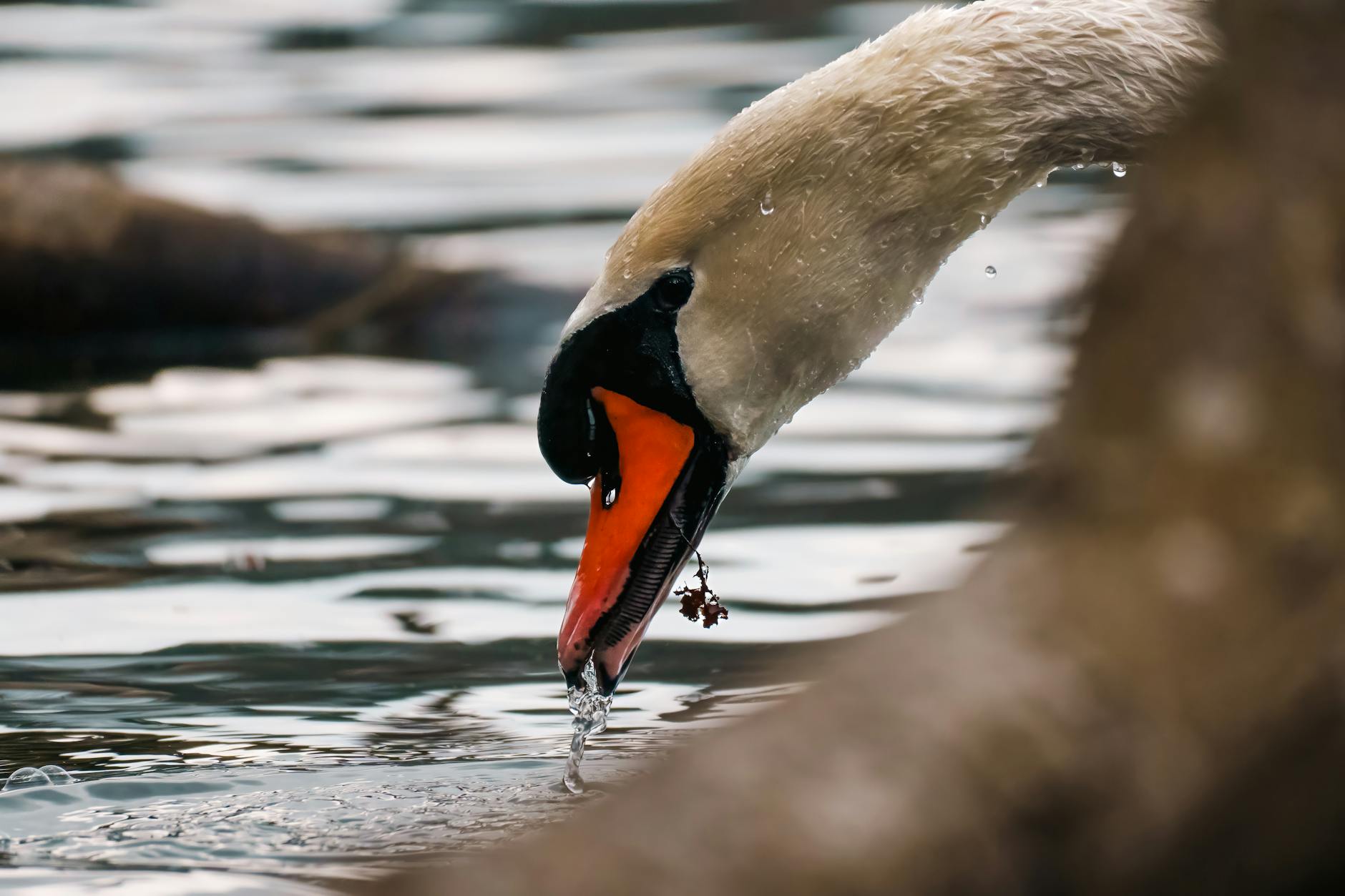
Mute swans are large and visually striking waterbirds found across Europe, Asia and introduced populations in North America that are frequently approached by visitors at lakes and urban parks. Despite their elegant appearance, mute swans are highly territorial and feeding-induced habituation causes them to approach and attack people with increasing aggression. Bread-based diets fed by well-meaning visitors cause the same angel wing deformity documented in ducks, resulting in permanent flightlessness and vulnerability to predation. Overcrowding at feeding sites degrades the aquatic vegetation that swans depend on for natural nutrition and nesting material. Wildlife conservation groups across the United Kingdom and the Netherlands have produced extensive public guidance urging visitors to observe swans without any form of food provisioning.
Wild Elephant
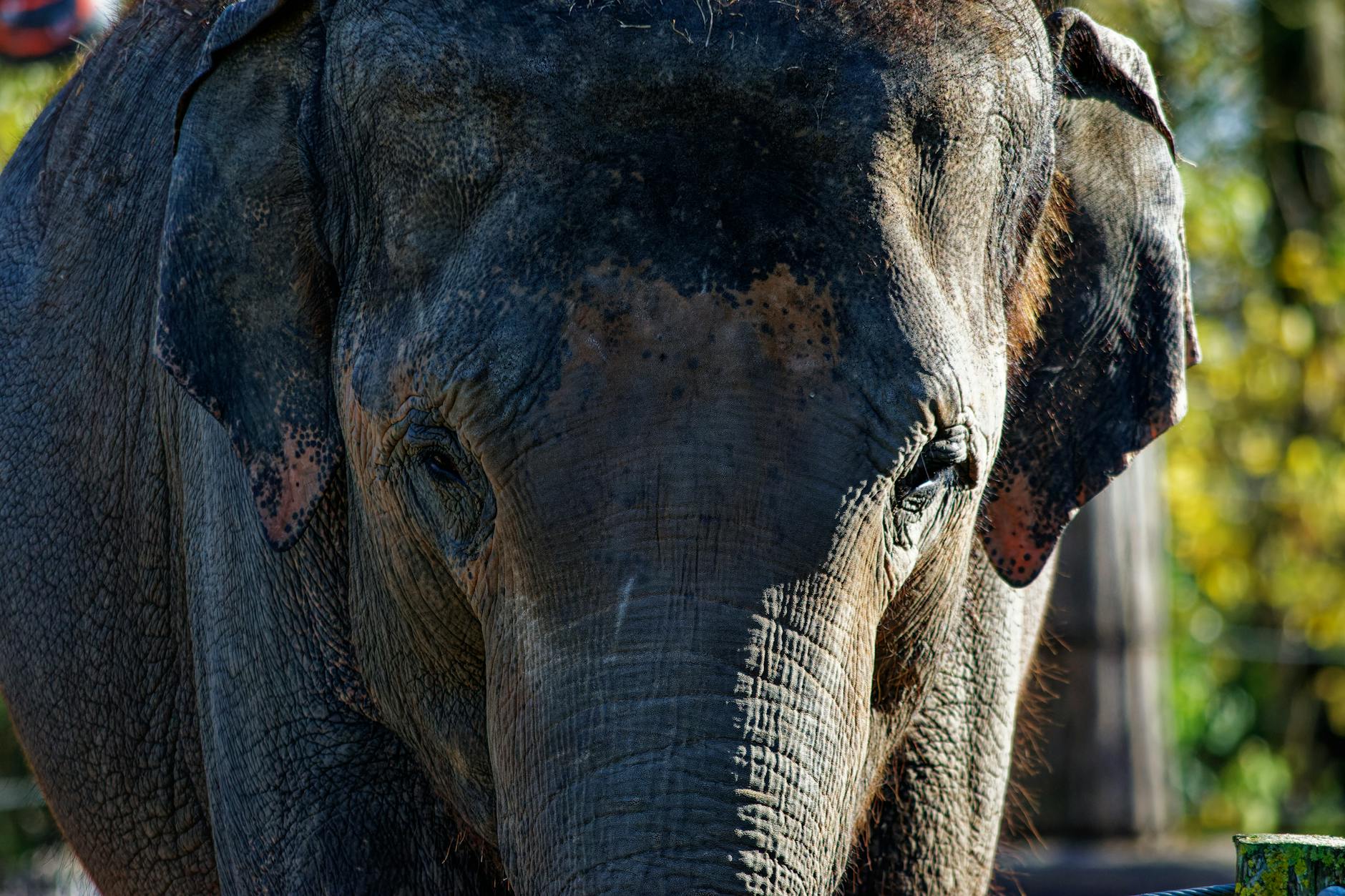
Wild elephants are the largest land animals on Earth and keystone species whose foraging and movement patterns shape entire ecosystems across Africa and Asia. Feeding elephants near roadsides and tourist camps eliminates their instinctive caution around vehicles and human settlements, dramatically increasing the frequency of human-elephant conflict incidents. Habituated elephants destroy crops and infrastructure and can injure or kill people when they enter villages in search of the foods they have been conditioned to expect. Nutritionally inappropriate handout foods disrupt the complex digestive requirements of an animal that must consume hundreds of kilograms of varied vegetation daily. Conservation researchers working with both African and Asian elephant populations consistently identify habituation to human food as one of the most urgent and irreversible threats to coexistence between elephants and rural communities.
Share your thoughts on wildlife feeding in your area and which animals you think need more public awareness in the comments.




