Dressing appropriately while traveling through the Middle East is one of the most important forms of cultural respect a visitor can offer. The region encompasses a wide range of countries, from the ultra-conservative to the relatively liberal, yet certain clothing rules apply broadly across most destinations. Misjudging local dress expectations can result in unwanted attention, restricted access to religious or cultural sites, and even legal consequences in some countries. Understanding what to leave at home before your trip begins will make your experience far smoother and more respectful. These are the clothing items and styles that travelers consistently find problematic across Middle Eastern destinations.
Sleeveless Tops

Bare shoulders are considered immodest in most countries across the Middle East and can cause significant discomfort for local residents. Even in warmer tourist-friendly destinations, entering markets, mosques, or government buildings without covered shoulders is typically prohibited. Lightweight long-sleeved shirts made from breathable fabrics offer both cultural compliance and practical sun protection in hot climates. Women in particular are advised to carry a scarf or shawl to quickly cover up when moving between different environments. Packing versatile layers that cover the arms entirely is one of the most straightforward ways to avoid unwanted situations.
Short Skirts

Hemlines that fall above the knee are widely considered inappropriate in public spaces throughout the region. In more conservative countries such as Saudi Arabia and Iran, short skirts can attract legal scrutiny in addition to social disapproval. Midi and maxi skirts in natural fabrics are a far more practical and culturally sensitive choice for female travelers. Even in relatively open cities like Dubai, venturing beyond resort or hotel areas in a short skirt is generally discouraged. Longer silhouettes are not only more respectful but also offer better protection from the sun during outdoor exploration.
Short Shorts

Shorts that expose the thigh are among the most universally flagged clothing items for travelers visiting the Middle East. Men and women alike are advised to opt for trousers or at minimum knee-length shorts when outside of private resorts or beaches. In deeply religious cities and neighborhoods, even knee-length shorts on men can draw disapproving attention. Lightweight linen or cotton trousers are widely available and serve as a comfortable and appropriate alternative in warm temperatures. Choosing fuller coverage on the lower body reflects an understanding of local values around modesty and public conduct.
Tight Clothing

Form-fitting clothing that visibly outlines the body is considered immodest across much of the Middle East regardless of how much skin it actually covers. Bodycon dresses, skintight leggings worn as trousers, and fitted shirts can all attract negative attention in conservative settings. Loose-fitting garments are the cultural norm in many parts of the region and are also far better suited to the intense heat travelers will encounter. Flowy fabrics in neutral or modest tones tend to be the most appropriate and practical wardrobe choices. Prioritizing relaxed silhouettes over figure-hugging cuts will make daily movement through cities and sites considerably more comfortable.
Crop Tops

Exposed midriffs are considered deeply inappropriate in public across the vast majority of Middle Eastern countries. Even in beach destinations or resort towns, wearing a crop top outside of designated leisure areas is likely to cause offense. Religious sites, souks, and local restaurants are spaces where modesty expectations are strictly observed and bare stomachs are never acceptable. Travelers often underestimate how conservative expectations extend even to seemingly casual dining or shopping environments. Tucked-in blouses and longer hemlines are easy adjustments that demonstrate genuine cultural awareness.
Low-Cut Tops

Deep necklines and plunging tops are considered inappropriate in almost all public settings throughout the Middle East. Cleavage is regarded as highly immodest and can make local residents visibly uncomfortable, particularly in traditional or religious environments. Even in cosmopolitan cities with active nightlife scenes, revealing necklines are best reserved strictly for private venues or licensed hotel establishments. Higher necklines in lightweight materials are easy to find and make a significant difference in how travelers are perceived by locals. Covering the chest area is a simple and highly effective way to align with regional dress expectations.
Bikinis in Public

Wearing a bikini outside of a designated beach or hotel pool area is considered a serious breach of public decency in most Middle Eastern countries. In several nations including Kuwait and Saudi Arabia, public display of swimwear away from licensed resort beaches can result in fines or police involvement. Even in more liberal destinations, transitioning from beach to street without a cover-up is strongly discouraged. Kaftan-style cover-ups, oversized shirts, or sarongs are practical items to keep at hand when moving between the water and any public area. Respecting the boundaries between leisure spaces and public streets is an essential aspect of responsible travel in the region.
Ripped Jeans
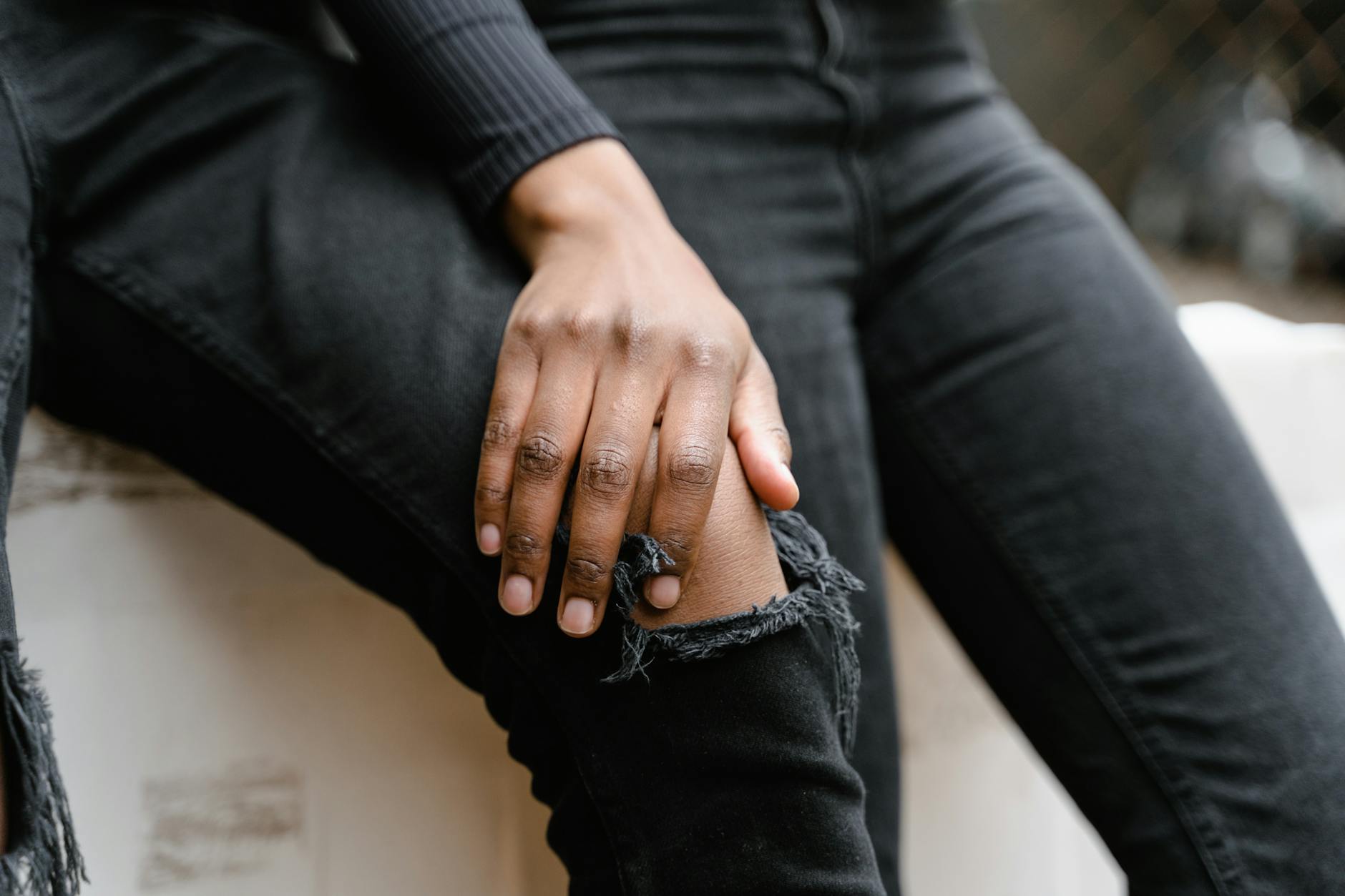
Deliberately torn or distressed jeans are perceived as slovenly and disrespectful in many parts of the Middle East rather than fashionable. While the style is widely accepted in Western urban settings, the visible exposure of skin through ripped fabric contradicts regional standards of modest dress. Visiting religious sites or government institutions in damaged-looking clothing may result in being turned away at the entrance. Clean and well-maintained trousers are the appropriate choice whether visiting a modern city or a traditional town. Travelers who pack smart casual trousers will find them far more versatile and widely accepted across the full range of destinations.
Offensive Graphics
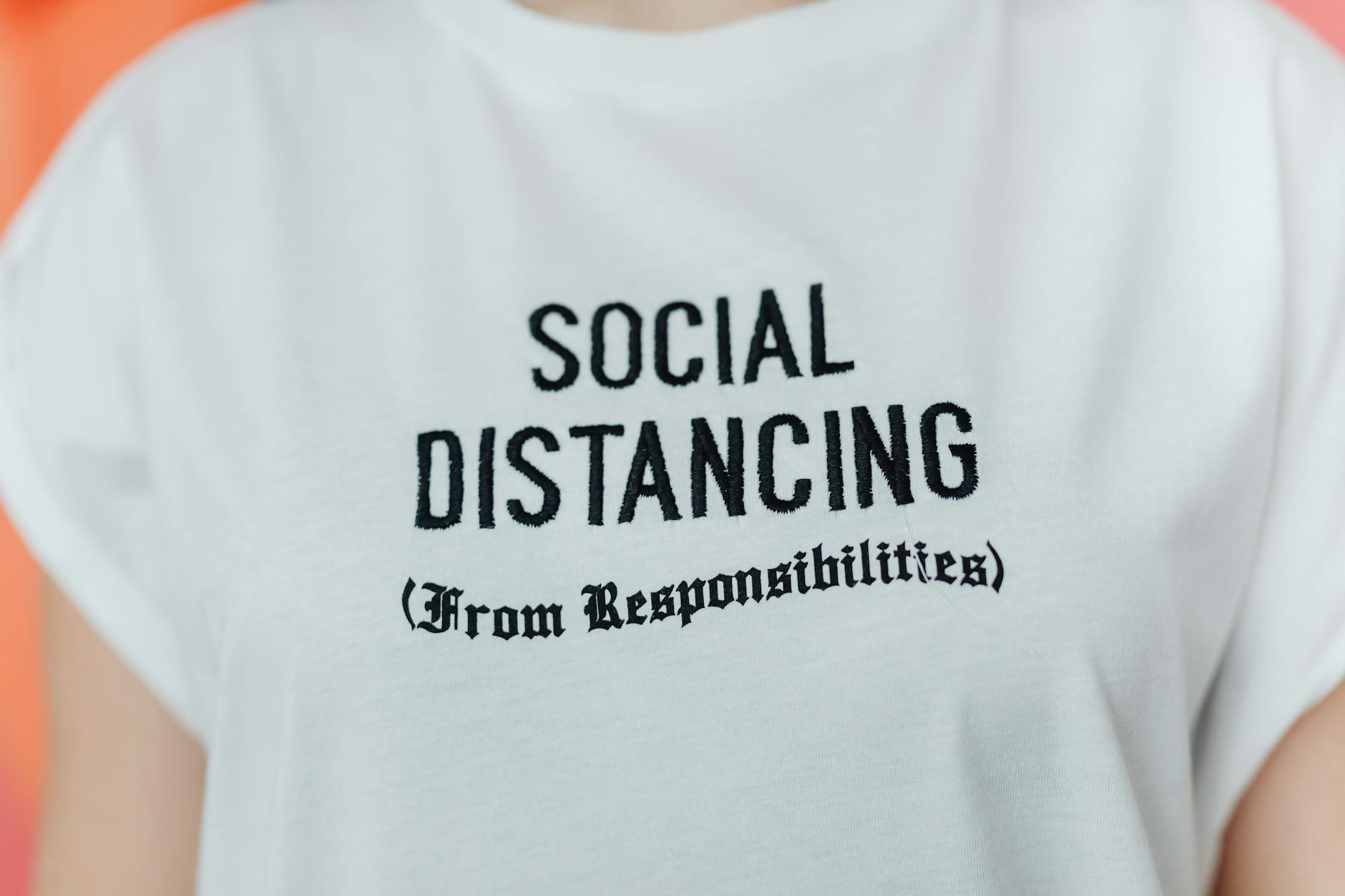
T-shirts or garments printed with provocative slogans, alcohol branding, irreligious imagery, or politically charged messaging are deeply inappropriate across the region. Such clothing can cause serious offense and in some countries may even attract attention from law enforcement depending on the nature of the imagery. Graphics featuring religious mockery or symbols considered blasphemous are particularly sensitive and should be left at home entirely. Neutral prints, solid colors, and modest patterns are always the safest and most universally accepted choices. Being thoughtful about the visual messages displayed on clothing is as important as covering the body appropriately.
Sheer Fabrics

Clothing made from transparent or semi-transparent materials fails to meet modesty standards even when the garment technically covers the arms and body. Sheer blouses worn without adequate undergarments are considered just as revealing as clothing that leaves skin entirely bare. Lining or layering sheer pieces is essential before wearing them in any public setting across the Middle East. The opacity of fabric is taken as seriously as the fit and length of a garment when local residents and authorities assess appropriate dress. Travelers are advised to hold garments up to light before packing to check whether they meet appropriate coverage standards.
Athleisure Wear

Yoga pants, sports leggings, running tights, and gym wear are designed for athletic environments and are considered highly inappropriate in public spaces across most of the region. The body-contouring nature of athletic clothing conflicts directly with the modesty expectations that govern daily dress in Middle Eastern culture. Even in progressive Gulf cities, wearing full athleisure outfits in malls, restaurants, or streets outside of gym or resort contexts is frowned upon. Travelers who enjoy active mornings should change into appropriate clothing before leaving their hotel or resort for any public activity. Keeping a quick-change outfit nearby makes it easy to transition from a workout to culturally appropriate public dress.
Mini Dresses
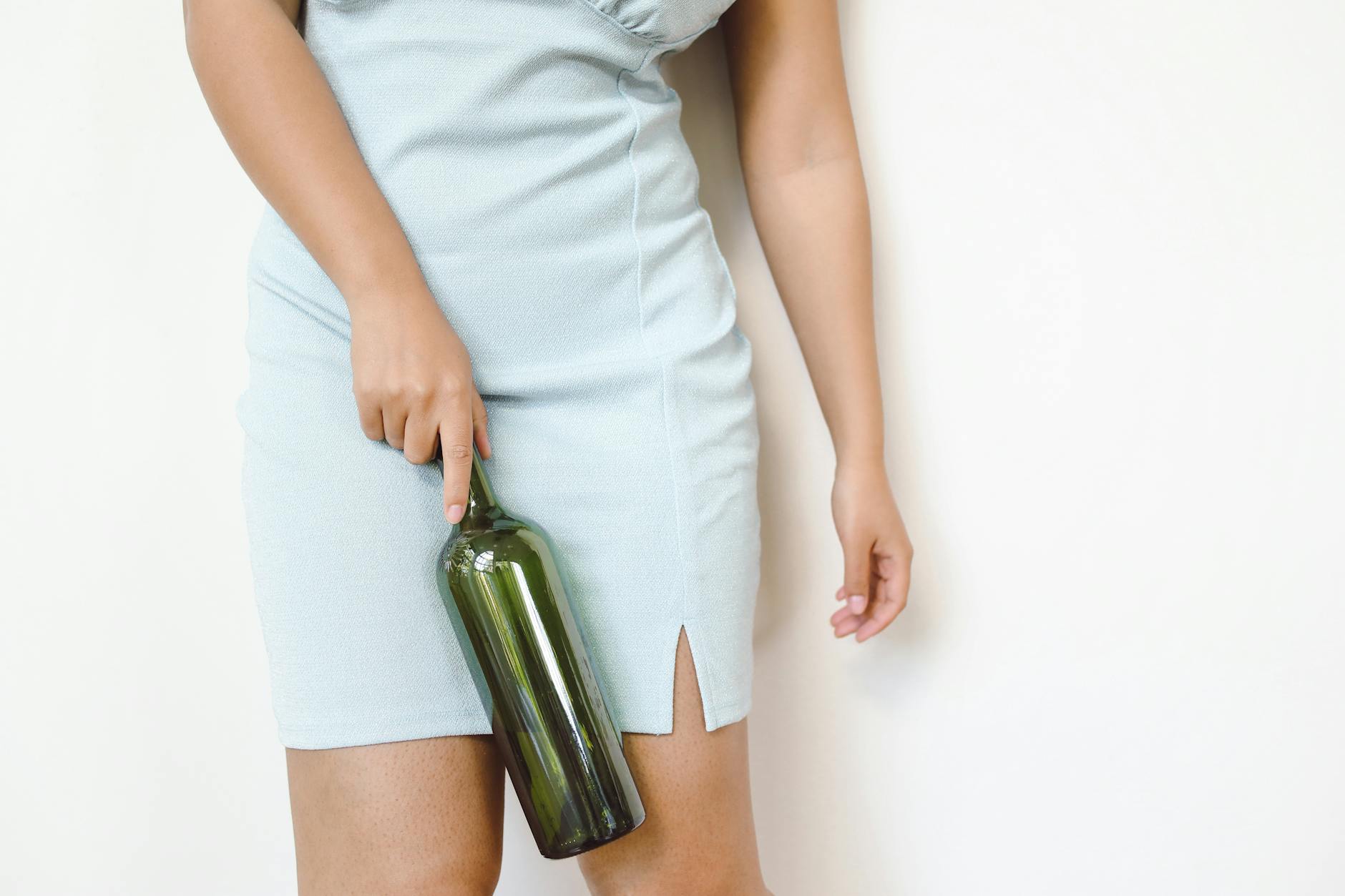
Short dresses that expose the thighs are among the most visibly inappropriate garments a traveler can wear in nearly any public setting across the Middle East. The combination of a short hemline with a dress silhouette is considered particularly immodest in cultures where full coverage of the lower body is the social norm. Religious neighborhoods, heritage areas, and traditional markets are especially sensitive locations where such clothing is actively unwelcome. Maxi dresses and midi-length options in modest necklines offer stylish alternatives that work beautifully in the regional climate. Choosing longer dress lengths requires minimal wardrobe adjustment while making a very significant impact on how visitors are received.
Strapless Dresses

Strapless styles leave the shoulders and upper chest fully exposed and are considered unsuitable for public wear throughout most of the Middle East. Unlike sleeveless tops which can sometimes be covered with a cardigan, strapless dresses present a structural challenge that is difficult to remedy with add-ons once you are out in public. They are inappropriate in all contexts outside of strictly private resort settings and should not be packed as a primary item for a trip to the region. Travelers planning evening outings in more cosmopolitan cities should still opt for structured tops with full shoulder coverage. A simple change to a supported neckline makes any outfit significantly more appropriate for the cultural context.
Visible Undergarments

Bralettes worn as tops, visible bra straps, or any style that intentionally exposes undergarments as a fashion statement is considered immodest and inappropriate across Middle Eastern countries. This trend, which has become mainstream in Western fashion, sends a very different cultural signal in a region where undergarments are strictly considered private items. Travelers should check that camisoles, necklines, and tops fully conceal any underwear before heading out each day. Nude or skin-tone undergarments worn beneath light fabrics are a practical solution to maintain coverage while still feeling cool in warm weather. Attention to what is visible beneath outer layers is a meaningful part of dressing respectfully in the region.
Excessive Jewelry
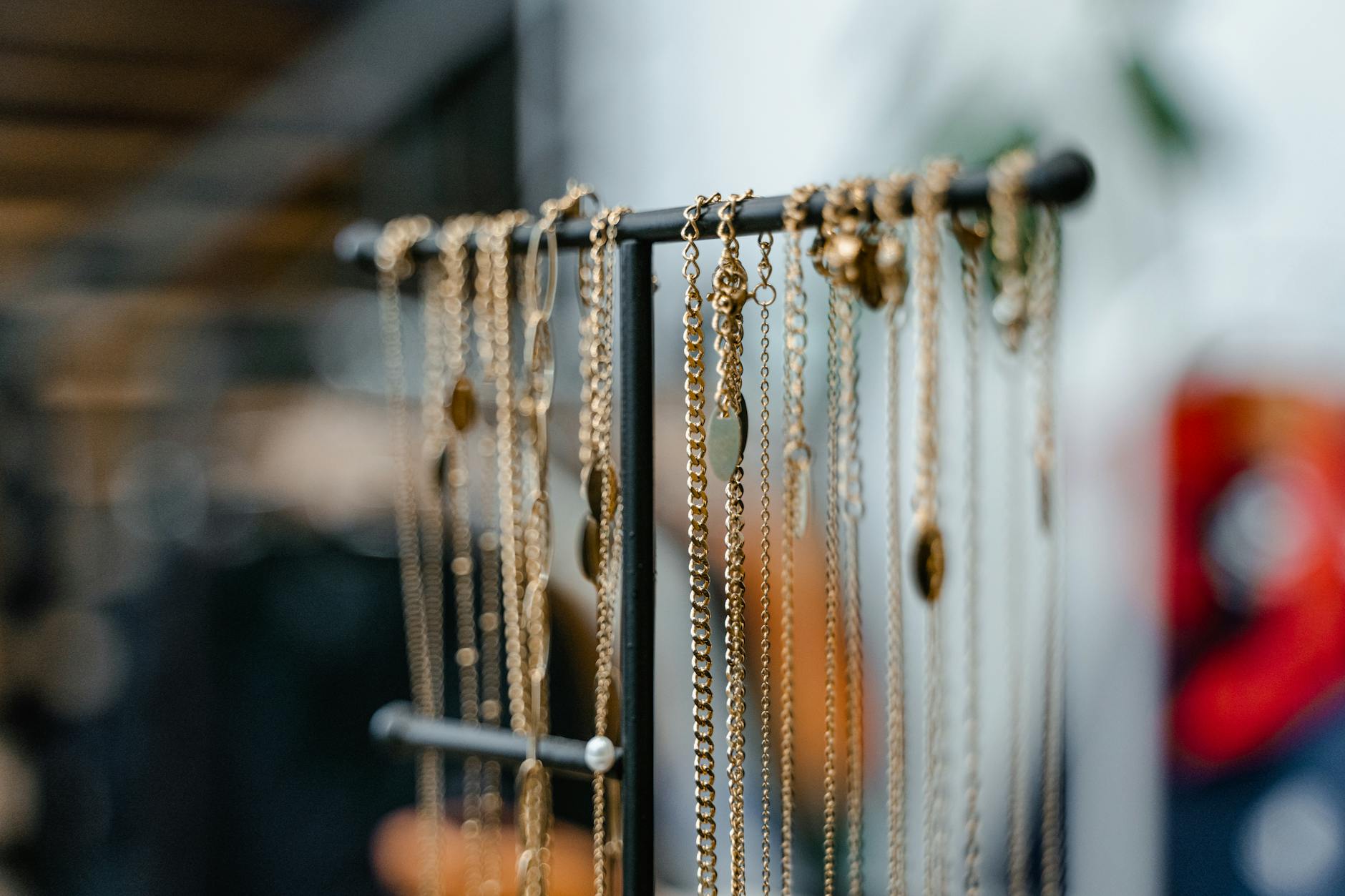
Wearing large quantities of flashy or ostentatious jewelry in public is considered culturally insensitive and practically unwise throughout much of the Middle East. In conservative societies, displays of excessive wealth through ornamentation are seen as drawing unnecessary attention and conflicting with values of modesty that extend beyond just clothing. Heavy necklaces, large statement earrings, and armfuls of bangles are best left at home or kept for private occasions. Beyond cultural considerations, wearing conspicuous jewelry in crowded souks and tourist areas significantly increases the risk of theft. Understated accessories or simple pieces are a far more appropriate and practical choice throughout the trip.
Political T-Shirts
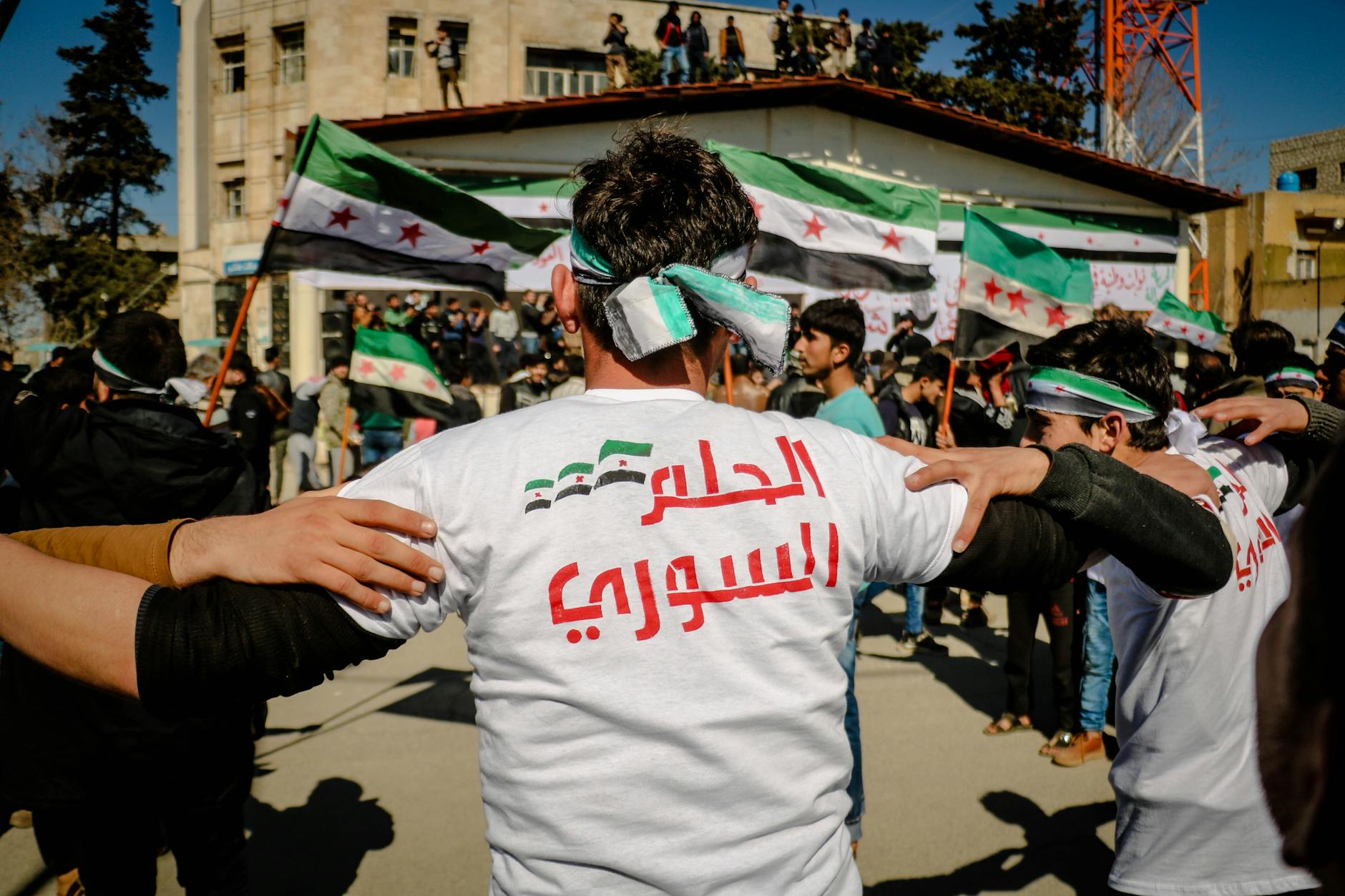
Garments displaying political messaging, protest slogans, or ideological symbols are among the highest-risk items a traveler can pack for a trip to the Middle East. Many governments in the region have strict laws around political expression and what may seem like a harmless statement at home can carry serious legal consequences abroad. Clothing that references international conflicts, criticizes governments, or displays symbols associated with banned movements should be left out of the travel wardrobe entirely. Even ambiguous imagery that could be misread as politically provocative is worth avoiding out of an abundance of caution. Plain and neutral clothing choices remove any possibility of crossing legally or culturally sensitive lines.
Swimwear Cover-Ups

Lightweight cover-ups that are designed for use directly over swimwear are not suitable as standalone public garments when venturing away from the beach or pool. Many travelers make the mistake of assuming a sarong or mesh cover-up constitutes appropriate street wear when transitioning from a resort to a public space. In virtually all Middle Eastern countries, beachwear and its associated cover-ups are considered leisure-zone-only attire. Packing a separate lightweight outfit specifically for moving between resort areas and public streets eliminates this common misstep. Even brief stops at a roadside stall or local shop warrant a full change into appropriate clothing before leaving a private leisure zone.
Loud Patterns

While not universally prohibited, extremely bold and attention-grabbing patterns can conflict with the culture of modest and understated dress that characterizes much of the Middle East. Clothing covered in large tropical prints, neon colors, or highly provocative artistic imagery stands out sharply against the more restrained aesthetics common in regional dress. In deeply conservative areas, dressing in a way that attracts excessive attention from strangers is itself considered a form of immodesty. Muted tones, earth colors, and subtle patterns are far more aligned with local aesthetics and demonstrate a genuine effort to blend respectfully into the cultural environment. Travelers who dress with restraint in their color and print choices are generally received far more warmly by local communities.
Flip-Flops at Sites

Casual rubber flip-flops are considered insufficient footwear for visiting religious and cultural heritage sites throughout the Middle East. Many mosques, shrines, and sacred spaces require shoes that can be removed and replaced cleanly and quickly as a gesture of respect toward the sanctity of the space. Flip-flops worn in souks and markets are also impractical given the uneven terrain and crowded conditions commonly found in traditional commercial areas. Comfortable sandals with a back strap or breathable flat shoes provide the right balance between practicality and cultural appropriateness for day-long exploration. Packing at least one pair of modest and easy-to-remove shoes ensures access to the widest range of sites throughout the trip.
Halloween Costumes

Costumes or theatrical clothing that mimics religious figures, traditional garments in a mocking context, or culturally coded outfits from the region are deeply offensive and in some cases illegal. Dressing as a caricature of local or religious identity is perceived as mockery and can provoke significant hostility or legal consequences in countries with strict laws around religious and cultural respect. This applies not only to obvious Halloween-style costumes but also to any clothing that appears to parody local customs or dress codes. Travelers attending themed events before or after their trip should pack such items separately and ensure they never appear in public spaces within the region. Genuine respect for local culture means treating traditional garments and religious dress with complete seriousness at all times.
Gym Shorts

Loose athletic shorts that fall above the knee are frequently worn in Western countries but are not considered appropriate public attire across most of the Middle East. Unlike tailored shorts in a smart casual style, gym shorts signal a casualness and informality that conflicts with the more formal public dress norms observed throughout the region. Wearing them in city centers, markets, or near any religious or cultural institution is likely to attract disapproval or restricted access. Even in relatively open destinations such as Jordan or the UAE, gym shorts are best confined to private hotel spaces or dedicated fitness facilities. Lightweight chino-style trousers or tailored casual pants are easy substitutes that satisfy both comfort and cultural expectations simultaneously.
Overly Casual Dress

A general standard of casual western dressing that is entirely acceptable at home can appear careless and disrespectful when worn in many Middle Eastern public environments. Worn-out clothing, oversized shirts with holes, or an overall unkempt appearance signals a lack of effort and consideration that locals may find offensive. Even in relatively progressive destinations, maintaining a neat and presentable appearance in public is regarded as a sign of basic social respect. Travelers who make the effort to look put-together are consistently treated with greater warmth and access throughout their journeys. Elevating even a simple outfit with clean fabrics and tidy presentation goes a long way in communicating genuine cultural respect.
Branded Alcohol Tees
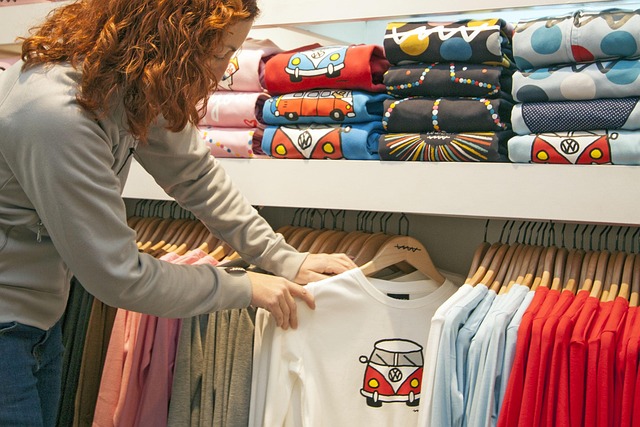
T-shirts, hoodies, or caps bearing the branding of beer, spirits, or cocktail companies are considered actively inappropriate in many Middle Eastern countries where alcohol is prohibited or heavily restricted on religious grounds. Wearing such clothing in public can be perceived as deliberately provocative toward the dominant religious and cultural values of the host community. In the most conservative destinations including Saudi Arabia, such items could theoretically attract unwanted attention from religious authorities. This category extends beyond obvious alcohol logos to include merchandise from bars, music festivals, or nightlife venues that carry clear associations with drinking culture. Neutral branded clothing or plain garments are a simple and entirely risk-free alternative.
Swimsuits in Town

Wearing a one-piece or two-piece swimsuit as everyday clothing while sightseeing in towns, cities, or villages is one of the most common and conspicuous mistakes made by first-time visitors to the region. Outside of designated beach resorts and private pools, swimwear of any kind is strictly inappropriate in all public spaces throughout the Middle East. The distinction between leisure zones and civilian public life is treated very seriously and travelers are expected to observe it without exception. Changing into full appropriate clothing before leaving any beach or pool area is a non-negotiable expectation across almost every destination in the region. Respecting the boundary between swimwear and public dress is one of the clearest indicators of a culturally aware and considerate traveler.
Revealing Nightwear

Silk camisoles, lace-trimmed nightgowns, or any garment primarily designed as sleepwear should never appear outside of a private hotel room in any Middle Eastern country. Some travelers pack multipurpose items hoping a satin slip dress or thin camisole top might work for both sleeping and casual evenings out, but this approach is entirely inappropriate in the regional context. Even in cosmopolitan nightlife areas within Dubai or Beirut, the level of exposure associated with nightwear would be considered far beyond acceptable public standards in a broader cultural context. Keeping a clear separation between private and public wardrobes eliminates any accidental boundary-crossing. Dedicated evening wear in appropriate lengths and coverage is the only suitable option for any outing after dark.
If you have traveled through the Middle East or have useful packing tips of your own, share your experience and advice in the comments.




