Wild animals have long been the subject of fear, myth, and misrepresentation in popular culture and media. From ancient folklore to modern horror films, many species have been cast as villains without any basis in biological fact. Scientists and wildlife researchers continue to uncover the remarkable complexity behind behaviors that humans have historically found threatening or repulsive. Understanding the truth about these animals is not only fascinating but essential for meaningful conservation efforts worldwide. These creatures deserve a second look, and the science behind their lives may genuinely change the way you see them.
Hyenas
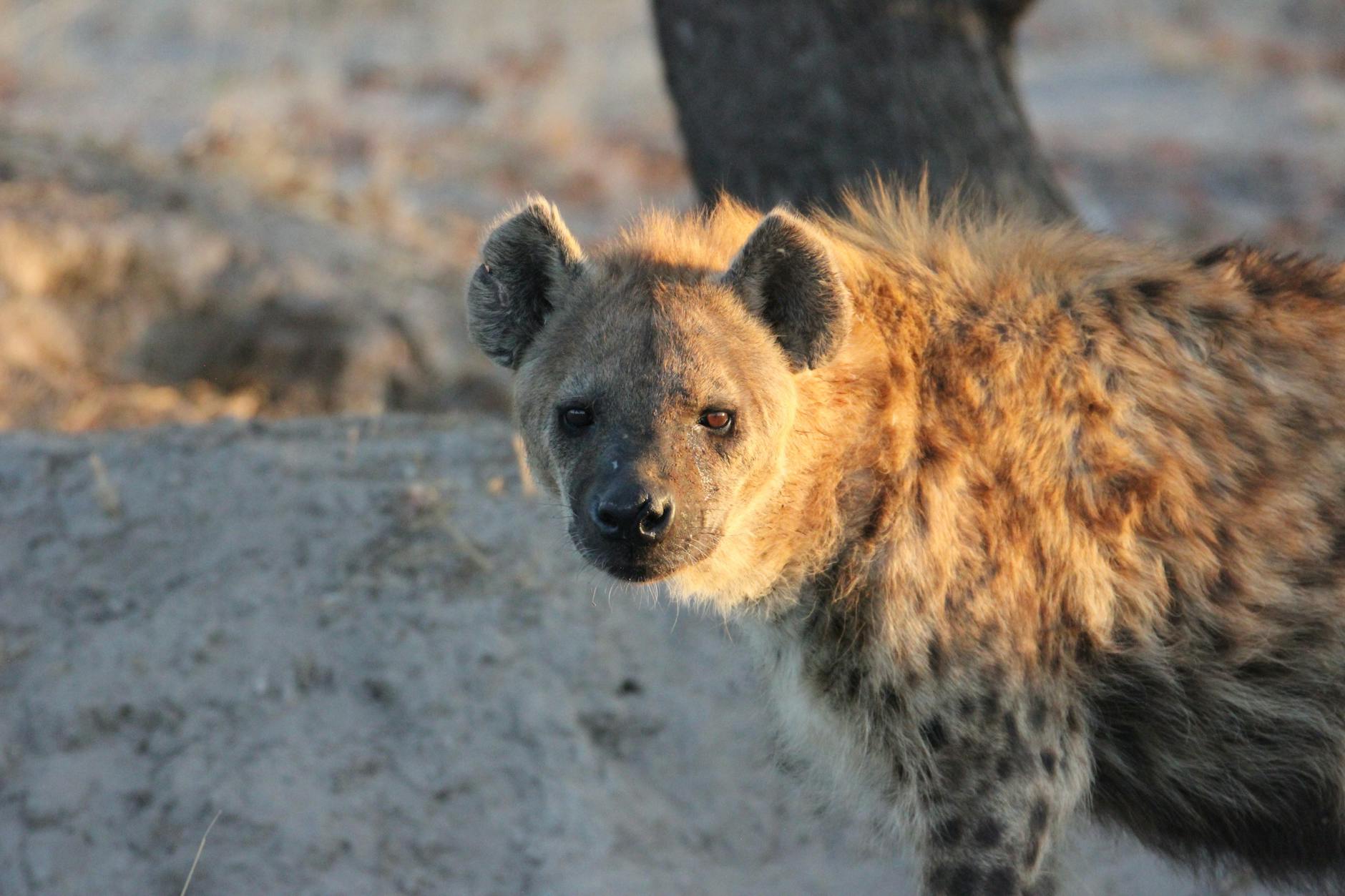
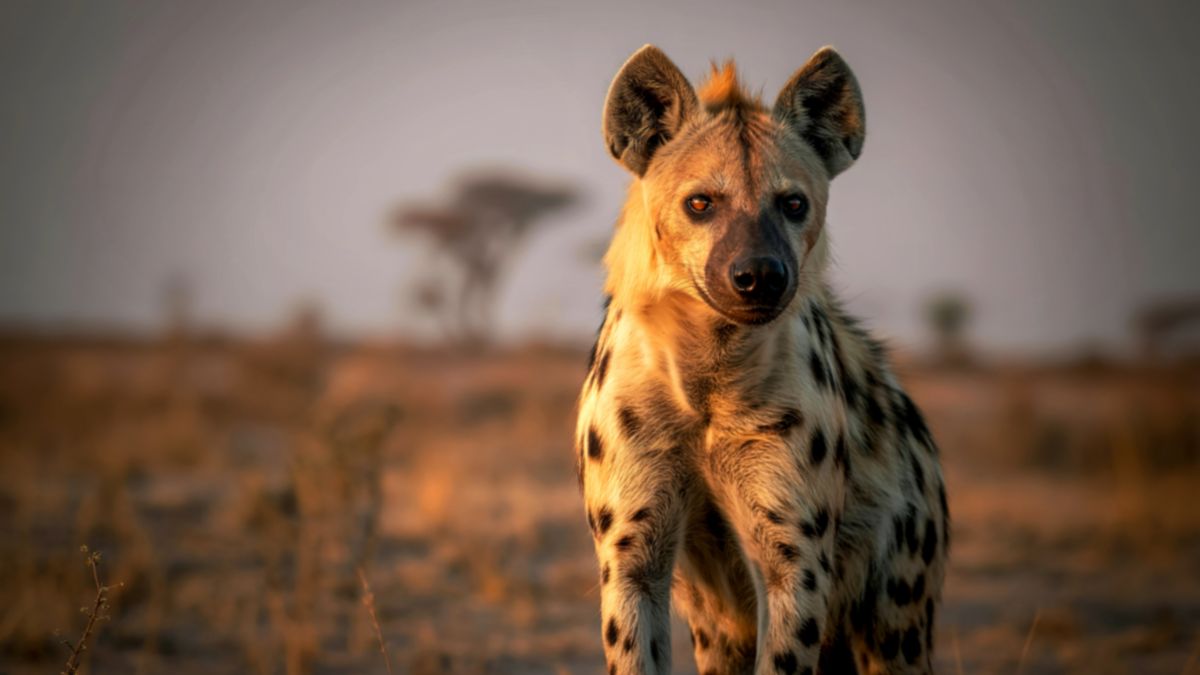
Hyenas are widely portrayed as cowardly scavengers that steal food from more noble predators like lions. In reality spotted hyenas are highly skilled hunters that kill the majority of their own food through coordinated group strategies. They live in complex matriarchal societies where females hold dominant social positions and lead their clans with remarkable intelligence. Their vocalizations including the famous laugh are sophisticated communication tools rather than signs of madness or chaos. Research has consistently shown that lions actually steal food from hyenas far more often than the reverse.
Wolves
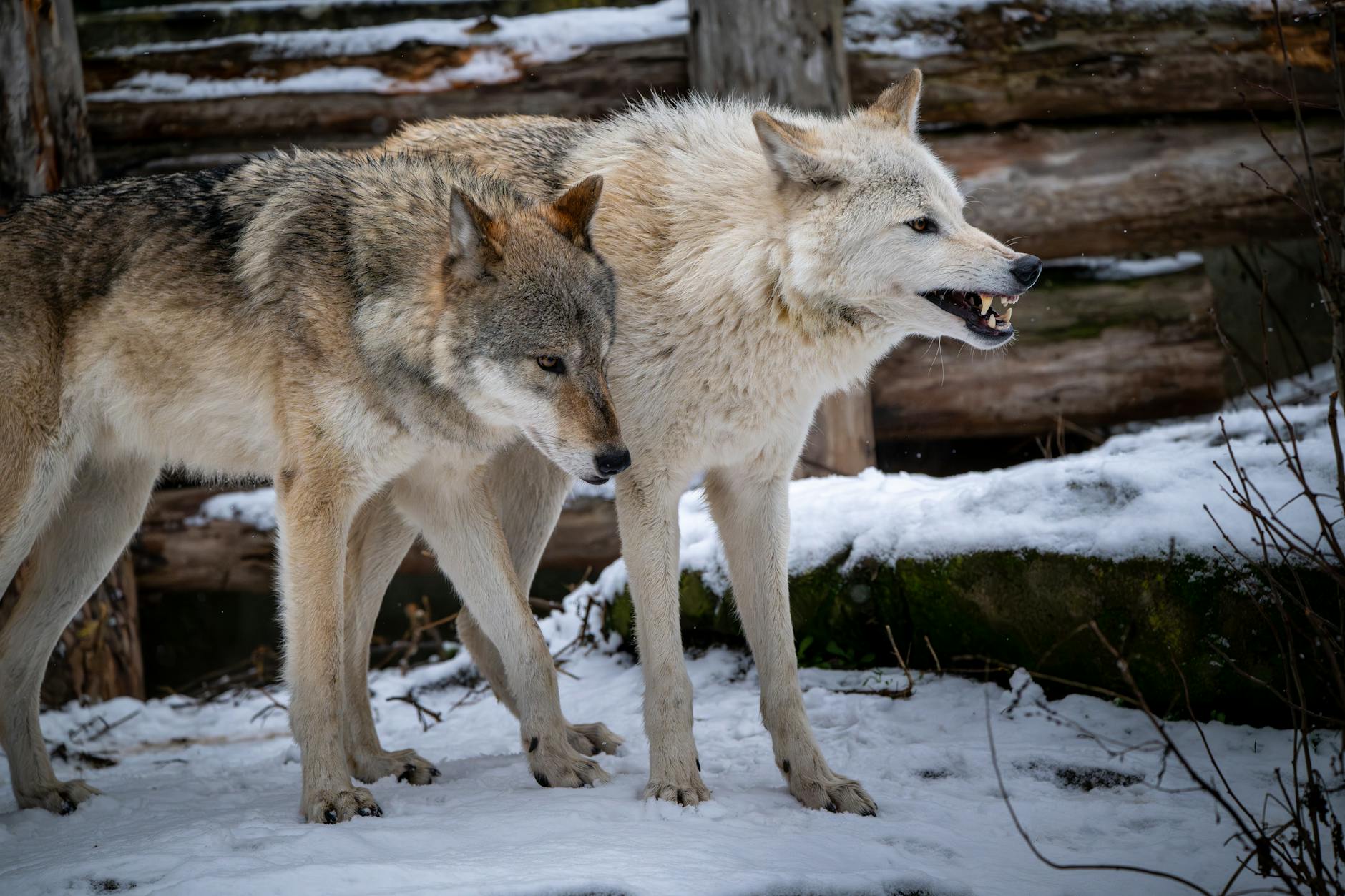
Wolves have been demonized across centuries of European folklore as dangerous threats to human life and livestock. Modern behavioral studies reveal that wolves are deeply social animals that form tight family units built on cooperation and mutual care. A wolf pack is essentially an extended family group led by a breeding pair rather than the aggressive alpha hierarchy once assumed by researchers. Wolves actively avoid human contact and attacks on people are extraordinarily rare in the historical record. Their reintroduction into ecosystems like Yellowstone has demonstrated their vital role in maintaining ecological balance.
Vultures
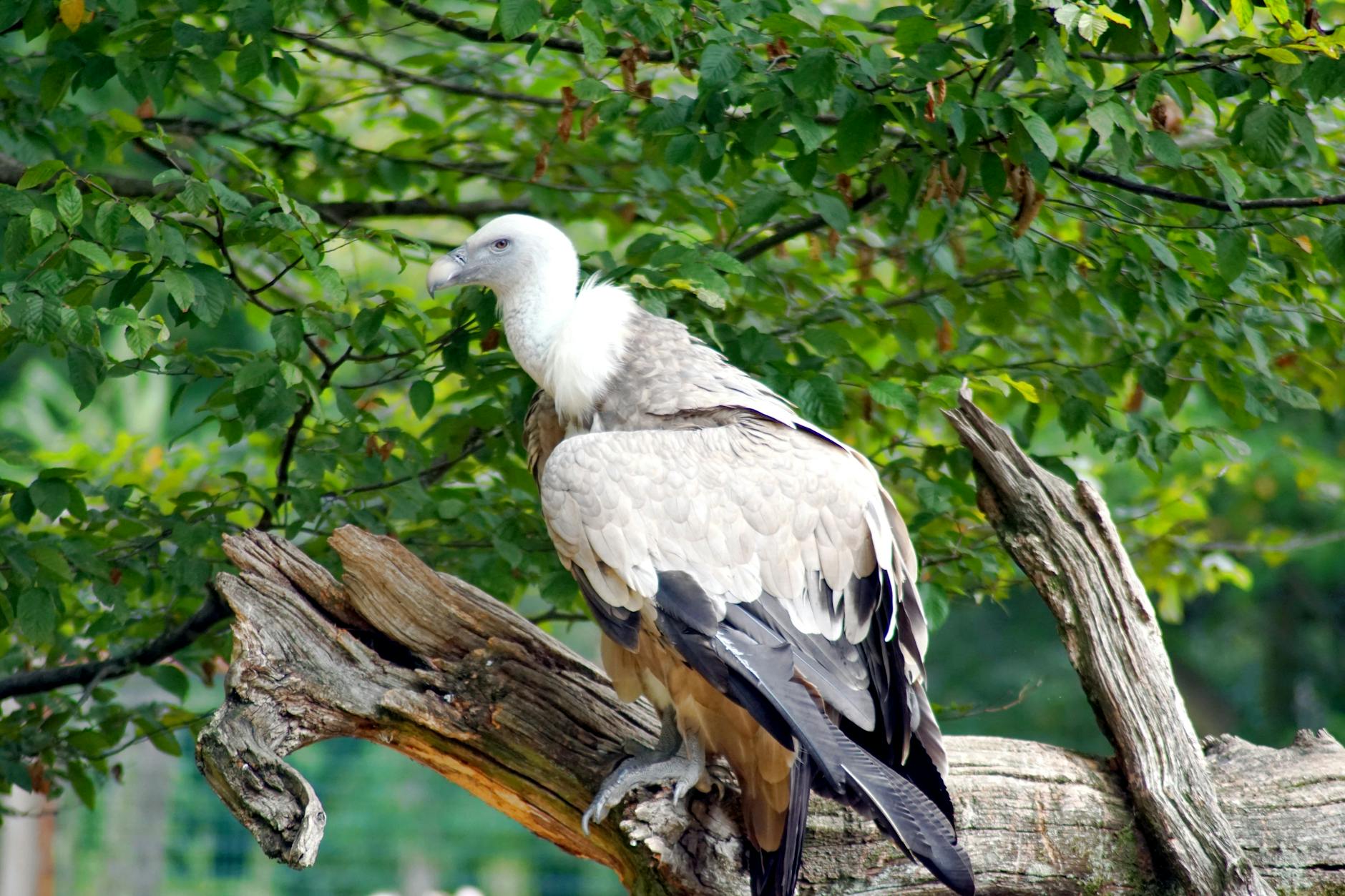
Vultures are perhaps the most aesthetically misunderstood birds on the planet, viewed as symbols of death and decay across many cultures. Their role as nature’s cleanup crew is absolutely critical because they consume carcasses that would otherwise spread dangerous bacterial diseases across landscapes. Their highly acidic stomach acid destroys pathogens including anthrax and botulinum toxin that would be lethal to almost any other scavenger. Vultures are also remarkably social and affectionate within their family groups, engaging in long periods of mutual grooming. Multiple vulture species are now critically endangered, making their misunderstood reputation a genuine conservation crisis.
Bats
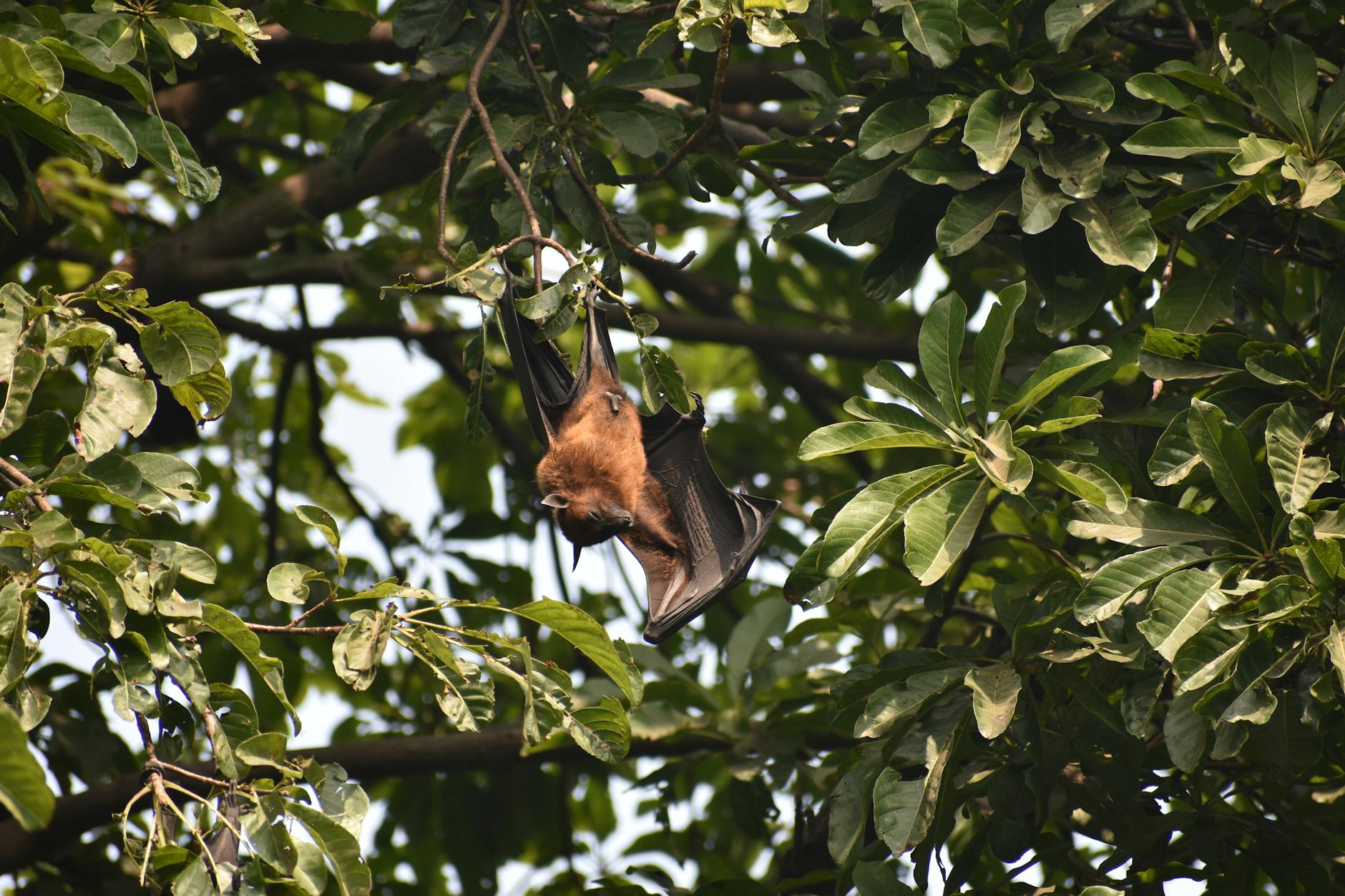
Bats are routinely associated with vampires, disease, and darkness in ways that have made them one of the most feared animals in the world. The vast majority of bat species are completely harmless to humans and play irreplaceable roles in pollination and insect population control. A single little brown bat can consume thousands of mosquitoes in a single night, providing an enormously valuable ecological and agricultural service. Only three of the world’s roughly 1400 bat species feed on blood, and vampire bats almost never target humans. Their sophisticated echolocation systems represent one of the most impressive sensory adaptations in the entire animal kingdom.
Sharks
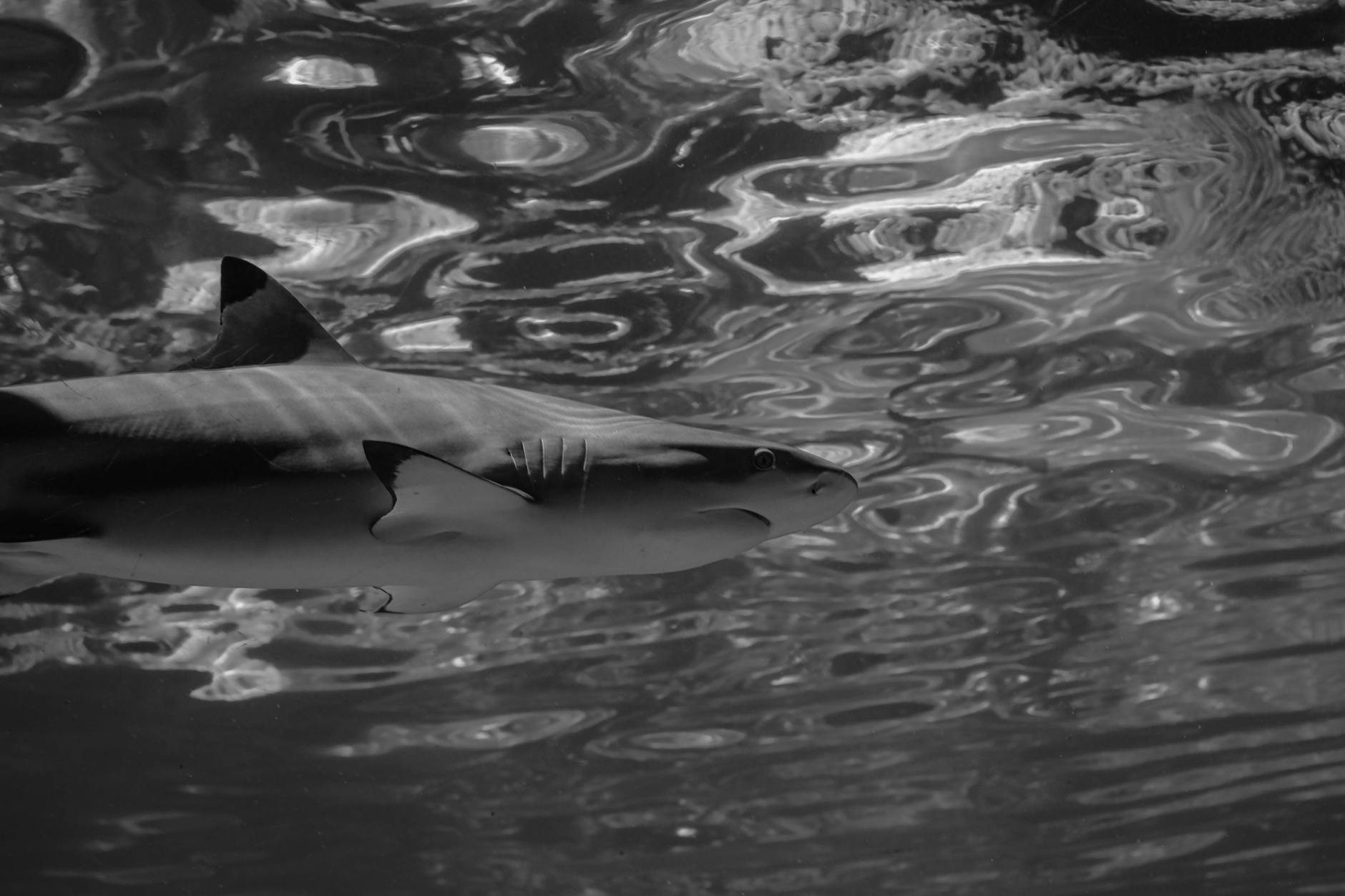
Sharks have suffered enormously in public perception largely due to decades of sensationalized media coverage and blockbuster films. Statistically a person is far more likely to be struck by lightning or injured by a vending machine than to be attacked by a shark. Most shark interactions with humans are investigatory bites rather than predatory attacks, as sharks explore unfamiliar objects with their mouths. Many shark species are highly intelligent, display long-term memory, and are capable of recognizing individual human divers they have encountered before. Over 100 million sharks are killed by humans annually, making the fear equation overwhelmingly reversed in reality.
Opossums
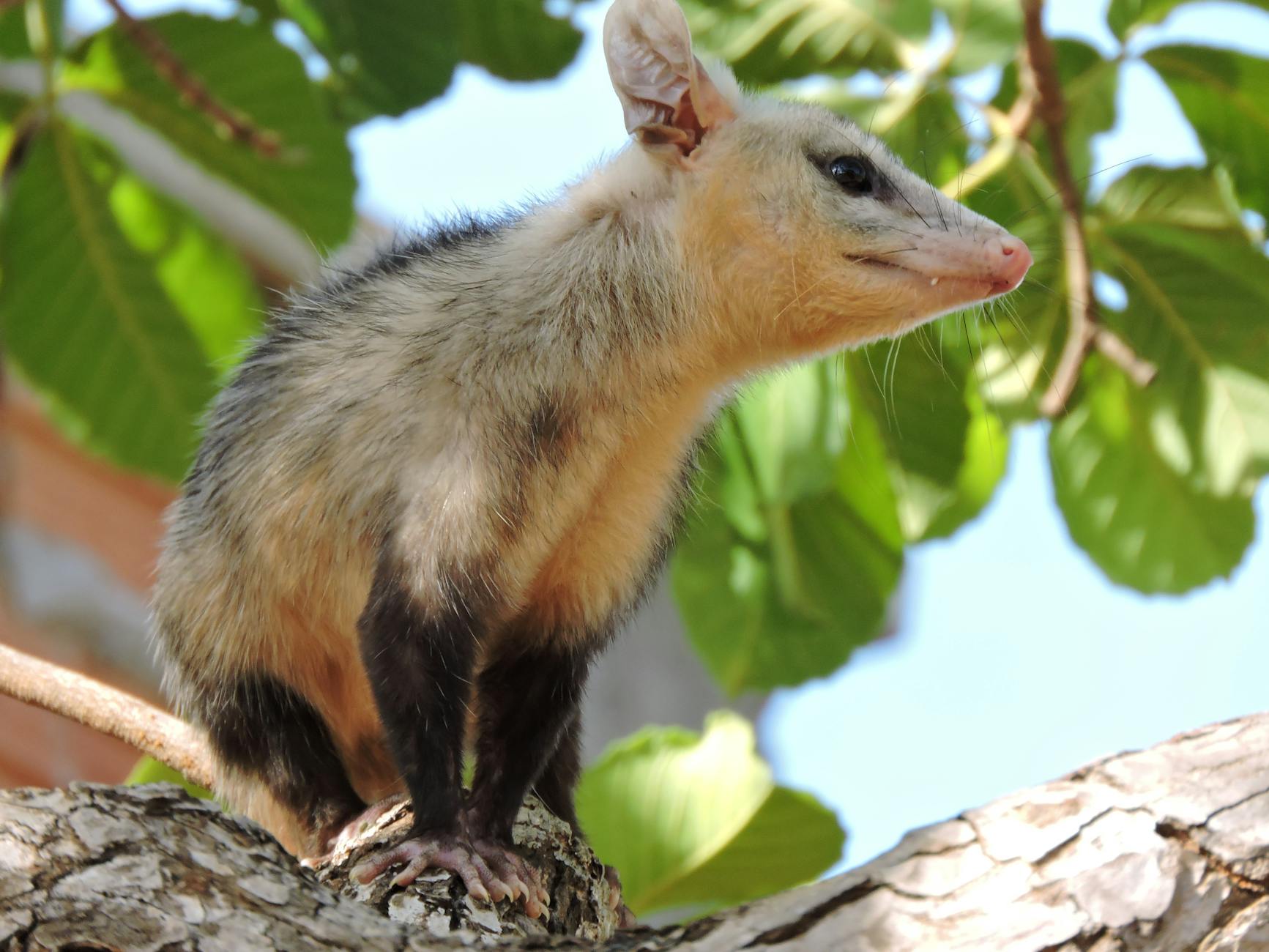
The Virginia opossum is frequently regarded as a dirty, aggressive pest that carries rabies and poses risks to pets and children. Opossums are actually one of the least likely mammals to carry rabies because their low body temperature makes it nearly impossible for the virus to survive in their systems. They are fastidious groomers who consume enormous quantities of ticks, reducing the spread of Lyme disease in the areas where they live. Their famous death-feigning behavior is an involuntary physiological response rather than a cunning defensive strategy. As North America’s only marsupial, opossums are a genuinely ancient and ecologically valuable species.
Crows
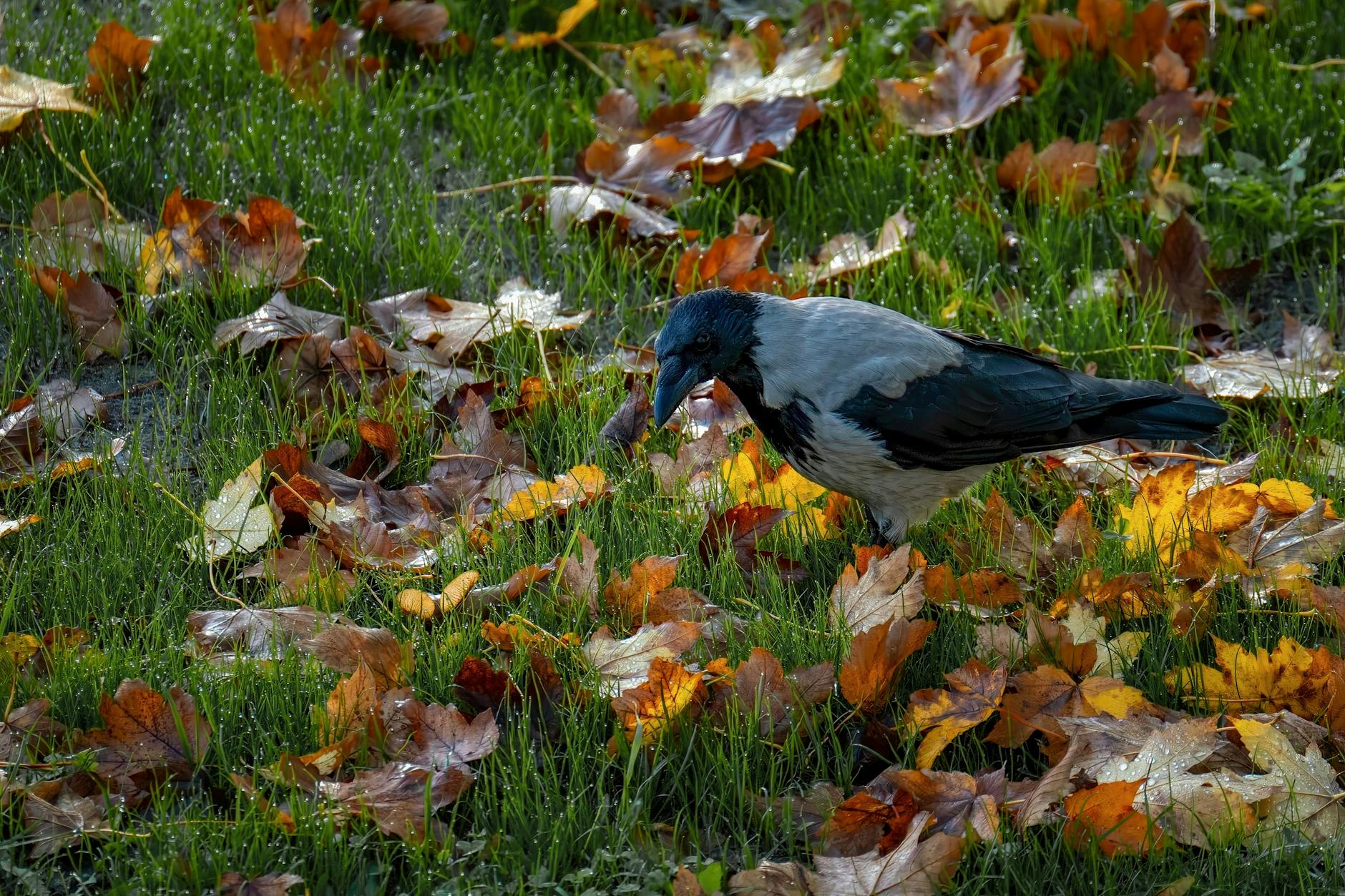
Crows have long been associated with omens of death and dark supernatural forces across many world cultures and literary traditions. These birds are now recognized by cognitive scientists as among the most intelligent animals on Earth, with problem-solving abilities that rival those of great apes. Crows use tools, plan for the future, recognize individual human faces, and pass cultural knowledge across generations within their communities. They have been documented holding apparent grieving rituals over deceased members of their group, suggesting a sophisticated emotional and social awareness. Urban crow populations have adapted to human environments with a flexibility and resourcefulness that continues to astonish researchers.
Komodo Dragons
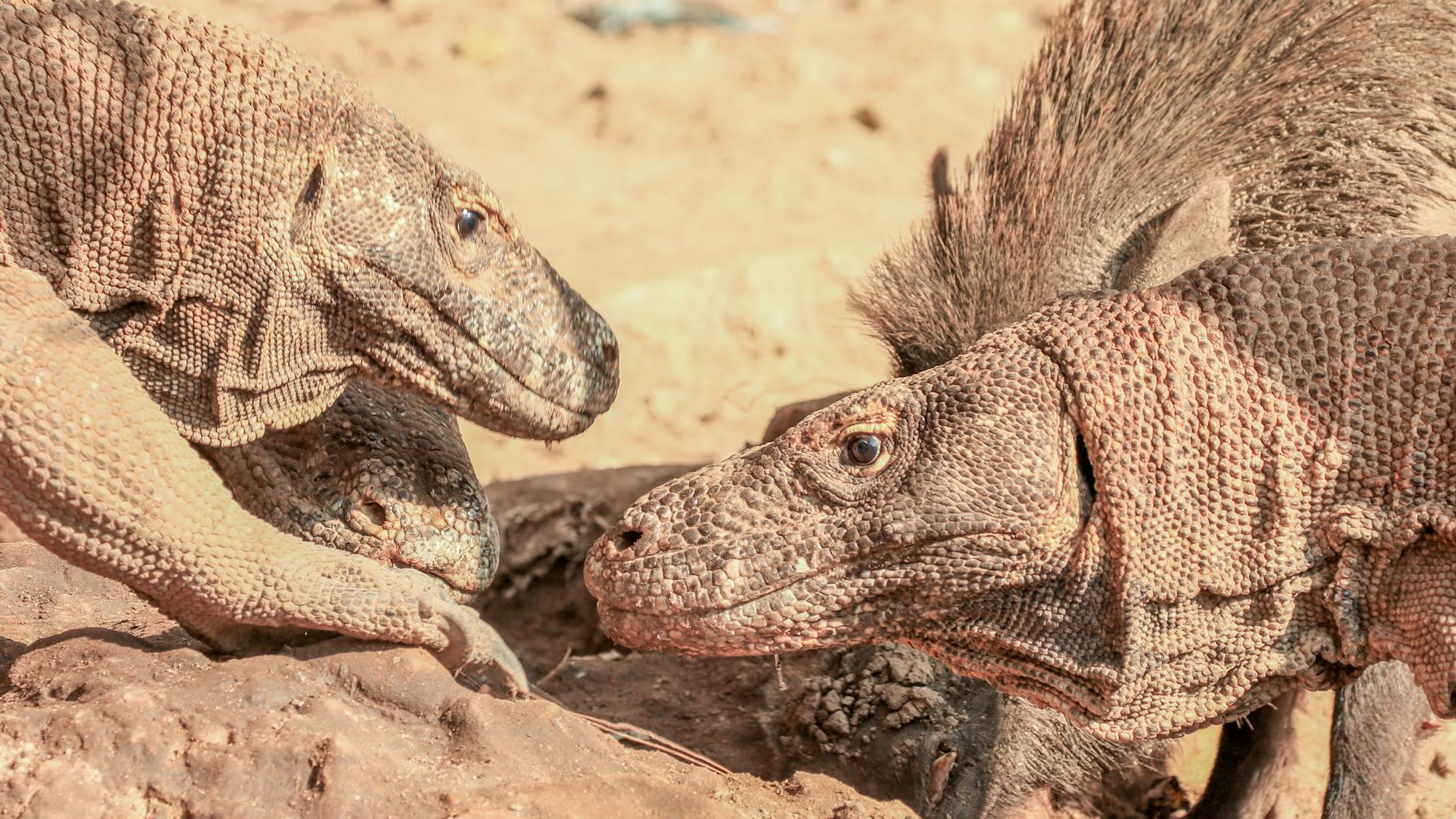
Komodo dragons are often portrayed as prehistoric monsters driven purely by primitive aggression and an insatiable appetite for destruction. Scientists have discovered that these massive lizards are capable of parthenogenesis, meaning females can reproduce without a male partner under certain conditions. Their hunting strategy involves a combination of ambush skill, powerful physical strength, and venom that prevents blood clotting in prey animals. Komodo dragons have been observed engaging in play behavior with enrichment objects at wildlife facilities, suggesting greater cognitive complexity than previously assumed. They are apex predators that maintain the ecological health of the Indonesian islands they inhabit.
Piranhas
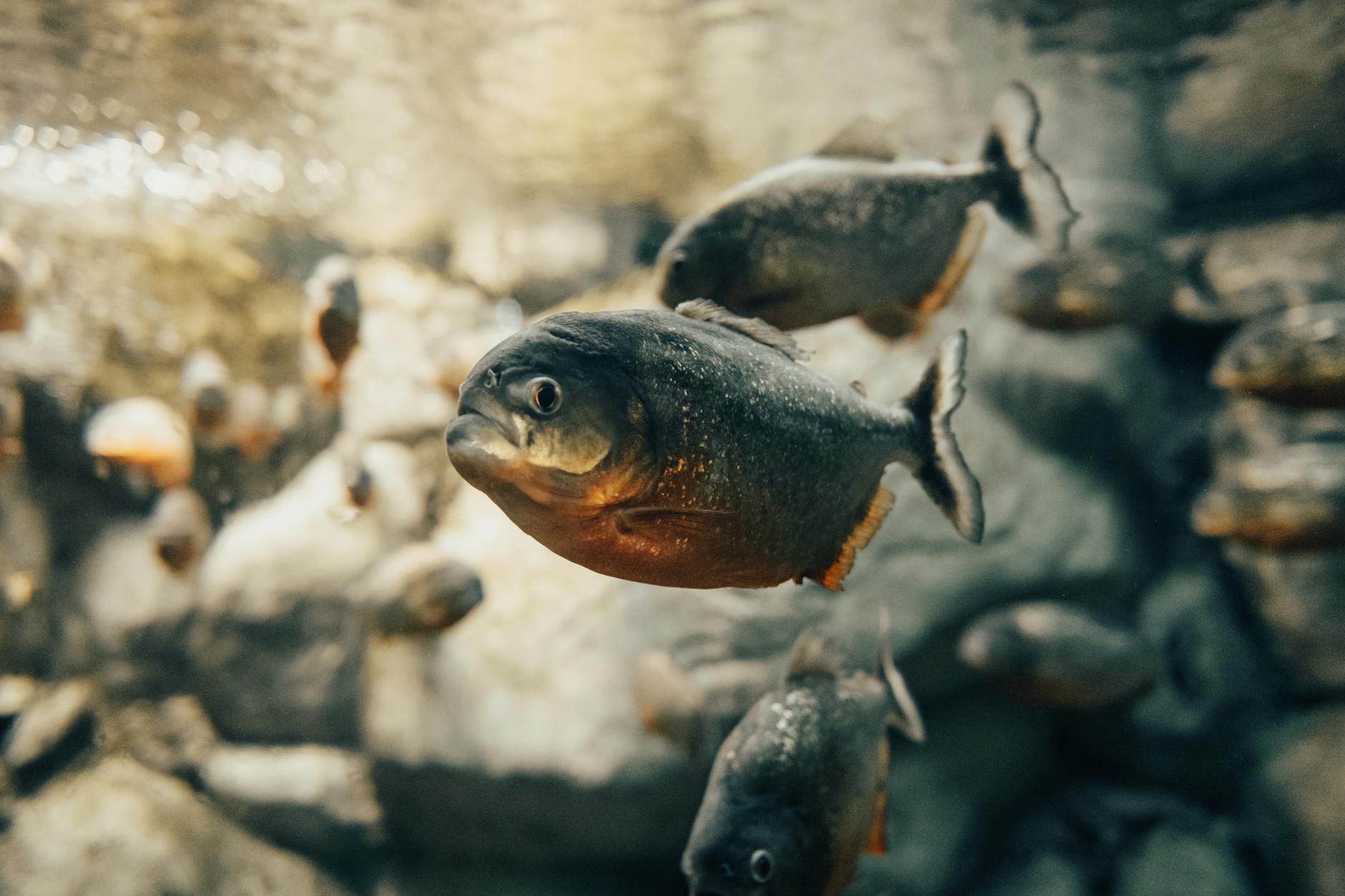
Piranhas have a global reputation as frenzied killing machines that can reduce a large animal to bones within minutes. This image was dramatically exaggerated following Theodore Roosevelt’s famous account of a staged piranha feeding demonstration during his 1913 South American expedition. In practice piranhas are largely omnivorous and spend much of their diet consuming plant material, insects, and small fish. They school together primarily as a defensive behavior against their numerous natural predators rather than as a coordinated hunting strategy. During the dry season piranhas do become more aggressive due to concentrated food competition, which is the context behind most alarming accounts.
Wolverines
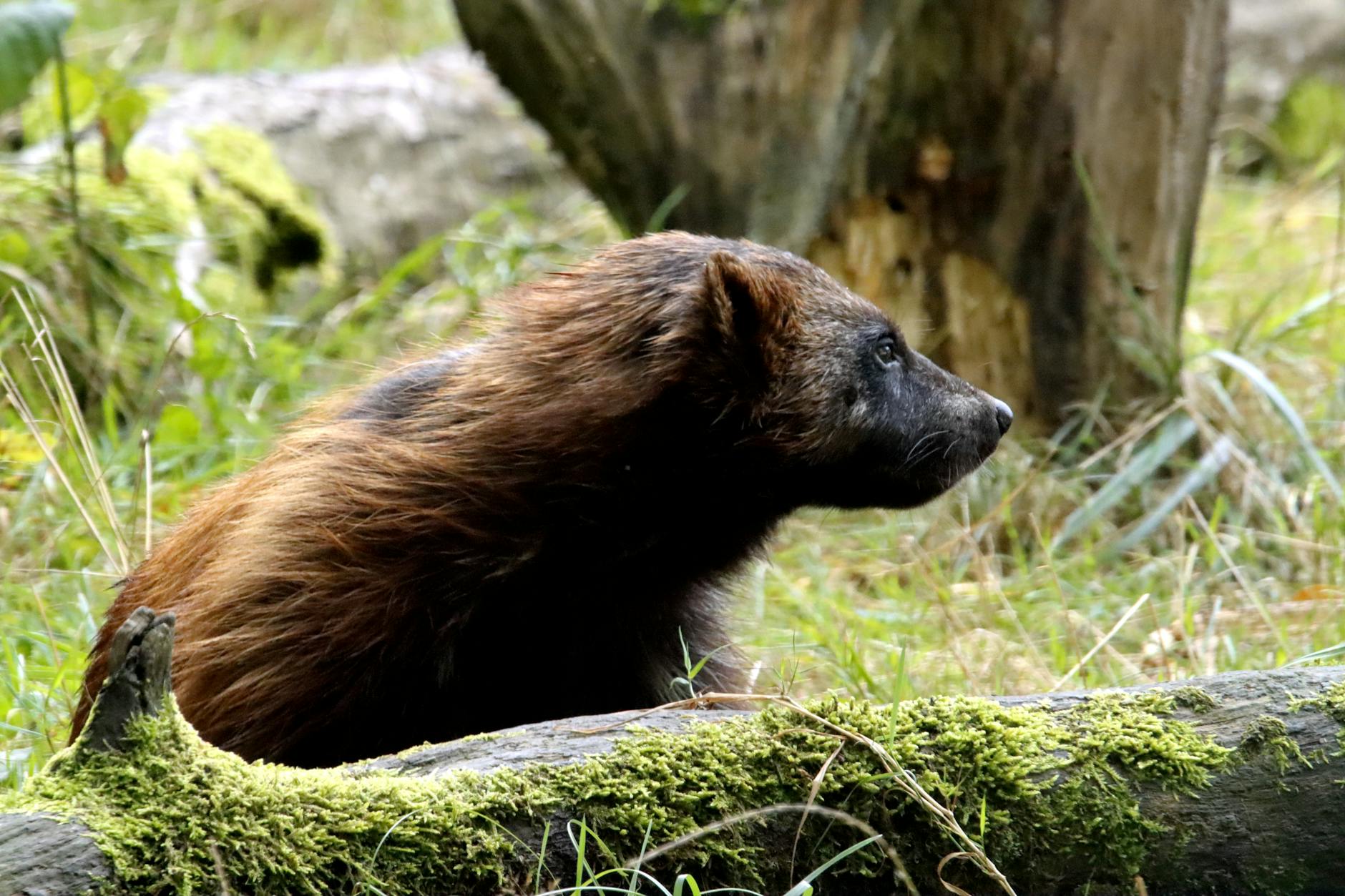
Wolverines have a fierce reputation as unpredictable and disproportionately violent animals that attack prey many times their own size. While wolverines are indeed powerful and tenacious for their body weight, the mythology surrounding their ferocity far exceeds documented behavioral reality. They are solitary animals that cover enormous territories across arctic and subarctic landscapes and play a key scavenging role in those ecosystems. Wolverines are highly sensitive to climate change, as they depend on deep spring snowpack for denning and raising their young. Their elusive nature means they are rarely studied in the wild, which has allowed legend to fill the gap left by limited scientific data.
Cassowaries
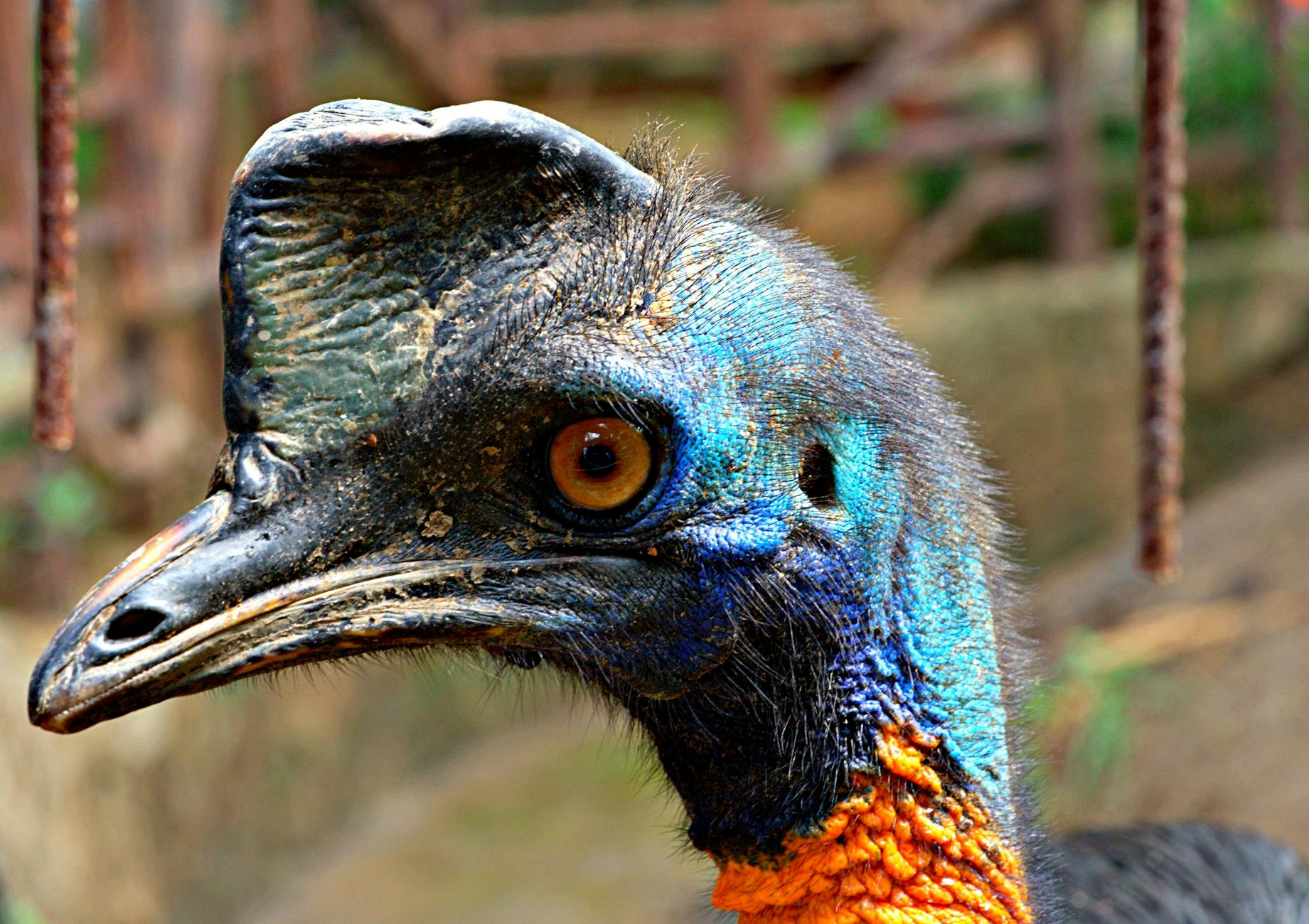
Cassowaries are frequently described as the most dangerous bird in the world, a label that has followed them through wildlife documentaries and popular press for decades. While cassowaries do possess powerful legs and razor-sharp claws capable of causing serious injury, documented attacks on humans are relatively uncommon and almost always triggered by people feeding or cornering them. They are essential rainforest gardeners in their native New Guinea and northern Australia, dispersing the seeds of hundreds of plant species through their digestive systems. Cassowaries are shy and prefer to avoid human contact entirely when given the opportunity to retreat. Their intimidating appearance, including a bony casque on the head and vivid neck coloration, is thought to play a role in social signaling among their own species.
Moray Eels
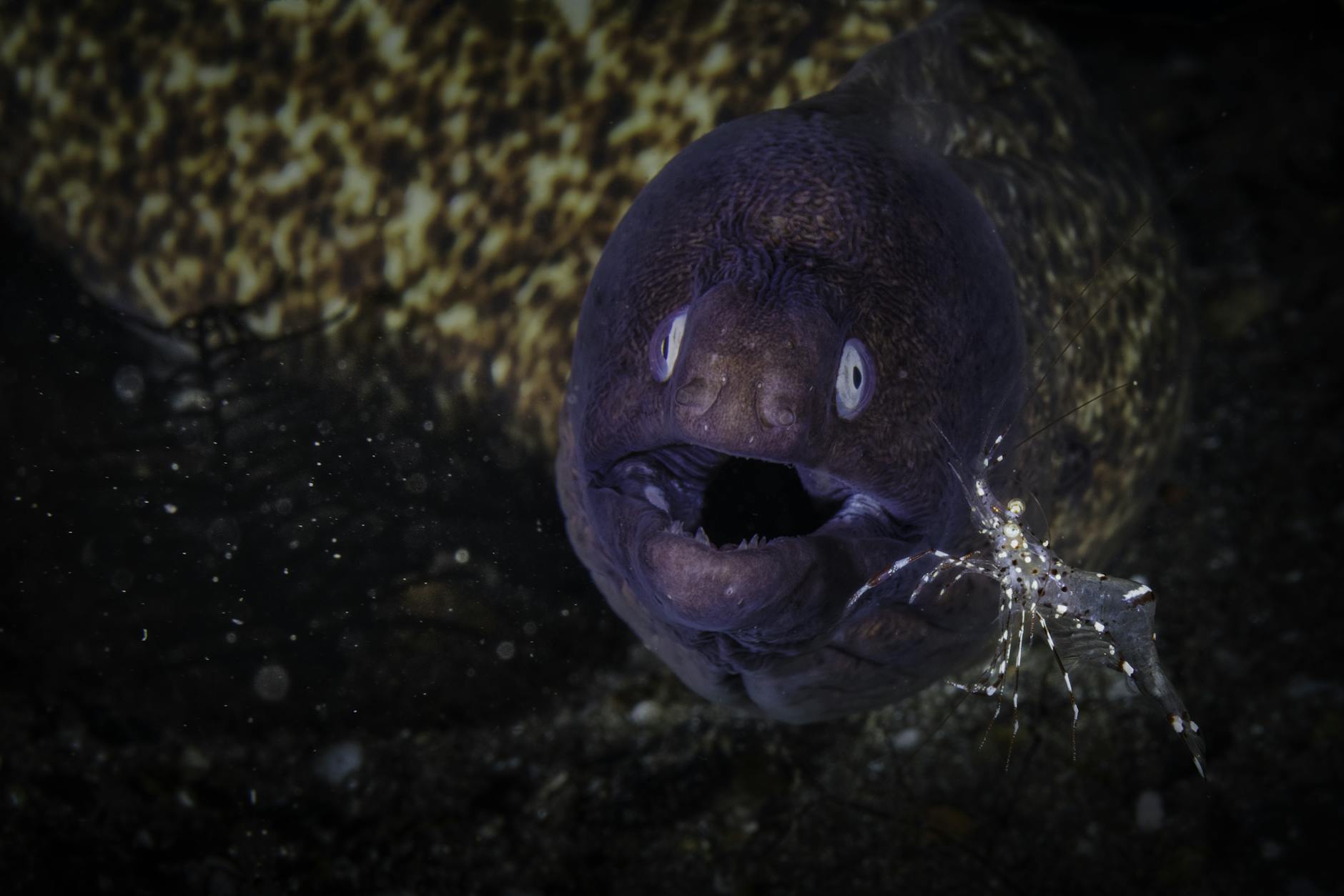
Moray eels are considered by many divers and snorkelers to be aggressive predators lurking in reef crevices waiting to attack. Their permanently open-mouthed appearance is not a threat display but a necessary breathing mechanism that pumps water across their gills continuously. Morays have a second set of jaws located in their throat called pharyngeal jaws that shoot forward to help swallow prey, a feature that contributed to alarming media coverage following scientific discovery. Many experienced divers report that morays at regular dive sites become accustomed to human presence and display no aggression whatsoever. They are important reef predators that control fish and crustacean populations and maintain overall ecosystem balance.
Tasmanian Devils
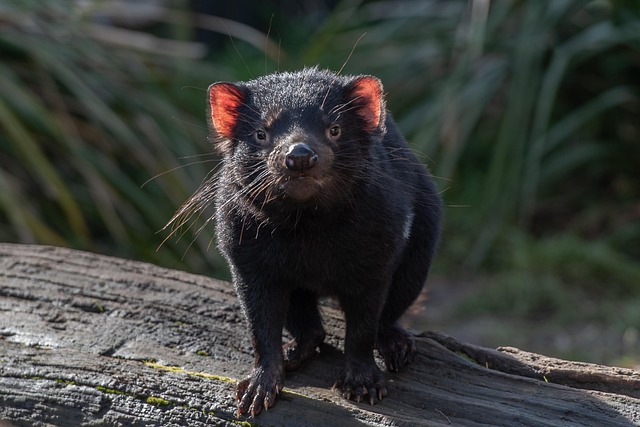
Tasmanian devils are named for the blood-curdling screams and aggressive displays observed by early European settlers in Australia. These behaviors are almost exclusively social and are most commonly observed during competitive feeding situations rather than as expressions of predatory intent toward humans. Tasmanian devils perform a remarkable ecological service as scavengers, consuming entire carcasses including bones and fur, which reduces disease transmission across the landscape. They are devoted mothers who raise joeys with considerable care over an extended developmental period. A devastating contagious facial cancer has reduced wild populations dramatically, making conservation of this misunderstood species an urgent priority.
Goliath Birdeater Spiders
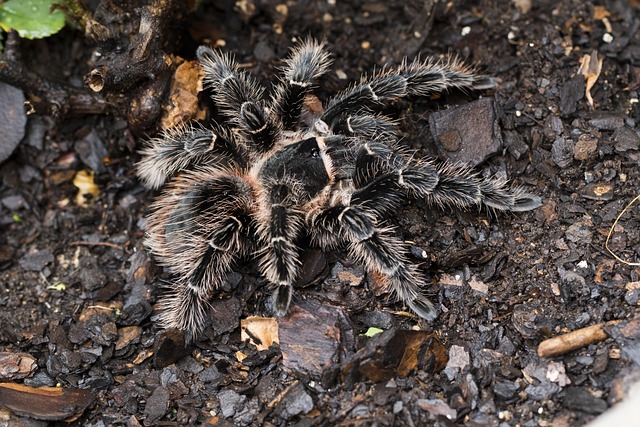
The Goliath birdeater is the world’s largest spider by mass and has inspired widespread fear and disgust since it was first documented by Western scientists. Despite its dramatic name, this South American tarantula rarely if ever actually eats birds and subsists primarily on insects, frogs, and small rodents. Its venom is relatively mild and comparable in effect to a wasp sting for most humans who are not allergic. When threatened, the Goliath birdeater rubs its abdomen to release irritating hairs rather than immediately attempting to bite. In local Amazonian communities the spider is actually considered a food source and is eaten roasted as a nutritious protein.
Hornets
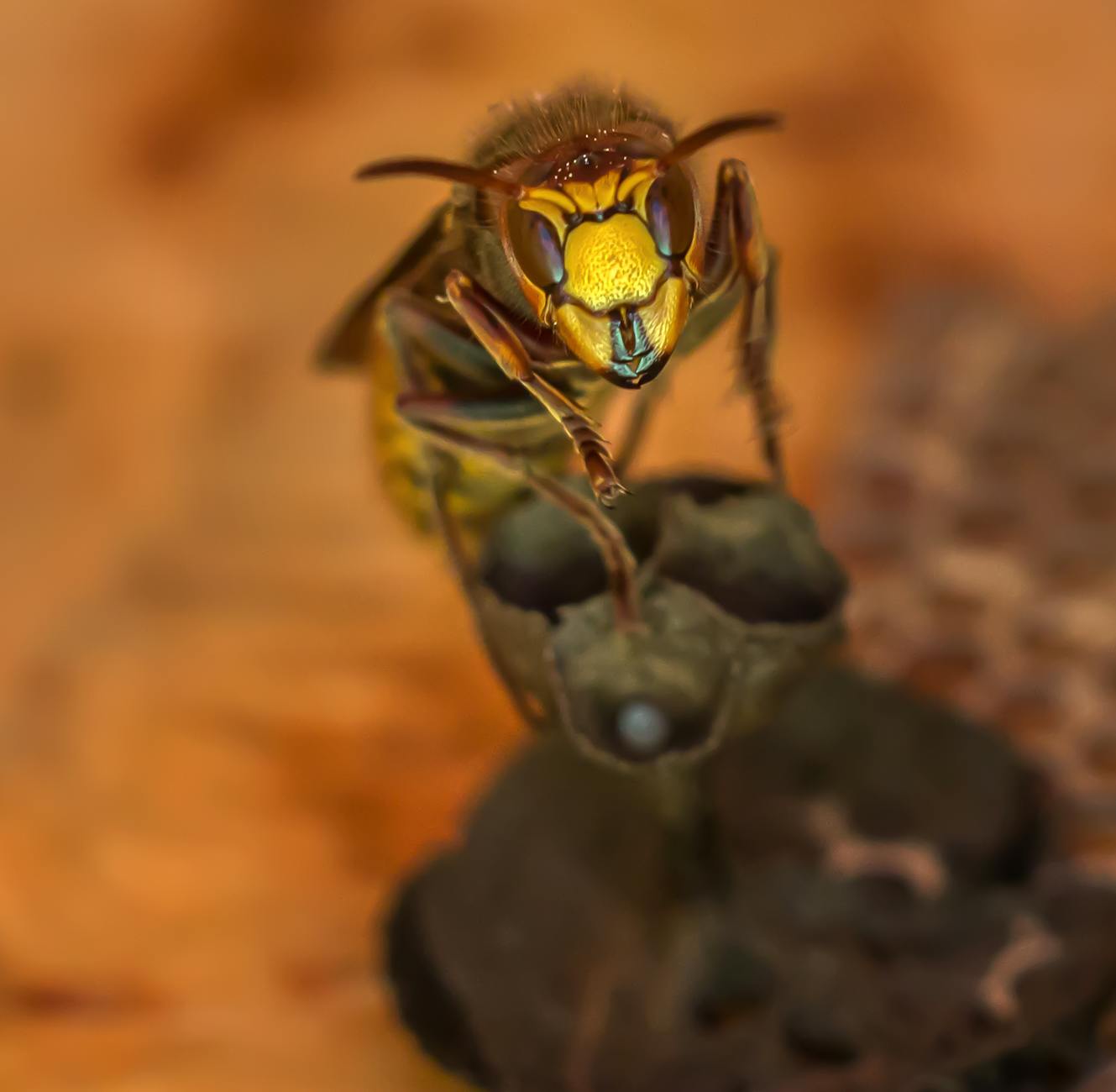
Hornets occupy a place in public imagination as uniquely aggressive and vindictive insects that attack without provocation or reason. Colonies of hornets are in fact highly organized societies that sting defensively only when they perceive a direct threat to the nest or to individual insects away from the nest. European hornets are notably calmer than yellow jackets and will often fly away from perceived threats before resorting to defensive stinging behavior. As predators of caterpillars, flies, and other insects, hornets provide important pest control services to gardens and agricultural areas. The Asian giant hornet gained disproportionate media attention in recent years, though its documented presence outside Asia remains extremely limited.
Marabou Storks
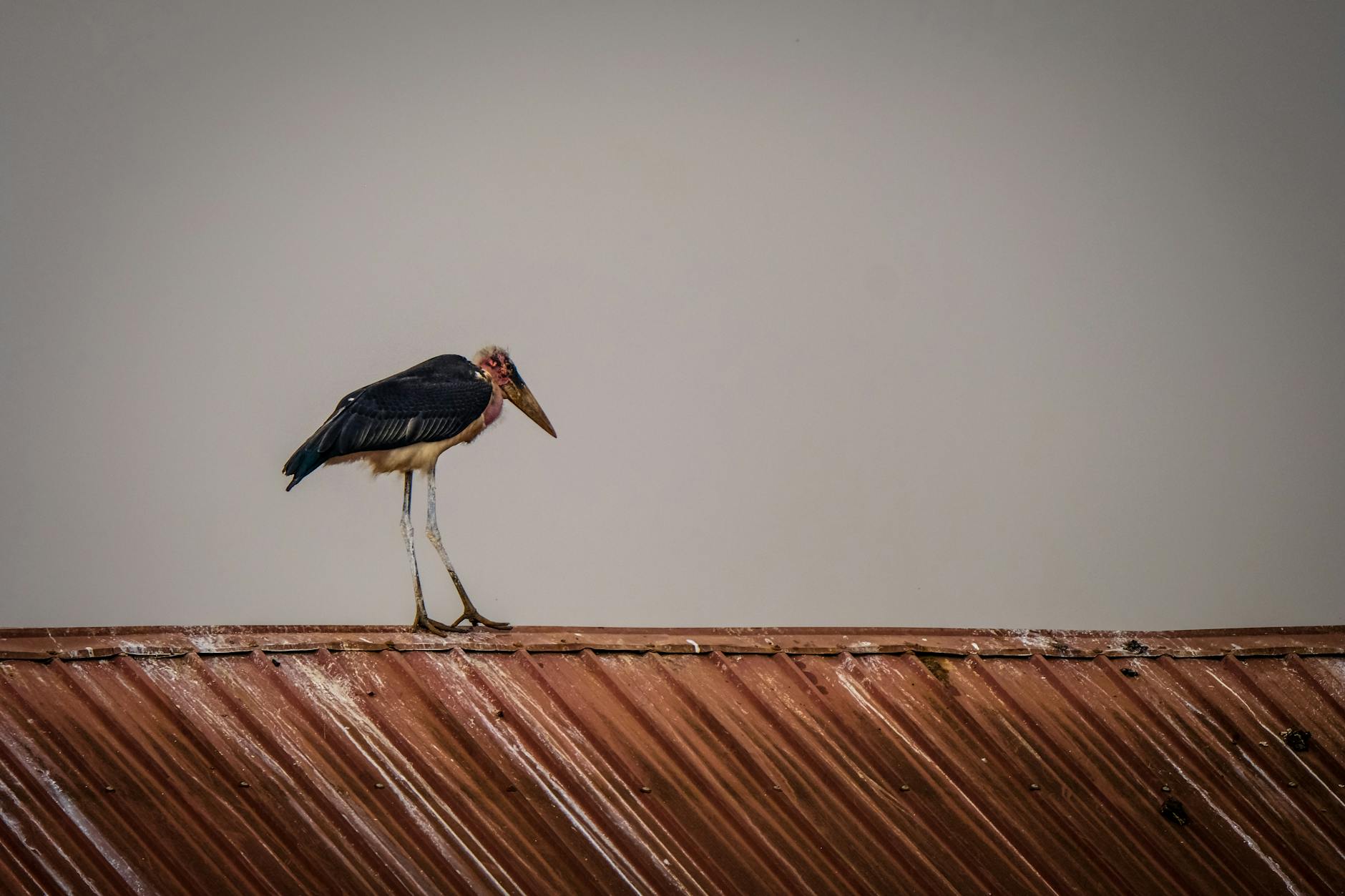
The marabou stork is widely considered one of the world’s ugliest and most grotesque birds due to its bald wrinkled head, hanging throat sac, and association with carrion and rubbish dumps. This appearance is a functional adaptation, as a featherless head stays cleaner when the bird reaches inside carcasses to feed. In African ecosystems the marabou stork performs the same essential sanitation role as vultures, consuming organic waste that would otherwise breed disease and environmental contamination. They are surprisingly graceful in flight, riding thermals to great heights with a wingspan that rivals that of the largest flying birds on Earth. Their populations have actually expanded in urban areas of sub-Saharan Africa as they exploit the food opportunities provided by human waste.
Naked Mole Rats
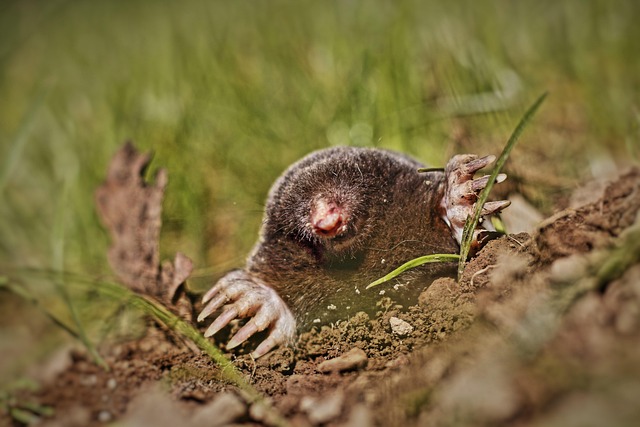
Naked mole rats are routinely ranked among the most visually unsettling animals known to science due to their wrinkled hairless bodies, protruding teeth, and underground lifestyle. These small rodents possess a remarkable suite of biological traits that have made them subjects of intense medical research around the world. They are effectively immune to cancer, feel no pain from acid or capsaicin, and can survive up to eighteen minutes without oxygen by switching their metabolism to a fructose-based system. Naked mole rats are also the only known cold-blooded mammal, regulating body temperature through behavior rather than internal physiology. Their eusocial colony structure, complete with a reproducing queen and specialized worker castes, mirrors that of bees and ants more closely than any other mammal.
These twenty animals reveal just how much human culture and media have shaped our fears in ways that science is steadily dismantling. What animal do you find most surprisingly misunderstood, and has learning the truth changed how you feel about it? Share your thoughts in the comments.