
A wedding toast is one of the most memorable moments of any celebration, and the words spoken can stay with guests and the couple for years to come. Whether you are the best man, maid of honor, or a beloved family member, the pressure to say something meaningful is real. Some well-intentioned phrases can unintentionally land the wrong way, creating awkward silences or even lasting regret. Knowing what to avoid is just as important as knowing what to say. These are the twenty things you should never say when standing up with a glass in hand.
Ex-Partners

Bringing up a former flame is one of the most reliable ways to derail a celebration before it even gets started. Even when framed as a humorous comparison or an innocent anecdote, the mention of an ex creates immediate discomfort for the couple and their families. Guests will shift in their seats and the couple will spend the next hour answering uncomfortable questions. The toast should honor the relationship being celebrated, not reference ones that ended.
Inside Jokes

Relying heavily on references that only two or three people in the room will understand immediately excludes the majority of the guests. A wedding toast is a shared moment meant to bring an entire room together in warmth and celebration. Spending significant time on a story that draws blank stares from most of the audience undermines the purpose of the speech entirely. Private humor belongs in private settings, not in front of two hundred people raising their glasses.
Embarrassing Stories

There is a meaningful difference between a charming, lighthearted anecdote and a story that visibly makes the couple cringe. Recounting tales of excessive drinking, poor decisions, or past romantic misadventures may seem funny in the retelling but rarely lands well in a formal setting. Family members of all generations are present, and the couple deserves to feel celebrated rather than exposed. The best stories are ones that reveal character and affection, not ones that provoke regret.
Relationship Doubts

Expressing any hesitation about whether the couple is right for each other has no place in a wedding toast under any framing. Phrases suggesting surprise that things worked out or implying the relationship seemed unlikely are damaging regardless of how they are delivered. These remarks plant seeds of doubt on a day that should feel joyful and certain. A toast is an expression of unconditional support, not a moment for personal editorial.
Divorce Jokes
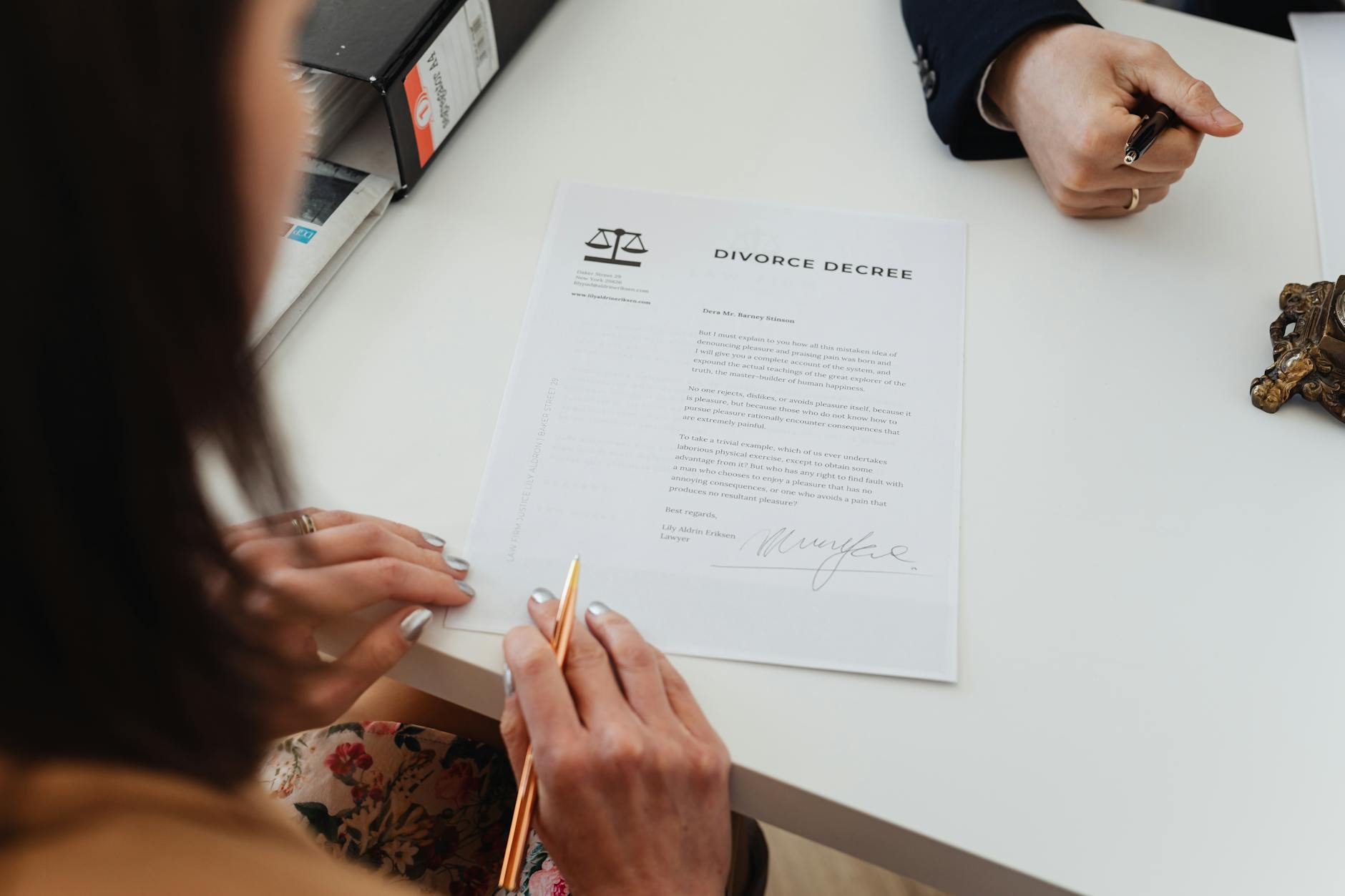
Humor has a place in a wedding speech but statistics about marriage failure rates and quips about how long the happiness will last are never the right choice. These jokes consistently fall flat and leave guests uncertain whether to laugh or look away. The couple has made a serious and deeply personal commitment and they deserve to have that honored without ironic commentary. Wit should celebrate the occasion rather than undermine it.
Long Speeches
A toast that stretches well beyond three or four minutes begins to test the patience of an audience that is hungry, celebrating, and ready to dance. Overly long speeches often lose narrative focus and begin to meander through loosely connected memories and tangents. The most effective toasts are tight, purposeful, and leave the room wanting just a little more. Editing is a form of respect for both the couple and their guests.
Parental Criticism

A wedding is not the moment to surface long-standing family tensions or to make pointed remarks about either set of parents. Even veiled commentary about difficult relationships or complicated histories puts everyone in an impossible position. The couple has likely worked hard to create a harmonious atmosphere and a single careless sentence can unravel that effort. Family dynamics should remain firmly in the background on a day centered entirely on the two people being celebrated.
Controversial Opinions
Political views, religious commentary, and social opinions have no role in a wedding toast regardless of how confident the speaker may feel in their perspective. A diverse room of guests with differing beliefs will immediately fracture if the speech ventures into divisive territory. The goal is to create a moment of shared joy and unity, not to spark debate over appetizers. Toasts should be universally warm and accessible to every person in the room.
Pregnancy Speculation

Speculating about when the couple plans to start a family or making comments about pregnancy is an overstep that many couples find genuinely hurtful. Fertility and family planning are deeply private matters that may carry emotional weight the speaker is entirely unaware of. What is intended as a cheerful nod to the future can land as invasive and presumptuous. The couple’s next chapter is theirs to define and announce on their own terms.
Crying Excessively

Genuine emotion is beautiful and appropriate at a wedding but losing composure entirely for an extended period shifts the focus away from the couple. A speaker who cannot get through a sentence without stopping puts guests in the uncomfortable position of watching rather than celebrating. Taking a moment to compose oneself is perfectly acceptable but the toast should ultimately be delivered rather than dissolved into. Emotional preparation before the speech makes for a far more meaningful and connective moment.
Salary Mentions

Commenting on either partner’s income, career trajectory, or financial situation introduces a transactional tone that is entirely out of place at a wedding. Even framing wealth positively can come across as reductive or superficial in an intimate ceremonial context. The value of the relationship has nothing to do with earning potential and implying otherwise diminishes the celebration. Love and commitment are the only currencies worth referencing at the altar.
Competitor Comparisons
Comparing the couple’s relationship to another couple in the room, whether favorably or unfavorably, inevitably creates tension and draws focus away from the people being toasted. Suggesting that this marriage is better or more likely to succeed than another invites discomfort among guests who feel implicated. Every couple in attendance deserves to feel respected and the toast is not the place for relational rankings. The speech should stand entirely on its own celebration of this specific partnership.
Body Comments

Any reference to physical appearance beyond a simple and sincere compliment crosses into territory that makes guests and the couple uncomfortable. Remarks about weight, aging, or physical changes over the years are never as charming as the speaker imagines them to be. The couple should feel beautiful and celebrated, not assessed or compared. A toast is a moment of emotional elevation, not aesthetic critique.
Regrets

Opening with an apology about being unprepared or noting that you did not have enough time to write something proper immediately lowers the entire atmosphere of the room. Self-deprecating disclaimers signal to the audience that the speech may not be worth their full attention. Every couple deserves a toast delivered with confidence and genuine intention. Preparation is a form of love and the effort should be evident from the very first sentence.
Religious Assumptions

Assuming the couple shares a specific faith or projecting religious expectations onto their marriage can alienate not only the couple but also a significant portion of the guests. Many modern couples come from different backgrounds or have built a relationship outside of any organized tradition. Inclusive language honors the unique nature of every relationship without imposing a framework that may not apply. Spirituality and belief are personal choices that belong to the couple alone.
Ultimatums

Joking about what will happen if the marriage does not work out or framing the commitment as conditional introduces an unsettling undercurrent into what should be a purely joyful moment. Even playful ultimatums signal a lack of full confidence in the relationship being celebrated. The couple has made their choice and the people around them should reflect that decision back with total warmth and support. A toast should feel like a standing ovation, not a warning.
Career Criticism

Dismissing or making light of either partner’s professional life, ambitions, or chosen path implies a value judgment that has no place in a wedding speech. What one person finds unimpressive another may deeply respect, and the room is full of people with different relationships to work and achievement. The couple has built their life together around their shared values and those deserve to be honored without editorial. A toast should elevate everything it touches.
Alcohol References

A toast delivered over drinks does not need to also be a toast about drinking. Repeatedly referencing how much the groom drinks or how the couple met at a bar can trivialize the relationship and make family members uncomfortable. Humor built around alcohol tends to age poorly and resonates differently depending on who is in the room. The relationship deserves to be described in terms of its depth and meaning rather than its party history.
Uninvited Guests
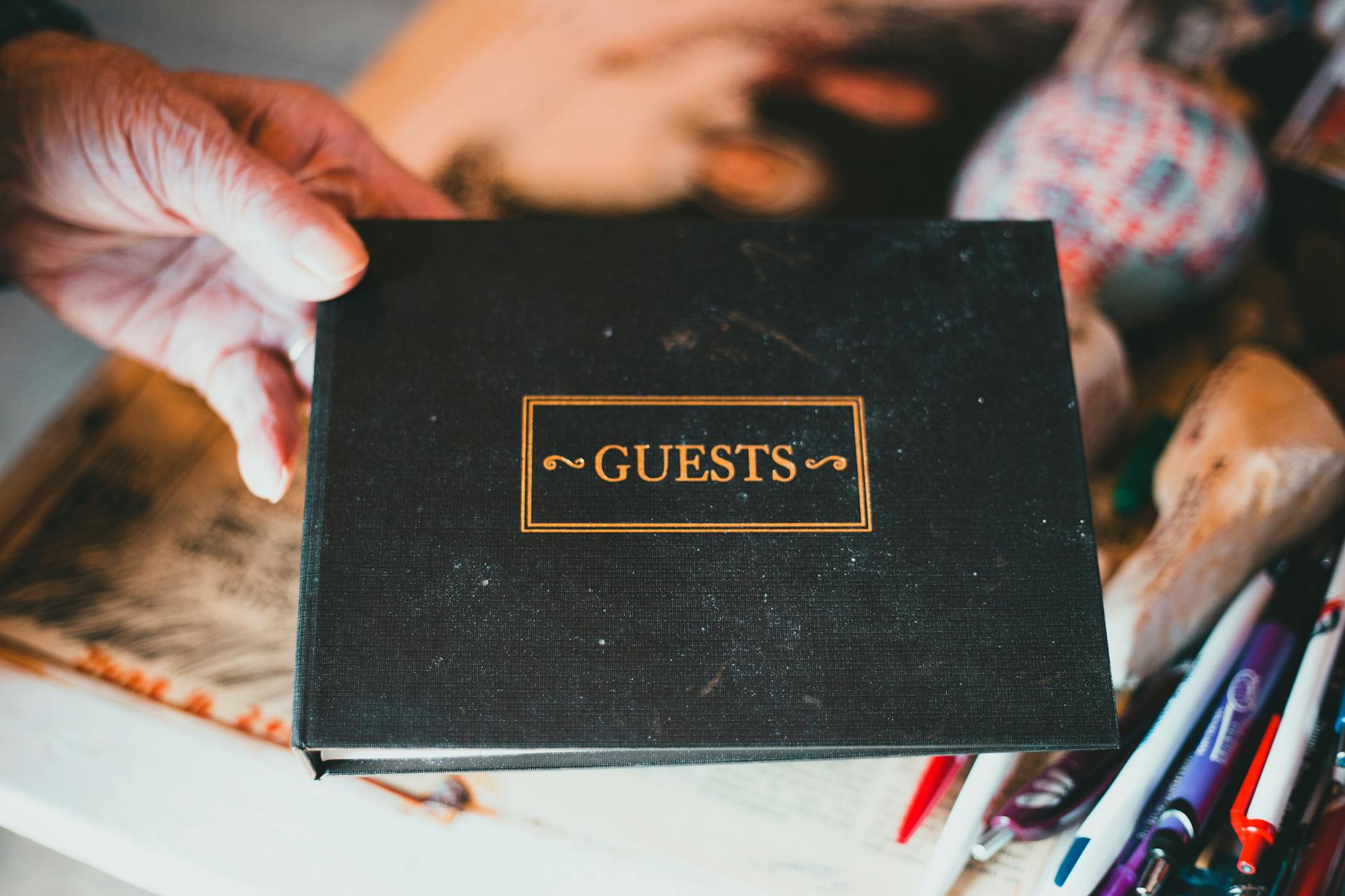
Mentioning people who were not invited to the wedding, particularly if done pointedly or with any sense of drama, draws attention to absences and tensions that the couple may have handled carefully and deliberately. Guest lists are deeply personal decisions that often involve difficult compromises and private circumstances. Putting a spotlight on who is not present disrupts the atmosphere that the couple has worked hard to create. The toast should honor what is in the room, not what is outside of it.
Unsolicited Advice
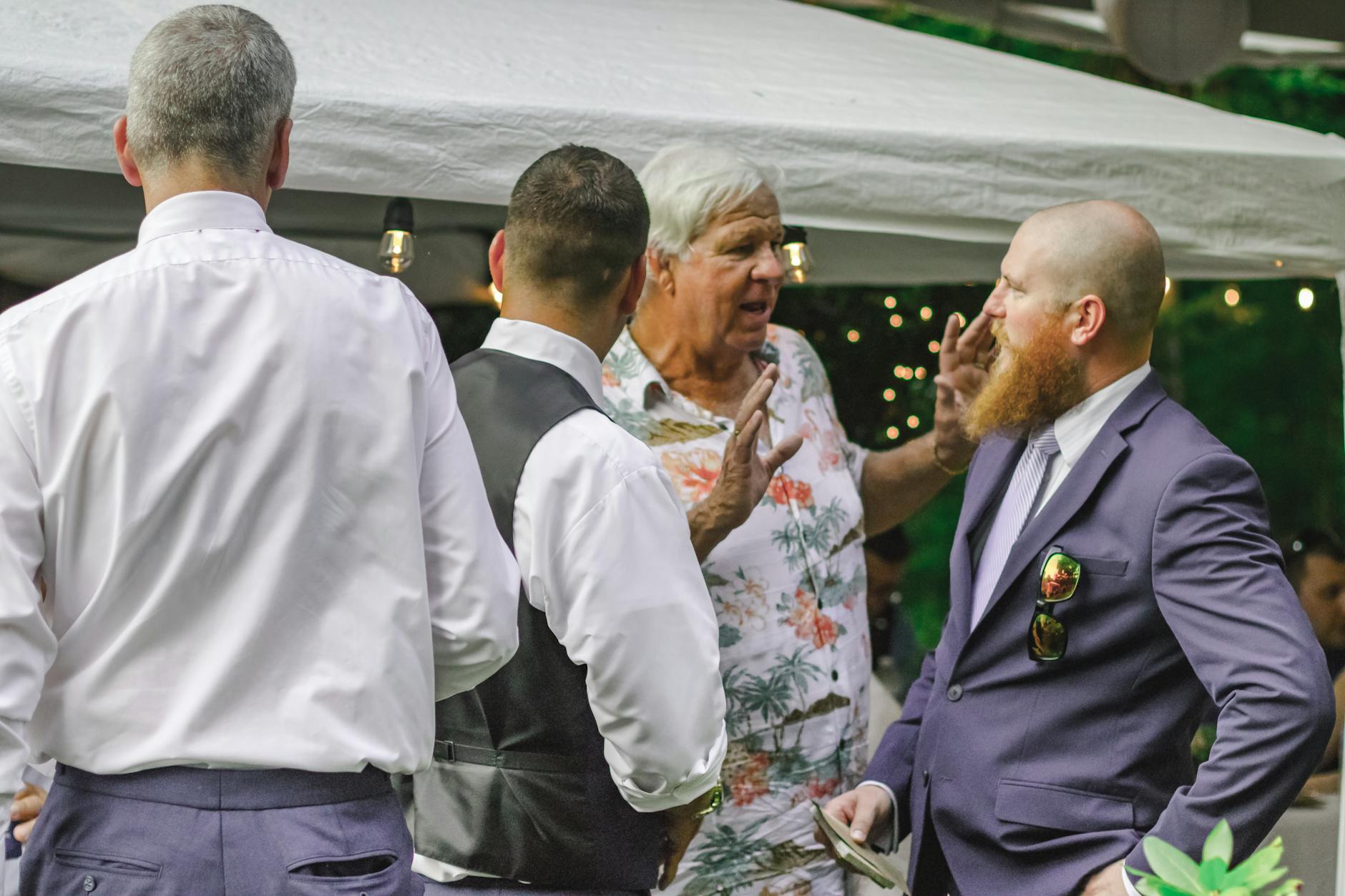
Offering detailed relationship guidance or prescriptive advice about how the couple should conduct their marriage assumes an authority over their choices that was not granted. Even the most experienced and well-meaning speaker cannot know what works best for two people whose private life is their own. Wisdom shared in general terms is far better received than directives delivered from a microphone. The couple does not need instructions on their wedding day; they need to feel profoundly loved and supported.
Whether you are crafting your first toast or your fifth, the most powerful thing you can bring to the microphone is genuine warmth and thoughtful preparation. Share what you would add to this list in the comments.




