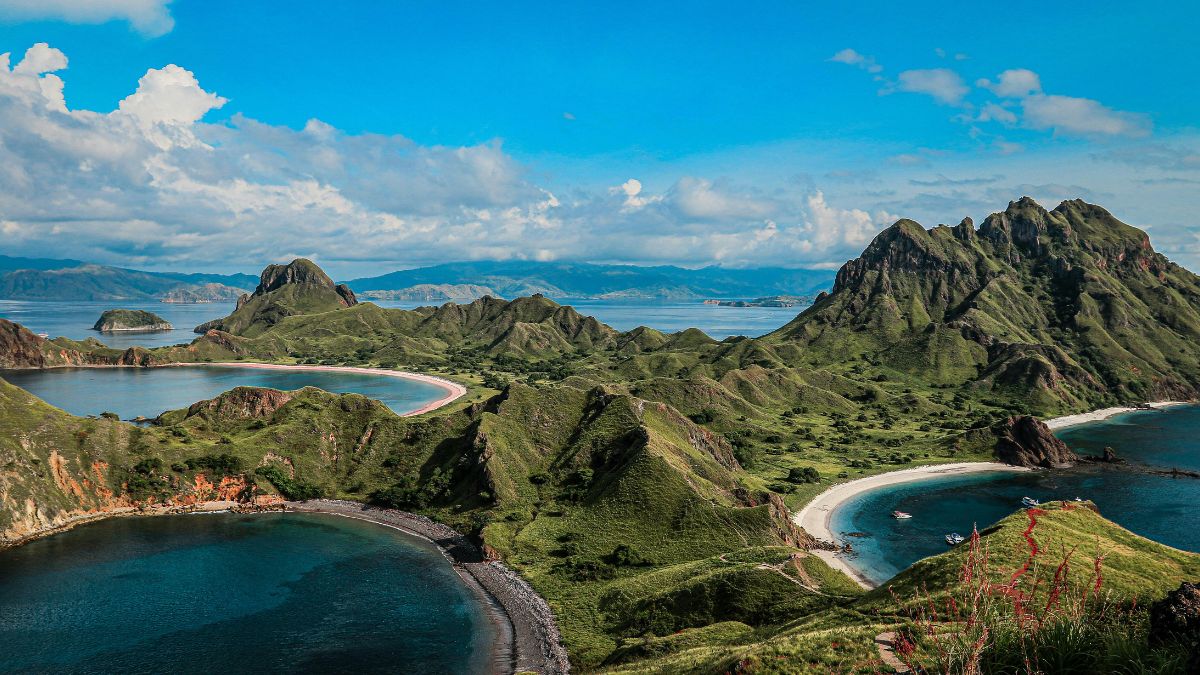
From the sweeping savannahs of Africa to the dense rainforests of South America, the natural world offers encounters so profound they permanently reshape how people understand life on Earth. These experiences place humans face to face with creatures living entirely outside the rhythms of modern civilization. Each moment unfolds without a script, guided only by instinct, season, and chance. Witnessing wild animals in their true habitat carries a weight that no documentary or zoo visit can replicate. These are the twenty encounters that every nature lover should add to their lifetime list.
Great Migration
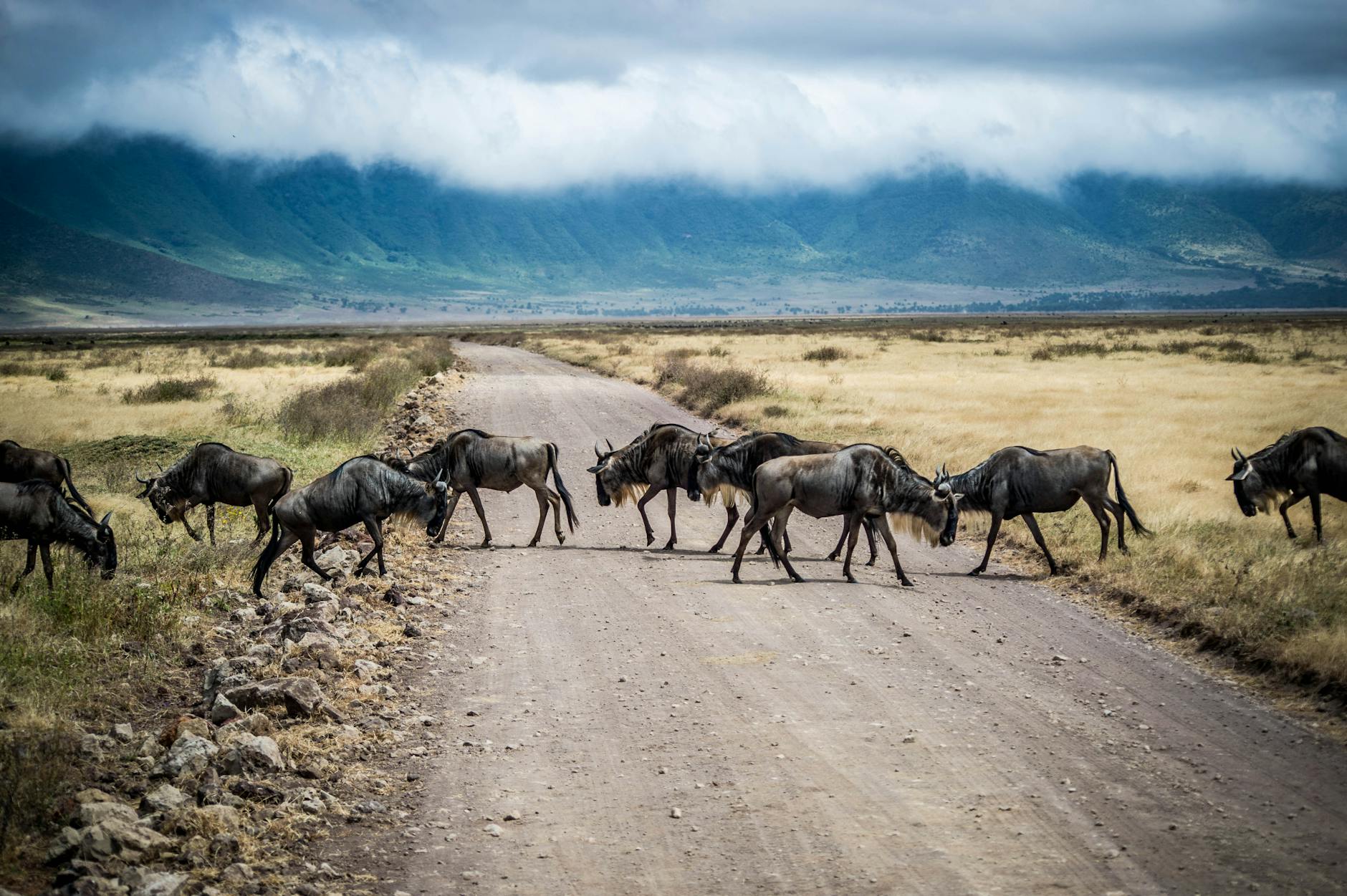
Every year between July and October, over a million wildebeest move across the Serengeti and into Kenya’s Masai Mara in one of the most dramatic natural spectacles on the planet. The thundering columns stretch for miles across the golden plains, accompanied by hundreds of thousands of zebras and gazelles. Predators including lions, cheetahs and crocodiles gather along the route, making every crossing a breathtaking test of survival. The sheer scale and raw energy of this movement is unlike anything else in the animal kingdom.
Mountain Gorillas
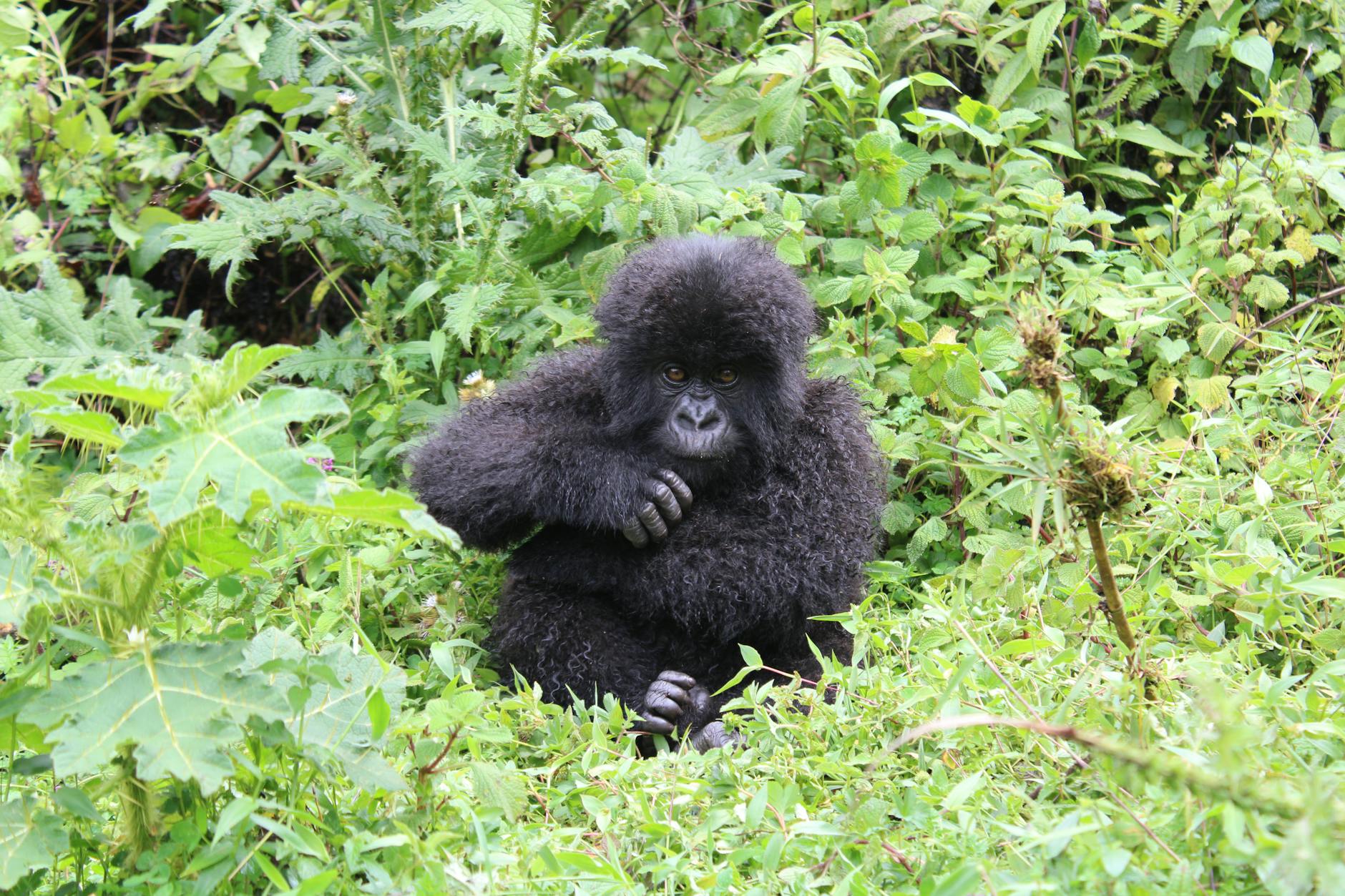
Trekking through the misty forests of Rwanda or Uganda to find a habituated gorilla family is one of the most emotionally powerful wildlife experiences available to travelers. Groups of up to ten visitors spend a closely regulated hour in the presence of these gentle giants under the guidance of expert trackers. The physical resemblance between gorillas and humans creates an immediate and deeply moving sense of connection. With fewer than 1000 mountain gorillas remaining in the wild, the privilege of this encounter carries great responsibility.
Galápagos Islands
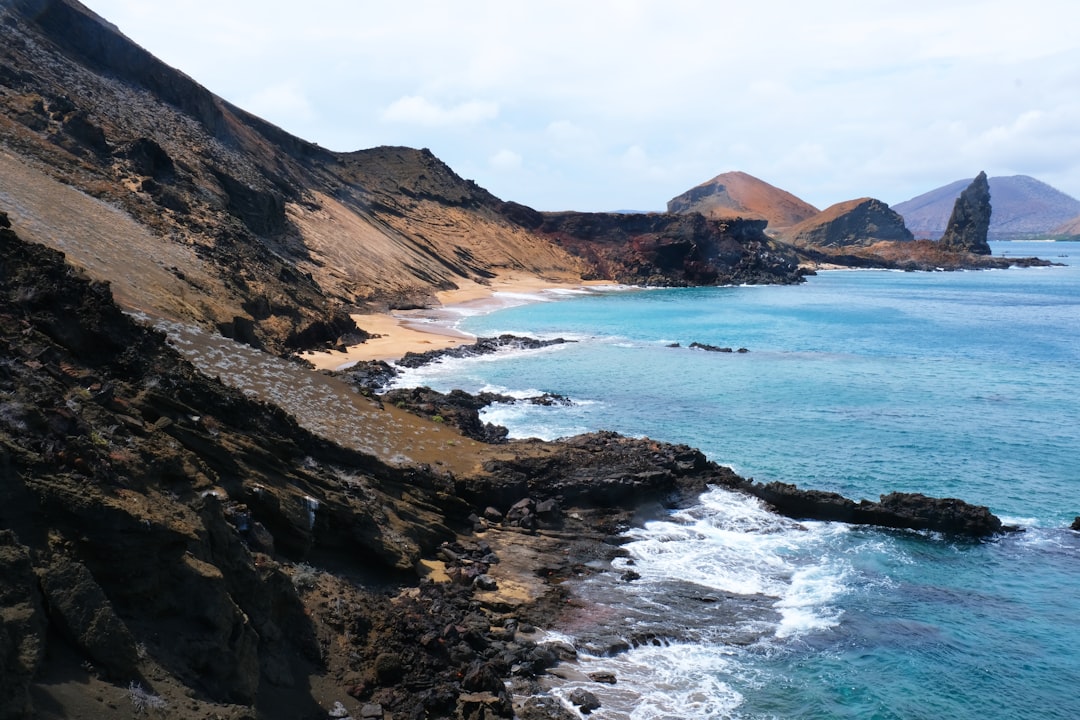
The wildlife of the Galápagos archipelago evolved in near-total isolation, producing species found nowhere else on Earth. Giant tortoises roam volcanic landscapes while blue-footed boobies perform elaborate mating dances just meters from curious visitors. Marine iguanas dive into cold Pacific waters and sea lions play alongside snorkelers without fear. The fearlessness of the animals here offers a rare and humbling window into a world where humans are simply not seen as a threat.
Whale Sharks
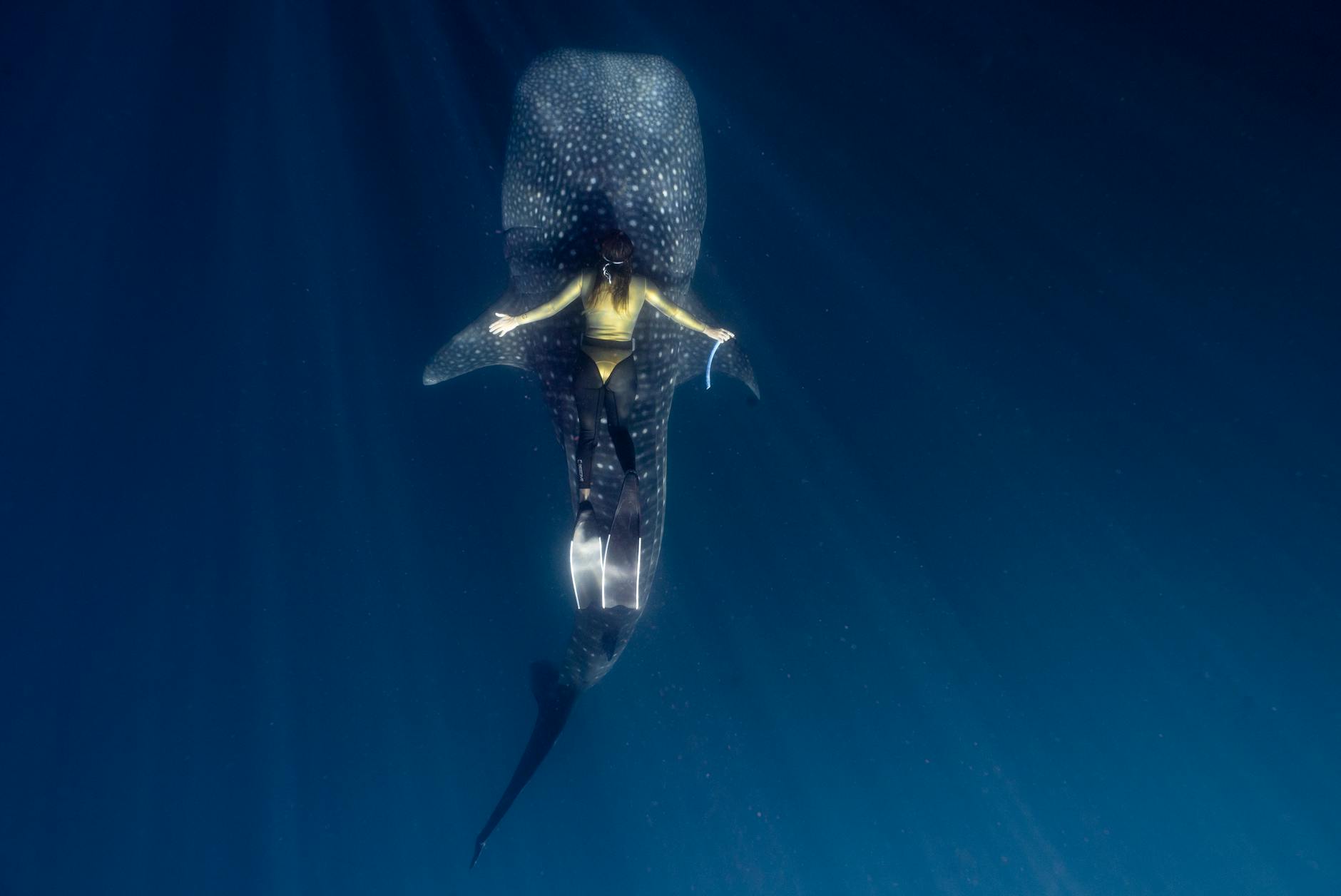
Swimming alongside the world’s largest fish in the warm waters of destinations such as the Philippines, Mexico or Western Australia is an encounter of extraordinary scale. Whale sharks can reach lengths of over twelve meters and filter thousands of liters of seawater each hour in their vast, patterned mouths. Despite their size they are entirely docile filter feeders, posing no danger to swimmers who enter the water respectfully alongside them. The experience of drifting next to such an ancient and enormous creature produces a profound sense of smallness and wonder.
Northern Lights
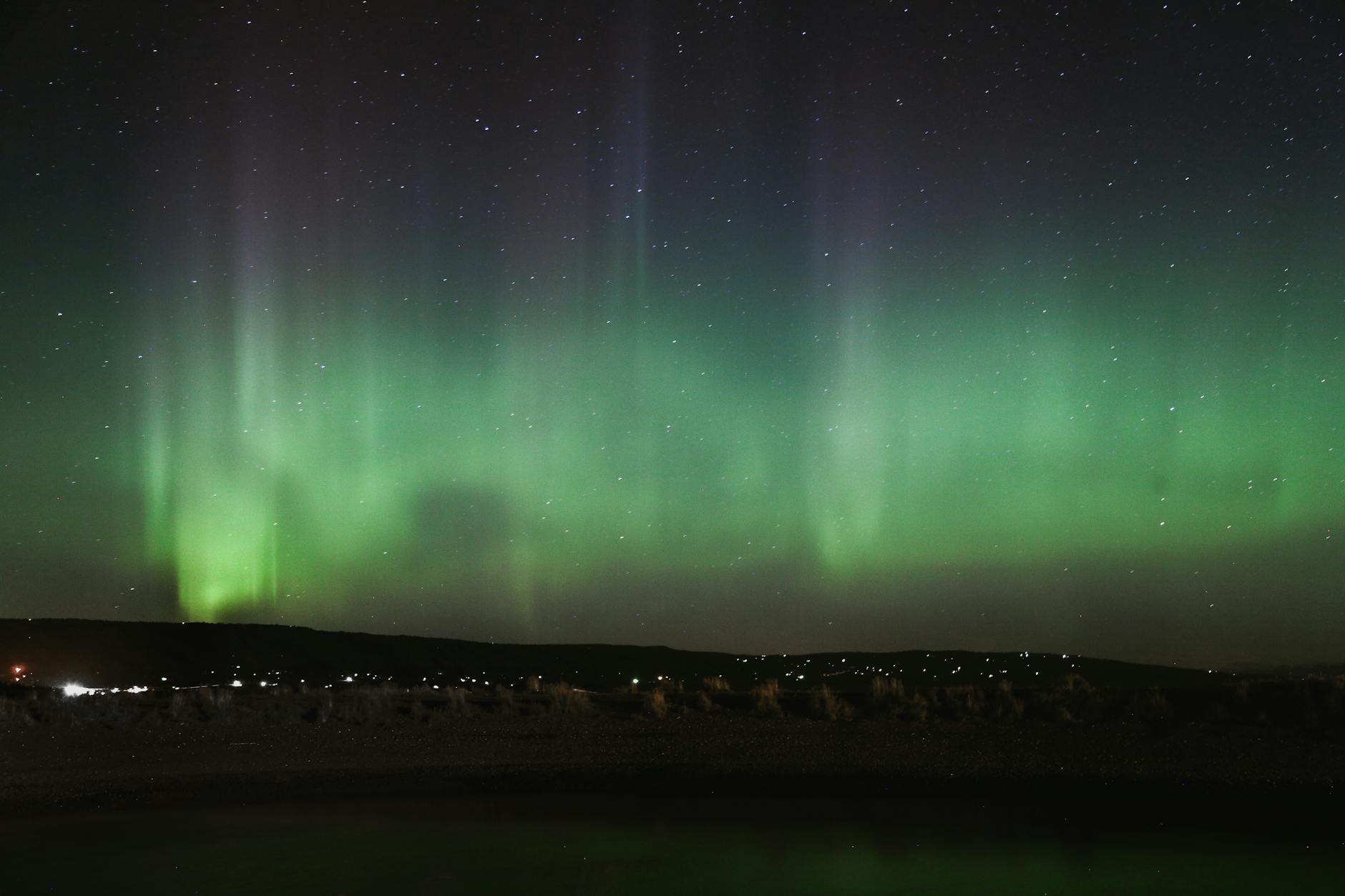
While not strictly a wildlife encounter, the aurora borealis draws travelers to Scandinavia, Iceland and northern Canada for an experience deeply tied to the natural world. The lights appear most vividly between September and March when solar activity and dark skies align over the Arctic regions. Curtains of green, violet and white ripple silently across the night sky in patterns that shift by the second. Many travelers describe the aurora as a transformative encounter with the living pulse of the planet itself.
Monarch Butterflies
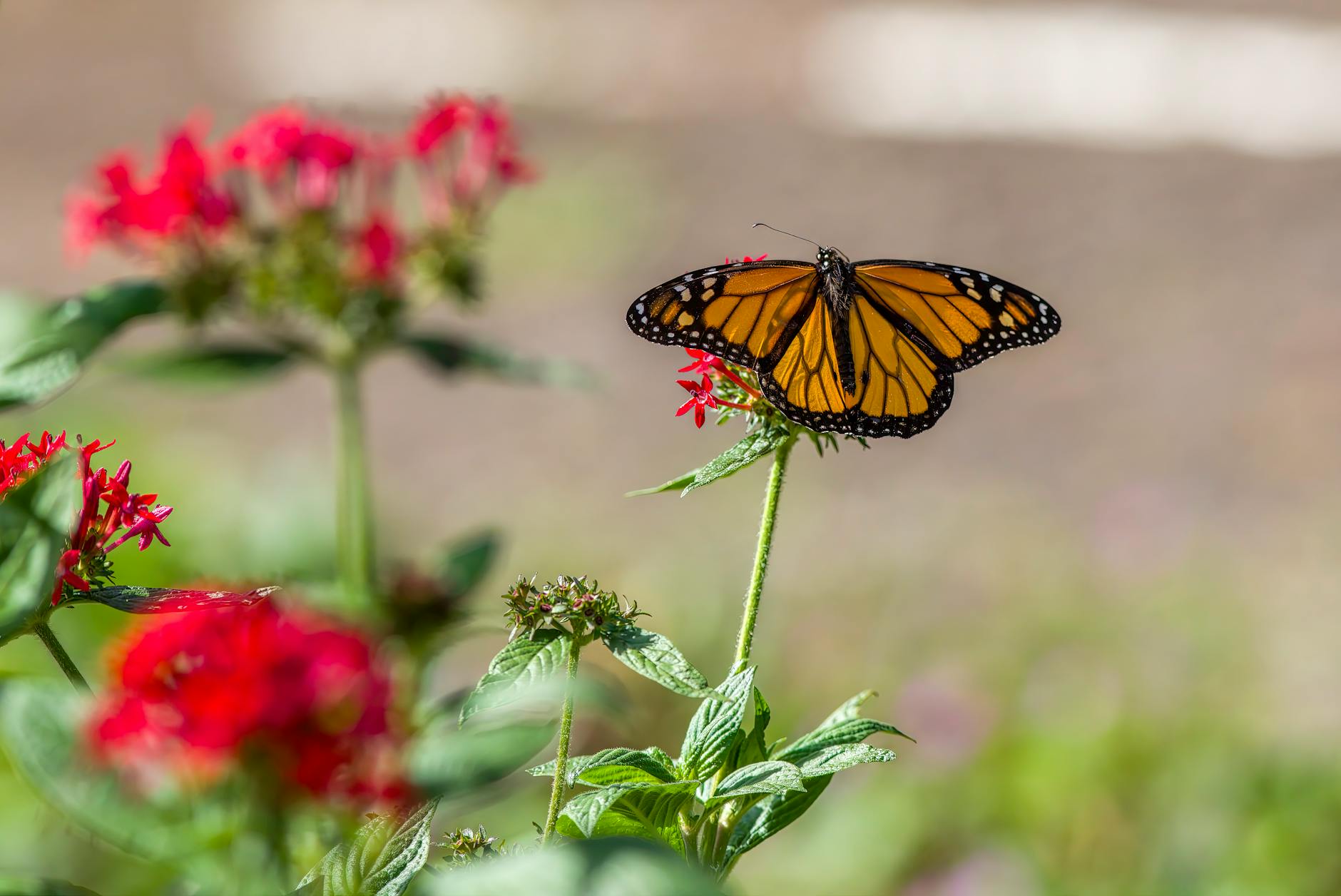
Each autumn, hundreds of millions of monarch butterflies complete one of the most remarkable migrations in the insect world, traveling up to 4500 kilometers from North America to the mountain forests of central Mexico. The oyamel fir trees of Michoacán become so densely covered in resting butterflies that their branches bend under the combined weight. The forest fills with a soft rustling as wings open and close in the filtered winter light. Witnessing this congregation offers a rare and delicate reminder of nature’s extraordinary capacity for precision and endurance.
Arctic Fox
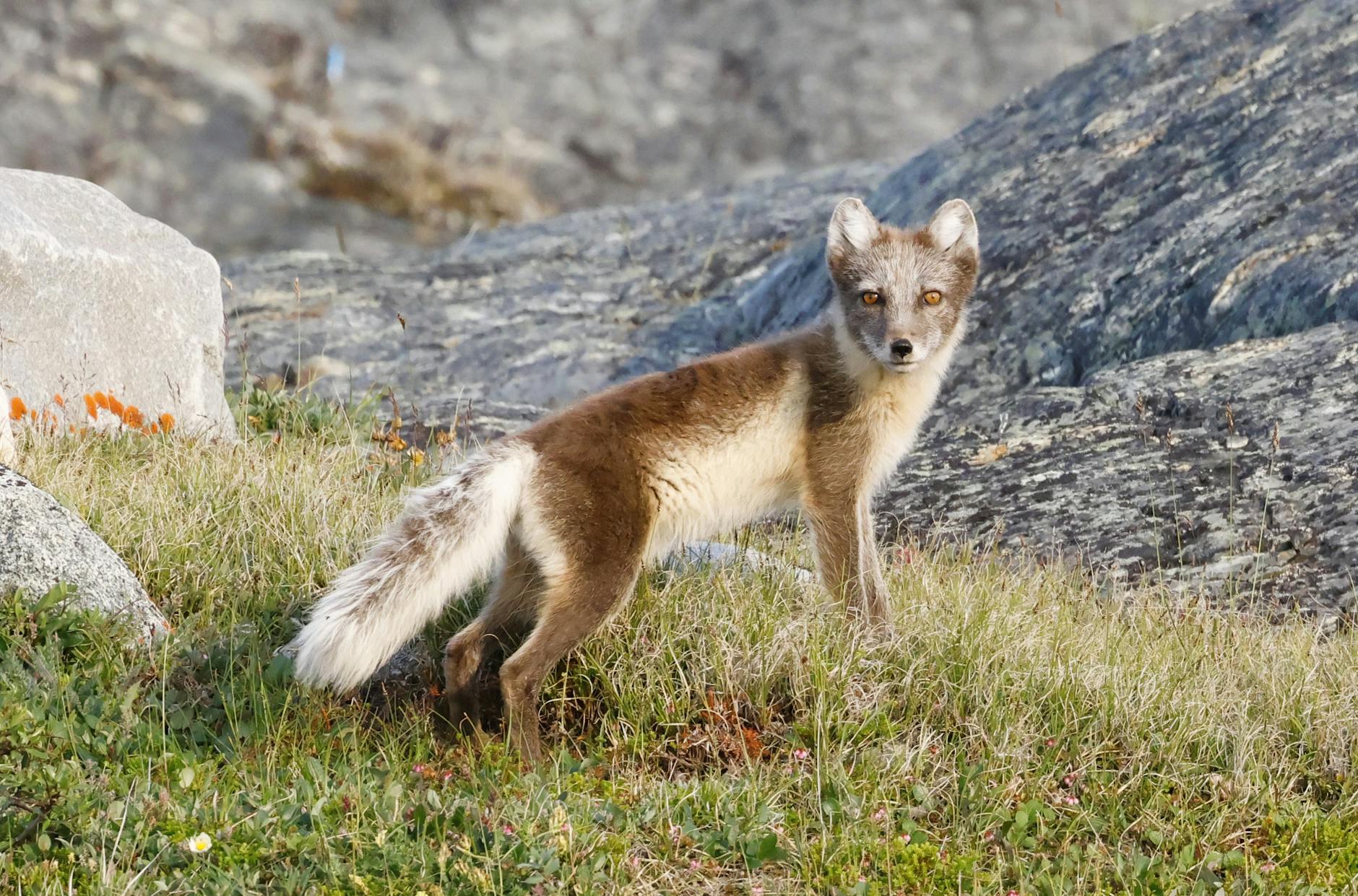
The high Arctic tundra of Svalbard, Iceland and northern Canada is home to one of nature’s most adaptable and charismatic small predators. Arctic foxes change their coat from deep brown in summer to a thick brilliant white in winter, providing near-perfect camouflage against the snow. They are curious animals and will often approach human visitors with surprising boldness in areas where they are undisturbed. Watching one hunt beneath the ice by listening and pouncing is a masterclass in evolved instinct playing out in real time.
Manta Rays
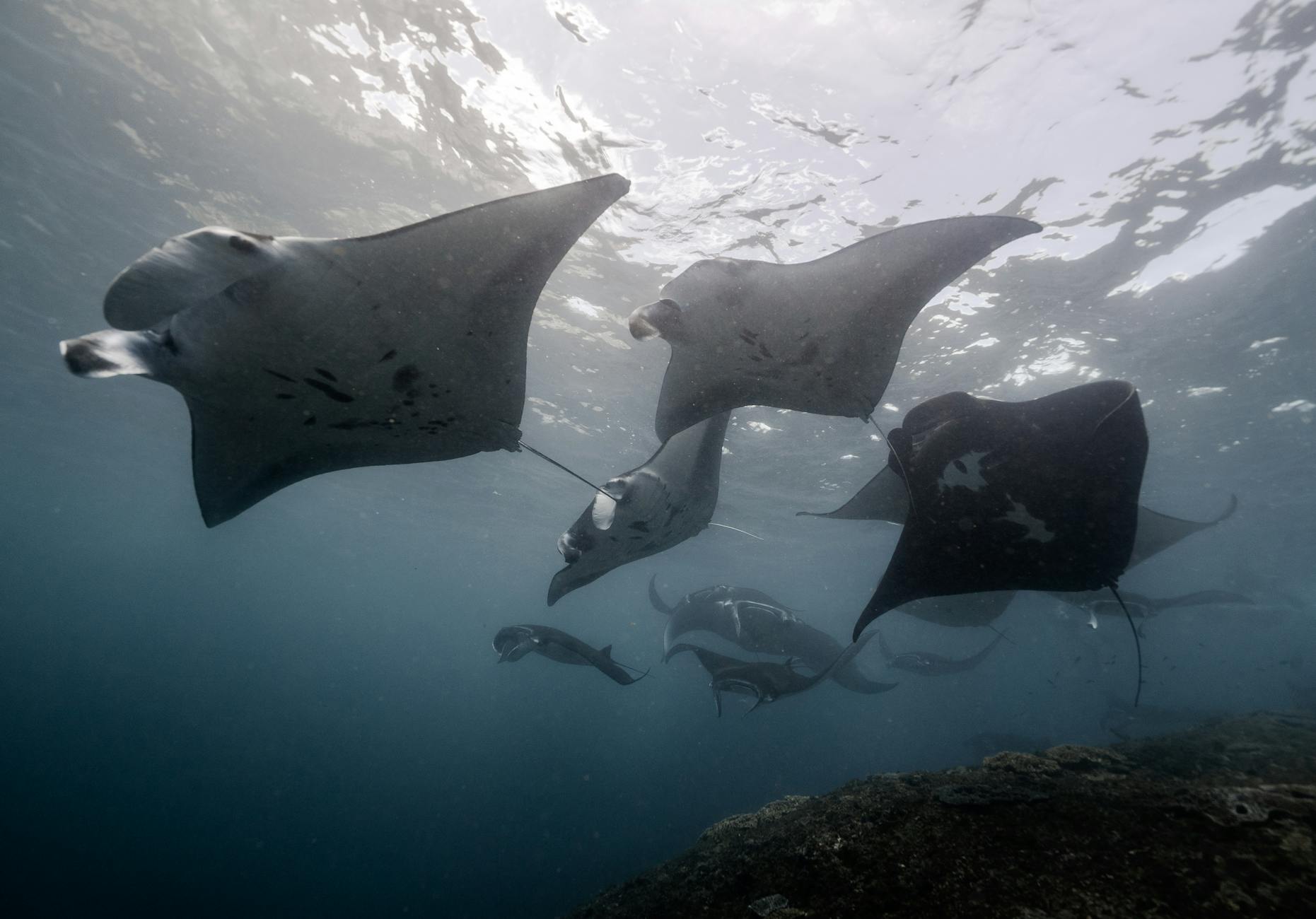
The Maldives, the Azores and Indonesia’s Raja Ampat are among the best places on Earth to snorkel or dive alongside oceanic manta rays. With wingspans reaching up to seven meters, these graceful giants glide through the water with effortless, sweeping movements that appear almost choreographed. They gather at cleaning stations where small fish remove parasites from their skin, making them predictably accessible to patient and respectful divers. Their large, intelligent eyes suggest a depth of awareness that makes each encounter feel quietly reciprocal.
Polar Bears
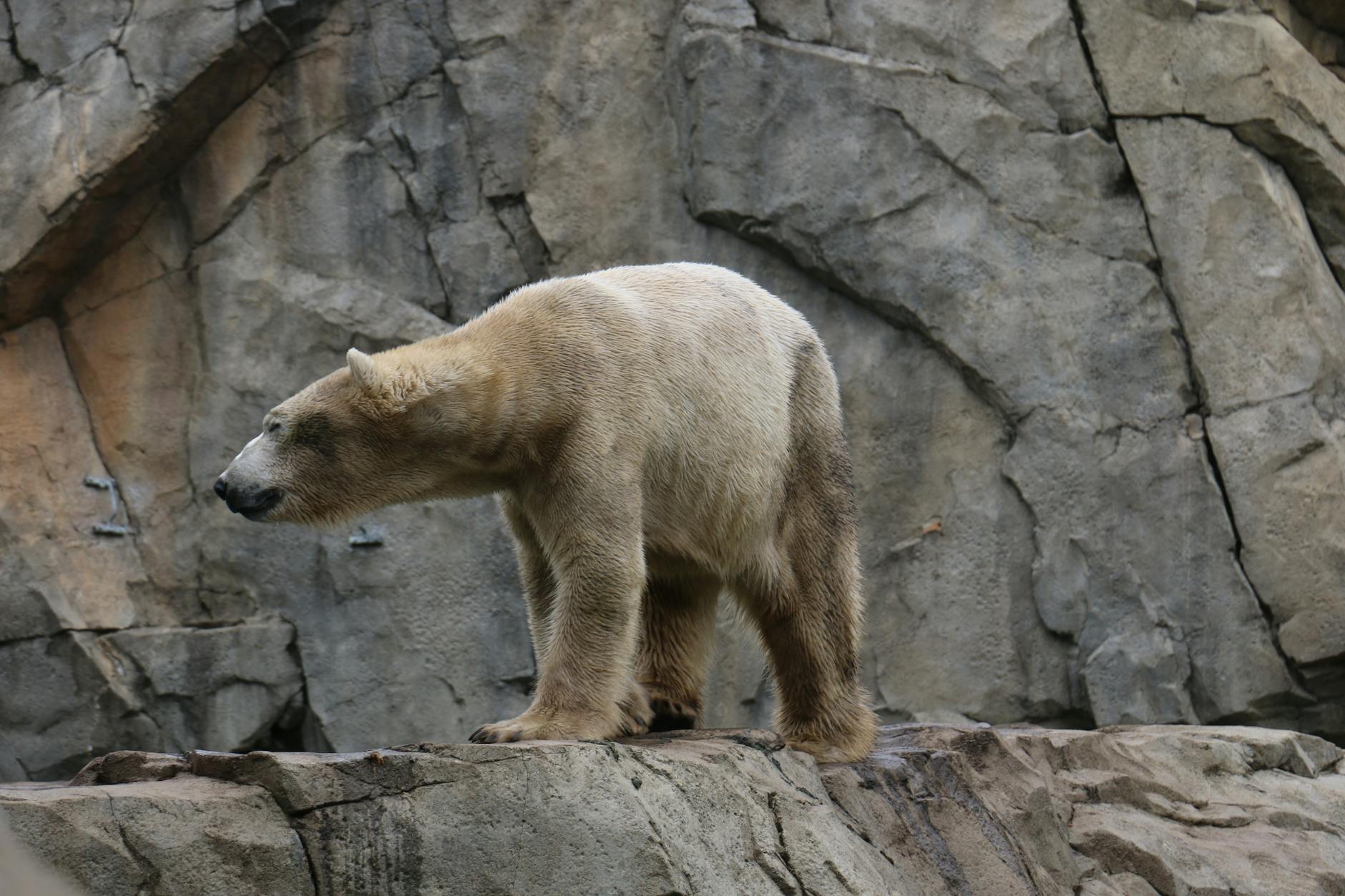
Churchill in northern Canada offers one of the only reliable land-based opportunities on Earth to observe polar bears in the wild during the autumn freeze-up season. Travelers board specially designed tundra vehicles to watch bears spar, rest and wait for Hudson Bay to freeze so they can begin hunting seals. The bears are large, powerfully built and entirely in command of their environment in a way that commands instinctive human respect. This encounter carries added poignancy given the well-documented threat that climate change poses to their sea ice habitat.
Bioluminescent Bays
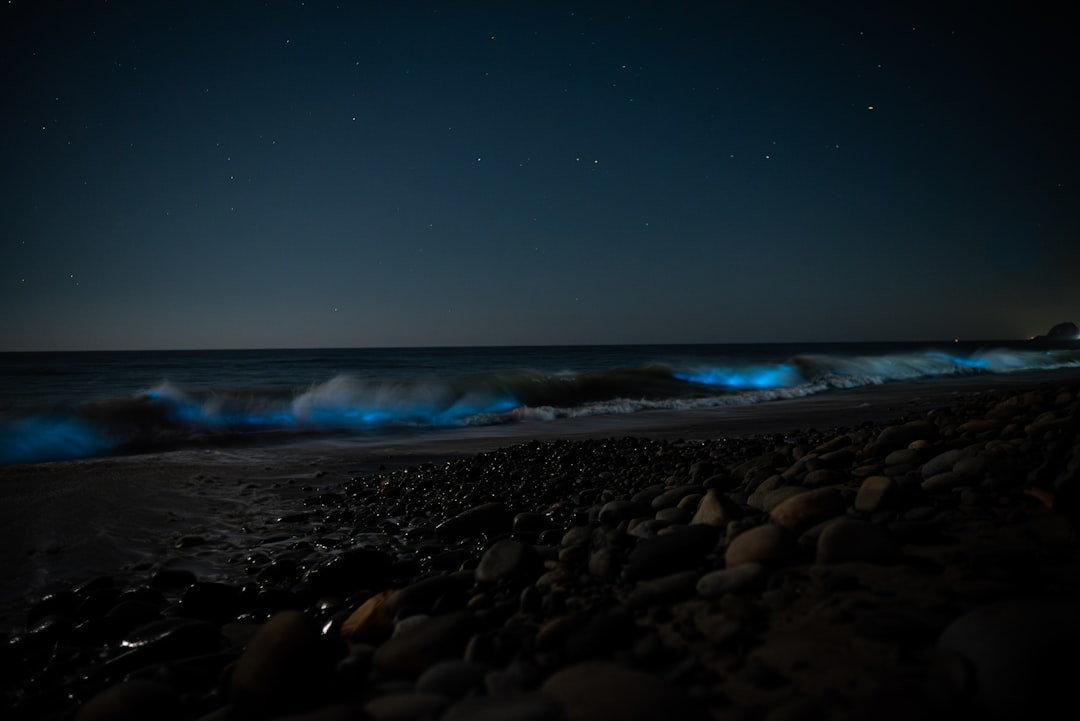
In a handful of locations including Mosquito Bay in Puerto Rico and the waters of the Maldives, marine microorganisms called dinoflagellates produce a vivid blue glow when disturbed. Kayaking or swimming through these waters at night causes every movement to trail with electric blue light, turning the body into a glowing outline in the darkness. The phenomenon is entirely natural and rooted in a chemical reaction the organisms use as a defense mechanism. Experiencing bioluminescence firsthand makes abstract biology suddenly and unforgettably real.
Komodo Dragons
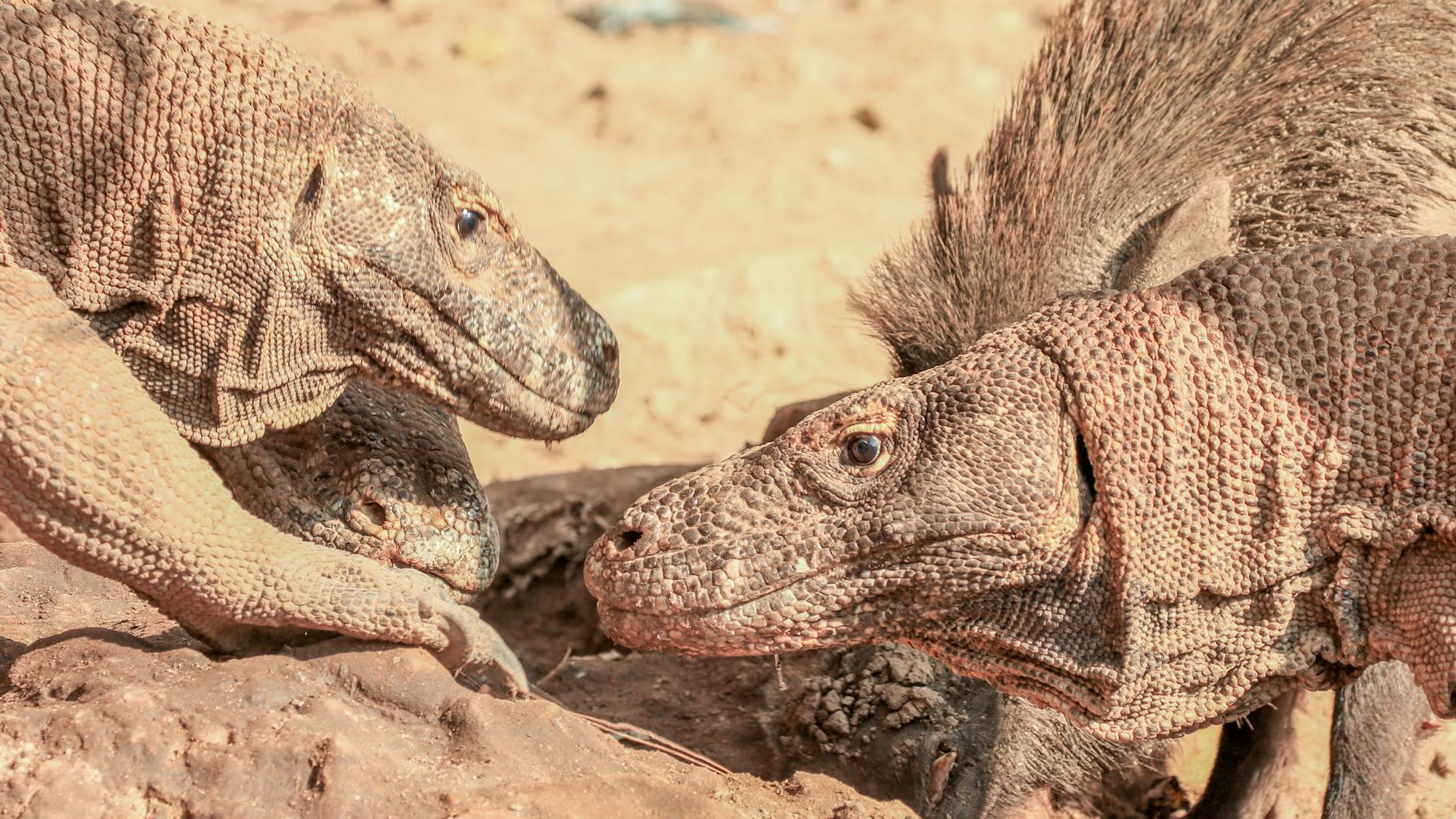
The Komodo dragon is the largest living lizard on Earth and exists naturally only on a small cluster of Indonesian islands in Komodo National Park. Adults can reach three meters in length and are equipped with serrated teeth, powerful claws and venom-laced saliva that makes their bite particularly dangerous. Rangers guide visitors through the park on foot at a respectful distance, allowing close observation of animals that have barely changed in millions of years. The presence of a Komodo dragon in its natural terrain creates an atmosphere of ancient, prehistoric immediacy.
Amazon Rainforest
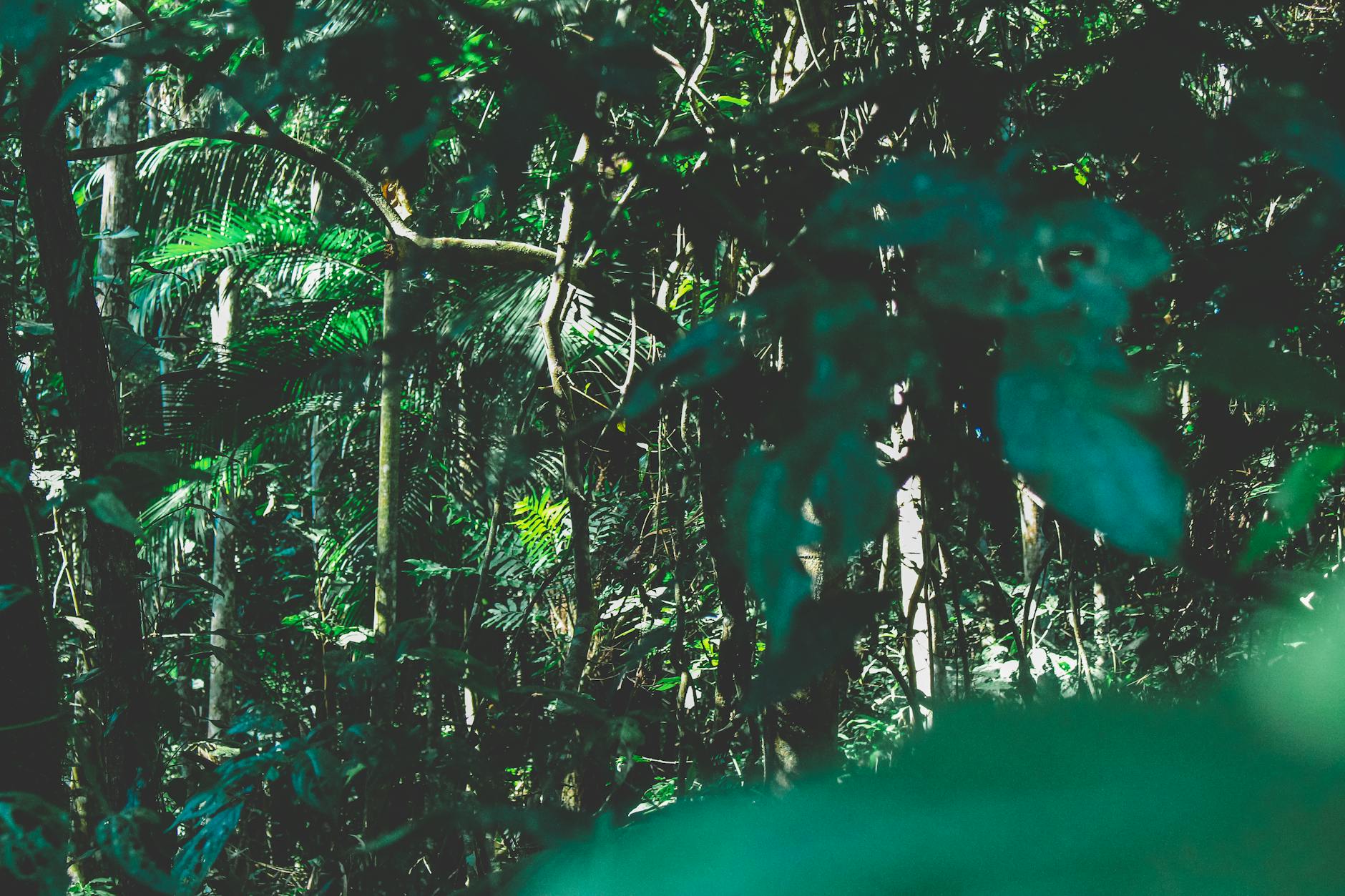
The Amazon basin contains the greatest concentration of biodiversity on the planet, sheltering an estimated ten percent of all species known to science. River journeys through the Peruvian or Brazilian Amazon reveal pink river dolphins, giant river otters, caimans and an almost overwhelming variety of birds and insects. Dawn in the canopy produces a chorus of sound from hundreds of species calling, feeding and moving through the layered forest. No other single destination offers the density or variety of wildlife encounter that the Amazon delivers to patient and prepared travelers.
African Elephants
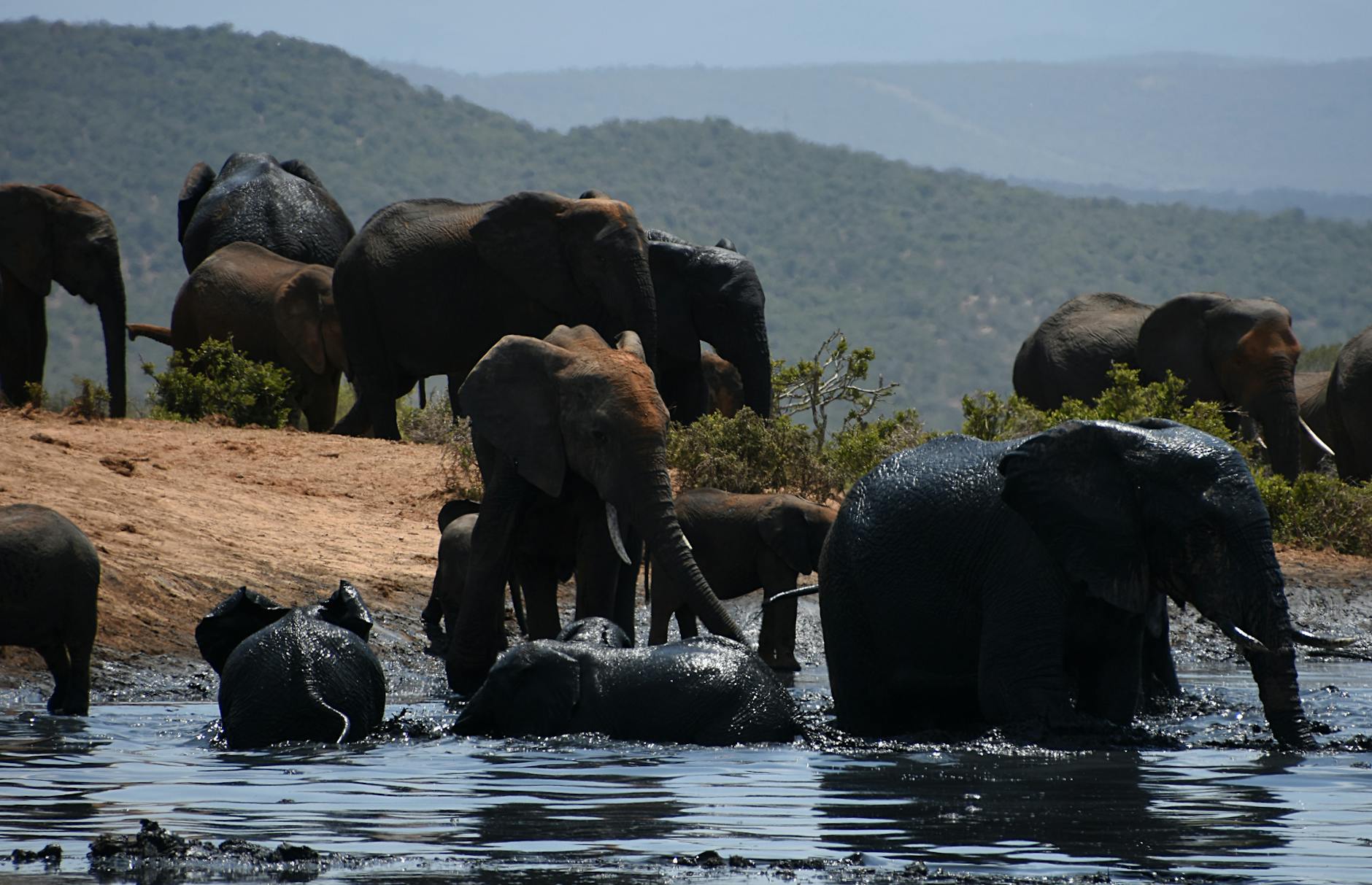
Observing a wild elephant herd in Botswana’s Okavango Delta or Kenya’s Amboseli National Park reveals behaviors and social structures of remarkable complexity. Matriarchs lead their extended families across familiar landscapes, navigating water sources and seasonal routes passed down through generations. Young calves stay close to their mothers while older juveniles learn through play and observation at the edges of the group. The intelligence, memory and emotional responsiveness of elephants are consistently reported by guides and researchers as among the most affecting qualities in the entire animal kingdom.
Humpback Whales
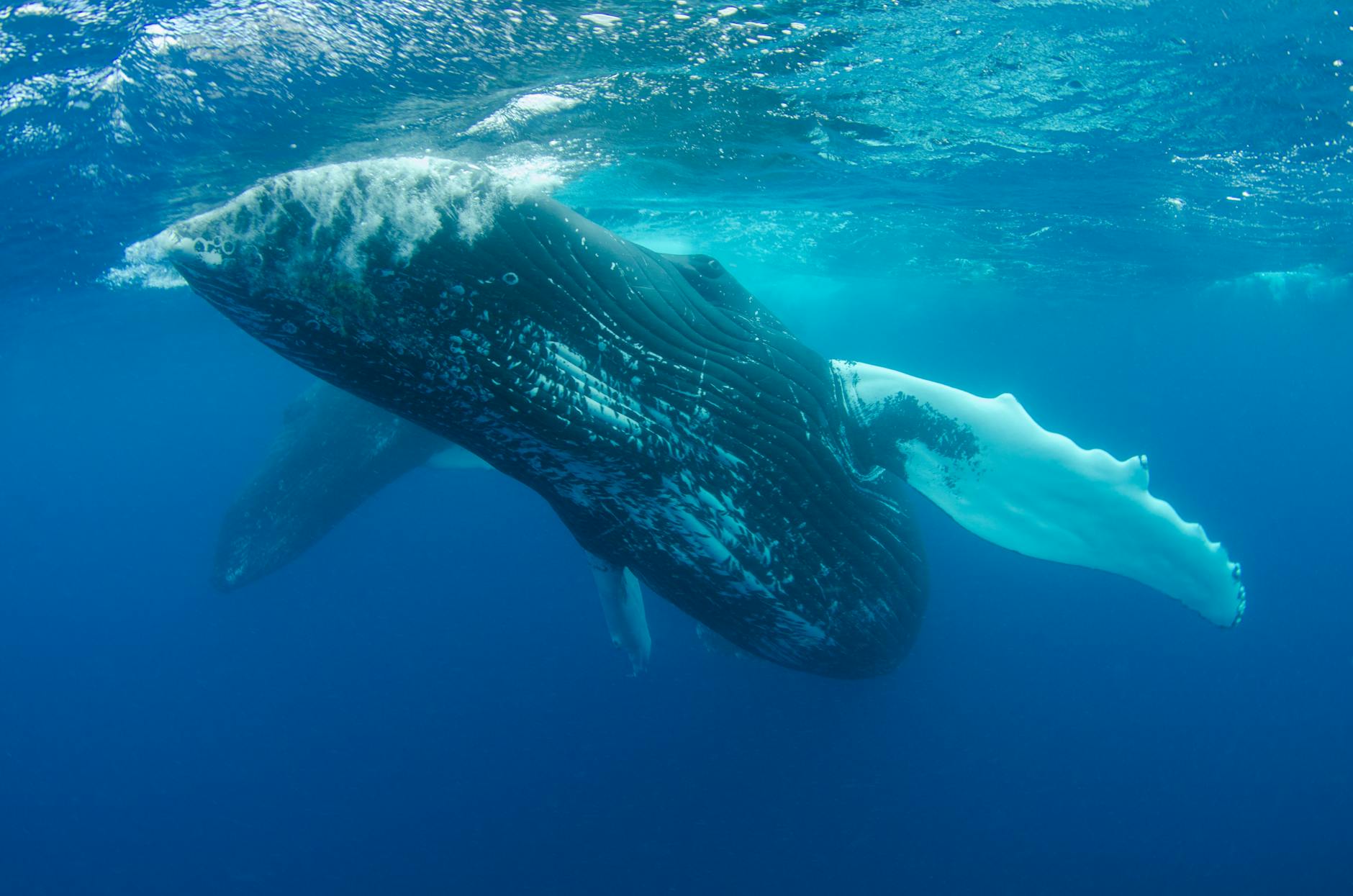
The coastal waters of Tonga, Iceland and Alaska offer seasonal opportunities to witness humpback whales breaching, singing and feeding in open water. Adults can weigh up to 40 tonnes and yet launch their entire bodies clear of the surface in breaches that send walls of white water in every direction. Their complex songs, unique to each ocean population, can travel hundreds of kilometers through deep water. Boat-based and in-water encounters with humpbacks are consistently rated among the most emotionally resonant wildlife experiences available anywhere on Earth.
Snow Leopards
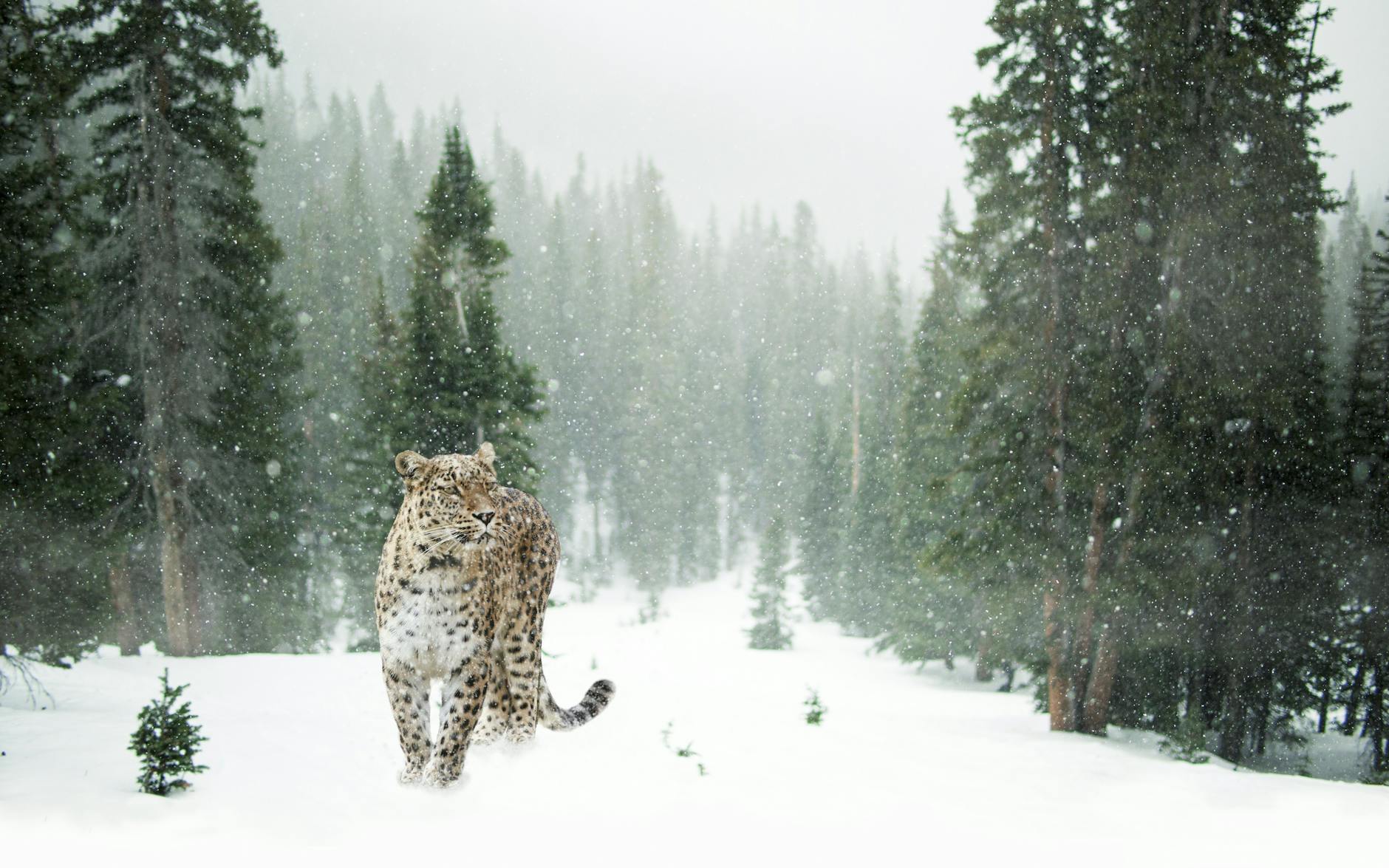
The remote mountain ranges of the Himalayas and the Hindu Kush are home to one of the most elusive wild cats on the planet. Snow leopards are so rarely seen that even experienced trackers in Ladakh or Bhutan consider a confirmed sighting a rare professional milestone. Their thick, patterned coats blend seamlessly into rocky terrain and their wide, padded paws allow them to move silently across steep snow-covered slopes. Organizations running specialist tracking expeditions to these regions report that the search itself, through breathtaking high-altitude landscapes, is as rewarding as the sighting.
Nile Crocodiles
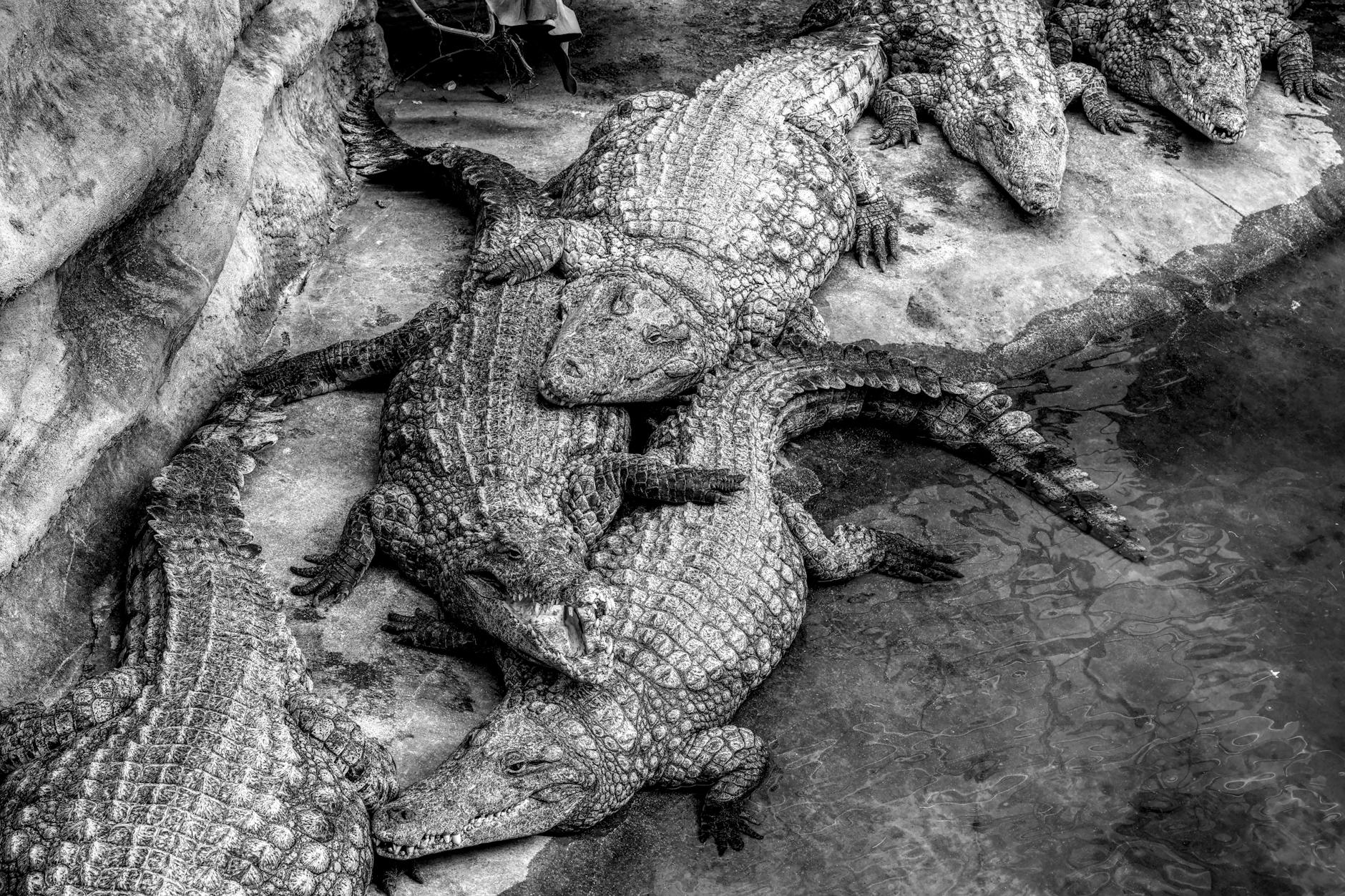
The rivers and wetlands of sub-Saharan Africa are home to Nile crocodiles that can reach five meters in length and represent one of the continent’s most formidable apex predators. During the wildebeest migration, crocodiles congregate at river crossings in extraordinary numbers, making ambush encounters visible from safe distances on the bank. Outside of crossing season, guides lead boat-based safaris along waterways where crocodiles bask, hunt and interact with almost theatrical indifference to the presence of observers. Their unchanged design over 200 million years of evolution makes every encounter feel like a direct link to the age of dinosaurs.
Fireflies
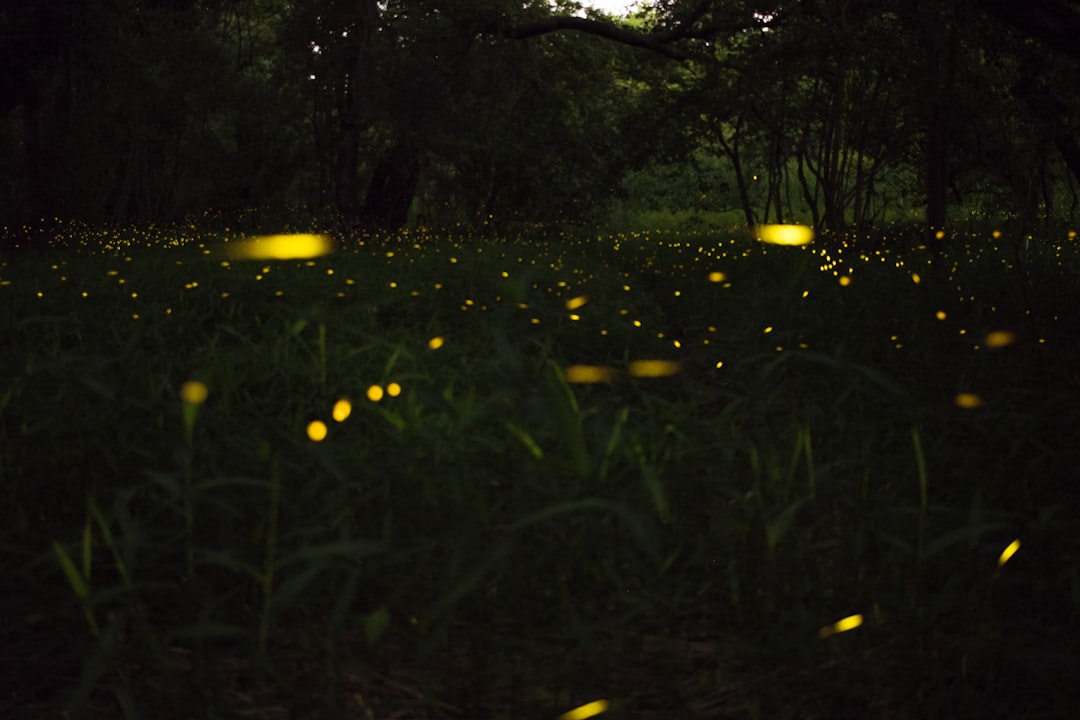
The synchronous firefly display in Great Smoky Mountains National Park in the United States and the glowing forests of Pterotachus in Taiwan offer natural light shows produced entirely by thousands of small beetles signaling to potential mates. In the Smoky Mountains a specific species flashes in perfectly coordinated pulses, creating waves of golden light that sweep through the dark forest understory. The display lasts only a few weeks in late spring and early summer, making timing essential for visitors hoping to witness it. This quiet and ethereal encounter offers a vivid contrast to the grand scale of many other wildlife experiences on this list.
Orangutans
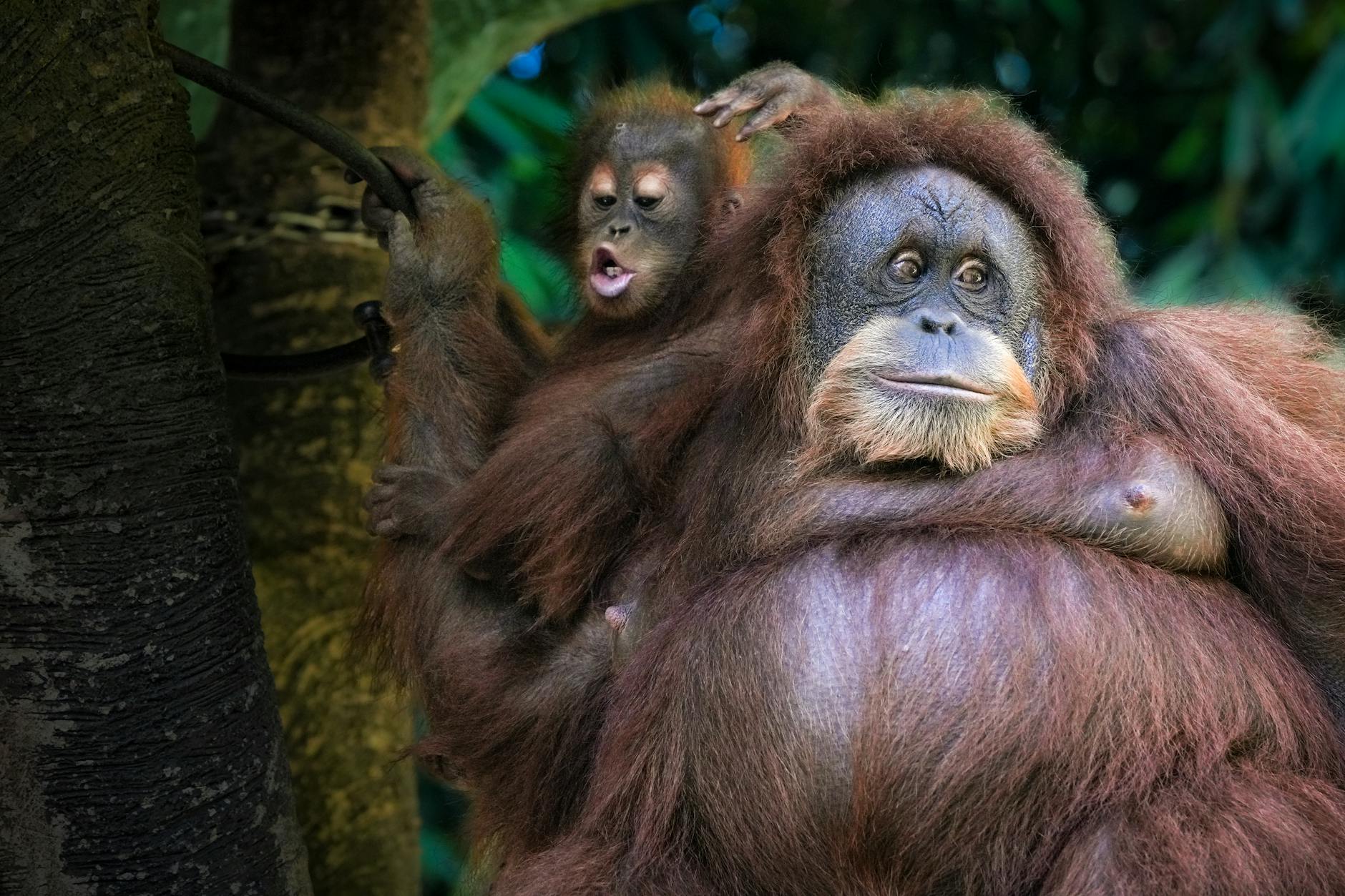
The rainforests of Borneo and Sumatra are the only places on Earth where wild orangutans can be observed in their natural habitat. These red-haired great apes move through the forest canopy with slow, deliberate grace, using their long arms to navigate between trees and forage for fruit, bark and insects. Their expressive faces and problem-solving intelligence make prolonged observation feel more like a social encounter than a traditional wildlife sighting. Responsible eco-lodges in Tanjung Puting National Park in Borneo offer multi-day river journeys that bring visitors into close and sustainable proximity with wild populations.
Sardine Run
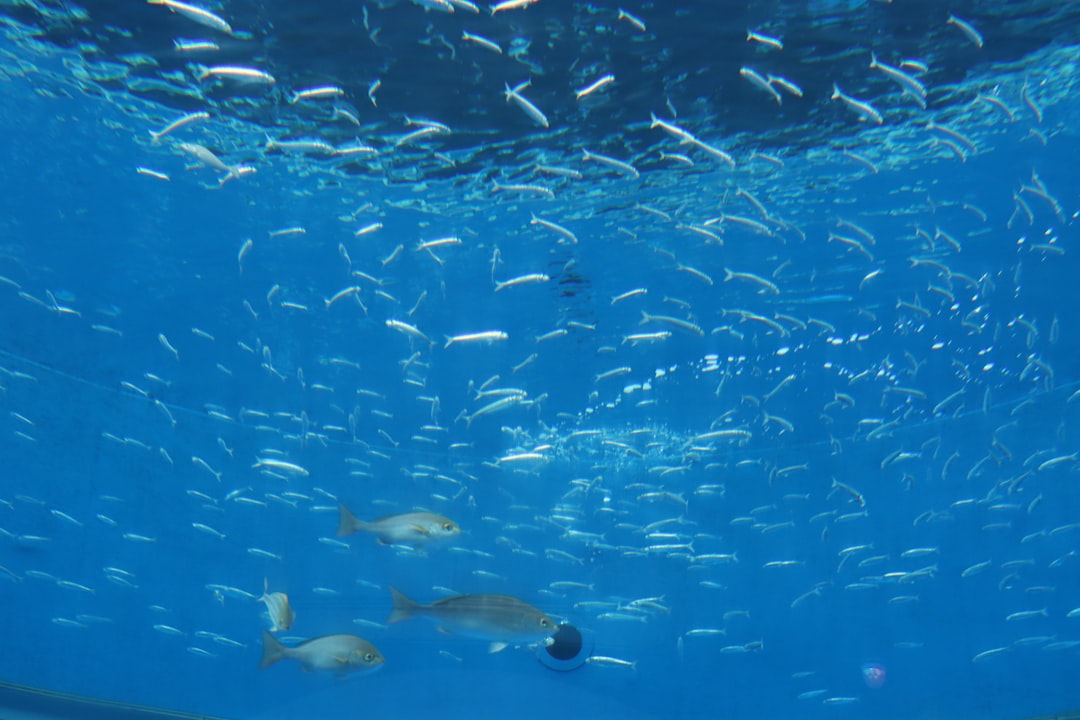
Every year between May and July, billions of sardines migrate northward along the eastern coast of South Africa in a natural event so large it is visible from space. The bait ball formations created by the fish attract sharks, dolphins, gannets and whales that work cooperatively and competitively to feed in a frenzy of extraordinary energy. Divers enter the water to witness the spectacle from within, surrounded on all sides by swirling walls of silver fish and the predators hunting them. The Sardine Run is widely considered one of the most action-dense and visually spectacular wildlife events on the entire planet.
Serengeti Lions
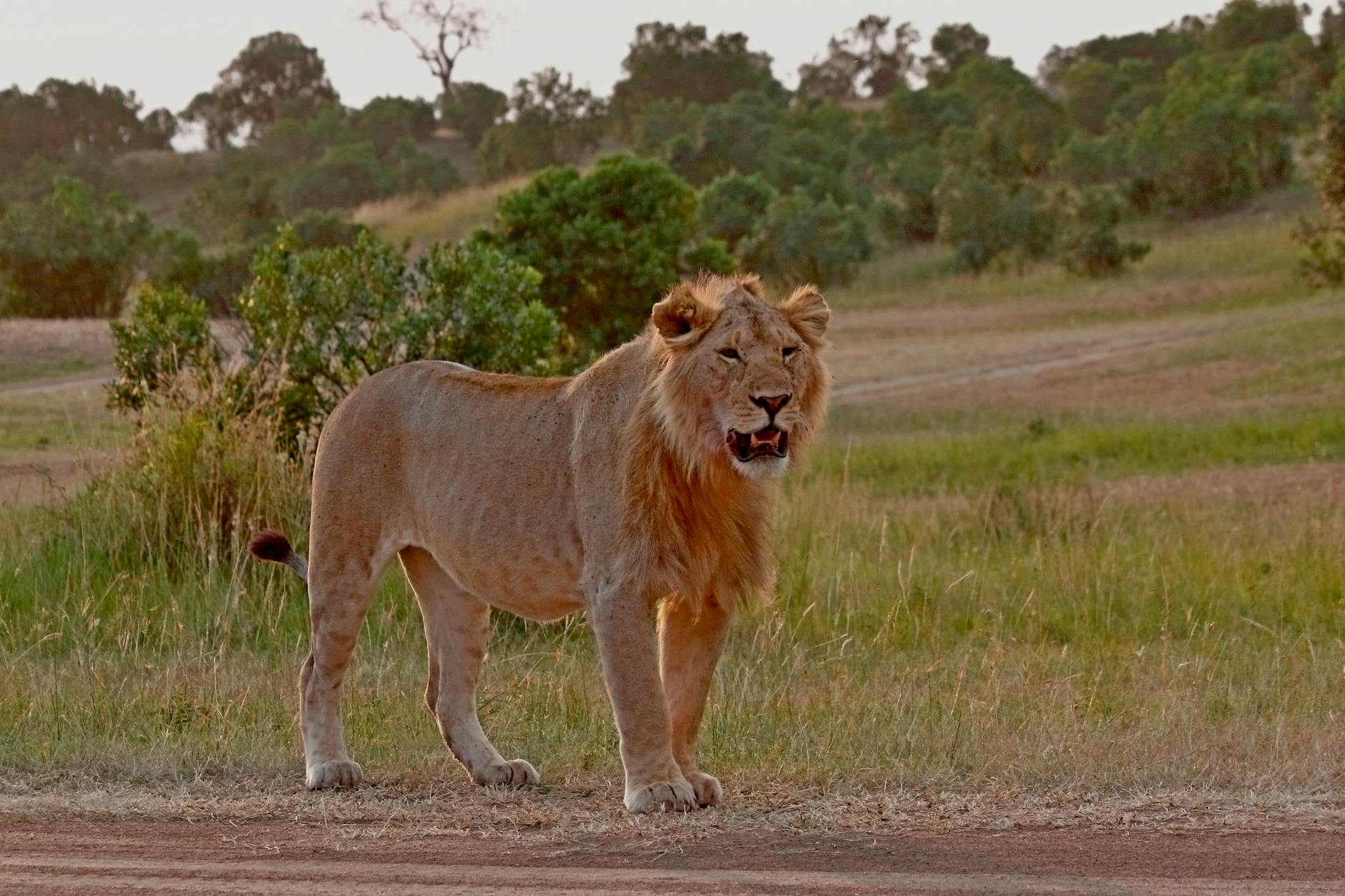
At the pinnacle of this list sits the experience of observing a lion pride in the open plains of Tanzania’s Serengeti National Park. Lions are the most socially complex of the big cats and watching a pride interact around a kill or with young cubs reveals layers of hierarchy, communication and cooperation invisible in any other setting. Dawn and dusk game drives in the Serengeti consistently offer extended close encounters with resting, hunting and playing lions in landscapes of sweeping, cinematic scale. The combination of accessibility, frequency of sightings and sheer dramatic presence makes the Serengeti lion experience the defining wildlife encounter of a lifetime.
Have you witnessed any of these extraordinary encounters firsthand, and do you have one that belongs on this list? Share your thoughts in the comments.




