From remote jungle lodges to beachfront bungalows, hotel resorts around the world are often built within the natural habitats of some surprisingly dangerous wildlife. Guests frequently underestimate how common these encounters can be, even at well-maintained luxury properties. Understanding which animals pose the greatest risk can help travelers stay alert and make smarter decisions during their stay. Knowing the risks does not mean avoiding these destinations but rather approaching them with the awareness they deserve.
Saltwater Crocodile
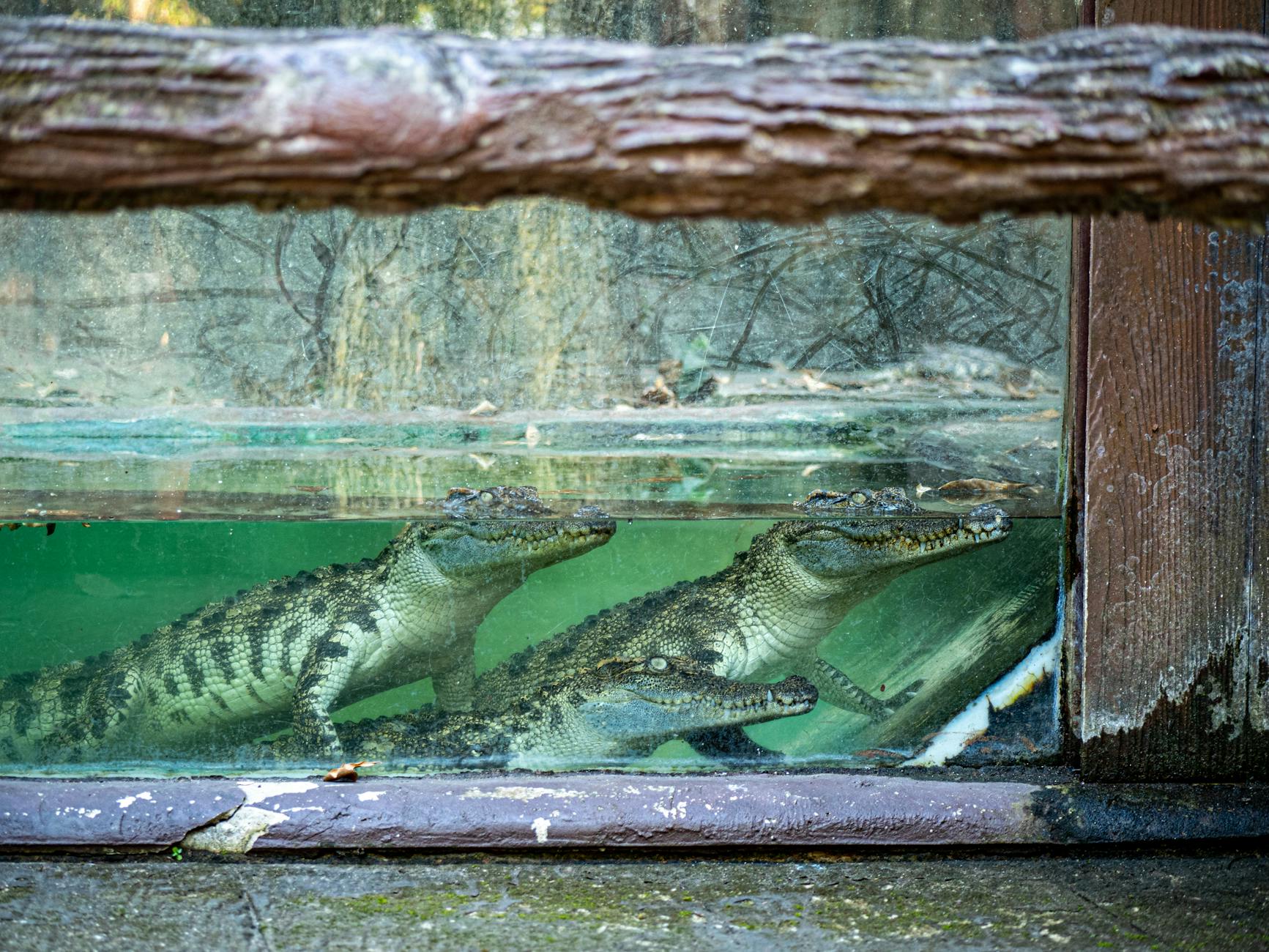
The saltwater crocodile is the largest living reptile on the planet and is found near coastal resorts across northern Australia, Southeast Asia and parts of the Pacific. These animals are exceptional swimmers and frequently move between rivers, estuaries and ocean shorelines where resort properties are often located. They are known for their ambush hunting technique and can strike with remarkable speed from the water’s edge. Many resort guests are unaware that calm-looking waterways near their accommodation may be active crocodile territory. Warning signs posted by resort staff should always be taken seriously and never ignored.
Box Jellyfish
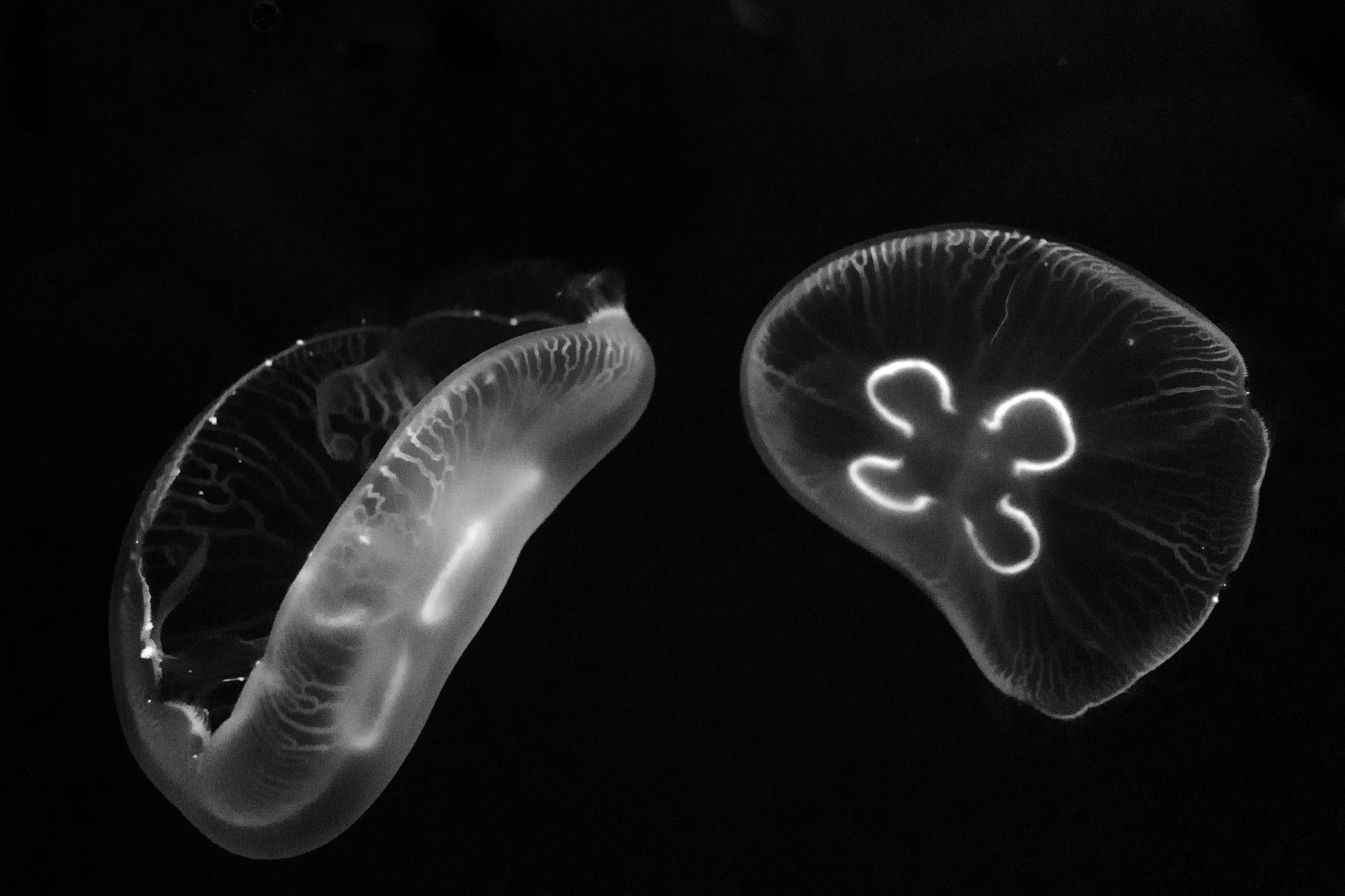
The box jellyfish is widely regarded as one of the most venomous marine creatures in the world and is commonly encountered in the warm coastal waters surrounding tropical resorts. Its nearly transparent body makes it almost impossible to spot while swimming, significantly increasing the danger for unsuspecting guests. Contact with its tentacles can cause immediate and intense pain and in severe cases cardiac arrest can occur within minutes. Resorts in northern Australia and parts of Southeast Asia experience seasonal surges in box jellyfish activity that guests are not always adequately warned about. Stinger nets and protective swimwear are the most reliable forms of protection available to swimmers.
Hippopotamus
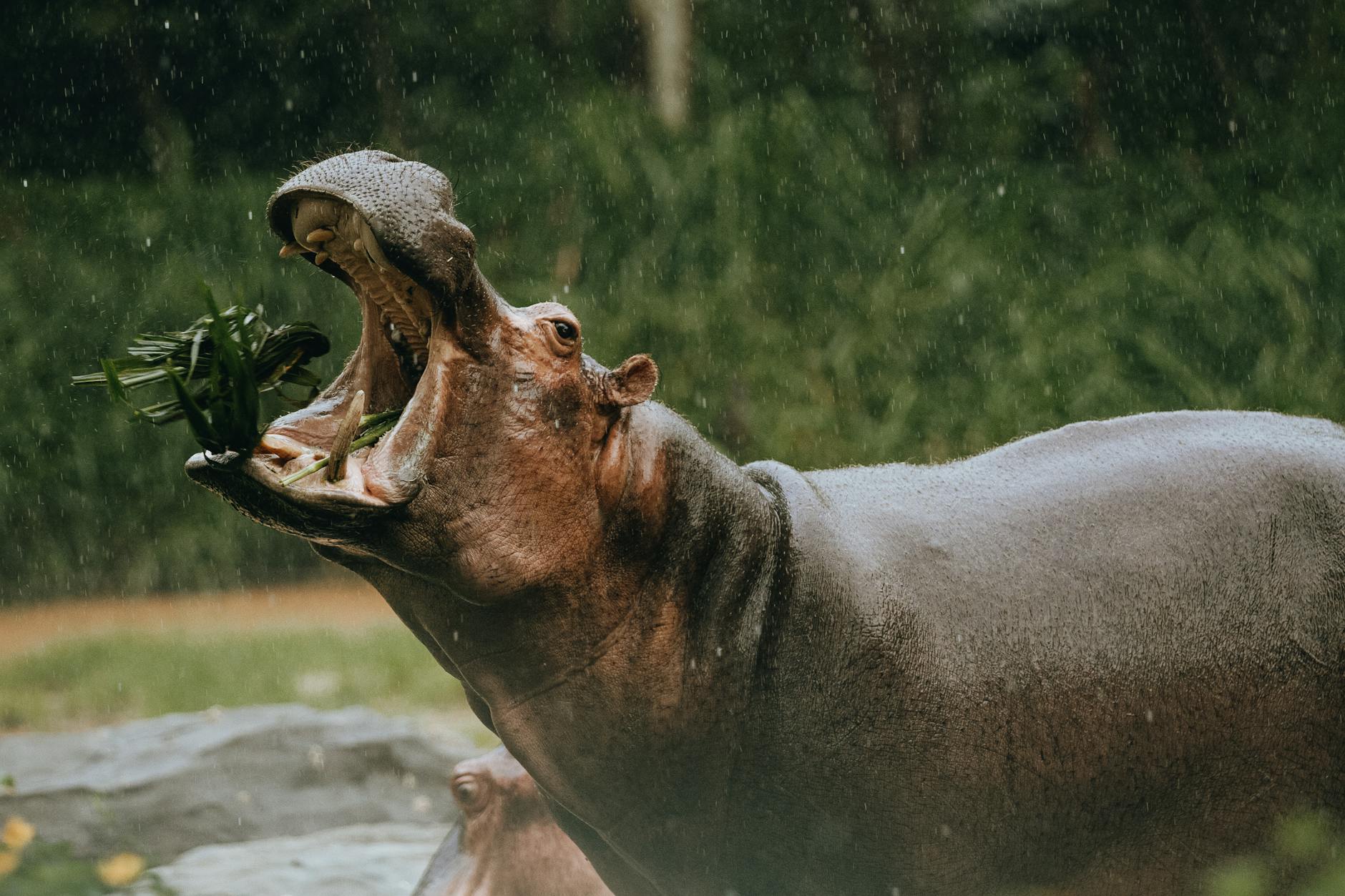
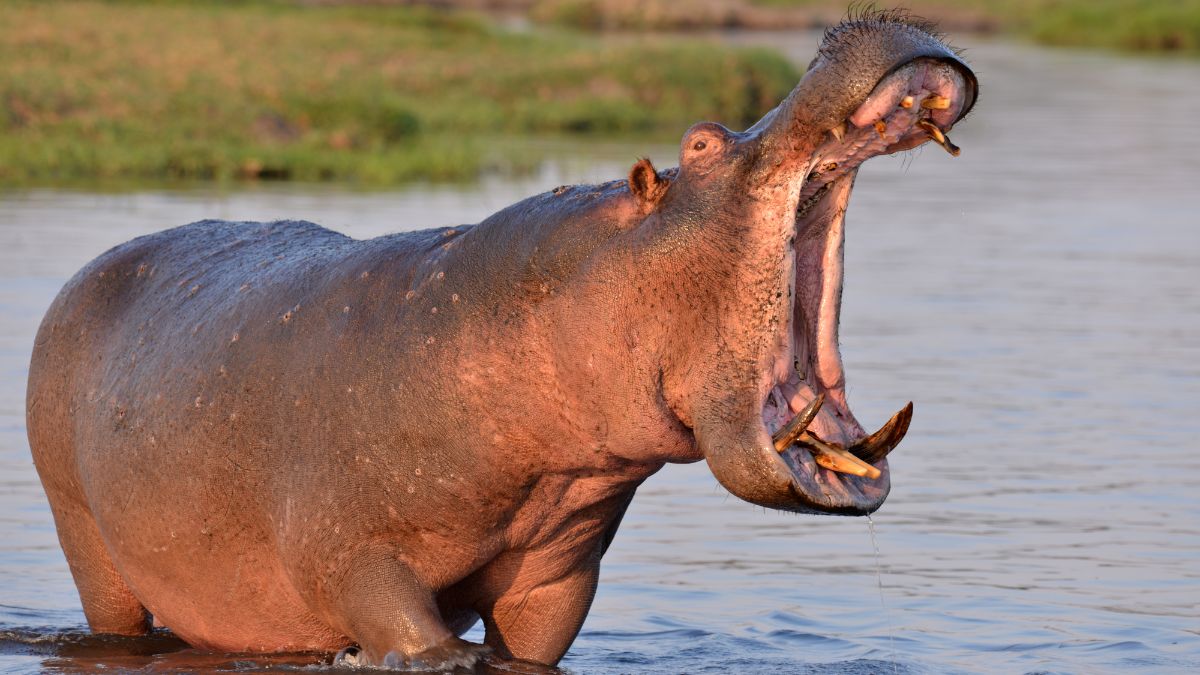
Hippos are responsible for more human fatalities in Africa than almost any other large land animal and resort properties near rivers and lakes on the continent frequently share territory with them. Despite their bulky appearance they can run at surprising speeds on land and are fiercely territorial in and around water. Many upscale safari lodges and lakeside resorts in countries like Kenya, Uganda and Zambia are located within direct range of hippopotamus activity. Guests who wander toward the water at night face the greatest risk as hippos are most active after dark when they come ashore to graze. Resort staff briefings about nighttime movement restrictions exist specifically because of these animals and should be followed without exception.
Cone Snail
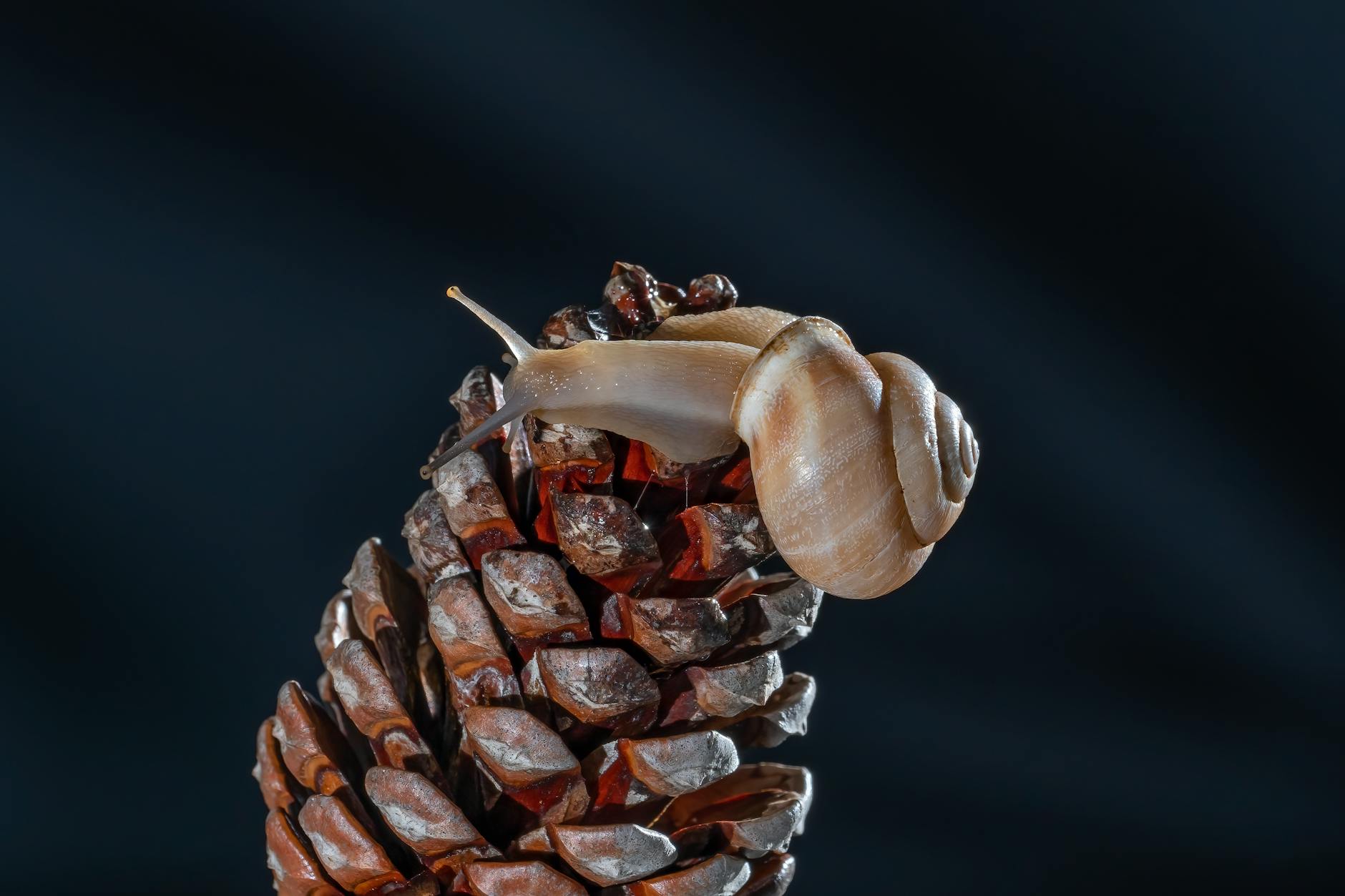
The cone snail is a small and visually striking marine creature found on reefs and sandy shorelines near resorts throughout the Indo-Pacific and Caribbean regions. Its shell is often beautiful enough to tempt guests into picking it up as a souvenir which is precisely when envenomation occurs. The snail fires a harpoon-like tooth that can penetrate skin and deliver a venom for which there is currently no antivenom. Symptoms can range from localized pain to full paralysis and in some recorded cases death has resulted within hours. Resort beach areas near coral reef systems are particularly likely locations for guests to encounter this deceptively dangerous animal.
Puffer Fish
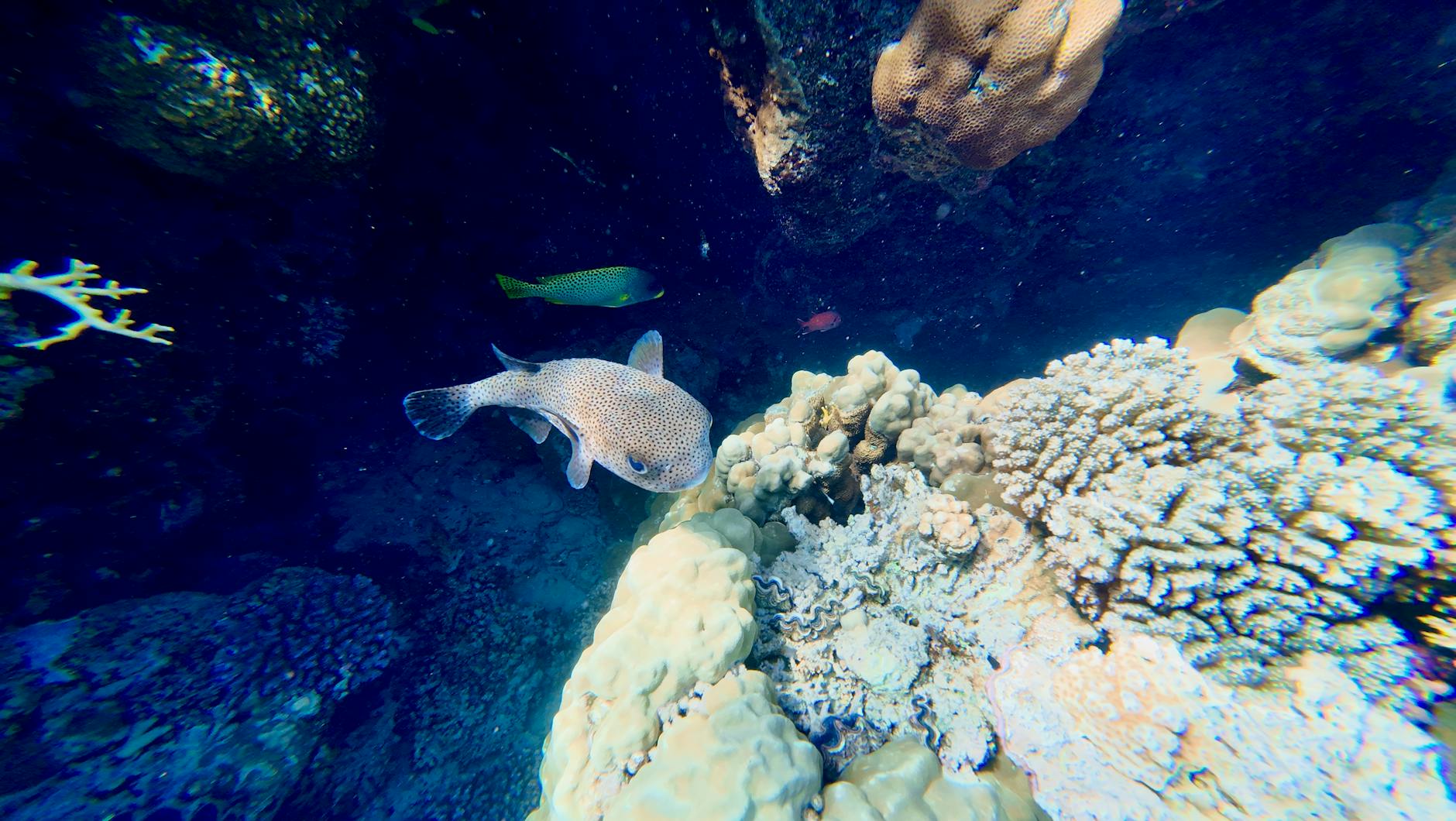
The puffer fish is found in warm shallow waters near countless beach resorts across the tropics and is especially prevalent in the Indian Ocean and Pacific coastal areas. When threatened it inflates into a spiky ball and can deliver a venomous bite if handled. Its internal organs contain tetrodotoxin which is one of the most potent neurotoxins known to science and has no established antidote. Snorkelers and swimmers at resort beaches occasionally disturb puffer fish resting in shallow sandy areas or near reef edges. Resort restaurants in certain regions also serve puffer fish as a local delicacy and only licensed preparation by trained chefs makes it safe for consumption.
Black Mamba
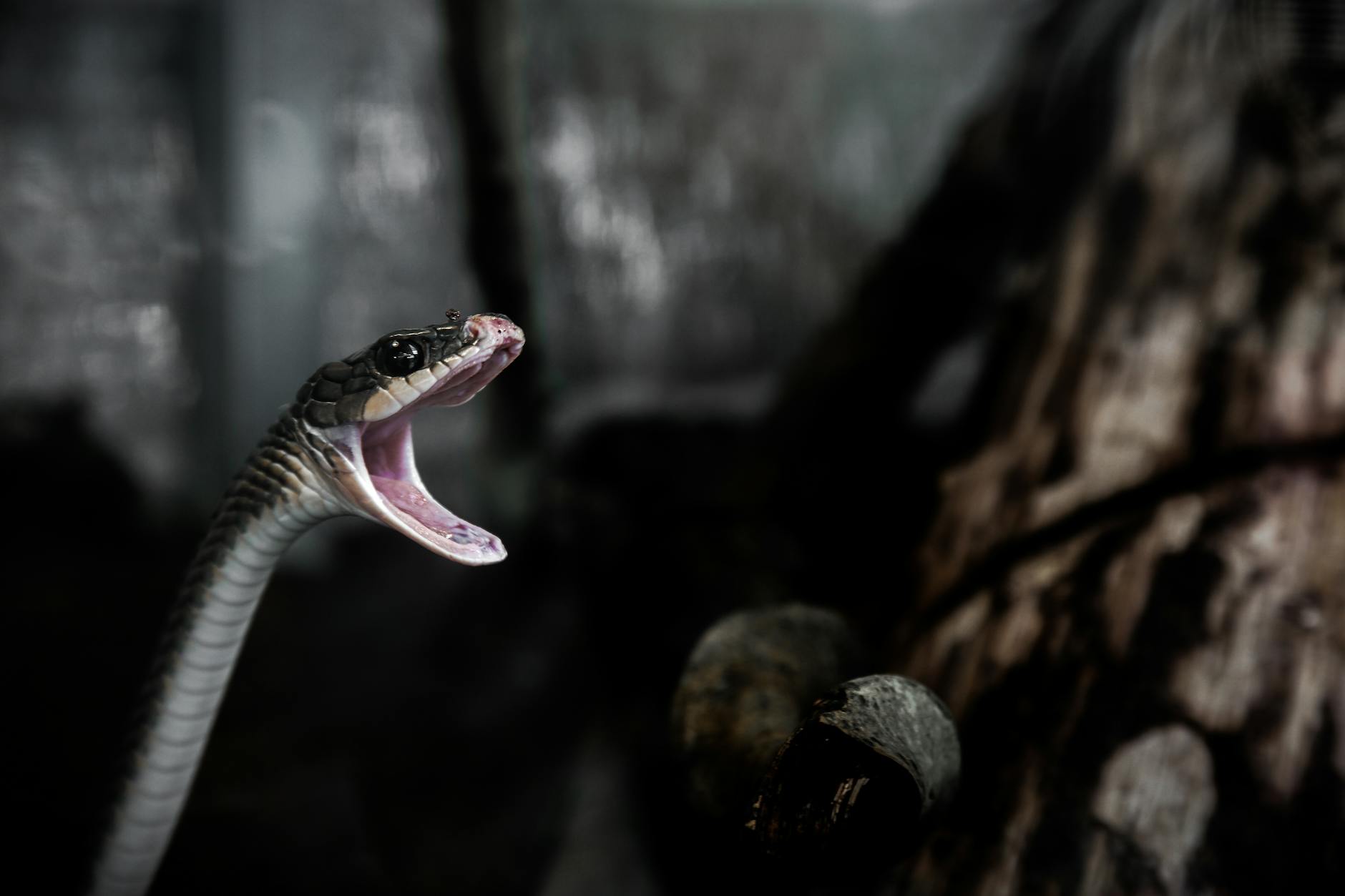
The black mamba is one of the fastest and most venomous snakes in the world and is encountered near safari lodges and bush resorts throughout sub-Saharan Africa. It can reach speeds of up to 20 kilometers per hour over short distances and becomes highly aggressive when it feels cornered or threatened. Its venom is a powerful neurotoxin that can cause respiratory failure in a matter of hours without prompt medical treatment. Resorts built close to rocky outcrops, dense brush or dry savanna landscapes are the most frequent locations for black mamba sightings. Staff at reputable African bush lodges are trained in snake encounter protocols and guests should always defer to their guidance.
Blue-Ringed Octopus
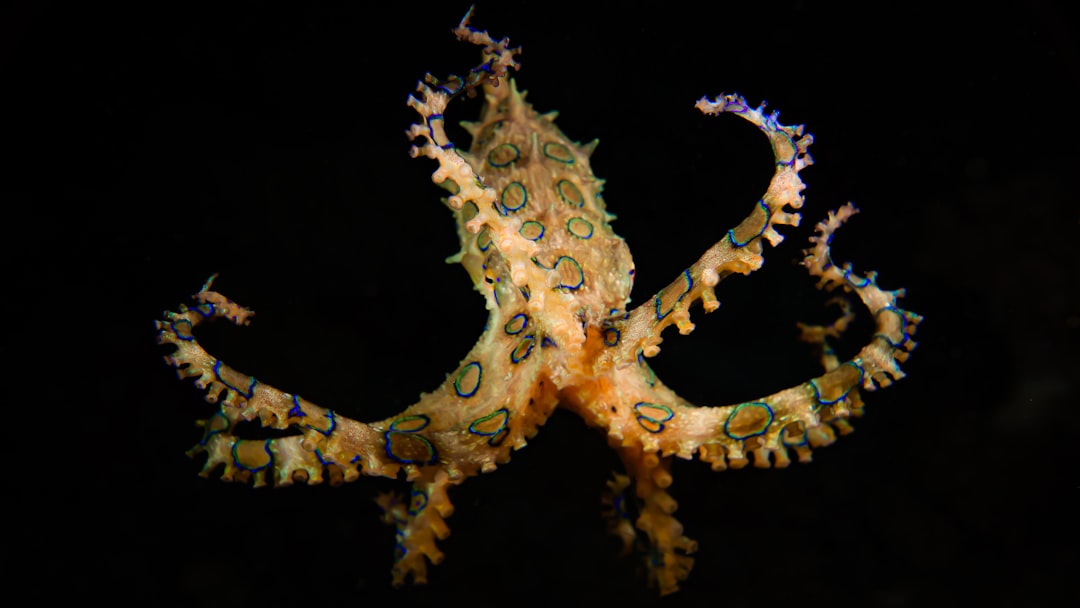
The blue-ringed octopus is a small and visually stunning cephalopod found in tide pools and shallow reef areas surrounding resorts in Australia, Japan and across the Indo-Pacific. It is one of the most venomous marine animals in the world despite being small enough to fit in the palm of a hand. Its bioluminescent blue rings only appear as a warning display when it feels threatened meaning calm-looking specimens can still be extremely dangerous. A bite delivers tetrodotoxin through a nearly painless puncture that can lead to paralysis and respiratory failure within minutes. Guests exploring beach rock pools near resort properties are the most commonly affected demographic in recorded incidents.
African Lion
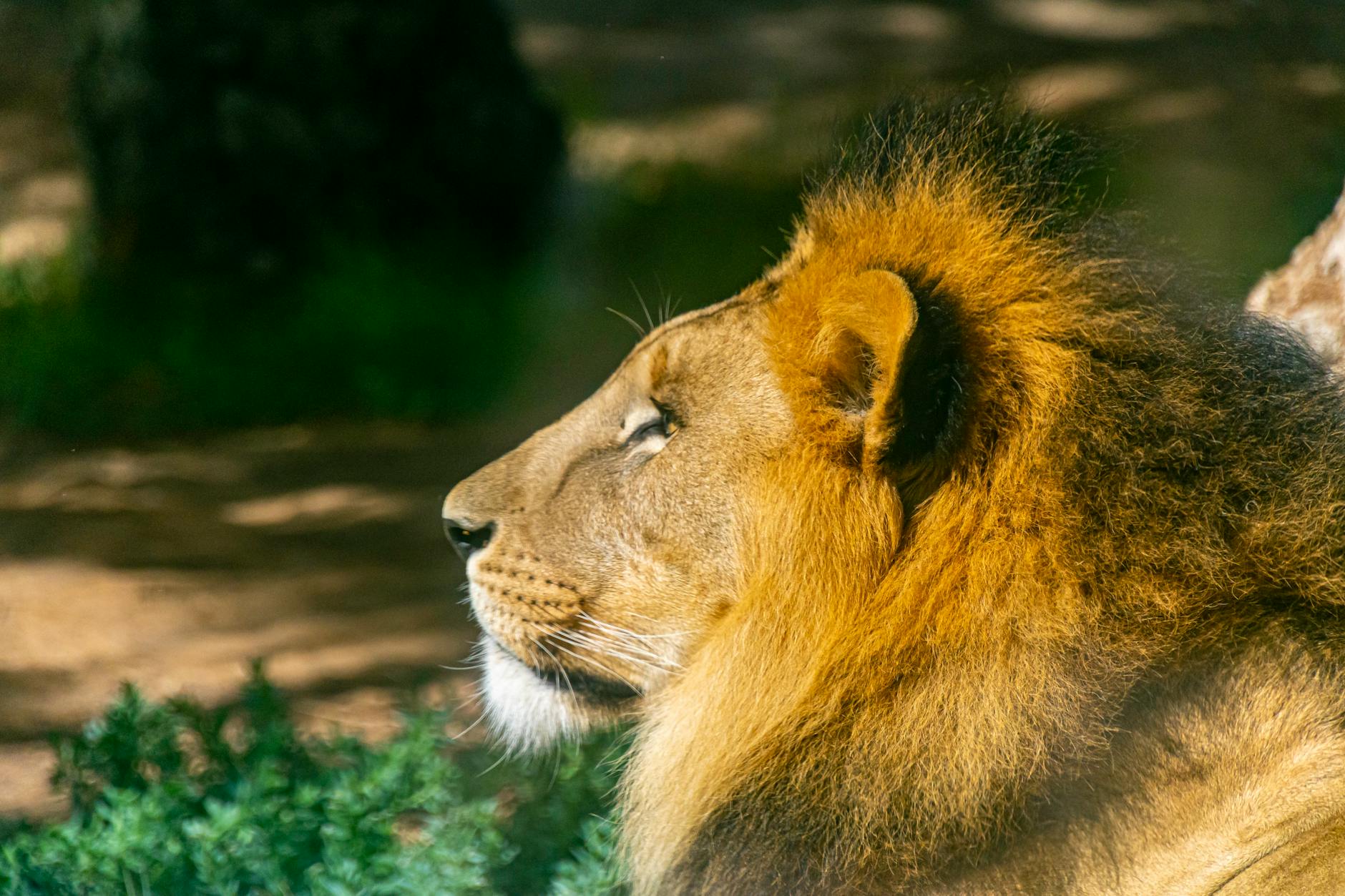
African lions are occasionally encountered near the perimeters of open-air safari camps and tented lodge resorts across East and Southern Africa. These resorts are intentionally positioned within unfenced wildlife corridors to offer guests an authentic bush experience and lions regularly patrol these areas at night. A lion’s curiosity about human settlements is well documented and incidents involving guests who stepped outside designated safe zones after dark have been recorded at multiple properties. Open-sided vehicles on game drives also place guests within very close proximity to these apex predators. Resort protocols such as armed escort services and curfew rules are designed specifically around the movement patterns of lions in the surrounding landscape.
Stonefish
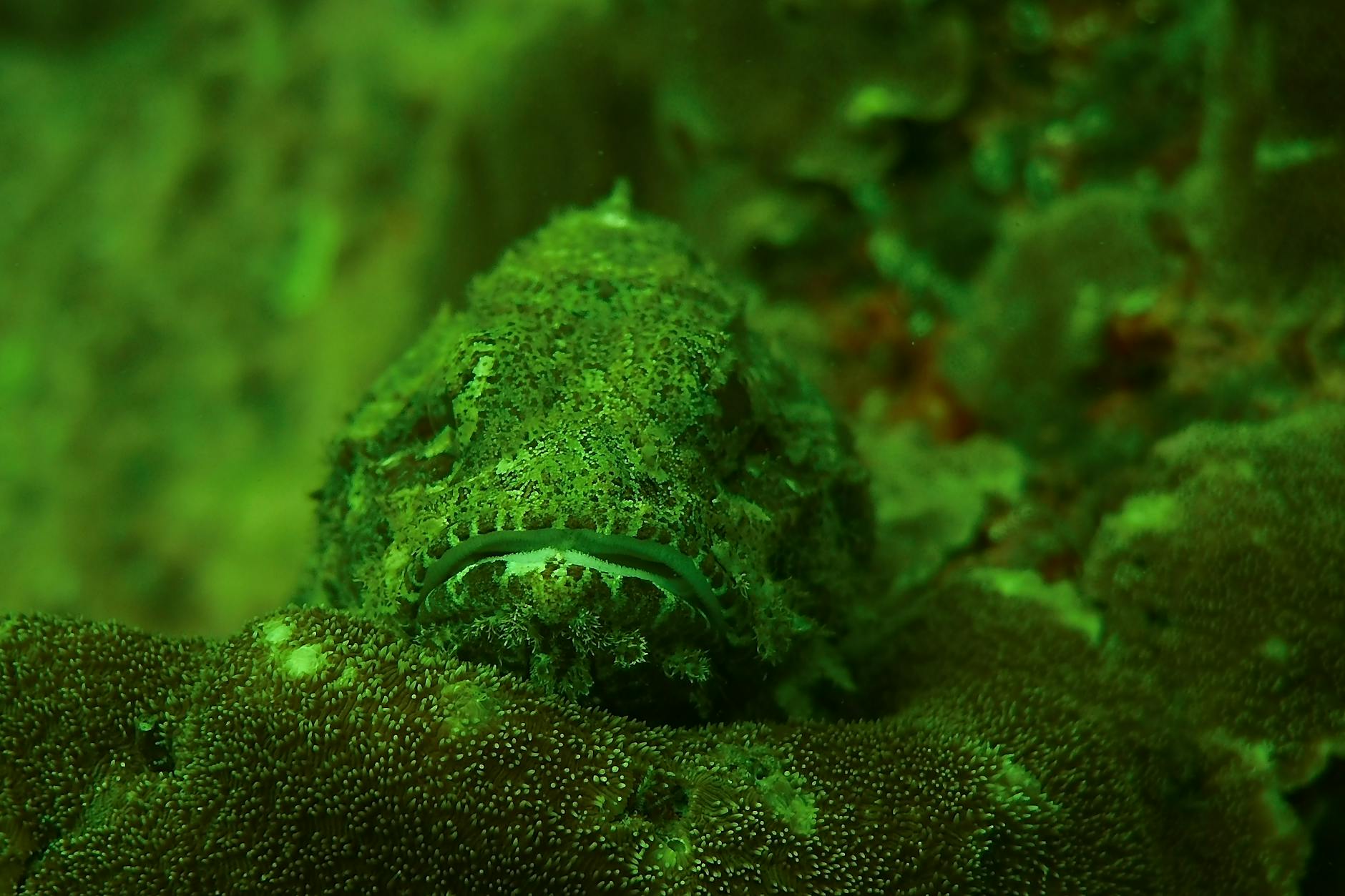
The stonefish holds the distinction of being the most venomous fish in the world and is found in shallow coastal waters and reef areas surrounding resorts throughout the Indo-Pacific. Its extraordinary camouflage allows it to blend almost perfectly with rocks and sandy seabeds making it virtually invisible to barefoot swimmers and snorkelers. Standing on a stonefish triggers the release of venom through its dorsal spines causing immediate and excruciating pain that can last for days. Resorts along the Great Barrier Reef and in tropical parts of Southeast Asia report the highest frequency of stonefish-related incidents among guests. Wearing reef shoes when entering the water at beach resorts in known stonefish territories is the single most effective preventive measure.
Mosquito
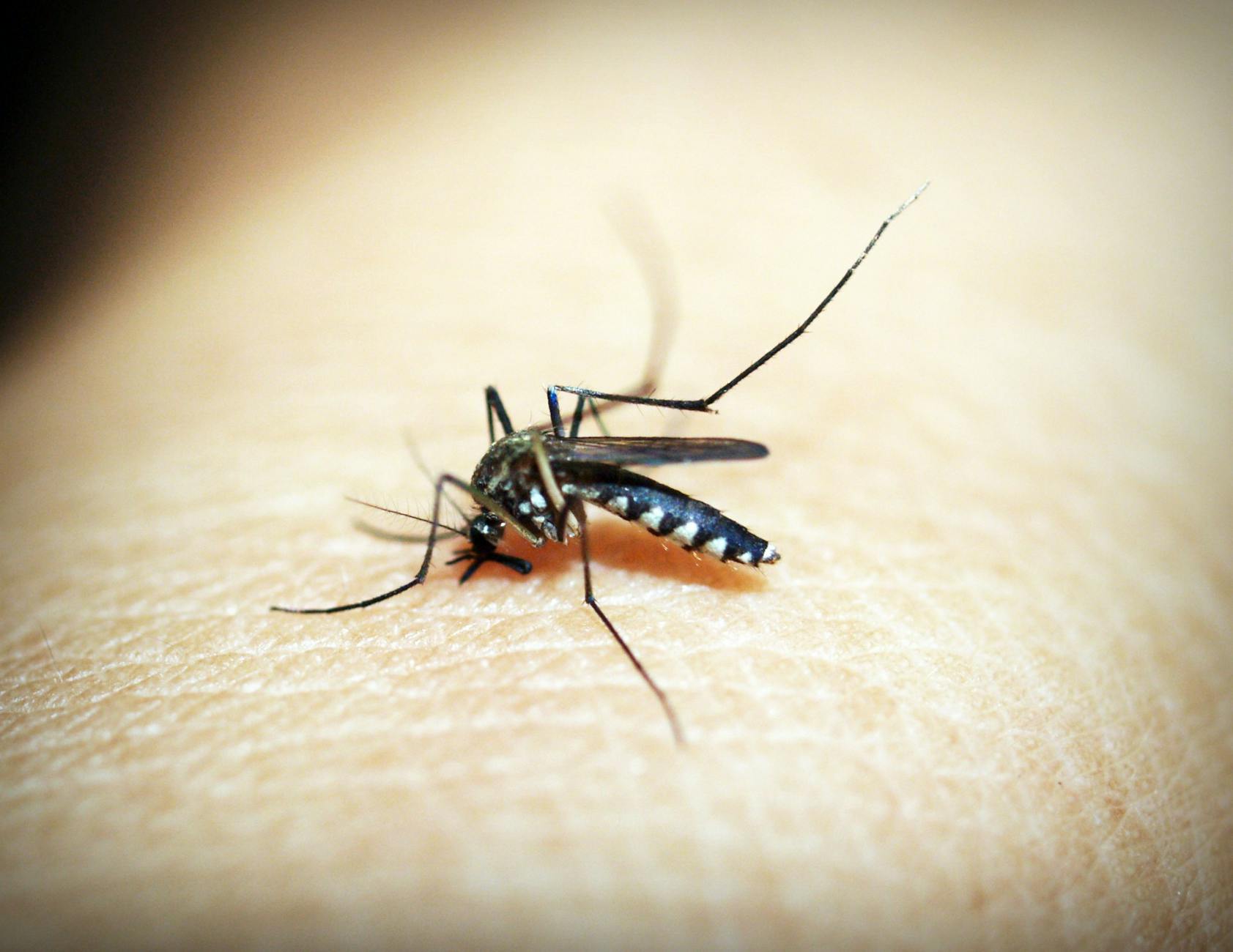
The mosquito is the deadliest animal on Earth in terms of annual human fatalities and represents a significant health threat at resort destinations across tropical and subtropical regions worldwide. It serves as the primary vector for malaria, dengue fever, Zika virus, chikungunya and yellow fever all of which are present in popular resort destinations. Resorts in parts of Southeast Asia, Central America, the Caribbean and sub-Saharan Africa carry the highest transmission risk for multiple mosquito-borne illnesses simultaneously. Many guests focus their safety concerns on large and visually imposing animals while underestimating the microscopic pathogens carried by this tiny insect. Prophylactic medication, DEET-based repellents and treated bed nets remain the most critical safety tools for travelers visiting high-risk resort regions.
Golden Poison Frog
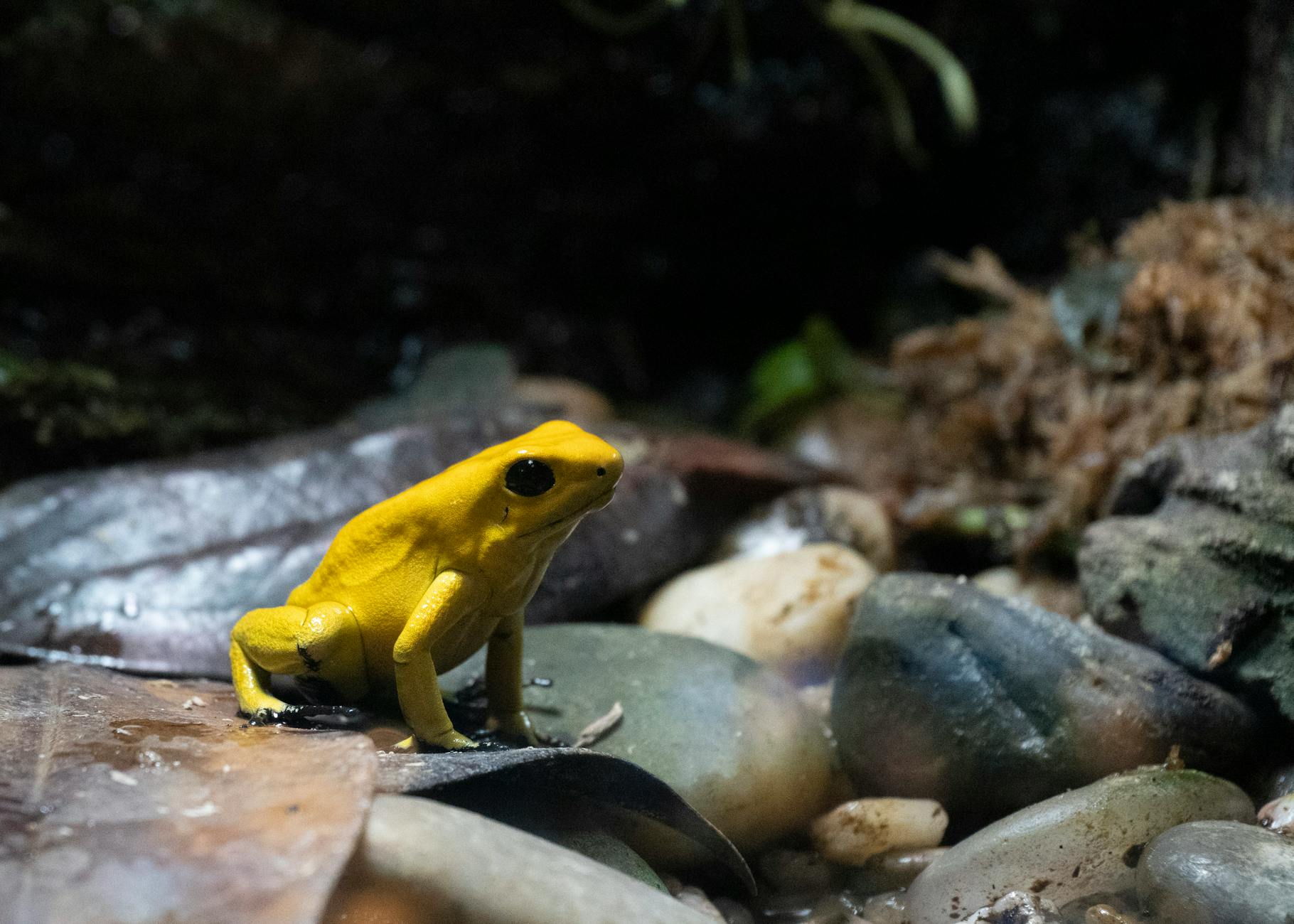
The golden poison frog is native to the rainforest floors of Colombia and is encountered near eco-lodges and jungle resort properties built within its natural range. It carries enough batrachotoxin on its skin to be lethal to multiple humans and is considered the most toxic vertebrate animal on the planet relative to its size. Its vivid yellow coloring serves as a natural warning to predators but often draws the curiosity of resort guests who mistake it for an exotic but harmless creature. Direct skin contact is enough to trigger toxic effects and there is no antivenom currently available. Jungle lodges in the Chocó region and adjacent forested areas of South America are the most likely locations for guests to encounter this remarkable and dangerous animal.
Moray Eel
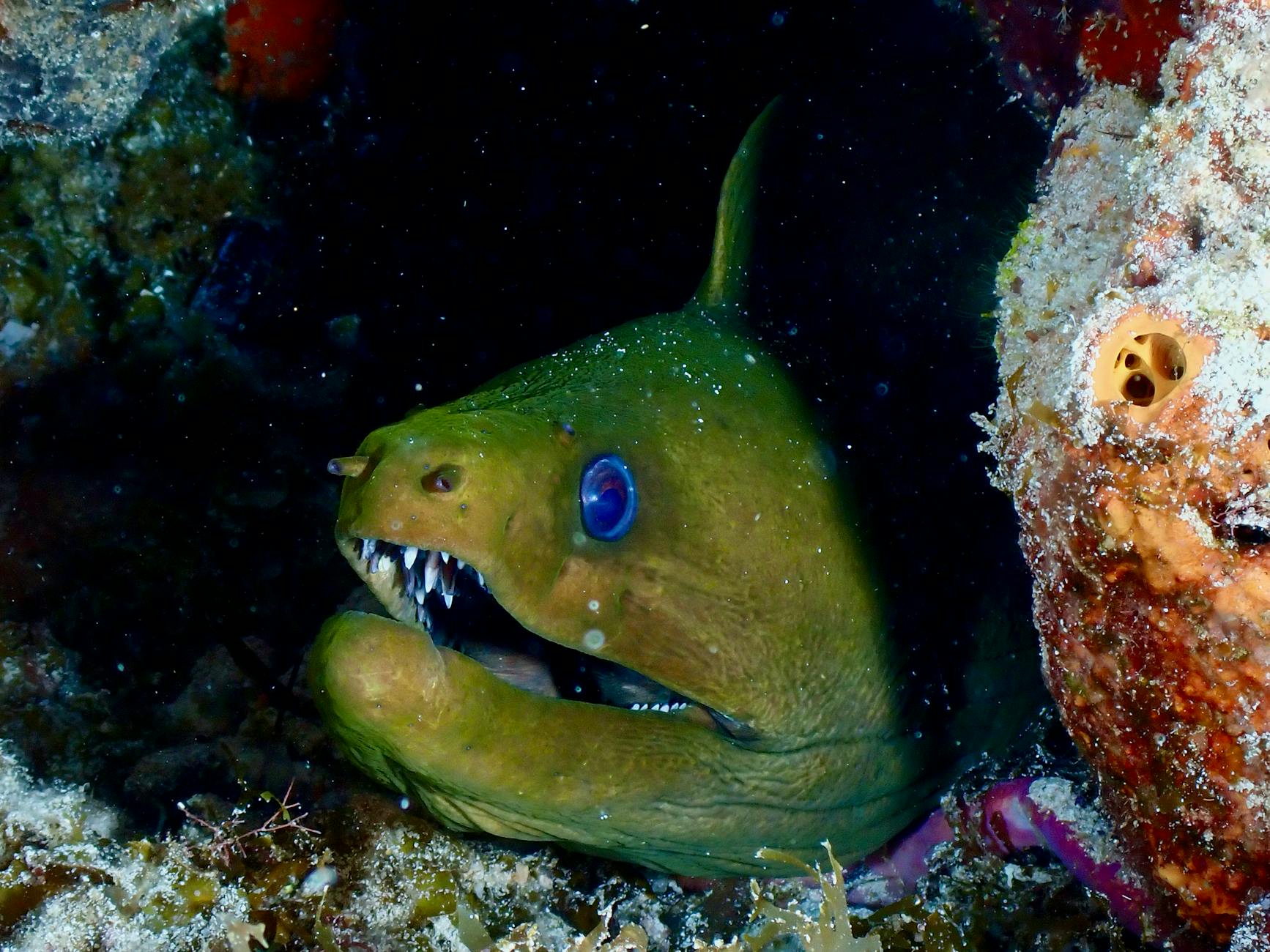
The moray eel is a powerful predatory fish found in reef systems and rocky underwater environments surrounding dive resorts throughout the tropics and subtropics. It possesses a second set of jaws within its throat that project forward during a bite helping it grip prey with exceptional force. Divers and snorkelers who explore reef systems near resort dive centers in the Maldives, Red Sea and Caribbean frequently swim in close proximity to moray eels sheltering in coral crevices. Incidents most commonly occur when guests hand-feed fish near reef structures and attract eels that misidentify fingers as food. Bites can cause deep lacerations and secondary bacterial infections that require prompt medical attention at resort facilities.
Deathstalker Scorpion
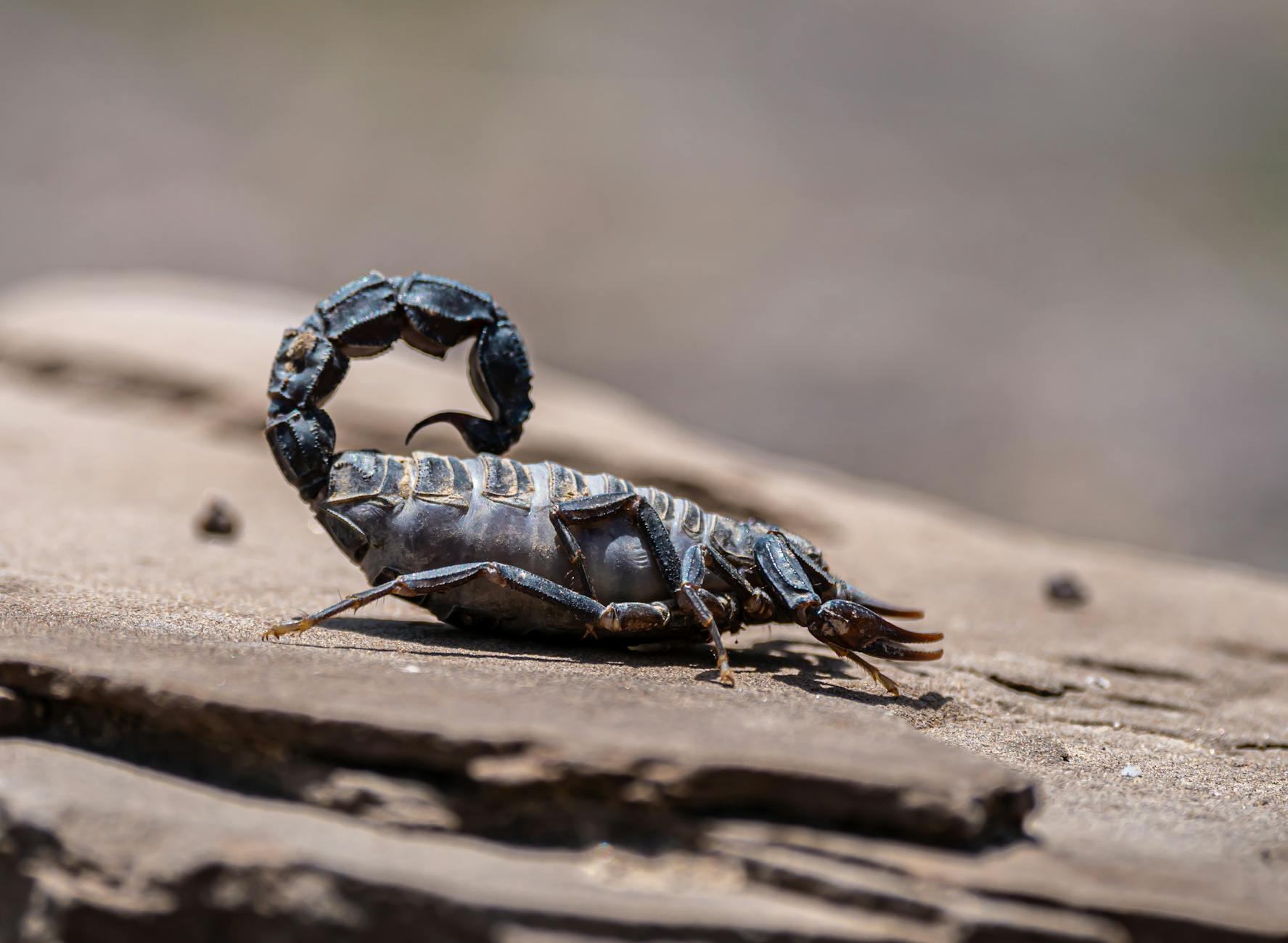
The deathstalker scorpion is found across arid and semi-arid resort destinations throughout North Africa, the Middle East and parts of South Asia. It is responsible for the majority of recorded scorpion-related fatalities worldwide and its venom combines neurotoxins that can cause severe pain, convulsions and cardiac complications. Unlike larger scorpions it is relatively small and pale in color making it easy to overlook in sandy or stony resort environments. Guests at desert resorts and spa retreats in Morocco, Egypt, Israel and Jordan are the most frequently affected demographic in documented sting incidents. Shaking out footwear and clothing before dressing and keeping accommodation doors closed are the most effective precautions guests can take.
Komodo Dragon
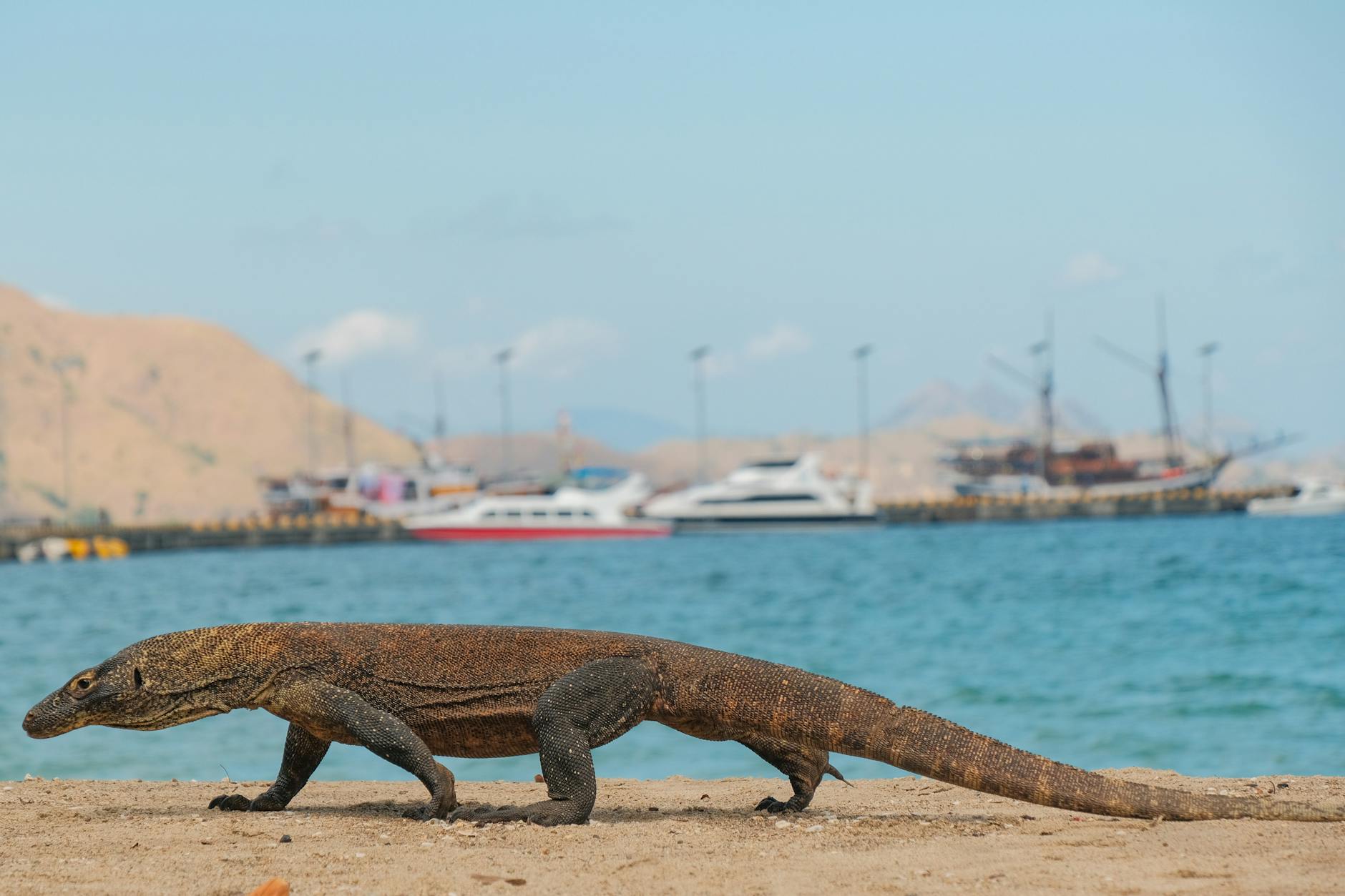
The Komodo dragon is the world’s largest living lizard and is found on a small cluster of Indonesian islands that have become increasingly popular resort destinations for adventure travelers. Adults can reach three meters in length and are capable of taking down large prey including deer and water buffalo using a combination of serrated teeth and venom that prevents blood clotting. Resort properties on Komodo Island and neighboring Rinca operate under strict wildlife management protocols because dragons regularly wander into camp perimeters after dark. Guests are required to move through open areas only in the company of licensed park rangers armed with forked sticks. Despite these precautions several unprovoked attacks on tourists and resort workers have been recorded at these locations in recent years.
Bull Shark
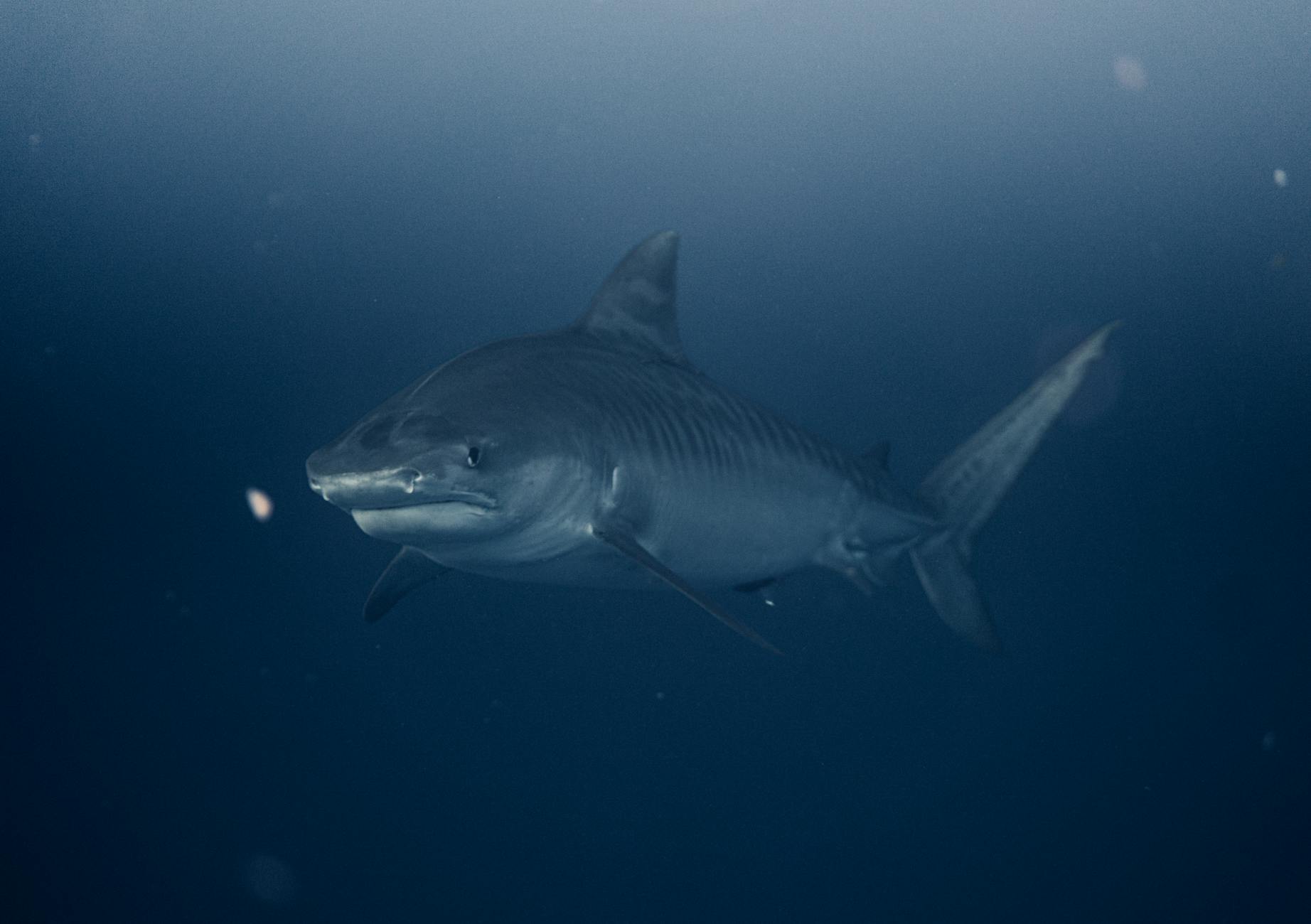
The bull shark is widely considered the most dangerous shark species to humans due to its aggressive temperament its ability to thrive in both salt and freshwater and its preference for the shallow coastal and estuarine environments where beach resorts are typically located. It is responsible for more recorded unprovoked attacks on humans than any other shark species and inhabits waters surrounding resort destinations in the Caribbean, South Africa, Australia, Florida and parts of Southeast Asia. Unlike other large sharks it does not require clear oceanic water and has been documented swimming in rivers, marina channels and lagoon areas directly adjacent to resort infrastructure. Many attacks occur in murky water with low visibility where the shark cannot easily distinguish between humans and its natural prey. Resort beaches in known bull shark territory that lack shark nets or electronic deterrent systems present a measurably higher level of risk to swimmers and water sports participants.
Africanized Honey Bee
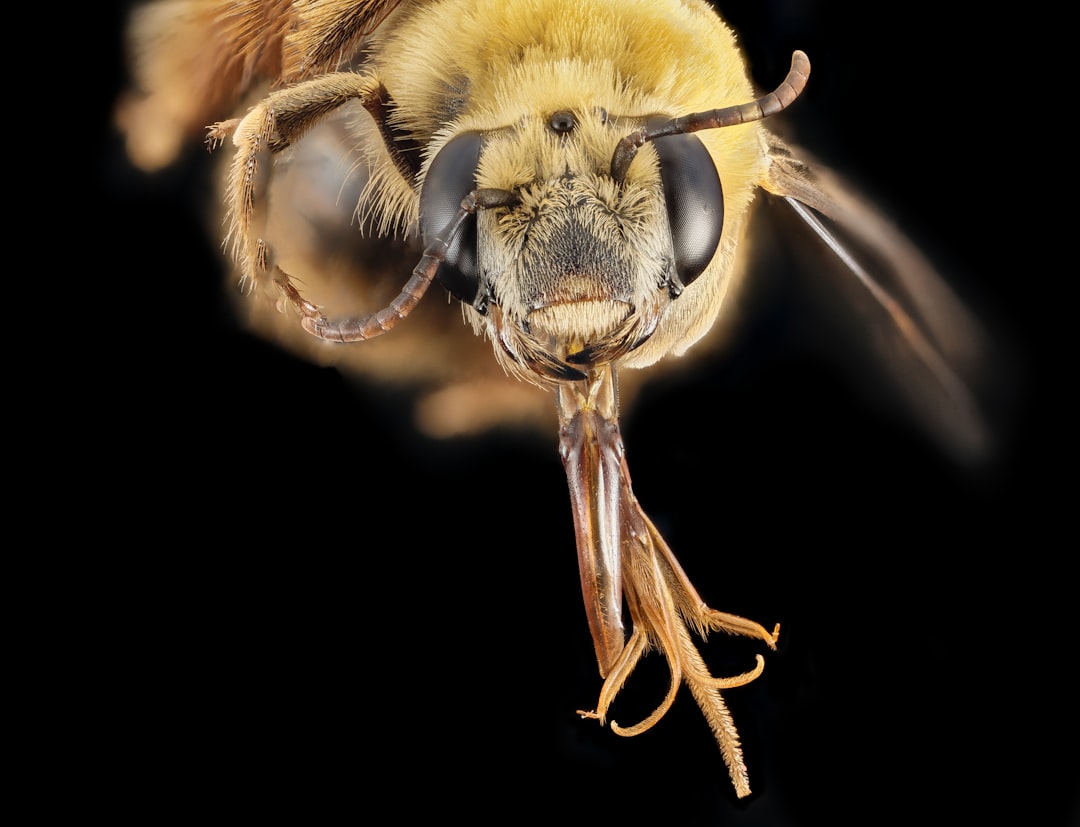
The Africanized honey bee is a highly aggressive hybrid species established across resort destinations throughout South America, Central America, the Caribbean and the southern United States. Unlike the European honey bee it responds to perceived threats with overwhelming force and large defensive swarms can pursue a perceived threat over distances exceeding 400 meters. Resort properties with garden landscapes, floral decorations or outdoor dining areas in endemic regions are frequent sites of colony establishment in roof cavities and ground structures. A single individual sting is no more dangerous than a typical bee sting but mass stinging events involving hundreds of bees can be fatal even to individuals without known allergies. Outdoor activities at resort properties in affected regions including hiking excursions and zip-lining tours have been associated with Africanized bee encounters in documented incident reports.
Inland Taipan
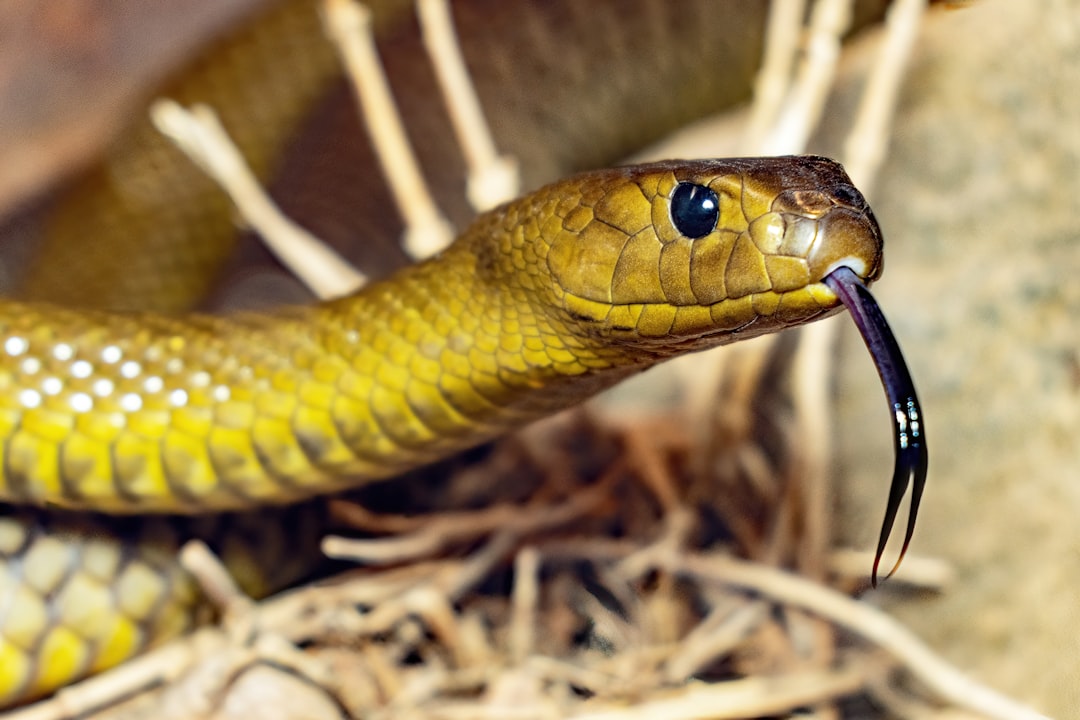
The inland taipan is recognized by toxicologists as the most venomous land snake in the world based on the lethal dose measurements of its venom and is found in remote arid regions of central Australia. Its venom contains a complex mixture of neurotoxins and procoagulants capable of killing a human within 45 minutes without antivenom treatment. Eco-tourism lodges and outback resort properties operating in Queensland and South Australia fall within the geographic range of this species. It is an extremely reclusive snake that avoids human contact whenever possible making actual encounters rare at resort properties. However guests who explore rocky outcrops and dry creek beds in the surrounding landscape outside of supervised tours significantly increase their exposure risk.
Polar Bear
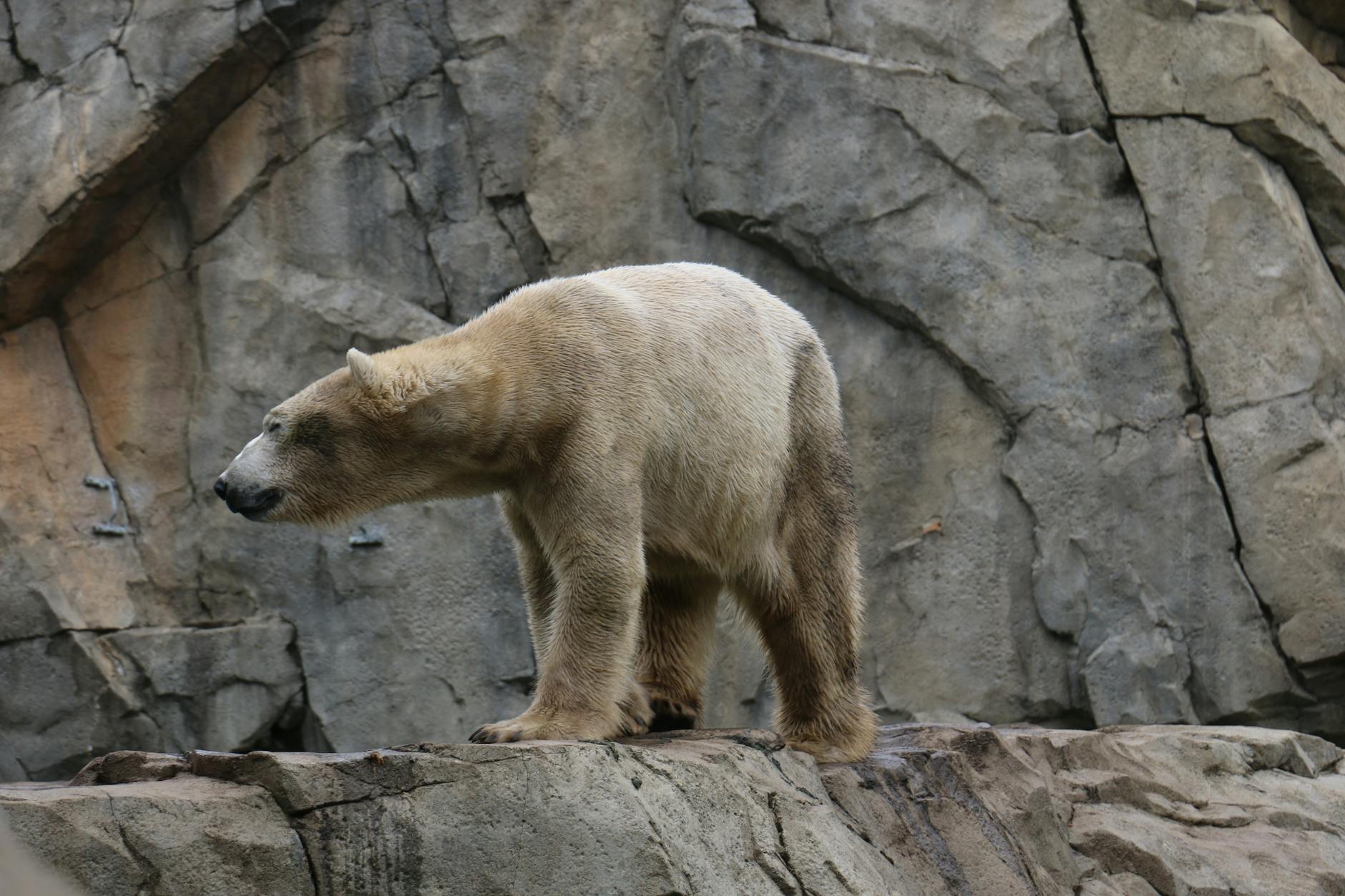
The polar bear is the largest land carnivore on Earth and is encountered near expedition lodges and arctic resort properties in Norway’s Svalbard archipelago, northern Canada and Greenland. Unlike most wild predators it has limited experience with humans as a dominant threat and may approach people with predatory rather than fearful intent. Expedition resort staff in Svalbard are legally required to carry firearms when leaving settled areas because polar bear encounters outside protected perimeters are a documented and serious risk. Guests staying at remote tundra or ice-edge lodges during wildlife tourism seasons are the most frequently exposed demographic. Climate change is driving polar bears closer to human settlements and coastal resort infrastructure as sea ice diminishes and their traditional hunting grounds contract.
Wandering Spider
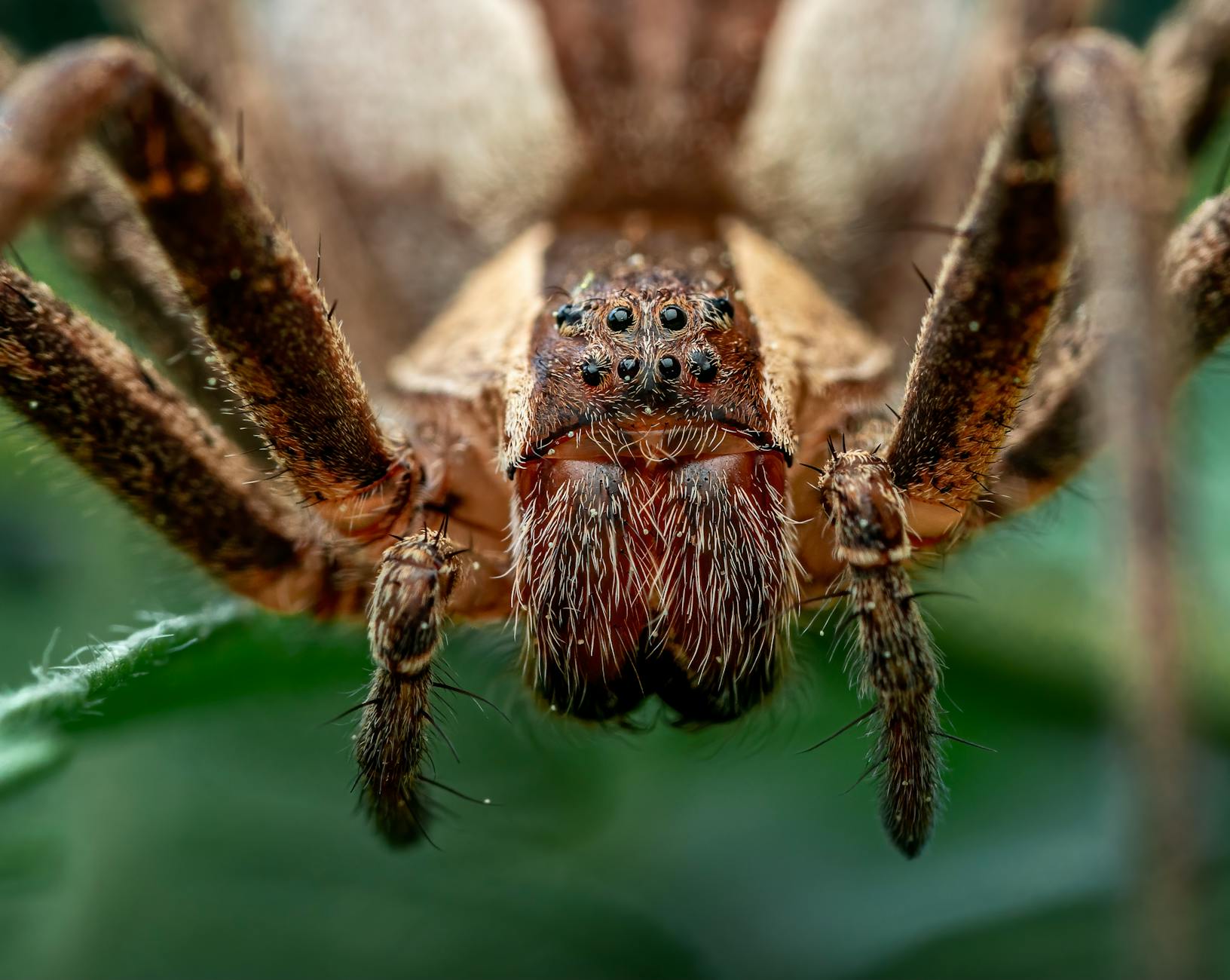
The Brazilian wandering spider holds a Guinness World Record designation as the world’s most venomous spider and is found across resort destinations throughout Brazil, Colombia, Peru and other tropical South American countries. Unlike web-building spiders it is a ground-hunting species that moves actively through leaf litter, garden areas and resort infrastructure in search of prey. It has been found inside guest room shoes, bath towels, fruit displays and ornamental plant arrangements at resort properties within its range. Its venom causes intense pain, systemic inflammation and in severe untreated cases can be fatal particularly in children. Guests at jungle lodges and beach resorts along the Brazilian coast and Amazon basin are advised to shake out clothing and check bedding as a routine precaution.
Cape Buffalo
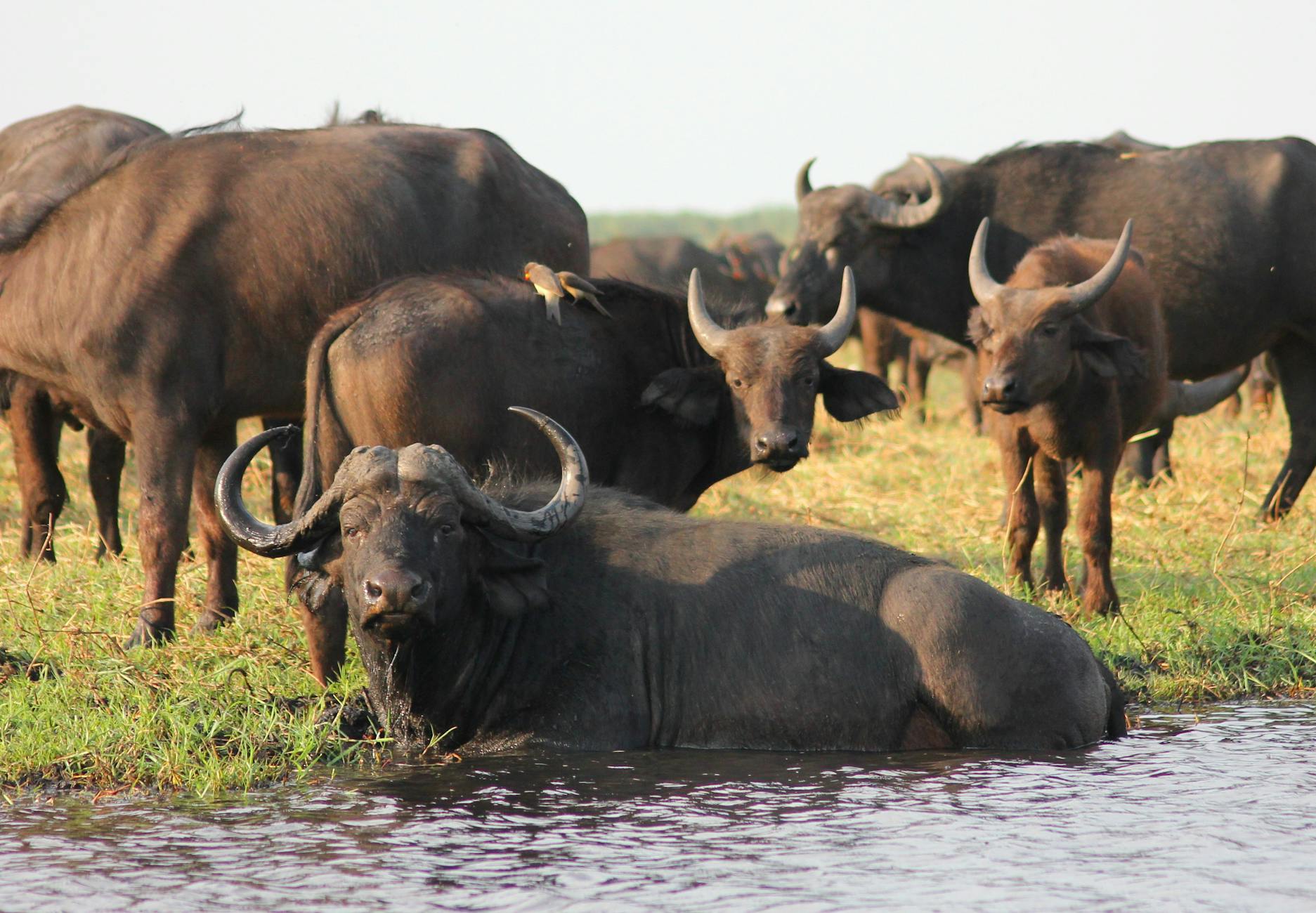
The Cape buffalo is one of the most respected and feared animals in African wildlife management circles and is found near safari lodge resorts throughout East and Southern Africa. It has a reputation among professional hunters and wildlife guides for being exceptionally dangerous when wounded or cornered and is responsible for a significant number of ranger and guide fatalities annually. Herds frequently move through the grounds of unfenced bush camps and riverside lodge properties during seasonal migrations. Unlike herbivores that typically flee from human presence the Cape buffalo is known to stand its ground and charge with little provocation. Guests on guided bush walks at lodges within Cape buffalo territory are subject to strict behavioral protocols designed around the animal’s documented unpredictability.
Lionfish
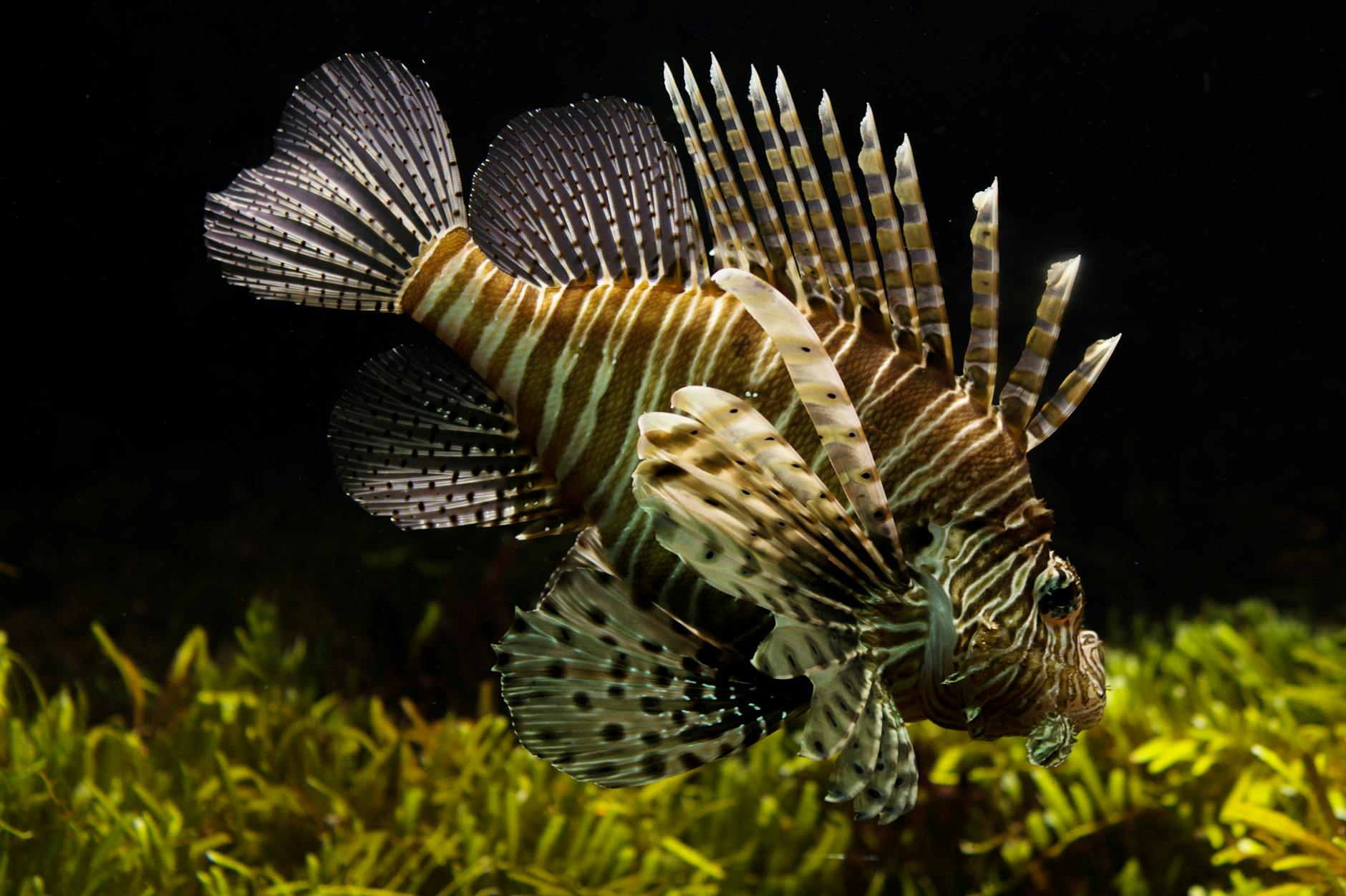
The lionfish is an invasive venomous fish that has established itself across resort dive and snorkel destinations throughout the Caribbean, Atlantic coast of the United States, the Mediterranean and the Red Sea. Its elaborate fan-like fins make it visually striking and guests frequently attempt to approach or photograph it closely during water activities, underestimating the threat it presents. Its dorsal spines deliver a painful venom that causes intense local pain, swelling and in rare cases systemic reactions requiring medical attention. Because it is not native to Caribbean reef systems it has no natural predators in those waters and populations at resort dive sites have grown dramatically in the past two decades. Dive instructors at Caribbean and Atlantic resort properties now routinely include lionfish identification and avoidance as a standard component of pre-dive briefings for guests.
Giant Hornet
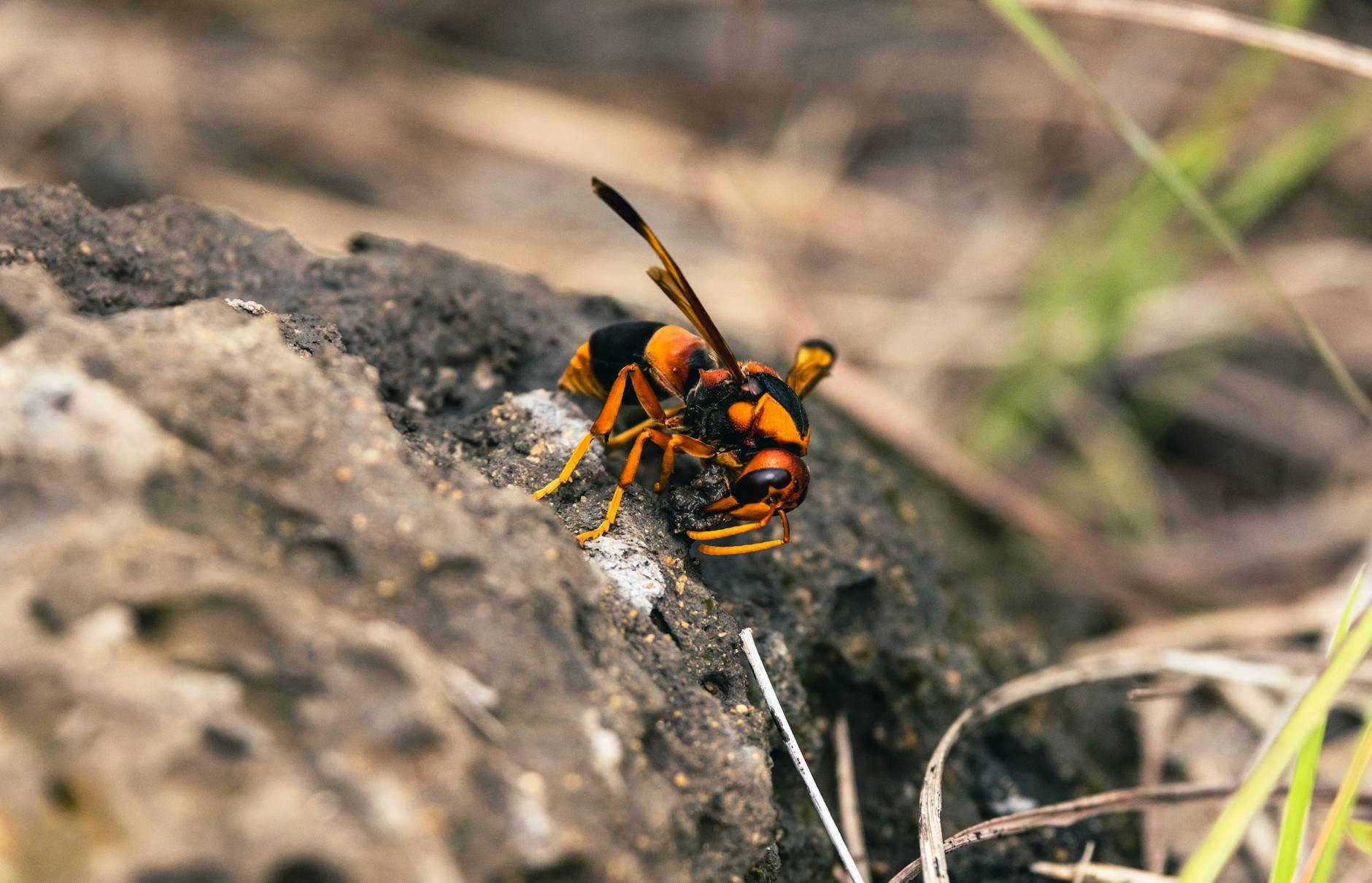
The Asian giant hornet is the world’s largest hornet species and is found across resort destinations in rural Japan, China, South Korea and parts of Southeast Asia including popular eco-tourism areas. Its stinger is long enough to penetrate standard beekeeping suits and it can sting multiple times unlike honeybees. Venom from multiple stings can cause anaphylactic shock, organ failure and in documented cases death even in individuals with no prior history of severe allergic reactions. Rural resort properties and forest lodge retreats in Japan’s mountain regions report the highest frequency of guest encounters particularly during late summer and autumn months when hornets are most aggressive. A small orange-striped variant of the species has also been detected in parts of North America raising concerns for resort operators in affected Pacific Northwest locations.
Electric Ray
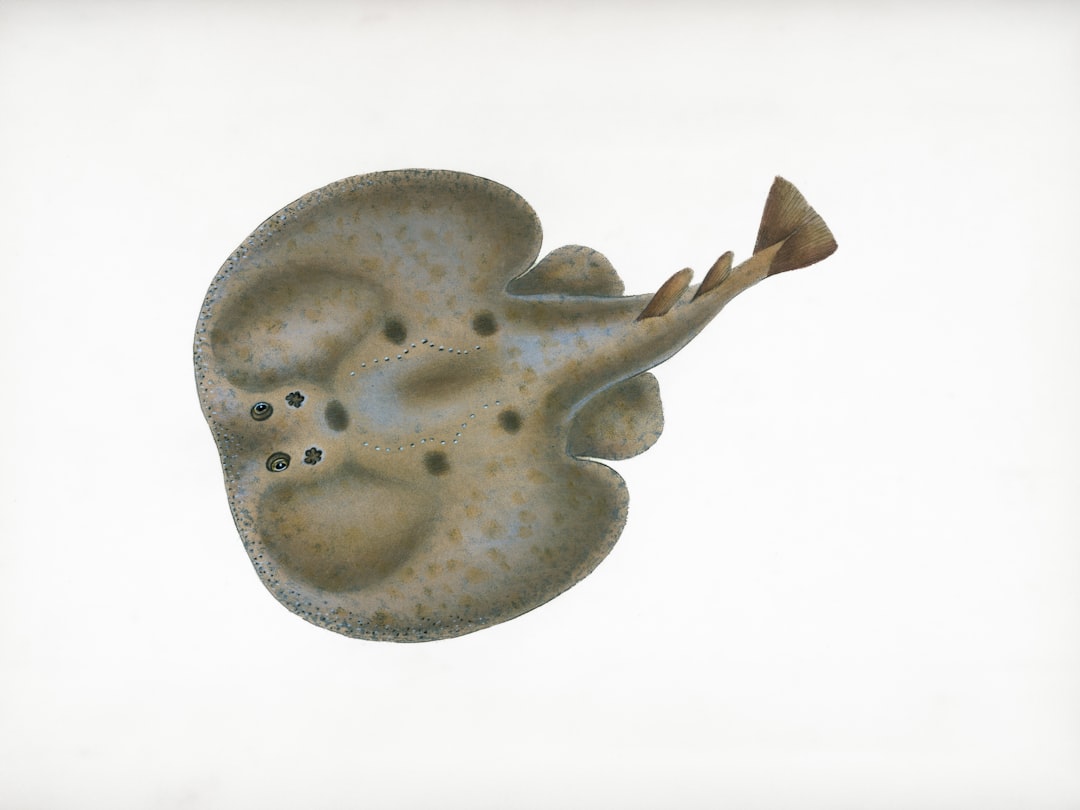
The electric ray is a bottom-dwelling marine species found in sandy and muddy coastal environments surrounding beach and dive resorts throughout the Mediterranean, Atlantic and Indo-Pacific regions. It is capable of generating electric discharges ranging from 8 to 220 volts depending on the species as a defense mechanism against perceived threats. Waders and swimmers who accidentally step on or disturb a resting electric ray on the seafloor receive a significant electric shock that can cause temporary paralysis and loss of consciousness in the water. Dive resort operators in the Mediterranean and along the Canary Islands coastline report the highest frequency of electric ray-related incidents among water sports guests. Shuffling feet when walking through shallow sandy seabeds rather than lifting and planting steps is the recommended technique for minimizing accidental contact.
Great White Shark
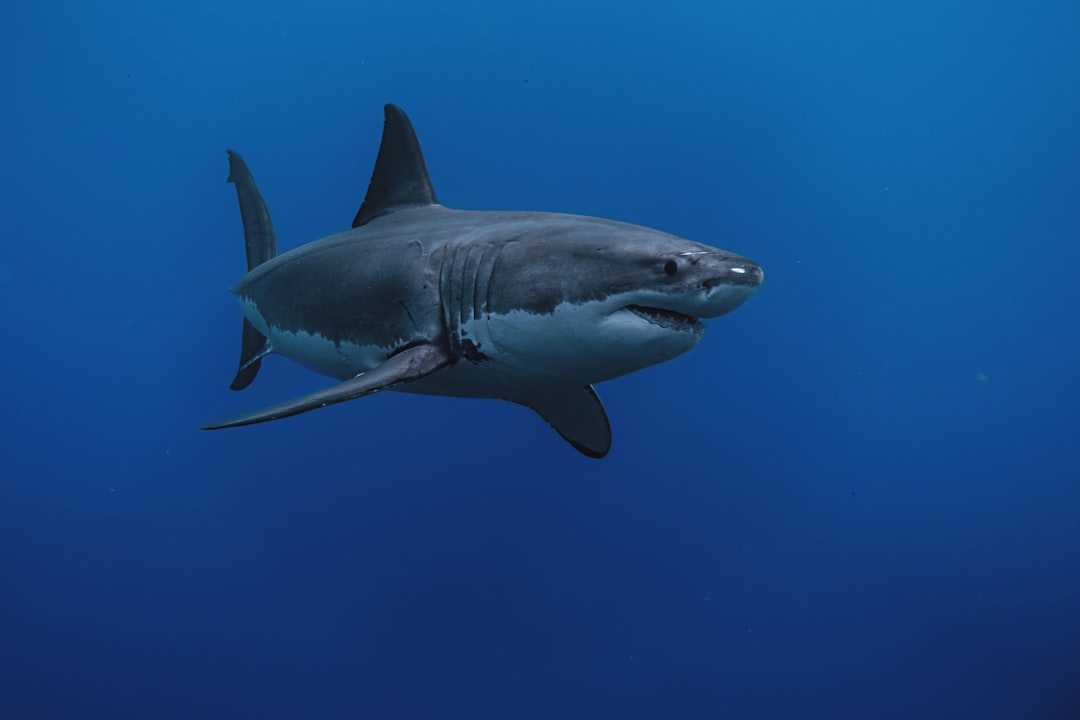
The great white shark is the largest predatory fish on Earth and is found in the coastal waters of resort destinations in South Africa, Australia, California, New Zealand and parts of the Mediterranean. It is responsible for the highest number of recorded unprovoked fatal shark attacks of any species in the world making it the apex marine predator most associated with human risk at beach resort destinations. Cage diving operations at resort locations in South Africa’s Gansbaai region and South Australia’s Neptune Islands place guests in direct proximity to great white sharks under controlled conditions. Uncontrolled encounters occur most frequently at beaches adjacent to seal and sea lion colonies which serve as the great white shark’s primary natural prey source. Numerous beach resorts in South Africa and Australia have installed shark-spotting programs and drone surveillance systems specifically to reduce guest exposure risk in popular swimming and surfing areas.
Fire Ant
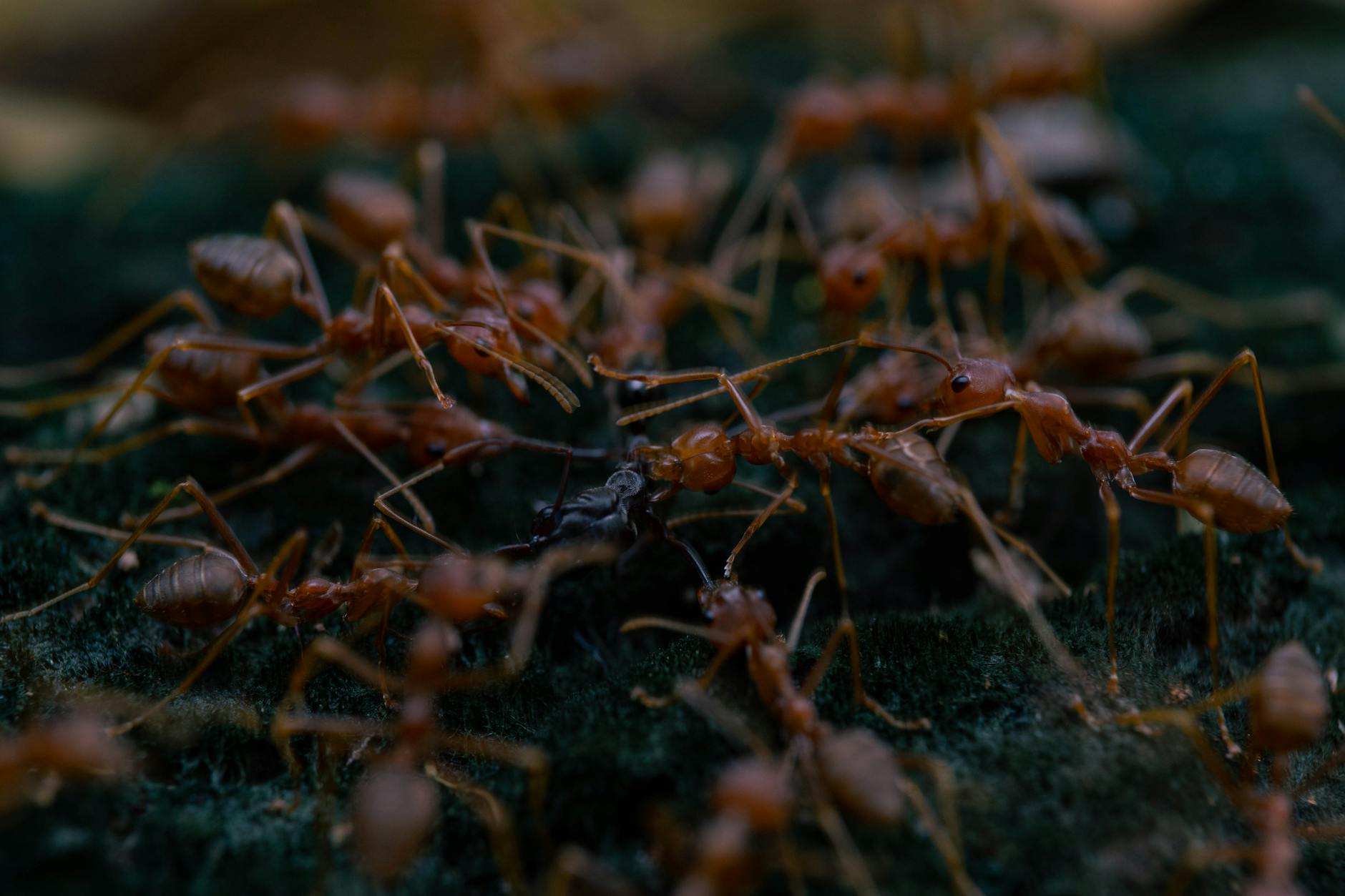
The red imported fire ant is found across resort destinations in the southeastern United States, Caribbean, Australia, the Philippines and parts of Central and South America where it has established invasive populations. Resort grounds with lawns, garden beds, pool surrounds and outdoor dining terraces are common sites for fire ant colony establishment as these insects thrive in disturbed open environments. Their sting delivers a burning venom that causes immediate pain followed by raised fluid-filled pustules and in sensitized individuals can trigger life-threatening anaphylactic reactions. Mass attacks occur when a colony mound is accidentally disturbed by an unsuspecting guest and thousands of workers respond simultaneously. Resort groundskeeping and pest management teams in endemic regions treat fire ant colonies as a routine operational concern due to the frequency of guest sting incidents at outdoor resort amenities.
If you have encountered any of these animals during a hotel stay or resort visit share your experience in the comments.




