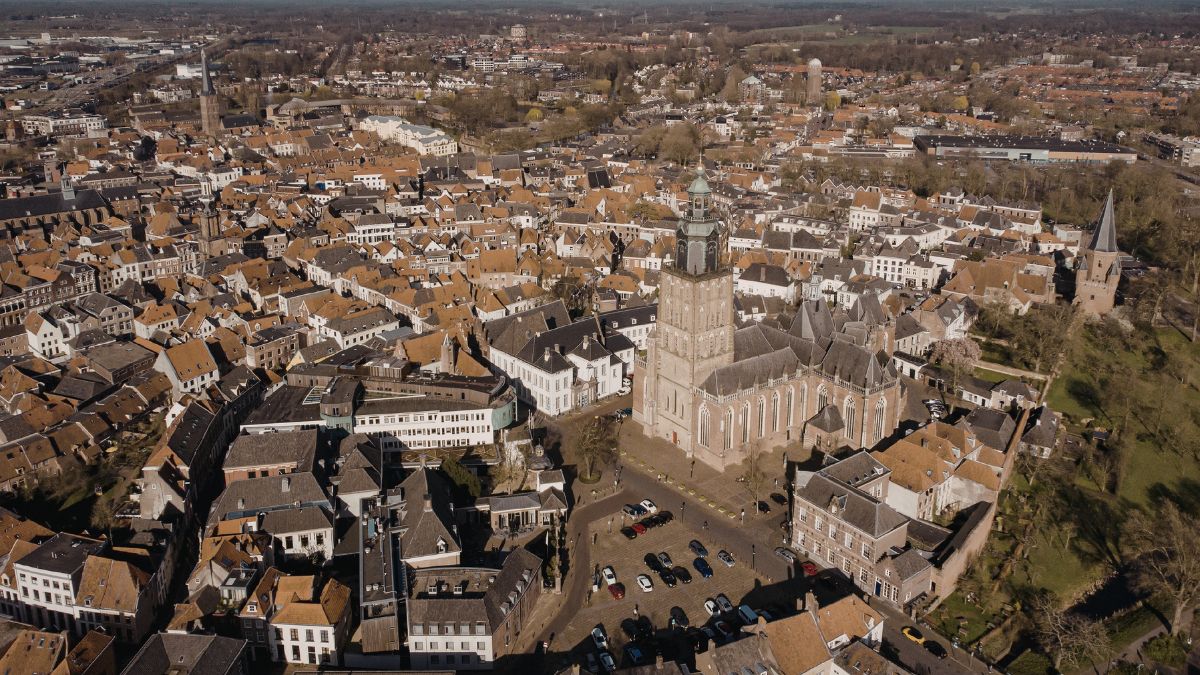
Europe’s most visited cities attract millions of travelers each year, and unfortunately a shadow industry of opportunistic scams has evolved alongside the tourism boom. These schemes rarely involve violence or obvious theft but instead rely on distraction, social pressure, and misplaced trust. Many tourists only realize they have been tricked long after the moment has passed. Understanding the most common tactics before you travel is one of the most practical steps any visitor can take.
The Friendship Bracelet

A friendly local approaches tourists near a landmark and begins weaving a bracelet around the wrist before any agreement is made. Once the bracelet is tied and cannot easily be removed the person demands payment, often becoming aggressive or drawing attention when refused. This tactic is especially common around major monuments in Paris and Barcelona. The best response is to firmly decline before any physical contact is made and to keep walking without engaging.
The Petition
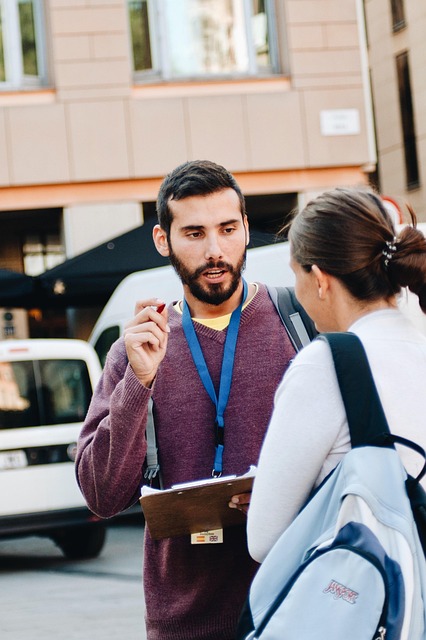
A group of individuals approach tourists carrying clipboards and asking for signatures on what appears to be a charitable or political petition. While attention is focused on reading the paper accomplices may attempt to pick pockets or the signer is pressured into making a cash donation. This scam operates widely in areas with heavy foot traffic such as near the Eiffel Tower and around Rome’s major piazzas. Tourists should decline all unsolicited clipboard interactions and keep their belongings secured against their body.
The Gold Ring

A stranger walking nearby appears to spot a gold ring on the ground and picks it up before asking if it belongs to you. When you say no they offer to give it to you as a gesture of goodwill and then immediately request money for food or travel citing their own misfortune. The ring is worthless metal planted as a prop to create a sense of obligation and reciprocity. This scheme is particularly active along the Seine riverbanks and near major bridges in the French capital.
The Dropped Phone
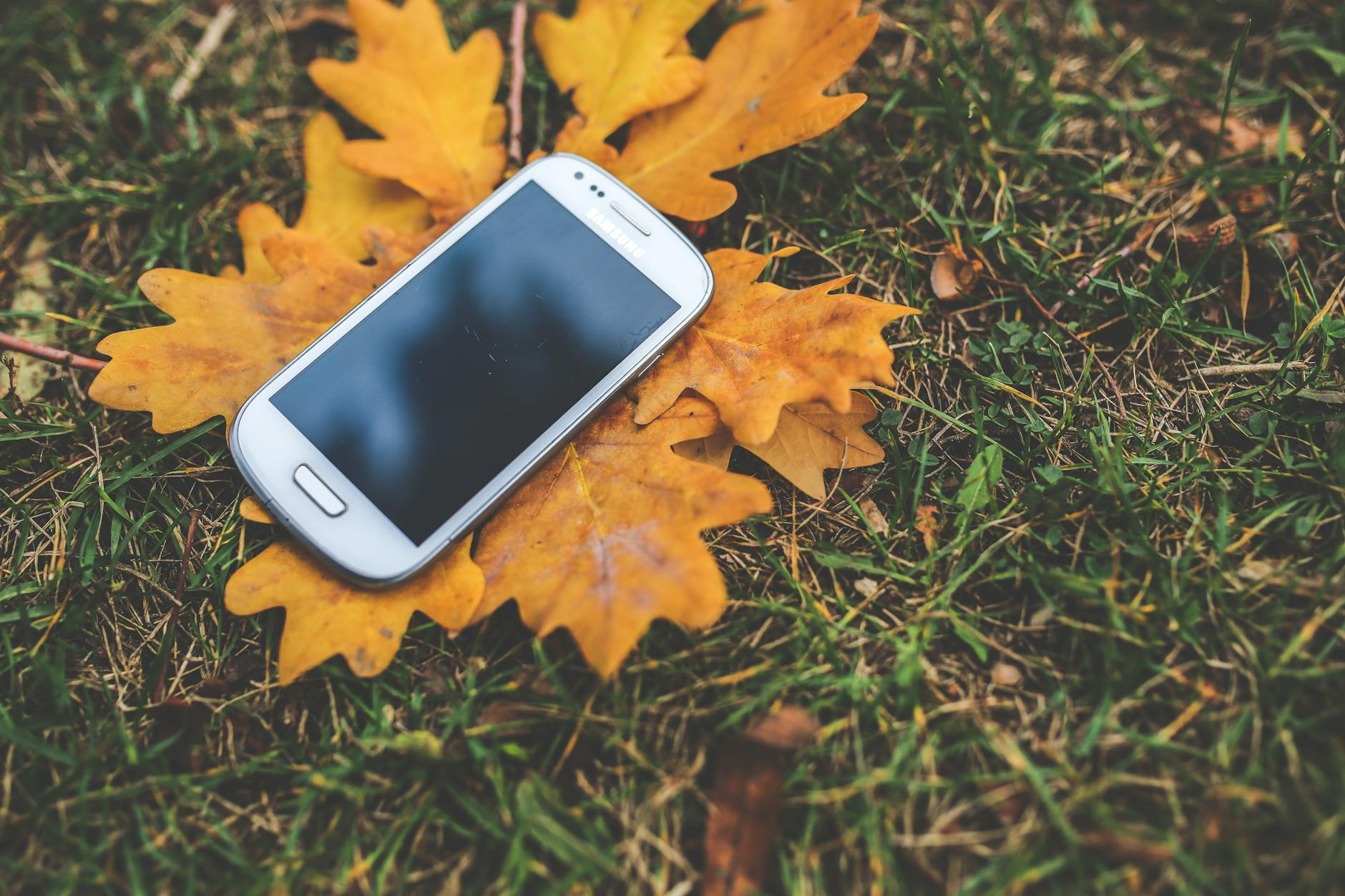
A passerby walks close to a tourist and deliberately drops a phone or other valuable object near their feet then accuses the tourist of breaking it. The scammer insists on cash compensation on the spot claiming the device was expensive and the tourist is responsible. Bystanders are sometimes involved to add social pressure and make the claim seem more legitimate. Tourists should refuse to pay anything on the street and suggest contacting local police if the person persists.
The Fake Monk

Individuals dressed in saffron or maroon robes approach tourists in busy squares and place a small charm or bead bracelet into their hands as a blessing. Once accepted the tourist is handed a donation book showing large contributions supposedly made by previous visitors and is pressured to match them. This scam operates in cities including Prague and Amsterdam where religious figures are less commonly seen and therefore more disarming. Genuine religious organizations do not solicit donations through street pressure tactics.
The Helpful ATM Stranger
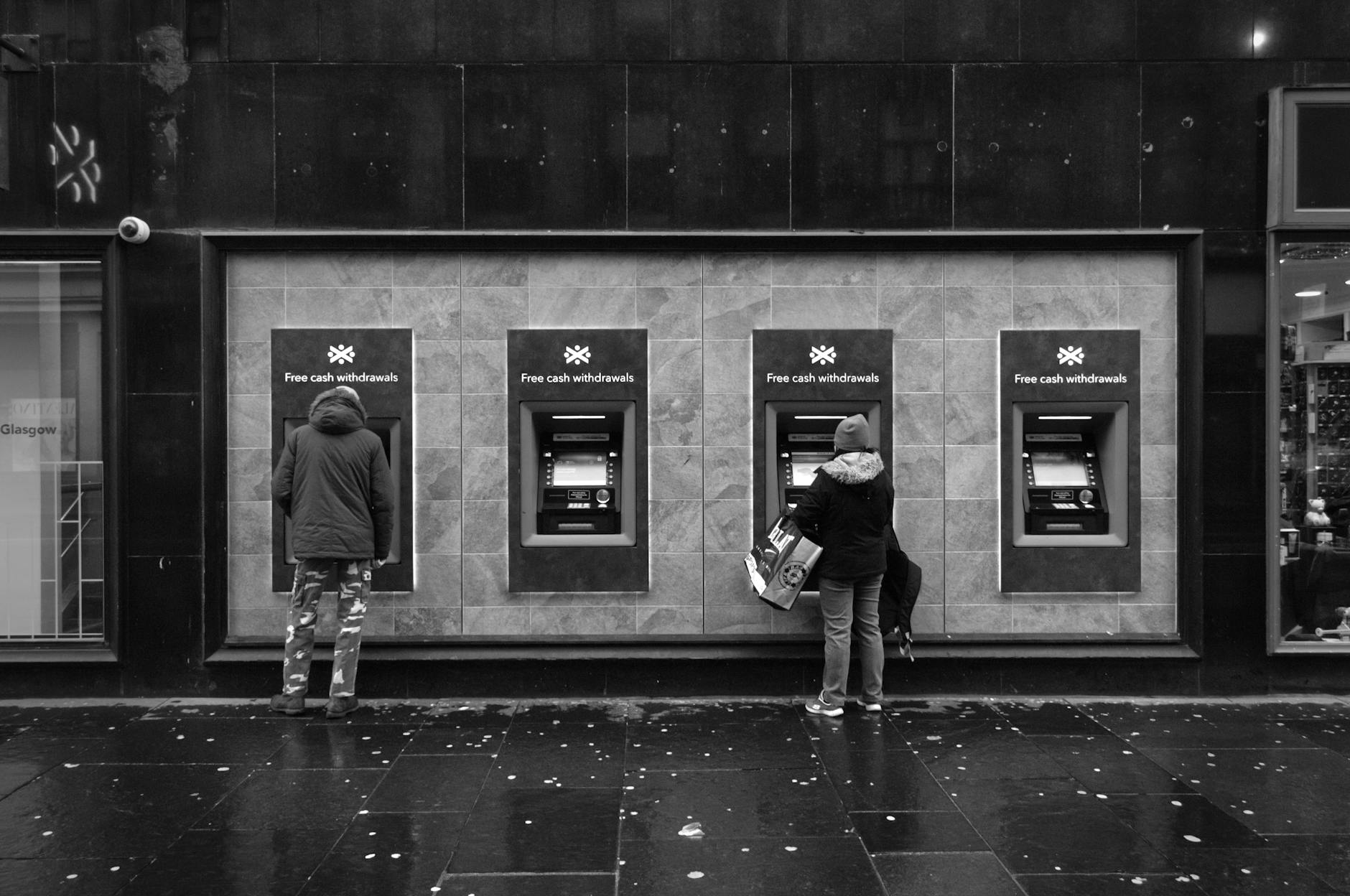
A well-dressed person stands near an ATM and offers to help when a tourist appears to be struggling with an unfamiliar machine or foreign language interface. Under the guise of assisting they observe the PIN number being entered or manipulate the interaction to obtain card details. Some variations involve a card swap where a similar-looking card is returned instead of the original. Tourists should always use ATMs inside bank branches and decline all offers of assistance from strangers at cash machines.
The Taxi Overcharge
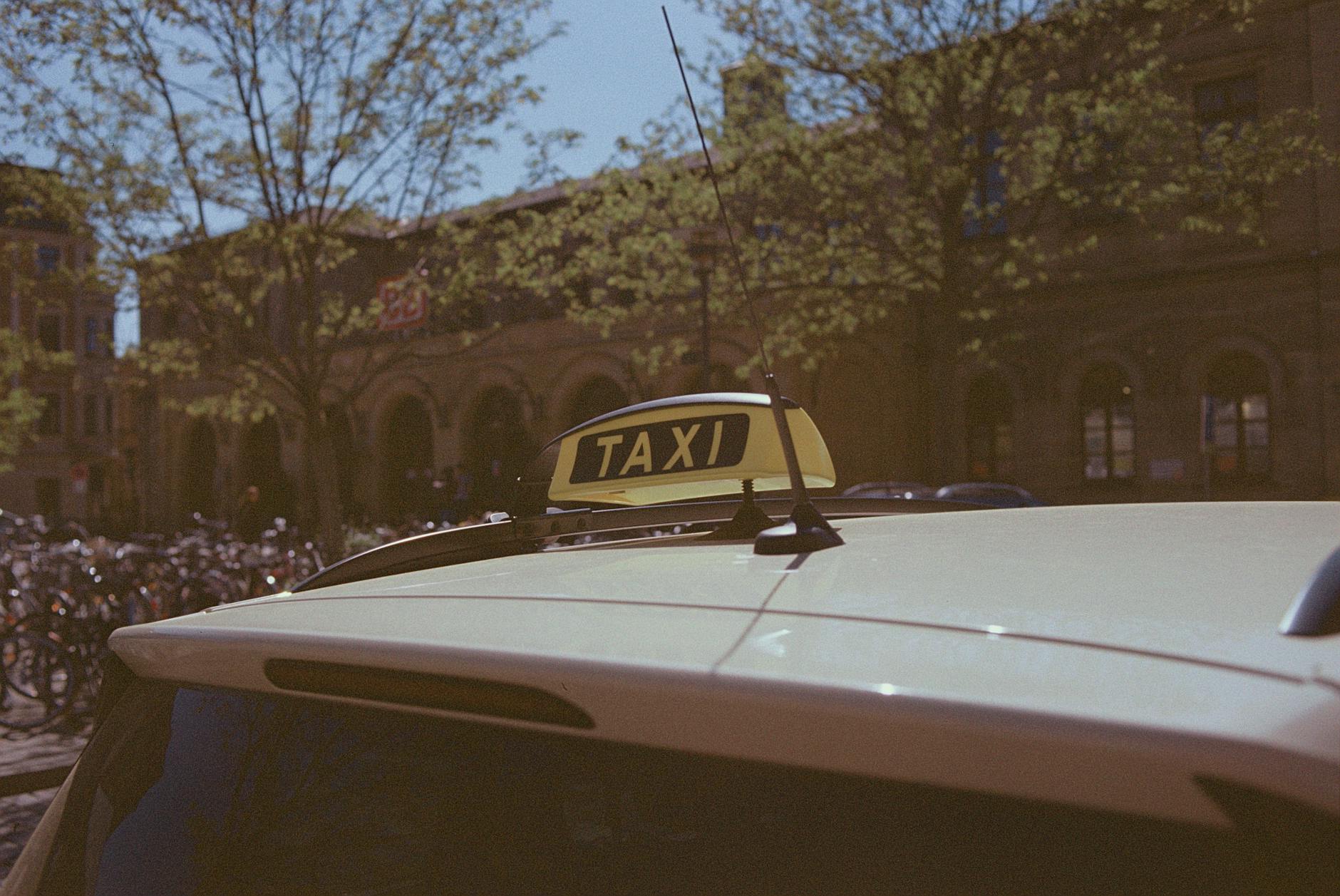
Unlicensed or unmetered taxis wait outside airports and major train stations offering rides at prices that seem reasonable but escalate dramatically upon arrival at the destination. Drivers may claim the meter is broken or take unnecessarily long routes adding to the final bill. When passengers refuse to pay the inflated fare some drivers lock the doors or create a confrontation in an unfamiliar area. Always use official licensed taxis or pre-booked ride services and confirm the price before entering any vehicle.
The Restaurant Redirect
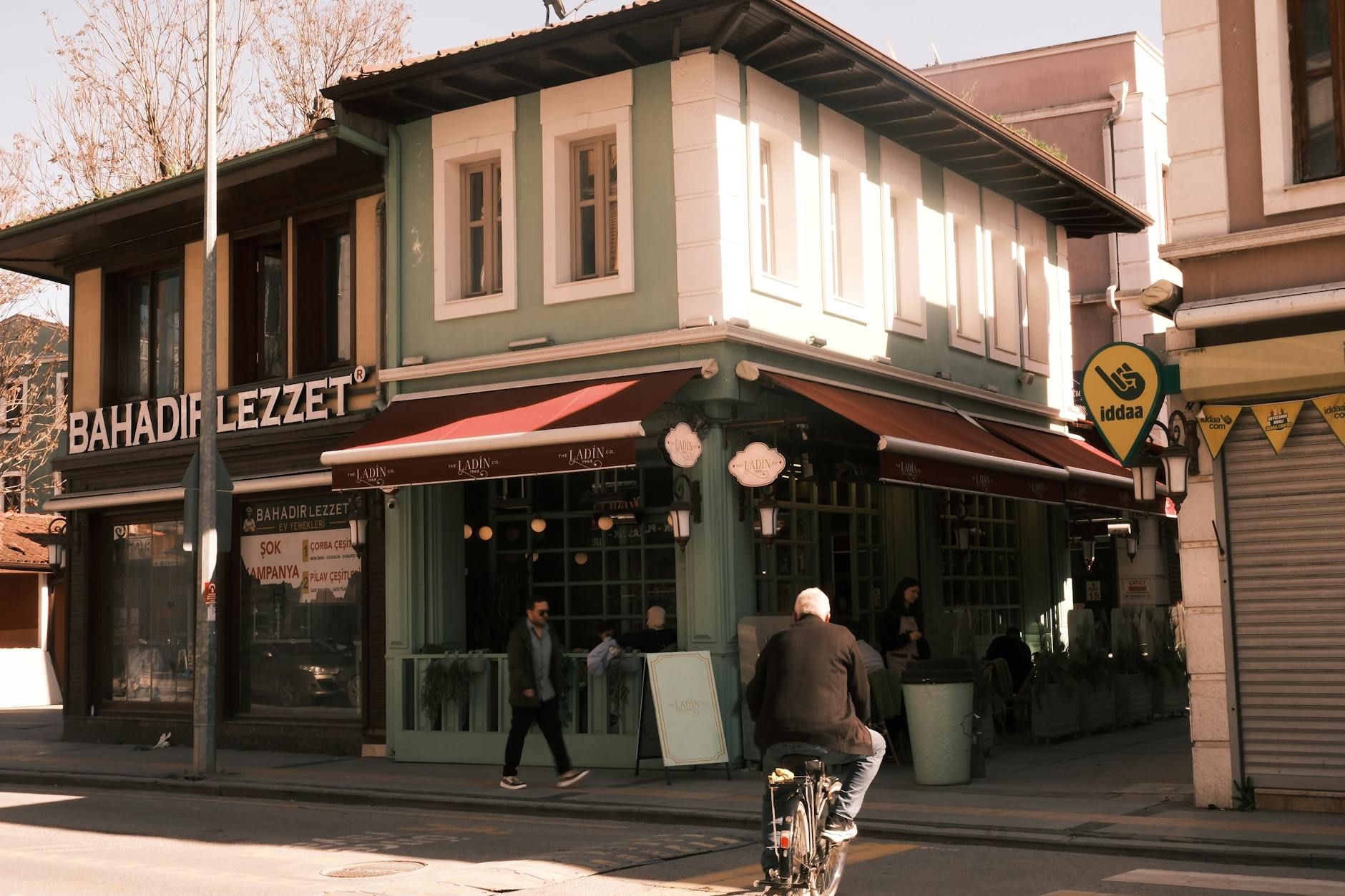
Touts stationed outside popular restaurant streets approach tourists and offer to guide them to an excellent local place nearby. The restaurant they lead visitors to is typically overpriced with a menu that lists different prices than what appears on the final bill. Dishes or drinks are sometimes added to the check without being ordered and complaints are met with hostility or deliberate confusion over the language barrier. Tourists should research restaurants in advance and walk directly to their chosen destination without accepting guidance from street promoters.
The Shell Game

A small crowd gathers around a folding table where an operator moves three cups or cards rapidly and invites onlookers to guess the location of a hidden ball or card. Early rounds allow a planted participant to win visibly creating the illusion that the game is genuinely winnable. When a tourist places a real bet the sleight of hand ensures they always lose and the crowd quickly disperses if authorities approach. This game is technically illegal across most European countries and no version of it is ever fair.
The Scenic Photographer
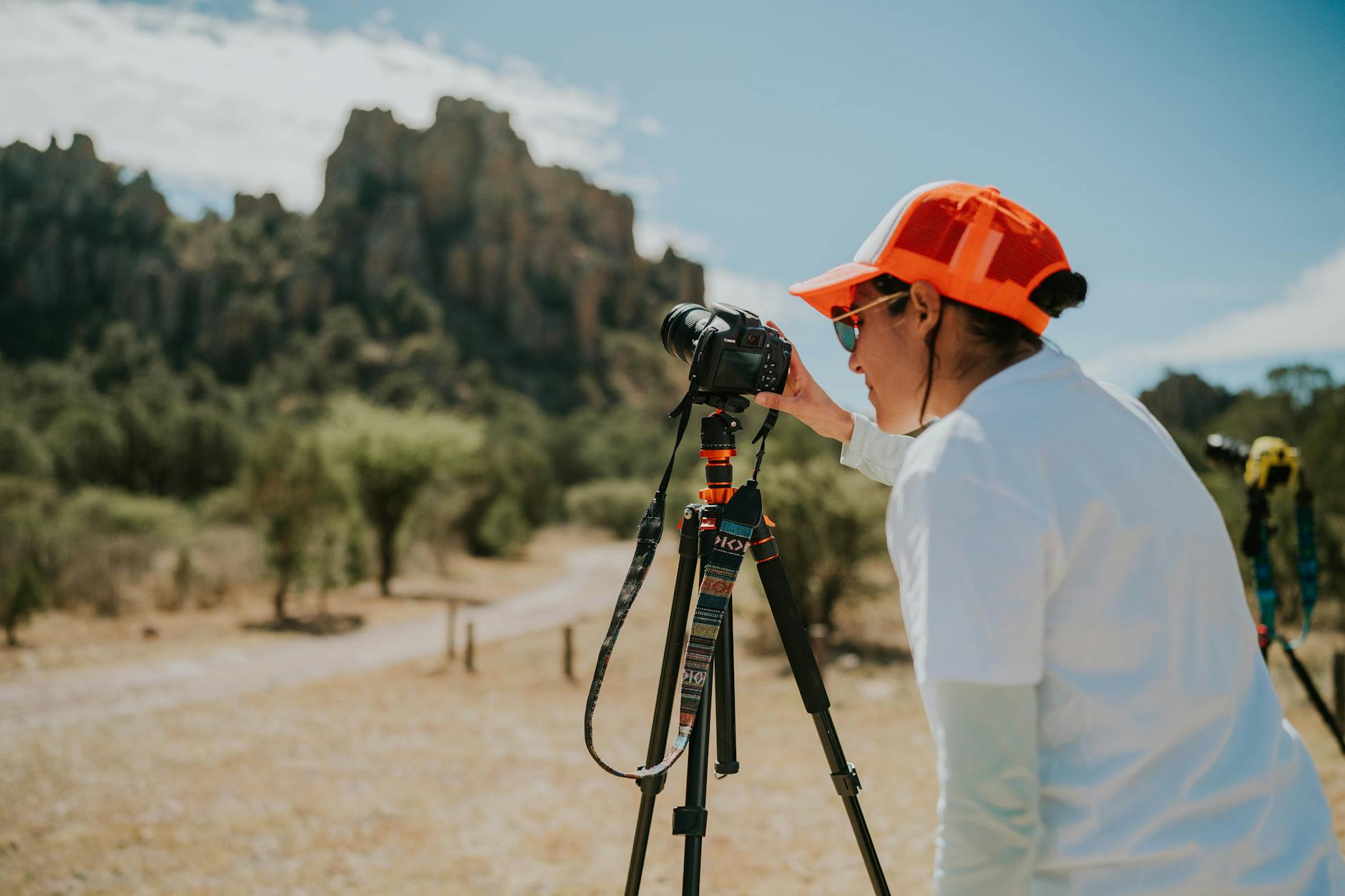
A stranger offers to take a photograph of a tourist couple or group using the tourist’s own phone or camera. Once the device is in their hands they either run off with it or use the distraction of framing the shot to allow an accomplice to steal bags left on the ground. This approach is common in areas with natural photography hotspots such as clifftop viewpoints in Lisbon and coastal platforms in Dubrovnik. Tourists should ask other tourists rather than strangers to take group photos and always keep bags worn on the body.
The Spilled Substance

A passerby or nearby person accidentally spills a liquid or sauce onto a tourist’s clothing and immediately begins to help clean it up with exaggerated apologies. While one or two people focus on wiping down the stain another accomplice goes through pockets or an unguarded bag nearby. This scam works because the physical contact and social awkwardness of the situation reduces vigilance significantly. The moment anything is spilled on your clothing the priority should be stepping back and securing all personal items before accepting any assistance.
The Overpriced Café Menu
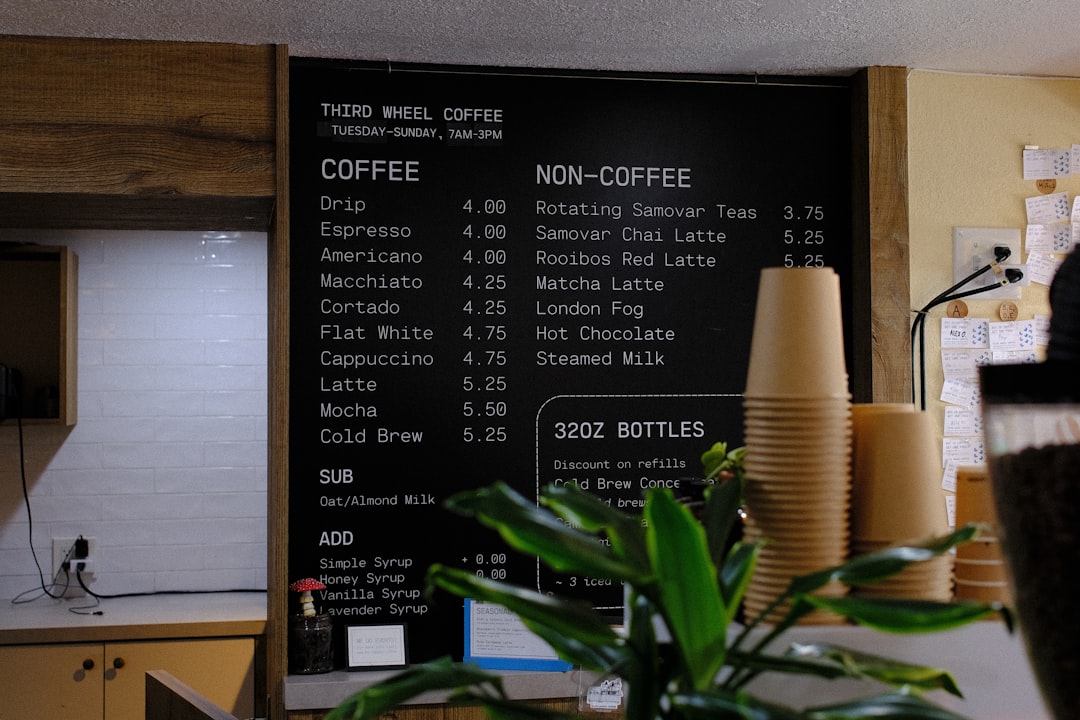
Cafés and bars positioned on famous squares or near iconic landmarks sometimes present tourists with a menu that does not display prices clearly or substitutes a different menu after ordering. A single coffee can arrive with a bill many times higher than the standard local rate without any prior warning. Cover charges and service fees are sometimes added as separate line items that were not communicated at the time of ordering. Always confirm pricing before ordering and request an itemized bill if the total amount seems inconsistent with what was agreed.
The Fake Police Officer
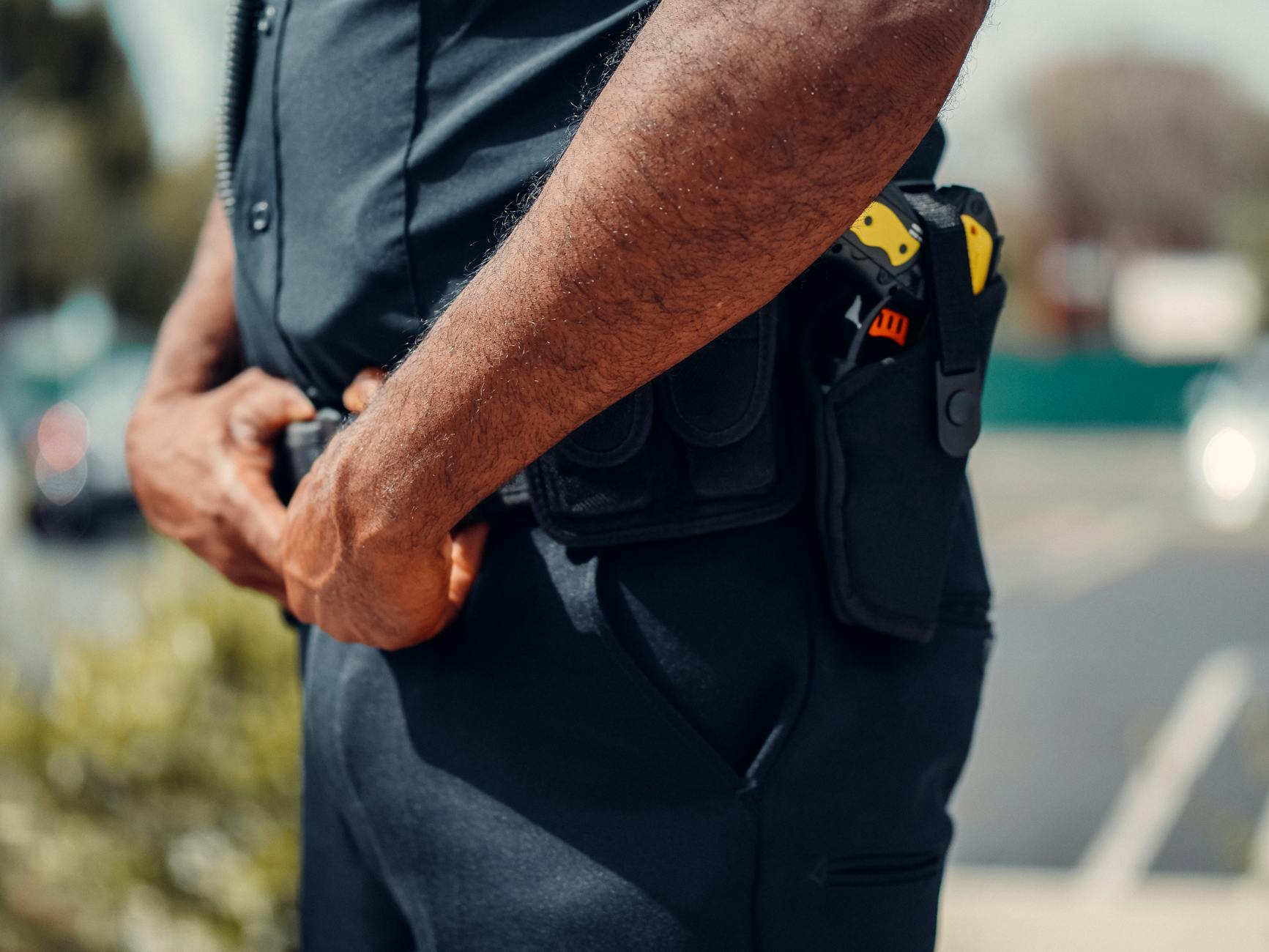
Individuals dressed in official-looking uniforms approach tourists claiming to be plainclothes police officers conducting a currency fraud investigation. They ask to inspect wallets or passports for counterfeit notes and may pocket cash or record card details during the inspection. Genuine police officers in all major European countries do not have the authority to inspect tourist wallets on the street without formal cause. Tourists should ask for official identification and offer to accompany the officer to the nearest police station before handing over any documents or money.
The Broken Meter Cab
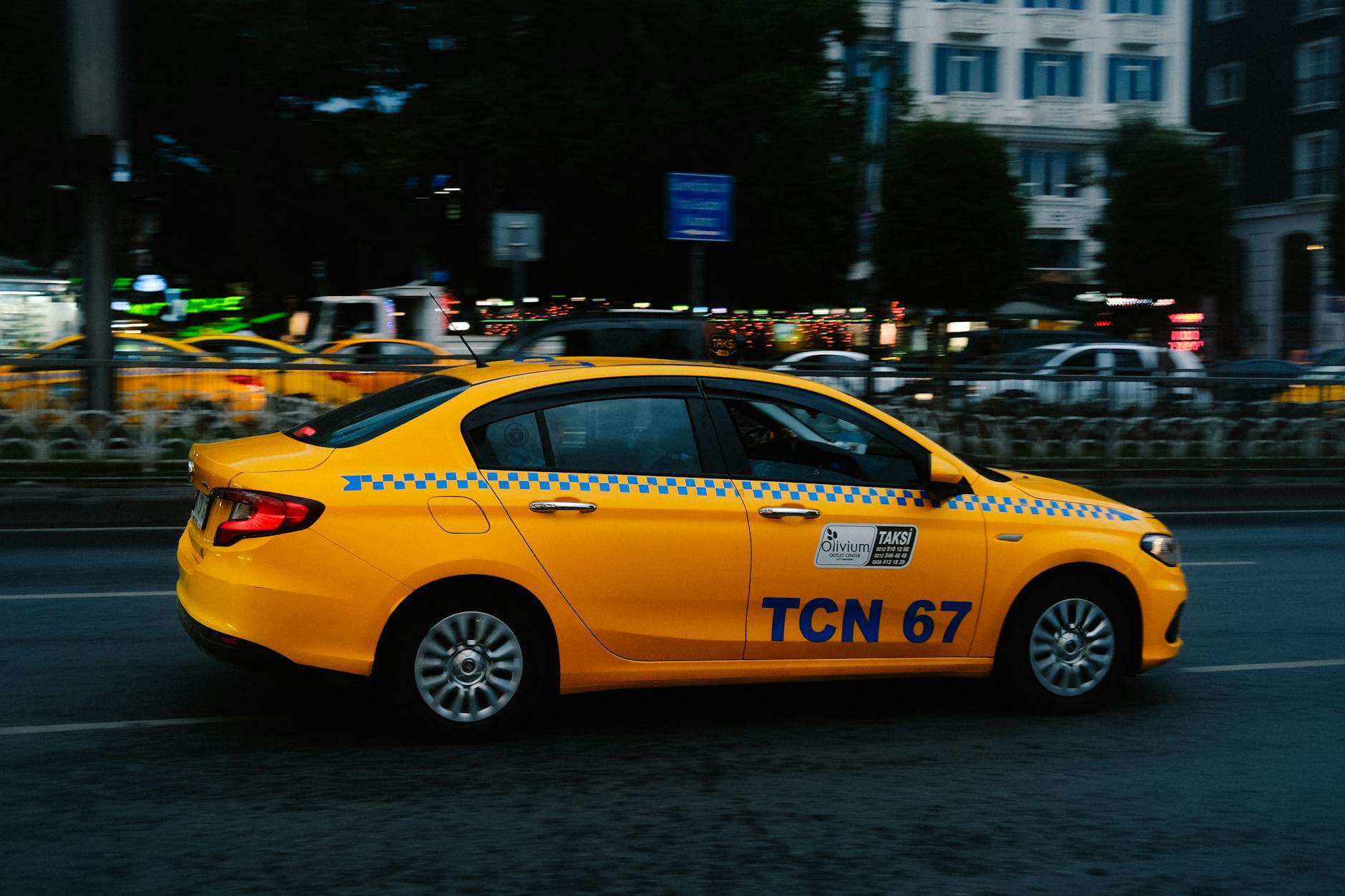
A licensed-looking taxi collects a fare from the airport or hotel but the driver claims the meter is malfunctioning and quotes a flat rate that is significantly inflated. During the journey the driver may take a longer route through unfamiliar streets to increase the time spent and justify the higher price. Disputes at the end of the journey in an unfamiliar area leave tourists feeling they have little choice but to pay whatever is demanded. Booking transfers in advance through verified hotel concierge services eliminates this risk entirely.
The Free Sample Trick

Street vendors near markets and pedestrian zones offer small food samples or tiny gifts described as free with a friendly and welcoming manner. Once the tourist accepts the item a price is immediately stated and the vendor becomes insistent or confrontational if payment is refused. In some cases a receipt is quickly produced making the interaction appear to have been a legitimate purchase from the start. The word free should always be treated with caution in high-tourist commercial areas particularly around famous market streets.
The Charity Collection
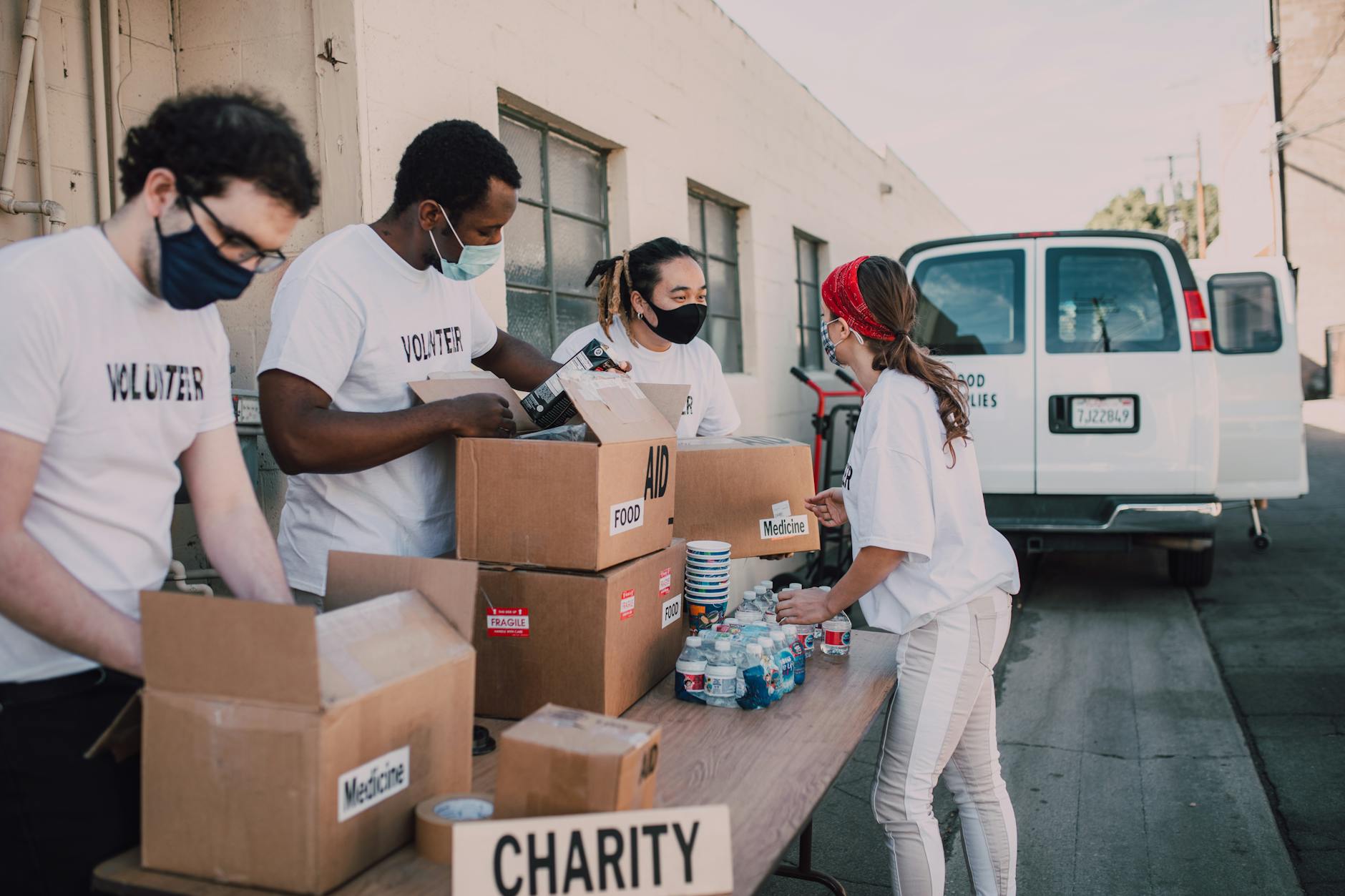
Collectors carrying buckets or collection boxes approach tourists claiming to represent well-known children’s charities or disaster relief organizations. The boxes may feature familiar logos and the collectors wear branded vests to appear credible and official. Legitimate registered charities do not typically conduct aggressive street collections in tourist zones without verifiable identification and permits. Tourists wishing to donate should do so through official charity websites rather than responding to street solicitation.
The Wrong Change

Market vendors and small kiosks in busy tourist areas may quickly count back change in an unfamiliar currency in a way that shortchanges the tourist by a meaningful amount. The speed of the transaction and the confusion of handling unfamiliar coins creates a window where errors are easy to introduce deliberately. When the mistake is pointed out some vendors feign genuine confusion while others simply deny the discrepancy. Tourists should familiarize themselves with local currency denominations and count change carefully before stepping away from any transaction.
The Boat Trip Bait

Operators near coastal cities and waterfront areas advertise scenic boat tours at low introductory prices displayed on large signs or handed out on flyers. Once passengers are on board additional charges appear for refreshments, entry to certain areas, or return transport to the original departure point. Passengers find themselves far from shore with no practical alternative but to pay the additional amounts being requested. Always read the full terms of any excursion before boarding and confirm in writing what is and is not included in the advertised price.
The Card Game Invitation

Tourists sitting alone in parks or squares are approached by friendly locals who invite them to join a casual card game already underway with a small group. The early rounds may involve small stakes but the amounts increase quickly and the game is rigged so that the tourist consistently loses. The social dynamic of playing with a friendly group makes it difficult to accuse anyone directly and leave without tension. Accepting gambling invitations from strangers in public spaces carries a high risk regardless of how informal or friendly the setting appears.
The Wi-Fi Phishing Hotspot

Unofficial Wi-Fi hotspots in cafés and tourist areas operate under names designed to resemble legitimate venue networks such as using the café name with a slight variation. Connecting to these networks allows the operator to monitor unencrypted data including login credentials and financial information. Tourists frequently connect without checking with staff whether the network is the official one provided by the establishment. Using a personal VPN when traveling and confirming network names directly with venue staff before connecting significantly reduces exposure to this risk.
The Ticket Tout
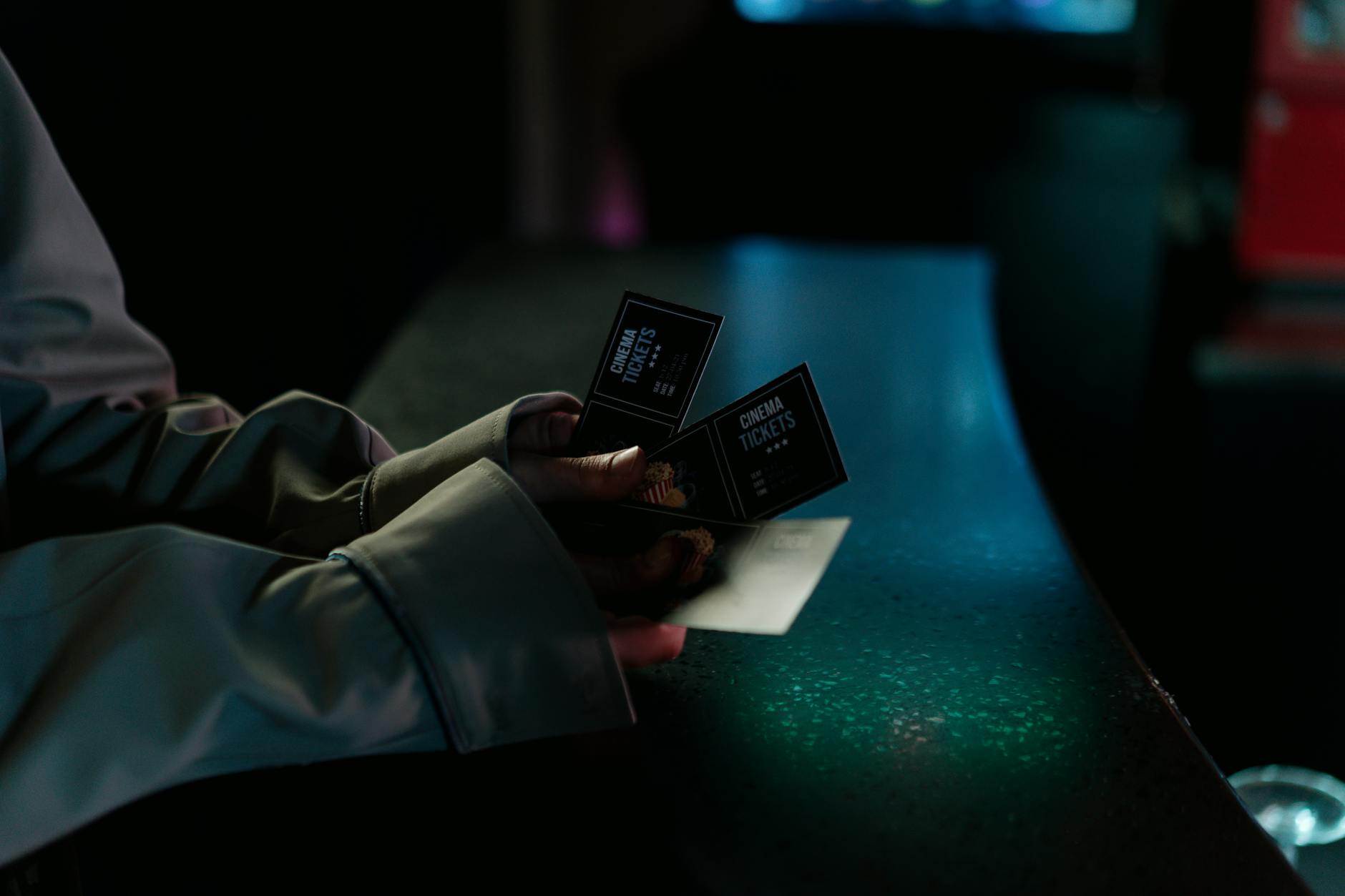
Individuals outside major museums, galleries, and attractions approach tourists claiming to have spare tickets they are selling at a slight discount after a change in plans. The tickets are either counterfeit, already used, or tied to a timed-entry slot that has already passed making them completely worthless at the entrance gate. The transaction happens quickly and the seller disappears before the problem is discovered. Entry tickets for major European attractions should always be purchased directly through official venue websites or on-site box offices.
The Dropped Wallet Setup
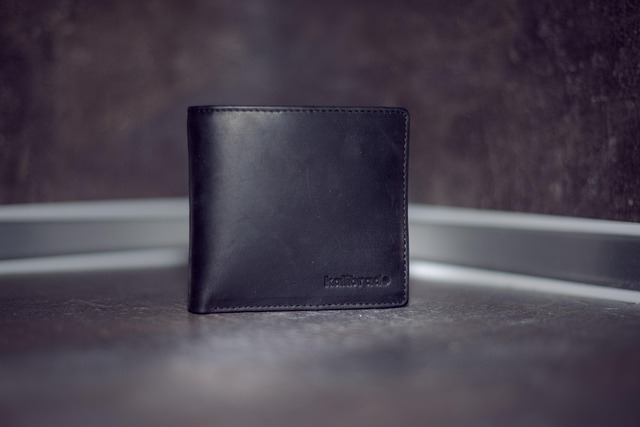
A wallet or purse is dropped visibly in front of a tourist by someone walking ahead as a deliberate act designed to test the tourist’s reaction. A second individual nearby watches and if the tourist picks up the wallet and attempts to return it a third person arrives claiming the tourist was seen stealing from it. The confusion and accusation create pressure to hand over personal cash to resolve the situation quickly. Dropping a found wallet at the nearest police station or leaving it untouched is always the safest course of action.
The Currency Exchange Sleight
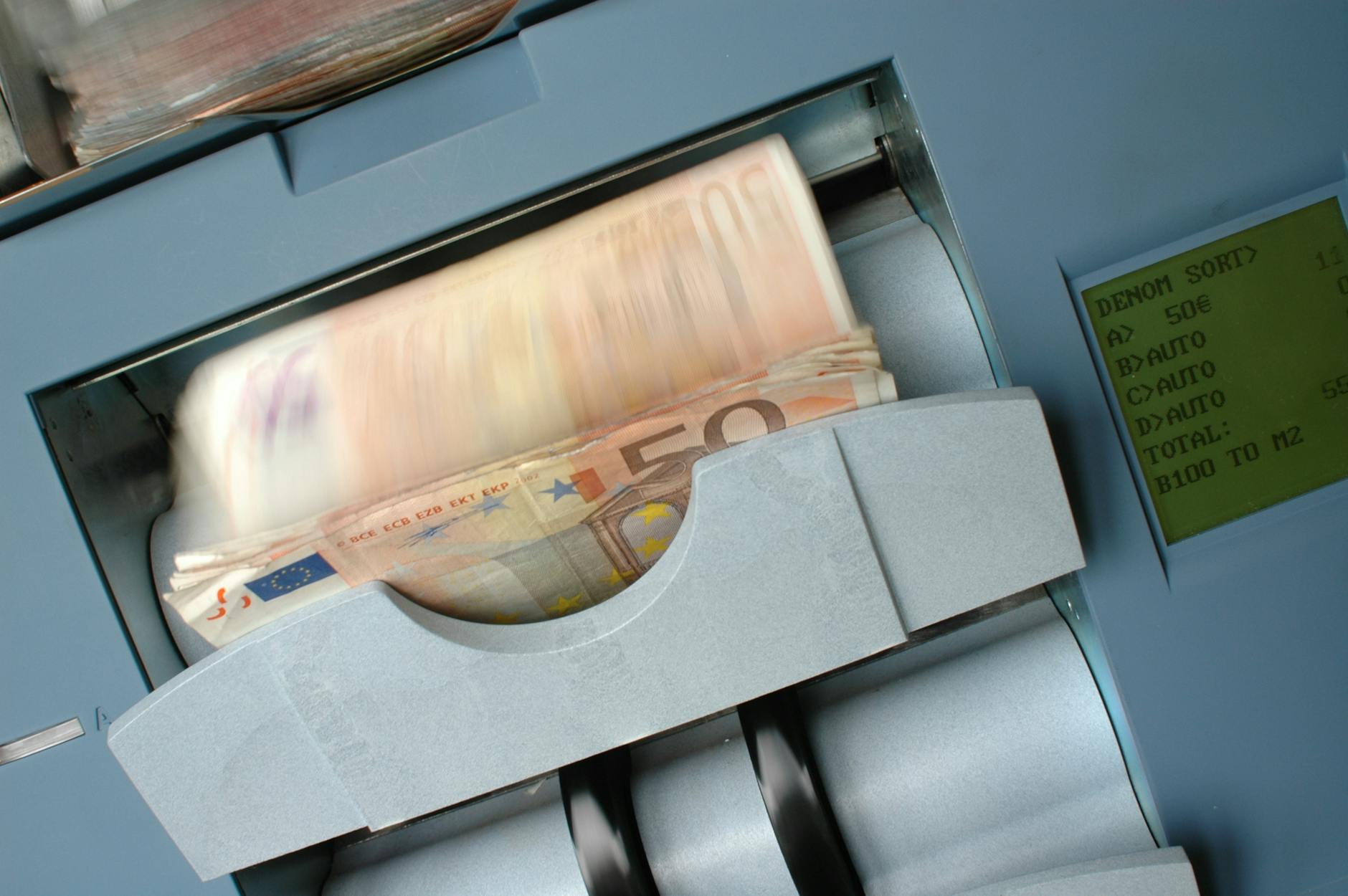
Unofficial currency exchange stands near major arrival points offer attractive rates on signage but apply hidden fees or use deceptive counting methods that reduce the actual amount handed over. The exchange is completed rapidly with bills folded or counted in a way that obscures the final total until the tourist has moved away. Returning to dispute the amount is met with the claim that the rate board clearly showed the applicable fees in small print. Tourists should use bank-affiliated exchange counters or withdraw local currency from regulated ATMs inside verified banking locations.
The Luggage Helper
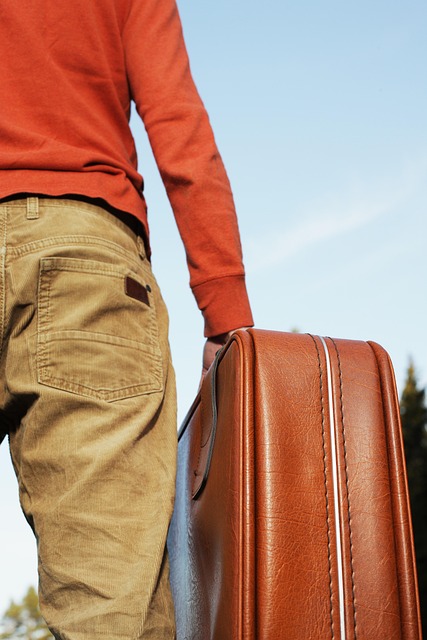
Near busy train stations and ferry terminals individuals offer to carry luggage up staircases or assist with loading bags onto trains or platforms with a warm and helpful manner. Once the bags are in their possession they either walk away quickly or demand a cash fee that was never discussed before handing the luggage back. Some versions involve accomplices who block the tourist’s path while the primary person moves further away with the bags. Tourists should always decline unsolicited offers to handle luggage and use official porter services at regulated stations.
The Distraction Team
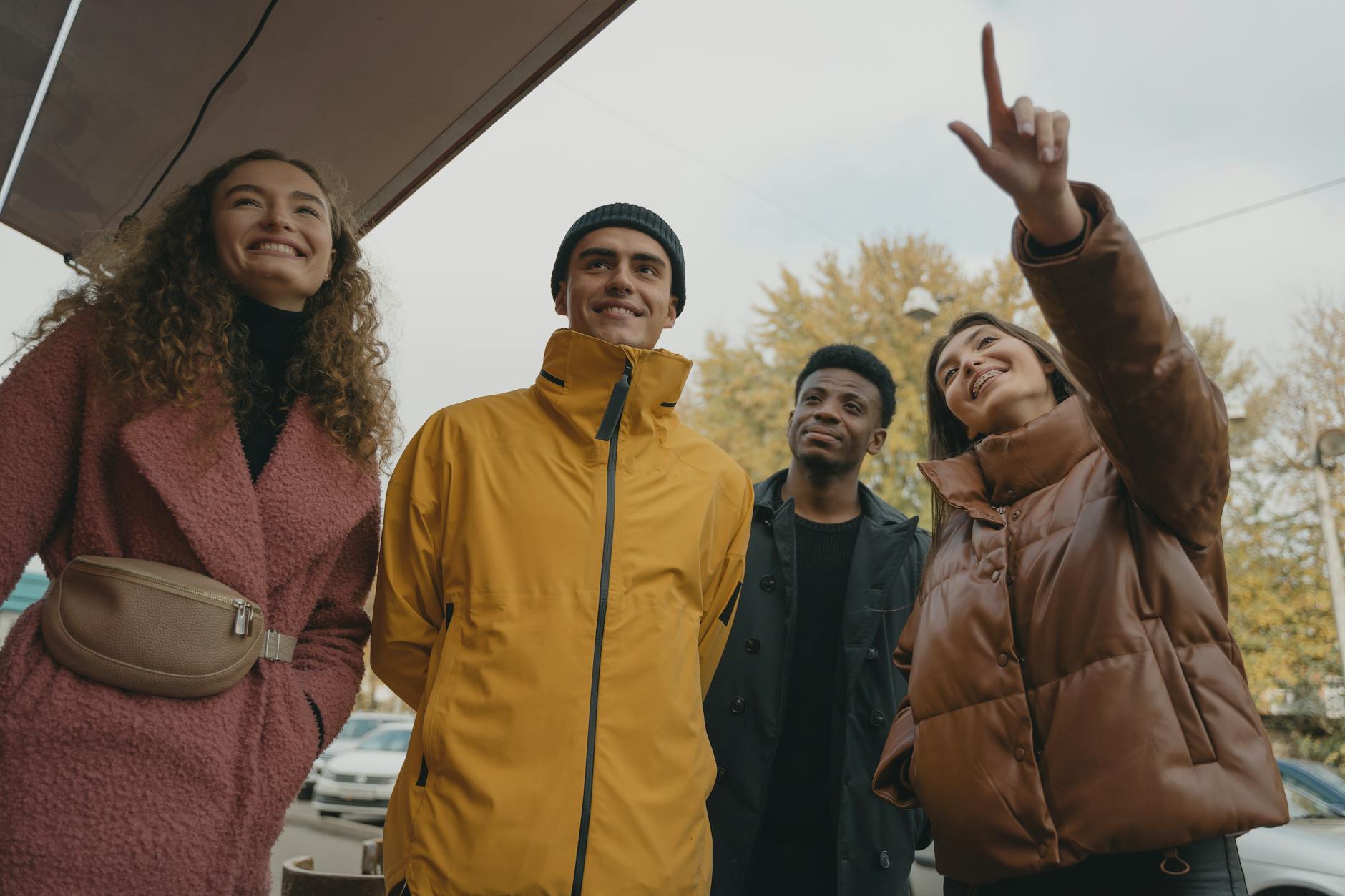
A coordinated group of two or more individuals approaches a tourist in a busy area where one initiates a conversation asking for directions or pretending to need help with something. While attention is held by the first person one or more others move close enough to access jacket pockets, backpacks, or bags that are not in direct view. This technique is among the most widely documented in cities including Rome, Madrid, and Prague and tends to operate most actively near historic landmarks at peak visiting hours. Wearing a crossbody bag secured at the front and keeping phones and wallets in interior pockets remains one of the most effective physical deterrents against this approach.
Have you encountered any of these scams while traveling in Europe or do you have tips of your own to add? Share your experiences and advice in the comments.




