Colorectal cancer ranks among the most frequently diagnosed cancers worldwide, and growing evidence suggests that what you put on your plate plays a meaningful role in your chances of developing it. Certain vegetables, particularly those belonging to the cruciferous family, have been linked to a reduced risk of this disease. Cruciferous vegetables like broccoli and kale are packed with powerful plant compounds and nutrients that help fight inflammation and protect cells from the kind of damage that can lead to cancer. Adding even modest amounts of these foods to your daily diet may make a real difference over time.
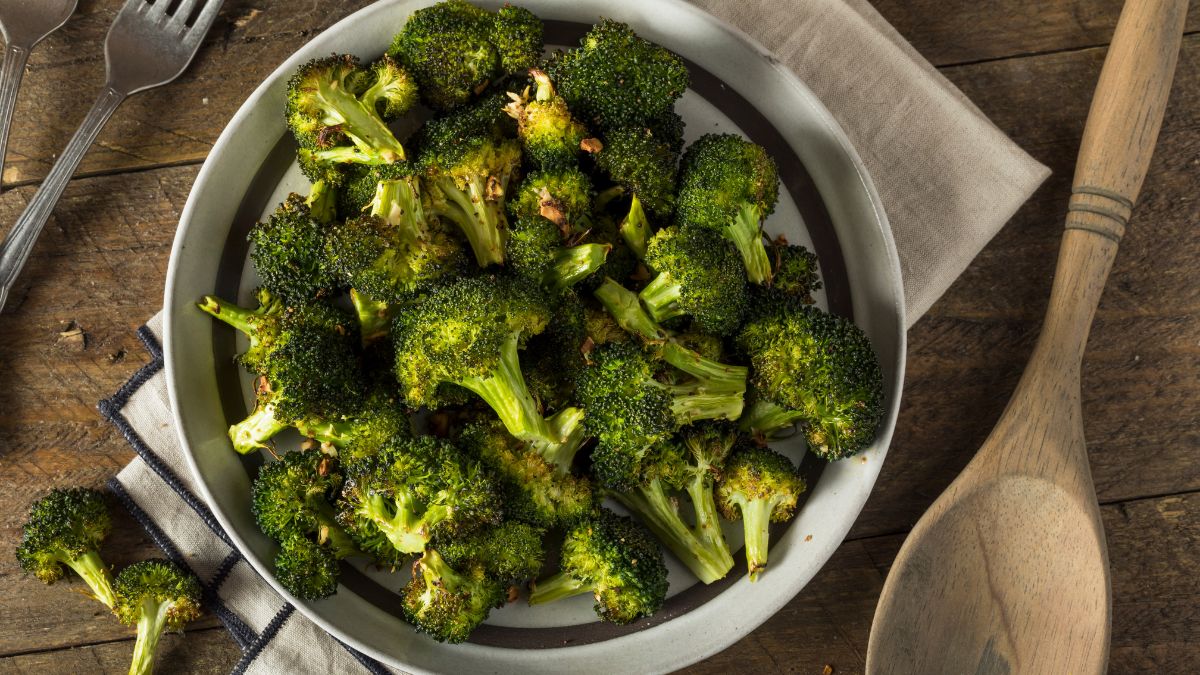
Broccoli is arguably the most well-studied of the cruciferous vegetables when it comes to cancer prevention. It is rich in sulfur-containing compounds called glucosinolates, which the body converts into isothiocyanates, substances known for their strong antioxidant and anti-inflammatory properties. According to the Health portal, a review of 17 studies found that people who ate the most cruciferous vegetables, broccoli included, had a 17% lower risk of colorectal cancer compared to those who consumed the least. Researchers noted the strongest protective effect at daily servings of roughly 20 to 40 grams, which works out to about a quarter to half a cup. A single cup of raw broccoli also covers around 90% of your daily vitamin C needs, a nutrient with well-documented anticancer properties.
Cauliflower is another cruciferous standout, delivering a high concentration of cancer-fighting compounds including glucosinolates, flavonoids, and phenolic acids. While regular consumption of cruciferous vegetables as a whole is associated with lower colorectal cancer risk, research suggests that broccoli, cauliflower, and cabbage in particular offer a notable degree of protection. Cauliflower is also a solid source of fiber, vitamin C, and folate, all of which are tied to cancer prevention. One cup of cauliflower provides around 15% of the recommended daily value of folate, and studies indicate that higher dietary folate intake may reduce colorectal cancer risk.
Cabbage brings its own impressive lineup of plant compounds and nutrients that can help protect against several types of cancer, including colorectal cancer. It contains glucosinolates and vitamin C, both of which have shown protective effects against carcinogens. Red cabbage goes a step further by providing anthocyanins, the pigments responsible for its deep purple color, which carry significant anti-inflammatory and anticancer activity. A review of studies published in 2012 found that people who ate the most cabbage had roughly a 24% lower risk of colorectal cancer compared to those who ate the least.
Kale is a dark leafy green that also falls under the cruciferous umbrella, and research shows that eating more green leafy vegetables can reduce certain markers associated with colorectal cancer. One such marker is fecal 8OHdG, which is used to detect DNA damage in the colon of individuals with elevated cancer risk. Beyond that, diets rich in cruciferous and green leafy vegetables have shown effectiveness in lowering overall colorectal cancer risk. Kale is packed with glucosinolates, fiber, and carotenoid antioxidants such as beta-carotene, lutein, and zeaxanthin, all of which contribute to cell protection and inflammation reduction.
Kohlrabi rounds out this list and, like its cruciferous cousins, contains glucosinolates along with an impressive amount of fiber and vitamin C. One cup of mashed kohlrabi covers more than 15% of your recommended daily fiber intake and delivers around 50% of your daily vitamin C requirement. Eating a fiber-rich diet is one of the most reliable strategies for reducing colorectal cancer risk, as fiber supports gut health, encourages the production of short-chain fatty acids, and shortens the time that the colon lining is exposed to potential carcinogens. Higher vitamin C intake has also been associated with a lower likelihood of developing colorectal cancer.
It is worth noting that some people may experience digestive discomfort from cruciferous vegetables, as they contain fermentable carbohydrates known as FODMAPs that can be harder for the gut to absorb. Symptoms like bloating, gas, or diarrhea can occur, especially when consumed in large quantities, though cooking can help reduce FODMAP content. Kale and similar greens also contain compounds called goitrogens, which in very large amounts could potentially interfere with thyroid function, though typical dietary servings are considered safe even for people with thyroid conditions. If you are new to eating these vegetables regularly, starting with smaller portions and working your way up is a sensible approach.
Current dietary guidelines generally recommend that adults aim for about 2 to 3 cups of varied vegetables per day, and cruciferous vegetables are an excellent way to meet that goal. You can easily work them into salads, soups, stir-fries, and side dishes throughout the week. That said, diet alone is not enough when it comes to colorectal cancer prevention. Regular screenings such as colonoscopies, maintaining a healthy body weight, avoiding smoking, and living an overall health-conscious lifestyle remain equally important pillars of prevention.
Colorectal cancer, also known as bowel cancer or colon cancer, begins in the large intestine or rectum and is the third most commonly diagnosed cancer globally. It develops most often from small clumps of cells called polyps that form on the inside of the colon and can become cancerous over time. The disease is more common in people over 50, though rates have been rising among younger adults in recent years. Risk factors include a diet high in red and processed meats, low physical activity, obesity, heavy alcohol use, and a family history of the disease. Early detection through routine screening dramatically improves survival rates, as the cancer is highly treatable when caught in its early stages.
If you have thoughts on which of these vegetables you already include in your diet or plan to add, feel free to share them in the comments.




