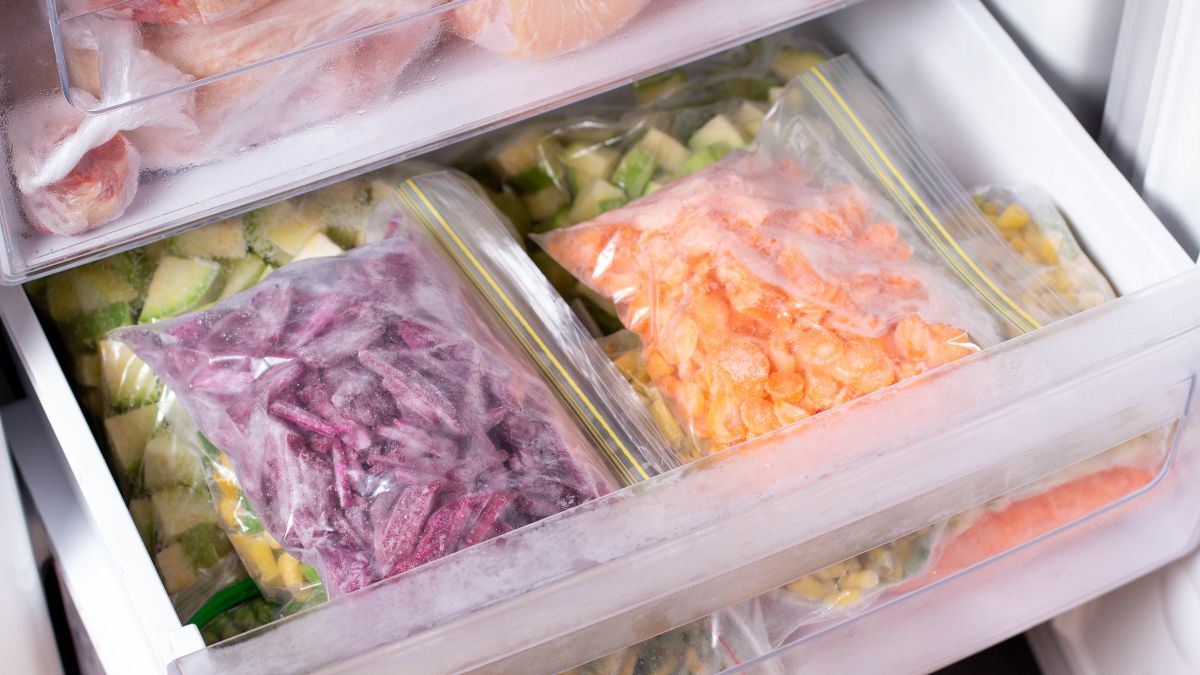
Your freezer is one of the most powerful tools in your kitchen, capable of extending the life of countless foods and saving both time and money. However, not everything belongs in sub-zero temperatures, and placing the wrong items in there can ruin textures, destroy flavors, create safety hazards, or cause outright disasters. Understanding the limits of your freezer is just as important as knowing how to use it well. From dairy products to delicate produce, the list of freezer-unfriendly items is longer than most people expect. Read on to discover the 25 things you should keep far away from your freezer at all times.
Mayonnaise
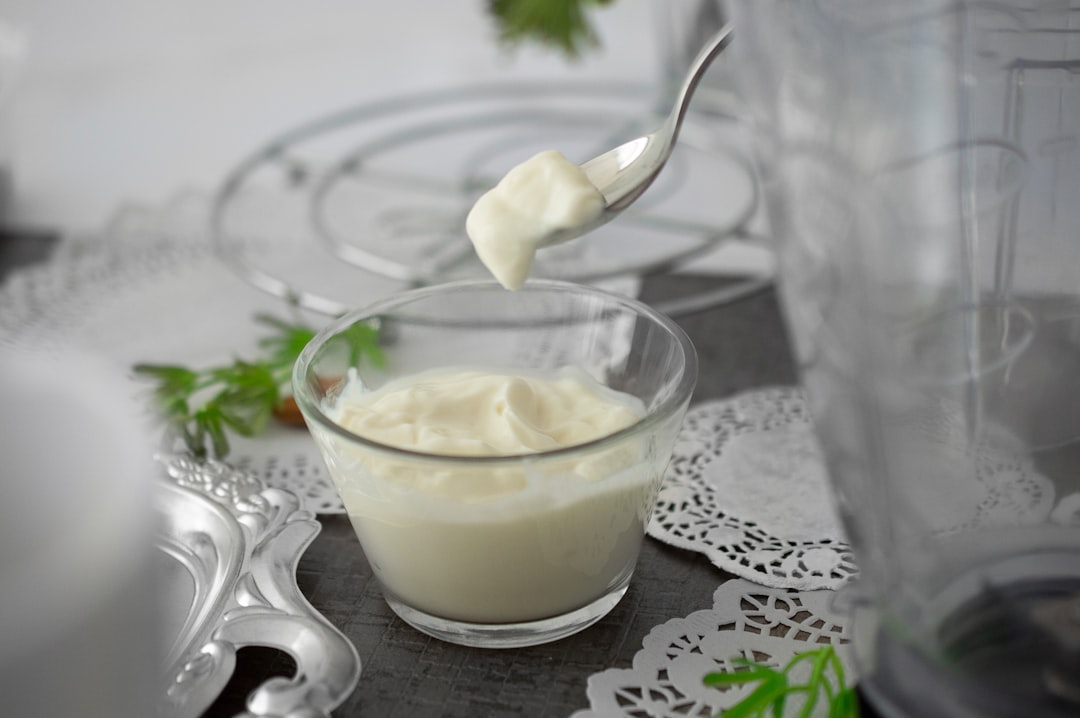
Mayonnaise is an emulsion made from oil and egg yolks, and freezing it causes those two components to permanently separate. Once thawed, the texture becomes watery, grainy, and entirely unappetizing. No amount of stirring or whisking will restore it to its original creamy consistency. This applies equally to store-bought jars and homemade versions. Any dish containing mayonnaise as a key ingredient will suffer the same fate.
Whole Eggs
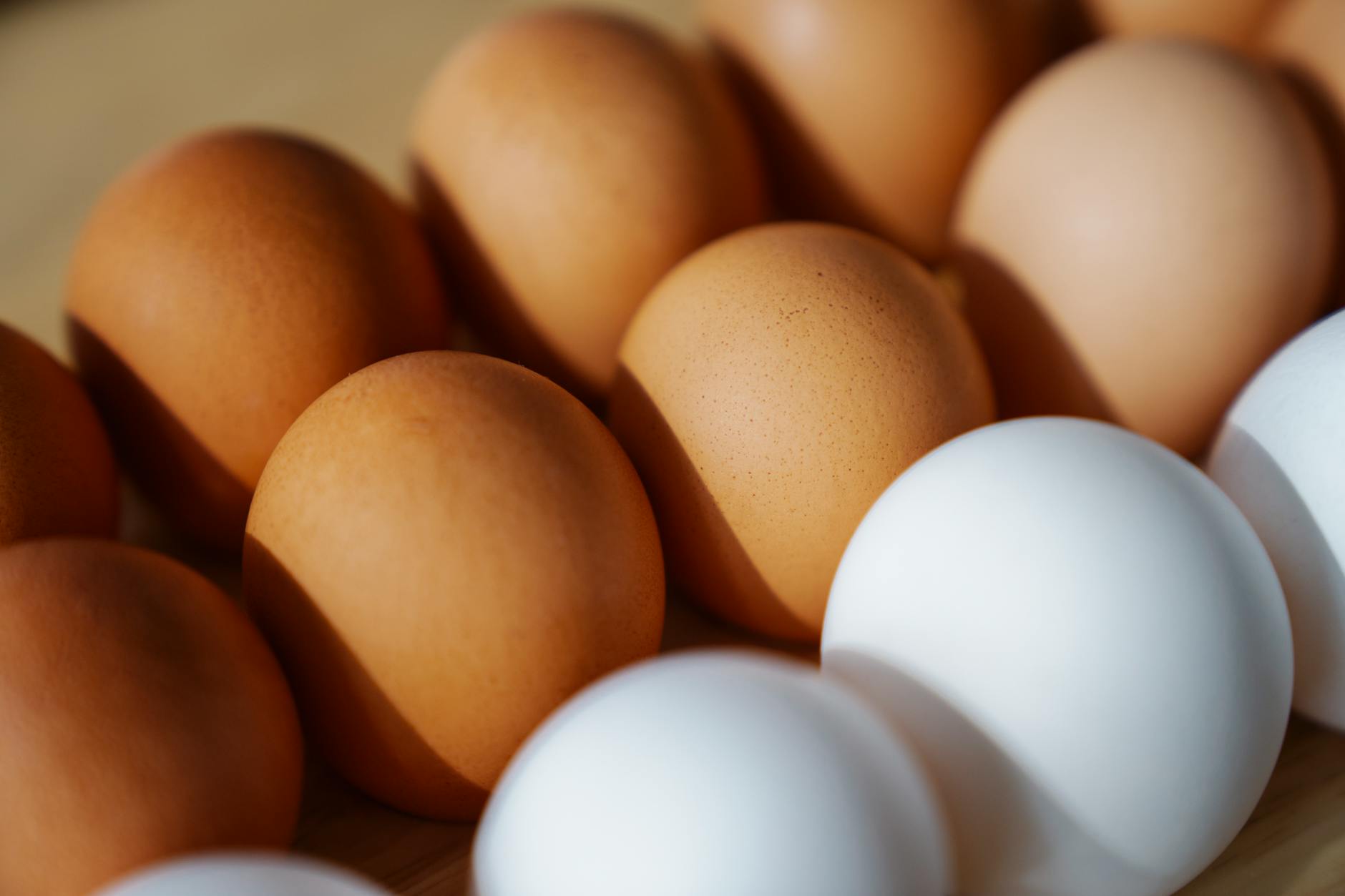
Freezing eggs in their shells is a dangerous mistake that many people make without realizing the consequences. As the liquid inside expands during freezing, the shell will crack and potentially shatter inside your freezer. This creates a messy cleanup and exposes the egg to bacteria and freezer odors. Even if the shell survives intact, the texture of both the yolk and white will change unfavorably upon thawing. If you need to freeze eggs, always crack them first and store the contents in an airtight container.
Soft Cheeses
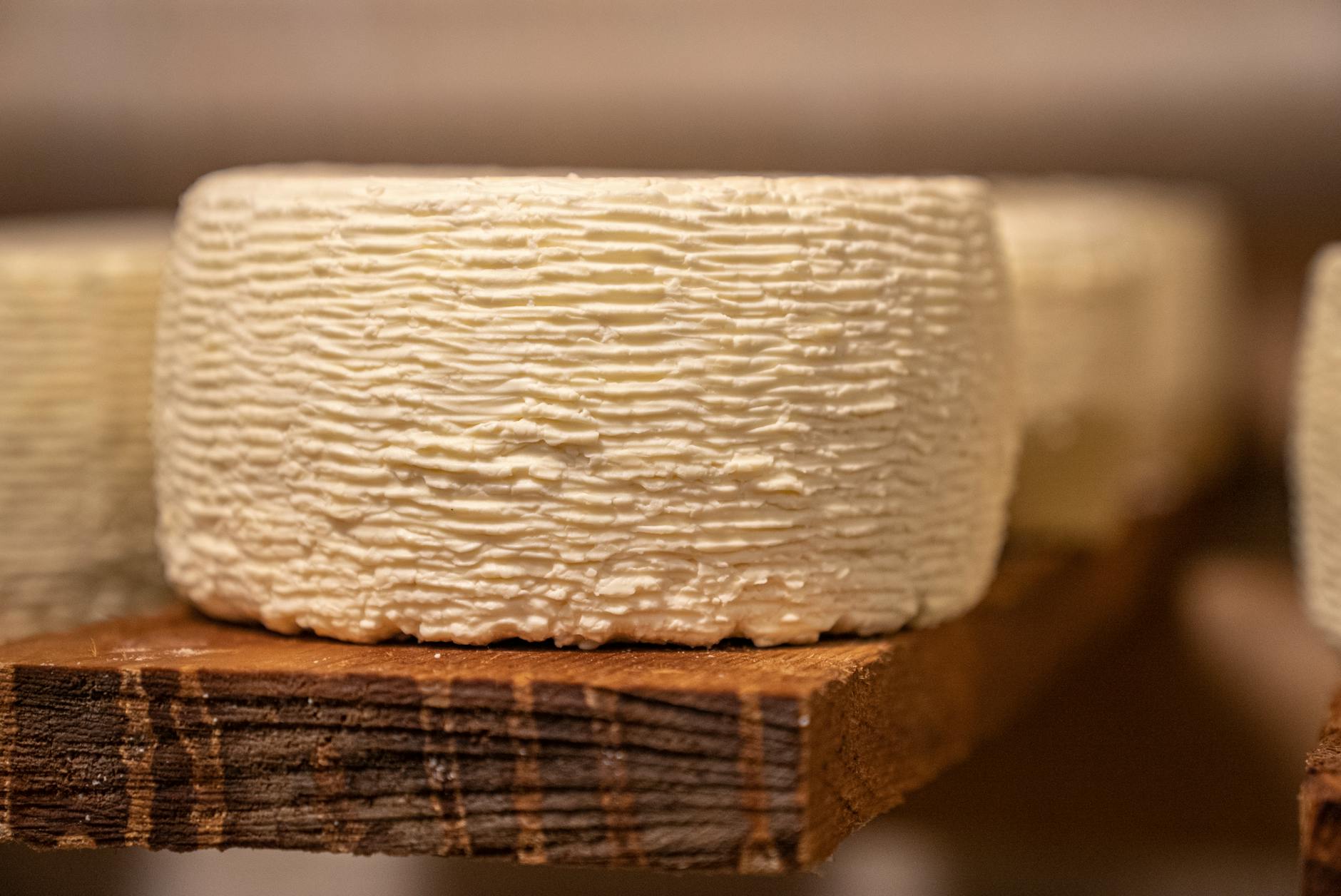
Soft cheeses such as ricotta, brie, camembert, and cottage cheese have a high moisture content that makes them particularly vulnerable to freezing damage. Ice crystals form throughout the cheese and rupture its delicate structure, resulting in a crumbly and watery mess after thawing. The flavor also tends to become noticeably bland and less nuanced once frozen. These cheeses are best consumed fresh within their recommended shelf life. Hard cheeses tolerate the freezer far better and can be grated directly from frozen when needed.
Cucumbers
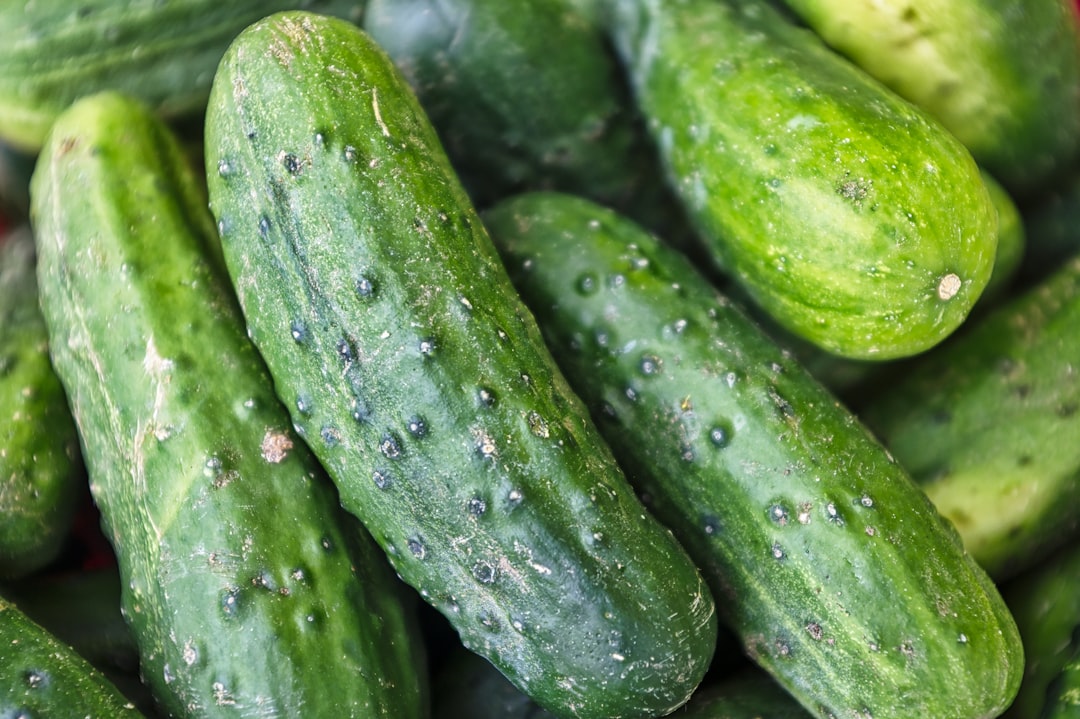
Cucumbers are composed of roughly 96 percent water, which makes them one of the worst candidates for freezer storage. Freezing transforms their crisp and refreshing texture into a limp, mushy, and completely unpleasant result. They lose their structural integrity entirely during the thawing process and become unsuitable for salads or raw consumption. The flavor also dulls significantly after exposure to freezing temperatures. Always store cucumbers in the refrigerator and consume them within a few days of purchase.
Cream-Based Sauces
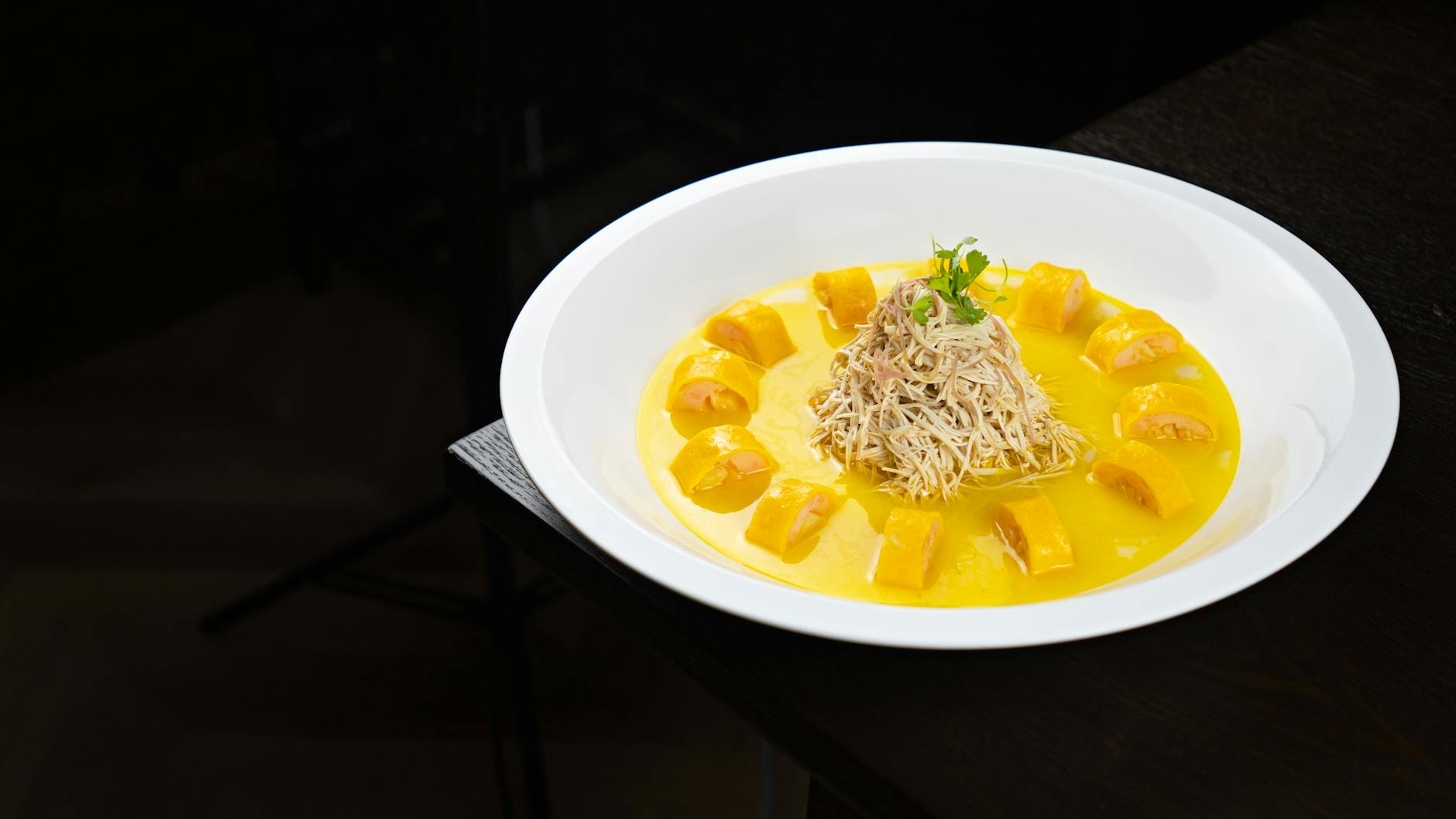
Cream-based sauces rely on a careful balance of fat and liquid that cannot survive the freezing process intact. Upon thawing, the sauce separates into an oily layer and a watery base that refuse to recombine smoothly. The resulting texture is thin, greasy, and visually unappealing even after reheating. Dishes like pasta in a cream sauce or chicken in a white wine cream reduction are best made fresh and enjoyed immediately. Tomato-based or broth-based sauces are far more freezer-friendly alternatives.
Watermelon
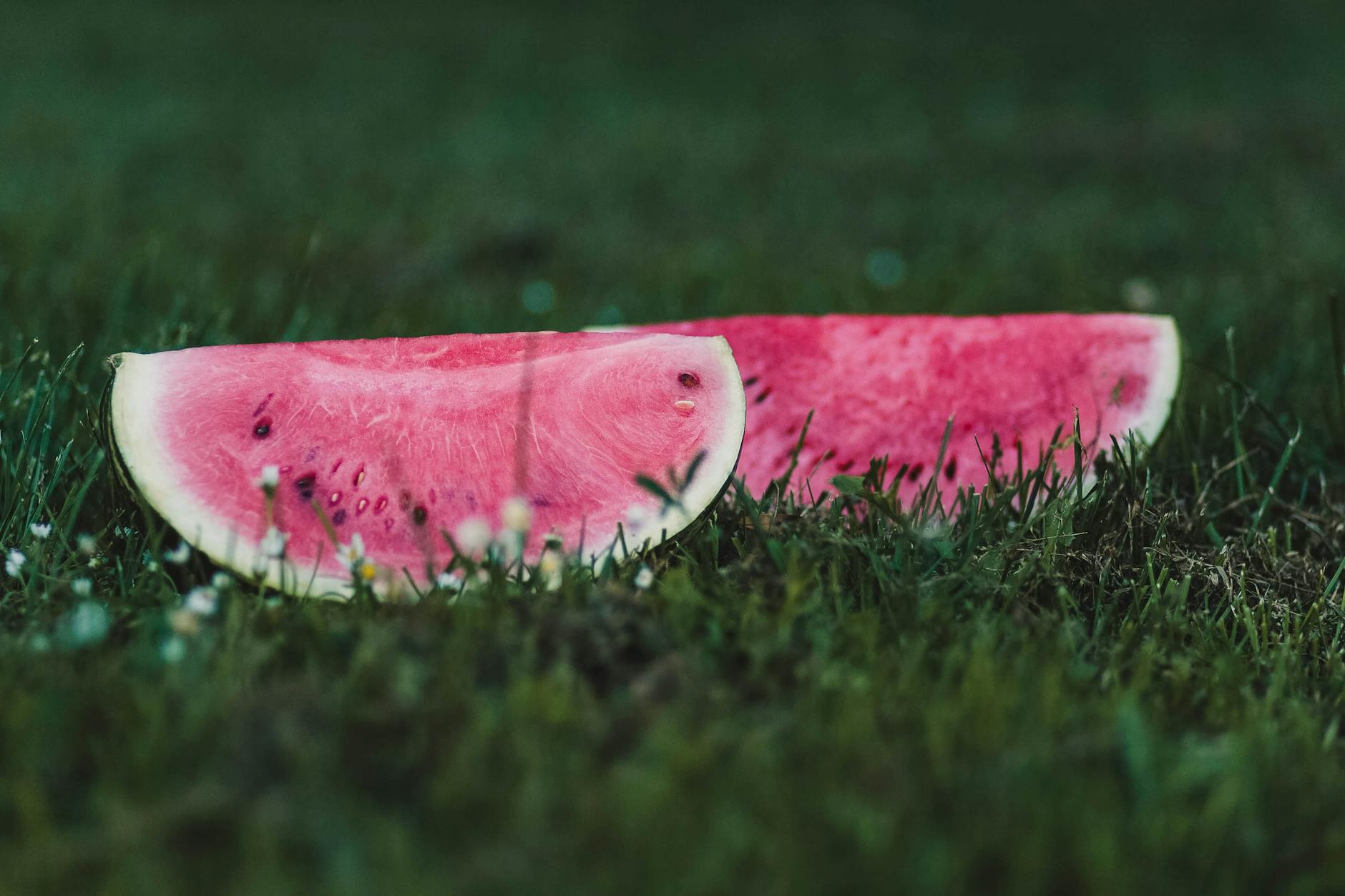
Watermelon is another fruit with an extremely high water content that transforms dramatically under freezing conditions. Its firm and juicy flesh collapses into a soft, soggy mass once thawed, making it impossible to enjoy in its natural state. The vibrant color also tends to bleed and fade, making it visually unappetizing. Blending frozen watermelon into smoothies is the one exception where prior freezing can work in your favor. Otherwise, this summer fruit should always be served fresh and chilled in the refrigerator.
Lettuce
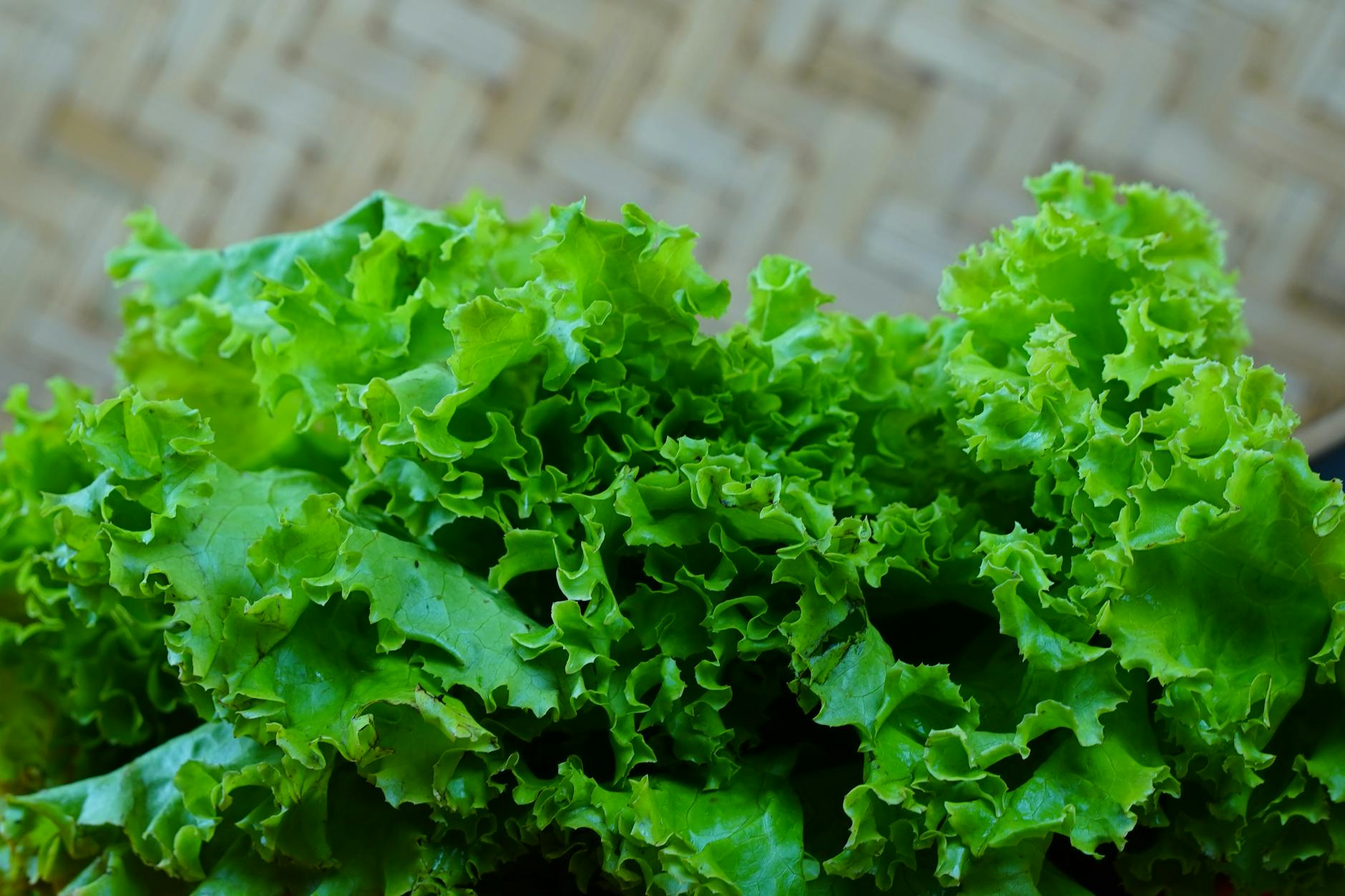
Leafy greens like lettuce, spinach, and arugula wilt and disintegrate almost instantly when subjected to freezing temperatures. The water inside each leaf forms ice crystals that puncture the cell walls, leaving behind a dark, slimy, and completely unusable product after thawing. There is no culinary application where previously frozen lettuce provides an acceptable result in its whole leaf form. Salads built around frozen and thawed greens are soggy and flavorless without exception. Blanched spinach intended for cooked dishes is the one notable exception to this general rule.
Yogurt
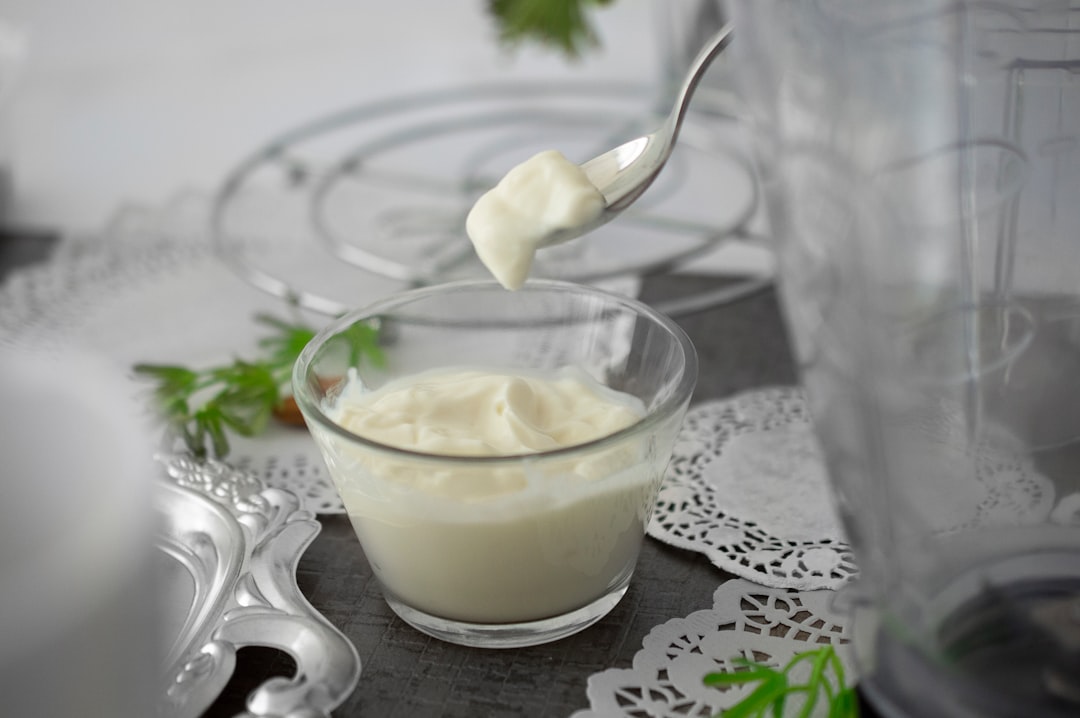
Plain yogurt undergoes significant textural changes when placed in the freezer, separating into liquid whey and a grainy solid upon thawing. The smooth and creamy consistency that defines good yogurt is lost permanently once frozen and defrosted. Flavored and fruit-based yogurts suffer the same fate, often becoming runny and unpleasant to eat with a spoon. Frozen yogurt as a commercial product is specially formulated to withstand freezing and is an entirely different product from standard refrigerated yogurt. If you have excess yogurt, using it immediately in baked goods or smoothies is a smarter option.
Raw Potatoes
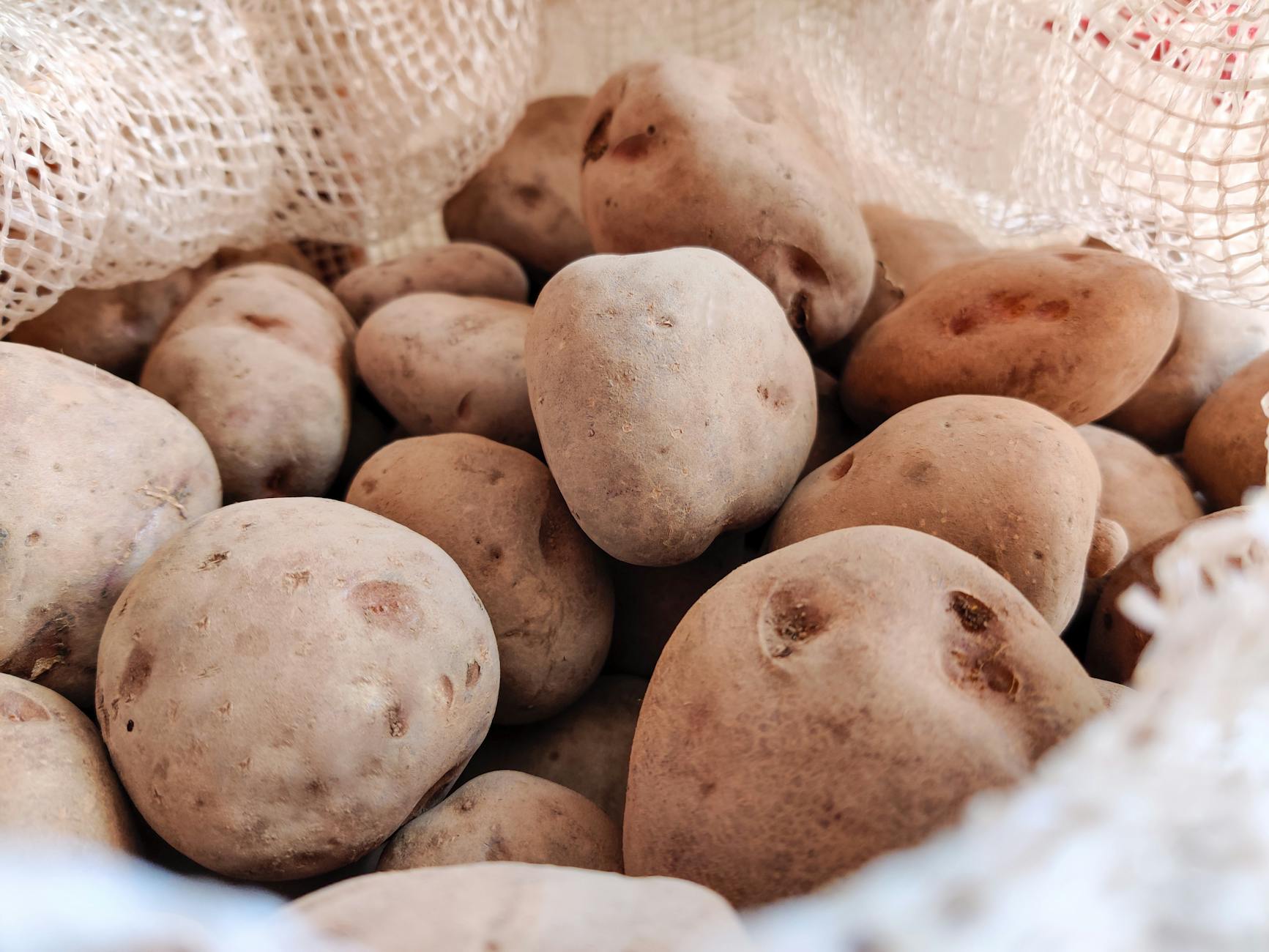
Raw potatoes have a high water and starch content that reacts very poorly to freezer temperatures. Freezing raw potato causes the starch to convert in a way that results in a gritty, dark, and mealy texture after thawing. The cell structure breaks down and the potato loses the firmness required for roasting, frying, or boiling effectively. Cooked potatoes fare only marginally better and are generally best avoided in the freezer as well. Commercially frozen potato products like fries are blanched and processed specifically to withstand these conditions before packaging.
Carbonated Drinks
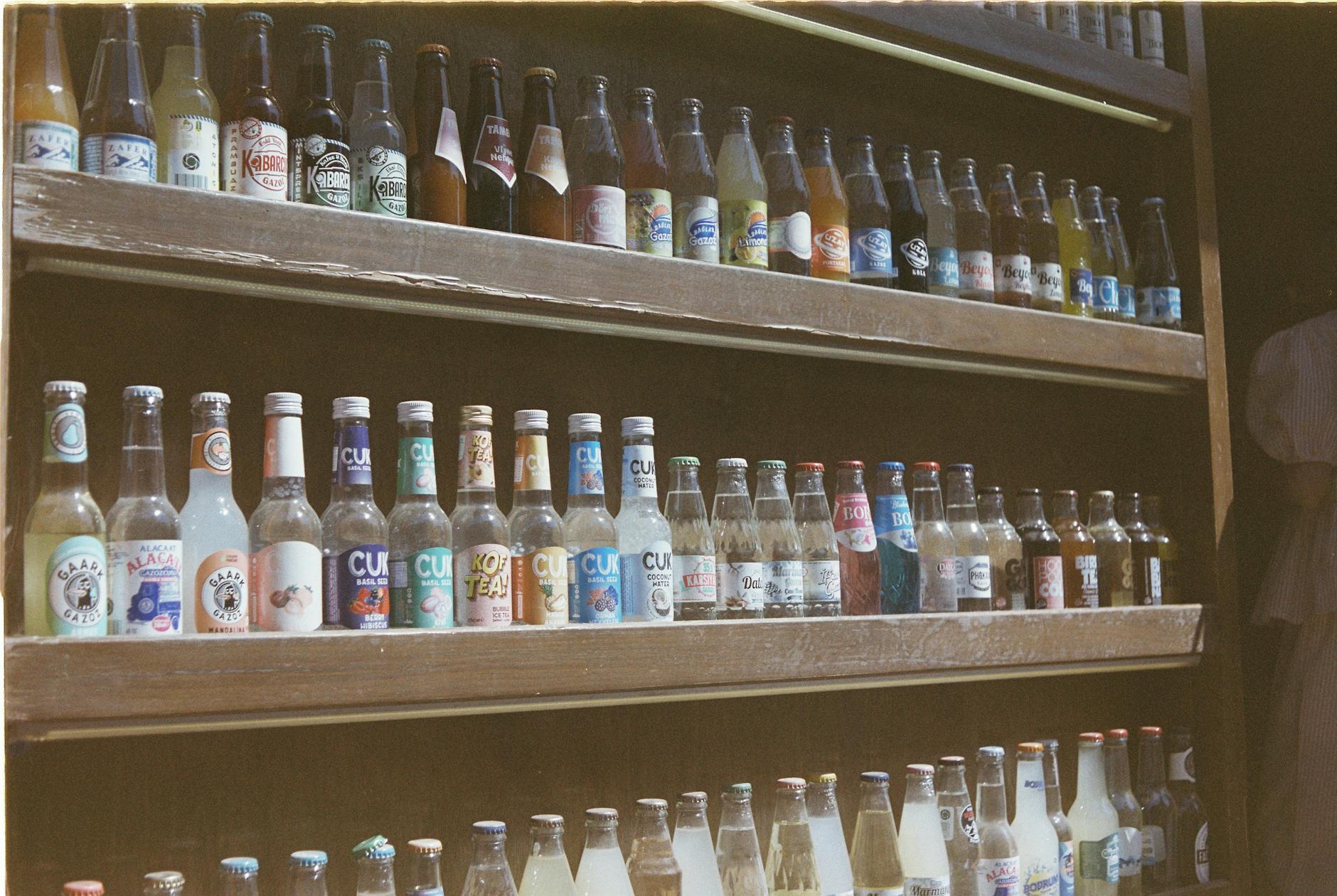
Placing cans or bottles of carbonated beverages in the freezer is a surprisingly common and genuinely hazardous mistake. As the liquid freezes and expands, pressure builds rapidly inside the sealed container until it bursts or explodes. Even if the can or bottle survives the initial freeze, the carbonation is almost entirely lost once the drink thaws. The resulting flat, slightly off-tasting beverage is not worth the risk of cleaning up frozen soda from every corner of your freezer. Always chill drinks in the refrigerator and move them to the freezer only for very short periods with close supervision.
Garlic
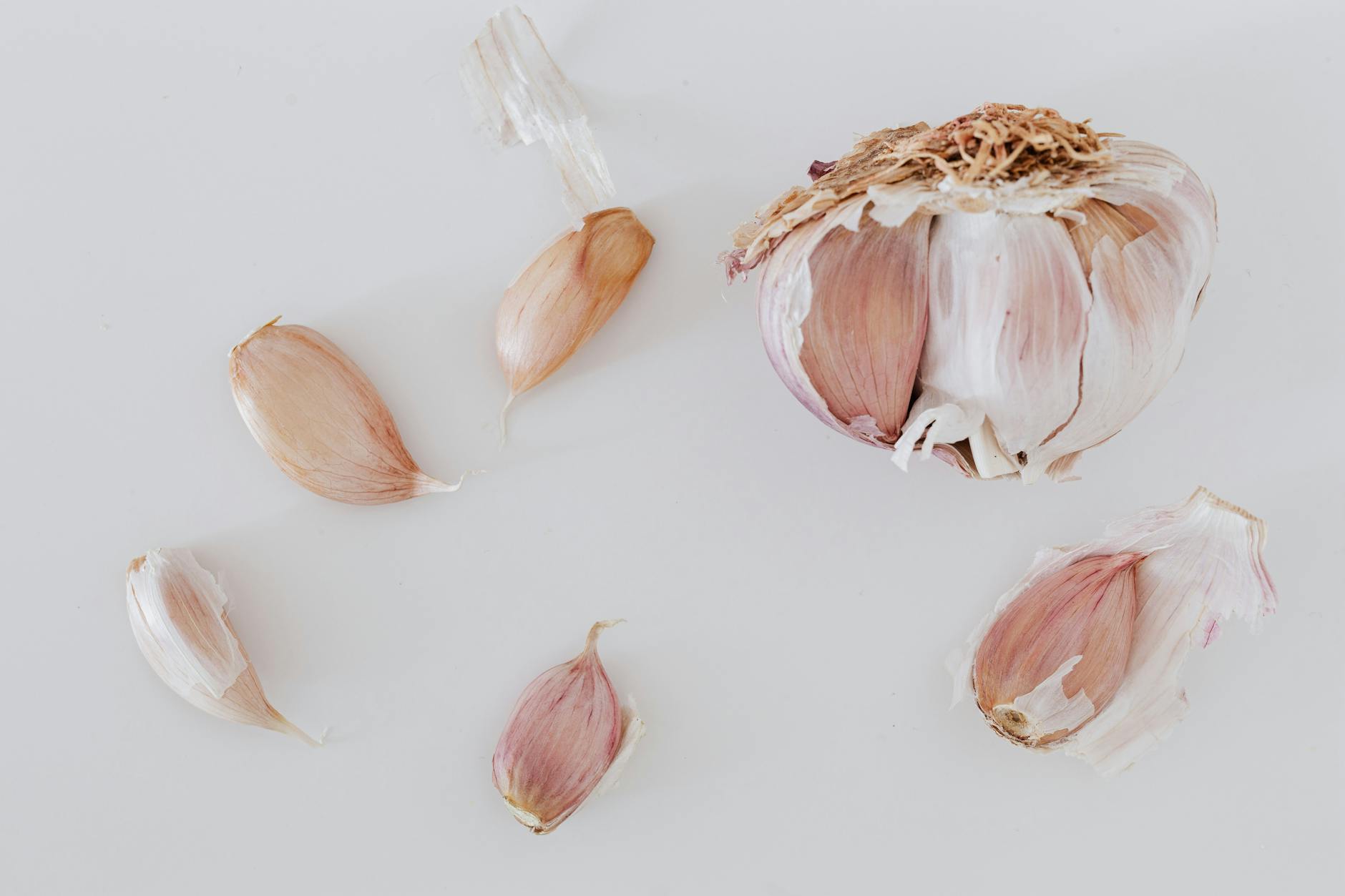
Raw garlic cloves change in flavor, aroma, and texture when frozen and thawed in their whole form. The characteristic pungency that makes garlic essential in cooking becomes muted and slightly bitter after a freezer cycle. The texture also turns soft and somewhat rubbery rather than the firm snap of a fresh clove. Peeled and minced garlic frozen in olive oil presents a serious botulism risk and should never be prepared that way at home. Roasted garlic freezes reasonably well but raw whole cloves are best stored at room temperature in a cool dry place.
Fried Foods
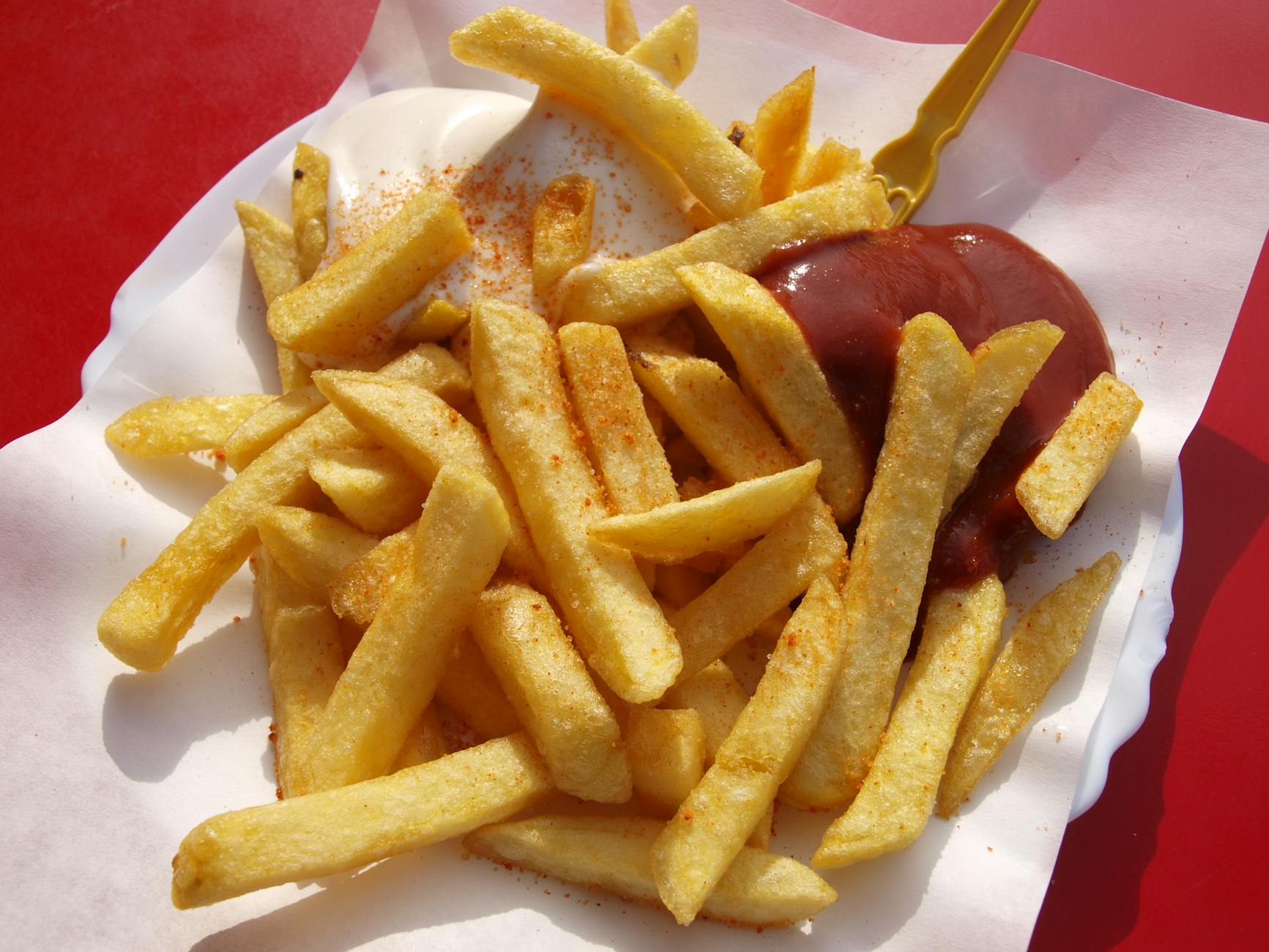
Fried foods depend entirely on their crispy exterior for textural appeal, and freezing destroys that crunch permanently. When defrosted, the coating absorbs moisture and becomes soggy, greasy, and unpleasant regardless of how it is reheated. Even a very hot oven or air fryer cannot fully restore the original crispiness of home-fried chicken, fried fish, or tempura vegetables. Commercial frozen fried foods use specialized coatings and flash-freezing technology that home kitchens cannot replicate. Fried foods are almost always best eaten immediately after cooking.
Melon
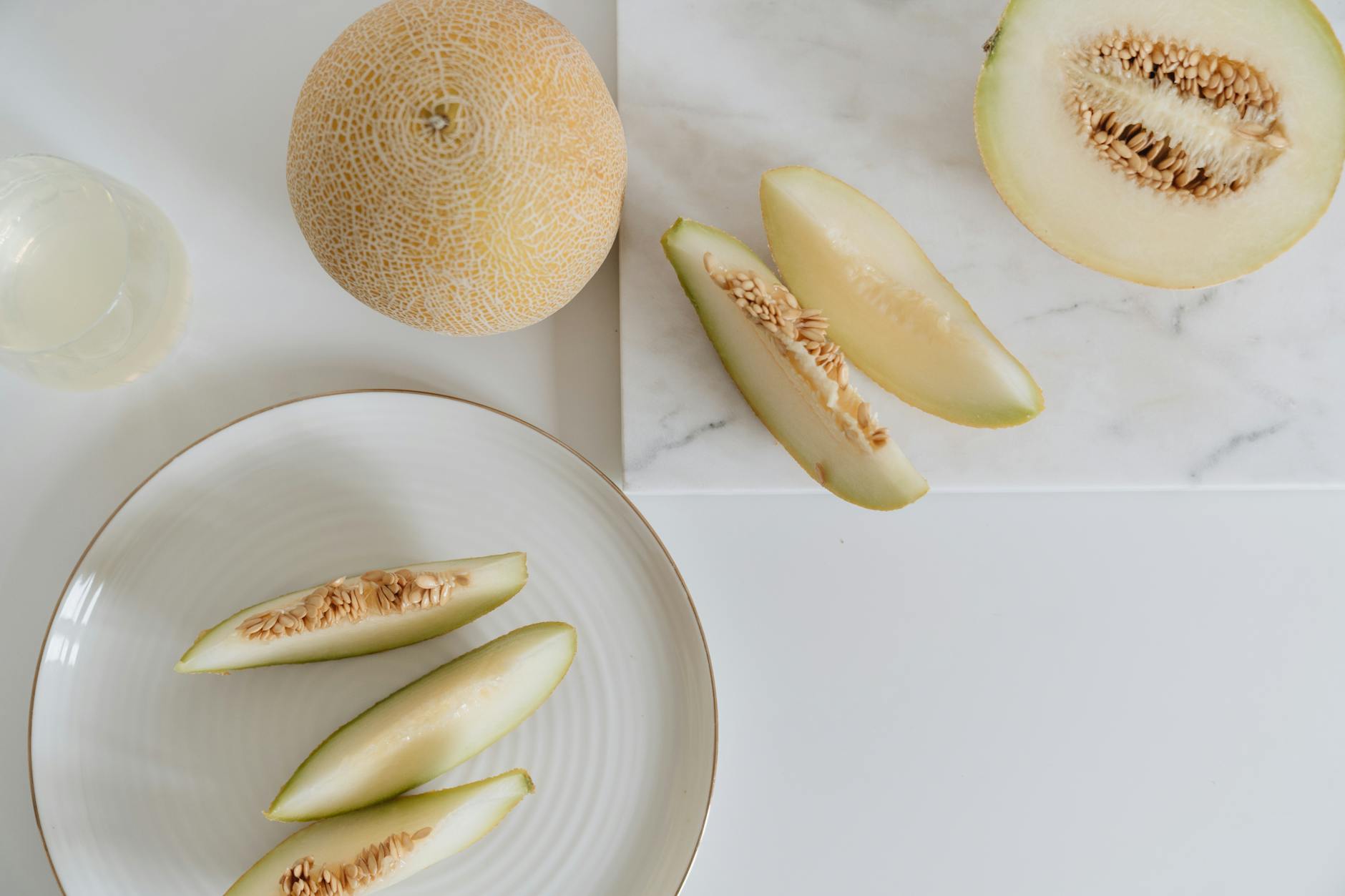
Melons including cantaloupe and honeydew share the same structural problem as watermelon when exposed to freezing temperatures. Their high water content turns to ice crystals that destroy the cell walls, resulting in a mushy and flavorless product after thawing. The appealing sweetness and fragrance that define ripe melon diminish noticeably through the freeze-thaw cycle. While blending thawed melon into a soup or smoothie is technically possible, the result lacks the brightness of fresh fruit. Melon is always best stored in the refrigerator and consumed within a few days of being cut.
Sour Cream
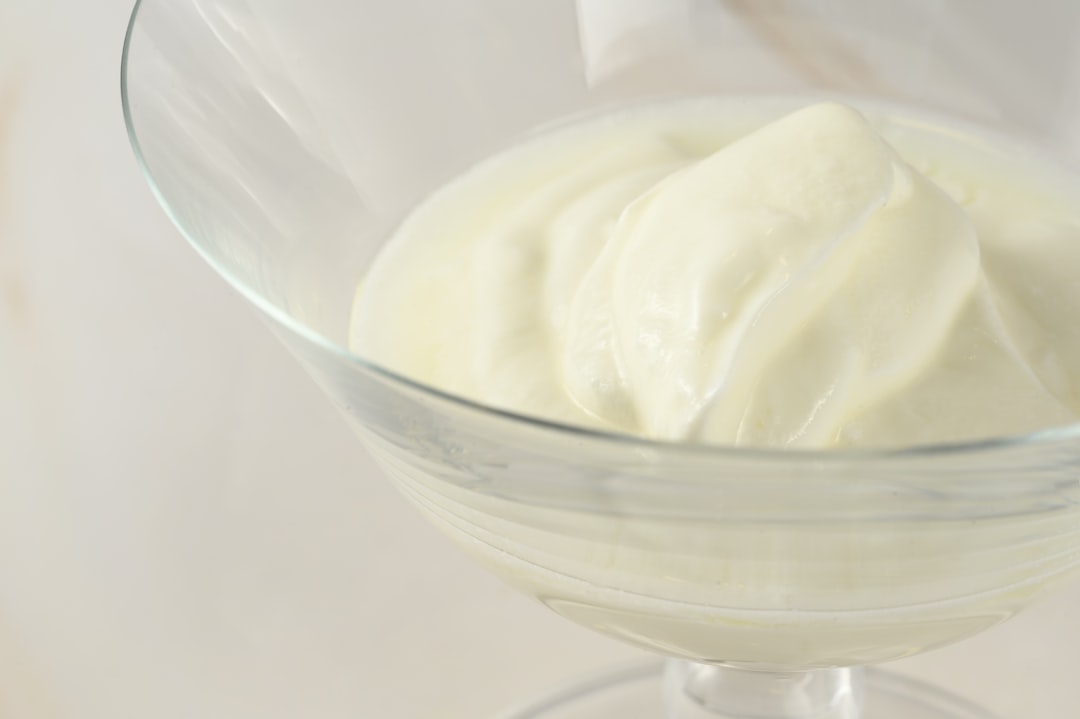
Sour cream is a cultured dairy product with a fat and water composition that makes it incompatible with freezer storage. Upon thawing, it separates into a thin liquid layer sitting beneath a clumped and grainy solid, a transformation that cannot be reversed through stirring. The tangy flavor profile also weakens, producing a flat-tasting product that disappoints in both cooked and fresh applications. Using frozen and thawed sour cream as a topping or dip is not recommended under any circumstances. It can be stirred into hot cooked dishes where texture is less critical, but even then the quality is noticeably diminished.
Cooked Pasta
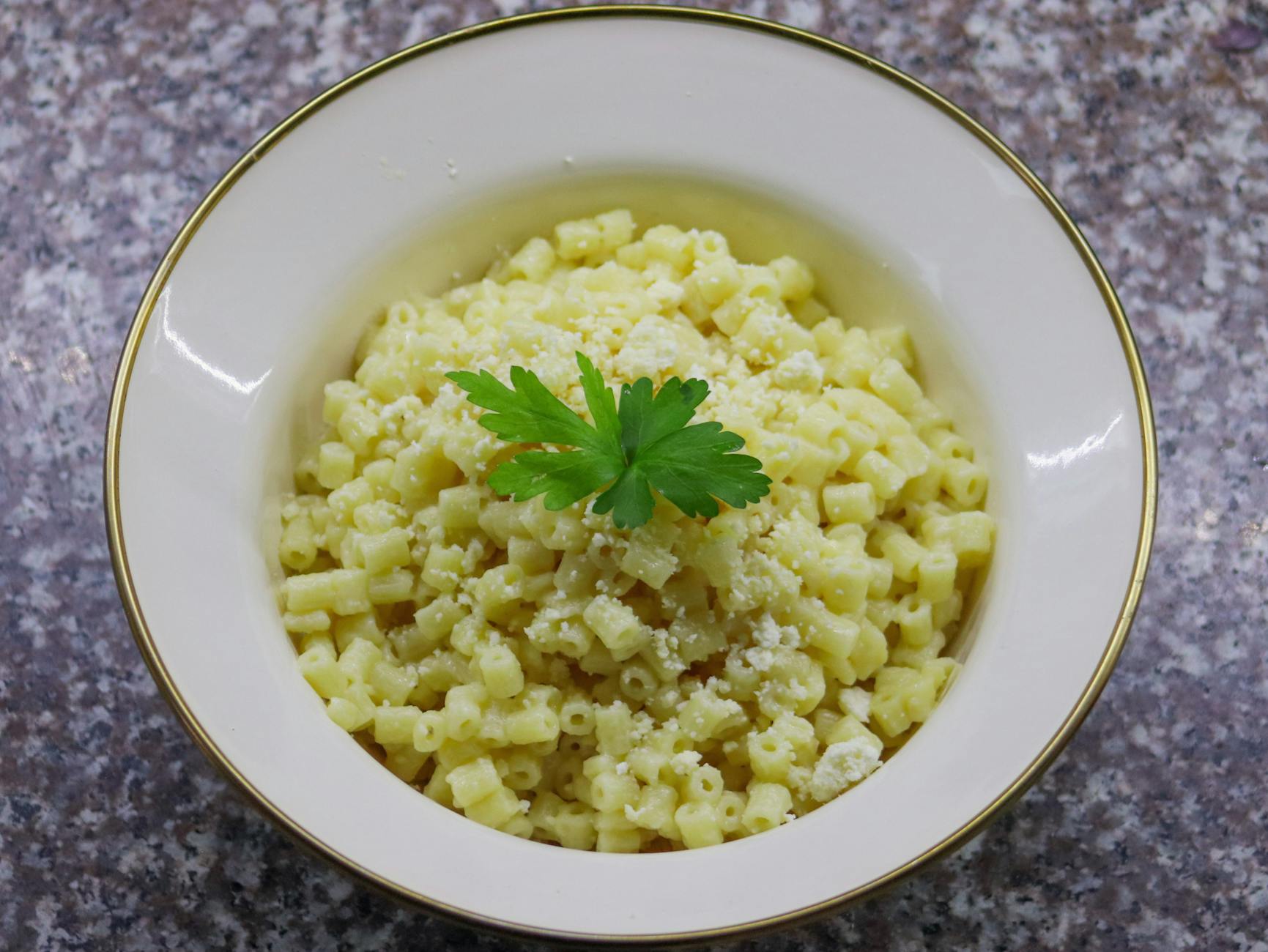
Cooked pasta absorbs water aggressively and its texture degrades significantly in the freezer without special preparation. Upon thawing, pasta becomes overly soft, sticky, and loses the pleasant firmness associated with a well-cooked al dente result. Baked pasta dishes like lasagna are a notable exception because the sauce and cheese protect the pasta structure during freezing. Standalone frozen cooked pasta tends to clump together and fall apart simultaneously when reheated. Cooking pasta fresh takes only minutes and is always a superior option to freezing it after the fact.
Cream Cheese
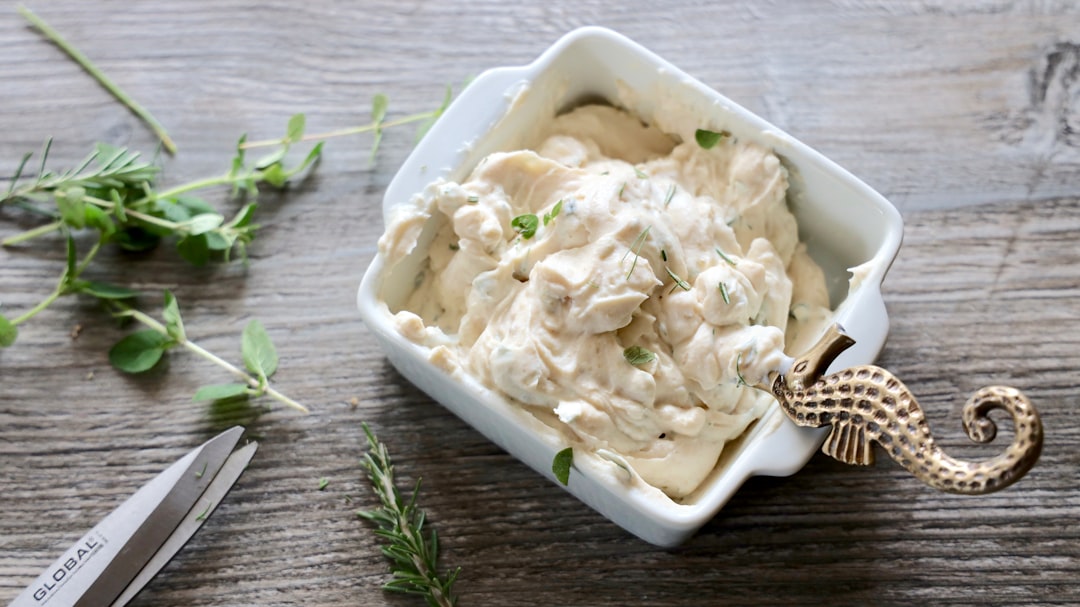
Cream cheese freezes poorly due to its dense and creamy fat structure, which separates and becomes grainy and crumbly after thawing. The smooth spreadable quality that makes cream cheese desirable on bagels and in dips is gone once it has been frozen and defrosted. Visually, thawed cream cheese also takes on an uneven and somewhat curdled appearance that makes it unappealing. It can be incorporated into baked goods like cheesecakes or muffins where the altered texture is less noticeable. However, using it as a fresh spread or dip after freezing will result in a noticeably inferior product.
Salad Dressing
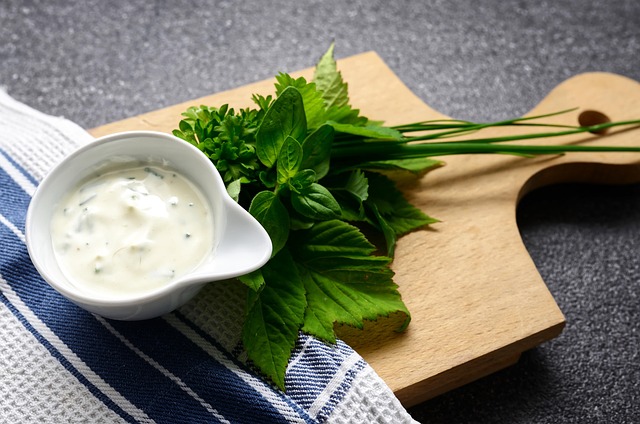
Most salad dressings are emulsions or oil-based mixtures that cannot survive freezing without breaking apart irreversibly. Creamy dressings like ranch or Caesar separate into their individual components once frozen, producing an unappetizing liquid and solid mixture after thawing. Vinaigrettes fare slightly better but still lose their balanced consistency and can taste flat or sharp once defrosted. The delicate seasoning balance in most dressings is also disrupted by the freeze-thaw cycle. Dressings are best made in small batches and stored in the refrigerator where they remain stable for several days to weeks.
Radishes
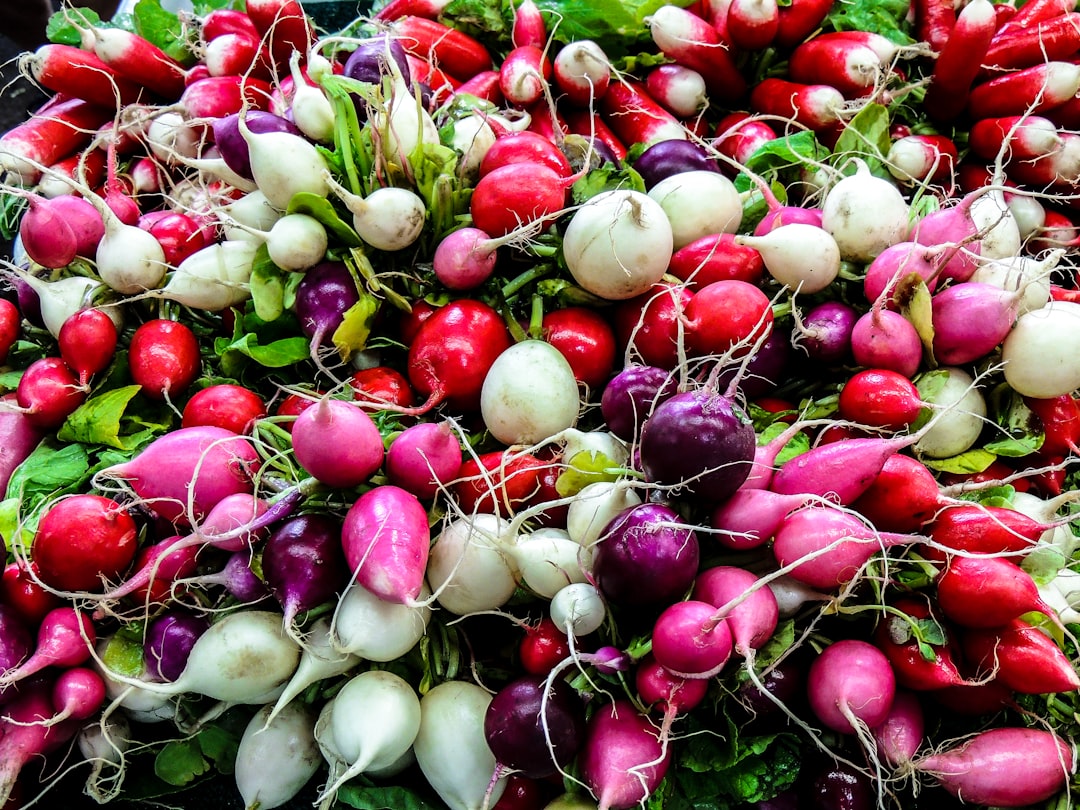
Radishes are crisp, peppery root vegetables that rely entirely on their firm water-filled cells for their distinctive crunch and bite. Freezing collapses those cells and produces a soft, mushy vegetable that has lost both its texture and most of its flavor. Thawed radishes become limp and unpleasant to eat raw, and their sharp flavor turns bland and slightly unpleasant. Unlike some root vegetables that can be blanched and frozen for cooked applications, radishes do not fare well under any freezing method. They are best stored in the refrigerator in a bowl of cold water to maintain maximum crispness.
Custard
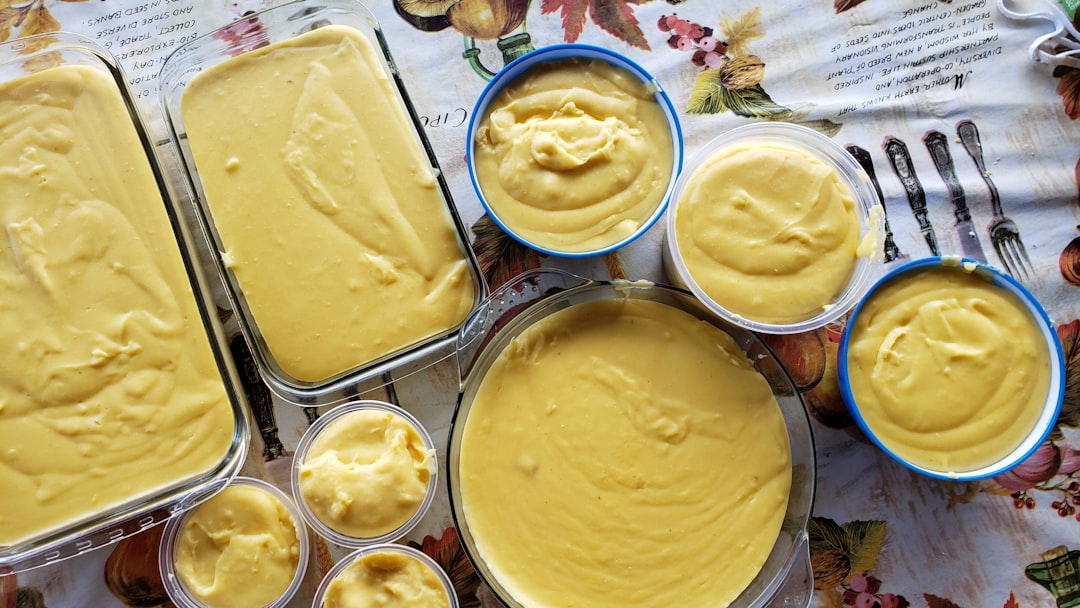
Custard is a delicate mixture of eggs, milk, and sugar that relies on a precise protein structure for its smooth and silky texture. Freezing causes this structure to break down, resulting in a grainy and curdled product after thawing that lacks any of the original creaminess. Both baked and stirred custards suffer equally from this process, making them poor candidates for freezer storage. Custard-filled pastries and tarts are also ruined by freezing, as the filling weeps and the pastry becomes soggy simultaneously. Custard is always best made fresh and consumed the same day or the following day when refrigerated properly.
Jam
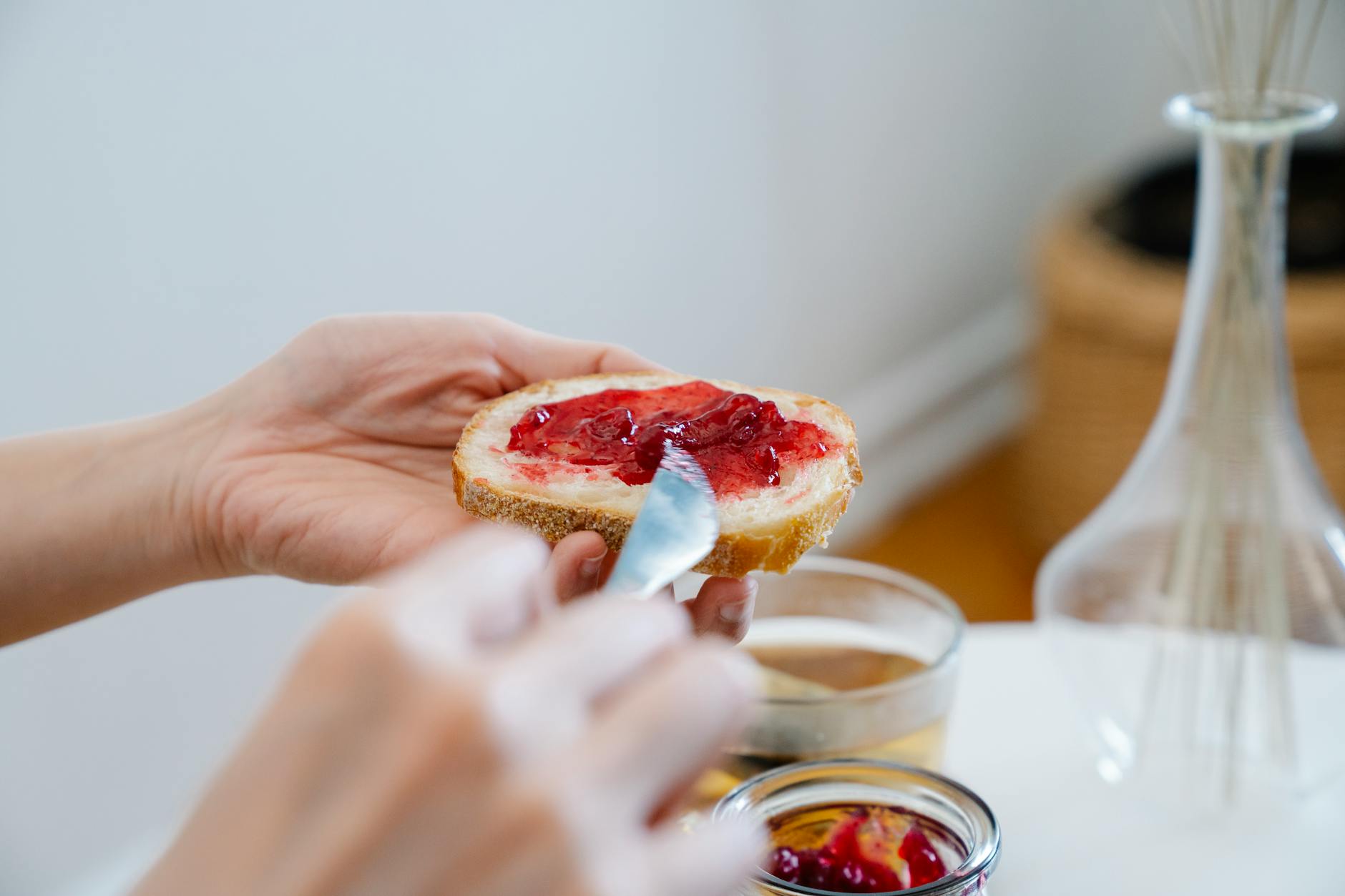
Commercially produced jam is generally shelf-stable and does not require freezing, but homemade jam presents a particular problem in the freezer. Freezing can break down the pectin structure that gives jam its thick and spreadable gel consistency, leaving a runny and watery product after thawing. The natural fruit sugars also crystallize in some varieties, creating an unpleasant gritty texture throughout the jar. Commercially made freezer jams are formulated differently and specifically designed for this storage method. Standard refrigerator jam should always be stored in sealed jars in the refrigerator and consumed within the recommended time frame.
Cooked Rice
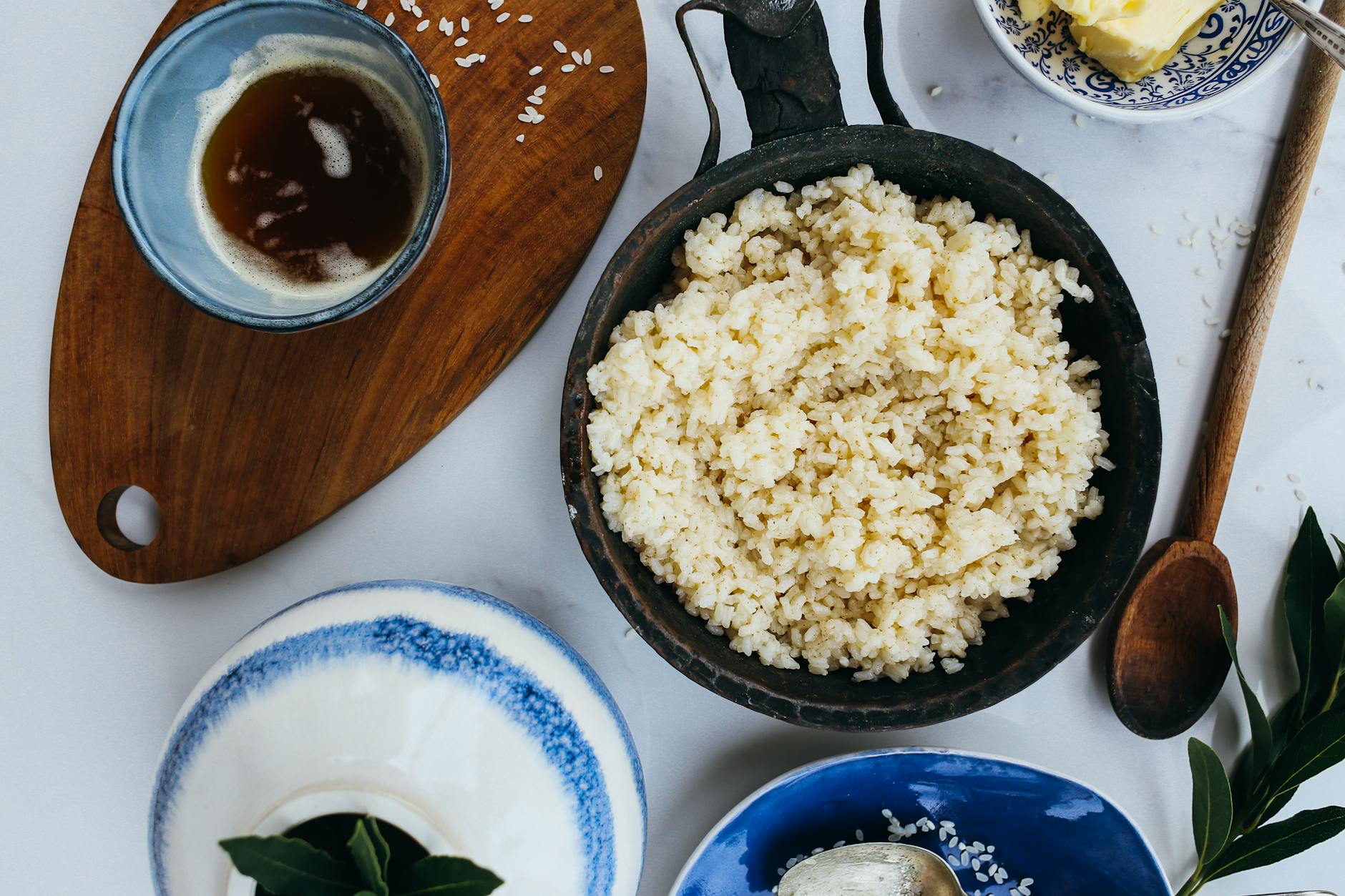
Cooked rice can be frozen successfully under very specific conditions, but leftover rice stored carelessly in the freezer creates serious food safety concerns. Rice carries a bacteria called Bacillus cereus that can survive cooking and multiply rapidly when rice is cooled slowly or stored improperly before freezing. Freezing does not kill this bacteria and simply pauses its activity until the rice is thawed and reheated. Frozen rice also tends to become dry, hard, and unevenly textured when reheated without added moisture. Rice intended for freezing should be cooled quickly and frozen within one hour of cooking to minimize risk.
Bananas
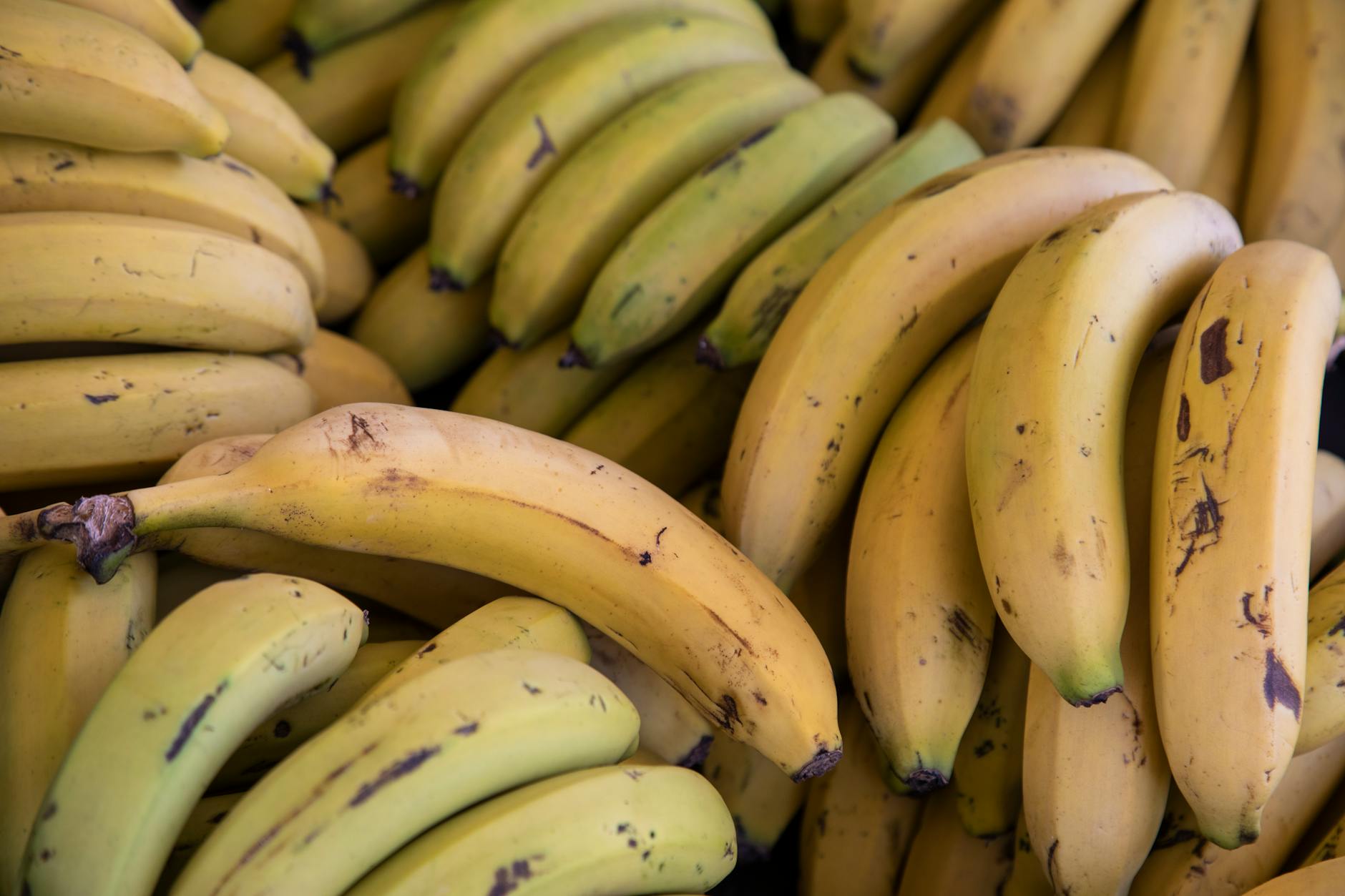
Whole bananas in their skin should never go into the freezer, as the skin turns completely black and the fruit inside becomes an extremely soft and mushy pulp. While frozen banana pulp has popular uses in smoothies and banana bread, the result is nothing like a fresh banana in terms of texture or eating experience. Peeling and slicing bananas before freezing is the only acceptable method if preservation is the goal. Freezing a banana with the peel on also makes the skin nearly impossible to remove cleanly after thawing. Whole fresh bananas are best stored at room temperature and moved to the refrigerator only once fully ripened.
Tomatoes
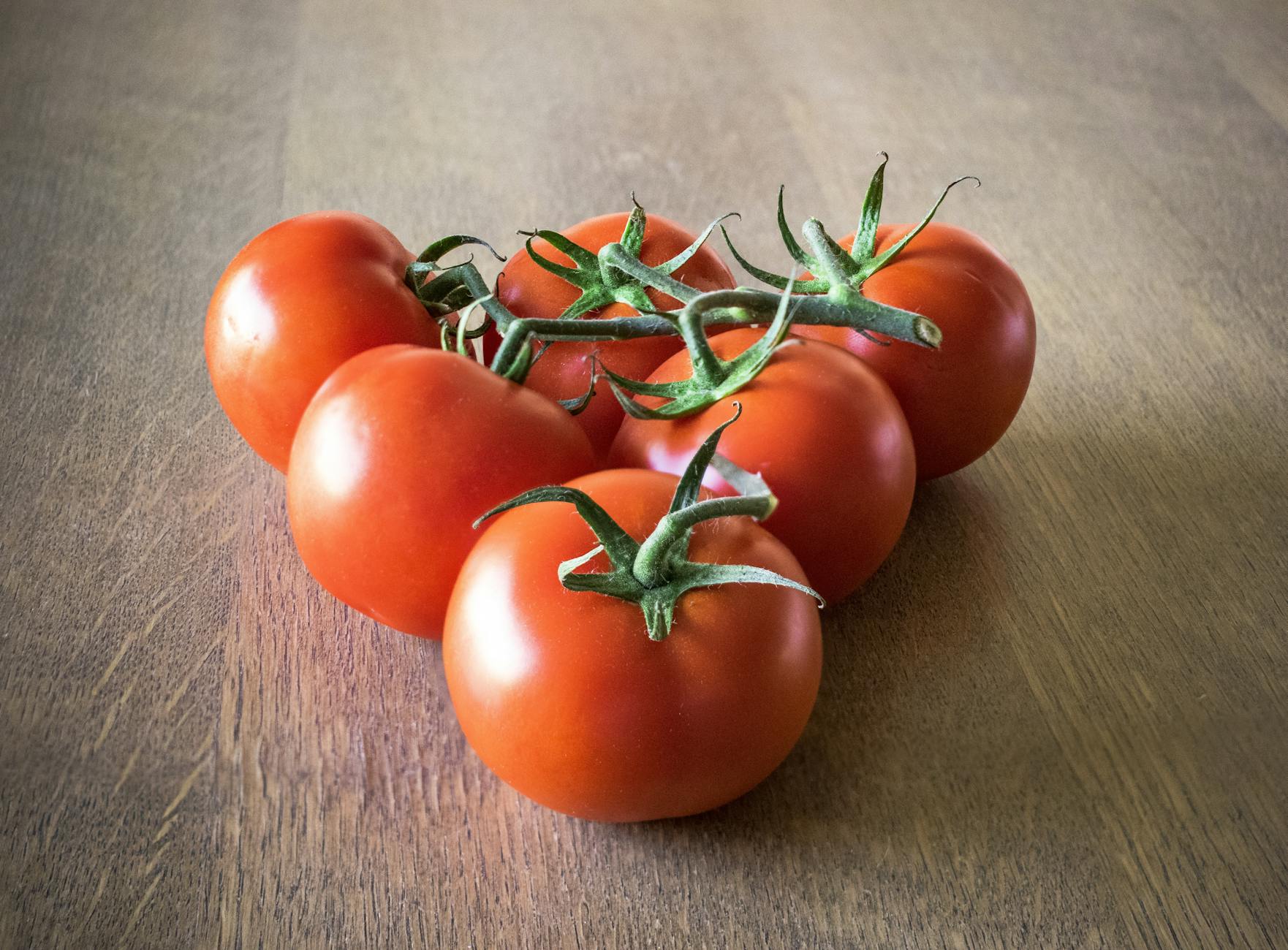
Fresh tomatoes have a high water content and a thin cell wall that makes them extremely vulnerable to the destructive power of ice crystals. After freezing and thawing, tomatoes become waterlogged, mushy, and completely unsuitable for slicing or using raw in salads and sandwiches. The skin also loosens and separates from the flesh in an unappealing way upon defrosting. Frozen tomatoes can only be used in cooked applications like sauces and soups where texture is not a priority. For the best flavor and texture, tomatoes should always be stored at room temperature away from direct sunlight.
Soda Bottles
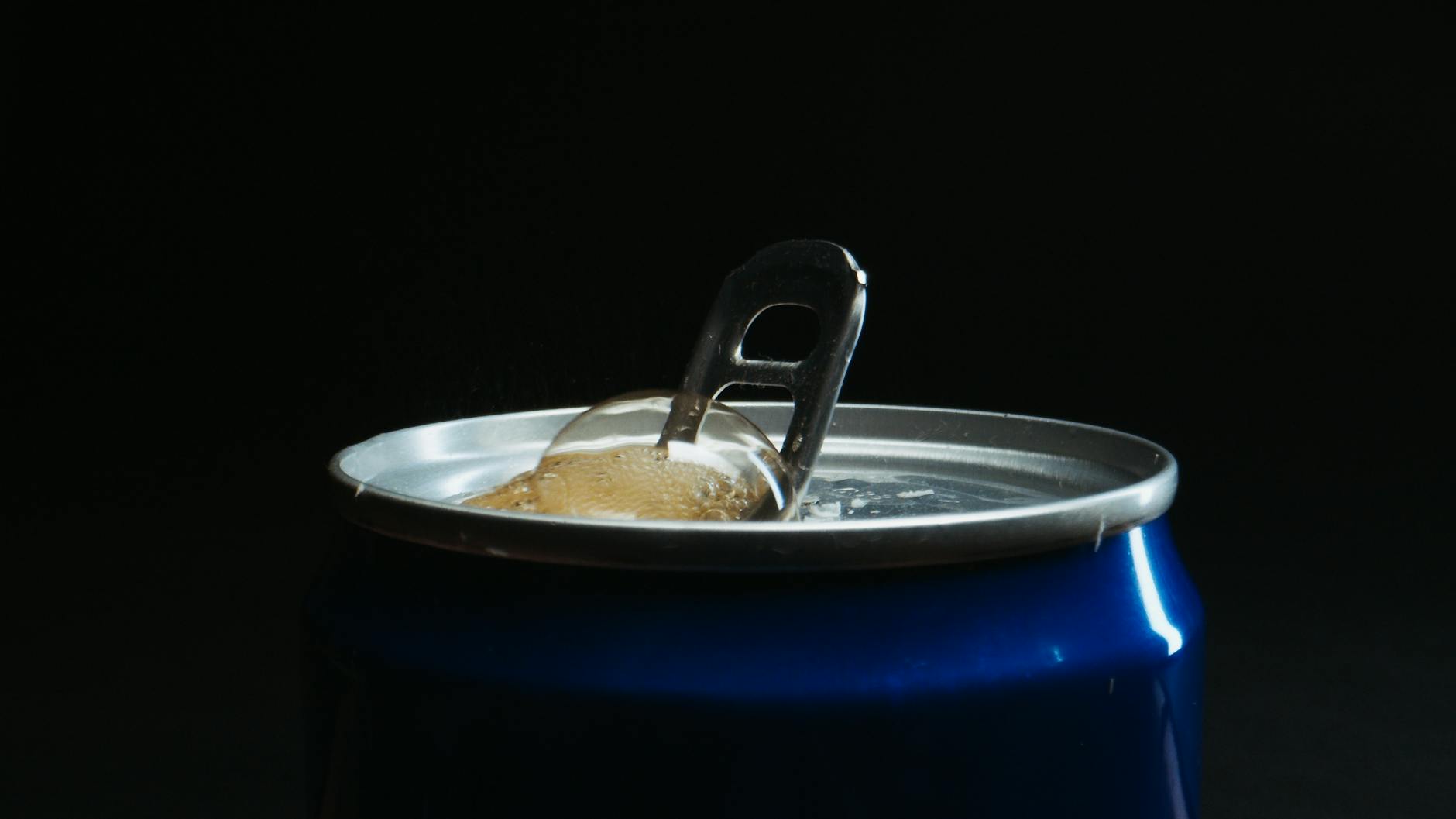
Two-liter plastic bottles of soda present the same pressurized expansion risk as canned drinks but on a considerably larger and messier scale. As the carbonated liquid freezes and expands, the bottle deforms and in many cases splits open, flooding the freezer with sticky frozen liquid. Even partial freezing causes the plastic to stress and potentially crack along the seam lines. The carbonation is largely lost in the process, leaving a flat and slightly diluted beverage that offers little of the original appeal. Soda should always be chilled in the refrigerator and consumed within the recommended timeframe after opening.
Gelatin Desserts

Gelatin-based desserts like jello and aspic rely on a protein network that is fundamentally incompatible with freezing temperatures. When frozen, the gelatin structure collapses and upon thawing releases large amounts of liquid in a process called syneresis, leaving a rubbery and weeping mess. The smooth, jiggly consistency that defines a well-made gelatin dessert cannot be recovered once this breakdown has occurred. Fruit embedded in gelatin also suffers during freezing, turning mushy and discolored. Gelatin desserts should always be made fresh and stored covered in the refrigerator where they remain stable for up to five days.
If any of these freezer mistakes have happened in your kitchen, share your experience and any tips you have learned in the comments.




