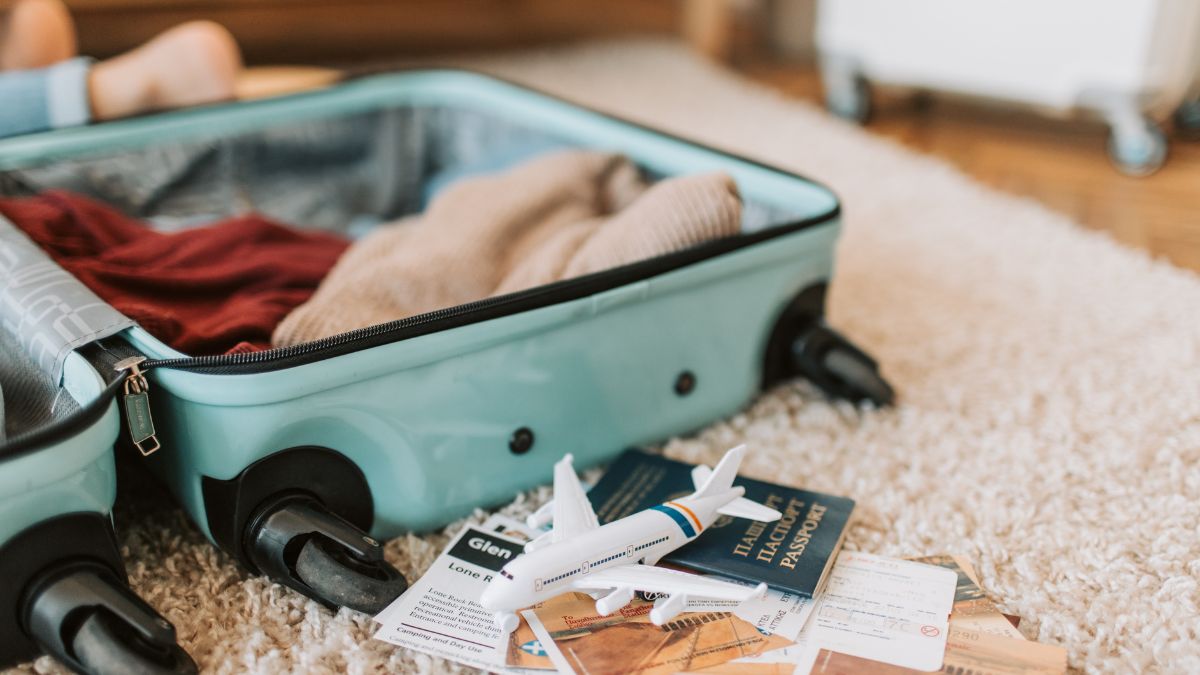
Every seasoned traveler knows that checking a bag comes with an unavoidable element of risk. Luggage gets lost, delayed, roughly handled, and in some cases searched or tampered with before it reaches the baggage carousel. The consequences of packing the wrong items in a checked suitcase can range from minor inconvenience to serious financial loss or legal trouble. Airlines and international security agencies maintain strict rules about what can travel in the hold of a plane, and many passengers discover these rules only after the fact. Here are 25 things that should always travel with you in your carry-on or be left at home entirely.
Prescription Medication

Prescription medication is one of the most important items to keep within reach at all times during travel. If your checked bag is delayed or lost, being without essential medication for even a day can have serious health consequences. Certain medications also require temperature-controlled conditions that the cargo hold of an airplane cannot reliably provide. Airlines and customs agencies in some countries may also inspect and question prescription drugs found in checked luggage without the passenger present. Always carry medication in its original labeled packaging in your personal bag or carry-on.
Passports
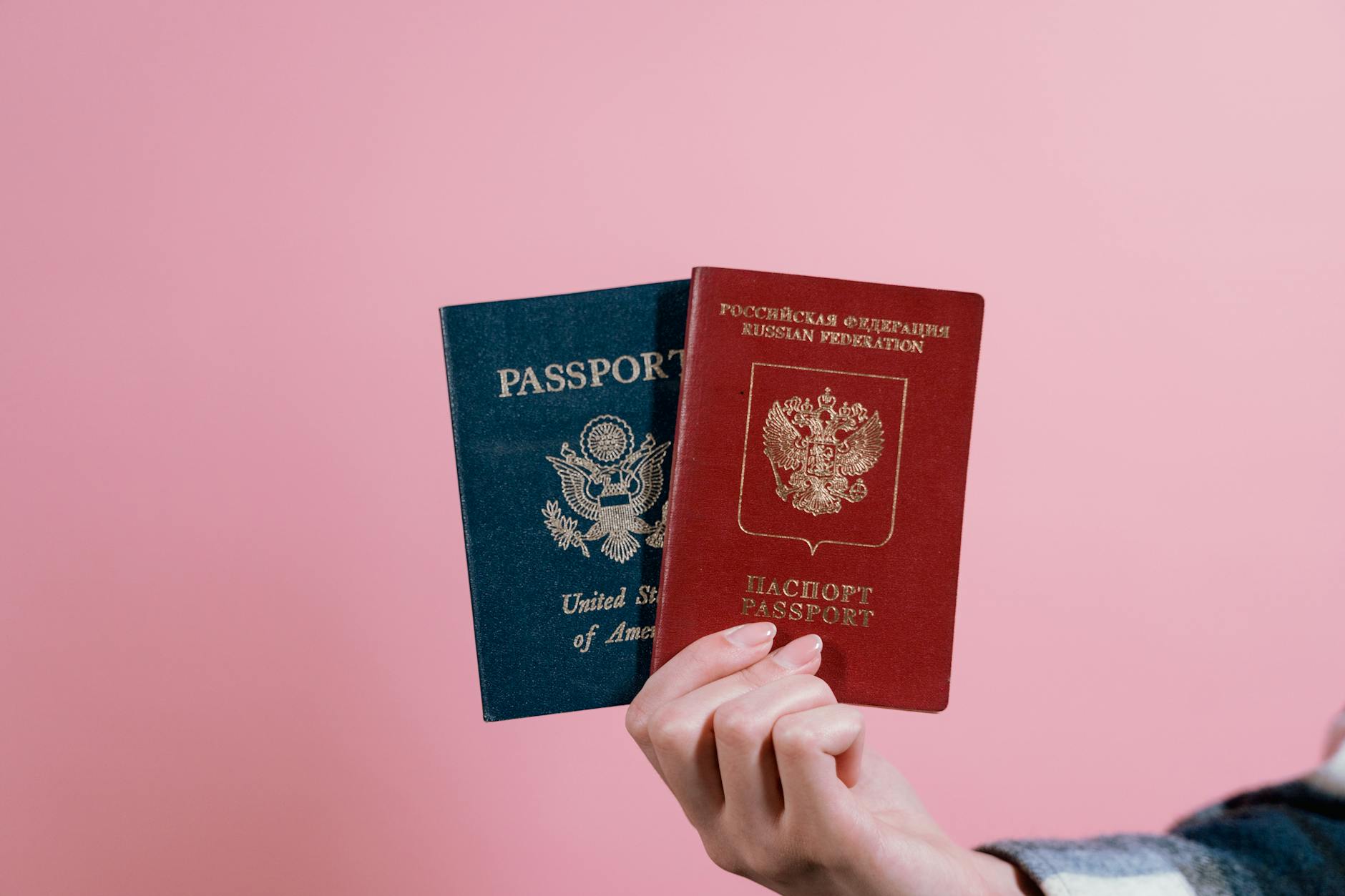
A passport is the single most important document a traveler carries and it should never be placed anywhere other than on your person or in your carry-on bag. If a checked suitcase is lost or stolen, replacing a passport abroad is a lengthy, stressful, and costly process that can derail an entire trip. Many countries require you to present your passport at the point of entry before your checked luggage even arrives on the belt. Keeping your passport in a concealed travel wallet worn under clothing is considered best practice by frequent international travelers. No document in your possession is more difficult or time-consuming to replace while abroad.
Jewelry

Fine jewelry represents concentrated financial and sentimental value in a very small and easily overlooked package. Checked baggage handlers process thousands of bags and high-value items like rings, necklaces, and watches are among the most commonly reported missing items from suitcases. Even with travel insurance, the claims process for lost jewelry is lengthy and reimbursement rarely reflects the full emotional or market value of the pieces. Jewelry also has no business being in a bag that may sit unattended on a carousel or in a storage facility for hours. A small zip pouch in your personal item is always the safest place for any piece worth keeping.
Electronics

Laptops, tablets, cameras, and portable hard drives are expensive and fragile items that checked baggage environments are not designed to protect. Rough handling during loading and unloading regularly damages electronics even when they appear to be well-padded inside a suitcase. Many airlines explicitly state in their conditions of carriage that they accept no liability for electronics packed in checked luggage. Lithium batteries found in most modern devices are also subject to strict aviation regulations and some are prohibited from the cargo hold entirely. Carrying electronics in a well-padded carry-on bag is the only reliable way to ensure their safety during a flight.
Cash

Carrying large amounts of cash in a checked suitcase is one of the easiest ways to lose money with no possibility of recovery. Unlike credit cards or traveler’s checks, cash cannot be canceled, traced, or reimbursed once it disappears from a bag. Airport security in numerous countries has documented cases of cash being removed from luggage during screening or handling. Even small amounts of foreign currency kept as backup funds are better placed in a secure inner pocket of your travel jacket or carry-on. Splitting cash across multiple locations on your person is standard advice from experienced international travelers.
Car Keys
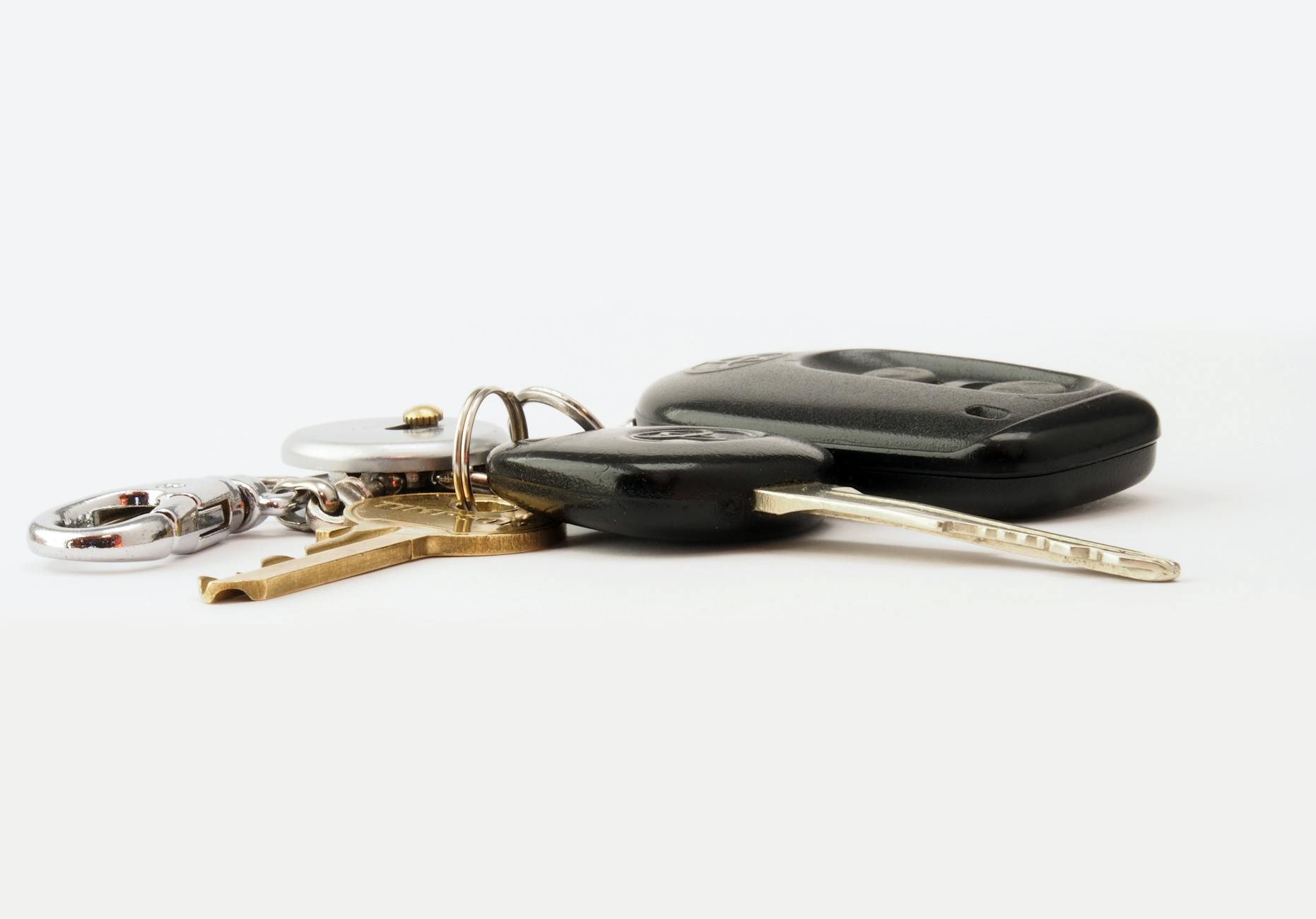
Leaving car keys in a checked bag creates an immediate problem if your luggage is delayed upon arrival. If you have a rental car or a vehicle waiting at your destination, being without keys means waiting hours for a resolution that the airline is under no obligation to expedite. Modern smart keys and key fobs are also expensive to replace and may require dealer-specific programming that is not readily available in an unfamiliar city. The signal from some smart keys can also be intercepted by scanning technology used in airport security processing. Keys of any kind are small enough to fit easily in any carry-on or personal item.
Lithium Batteries
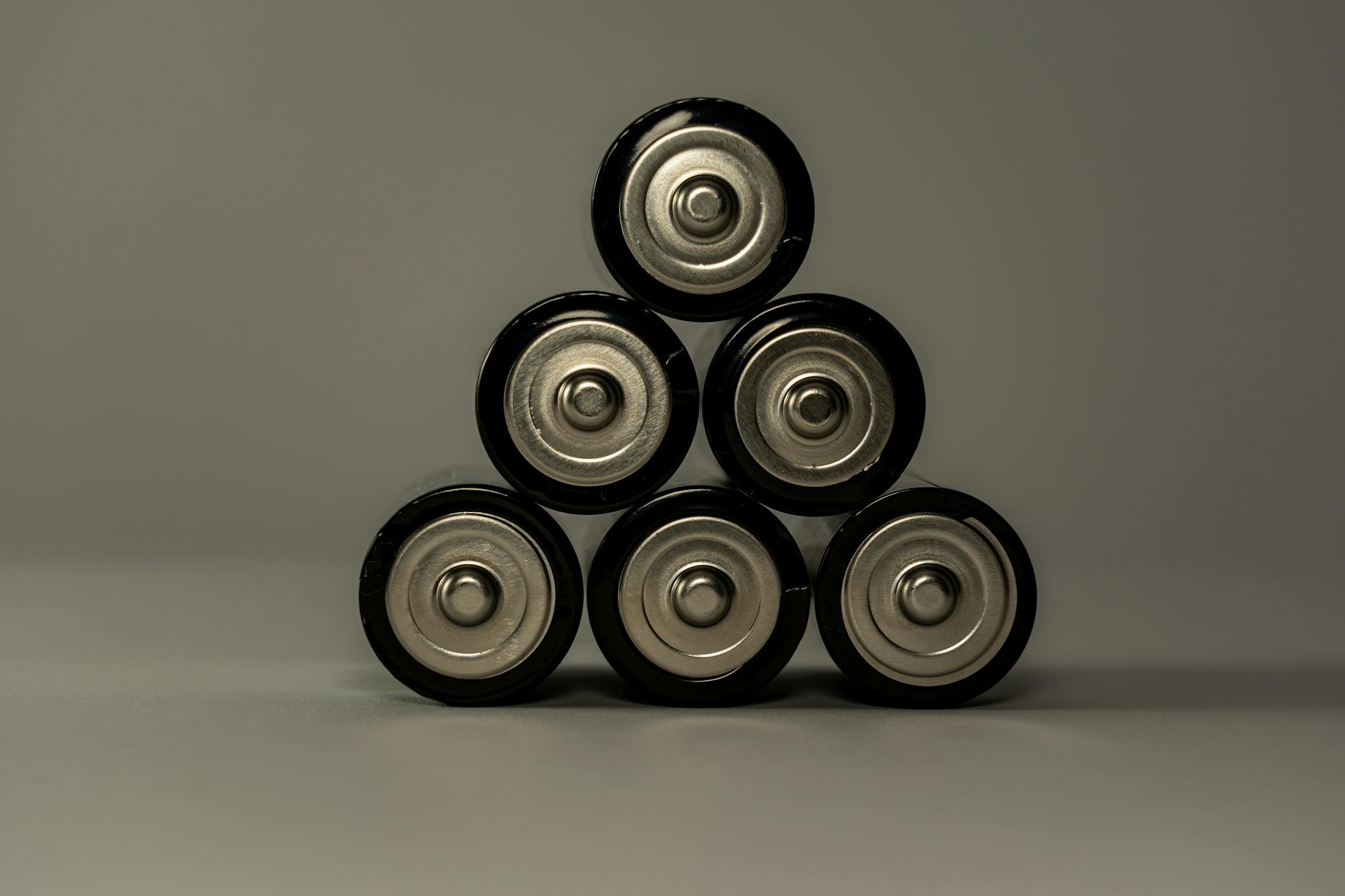
Loose lithium batteries are prohibited from checked baggage on most major airlines and this rule is enforced by aviation safety authorities worldwide. Lithium batteries can short-circuit, overheat, and in rare cases ignite a thermal runaway fire in the cargo hold where it would be extremely difficult to detect or extinguish. This applies to spare batteries for cameras, drones, laptops, e-bikes, and portable power banks among others. Batteries that are installed inside a device may be permitted in the hold depending on their capacity, but spare cells almost never are. Always check the specific watt-hour limits set by your airline before packing any battery-powered equipment.
Travel Insurance Documents

Physical travel insurance documents and emergency contact cards need to be immediately accessible in the event of an accident, medical emergency, or serious disruption. If these documents are buried in a checked bag that has been delayed or sent to the wrong destination, accessing coverage in a crisis becomes significantly more complicated. Digital copies stored on a phone or cloud service are useful backups but may not always be accepted as primary documentation. Keeping printed insurance details including policy numbers and emergency hotlines in your carry-on or travel wallet ensures you can act quickly when it matters most. Some travel clinics and hospitals abroad will ask to see proof of coverage before beginning treatment.
Fragile Souvenirs
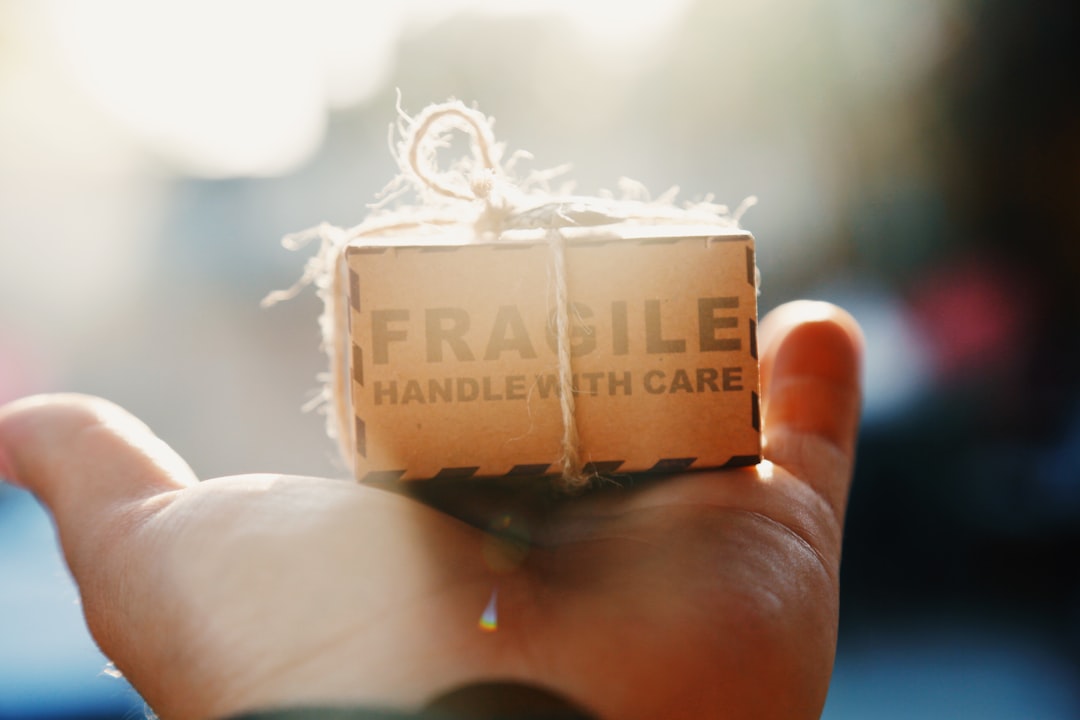
Handmade ceramics, glass ornaments, artisan sculptures, and other fragile souvenirs are routinely broken in checked luggage regardless of how carefully they are wrapped. Airport baggage systems involve conveyor belts, drops, and compression that no amount of bubble wrap can fully protect against. Many airlines include explicit disclaimers releasing them from liability for fragile items placed in the hold. The heartbreak of opening a suitcase to find a beloved purchase shattered is entirely avoidable with a little planning. Fragile items should either be carried on with care or shipped directly to your home address by a reliable courier service.
Laptop Chargers and Adapters
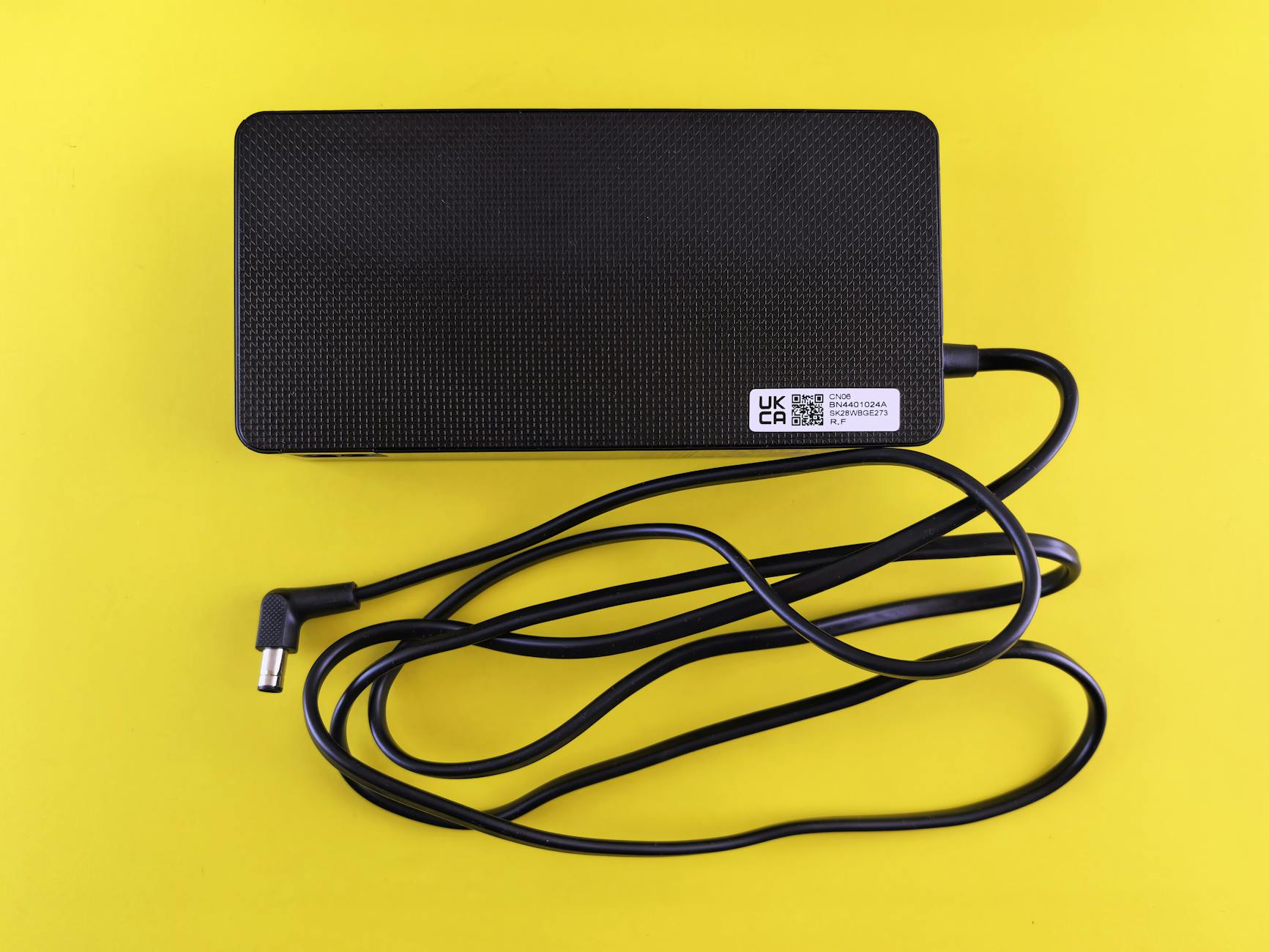
While not as risky as the devices themselves, chargers and international power adapters are expensive to replace at short notice in an unfamiliar destination. A delayed bag means arriving without the ability to charge essential devices at the very moment when communication and navigation are most critical. Charger cables are also among the items most frequently tangled, damaged, or removed during security inspections of checked bags. Keeping all charging equipment together in a small pouch in your carry-on ensures everything arrives intact and accessible from the moment you land. Investing in a compact universal travel adapter that fits in a jacket pocket is a practical long-term solution.
Valuables with Sentimental Value

Irreplaceable items with deep personal meaning such as family heirlooms, handwritten letters, or memorial keepsakes have no place in a checked suitcase. Unlike insured financial assets, sentimental items carry a value that no compensation policy can address or replace. These objects often occupy very little space and can easily travel in a small pouch inside a carry-on bag where they remain under your direct supervision. The risk of permanent loss through baggage mishandling is simply too high to justify placing anything irreplaceable in the hold. If an item would cause genuine grief if lost, it belongs with you in the cabin.
Flammable Items

Flammable liquids including lighter fluid, fuel canisters, and certain aerosols are strictly prohibited in checked baggage under international aviation regulations. These substances pose a fire risk in the pressurized and poorly ventilated environment of an aircraft cargo hold. Customs and security agencies use advanced scanning technology specifically calibrated to detect flammable materials in luggage. Passengers found in violation of these rules face fines, confiscation, and in serious cases criminal charges or a permanent travel ban. Always consult the hazardous materials guidelines published by your airline before packing any chemical product of any kind.
Contact Lenses and Solutions

Contact lens wearers who pack their lenses and solution in checked luggage face a genuinely uncomfortable journey if their bag is delayed. Wearing the same lenses for an extended period beyond the recommended limit due to inaccessible supplies creates a real risk of eye infection and irritation. Contact solution is also subject to the same liquid restrictions as other carry-on items and should be packed in the appropriate travel size where possible. A spare pair of glasses alongside a small travel bottle of solution in your carry-on provides essential backup coverage. Eye discomfort in an unfamiliar destination is an easily preventable inconvenience.
E-Cigarettes and Vaping Devices
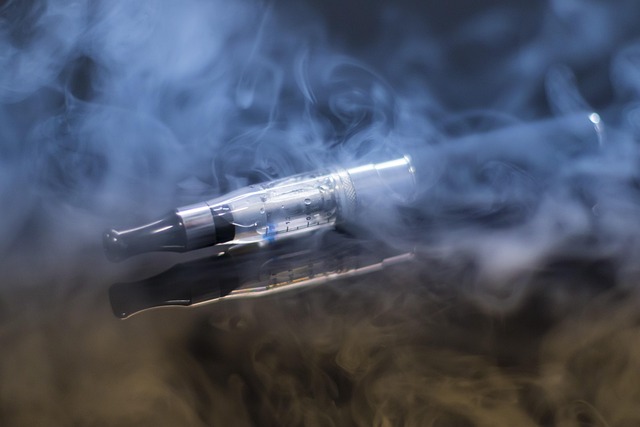
Electronic cigarettes and vaping devices contain lithium batteries and are explicitly banned from checked baggage by most international aviation authorities including the FAA and EASA. The internal battery in these devices can malfunction and generate heat in a confined and unmonitored space, creating a fire hazard in the cargo hold. Passengers who pack these devices in their checked bags risk having them confiscated at security or facing delays and fines upon discovery. They are permitted in carry-on luggage in most jurisdictions but must not be used or charged on board the aircraft. Always research the specific vaping regulations of your destination country before traveling, as many have strict importation laws.
Important Receipts and Warranties
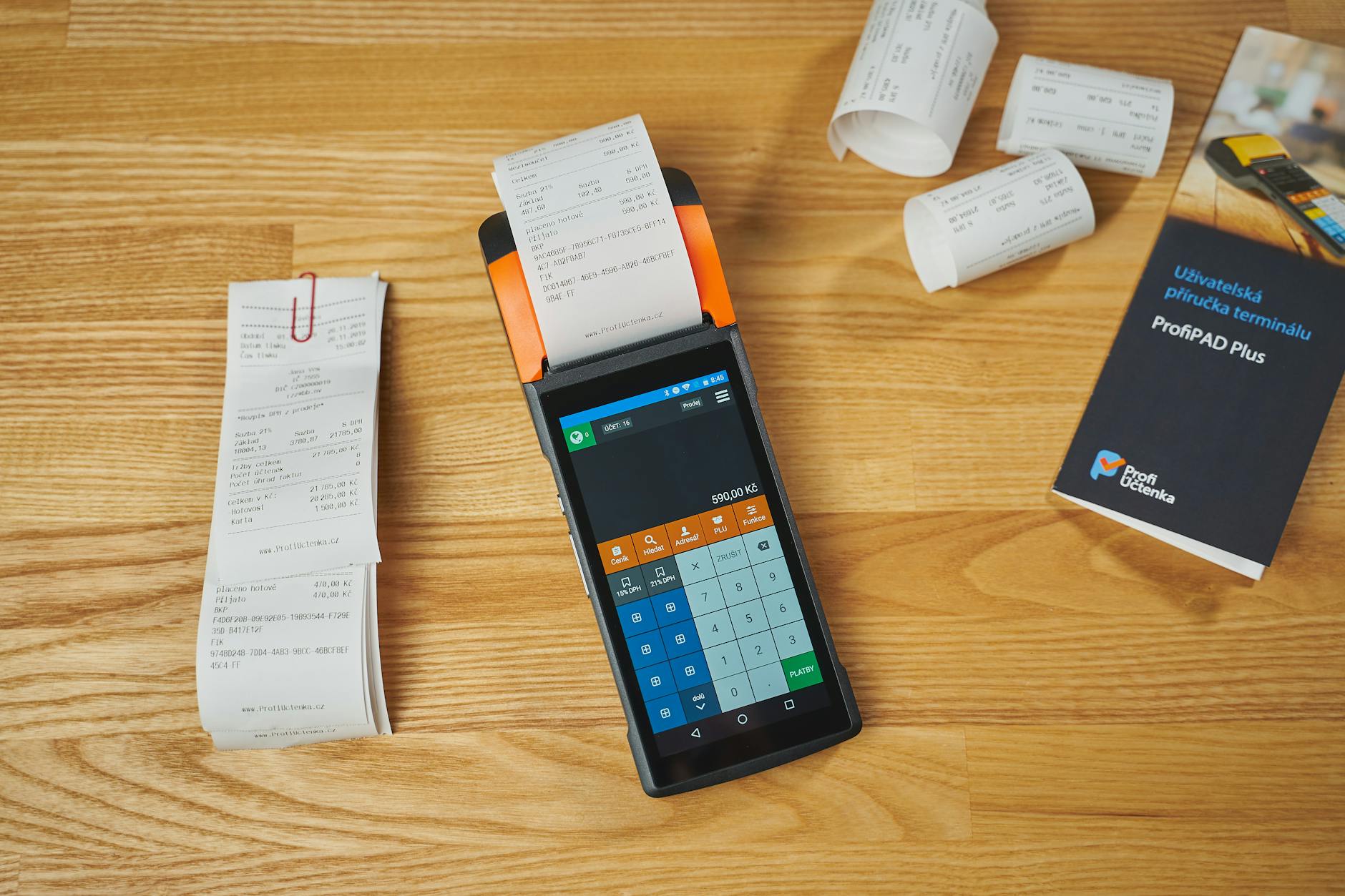
Receipts for high-value electronics, warranties, and proof of purchase documents are often required for insurance claims, customs declarations, or product returns. Losing these documents inside a misplaced suitcase can complicate the process of claiming duty-free status on goods at the border or filing a travel insurance claim later. Digital photographs of all important receipts and warranty cards are a useful backup but physical originals carry more weight in formal claims processes. Keeping a small document sleeve in your carry-on for all paper records related to your trip is a simple organizational habit with significant practical benefits. Customs officers in several countries may ask to see proof of purchase for new electronics or expensive goods being brought across borders.
Spare Glasses

Prescription eyeglasses are a medical necessity for millions of travelers and placing the only pair in a checked suitcase is an unnecessary gamble. Arriving at a destination without functioning vision correction creates an immediate safety and practical problem that is difficult to resolve quickly in an unfamiliar place. Opticians abroad may not carry your exact prescription in stock and same-day service is not universally available. A spare pair of glasses or a backup set of contact lenses kept in your carry-on provides a simple and effective safety net. Glasses cases are compact and add very little weight or bulk to a personal item bag.
Matches and Lighters
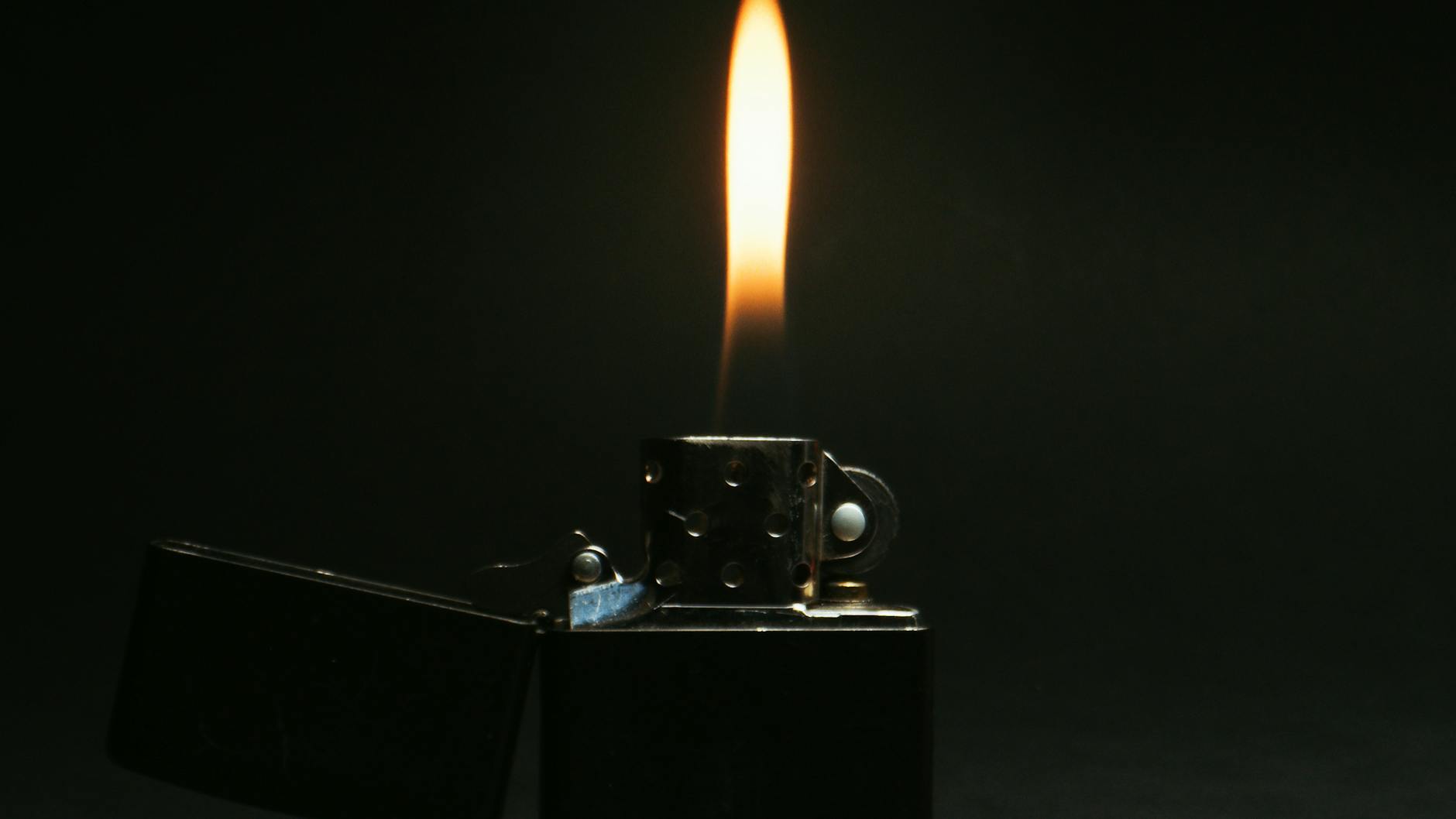
Strike-anywhere matches are banned from both checked and carry-on baggage on virtually all commercial airlines. Safety matches and disposable lighters occupy a regulatory gray area that varies significantly between carriers and countries, making them a source of frequent confiscation at security. Packing these items in checked luggage is never worth the risk of delays, bag searches, or fines at the screening point. Many travel destinations including camping sites, hotels, and restaurants can provide matches or lighters without difficulty upon arrival. Checking your airline’s specific prohibited items list before packing any fire-starting material is always the safest approach.
Alcohol Over the Limit

Alcoholic beverages with a concentration above 70 percent alcohol by volume are banned from checked baggage entirely under international aviation safety rules. Bottles between 24 and 70 percent are permitted in limited quantities depending on the airline but are subject to specific packaging requirements to prevent leakage. A bottle of spirits that breaks inside a checked suitcase soaks clothing, ruins other items, and may trigger a secondary bag inspection causing significant delays. Duty-free alcohol purchased at the airport is typically packaged in tamper-evident security bags designed to satisfy both airline and customs requirements. Always verify the volume and alcohol content of any bottle before attempting to pack it in your suitcase.
House Keys

House keys left in a checked suitcase become a serious security liability if the bag is lost or stolen along with any luggage tags displaying your home address. A lost bag containing both your keys and your address information gives a potential thief everything needed to access your home while you are away. This risk is simple to eliminate by transferring keys to your carry-on, jacket pocket, or travel wallet before departing for the airport. Arranging for a trusted person to hold a spare set of keys while you travel provides an additional layer of security and peace of mind. Smart locks that operate via a code or smartphone app offer a modern solution that eliminates key-related travel anxiety entirely.
Investment Documents

Share certificates, property deeds, bond documents, and other financial instruments should never travel in checked baggage under any circumstances. These documents can be extremely difficult or impossible to replace and their loss can trigger lengthy legal and financial processes to restore ownership records. Even notarized copies may not be accepted as valid substitutes in certain legal proceedings abroad. If these documents must travel with you, they belong in a secure carry-on bag kept under your seat or in the overhead compartment directly above you. A fireproof travel document pouch is a worthwhile investment for anyone who regularly carries important financial paperwork.
Duty-Free Purchases

Duty-free items purchased after clearing security are often packaged in sealed bags that must remain unopened to retain their customs-exempt status. Placing these purchases in checked luggage exposes them to the same risks of loss, damage, and theft that affect everything else in the hold. Liquid duty-free items like perfumes and spirits are also fragile and prone to breaking under the pressure of other luggage stacked on top. Most airports design duty-free shopping areas to be located just before the boarding gate specifically so that purchases can travel in the cabin with the passenger. If a duty-free item is too large for your carry-on allowance, reconsider whether purchasing it at the airport is the right decision.
Baby Essentials

Formula, baby food, diapers, and other infant essentials are critical items that cannot be accessed mid-flight or improvised if a checked bag fails to arrive. Traveling with a young child while waiting hours for a delayed bag to appear is a genuinely stressful situation that is entirely avoidable. Regulations in most countries allow parents to carry reasonable quantities of baby food and liquids through security regardless of standard liquid limits. Packing a full day’s worth of baby essentials in a carry-on or diaper bag ensures that a missing suitcase does not turn into a crisis. Baby clothing and a portable changing mat are also worth keeping on your person during any journey involving an infant.
Work Devices

Laptops, tablets, and company-issued phones containing sensitive professional data should never be entrusted to the checked baggage system for both security and practical reasons. Many corporate data protection policies explicitly prohibit placing work devices in checked luggage due to the risk of unauthorized access during security screening. A work laptop that arrives damaged or delayed can derail meetings, presentations, and client commitments the moment you land. The physical security of a carry-on that remains in your line of sight throughout the journey is simply not replicable in the cargo hold. Portable hard drives and USB devices containing confidential files fall under the same category and deserve the same level of protection.
Musical Instruments

Small and medium musical instruments including violins, flutes, ukuleles, and electronic keyboards are vulnerable to temperature fluctuations, humidity changes, and rough handling in the cargo hold. Wooden instruments in particular are highly sensitive to the dry and cold conditions found in an aircraft’s luggage compartment and can crack or warp significantly during a long flight. Many professional musicians and serious amateurs purchase a separate seat for their instrument rather than risk checking it. Most airlines have specific policies permitting small instruments as carry-on items when stored in an appropriate hard case that fits within size limits. Checking any instrument that cannot be replaced easily is a risk that is very rarely worth taking.
Sunscreen Over Limits

Sunscreen and other high-SPF skincare products are essential travel companions but they are also highly prone to leaking under the pressure and temperature changes experienced in the cargo hold. A burst bottle of thick white sunscreen can permanently stain clothing and ruin the contents of an entire suitcase in a way that is nearly impossible to fully clean. Beyond the mess, aerosol sunscreens may also be subject to restrictions on pressurized canisters in checked baggage depending on the airline and destination. Packing sunscreen in a sealed zip-lock bag inside your checked luggage reduces but does not eliminate the risk of a catastrophic spill. Travel-size sunscreen in your carry-on ensures you arrive protected and your clothing arrives unstained.
Spare Contact Lenses

Beyond the solution and general lens care covered earlier, spare contact lens packs deserve specific attention as a standalone must-have in your carry-on. A torn or damaged lens mid-journey with no backup available is a genuinely incapacitating problem for anyone who depends on vision correction for daily function. Contact lenses are small, lightweight, and take up virtually no space in a travel toiletry pouch or document wallet. Lens prescriptions also vary enough between individuals that purchasing replacements in an unfamiliar country on short notice is rarely straightforward. Keeping at minimum one to two full spare pairs in your cabin bag is a small habit that eliminates a significant and entirely avoidable inconvenience.
Have you ever had a travel nightmare because of something packed in your checked bag? Share your story and any lessons learned in the comments.




