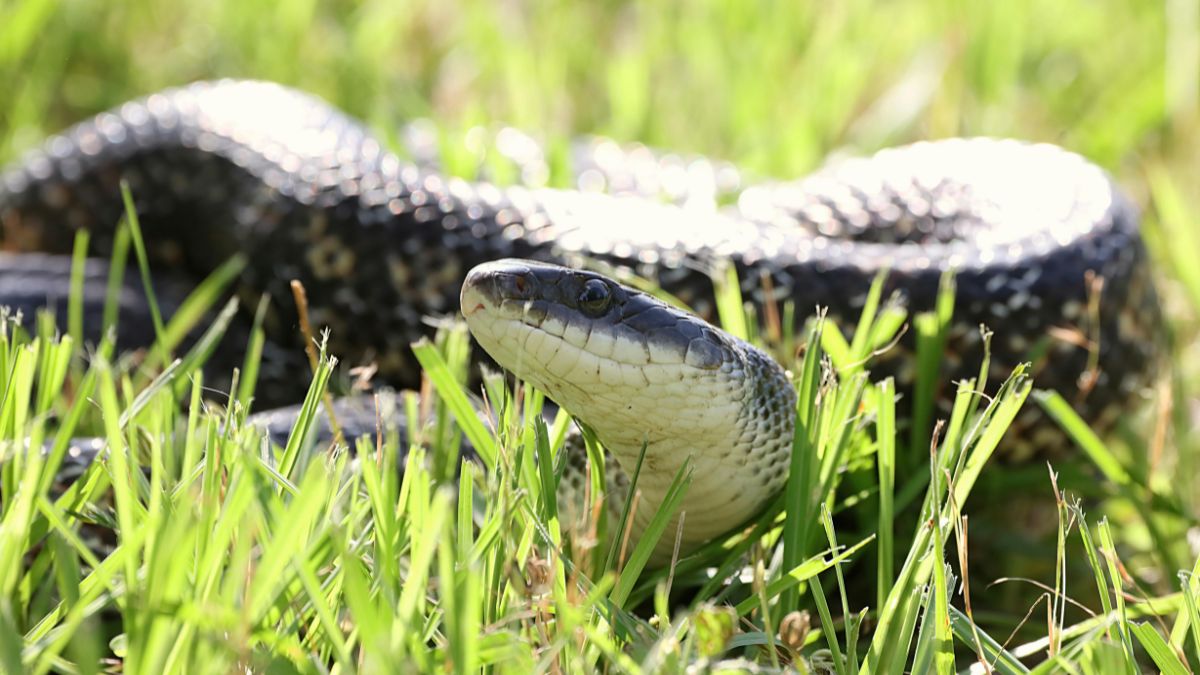
Most homeowners who discover a snake in their yard direct their concern toward the snake itself rather than toward the features of their property that made it an appealing destination in the first place. Snakes do not wander into residential yards randomly or by accident. They are drawn by a precise combination of environmental conditions that satisfy their fundamental requirements for food, warmth, shelter, and moisture, and most suburban and rural yards provide several of these conditions simultaneously without their owners realizing it. Understanding what attracts snakes is considerably more effective than attempting to repel or remove individual animals, because a yard that continues to offer ideal snake habitat will continue to attract new residents regardless of how many are relocated. Here are 20 common yard features that herpetologists and pest management professionals consistently identify as primary snake attractants.
Rock Piles
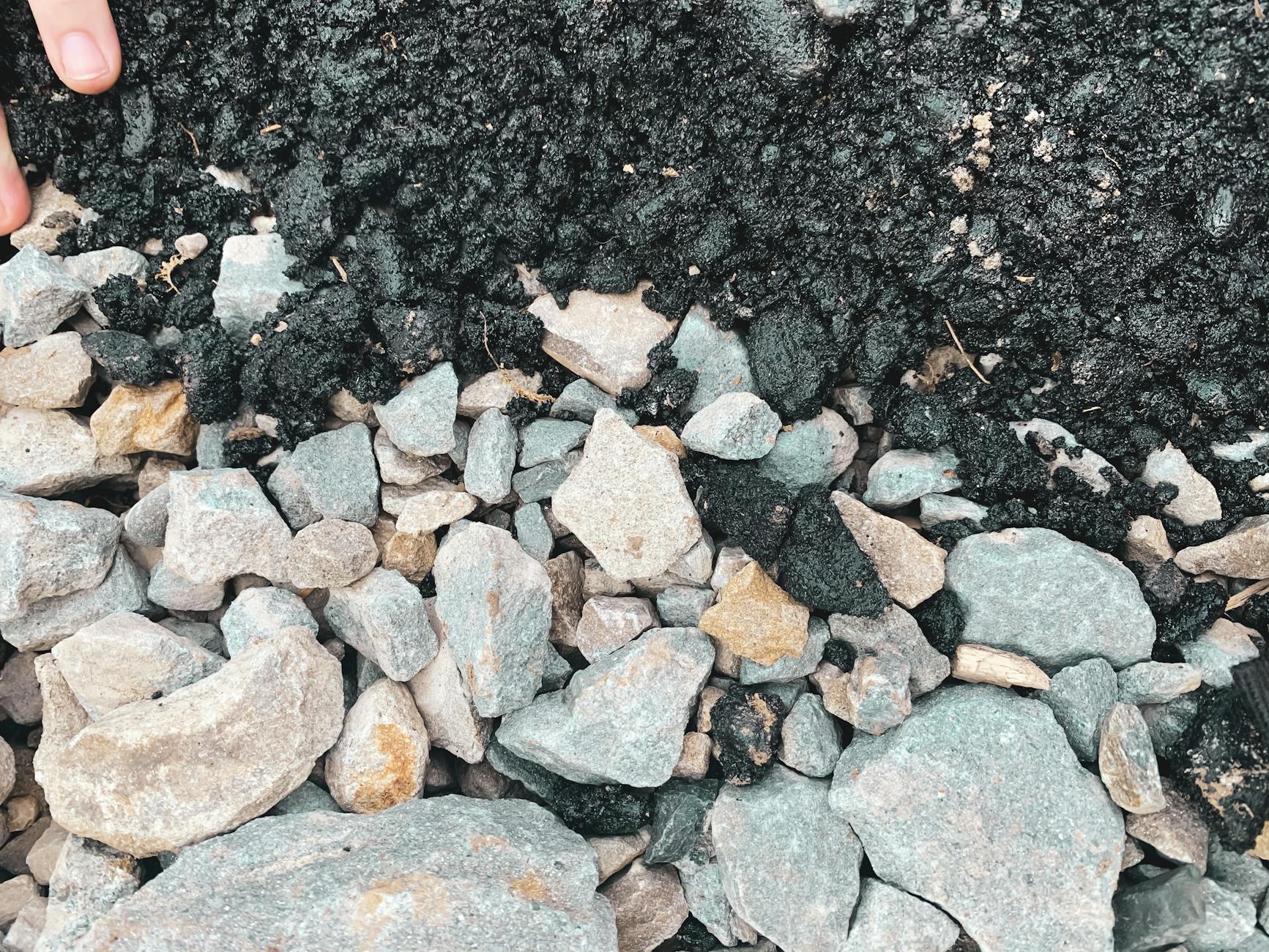
Loose rock piles are among the most reliably attractive snake habitats available in a residential yard and one of the most common decorative and functional features that homeowners install without considering their wildlife implications. The irregular gaps and cavities between stacked or piled rocks provide snakes with exactly the thermal regulation environment they require as ectothermic animals, offering sun-warmed surfaces for basking and cool dark recesses for shelter from midday heat. Rock piles also accumulate the insects, spiders, and small rodents that constitute the prey base for most of the snake species likely to inhabit a residential yard, making them simultaneously a shelter and a hunting ground. Decorative boulder arrangements, dry-stacked garden walls, and rock mulch used in landscaping all function similarly as snake habitat regardless of their intended aesthetic purpose. Eliminating loose rock piles entirely or replacing them with mortared stone structures that eliminate interior cavities is the most effective modification for removing this category of attractant.
Woodpiles
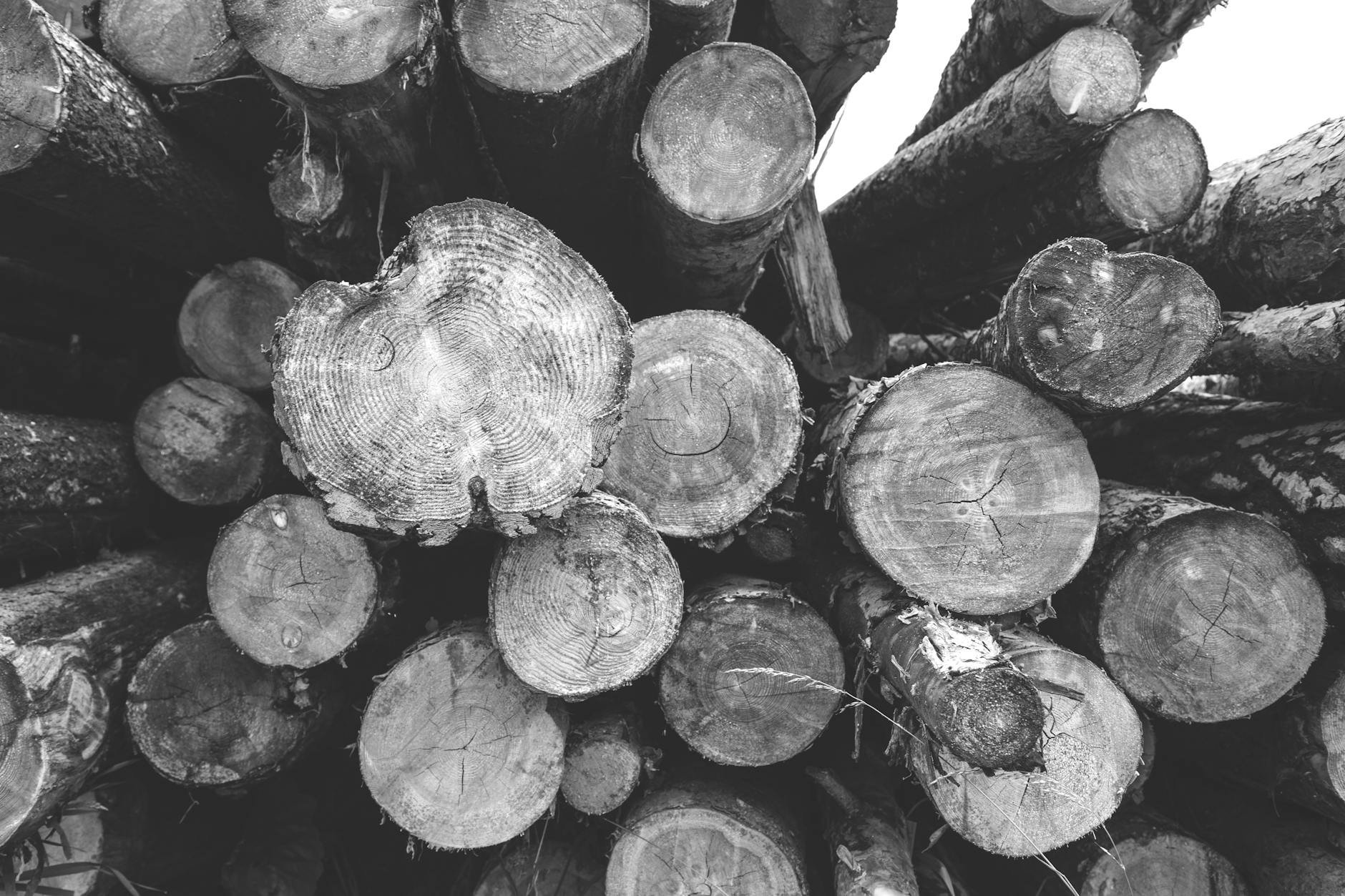
Stacked firewood is one of the most universally present snake attractants in residential yards and one that creates a particularly hospitable microhabitat through the combination of structural shelter, thermal mass, and prey concentration it provides. The interior of a woodpile maintains a relatively stable temperature and humidity level that suits both snakes and the rodents, lizards, and insects that snakes pursue, effectively creating a self-contained ecosystem in a corner of the yard. Snakes that establish themselves in woodpiles are difficult to detect because they occupy the interior spaces that are not visible during casual inspection, meaning a resident snake population can persist unnoticed for extended periods. Elevating firewood storage at least thirty centimeters off the ground on a dedicated rack eliminates the ground contact that makes woodpiles most attractive, and storing wood as far from the house as practically possible reduces the likelihood that snakes using the woodpile will subsequently explore the structure itself. Moving firewood regularly rather than allowing it to sit undisturbed for extended periods also disrupts the settled habitat that snakes prefer.
Bird Feeders
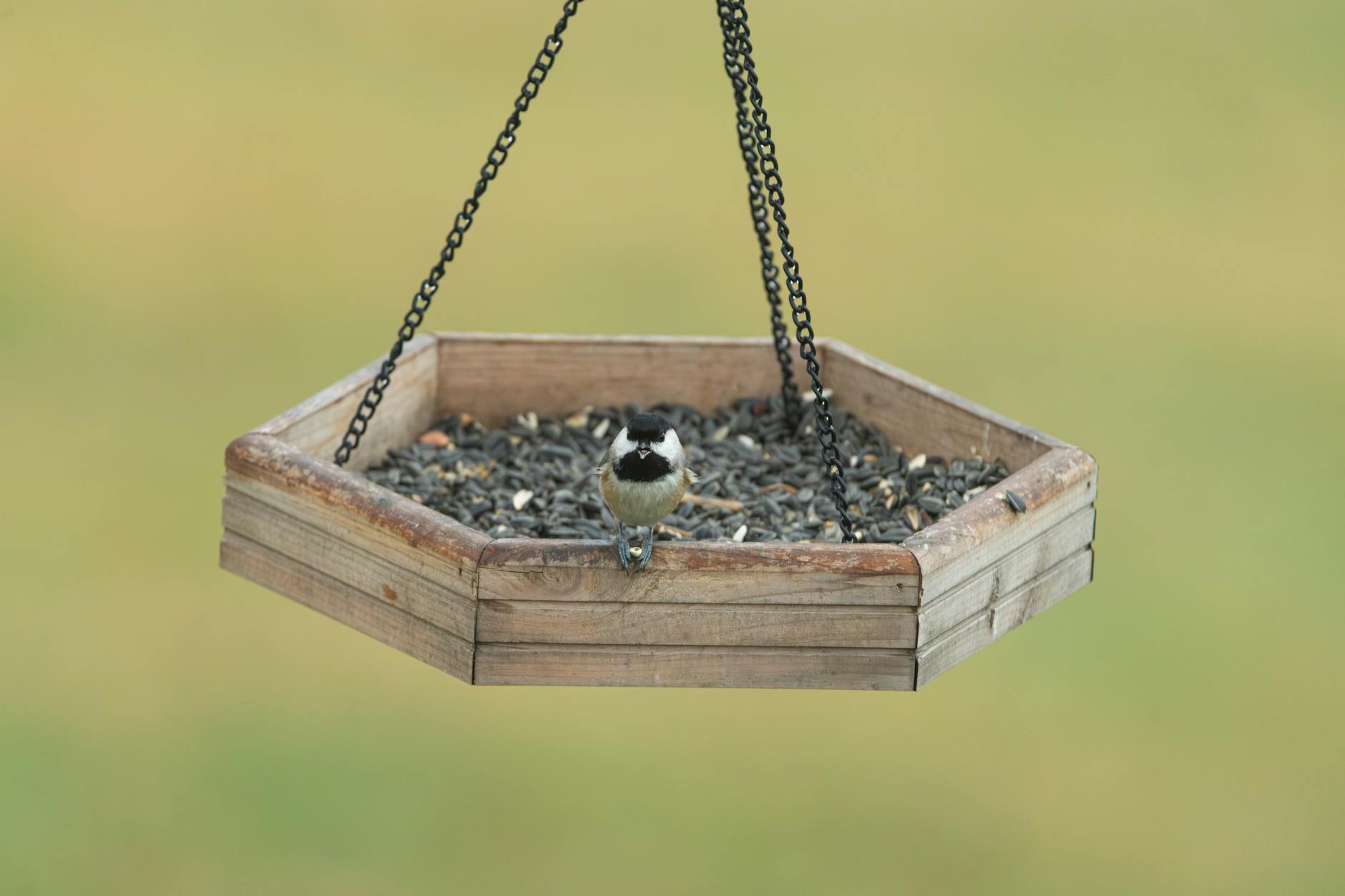
Bird feeders attract snakes through a mechanism that most homeowners do not initially recognize because the connection runs through an intermediate species. The seeds and grain that fall from feeders accumulate on the ground and attract mice, rats, and voles in substantial numbers, and it is this reliable rodent population rather than the birds themselves that draws snakes to the feeder area. A well-stocked bird feeder in a yard with ground-level seed accumulation is functionally equivalent to a maintained rodent feeding station from the perspective of any snake species that preys on small mammals. Placing feeders on smooth metal poles fitted with baffles reduces but does not eliminate this effect, as fallen seed continues to accumulate regardless of baffle effectiveness. Switching to feeders with catch trays that prevent seed from reaching the ground, combined with regular cleanup of fallen material, addresses the root attractant more directly than any snake-specific deterrent.
Compost Bins
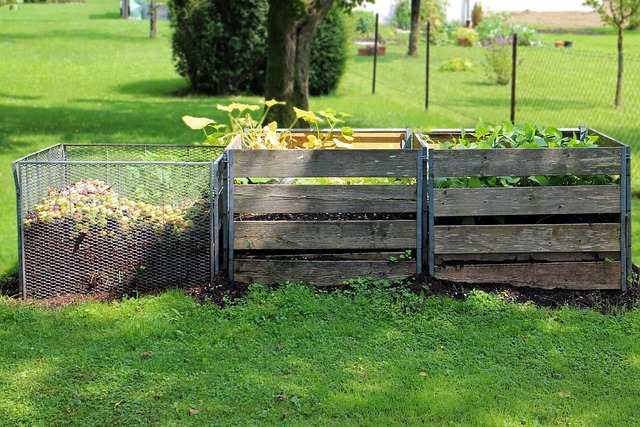
Compost bins and open compost heaps create a warm, moist, food-rich environment that attracts the insects, worms, and rodents that form the prey base for a wide range of snake species. The internal temperature of an active compost heap can be considerably higher than ambient air temperature due to the microbial activity of decomposition, providing the warmth that snakes seek for thermoregulation particularly in cooler months. Rodents are drawn to compost heaps that contain kitchen scraps including fruit, vegetables, and grain-based materials, and a sustained rodent presence in and around a compost structure reliably follows the establishment of a snake hunting territory in the same area. Open or poorly secured compost bins are more attractive than enclosed tumbler-style units because they provide direct access to the organic material that supports the prey population. Using a fully enclosed compost system with no gaps at ground level and avoiding the inclusion of meat, dairy, or cooked food in compost reduces the rodent attraction and consequently reduces the snake interest.
Tall Grass
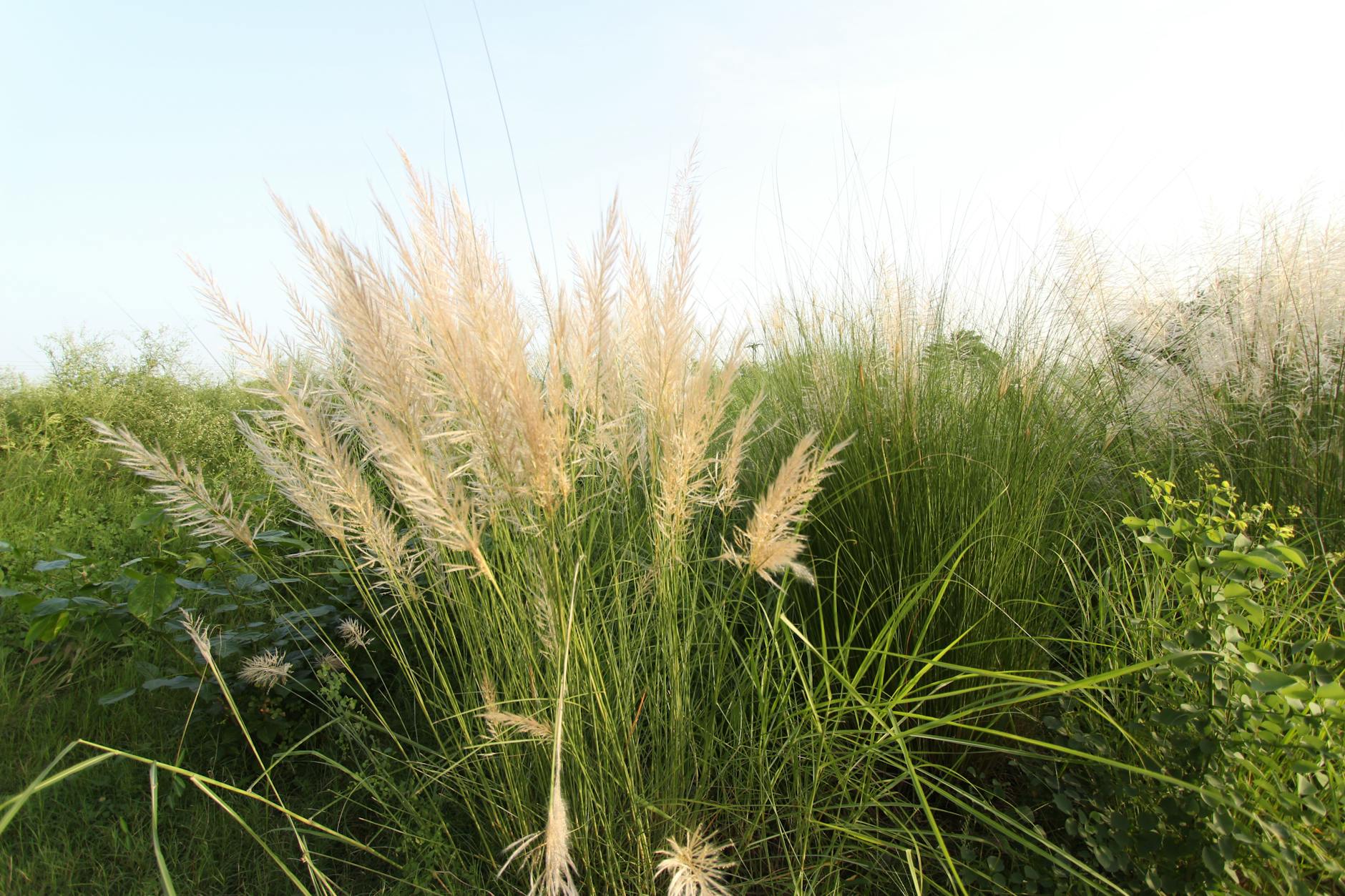
Unmowed or irregularly maintained grass provides ground-level cover that snakes use for movement, hunting, and shelter throughout the active season. Tall grass creates a microclimate at ground level that is cooler and more humid than the surrounding open area, matching the thermal and moisture preferences of a wide range of snake species. The concealment that tall grass provides also supports the ambush hunting strategy used by many common yard snakes, allowing them to remain motionless among vegetation while waiting for prey to approach within striking distance. Voles, mice, and other small rodents that snakes prey upon are significantly more active and more abundant in areas of tall grass than in regularly maintained lawn, creating a prey concentration that compounds the direct habitat benefit. Maintaining grass at a consistently short height particularly in areas immediately adjacent to the house foundation creates a clear zone that snakes are less likely to cross because it eliminates both cover and hunting opportunity simultaneously.
Water Features
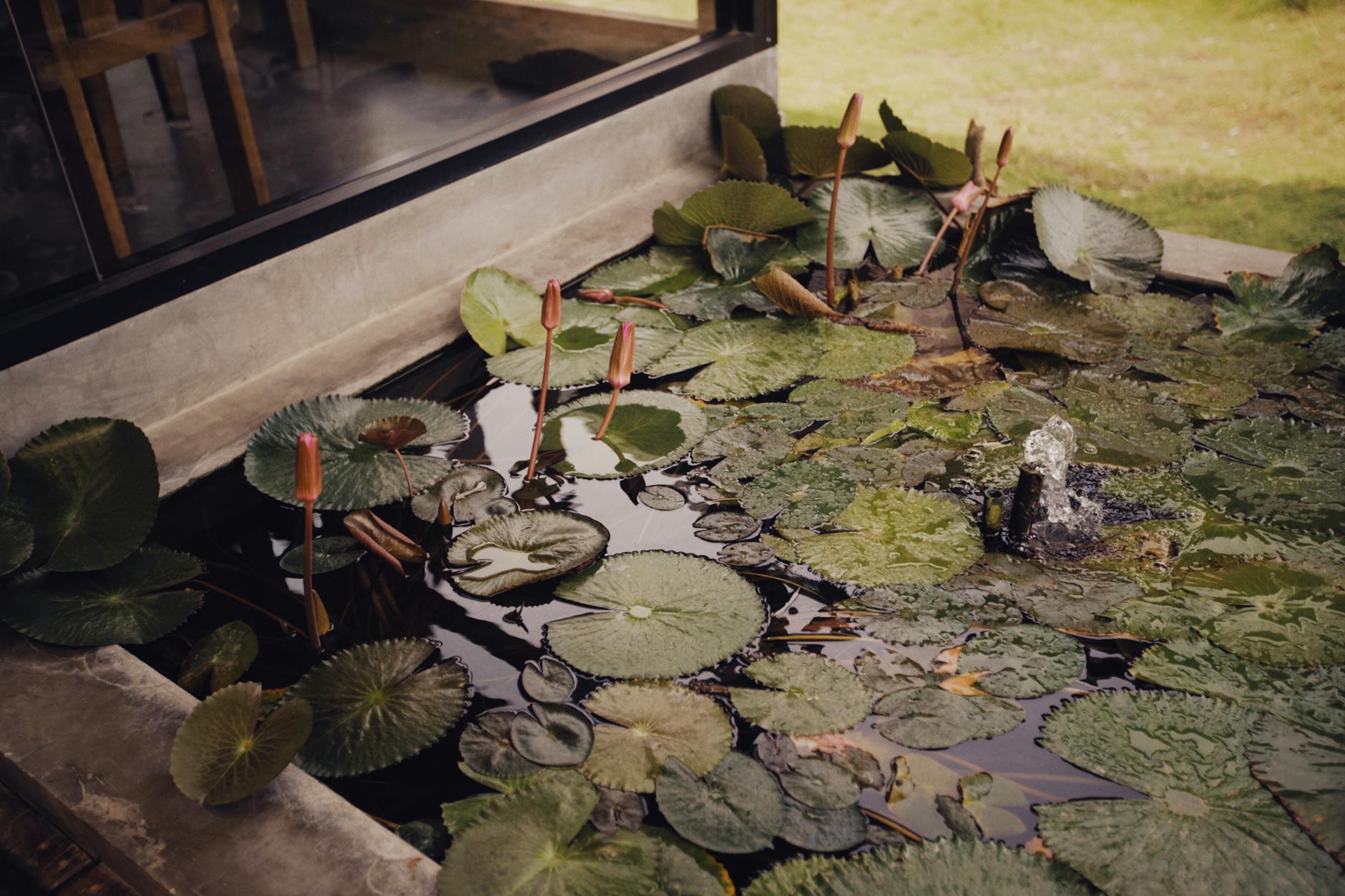
Garden ponds, water features, birdbaths, and any source of standing water are significant snake attractants because water simultaneously addresses the hydration needs of snakes and concentrates the frogs, toads, fish, and aquatic insects that several snake species prey upon specifically. Water snakes and garter snakes in particular are strongly associated with residential water features and will establish persistent territories in yards that offer reliable water access. A garden pond stocked with fish or supporting a frog population provides both the habitat and the prey concentration that these species require, making such features among the most powerful snake attractants available in a suburban yard. Drainage areas, low spots that collect rainwater, and leaking irrigation fittings create intermittent water sources that are less obvious than deliberate water features but serve a similar attractant function. Eliminating standing water where possible and ensuring that deliberate water features are not positioned immediately adjacent to the house reduces the overlap between snake activity areas and human living spaces.
Dense Ground Cover Plants
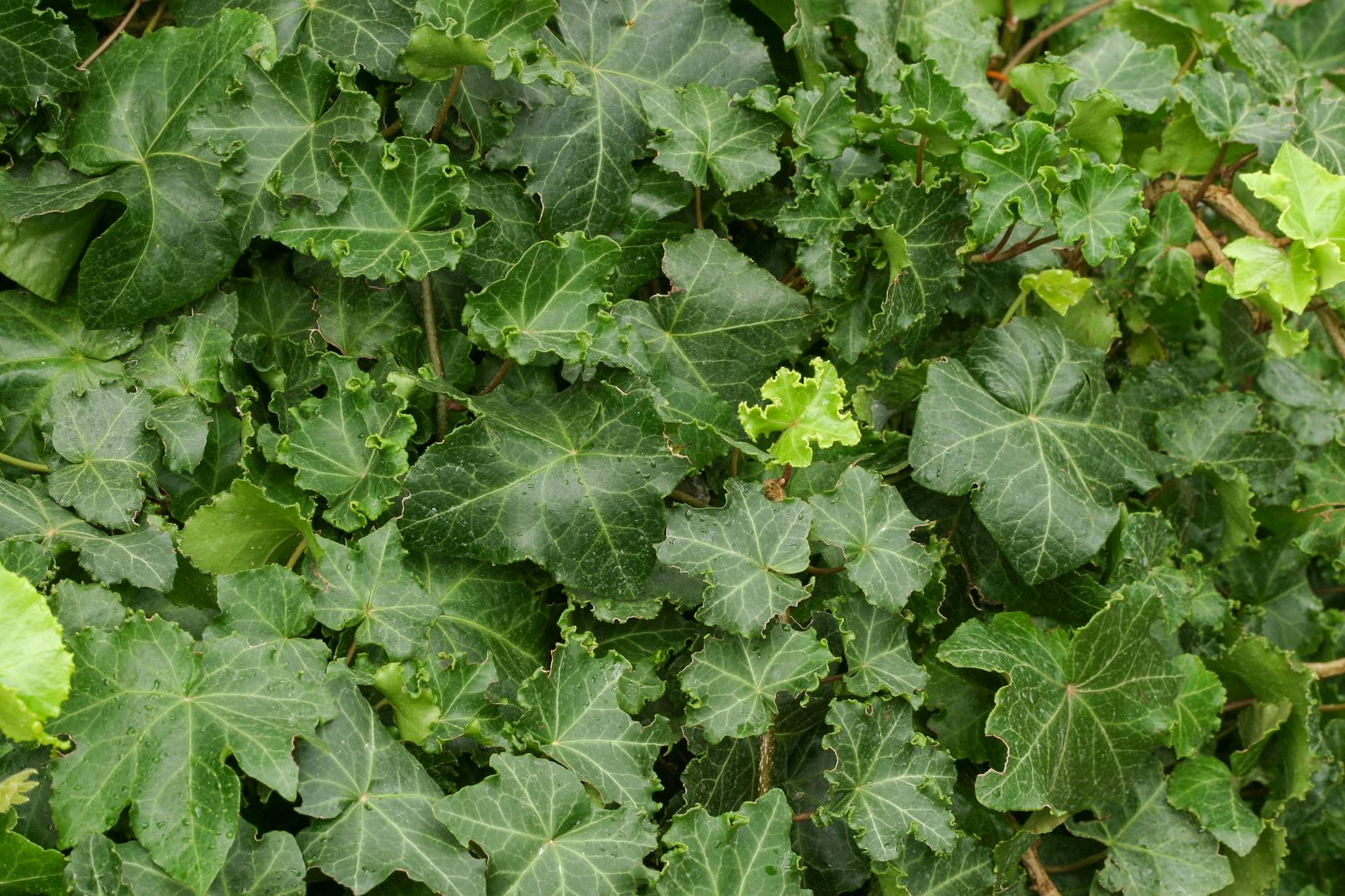
Low-growing dense ground cover plants including ivy, vinca, pachysandra, and similar spreading varieties create a continuous ground-level canopy that provides snakes with the concealed movement corridors and sheltered resting positions they require throughout the active season. The dense mat formed by established ground cover plants is virtually impenetrable to visual detection from above, allowing snakes to move through and inhabit these areas with minimal exposure to the predators and disturbances that would otherwise limit their residence time. Ground cover plants also retain moisture at soil level, supporting the invertebrate and small vertebrate populations that constitute snake prey in a way that bare mulch or lawn does not. The association between dense ivy coverage and snake presence is well-documented enough that pest management professionals routinely identify ivy removal as one of the most impactful single changes available to homeowners seeking to reduce snake activity near living areas. Replacing dense ground covers with open mulch, river rock without interior cavities, or low-maintenance drought-tolerant plants with a more open growth habit significantly reduces the shelter value of these areas for snakes.
Leaf Piles
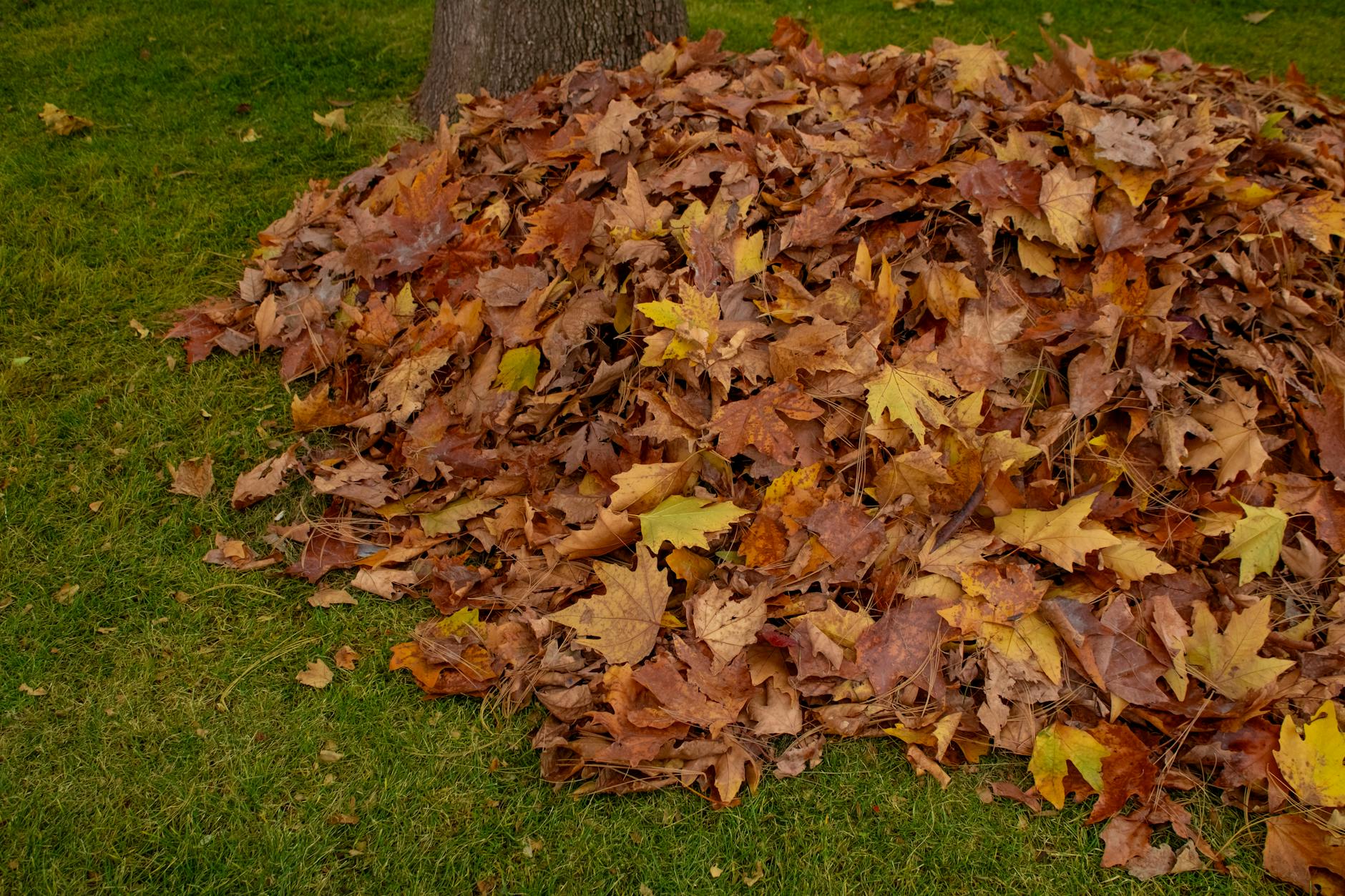
Accumulated leaf litter whether deliberately piled for composting or simply left undisturbed in garden beds and corners represents a direct analogue of the natural forest floor habitat that many snake species evolved to inhabit. A deep layer of leaves maintains a stable temperature and humidity level at ground level, provides concealment from aerial and terrestrial predators, and supports the earthworm, slug, insect, and small rodent populations that represent the prey spectrum of most residential snake species. Leaf piles that are left undisturbed for extended periods through autumn and winter become particularly well-established snake habitats as the interior layers compact and develop the warm, dark, enclosed quality that snakes seek for winter sheltering. Removing leaf accumulations promptly rather than allowing them to sit through multiple seasons, and bagging or composting leaves in enclosed systems rather than maintaining open ground-level piles, eliminates a habitat feature that requires minimal investment to address. The transition zones between maintained lawn and undisturbed leaf accumulation at garden bed edges are areas of particularly concentrated snake activity that merit specific attention during yard management.
Garden Debris
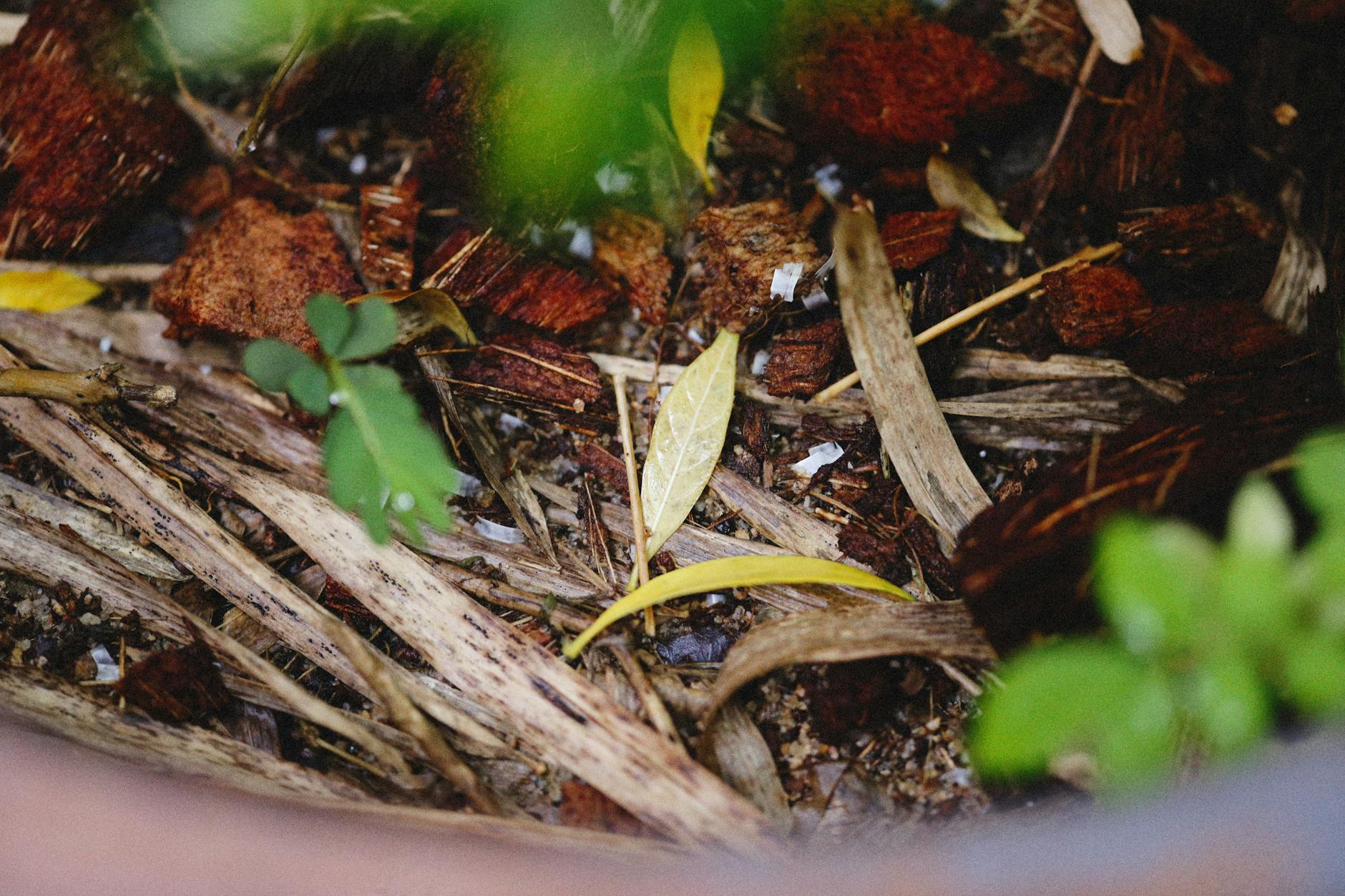
General garden debris including piles of pulled weeds, discarded plant material, old pots and containers, unused garden equipment, and accumulated organic material creates the same shelter and prey-concentration effect as deliberate compost or leaf piles while being even less systematically managed. A corner of the yard where garden waste accumulates over a season develops quickly into a microhabitat that supports the full ecological chain from decomposers to invertebrates to small vertebrates to the snakes that prey on them. Ceramic and plastic pots stored on the ground provide particularly appealing shelter because their enclosed shape creates a dark, temperature-stable interior that snakes actively seek out for resting and thermoregulation. Old boards, roofing tiles, landscape fabric, and tarps left on the ground function as artificial cover objects that wildlife biologists actually use deliberately to survey snake populations in research contexts, which illustrates precisely how attractive these items are to the animals homeowners are trying to discourage. Maintaining clear and regularly disturbed storage areas rather than allowing debris to accumulate undisturbed is a simple management practice with a significant impact on yard snake activity.
Rodent Activity
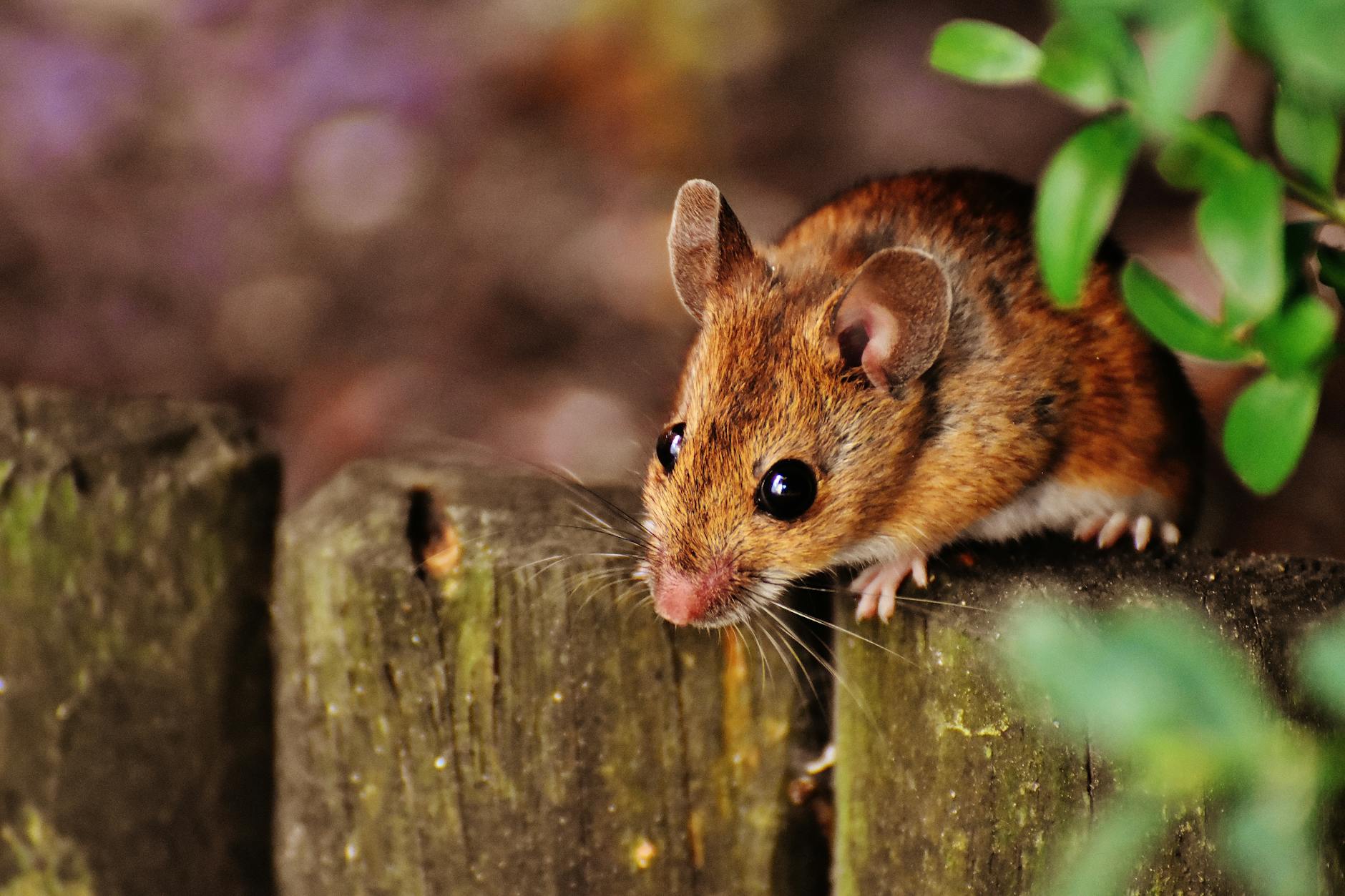
An active rodent population in or around a yard is the single most powerful snake attractant available and the factor that most consistently predicts sustained snake presence regardless of what other habitat modifications have been made. Snakes are obligate predators whose movement patterns are organized almost entirely around prey availability, and a yard that provides reliable rodent hunting success will retain snake residents and continue to attract new ones regardless of the presence of deterrents, repellents, or removal efforts. The relationship is direct and causal rather than correlational, and pest management professionals consistently identify rodent control as the foundational intervention that all other snake management strategies depend upon for effectiveness. Bird seed, pet food, improperly stored garbage, fallen fruit, and compost all support rodent populations that subsequently attract snakes, meaning that snake management in a residential yard is fundamentally a rodent management challenge at its core. Addressing the food sources that sustain the rodent population eliminates the prey base that makes the yard worth inhabiting from the snake’s perspective.
Low Deck Structures
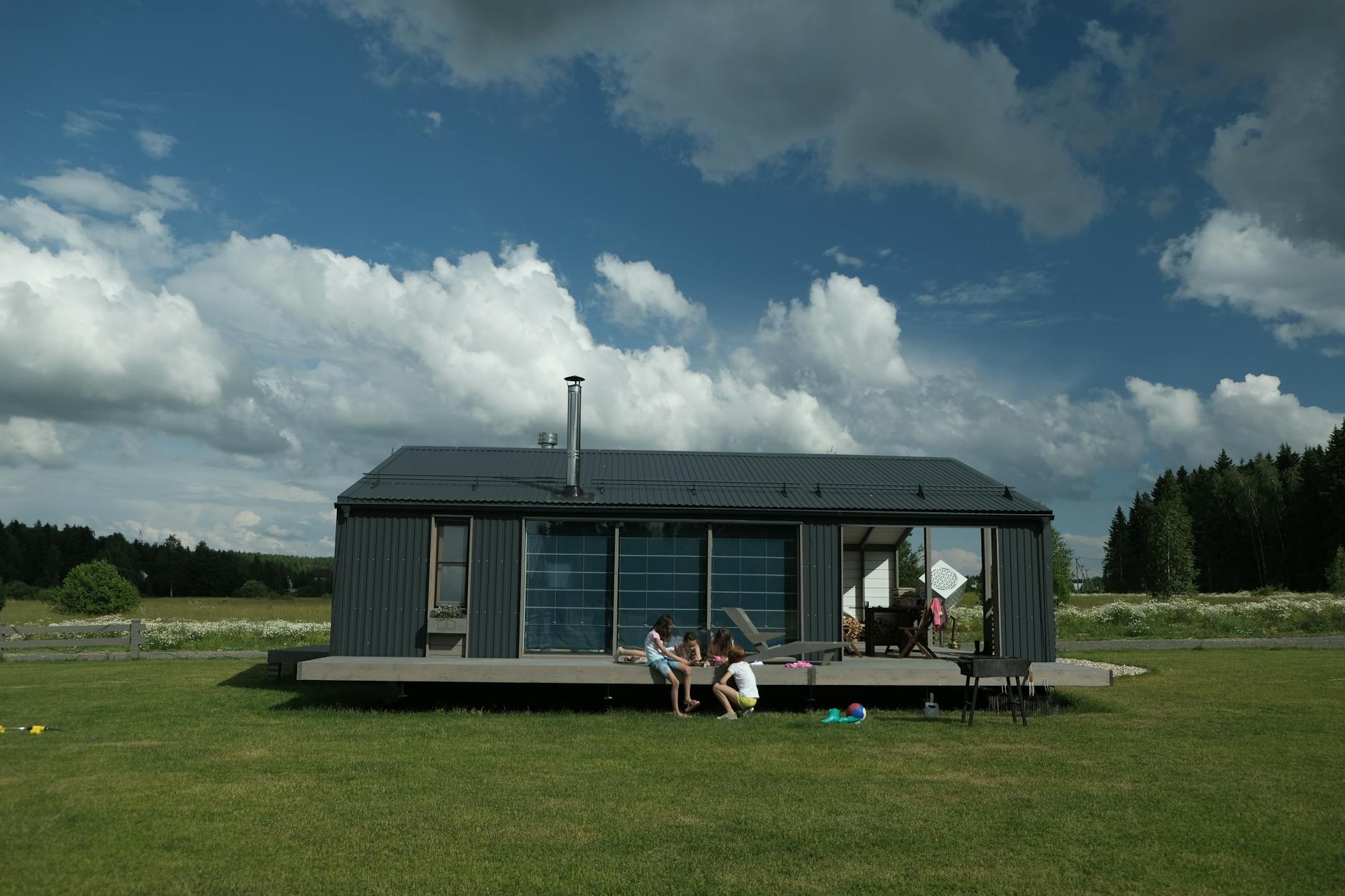
Decks built close to the ground with gaps between the decking and the soil surface create enclosed under-deck spaces that represent near-ideal snake habitat in terms of their combination of shelter, temperature stability, concealment, and proximity to both hunting territory and structural entry points. The space beneath a low deck is dark, protected from weather and predators, and maintains a soil temperature that is buffered against the extremes of both summer heat and winter cold, satisfying the thermoregulatory needs of snakes across a broad seasonal range. Rodents that inhabit under-deck spaces for the same shelter reasons further enhance the attractiveness of these areas by providing an on-site prey source that requires minimal hunting effort. Enclosing the perimeter of a low deck with hardware cloth buried several centimeters below soil level eliminates access to the under-deck space and represents one of the more structurally effective snake exclusion modifications available to homeowners. This modification also reduces the likelihood of other wildlife species including skunks and opossums establishing under-deck residence, producing broader pest management benefits beyond snake exclusion alone.
Outdoor Pet Food

Pet food left outdoors in accessible bowls is a rodent attractant that functions as an indirect snake attractant through the same mechanism as bird seed and compost, establishing a sustained prey population in a specific and often heavily used area of the yard. A bowl of dry dog or cat food left on a porch or patio overnight provides sufficient caloric incentive to attract mice and rats from a considerable surrounding area, and the regular rodent activity that follows establishes a hunting territory that snakes identify and return to consistently. The proximity of outdoor pet feeding stations to the house entry points compounds this concern because the snake activity associated with the rodent population occurs in the zone immediately adjacent to doors, thresholds, and foundation gaps through which snakes might access the interior. Feeding pets indoors or removing outdoor food bowls immediately after each feeding session eliminates the sustained rodent incentive and is one of the most straightforward behavioral changes available for reducing snake activity near the house perimeter. Water bowls left outdoors present a lesser but still real attractant effect through the moisture and small prey concentration they support.
Mulch Layers
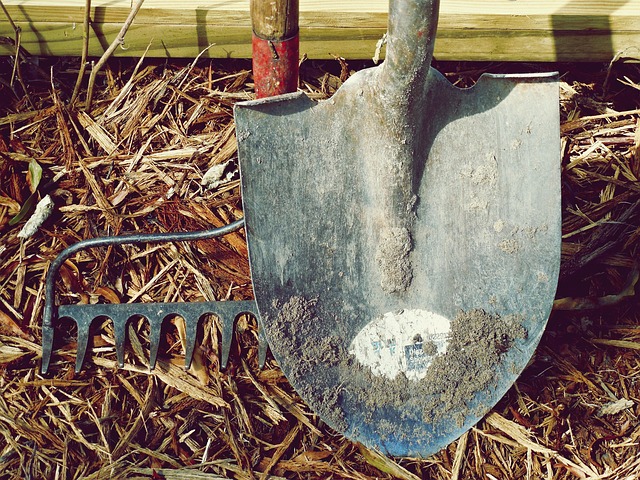
Thick mulch applications in garden beds create a ground-level environment that snakes use extensively for shelter, thermoregulation, and hunting throughout the warm season. Mulch retains soil moisture, maintains a stable temperature several degrees above ambient air in cooler conditions, and provides the dark concealed space beneath its surface that snakes seek for resting and ambush positioning. The earthworm, slug, and insect populations that thrive in well-maintained mulched beds provide a consistent prey base for smaller snake species, while the rodents attracted to the seed and plant material available in garden beds bring larger snake species to the same areas. Rubber mulch and inorganic ground cover materials are somewhat less attractive than organic wood chip or bark mulch because they support a less productive invertebrate community beneath them. Keeping mulch depth at five centimeters or less rather than the deeper applications that are sometimes recommended for moisture retention reduces the shelter value of mulched beds for snakes while maintaining most of the horticultural benefit.
Cluttered Storage Areas

Outdoor storage areas including garden sheds, utility spaces, and storage enclosures that accumulate disorganized contents over time develop into snake habitats through the same shelter and prey-concentration mechanism as interior building spaces. Boxes, bags, old equipment, seasonal decorations, and assorted stored items create an interior landscape of cavities, dark recesses, and undisturbed spaces that snakes navigate and occupy with the same comfort they find in natural rock crevices and debris piles. The lack of regular disturbance that characterizes poorly organized storage spaces is particularly important because snakes strongly prefer areas where human activity is infrequent and predictable disturbance is minimal. Rodents that access storage spaces through gaps in the structure further enhance the habitat quality from the snake’s perspective by establishing a sheltered prey population in the same space. Organizing storage spaces to minimize interior cavities, sealing gaps in shed walls and foundations, and conducting regular disturbance of stored contents discourages both rodent and snake residence in these structures.
Fruit Trees
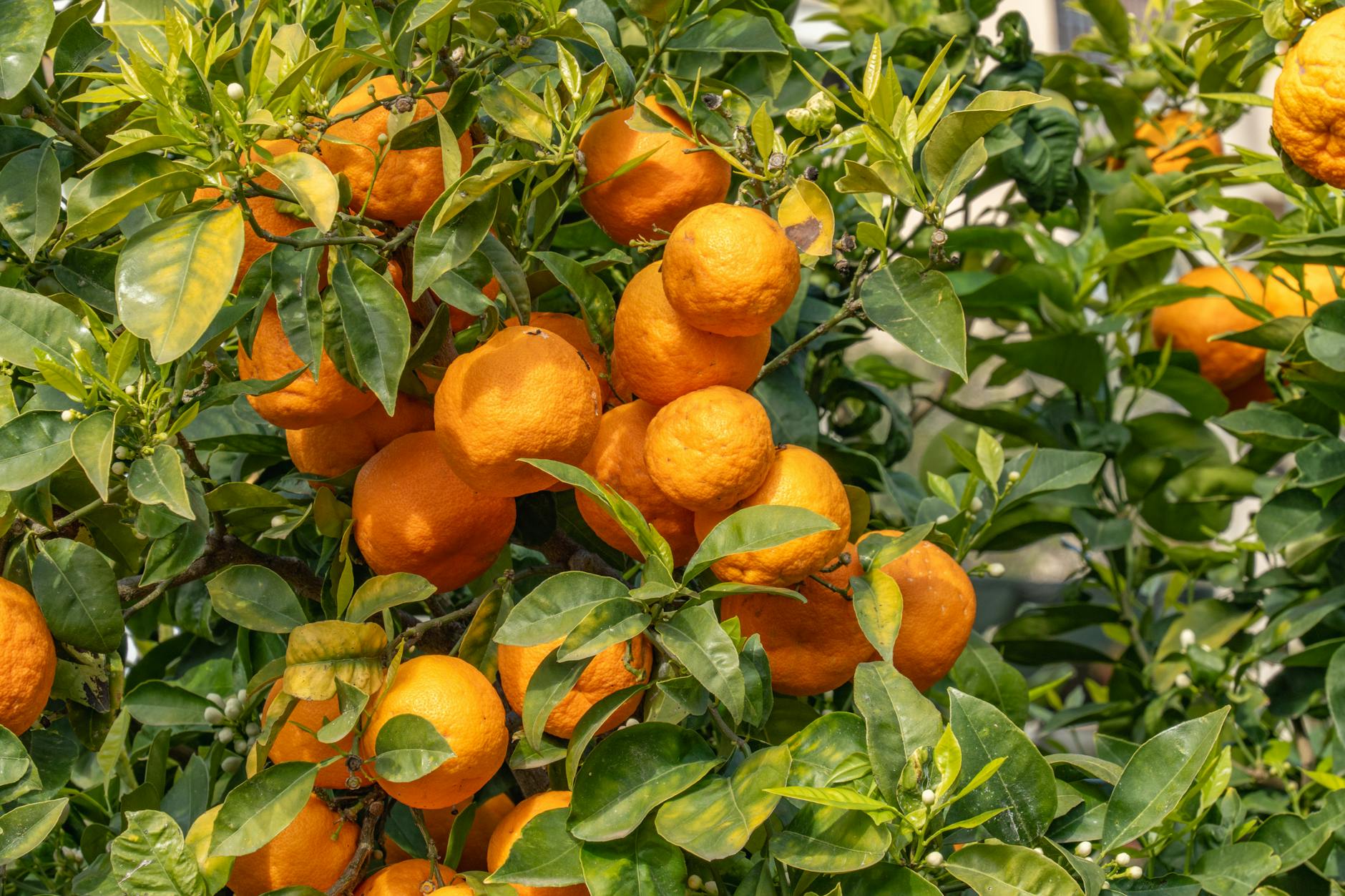
Fruit trees that drop ripe or overripe fruit onto the ground create a sustained food source that attracts the insects, birds, and particularly the small mammals whose presence subsequently draws snakes into the orchard or garden area. Fallen fruit ferments rapidly in warm weather, attracting a dense concentration of flies, beetles, and wasps that represents an abundant invertebrate prey source for smaller snake species. The mice and voles that are strongly attracted to fallen fruit for its caloric value establish active foraging territories around productive fruit trees that persist throughout the fruiting season and attract the snake species that prey on small rodents to the same area. Collecting fallen fruit promptly and frequently rather than allowing it to accumulate on the ground is the management practice that most directly addresses this attractant, with the additional benefit of reducing the insect activity that compounds the prey concentration effect. Fruit trees positioned immediately adjacent to the house are a particular concern because the snake activity associated with them occurs in the zone closest to foundation gaps and entry points.
Gaps in Foundations

Cracks, gaps, and openings in house and outbuilding foundations do not attract snakes to the yard in the same way that food and shelter features do, but they represent the critical interface between yard snake activity and interior snake access that makes foundation integrity the most structurally important snake management concern on this list. A gap as small as a quarter inch in diameter is sufficient for many small to medium snake species to enter a foundation or crawl space, and the warm, rodent-inhabited, sheltered interior environment of a building is at least as attractive to snakes as any exterior yard feature. Foundation gaps are most commonly found at pipe penetrations, utility entry points, settling cracks in masonry, gaps beneath doors and garage thresholds, and at the junction between different building materials. Inspecting the full foundation perimeter annually and sealing identified gaps with appropriate materials including concrete, mortar, hardware cloth, and door sweeps addresses the access point rather than merely the attractant. A yard that cannot be made fully unattractive to snakes can at minimum be secured against interior access through systematic foundation management.
Irrigation Systems
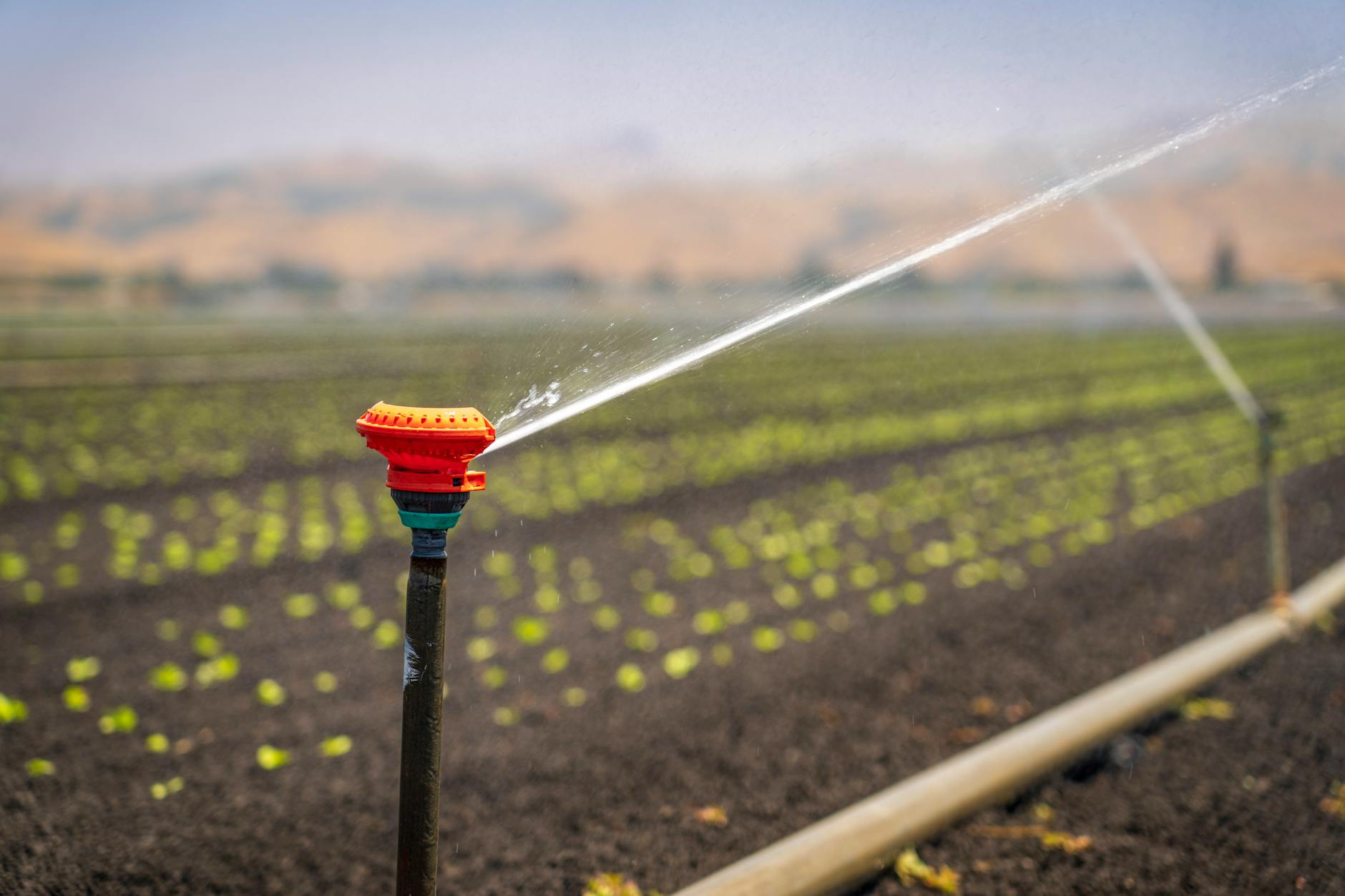
Residential irrigation systems create localized areas of persistent soil moisture that attract the earthworms, slugs, frogs, and small rodents that constitute primary prey for many residential snake species, effectively establishing a sustained prey concentration in the irrigated zone. Drip irrigation lines that leak or are poorly maintained create permanent wet spots that develop microhabitats distinct from the surrounding dry yard, and these areas attract and retain prey species in concentrations that snakes identify and return to reliably. Overhead irrigation applied in the evening hours creates surface moisture conditions that are particularly favorable to frog and toad activity, which in turn attracts the garter snakes and water snakes that specialize in amphibian prey. Irrigated lawn edges adjacent to garden beds, foundation plantings, and structural features create the prey-rich transition zones that snakes preferentially inhabit throughout the warm season. Repairing irrigation leaks promptly, timing irrigation to allow surface drying before nightfall, and avoiding irrigation immediately adjacent to the house foundation reduces the moisture-dependent prey concentration in the zone most critical to preventing snake-human encounters.
Brush Piles
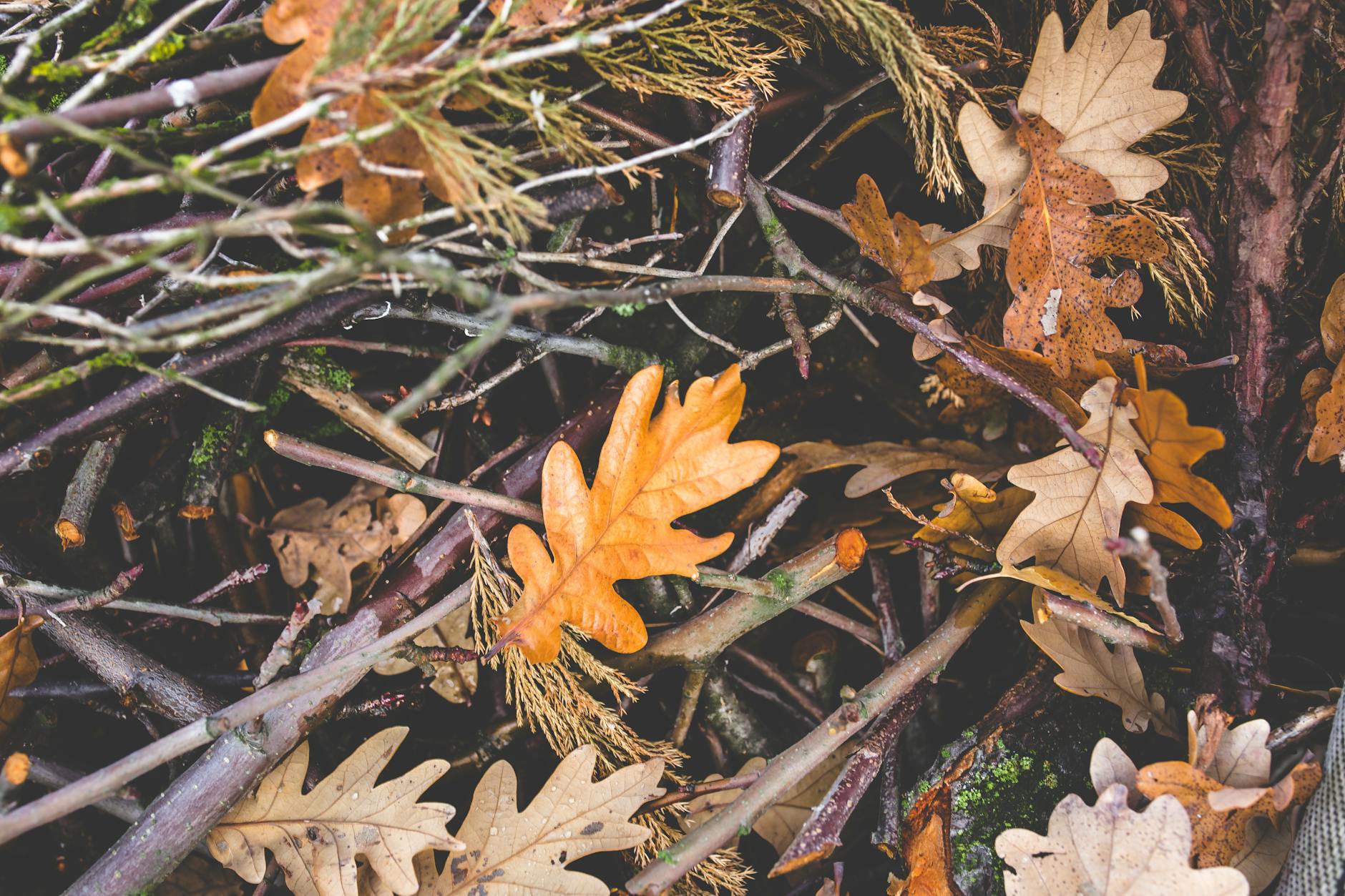
Brush piles accumulated from tree pruning, storm damage, and garden cleanup represent one of the most structurally complex and thermally stable snake habitats available in a residential yard, combining the shelter qualities of rock piles and woodpiles with the additional prey-supporting properties of decomposing organic material. The interior of an established brush pile achieves a level of temperature and humidity stability that rivals purpose-built wildlife habitat structures, making it attractive to snakes throughout the active season and in some climates as a winter refugium where snakes can shelter during cooler periods. The branching structure of accumulated woody debris creates an interior architecture of elevated resting surfaces and enclosed cavities that snakes use for both thermoregulation and concealment in a way that flat debris piles do not replicate. Small mammal species that use brush piles for nesting and shelter create an on-site prey population that makes the habitat self-sufficient from the snake’s perspective without requiring any additional movement across open ground. Disposing of pruning and storm debris promptly rather than accumulating it in a designated corner of the yard eliminates a habitat feature that becomes more established and more attractive with each season it is left undisturbed.
Untrimmed Foundation Plantings

Shrubs, hedges, and ornamental plantings that have been allowed to grow against the house foundation without regular trimming create a continuous vegetated corridor connecting the broader yard habitat to the building perimeter, effectively extending snake-friendly cover to the zone immediately adjacent to the structure. Foundation plantings that spread along the ground surface and grow into contact with the wall create enclosed spaces between the plant mass and the foundation that are dark, protected, and maintain the stable temperature and humidity that snakes seek for sheltering. The transition from the open yard into these enclosed foundation spaces is gradual and covered rather than exposed, allowing snakes to move between the broader yard and the foundation perimeter without crossing the open ground that represents the primary deterrent in managed yard environments. Maintaining a clear gap between foundation plantings and the building wall, trimming lower growth to allow light and air circulation at ground level, and keeping the immediate foundation perimeter free of any vegetation contact reduces the shelter continuity between the yard and the structure. This modification also improves the visibility of the foundation perimeter during inspections for gaps and entry points, combining the snake deterrent benefit with the practical advantage of better access for structural maintenance.
Garbage and Recycling Bins

Outdoor garbage and recycling bins that are not properly sealed or that have accumulated food residue in their interiors attract rodents that subsequently draw snake activity to the bin storage area, which is frequently located close to the house or garage and therefore in a particularly sensitive location relative to potential interior snake access. The odor profile of improperly sealed garbage is detectable by rodents at considerable distances, and a bin area with regular rodent visitation quickly establishes the prey concentration that makes the location attractive to snake species that hunt by chemical detection of prey trails. Recycling bins containing food containers that have not been thoroughly rinsed present a similar rodent attractant through the residual organic material that accumulates in their interiors over a collection cycle. Using bins with secure lids, rinsing food containers before recycling them, and positioning bin storage areas as far from the house as practical reduce the rodent activity in the most sensitive zone of the property. The combination of proper bin management with regular cleaning of the storage surface beneath and around the bins addresses both the primary attractant and the secondary habitat that accumulates around frequently visited outdoor food sources.
If you have noticed snakes in your yard or have made changes that successfully reduced wildlife activity around your home, share what worked for you in the comments.




