
Most people who struggle with chronic back pain, neck tension, shoulder stiffness, or the gradual forward rounding that creeps into their stance over years have investigated their mattress, their office chair, their workout routine, and their screen height as potential causes. Very few have examined their wardrobe. The clothing and accessories worn against the body for eight, ten, or twelve hours every day exert a continuous and cumulative mechanical influence on the skeletal and muscular systems that support upright posture, and the effects of that influence compound quietly across months and years before they become impossible to ignore. Physiotherapists, orthopedic specialists, and biomechanics researchers have identified a consistent set of everyday clothing choices that alter spinal alignment, restrict natural movement, shift load distribution, and train the body into compensatory patterns that persist long after the offending garment has been removed. Here are 20 clothing items that are working against your posture every time you wear them.
High Heels
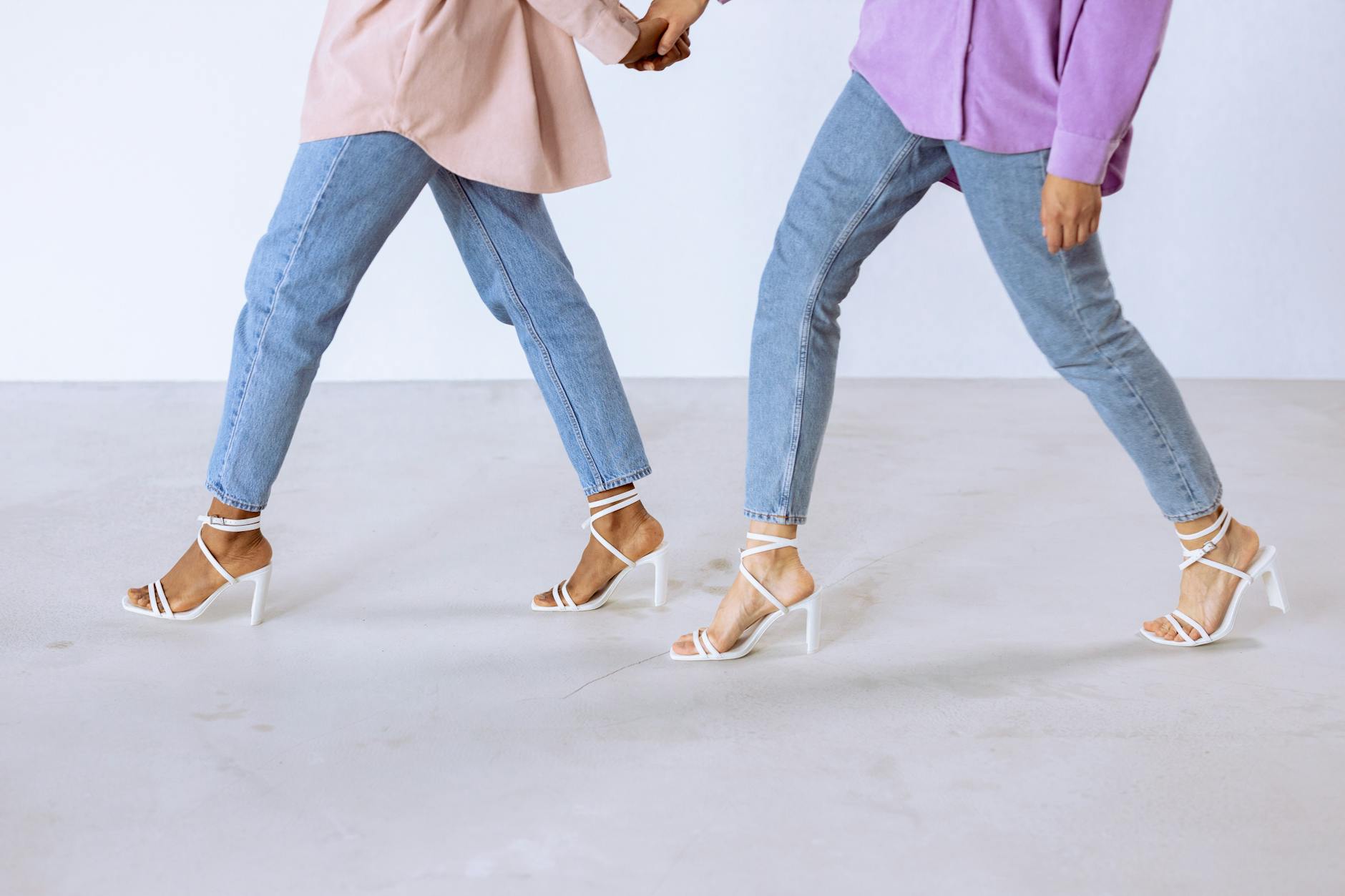
High heels are the most extensively studied garment-related posture disruptor in the clinical literature and the one whose biomechanical consequences are the most comprehensively documented across decades of orthopedic and physiotherapy research. Elevating the heel shifts the body’s center of gravity forward, forcing a compensatory increase in lumbar lordosis as the lower back arches to prevent the wearer from pitching forward, while the pelvis tilts anteriorly and the hip flexors shorten to accommodate the altered load distribution. This chain of compensatory adjustments travels upward through the spine, increasing thoracic kyphosis and forward head position as the body attempts to balance itself above a foundation that is mechanically misaligned relative to natural bipedal posture. The calf muscles shorten adaptively in habitual heel wearers, and this shortening persists during barefoot walking and standing in a way that permanently alters gait mechanics and lower limb load distribution. Women who wear heels of two inches or more for several years develop measurable structural adaptations in the Achilles tendon, calf musculature, and lumbar spine that do not fully reverse upon cessation of heel use without dedicated physiotherapy intervention.
Heavy Handbags

A handbag or tote bag carried consistently on one shoulder introduces an asymmetric load to the shoulder girdle that the body compensates for by elevating the loaded shoulder, laterally flexing the cervical spine away from the load, and progressively developing a lateral spinal curvature that reflects the habitual weight distribution. The trapezius and levator scapulae muscles on the loaded side contract continuously to prevent the strap from slipping, accumulating the chronic tension that manifests as the neck and upper shoulder stiffness that is among the most common musculoskeletal complaints in adults who carry shoulder bags regularly. Research measuring the postural effects of habitual shoulder bag carrying has found measurable spinal asymmetry in regular carriers that increases proportionally with bag weight and years of consistent use on the same side. Alternating shoulders provides only partial mitigation because the compensatory muscular pattern established on the dominant carrying side persists even when the bag is transferred. Switching to a backpack worn on both shoulders, a crossbody bag worn across the torso, or a wheeled option distributes load symmetrically and eliminates the lateral spinal compensation that single-shoulder carrying progressively instills.
Tight Jeans
Skinny jeans and other tightly fitted trouser styles that compress the thigh, hip, and pelvic region restrict the natural range of motion available to the hip joint and alter the movement mechanics of walking, sitting, and transitioning between postures in ways that accumulate significant postural consequences over time. The restriction of hip flexion and extension in tight trousers causes compensatory movement to be sourced from the lumbar spine rather than the hip joint, placing repetitive stress on the intervertebral structures of the lower back during activities that should be driven primarily by hip mobility. Tight waistbands that compress the abdominal region inhibit the diaphragmatic breathing mechanics that support core stability, reducing the intra-abdominal pressure that the deep stabilizing muscles of the spine rely upon for spinal support during movement. The altered gait pattern produced by tight lower-body clothing has been measured in biomechanical studies and found to reduce stride length, restrict pelvic rotation, and increase lateral trunk sway in ways that load the lumbar spine asymmetrically over the course of a full day of walking. The cumulative effect of years of restricted hip mobility in habitual tight clothing wearers includes shortened hip flexors, reduced hip extension range, and the anterior pelvic tilt that is among the most common postural faults seen in clinical practice.
Ill-Fitting Bras
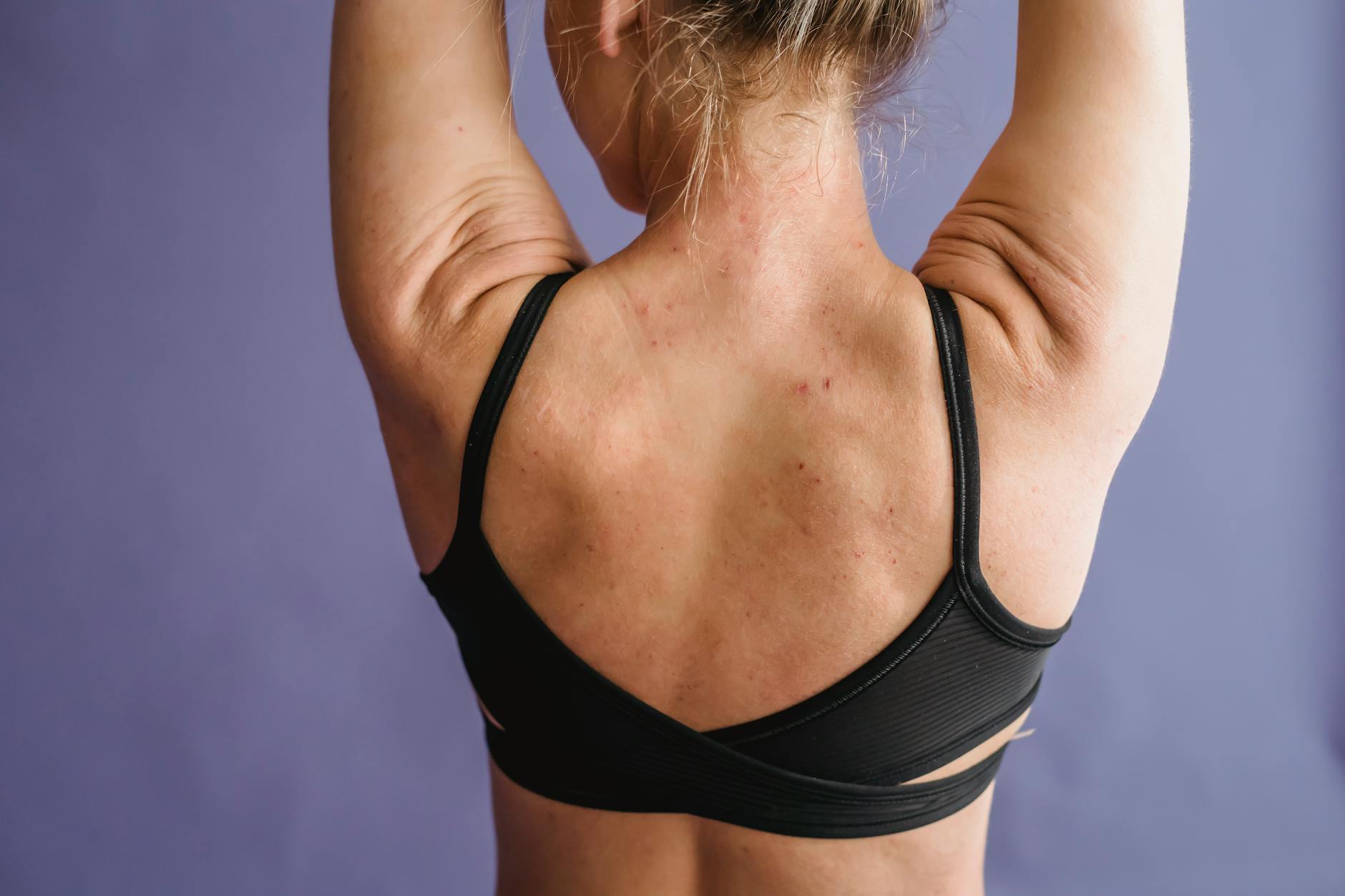
A bra that does not fit correctly fails to provide the breast support that reduces the forward loading on the thoracic spine and shoulder girdle, contributing to the rounded shoulder posture and thoracic kyphosis that are disproportionately common among women with larger bust sizes who have relied on poorly fitted support garments for extended periods. Straps that are too loose or too narrow dig into the shoulder tissue and cause the wearer to unconsciously round the shoulders forward to relieve the pressure, while a band that sits too high on the back fails to anchor the support structure at the level needed to counteract the anterior loading of breast weight. Research from the University of Portsmouth’s Breast Biomechanics Research Centre has found that proper bra fitting produces measurable improvements in shoulder and spinal alignment and that the majority of women wearing bras are doing so in an incorrect size that fails to provide optimal mechanical support. The combination of inadequate support and the compensatory postural adjustments it produces creates a self-reinforcing cycle in which the musculature required to maintain upright posture progressively weakens because the support task is being performed by postural compensation rather than active muscle engagement. Professional bra fitting by a trained fitter and replacement of support garments at the recommended interval rather than when visible wear becomes apparent are the interventions most consistently recommended by physiotherapists working with women experiencing posture-related upper back and neck pain.
Backpacks Worn Low
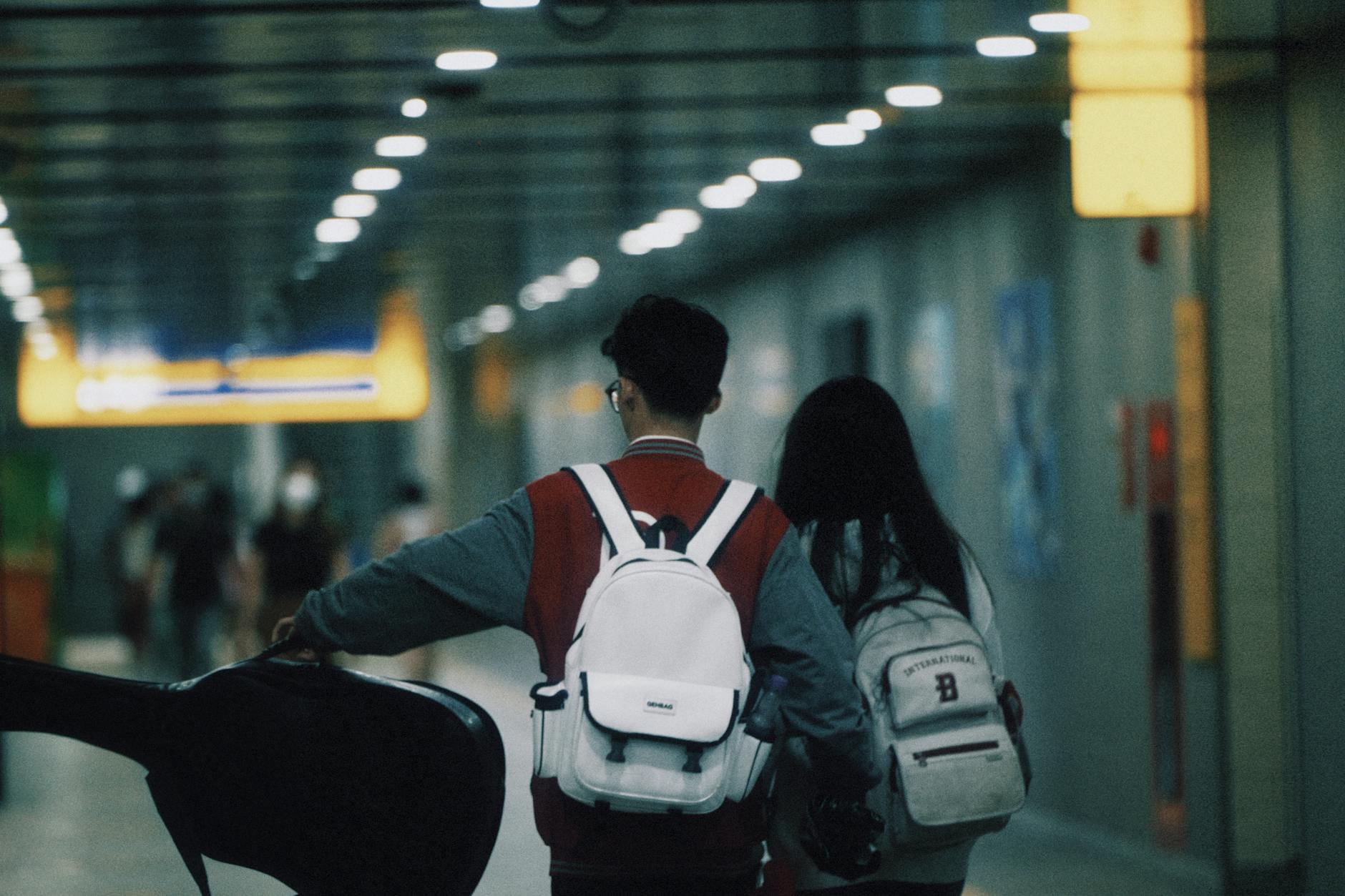
A backpack worn with long straps so that the pack body sits at or below the level of the lower back transforms the spinal loading dynamics of carrying in a way that dramatically increases the mechanical demand on the lumbar extensors and the compensatory forward lean that the wearer adopts to counteract the rearward pull of the displaced load. When the center of mass of a carried load is positioned away from the body’s center of gravity, the lever arm through which that load acts on the spine increases and the muscular effort required to maintain upright posture multiplies disproportionately relative to the weight of the pack alone. Children carrying heavy school backpacks worn low have been specifically studied in pediatric orthopedic research as a population at risk for developing abnormal spinal curvature patterns during the growth years when skeletal development is most susceptible to chronic postural loading. The correct wearing position places the pack body between the shoulder blades and the top of the pelvis, with straps tightened sufficiently to hold the pack close to the body and distribute its weight through the shoulder girdle rather than through a forward-leaning lumbar compensation. Waist straps used consistently shift a portion of pack weight to the hip girdle and represent the single most effective adjustment for reducing spinal loading in backpack use across all age groups.
Restrictive Shapewear
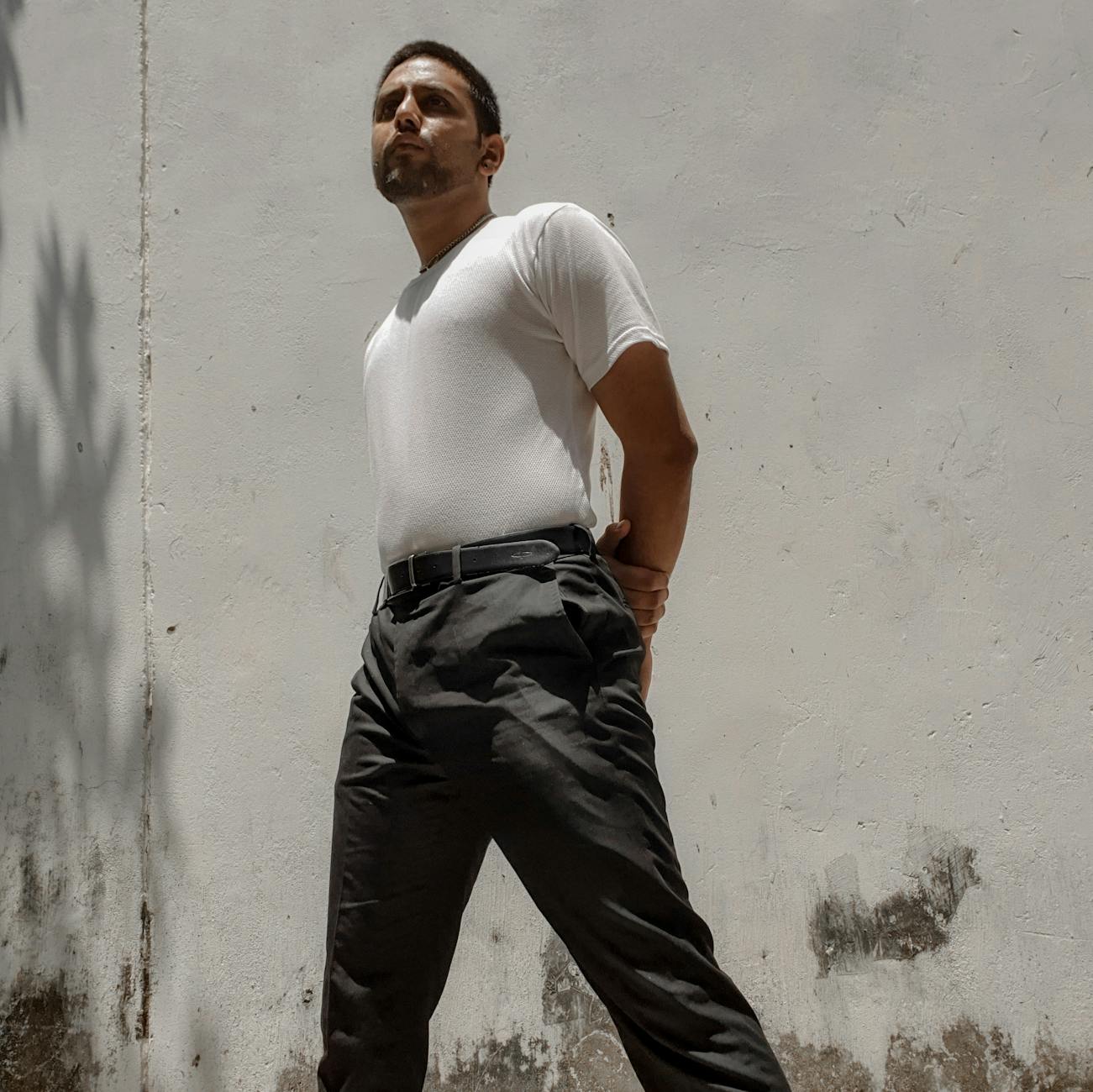
Shapewear garments that compress the torso, abdomen, and hip region interfere with the deep core musculature that provides dynamic spinal stabilization during movement and postural maintenance in a way that produces both immediate and long-term postural consequences. The external compression provided by shapewear substitutes for the intra-abdominal pressure that the transversus abdominis and other deep stabilizers generate through active contraction, effectively performing the support function that those muscles should be providing and progressively reducing their activation and strength through disuse. Physiotherapists working in pelvic health and spinal rehabilitation have documented the relationship between habitual shapewear use and reduced deep core activation that persists beyond the periods of garment use, creating a dependency pattern in which the muscles responsible for spinal support become increasingly reliant on external compression to compensate for their own reduced capacity. The diaphragmatic breathing restriction imposed by tight shapewear also reduces the pressure dynamics that the deep core relies upon for spinal stabilization, compounding the muscular disengagement effect with a breathing mechanics impairment. Limiting shapewear use to specific occasions rather than as daily wear and prioritizing core strengthening through physiotherapy-guided exercise addresses both the immediate restriction and the underlying muscular capacity that habitual compression use progressively undermines.
Flip Flops
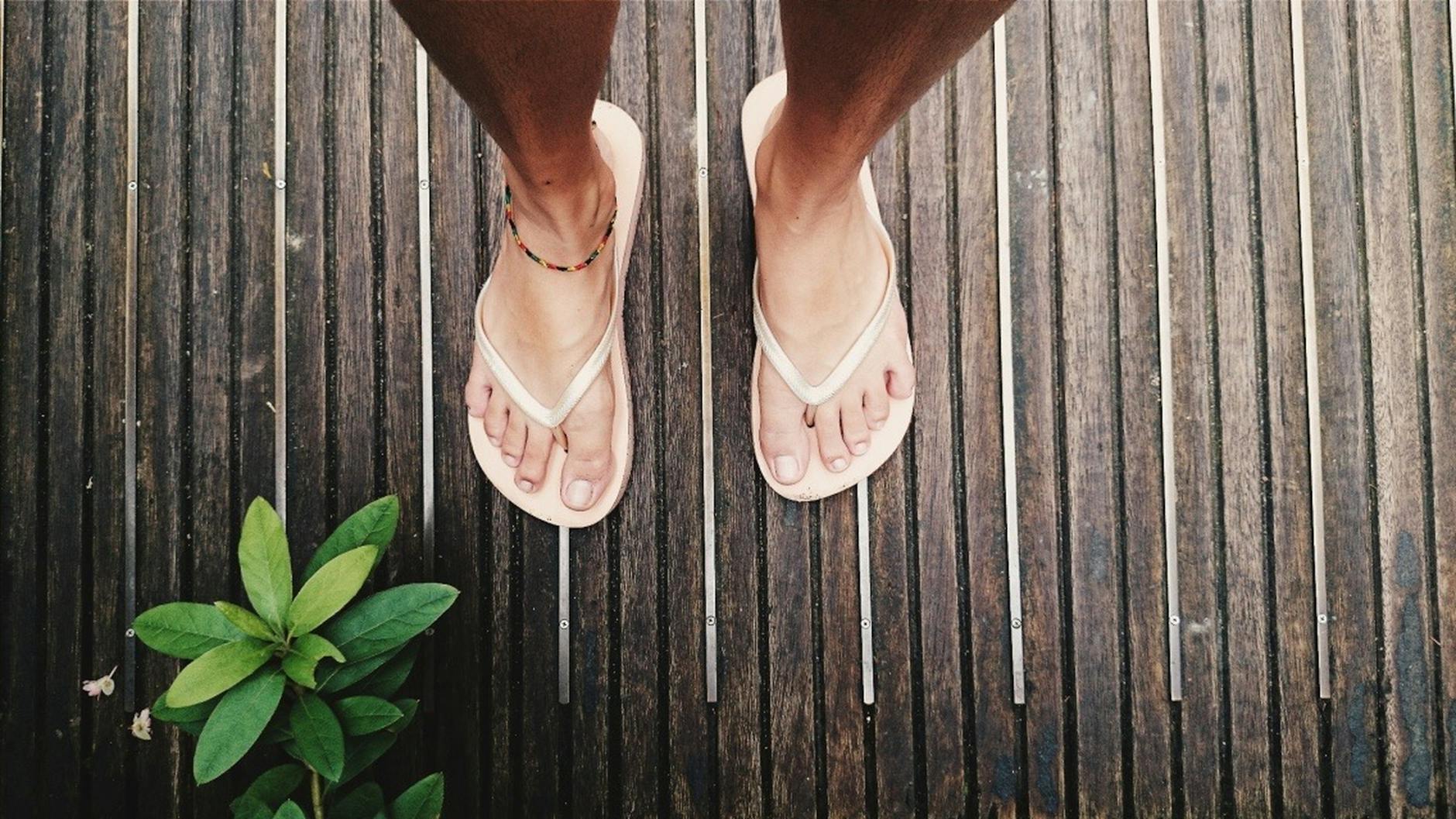
Flip flops and backless sandals require the toes to grip the footbed with each step to prevent the shoe from slipping off, producing an altered gait pattern that shortens the stride, reduces push-off force, and transfers compensatory loading patterns upward through the ankle, knee, hip, and lumbar spine. The absence of any heel counter or ankle support allows the foot to pronate excessively on impact, and this pronation travels up the kinetic chain as an internal rotation of the tibia, a medial collapse of the knee, and an anterior pelvic tilt that collectively alter spinal alignment during every step taken in the footwear. Electromyographic studies of gait in flip flop wearers have found significantly altered activation patterns in the lower limb and core musculature compared to supported footwear, with the calf muscles working in a shortened and mechanically disadvantaged position and the hip stabilizers compensating for the reduced foot and ankle stability provided by the unsupportive footwear. The cumulative effect of walking significant daily distances in flip flops over weeks and months includes plantar fascia stress, Achilles tendon loading, and lumbar overuse patterns that physiotherapists consistently associate with extended unsupportive footwear use. Restricting flip flop use to short-duration low-activity contexts and selecting sandals with a contoured footbed and rear strap for extended walking eliminates the gait compensation mechanism through which this footwear type affects spinal alignment.
Oversized Coats
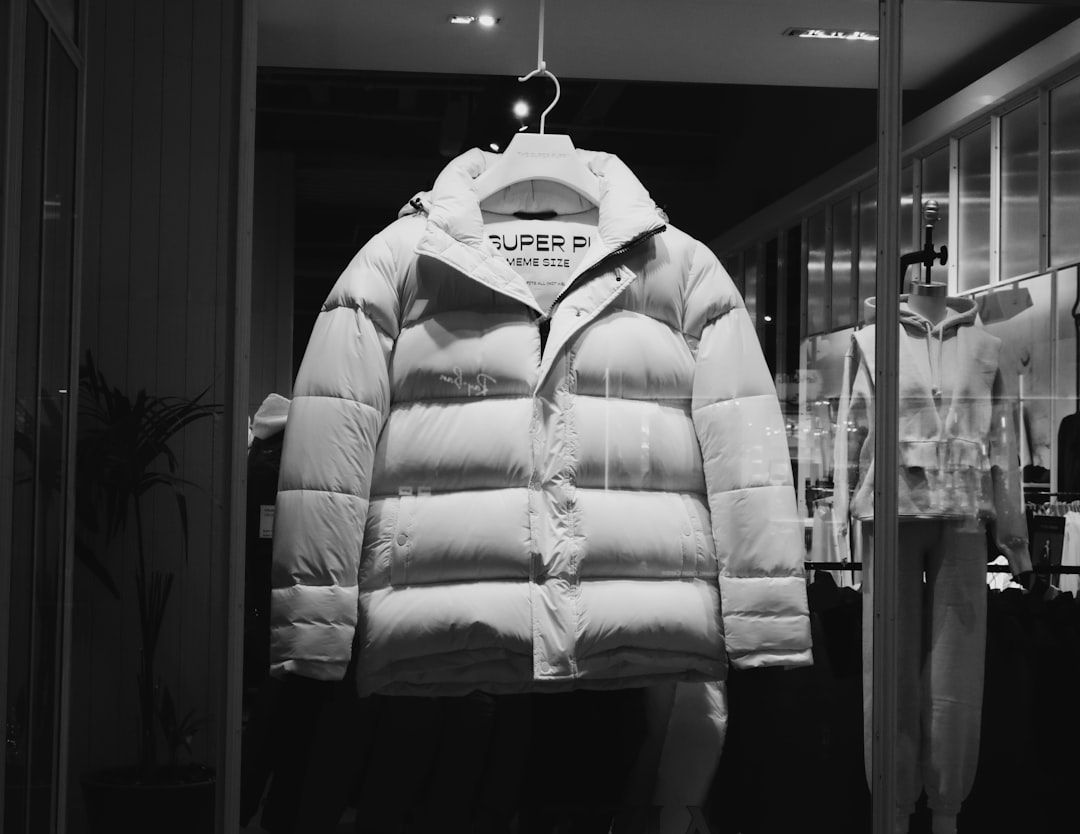
Heavy oversized coats and winter outerwear that sit off the shoulder or are significantly larger than the wearer’s frame create a load distribution and movement restriction combination that alters posture during the extended periods of outdoor cold-weather activity for which they are worn. The forward weight of a heavy coat that does not sit close to the body’s center of mass requires the wearer to adopt a subtle backward lean or increased thoracic extension to counterbalance the anterior loading, while the bulk of the garment restricts the natural arm swing mechanics that contribute to spinal rotation during walking. Padded shoulders in oversized coats elevate the shoulder line artificially and can promote a habitual shoulder elevation that the wearer carries into periods without the garment through the muscular holding pattern it establishes over a season of consistent use. The hood of a heavy coat worn up and filled with head volume pulls the cervical spine into flexion and limits peripheral vision in a way that the wearer compensates for through cervical extension and trunk rotation that bypasses the normal head-turning mechanics. Selecting outerwear that fits close to the body, distributes weight evenly across the shoulder and upper back, and allows full arm swing and cervical rotation preserves the natural movement mechanics that posture depends upon during extended cold-weather use.
Pencil Skirts
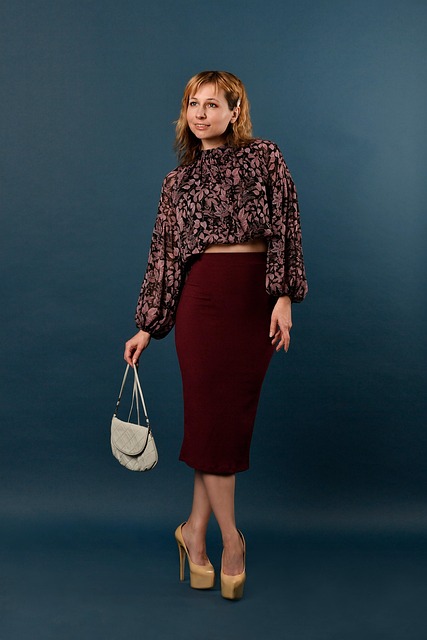
Pencil skirts and other narrow-hemmed lower-body garments that restrict the distance between the knees and the stride length during walking force a shortened, shuffling gait pattern that reduces pelvic rotation, limits hip extension, and transfers the movement demand to the lumbar spine in a way that produces cumulative lower back loading across a full day of wear. The postural adaptation required to walk in a restricted hem involves a forward trunk lean that offsets the reduced stride length, and this lean engages the hip flexors in a shortened position while inhibiting the gluteal activation that normal walking gait relies upon for propulsion and pelvic stability. The restriction of stair climbing mechanics in pencil skirts is particularly acute because the hip flexion required to step up to a standard stair height may exceed what the garment allows, producing a compensatory lateral trunk shift or toe-out pattern that loads the hip and lumbar structures asymmetrically with each step. Women who wear narrow-hemmed skirts regularly as professional attire develop the hip flexor shortening and gluteal inhibition associated with reduced hip extension range that biomechanics researchers identify as primary contributors to the lower back pain pattern most common in office-based professional populations. Selecting skirts with a kick pleat, a relaxed hem circumference, or a fabric with sufficient stretch to allow full natural stride length eliminates the gait restriction through which this garment type affects spinal and pelvic mechanics.
Tight Collars and Ties
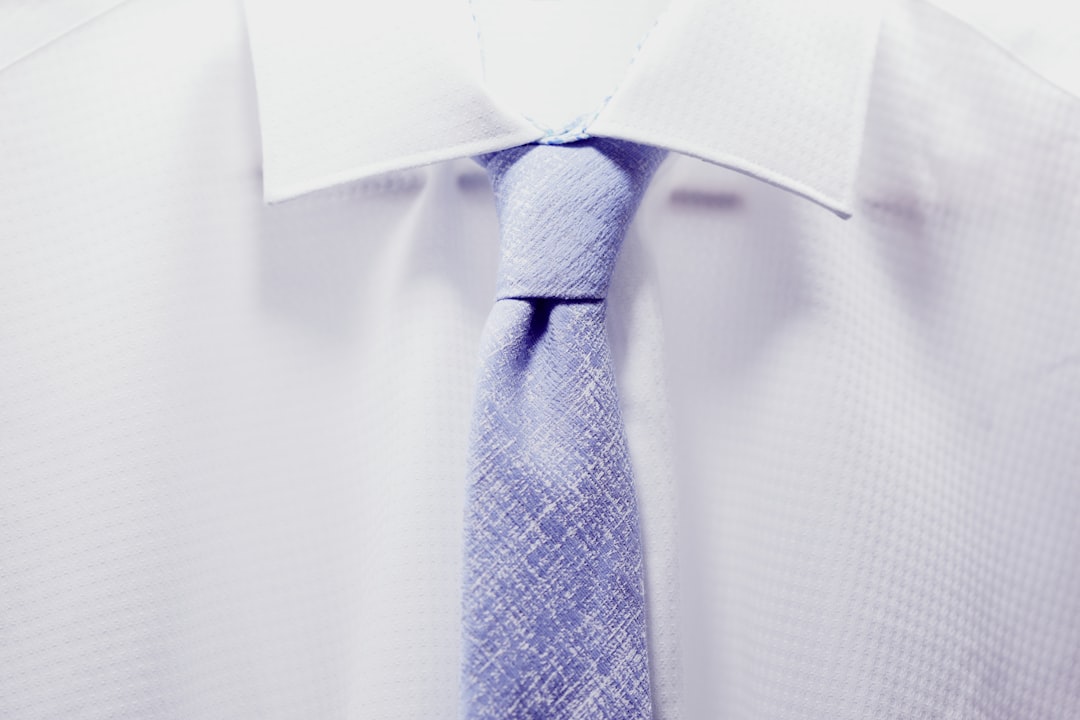
Shirt collars fastened to the top button with a tie knotted firmly against the throat create a compressive force on the anterior cervical structures that restricts the natural range of cervical motion and promotes the forward head position that is among the most biomechanically costly postural faults in terms of its effect on the cervical and thoracic spine. The jugular vein compression associated with tight collars has been studied in the context of intraocular pressure effects but the postural consequence of chronic anterior cervical compression is the more practically relevant concern for everyday wear, as the neck musculature adapts to the restricted range by reducing its activation range and the wearer unconsciously protracts the head to relieve the collar pressure. A forward head position of one inch increases the effective weight that the cervical extensors must support from approximately five kilograms to nearly twelve kilograms due to the lever arm through which the head mass acts on the cervical spine, and this increased load is sustained throughout the working day in collar and tie wearers who do not adjust their neckwear after the commute. The habitual postural pattern established by years of collar and tie wear persists during casual clothing days because the cervical muscular pattern and thoracic rounding it promotes are maintained by the soft tissue adaptations that develop over time rather than by the garment itself. Wearing collar sizes that allow one finger of space between the collar and the throat and loosening the tie knot during periods of seated desk work represents the minimum adjustment that physiotherapists recommend for professional attire wearers experiencing cervical symptoms.
Platform Shoes
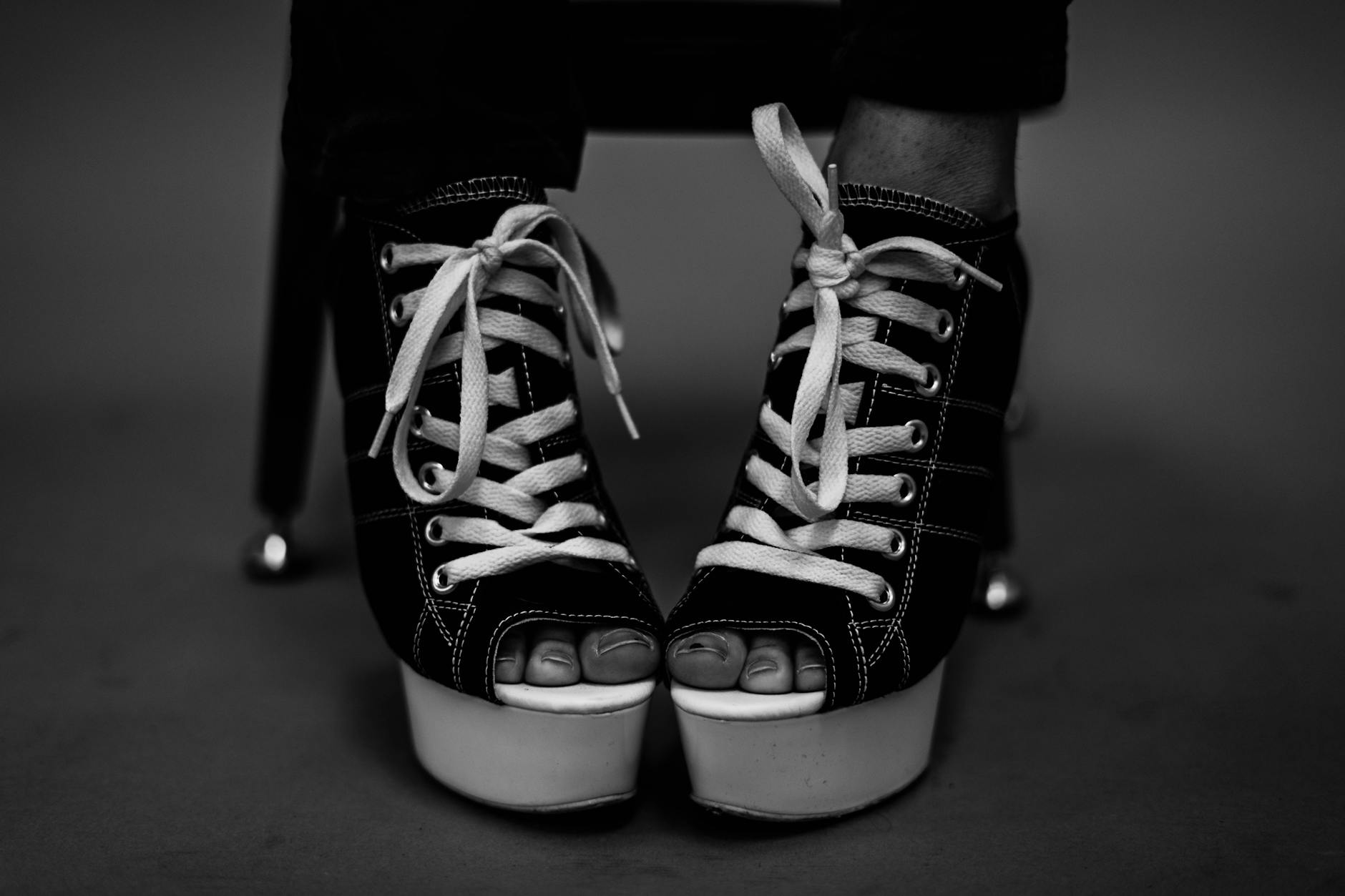
Platform shoes elevate the entire foot uniformly rather than specifically raising the heel as traditional heels do, but their substantial sole thickness creates a proprioceptive deficit that significantly alters the sensory feedback the nervous system relies upon for balance, gait control, and postural adjustment. The thick rigid sole of a platform shoe dramatically reduces the sensory information transmitted from the foot to the central nervous system during ground contact, producing a compensatory increase in visual and vestibular reliance for balance maintenance and a stiffening of the ankle joint that alters the natural foot-to-ground rolling mechanics of normal gait. The height of platform soles also elevates the wearer’s center of mass, increasing the mechanical demand on the postural control systems that maintain upright stance and requiring greater compensatory muscular activity throughout the lower limb and trunk to maintain balance during walking. The ankle instability associated with platform footwear manifests as a lateral ankle sprain risk that is well-documented in emergency medicine literature but the chronic postural consequence of the altered proprioception and gait mechanics is the more pervasive and less recognized clinical concern. Selecting footwear with flexible soles thin enough to allow natural foot-to-ground sensory feedback preserves the proprioceptive input that the postural control system requires for efficient and mechanically sound upright function.
Weighted Jewelry
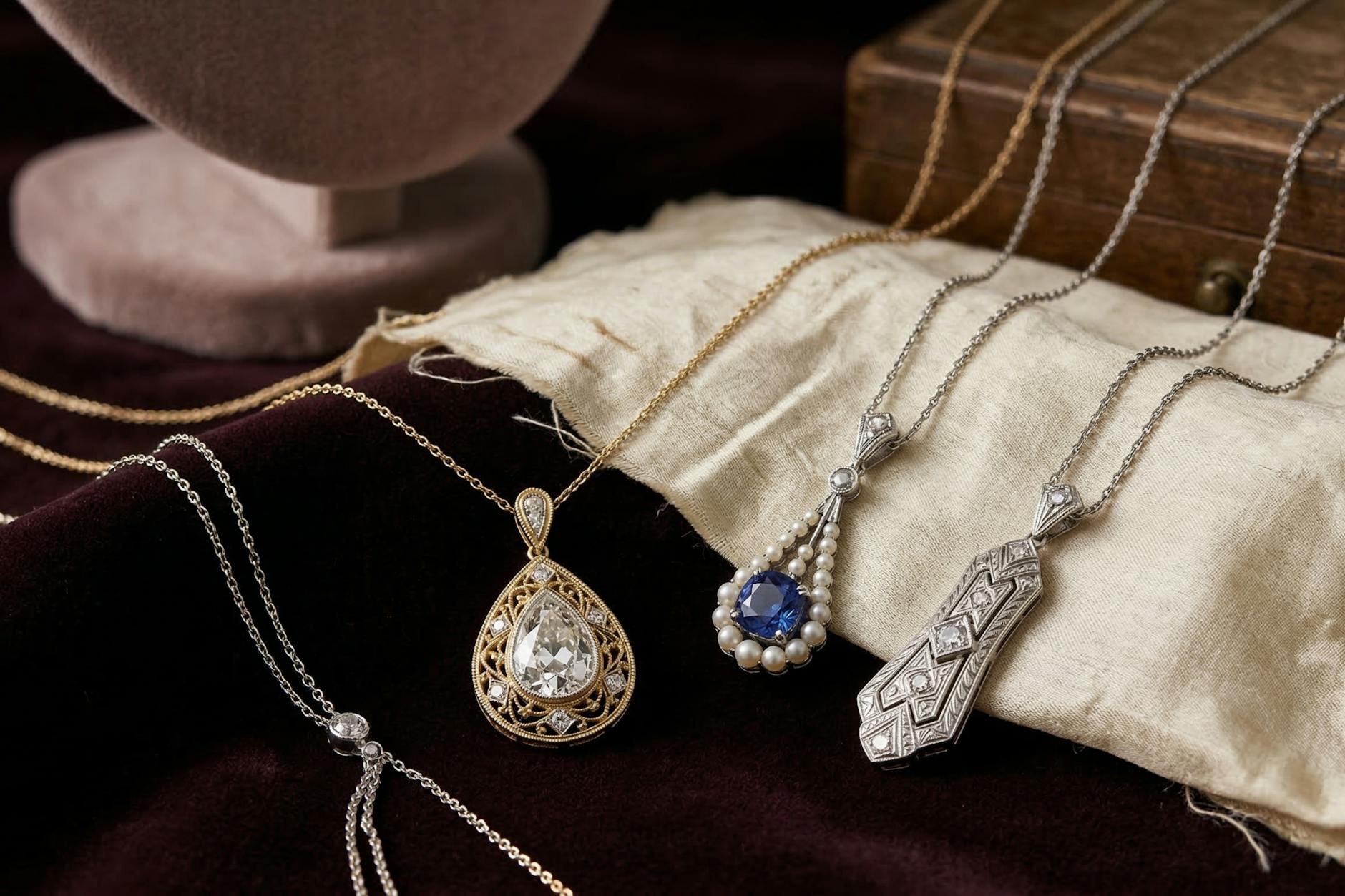
Consistently heavy necklaces, large statement earrings, and substantial metal accessories worn daily introduce asymmetric or anteriorly biased loading to the cervical spine and shoulder girdle that the neck and upper back musculature compensates for through chronic low-level contraction that contributes to the muscle fatigue, trigger point development, and postural adaptation associated with upper crossed syndrome. Heavy earrings pull the earlobes downward and create a subtle but sustained lateral cervical flexion compensation as the wearer unconsciously adjusts head position to offset the asymmetric loading, while long heavy necklaces that rest against the sternum shift the effective center of mass of the head and neck system anteriorly in a way that compounds the forward head position that sedentary work postures already promote. The total weight of statement jewelry worn by fashion-conscious individuals can reach several hundred grams concentrated in the head and neck region, and this loading is sustained for the entirety of the wearing period in a region of the body that is already managing the mechanical challenge of supporting a four to five kilogram head against the constant force of gravity. Alternating heavy jewelry with lighter alternatives, removing heavy pieces during extended periods of sedentary work, and being mindful of the cumulative cervical loading of combined jewelry pieces represents the practical management approach that avoids the need to eliminate statement accessories entirely. The cervical muscular tension associated with habitual heavy jewelry use is one of the more frequently overlooked contributors to the chronic neck stiffness that affects a substantial proportion of adults who present to physiotherapy with non-traumatic cervical pain.
Tight Waistbands
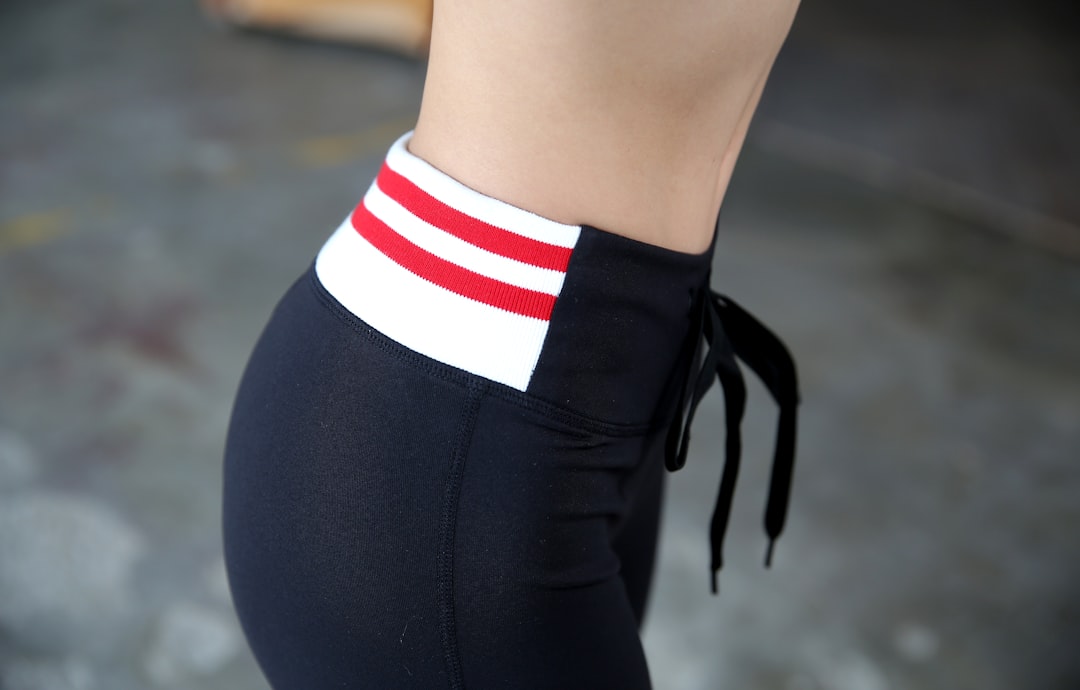
Waistbands that compress the abdomen at the level of the natural waist or below it interfere with the diaphragmatic breathing mechanics and intra-abdominal pressure generation that form the hydraulic component of spinal stabilization during movement and postural maintenance. The deep abdominal muscles including the transversus abdominis generate spinal support through a pressure increase within the abdominal cavity that acts as an internal splint for the lumbar spine, and external compression that limits this pressure generation reduces the mechanical contribution of these muscles to spinal stability during the periods of wear. Research on lumbar support and intra-abdominal pressure has established that the deep core’s contribution to spinal stability is pressure-dependent, making any garment that limits abdominal expansion during breathing a garment that reduces available spinal support through its interference with this mechanism. The postural consequence of reduced deep core stabilization is a reliance on passive spinal structures and superficial musculature to maintain upright posture, a substitution pattern that is less efficient, more fatigue-prone, and associated with the chronic lower back discomfort that is ubiquitous in populations that spend extended hours in seated and standing work postures. Selecting trousers, skirts, and fitted dresses with waistbands sized to allow comfortable unrestricted breathing and abdominal expansion during movement preserves the pressure mechanics that spinal stabilization requires throughout the working day.
Unsupportive Flat Shoes
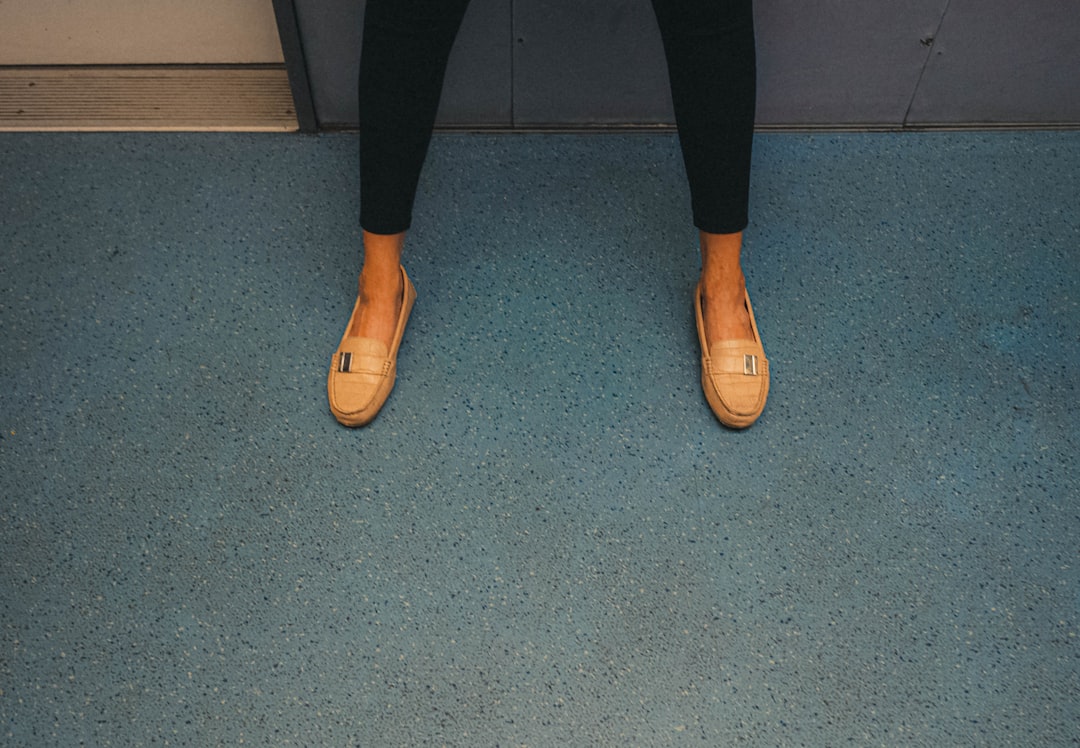
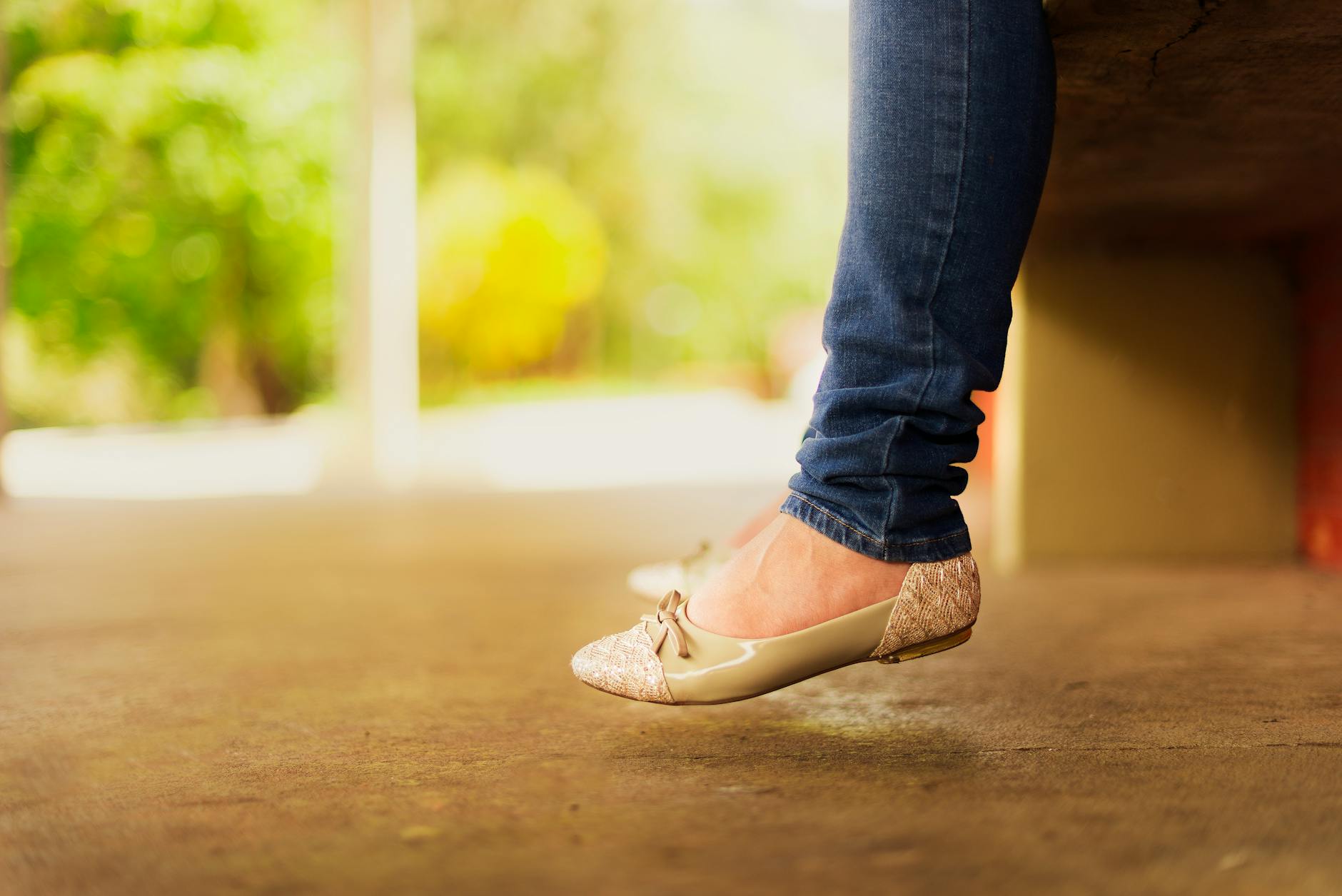
Completely flat and unsupportive footwear including ballet flats, canvas shoes, and minimalist styles worn habitually on hard urban surfaces without adequate arch support create a plantar loading pattern that stresses the foot’s arch structure and transmits altered mechanics upward through the kinetic chain in a way that affects knee, hip, and lumbar alignment during extended standing and walking. The plantar fascia and intrinsic foot muscles that maintain the medial longitudinal arch are placed under sustained tensile loading in flat footwear on hard surfaces, and the overpronation that frequently results from arch fatigue produces a medial knee collapse and internal femoral rotation that alters hip and pelvic alignment with each step taken. Unlike barefoot movement on natural varied surfaces that strengthens the foot’s intrinsic musculature through diverse loading patterns, flat rigid-soled shoes on hard uniform surfaces load the foot in a fixed and repetitive pattern without the sensory and mechanical variation that maintains intrinsic foot strength. The postural consequence of habitual flat unsupportive footwear use includes the lower limb alignment changes that physiotherapists associate with patellofemoral pain, iliotibial band syndrome, and the anterior pelvic tilt that is the most common postural fault pattern seen in clinical practice. A small heel raise of eight to twelve millimeters, a contoured footbed that supports the medial arch, and sufficient midsole cushioning to attenuate impact on hard surfaces represent the minimum specification that podiatrists recommend for everyday urban footwear.
Compression Athletic Wear
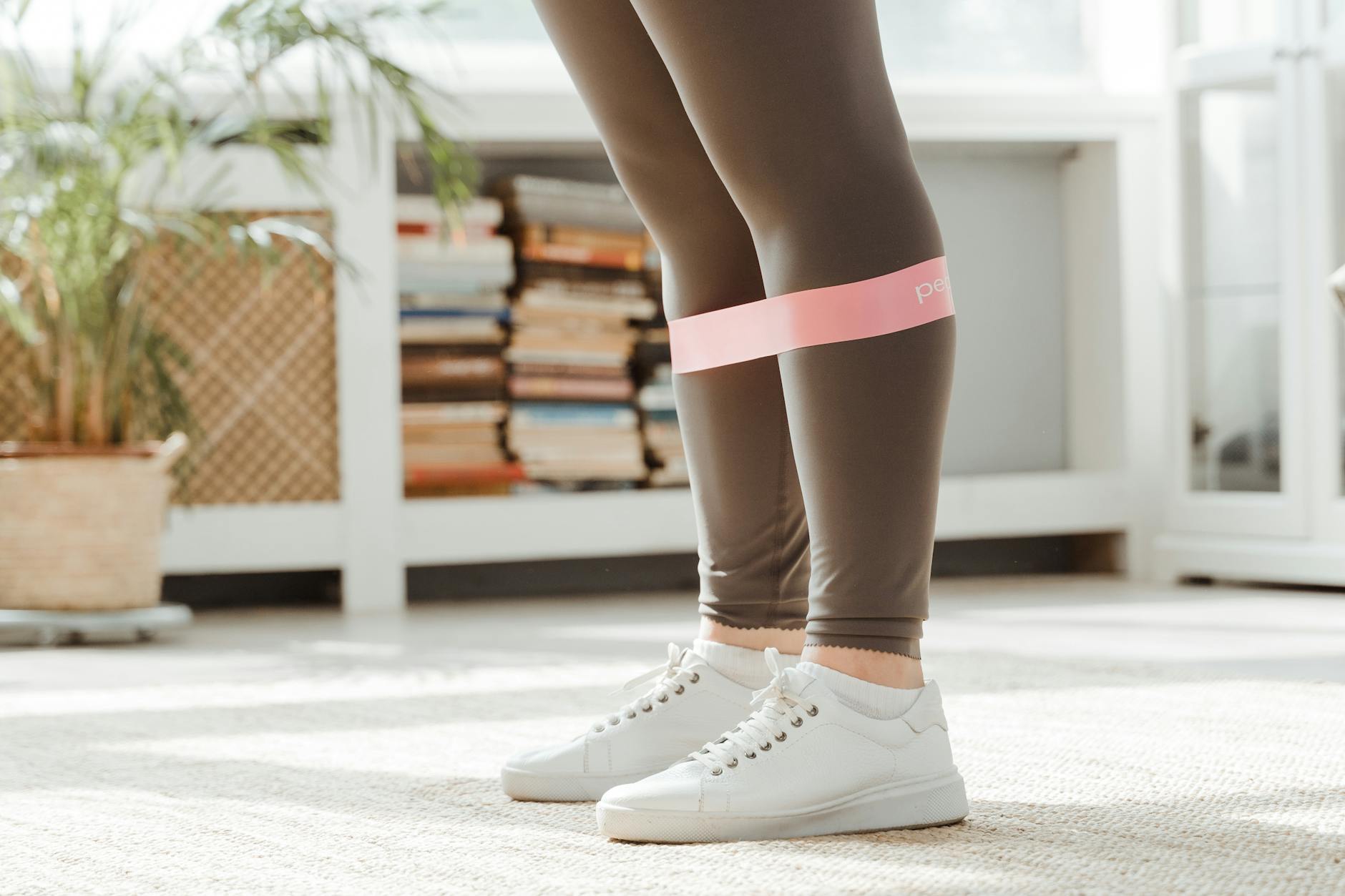
Athletic compression garments worn outside of their intended performance and recovery contexts as everyday clothing restrict the natural movement mechanics of the hips, thighs, and trunk in ways that alter the muscular activation patterns that posture and movement quality depend upon. The compression applied by tightly fitted athletic leggings to the hip flexor and gluteal regions in particular affects the recruitment sequencing of these muscle groups during walking, stair climbing, and postural transitions in a way that reduces the functional strength expression available from these muscles during the movements that maintain pelvic stability and lumbar alignment. Proprioceptive alteration produced by the sustained external compression of tight athletic wear modifies the sensory feedback that the nervous system uses to coordinate movement and maintain balance, creating a dependency on external tactile input for positional awareness that reduces the nervous system’s investment in developing intrinsic positional sense through normal movement. The extended sitting postures that characterize modern work and commuting compound the postural effect of compression lower-body wear by combining hip flexor shortening from the seated position with the compression-related gluteal inhibition that tight athletic wear promotes, producing the hip extension deficit and anterior pelvic tilt that lower back specialists identify as central to the most prevalent postural pattern in office-based working populations. Reserving compression athletic garments for their intended performance and acute recovery purposes and selecting non-compressive everyday clothing that allows natural unrestricted movement preserves the muscular activation patterns that functional posture and movement quality require.
Cross-Body Bags Worn Incorrectly
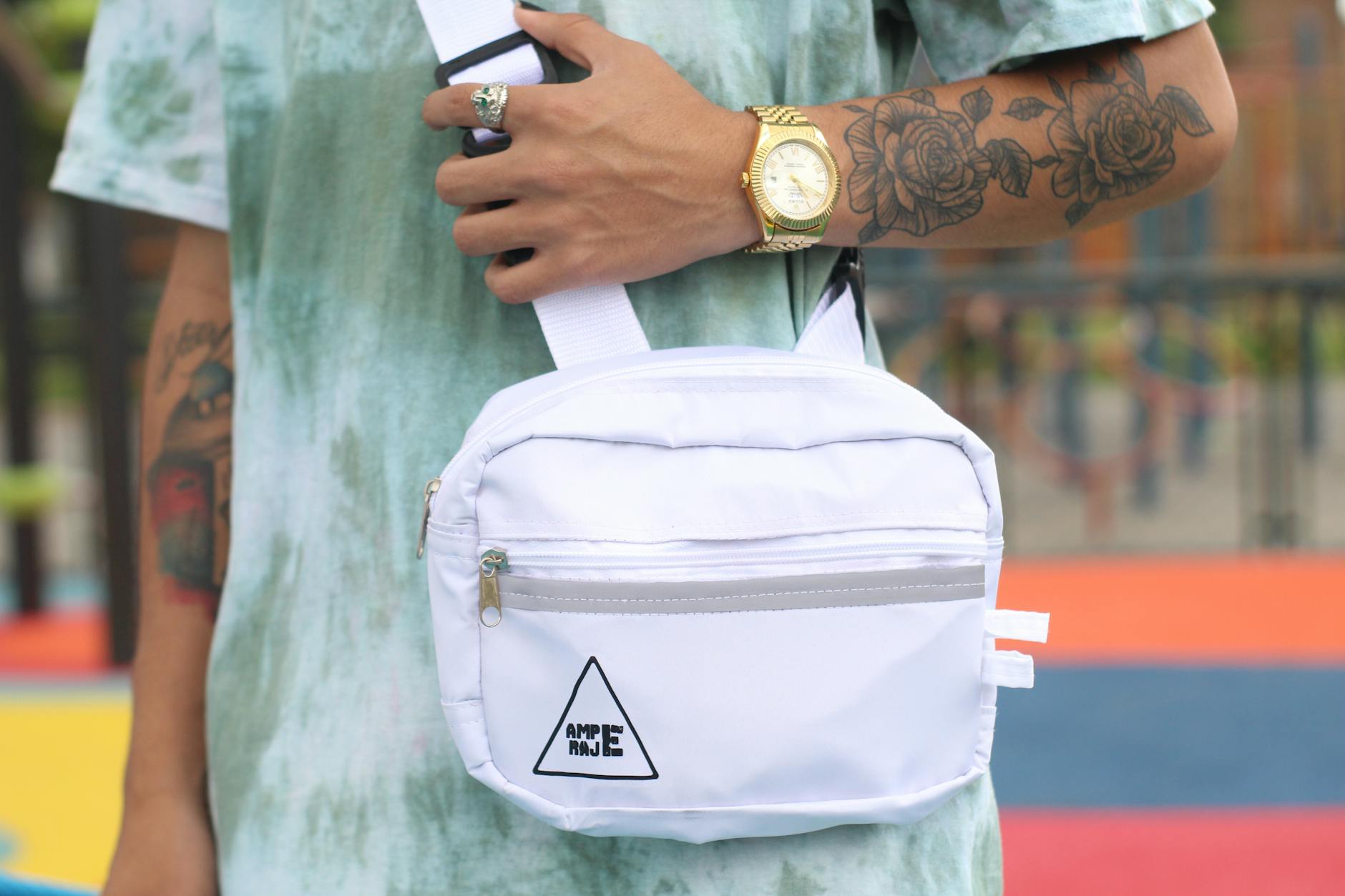
A cross-body bag worn correctly distributes its weight symmetrically across the torso but one worn with a long strap that positions the bag at hip level or below, or pulled tightly enough to create sustained tension across one side of the trunk, introduces asymmetric loading that promotes a lateral spinal compensation similar to that produced by shoulder bag carrying. The strap of a cross-body bag worn across the chest creates a compressive diagonal force across the ribcage that restricts the expansion of the lung on the compressed side during breathing, producing an asymmetric breathing pattern that the thoracic spine and rib cage adapt to over the course of a long day of wear. When the bag body swings forward during walking it creates an intermittent anterior loading of the hip on the carrying side that disrupts the natural pelvic rotation mechanics of gait, reducing contralateral hip extension and the trunk counter-rotation that balanced walking gait requires for efficient spinal unloading. Adjusting the strap length so that the bag sits at the level of the natural waist rather than the hip, keeping the bag body positioned behind the hip rather than in front of it during walking, and alternating the wearing side between outings addresses the asymmetric loading that incorrect cross-body positioning produces.
Stiff Dress Shoes
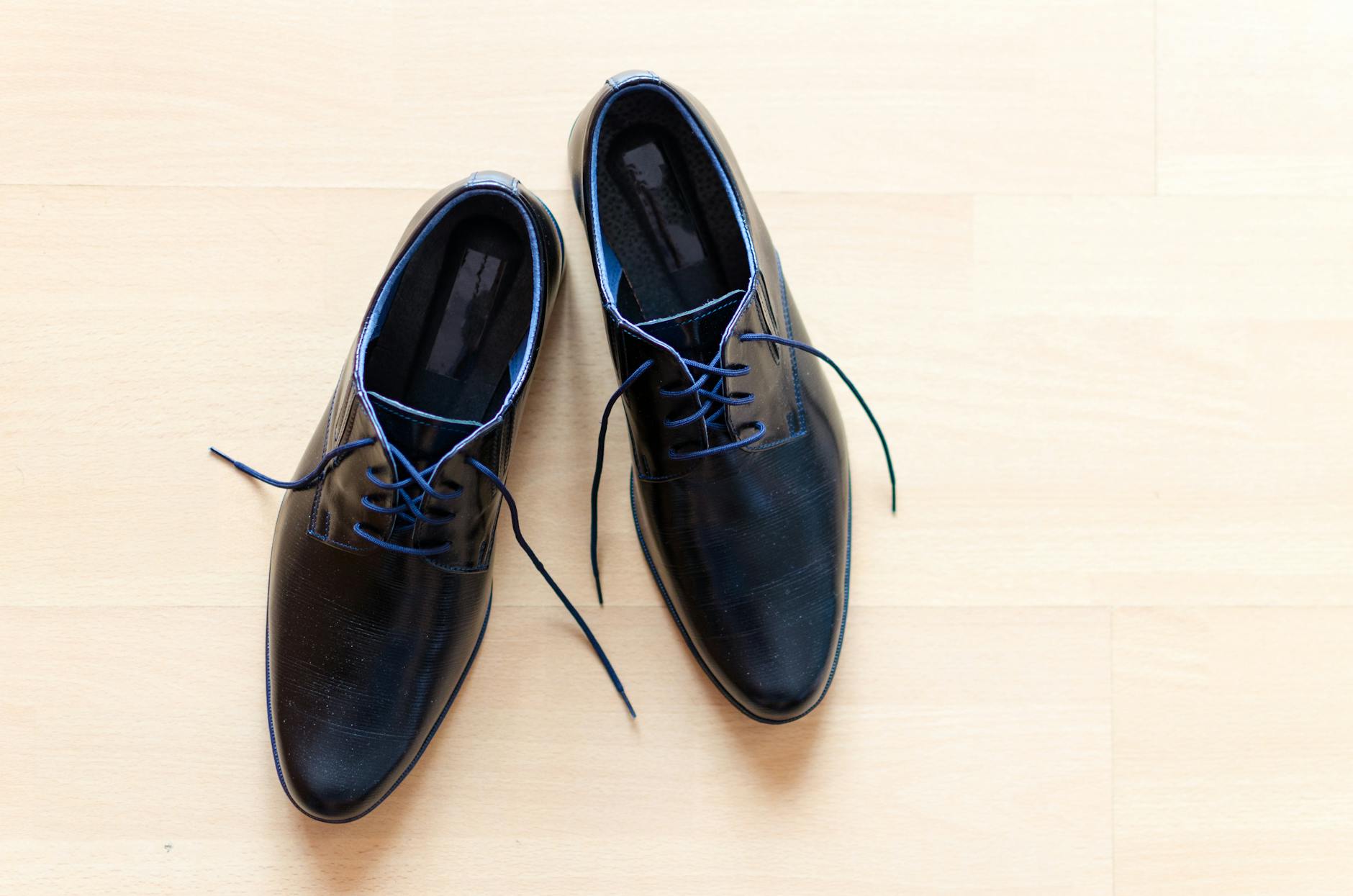
Rigid-soled dress shoes with narrow toe boxes restrict the natural spreading and articulation of the foot during the push-off phase of gait, reducing the propulsive efficiency of each step and increasing the compensatory demand on the calf musculature and lumbar extensors to generate forward momentum through a foot that cannot function through its natural range of motion. The narrow toe box that characterizes most formal men’s and women’s dress shoes compresses the toes into a convergent position that is fundamentally incompatible with the fan-shaped natural toe alignment that optimal foot mechanics require, and the bunion deformation and lesser toe contractures that develop in habitual narrow-toe-box wearers represent structural adaptations that alter foot mechanics permanently in severe cases. Stiff leather soles that do not flex at the metatarsophalangeal joint prevent the natural toe extension that the foot requires during push-off, shortening the effective stride length and increasing the rotational demand on the hip and lumbar spine to compensate for the reduced propulsive contribution of the forefoot. The elevated heel found in most men’s dress shoes, even at the modest height of one to two centimeters, shortens the gastrocnemius and soleus musculature in a way that alters lower limb mechanics during flat-surface walking and persists as a resting muscle length adaptation in habitual wearers. Selecting dress footwear with the widest available toe box for the style category, a sole that flexes at the ball of the foot, and the lowest heel height compatible with the formality requirement of the context reduces the gait restriction through which rigid dress footwear affects spinal mechanics.
Oversized Hoodies and Sweatshirts
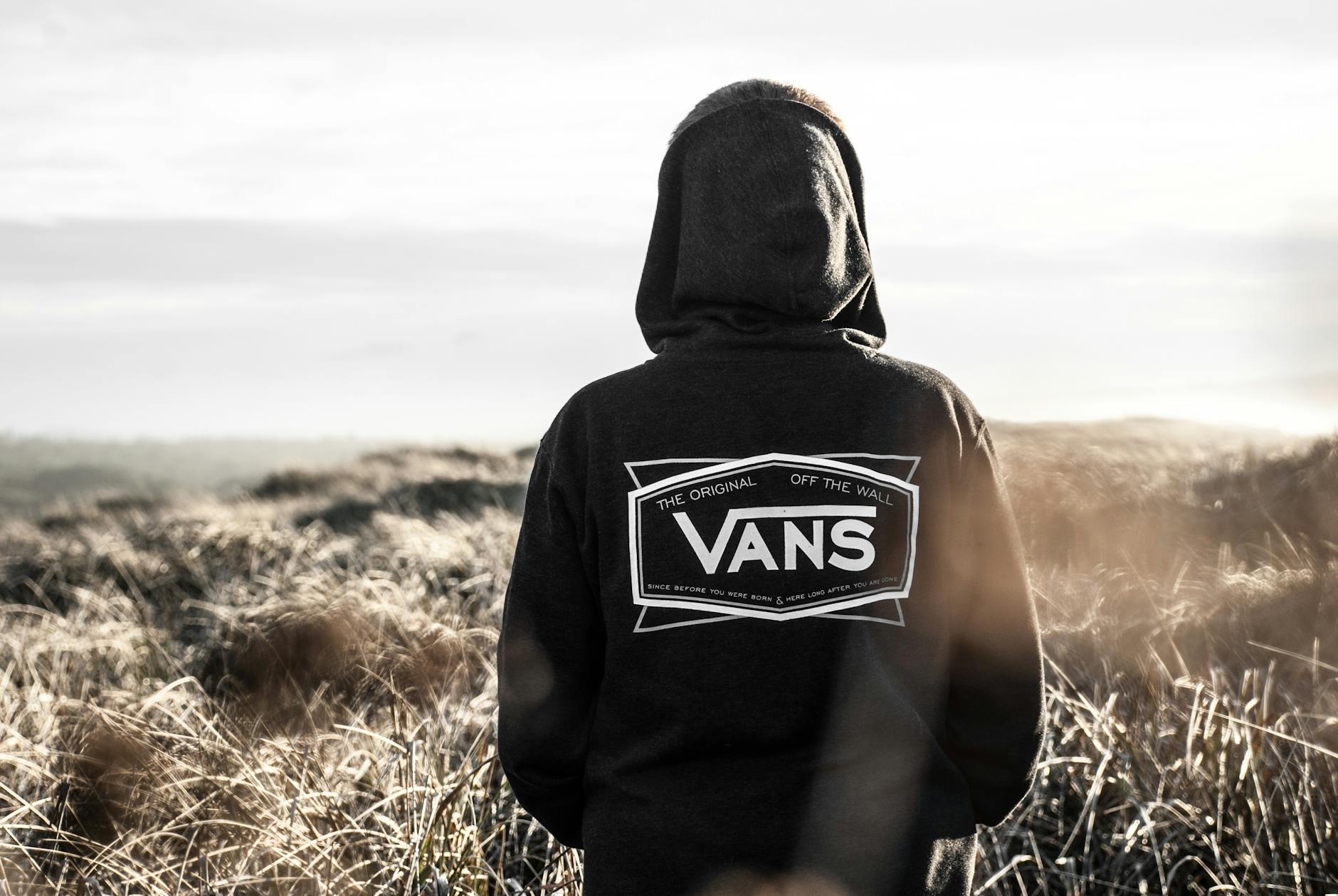
Oversized hoodies and sweatshirts worn habitually in casual and work-from-home contexts promote the rounded shoulder and forward head posture that results from the unconscious behavioral adaptation of pulling the fabric forward across the chest to prevent it from sliding off the shoulders of a garment sized for a larger frame. The excess fabric that pools at the elbow and wrist level encourages a forearm-resting and hunched-forward seated posture as the wearer accommodates the sleeve bulk, and the deep hood of an oversized sweatshirt when worn up creates a forward head position as the hood fabric drapes across the peripheral visual field and the wearer protracts the neck to see past it. The weight of an oversized hooded sweatshirt concentrated at the hood and front chest creates an anterior loading pattern that the upper back and neck musculature must continuously counterbalance during wear, contributing to the thoracic extensor fatigue and upper trapezius tension that is a characteristic consequence of anterior loading in this region. The sensory deprivation of wearing a large loose garment that moves independently of the body’s surface also reduces proprioceptive feedback from the shoulder and trunk region, diminishing the nervous system’s real-time awareness of shoulder position and thoracic posture that would otherwise prompt self-correction. Selecting fitted garments that move with the body rather than independently of it preserves the postural proprioceptive feedback and removes the compensatory behavioral adaptations that oversized casual clothing subtly but consistently promotes.
Backless or Strapless Tops

Strapless and backless tops require the wearer to adopt continuous muscular effort to prevent them from slipping, creating a sustained postural adjustment pattern that involves protracted shoulder positioning, reduced thoracic extension, and a subtle but continuous truncal tension that is maintained throughout the period of wear to keep the garment in position. The behavioral consequence of wearing a garment that is mechanically unstable on the body is a persistent background awareness and muscular engagement that competes with the relaxed and naturally aligned posture that upright spinal mechanics perform most efficiently from. Women who wear strapless garments for extended periods including full days at formal events describe the characteristic upper back fatigue and shoulder tension that results from the continuous muscular effort of maintaining the garment’s position, and this fatigue reflects genuine postural muscular loading that accumulates across the hours of wear. The forward shoulder rounding that strapless wearers adopt to create a chest shelf that prevents the garment from falling is the same compensatory pattern that physiotherapists identify as the primary contributor to the thoracic kyphosis and cervical loading that characterize forward head posture syndrome. Selecting structured strapless garments with interior boning and grip tape that provide their own positional security eliminates the need for the compensatory muscular pattern that unsecured strapless wear demands throughout its wearing period.
Chunky Sole Boots
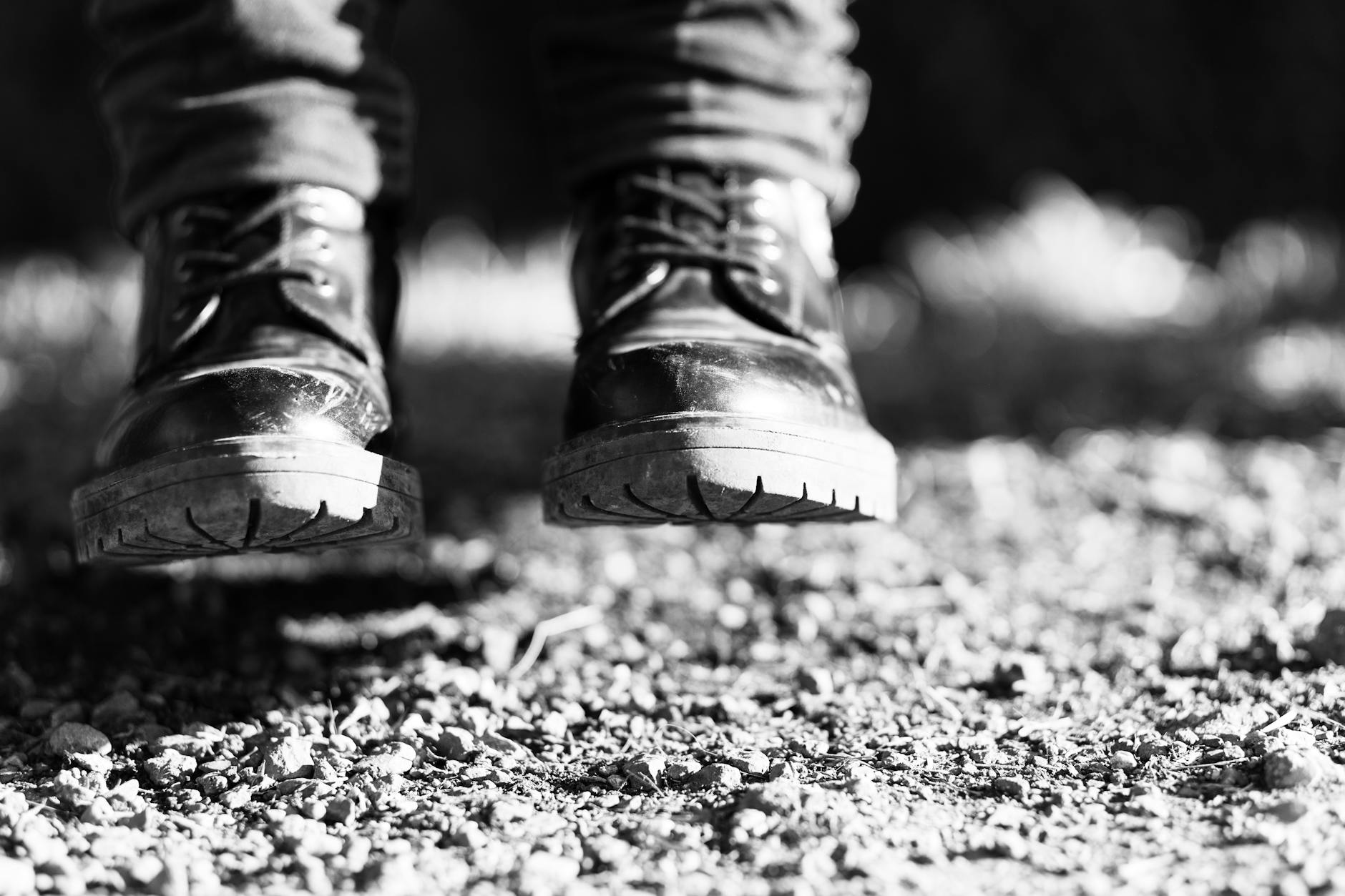
Substantial platform and lug-sole boots that add significant height through thick inflexible soles create the same proprioceptive deficit as platform shoes while adding the additional mechanical consequence of substantially increased footwear weight that alters the pendulum mechanics of leg swing during gait. Each additional 100 grams of footwear weight at the foot level increases the metabolic and muscular demand of leg swing by a disproportionate amount relative to the same weight carried at the center of mass, and heavy-soled boots worn for a full day of walking create a cumulative lower limb fatigue that alters gait mechanics progressively as the day advances. The thick and inflexible sole of a chunky boot prevents the metatarsophalangeal joint flexion that normal toe-off mechanics require, producing a compensatory gait pattern in which forward propulsion is generated through ankle and hip extension rather than forefoot push-off, increasing lumbar extensor demand with each step. The ankle restriction created by tall boot shafts combined with thick inflexible soles limits the sagittal plane ankle motion that normal gait requires for shock absorption at initial contact and propulsion at toe-off, transferring these mechanical demands to the knee, hip, and lumbar spine as the kinetic chain compensates for the immobilized ankle. Reserving heavy-soled boots for short-duration use in the specific terrain and weather conditions for which their sole design provides a practical benefit, and selecting lighter and more flexible everyday footwear for extended walking and standing, preserves the gait mechanics through which footwear choice influences spinal loading throughout the day.
If any of these wardrobe habits have been affecting how you feel at the end of the day, share your experience and any changes that have made a difference in the comments.




