Managing personal finances effectively does not require living an austere or restricted life. Small changes to daily habits often yield significant savings over the course of a year. The goal is to prioritize spending on what truly brings joy while eliminating waste in overlooked areas. Adopting a mindful approach to consumption allows for financial growth without the feeling of deprivation. These practical strategies cover everything from household utilities to entertainment choices.
Subscription Audits

Reviewing your monthly bank statements often reveals recurring charges for services you no longer use. Many people pay for multiple streaming platforms or digital memberships they have forgotten about entirely. Canceling just two unused subscriptions can save over twenty dollars every single month without impacting your daily entertainment. There are even apps available that identify these recurring charges to make the cancellation process effortless. This simple administrative task frees up cash flow almost immediately.
Meal Planning

Creating a weekly menu before heading to the grocery store prevents impulse purchases. Shoppers who stick to a predefined list avoid buying unnecessary items that often end up wasted. This strategy allows you to utilize ingredients you already have in your pantry. It also reduces the temptation to order expensive takeout after a long work day. Consistent planning ensures your food budget remains predictable and efficient.
Generic Store Brands

Major retailers offer private label products that frequently match the quality of name brands. The ingredients lists on these items are often identical to their more expensive counterparts. Switching to generic medications and pantry staples can lower your grocery bill by a significant margin. Most consumers find they cannot taste the difference in blind taste tests. This subtle switch offers immediate savings without changing your diet.
Public Library Usage

Modern libraries provide much more than just hardcover books for reading. You can access digital audiobooks and streaming movies or even borrow tools and board games for free. Utilizing these community resources eliminates the need to buy every new release or rent entertainment. Many branches also offer free passes to local museums and cultural attractions. Taking advantage of these perks keeps your entertainment budget near zero.
LED Light Bulbs

Replacing old incandescent bulbs with energy-efficient LED options reduces electricity consumption. These modern bulbs last significantly longer than traditional ones and require less frequent replacement. The initial investment pays off quickly through lower monthly utility bills. Lighting accounts for a surprising portion of household energy use. Making this switch creates a passive way to save money every time you flip a switch.
Programmable Thermostats
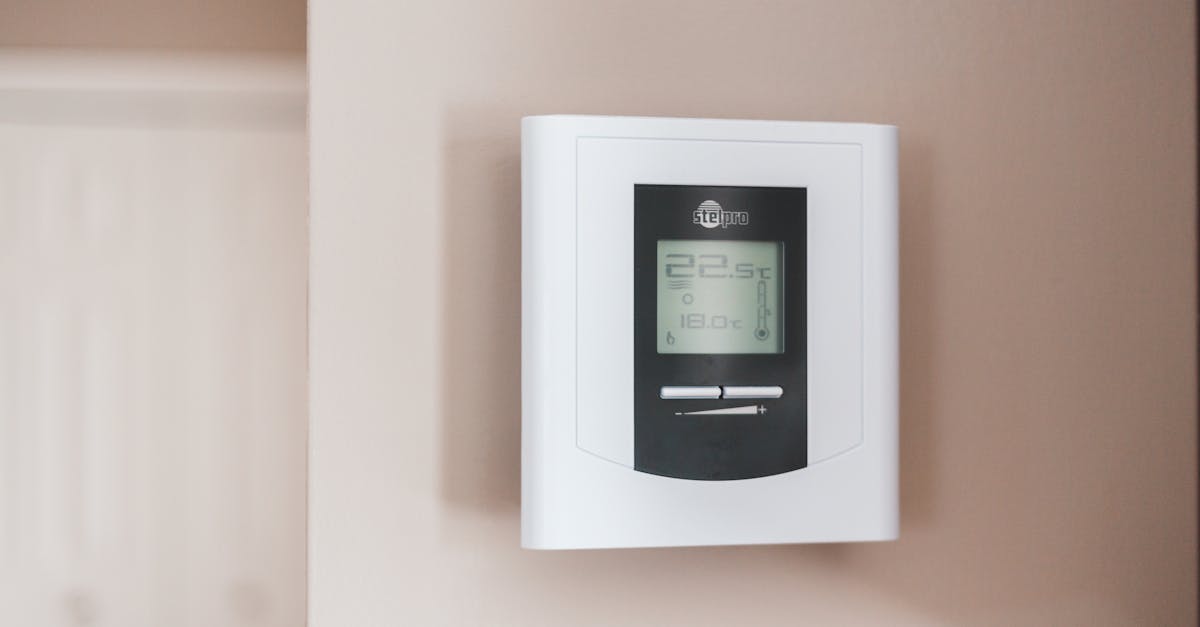
Adjusting the temperature when you are away or sleeping cuts down on wasted energy. A programmable thermostat automates this process so you never forget to adjust the dial. Lowering the heat by just a few degrees in winter makes a noticeable difference in costs. You can use blankets or warmer clothing to stay comfortable while the system runs less often. This technology maximizes efficiency without sacrificing comfort during waking hours.
Home Coffee Brewing
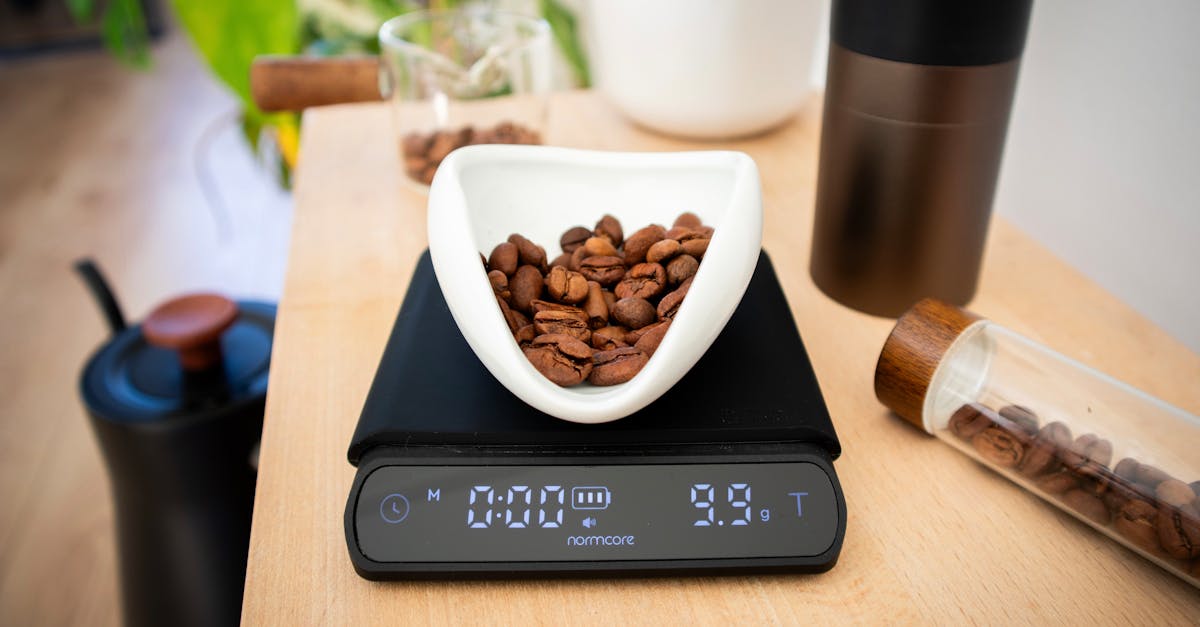
Buying a daily latte adds up to thousands of dollars over the course of a year. Investing in a quality coffee maker and travel mug allows you to replicate cafe drinks at home. You can experiment with different beans and syrups to find your perfect flavor profile. This habit saves time spent waiting in line during the morning rush. Your wallet benefits significantly from eliminating this daily micro-transaction.
Secondhand Clothing

Thrift stores and online resale marketplaces offer high-quality apparel at a fraction of retail prices. Buying pre-owned items extends the lifecycle of clothing and supports sustainable fashion practices. You can often find designer labels or durable fabrics that would be unaffordable if purchased new. Many items are in excellent condition or even still have their original tags attached. This approach allows you to refresh your wardrobe frequently without overspending.
Cash Back Apps
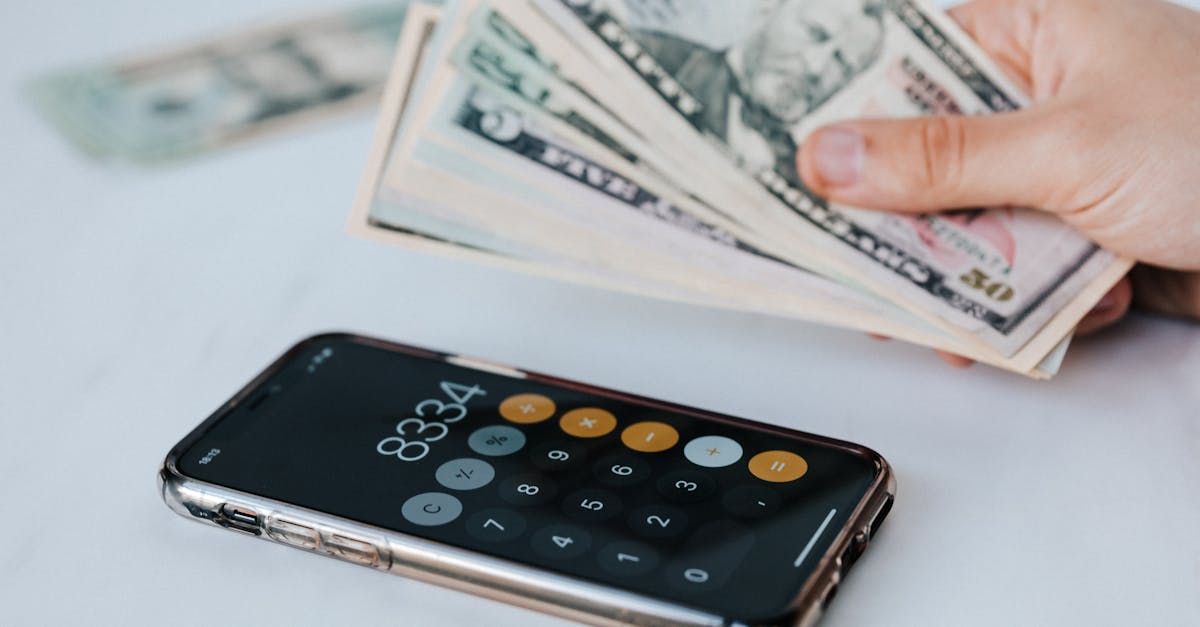
Various mobile applications offer rebates on everyday purchases like groceries and gas. Scanning your receipt after shopping takes only a few seconds and accumulates rewards over time. Some services link directly to your credit card to apply savings automatically at participating retailers. These small returns act as a discount on necessary expenses you are already paying. It is an effortless way to reclaim a percentage of your monthly outflow.
DIY Cleaning Products

Common household ingredients like vinegar and baking soda clean surfaces effectively. Commercial cleaners often contain harsh chemicals and come with a high markup for branding. Mixing your own solutions is safer for the environment and costs pennies per bottle. You can use essential oils to add a pleasant scent without artificial fragrances. This switch simplifies your shopping list and declutters your cleaning cabinet.
Home Workouts

Expensive gym memberships often go unused while monthly fees continue to drain bank accounts. There are countless free workout videos available online that require little to no equipment. Running outside or practicing yoga in your living room eliminates the commute to a fitness center. You can build a consistent exercise routine without paying a premium for access to machines. This flexibility often leads to better adherence to fitness goals.
Refinancing High-Interest Debt

Contacting lenders to negotiate lower interest rates can save significant amounts over the life of a loan. Consolidating multiple debts into a single payment with a lower rate simplifies your finances. This strategy reduces the amount of money wasted on interest charges each month. Even a small reduction in percentage points lowers your monthly obligation. It is worth the time to explore options for student loans or mortgages.
Negotiating Bills

Service providers for internet and cable often have unadvertised retention offers available. Calling customer service to request a better rate or threaten cancellation can lead to discounts. Loyalty is rarely rewarded automatically so you must be proactive in asking for a deal. Comparing rates with competitors gives you leverage during these conversations. A short phone call can result in lower bills for the next twelve months.
Meatless Meals

Plant-based proteins like beans and lentils are significantly cheaper than high-quality cuts of meat. dedicating one or two days a week to vegetarian meals lowers your grocery total. These ingredients also have a longer shelf life which reduces food waste. You can explore new cuisines and recipes that focus on vegetables and grains. This dietary shift benefits both your wallet and your long-term health.
Repairing Over Replacing

Learning basic repair skills prevents the need to discard items that have minor damage. Sewing a button or fixing a leaky faucet costs far less than buying new replacements. There are online tutorials for almost every type of household repair imaginable. Extending the life of your possessions delays the need for major purchases. This mindset shifts focus from disposability to maintenance and care.
Bulk Buying

Purchasing non-perishable items in larger quantities reduces the unit price significantly. Toilet paper and laundry detergent are excellent candidates for bulk purchasing as they never expire. You will need adequate storage space but the savings over time are substantial. This habit also means fewer trips to the store for household essentials. Splitting bulk purchases with a friend can help if space is an issue.
Water Filters

Bottled water is an expensive habit that generates unnecessary plastic waste. Installing a faucet filter or using a filtration pitcher provides clean water for a fraction of the cost. You can fill reusable bottles for hydration on the go without spending money. The taste quality is comparable to or better than many bottled brands. This simple change eliminates a recurring expense from your grocery list.
Air Drying Clothes

Electric dryers consume a large amount of energy with every cycle. Using a drying rack or clothesline preserves the fabric of your garments and prevents shrinkage. Your clothes will last longer which saves money on replacements in the long run. This method is completely free and utilizes natural airflow. It is particularly effective for delicate items and activewear.
Vampire Power
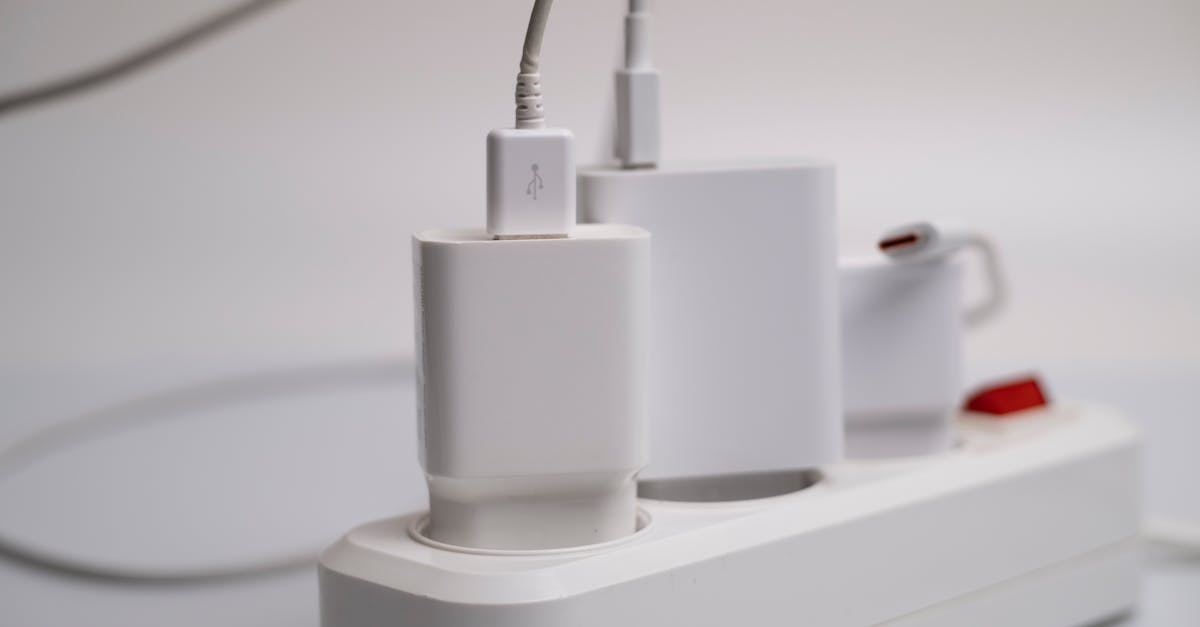
Electronics often draw power even when they are turned off or in standby mode. Unplugging devices like toasters and chargers when not in use stops this passive energy drain. Using power strips with an off switch makes it easy to cut power to multiple devices at once. This habit reduces your electricity bill by eliminating phantom load. It is a small behavioral change that contributes to overall household efficiency.
Selling Unused Items

Decluttering your home can generate extra cash to offset other monthly expenses. Clothes and electronics that gather dust often hold value for someone else. Online marketplaces make it easy to list items and connect with local buyers. This process clears physical space in your living environment while padding your savings. It turns idle possessions into liquid assets you can use.
Free Local Events

Cities and towns frequently host concerts or festivals that are open to the public without charge. Checking community calendars reveals entertainment options that do not require an entrance fee. You can enjoy culture and socialization without spending money on tickets. These events foster a connection to your local community. It is a great way to have fun while sticking to a strict budget.
Potluck Gatherings

Hosting a dinner where everyone brings a dish is cheaper than dining out at a restaurant. This social format distributes the cost of food and drinks among the entire group. It allows friends to share their favorite recipes in a relaxed home setting. You avoid the high markup of restaurant meals and tipping costs. The focus shifts to conversation and connection rather than the price of the menu.
Loyalty Programs

Signing up for free rewards programs at stores you frequent unlocks exclusive discounts. You can earn points toward future purchases or receive special coupons for items you buy regularly. Many grocery stores offer digital coupons that load directly to your shopper card. These programs are designed to retain customers but savvy shoppers use them to reduce costs. It requires no extra effort beyond scanning a card at checkout.
Window Insulation

Drafty windows let heat escape in winter and cool air out in summer. Applying simple weatherstripping or window film seals these gaps effectively. This low-cost home improvement stabilizes indoor temperatures and reduces the load on your HVAC system. You will feel more comfortable in your home without cranking up the thermostat. The savings on heating and cooling often cover the material costs within one season.
DIY Beauty Treatments

Salon visits for manicures and facials are luxury expenses that add up quickly. learning to do your own nails or face masks at home offers a spa experience for less. There are many affordable professional-grade products available for consumer purchase. You can pamper yourself on your own schedule without paying for service labor. This approach allows for self-care without the premium price tag.
The 24-Hour Rule

Waiting a full day before making a non-essential purchase curbs impulse buying. This cooling-off period gives you time to consider if you truly need the item. Often the initial urge to buy fades after you step away from the store or website. This discipline prevents buyer’s remorse and keeps clutter out of your home. It ensures your spending aligns with your actual priorities.
Cash Envelopes

Allocating a specific amount of physical cash for categories like dining out enforces a hard limit. When the envelope is empty you stop spending in that category for the month. This tactile method makes the reality of spending money more concrete than swiping a card. It prevents accidental overspending and encourages mindful choices. You become more aware of exactly where your discretionary funds go.
Tire Pressure

Properly inflated tires improve gas mileage and extend the life of the tread. Driving on underinflated tires increases rolling resistance and forces the engine to work harder. checking pressure monthly is a free maintenance task that saves money at the gas pump. Most gas stations have air pumps available for a nominal fee or for free. This safety measure doubles as an efficiency strategy.
Herb Gardening

Fresh herbs at the grocery store are expensive and often spoil before you use the whole bunch. Growing basil or mint on a windowsill ensures you have fresh flavor on demand. Seeds or small starter plants cost very little compared to packaged herbs. You can clip exactly what you need for a meal without any waste. This adds a touch of greenery to your kitchen while saving money.
Streaming Rotation

Subscribing to one streaming service at a time allows you to binge content and then cancel. You can rotate through different platforms throughout the year rather than paying for all of them simultaneously. This strategy gives you access to all shows eventually without the high monthly total. It prevents the feeling of having too many options and nothing to watch. You save money by only paying for what you are currently using.
Batching Errands

Combining multiple stops into a single trip saves fuel and reduces wear on your vehicle. Planning a route that hits the grocery store and post office in one loop is efficient. This practice also saves valuable time that can be used for other productive activities. Cold engine starts use more fuel than a warm engine running between close locations. It is a logistical adjustment that lowers transportation costs.
Drink Water

Choosing water instead of soda or alcohol when dining out slashes the bill dramatically. Beverages often have the highest markup in the restaurant industry. Water is usually free and is the healthiest option for your body. This habit can save a couple or family a significant amount on every meal out. You avoid empty calories while protecting your budget.
Water Heater Settings

lowering the temperature on your water heater to 120 degrees Fahrenheit saves energy. This setting is sufficiently hot for showers and cleaning but prevents scalding accidents. Heating water accounts for a large percentage of home utility costs. A lower setting means the unit works less to maintain the temperature. This adjustment takes only minutes but offers savings every day.
Automated Savings

Setting up an automatic transfer to a savings account treats saving like a mandatory bill. Money is moved before you have the chance to spend it on discretionary items. This “pay yourself first” method builds a financial cushion without active effort. You learn to live on the remaining balance in your checking account. It creates financial security and reduces stress over unexpected expenses.
Walking or Biking

Choosing active transportation for short trips saves on fuel and parking fees. Walking to nearby destinations adds physical activity to your day without a gym membership. It reduces the wear and tear on your car for stop-and-go city driving. You experience your neighborhood from a different perspective while saving money. This habit benefits both your wallet and your physical wellbeing.
Please share your own favorite money-saving tips in the comments to help others live better for less.




