Creating a lush indoor garden brings vibrancy to a home but requires careful selection when furry friends roam the living space. Many popular botanical choices harbor hidden chemical compounds that trigger adverse reactions ranging from mild irritation to severe organ failure. Responsible pet ownership involves verifying the toxicity profile of every new green addition before bringing it inside. This comprehensive guide identifies common flora that poses significant health risks to cats and dogs. Understanding these dangers helps maintain a safe environment for every member of the household.
Sago Palm
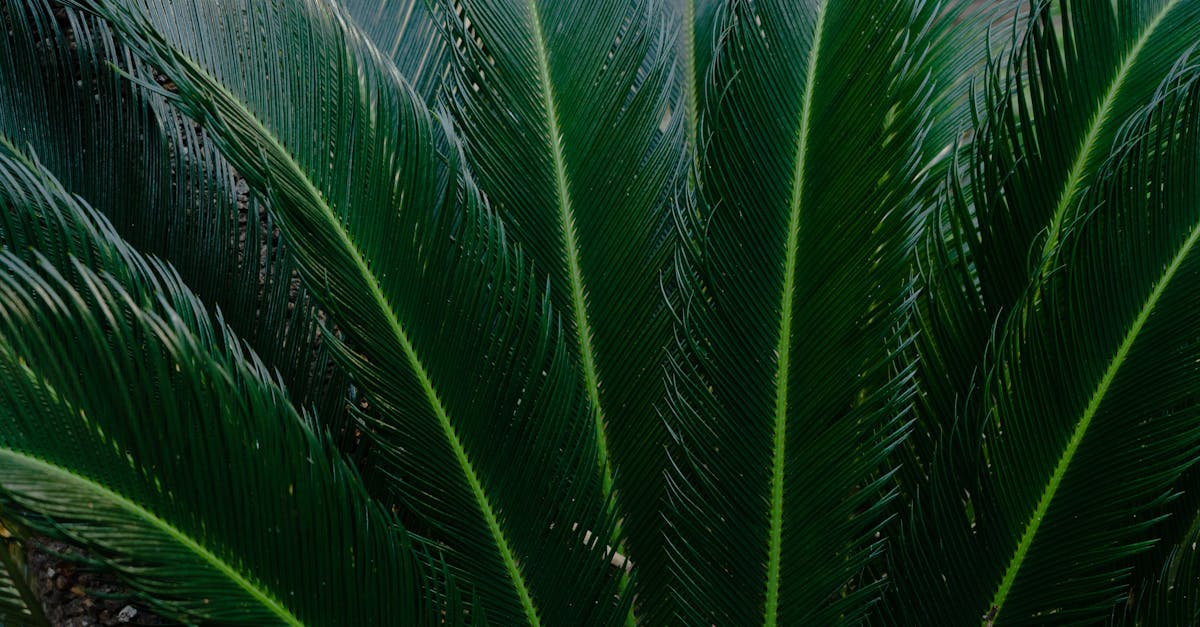
The Sago Palm stands out as one of the most dangerous botanical hazards for domestic animals due to the presence of cycasin. Every part of this ornamental plant contains the toxin but the seeds carry the highest concentration. Ingestion often leads to severe liver failure and can prove fatal without immediate veterinary intervention. Even a small amount causes vomiting and seizures within a few hours of consumption. Pet owners generally avoid this species entirely to prevent accidental poisoning risks.
True Lilies

Lilies from the Lilium genus pose a catastrophic threat to cats specifically by causing acute kidney failure from pollen or petal ingestion. Even drinking the water from a vase containing these flowers results in severe toxicity for felines. Early signs of exposure include lethargy and vomiting which quickly escalate to dehydration and organ shutdown. Dog owners see fewer severe reactions but usually encounter gastrointestinal upset upon consumption. Households with cats must exclude this family of flowers completely to ensure safety.
Dieffenbachia

This common houseplant contains insoluble calcium oxalate crystals that cause intense irritation upon chewing. Pets that bite into the leaves experience immediate burning of the mouth along with excessive drooling. Swelling of the upper airway may occur making breathing difficult for smaller animals. The discomfort usually deters consumption of large amounts but the initial reaction remains severe. Veterinary care focuses on managing pain and ensuring the airway remains open.
Philodendron

Philodendrons are popular for their hardiness but rely on calcium oxalate crystals for defense against herbivores. Chewing on the vines or leaves releases these microscopic needles into the soft tissues of the mouth and throat. Affected animals typically exhibit pawing at the face due to the stinging sensation. Excessive salivation and foaming at the mouth often accompany the physical pain. Keeping these trailing plants high on shelves does not always guarantee safety from climbing cats.
Pothos

Pothos is frequently recommended for beginners despite causing significant oral irritation in dogs and cats. The plant tissues contain calcium oxalates that embed in the tongue and gums when bitten. Symptoms include intense burning of the mouth lips and tongue alongside difficulty swallowing. Most pets stop eating the plant after the first bite due to the immediate pain. Vomiting may occur if plant material reaches the stomach.
Aloe Vera
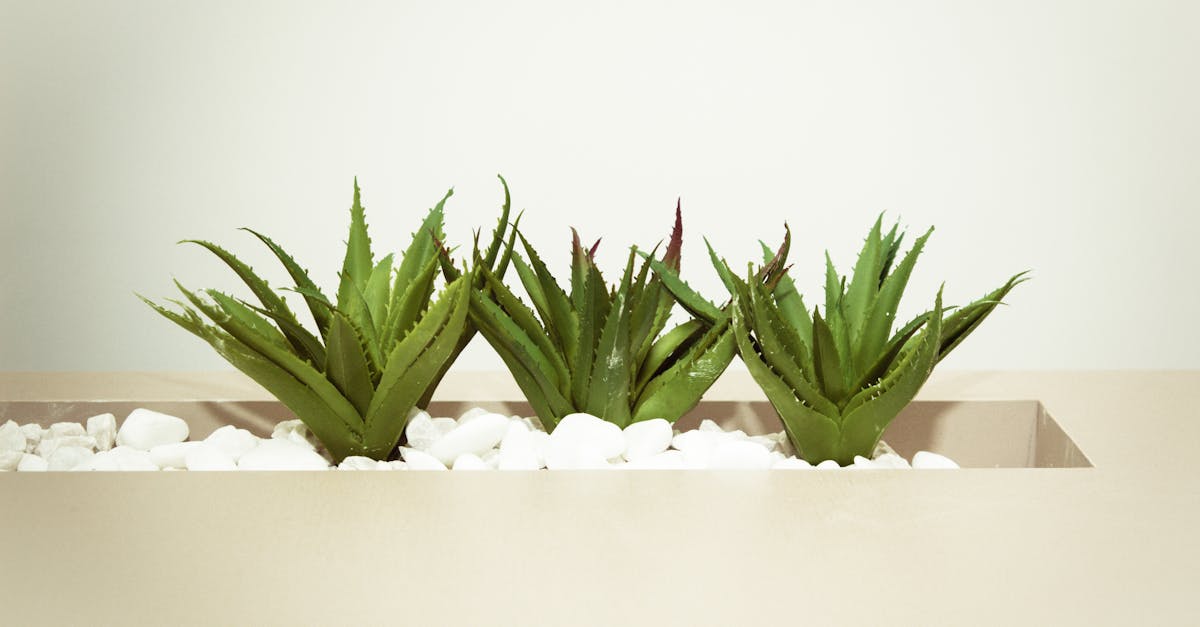
The gel inside Aloe Vera leaves provides soothing relief for human skin burns but the outer leaf skin harms pets. Saponins and anthraquinones found in the plant cause vomiting and diarrhea when ingested by cats or dogs. Lethargy and changes in urine color sometimes appear as secondary symptoms of poisoning. The plant induces distinct gastrointestinal distress that can lead to dehydration. Pet owners should keep this medicinal succulent strictly out of reach.
Snake Plant

Snake Plants are favored for their air-purifying qualities while harboring saponins that act as natural insecticides. Ingestion causes nausea and vomiting in pets along with potential diarrhea. The toxicity level is generally mild compared to other plants but still results in significant discomfort. Animals may lose their appetite and appear depressed following consumption. It remains best to place these sturdy plants on elevated stands.
Oleander

Oleander contains cardiac glycosides that affect the heart muscle and can lead to fatal consequences. Every part of the plant is toxic and even dried leaves retain their potency. Clinical signs include an abnormal heart rate along with drooling and abdominal pain. Immediate veterinary treatment is essential if ingestion is suspected due to the severity of the toxin. This plant is best kept completely away from any area accessible to animals.
Azalea

These flowering shrubs contain grayanotoxins which disrupt sodium channels in the cell membranes of pets. Ingestion of even a few leaves creates significant issues including vomiting and diarrhea. Severe cases lead to a drop in blood pressure and potential cardiovascular collapse. Weakness and tremors often manifest shortly after the animal chews on the foliage. Most veterinarians recommend avoiding this plant in homes with curious pets.
Cyclamen

Cyclamen plants contain terpenoid saponins that are highly irritating to the gastrointestinal tract. The highest concentration of toxin resides in the tuberous roots hidden beneath the soil. if a dog digs up and eats the tubers it may experience heart rhythm abnormalities and seizures. Fatalities have been reported in cases where large amounts of the tubers were consumed. Colorful blooms make it attractive but the risks outweigh the aesthetic value.
Kalanchoe

This popular flowering succulent contains cardiac toxins that interfere with the heart’s electrical conductivity. Pets that eat the leaves or flowers often develop vomiting and diarrhea within a few hours. Higher doses lead to abnormal heart rhythms and severe weakness. The plant is particularly dangerous because the toxins are prevalent in all parts. Owners should be aware that the colorful flowers are often the most appealing part to pets.
Amaryllis

The Amaryllis bulb contains lycorine and other noxious substances that trigger adverse reactions in cats and dogs. Salivation and gastrointestinal abnormalities usually present as the primary symptoms of poisoning. Large ingestions can cause drops in blood pressure and shallow respiration. The bulb poses a greater risk than the flowers or stalk. This festive plant requires careful placement during the holiday season.
Autumn Crocus

The Autumn Crocus differs significantly from the spring variety and contains colchicine which is highly toxic. Ingestion leads to severe gastrointestinal bleeding and multi-organ failure. Symptoms may be delayed for days which complicates the diagnosis and treatment process. Bone marrow suppression creates long-term health issues even if the animal survives the initial phase. This plant is considered one of the most dangerous garden varieties for pets.
Chrysanthemum

Mums contain pyrethrins and sesquiterpene lactones which act as natural irritants to mammals. Eating the leaves or flowers causes excessive drooling and vomiting in both dogs and cats. Skin contact can also lead to dermatitis and uncomfortable itching. While rarely fatal the symptoms create significant distress and discomfort for the animal. These fall favorites should be displayed in areas inaccessible to pets.
English Ivy

The foliage of English Ivy contains triterpenoid saponins that cause abdominal pain and vomiting. Dogs that chew on the vines often experience excessive salivation and diarrhea. The leaves are more toxic than the berries though both parts pose a risk. Constant exposure can lead to persistent gastrointestinal issues. This climbing vine is common but unsuitable for pet-friendly interiors.
Peace Lily

The Peace Lily contains calcium oxalate crystals similar to those found in Philodendrons. Chewing the leaves causes oral irritation and excessive drooling almost immediately. The inflammatory reaction usually prevents the animal from swallowing significant amounts. It is not a true lily and does not cause kidney failure but still induces pain. Pet owners should monitor for swelling of the upper airway.
Tulip

Tulip bulbs contain the highest concentration of allergenic lactones known as tulipalin A and B. Dogs digging in the garden or pots are most at risk of consuming the toxic bulb. Symptoms include intense gastrointestinal upset and depression. Large ingestions can lead to increased heart rate and changes in respiration. Keeping unplanted bulbs secured is just as important as watching the blooming flowers.
Hyacinth

Hyacinth bulbs harbor alkaloids that cause intense vomiting and bloody diarrhea when chewed. The concentrated toxins in the bulb can also cause burns to the mouth and esophagus. Profuse drooling and tremors often accompany the gastrointestinal distress. The severity of the reaction depends heavily on the amount of bulb tissue consumed. Prompt treatment prevents dehydration and further systemic damage.
Daffodil

Daffodils contain lycorine throughout the plant but the bulb holds the most dangerous quantity. Ingestion triggers severe vomiting and diarrhea alongside abdominal pain. Cardiac arrhythmias and respiratory distress occur in cases of significant consumption. The crystals in the outer layers of the bulb also cause severe tissue irritation. These classic spring flowers demand caution during storage and planting.
Jade Plant
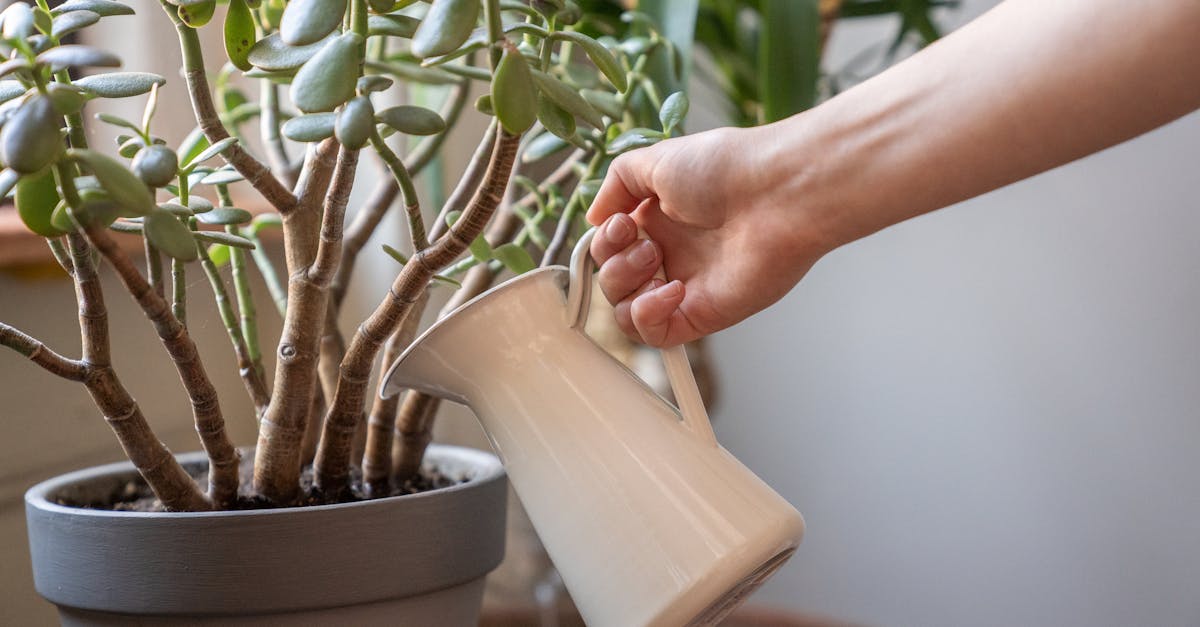
The specific toxic principle in Jade Plants remains unknown but the effects are well documented. Dogs and cats that eat the succulent leaves experience vomiting and a slowed heart rate. Depression and a loss of coordination are frequently observed side effects. The symptoms are generally rare but can be distressing for the owner to witness. This common succulent requires elevated placement away from grazing pets.
Monstera Deliciosa

Monstera Deliciosa is a favorite among interior designers but hides dangerous calcium oxalate crystals within its leaves. Pets chewing on the foliage suffer from intense mouth stinging and difficulty swallowing almost immediately. The irritation typically prevents animals from ingesting a lethal amount yet the pain is significant. Swelling of the lips and tongue often accompanies excessive drooling as a primary symptom. Keep this large climbing plant well out of reach to avoid veterinary emergencies.
ZZ Plant

The ZZ Plant is prized for its resilience but contains calcium oxalates that irritate soft tissues. Pets interacting with the plant may vomit or paw at their mouth due to the stinging sensation. The toxicity is considered mild compared to other species yet still warrants caution. It survives in low light which makes it easy to place on high shelves. Wash hands after handling the plant to avoid transferring irritants to pets.
Bird of Paradise

The Bird of Paradise flower causes mainly gastrointestinal irritation when parts are ingested. Nausea and vomiting are the most common reactions in cats and dogs. The fruit and seeds contain higher concentrations of the toxic compounds than the leaves. Drowsiness and difficulty coordinating movement may occur in smaller animals. Owners should remove any seed pods that form to reduce risk.
Asparagus Fern

This plant is not a true fern but produces berries that cause gastric upset if eaten. Repeated skin contact with the foliage often results in allergic dermatitis for dogs and cats. Ingestion leads to vomiting and abdominal pain along with diarrhea. The plant is often used in hanging baskets which helps minimize access. Keeping the floor clear of fallen berries is crucial for safety.
Corn Plant

The Corn Plant contains saponins that cause a variety of symptoms in household pets. Cats often exhibit dilated pupils alongside vomiting and excessive salivation. Dogs may experience loss of appetite and general depression. Weakness and a lack of coordination are common signs of poisoning. Dracaena species like this one are best avoided or kept strictly monitored.
Rubber Tree

Rubber Trees produce a milky sap containing ficin and psoralen which attack the skin and digestive tract. Ingestion results in drooling and vomiting while skin contact causes irritation. The symptoms are usually moderate but persist until the toxins are eliminated. Smaller pets are more susceptible to the gastrointestinal effects. Keep this large ficus away from areas where pets sleep or play.
Caladium
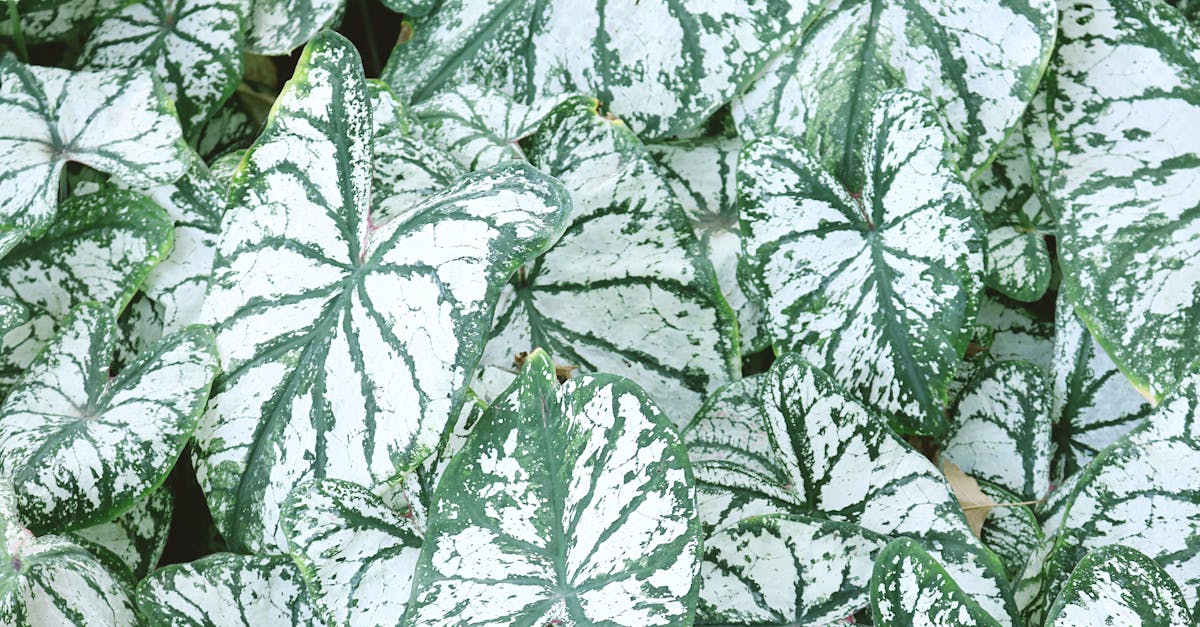
Caladiums display striking foliage colors but rely on calcium oxalates for protection. Ingestion causes immediate pain and swelling of the mouth and throat. The swelling can be severe enough to block the airway in small pets. Excessive drooling and pawing at the face indicate exposure to the toxin. These tuberous plants are best reserved for outdoor planters beyond pet reach.
Yew
The Yew plant contains taxine which affects the heart and can result in sudden death. Signs of poisoning include trembling and difficulty breathing alongside muscle weakness. The onset of symptoms is rapid and often leaves little time for medical intervention. This is considered one of the most volatile plants for animals. It should never be kept in or near a home with dogs.
Castor Bean

The Castor Bean plant contains ricin which serves as a highly lethal poison. Even a small amount of the bean can cause multi-organ failure and death. Symptoms progress from severe vomiting to seizures and circulatory collapse. The plant is incredibly dangerous and poses a risk to humans as well. Strict avoidance is the only safe strategy for pet owners.
Foxglove

Foxglove contains cardiac glycosides that disrupt the heart’s natural rhythm. Nausea and vomiting are early signs that quickly progress to cardiac failure. Weakness and collapse occur as the heart struggles to pump blood effectively. The entire plant is toxic and the water from vases can also be poisonous. This beautiful flower is too risky for households with indoor animals.
Tell us about your pet-friendly plant alternatives in the comments.




