Early physical habits form the structural foundation for adult spinal health and overall alignment. Many seemingly harmless behaviors performed repeatedly during developmental years can lead to chronic issues that manifest decades later. The repetition of poor alignment trains the muscles and ligaments to hold the skeleton in compromised positions. Identifying these ingrained patterns is the first step toward correcting long-standing musculoskeletal imbalances.
W-Sitting on the Floor

Many children naturally adopt this position where knees are bent and feet are splayed out to the sides of the hips. This specific alignment forces the hips into extreme internal rotation and places significant stress on the knee joints. Continued reliance on this sitting style often leads to weakened core stability and poor trunk control in adulthood. Orthopedic experts note that this habit can result in long-term hip dysplasia or tibial torsion issues.
Carrying Backpacks on One Shoulder

Slinging a heavy book bag over a single shoulder creates an immediate muscular imbalance across the upper back. The body instinctively raises the weighted shoulder to keep the bag in place and leans to the opposite side for balance. This asymmetrical loading pattern causes the spine to curve laterally and encourages one set of muscles to overdevelop while the other side weakens. Years of walking to school in this manner can contribute to functional scoliosis or uneven shoulder heights.
Slouching in School Desks

Classroom furniture is rarely ergonomic and often forces students into a rounded spinal position for hours at a time. Students frequently slide their hips forward and rest their weight on the middle of their spine rather than their sit bones. This curvature compresses the lumbar discs and overstretches the ligaments supporting the lower back. The posterior pelvic tilt adopted during these formative years trains the body to revert to a slumped posture during adult desk work.
Reading on the Stomach

Lying prone on the floor with elbows propped up to read or watch television places excessive strain on the cervical spine. This position forces the neck into prolonged extension and compresses the posterior joints of the vertebrae. The lower back also sags into a deep arch that jams the lumbar facets together. Maintaining this hyperextended curve for long periods can lead to chronic neck tension and lower back sway as an adult.
Sleeping in the Fetal Position

Curling up tightly with knees drawn to the chest mimics the position in the womb but creates tension in the adult body. This sleeping shape tightens the hip flexors and pectorals while overstretching the back muscles. A tight fetal tuck creates a rounded back alignment that often persists after waking up. Over time this habit restricts the ability of the spine to straighten fully and contributes to a permanent forward slump.
Leaning on One Leg

Standing with the pelvis shifted to one side allows children to rest their weight on a single hip joint. This casual stance drops one side of the pelvis and elevates the other while creating a functional leg length discrepancy. The muscles around the hip and lower back become asymmetrical in strength and flexibility due to the uneven load. This standing pattern often becomes the default setting for adults waiting in lines or standing at counters.
Cradling Phones Between Ear and Shoulder

Holding a telephone receiver or mobile device with the shoulder raised to the ear creates severe tension in the trapezius muscle. This awkward angle compresses the cervical discs and strains the intricate muscles connecting the neck to the shoulder blade. Repeatedly forcing the neck into this lateral bend trains the head to tilt naturally to one side. Even brief periods of this posture can trigger muscle spasms and long-term cervical misalignment.
Looking Down at Handheld Consoles

The advent of portable gaming devices introduced a habit where the head hangs forward for extended play sessions. Bending the neck forward changes the gravitational pull on the skull and significantly increases the weight supported by the cervical spine. This forward head posture lengthens the posterior neck muscles and tightens the chest muscles. The structural changes from this childhood pastime are a primary precursor to the modern condition known as tech neck.
Sitting on One Foot

Tucking a foot under the buttocks while sitting elevates one hip higher than the other and curves the lumbar spine. This unlevel foundation forces the spine to compensate by bending sideways to keep the head level. The uneven pressure on the pelvis restricts blood flow and can distort the alignment of the sacrum. Adults often retain this habit without realizing it causes their chronic lower back tightness.
Walking with Head Down
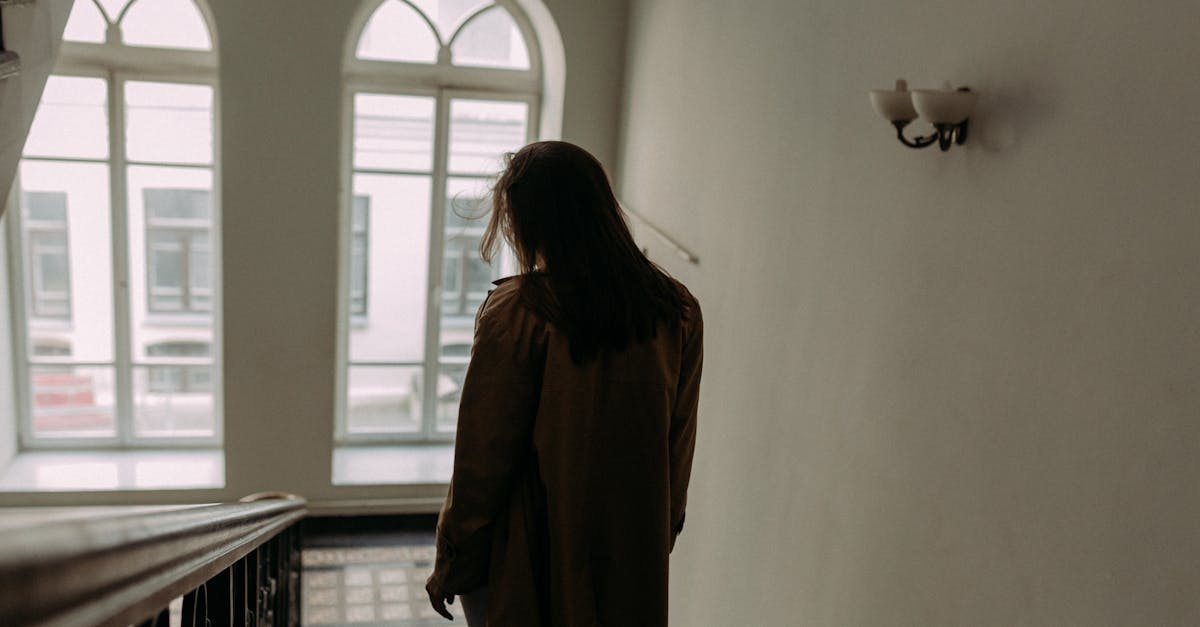
Shy or insecure children often walk with their chin tucked and eyes focused on the ground. This protective posture rounds the shoulders forward and prevents the natural arm swing required for a balanced gait. The constant downward gaze flattens the natural curve of the neck and trains the upper back to hunch permanently. Reversing this emotional and physical habit requires conscious effort to lift the gaze and open the chest.
Carrying Books Against the Chest

Hugging a stack of textbooks against the front of the torso encourages the shoulders to roll forward and the upper back to round. The weight of the books pulls the center of gravity forward and forces the lower back to compensate. This protective carrying style tightens the pectoral muscles and weakens the muscles between the shoulder blades. The resulting posture often mimics the rounded upper back seen in elderly individuals.
Wearing Ill-Fitting Shoes

Children frequently wear hand-me-down footwear or shoes that they have outgrown rapidly. Cramped toe boxes or worn-out soles alter the natural mechanics of the foot and affect the entire kinetic chain up to the spine. Wearing shoes without proper arch support causes the feet to roll inward and misaligns the knees and hips. The foundation of adult posture is often compromised by years of walking in improper footwear.
Sleeping on the Stomach

Resting face down requires the neck to twist fully to the left or right to allow for breathing. This extreme rotation places immense stress on the upper cervical vertebrae and the surrounding ligaments. The lower back often sinks into the mattress and creates an exaggerated arch that compresses the lumbar spine. This sleeping habit is notoriously difficult to break and is a leading cause of morning neck stiffness.
Studying in Bed

Sitting up in a soft bed provides no structural support for the spine during long homework sessions. Students often sink into the mattress with a rounded back or lean awkwardly against a headboard. The lack of a firm surface forces the back muscles to work harder or give up completely which leads to slouching. This environment associates a place of rest with poor postural mechanics and mental alertness.
Resting the Chin in Hands

Propping the heavy weight of the head up with hands places uneven pressure on the jaw and neck. This bored posture pushes the head backward into the cervical spine while the shoulders shrug upward. The compression of the temporomandibular joint can lead to jaw alignment issues that affect the neck. Constant leaning creates a dependency on external support rather than neck muscle strength.
Crossing Legs at the Knee

Sitting with one leg draped over the other rotates the pelvis backward and forces the lower back into a rounded position. This habit interferes with proper blood circulation and creates muscular imbalances in the hips and glutes. The upper leg pulls on the lower back and creates a twist in the spine that feels comfortable only due to repetition. Chronic leg crossers often struggle to sit with both feet flat on the floor as adults.
Hunching Over Food

Leaning the face down toward the plate instead of bringing the fork to the mouth is a common childhood dining habit. This behavior rounds the thoracic spine and compresses the chest cavity during every meal. The repetition of this posture three times a day reinforces a forward head position and rounded shoulders. Proper dining etiquette was originally designed to maintain a vertical spine and reduce digestive compression.
Using Too Many Pillows

Stacking multiple pillows under the head forces the neck into a steep forward angle throughout the night. This flexion stretches the ligaments at the back of the neck and prevents the cervical spine from resting in a neutral curve. The airway can become restricted and the muscles remain under tension rather than relaxing during sleep. Waking up with headaches or shoulder pain is a frequent result of this excessive elevation.
Playing Computer Games for Hours

PC gaming often involves leaning forward toward the monitor with the shoulders hunched and the head jutting out. The intense focus causes players to freeze in this compromised position for extended periods without movement breaks. The mouse arm often operates without support which leads to shoulder elevation and rotation issues. This static loading of the spine creates rigid muscle patterns that resist correction.
Dragging Feet While Walking

Shuffling or not lifting the feet properly indicates a lack of engagement in the core and hip flexor muscles. This lazy walking style prevents the legs from going through a full range of motion and keeps the pelvis stagnant. The shock absorption mechanism of the foot is bypassed and impact forces travel directly up to the lower back. A shuffling gait often signals a weak posterior chain that fails to propel the body forward efficiently.
Twisting the Spine Watching TV
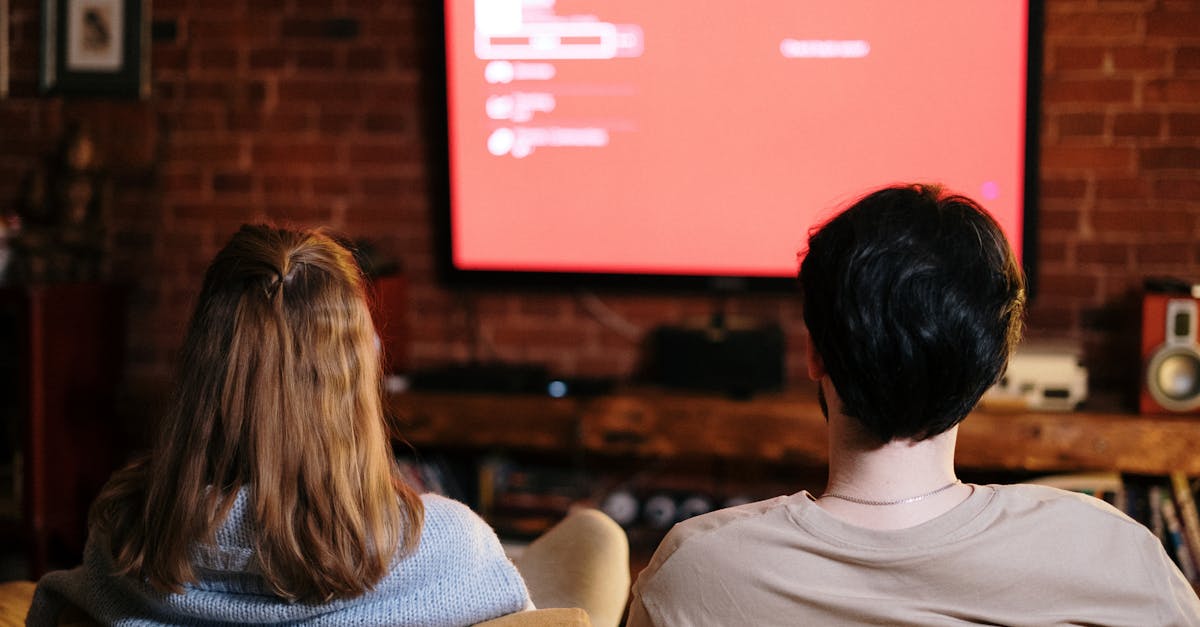
Sitting on a sofa or floor at an angle to the television forces the neck and trunk to remain twisted for hours. This sustained rotation stretches the tissues on one side of the spine while shortening them on the other. The body adapts to this asymmetry and may develop a functional curvature that mimics scoliosis. Adults who grew up with side-positioned televisions often have limited rotational flexibility in one direction.
Squinting to See the Board

Uncorrected vision problems cause children to thrust their head forward in an attempt to see distant objects clearly. This leading chin posture disengages the deep neck stabilizers and relies on superficial muscles to hold the head up. The constant strain creates tension headaches and sets the resting head position forward of the shoulders. Early eye exams are crucial for preventing this compensatory physical habit.
Shallow Chest Breathing

Anxiety or habit can cause children to breathe using their upper chest and shoulders rather than their diaphragm. This breathing pattern overuses the accessory muscles of the neck and keeps the shoulders in a perpetually raised state. The core muscles fail to activate properly during respiration which reduces spinal stability. Deep belly breathing is essential for relaxing the upper trapezius and maintaining a calm nervous system.
Locking Knees While Standing

Hyperextending the knees pushes the pelvis forward and increases the curve of the lower back. This passive standing posture hangs the body weight on the ligaments and joints rather than using muscle tension for support. Over time this weakens the hamstrings and abdominal muscles while compressing the lumbar spine. Adults who lock their knees often experience lower back pain during prolonged standing.
Wearing Flat Flip-Flops Constantly
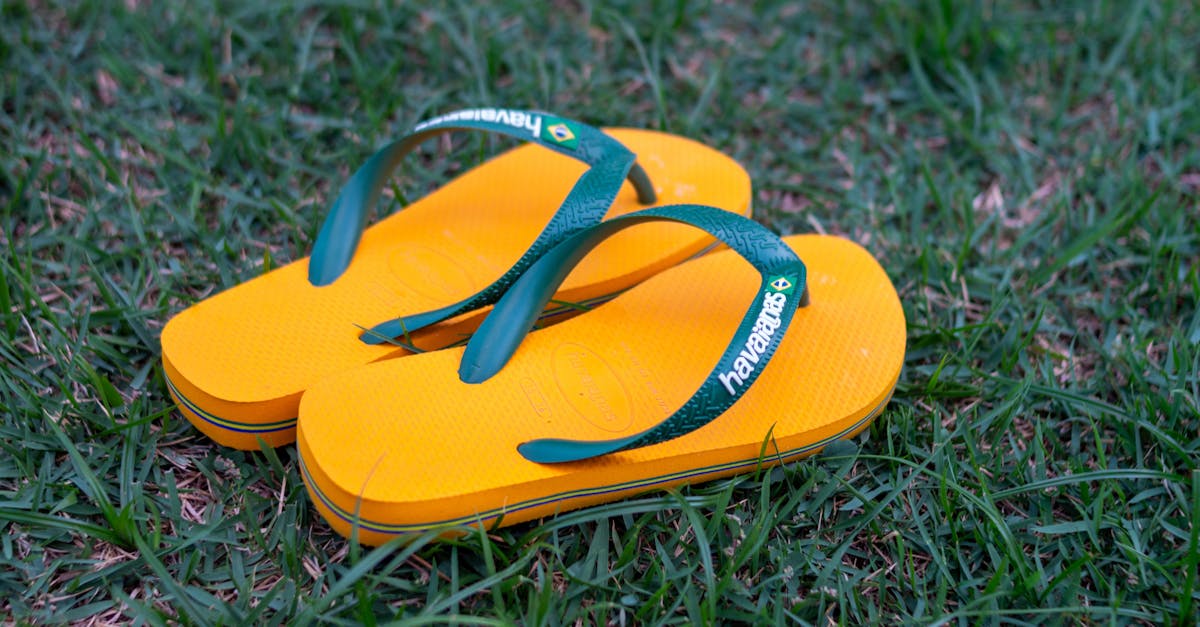
Cheap foam sandals offer zero arch support and require the toes to grip the sole to keep the shoe in place. This gripping action alters the natural gait cycle and shortens the plantar fascia on the bottom of the foot. The lack of heel cushioning transmits impact shock directly to the knees and hips. A breakdown in foot mechanics inevitably leads to upstream postural compensations in the spine.
Sitting on Hard Floors Without Support

Sitting cross-legged on a hard floor without a cushion forces the lower back to round outward to maintain balance. The hip flexors grip tight to hold the torso up and the chest collapses inward. This position is common during school assemblies or story time and teaches the body to endure lumbar flexion. Without back support the spine naturally seeks the path of least resistance which is usually a slump.
Carrying Heavy Musical Instruments
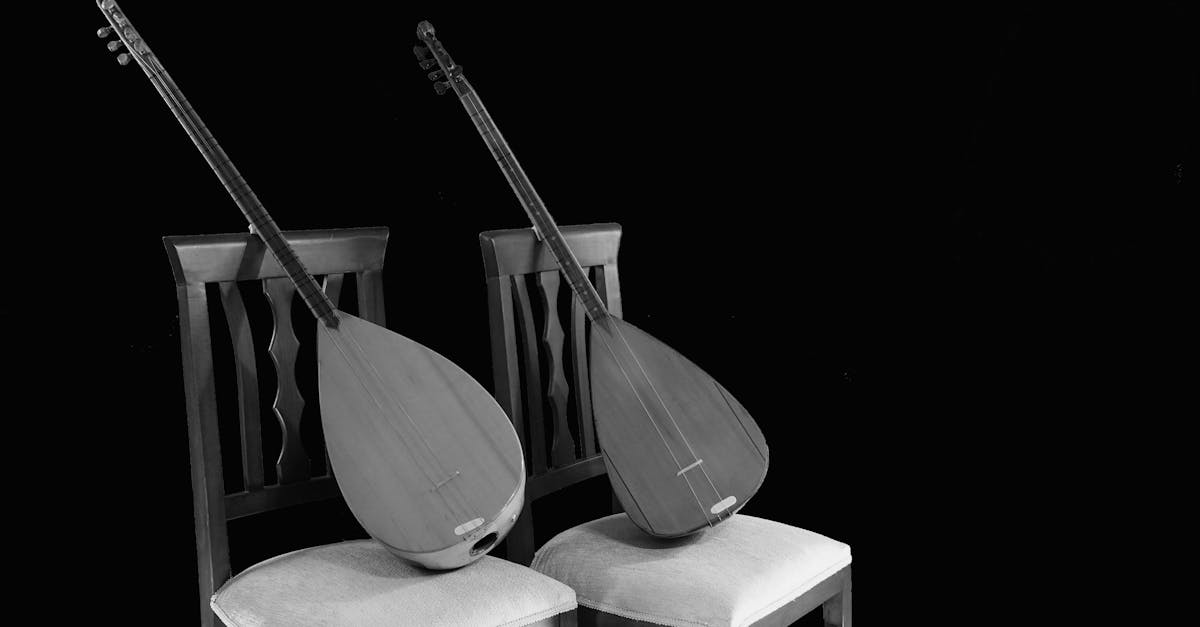
Transporting large instruments like cellos or saxophones places a significant asymmetrical load on a growing body. The awkward shape and weight of the cases force the child to lean and twist to manage the burden. Repetitive strain on one side of the body develops uneven muscle bulk and spinal alignment. Young musicians must be diligent about switching sides or using rolling cases to mitigate this risk.
Leaning Heavily on Desks
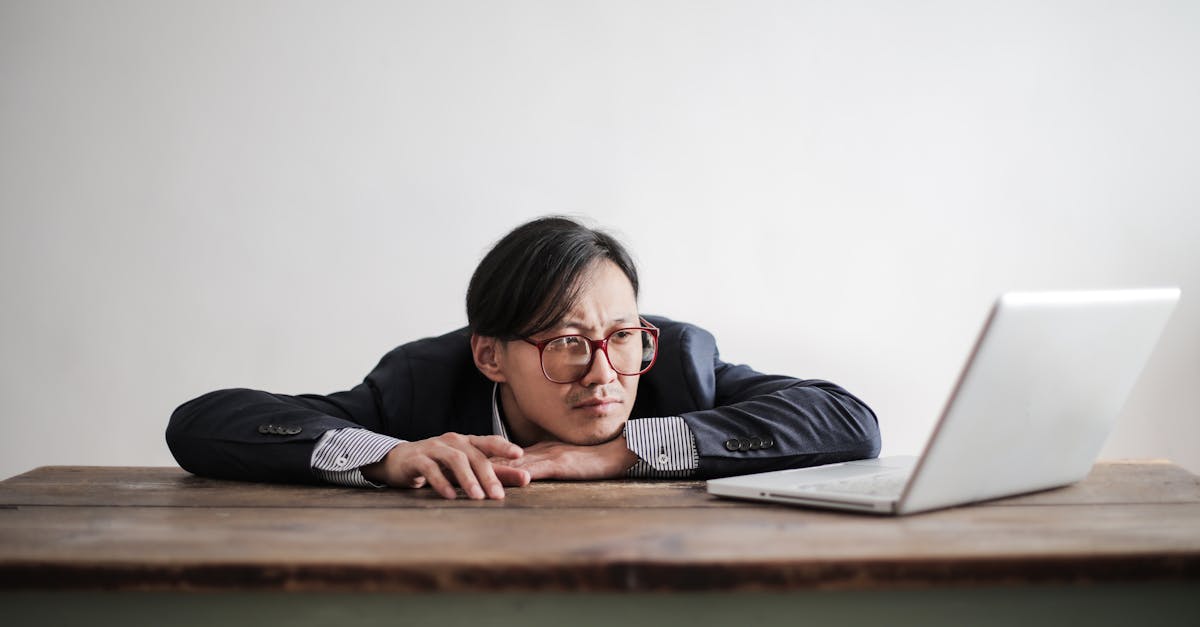
Resting the entire weight of the upper body on the elbows encourages the shoulders to shrug up toward the ears. This passive support allows the core muscles to disengage and the spine to sag between the shoulder blades. The chest muscles tighten significantly in this position and pull the shoulders forward permanently. Relying on external furniture for support weakens the postural muscles needed for upright sitting.
Wearing Tight Clothing

Restrictive clothing like tight jeans or rigid belts can limit the natural movement of the hips and pelvis. When the pelvis cannot tilt or rotate freely the lumbar spine must compensate with excessive motion. Breathing is often restricted to the upper chest because the abdomen cannot expand against the tight fabric. Habitual wear of restrictive garments creates stiffness in the lower back and hips.
Wearing High Heels Too Early
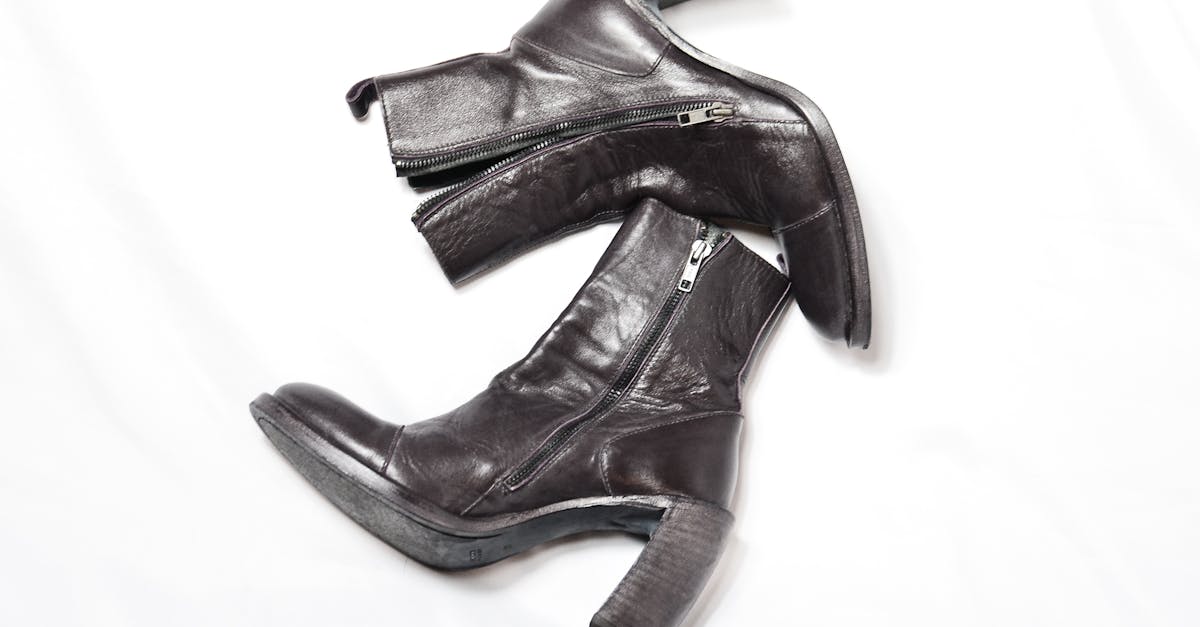
Adolescents who adopt high heels before their feet are fully developed risk permanently shortening their calf muscles. The elevated heel shifts the center of gravity forward and forces the pelvis to tilt anteriorly to maintain balance. This chain reaction increases the curve of the lower back and places stress on the forefoot. The resulting swayback posture creates chronic compression in the lumbar vertebrae.
Ignoring Core Strength

A childhood spent avoiding physical play results in an underdeveloped corset of muscles around the torso. Without a strong core the spine lacks the necessary support to maintain a vertical alignment against gravity. The body collapses into the skeletal structure rather than being held up by muscular tension. A weak core is the primary contributor to almost all forms of poor adult posture.
Sleeping on Sagging Mattresses

Using an old or low-quality mattress that lacks support allows the spine to bow into unnatural curves during sleep. The heaviest parts of the body sink deepest which creates a hammock effect that strains the back. Muscles work all night to protect the spine instead of entering a state of deep recovery. Adults often inherit their first bed which sets them up for years of poor sleep ergonomics.
Habitual Neck Cracking

Forcefully twisting the neck to pop the joints creates temporary relief but stretches the ligaments excessively. The resulting instability forces the muscles to tighten up further to protect the loose joints. This creates a cycle of tension and cracking that degrades the cervical structure over time. Hyper-mobility in the neck reduces the ability of the spine to hold the head in a neutral position.
Wearing Backpacks Too Low

Loosening the straps so a backpack hangs below the buttocks increases the leverage the weight places on the spine. The child must lean forward significantly to counterbalance the load dragging them backward. This pivot point creates immense shear force on the lower back and forces the head up and forward. Proper backpack positioning requires the load to be high and tight against the upper back.
Sitting on Knees

Kneeling on a chair with feet tucked under the buttocks cuts off circulation and compresses the knee joints. This perch often leads to a rounded back as the child leans over the table from a higher vantage point. The ankles are forced into extreme extension which can limit flexibility for walking and running. This position is unstable and prevents the development of proper seated posture habits.
Mouth Breathing

Chronic allergies or adenoid issues often force children to breathe exclusively through their mouths. This keeps the jaw in an open and dropped position which changes the resting tension of the facial and neck muscles. The tongue sits on the floor of the mouth instead of the roof which alters cranial development and head position. Mouth breathing is strongly correlated with a forward head posture and narrow shoulder development.
Clenching the Jaw
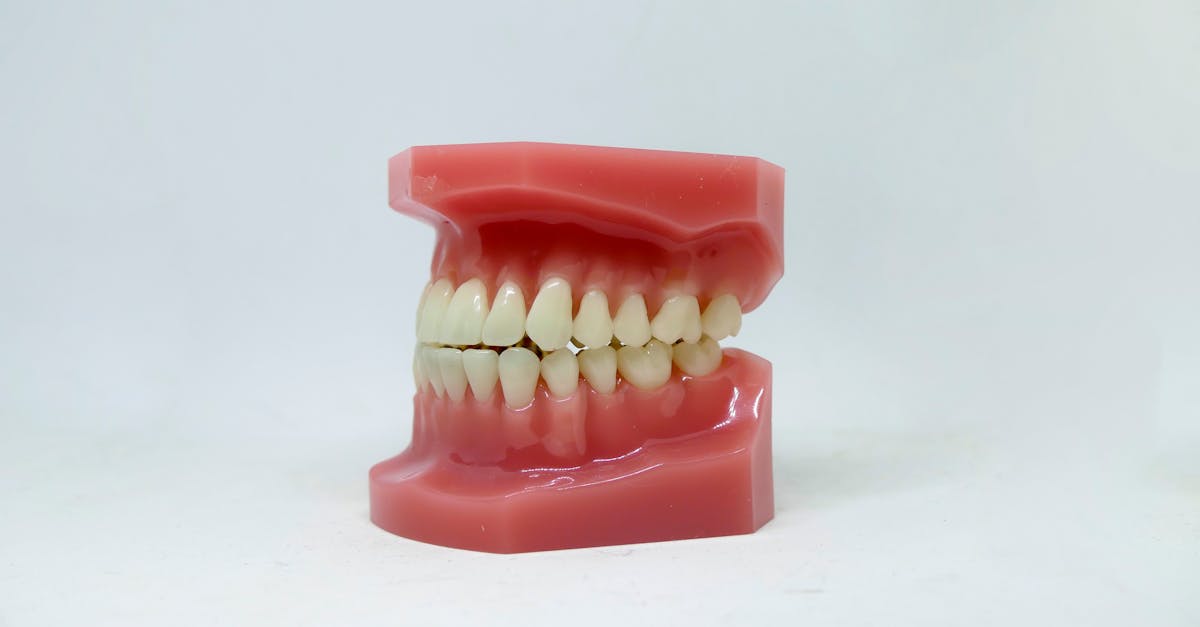
Stress or concentration can lead to subconscious grinding or clenching of the teeth during the day. This tension radiates down the neck muscles and creates stiffness in the upper shoulders. The jaw and neck are functionally connected and tightness in one area invariably affects the other. Chronic clenchers often have a rigid upper cervical spine and frequent tension headaches.
Rolling Shoulders Forward

Feelings of shyness or the desire to hide sudden height growth can cause teens to roll their shoulders inward. This protective slouch shortens the pectoral muscles and overstretches the rhomboids in the upper back. The shoulder blades drift outward and away from the spine which destabilizes the upper body. Once the chest muscles shorten structurally it becomes physically difficult to pull the shoulders back.
Skipping Post-Activity Stretching

Active children often finish sports and immediately sit down without cooling down or stretching tight muscles. Muscles that are worked hard and left to shorten will pull on the skeletal attachments and alter alignment. Tight hamstrings specifically pull down on the pelvis and flatten the natural curve of the lower back. A lack of flexibility maintenance in youth leads to rigid movement patterns in adulthood.
Riding Bikes with Low Seats
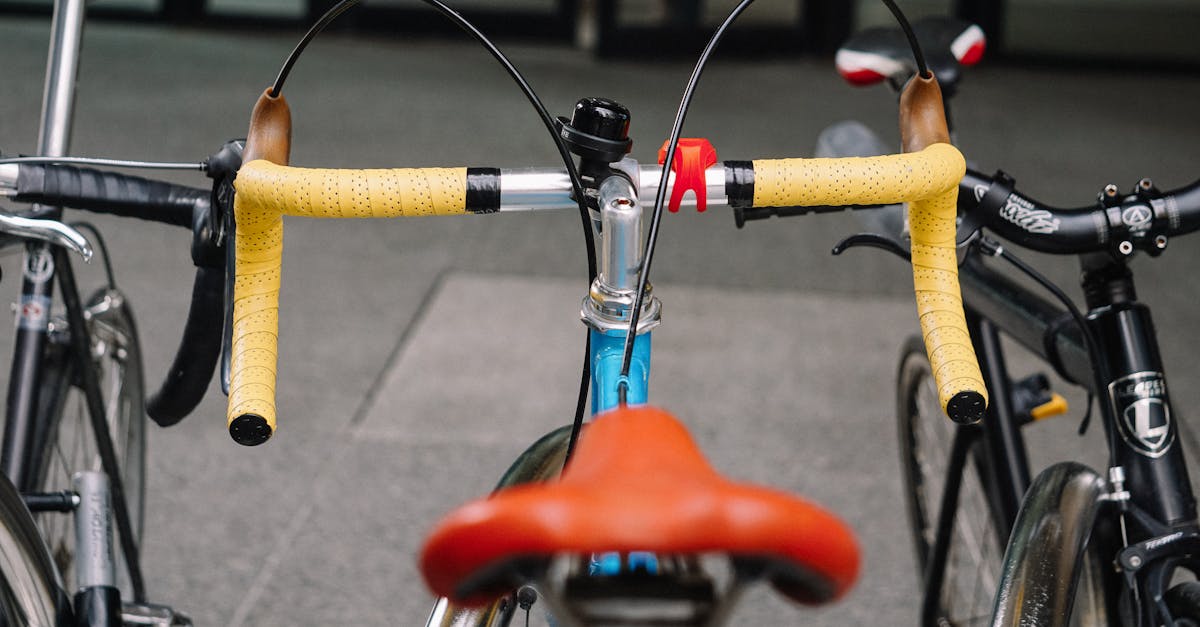
Cruising on a bicycle with the seat positioned too low prevents the leg from extending fully at the bottom of the pedal stroke. The knees splay outward to accommodate the cramped space and the rider must round their back to reach the handlebars. This cramped cycling posture tightens the hip flexors and stresses the knee joints. Proper seat height is critical for maintaining spinal integrity during riding.
Sitting on Wallets in Back Pockets
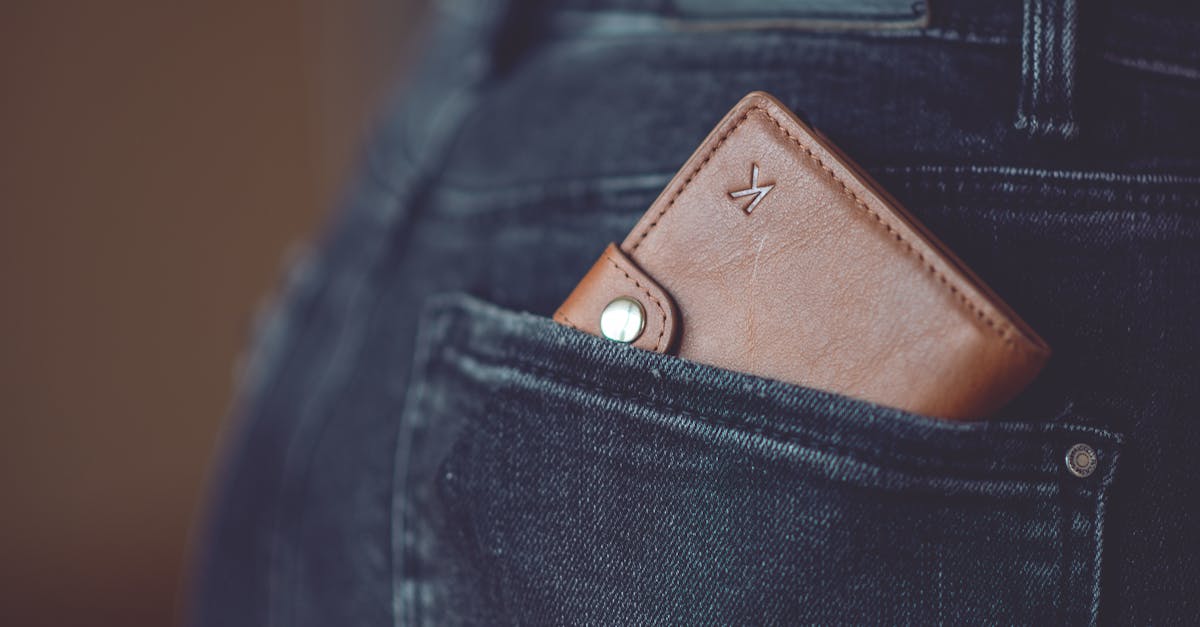
Carrying a thick wallet in a back pocket creates a wedge that unlevels the pelvis whenever the child sits down. The spine must curve laterally to compensate for the tilted foundation of the hips. This asymmetrical pressure can pinch the sciatic nerve and cause chronic lower back pain. Removing items from back pockets before sitting is a simple habit that preserves pelvic alignment.
Leaning Back in Chairs

tipping a school chair onto its back two legs requires the sitter to brace their core and round their spine to maintain balance. This precarious position places sudden and extreme loads on the lumbar discs if the chair slips. The static hold required to balance creates tension in the abdomen and hip flexors. It creates a habit of engaging muscles improperly while seated.
Carrying Heavy Tote Bags

The trend of carrying large unstructured bags in the crook of the elbow creates lateral drag on the spine. The arm is pulled down and away from the body which forces the upper trapezius to spasm. The lack of a cross-body strap prevents the weight from being distributed evenly across the torso. This carrying method encourages one shoulder to be perpetually higher than the other.
Looking Down at Laptops

Using a laptop on a desk without a riser forces the user to look down sharply at the screen. The compact design of the device connects the keyboard and screen which makes ergonomic usage impossible without accessories. The user ends up hunched over the machine with a rounded back and flexed neck. This is a primary driver of the modern posture epidemic affecting young adults.
Inactivity

The most damaging habit of all is simply not moving enough to develop the musculoskeletal system. A sedentary childhood fails to stress the bones and muscles enough to build necessary density and tensile strength. The body molds itself to the shape of the chair or sofa rather than developing its own structural integrity. Movement is the medicine that aligns the spine and activity is required to maintain it.
Please describe in the comments which of these habits you are currently trying to break.




