
The job interview is one of the few remaining social contexts in which the visual impression formed within the first seconds of meeting genuinely influences a consequential outcome, and the standards governing what constitutes appropriate interview dress have shifted enough in recent years that advice from even five years ago may no longer serve candidates well. Hiring managers and recruitment professionals consistently report that appearance-related missteps in interviews are both more common and more costly to candidates than most applicants realize, and that the errors tend to cluster around a predictable set of clothing and accessory choices that signal either a misreading of the professional environment or a lack of preparation for the specific occasion. Getting dressed for an interview in the current hiring landscape requires navigating the intersection of contemporary workplace norms, industry-specific expectations, and the enduring psychology of first impressions with more nuance than a simple dress code ever captured. Here are 20 things that career coaches, hiring managers, and professional image consultants consistently advise candidates to leave out of their interview wardrobe this year.
Overpowering Fragrance
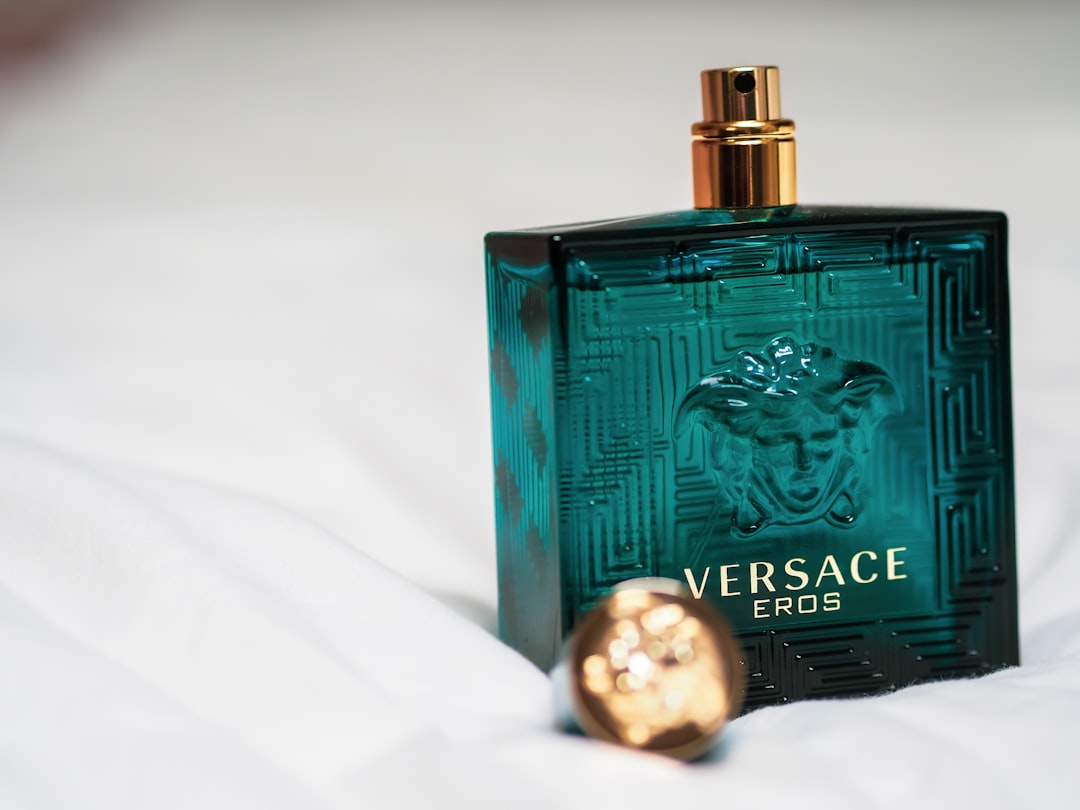
Fragrance is one of the most consistently cited appearance-adjacent interview mistakes among hiring managers and one of the most easily overlooked by candidates who have become habituated to their own scent profile. A heavily applied perfume or cologne fills the enclosed and often poorly ventilated spaces where interviews take place and creates an olfactory impression that competes with everything the candidate says, redirecting the interviewer’s attention from professional qualifications to physical discomfort. Fragrance sensitivity and clinical allergies to synthetic fragrance compounds are significantly more prevalent in the general population than most people realize, and a candidate who triggers a sneezing response or a headache in their interviewer has created an association that is both involuntary and extraordinarily difficult to overcome through the quality of their answers. Many progressive workplaces have adopted fragrance-free policies that reflect the genuine health needs of sensitive employees, and arriving at such an organization wearing heavy cologne signals an unawareness of contemporary workplace inclusion standards that is itself a negative data point for some interviewers. Arriving fragrance-free or with the most minimal possible application is the only reliably safe approach across the full range of interview environments and interviewer sensitivities.
Casual Sneakers
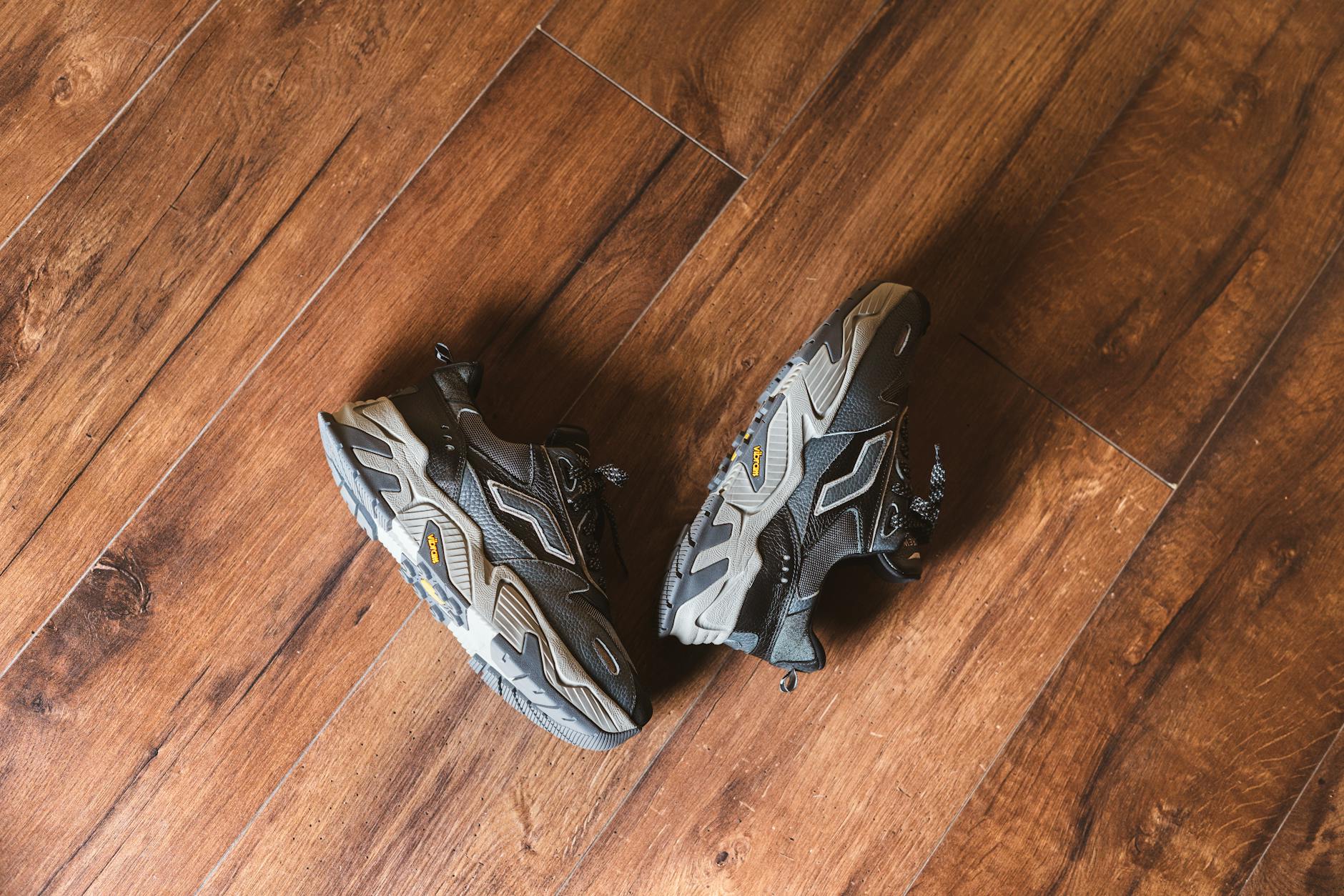
Athletic and casual sneakers represent the footwear category that most reliably communicates a misreading of interview formality regardless of how elevated the rest of the outfit is constructed. A well-pressed suit or a sharp blazer and trouser combination that terminates at a pair of chunky athletic trainers creates a visual incongruity that interviewers register immediately and that signals either a deliberate casualness the context does not support or an unawareness of how the full outfit reads as a composed professional presentation. The normalization of premium sneaker culture in everyday fashion and even in some creative workplace environments has led many candidates to overestimate the transferability of sneaker acceptability from social to formal professional contexts. Clean leather or suede dress shoes, loafers, heeled boots, and structured flats communicate an understanding of professional dressing conventions that athletic footwear does not convey regardless of the brand, condition, or retail price of the sneaker in question. The specific industries where clean minimal sneakers may be genuinely acceptable in an interview context are narrow enough that candidates outside them should default to the conservative footwear choice without exception.
Wrinkled Clothing
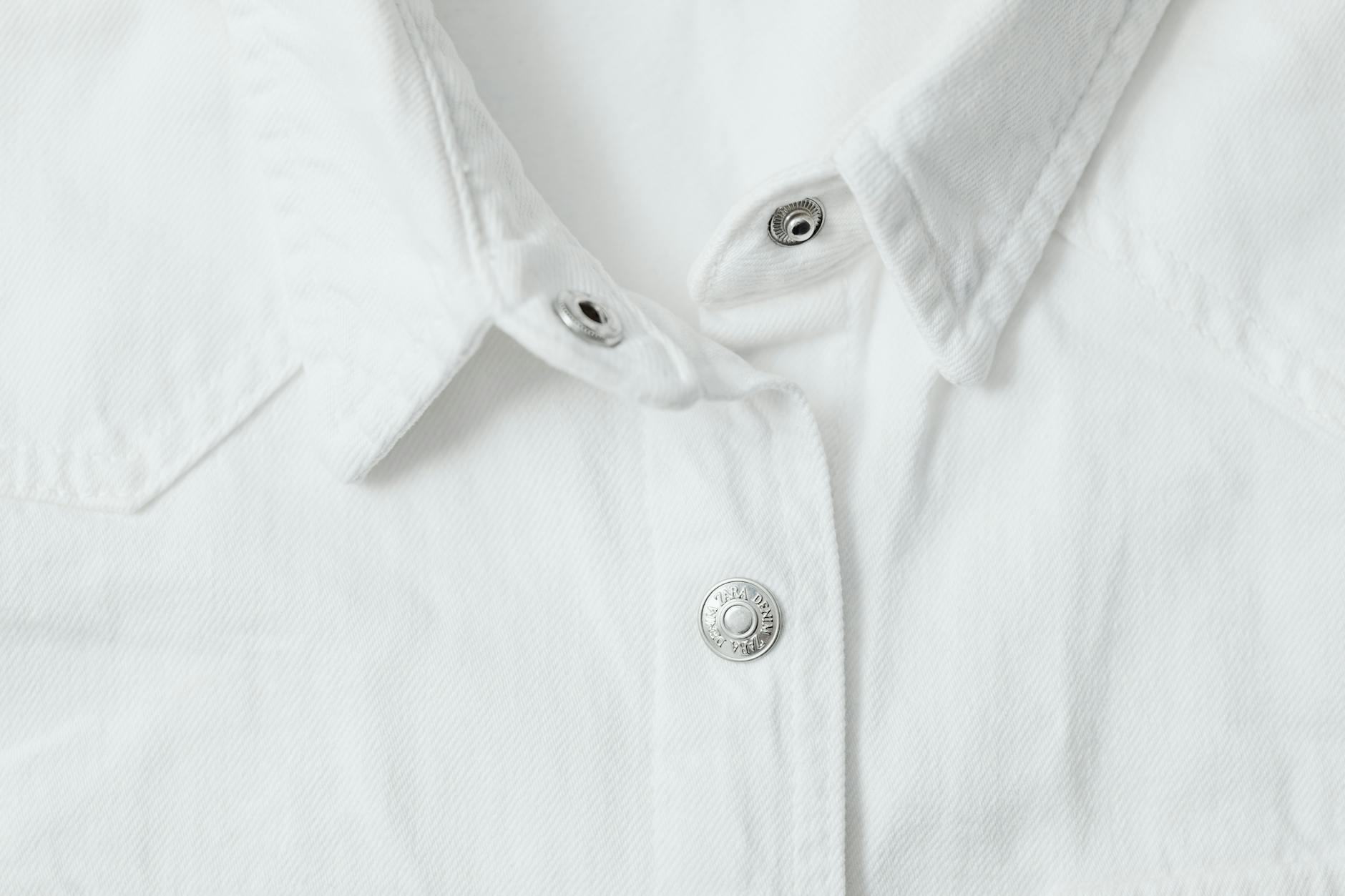
Presenting in visibly wrinkled clothing communicates a level of preparation and attention to detail that interviewers consistently interpret as predictive of the candidate’s approach to professional responsibilities regardless of whether this inference is logically warranted. The cognitive association between physical presentation and professional conscientiousness is deeply embedded in hiring psychology and operates below the level of deliberate reasoning in most interviewers, meaning that a wrinkled shirt or crumpled blazer produces a negative impression that the interviewer may not consciously attribute to the clothing but that nonetheless colors the overall assessment. A garment that was appropriate in every other respect becomes a liability when worn in a condition that a few minutes of preparation the previous evening would have resolved, making wrinkled clothing a uniquely costly mistake because it implies that the available preparation time was not used. Checking and pressing interview clothing the night before rather than the morning of the interview, and transporting garments in a manner that prevents crumpling during commuting, are the logistical habits that eliminate this entirely preventable presentation error. The effort invested in appearing pressed and composed is interpreted by interviewers as a proxy for the effort the candidate is prepared to invest in the role itself.
Overly Casual T-Shirts
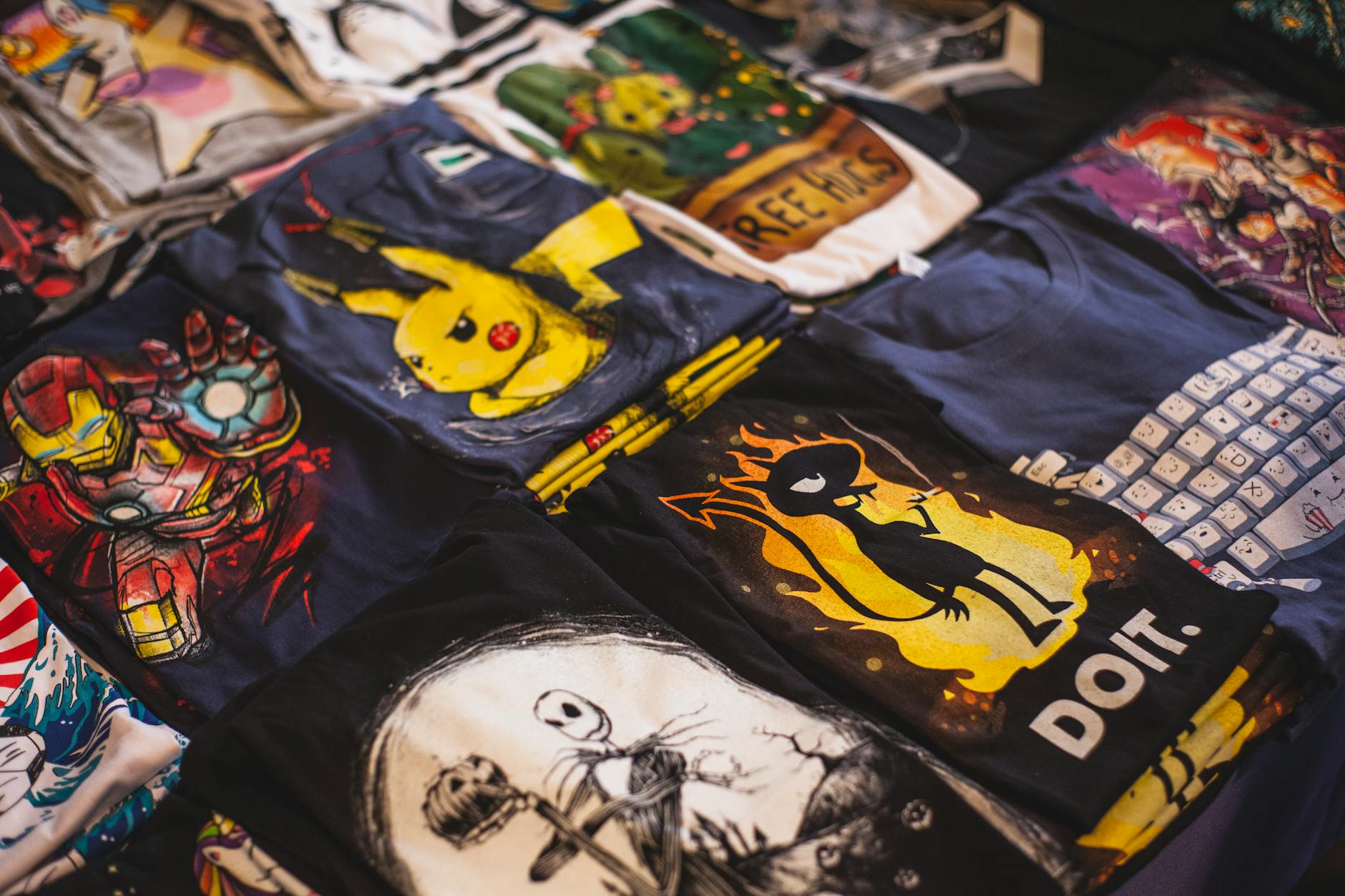
A basic casual t-shirt worn without a structured layer over it falls below the minimum formality threshold for virtually every interview context that does not involve a specific dress-down preview day arranged by the employer as part of an explicitly casual culture demonstration. The distinction between a well-fitted quality t-shirt and a structured shirt, polo, or layered knit is not merely sartorial but communicative, with the former signaling a default state of casual undress and the latter signaling a conscious and effortful preparation for a specific occasion. Graphic t-shirts present an additional layer of risk because the imagery, text, or brand association on the front creates an uncontrollable variable in how the interviewer receives the candidate before a word has been exchanged. Even in technology, creative, and startup environments where the day-to-day dress code permits casual t-shirts as standard workwear, arriving at an interview in the same attire worn on an ordinary working day signals a failure to recognize the interview as a distinct and elevated occasion within the professional context. Elevating a t-shirt with a well-fitted blazer, structured jacket, or high-quality overshirt transforms the overall impression without requiring a wardrobe overhaul and represents the minimum adjustment that converts casual into considered.
Excessive Visible Logos
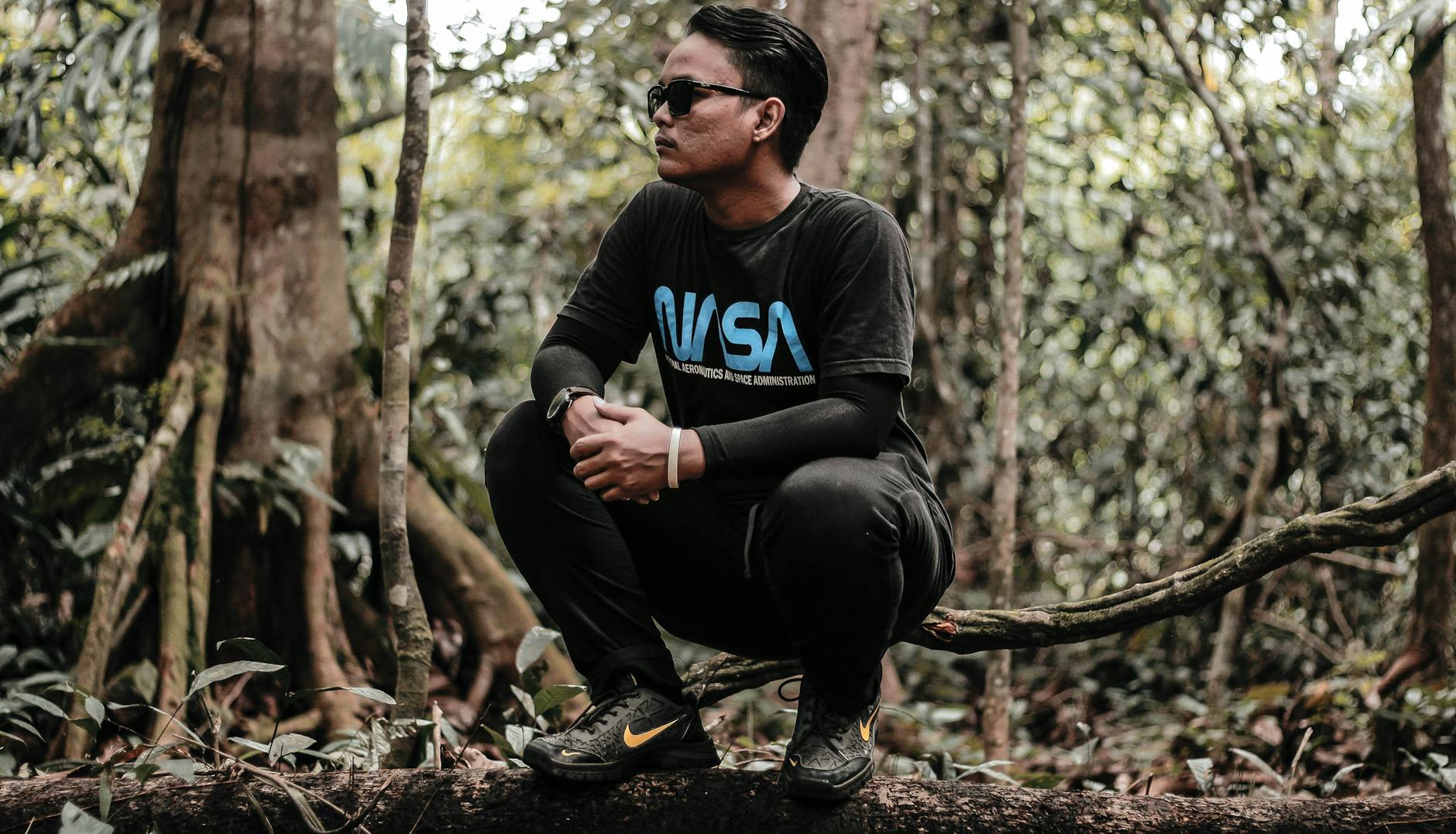
Clothing covered in large visible brand logos or prominent designer insignia introduces a distraction into the interview environment that shifts focus from professional capability to consumer identity in a way that serves almost no candidate’s interests in almost any interview context. A hiring manager who personally dislikes the brand being displayed experiences an involuntary negative association that has nothing to do with the candidate’s qualifications, while one who recognizes and appreciates the brand may form an equally irrelevant positive association that is still not the basis on which hiring decisions should ideally be made. The specific message communicated by heavy logomania in an interview setting varies by industry and interviewer but rarely lands as the sophisticated professional statement that candidates who favor branded clothing sometimes intend. Understated and logo-free clothing allows the candidate’s qualifications, communication style, and professional presence to occupy the foreground of the interviewer’s assessment rather than ceding that space to a brand identity that the candidate does not control. The single small logo of a recognized quality brand on a well-fitted garment occupies a very different visual register from the oversized repeated branding that characterizes logo-heavy fashion and is not the category of concern this guidance addresses.
Overly Revealing Clothing

Clothing that reveals significant areas of skin through low necklines, high hemlines, sheer fabric, or fitted silhouettes that leave little to the imagination consistently produces negative impressions in interview contexts across virtually all industries and organizational cultures, including those with the most relaxed everyday dress standards. The professional interview is a context in which candidates are asking an organization to entrust them with responsibilities, resources, and relationships, and clothing choices that center physical display rather than professional competence create a misalignment between the message the outfit sends and the message the occasion requires. Research on interviewer bias and candidate presentation consistently finds that revealing clothing reduces perceptions of candidate competence and suitability for leadership roles regardless of the actual qualifications being presented, an effect that operates through unconscious social cognition rather than deliberate prejudice and that affects interviewers of all genders. The standard of coverage appropriate for an interview is always more conservative than the standard of the same organization’s casual Friday because the interview is not a day-to-day occasion but a formal evaluation context with distinct social norms. Selecting interview clothing that would be comfortable to wear in a client meeting with a senior external stakeholder provides a reliable calibration standard that covers most professional interview contexts.
Distracting Accessories
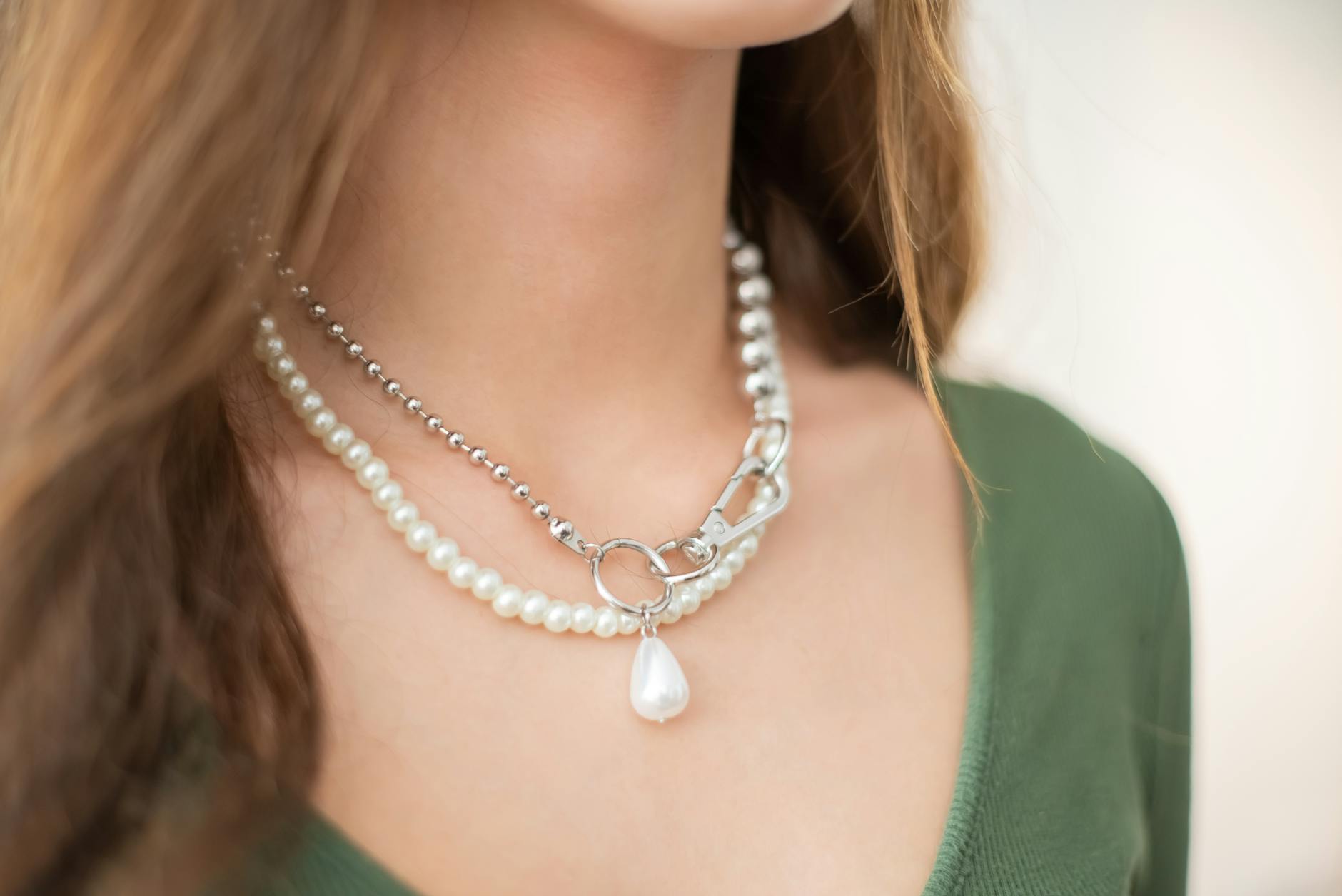
Statement jewelry, elaborate hair accessories, and visually complex decorative elements that draw repeated attention away from the candidate’s face and words during conversation introduce a sustained distraction into the interview dynamic that works against the communication of substance and capability. An interviewer whose eye is repeatedly drawn to a large statement necklace, a collection of stacked bangles that produce sound with each hand gesture, or a hair accessory that shifts position during animated conversation is an interviewer whose attention is divided between the candidate’s professional content and the visual or auditory stimulus being generated by the accessories. The principle of directing all available interviewer attention toward the candidate’s words, expressions, and professional presence argues for accessories that complement rather than compete with the overall presentation, which in practice means minimal, quiet, and proportionate rather than bold, layered, or kinetic. This guidance does not argue for the elimination of personal style expression from interview dressing but for its calibration to the specific communication objective of the interview context. A single considered accessory that contributes to a cohesive professional presentation occupies an entirely different register from a collection of statement pieces that collectively overwhelm the outfit and the conversation.
Ill-Fitting Clothing
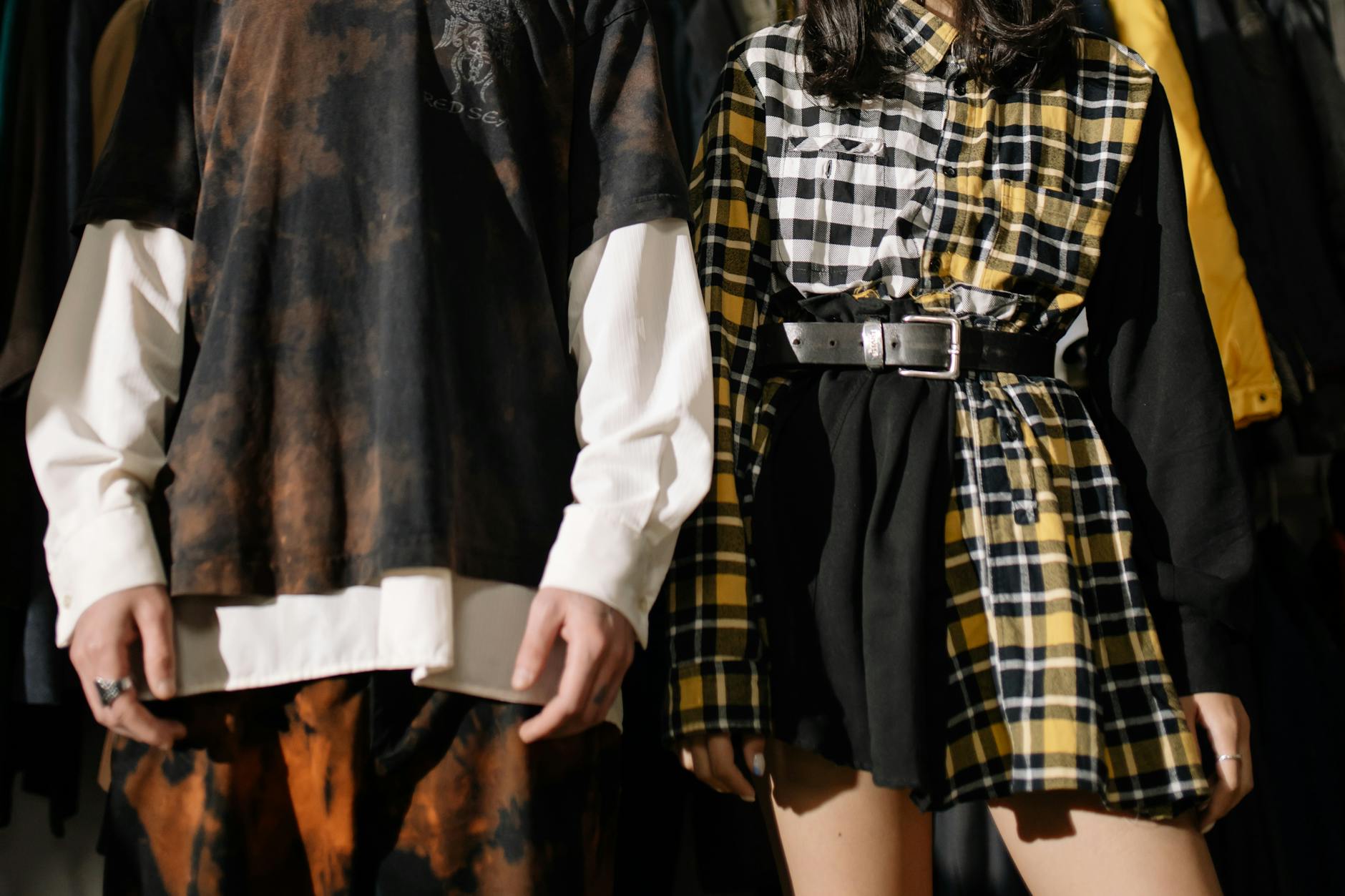
Clothing that does not fit the candidate’s actual body, whether too large and shapeless or too small and constricting, communicates a lack of attention to personal presentation that interviewers consistently register as a negative signal regardless of the quality or appropriateness of the garment itself. A suit jacket with shoulders that fall two inches past the shoulder joint, trousers that pool on the floor, or a shirt that gaps at the buttons across the chest each produce a visual impression of someone wearing borrowed clothing rather than a considered professional wardrobe, and this impression is difficult to override through the content of the interview conversation. The contemporary professional wardrobe favors tailored proportions across all formality levels and gender expressions, and the difference between a well-fitted and a poorly fitted version of the same garment is large enough that fit should be treated as a primary selection criterion rather than an afterthought. Many candidates invest in appropriate interview clothing without accounting for the additional cost of basic tailoring that transforms a garment from adequate to polished, and this investment is among the most reliable returns available in interview preparation for candidates with frequent hiring needs. Trying on interview clothing well in advance of the interview date and allowing time for basic alterations if needed is the preparation habit that eliminates fit as a presentation liability.
Party or Novelty Socks
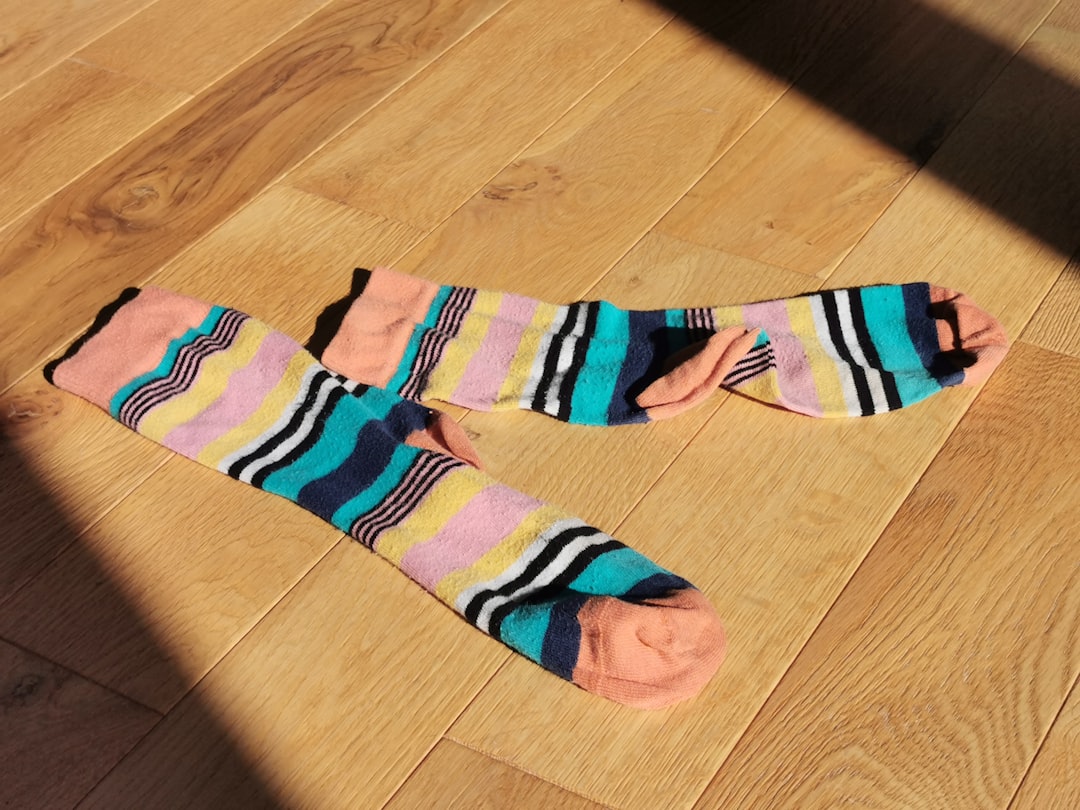
Novelty socks featuring cartoon characters, bold humor graphics, food imagery, or other whimsical patterns represent a subcategory of interview dressing error that is specific enough to deserve individual attention because the misjudgment they represent is a particular kind. The candidate who wears an otherwise composed and appropriate interview outfit and then pairs it with cartoon-printed socks has made a calculated bid for memorability or personality expression that communicates a misreading of where the interview falls on the formality spectrum. In the specific professional contexts where genuine personality and culture fit are assessed partly through unconventional self-expression, this choice might conceivably land neutrally but the range of interview environments where it represents a net positive is vanishingly small. The visible sock has become a genuine fashion consideration in professional dressing given the trouser lengths and seating positions common in modern interviews, making the sock choice a deliberate part of the overall presentation rather than a detail safely ignored. Solid colors or subtle patterns that extend and harmonize with the shoe and trouser tones maintain the visual coherence of the lower half of the outfit in a way that novelty patterns reliably disrupt.
Heavy Daytime Makeup
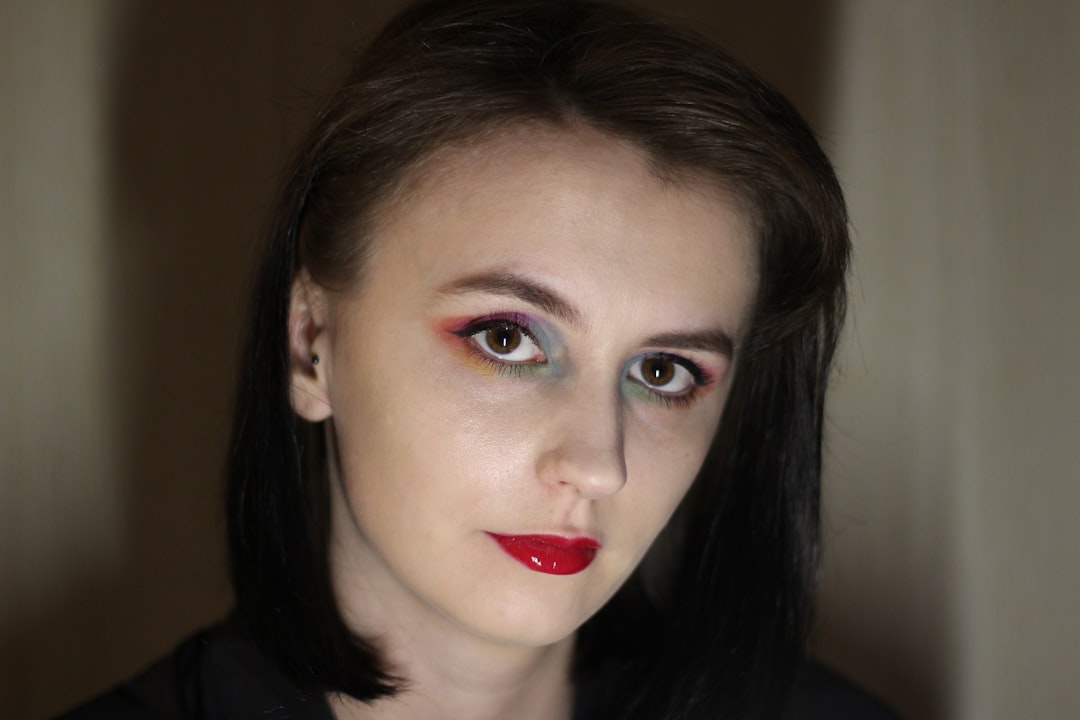
A makeup application that is calibrated to evening, event, or editorial contexts rather than to professional daytime wear creates a visual presentation in an interview that many interviewers find incongruent with the professional assessment occasion regardless of the technical skill involved in the application. Heavy contour, bold cut-crease eyeshadow, dramatic false lashes, and deep liner intended to read from a distance or under theatrical lighting produce a different impression in the close, even, and often fluorescent-lit environment of a professional interview room where the same application reads as overdone rather than polished. The relevant standard for interview makeup is not the absence of makeup but the calibration of application to the occasion, with the interview context calling for a finish that enhances professional confidence without drawing attention to itself as a primary visual feature of the presentation. Research on professional appearance and candidate assessment consistently finds that makeup worn at a moderate application level produces more positive competence ratings than either no makeup or heavy makeup, suggesting that calibration rather than elimination or maximization is the principle that serves candidates best. Practicing the interview makeup application in natural light and at the time of day the interview will occur is the most reliable method of assessing how the finished result will read in the actual interview environment.
Sportswear and Athleisure
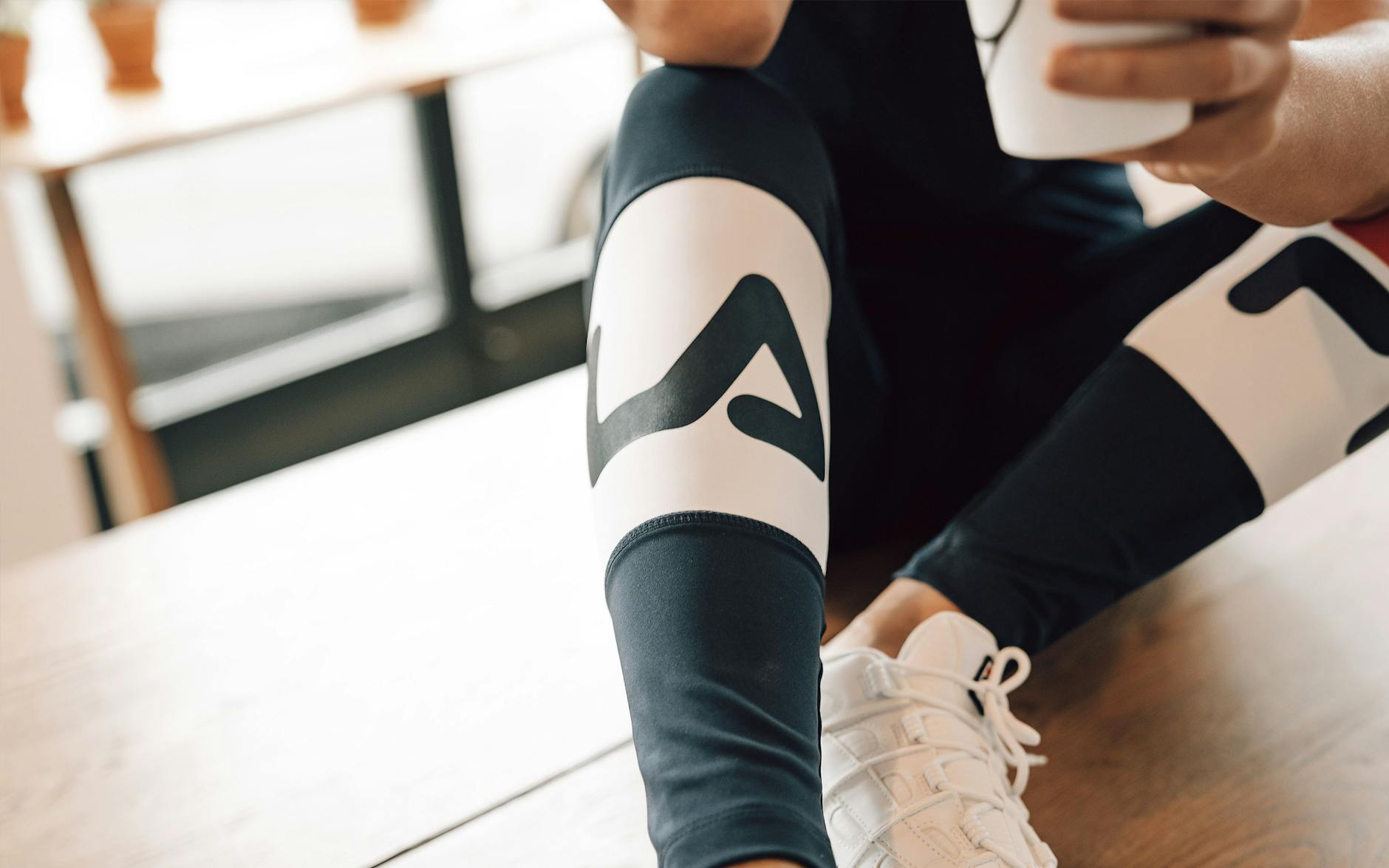
Athleisure garments including joggers, leggings worn as standalone trousers, zip-up athletic hoodies, and performance fabric tops have achieved a level of social acceptance in casual everyday contexts that some candidates mistake for professional acceptability across a broader range of situations including formal interviews. The category error involved in wearing athleisure to a job interview is not one of fashion currency but of context reading, as the same garment that is entirely appropriate in a coffee shop, a coworking space, or a gym represents a failure to recognize the interview as a formal evaluation occasion with distinct and higher dress standards than the everyday casual environments where athleisure is normalized. Even in technology companies, creative agencies, and wellness industry organizations where athleisure may be genuinely worn as daily workwear, the interview is typically understood by experienced candidates and hiring managers alike as a context that calls for a step above the daily norm rather than a representation of it. The candidate who arrives in athletic wear at an organization whose employees wear exactly that attire every day has still misread the interview as an ordinary day rather than a consequential formal occasion. Selecting clothing that represents a conscious and effortful step above the organization’s casual daily standard is a reliable interview dressing principle across essentially all industry contexts.
Sunglasses Worn Inside
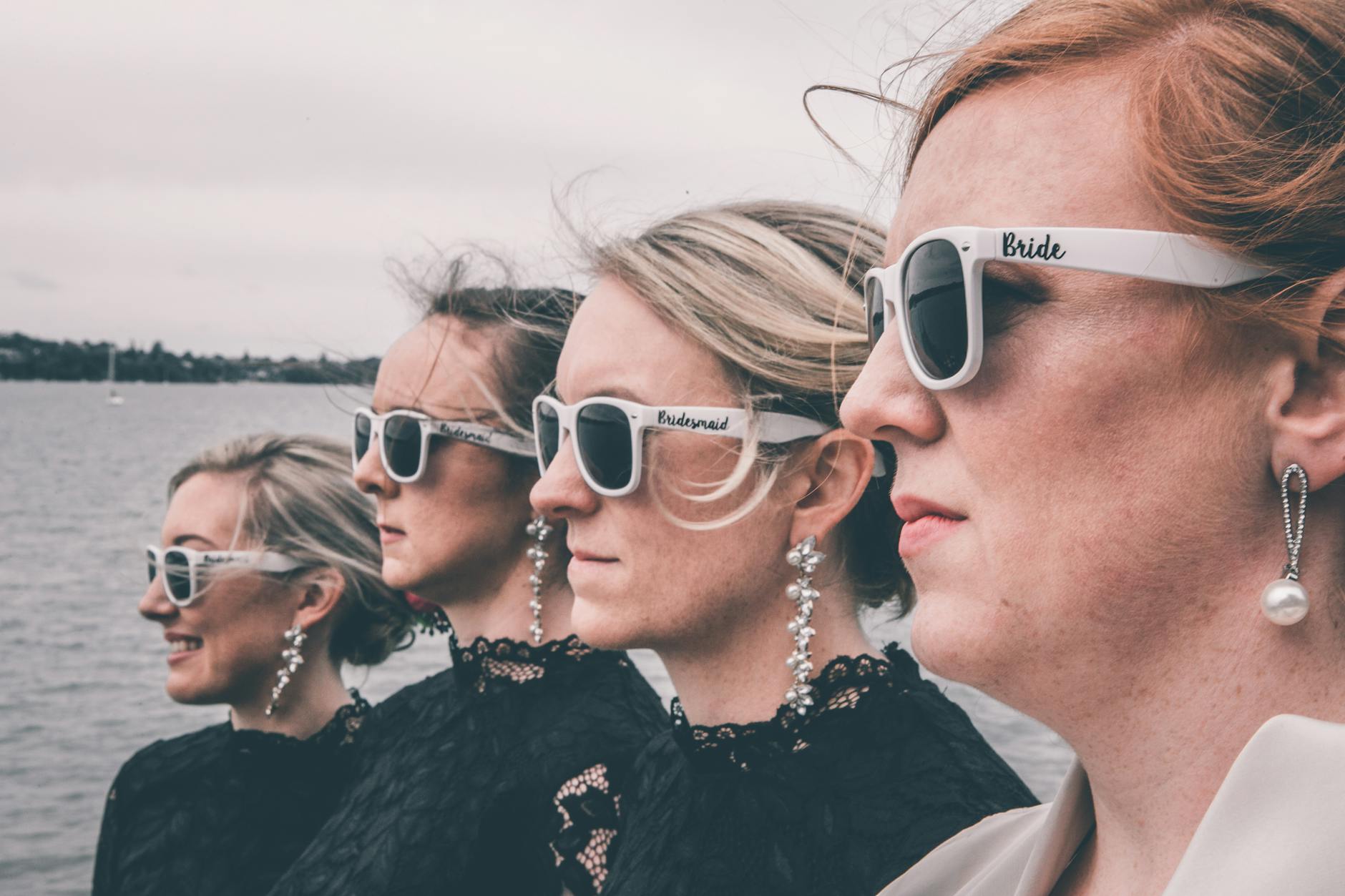
Arriving at an interview with sunglasses worn on the face rather than removed and stored signals an unawareness of professional social norms that is difficult to recover from in the brief duration of a first impression. Eye contact is among the most fundamental components of professional rapport and trustworthiness communication in the interview context, and anything that prevents or obstructs the interviewer’s access to the candidate’s eyes creates a barrier to the personal connection that effective interview performance depends upon. Sunglasses left on the head as a casual accessory throughout the interview represent a lesser but still present version of the same problem, introducing a casual informality into the overall presentation that contradicts the composed professional image that the rest of the outfit may be working to establish. Photochromic lenses that do not fully clear in indoor lighting conditions present a specific practical challenge for candidates who rely on prescription eyewear, and allowing adequate transition time before entering the interview environment is the logistical solution that eliminates this unintended barrier to eye contact. The simple act of removing sunglasses before entering any building associated with the interview process and storing them entirely out of sight communicates a social awareness that is itself a positive signal in the professional evaluation context.
Clothes That Restrict Movement
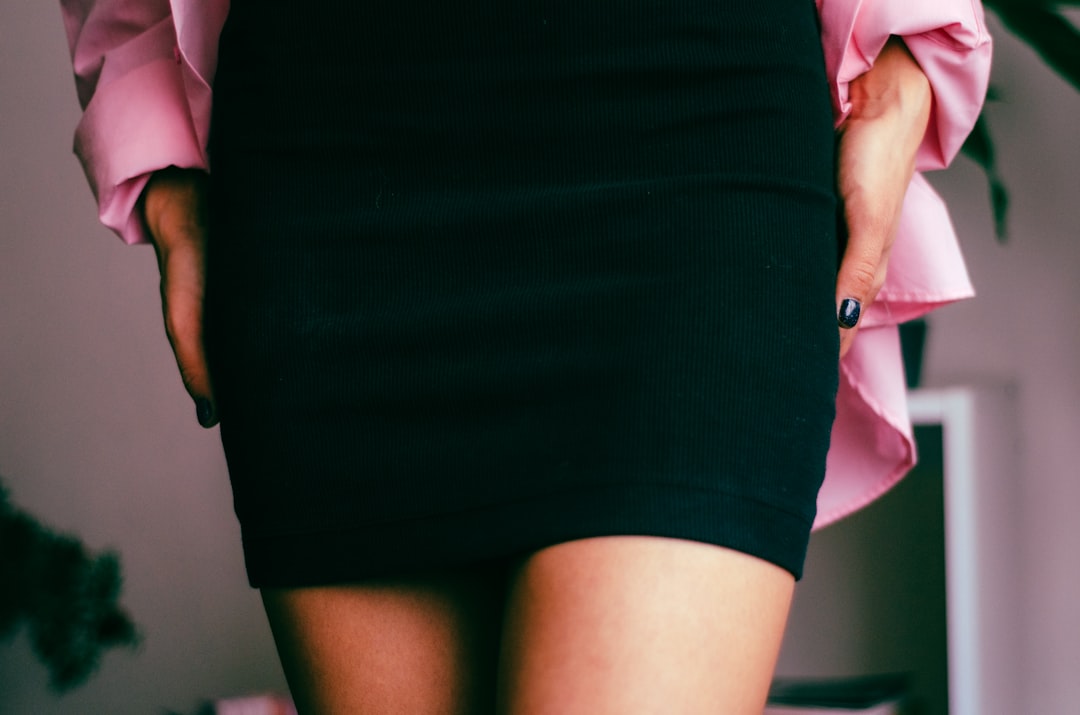
Interview clothing that physically restricts the candidate’s ability to sit, stand, gesture, and move naturally introduces a postural and behavioral constraint that is visible to interviewers as stiffness, discomfort, and reduced expressive freedom even when they cannot identify the clothing as its cause. A candidate who cannot cross their legs comfortably, reach forward naturally, or stand and offer a handshake without tugging their hemline is a candidate whose physical self-consciousness is occupying mental bandwidth that should be devoted entirely to communicating professional capability and engaging authentically with the interview conversation. The behavioral research on embodied cognition consistently finds that physical constriction reduces psychological confidence and expressive range in ways that manifest as measurable communication quality differences, meaning that uncomfortable interview clothing affects not only the visual impression but the substantive performance of the interview itself. Trying on interview clothing while sitting in a chair, reaching across a table, and standing from a seated position before the interview day is the most reliable method of identifying fit and construction issues that are not apparent when standing still in a fitting room. Clothing that allows full natural movement within the formality level appropriate for the role produces both a better visual presentation and a more confident and expressive interview performance than constrictive alternatives at the same formality level.
Hats and Caps
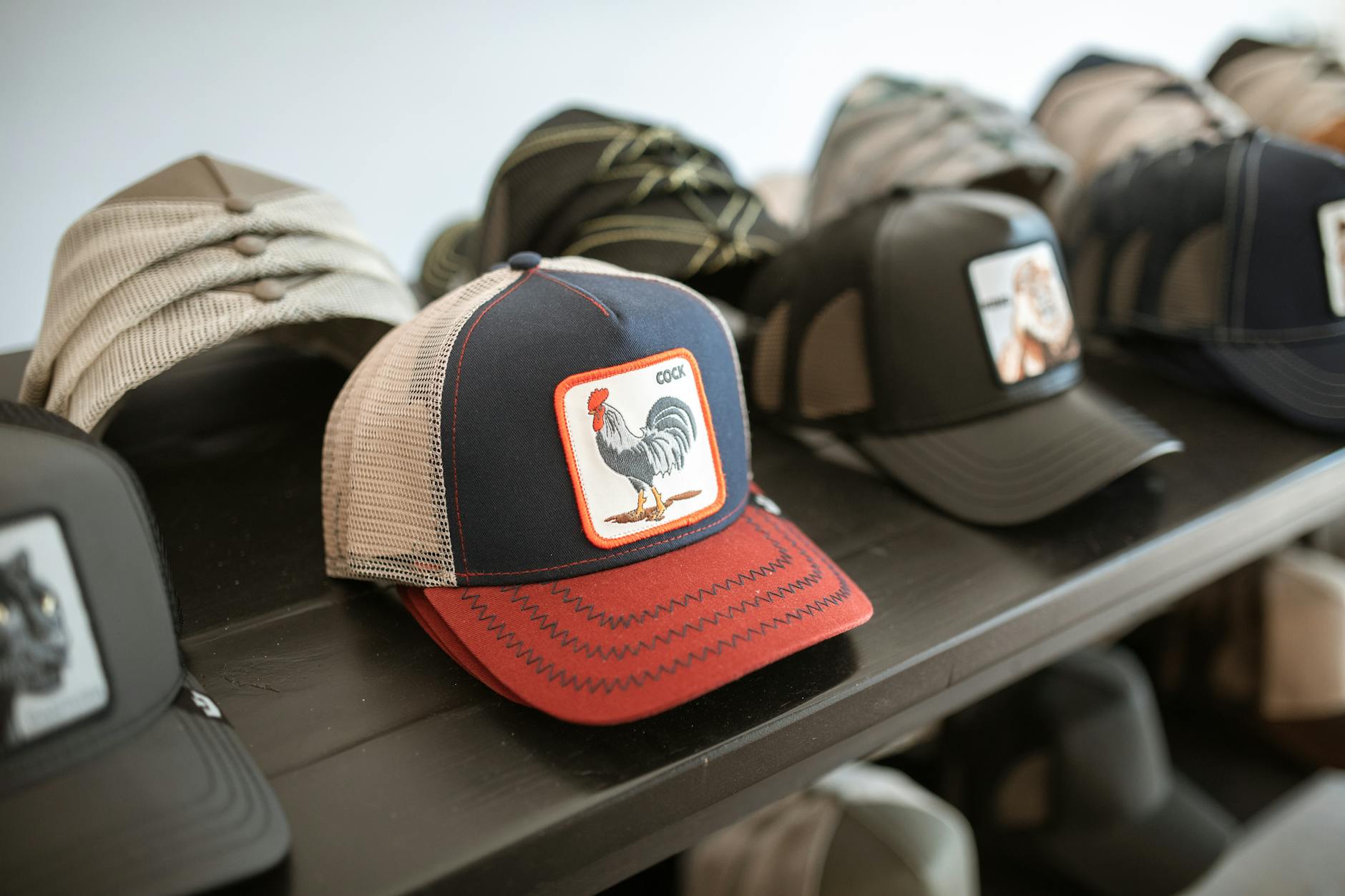
Hats and caps worn into a professional interview space communicate a casual disregard for the formality of the occasion that very few interviewers in any industry context interpret positively regardless of the style, condition, or cultural associations of the headwear in question. The convention of removing hats upon entering a professional environment is deeply embedded in most Western business cultures as a gesture of respect and engagement with the social context, and candidates who retain hats through an interview either do not know this convention or have chosen not to observe it, neither of which is a favorable inference for a hiring manager to draw. Religious and cultural headwear that is worn as an expression of faith or identity occupies an entirely different category from casual fashion headwear and is both legally protected in most jurisdictions and broadly understood as distinct by professional interviewers in contemporary hiring environments. Baseball caps, beanies, bucket hats, and other fashion or functional headwear worn as habitual casual accessories are the specific category this guidance addresses, and their removal before entering any building associated with the interview represents the minimum gesture of contextual awareness that professional interview etiquette requires. Storing hats in a bag before reaching the interview building rather than carrying them in hand or wearing them until the last moment before entry presents the most composed and fully prepared arrival impression.
Stained or Damaged Clothing
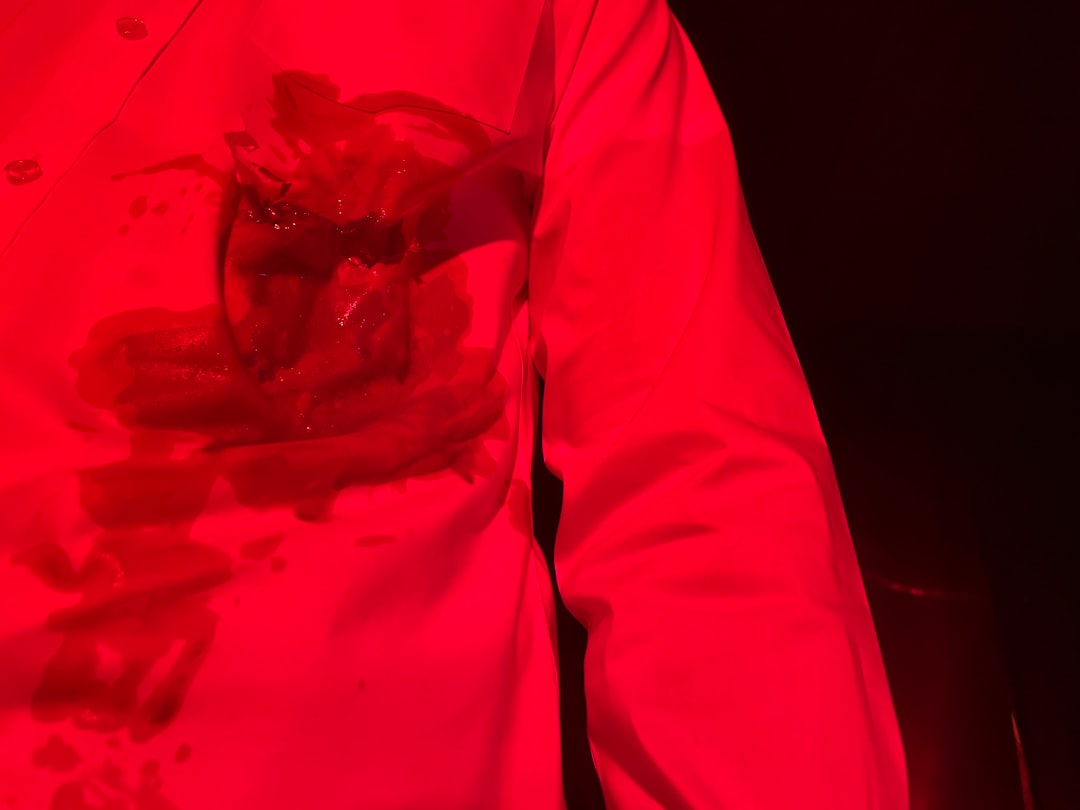
Visible stains, tears, fraying, pilling, broken fastenings, and other signs of garment damage or wear communicate a level of attention to professional presentation that hiring managers consistently read as predictive of attitude toward professional responsibilities regardless of the logical validity of this inference. The candidate who notices a stain on their interview shirt and wears it anyway has made an active decision that the interview does not warrant the effort of selecting a clean alternative, and this decision is visible to every interviewer who conducts the meeting. Damage that occurred en route to the interview represents a different category and is generally managed through a brief acknowledgment if the interviewer notices rather than through apology or explanation, but damage that was present before departure and was not addressed represents a preparation failure with a straightforward prevention. Inspecting interview clothing in good lighting several days before the interview and addressing any damage, staining, or excessive wear through cleaning, repair, or replacement provides sufficient lead time to resolve every preventable clothing condition issue before the interview day. The investment of attention required to present in clean, undamaged, well-maintained clothing is so minimal relative to the stakes of the interview that its absence communicates a disproportionately negative signal about professional priorities.
Strong Political or Divisive Messaging
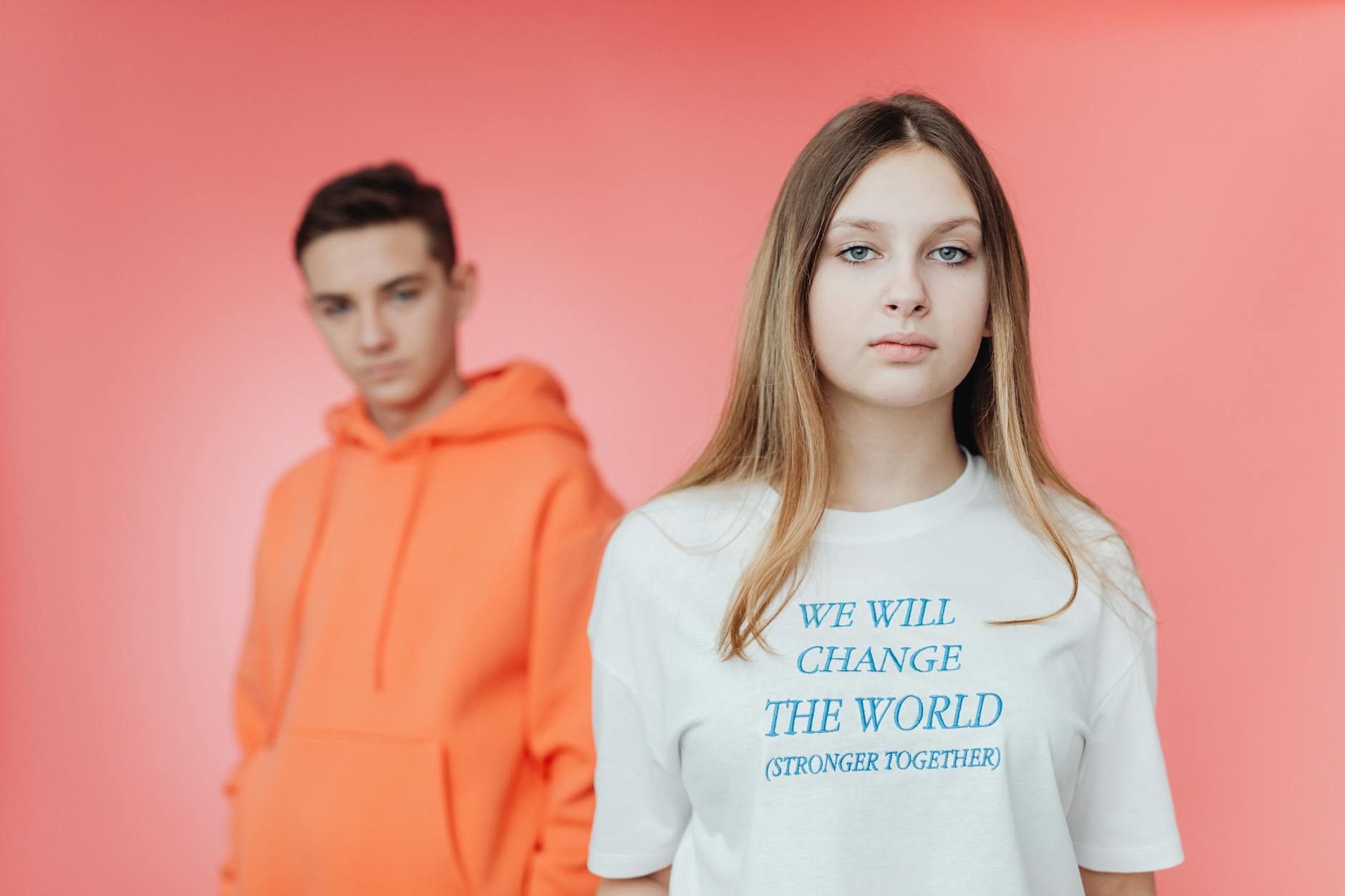
Clothing, accessories, pins, badges, and visible insignia that carry explicit political messaging, divisive social commentary, or strong ideological positioning introduce content into the interview environment that is outside the control of either the candidate or the interviewer to manage neutrally once it has been registered. An interviewer who shares the political position being displayed may form a positive personal connection that is irrelevant to professional assessment, while one who holds a contrary view experiences an immediate adversarial framing that the candidate has no ability to address through their answers because the source of the tension is not discussable in a professional hiring context. The professional interview is a context in which the candidate’s political and ideological views are both legally protected and professionally irrelevant to the hiring decision in most roles, making their visual communication a source of pure risk with no countervailing benefit to the candidate’s professional presentation. This guidance is not an argument for the suppression of personal values but for their contextually appropriate expression in a setting where they serve neither the candidate nor the interviewer as subjects of professional evaluation. Reserving personal and political expression for contexts where it is both invited and relevant preserves the interview as a space focused entirely on professional capability and mutual professional fit.
Overly Casual Footwear

Beyond athletic sneakers addressed earlier, the broader category of overly casual footwear including worn-down sandals, slides, rubber-soled clogs, and beach-adjacent shoes represents a formality failure at the foundation of an otherwise appropriate interview outfit that undermines the overall composition of the professional presentation. Footwear communicates the candidate’s understanding of the formality level of the occasion with particular clarity because it is a deliberate and specific purchase decision rather than a garment that might be interpreted as dressed up or down depending on styling. The cleanliness and condition of shoes are also noted by interviewers at a higher rate than most candidates expect, with scuffed, unpolished, or visibly worn leather shoes producing a presentation deficit that buffing and polishing in advance would have entirely resolved. The principle that interview footwear should be clean, structured, and calibrated to a formality level equal to or slightly above the organization’s daily standard applies across all candidate genders and all industry contexts as a reliable minimum specification. Checking the condition of planned interview footwear under bright light and addressing any scuffing, sole wear, or fastening damage well before the interview date is the preparation habit that prevents footwear from becoming the detail that a carefully constructed outfit is undone by.
Heavily Distressed Denim
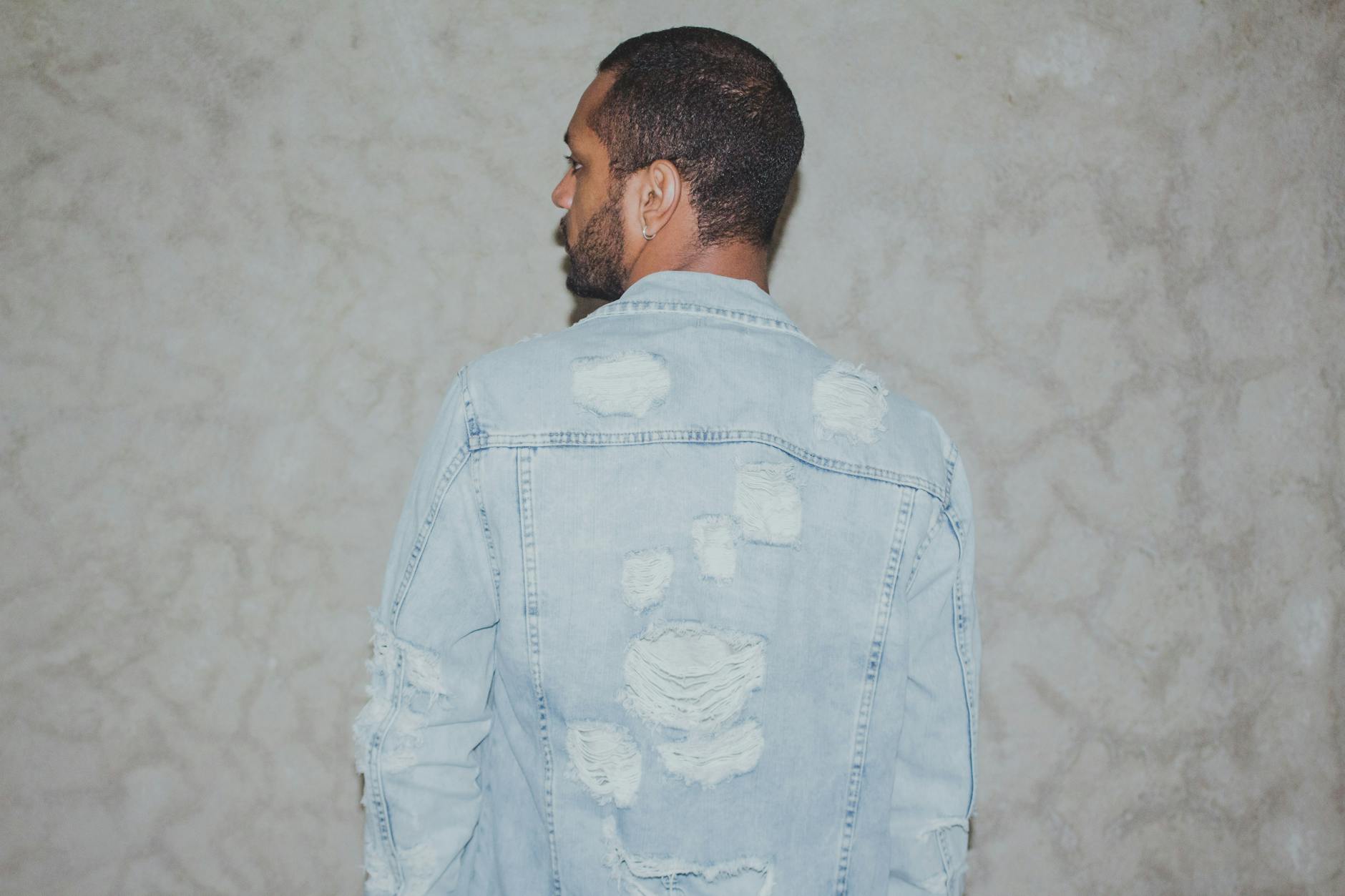
Denim has achieved a level of professional acceptance in many contemporary workplace environments that did not exist a decade ago, but the heavily distressed, torn, bleached, or embellished versions of the fabric remain categorically outside the range of interview-appropriate clothing across virtually all professional contexts regardless of how normalized they are in everyday fashion. The distinction between a dark, clean, well-fitted pair of dress jeans and a pair with significant intentional distressing is not one of fabric but of the formality signal each variety sends, with heavy distressing communicating deliberate informality and personal style prioritization over professional context awareness. Candidates who have researched their target organization’s dress culture and determined that denim is worn daily may reasonably consider whether clean, dark, structured denim is an appropriate interview choice, but this calculation does not extend to distressed versions whose casual signal is not neutralized by the organization’s general clothing permissiveness. The interview occasion calls for a step above the organization’s daily norm in virtually all contexts, and dark structured denim elevated with tailored pieces and appropriate footwear represents that step in casual workplace cultures in a way that distressed denim does not regardless of styling. Saving heavily distressed denim for the period after an offer has been accepted and workplace norms have been directly observed rather than inferred is the approach that eliminates this category of interview dressing risk entirely.
Visible Undergarments

Visible undergarments including bra straps displayed outside the garment design, underwear waistbands above trouser lines, and undergarment lines visible through sheer or fitted outer layers introduce an unintended casualness into the interview presentation that redirects interviewer attention in a way that serves no candidate’s professional interests. The professional presentation standard for interviews calls for outer garments that stand independently as composed professional clothing, and the presence of visible undergarment components signals a fit or layering issue that the candidate either did not notice or did not address before the interview. Sheer fabrics that require specific undergarment choices to achieve an opaque presentation, fitted silhouettes that display underwear lines through the outer fabric, and necklines or armholes that do not contain bra components are all fit and construction issues that are resolvable through garment selection, appropriate undergarment choice, or both. Assessing interview outfit components in the mirror under the lighting conditions most similar to those of the interview environment and with the movements and postures the interview will require reveals these issues before they become in-interview distractions. The standard that all undergarment components should remain invisible throughout the full range of movement and posture required by the interview applies reliably across all interview contexts and candidate presentation styles.
Last Season Trends Taken Too Far
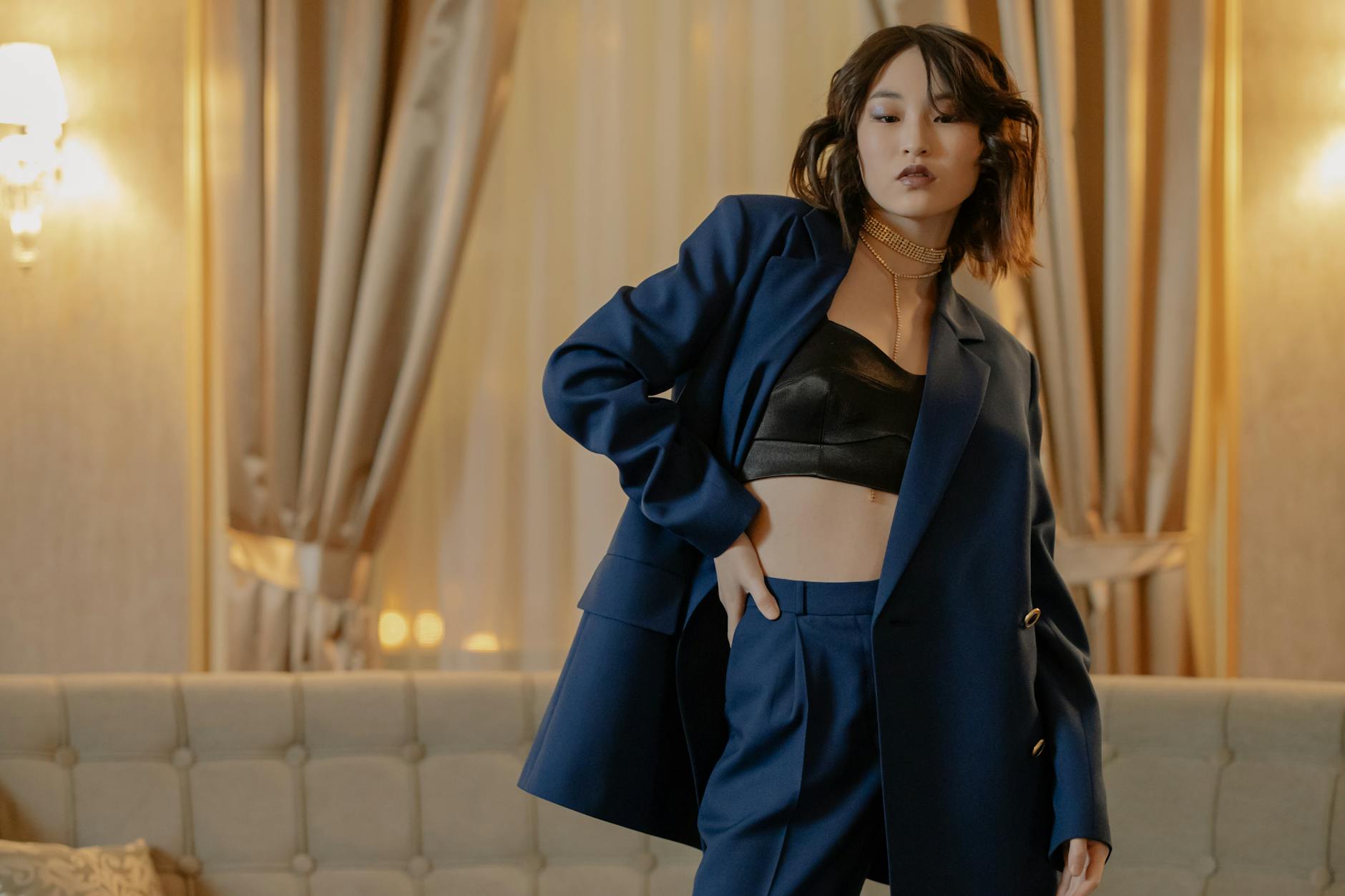
Clothing that is heavily defined by a single recent fashion trend rather than by enduring professional dressing principles risks reading as fashion-forward in a way that prioritizes trend engagement over professional judgment in the eyes of interviewers who are evaluating cultural fit and professional awareness simultaneously. The distinction between incorporating contemporary fashion sensibility into a professional wardrobe and building an interview outfit around a single dominant trend is the difference between an individual who uses fashion as one expressive tool among many and one who is primarily expressing fashion identity in a context that calls for professional identity as the primary communication objective. Specific trend-heavy silhouettes, color combinations, and styling approaches that are identifiable as belonging to a particular fashion moment date an interview outfit in a way that is more apparent to interviewers than candidates often realize, and this dating can read as a lack of the timeless professional judgment that enduring career success requires. Building interview outfits around classic, well-fitted, quality pieces with contemporary but not trend-dependent styling produces a professional presentation that communicates both current awareness and the sustained good judgment that hiring managers across industries consistently identify as a primary assessment target. The interview wardrobe is not the context for fashion risk-taking but for the demonstration of the contextual intelligence and professional self-awareness that the role being pursued will require every day.
If you have a job interview coming up or have learned a valuable dressing lesson from a past interview experience, share your thoughts and tips in the comments.




