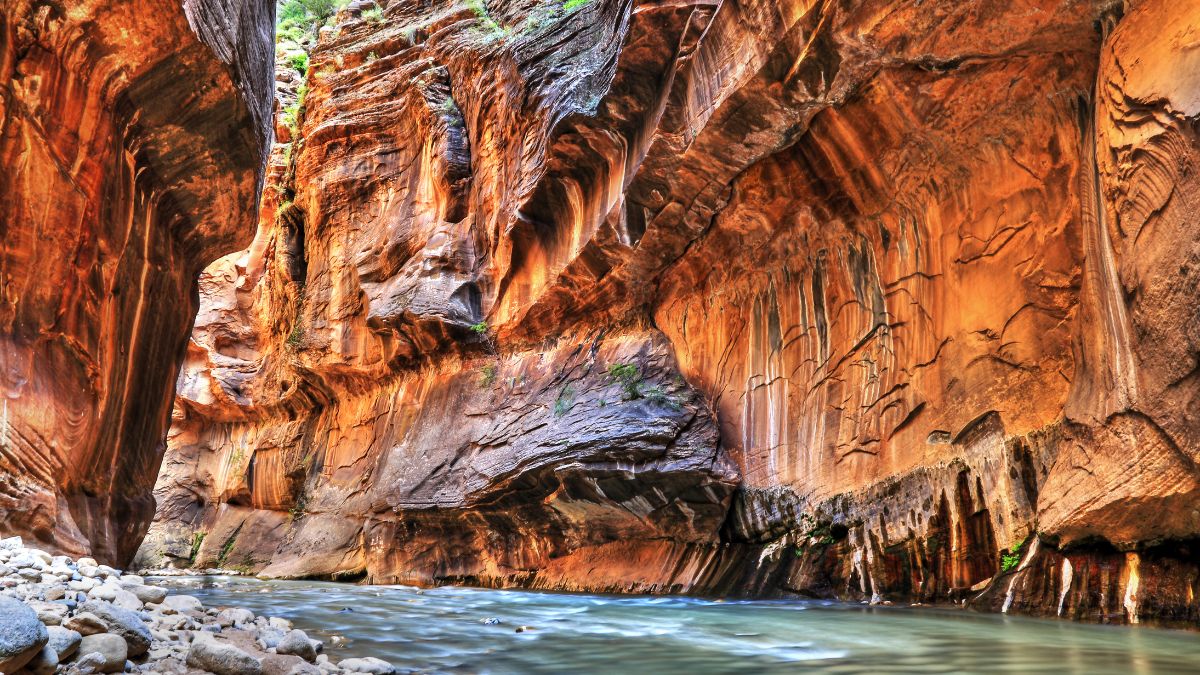
National parks represent some of the most breathtaking and ecologically significant landscapes on Earth, preserved carefully for generations to come. Millions of visitors pass through these protected spaces each year, making responsible behavior essential to their survival. While most people arrive with the best intentions, certain common mistakes can cause lasting damage to wildlife, plant life, and the natural environment. Understanding what not to do is just as important as knowing what to enjoy during a park visit. The following guide covers thirty critical behaviors every visitor should avoid.
Wildlife Feeding

Feeding animals in national parks disrupts their natural foraging instincts and creates dangerous dependencies on human food sources. Animals that become accustomed to receiving food from visitors may lose their ability to survive independently in the wild. In many parks, feeding wildlife is a punishable offense that can result in substantial fines for the visitor involved. Human food can also be toxic to certain species and cause serious digestive and health complications. Keeping a respectful distance and allowing animals to forage naturally is the only responsible approach.
Trail Littering
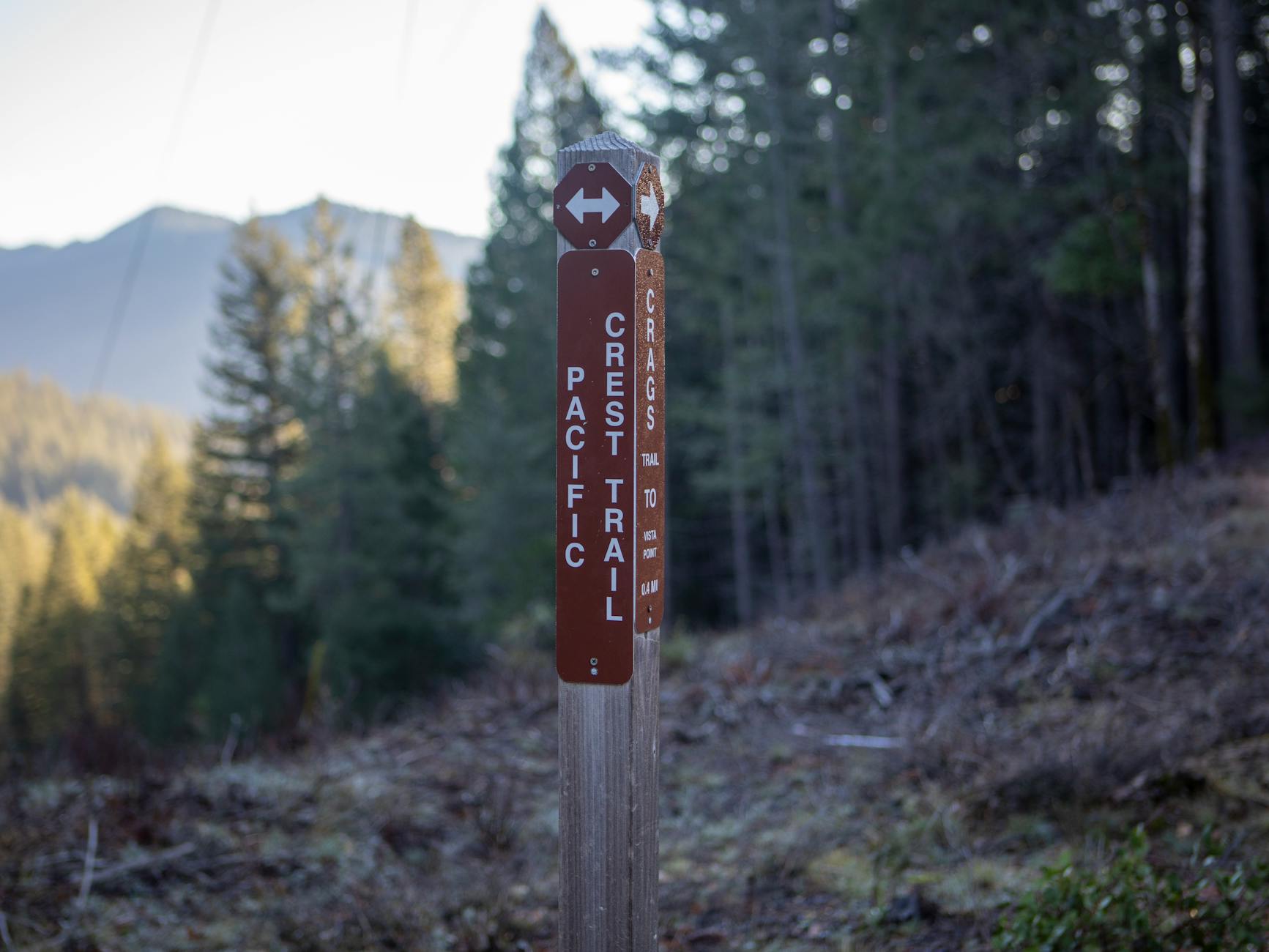
Leaving trash behind on trails is one of the most damaging and disrespectful things a visitor can do in a protected area. Food wrappers and leftover scraps attract wildlife to human pathways and alter their natural behavior patterns. Litter can take hundreds of years to decompose and leaches harmful chemicals into the soil and nearby water sources. Many parks operate under a strict carry-in carry-out policy that places full responsibility on visitors to remove everything they bring. Packing a dedicated trash bag is a simple habit that makes a significant environmental difference.
Off-Trail Hiking
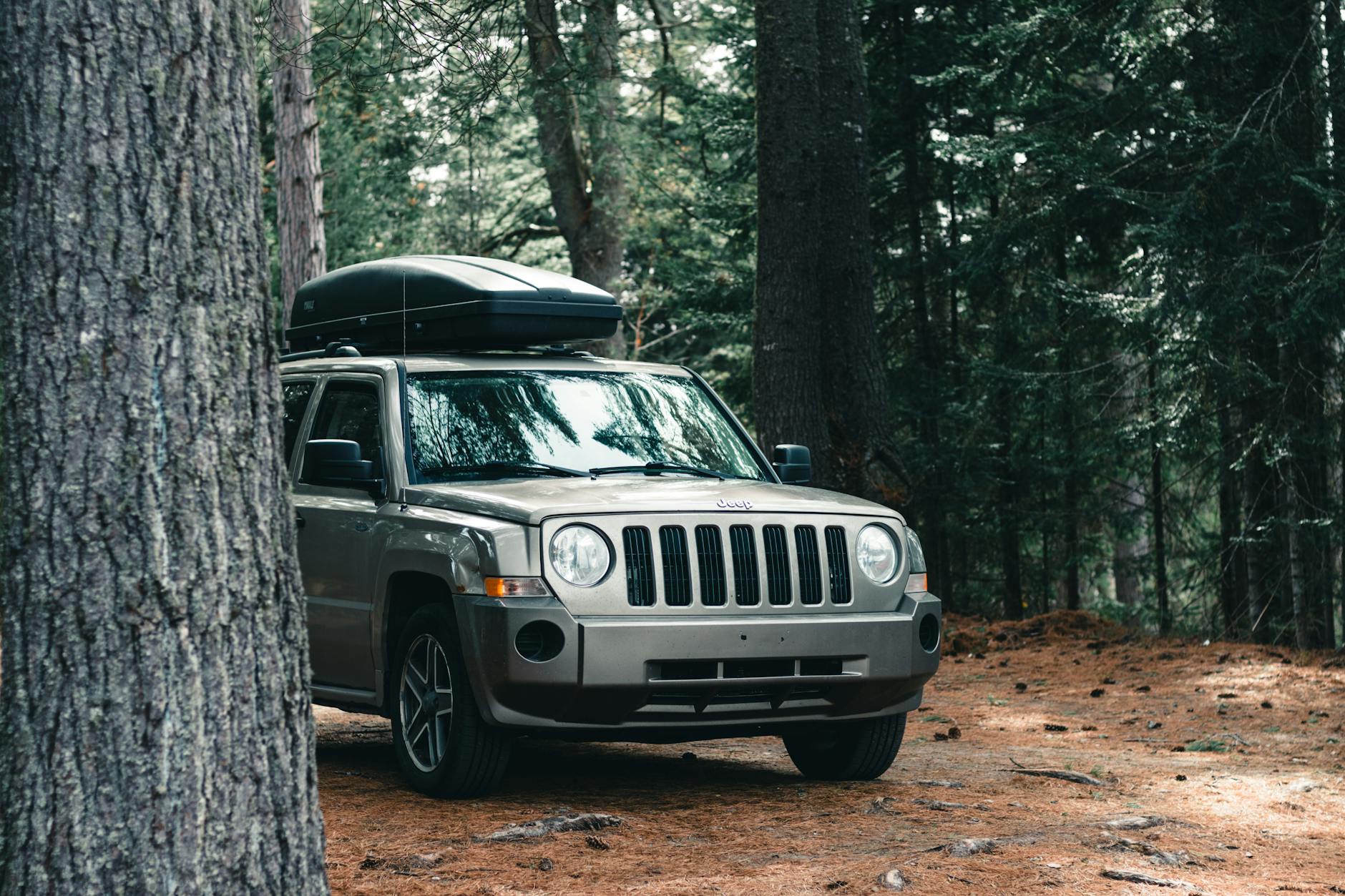
Wandering off designated trails may seem adventurous but causes significant damage to fragile ecosystems that take decades to recover. Soil compaction from foot traffic kills root systems and prevents plant regeneration in areas that evolved without human disturbance. Cryptobiotic soil crust, found in desert parks, can be destroyed with a single footstep and takes up to fifty years to regrow. Straying from marked paths also increases the risk of becoming lost or injured in terrain that rescue teams struggle to access. Staying on the trail protects both the landscape and the hiker at the same time.
Loud Music

Playing loud music through external speakers disrupts the natural soundscape that defines the national park experience. Wildlife communication relies heavily on ambient sound, and human noise pollution can interfere with mating calls, predator alerts, and territorial signaling. Fellow visitors also travel to parks seeking the restorative quiet of nature, and amplified audio directly undermines that experience. Park guidelines in many protected areas explicitly prohibit amplified sound in natural zones and camping areas. Headphones offer a private listening option that respects both wildlife and other guests entirely.
Wildflower Picking

Picking wildflowers or any plant material in a national park is prohibited in virtually every protected area in the world. Removing plants disrupts seed dispersal and prevents the natural regeneration cycles that sustain meadow and forest ecosystems. Even a single flower picked by thousands of visitors each season adds up to catastrophic losses for local plant populations. Many wildflower species also support specific pollinators and insects that depend on them for survival. Photographing flowers rather than harvesting them preserves their beauty for every future visitor.
Campfire Safety
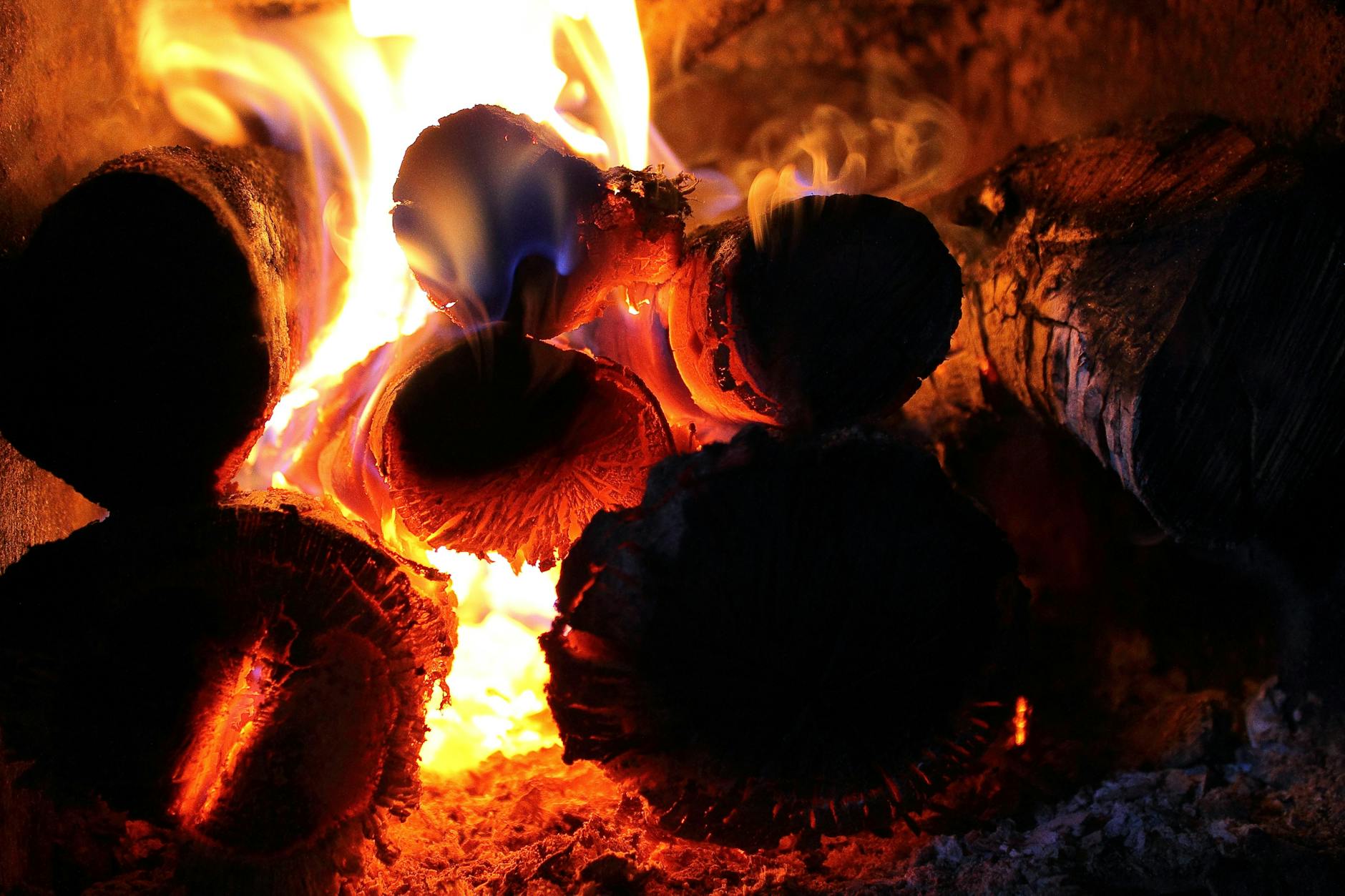
Leaving a campfire unattended even briefly is one of the most dangerous actions a visitor can take in a national park. Uncontrolled fires have been responsible for some of the most devastating wildfires in recent history, burning millions of acres of protected land. Campfires should only be built in designated fire rings and must be fully extinguished with water before the visitor leaves the site. Hot ash buried beneath the surface can reignite hours later if not properly doused and stirred. Checking local fire restrictions before arriving is an essential part of responsible trip planning.
Pet Restrictions
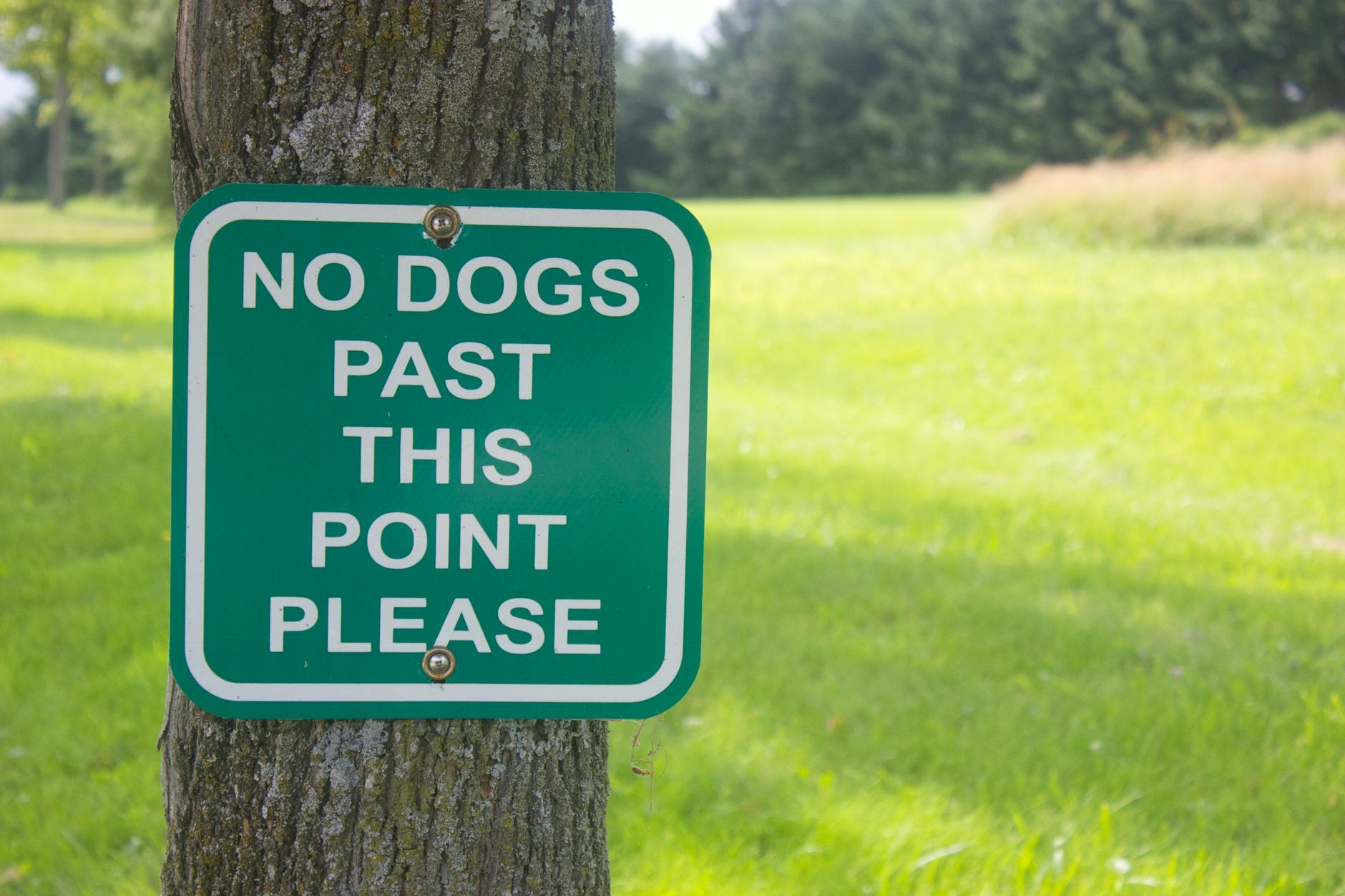
Bringing pets into areas where they are not permitted causes significant stress to local wildlife and can disrupt natural ecosystems. Even well-behaved dogs carry scents that trigger fear responses in birds, small mammals, and other sensitive species. Many national parks restrict pets to paved areas, parking lots, and designated campgrounds to minimize this impact. Allowing a pet to roam off leash in restricted zones can result in fines and removal from the park. Researching pet policies before visiting ensures a positive experience for both the animal and the environment.
Rock Carving
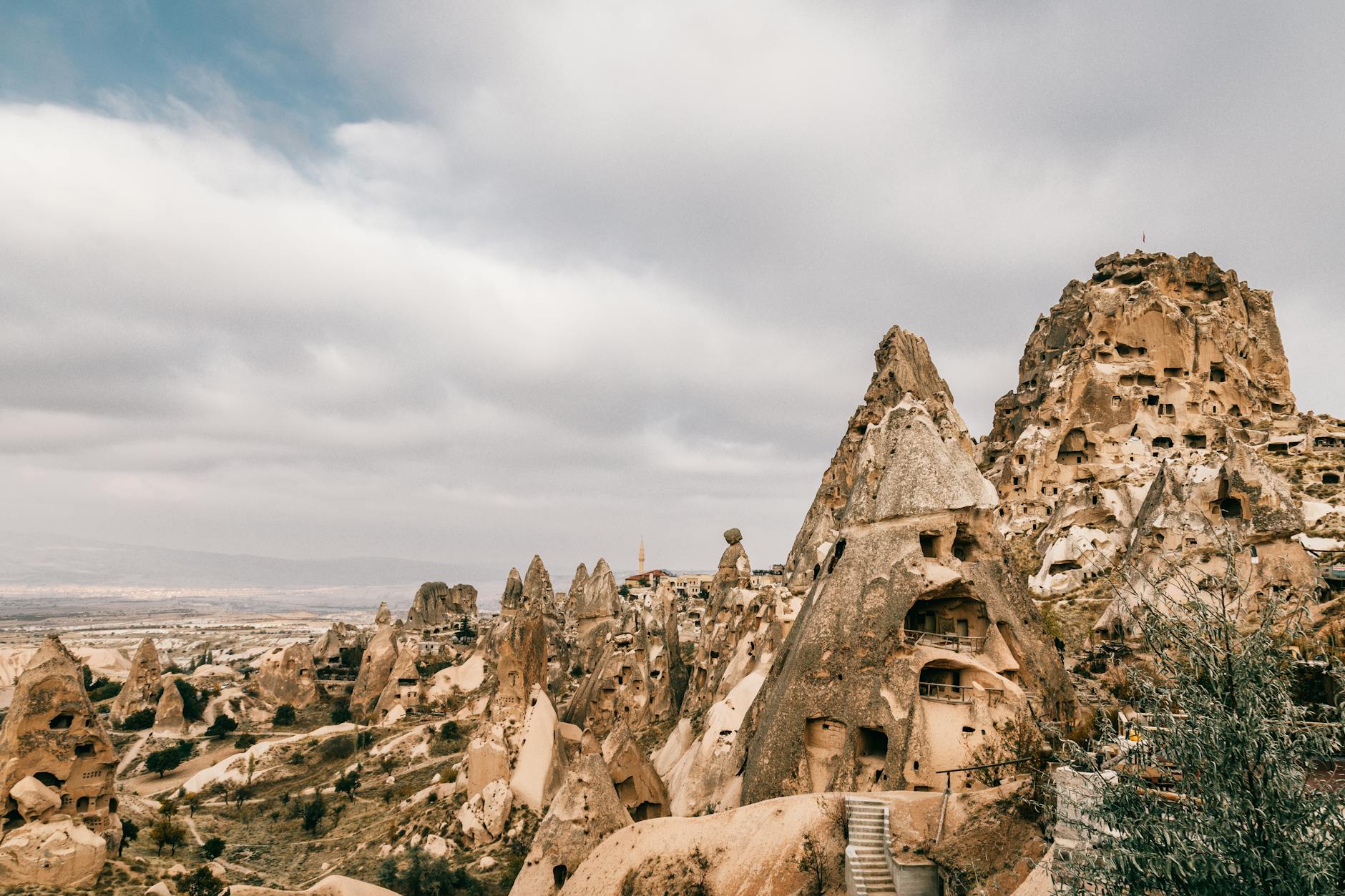
Carving names or symbols into rocks, trees, or any natural surface is a form of vandalism that permanently damages protected landscapes. These markings leave visible scars that take decades or even centuries to weather away in stone and petrified wood. Cultural and natural features in national parks are protected under federal law, and defacing them carries serious legal consequences. The practice also disrespects Indigenous cultural heritage in areas where rock formations hold deep historical and spiritual significance. Leaving natural surfaces unmarked is a basic and non-negotiable standard of park etiquette.
Drone Flying

Operating a drone in a national park without explicit authorization is prohibited across most of the United States park system. Drones produce noise and visual disturbance that causes panic responses in nesting birds and other sensitive wildlife species. The unauthorized flight of unmanned aerial vehicles also poses safety risks to other visitors enjoying trails and viewpoints below. Footage captured by drones in restricted airspace can be confiscated and the operator may face substantial fines. Checking with the specific park’s administration before any aerial photography is an absolute requirement.
Trail Shortcuts
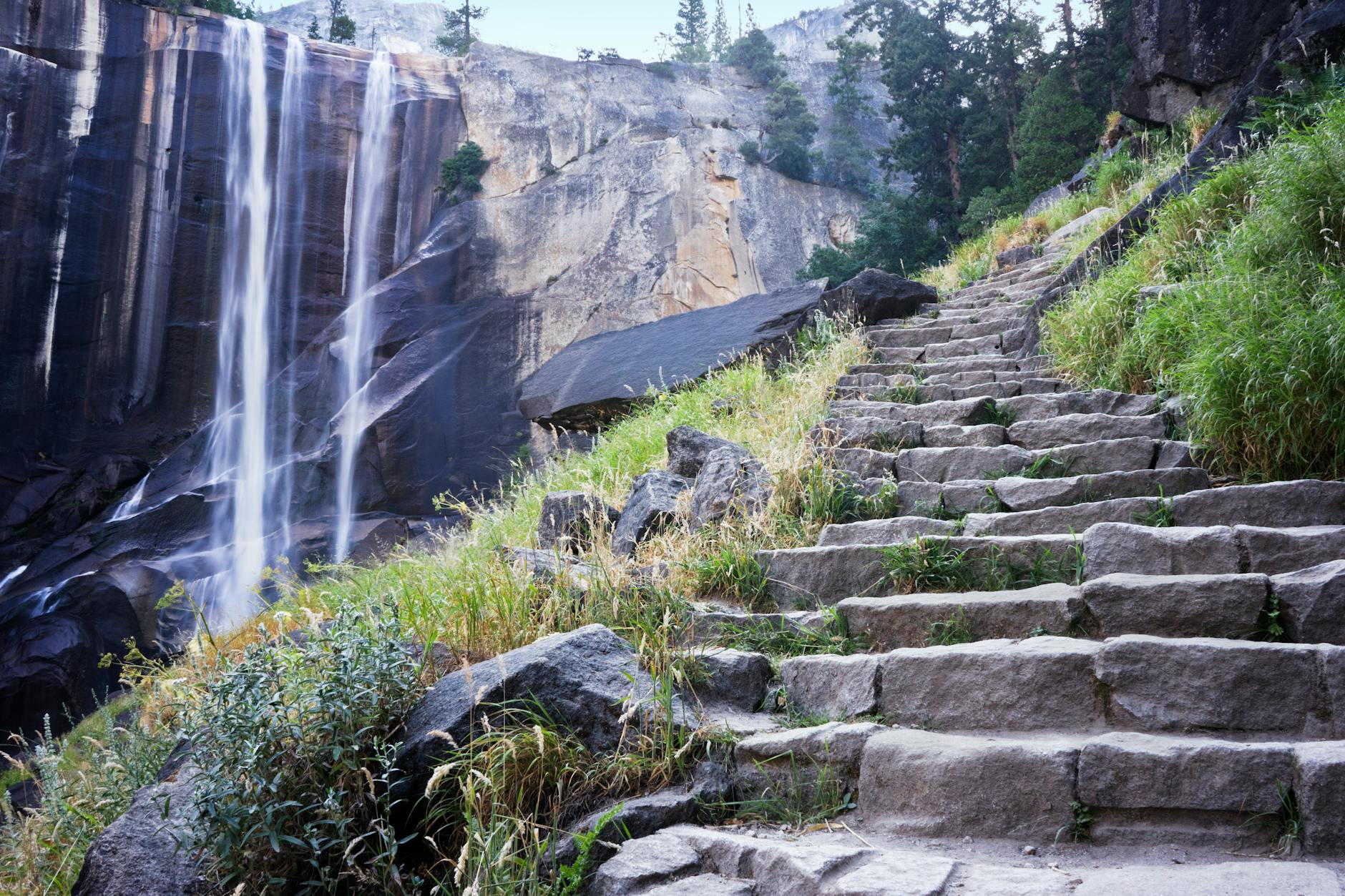
Cutting across switchbacks on steep trails causes severe erosion by channeling rainwater directly down the slope rather than along the contoured path. This type of damage widens gullies and exposes root systems that destabilize surrounding vegetation over time. Switchbacks are deliberately designed to distribute foot traffic and slow the movement of water across mountain terrain. Shortcutting also increases physical risk to hikers who may encounter unstable ground and loose rock on unmarked sections. Following the full designated trail protects both the landscape and the hiker’s own safety.
Bird Nests
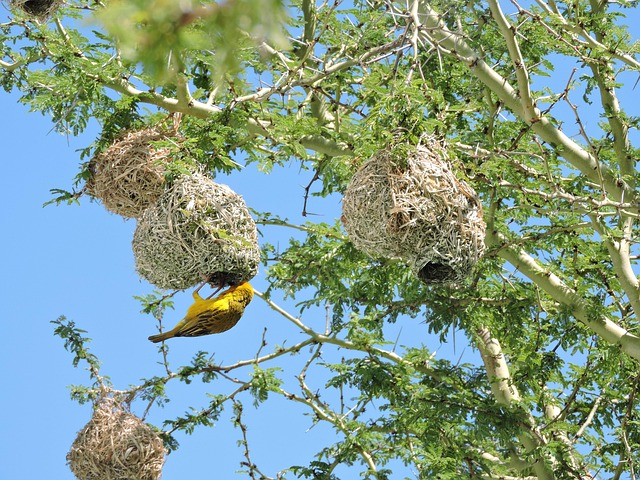
Approaching or disturbing bird nests in national parks can cause parent birds to abandon their eggs and young entirely. Many migratory bird species are protected under federal law and any interference with their nesting sites constitutes a legal violation. Even well-intentioned observation at close range triggers stress responses that increase chick mortality rates. Certain species such as ground-nesting birds are particularly vulnerable because their nests are nearly invisible along the trail surface. Keeping a wide berth from any nesting activity and reporting its location to rangers ensures the best outcome for the birds.
Flash Floods
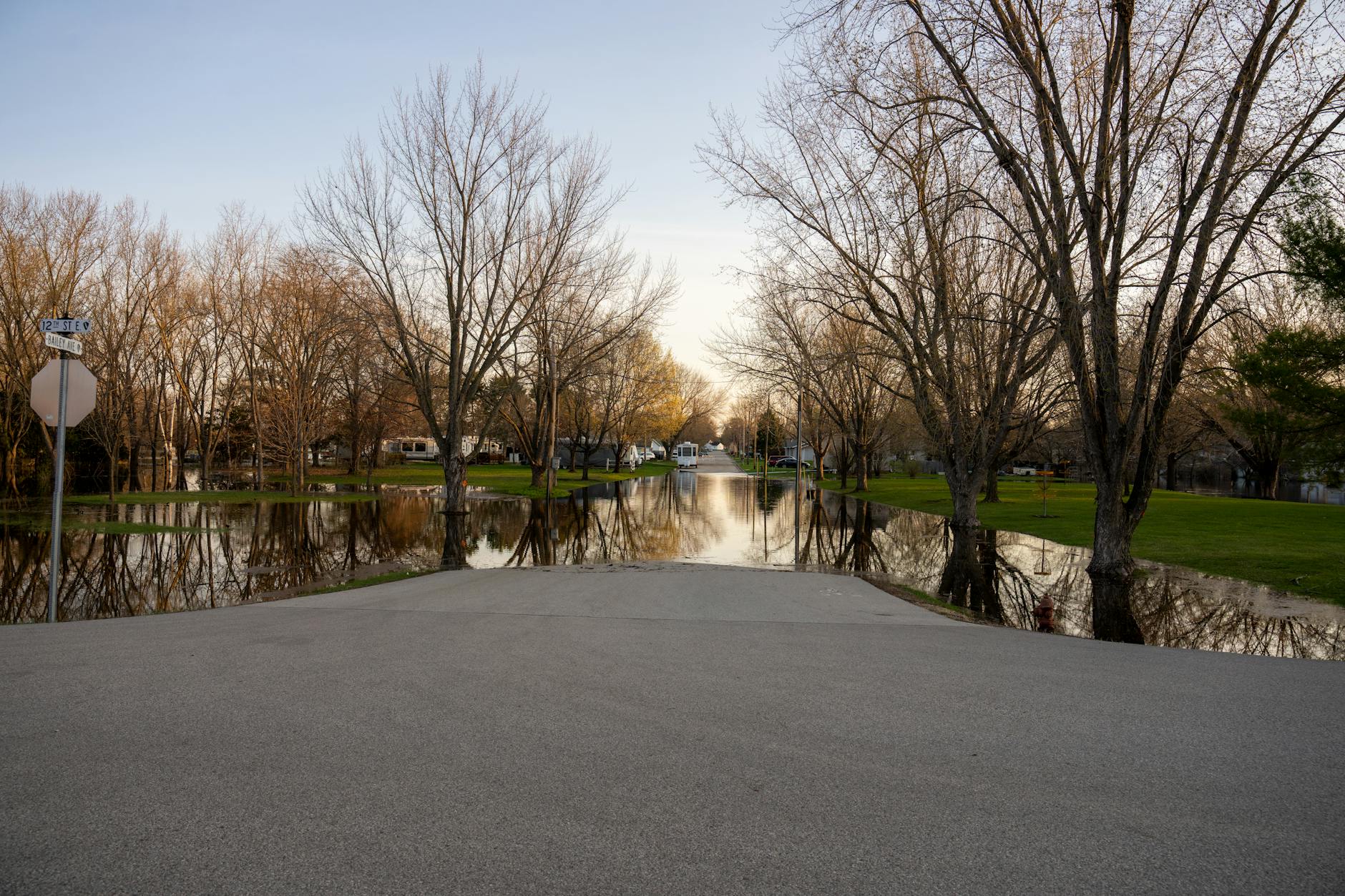
Ignoring flash flood warnings in canyon and desert park environments is an extremely dangerous decision that has cost many lives. Floods can arrive without warning from storms miles away and fill narrow canyon slots within seconds. Visitors should always check weather forecasts for the surrounding region, not just the immediate trailhead, before entering flood-prone terrain. Low-water crossings and canyon bottoms are especially high-risk zones during storm season and should be avoided entirely when warnings are active. Ranger stations provide current flood advisories that should be consulted before every canyon hike.
Speeding
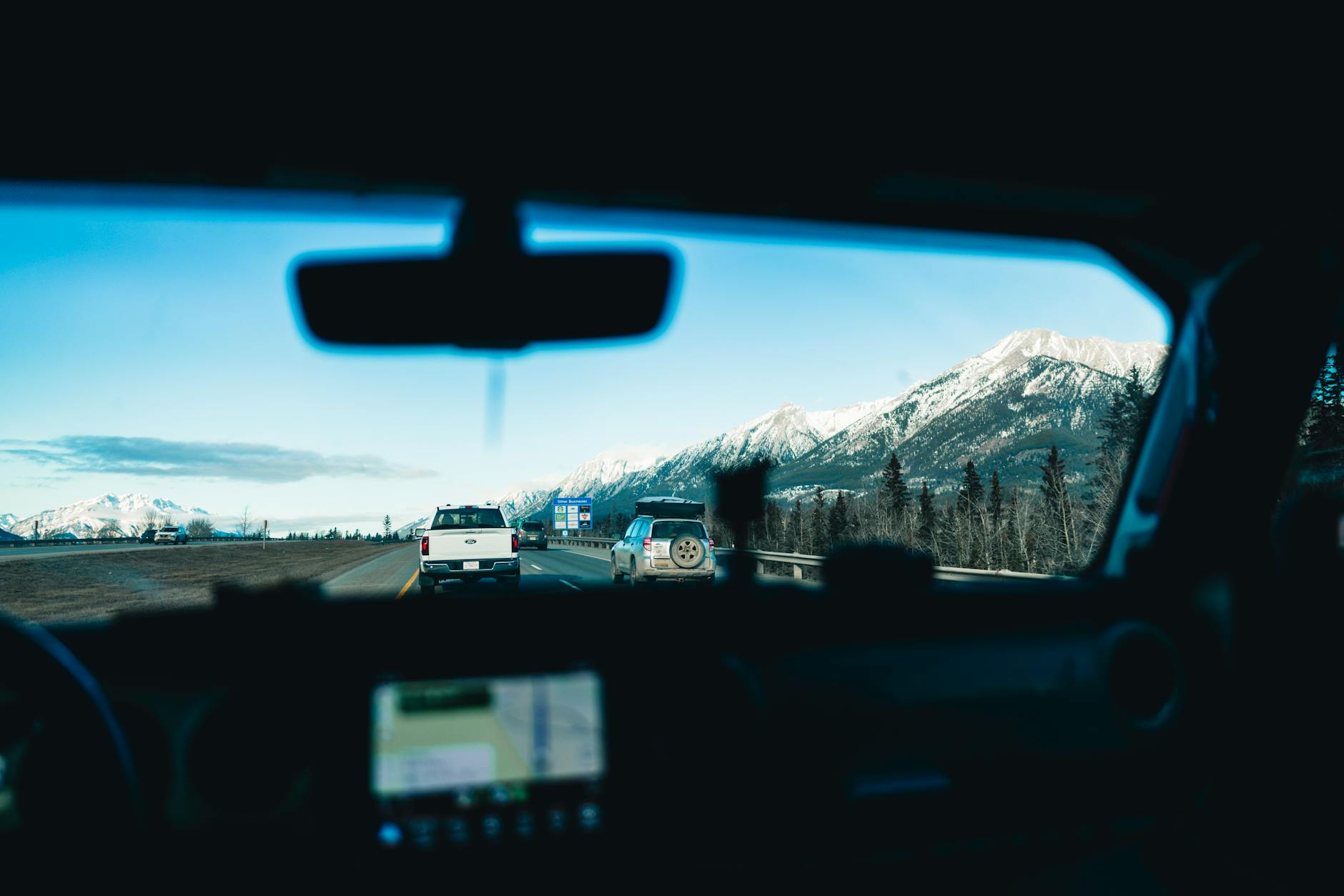
Driving above posted speed limits on park roads endangers both wildlife and other visitors sharing the roadway. Animals frequently cross park roads and many fatalities occur because drivers are traveling too fast to stop in time. Speed limits in national parks are set deliberately low to account for wildlife crossings, poor road conditions, and high foot traffic near trailheads. Unexpected stops by lead vehicles spotting animals can create chain-reaction hazards when following drivers are traveling at excessive speeds. Allowing extra travel time reduces the temptation to speed and makes the scenic drive safer for everyone.
Fossil Removal

Removing fossils, rocks, minerals, or any geological material from a national park is a federal offense under the Antiquities Act. These natural objects contribute to the scientific record and represent millions of years of Earth’s geological and biological history. Even a small piece of petrified wood or a bone fragment removed by thousands of visitors creates a measurable loss to protected deposits. Park rangers regularly document fossil sites and unauthorized removal is actively prosecuted in many parks. These objects belong to the public trust and must remain in place for researchers and future generations.
Backcountry Permits
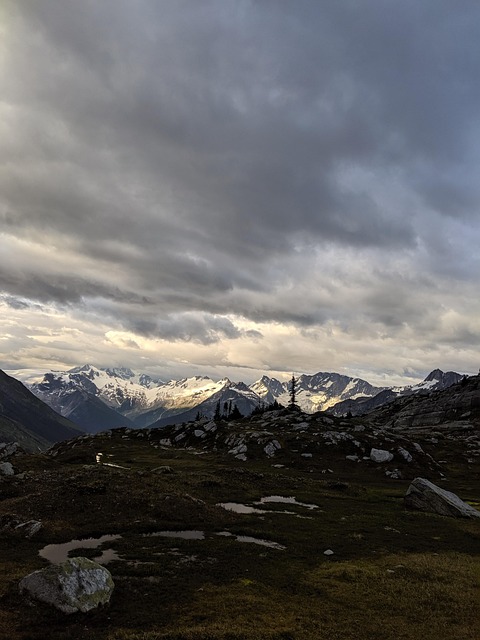
Entering backcountry zones without the required permits places serious strain on fragile wilderness areas and undermines conservation management. Permit systems exist to regulate the number of visitors in sensitive ecosystems and ensure that human impact remains within sustainable limits. Unpermitted campers leave behind waste and damage campsites in areas that lack the infrastructure to handle uncontrolled traffic. Rangers regularly patrol backcountry zones and permit violations can result in removal from the park and significant financial penalties. Applying for permits well in advance is essential since many popular wilderness areas fill months ahead of time.
Wildlife Photography
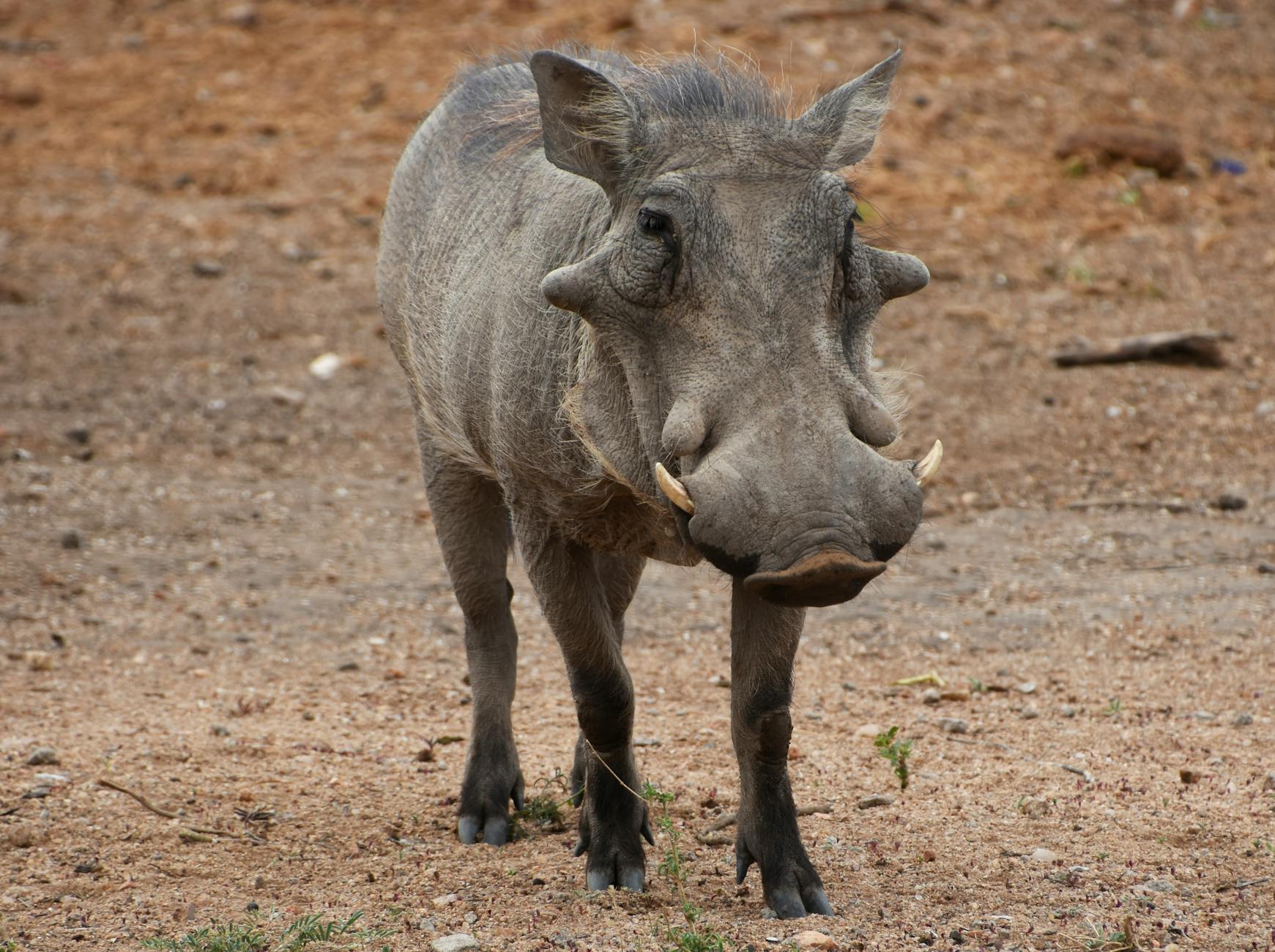
Crowding around wildlife for photographs puts dangerous pressure on animals trying to feed, rest, or care for their young. Many serious injuries in national parks occur when visitors approach animals at close range in pursuit of a better shot. The widely recommended guideline suggests staying at least 100 yards from bears and wolves and at least 25 yards from other large animals. Zoom lenses allow for stunning wildlife photography without closing the distance that keeps both the animal and the visitor safe. Prioritizing the animal’s wellbeing over the quality of the image is the standard expected of every responsible visitor.
Restricted Swimming
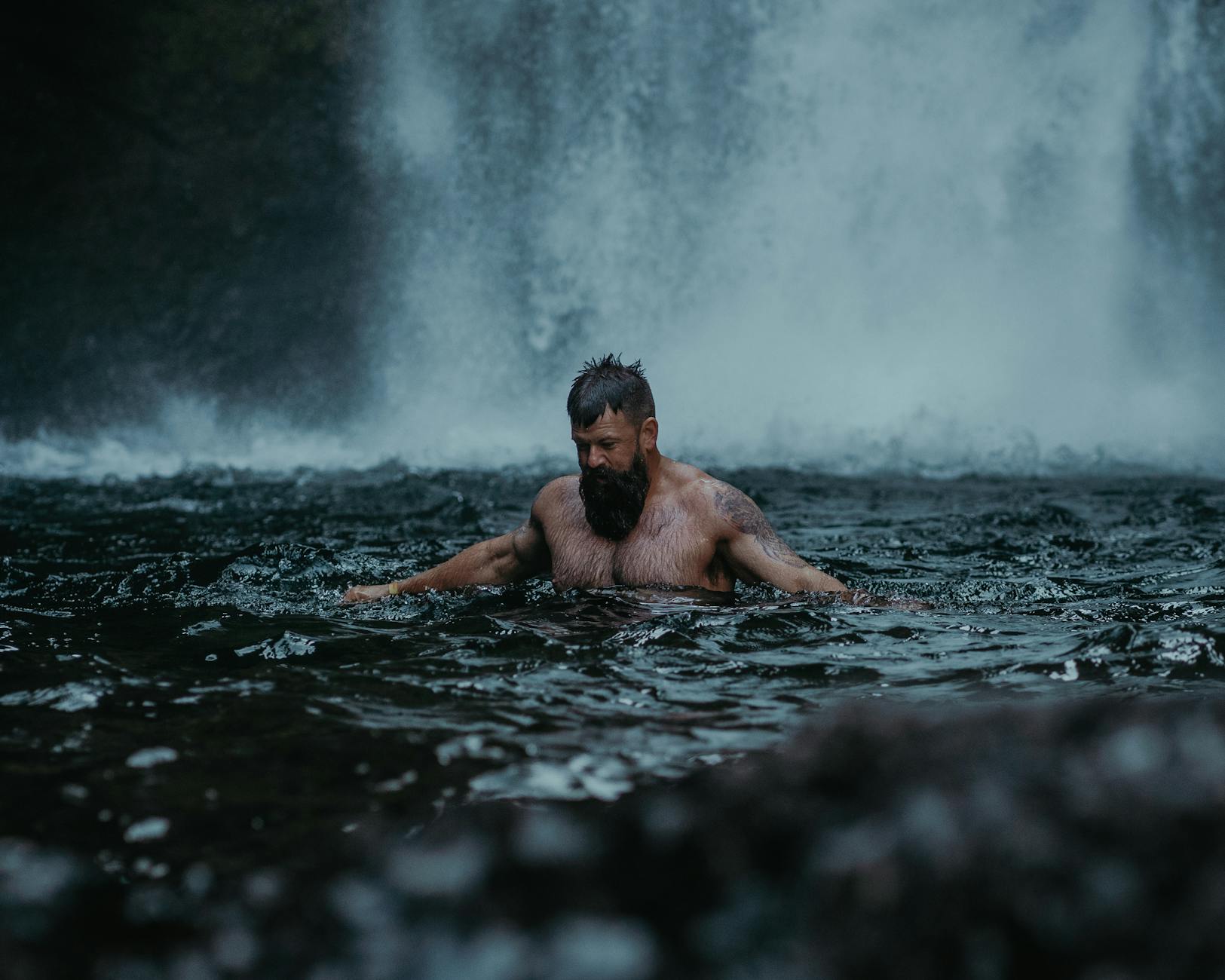
Swimming in areas marked as restricted or prohibited in national parks carries serious physical and legal risks. Certain bodies of water contain harmful bacteria, strong underwater currents, or sudden drop-offs that are invisible from the surface. Thermal pools in volcanic parks such as Yellowstone have caused severe and fatal burns to visitors who entered the water. In other parks, restricted swimming zones protect sensitive aquatic ecosystems including rare fish species, amphibian breeding grounds, and fragile aquatic vegetation. Following posted water safety signage protects both the visitor and the natural environment simultaneously.
Natural Graffiti
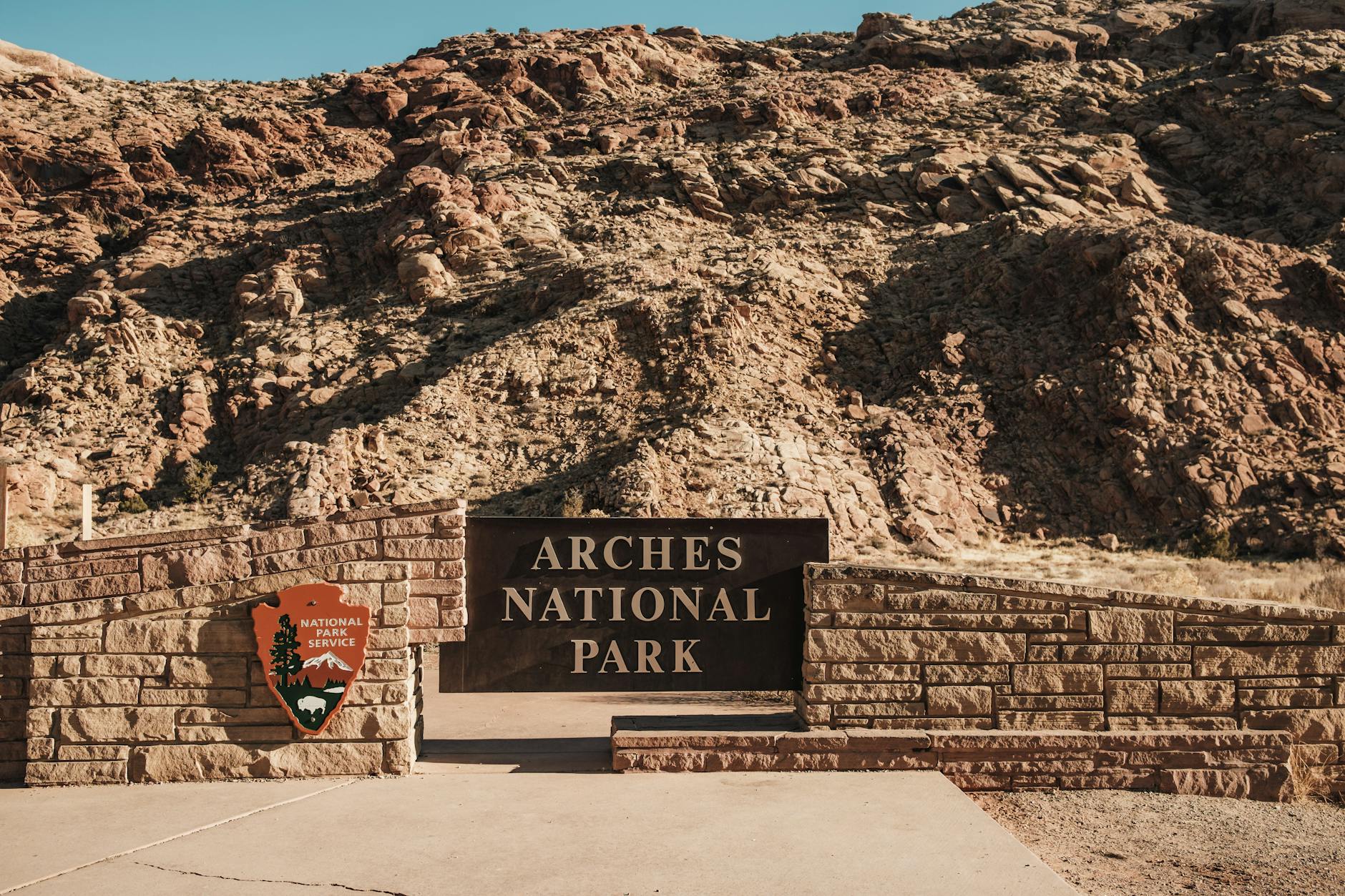
Writing, painting, or scratching any mark onto natural surfaces such as boulders, canyon walls, or cave formations constitutes vandalism under federal law. Even supposedly harmless chalk markings can introduce foreign chemicals that damage lichen, moss, and biological crusts growing on rock surfaces. Historic petroglyphs and pictographs are especially vulnerable to vandalism and some ancient sites have been permanently destroyed by careless visitors. Fines and criminal charges have been applied to individuals caught defacing protected natural and cultural features within park boundaries. These surfaces carry the marks of geological and human history that no personal expression is worth compromising.
Park Rangers
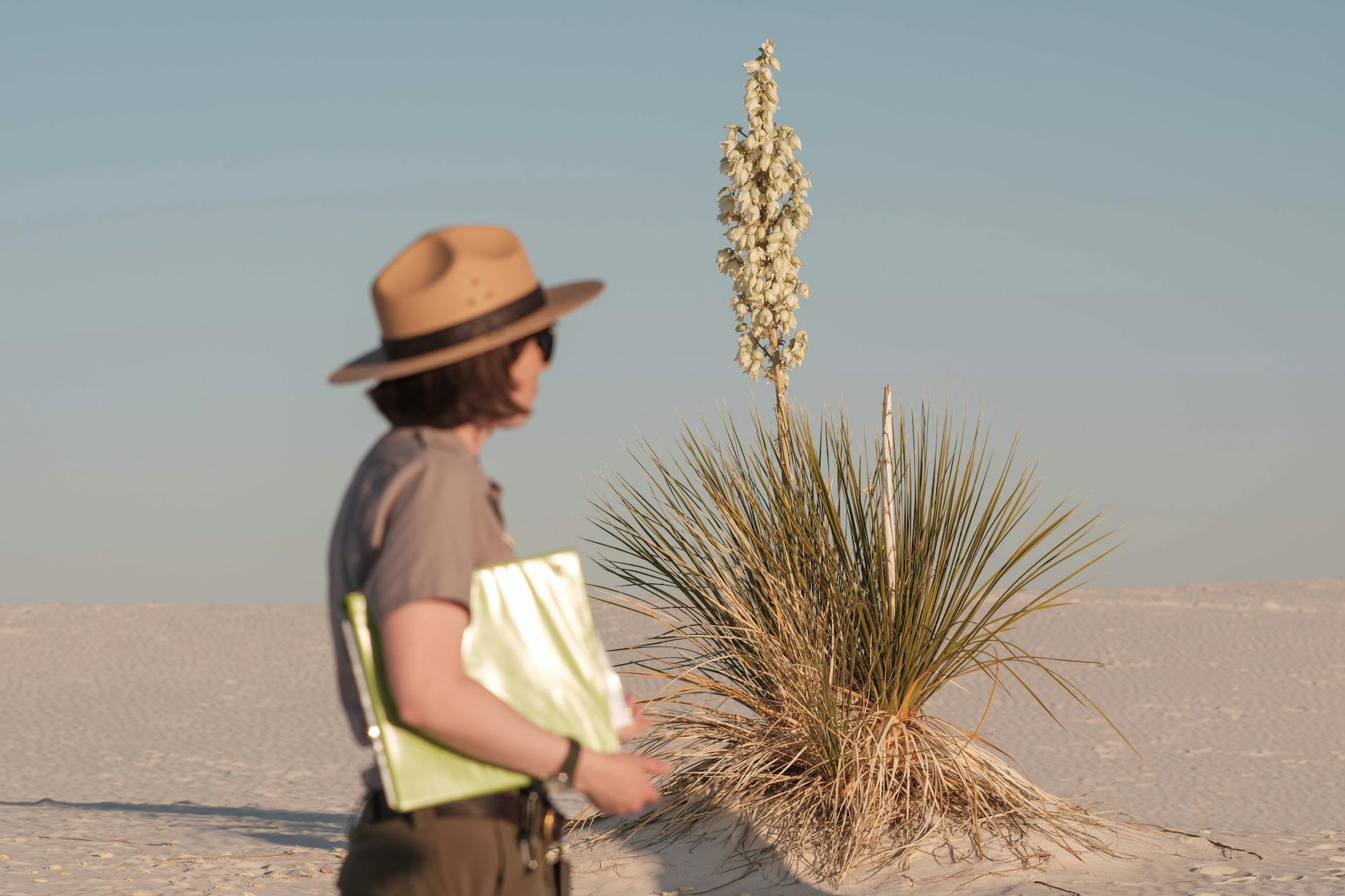
Ignoring or dismissing the instructions of national park rangers is both unsafe and a violation of federal regulations. Rangers are trained professionals with detailed knowledge of local hazards, current trail conditions, and wildlife activity in their assigned areas. Disregarding a closure order or safety advisory increases personal risk and may require costly and dangerous search-and-rescue operations. Rangers also manage the preservation of natural resources and their instructions reflect the best available guidance for protecting both visitors and ecosystems. Treating every ranger interaction as an authoritative safety briefing is the standard approach for experienced park visitors.
Water Sources
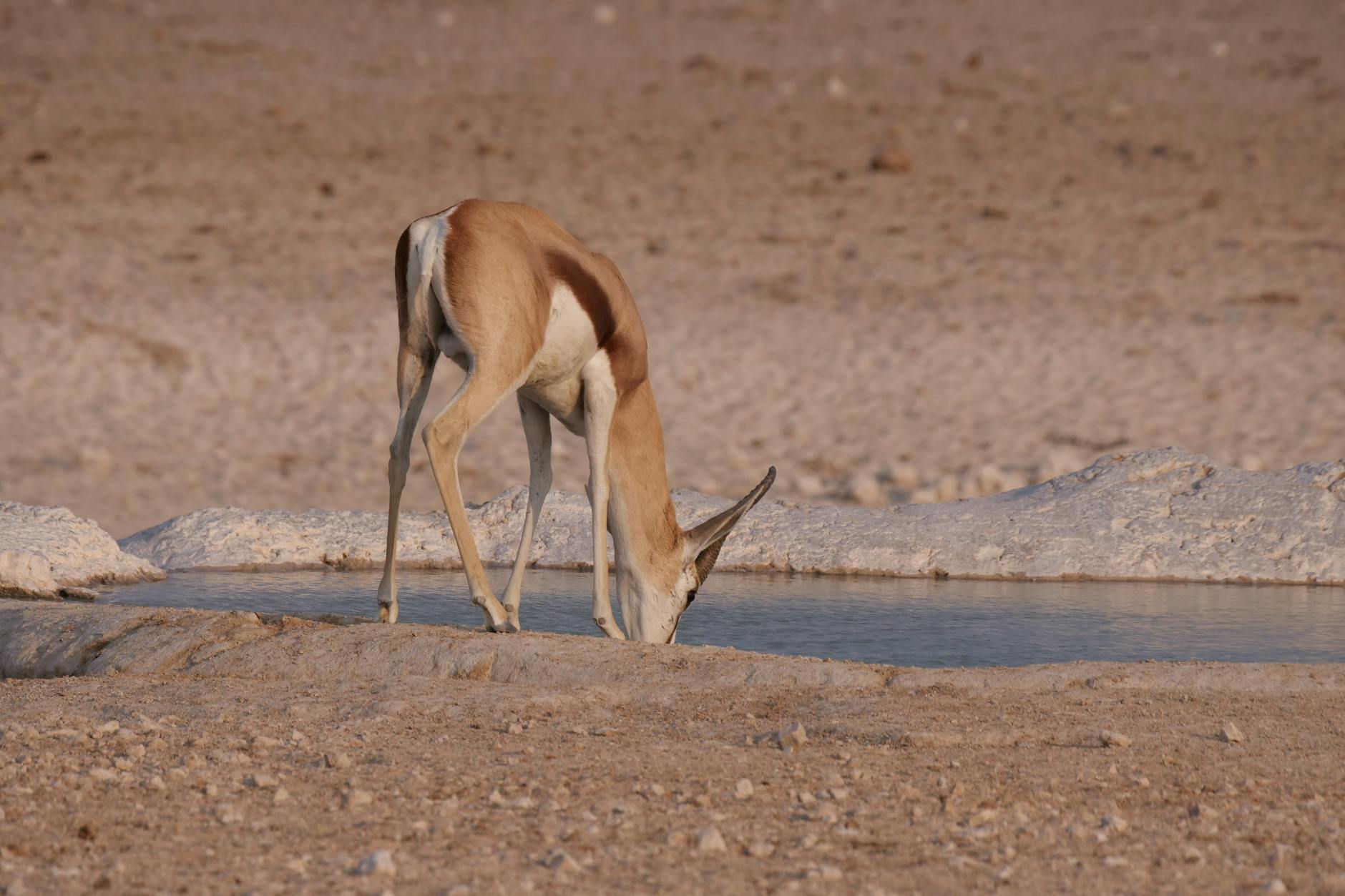
Using soap, shampoo, or any cleaning product directly in or near natural water sources introduces harmful chemicals into delicate aquatic ecosystems. Even biodegradable soaps require soil bacteria to break down properly and should never be used within 200 feet of streams, lakes, or springs. Contaminated water sources harm fish, amphibians, and invertebrates that depend on clean water for reproduction and survival. Many parks prohibit washing dishes, clothes, or bodies directly in natural water and provide designated washing stations at developed campgrounds. Carrying a small basin for camp washing and disposing of gray water well away from any water source is the accepted practice.
Fire Zones
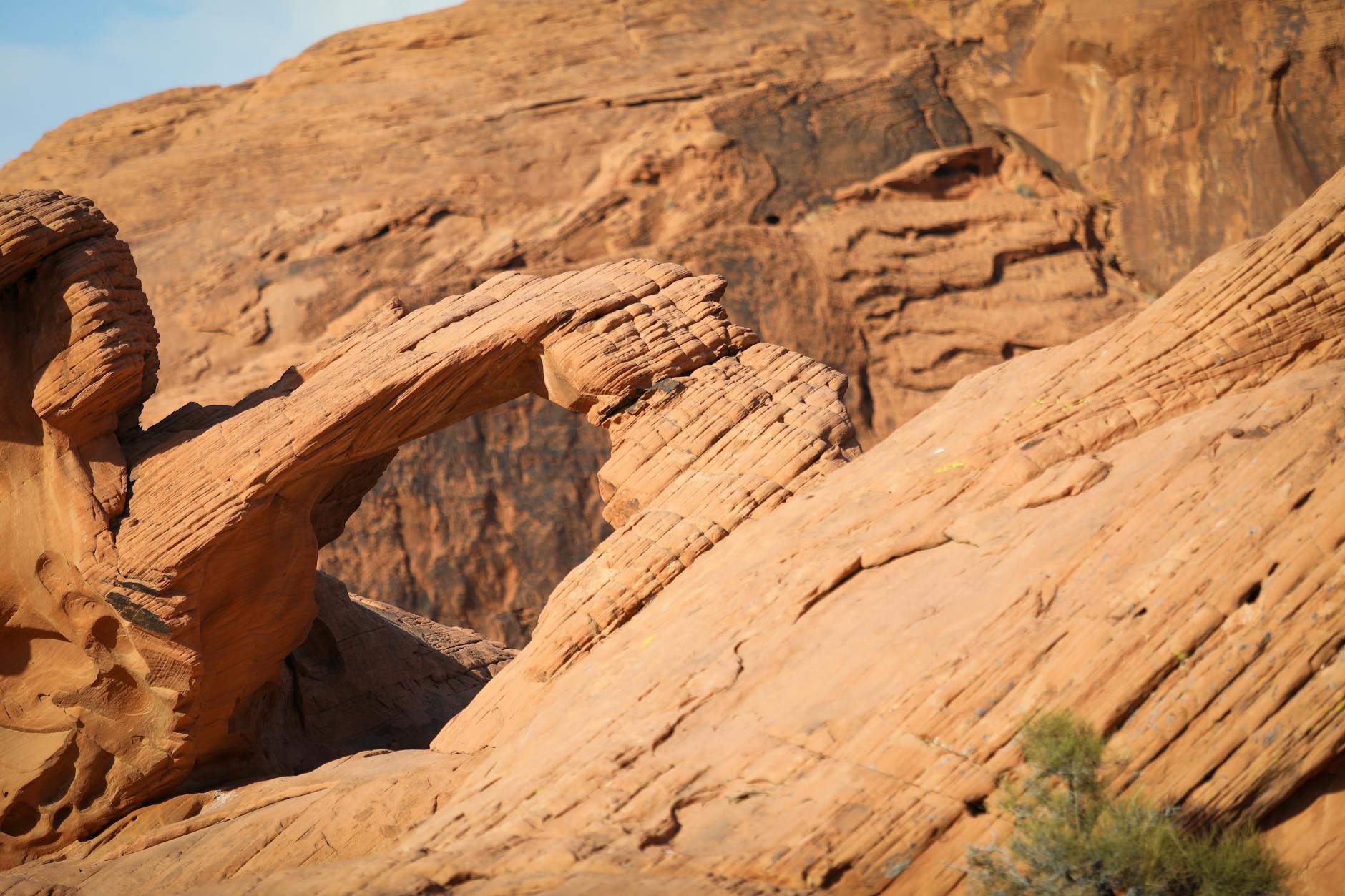
Starting fires outside of designated fire rings or in areas where open flames are explicitly prohibited creates an immediate risk of wildfire spread. Dry vegetation, wind conditions, and low humidity levels can turn a small unauthorized fire into an uncontrollable blaze within minutes. Several catastrophic wildfires in national park history have been traced directly to illegal fire activity by campers and day visitors. Portable cooking stoves with regulated flame provide a safe alternative that satisfies campsite cooking needs without introducing open fire risk. Confirming fire regulations with the park before departure is always a necessary step for every visitor.
Weather Safety
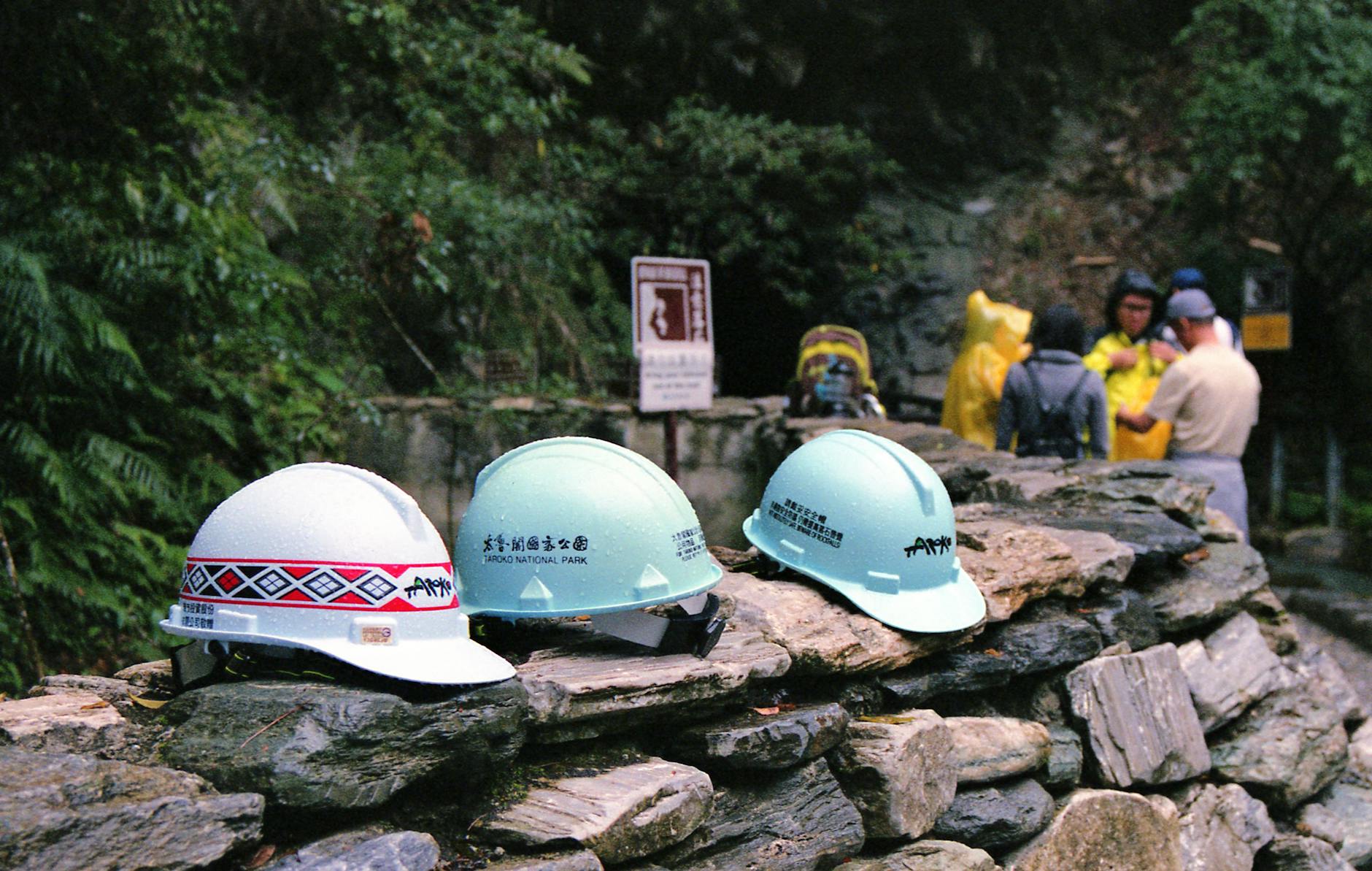
Ignoring weather forecasts before or during a national park visit is one of the most common factors contributing to wilderness emergencies. Mountain environments in particular are known for rapidly changing conditions that can shift from clear skies to dangerous lightning storms within an hour. Hypothermia, lightning strikes, and flash flooding are all weather-related risks that increase dramatically when visitors are underprepared. Many parks post daily weather updates at visitor centers and ranger stations that are refreshed with current forecasted conditions. Turning back or adjusting plans based on deteriorating weather is always the correct decision regardless of how close the destination may be.
Waste Disposal

Improper disposal of human waste in national parks introduces bacteria and pathogens that contaminate soil and water sources for miles downstream. Many wilderness areas require visitors to carry out all solid waste using designated containment bags that are available at ranger stations and outdoor retailers. Burying waste in a shallow cat hole is the accepted method only when containment bags are not required and must be done at least 200 feet from any water source or trail. Toilet paper and hygiene products should always be packed out in sealed bags rather than buried or left on the surface. Following Leave No Trace principles for waste management is fundamental to responsible backcountry travel.
Geothermal Features
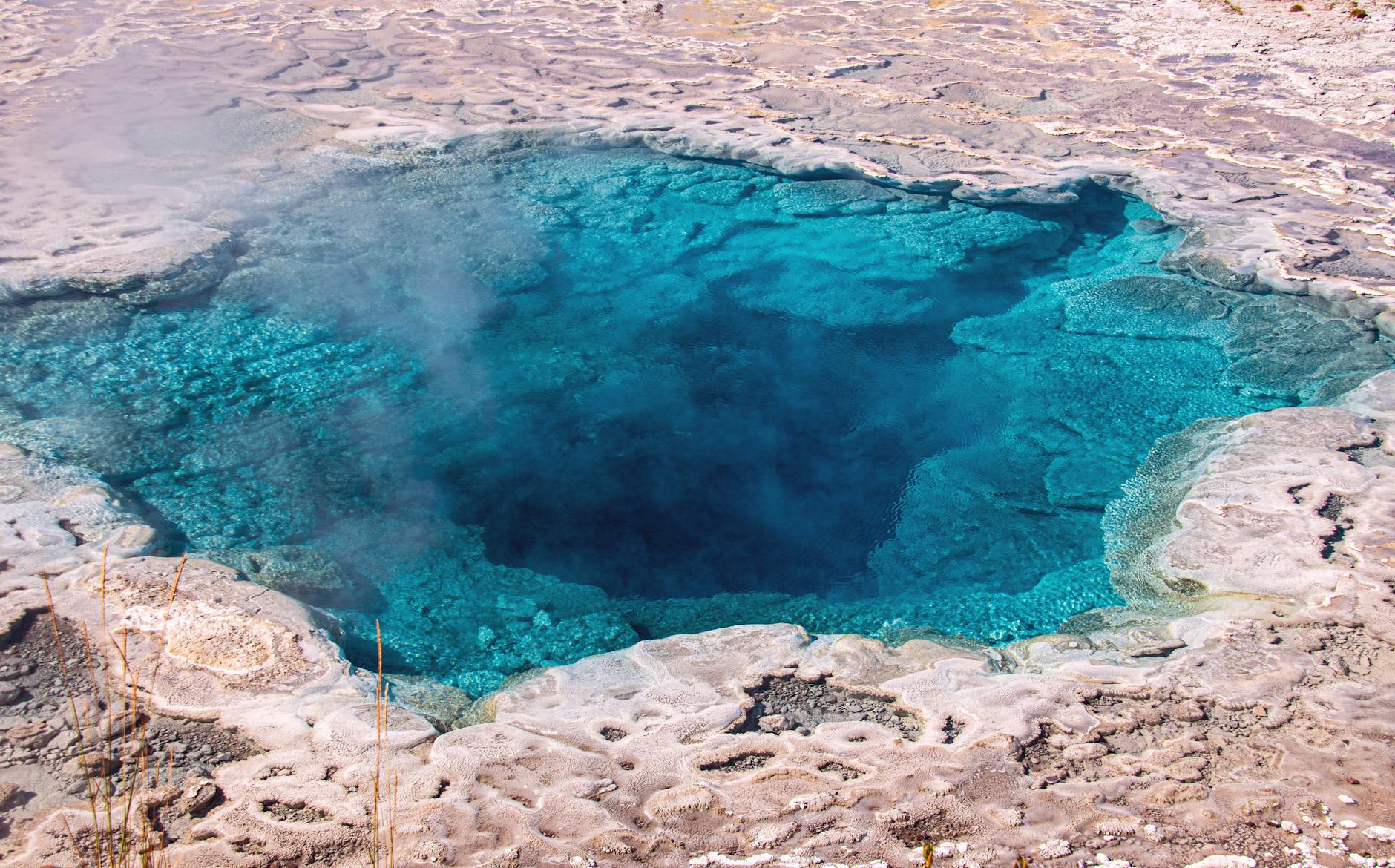
Walking off the boardwalks at geothermal sites such as those found in Yellowstone National Park is extremely dangerous and strictly prohibited. The colorful crust surrounding hot springs and geysers can appear solid but is often only millimeters thick over boiling water and superheated steam. Multiple fatalities have occurred when visitors stepped off designated paths and broke through the thin surface layer into scalding water below. Beyond the physical danger, human contact with these formations introduces foreign minerals and oils that permanently alter the microbial communities living within them. Remaining on marked boardwalks at all times is the only safe and acceptable way to observe these extraordinary natural features.
Foraging Rules
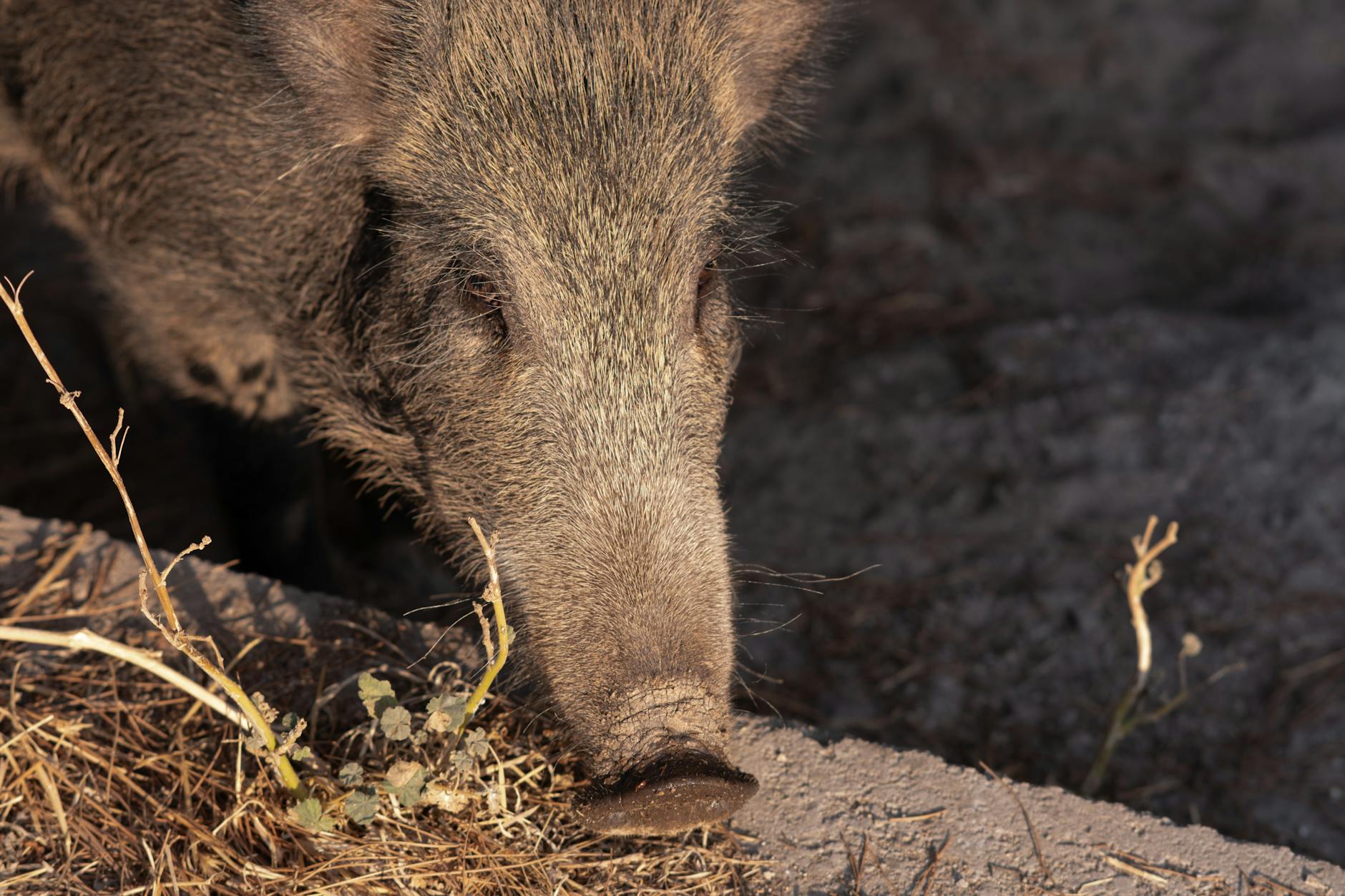
Foraging for mushrooms, berries, seeds, or any plant material within a national park is regulated or entirely prohibited in most protected areas. Removing edible plants affects the food supply of wildlife that depends on these resources and reduces biodiversity in plant communities. Some parks allow limited foraging for personal consumption but require visitors to obtain explicit permission from the managing authority before collecting anything. Misidentification of edible species is also a significant safety risk since many toxic plants closely resemble safe varieties. Consulting the specific park’s foraging policy before any collection attempt is always essential.
Rock Collecting
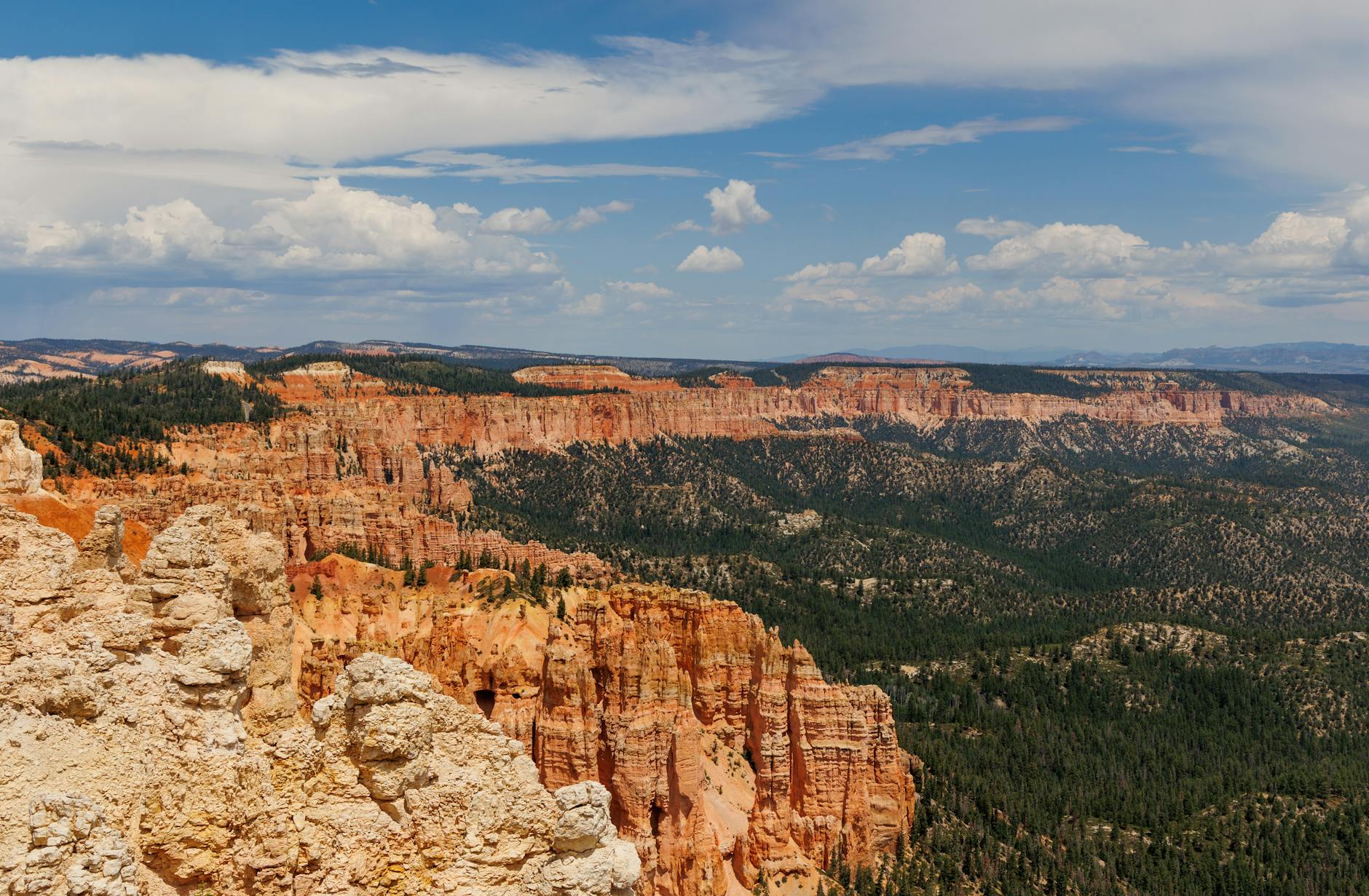
Collecting rocks, crystals, shells, or any geological specimens from a national park is prohibited under federal protection laws regardless of the size or apparent abundance of the material. Removing even a small stone disrupts the visual character of natural landscapes and contributes to the cumulative degradation of geological features. In areas with rare minerals or gemstones, unauthorized collection has significantly depleted deposits that took millions of years to form. The legal principle at work in these protections is that natural objects in federal lands belong collectively to the public and cannot be taken for private ownership. Photographing interesting geological features is a fully satisfying alternative that leaves the landscape completely intact.
Night Hiking
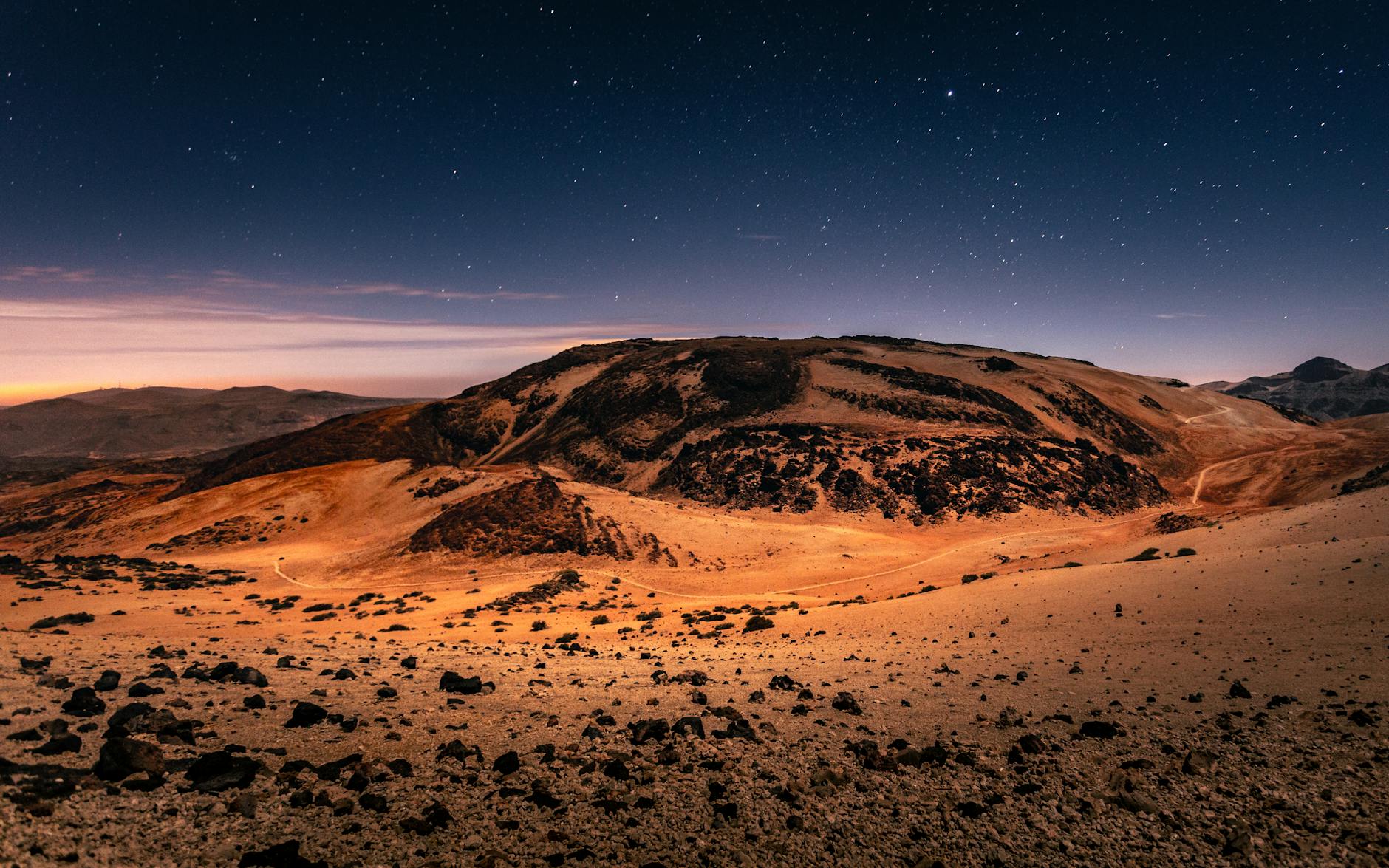
Hiking after dark without proper preparation significantly increases the risk of falls, disorientation, and dangerous wildlife encounters. Trails that are straightforward in daylight become hazardous at night without adequate lighting and reliable navigation tools. Many nocturnal predators including mountain lions and bears are most active after sunset, and the risk of unexpected encounters rises considerably. Certain parks also enforce regulations prohibiting entry to specific trail zones after designated hours to protect both visitors and sensitive wildlife species. Carrying a headlamp with fresh batteries and informing others of the planned route is the minimum preparation for any nighttime excursion.
Fire Bans
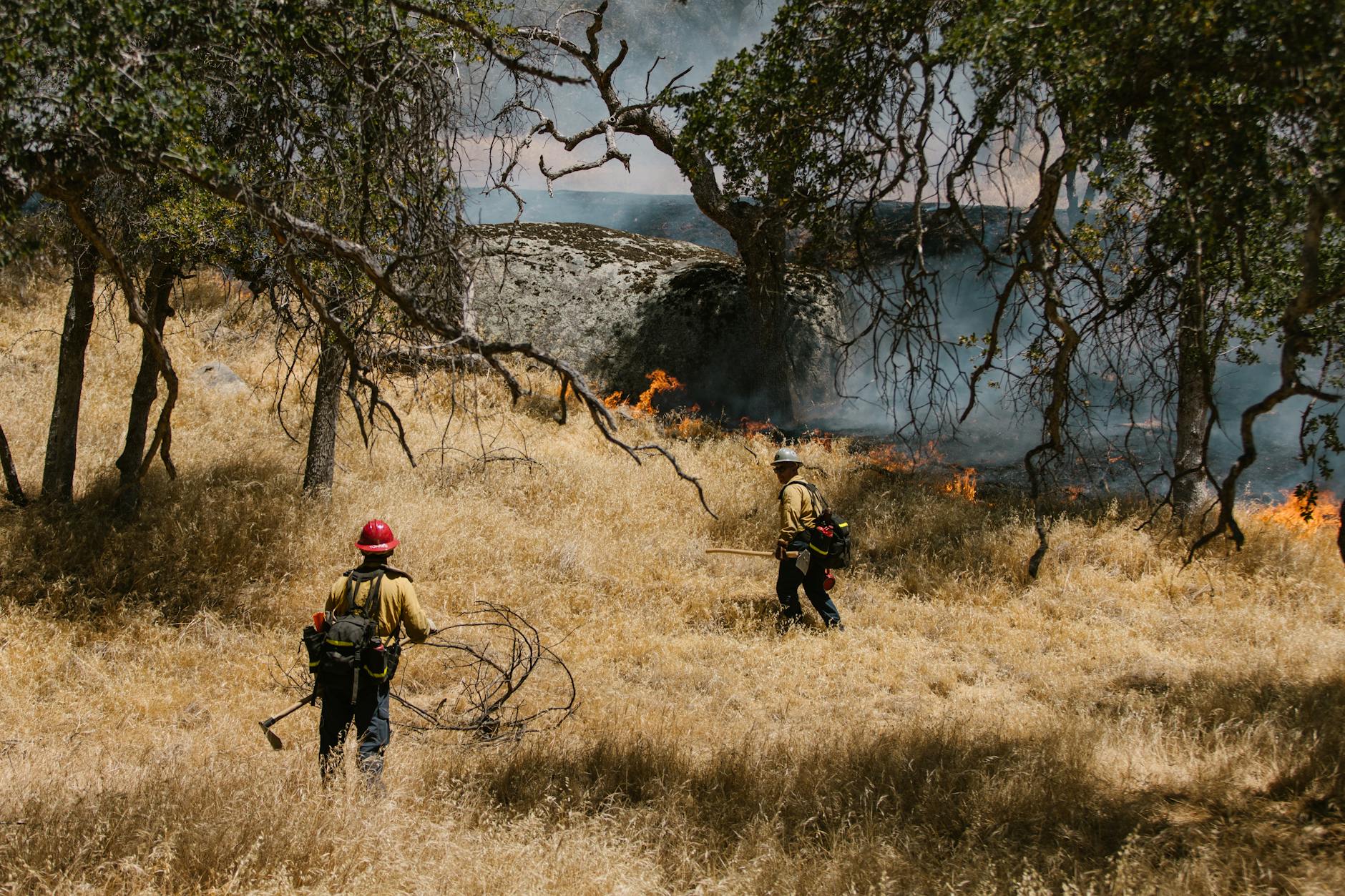
Disregarding active fire bans in national parks is a serious legal violation that carries heavy fines and potential criminal charges. Fire bans are implemented during periods of extreme drought, high winds, or elevated fire danger when even a small spark can ignite surrounding vegetation. These restrictions apply to all open flames including campfires, charcoal grills, and sometimes portable gas stoves in the most severe conditions. Enforcement of fire bans in national parks is taken seriously and rangers conduct regular patrols to identify violations. Checking the current fire danger rating for the park before departure ensures full compliance with any active restrictions in place.
Closed Areas
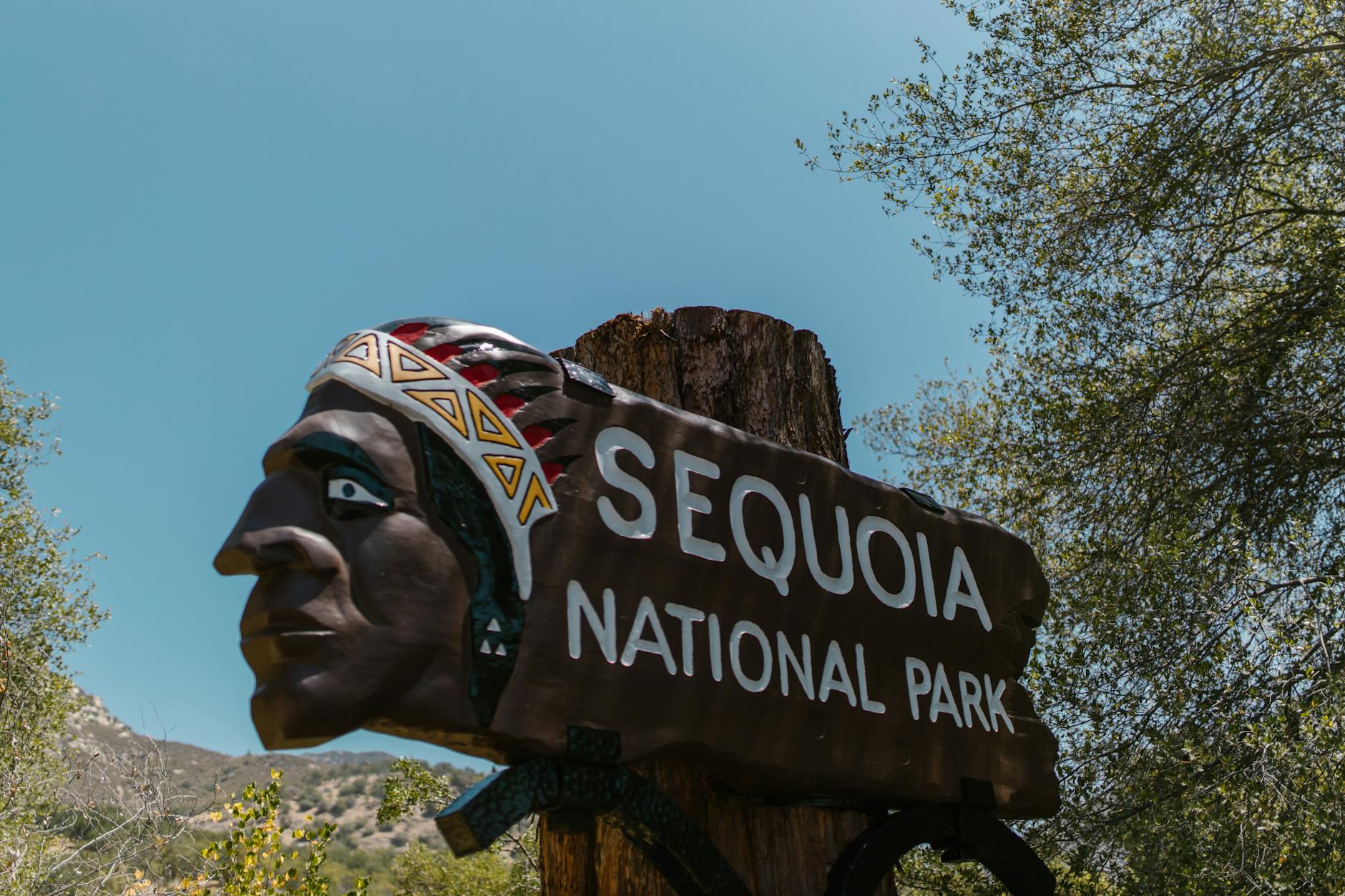
Entering areas that have been officially closed within a national park disregards conservation protocols put in place to protect both wildlife and visitors. Closures are implemented for a range of reasons including active wildlife denning, erosion recovery, trail instability, and ongoing scientific research. Unauthorized entry into closed zones disturbs sensitive processes that may take years to complete and undermines the conservation work of the park’s management team. Closure signage and barriers should be treated as absolute boundaries regardless of how accessible the area may appear. Asking ranger staff about alternative routes or viewing options is the appropriate response when a preferred destination is temporarily off-limits.
Popular Trails
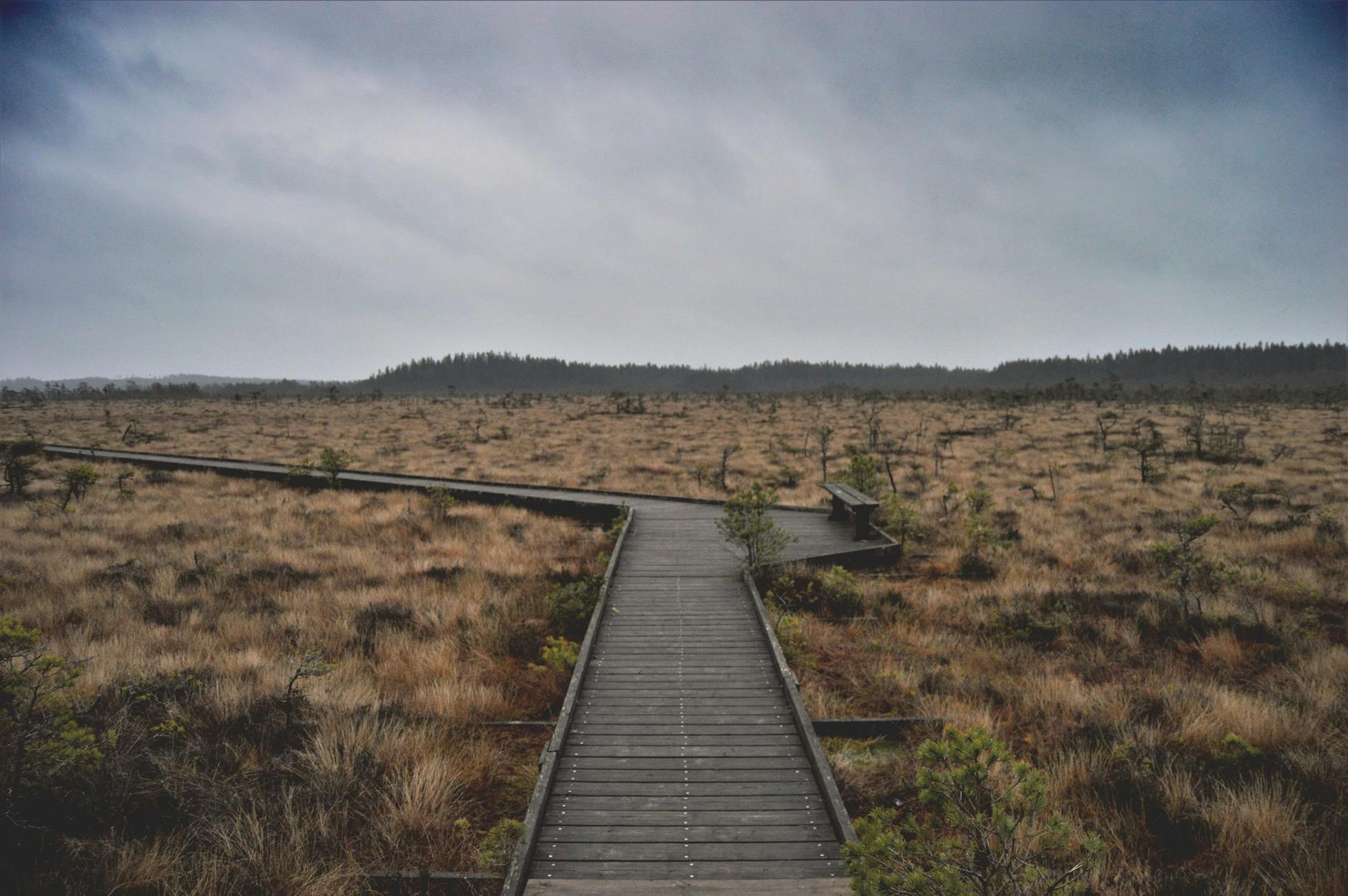
Overcrowding at popular trailheads and viewpoints creates compaction damage, erosion, and waste management challenges that degrade the very landscapes visitors come to see. High-traffic areas require coordinated management and many parks have introduced timed entry permits to distribute visitor load more evenly throughout the day. Arriving very early or later in the afternoon reduces the density of visitors at peak destinations and creates a more immersive experience. Choosing lesser-known trails within the same park often reveals equally stunning scenery with a fraction of the foot traffic. Supporting the lasting health of popular parks means being willing to adjust visit plans in favor of lower-impact alternatives.
What national park rules or responsible travel tips have shaped your own outdoor experiences? Share your thoughts in the comments.




