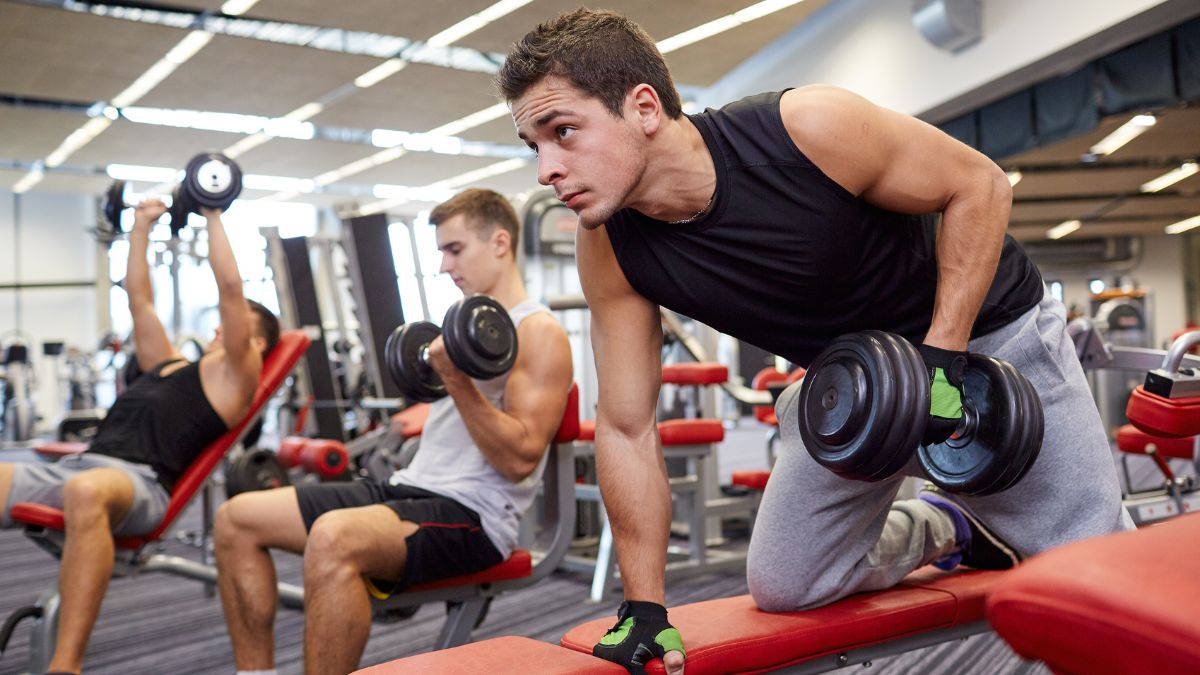
Walking into a gym for the first time can feel overwhelming, and even seasoned members sometimes unknowingly break the unwritten code that keeps fitness spaces running smoothly. Every gym has its own culture, but certain expectations transcend location and membership type. Understanding these invisible guidelines makes workouts more enjoyable for everyone sharing the space. Whether a casual visitor or a daily regular, mastering gym etiquette is just as important as mastering proper form.
Equipment Wiping
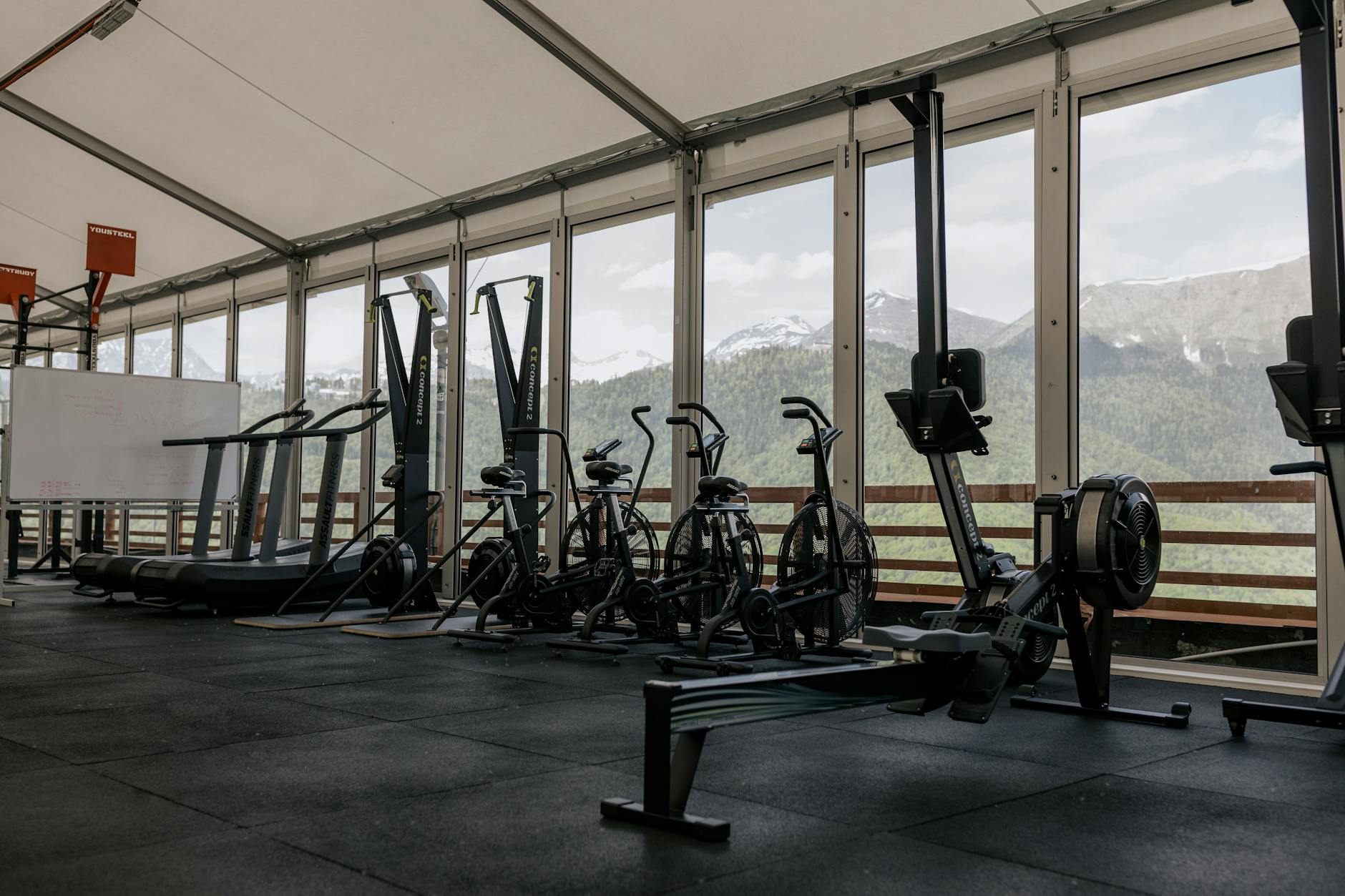
Sweat left on machines and benches is one of the most common complaints among gym members worldwide. Most facilities provide spray bottles and paper towels specifically for this purpose, and using them takes less than thirty seconds. Skipping this step is considered one of the most disrespectful things a person can do in a shared fitness environment. A quick wipe-down before and after use is the baseline standard expected of every member.
Phone Calls

Taking personal calls on the gym floor disrupts the focus of everyone nearby and is widely considered poor form. Most members use their phones for music or workout tracking, but loud conversations belong outside the training area. Stepping into a hallway or locker room to take a call shows basic awareness of shared space. Keeping calls short and the volume low is the minimum courtesy expected in most facilities.
Mirror Blocking
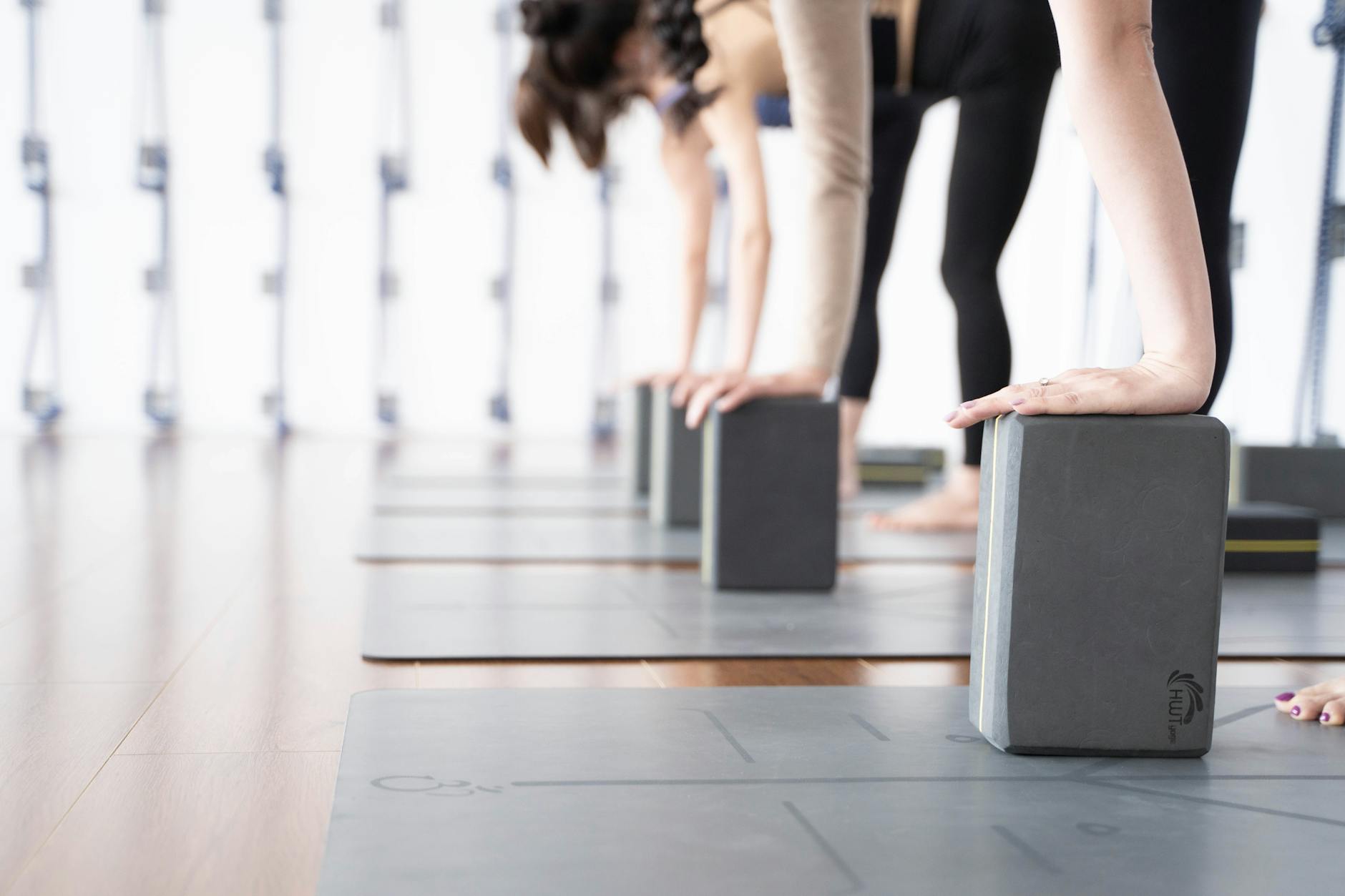
Standing directly in front of a mirror while someone else is clearly using it for form checks is a frequent source of frustration. Mirrors in gyms serve a functional purpose, helping lifters monitor their posture and movement patterns during exercises. Being mindful of sightlines and adjusting position slightly can prevent unnecessary tension between members. A quick glance around before setting up ensures no one loses access to their visual feedback.
Equipment Hoarding
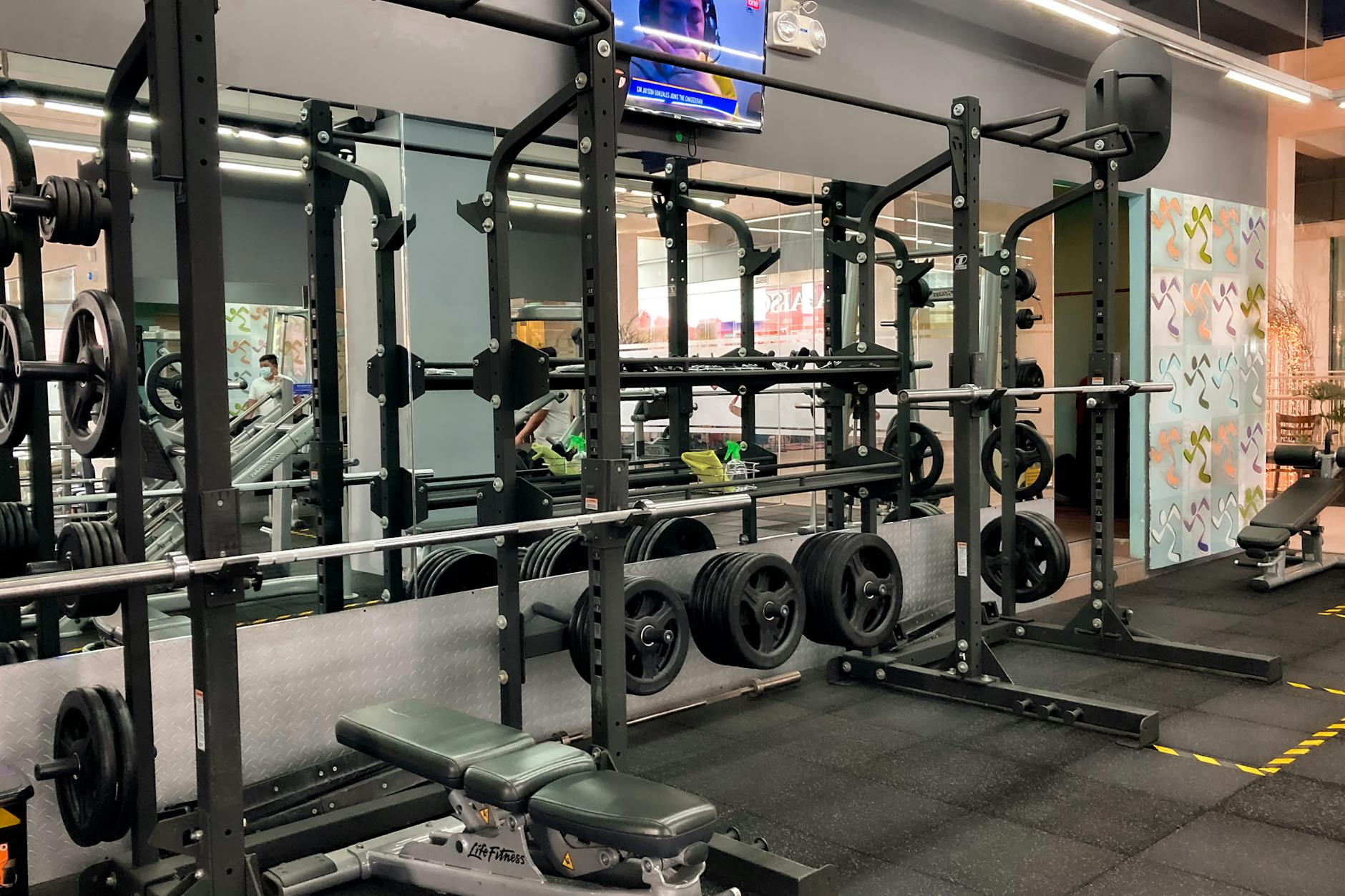
Claiming multiple pieces of equipment simultaneously during peak hours creates bottlenecks and frustration throughout the gym floor. Super-setting or circuit training during busy periods is generally frowned upon unless the space is nearly empty. Focusing on one station at a time allows more members to rotate through efficiently. Saving multiple benches or dumbbells with towels and water bottles is widely considered an inconsiderate practice.
Unsolicited Advice
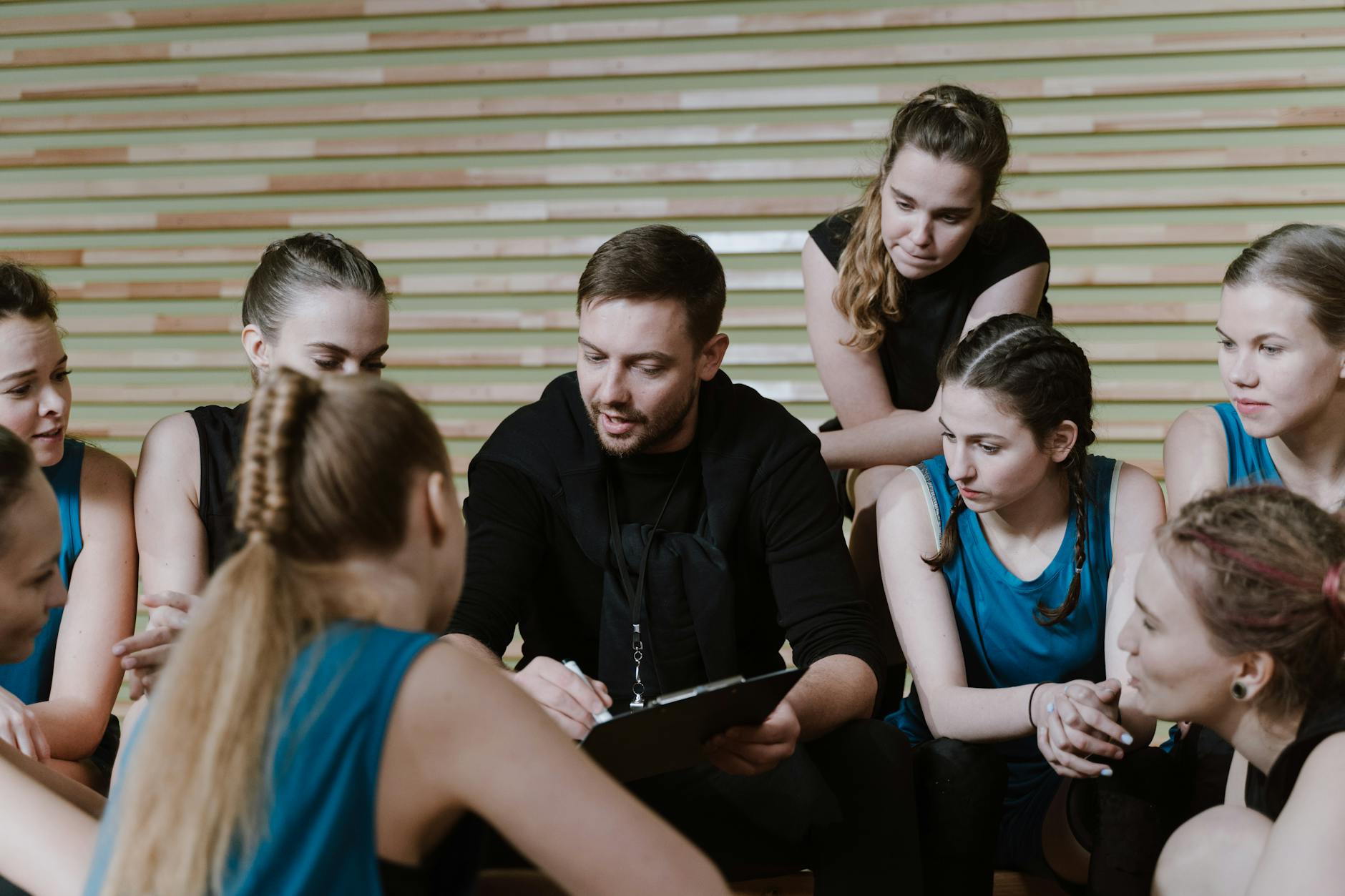
Approaching strangers mid-set to offer form corrections or training tips is almost universally unwelcome unless help has been requested. Even experienced trainers and athletes refrain from unsolicited coaching because it can feel condescending and intrusive. If something genuinely dangerous is being observed, a gentle and respectful approach is the only appropriate option. Saving opinions for conversations that have been invited keeps interactions positive and professional.
Re-Racking Weights
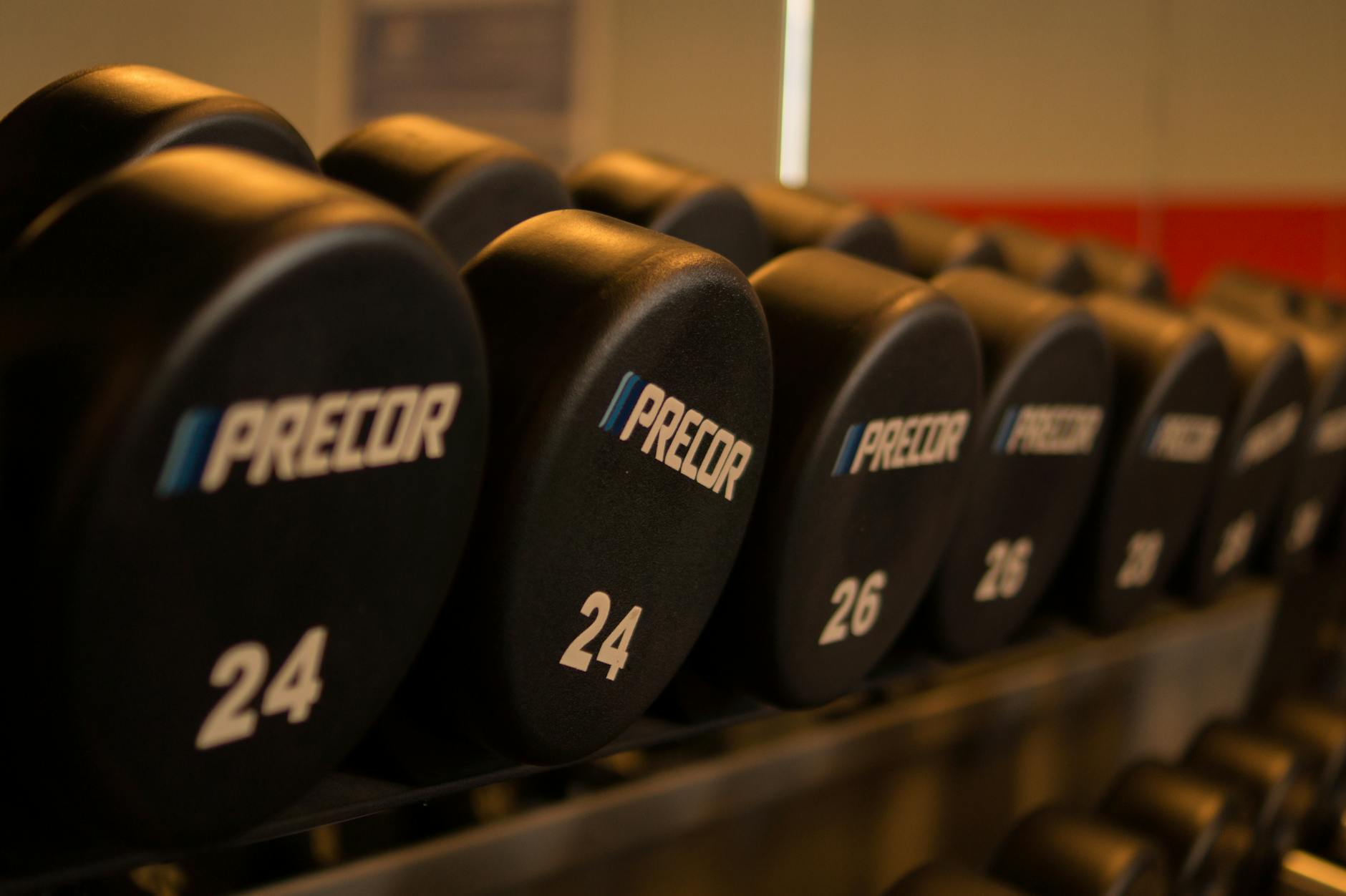
Leaving dumbbells, barbells, or plates on the floor after use forces the next person to clean up before they can begin their own workout. Every gym has a designated storage system, and returning weights to their proper place is a fundamental expectation. Heavier plates left on bars overnight can also create safety hazards for early morning members. The rule is simple and consistent across virtually every gym culture worldwide.
Volume Control
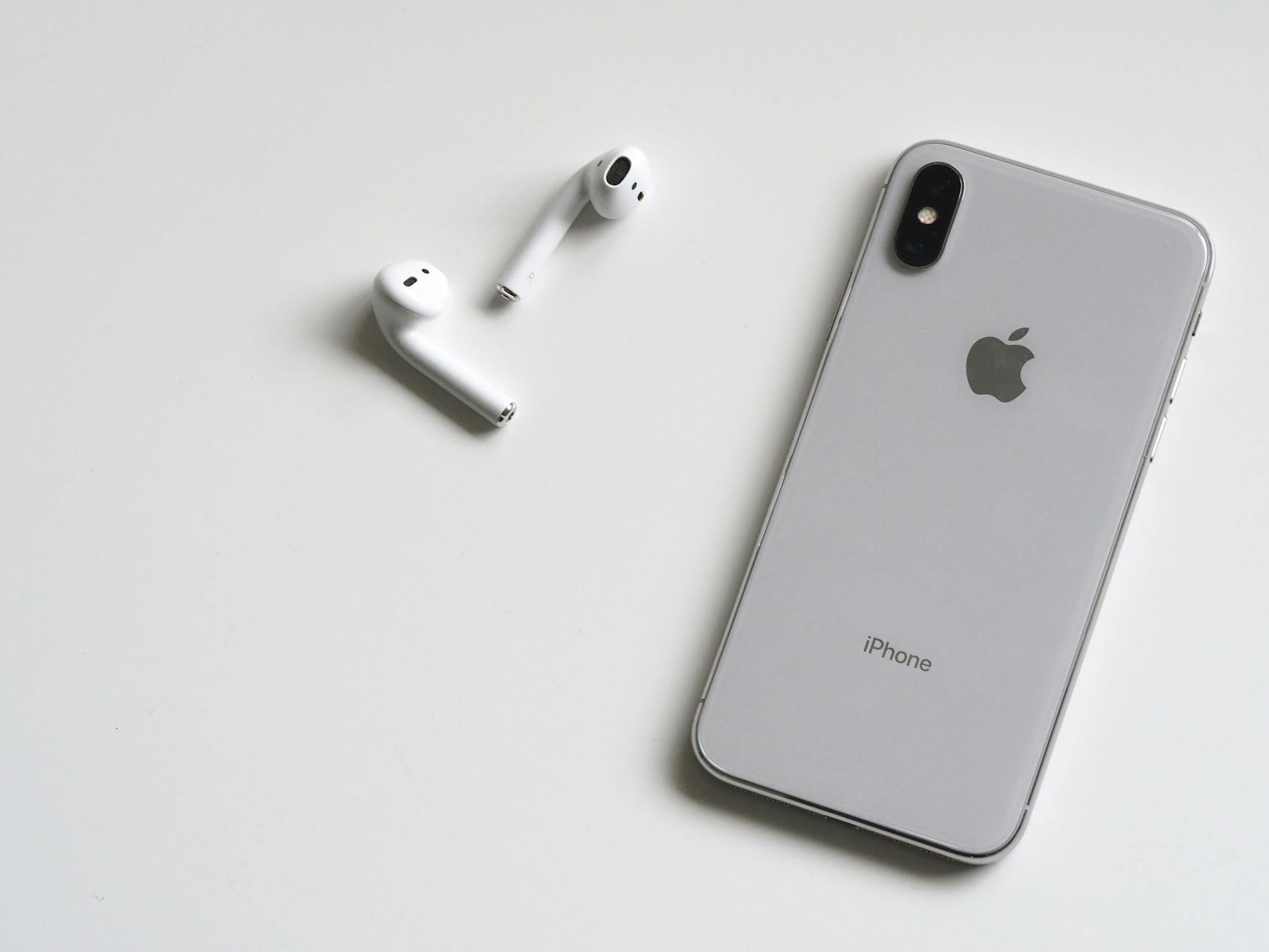
Blasting music through phone speakers rather than headphones forces personal audio preferences onto an entire room of people. Most gyms already provide ambient music, making personal speaker use redundant and disruptive. High-quality wireless headphones have become widely accessible, removing any practical excuse for speaker use on the floor. Keeping personal audio private is one of the easiest etiquette rules to follow consistently.
Eye Contact Norms
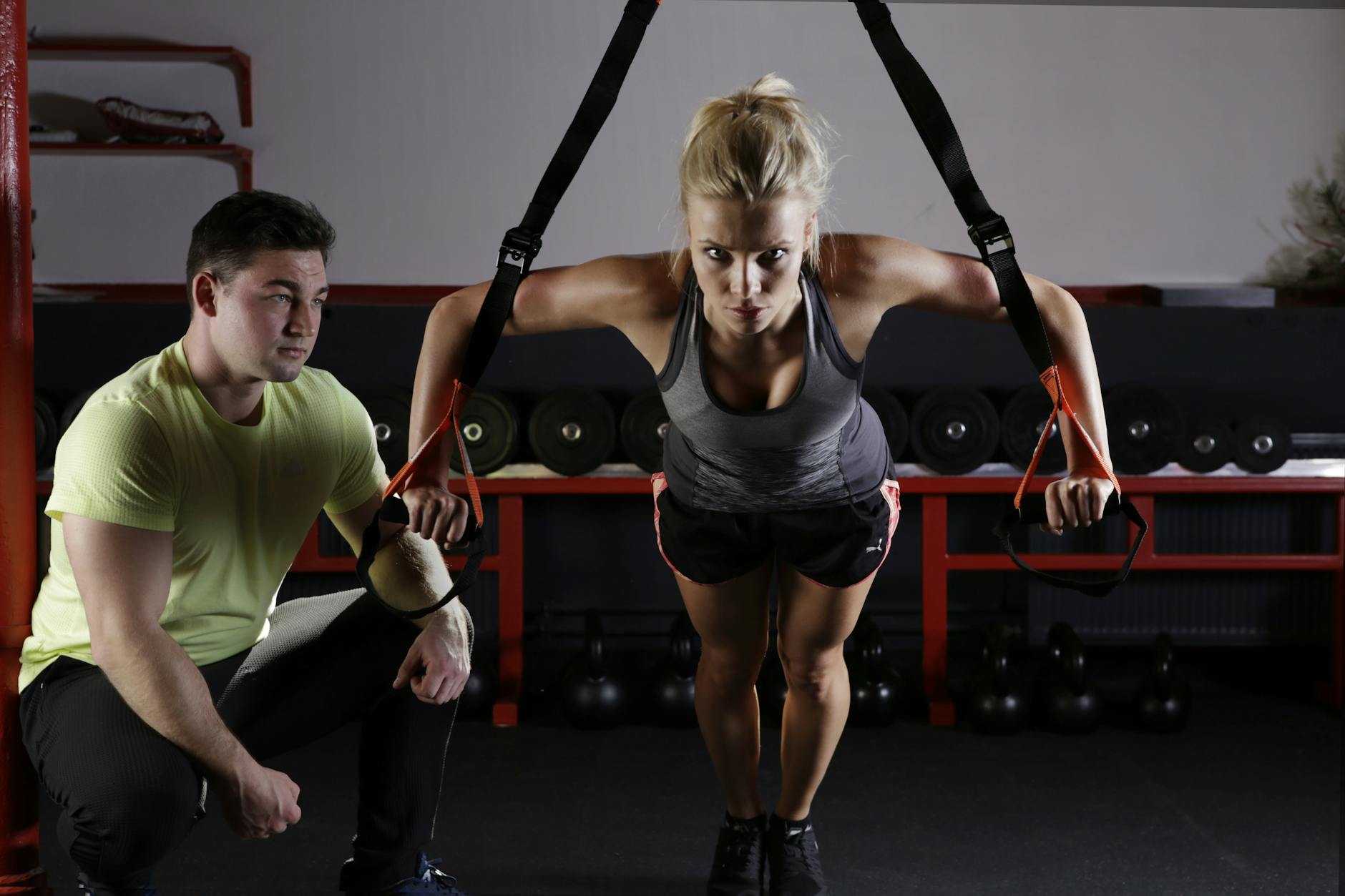
Staring at other members while they train, particularly during vulnerable exercises like stretching or heavy lifts, creates significant discomfort. Most gym-goers prefer to work out without feeling observed or judged by those around them. Keeping focus on personal performance rather than watching others is standard behavior in well-functioning gym environments. Being visually aware of surroundings for safety reasons is entirely different from sustained, unbroken observation of other members.
Locker Room Conduct
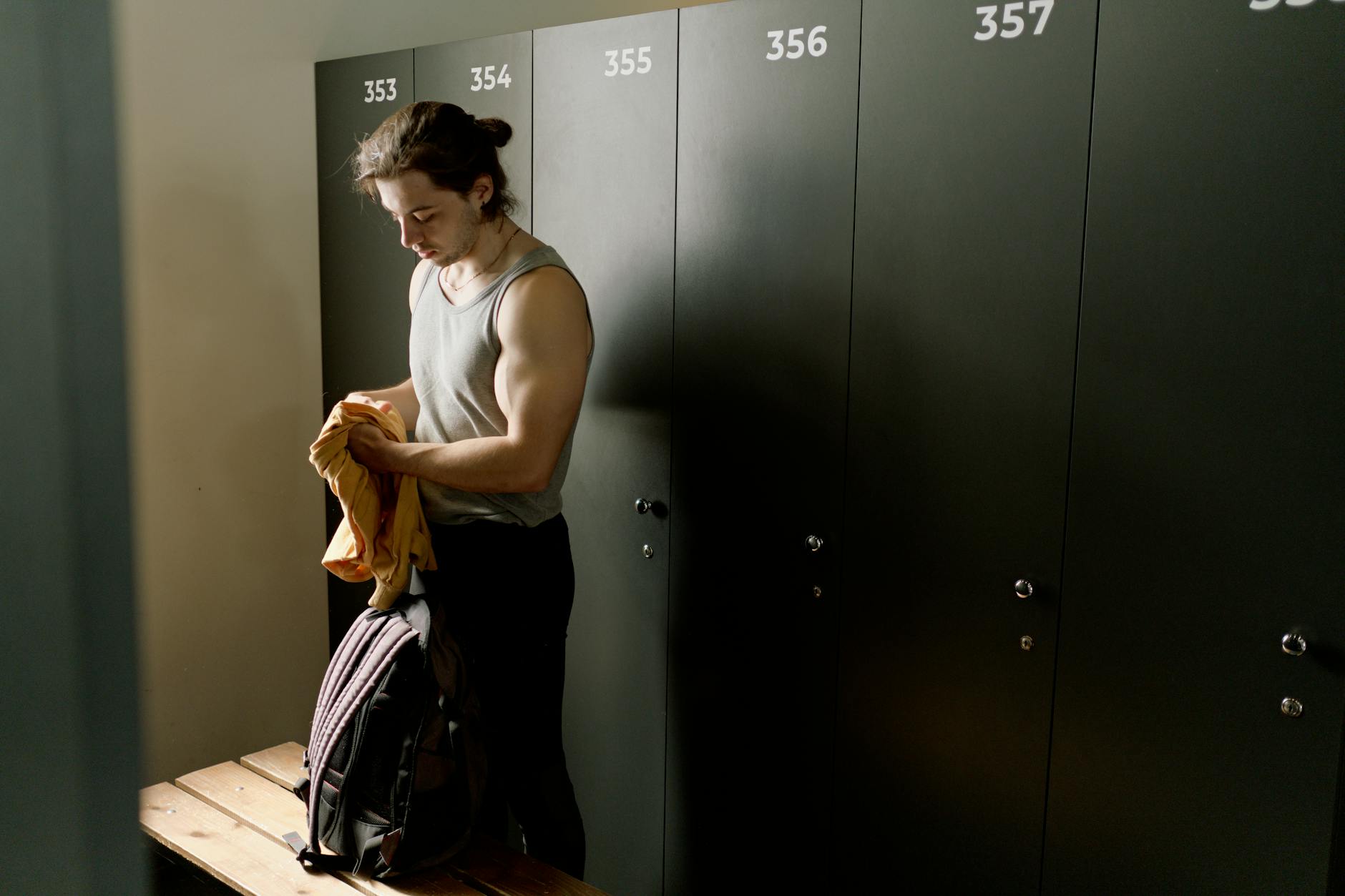
The locker room is a transitional space meant for changing and basic grooming rather than extended socializing or phone use. Occupying a large section of bench space with multiple bags during busy arrival times creates unnecessary congestion. Keeping personal items compact and contained allows everyone to move through efficiently. Respecting privacy in this area is considered non-negotiable across virtually all gym cultures.
Cardio Machine Time
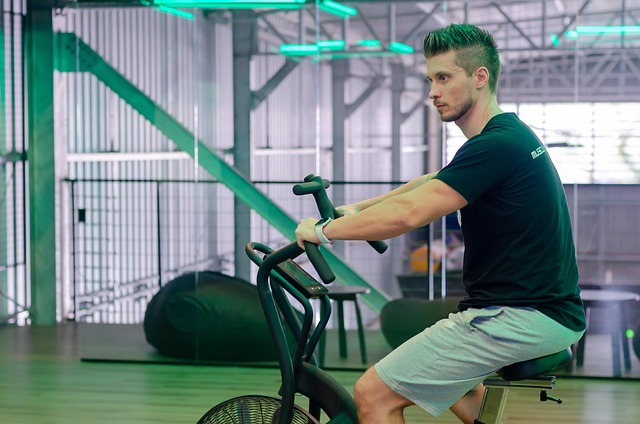
During busy periods, most gyms implement a time limit on cardio machines, typically displayed as a posted policy near the equipment. Continuing past the limit when others are visibly waiting is one of the most tension-inducing behaviors on the gym floor. Many members consider it reasonable to check in with waiting individuals even when no formal limit is posted. Keeping a reasonable session length during peak hours reflects awareness of shared demand.
Grunt Levels

Some vocalization during extremely heavy lifting is natural and even involuntary for many serious athletes. However, theatrical or exaggerated sounds that carry across the entire gym floor draw unnecessary attention and distract other members. There is a recognized difference between effort-related breathing and performance-driven noise that most experienced gym-goers understand intuitively. Keeping intensity sounds proportional to actual effort is the widely accepted standard.
Spot Requests
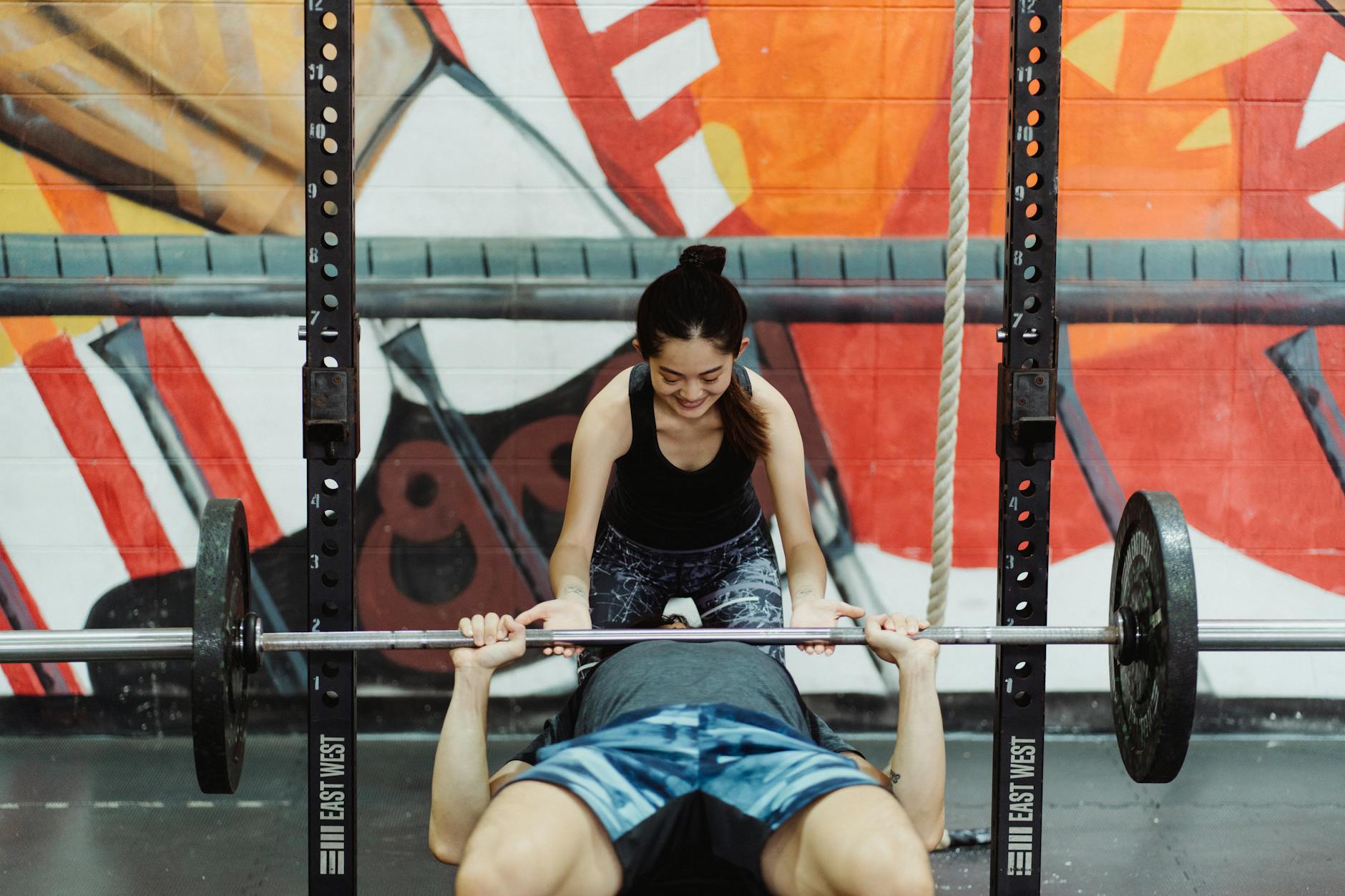
Asking a fellow member to spot for a heavy lift is completely acceptable and even expected in serious weightlifting environments. However, understanding what a proper spot involves before asking prevents putting an inexperienced person in a dangerous situation. Clear communication about the desired level of assistance makes the interaction safer and more productive for both parties. Thanking a spotter and returning the favor when appropriate reinforces a culture of mutual support.
Personal Space
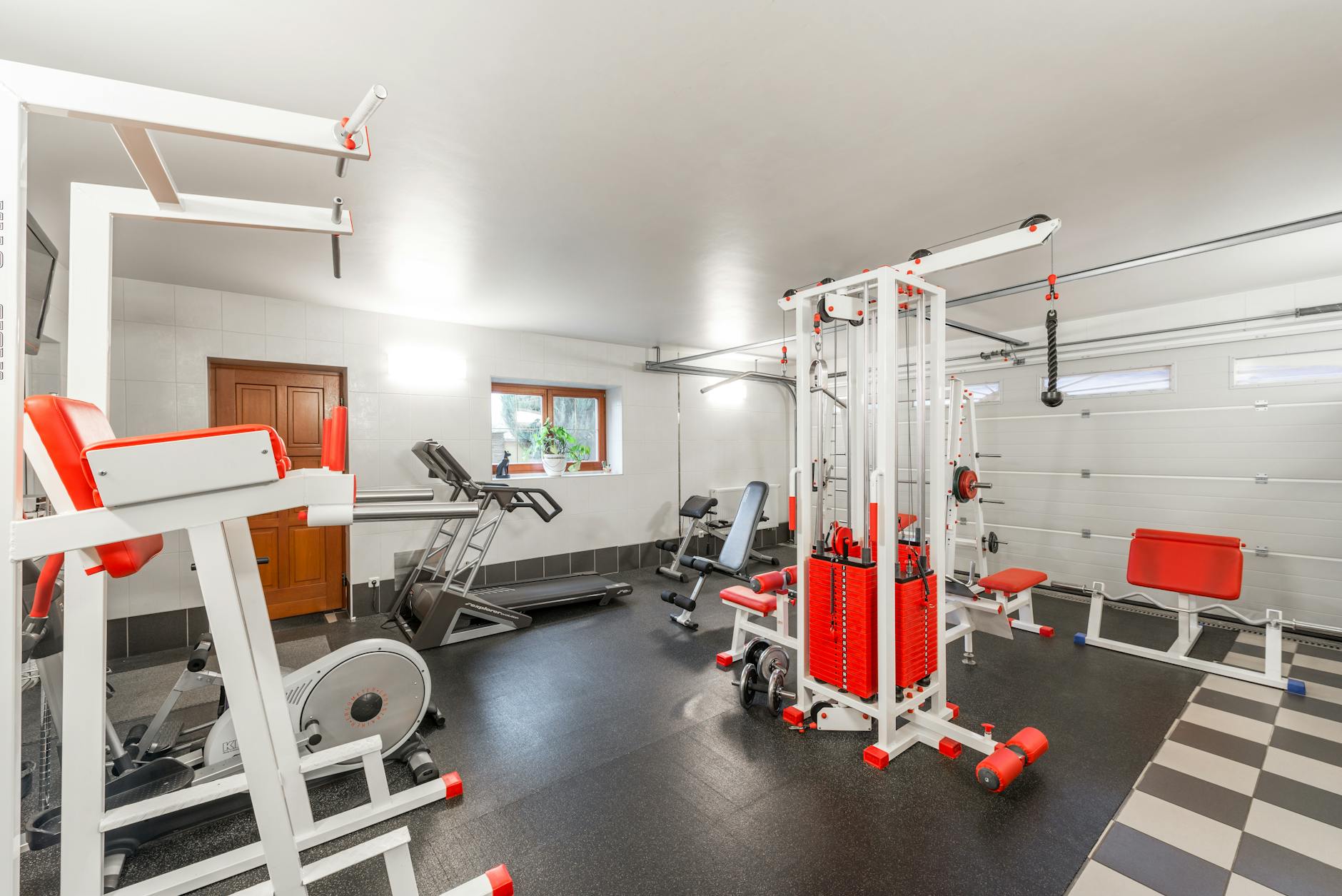
Setting up directly next to someone when the gym floor has plenty of open space is considered unnecessarily intrusive. Most members prefer a buffer zone of at least one empty station between themselves and the next person working nearby. This preference is particularly strong during exercises that involve significant range of motion or free weights. Reading spatial cues and choosing less crowded areas when available is a consistently appreciated habit.
Perfume and Cologne

Strong fragrances worn to the gym affect the breathing comfort of every person in the immediate vicinity, particularly during high-intensity cardio. Many individuals have sensitivities or allergies that make concentrated scents genuinely disruptive to their workout experience. The general guideline is that no fragrance should be detectable beyond arm’s reach in a training environment. Opting for fragrance-free deodorant and fresh clothing is the standard expectation in most gym communities.
Machine Adjustments
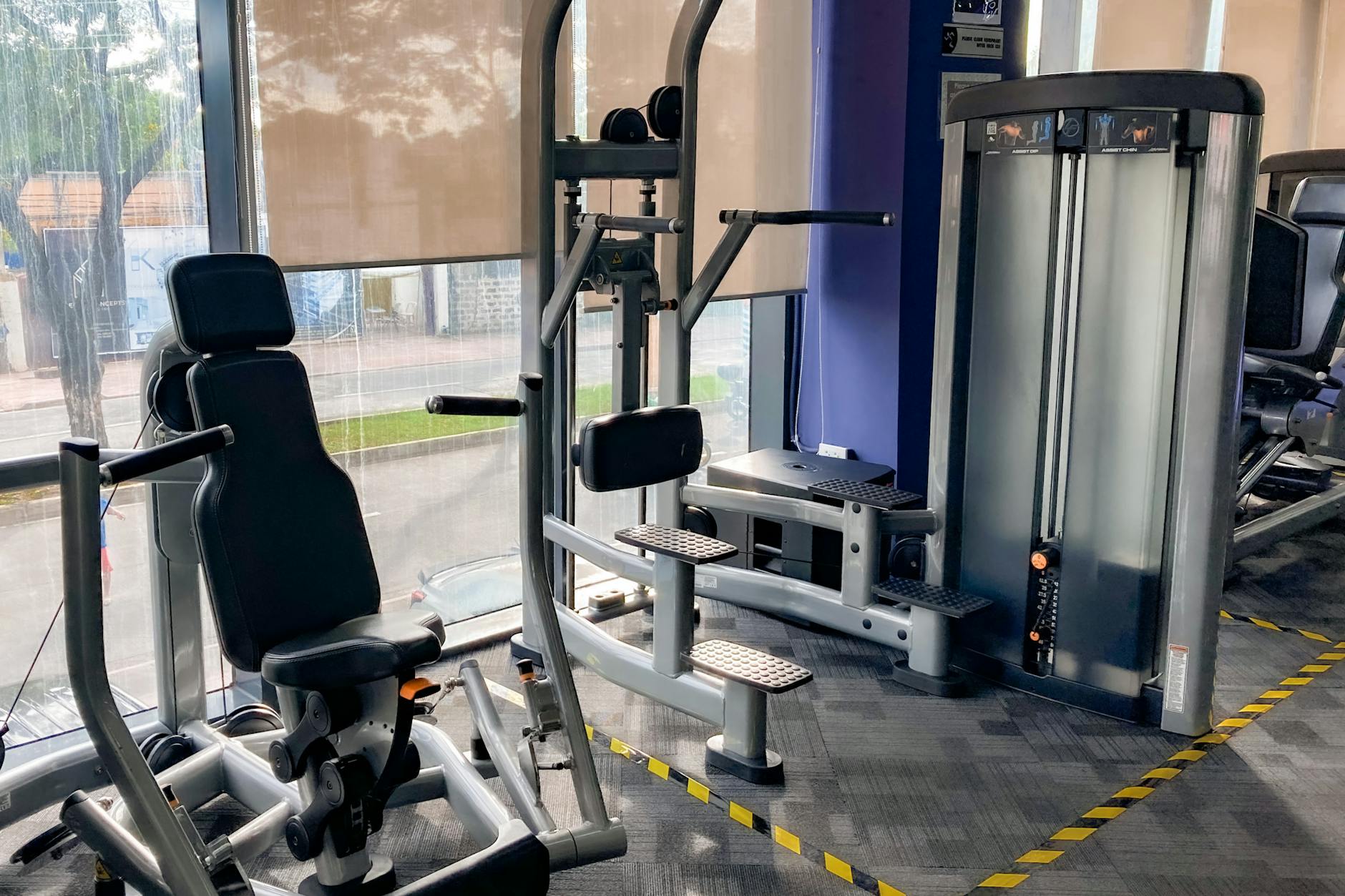
Returning adjustable machines to a neutral setting after use makes the next person’s setup faster and reduces wear on the equipment. This includes seat heights, cable weights, and any pin adjustments made during a session. Some facilities post reminders about this practice, but it is considered common courtesy even where no sign exists. Taking ten seconds to reset a machine is one of the simplest acts of consideration available to any gym member.
Workout Filming
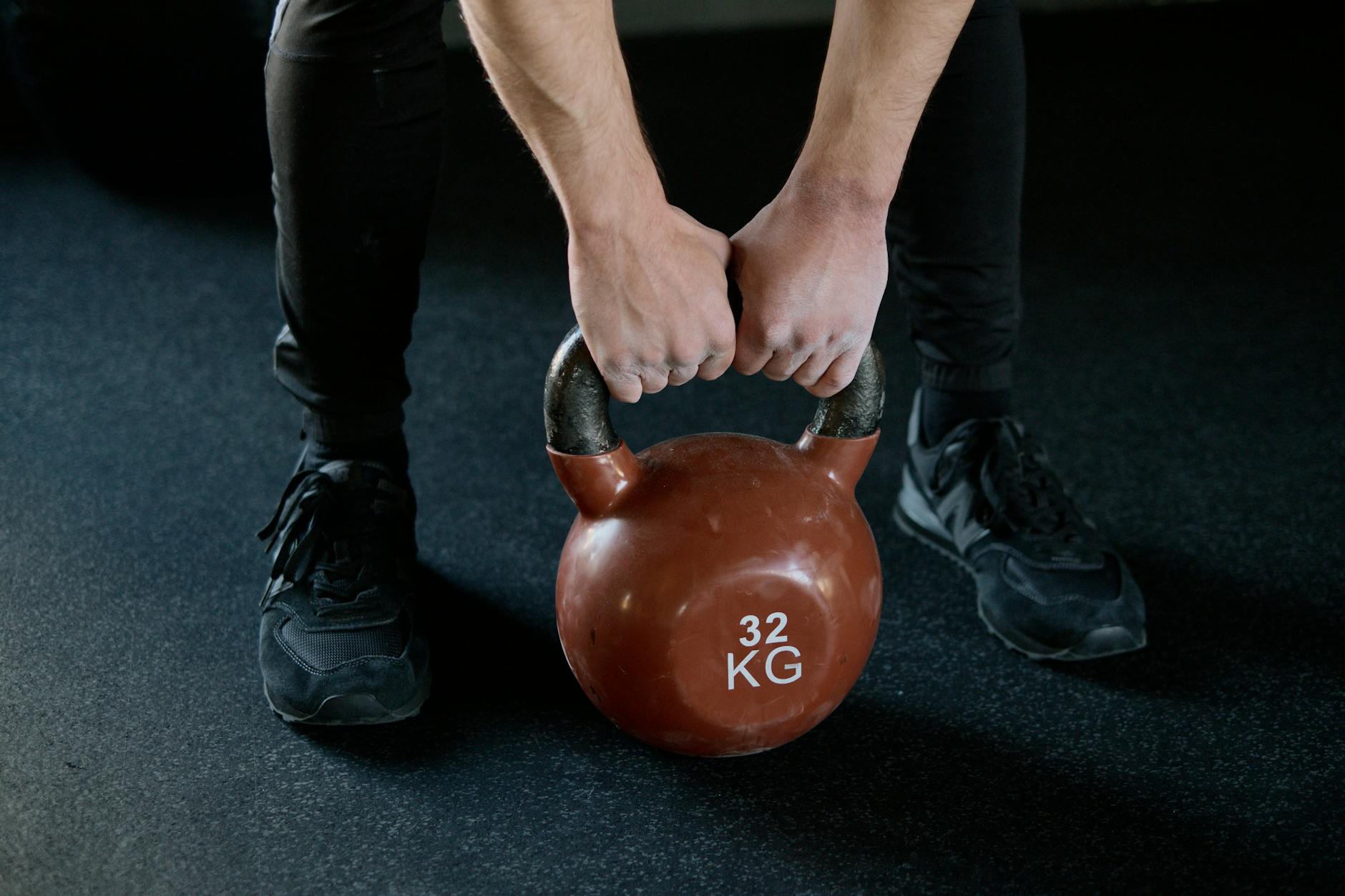
Recording workout content for social media is increasingly common, but filming in ways that capture other members without consent crosses a well-established boundary. Many gyms now have explicit policies about filming, reflecting how widespread this concern has become. Being thoughtful about angles and backgrounds when recording personal content prevents others from appearing in footage they never agreed to. Keeping cameras pointed away from other members is the respectful baseline.
Peak Hour Awareness
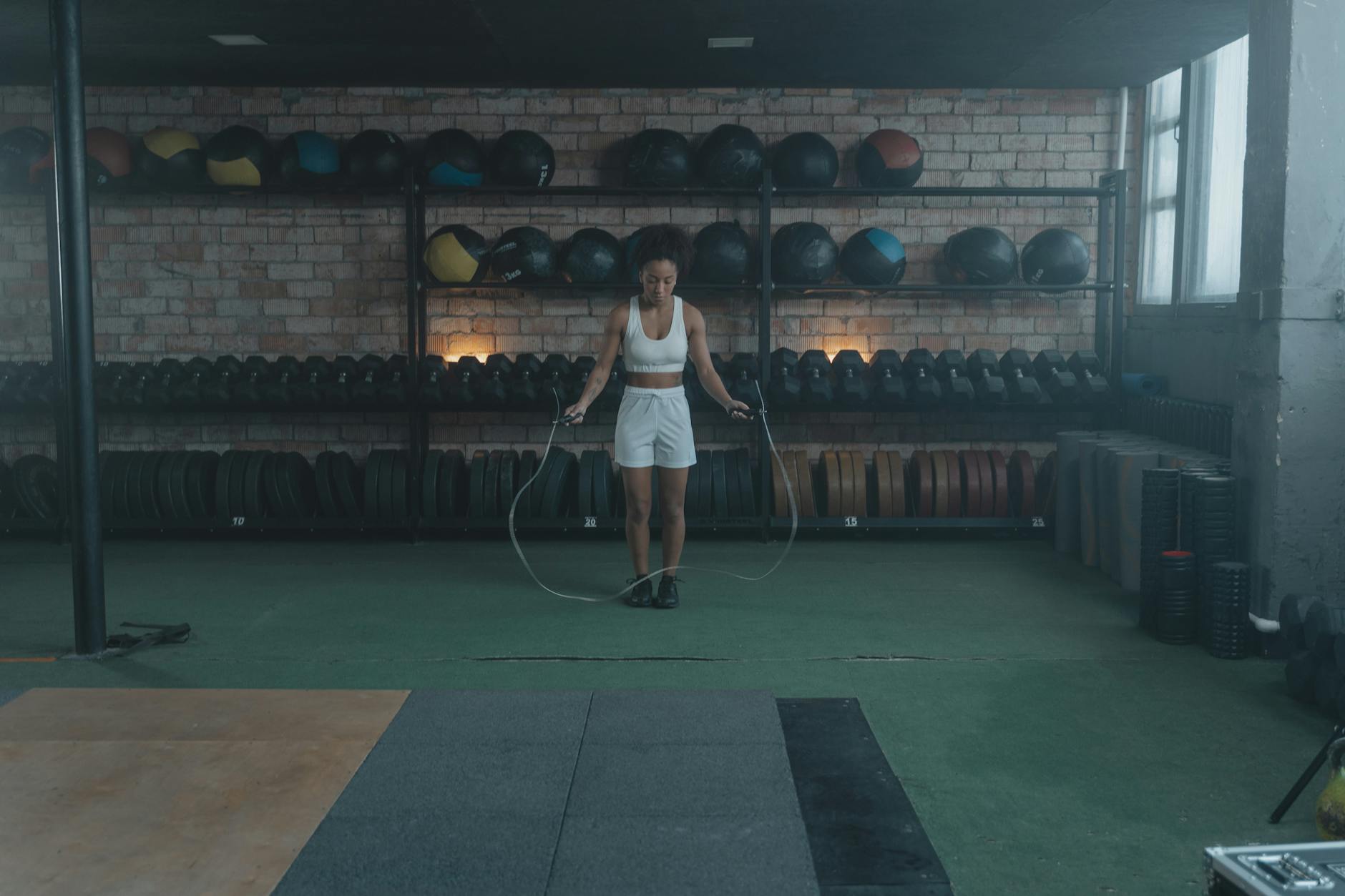
Arriving during a gym’s busiest windows, typically early morning and early evening on weekdays, requires a higher degree of flexibility and consideration. Workouts planned during these times often need adjustment based on equipment availability rather than preference. Experienced members frequently time their visits around peak hours to maintain their preferred training structure. Understanding the rhythm of a specific gym reduces frustration and improves the experience for everyone present.
Hygiene Basics

Arriving at the gym in clean workout clothing and having showered within a reasonable window before training is a foundational expectation that extends beyond basic politeness. Enclosed training spaces recirculate air constantly, making personal hygiene one of the most community-affecting behaviors in any gym. Most members are forgiving of natural sweat produced during a workout but far less tolerant of pre-existing odors brought through the door. Maintaining basic hygiene standards is the single most inclusive thing any member can do for those around them.
Conversation Timing

Striking up conversations with someone who is mid-set, wearing headphones, or clearly in a focused training state is widely considered poor judgment in gym culture. Most members signal their openness to interaction through eye contact, removing headphones, or pausing naturally between exercises. Reading these cues accurately prevents interrupting flow states that can take considerable time to rebuild. Short, friendly exchanges during obvious rest periods are the socially accepted format for gym floor conversation.
Equipment Waiting
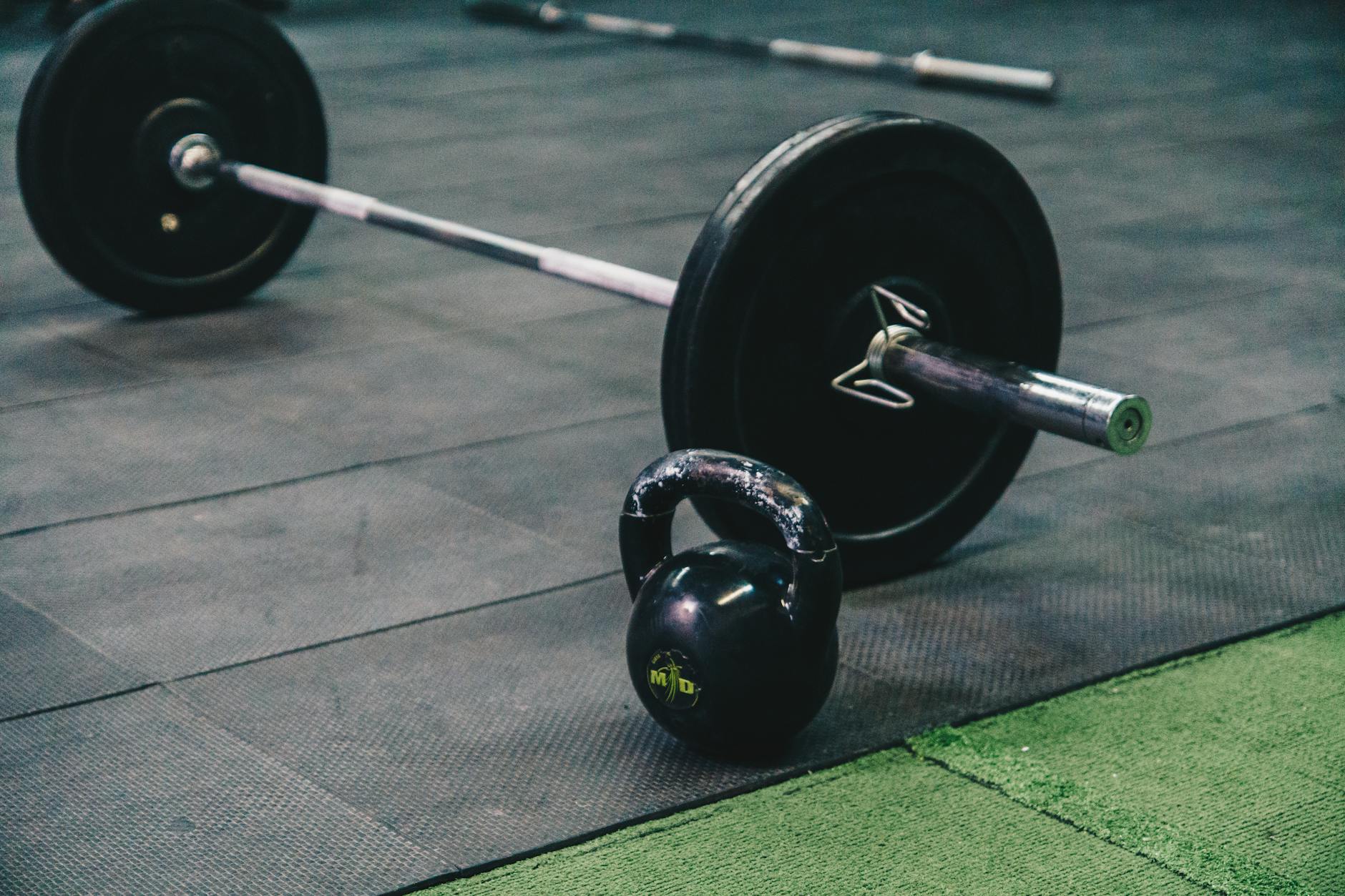
Hovering directly over a person using a machine or bench while waiting for it to become available creates pressure that disrupts their workout and is broadly considered aggressive behavior. Making eye contact and asking how many sets remain is the accepted alternative that keeps the interaction respectful. Waiting at a reasonable distance while staying attentive allows the transition to happen naturally without added tension. Most gym members respond positively to patience and direct but courteous communication around shared equipment.
Share your own gym etiquette experiences or rules you think deserve more attention in the comments.




