First impressions are formed within seconds of stepping through a front door and often rely on sensory details rather than white glove inspections. Guests unconsciously absorb the atmosphere through lighting and scent and texture before they ever look at the baseboards. The feeling of a home is dictated by how welcoming and comfortable the space appears to a newcomer. These initial observations set the tone for the entire visit and influence how relaxed a visitor feels during their stay. Understanding these subtle cues allows a host to curate a more inviting and memorable environment.
The Entryway Scent

The specific aroma of a household greets visitors before they fully step inside the threshold. Scents from candles or fresh baking suggest a curated atmosphere of relaxation and care. Unpleasant odors from pets or dampness can immediately create a subconscious negative impression regardless of visual cleanliness. A neutral or fresh scent signals that the space is well maintained and frequently aired out. This sensory detail lingers in the memory long after the guest leaves the residence.
Front Door Condition

The exterior entrance provides the very first visual cue about the state of the home. Peeling paint or a rusty handle might suggest deferred maintenance to an arriving visitor. A clean and sturdy door with polished hardware indicates pride of ownership and attention to detail. This architectural feature acts as the primary handshake between the house and the guest. Even a seasonal wreath or a simple decoration adds a layer of intentional hospitality.
Entryway Lighting

Lighting levels in the foyer determine the immediate mood of the interior space. Harsh overhead bulbs can make a space feel clinical and exposing to someone walking in from the dark. Soft and warm illumination creates a transition that feels safe and welcoming. Shadows in corners or dim bulbs may make the home appear smaller or gloomier than it actually is. Properly lit entryways guide the guest naturally into the main living areas.
Shoe Storage

A pile of disorganized footwear near the door creates an immediate sense of chaos and clutter. Guests look for a clear indication of where to place their own shoes upon arrival. specific racks or baskets demonstrate that the household runs on an organized system. Clear floor space prevents tripping hazards and makes the entry feel spacious. This small logistical detail communicates respect for the flow of traffic in the home.
Coat Hanging Space

Visitors immediately look for a designated place to relieve themselves of outerwear and bags. An empty hook or a clear spot in the closet shows that the host anticipated their arrival. Holding onto a coat or draping it over a chair can make a guest feel like an imposition or a temporary fixture. Accessible storage implies that the visitor is welcome to stay and get comfortable. It removes the physical burden of travel gear right at the door.
The Welcome Mat

This functional item serves as both a dirt trap and a greeting card for the residence. A worn or fraying mat can look neglected and sets a sloppy tone for the rest of the house. Clean and centered mats frame the entry and provide a specific place to wipe feet. The design or text on the mat often gives a hint about the personality of the residents. It is a small ground-level detail that impacts the overall curb appeal.
Indoor Temperature
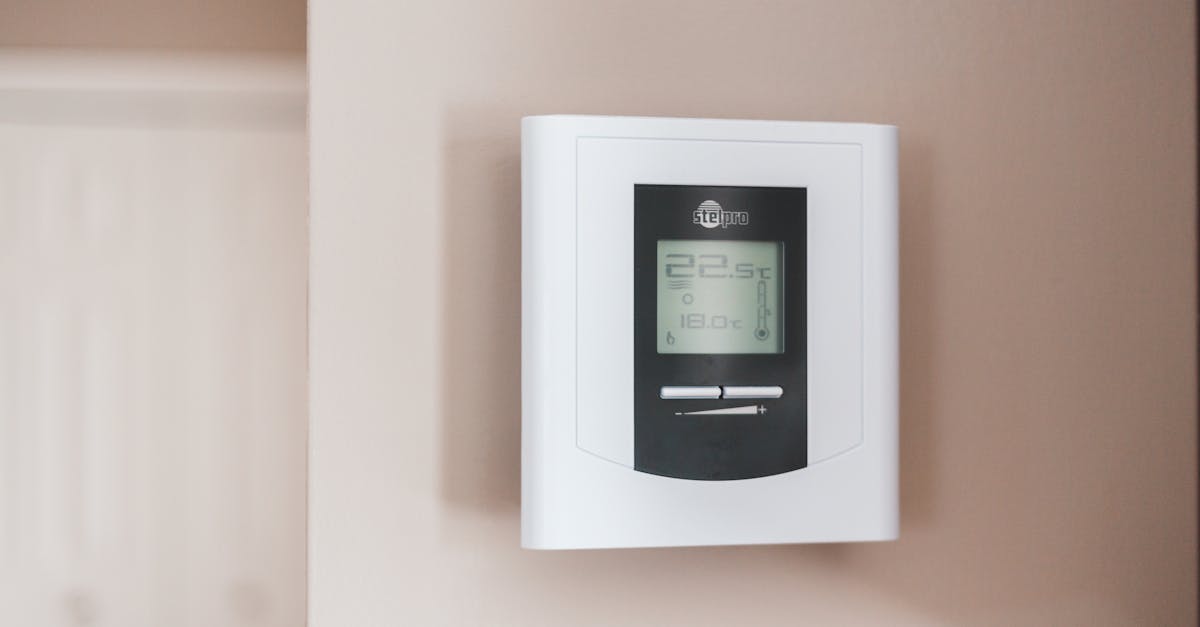
The thermal comfort of a home is felt instantly upon entering from the outdoors. A house that is too stiflingly hot or shivering cold makes it difficult for a guest to relax. Hosts who adjust the thermostat before arrival demonstrate consideration for the physical comfort of their company. Extreme temperatures can distract from conversation and make visitors eager to leave. A balanced climate creates a neutral backdrop for social interaction.
Background Noise

The auditory landscape of a home significantly affects the perceived energy level. Gentle music playing in the background eliminates awkward silences and warms up the room. Loud television blaring from another room can feel chaotic or isolating to a newcomer. Complete silence might make a guest feel self-conscious about making noise or speaking up. A curated playlist or a quiet environment suggests the host is ready to focus on connection.
Fresh Flowers
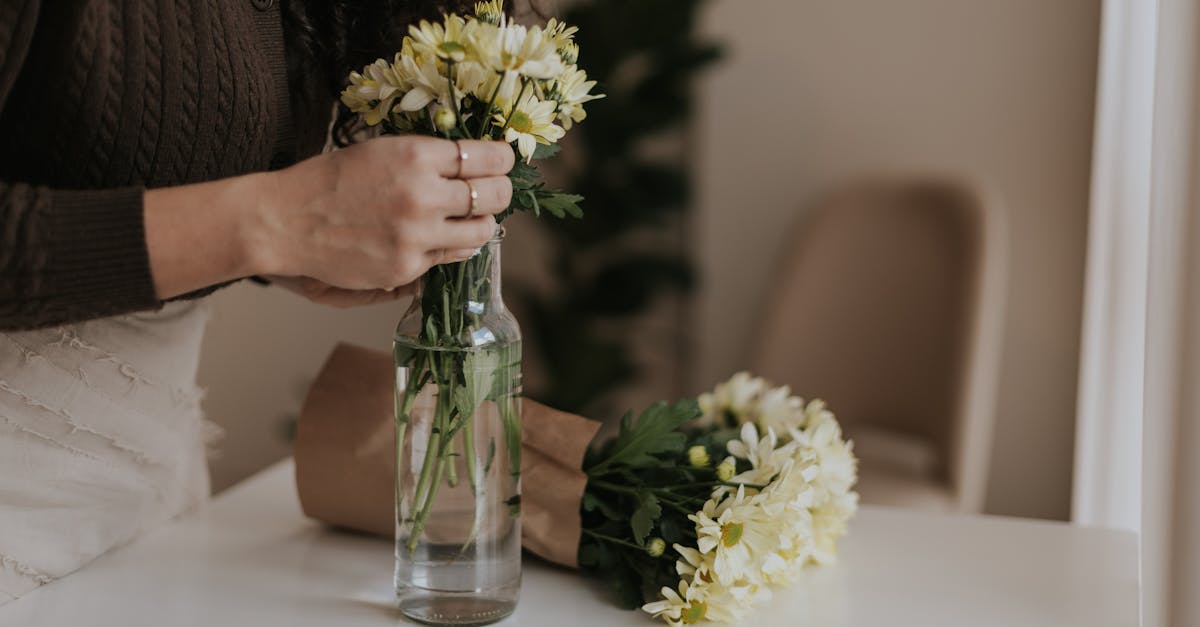
A vase of living blooms signals that the host made a specific effort for the occasion. The colors and textures of natural elements add instant vibrancy to any room. This gesture implies that the visit is considered a special event worth celebrating. Even simple greenery indicates a household that values aesthetics and life. It serves as a visual focal point that draws the eye away from imperfections.
Pet Presence

The behavior and boundaries of household animals are immediately apparent to anyone walking in. Jumping dogs or aloof cats establish the energy and rules of the living space. Guests notice if furniture is covered in fur or if pet toys are scattered across the floor. A well-behaved pet can serve as a delightful icebreaker during the initial greetings. Conversely, an unruly animal may cause anxiety for visitors who are not accustomed to pets.
Wi-Fi Accessibility

Modern guests often scan for internet availability or a display of the password shortly after settling in. Difficult connectivity or a hidden password can be a minor source of frustration. A visible card with login details shows a high level of foresight and modern hospitality. It prevents the awkwardness of having to ask for long and complicated alphanumeric codes. This amenity is now considered a basic utility in most social settings.
Bathroom Hand Soap
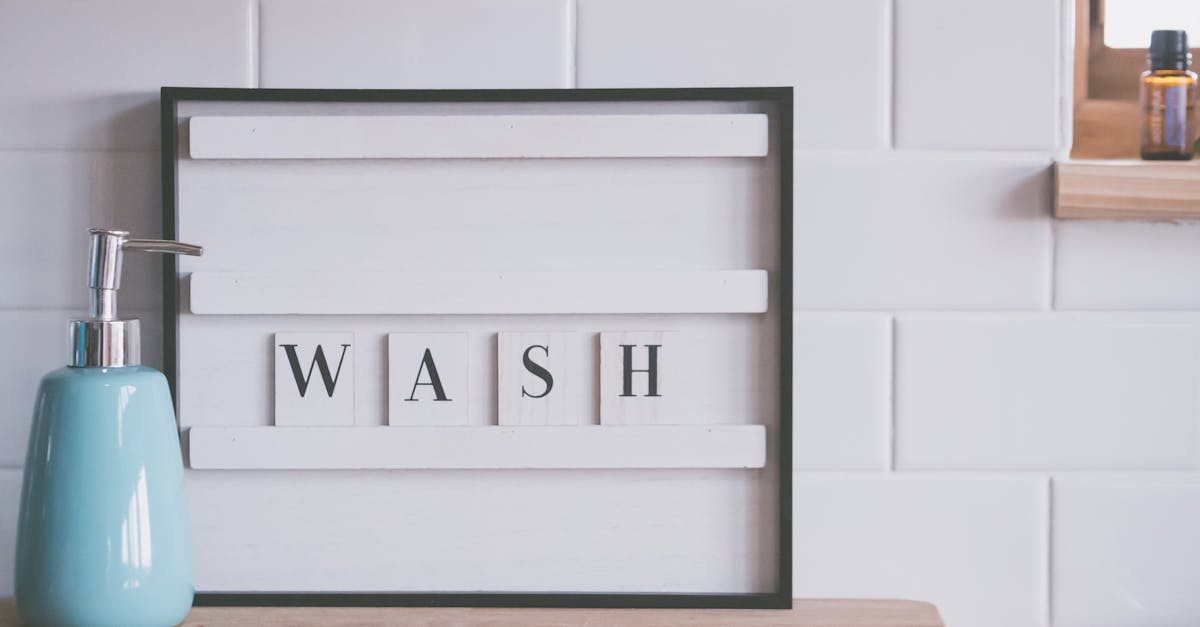
The quality and quantity of soap in the guest bathroom is a telling detail about household management. A nearly empty bottle or a sliver of bar soap can feel unwelcoming and unsanitary. pleasant foaming soaps or aromatic liquids add a touch of luxury to a mundane task. Guests appreciate not having to struggle to get the product out of the dispenser. It is a small touchpoint that reflects general hygiene standards.
Hand Towel Freshness

Reaching for a damp or stained towel is an unpleasant experience for any visitor. A crisp and dry towel specifically placed for guests indicates high sanitary standards. The texture and smell of the linen are noticed during the drying process. Decorative towels that look too precious to use can cause confusion about which one is functional. Fresh linens prove that the bathroom was prepped specifically for this visit.
Mirror Clarity

Bathroom and hallway mirrors are magnets for eyes checking appearance after travel. Smudges or water spots on the glass are highly visible under vanity lighting. A streak-free surface suggests a recent and thorough cleaning of the facilities. Guests use these surfaces to freshen up and appreciate a clear reflection. Dirty mirrors can make the entire bathroom feel grimy by association.
Toilet Paper Quality

The ply and texture of toilet tissue is a detail that is privately noted by every user. Running out of paper without a visible spare roll causes immediate panic and discomfort. High-quality paper suggests that the host values comfort over strict budgeting. An accessible backup supply prevents awkward requests for assistance. This practical necessity speaks volumes about the thoughtfulness of the host.
Seating Comfort

The firmness and texture of the sofa or armchairs determine how long a guest wants to stay seated. Worn cushions that sink too deep can make it difficult to sit gracefully or stand up. Stiff furniture may force visitors to sit on the edge of their seats rather than relaxing. The arrangement of the seating affects how easy it is to converse with others in the room. Comfortable upholstery encourages guests to settle in and stay awhile.
Throw Pillows
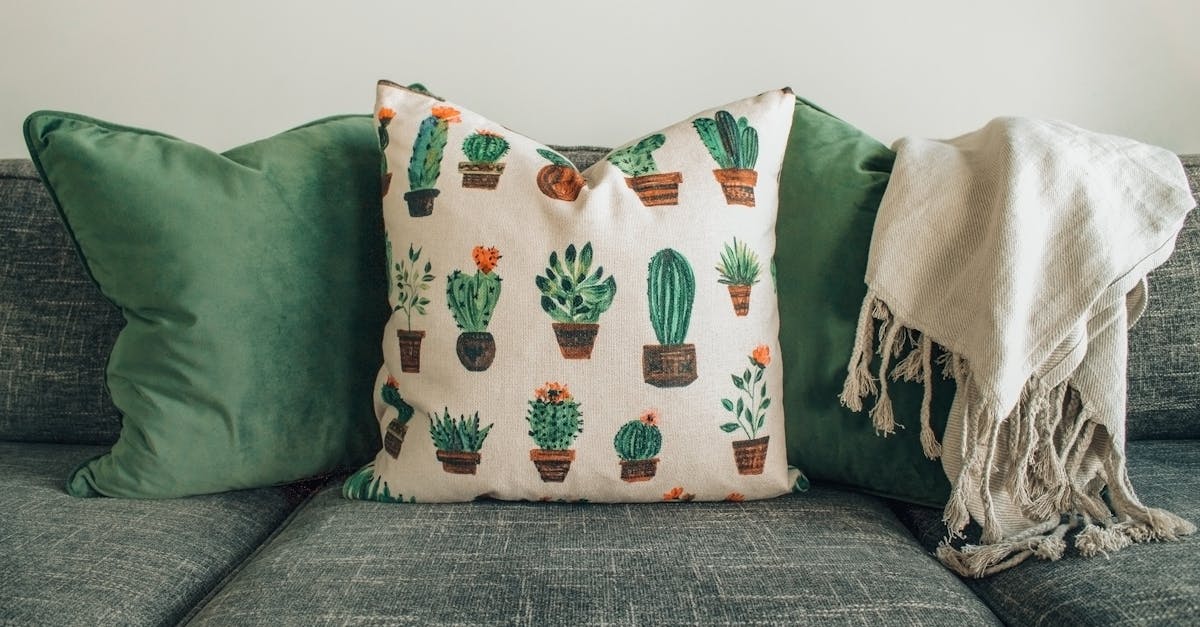
Pillows provide both aesthetic color and physical support on couches and chairs. Flattened or stained pillows can make the furniture look old and uninviting. Guests often use them to adjust their seating position or hold them for comfort. An abundance of pillows might require a guest to move them just to sit down. Fresh and fluffy accents tie the room design together effectively.
Coffee Table Books

The literature displayed in the living area acts as a conversation starter and a window into interests. Guests naturally gravitate toward interesting covers or titles while waiting for refreshments. A dusty or cluttered stack can look like hoarding rather than curation. Art books or travel photography collections allow visitors to browse casually without reading intently. These items add intellectual personality to the lounge area.
Wall Art

Artwork serves as the visual anchor of a room and draws the eye immediately. Crooked frames or generic prints might suggest a lack of attention to the environment. Unique pieces often invite questions and allow the host to share stories. The scale of the art relative to the wall space impacts the balance of the room. It is one of the primary ways a home expresses the character of its inhabitants.
Indoor Plant Health

Brown leaves or wilting stems are sad indicators of neglect that are hard to miss. Thriving greenery adds oxygen and a sense of vitality to the interior. Guests often comment on large plants as a way to compliment the space. Dead plants can subconsciously suggest a lack of nurturing capability. Vibrant flora makes a room feel fresh and organic.
Floor Clutter
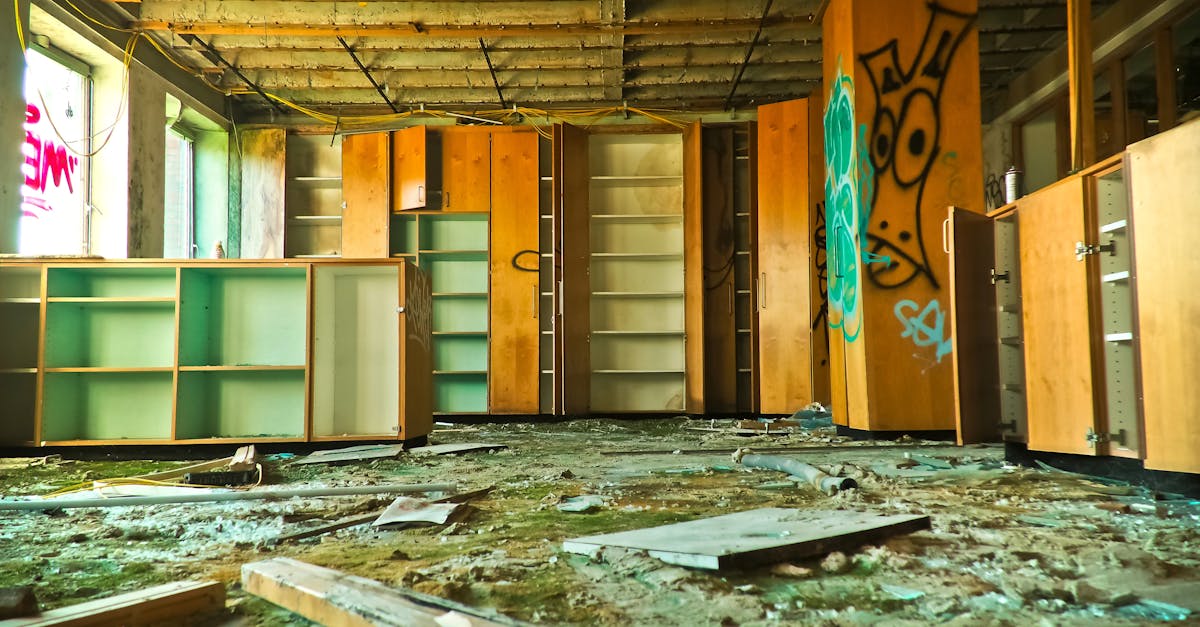
Obstacles on the ground affect how a person moves through a room. Toys, cords, or stacks of paper require guests to navigate carefully to avoid accidents. clear pathways make a home feel larger and safer to walk around in. A clutter-free floor creates visual calm and reduces sensory overload. Open space allows the architecture of the room to breathe.
Kitchen Counter Space

The amount of available surface area in the kitchen is noticeable if guests congregate there. Counters covered in appliances and mail leave no room to set down a drink. clear surfaces suggest cleanliness and readiness for food preparation. Clutter can make even a large kitchen feel cramped and stressful. Open counters invite guests to lean and chat while the host prepares snacks.
The Kitchen Sponge

If the sink area is visible, the condition of the cleaning tools stands out. An old or disintegrating sponge sitting out looks unhygienic and unappealing. Foul odors from the sink area are often traced back to damp cleaning supplies. A clean holder or a fresh sponge suggests sanitary dishwashing practices. This small item can ruin the appetite if it appears gross.
Refrigerator Exterior

The front of the fridge is often a gallery of personal life and organizational habits. A surface covered in messy papers and magnets can look chaotic to an observer. Clean handles and a tidy arrangement of photos or notes look much more intentional. Smudges and fingerprints on stainless steel are easily caught by the light. The display offers a glimpse into the daily family management of the household.
Lingering Food Odors

Smells from previous meals can hang heavy in the air long after cooking is done. The scent of burnt toast or strong fish is immediately detectable upon entry. Good ventilation or air purifiers help to neutralize these kitchen remnants. A neutral kitchen smell implies cleanliness and waste removal. Strong food odors can be overpowering to someone who has not just eaten.
Window Treatments
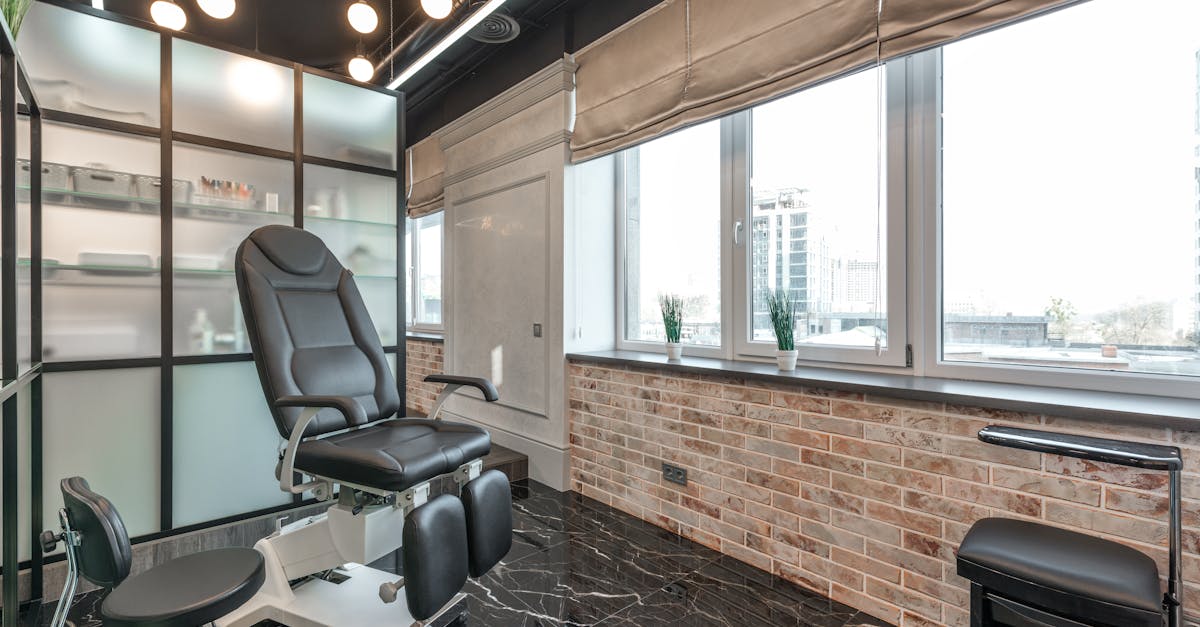
The position of blinds and curtains controls both light and privacy. Broken slats or hanging fabric can make a room look dishevelled. Open window treatments invite the outdoors in and expand the feeling of space. Tightly closed heavy drapes might make the interior feel claustrophobic during the day. Clean and functional coverings frame the view and finish the room.
Natural Light

The brightness of a room changes the emotional response of those inside it. Dark corners can feel depressing or unwelcoming without supplemental lighting. Sunlit rooms generally boost mood and energy levels for conversation. Hosts who open blinds before guests arrive maximize the potential of their space. A bright and airy room always feels cleaner than a dim one.
Personal Photos

Framed memories on shelves give guests context about the host’s life and family. An overwhelming number of photos can feel cluttered or self-absorbed. A curated selection acts as a bridge for storytelling and connection. The frames themselves contribute to the decor style of the room. Visitors enjoy seeing faces they know or learning about the host’s history.
Drink Coasters

The presence of coasters signals that the host cares about their furniture. Guests often feel anxious holding a sweating glass without a place to set it down. A stack of coasters on the table removes the need to ask for permission. It is a functional accessory that prevents water rings and damage. Using them encourages guests to relax and enjoy their beverage.
Cable Management

Tangles of wires behind the TV or under desks create visual noise. Visible cables can look messy and detract from the design of the room. neatly bundled cords fade into the background and go unnoticed. A chaotic jumble suggests a hasty setup or lack of organization. Concealing technology helps maintain a peaceful aesthetic.
Rug Placement

A rug that is curled at the corners is a tripping hazard that guests will actively avoid. The size of the rug relative to the furniture defines the seating area. Crooked placement can make the whole room feel slightly off-kilter. Stains or wear patterns are easily spotted when looking down. A flat and centered rug anchors the space effectively.
Cabinet Hardware

Loose knobs or sticky handles are noticed the moment a guest tries to open a cupboard. The finish on the hardware contributes to the age and style of the kitchen or bath. Greasy residue on handles is a tactile negative that repels visitors. Uniform and clean hardware suggests the home is in good repair. It is a small touchpoint that occurs frequently during a visit.
Faucet Shine

Water spots and lime buildup on chrome fixtures dull the appearance of a sink. A polished faucet looks brand new and incredibly sanitary. Guests look at the tap every time they wash their hands or get water. Grime around the base of the handles is a sign of superficial cleaning. sparkling fixtures reflect light and enhance the sense of cleanliness.
Ceiling Fan Stability

A wobbling or noisy fan draws the eye upward immediately. Visible dust on the blade edges can fall when the fan is activated. A stable and quiet fan provides comfort without drawing attention to itself. The speed of the fan should be adjusted to move air without creating a wind tunnel. Proper maintenance ensures the guest feels safe sitting beneath it.
Window Privacy

Bathroom windows without adequate frosting or coverings cause immediate anxiety. Guests need to feel completely unobserved when using private facilities. Sheer curtains in bedrooms might not offer enough coverage at night. Secure blinds provide peace of mind and comfort. Privacy is a non-negotiable aspect of a relaxing visit.
Host Demeanor

The energy of the host is the most contagious element in the house. A stressed or apologizing host makes the guest feel like a burden. A relaxed and smiling host gives permission for the guest to relax as well. Body language speaks louder than the perfection of the decor. The mood of the leader determines the success of the gathering.
Parking Convenience
The experience of the visit begins before the guest even enters the house. A clear driveway or instructions on where to park reduce arrival stress. Blocked spots or confusing street rules can start the visit on a frantic note. Easy access to the entrance is appreciated by anyone carrying bags or food. thoughtful parking arrangements show respect for the guest’s time.
Drink Options

Being offered a beverage immediately breaks the ice and welcomes the visitor. A lack of options beyond tap water can seem unprepared or stingy. Having coffee, tea, or juice ready shows anticipation of needs. The vessel the drink is served in also adds to the experience. It is the universal sign of hospitality across cultures.
Furniture Layout

The flow of the room dictates how people move and interact with each other. Furniture pushed against walls can make a room feel like a waiting room. Groupings that encourage eye contact facilitate better conversation. blocked pathways force guests to squeeze through uncomfortable gaps. A thoughtful layout maximizes both space and social connection.
General Aesthetic
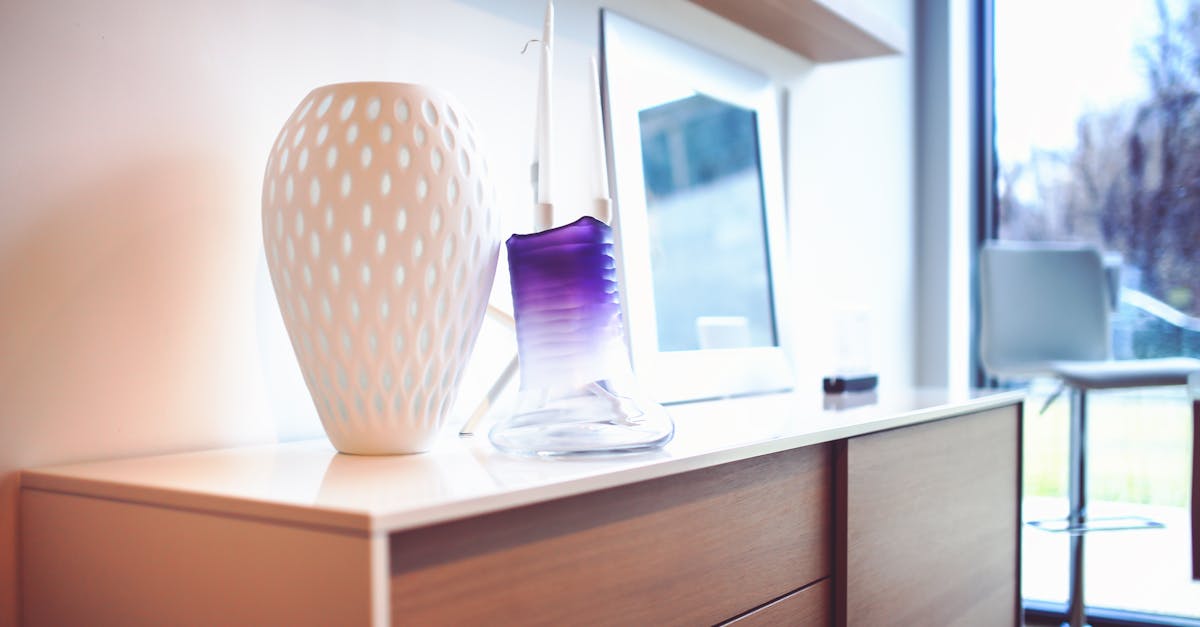
The overall cohesiveness of the style is processed instantly by the brain. A mix of clashing styles can feel confused or chaotic to the eye. A consistent color palette or theme creates a sense of harmony and peace. Guests appreciate a space that feels intentional rather than accidental. The vibe of the home is the sum of all these visual parts.
Please share which of these items you notice first when visiting a new home in the comments.




