Navigating the grocery store aisles has become increasingly difficult due to clever marketing tactics that disguise sugary treats as nutritious fuel. Many products labeled as healthy options actually contain processed ingredients and refined sugars that rival traditional confectioneries. Consumers often purchase these items believing they are making smart dietary choices while unknowingly consuming empty calories. Understanding the nutritional breakdown of these popular snacks is essential for maintaining a balanced diet. The following list highlights common foods that often mislead health-conscious shoppers.
Granola Bars

These convenient snacks are a staple in lunchboxes but often contain more sugar than a standard chocolate bar. Manufacturers use various syrups and coatings to bind the oats together which significantly increases the calorie count. The perception of whole grains often distracts consumers from reading the ingredient label closely. Many varieties rely on chocolate chips or candy pieces to appeal to younger palates.
Flavored Yogurt

Yogurt is naturally rich in probiotics and calcium but flavored versions frequently negate these benefits with excessive sweeteners. A single serving can hold as much sugar as a dessert to mask the natural tartness of the dairy. Fruit purees at the bottom are usually jam rather than fresh fruit and offer very little fiber. Plain Greek yogurt with fresh berries remains a superior alternative to these pre-mixed cups.
Dried Fruit

Dehydrating fruit removes the water content which concentrates the natural sugars and calories into a much smaller package. It is very easy to consume multiple servings of dried fruit in one sitting without feeling satiated. Some commercial brands add dusting sugar or sulfur dioxide to preserve color and enhance sweetness. This snack lacks the volume and hydration provided by whole fresh fruit.
Trail Mix

Traditional trail mix was designed for high-energy hiking but store varieties often resemble bags of candy. The ratio of chocolate pieces and sugar-coated dried fruit frequently outweighs the nuts and seeds. Salted and roasted nuts add sodium and processed oils to what should be a raw food snack. Eating handfuls of this calorie-dense mixture can lead to rapid weight gain if not portioned strictly.
Veggie Chips

Most vegetable chips are primarily potato starch or corn flour with a dusting of vegetable powder for color. These snacks are typically deep-fried in inflammatory oils just like standard potato chips. The processing eliminates most of the vitamins and fiber found in the original vegetables. Marketing terms like garden or harvest are used to create a false health halo around a processed salty snack.
Bottled Smoothies

Pre-packaged smoothies sitting on refrigerated shelves often undergo pasteurization that degrades heat-sensitive vitamins. These beverages frequently contain apple or grape juice bases that skyrocket the sugar content without providing fiber. Drinking calories does not trigger the same fullness signals as chewing whole foods does. One bottle can contain more grams of sugar than two cans of soda.
Agave Nectar

This sweetener is often marketed as a natural low-glycemic alternative to white sugar but is highly processed. It contains incredibly high levels of fructose which the liver must process directly. Excessive fructose consumption is linked to insulin resistance and increased belly fat. Nutritionists warn that it creates metabolic stress similar to high-fructose corn syrup.
Pretzels

Pretzels are essentially made of refined white flour and salt which converts rapidly to glucose in the bloodstream. They offer almost no nutritional value in terms of vitamins or protein or healthy fats. The lack of fiber means they do not provide lasting energy or satiety. This simple carbohydrate snack creates blood sugar spikes that leave you hungry shortly after eating.
Rice Cakes

These popular diet staples have an extremely high glycemic index that can cause rapid spikes in blood sugar. They are low in calories but also devoid of significant nutrients and fiber. The lack of substance often leads people to eat multiple cakes or top them with unhealthy spreads. Plain rice cakes are essentially puffed refined carbohydrates with air.
Sports Drinks

These neon-colored beverages are formulated for endurance athletes who need rapid glucose replenishment during intense events. For the average person sitting at a desk they act as sugar water that contributes to weight gain. They contain artificial dyes and flavorings that offer no health benefits to the general population. Water remains the best hydration source for moderate exercise.
Protein Bars

Many protein bars on the market are glorified candy bars with a small amount of isolated soy or whey protein added. They often rely on high-intensity sweeteners or sugar alcohols that can cause digestive distress. The saturated fat content in the coating can be surprisingly high for a fitness product. Real food sources of protein are almost always preferable to these processed blocks.
Fruit Snacks
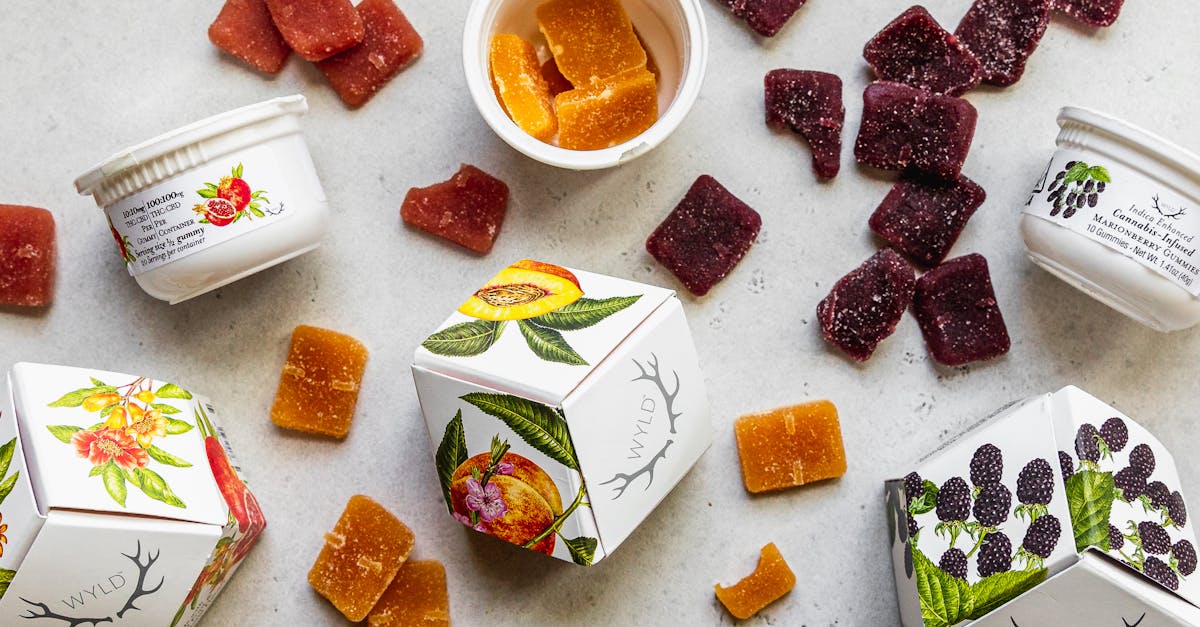
Gummy fruit snacks are typically composed of corn syrup and modified food starch with a splash of fruit juice concentrate. The gelatinous texture sticks to teeth and promotes cavities just like gummy bears. Vitamins are often sprayed on synthetically rather than coming from the fruit ingredients. Parents often mistake these for fruit servings when they are actually confectioneries.
Bran Muffins

Store-bought bran muffins are frequently oversized and loaded with sugar to improve the texture of the dense flour. A single bakery muffin can contain more calories and carbohydrates than a large slice of cake. The seemingly healthy fiber content is overshadowed by the sheer volume of refined ingredients. Butter and oil are used liberally to keep the bran from tasting dry.
Gluten-Free Cookies

A gluten-free label does not automatically equate to a healthier nutritional profile. Manufacturers often use tapioca starch or rice flour which are low in nutrients and high in simple carbohydrates. To replicate the texture of wheat these products often require extra fat and sugar. They are still processed treats that should be consumed in moderation.
Diet Soda

Artificial sweeteners used in diet sodas may confuse the body’s metabolism and trigger cravings for real sugar. The high acidity of carbonated beverages damages tooth enamel regardless of the sugar content. Drinking these beverages reinforces a preference for intensely sweet flavors. Studies suggest a link between daily consumption and metabolic syndrome.
Frozen Yogurt

Self-serve frozen yogurt shops encourage large portion sizes that far exceed a standard serving. The base product contains significant amounts of sugar to maintain a soft texture when frozen. Toppings bars filled with cookie crumbles and candies turn the treat into a high-calorie sundae. The beneficial bacteria found in regular yogurt often do not survive the freezing process.
Instant Oatmeal Packets

Plain oats are nutritious but instant flavored packets are filled with sodium and added sugars. The oats are processed to cook instantly which increases their glycemic index compared to rolled or steel-cut varieties. Maple and brown sugar flavors are created with artificial ingredients rather than natural spices. Making oatmeal from scratch takes only a few minutes more and allows for better control over ingredients.
Fat-Free Salad Dressing
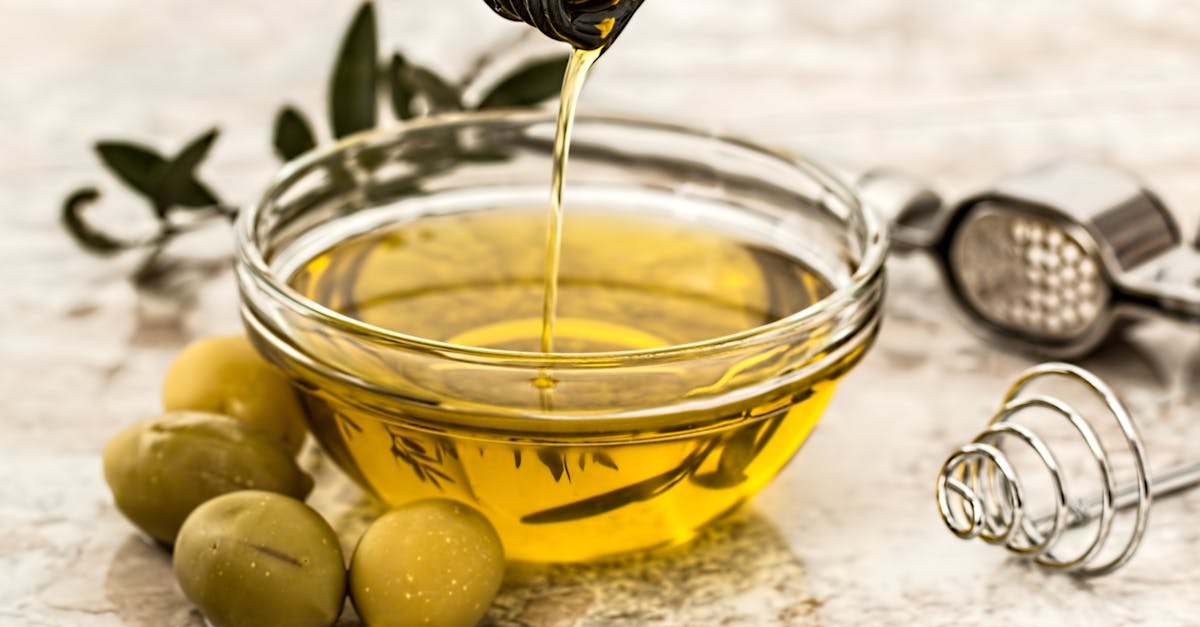
When fat is removed from salad dressing manufacturers add sugar and salt to compensate for the lost flavor. This trade-off removes the healthy fats necessary for absorbing the fat-soluble vitamins in your salad greens. The result is a high-sugar condiment that turns a healthy meal into a glucose spike. Full-fat dressings made with olive oil or avocado oil are much better for satiety and nutrient absorption.
Reduced-Fat Peanut Butter

Stripping the natural oil from peanuts removes the heart-healthy monounsaturated fats that make nuts nutritious. Manufacturers replace these fats with corn syrup solids and fillers to maintain spreadability. This processing turns a low-carb food into a source of unnecessary carbohydrates. Natural peanut butter should contain only peanuts and salt.
Energy Drinks
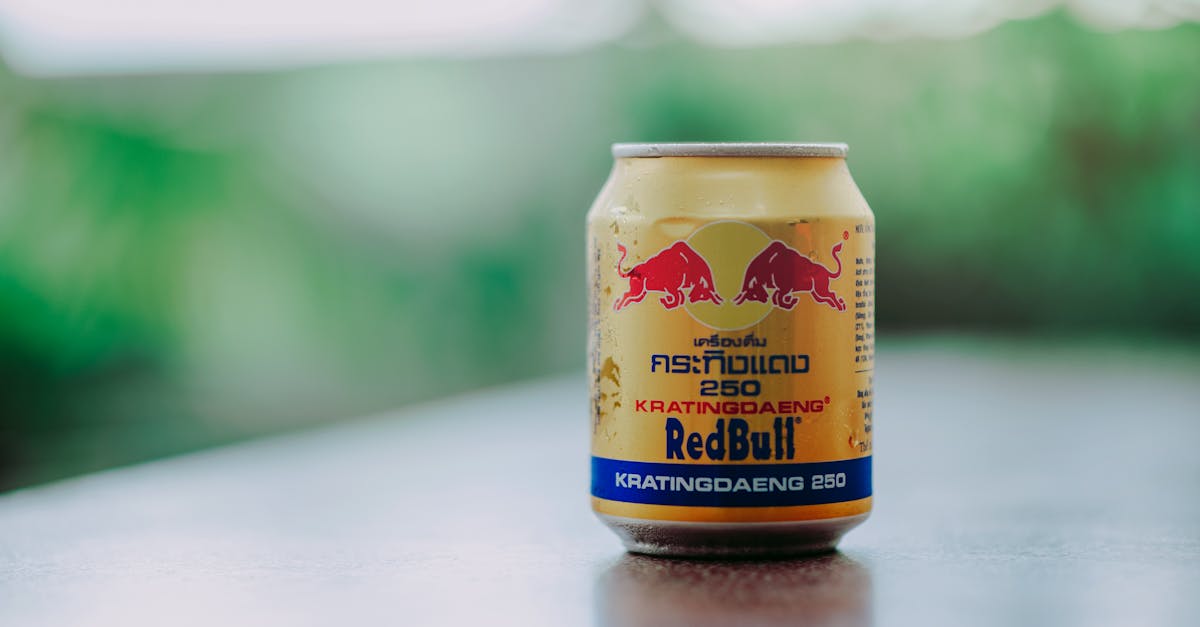
The combination of caffeine and herbal stimulants in energy drinks creates a potent mixture that can stress the heart. Most cans contain excessive amounts of sugar or artificial sweeteners to mask the bitter taste of the supplements. Regular consumption can lead to dependency and sleep cycle disruptions. The energy boost is temporary and is usually followed by a significant crash.
Acai Bowls

Acai berries are low in sugar but the commercial bowls sold in cafes are often blended with sugary fruit juices. The toppings usually include generous portions of granola and honey and sweetened coconut. A single bowl can easily exceed the daily recommended limit for added sugar. This creates a calorie bomb that is marketed as a light breakfast.
Plantain Chips

Plantain chips are typically fried in palm oil or sunflower oil which adds significant caloric density. Although they come from a fruit they are metabolically similar to potato chips. The salting process adds high levels of sodium which can cause bloating. They lack the fiber and nutrients found in raw plantains.
Flavored Coconut Water

Natural coconut water is a good source of electrolytes but flavored versions often contain added cane sugar or fruit puree. This addition transforms a light hydration drink into a sugary beverage. The marketing focuses on hydration while ignoring the extra calorie load. Plain coconut water is always the superior choice for electrolyte replenishment.
Microwave Popcorn

The bags used for microwave popcorn are often lined with chemicals to prevent grease from soaking through. The artificial butter flavoring contains additives that have been linked to respiratory issues in manufacturing settings. High levels of sodium and trans fats are common in these convenient snacks. Air-popped corn with real butter is a much safer and cleaner option.
Commercial Kombucha

While kombucha is a fermented tea the fermentation process requires sugar to feed the bacteria. Many commercial brands add extra sugar or juice after fermentation to appeal to sweet-toothed consumers. Some bottles contain two or three servings which can result in high sugar intake if consumed at once. It is important to check labels for total sugar content per bottle.
Store-Bought Granola

Granola is often perceived as a health food but serves as a dense source of calories and sugar. Oil and honey are used to clump the oats together which drives up the fat and carbohydrate count. A standard serving size is often a mere quarter cup which most people unknowingly exceed. It is more akin to a crumbled cookie topping than a breakfast cereal.
Fruit Juice

Juicing fruit removes the fibrous pulp that slows down the absorption of fructose into the bloodstream. A glass of orange juice contains the sugar of several oranges without the fullness provided by fiber. This rapid absorption causes insulin spikes similar to those caused by soda. Whole fruit is always nutritionally superior to its liquid extract.
Vegan Cheese

Many vegan cheese alternatives are highly processed products made from solidified vegetable oils and starches. They often lack the protein and calcium found in dairy cheese while matching the saturated fat content. Flavorings and stabilizers are heavily used to mimic the melting properties of dairy. These foods are culinary substitutes rather than nutritional equivalents.
Protein Cookies
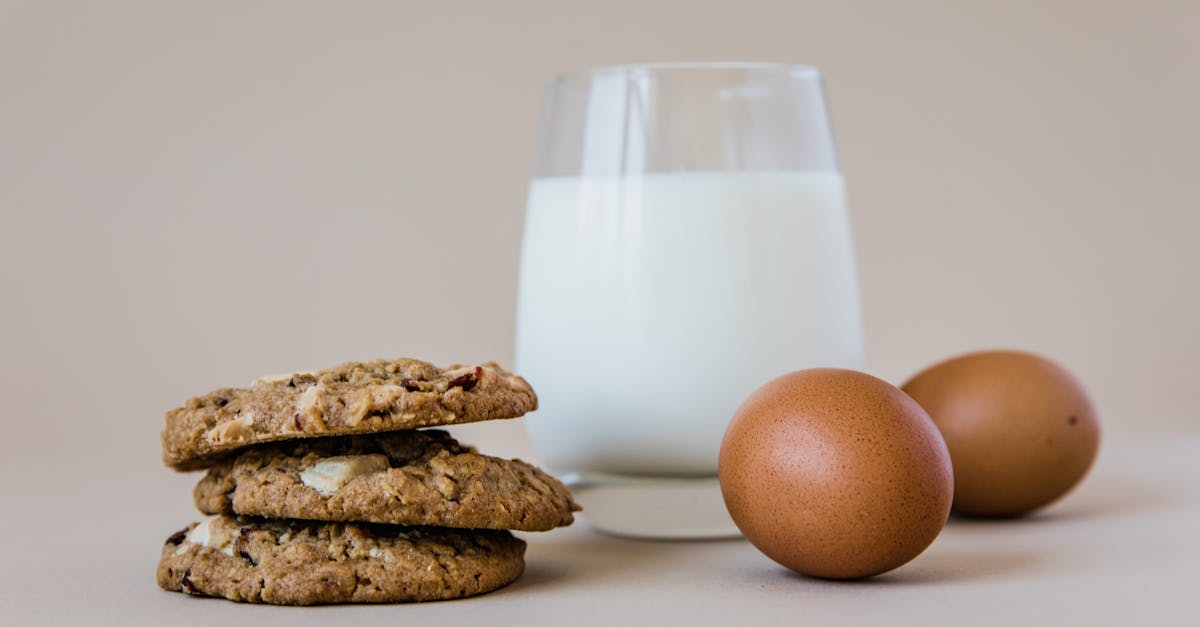
These products are often massive in size and calorie count while being marketed as fitness fuel. They typically use wheat flour and sugar just like regular cookies with some added protein powder. The high calorie density makes them unsuitable for weight loss goals. They act more like a meal replacement than a light snack.
Vitamin Water

The vitamins added to these waters are often synthetic and poorly absorbed by the body. The primary ingredients after water are usually crystalline fructose or cane sugar. Marketing claims about energy or focus are largely exaggerated based on the trace vitamins included. It is essentially a soft drink fortified with a multivitamin pill.
Tell us which of these snacks surprised you the most by sharing your opinion in the comments.




