
Most people never consider the possibility that they might be the challenging presence in a retail interaction, yet the signs are often more visible to others than they realize. Recognizing these behaviors is not about self-criticism but about fostering more respectful and productive exchanges between shoppers and the people who serve them. A little awareness can transform an ordinary errand into a genuinely pleasant experience for everyone involved.
Interrupting Staff
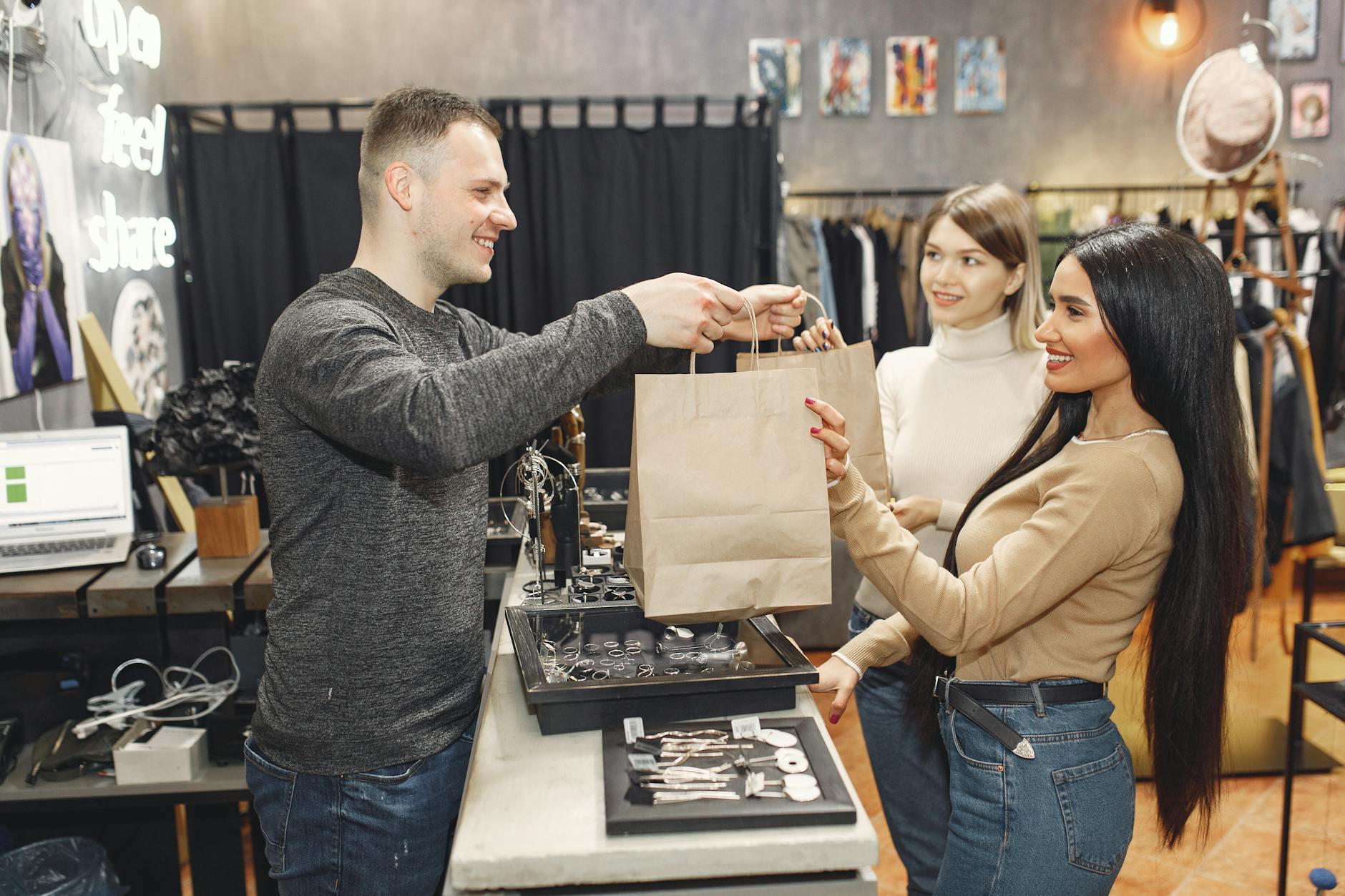
Walking up to an employee mid-conversation and immediately launching into a question signals a lack of awareness about basic social boundaries. Staff members are often assisting another customer or completing a task that requires focus and continuity. This behavior, while often unintentional, communicates that the interrupter’s needs outrank those of everyone else present. Waiting a moment or making brief eye contact to signal availability is all it takes to shift the dynamic entirely.
Ignoring Greetings

When a store employee offers a warm welcome and the customer walks past without any acknowledgment, it sets a dismissive tone for the entire interaction. Retail workers are trained to greet every shopper as a standard of professional courtesy. Failing to respond, even briefly, can feel dehumanizing to the person on the receiving end. A simple nod or short reply costs nothing and establishes a respectful foundation from the very first moment.
Demanding Exceptions
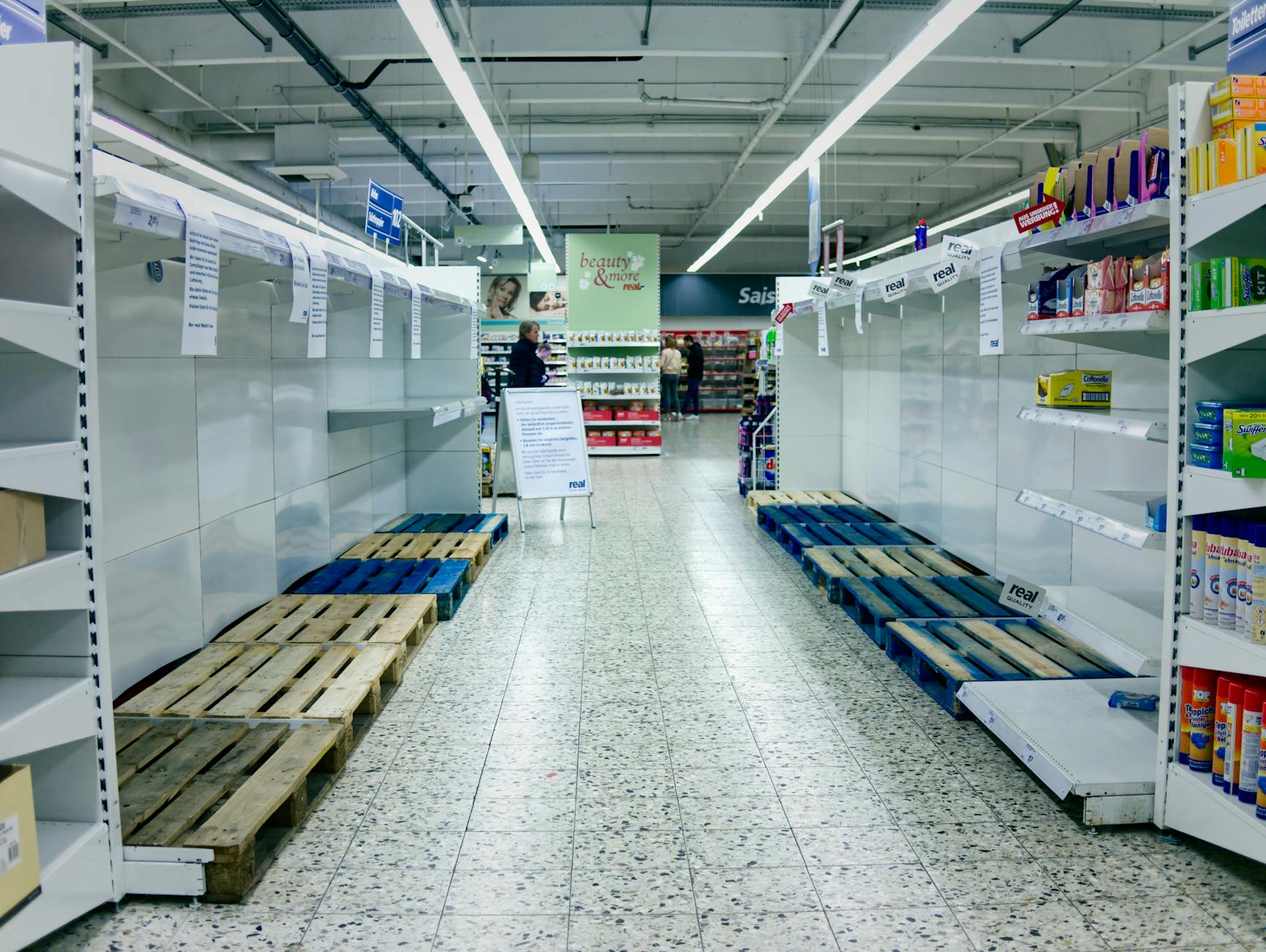
Asking for a price match on an expired sale or insisting on a return well outside the stated policy puts employees in an uncomfortable position. These requests often require staff to enforce boundaries while managing the emotional reaction of the customer in front of them. Policies exist to maintain fairness across a wide customer base and are rarely personal decisions made by frontline workers. Accepting a declined request graciously is a marker of reasonable behavior in a retail setting.
Vague Complaints
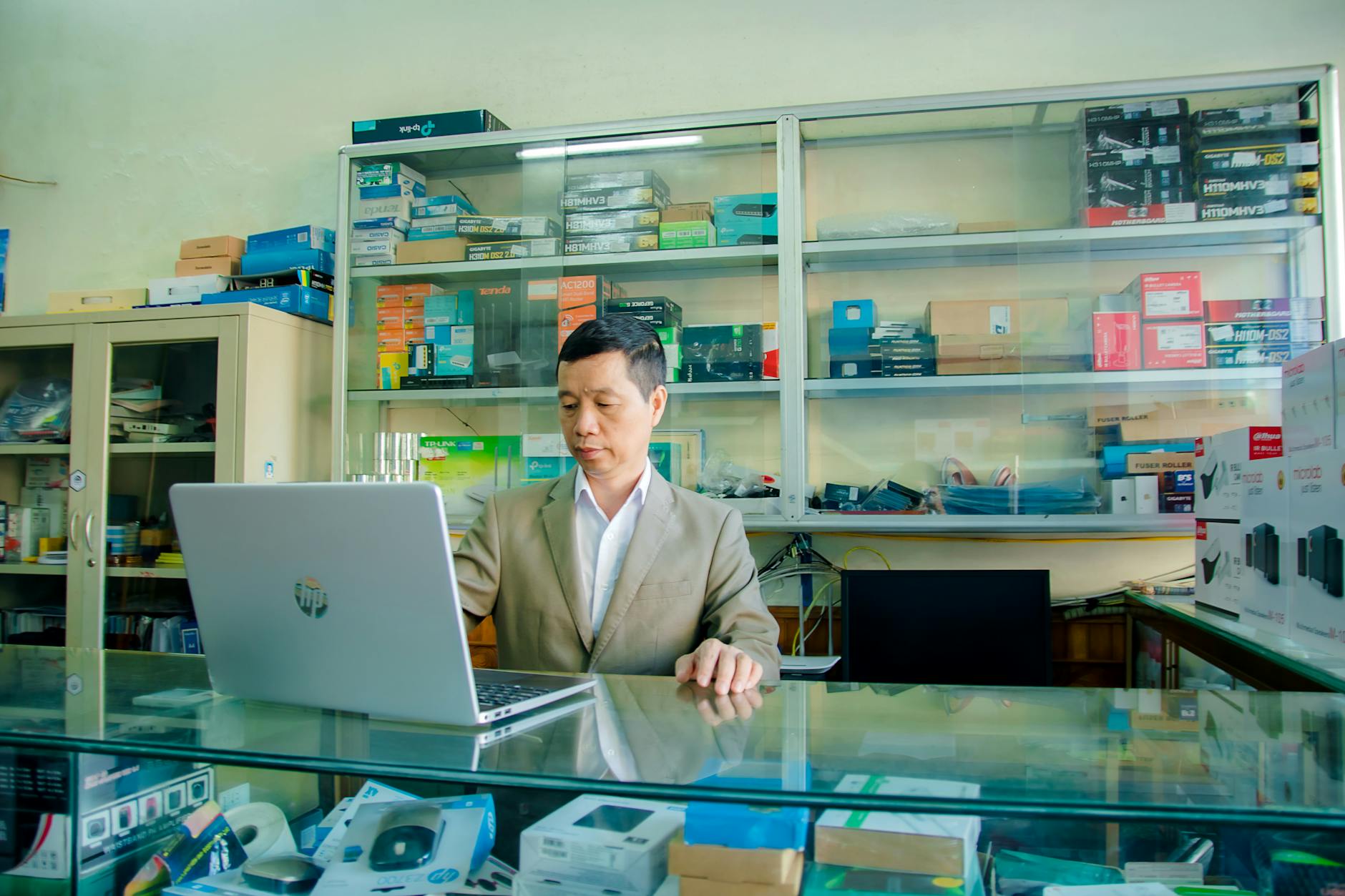
Telling a staff member that something is wrong without providing any specific detail makes resolution almost impossible. Employees genuinely want to help but need clear information to do so effectively. Phrases like “this is just not right” or “I expected better” leave workers guessing and extend the frustration for everyone involved. Taking a moment to organize thoughts before approaching staff leads to faster and more satisfying outcomes.
Checking the Phone

Scrolling through a phone while an employee is trying to assist creates a one-sided and inefficient interaction. The worker must either wait in silence or repeat information multiple times to compensate for divided attention. This habit is often unconscious but reads as indifference or disrespect from the other side of the counter. Brief, focused engagement during a transaction shows consideration for the employee’s time and workload.
Touching Everything
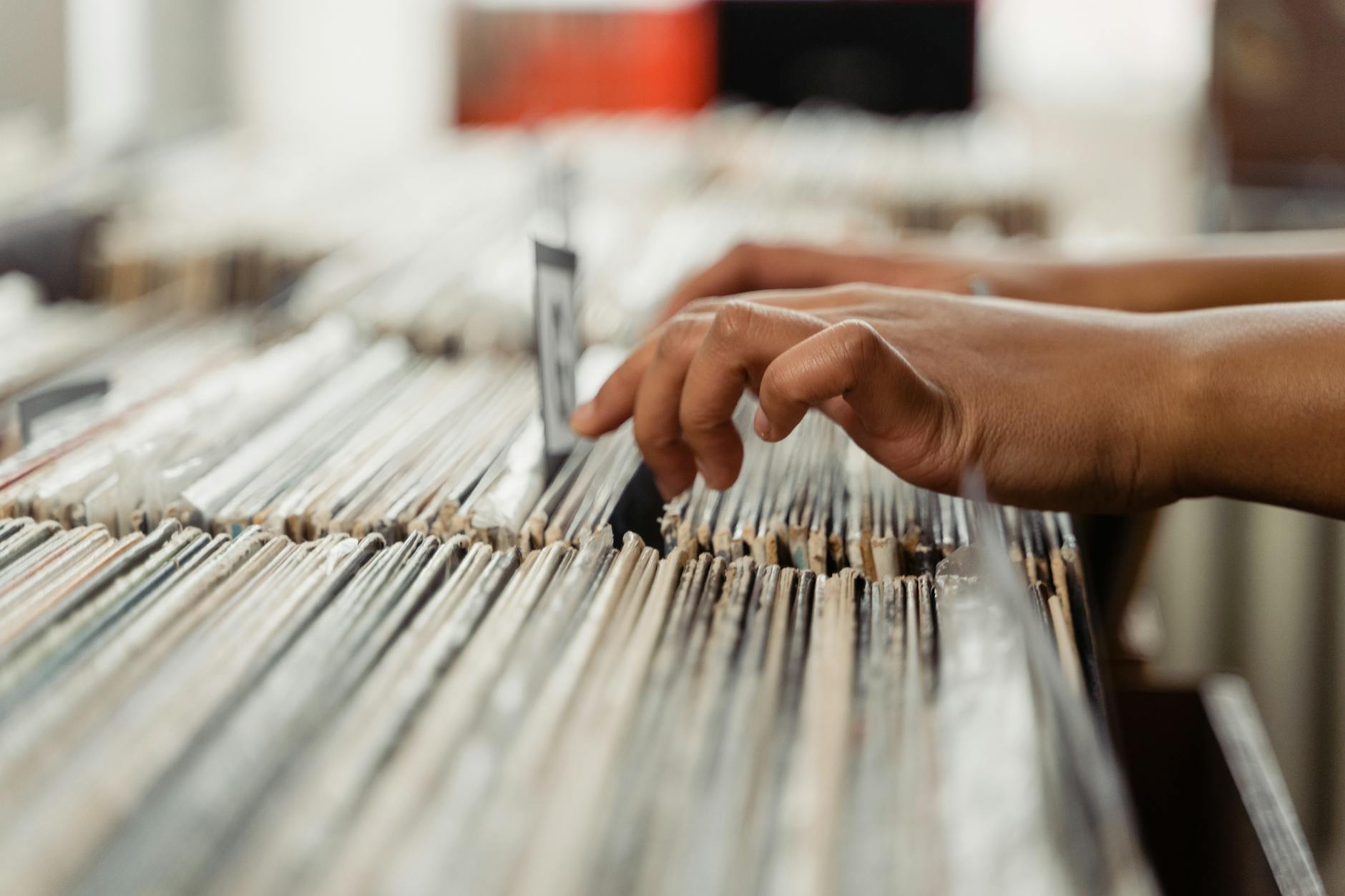
Picking up, unfolding, or rearranging merchandise without any intention to purchase it adds unnecessary work to an already demanding shift. Retail staff spend significant portions of their day maintaining the presentation of the store floor. Disturbing neatly arranged displays or trying on items carelessly and leaving them in disarray reflects a disregard for that labor. Handling products thoughtfully and returning items to their original position is a small but meaningful form of respect.
Raising Your Voice

Elevating the volume of a voice during a disagreement does not increase the likelihood of a favorable outcome. Loud confrontations in a retail environment affect not only the employee but also surrounding customers who did not choose to be part of the exchange. Staff members are generally prohibited from responding in kind, which places them in a fundamentally unequal position. Measured and calm communication is far more effective and far less disruptive to everyone nearby.
Blaming the Cashier
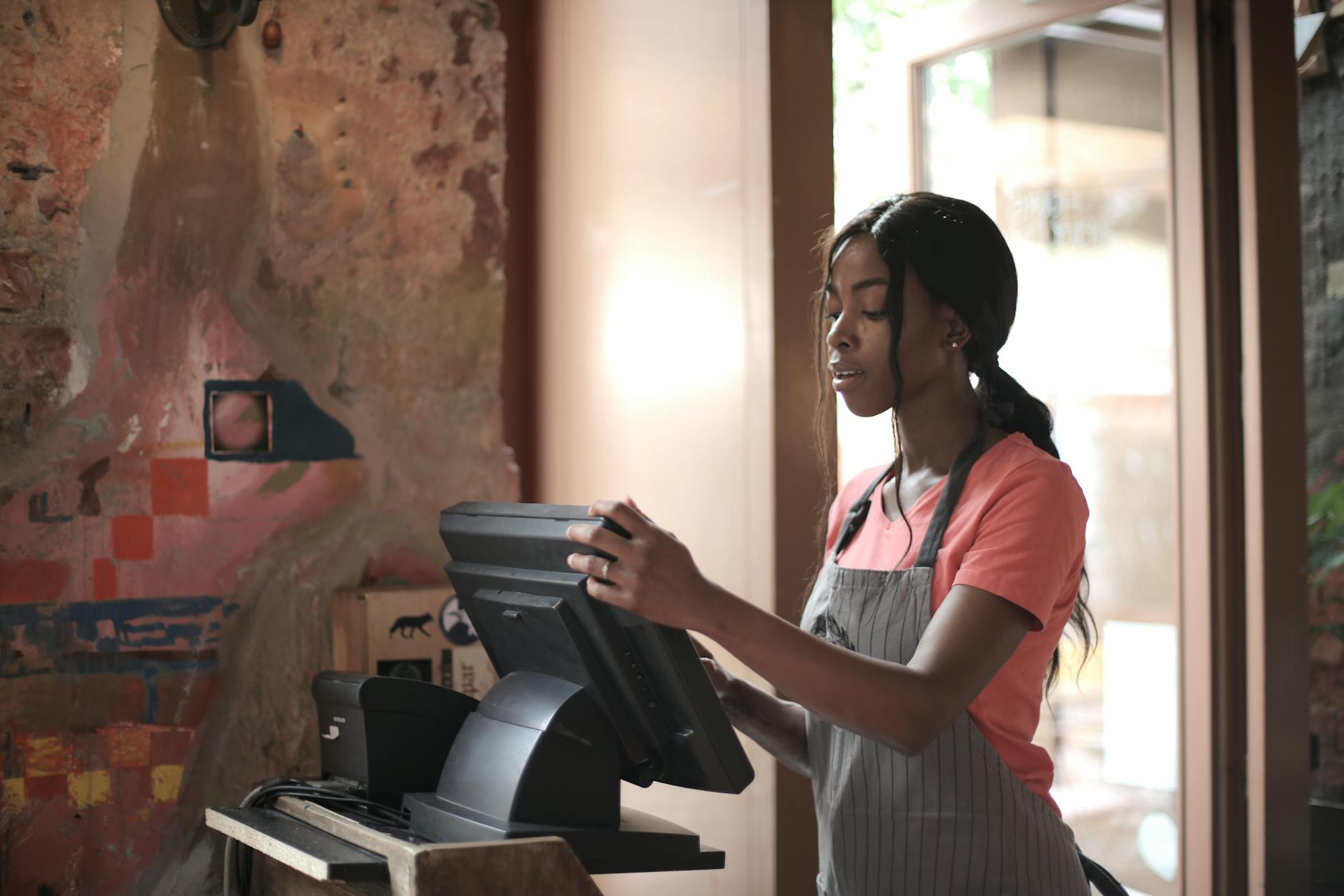
Directing frustration about a product, a price, or a company policy at the individual processing the transaction is misdirected and unfair. Cashiers and frontline staff have no authority over pricing decisions, supply chain issues, or corporate policies. Treating them as responsible parties for systemic issues they did not create puts undue emotional burden on workers who are simply doing their jobs. Feedback intended for management or the company as a whole can be directed through appropriate channels after the transaction.
Hovering Over Staff

Standing unusually close to an employee while they complete a task or retrieve information adds pressure without speeding up the process. Most workers find that being watched intensely while working increases stress and can actually slow down their performance. A reasonable amount of physical and psychological space communicates patience and trust in the employee’s competence. Stepping back slightly and allowing staff room to work is a subtle but significant form of consideration.
Excessive Haggling

Attempting to negotiate fixed retail prices in a standard store setting misunderstands the context entirely and puts workers in an awkward position. Unlike markets or dealerships, most retail environments operate on set pricing that individual employees have no power to change. Persistent bargaining after a polite decline signals a refusal to accept clear boundaries. Respecting the answer given the first time demonstrates an understanding of how the retail environment actually functions.
Condescending Tone

Speaking to retail staff in a manner that implies intellectual or social superiority is one of the more damaging forms of difficult customer behavior. A condescending tone often emerges subtly through word choice, pacing, or the way questions are framed rather than through outright rudeness. Employees are trained professionals operating within specific systems and deserve to be addressed accordingly. The assumption that expertise or authority is inversely related to job title reflects a significant gap in situational awareness.
Bringing Extra Pressure

Mentioning that a friend had a better experience elsewhere or implying that a negative review is forthcoming while the interaction is still ongoing is a form of subtle coercion. This tactic shifts the conversation from a genuine attempt at resolution to a pressure-based exchange. Employees who feel threatened or manipulated are less likely to feel motivated to go above and beyond. Allowing an interaction to unfold naturally and on its own merits produces better results than introducing external leverage.
Assuming Availability

Approaching an employee the moment they step out of a back room or arrive at a register without confirming they are available to assist can create friction immediately. Workers transition between tasks and sometimes need a brief moment to orient themselves before taking on a new request. Reading visual cues and waiting for eye contact or a verbal indication of readiness demonstrates patience and attentiveness. A small pause before launching into a request can make the entire exchange smoother and more productive.
Sighing Audibly

Releasing an audible sigh, rolling the eyes, or showing visible impatience while waiting in line or being assisted communicates displeasure nonverbally but unmistakably. These expressions affect the mood of staff members and the customers around them without opening any genuine dialogue about the issue. Retail environments involve inevitable moments of waiting and mild inconvenience as a basic feature of the experience. Managing personal reactions internally rather than broadcasting them outward reflects a degree of emotional maturity that elevates the atmosphere for everyone.
Leaving a Mess

Abandoning clothing in fitting rooms inside out, leaving unwanted items in random locations throughout the store, or neglecting to clean up after consuming a sample are all signs that a customer is not considering the staff’s workload. Recovery tasks at the end of a retail shift can extend working hours significantly depending on the volume of disorganization left behind. The assumption that tidying up is entirely someone else’s responsibility reflects a passive disregard for the people who maintain the space. Returning items to where they belong or at least handing them to a nearby employee takes minimal effort and makes a genuine difference.
Have you ever caught yourself in one of these habits? Share your thoughts and experiences in the comments.




