Digital security is more critical than ever yet millions of users continue to rely on incredibly weak credentials to protect their sensitive data. Annual reports from security firms consistently reveal that human laziness and predictability lead to the same dangerous choices year after year. Hackers utilize sophisticated dictionary attacks and brute force algorithms that can crack these common codes in fractions of a second. Relying on simple patterns or common phrases effectively leaves the front door to your digital life unlocked. This list highlights the specific passwords and patterns found most frequently in data breaches that you must avoid at all costs.
123456

This specific sequence holds the title for the most commonly used password globally almost every single year. It offers absolutely no resistance to even the most basic hacking tools because it is the first combination tested. Users often select this string for its ease of typing and memorability without considering the risk. Using this code is effectively the same as having no password at all.
password

Using the word itself as the key is a practice that continues to baffle security experts. It is arguably the first word attempted during a dictionary attack on any account. This choice demonstrates a complete lack of effort and leaves the user vulnerable to immediate intrusion. Many legacy systems used this as a default setting which users frequently failed to update.
123456789
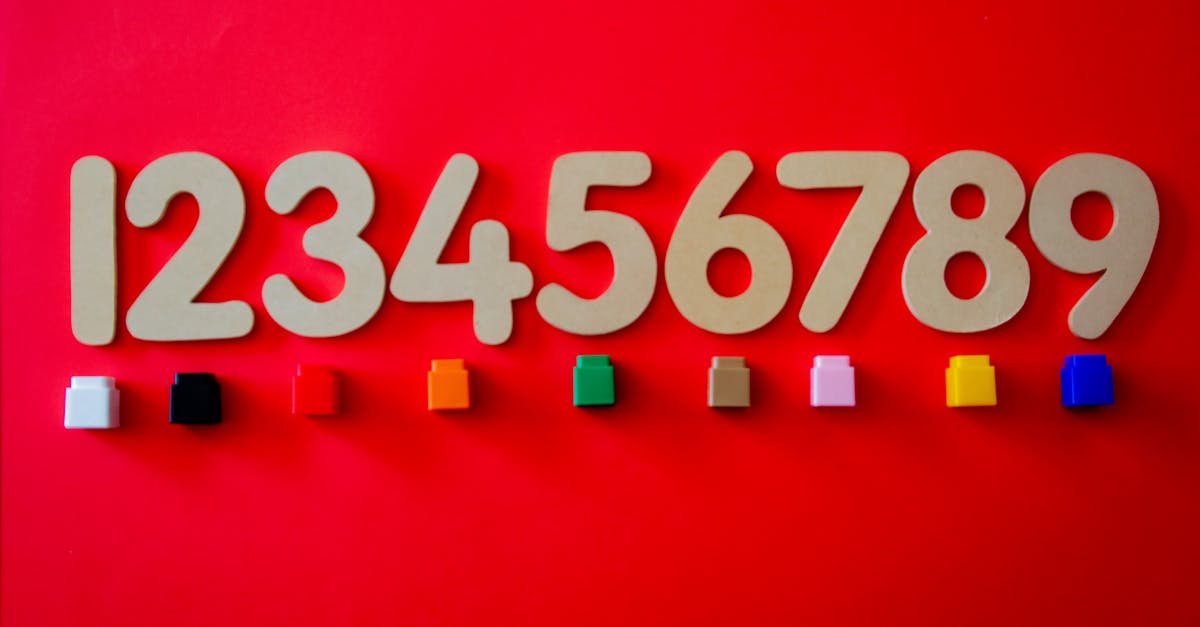
Extending the basic numerical sequence does not provide the additional security that many users assume it does. Algorithms are programmed to recognize linear progressions regardless of their length. This nine-digit string is just as predictable as its shorter counterparts. It creates a false sense of safety while remaining fully exposed to automated scripts.
guest
This term is frequently assigned as a temporary login for visitors or limited-access accounts. The problem arises when this default is never changed or when it is used for accounts with higher privileges. Hackers scan networks specifically looking for this username and password combination. It implies a temporary nature that often leads to permanent vulnerabilities.
qwerty

This pattern relies on the physical layout of the standard keyboard rather than linguistic or numerical complexity. It involves simply running a finger across the top row of letters from left to right. Pattern recognition software identifies this adjacent key sequence instantly. It appears random to the human eye but is a known constant for cracking software.
12345678

Cutting the long sequence short by one digit does nothing to fool a hacking algorithm. It remains one of the most prevalent passwords found in leaked databases worldwide. Users select this because it meets the minimum eight-character requirement on many websites. It adheres to the letter of the law while violating the spirit of digital safety.
111111
Repetition of a single digit is the simplest form of entry and the easiest to guess. This choice often bypasses basic length checks without adding any true complexity. Keyloggers and shoulder surfers can identify this input with a single glance. It indicates a complete disregard for security hygiene and is often blocked by modern systems.
123123

Repeating a short sequence creates a rhythm that is easy to type but fatal for security. The brain likes the cadence of this pattern which makes it a popular choice for quick access. Hacking scripts include this repetition in their primary attack lists. It offers no entropy and is cracked in milliseconds.
iloveyou

Phrases of affection are widely used and easily guessed due to their universal appeal. Social engineering attacks exploit this emotional connection to gain access to personal accounts. This phrase appears in standard cracking dictionaries and lacks necessary special characters. It is a sentiment that should be shared personally rather than used as a security key.
admin

This is the standard default credential for countless routers and software applications. Leaving it unchanged gives attackers immediate administrative rights to hardware and networks. Bots scan the internet specifically for this login combination on open ports. It represents a failure to configure new devices properly.
12345

This sequence is the shorter cousin of the top offender and is just as dangerous. It is often used on older systems with a five-character limit or for simple PIN codes. The lack of length makes it susceptible to instantaneous brute force attacks. It provides zero defense against modern computing power.
welcome

Corporations often set this as a temporary password for new employees during onboarding. The danger arises when staff fail to update it immediately after their first successful login. It serves as an ironic invitation to potential intruders who know this corporate habit. Security policies must enforce a mandatory change to avoid this risk.
1234567

Adding a seventh digit to the standard run is a futile attempt at variation. It falls into the exact same category of linear predictability as other numerical strings. Most systems now require a mix of character types precisely to prevent this kind of lazy creation. It remains a fixture on worst password lists due to habit.
princess

Terms of endearment or fantasy roles are highly popular among younger users and parents. Dictionary attacks cycle through these common nouns rapidly because they appear frequently in English text. It lacks special characters or numbers to break the linguistic pattern. This choice often reveals personal details that hackers can exploit.
dragon

Mythical creatures appear surprisingly often in password dumps due to their cultural popularity. This specific word is a favorite among users who want something that sounds strong but is actually weak. It is a common dictionary word that offers no protection against automated tools. Users should avoid simple nouns without significant modification.
football

Sports references are a go-to category for millions of fans who prioritize passion over privacy. This word appears constantly in breaches because it is a generic term for a massive global interest. Hackers use thematic lists that include every major sport and team name. It is too broad and too common to be secure.
monkey

Animal names are a frequent choice for people who want a password that is easy to visualize. This particular animal consistently ranks in the top twenty of bad passwords. It is susceptible to dictionary attacks and is often used without capitalization or numbers. Simple nouns are never a safe bet for protecting sensitive data.
letmein

This phrase acts as a literal plea for access that hackers are happy to oblige. It is a common psychological choice for users who view the login screen as a barrier to be removed. The phrase is grammatically simple and appears in almost every password cracking database. Using commands or requests as passwords provides no actual defense.
sunshine

Positive and uplifting words are chosen by users who want a pleasant login experience. Unfortunately this optimism leads to weak security credentials that are easily compromised. It is a simple dictionary word that requires no advanced processing to crack. Emotional choices often lead to poor digital hygiene.
master

This word implies control but provides none when used as a password. It is often associated with administrator accounts or main devices. Hackers prioritize this word when attempting to gain high-level access to a system. It is a classic example of a default or lazy choice that compromises the entire network.
soccer

Global sports terms are incredibly dangerous because of their widespread usage across multiple continents. This specific term is a favorite for younger users and sports fans alike. It lacks complexity and is often used in lowercase without any numbers. It is one of the first sports-related words tested by cracking software.
trustno1
The irony of using this phrase is that it indicates the user does not actually understand security. It is a pop culture reference that has become a cliché in the cybersecurity world. While it includes a number it is a well-known pattern that hackers anticipate. It fails to provide the secrecy that the phrase suggests.
shadow

Words that suggest stealth or darkness are surprisingly common among users trying to be edgy. This word appears in dictionaries and offers no resistance to standard attacks. It reflects a psychological trend where users pick words that sound mysterious. True security comes from randomness rather than words with dark connotations.
jesus

Religious figures and terms are frequently used by people who hold their faith close to them. However using such a common name makes an account highly vulnerable to dictionary attacks. It is a proper noun that appears in billions of texts and databases. Personal beliefs should not dictate digital security choices.
michael

Using a first name is one of the most common mistakes in password creation. This specific name consistently ranks as one of the most used male names for passwords globally. Hackers use census data to create lists of popular names to test against accounts. Using your own name or a common name is practically an invitation to intruders.
daniel

Similar to other popular names this choice relies on a lack of imagination. It is a standard dictionary word and a proper noun that is easily brute-forced. People often use the names of family members or children which can be found via social media. Personal names offer almost zero entropy in the context of cryptography.
jessica

Female names are just as targeted and vulnerable as male names in data breaches. This name appears frequently in leaked databases due to its popularity in the eighties and nineties. Algorithms cycle through lists of popular baby names in milliseconds. Relying on a name for security is a fundamental error.
charlie

This name is a double threat because it is popular for both humans and pets. Pet names are a frequent choice because they are easy to remember and carry emotional weight. Attackers can often guess these by looking at public social media profiles. It remains a top contender on bad password lists year after year.
batman

Superhero names are incredibly popular due to the massive cultural impact of comic book movies. Users often choose this character thinking the association with justice adds strength to their login. It is a known cultural term that is included in every pop culture wordlist. Fictional vigilantes cannot protect your digital data.
superman
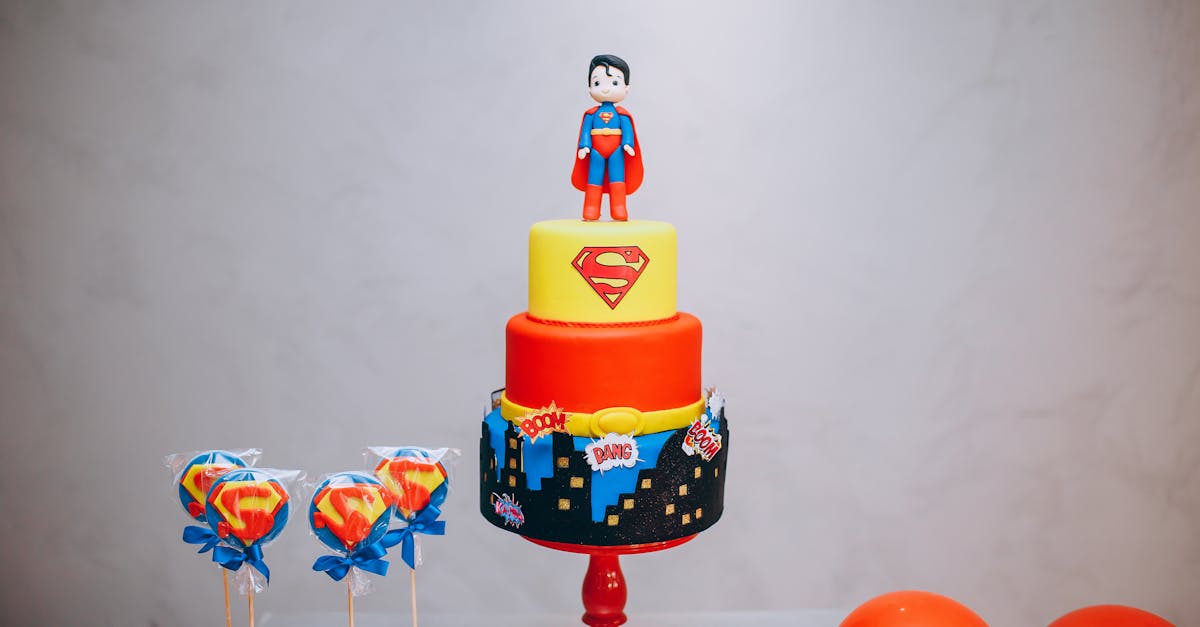
This character represents strength but his name represents weakness in the world of cybersecurity. It is a widely recognized proper noun that lacks special characters or randomness. Hackers know that pop culture references are a soft spot for many users. It is an incredibly predictable choice for anyone who follows mainstream media.
666666
Users often choose this repeating sequence for its rebellious or edgy connotations. However the repetition makes it just as weak as any other string of identical digits. It is mathematically simple and visually obvious to anyone watching you type. The cultural meaning adds no layer of cryptographic protection.
1234

This four-digit PIN code is often lazily transferred to alphanumeric password fields. It is the absolute bare minimum of effort and fails almost every modern strength check. Attackers test this combination immediately because it works on so many poorly secured systems. It is effectively a placeholder rather than a lock.
computer

Naming the object you are looking at is a sign of extreme creative fatigue. Users who select this password are often prioritizing speed over any semblance of security. It is a common noun that sits at the very top of dictionary attack lists. Using the word for the device itself is a tautology of insecurity.
mustang
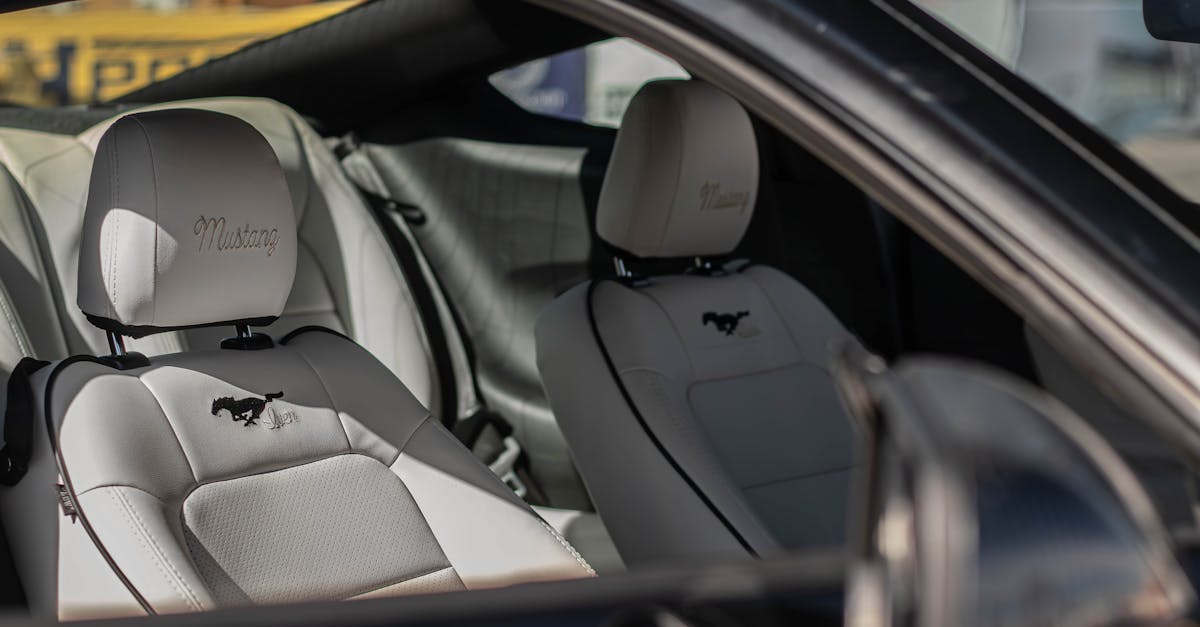
Car models are a favorite category for automotive enthusiasts who want to show their loyalty. This specific model appears frequently because of its iconic status in American culture. Hackers use lists of vehicle makes and models to target specific demographics. Passion for cars does not translate to strong encryption.
secret

The word itself describes what the password should be but fails to keep it that way. It is a literal description that mocks the concept of hiding information. Dictionary attacks process this word instantly because of its irony and frequency. It is a lazy choice that signals a low-value target to hackers.
lovely
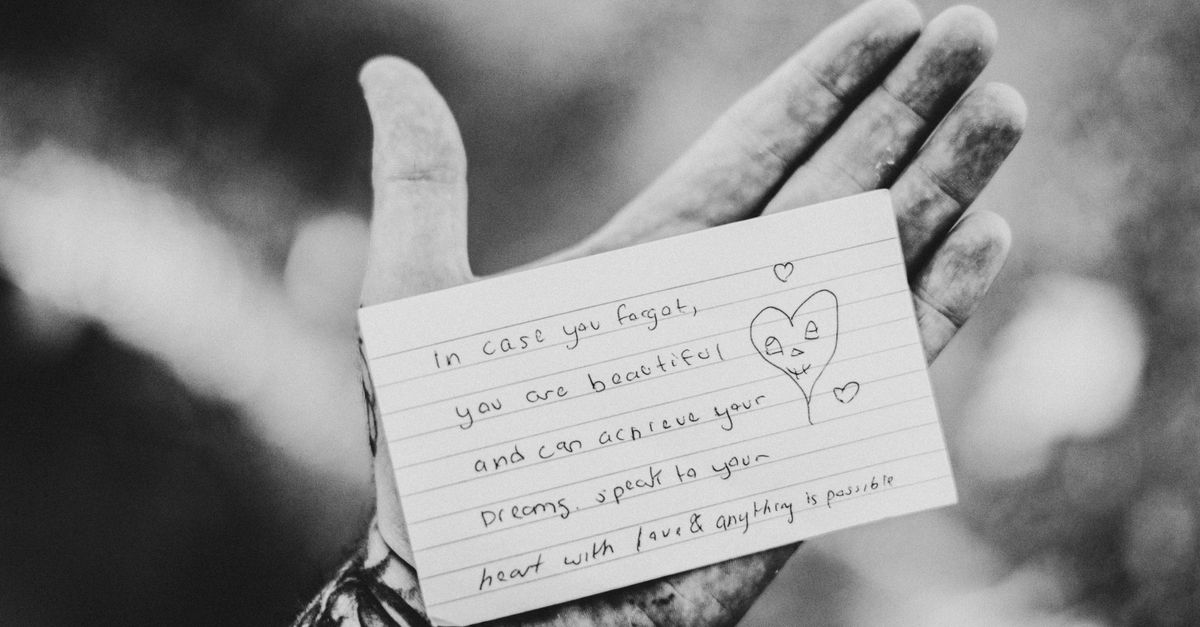
Adjectives describing pleasant feelings or appearances are common among users who want a friendly user experience. This word is grammatically simple and contains no numbers or symbols. It falls into the category of positive emotional words that offer no defense. Soft words make for soft security barriers.
nothing

This word is often a sarcastic response to the system asking for a password input. While it might seem clever to the user it is a standard dictionary word. Algorithms do not understand sarcasm and will crack this code effortlessly. It is a linguistic joke that ends in a security breach.
qazwsx
This pattern is created by running a finger down the left-most column of the keyboard. It is the vertical equivalent of the horizontal qwerty sequence. Pattern recognition algorithms are specifically trained to look for these geometric keyboard shapes. It looks random to a human but is obvious to a machine.
000000
A string of zeroes is often used as a default reset code or a lazy setup choice. It offers no complexity and is usually the first or second numerical sequence tested. Many systems block this specifically because it is so notoriously weak. It represents a complete absence of effort.
starwars

Franchise names are massively popular and therefore massively insecure. This specific brand has millions of fans who use it for everything from email to banking. Hackers capitalize on this fandom by including every movie title in their attack scripts. May the force be with you because this password will not be.
solo

This word works as both a concept of being alone and a reference to a popular sci-fi character. Short words like this are incredibly vulnerable to brute force attacks due to low character counts. It lacks the complexity required to withstand even a basic automated intrusion. Short words are the low-hanging fruit of the hacking world.
hello

Greetings are used by people who treat the computer as a conversational partner. This word is one of the most common strings of text in the English language. It provides no security because it is universally known and frequently used. A greeting is an open door rather than a locked gate.
freedom
Abstract concepts and patriotic terms are frequently found in password dumps. Users choose this word because it represents a value they hold dear. However it is a standard noun that appears in every English dictionary file. Ideals do not protect against mathematical cracking attempts.
america

Patriotism often leads users to choose the name of their country as a login credential. This proper noun is one of the most guessed geographic terms in the world. Hackers use lists of countries and capitals specifically to target these users. National pride is best expressed elsewhere than in a password field.
baby

Terms of endearment for partners or children are widely used and easily exploited. This word is short, common, and lacks any alphanumeric complexity. It is often used by people who are not tech-savvy and want something easy to type. It is a sweet sentiment that leads to bitter consequences.
angel

This word combines religious connotations with terms of endearment. It is a highly popular choice for its positive imagery and simplicity. Dictionary attacks will flag this word almost immediately during an intrusion attempt. Positive imagery provides no barrier against malicious software.
pokemon

This media franchise has spanned generations resulting in millions of unsecured accounts. Users frequently use the name of the brand or specific creatures from the series. It is a cultural phenomenon that hackers have fully integrated into their wordlists. Nostalgia is a dangerous basis for account security.
tigger

Characters from children’s literature are frequent choices for parents and grandparents. This specific character is unique enough to feel safe but common enough to be dangerous. It appears in standard wordlists and lacks the randomness of a secure key. Literary references are rarely obscure enough to be safe.
jordan

This name serves double duty as a common first name and a reference to a basketball legend. The dual popularity makes it twice as likely to appear in cracking dictionaries. It is a proper noun that has been compromised in thousands of breaches. Popular culture icons are poor guardians of privacy.
cookie
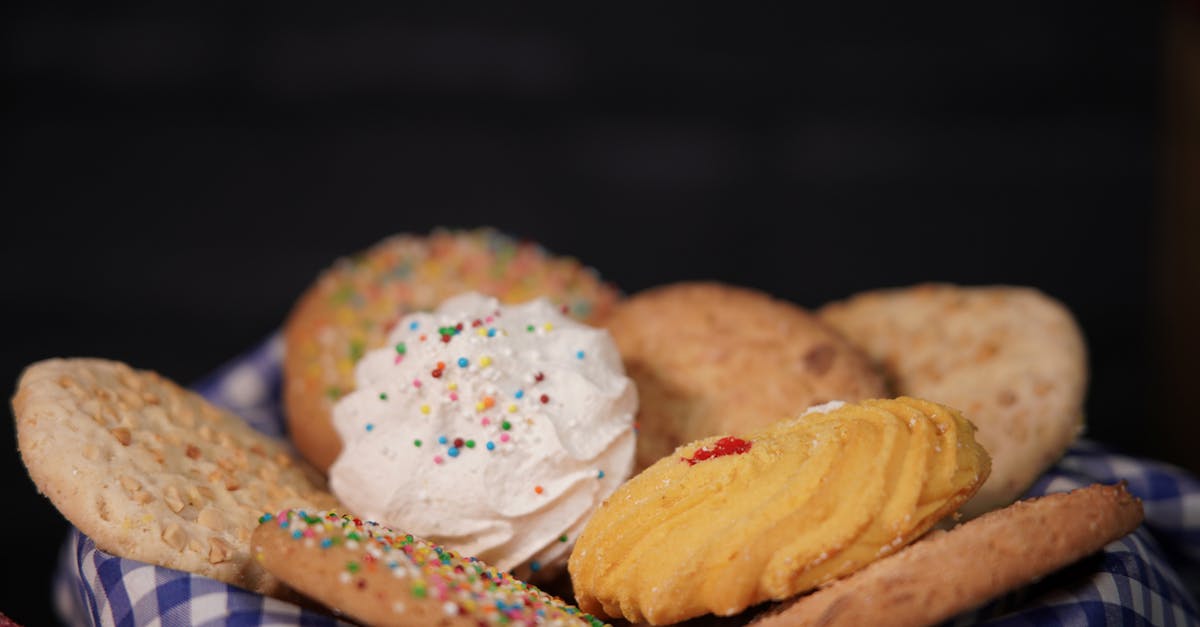
Food items are a surprisingly common category for password creation. This specific treat is a favorite choice that appears frequently in data dumps. It is a simple noun that is easy to spell and easy to crack. Cravings should not dictate the security of your digital identity.
Let us know in the comments which of these common password mistakes you have been guilty of using in the past.




