The basement occupies a peculiar position in the household hierarchy, functioning simultaneously as overflow storage, utility hub, and the room whose conditions nobody monitors closely enough until something goes wrong. Winter transforms the basement environment in ways that most homeowners underestimate, introducing temperature fluctuations, condensation cycles, humidity changes, and freeze-thaw dynamics that affect stored items in ways that range from gradual deterioration to sudden and costly destruction. The combination of cold seeping through foundation walls, warm air from heating systems creating condensation, and the general neglect that characterizes most basement storage produces conditions that are hostile to a surprising range of common household items. What feels like a safe and convenient storage solution for winter is frequently a recipe for damaged valuables, safety hazards, and expensive replacements discovered in spring. Here are 20 things that home safety experts, storage specialists, and experienced homeowners consistently identify as items that should be relocated from the basement before winter arrives.
Canned Food

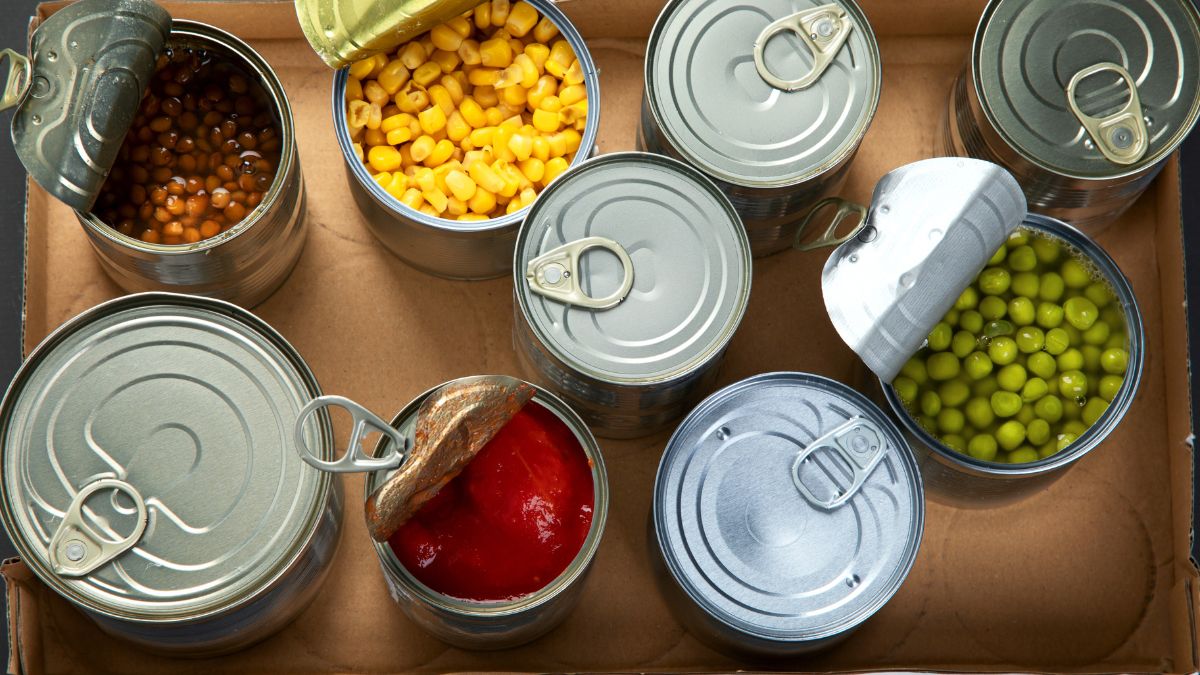
The basement is one of the most intuitively appealing locations for storing canned goods given its cool and dark environment, but winter basement temperatures that drop below freezing create a food safety and storage integrity problem that most people do not anticipate when they stock their emergency pantry or overflow kitchen supplies in the lower level. When canned goods freeze, the liquid contents expand with sufficient force to compromise the seam integrity of the can, creating microscopic failures in the seal that may not be visible from the outside but that allow bacterial contamination once the can thaws and returns to a temperature that supports microbial growth. The USDA food safety guidelines explicitly recommend against storing canned goods in locations where freezing temperatures can occur, and basements in cold climates that are not actively heated to above freezing throughout the winter months fall squarely within this cautionary category. Commercially canned goods that have been frozen and thawed may retain an appearance of normalcy while harboring the conditions that lead to foodborne illness, making the damage invisible until the consequences become apparent. Relocating canned food stores to an interior closet, pantry, or other location that maintains consistently above-freezing temperatures throughout winter is the straightforward solution that preserves both the food safety integrity and the nutritional quality of the stored provisions.
Wine and Beer

Wine and home-brewed or commercially purchased beer are among the most temperature-sensitive items commonly stored in basements and among those most consistently damaged by the temperature fluctuations that winter basement environments produce. Red wine that freezes expands enough to push the cork partially out of the bottle, compromising the seal that prevents oxidation and allowing the wine to deteriorate rapidly once thawed regardless of its original quality or value. White wines and sparkling varieties are even more vulnerable because the expansion of frozen liquid in a sealed bottle with no compression space can cause the bottle itself to crack, producing a loss that combines the financial cost of the wine with the cleanup and potential mold growth from a wine spill in an enclosed storage environment. Home-brewed beer stored in bottles or kegs in an unheated basement can freeze and then referment unpredictably during temperature fluctuations, creating carbonation pressure that causes bottles to fail or keg seals to release. Maintaining wine and quality beer in a temperature-controlled environment that stays consistently between ten and fifteen degrees Celsius throughout winter preserves the investment and the quality that proper storage is intended to protect.
Electronics

Consumer electronics including televisions, speakers, gaming consoles, computers, and audio equipment stored in cold basements during winter sustain damage through two distinct mechanisms that operate independently and can compound each other when items are subsequently brought into a warm living space without adequate acclimatization time. The first mechanism is condensation damage, in which the temperature differential between a cold stored device and a warm room causes moisture to form on and inside the electronic components when the device is moved, creating the conditions for short circuits, corrosion, and component failure that may not manifest immediately but that progressively degrade performance and longevity. The second mechanism is direct cold damage to components including liquid crystal displays that can crack under freezing conditions, battery cells that suffer permanent capacity loss when discharged at low temperatures, and solder connections that experience stress from repeated thermal cycling between cold storage and warm use conditions. Lithium-ion batteries in electronics stored in cold basements lose charge holding capacity permanently with each freeze cycle, a deterioration that is irreversible and that accumulates across multiple winter storage seasons. Electronics that are not in active use should be stored in climate-controlled interior spaces rather than basements, and any electronic device that has been stored in a cold environment should be allowed to reach room temperature gradually over several hours before being powered on.
Musical Instruments

Wooden musical instruments including guitars, violins, cellos, and woodwinds are among the most environmentally sensitive items that households own, and winter basement storage subjects them to the combination of low temperature, low humidity, and fluctuating conditions that causes irreversible structural damage to instruments that represent both significant financial value and irreplaceable personal meaning. Wood expands and contracts with changes in humidity and temperature, and the rapid cycling between the cold dry conditions of a winter basement and the warm humid conditions of a living space causes wood grain separations, finish cracking, bridge lifting, and neck warping that professional luthiers describe as among the most common and most preventable instrument damage they encounter. The glue joints that hold instrument bodies together are formulated for consistent environmental conditions and fail progressively under repeated thermal and humidity cycling, with seam separations that begin as hairline cracks becoming structural failures that require costly repair or render the instrument unplayable. Brass and woodwind instruments stored in cold basements suffer pad hardening, key mechanism corrosion from condensation, and lacquer damage that similarly require professional attention to address. Any instrument of meaningful value whether financial or sentimental belongs in a climate-controlled environment with stable humidity maintained between forty-five and fifty-five percent regardless of the season.
Medications

Prescription and over-the-counter medications stored in basement areas that experience freezing or near-freezing temperatures during winter are subject to chemical degradation, physical property changes, and efficacy loss that may not be apparent from the appearance of the medication but that reduces its therapeutic value and in some cases creates safety concerns. Liquid medications including suspensions, injectable preparations, and topical formulations are particularly vulnerable because freezing disrupts the emulsion or suspension chemistry that keeps active ingredients evenly distributed, and a thawed medication that appears normal may deliver inconsistent dosing because its contents have separated or aggregated in ways that stirring or shaking does not fully reverse. Tablet and capsule formulations that experience repeated temperature cycling absorb moisture from condensation during warm periods and lose it during cold periods, a cycle that accelerates the chemical degradation of active compounds and can alter dissolution rates in ways that affect absorption in the body. Medications that have a narrow therapeutic window, meaning those where the difference between an effective dose and an insufficient or toxic dose is small, carry the greatest risk from storage-related potency changes, and this category includes many commonly prescribed cardiac, seizure, and psychiatric medications. All medications should be stored according to their labeled storage conditions, which for the vast majority means a cool, dry location above freezing and away from the humidity fluctuations that basement environments produce in winter.
Paint

Latex and water-based paint stored in a basement that drops below freezing during winter undergoes an irreversible physical change that renders it permanently unusable regardless of how carefully it is thawed and remixed afterward. The water component of latex paint freezes and separates from the pigment and binder components, and when the paint thaws the emulsion that gives it smooth application properties cannot be fully reconstituted, resulting in a lumpy, stringy, or grainy consistency that applies unevenly and fails to adhere correctly to surfaces. A single freeze cycle is sufficient to ruin latex paint completely, and the damage is not apparent while the paint remains frozen, meaning that homeowners discover the loss only when they open a can in spring that appears to be in normal condition from the outside. Oil-based paints tolerate cold storage better than latex formulations because their carrier is petroleum-based rather than water-based, but they still thicken significantly in very cold conditions and should be stored above the temperatures that cause their solvents to become excessively viscous. Storing paint in an interior heated closet, utility room, or attached garage that maintains above-freezing temperatures preserves it for touch-up and future project use, while basement storage in a cold climate is a reliable method of discovering in spring that a winter of freezing has converted usable paint into an expensive disposal problem.
Propane Tanks
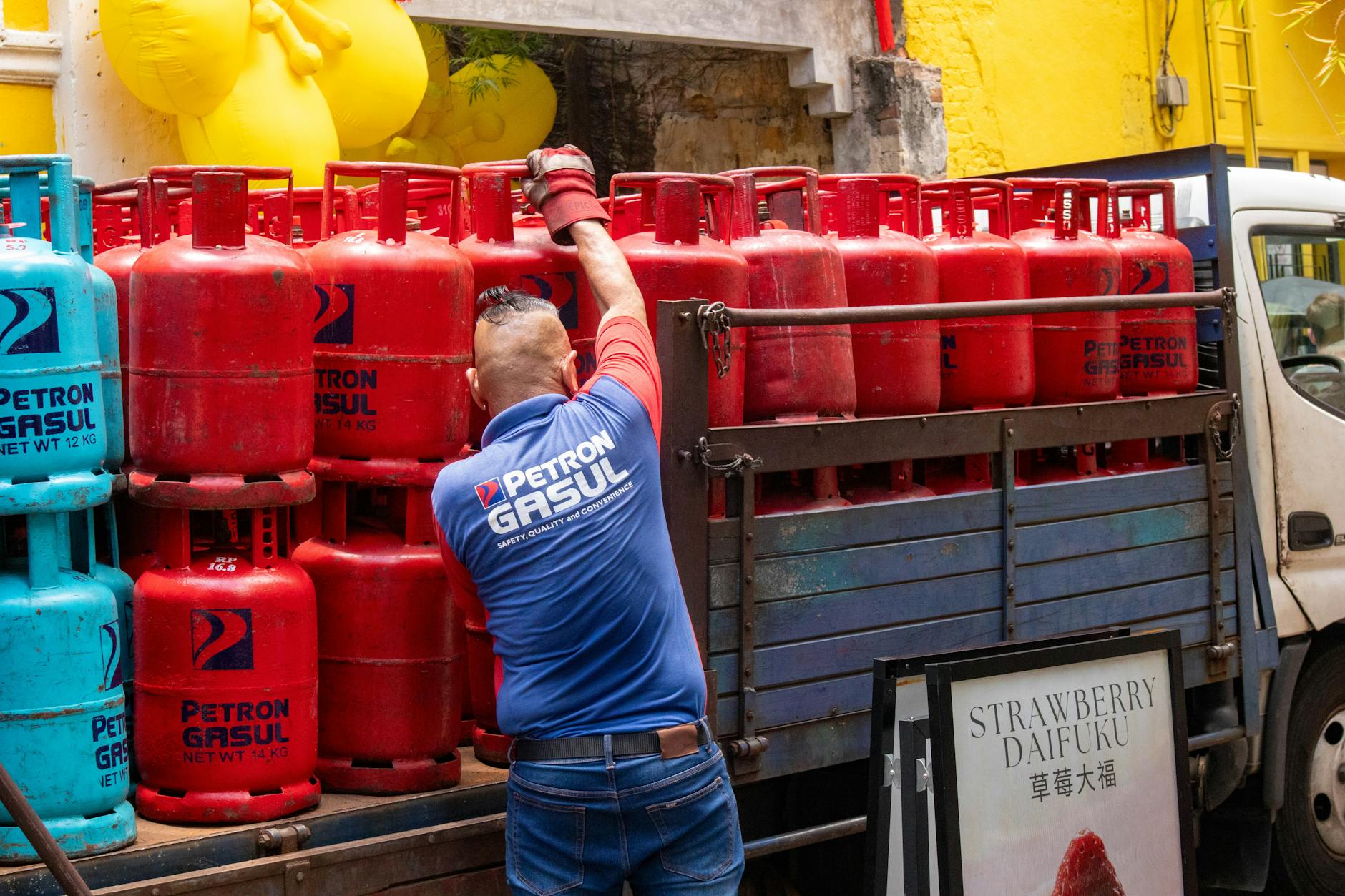
Propane tanks of any size stored in a basement or any enclosed below-grade interior space create a fire and explosion hazard that home safety and fire code standards prohibit specifically and for well-established reasons that go beyond general caution. Propane is heavier than air, meaning that any gas that escapes from a valve, connection, or hairline crack in a tank stored in a basement accumulates at floor level and flows toward low points in the space rather than dissipating upward as natural gas would. The accumulation of propane in an enclosed below-grade space creates an explosive atmosphere that requires only a spark from a water heater pilot light, a furnace ignition, an electrical switch, or a static discharge to ignite with catastrophic consequences for the structure and its occupants. The pressure relief valves on propane tanks are designed to release gas if internal pressure exceeds safe levels, and the pressure cycling that results from a basement alternating between cold ambient temperatures and the warmth generated by heating equipment can create exactly the pressure differential that triggers these valves. Propane tanks of any size belong outdoors in a well-ventilated location away from building openings, and this requirement intensifies rather than relaxes during winter when the combination of closed windows, reduced ventilation, and the ignition sources of heating equipment creates maximum indoor accumulation risk.
Photographs and Documents

Physical photographs, printed documents, birth certificates, property records, and other paper-based irreplaceable materials are vulnerable to the specific combination of humidity fluctuations and temperature cycling that winter basements produce in a way that causes progressive deterioration regardless of how carefully the materials are boxed or covered. The condensation that forms on cold surfaces when warm air circulates through the basement deposits moisture directly onto stored paper and photographic materials, causing the paper fiber swelling, emulsion layer separation, and mold growth that are the primary mechanisms of humidity-related document damage. The freeze-thaw cycling that basement temperatures undergo when the heating system cycles on and off accelerates this moisture absorption and evaporation cycle in a way that causes cumulative brittleness, color fading in photographs, and the ink migration in printed documents that makes them progressively less legible. Mold growth on paper and photographic materials that have absorbed basement moisture is not always visible in the early stages but becomes dramatically apparent when boxes are opened in spring to reveal the white fuzzy growth and associated musty odor that signal damage that is frequently irreversible and always distressing to discover. Irreplaceable documents and photographs belong in acid-free archival boxes stored in climate-controlled interior spaces, with digital backup copies providing an additional layer of protection that no physical storage solution can guarantee against the full range of basement environmental hazards.
Wooden Furniture

Solid wood furniture stored in a cold damp basement during winter undergoes the same expansion and contraction cycle that damages musical instruments and produces the joint failures, veneer lifting, finish crazing, and structural distortions that significantly diminish both the aesthetic and monetary value of quality pieces. Antique furniture is particularly vulnerable because the animal hide glues used in traditional furniture construction are more susceptible to moisture-related failure than modern synthetic adhesives, and the joint separations and loose tenons that result from humidity cycling in a winter basement require skilled restoration work to address correctly. Veneer furniture suffers delamination as the moisture differentials between the veneer layer and the substrate cause them to expand and contract at different rates, producing the bubbling and edge lifting that is one of the most common and most aesthetically damaging forms of furniture deterioration from inappropriate storage. Upholstered furniture stored in cold basements faces the additional mold and mildew risk that fabric and foam in a humid cold environment create, with spore growth that can penetrate deeply into padding materials and that produces persistent odor and health concerns that surface cleaning cannot fully address. Furniture that cannot be accommodated in climate-controlled interior spaces during winter is better served by professional climate-controlled storage than by a basement whose conditions will progressively reduce its condition and value across the storage period.
Gasoline Containers
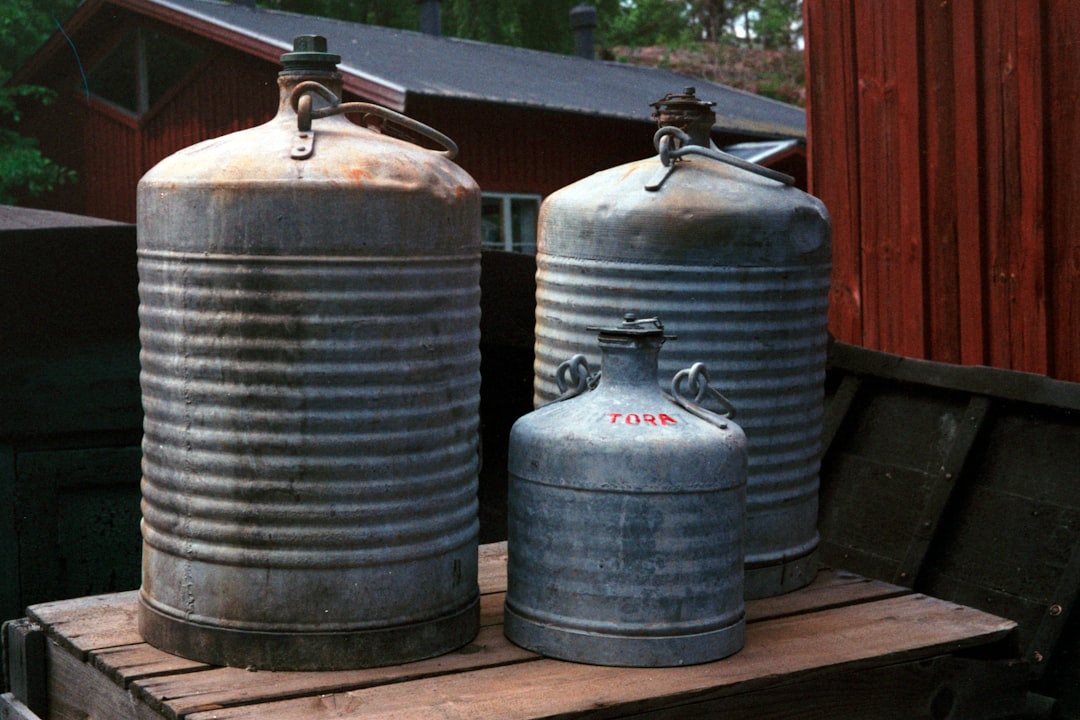
Gasoline stored in portable containers in a basement during winter represents the same category of fire and vapor accumulation hazard as propane tanks with the additional concern that gasoline vapor is particularly prone to long-range migration to ignition sources through the gaps, duct openings, and air movement pathways that connect the basement to the rest of the house. The flash point of gasoline is sufficiently low that vapors at room temperature are readily ignitable, and a basement that contains even a partially full gasoline container maintains a vapor concentration in the air that represents a continuous ignition hazard from the heating equipment, water heater, and electrical fixtures that basements typically contain. Fire codes in most jurisdictions specifically prohibit the storage of flammable liquids including gasoline inside residential structures, and this prohibition reflects the well-documented fire investigation findings that gasoline storage inside homes is a significant contributing factor in residential fire fatalities and total loss incidents. Beyond the immediate fire hazard, gasoline stored in a basement during winter undergoes degradation from the temperature fluctuations that produces gum and varnish deposits that subsequently damage small engine fuel systems when the stored fuel is used in the spring. Gasoline belongs in approved containers stored in a detached garage or outdoor shed with adequate ventilation and away from any ignition source, and the quantity stored should be limited to what can be used within thirty days to prevent the degradation that extended storage produces.
Rubber Items

Rubber and latex items including bicycle tires, garden hose lengths, rubber-based floor mats, neoprene seals and gaskets, and elastic exercise equipment stored in cold basements during winter are subject to a form of cold-induced deterioration called cold cracking that progressively reduces their elasticity, flexibility, and functional integrity in a way that is not always visible until the item is stressed in use. Natural and synthetic rubber polymers lose their flexibility at low temperatures as the molecular chains that give rubber its characteristic elastic properties become rigid and brittle, and items that are stored in a compressed, bent, or coiled position in cold conditions can develop permanent set deformations or stress cracks at the points of greatest curvature that render them unsuitable for their intended function. Bicycle tires that have been stored cold and compressed against a wall or floor through winter frequently develop sidewall cracking that is not safe for riding regardless of the tire’s apparent external condition, and the replacement cost of tires discovered damaged in spring is a frustration that appropriate storage prevents. Garden hoses that freeze with residual water in their walls suffer internal liner cracking that produces leaks along their length when returned to use and that no amount of external inspection reveals before the first watering of spring. Rubber items are best stored in a temperature-controlled environment where they can lie flat or be gently coiled without compression and where temperatures remain consistently above the threshold at which polymer rigidity begins.
Aerosol Cans
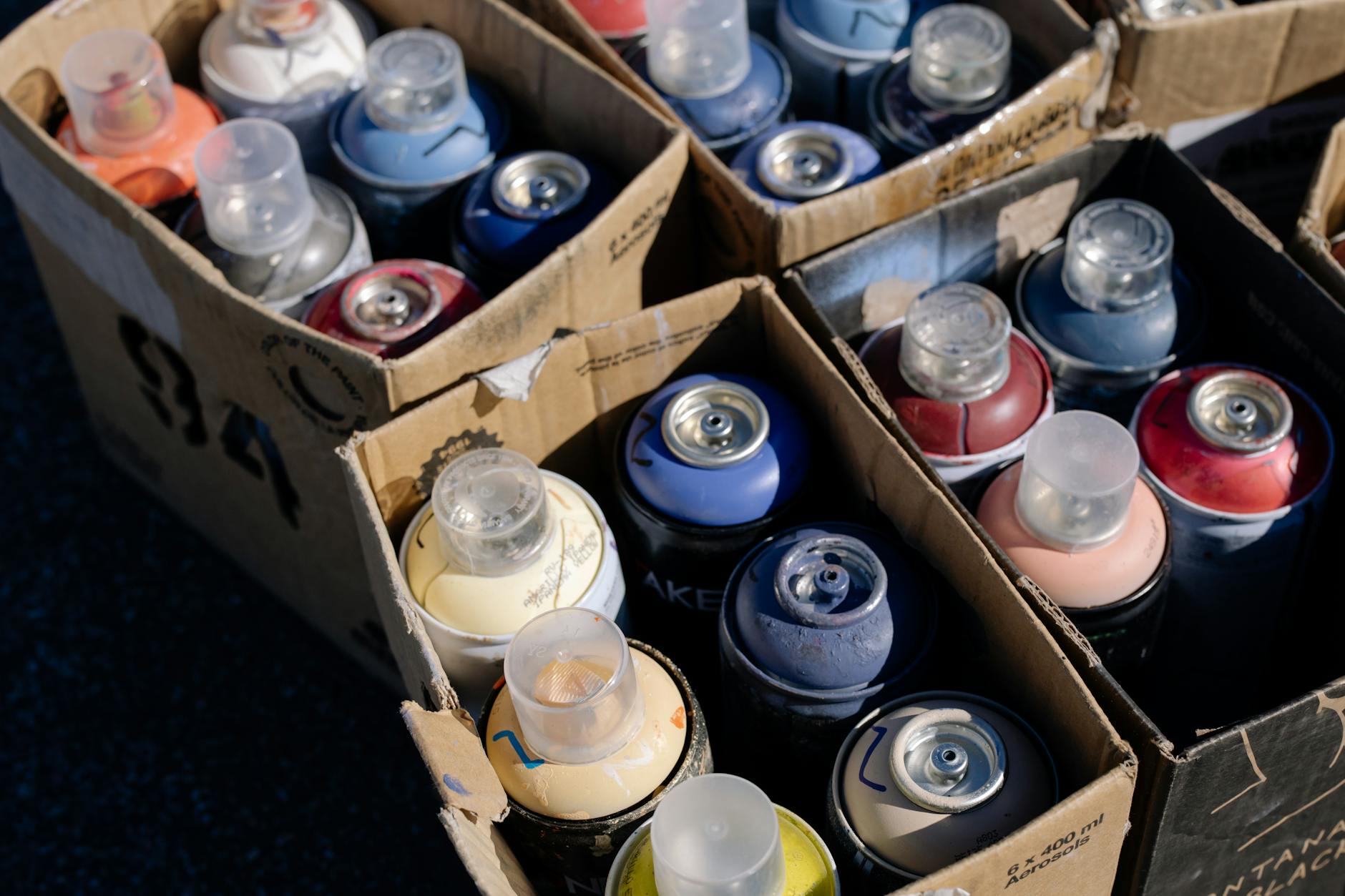
Aerosol cans including spray paint, lubricants, cleaning products, cooking sprays, and personal care products stored in a basement that experiences freezing temperatures during winter are subject to both functional degradation and a pressure-related safety risk that makes basement storage inadvisable regardless of the apparent convenience of the location. The propellants used in aerosol cans including compressed gases and liquefied petroleum gases behave differently at low temperatures than at the room temperatures for which the can and valve system are designed, and cans that are very cold may either fail to dispense their contents at all or dispense them in an altered form including as a wet stream rather than a fine spray that makes precise application impossible. The more serious concern is the freeze-thaw pressure cycling that occurs when aerosol cans experience repeated transitions between cold basement temperatures and the warmth of being brought into a heated space for use, as these pressure changes stress the valve mechanism and the can seam in ways that accumulate over multiple cycles and can result in valve failure or seam failure at pressures that cause unpredictable and dangerous releases. Aerosols should be stored at temperatures between ten and fifty degrees Celsius according to the standard labeling found on most products, and a basement that drops below freezing during winter falls outside this range in a way that simultaneously compromises product function and introduces a safety concern that interior storage prevents entirely.
Books

Books stored in a cold damp basement during winter are subject to the same moisture-related deterioration as other paper-based materials but with additional structural vulnerabilities arising from the binding adhesives, spine materials, and board constructions that hold volumes together and that respond to humidity cycling in ways that progressively compromise a book’s physical integrity and readability. The pages of books stored in humid basement conditions absorb moisture unevenly, causing the characteristic wavy distortion known as cockling that permanently alters the page geometry and makes affected volumes difficult to read and store flatly. Mold growth on book paper and binding materials is a particular concern in winter basements where condensation cycles deposit moisture on cold surfaces, and a mold colony established in a stored box of books can spread through the entire collection before it is detected, producing the distinctive musty odor and spotted discoloration that signal damage that is difficult and expensive to remediate professionally. Leather-bound books and volumes with natural material bindings suffer specific deterioration from cold dry conditions that dry and crack the leather covering in a process called red rot that weakens the binding material to the point of powdering. Books of any meaningful value whether financial, scholarly, or personal belong in a climate-controlled interior environment where temperature and humidity remain stable throughout the seasons rather than in the fluctuating conditions of a winter basement.
Batteries
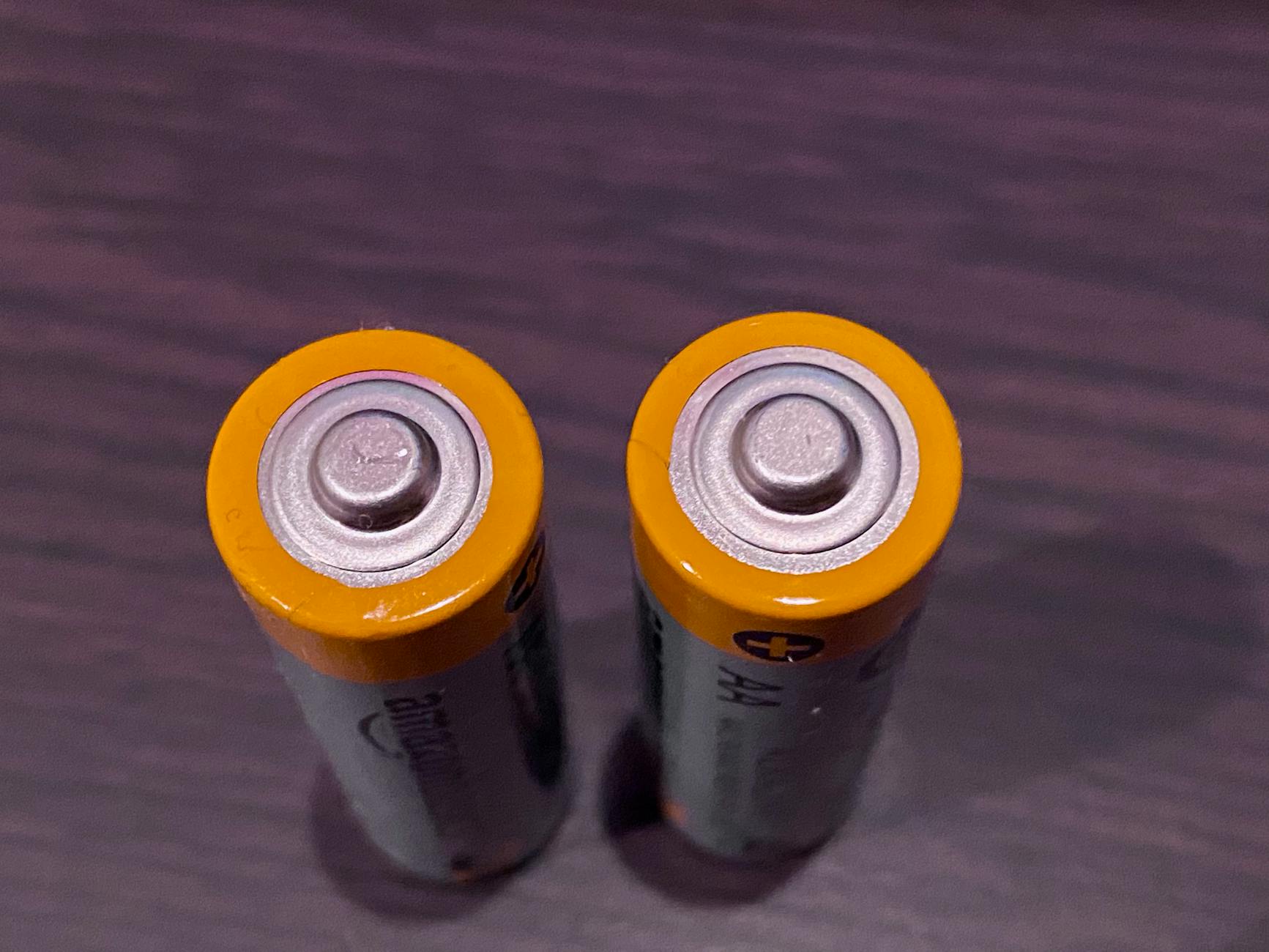
Household batteries including alkaline AA, AAA, C, and D cells, lithium batteries, and rechargeable nickel-metal hydride and lithium-ion batteries stored in a cold basement during winter experience a combination of capacity loss and physical damage mechanisms that reduce their performance and longevity in ways that make basement storage an actively counterproductive approach to battery preservation. The chemical reactions that generate electrical current in all battery types are temperature-dependent, and storage at low temperatures slows these reactions sufficiently to reduce available capacity, an effect that is particularly pronounced in alkaline batteries where cold storage can reduce the energy available from a fully charged cell by a significant percentage compared to a room-temperature stored equivalent. Lithium-ion and lithium polymer rechargeable batteries experience permanent capacity loss when stored at very low temperatures in a discharged state, a combination that basement winter storage reliably produces for batteries removed from devices that are not in active use. The condensation that forms on cold batteries when they are brought into a warm room from cold basement storage deposits moisture on terminals and contacts that causes corrosion and in some cases creates short circuits that either damage the battery permanently or create a low-level heat-generating fault condition. Batteries are most effectively stored in a cool but above-freezing, low-humidity interior location, with the cool temperature slowing self-discharge without producing the capacity loss and condensation risks that below-freezing conditions create.
Candles

Candles stored in a cold basement during winter are subject to a form of physical deterioration called bloom, in which the wax surface develops a white haze or powdery coating as temperature changes cause certain wax components to migrate to the surface, as well as cold cracking in which the rapid temperature changes of a winter basement cause cylindrical and pillar candles to crack along their length in ways that compromise their structural integrity and burn performance. The fragrance oils incorporated into scented candles are particularly susceptible to the separation effects of cold storage as the temperature cycling causes these oils to migrate through the wax structure and either pool at the base of the container or seep from the surface of freestanding candles, producing both a loss of fragrance performance and a surface texture change that many consumers find aesthetically unacceptable. Container candles stored in glass vessels in a basement that drops below freezing can suffer vessel cracking as the wax expands during freezing in a confined space, converting a stored candle into a damaged container that is neither safely usable nor aesthetically presentable. Taper candles stored in cold conditions develop the brittleness and tendency to crack during handling that cold wax produces, making them prone to breakage precisely when they are retrieved for use at the special occasions for which they were typically purchased. Candles are best stored in a climate-controlled interior space away from direct light and in a horizontal or protected vertical position that prevents the temperature-related deformation that basement storage produces.
Clothing and Textiles

Natural fiber clothing and household textiles including wool sweaters, silk garments, linen items, and cotton quilts stored in a basement during winter face a combination of humidity-related mold growth, cold temperature fiber stress, and the pest activity that winter does not reliably interrupt in the sheltered and relatively warm microclimate that basement storage creates. The widespread belief that cold temperatures eliminate moth and other textile pest activity is only partially accurate because basement temperatures rarely reach the sustained extreme cold that kills all life stages of clothes moths and carpet beetles, and these pests can remain dormant in fiber materials stored at basement temperatures and resume activity when the materials are returned to a warmer environment. Mold growth on natural fiber textiles stored in the humidity cycling of a winter basement produces the musty odor and gray-green discoloration that signal fiber degradation that is difficult to fully remove through standard laundering and that weakens the fiber structure in a way that accelerates further deterioration with each subsequent cleaning. Expensive clothing including tailored garments, vintage pieces, and natural fiber items stored in a basement during winter frequently emerges in spring in a condition that requires professional cleaning, restoration, or in some cases replacement that the cost of climate-controlled interior storage or professional textile storage would have prevented. Clean, dry, properly folded or hung clothing stored in sealed breathable garment bags in a climate-controlled interior space maintains its condition through winter in a way that basement storage cannot approach regardless of how carefully the items are boxed or covered.
Power Tools

Power tools stored in a cold basement during winter are subject to a specific set of deterioration mechanisms that progressively compromise both their performance and their operational safety in ways that are not apparent from external inspection but that manifest as reduced effectiveness and increased failure risk when the tools are returned to use in spring. The lubrication in power tool motors, gearboxes, and bearings thickens significantly at low temperatures, creating increased resistance to starting and operation that places elevated electrical demand on motors designed to start against the lighter load of room-temperature lubrication, and this elevated start-up demand accelerates motor winding insulation degradation through repeated thermal stress. Lithium-ion battery packs in cordless power tools that are stored at very low temperatures in a discharged state experience the permanent capacity loss that this specific combination of temperature and charge state produces, and the reduced runtime that results after winter basement storage is a common discovery that many homeowners attribute incorrectly to battery age rather than storage conditions. The plastic housings and rubber grip materials of power tools become brittle at very low temperatures and are more vulnerable to cracking from impact or dropping than at room temperature, creating a safety concern for the tool use that immediately follows cold-temperature retrieval before the materials have warmed and regained their normal impact resistance. Power tools are a significant household investment that climate-controlled interior storage protects effectively at no additional cost beyond the relocation effort that removes them from winter basement conditions.
Pet Food
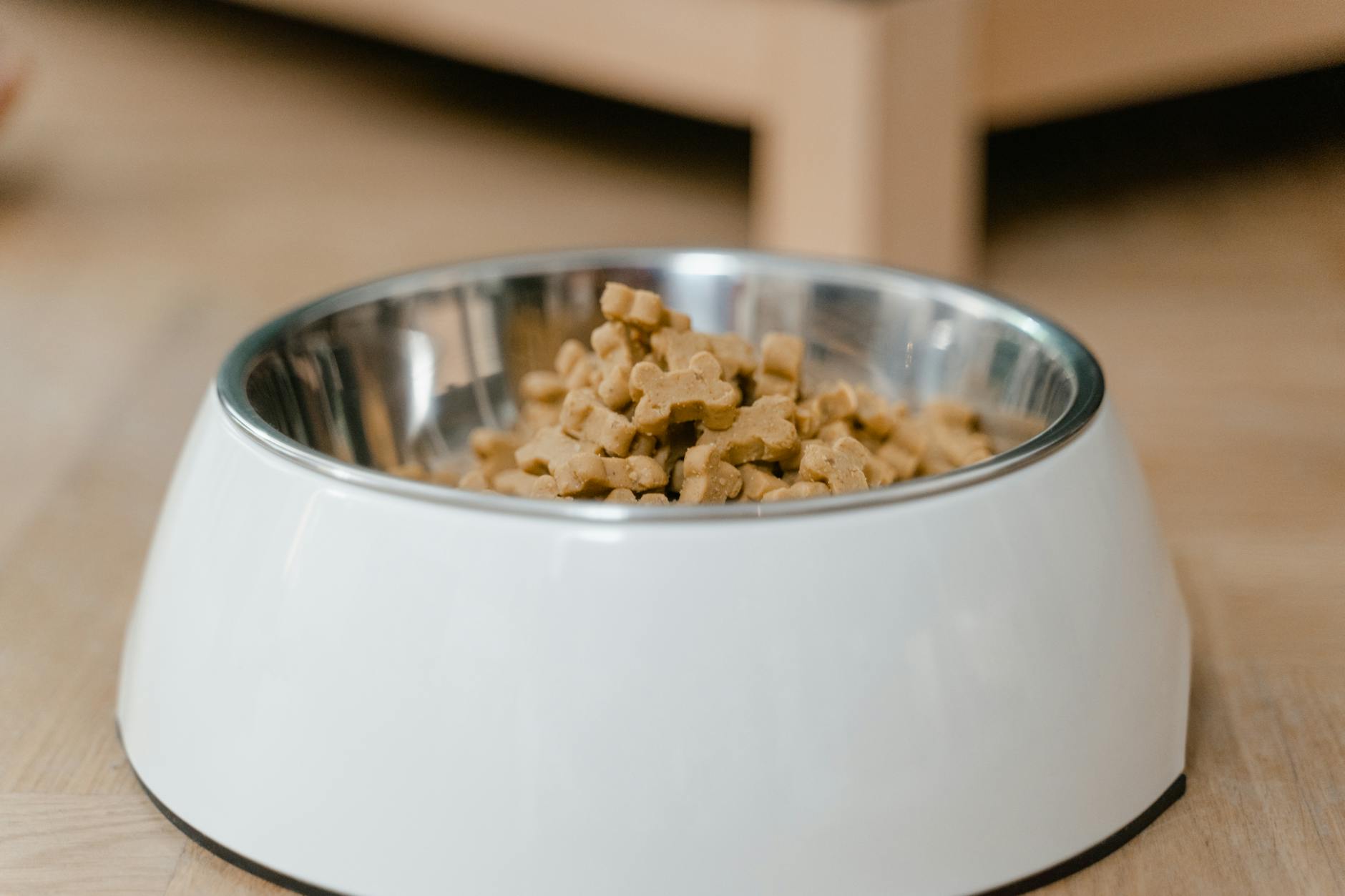
Dry and wet pet food stored in a basement that experiences freezing temperatures during winter is subject to both safety and quality deterioration that makes the basement an unsuitable location for this category of household consumable regardless of the space convenience it offers as a bulk storage location. Dry pet food stored in cold conditions absorbs moisture from condensation and then dries as temperatures drop, a cycle that progressively degrades the fat content of the food through oxidative rancidity and provides the moisture conditions that support mold growth in the kibble and in the bags and containers that hold it. The fats in pet food are among its most nutritionally critical components for skin and coat health, energy metabolism, and palatability, and rancid fat in pet food that appears otherwise normal in its dry kibble form provides inadequate nutrition and can cause digestive distress in animals whose systems are sensitive to fat quality changes. Wet pet food in cans or pouches that freeze in basement storage undergoes the same seam stress and seal compromise that affects human canned goods, with the same food safety implications for the animals that will consume the contents after thawing. Pet food is best stored in a sealed airtight container in a cool, dry, above-freezing interior location where the temperature stability prevents the condensation cycling and freeze-thaw damage that compromises its quality and safety through a winter of basement storage.
Holiday Decorations with Batteries

Battery-powered holiday decorations including string lights with battery compartments, animated figures, electronic ornaments, and illuminated displays stored in a cold basement after the holiday season are subject to a particularly damaging combination of the battery deterioration effects described earlier and the physical damage to electronic components and plastic housings that cold temperature cycling produces over the months between storage and the next holiday season. Alkaline batteries left installed in devices stored in a cold basement are prone to leaking as the temperature cycling causes the battery case to stress and the internal chemistry to produce gas that the seal cannot contain, and battery leakage in an electronic device deposits potassium hydroxide on the circuit board and battery compartment contacts in a way that corrodes the contacts beyond recovery and frequently renders the device permanently non-functional. The small circuit boards in battery-powered holiday decorations are designed for room-temperature operation and are not protected against the moisture ingress that condensation from cold storage produces when the devices are returned to a warm environment, creating short circuit and component failure risks that manifest as the non-functioning decorations discovered when holiday storage boxes are opened the following season. Removing batteries from all battery-powered decorations before storage, storing decorations in climate-controlled interior spaces, and placing decorations in individually sealed bags before boxing them provides the combination of protection that converts holiday decoration storage from a seasonal disappointment source into a reliable preservation method.
Vinyl Records
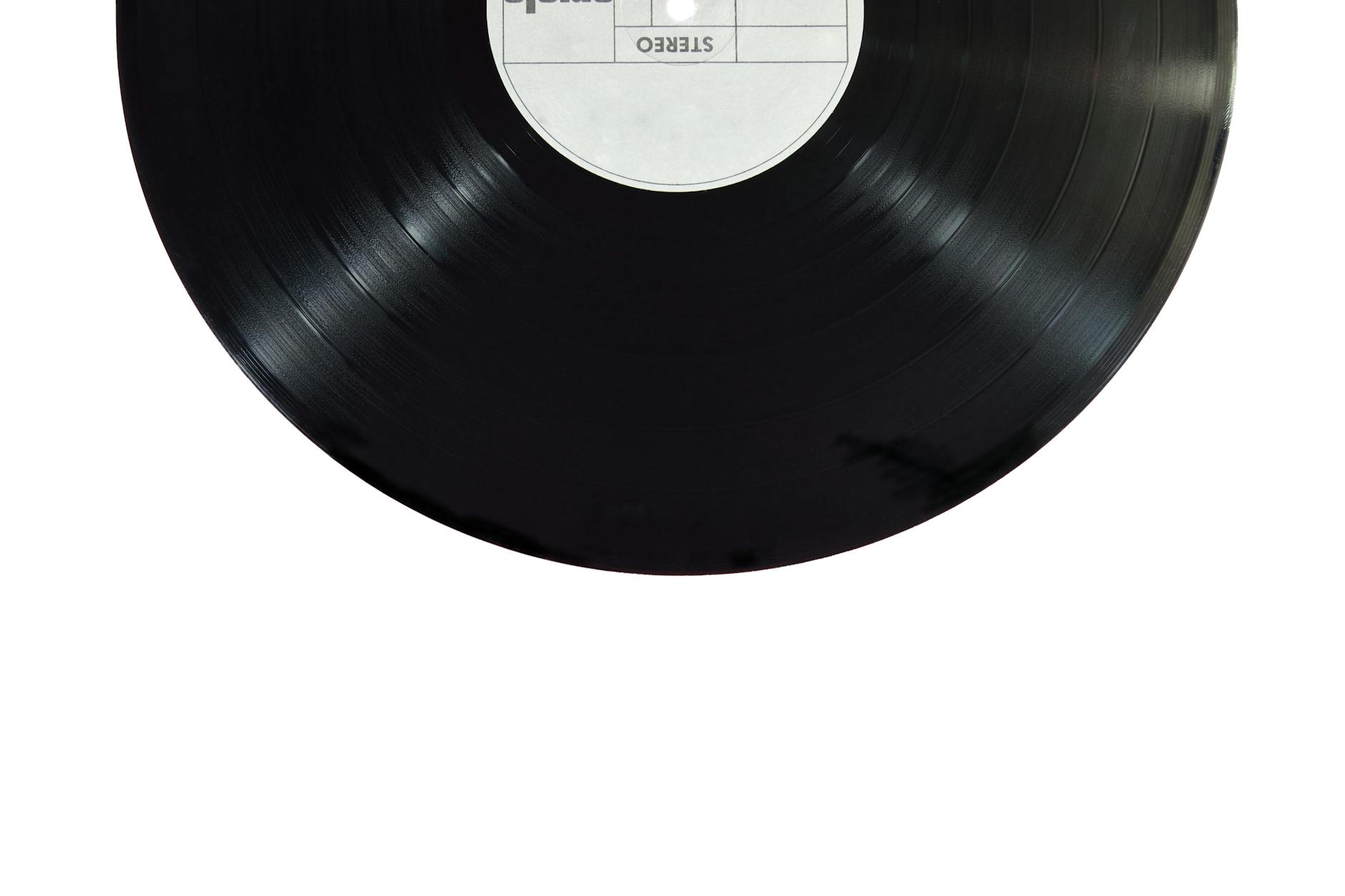
Vinyl record collections stored in a cold basement during winter are subject to warping, surface condensation, and jacket deterioration that can permanently damage both the sonic quality and the collector value of records that represent significant financial and personal investment for serious music enthusiasts. Vinyl becomes significantly more brittle at cold temperatures and is vulnerable to cracking and chipping from the handling impacts, vibrations, and accidental contact that storage environments produce, and a record that is dropped or struck while cold will sustain damage that the same record at room temperature would survive without consequence. The warping that results from temperature cycling in a basement occurs because vinyl softens slightly when warm and retains any deformation sustained during that softened state when it subsequently cools and hardens, and the uneven temperature distribution in a basement storage environment means that different parts of a stored record experience different temperature histories that produce the subtle dish warping and edge warping that degrades tracking and sound quality. Album jacket artwork printed on coated paper suffers the same moisture and mold damage as other paper-based materials in a winter basement, with the additional problem that jackets stored in close contact with each other in cold conditions can adhere to one another at areas of surface contact and separate with tearing damage when pulled apart. Vinyl records belong in a consistently climate-controlled interior environment stored vertically without leaning or compression in a location where temperature and humidity remain stable throughout the year.
If your basement has been serving as a default storage solution for any of these items, share what you plan to relocate before the coldest months arrive in the comments.




