
Poor sleep is one of the most widespread yet overlooked health challenges facing modern adults today. Many people unknowingly sabotage their own rest through habits that seem harmless but quietly interfere with the body’s natural sleep cycles. Deep sleep is the most restorative phase of the night and even small disruptions can prevent the brain and body from fully recovering. Understanding what stands between you and truly restful nights is the first step toward meaningful change. These are the nighttime habits most likely to be stealing your deep sleep without you realizing it.
Late Caffeine

Caffeine has a half-life of approximately five to six hours meaning a late afternoon coffee can still be circulating in your system well past midnight. It works by blocking adenosine receptors which are the brain’s primary mechanism for building up sleep pressure throughout the day. Even people who feel they can fall asleep easily after caffeine often experience significantly reduced time in deep slow-wave sleep stages. Decaf options and herbal teas make for effective substitutes during the evening hours. Cutting off caffeine intake by early afternoon is one of the most impactful adjustments a poor sleeper can make.
Alcohol

Alcohol is widely misunderstood as a sleep aid because it does help many people fall asleep faster. However it fragments sleep architecture significantly and suppresses REM sleep during the first half of the night. As the body metabolizes alcohol in the later hours sleep becomes increasingly shallow and disrupted. Night sweats and frequent waking are common side effects that many people do not connect to their evening drink. Even moderate consumption within a few hours of bedtime measurably reduces overall sleep quality.
Blue Light
The screens on phones tablets and laptops emit blue wavelength light that closely mimics daylight in its effect on the brain. Exposure to this light in the evening suppresses melatonin production which is the hormone responsible for signaling the body that night has arrived. Research consistently shows that even thirty minutes of screen use before bed can delay sleep onset by a significant margin. The brain remains in a more alert and stimulated state making it harder to transition into deep sleep naturally. Blue light filtering glasses and screen-free wind-down routines are among the most recommended solutions by sleep specialists.
Late Exercise

Physical activity is excellent for overall sleep quality but the timing plays a critical role in how it affects the body at night. Vigorous exercise raises core body temperature heart rate and cortisol levels all of which are the opposite of what the body needs to enter deep sleep. These physiological changes can take several hours to reverse meaning an intense workout at nine in the evening may keep the nervous system activated well past midnight. Morning and early afternoon workouts are consistently associated with better sleep onset and longer time in restorative stages. Light stretching or gentle yoga are the recommended exceptions for those who can only move their bodies in the evening.
Irregular Schedule

The human body operates on a circadian rhythm that is finely tuned to consistency in sleep and wake times. Going to bed at vastly different hours each night confuses the internal clock and weakens the body’s ability to produce sleep hormones at the right time. This inconsistency reduces the amount of slow-wave deep sleep achieved even when total sleep time appears adequate. Weekend late nights followed by weekday early alarms create a form of social jet lag that accumulates over time. Anchoring a consistent wake time even on days off is one of the most effective ways to stabilize the sleep cycle.
Heavy Meals

Eating a large meal close to bedtime forces the digestive system into active work during hours when the body is trying to shift into rest mode. This digestive activity raises core body temperature and can trigger acid reflux which is a known disruptor of uninterrupted sleep. High-fat and high-protein meals take the longest to process and are the most likely to interfere with sleep architecture. Research suggests that eating within two to three hours of bedtime is associated with more fragmented and less restorative sleep overall. Lighter evening meals eaten earlier allow the body to redirect its energy toward the cellular repair work that deep sleep is designed to support.
Hot Showers

Core body temperature naturally drops in the evening as part of the body’s preparation for sleep and anything that interferes with that drop can delay deep sleep onset. Hot showers taken immediately before bed raise skin surface temperature and can temporarily counteract the cooling process the body needs. Counterintuitively a warm but not hot shower taken about ninety minutes before bed can actually accelerate the cooling response by drawing heat to the skin’s surface and releasing it. The timing and temperature together determine whether a shower becomes a sleep aid or a disruption. Keeping evening showers brief and moderately warm is the most sleep-compatible approach.
Room Temperature
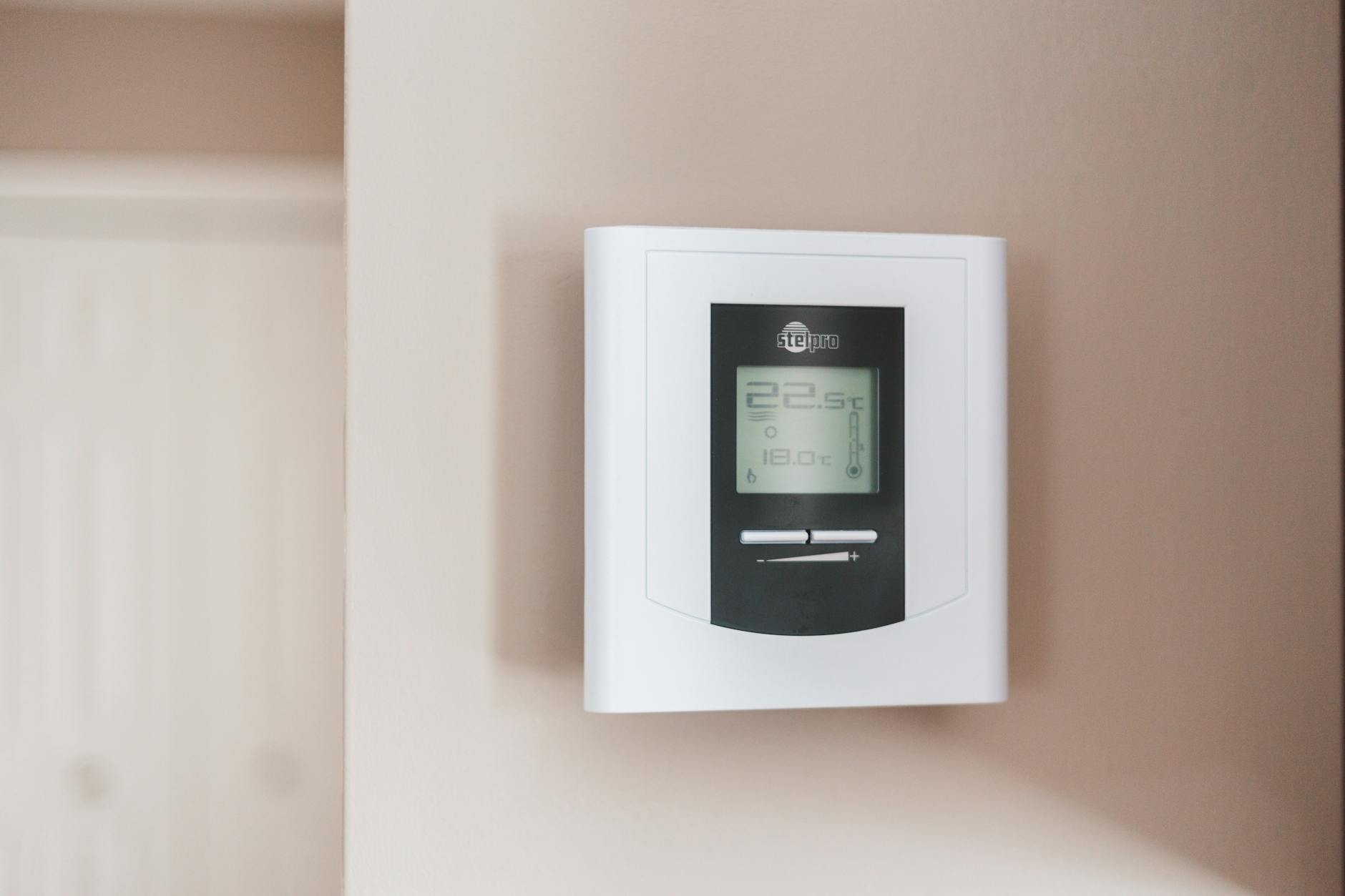
The sleeping environment’s temperature is one of the most scientifically supported factors affecting deep sleep quality. The body’s core temperature must drop by one to two degrees Fahrenheit to initiate and sustain deep slow-wave sleep. Rooms that are too warm prevent this natural thermal shift and result in more time spent in lighter sleep stages. Sleep researchers consistently identify a cool room as a foundational element of optimal sleep hygiene. Most adults sleep best in environments kept between 60 and 67 degrees Fahrenheit according to widely cited sleep science literature.
Emotional Conversations

Engaging in emotionally charged or stressful conversations in the final hours before bed activates the sympathetic nervous system and raises cortisol levels. The brain does not easily release emotional activation meaning unresolved tension or conflict lingers as a background stressor well into the night. This heightened arousal state makes it significantly harder to reach the deeper stages of sleep even when physical tiredness is present. Conflict resolution and difficult discussions are best scheduled for earlier in the day when the nervous system is better equipped to process and recover. Establishing a calm and emotionally neutral wind-down environment is a consistent recommendation among sleep therapists.
News Consumption

Consuming news content especially distressing or fast-moving stories close to bedtime stimulates the brain’s threat-detection systems. The amygdala responds to negative news in much the same way it responds to personal stress triggering a low-level alert state that conflicts with sleep readiness. Scrolling through news feeds or watching late-night broadcasts keeps the mind engaged in processing complex information at a time when it should be decelerating. This habit is associated with higher rates of anxiety-related insomnia and reduced time in restorative sleep stages. Replacing evening news consumption with lighter reading or audio content is a widely recommended behavioral shift for better sleep.
Napping
Napping during the day reduces sleep pressure which is the biological drive that builds up over waking hours and powers deep sleep at night. A long or poorly timed nap can discharge enough of this pressure that the body struggles to reach deep slow-wave sleep even after a full night’s time in bed. Naps exceeding thirty minutes taken after three in the afternoon are the most disruptive to nighttime sleep architecture. For people already experiencing poor sleep quality daytime napping can create a cycle that perpetuates the problem rather than resolving it. Short naps of ten to twenty minutes taken before midday are the least likely to interfere with the nighttime sleep drive.
Bright Lighting
Exposure to bright overhead lighting in the hours before bed signals to the brain that the day is still ongoing and delays the release of melatonin. Modern LED lighting in particular tends toward cooler and bluer tones that are especially potent in suppressing the body’s natural sleep onset signals. Dimming lights progressively in the evening hours mimics the natural shift from daylight to dusk and supports the hormonal transitions that lead to sleep. Warm low-level lighting from lamps placed below eye level is far less disruptive to the body’s light-sensitive circadian systems. This simple environmental adjustment requires no technology or expense yet produces measurable improvements in sleep onset time.
Bedroom Clutter
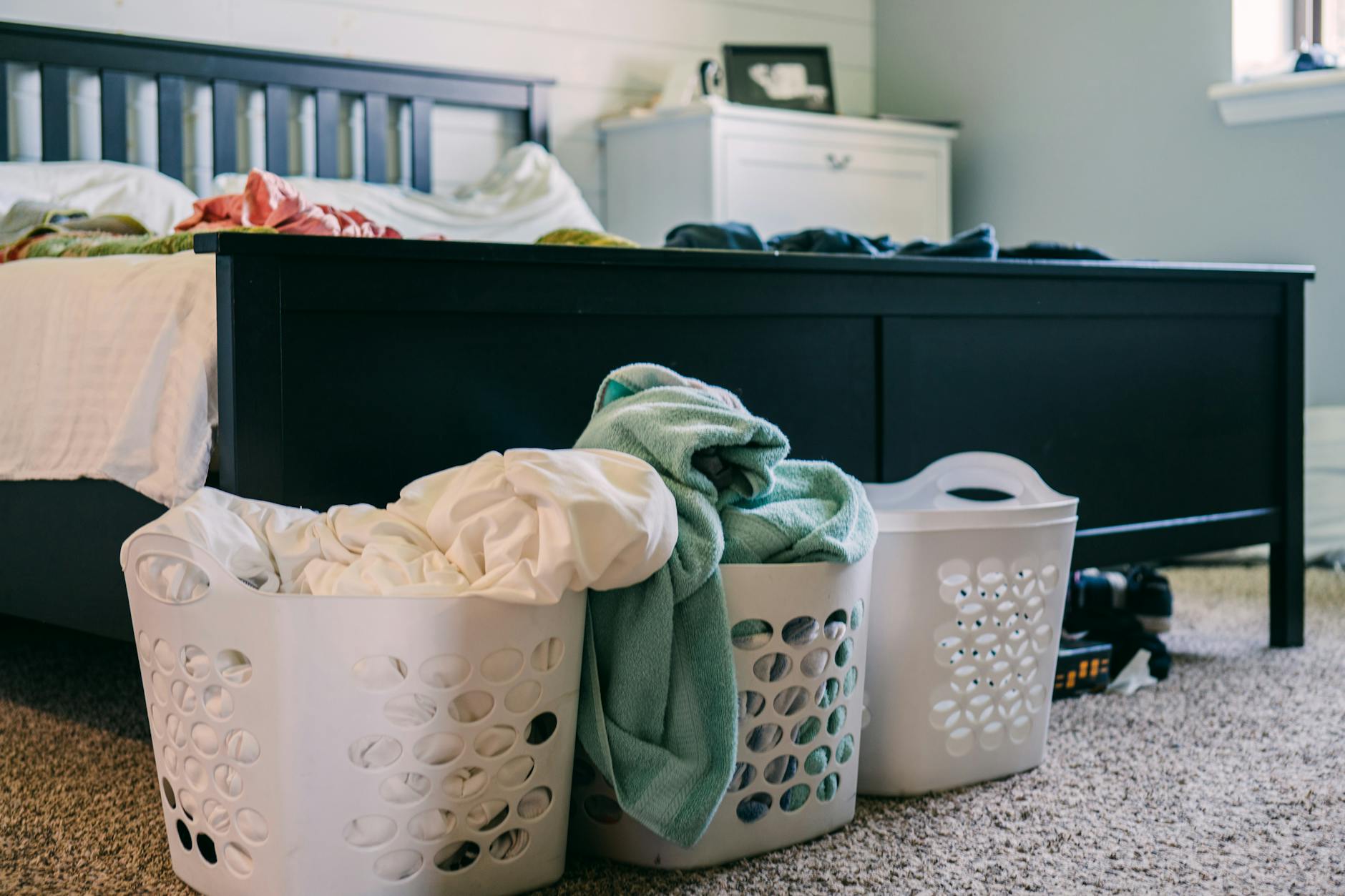
The visual environment of a sleeping space communicates signals to the brain about whether the space is associated with rest or with activity and stimulation. A cluttered or disorganized bedroom has been linked in behavioral research to higher baseline stress levels and greater difficulty mentally switching off at night. The brain continues processing visual information even passively meaning a chaotic environment maintains a subtle level of cognitive engagement. Sleep hygiene specialists consistently advise that the bedroom should be reserved exclusively for sleep and intimacy to strengthen its association with rest. Keeping surfaces clear reducing visible technology and minimizing visual noise creates an environment more conducive to deep restorative sleep.
Work In Bed
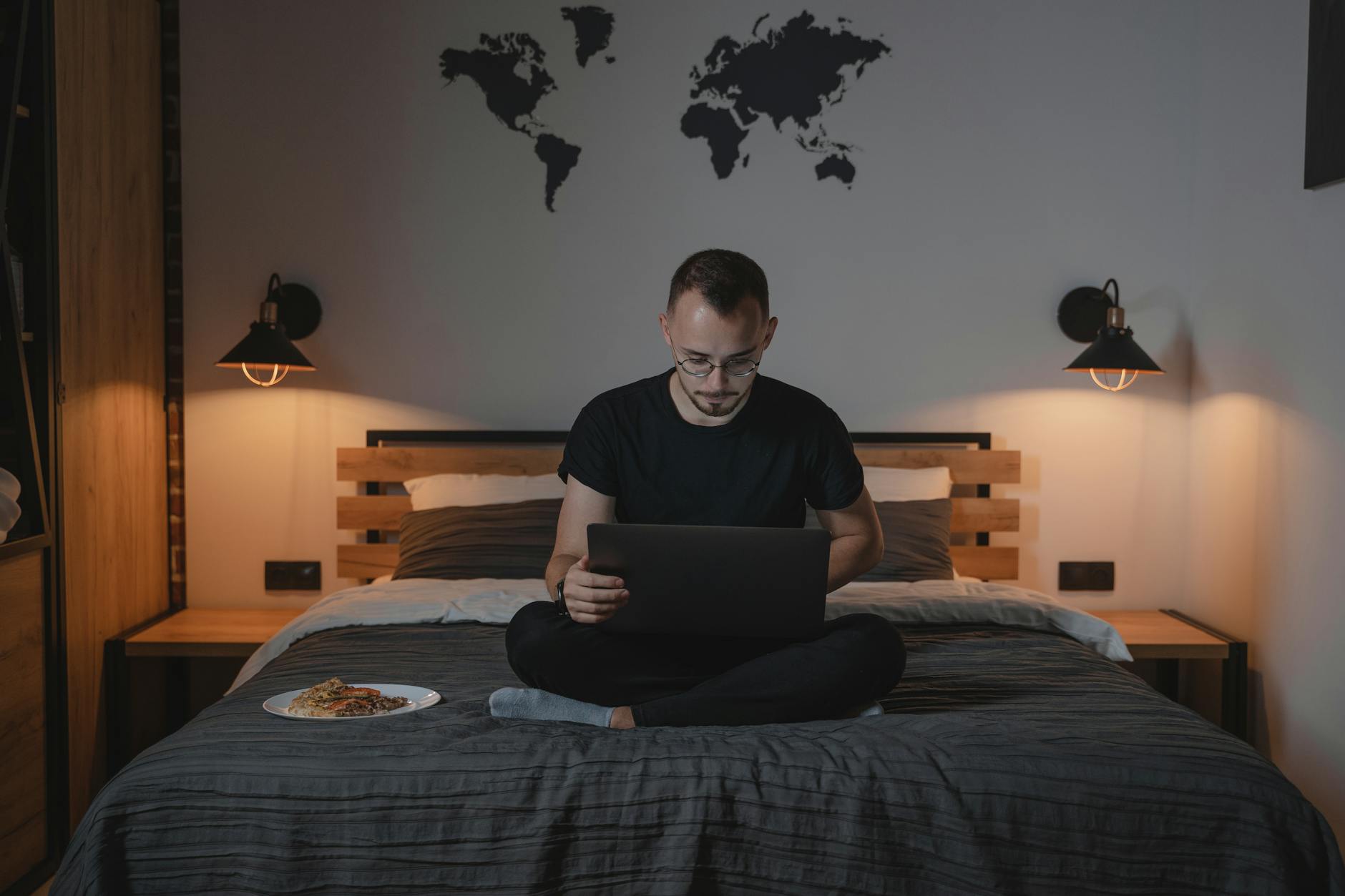
Using the bed as a workspace for laptops phones or reading work-related material erodes the brain’s conditioned association between the bed and sleep. Through a behavioral process called stimulus control the brain learns to associate environments with the activities that regularly take place in them. Working in bed trains the nervous system to remain alert and task-focused in the very space where it should be powering down. This association weakens over time making it harder to fall asleep quickly and reducing the depth of sleep achieved. Keeping all work-related activity outside the bedroom is a foundational principle of stimulus control therapy for insomnia.
Overthinking
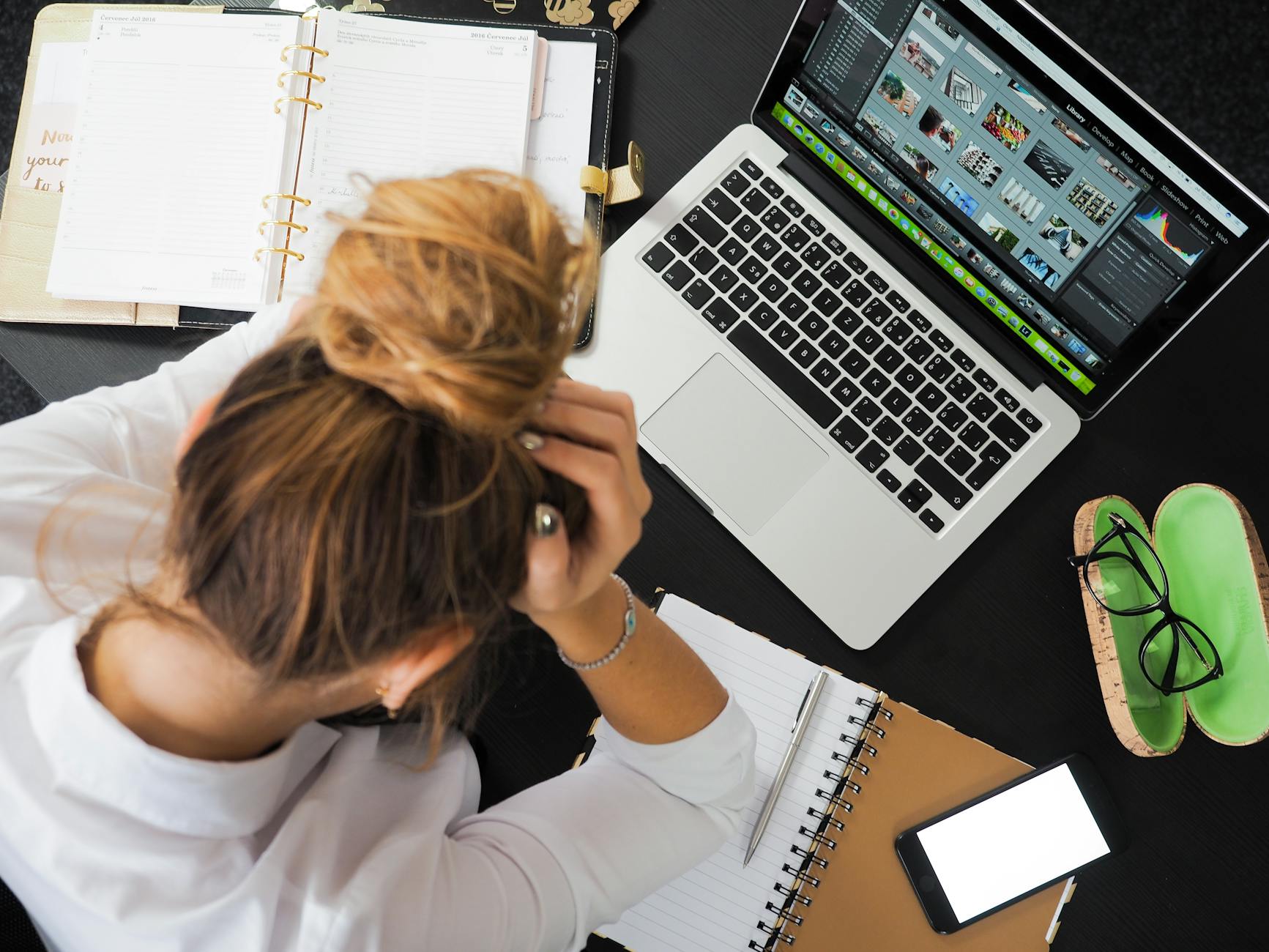
Rumination and repetitive thought patterns are among the most common causes of delayed sleep onset and disrupted deep sleep. When the mind is left unstimulated at bedtime it often fills the quiet with unresolved worries future planning or replaying past events. This mental activity engages the prefrontal cortex and keeps the brain in an active problem-solving mode that is incompatible with the deactivation required for deep sleep. Cognitive shuffling is a technique that involves deliberately generating random and unconnected mental images to interrupt ruminative thinking and ease the brain toward sleep. Structured journaling earlier in the evening is another evidence-supported method for externalizing worries before they follow you into bed.
Melatonin Misuse

Melatonin supplements are widely used as sleep aids but are frequently taken in doses and at times that undermine rather than support natural sleep architecture. Most over-the-counter melatonin products contain doses far higher than what the body naturally produces often between one and ten milligrams when the effective dose for sleep onset is closer to 0.5 milligrams. Taking high doses at the wrong time can shift the circadian rhythm in unintended directions and create a dependency that blunts the body’s own melatonin production. Melatonin is most effective as a timing tool for jet lag and schedule adjustment rather than as a nightly deep sleep enhancer. Consulting a healthcare provider before regular use is consistently recommended by sleep medicine specialists.
Pets In Bed

Sharing a sleeping surface with pets is a common practice but one that research has consistently linked to disrupted sleep continuity. Animals operate on different circadian schedules and move shift and vocalize at intervals that fragment human sleep even when the owner does not fully wake. Micro-arousals caused by pet movement prevent the body from sustaining the long uninterrupted cycles needed to access and maintain deep slow-wave sleep. Allergies related to pet dander can also contribute to respiratory disruption during the night which further compromises sleep quality. Pet owners who struggle with poor sleep are often advised by sleep specialists to transition animals to a dedicated sleep space outside the bedroom.
Salty Snacks

High-sodium foods consumed in the evening cause the body to retain water and can trigger increased thirst and more frequent urination during the night. Both of these outcomes fragment sleep by pulling the body out of deep rest and into lighter stages of consciousness. Salt also affects blood pressure regulation in ways that can disrupt the cardiovascular slowdown associated with deep sleep stages. Processed snacks crackers and cured meats are among the most common sources of late-night sodium intake. Choosing low-sodium evening snacks and maintaining adequate hydration throughout the day rather than before bed supports more uninterrupted sleep.
Smoking
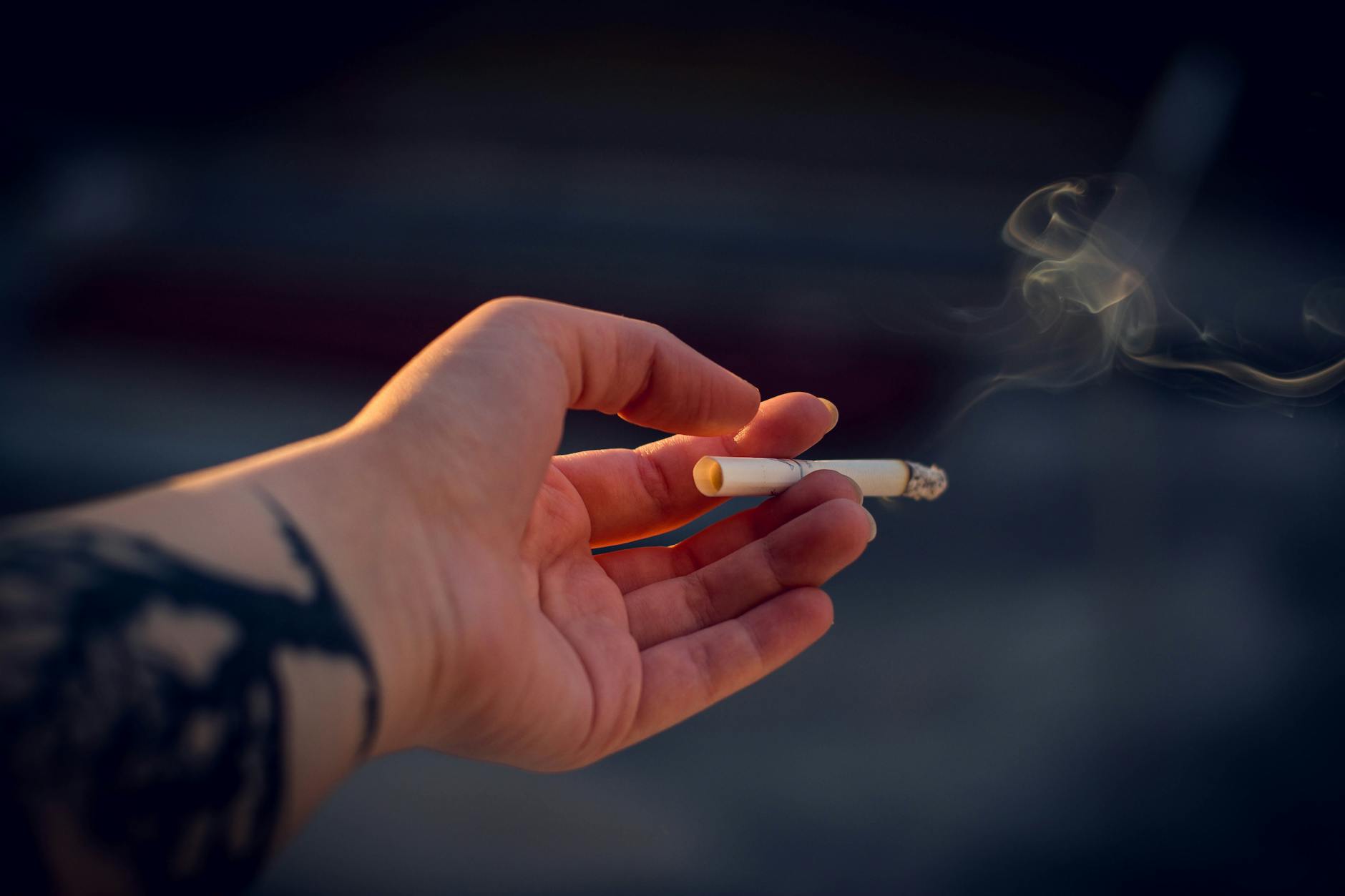
Nicotine is a stimulant that increases heart rate and alertness making it physiologically disruptive to the transition into deep sleep. Smokers tend to experience significantly more fragmented sleep and spend less time in slow-wave and REM stages compared to non-smokers. Nicotine withdrawal also begins to occur within a few hours of the last cigarette causing the brain to enter a mild alert state during the night even without the user waking fully. These micro-arousals accumulate over a night and result in sleep that is quantitatively lighter and less restorative. Research indicates that smoking cessation produces measurable improvements in sleep quality within weeks of quitting.
Evening Sugar

Consuming high-sugar foods or drinks in the evening creates a spike in blood glucose followed by a corresponding drop that can trigger a stress response during the night. This blood sugar fluctuation activates the release of cortisol and adrenaline which are alerting hormones that work against the deep sleep state. The body’s attempts to regulate blood glucose during the night can cause frequent micro-arousals that prevent sustained slow-wave sleep. Sugary desserts energy drinks and sweetened teas taken within a couple of hours of bedtime are the most likely culprits. Choosing protein-based or complex carbohydrate evening snacks produces a more stable overnight blood sugar environment.
Sleeping Pills

Prescription and over-the-counter sleep medications can help with sleep onset but many of them alter natural sleep architecture in ways that reduce the proportion of deep slow-wave sleep achieved. Sedative hypnotics work primarily by suppressing the central nervous system which produces a different neurological state from natural restorative sleep. Long-term use is associated with a rebound effect in which sleep quality worsens significantly when the medication is stopped. Many common sleep aids also reduce REM sleep which plays a critical role in emotional regulation memory consolidation and cognitive function. Sleep specialists increasingly recommend cognitive behavioral therapy for insomnia as a first-line treatment with longer-lasting results than pharmacological options.
No Wind-Down Routine

Transitioning abruptly from full activity to sleep without a decompression period deprives the nervous system of the time it needs to shift from sympathetic to parasympathetic dominance. The body requires a gradual physiological transition including drops in heart rate body temperature and cortisol before deep sleep becomes accessible. Without a consistent wind-down routine the brain remains primed for activity and enters sleep in a higher arousal state that limits access to slow-wave stages. Research supports the value of a predictable pre-sleep sequence of calming behaviors in strengthening the conditioned response that sleep is approaching. A thirty to sixty minute buffer of low-stimulation activity before bed is among the most universally supported recommendations in sleep science.
Social Media
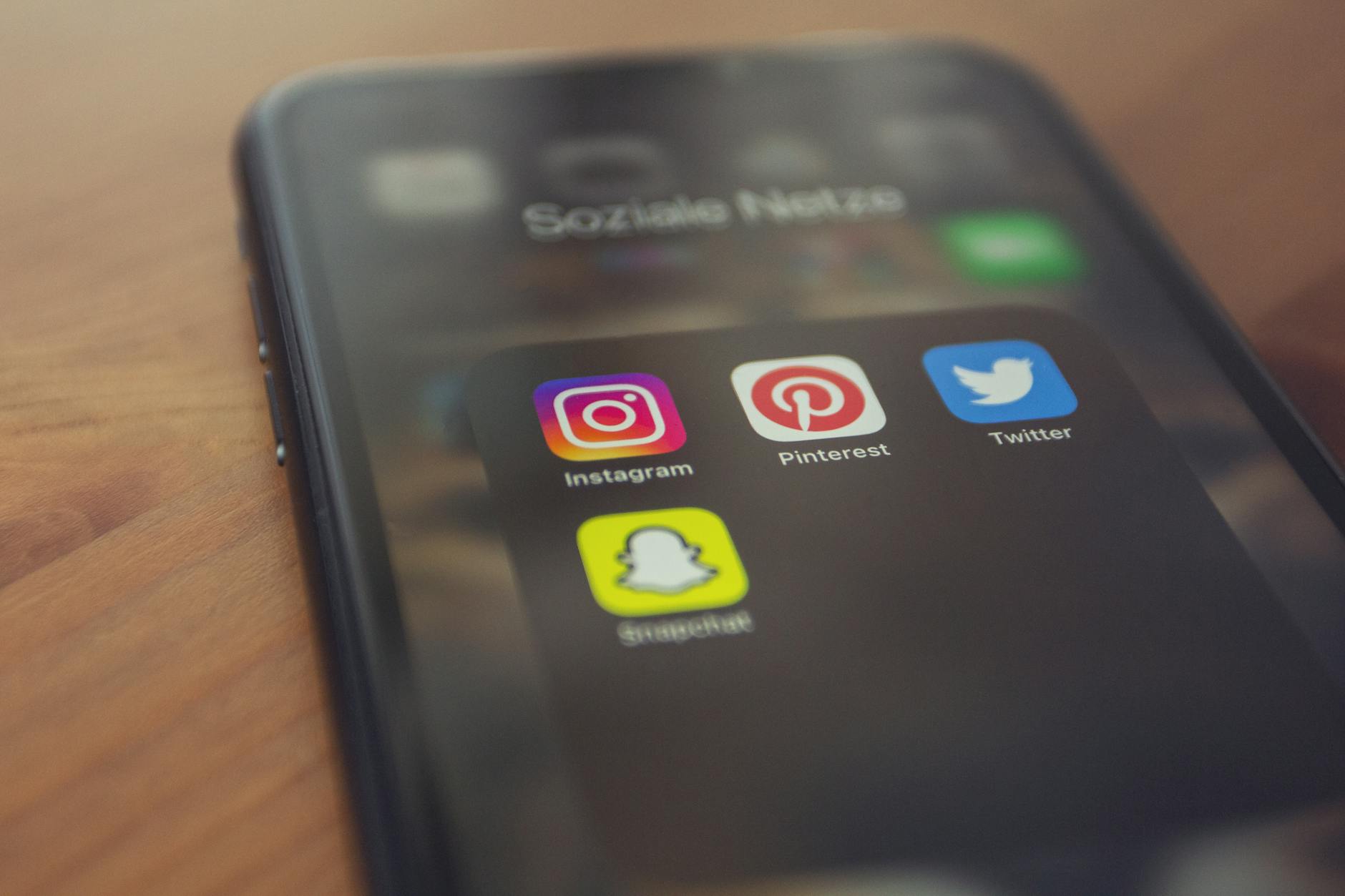
Social media platforms are designed with variable reward mechanisms that keep the brain in a state of anticipatory stimulation directly opposite to what is needed for deep sleep. Scrolling exposes the eyes to blue light but also triggers emotional responses through comparison anxiety social validation seeking and exposure to distressing content. Each notification or new post activates a small dopamine response that reinforces continued engagement and makes intentional stopping difficult. The mental residue of social comparisons or emotionally charged posts can persist for hours after the phone is put down. Sleep researchers increasingly classify social media use as a distinct and compounding disruptor of sleep quality beyond the general effects of screen exposure.
Water Before Bed

Drinking large quantities of water immediately before bed increases the likelihood of nocturia which is the need to urinate one or more times during the night. Each waking episode interrupts the sleep cycle and can prevent the body from re-entering deep slow-wave sleep especially in the second half of the night when lighter stages are more predominant. Even when falling back asleep quickly the body loses significant time in restorative stages after each arousal. Hydration is important but is best achieved consistently throughout the day rather than concentrated in the evening hours. Tapering fluid intake in the final ninety minutes before bed is a simple adjustment that can meaningfully reduce nighttime waking.
Alarm Anxiety
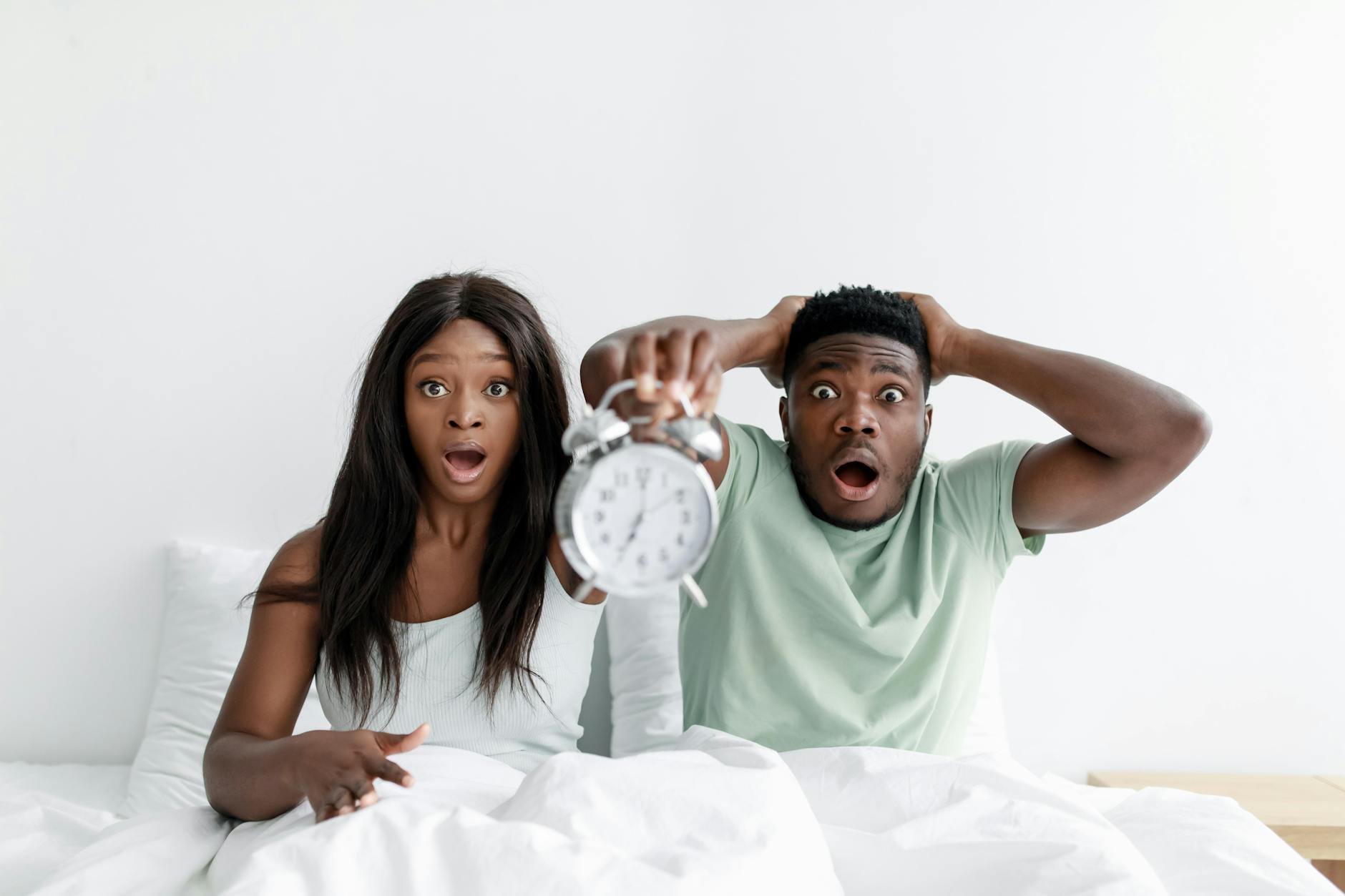
Setting multiple alarms or repeatedly checking the clock during the night creates a low-level performance anxiety around sleep that paradoxically prevents the brain from relaxing fully. The brain remains partially vigilant monitoring time and anticipating the next alarm in a way that keeps it in lighter and more easily disrupted sleep stages. This phenomenon is well documented in sleep research and is sometimes referred to as hyperarousal in which the nervous system is unable to fully relinquish its monitoring function. A single reliable alarm combined with a consistent wake time removes the need for the brain to track time during the night. Covering or removing clocks from sight and setting one clear alarm are practical interventions recommended by sleep therapists to reduce this form of nocturnal vigilance.
If any of these habits sound familiar share which ones you are working to change in the comments.