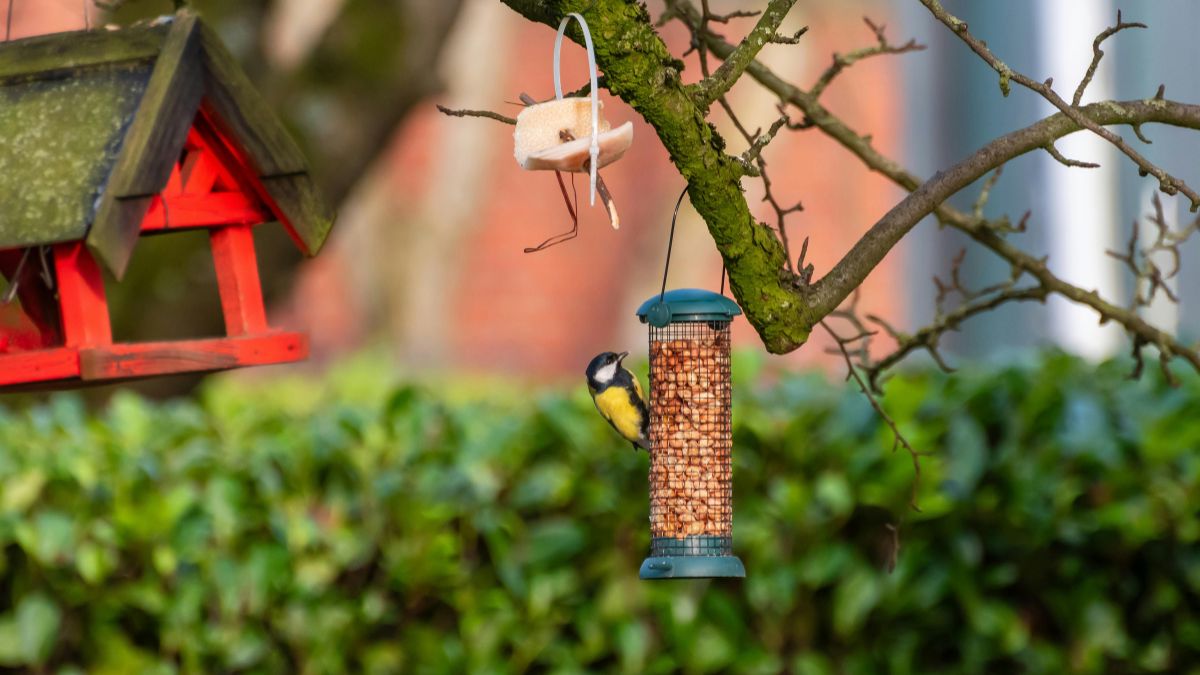
Backyard bird feeding is a beloved pastime that brings wild visitors close to home and supports local wildlife through changing seasons. Many well-meaning people assume that sharing leftover kitchen scraps is a harmless and generous gesture toward their feathered neighbors. The reality is that a number of common household foods can cause serious harm or even prove fatal to birds with very different digestive systems than our own. Understanding which foods to avoid is just as important as knowing what to offer. This guide covers 25 everyday items that should never make their way into your bird feeder or yard.
Avocado
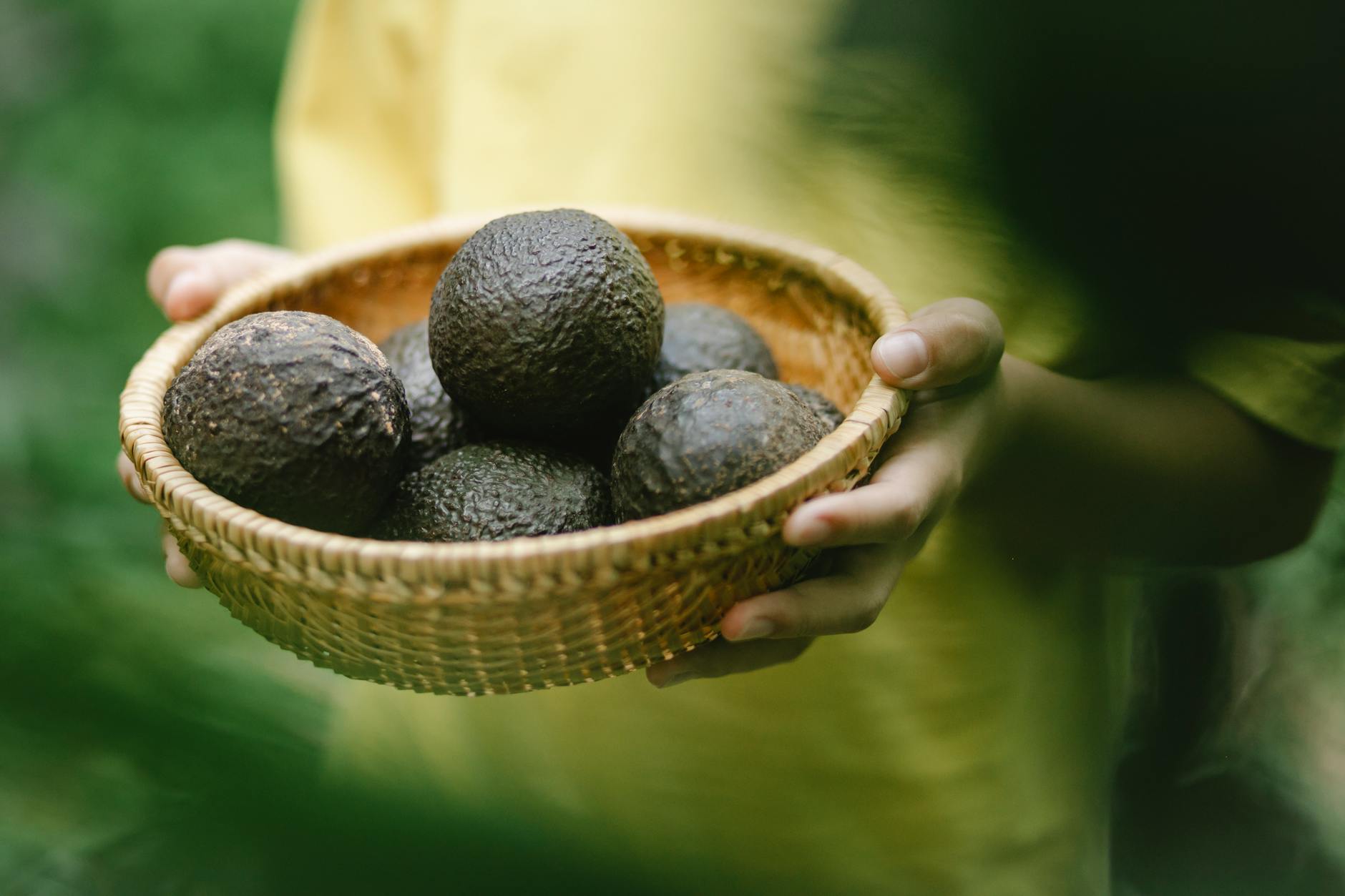
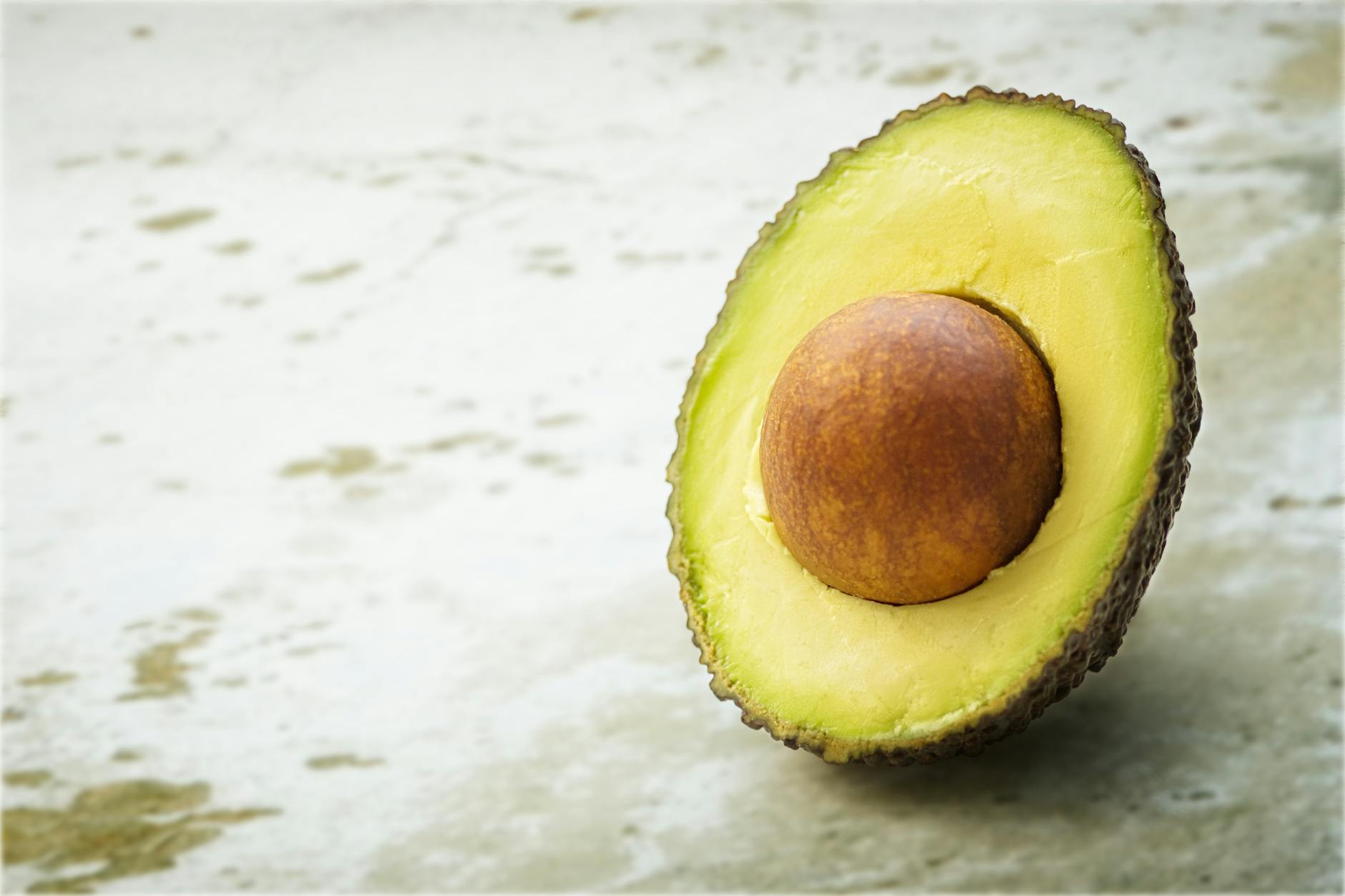
Avocado contains a naturally occurring compound called persin found throughout the fruit including the flesh pit and skin. This substance is highly toxic to most bird species and can cause respiratory distress and weakness. Even small amounts have been linked to fatal outcomes in domestic and wild birds alike. The risk applies to all varieties of avocado regardless of ripeness. No part of this fruit should ever be offered to backyard visitors.
Chocolate
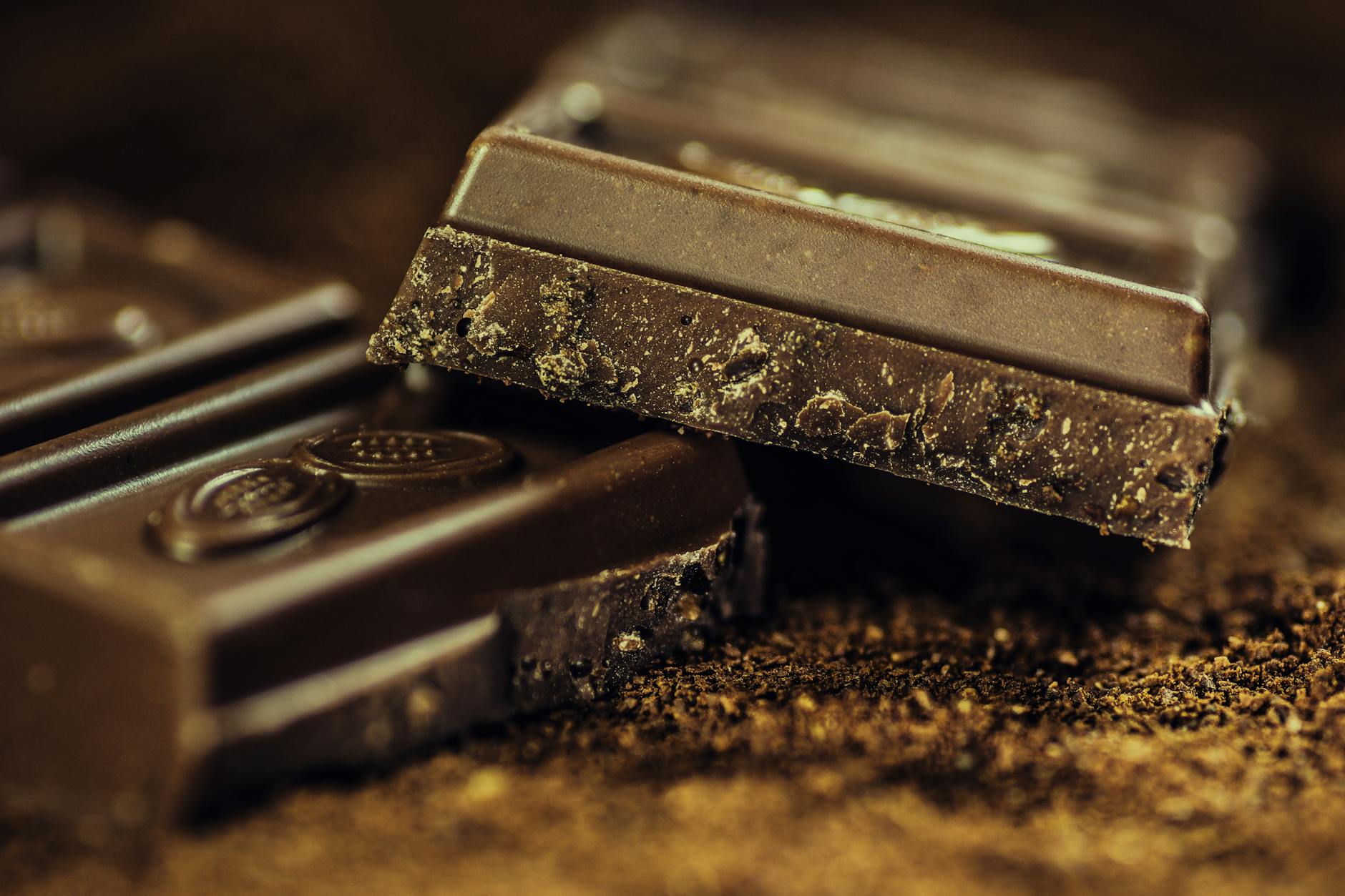
Chocolate contains theobromine and caffeine which are two compounds that birds cannot metabolize safely. Ingestion can lead to vomiting increased heart rate seizures and death in affected birds. Dark chocolate carries the highest concentration of these compounds making it especially dangerous. Even traces left on wrappers or in compost bins can pose a risk if birds forage nearby. All forms of chocolate including cocoa powder and baking varieties must be kept away from bird feeding areas.
Table Salt
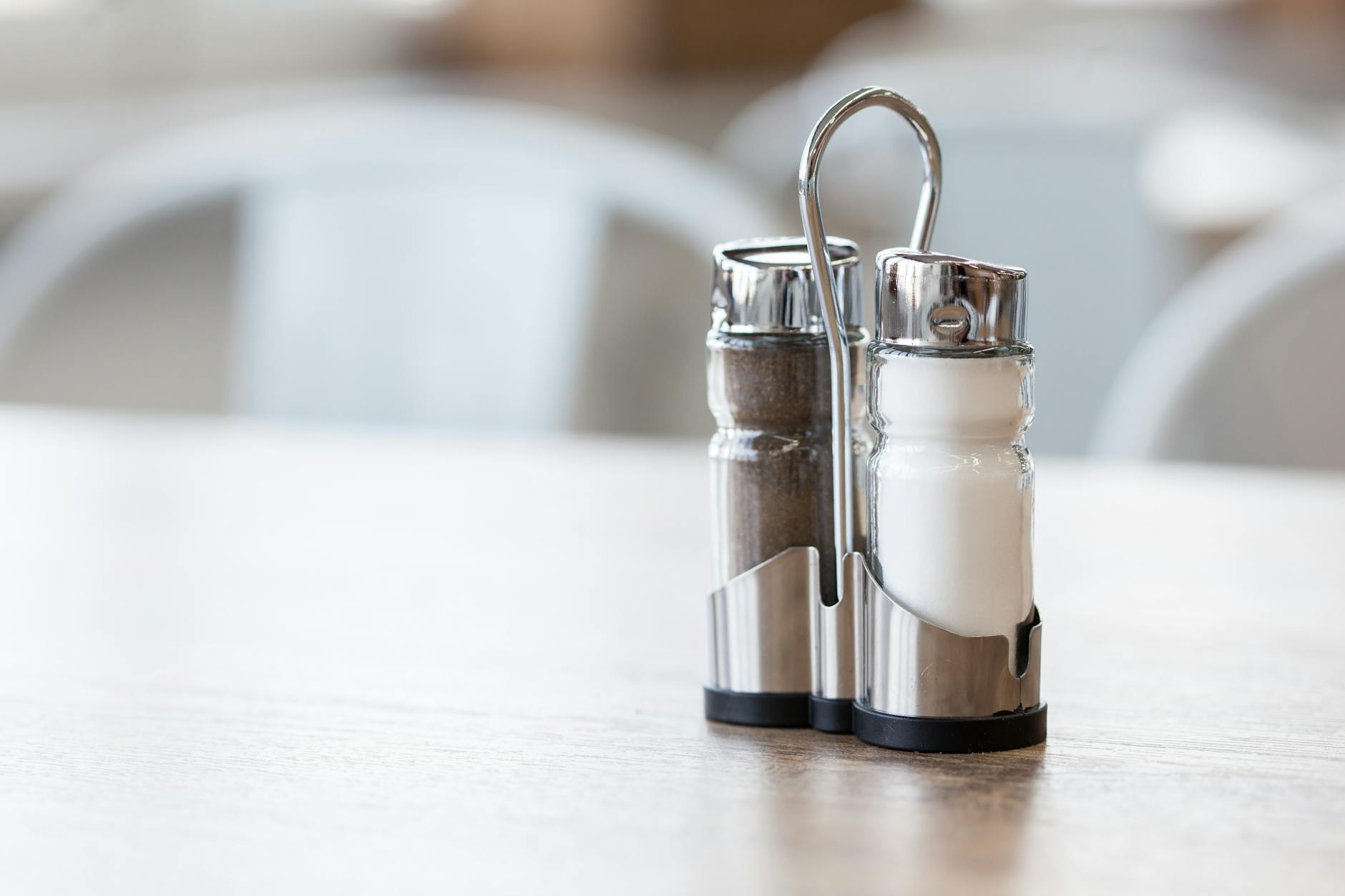
Birds require only minimal amounts of sodium and their kidneys are not equipped to handle the levels found in salted human foods. Excess salt disrupts fluid balance and can lead to dehydration excessive thirst and kidney failure. Salted snacks such as crackers chips and pretzels are particularly hazardous because birds may consume them in quantity. Even lightly salted seeds or nuts intended for human consumption should not be repurposed as bird feed. Plain unsalted alternatives are always the safer choice if supplemental feeding is desired.
Onions
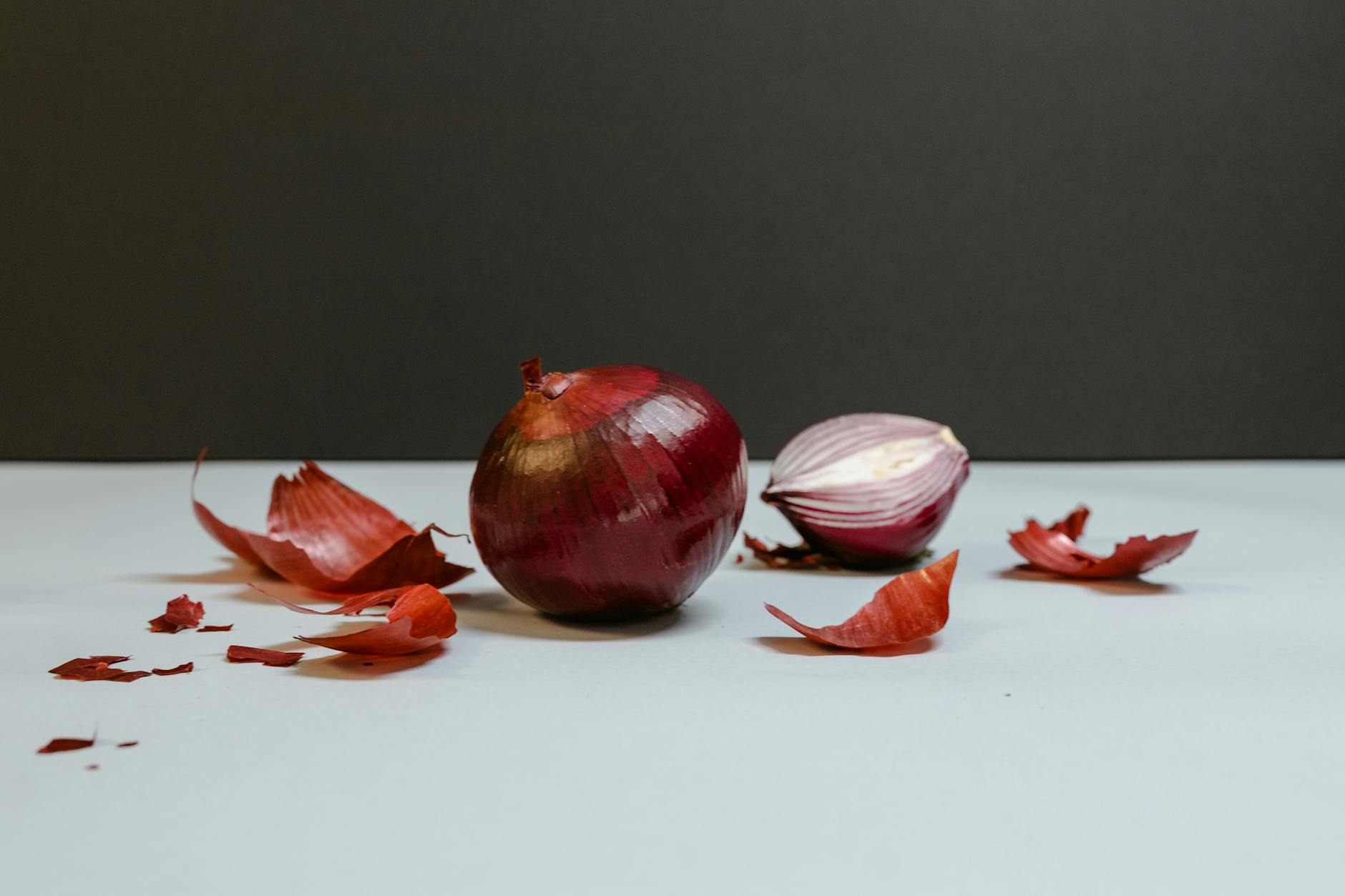
Onions contain sulfur compounds that break down red blood cells in birds leading to a condition called hemolytic anemia. Both raw and cooked forms are problematic and even dried onion flakes or powder carry the same risk. Prolonged exposure or repeated ingestion increases the severity of the toxic effect. Birds that consume onions may show weakness lethargy and breathing difficulties. Onion scraps should never be added to compost piles in areas where birds frequently forage.
Garlic
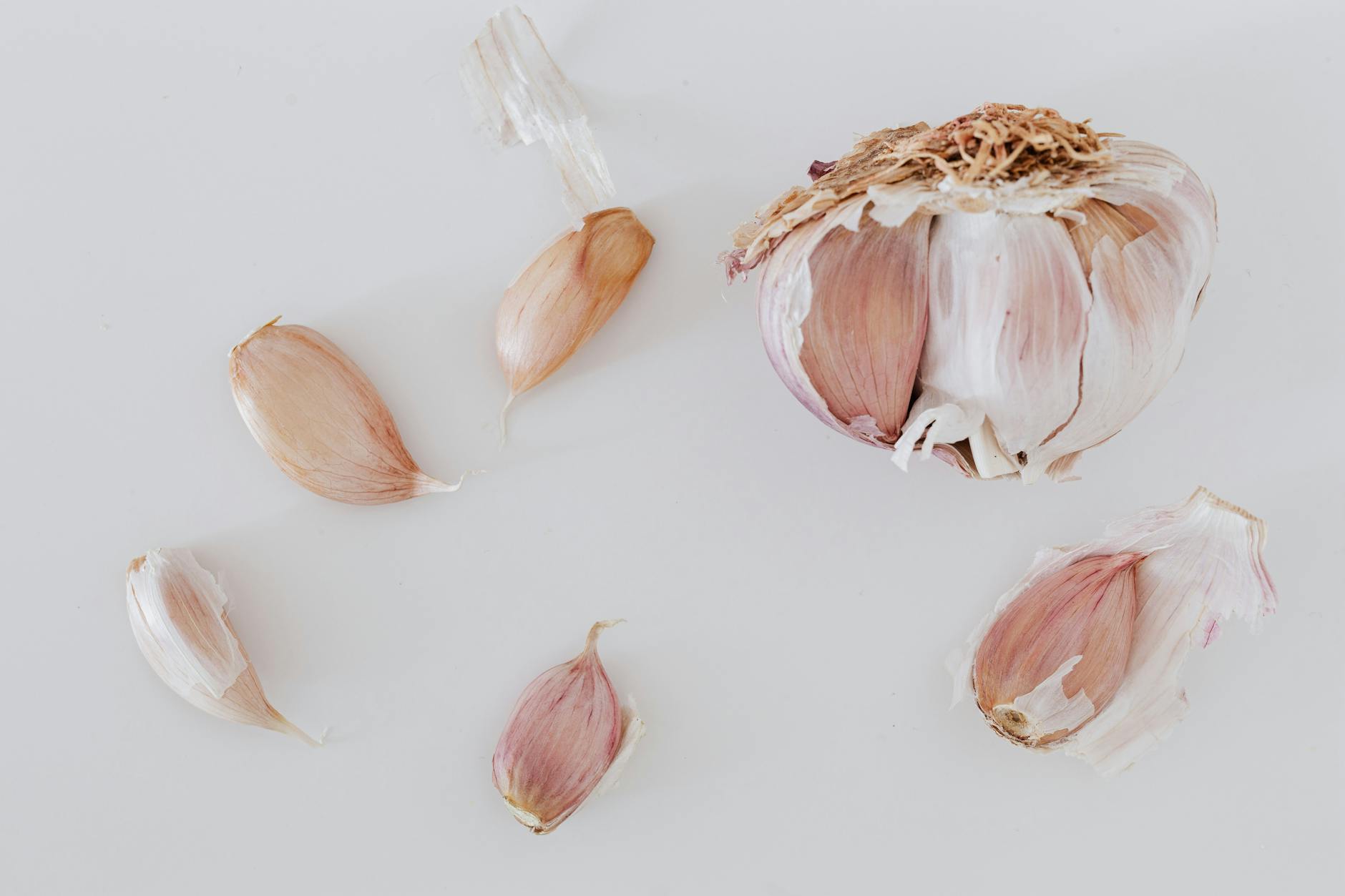
Garlic shares many of the same toxic properties as onions and belongs to the same allium plant family. The compound allicin present in garlic can damage red blood cells and cause anemia in birds over time. Cooked garlic does not neutralize these harmful properties and remains dangerous regardless of preparation method. Small songbirds are particularly vulnerable due to their lower body weight and faster metabolism. Any food seasoned with garlic should be considered off-limits for backyard feeding.
Alcohol

Alcoholic beverages and fermented food items can cause rapid and severe toxicity in birds. Even tiny amounts of ethanol affect the central nervous system and impair basic bodily functions in small animals. Birds that accidentally consume alcohol from unattended glasses or fermenting fruit may lose coordination and become unable to fly. The liver of a bird is not capable of processing alcohol the way a human body can. Fermented fruit left on the ground during warm months can also present an unexpected hazard in garden settings.
Caffeine

Caffeine acts as a stimulant that dramatically elevates heart rate in birds and can trigger fatal cardiac arrhythmias. Coffee grounds tea bags and energy drink residues should never be composted in areas accessible to foraging birds. Even cooled leftover coffee left in outdoor cups can attract curious birds and cause unintended harm. The compound affects the nervous system rapidly due to a bird’s small body mass and elevated metabolic rate. All caffeinated products and their residues should be disposed of securely away from garden feeding zones.
Apple Seeds
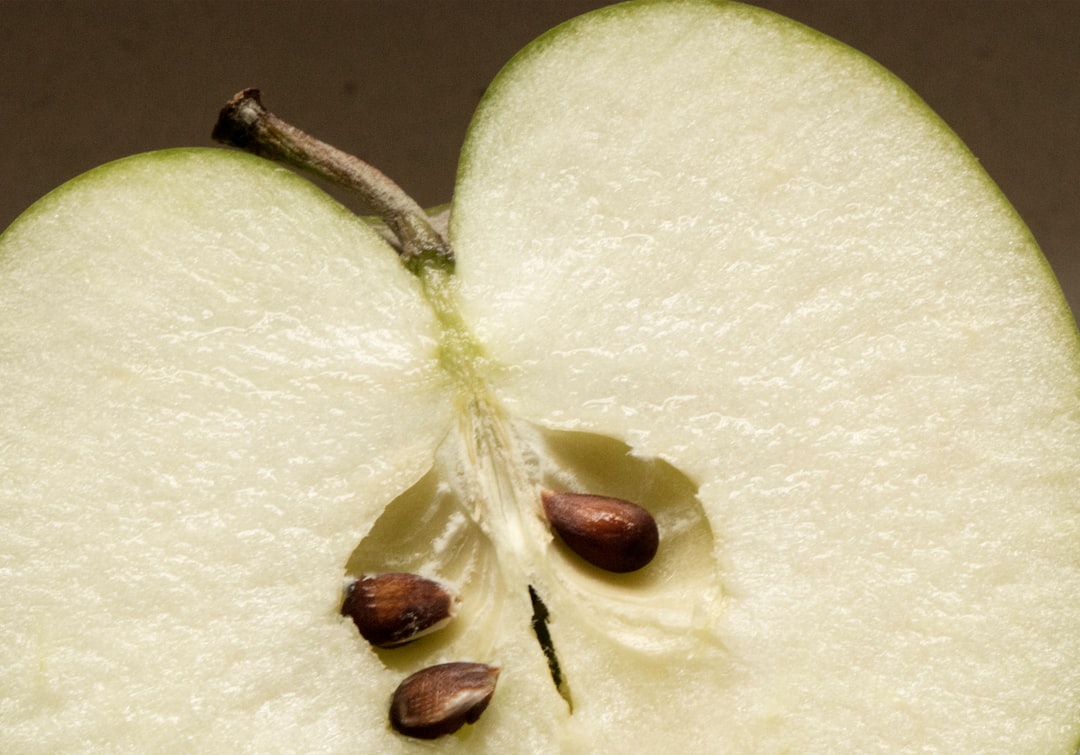
While apple flesh is generally considered safe and nutritious for many bird species the seeds are another matter entirely. Apple seeds contain amygdalin a compound that releases cyanide when metabolized inside the body. Whole apples offered to birds should always have the core and seeds removed before being placed in the garden. The same warning applies to seeds and pits from cherries peaches plums and apricots which contain similar compounds. Preparing fruit safely takes only a moment and dramatically reduces unnecessary risk to visiting wildlife.
Mushrooms
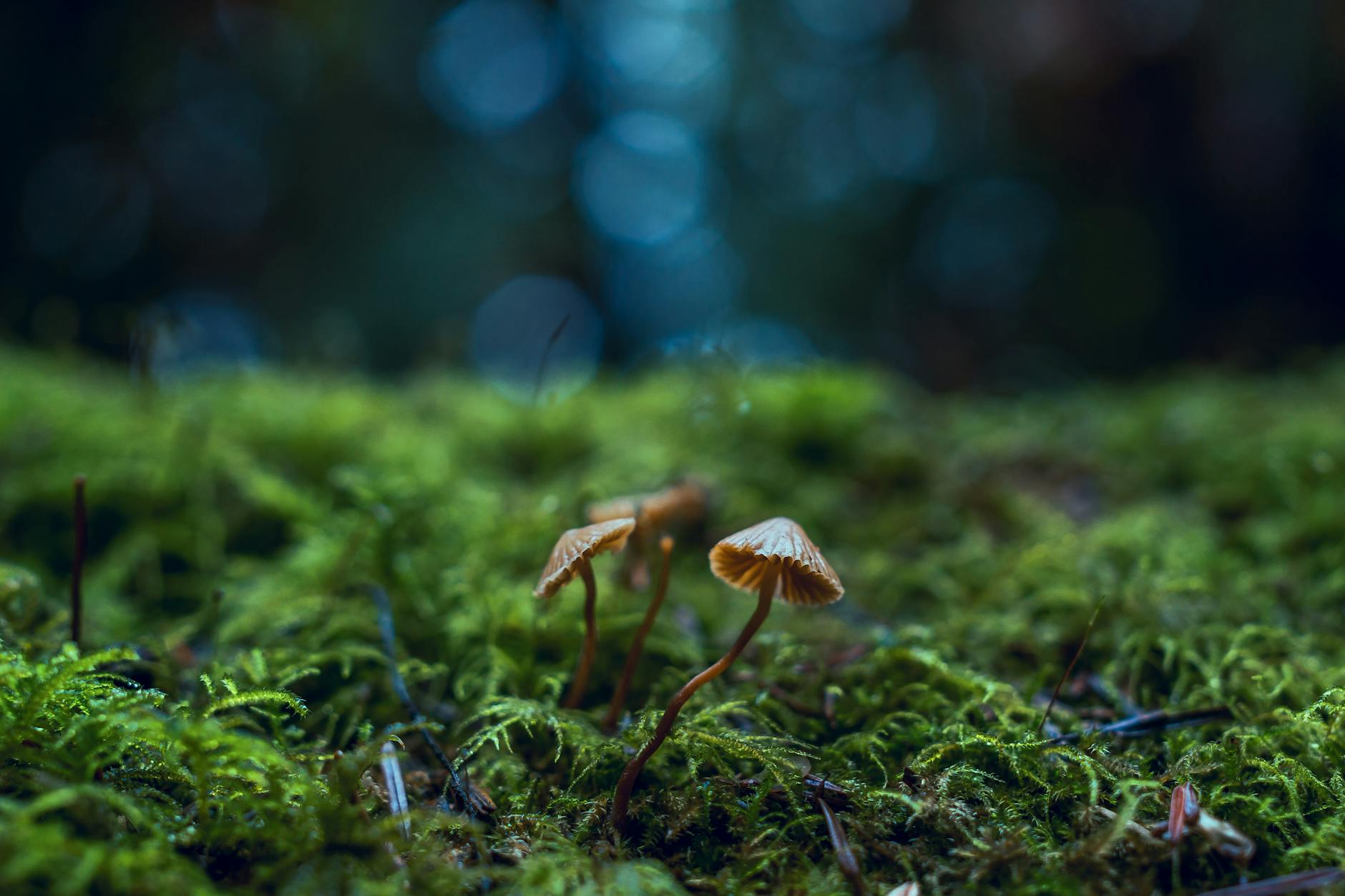
Wild and cultivated mushrooms contain a range of compounds that can be difficult for birds to process safely. Certain varieties contain toxins capable of causing liver failure and digestive distress in birds after even small amounts. Cooked mushrooms lose some but not all of their potentially harmful properties and are still considered unsuitable. The wide variation between mushroom species makes it impossible to determine which are safe without specialist knowledge. Leftover mushroom dishes or raw scraps should always be kept out of compost areas that birds can access.
Tomato Leaves
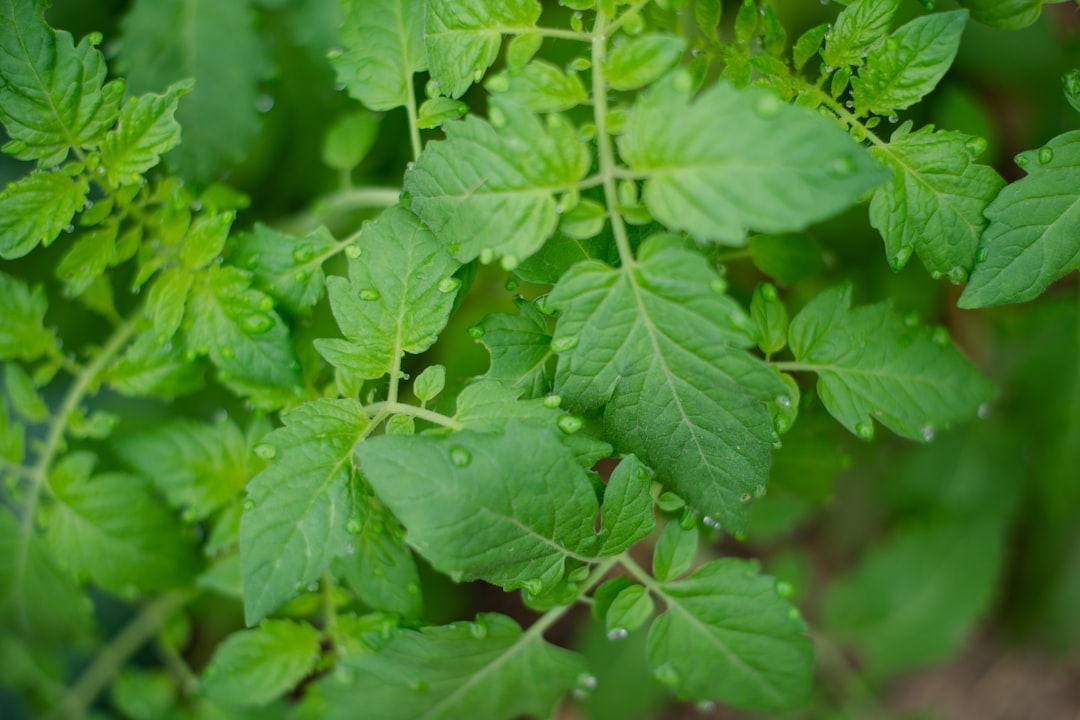
While ripe tomato flesh is not considered highly toxic the leaves stems and unripe green fruit of the tomato plant pose a genuine hazard. These parts of the plant belong to the nightshade family and contain alkaloids including tomatine and solanine. Ingestion of these plant materials can cause digestive upset and in larger quantities more serious systemic harm. Birds foraging near vegetable gardens may peck at tomato plants without any encouragement needed. Garden fencing or netting around tomato crops is a practical way to prevent accidental exposure.
Raw Beans
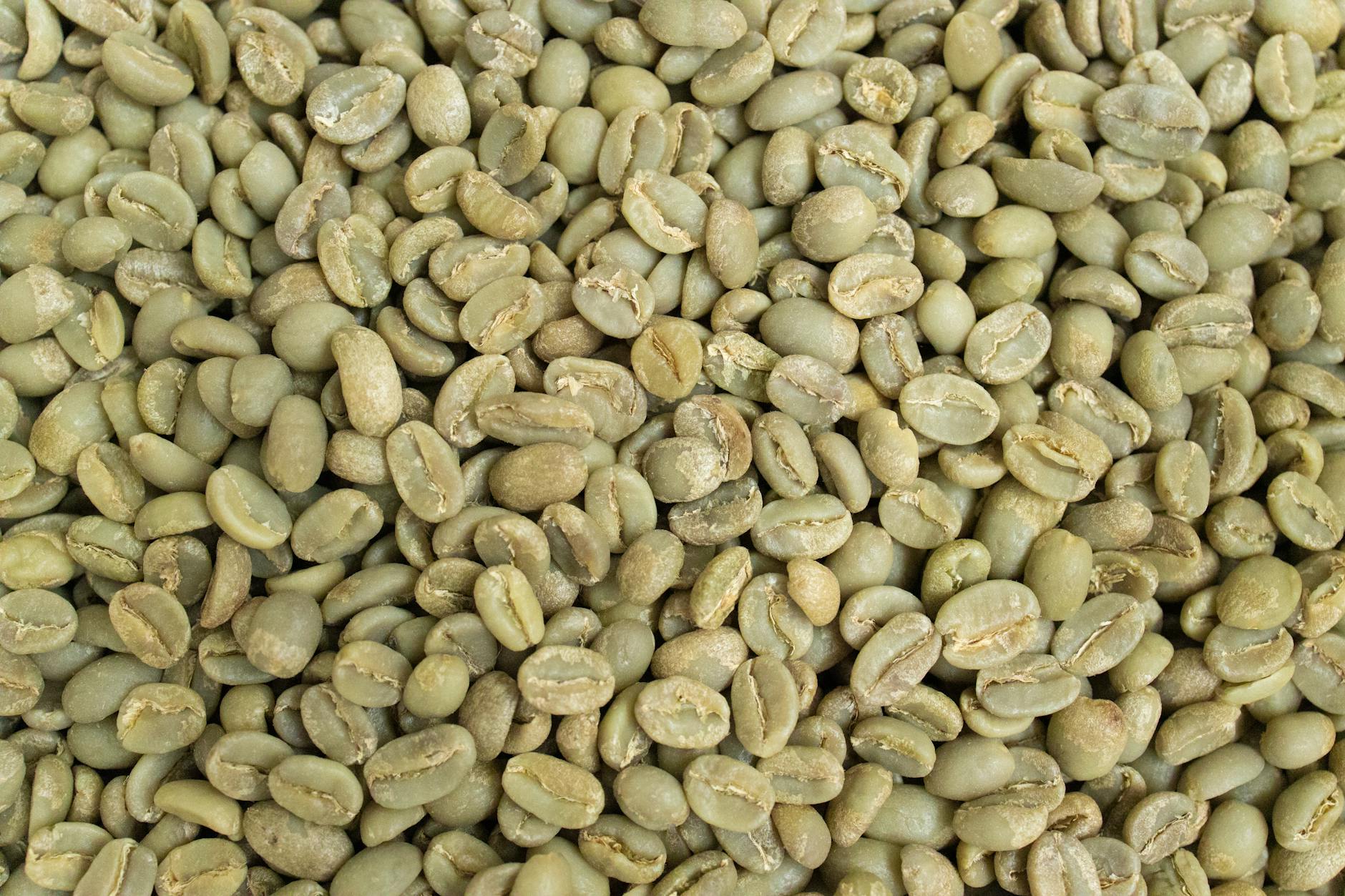
Raw dried beans including kidney beans contain a lectin called phytohaemagglutinin which is extremely toxic to birds. Even a few raw kidney beans can be lethal to a small bird due to the potency of this naturally occurring compound. Cooking fully neutralizes the toxin making cooked plain beans safe in small amounts as an occasional supplement. Uncooked beans that have soaked in water but not been boiled are equally dangerous and should not be discarded outdoors. Dried bean stores should be kept in sealed containers away from areas where birds might forage.
Rhubarb Leaves
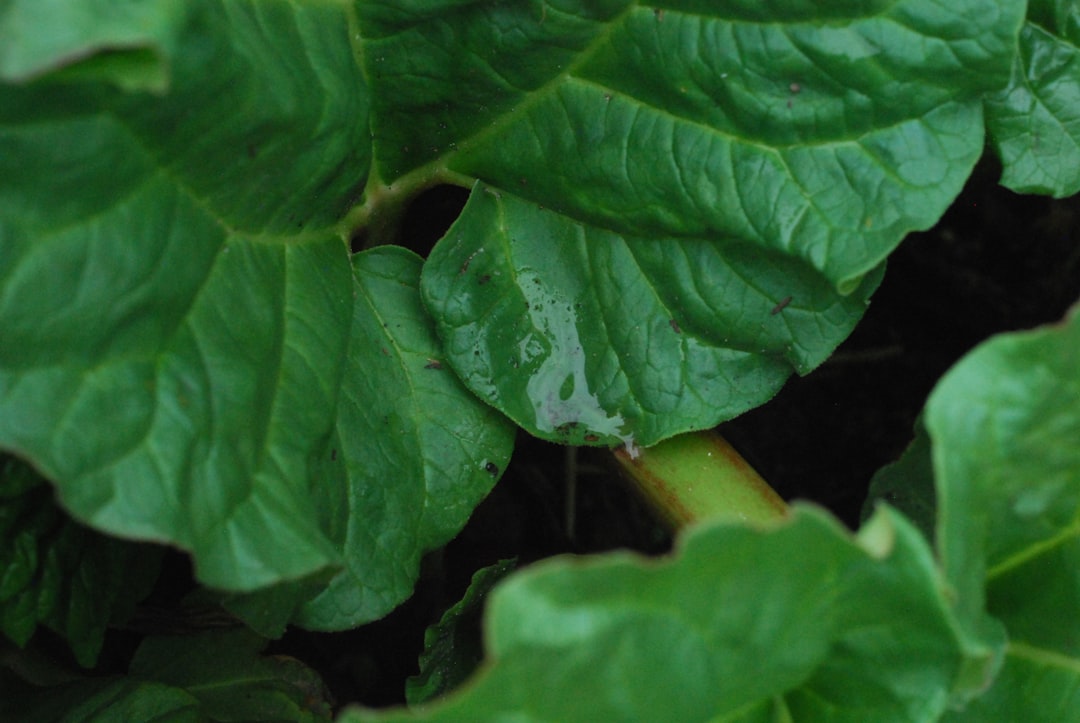
Rhubarb stalks are a popular ingredient in human cooking but the large leaves of the plant contain high levels of oxalic acid. This compound can cause kidney failure and serious metabolic disruption in birds that consume it. Even wilted or decomposing rhubarb leaves on the ground remain dangerous as the toxin does not break down quickly. Garden beds containing rhubarb should be monitored to ensure fallen leaves are collected and properly discarded. The stalks themselves are also best kept away from bird feeding areas as a precaution.
Processed Bread
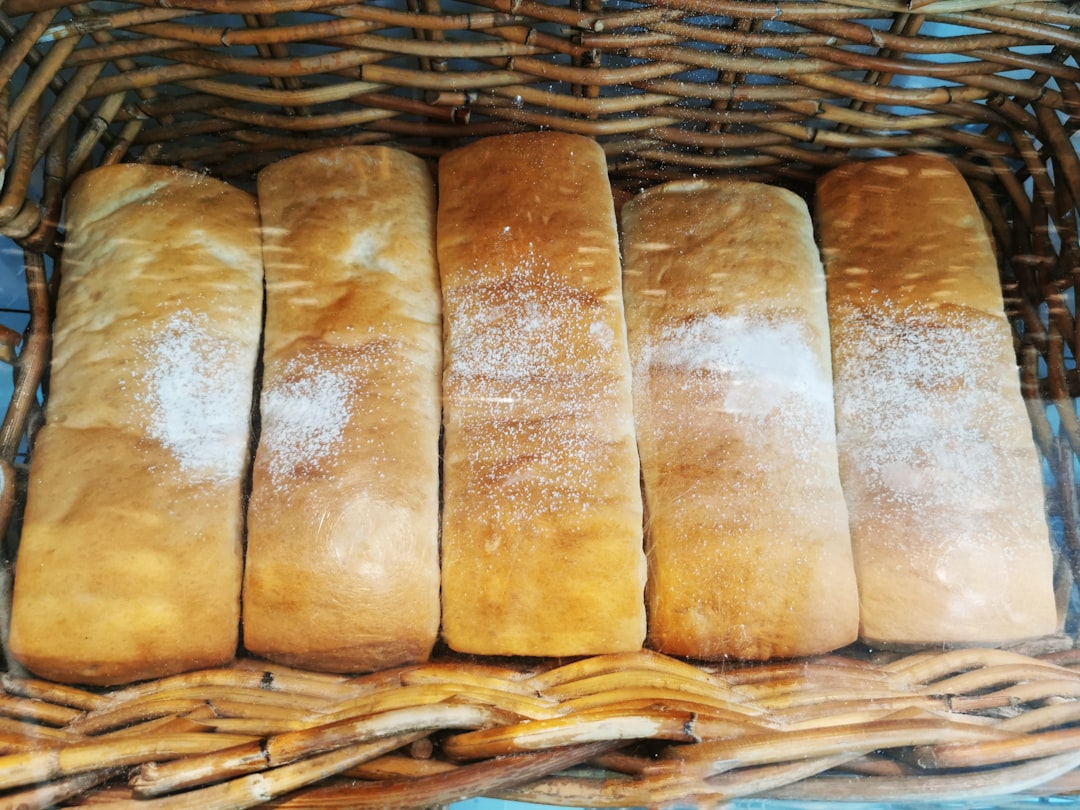
White bread and other highly processed baked goods offer virtually no nutritional value to wild birds and can cause serious harm over time. The high starch and sugar content leads to rapid fermentation in the digestive tract causing a condition known informally as angel wing in waterfowl. Regular consumption fills birds up without delivering the proteins fats and micronutrients needed for healthy feather growth and energy. Moldy bread introduces additional fungal toxins that can be acutely dangerous. Even wholegrain bread should only ever be offered sparingly if at all and never as a dietary staple.
Milk
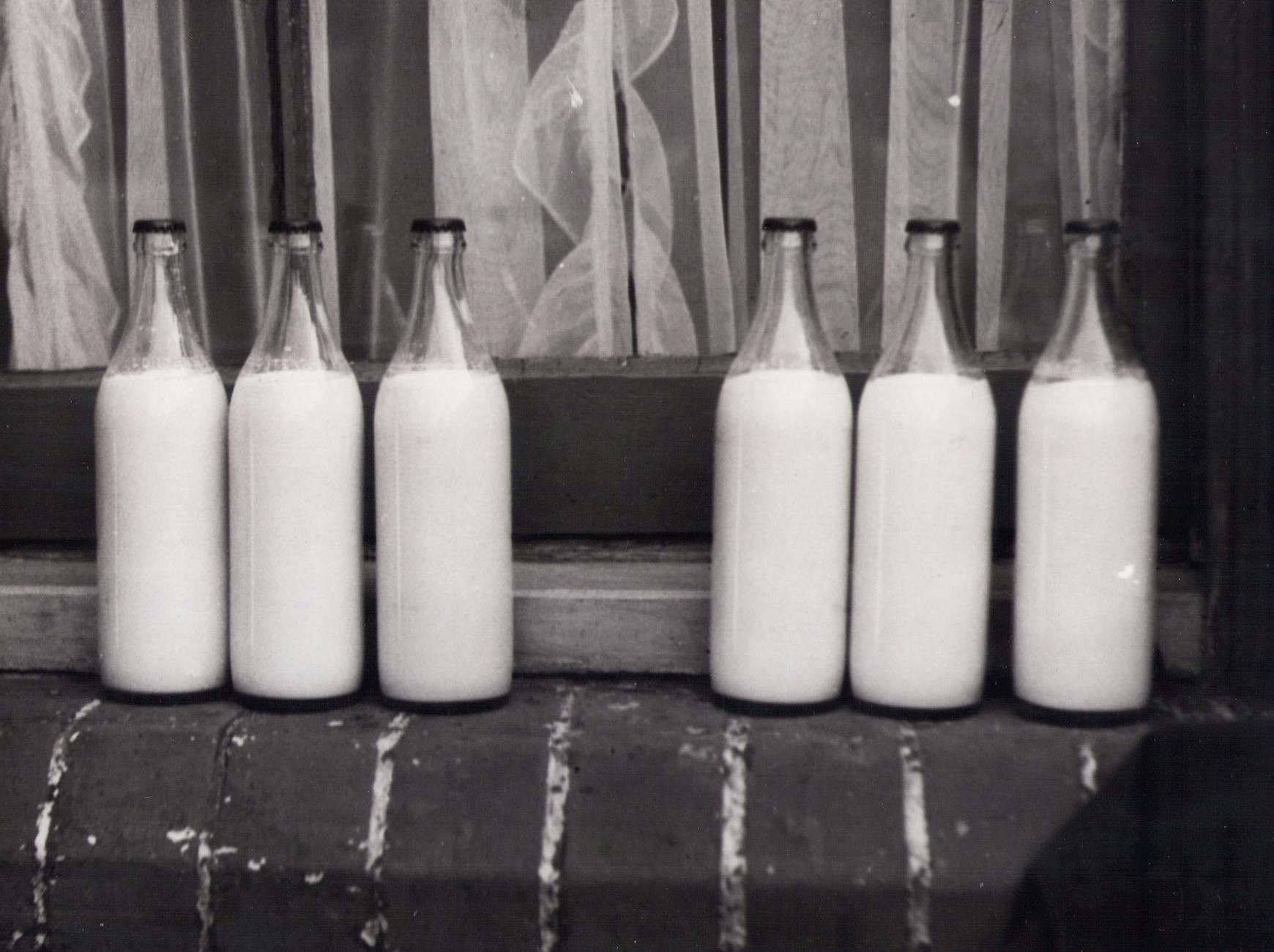
Birds are naturally lactose intolerant and their digestive systems lack the enzymes needed to break down dairy sugars effectively. Offering milk cheese or yogurt can lead to stomach upset diarrhea and dehydration in wild birds. The misperception that birds enjoy a saucer of milk likely stems from observations of domestic pets rather than wild species. Fermented dairy products carry the same risks and should not be used as a substitute. Fresh water is always the most appropriate and beneficial liquid to provide alongside bird feed.
Nutmeg
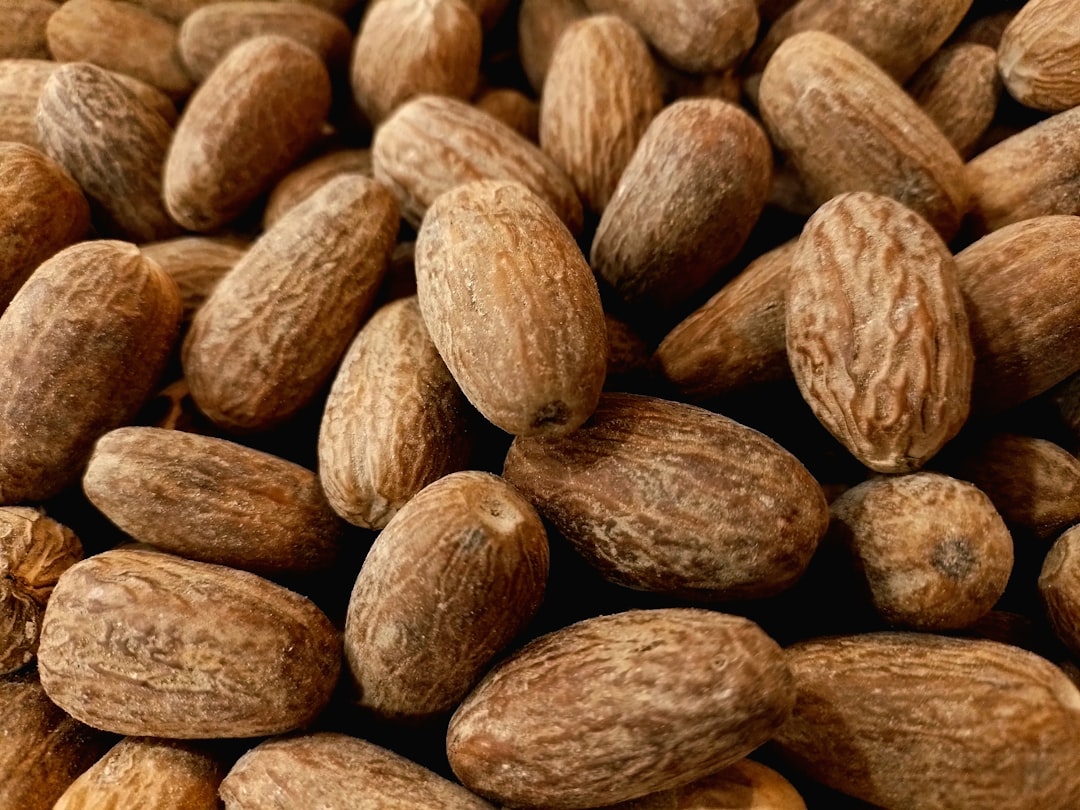
Nutmeg contains a compound called myristicin which has psychoactive and toxic effects when ingested in sufficient quantities. While humans consume small amounts in cooking without harm birds are far more sensitive to this substance due to body size differences. Baked goods and spiced dishes containing nutmeg should never be offered as scraps to garden birds. Even the dried spice left accessible in outdoor areas can present a foraging hazard. Any spiced food regardless of the specific seasoning involved is best kept entirely away from bird feeding zones.
Fruit Pits
The pits of stone fruits such as cherries plums peaches and apricots contain concentrated amounts of amygdalin which converts to cyanide during digestion. Unlike the fleshy fruit surrounding them these pits are not safely consumable by birds in any quantity. Whole stone fruits discarded in gardens or compost heaps can attract birds who may peck through to the pit. Preparing fruit by removing all pits before offering it as supplemental feed is a straightforward preventative step. This small effort significantly reduces the risk of accidental cyanide poisoning in backyard bird populations.
Xylitol
Xylitol is an artificial sweetener found in sugar-free gum candies baked goods and some peanut butters. It causes a rapid and dangerous drop in blood sugar in many animals and its effects on birds are considered equally severe. Products containing xylitol should never be left outdoors or placed near bird feeders under any circumstances. Even residue from discarded packaging can be attractive to foraging birds who are drawn to sweet scents. Reading ingredient labels before repurposing any human food product for garden wildlife is an essential habit to develop.
Potato Sprouts
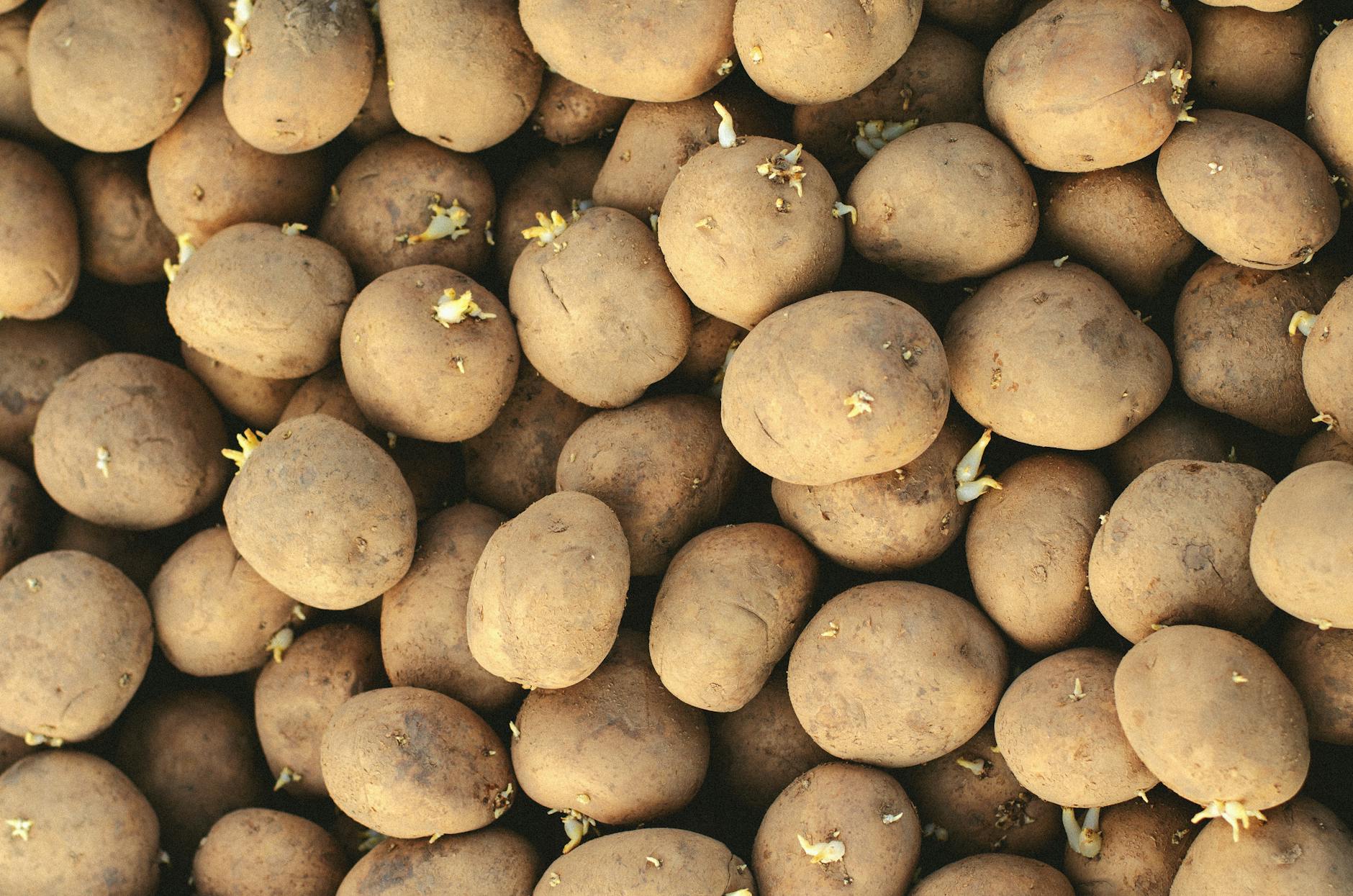
Raw potatoes and especially their green skin and sprouted eyes contain solanine a glycoalkaloid poison that affects the nervous system. Birds that consume sprouts or green potato material may experience paralysis seizures or death depending on the quantity ingested. Cooked plain potato flesh without seasoning is generally considered lower risk but raw or sprouted forms must be avoided entirely. Potato peelings from the kitchen are a commonly discarded item that many people assume is harmless for garden wildlife. These scraps should go directly into sealed compost bins rather than being tossed onto the lawn.
Salty Crackers
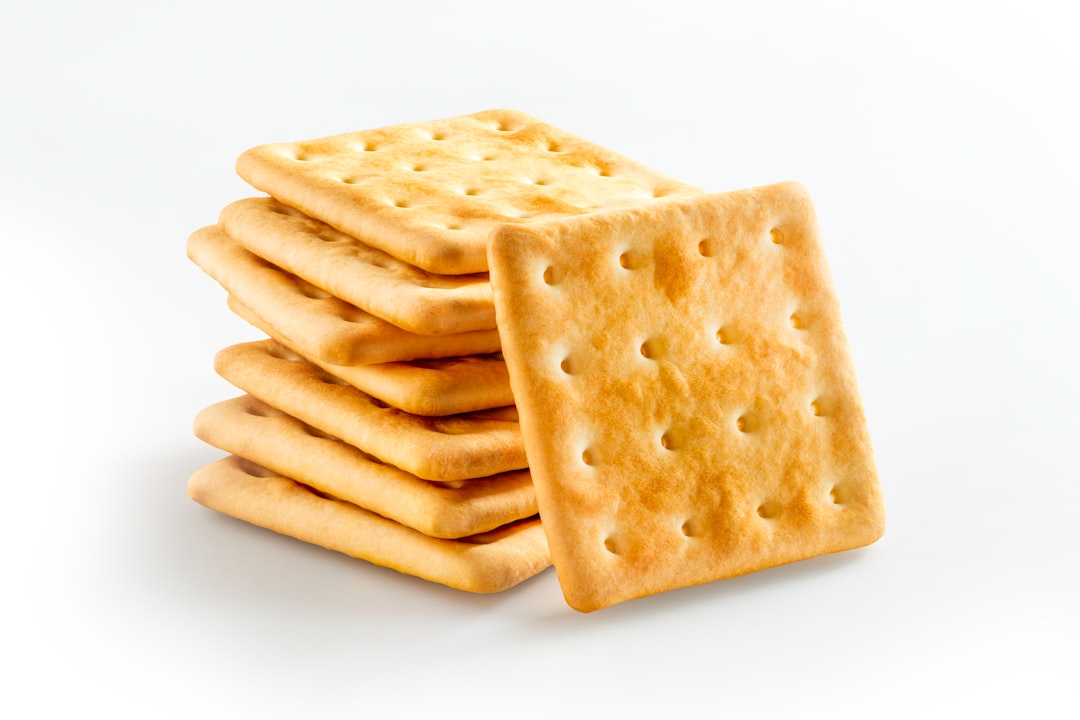
Commercially produced crackers biscuits and rice cakes are almost always seasoned with amounts of sodium that far exceed what a bird can safely process. Regular consumption can cause salt toxicity which manifests as excessive thirst neurological symptoms and eventual organ failure in affected birds. These foods also tend to contain preservatives and flavor additives that introduce additional chemical hazards. Birds attracted to cracker crumbs on the ground will often return repeatedly once a food source is established making it a persistent problem. Ensuring that outdoor eating areas are cleared of crumbs after use is a simple way to prevent accidental access.
Peanut Butter
Commercially sold peanut butter is typically laden with added sugar salt hydrogenated oils and xylitol in some low-sugar formulations. These additives transform what might otherwise be a suitable protein source into a genuinely hazardous food for wild birds. There is also a physical risk as thick sticky peanut butter can adhere to the inside of a bird’s beak and throat causing choking. Plain unsalted additive-free peanut butter is generally considered safer in very small quantities but must be used with great caution. Specialist bird-safe peanut products formulated without harmful additives are the recommended alternative for those wishing to offer a high-protein supplement.
Citrus Fruits
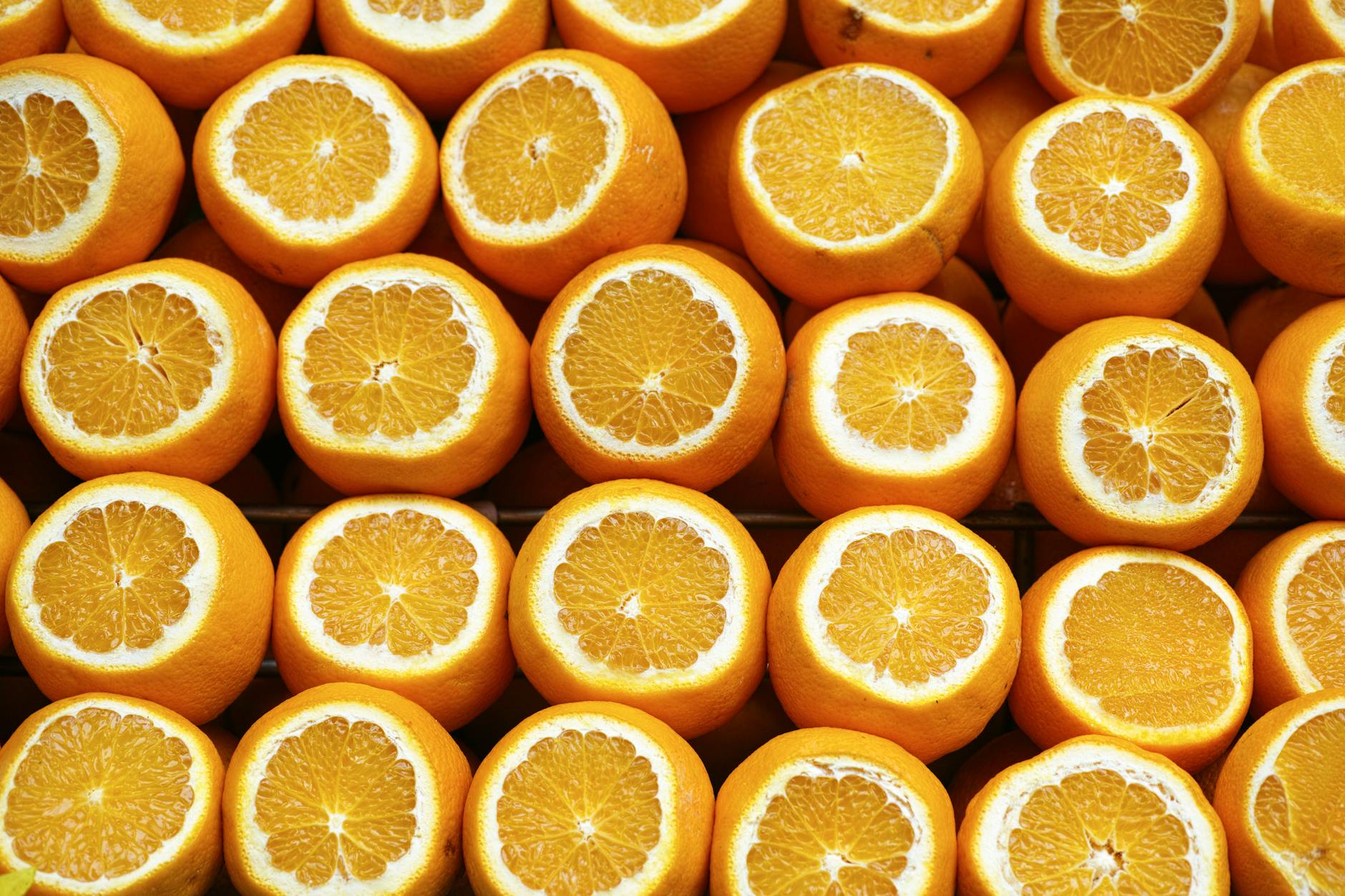
Citrus fruits including oranges lemons limes and grapefruits contain high levels of citric acid and vitamin C in concentrations that can disrupt a bird’s digestive system. Regular feeding of citrus can interfere with calcium absorption which is particularly harmful during breeding season when strong eggshells are essential. The acidity can also cause irritation along the digestive tract leading to loose droppings and discomfort. Some birds will readily consume citrus if offered simply because it is present and accessible rather than because it is beneficial. Sticking to bird-appropriate fruits such as berries and sliced apple without seeds is a far more supportive dietary choice.
Tobacco
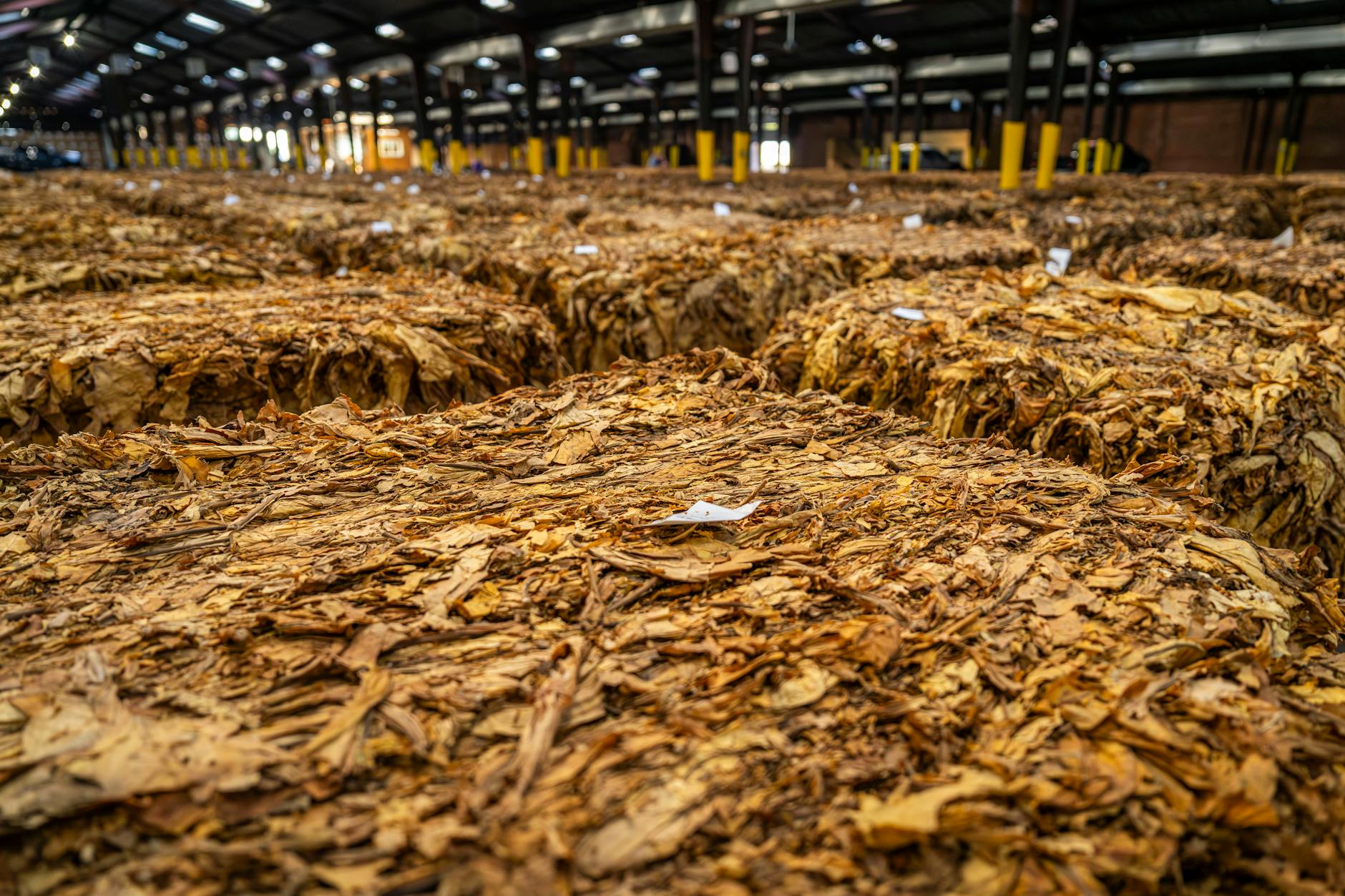
Tobacco products including cigarette butts contain nicotine and hundreds of additional chemical compounds that are acutely toxic to birds. Discarded cigarette butts are unfortunately one of the most commonly littered items in outdoor environments and can be picked up by foraging birds. Nicotine affects the nervous system rapidly and even small exposures have been shown to cause serious harm in studies involving wildlife. Smokers should ensure that all tobacco residue is disposed of in sealed bins rather than being flicked into garden areas. Raising awareness of this overlooked hazard is an important step in creating genuinely bird-friendly outdoor spaces.
Cooking Oils
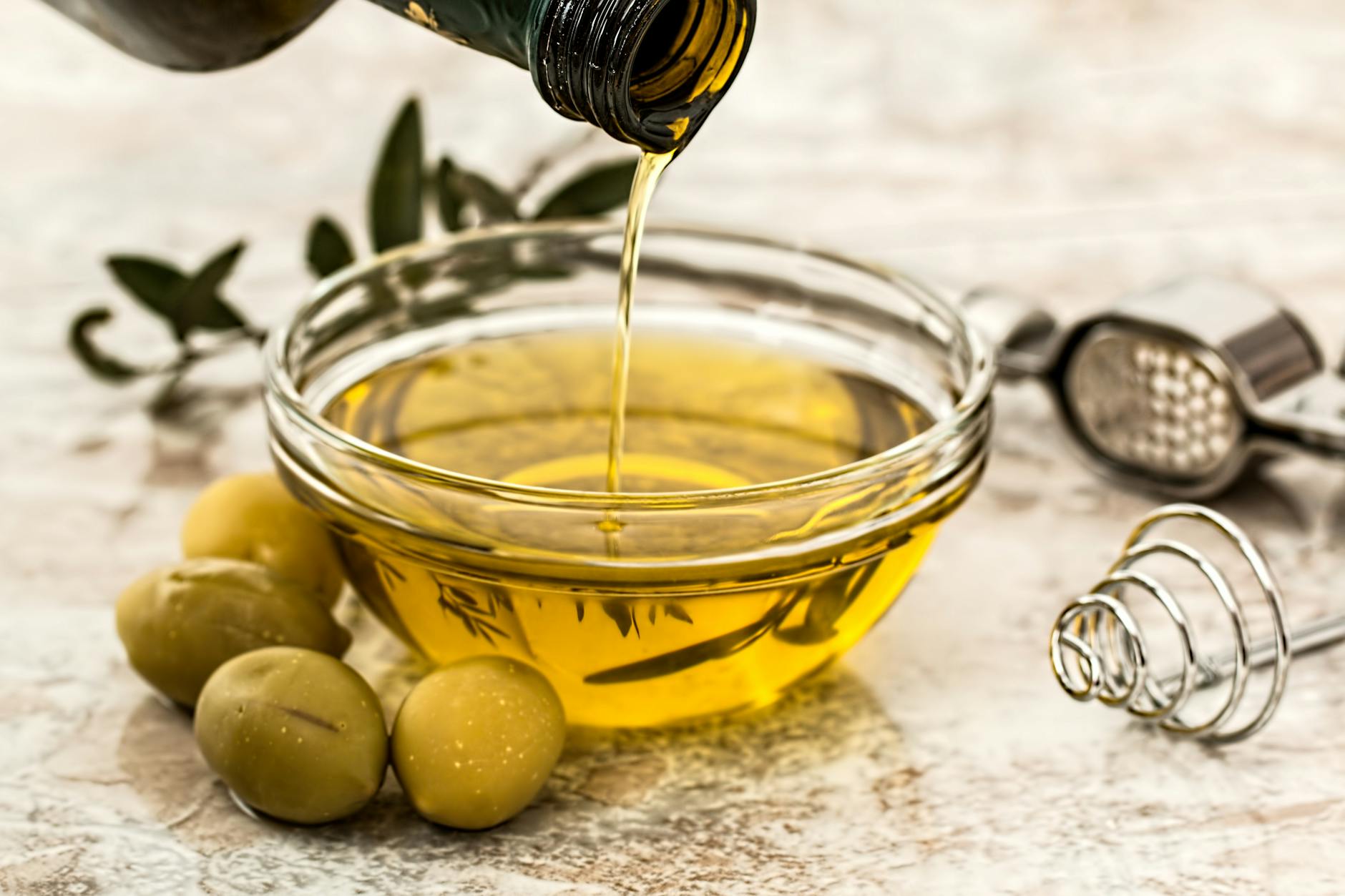
Leftover cooking oils including vegetable sunflower and olive oils can cause significant harm to birds when ingested in uncontrolled amounts. Oil coats the feathers of birds that come into contact with it externally disrupting the waterproofing and insulation that plumage provides. Internally high fat liquid oils can overwhelm a small bird’s digestive system causing malabsorption and related complications. Cooking oil should never be poured onto the ground or into open compost areas accessible to wildlife. Responsible disposal through designated collection points or sealed containers is the only appropriate course of action.
Dried Coconut
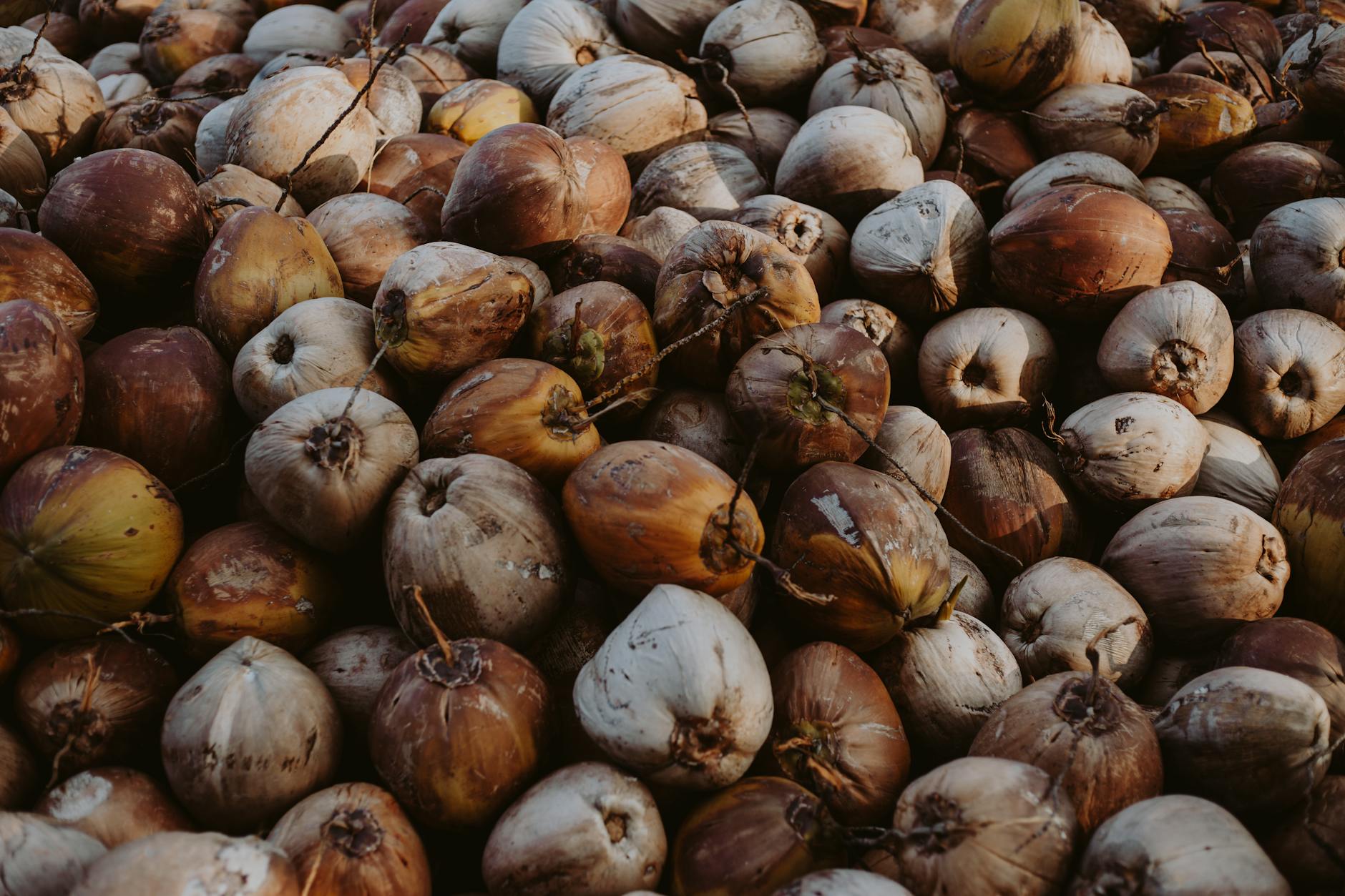
Dried desiccated coconut expands significantly when it comes into contact with moisture including the fluids inside a bird’s digestive system. This expansion can cause serious blockages and internal discomfort particularly in smaller species. Unsweetened fresh coconut flesh in small amounts is considered far less risky but the dried commercial variety must be avoided entirely. Coconut-based baked goods and trail mixes are equally unsuitable due to the combination of dried coconut and other harmful additives. Fresh half-coconut shells are sometimes used as hanging feeders in gardens but only with the flesh still intact and fully moist.
Spoiled Food
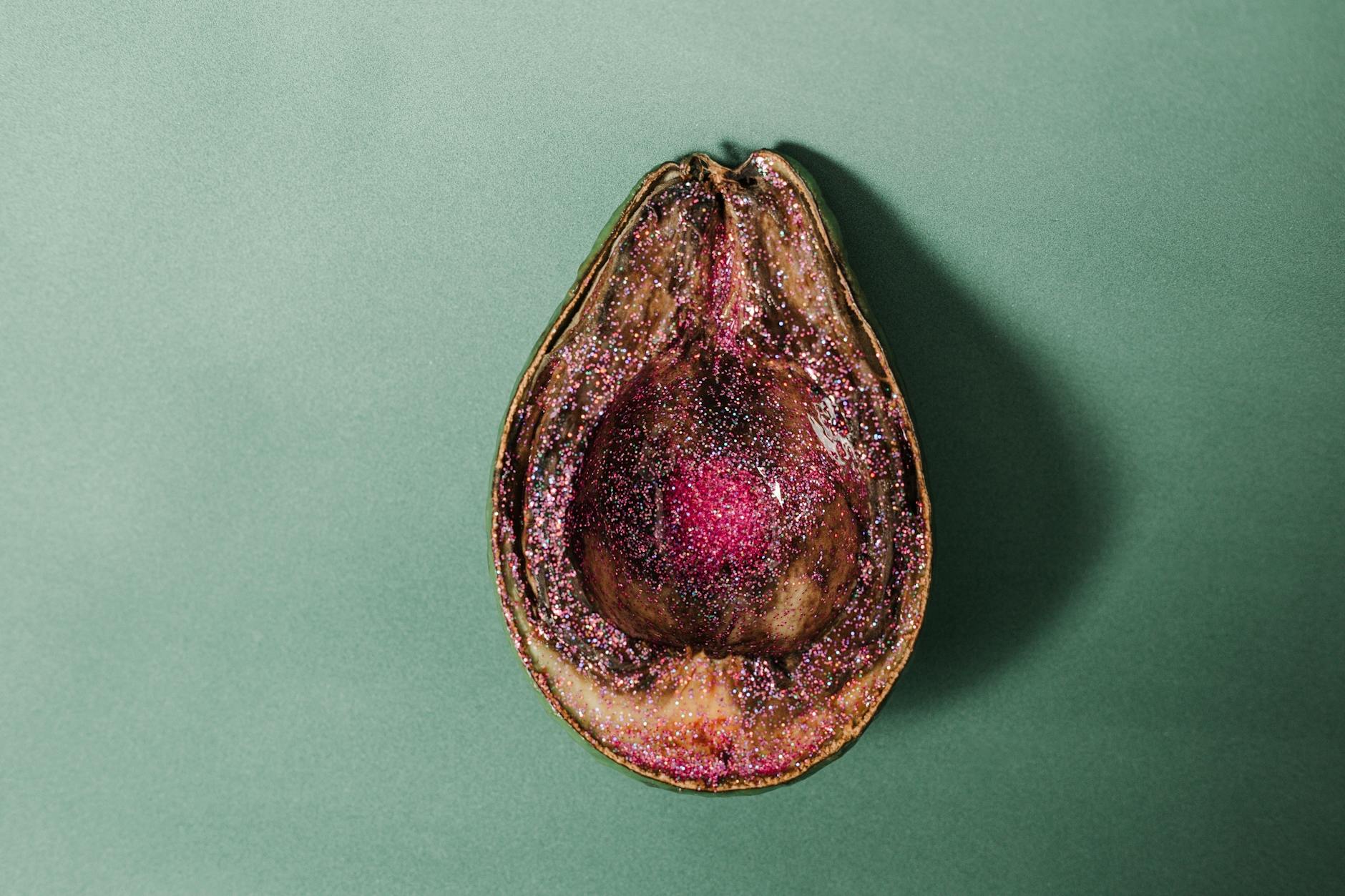
Expired or spoiled food of any kind introduces mold spores bacteria and mycotoxins into the environment that can devastate bird health rapidly. Aspergillus mold which commonly develops on damp grain and old bread produces toxins that cause fatal respiratory infections in birds. Food left in feeders during wet or humid weather deteriorates much faster than many people realize. Cleaning feeders regularly and replacing food every one to two days during warmer months is considered a baseline standard of responsible bird feeding. Any food that would no longer be considered suitable for human consumption should be treated as equally unsuitable for the wildlife visiting your garden.
If you feed backyard birds or are thinking of starting, share which foods surprised you most on this list in the comments.




