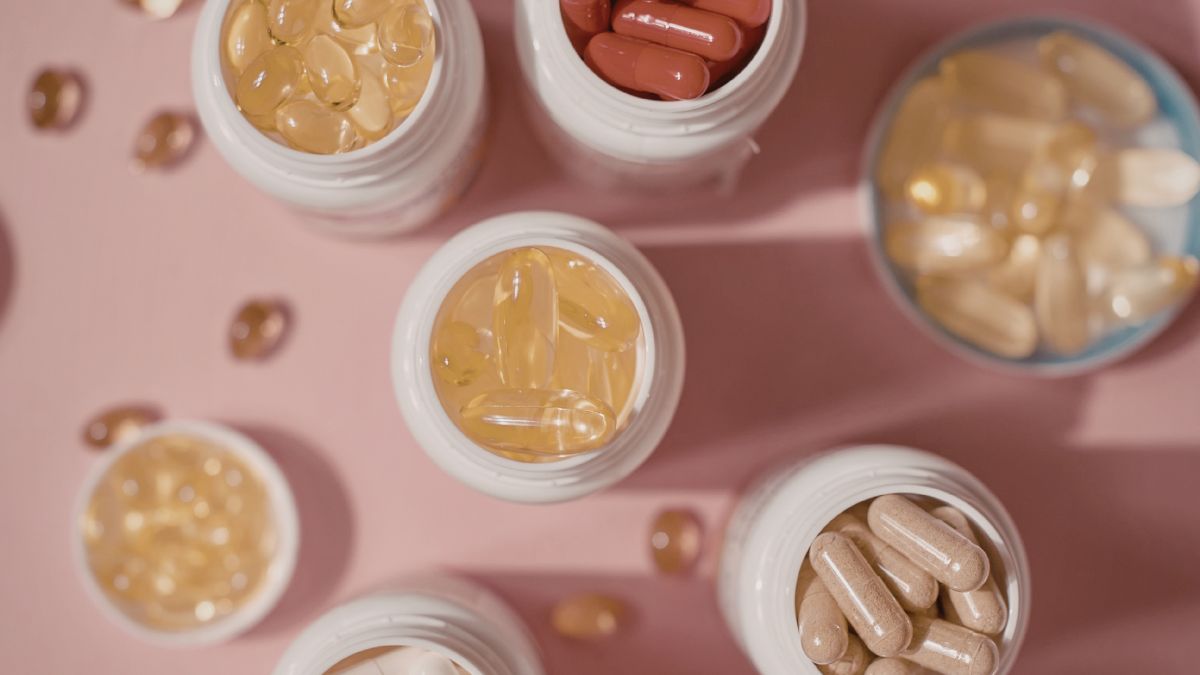
Once you hit your forties, your body starts working differently in ways that can catch you off guard. Hormonal shifts begin to take hold, collagen production slows down noticeably, muscle mass naturally decreases, and recovery from physical exertion takes longer than it used to. While a well-rounded diet remains the foundation of good health at any age, targeted supplementation can help fill nutritional gaps that diet alone may not cover. Dermatologist Dr. Doris Day has shared the over-the-counter supplements she most frequently recommends to her patients in their forties, along with some guidance on what you may not actually need.
At the top of her list is vitamin D, and her reasoning is hard to argue with. “Vitamin D is something that’s a no-brainer. Almost all of my patients have low vitamin D levels, and it makes an enormous difference for hair, skin, and mood. It provides autoimmune protection and even breast cancer protection,” Dr. Day told SheFinds. The body naturally produces vitamin D through sun exposure, but because so many people spend the majority of their time indoors and regularly apply sunscreen when they do go outside, deficiency after 40 has become extremely common. Vitamin D is also essential for bone health and calcium absorption, making it one of the most broadly important nutrients to monitor as you age.
Next on Dr. Day’s list is magnesium, a mineral she highlights particularly for its role in sleep quality. “Magnesium is important for many people because it often helps with sleep, and when you sleep well, the skin renews itself and looks more youthful,” she explained. Beyond its cosmetic benefits, magnesium plays a central role in nervous system regulation, muscle recovery, and blood sugar management. Since the skin does most of its repair work during sleep, consistently getting better rest can translate into visible improvements in complexion and overall skin texture over time.
Dr. Day also recommends quercetin, a plant-based compound that may be less familiar to most people but carries real anti-inflammatory power. “Quercetin is a bioflavonoid found in high concentrations in orange juice and other citrus fruits. When you take it, it provides excellent anti-inflammatory protection, which is good for the skin,” she said. Chronic low-grade inflammation becomes more common after 40 and can accelerate the visible signs of aging, so quercetin’s antioxidant properties and immune support make it a smart addition to a daily routine. Calming underlying inflammation can help skin appear more even, less reactive, and generally healthier.
Omega-3 fatty acids round out the middle of Dr. Day’s recommendations, and their importance grows with every passing year. “Omega-3 fatty acids become more important as we age because we want those essential fats to help protect our skin, heart, and body overall,” she noted. Most commonly found in fish oil, these fatty acids are well-established for their connections to cardiovascular health, brain function, and inflammation reduction. As estrogen levels decline with age, skin can become drier and thinner, and omega-3s help maintain the skin’s elasticity while reinforcing the skin barrier.
Rounding out the five is resveratrol, particularly when paired with spermidine. “Resveratrol with spermidine, spermidine helps activate resveratrol, provides excellent antioxidant and anti-inflammatory protection that has been shown to offer some longevity benefits,” Dr. Day explained. Resveratrol is a naturally occurring plant compound found in grapes and berries, and it has been widely studied for its role in supporting healthy cellular aging. The combination with spermidine, a compound that activates autophagy or cellular self-cleaning, is considered by many longevity researchers to be particularly promising.
That said, Dr. Day is clear that not every supplement is right for every person. She cautions against reaching for high-dose multivitamins if your diet is already balanced, warns about excessive vitamin A which can accumulate in the body and become toxic, and advises against megadoses of antioxidants without medical supervision. The key is always a personalized approach, ideally developed through an honest conversation with your doctor before starting anything new.
On the topic of supplements more broadly, it’s worth knowing that the supplement industry in the United States is regulated by the FDA under the Dietary Supplement Health and Education Act of 1994, which means supplements do not require FDA approval before they go on sale. This makes third-party testing certifications from organizations like USP or NSF International especially valuable when choosing a product. Vitamin D deficiency affects an estimated 35% of adults in the U.S. according to various health surveys, while magnesium deficiency is considered one of the most common nutritional shortfalls in the Western diet. Omega-3s, particularly EPA and DHA, are found most abundantly in fatty fish like salmon, mackerel, and sardines, while plant-based sources like flaxseed primarily provide ALA, a less bioavailable form. Quercetin is also found in foods like apples, onions, and green tea, and resveratrol gained mainstream attention partly due to studies on the Mediterranean diet and its association with longevity in certain populations.
If you’re over 40 and thinking about your supplement routine, feel free to share which of these you already take or are considering in the comments.




