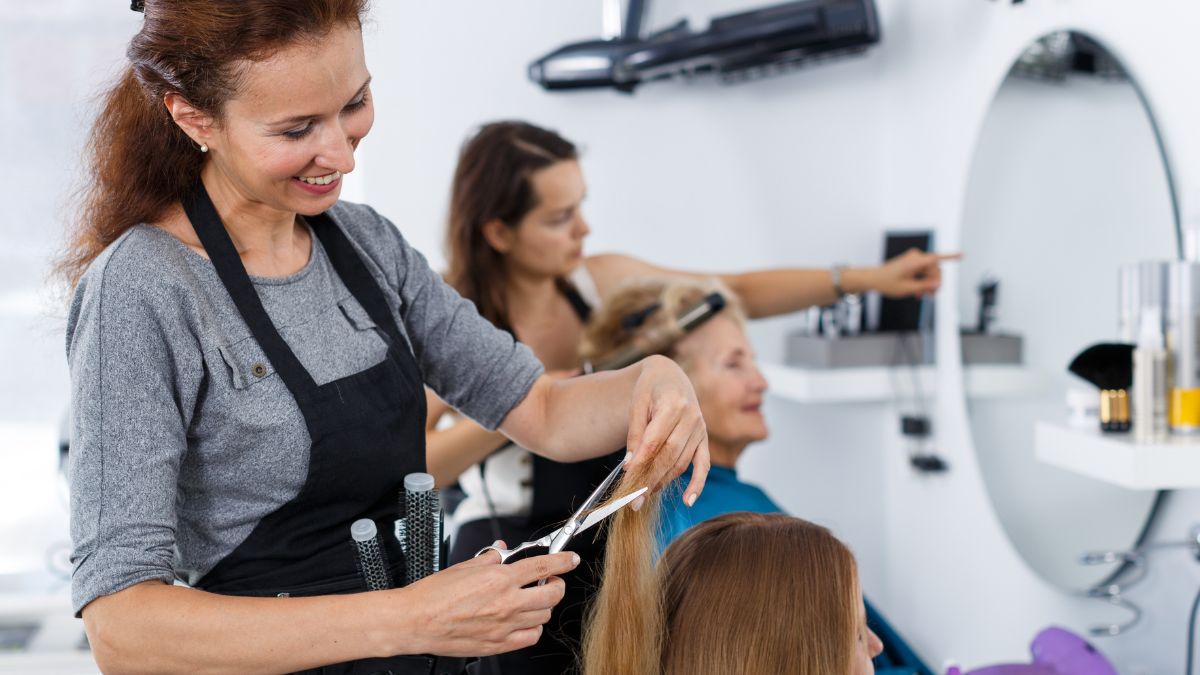
Every visit to the salon tells a story, and hairdressers can read the history of your hair care habits the moment they run a comb through your strands. From heat damage to product buildup, the signs of common mistakes are impossible to miss for a trained professional. Behind the chair, stylists notice patterns that clients repeat time and again, often without realizing the long-term consequences. Understanding what hairdressers quietly observe can be the turning point in building a healthier, stronger relationship with your hair.
Box Dye

Over-the-counter hair color might seem like a convenient and budget-friendly solution, but it often creates uneven tones and difficult-to-correct results. The formulas found in drugstore kits are typically more aggressive than professional products, which can lead to excessive dryness and breakage over time. When clients arrive at the salon with multiple rounds of box dye layered onto their strands, the correction process becomes significantly more complex and costly. Professional colorists have the training and tools to assess the hair’s condition and apply color with far more precision. Repeated at-home coloring without guidance can compromise the integrity of the hair shaft in ways that take months to repair.
Sun Exposure

Prolonged and unprotected exposure to UV rays causes the hair cuticle to lift and weaken, resulting in faded color and increased brittleness. Many people protect their skin from the sun while completely overlooking the impact of solar radiation on their hair. Color-treated strands are especially vulnerable, as UV light accelerates the breakdown of artificial pigment molecules. Hairdressers often recommend wearing a hat or applying a UV-protectant spray before spending extended time outdoors. Ignoring sun protection as part of a hair care routine leads to dullness and structural damage that is difficult to reverse without professional treatment.
Overwashing
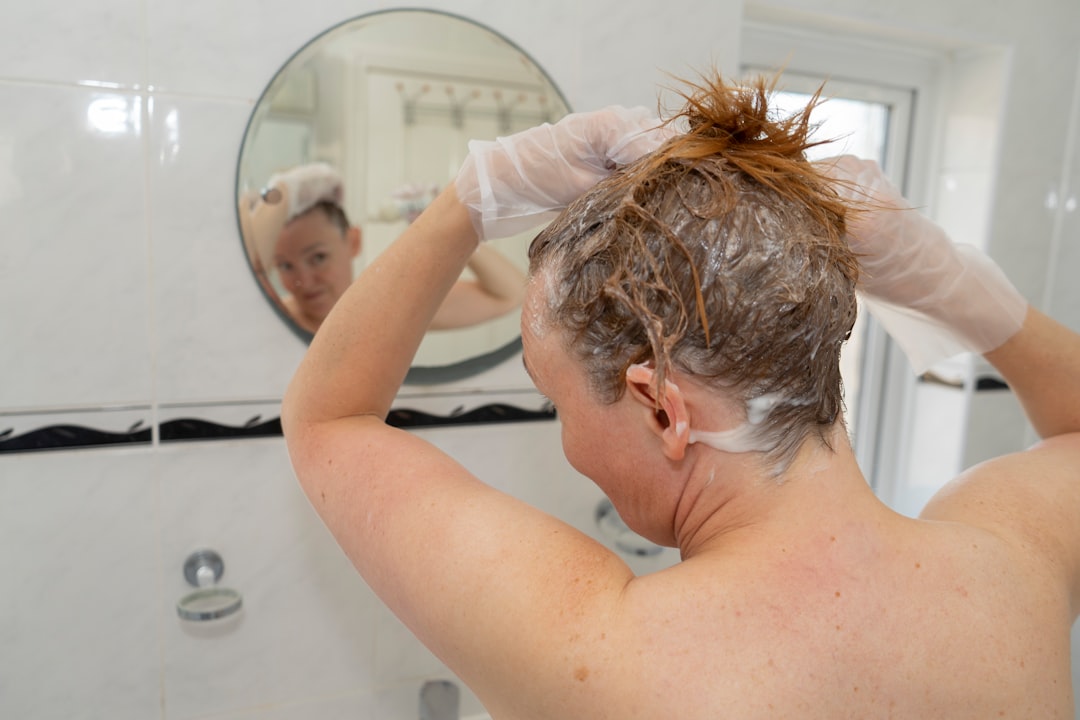
Washing hair every single day strips the scalp of its natural oils, which play an essential role in keeping strands moisturized and balanced. When the scalp is constantly cleansed, it often compensates by producing even more sebum, creating a cycle of greasiness that feels impossible to escape. Hairdressers frequently advise clients to gradually extend the time between washes to allow the scalp’s oil production to self-regulate. Most hair types benefit from washing two to three times per week rather than daily. Transitioning away from daily washing can feel uncomfortable at first, but the long-term improvements in texture and shine are consistently noticeable.
Tight Hairstyles

Wearing extremely tight ponytails, buns, or braids on a regular basis places sustained mechanical stress on the hair follicles along the hairline and crown. Over time, this tension can lead to traction alopecia, a form of hair loss that begins with miniaturization of the follicle and can eventually become permanent. Hairdressers often notice the early warning signs during consultations, including thinning edges and increased shedding at the temples. Opting for looser styles and alternating the placement of hair ties can significantly reduce the risk of follicle damage. Giving the scalp regular breaks from tension-based styles is one of the simplest and most effective ways to preserve hairline density.
Heat Styling
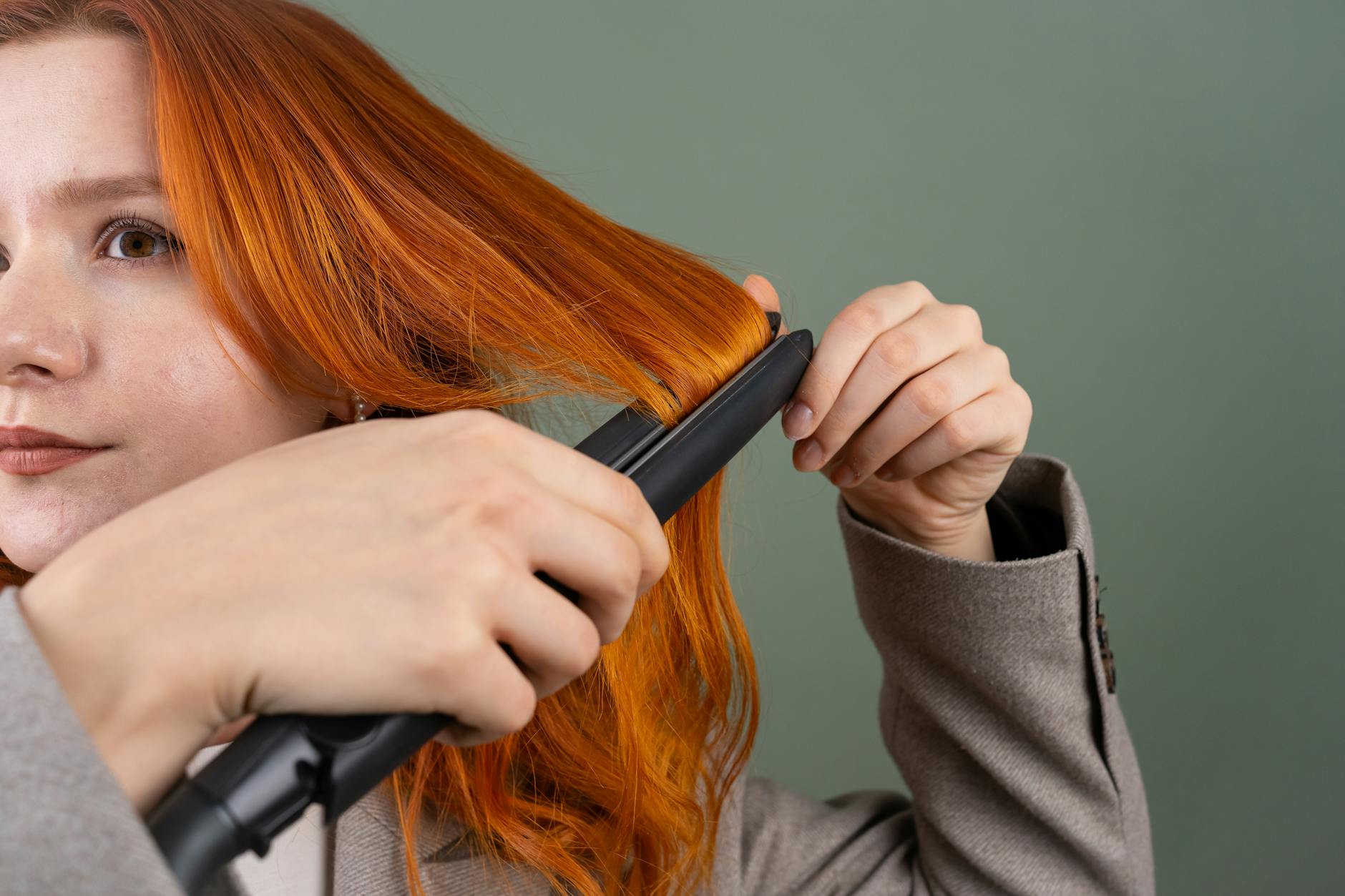
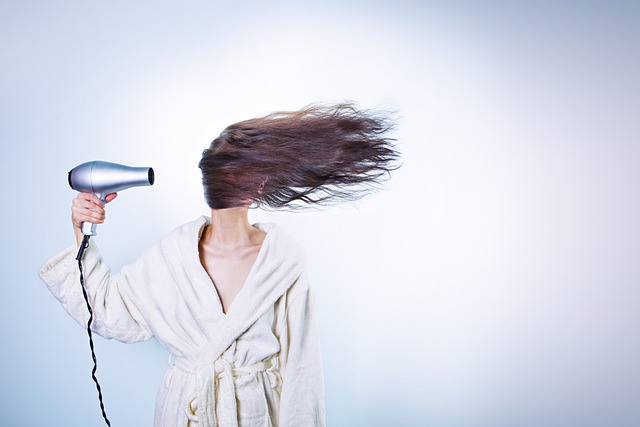
Daily use of flat irons, curling wands, and blow dryers at high temperatures gradually depletes the moisture content within the hair cortex. The protein bonds that give hair its elasticity and strength begin to break down under repeated thermal stress, leading to split ends and snapping. Hairdressers consistently observe that clients who style with heat every day have noticeably more porous and fragile hair than those who limit its use. Applying a high-quality heat protectant before any thermal styling tool touches the hair is considered a non-negotiable step by most professionals. Incorporating heat-free styling days into a weekly routine allows the hair shaft time to recover and retain moisture more effectively.
Skipping Trims
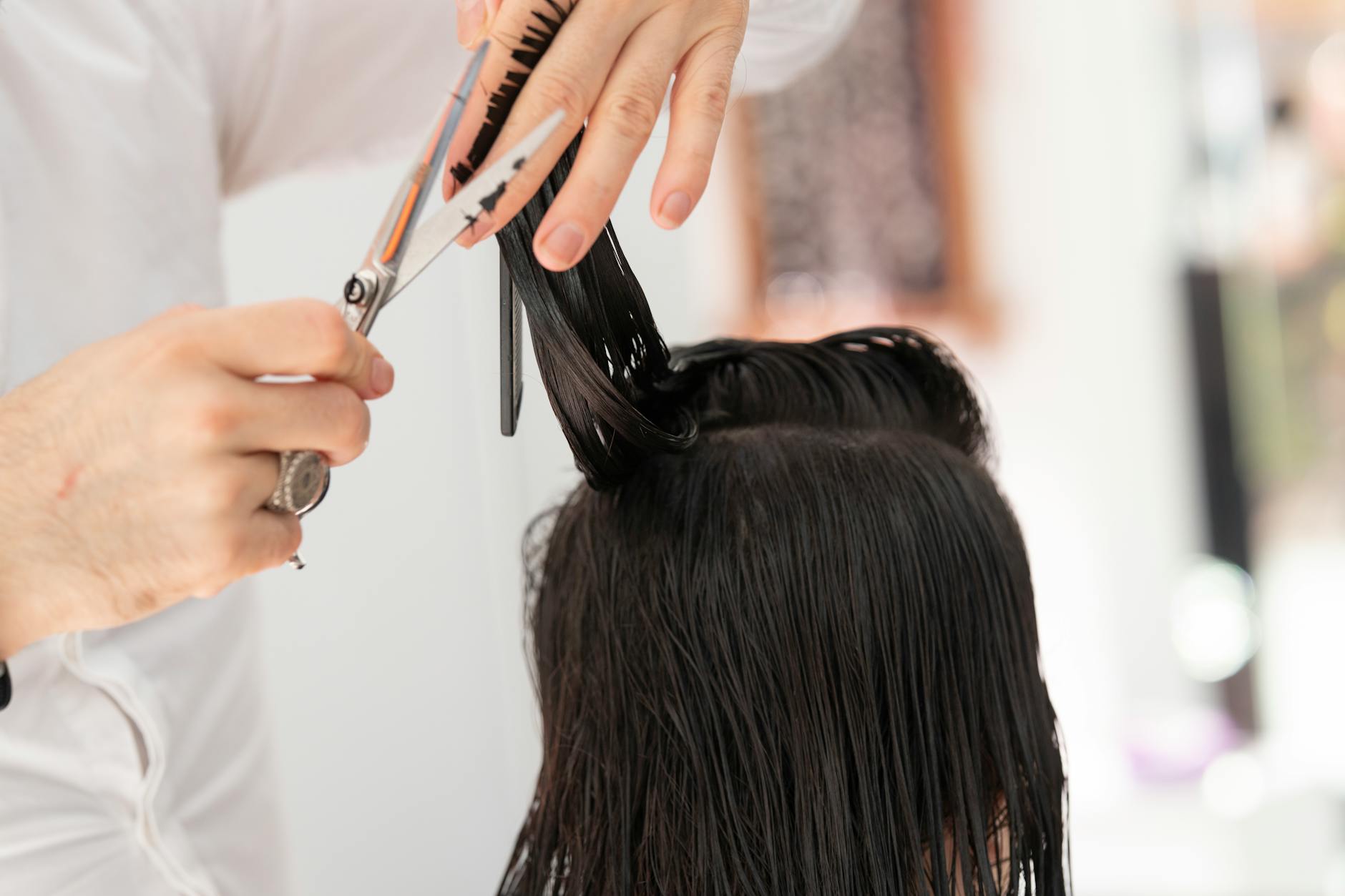
Avoiding regular haircuts in an attempt to grow hair longer is one of the most counterproductive habits a person can develop. Split ends do not stop at the tip of the strand but continue to travel upward, causing further breakage and making the hair appear thin and ragged at the ends. Hairdressers recommend scheduling a trim every six to eight weeks for most hair types to maintain the health of the ends. Clients who skip trims for extended periods often end up needing significantly more length removed during correction appointments than they would have lost through regular maintenance. Consistent trimming actually supports length retention by preventing the kind of damage that forces more aggressive cuts.
Dry Shampoo Buildup
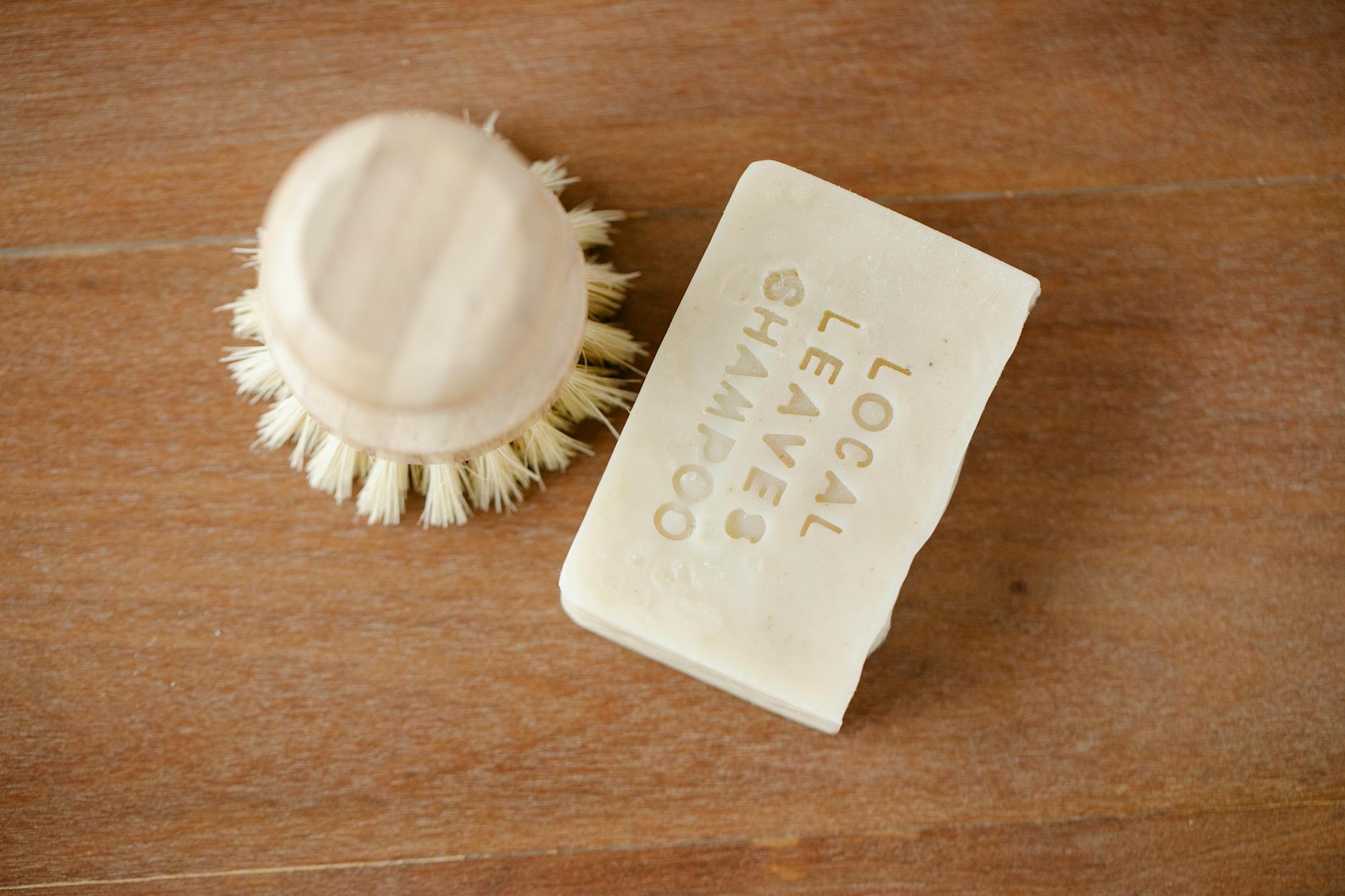
Dry shampoo is a useful tool for extending the time between washes, but using it too frequently without proper cleansing allows residue to accumulate on the scalp. This buildup can clog hair follicles, interfere with normal scalp function, and create an environment conducive to irritation and flaking. Hairdressers frequently encounter scalp issues in clients who rely on dry shampoo as a substitute for washing rather than as an occasional aid. The product is designed to absorb excess oil temporarily, not to replace the thorough cleansing that removes dirt, sweat, and product residue. Incorporating a clarifying shampoo into the routine at least once a month helps reset the scalp and remove stubborn buildup effectively.
Bleach Overuse
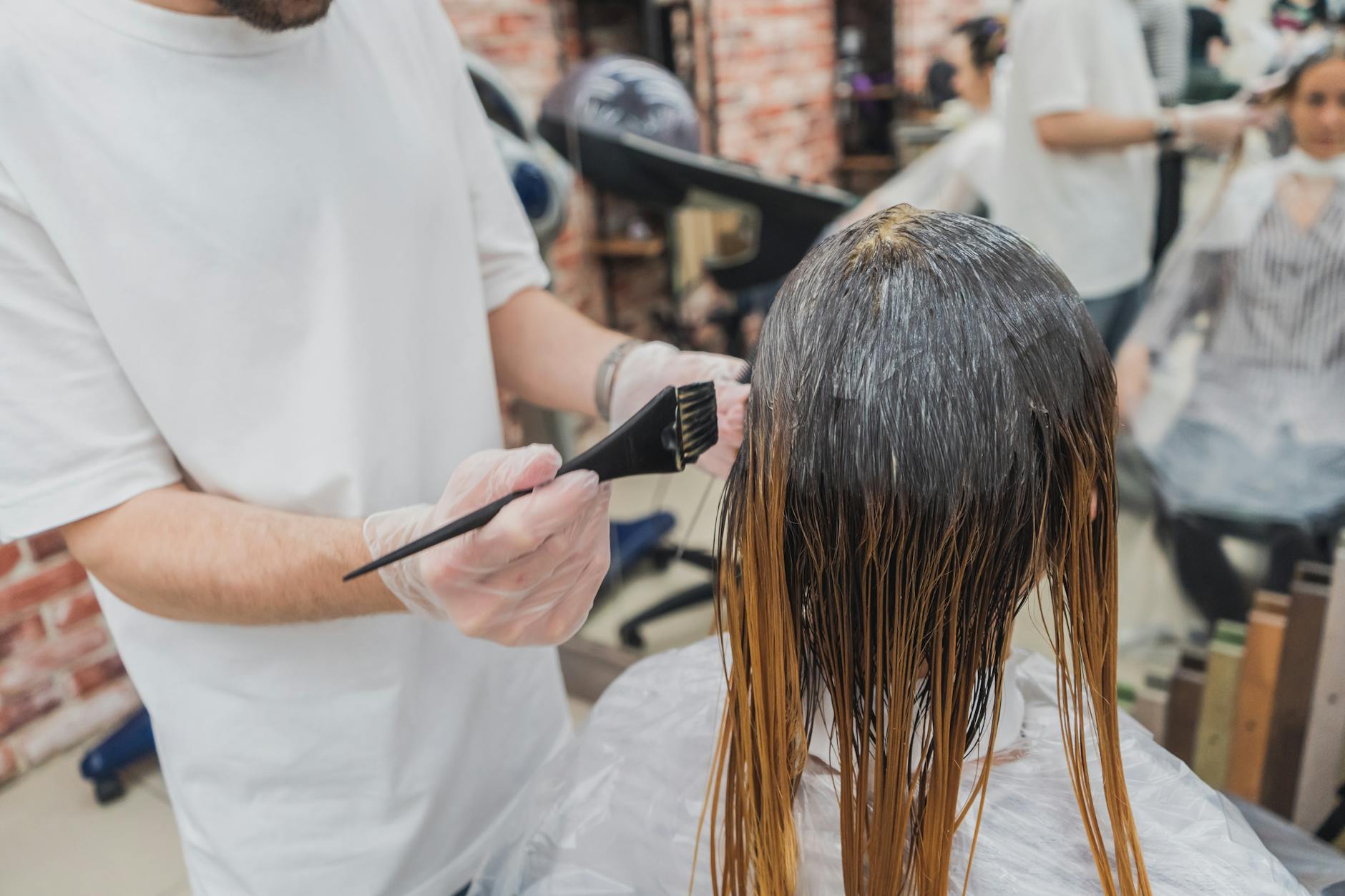
Repeated and overlapping bleach applications are one of the leading causes of severe hair damage that stylists encounter in the salon. Bleach works by lifting the cuticle and dissolving the natural pigment within the cortex, a process that significantly weakens the structural integrity of each strand. Applying bleach too frequently or without allowing adequate recovery time between sessions can cause the hair to reach a point of elasticity loss, where it stretches and breaks rather than returning to its original state. Professional colorists emphasize the importance of bond-building treatments and adequate intervals between lightening services to preserve the hair’s resilience. Rushing the bleaching process or attempting multiple sessions close together can result in breakage that takes a year or more to grow out fully.
Wet Brushing
Brushing hair aggressively while it is soaking wet is a habit that causes far more damage than most people realize. Hair is at its most vulnerable and elastic state when saturated with water, making it significantly more prone to snapping under mechanical stress. Hairdressers recommend using a wide-tooth comb or a brush specifically designed for wet detangling, starting from the ends and working upward in sections. Pulling a regular paddle brush through knotted wet hair from root to tip applies tremendous force that can cause the cuticle to crack and the strand to break. Allowing hair to partially air dry before brushing, or applying a detangling product beforehand, can dramatically reduce the amount of breakage that occurs during the combing process.
Product Layering
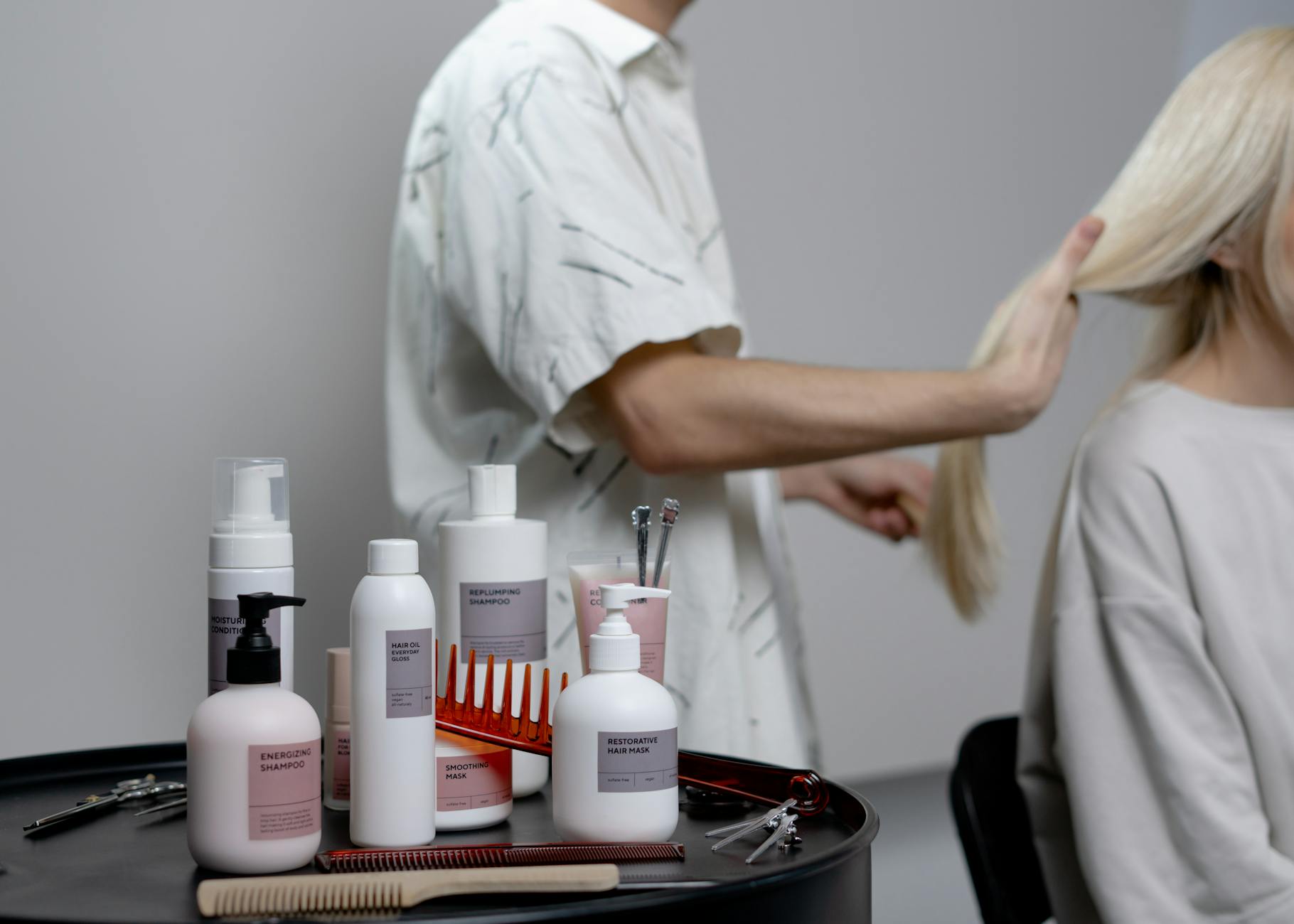
Applying multiple styling products without fully understanding how they interact can lead to a heavy, greasy buildup that weighs hair down and dulls its appearance. Many clients use a leave-in conditioner, a serum, a heat protectant, a styling cream, and a finishing spray all at once, creating a cocktail of ingredients that can cause more harm than benefit. Hairdressers often point out that less is more when it comes to product application, and that choosing one or two targeted products suited to the hair’s specific needs is far more effective. Some ingredient combinations can cause pilling, stiffness, or residue that is difficult to remove with standard shampooing. A streamlined product routine tailored to the hair’s texture and condition consistently produces better results than an overloaded regimen.
Ignoring Scalp Health
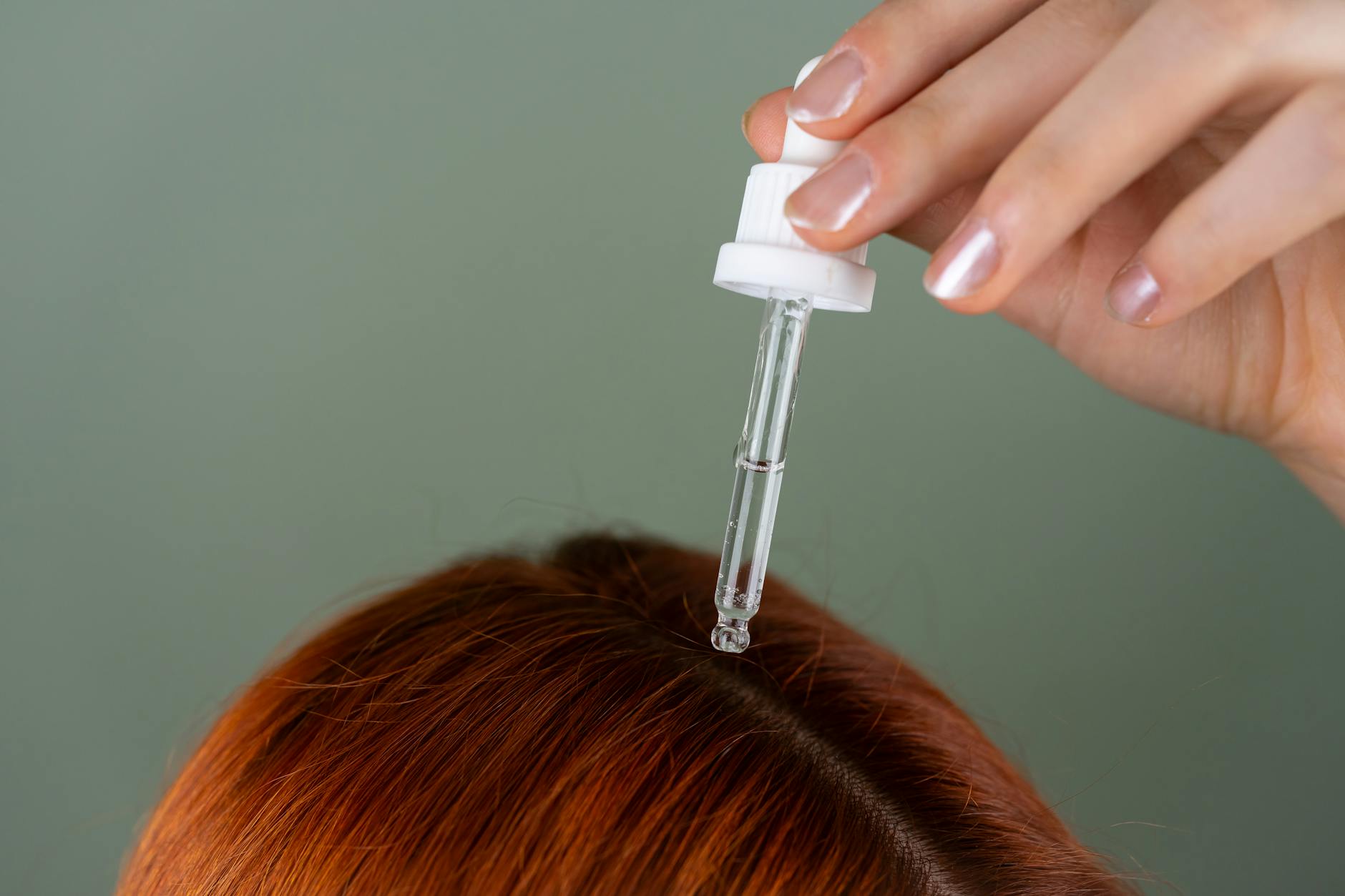
Focusing entirely on the appearance of the hair shaft while neglecting the scalp is a common oversight that hairdressers notice across all hair types and textures. A healthy scalp is the foundation from which strong, resilient hair grows, and issues like dryness, excess oil, or inflammation directly affect the quality of new growth. Hairdressers encourage clients to treat the scalp as an extension of their skincare routine, incorporating regular exfoliation and targeted treatments where needed. Ignoring symptoms such as persistent itchiness, visible flaking, or unusual tightness can allow underlying conditions to worsen over time. Addressing scalp health proactively leads to a measurable improvement in hair density, shine, and overall growth rate.
DIY Keratin Treatments
At-home versions of keratin smoothing treatments are widely available, but they frequently deliver uneven results and carry risks that professional-grade versions are designed to minimize. The formaldehyde and other active compounds found in many smoothing products require precise application techniques and controlled processing times to work safely and effectively. Hairdressers often see clients who have experienced scalp irritation, uneven texture, or unexpected curl pattern disruption after attempting these treatments without professional guidance. Overprocessing with smoothing chemicals can lead to extreme flatness, excessive dryness, and difficulty holding color in future appointments. A licensed stylist has the training to assess whether the hair is strong enough to tolerate a keratin service and can customize the treatment to achieve the best possible outcome.
Trimming at Home
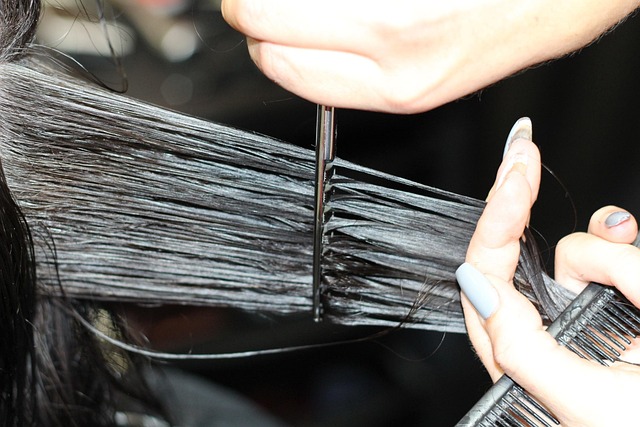
Attempting to cut or trim hair at home without professional training often results in uneven lines, blunt ends, and structural imbalance that requires significant correction at the salon. The tools used for home cutting are rarely sharp enough to create a clean edge, meaning they crush and fray the hair shaft rather than cutting through it precisely. Hairdressers regularly receive clients who have attempted small trims between appointments only to arrive with noticeably uneven lengths or chunky, poorly blended layers. Even seemingly simple trims require an understanding of how the hair falls, its natural growth patterns, and how it will behave after drying. Trusting a professional with even minor maintenance cuts ensures the integrity and shape of the style is preserved between appointments.
Sulfate Overuse
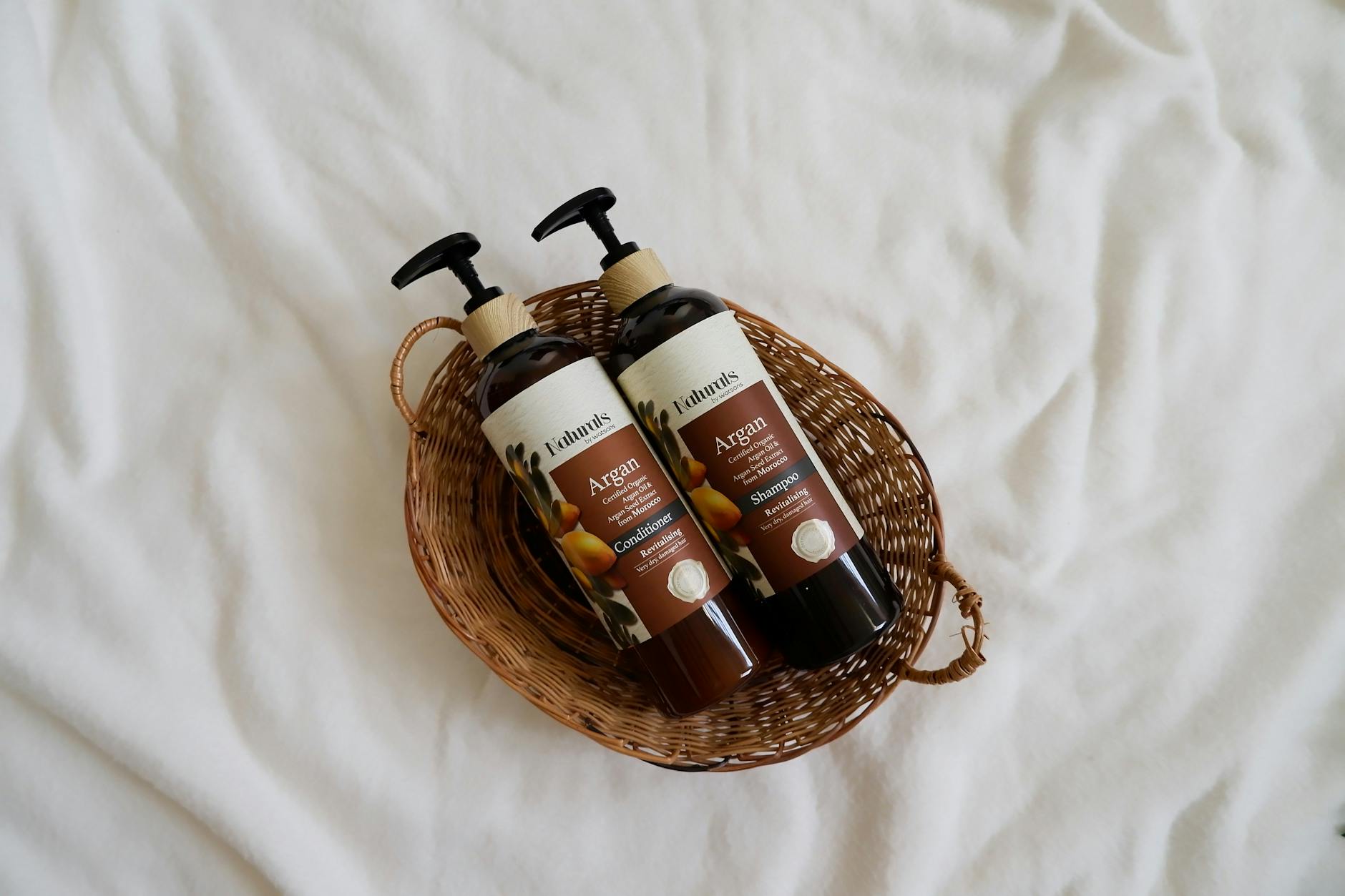
Using shampoos with high sulfate concentrations every wash can be unnecessarily harsh, particularly for color-treated, curly, or chemically processed hair. Sulfates are surfactants that effectively remove dirt and oil, but in strong formulations they can strip away beneficial moisture and disrupt the hair’s natural protein and lipid balance. Hairdressers often recommend transitioning to sulfate-free or low-sulfate formulas for clients whose hair feels persistently dry and dull despite regular conditioning. The idea that a shampoo must produce a rich lather to be effective is a misconception that leads many people to reach for more aggressive cleansers than their hair actually requires. Choosing a gentler formula suited to the hair’s specific needs can result in a noticeable improvement in softness and color longevity within just a few washes.
Cotton Pillowcases
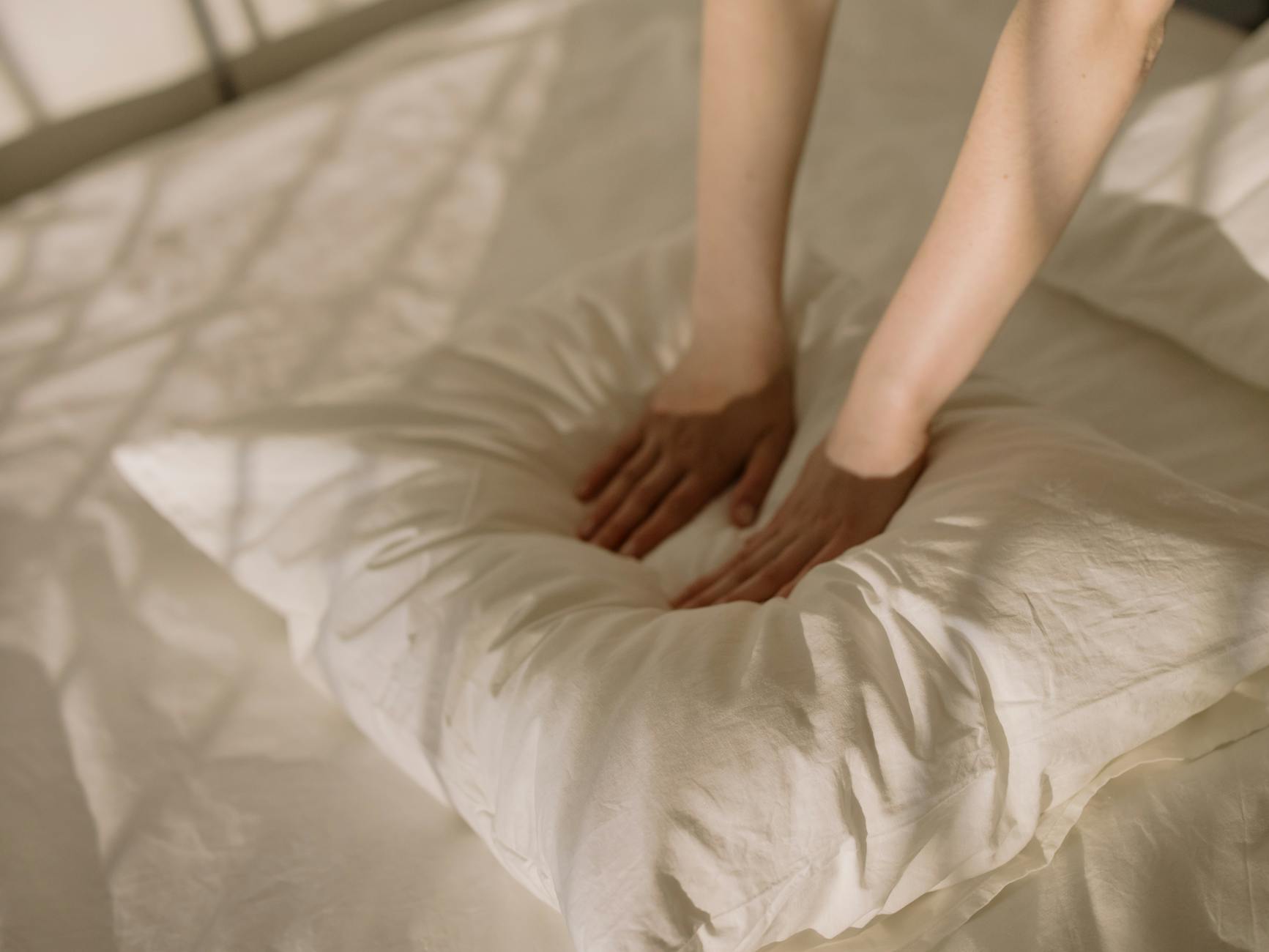
Sleeping on cotton pillowcases creates friction against the hair shaft throughout the night, causing the cuticle to roughen and leading to increased frizz, tangles, and breakage over time. The absorbent nature of cotton also draws moisture from the hair while sleeping, which can leave strands feeling dry and brittle by morning. Hairdressers frequently recommend switching to silk or satin pillowcases as one of the simplest changes a person can make to improve hair health without altering their entire routine. The smoother surface of these materials allows the hair to glide freely rather than catching and pulling with every movement during sleep. Protective alternatives such as silk bonnets or hair wraps offer the same benefits for those who prefer not to change their bedding.
Rubber Hair Ties
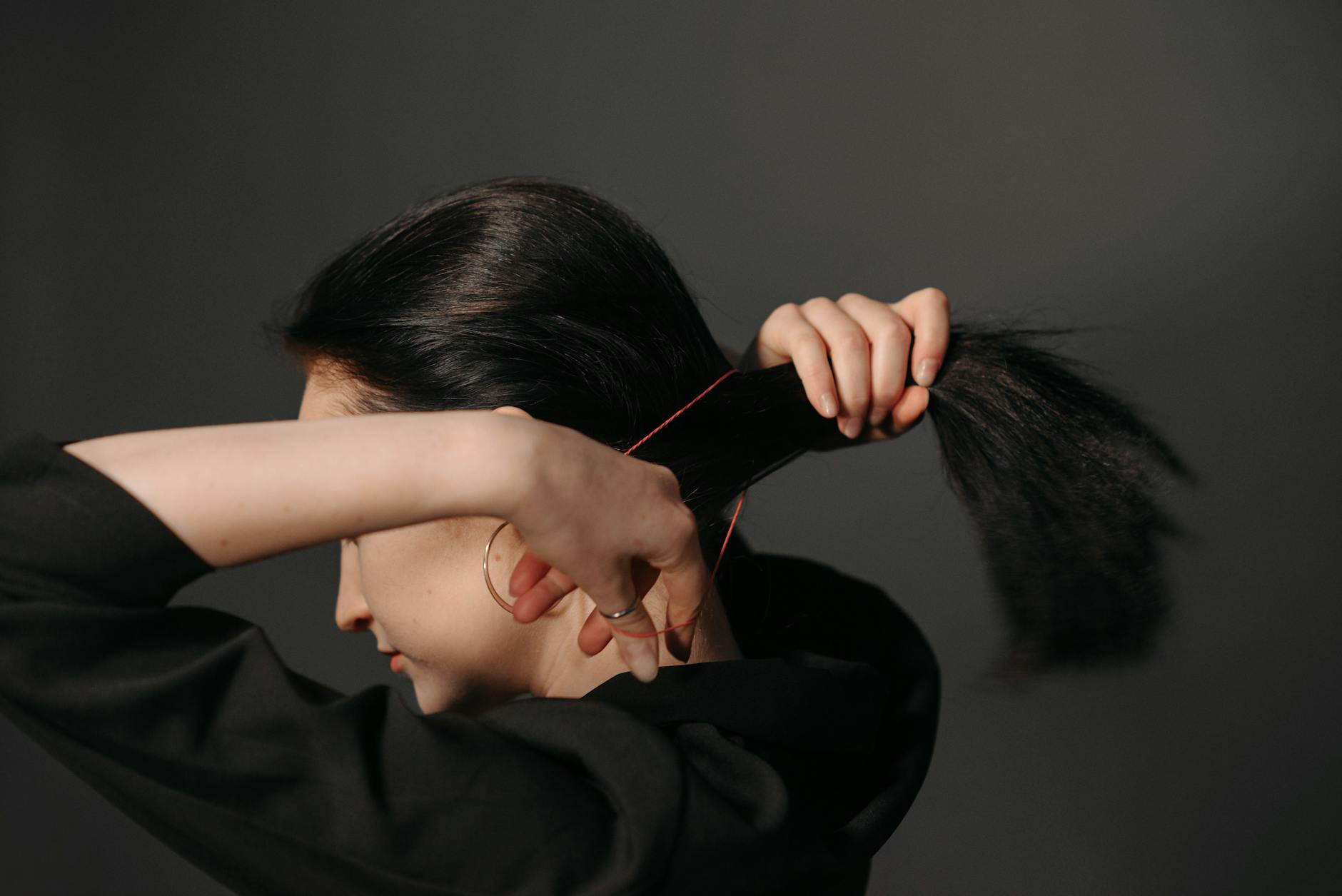
Standard rubber or elastic hair ties without a fabric coating cause significant damage when removed, as they snag and pull strands each time they are twisted off. The concentrated pressure of a tight rubber band on a single section of hair leads to weakening at that point over repeated use. Hairdressers often notice a visible band of breakage or thinning at the mid-lengths of clients who regularly wear their hair in tight rubber-banded styles. Spiral hair coils, scrunchies, and fabric-covered elastics distribute pressure more evenly and release from the hair without the same level of mechanical stress. Making the switch to gentler hair accessories is a small but meaningful step toward reducing everyday breakage.
Overconditioning
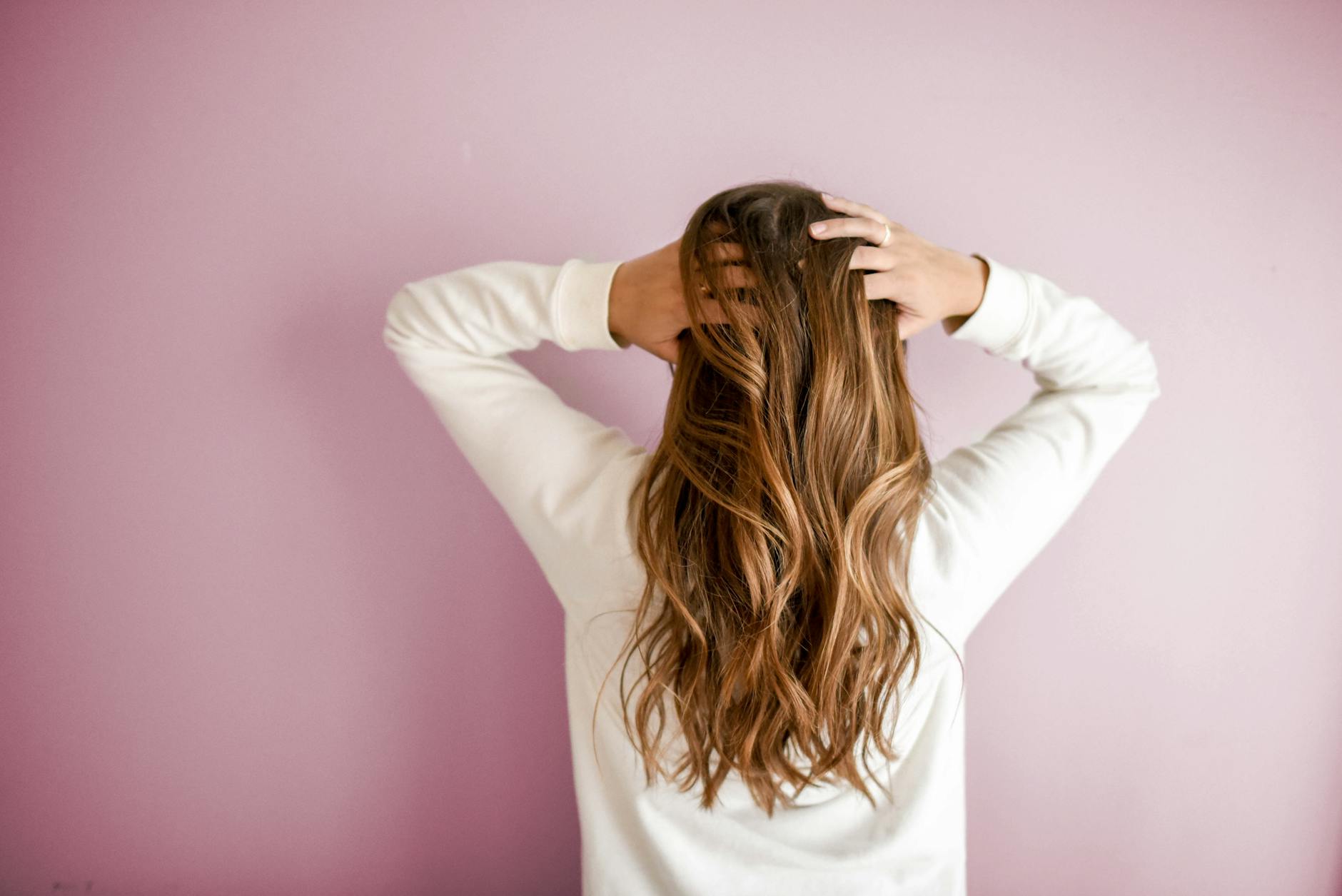
Applying conditioner to the roots or using deep conditioning treatments more frequently than the hair actually requires can lead to product saturation that weighs hair down and disrupts the scalp’s natural balance. Fine and low-porosity hair types are particularly susceptible to overconditioning, which can cause limpness, greasiness, and a noticeable lack of volume. Hairdressers recommend applying conditioner primarily to the mid-lengths and ends where moisture is most needed, keeping it away from the scalp entirely. Using a deeply moisturizing mask every week when the hair only requires light hydration is a common misstep that clients make with good intentions. Tailoring the frequency and intensity of conditioning treatments to the specific porosity and texture of the hair leads to significantly better results.
Ignoring Water Quality
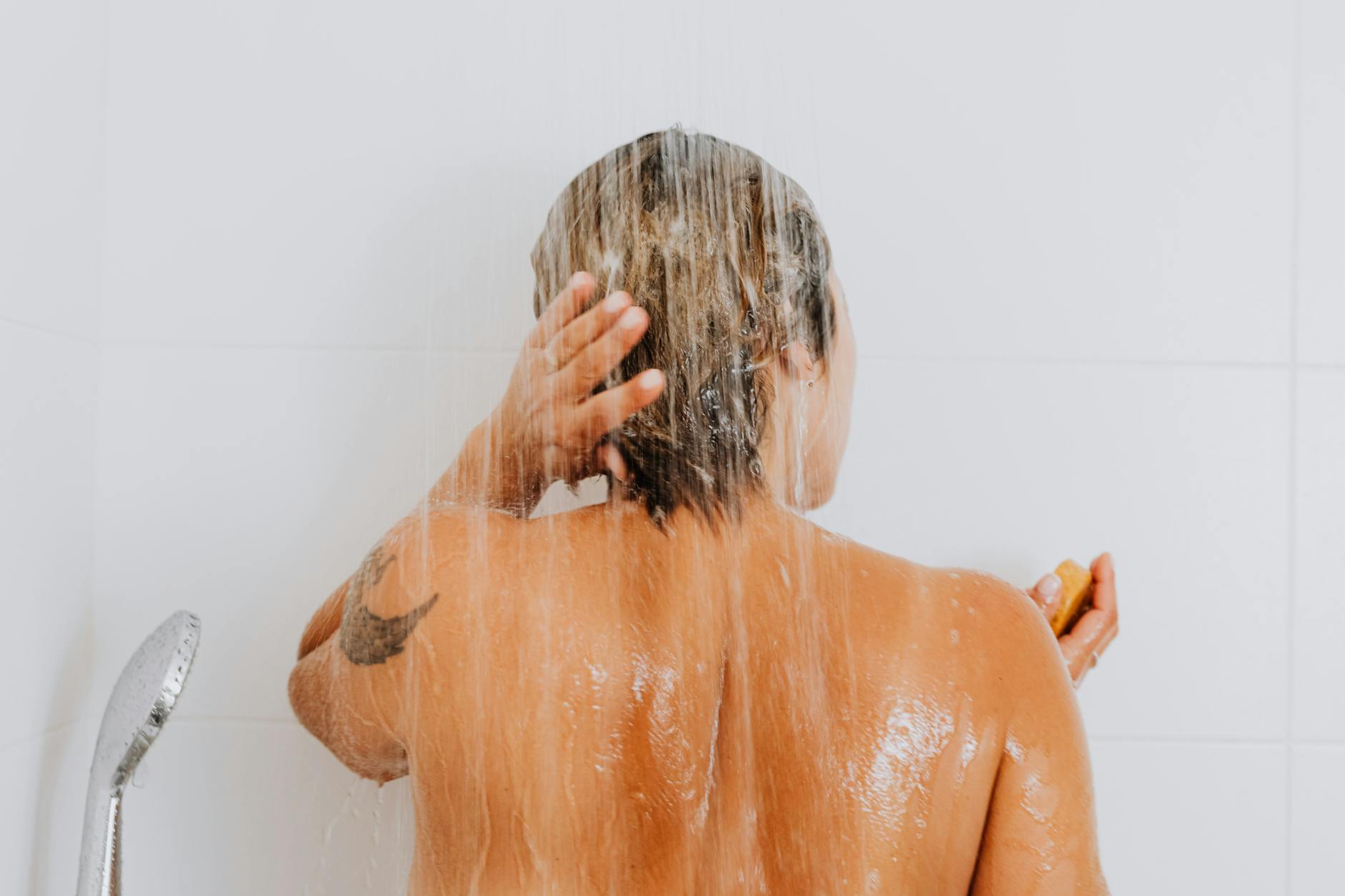
Hard water, which contains high concentrations of minerals such as calcium and magnesium, leaves deposits on the hair shaft that dull the color, reduce softness, and make the hair feel straw-like over time. Many clients are unaware that the quality of their tap water is directly affecting how their hair looks and feels regardless of the products they use. Hairdressers in areas with high mineral content often notice a persistent brassiness or heaviness in clients’ hair that does not respond well to standard conditioning treatments. Installing a shower filter or regularly using a chelating shampoo designed to remove mineral buildup can produce a striking difference in hair texture and shine. Addressing water quality as part of an overall hair care strategy is a step that professionals consistently recommend but clients rarely consider.
What hair habits have you been meaning to break? Share your experiences and questions in the comments.




