Efficiency in the kitchen often comes down to small adjustments rather than expensive equipment. These clever culinary tricks help streamline preparation and enhance flavors while minimizing waste. Mastering these techniques allows home cooks to navigate recipes with the confidence and speed of a professional chef. Implementing just a few of these methods can significantly reduce stress during meal preparation.
Peeling Ginger with a Spoon

The skin of fresh ginger root is delicate enough to be scraped away easily without a sharp blade. Using the edge of a metal spoon allows you to navigate the irregular bumps and knobs of the root much more effectively than a standard vegetable peeler. This method preserves more of the flavorful flesh underneath while removing only the papery exterior layer. It also eliminates the risk of accidental cuts that often occur when using knives on slippery ingredients.
Reviving Wilted Vegetables

Leafy greens and vegetables often lose their crunch after sitting in the refrigerator for a few days. You can shock them back to life by soaking them in a bowl of ice water for fifteen to twenty minutes. The cold temperature helps the cells reabsorb moisture and firms up the structure of the produce instantly. This simple trick extends the life of your groceries and reduces unnecessary food waste.
Keeping Avocados Fresh
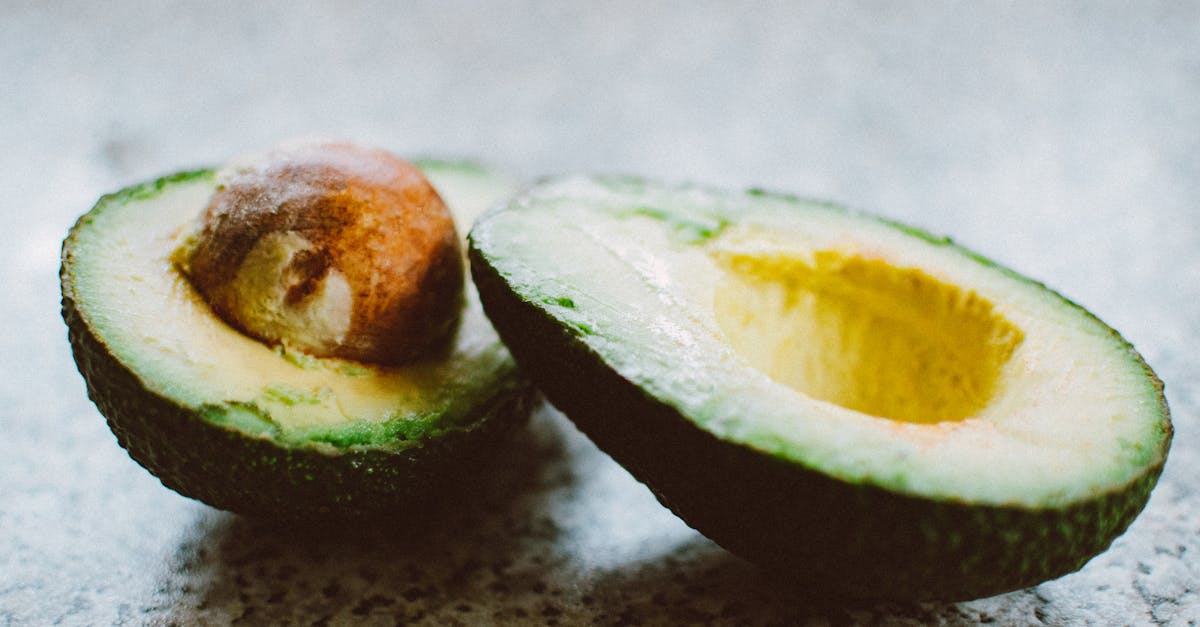
Oxidation causes sliced avocados to turn brown rapidly when exposed to air. Storing the unused half with a large chunk of onion in an airtight container helps retard this process significantly. The sulfur compounds released by the onion act as a natural preservative that maintains the vibrant green color of the fruit. This method is often more effective than using lemon juice or leaving the pit inside.
Testing Egg Freshness

Determining the age of an egg is simple when you submerge it in a glass of water. Fresh eggs will sink to the bottom and lie flat on their sides while older eggs will stand upright or float to the top. The floating occurs because air pockets inside the shell expand as the organic matter deteriorates over time. Discard any eggs that float fully to ensure safety and quality in your baking or cooking.
Freezing Herbs in Oil

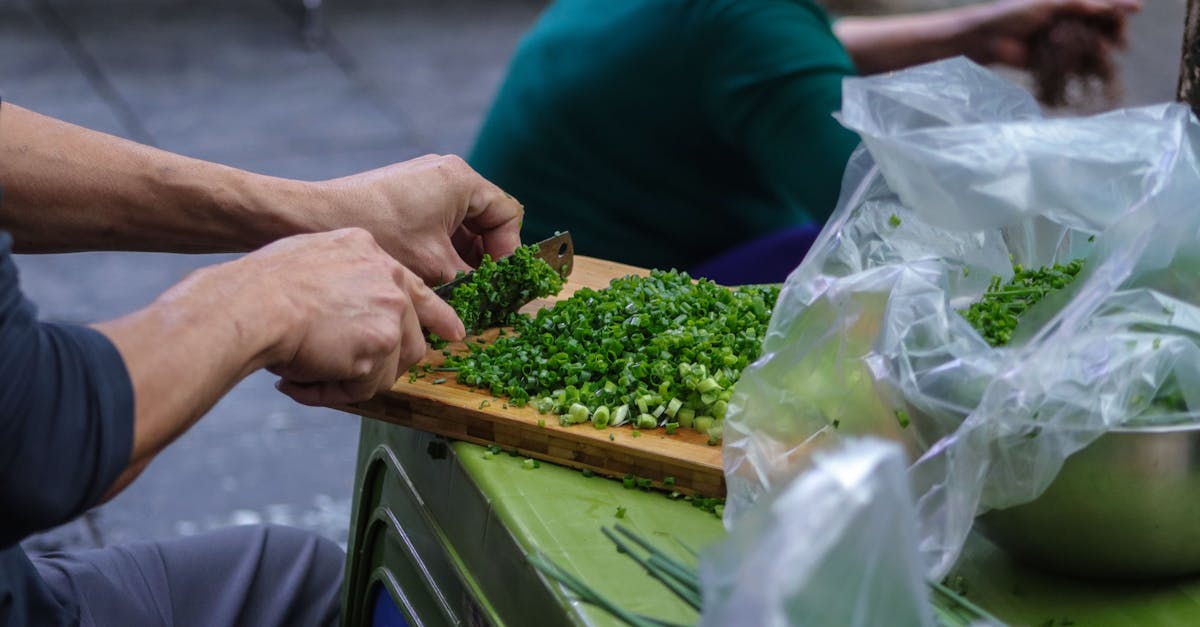
Fresh herbs often spoil before the entire bunch can be utilized in recipes. Chopping them finely and freezing them in ice cube trays covered in olive oil preserves their flavor and color perfectly. These convenient cubes can be tossed directly into hot pans for sautéing vegetables or starting soups. The oil protects the delicate leaves from freezer burn and provides a cooking fat base simultaneously.
Grating Cold Butter
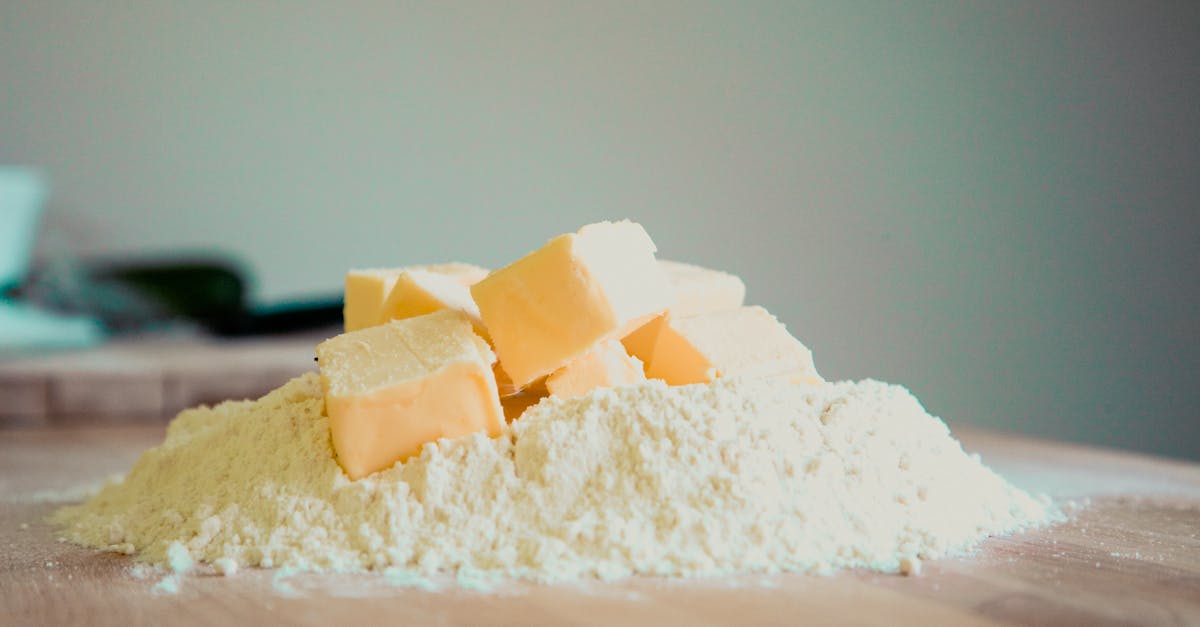
Incorporating butter into flour for biscuits or pie crusts requires keeping the fat as cold as possible. Freezing the butter first and then using a box grater creates small uniform ribbons that mix into the dough quickly. This technique ensures the butter distributes even pockets of steam during baking for maximum flakiness. It also prevents the heat of your hands from melting the fat during the mixing process.
Microwaving Lemons for Juice

Extracting the maximum amount of juice from citrus fruit can be difficult when it is cold. Placing a lemon or lime in the microwave for fifteen seconds loosens the internal membranes and makes the fruit softer. Rolling the warm fruit firmly on the counter before slicing releases the liquid from the pulp cells. You will yield significantly more juice for your dressings and marinades with much less effort.
Preventing Pot Boilovers

Starchy water from pasta or potatoes tends to foam up and spill over the stove top quickly. Placing a wooden spoon across the top of the pot pops the bubbles before they can breach the rim. The wood is not a good conductor of heat so the spoon stays cool enough to repel the rising foam. This simple barrier keeps your stovetop clean and allows you to multitask without constant supervision.
Peeling Garlic in a Jar
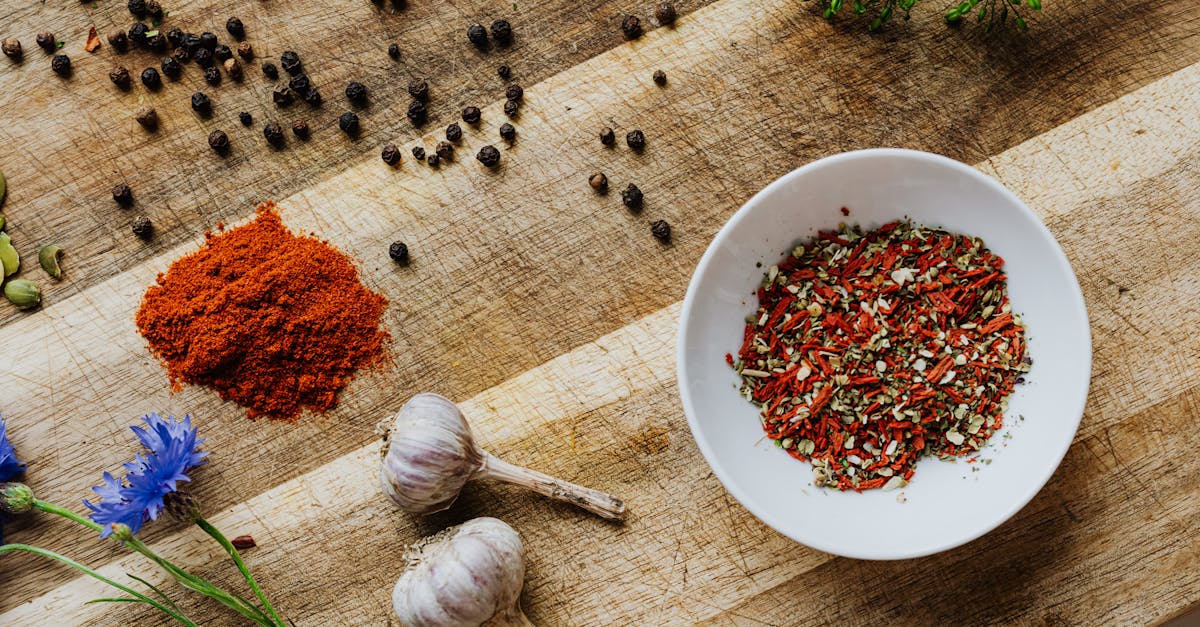
Removing the sticky skins from multiple cloves of garlic can be a tedious and messy task. Placing the smashed cloves inside a jar or shaker and rattling it vigorously separates the skins from the flesh in seconds. The friction caused by the cloves hitting against each other and the glass walls does all the work for you. You end up with perfectly peeled garlic ready for chopping without getting sticky residue on your fingers.
Slicing Cherry Tomatoes Safely

Cutting small round items like grapes or cherry tomatoes one by one is time consuming. You can sandwich a handful of them between two plastic container lids or plates and run a knife horizontally through the gap. This allows you to halve a dozen or more items in a single safe motion. The top lid holds them steady so they do not roll away under the pressure of the blade.
Freezing Leftover Wine

Opened bottles of wine often turn to vinegar before they can be finished. Pouring the remaining liquid into an ice cube tray allows you to save portions for future cooking applications. Once frozen you can transfer the cubes to a freezer bag for long term storage. These pre-measured portions are perfect for deglazing pans or adding depth to rich sauces.
Cleaning Cast Iron with Salt

Soap can sometimes strip the essential seasoning from cast iron skillets. Scrubbing the pan with coarse kosher salt and a paper towel removes stuck-on food bits without damaging the polymerized oil layer. The abrasive texture of the salt scours the surface effectively while absorbing excess grease. This method maintains the nonstick properties of your cookware for generations.
Sharpening Knives on Mugs

A dull knife is dangerous but you may not always have a sharpening stone handy. The unglazed ring on the bottom of a ceramic mug acts as an excellent makeshift honing surface. Holding the blade at a twenty degree angle and swiping it across the ceramic realigns the edge. This quick fix can improve cutting performance significantly in a pinch.
Removing Eggshells Safely
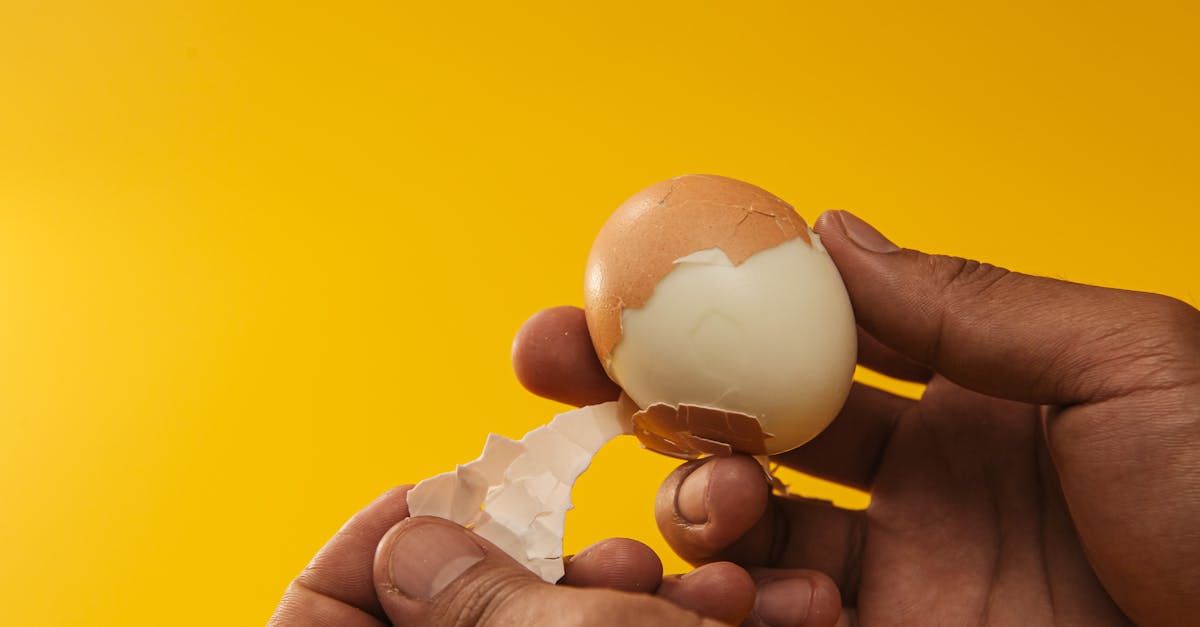
Chasing a stray fragment of eggshell around a bowl with your finger is frustrating and often unsuccessful. Using one of the cracked shell halves to scoop out the piece works much better because it breaks the surface tension. The sharp edge of the shell cuts through the egg white and attracts the fragment like a magnet. This method is sanitary and prevents messy fingers during baking preparation.
Keeping Brown Sugar Soft

Brown sugar has a tendency to harden into a solid brick when moisture evaporates from the molasses. Placing a slice of bread or a marshmallow in the container restores humidity and keeps the sugar soft and scoopable. The hydroscopic nature of the sugar draws moisture from the added item rather than the air. Replace the bread or marshmallow periodically to maintain the ideal texture.
Cutting Soft Cheese with Floss

Soft cheeses like goat cheese or brie often get squished when cut with a standard knife. Unflavored dental floss glides through the creamy texture without compressing the shape or sticking to the sides. You get clean and professional looking rounds or wedges every time. This trick is also highly effective for cutting cinnamon rolls or cake layers cleanly.
Making DIY Buttermilk
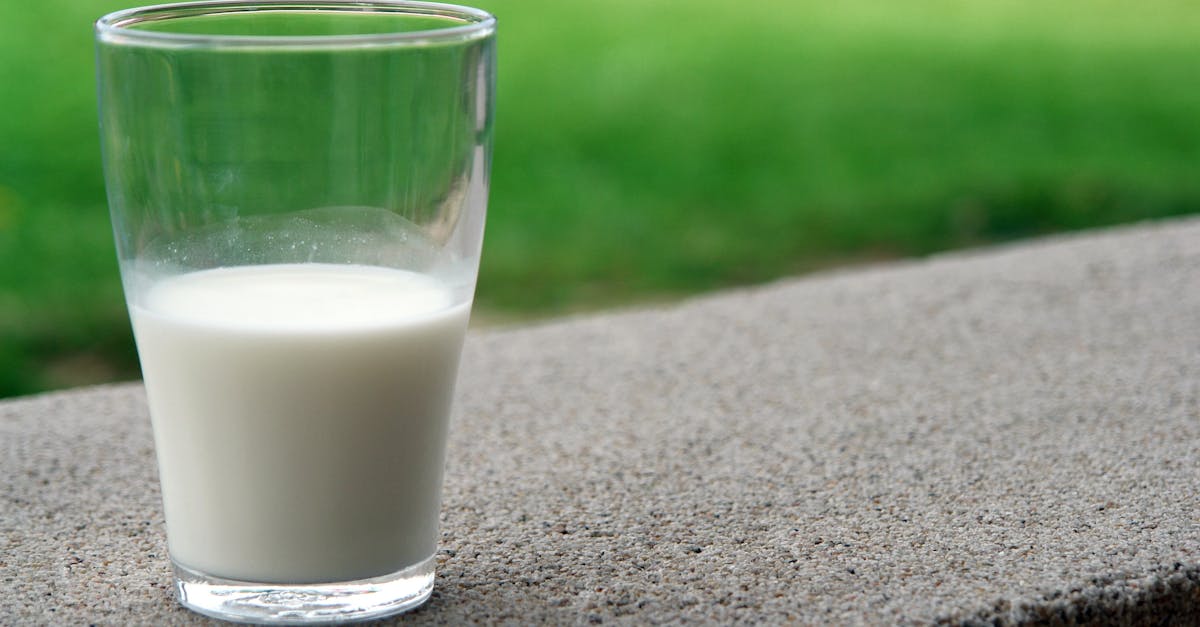
Recipes often call for buttermilk when you only have regular milk in the refrigerator. Adding one tablespoon of white vinegar or lemon juice to a cup of milk creates an effective substitute after sitting for five minutes. The acid curdles the milk slightly and mimics the tangy flavor and chemical properties of true buttermilk. This mixture works perfectly for pancakes and baked goods requiring an acidic reactor.
Storing Natural Peanut Butter

Natural peanut butter separates easily with the oil floating to the top and the solids becoming hard at the bottom. Storing the jar upside down forces the oil to travel back through the peanuts to the lid. This simple gravity trick keeps the mixture homogenized and ready to spread immediately upon opening. It eliminates the messy splash that often happens when trying to stir a new jar.
Ripening Bananas Quickly

Banana bread requires overripe fruit but sometimes you only have green or yellow bananas available. Baking unpeeled bananas on a sheet pan at a low temperature turns them black and soft in about twenty minutes. The heat concentrates the sugars and breaks down the starches rapidly to mimic the aging process. Let them cool completely before peeling and mashing them into your batter.
Using Pasta Water for Sauce

Many home cooks drain pasta water down the sink and lose a valuable ingredient. The starchy liquid helps emulsify sauces and helps them cling to the noodles rather than pooling at the bottom of the bowl. Adding a ladle of this water to your pan creates a silky and cohesive dish with improved texture. It serves as a thickening agent that brings oil and water based ingredients together.
Pitting Cherries with a Straw

Removing pits from cherries usually requires a specific gadget that takes up drawer space. Pushing a sturdy plastic straw or a chopstick through the stem end of the fruit forces the pit out the other side. This technique leaves the cherry relatively intact and ready for pies or snacking. It is a quick way to process a large volume of fruit without specialized tools.
Skimming Fat with Ice

Removing excess grease from the surface of soups or stews can be done while the pot is still hot. Gliding an ice cube wrapped in a paper towel or a metal ladle filled with ice over the surface solidifies the fat instantly. The grease clings to the cold object and can be wiped away easily. This saves you from waiting for the dish to cool down in the refrigerator overnight.
Preventing Onion Tears
The sulfuric gases released when cutting onions seek out moisture in your eyes and cause tearing. Chilling the onion in the freezer for fifteen minutes before slicing slows down the chemical reaction significantly. Using a very sharp knife also causes less cell damage and releases fewer irritants into the air. These preventative measures make meal prep much more comfortable.
Cooking Bacon in the Oven

Frying bacon on the stovetop is messy and requires constant turning to prevent burning. laying strips on a foil lined baking sheet allows you to cook an entire package evenly without splatters. The indirect heat renders the fat slowly and results in perfectly flat and crispy slices. Cleanup involves simply balling up the foil and discarding the grease once cooled.
Separating Yolks with a Bottle

Separating eggs requires delicacy to avoid breaking the yolk into the whites. Squeezing an empty plastic water bottle and placing the opening over the yolk creates a vacuum suction. Releasing your grip pulls the yolk gently inside the bottle away from the white. This fun method minimizes the risk of contamination from sharp shell edges.
Shredding Chicken with a Mixer
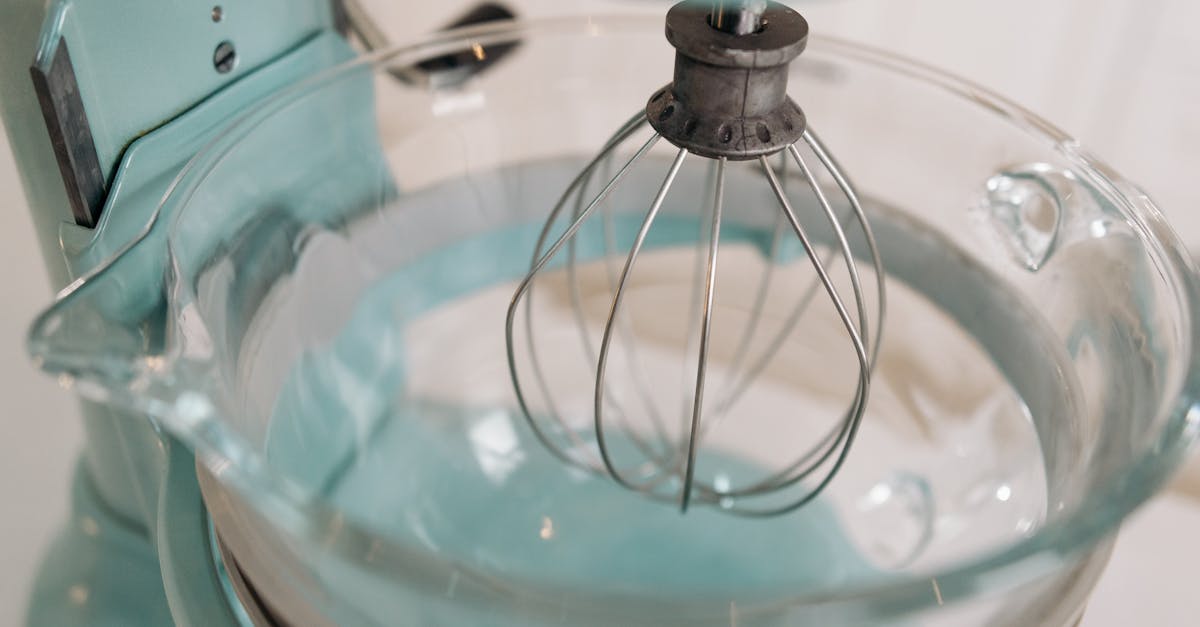
Pulling apart cooked chicken breasts with two forks takes time and effort. Placing the warm meat into a stand mixer with the paddle attachment shreds it perfectly in seconds. The motion of the paddle breaks the fibers apart uniformly without turning the meat into mush. This is ideal for prepping large batches for tacos or sandwiches.
Zesting Before Squeezing

Recipes often call for both the zest and juice of citrus fruits. It becomes nearly impossible to grate the skin effectively once the fruit has been cut and squeezed. Always zest the lemon or lime while it is whole and firm to maximize your yield. You can freeze the zest for later use if you only need the juice immediately.
Cleaning Blenders Safely

Scrubbing the blades at the bottom of a blender pitcher is dangerous and difficult. Filling the container halfway with warm water and dish soap before blending on high cleans it effectively. The vortex creates enough force to dislodge food particles from under the blades. Rinse thoroughly with fresh water to finish the job without ever touching the sharp metal.
Opening Jars with Rubber Bands

Stubborn jar lids often slip through your hands even when you apply full force. Wrapping a thick rubber band around the lid provides the necessary grip and traction to break the seal. This increases torque and prevents your hand from sliding against the smooth metal or plastic. It is a simple solution that requires no specialized gripping tools.
Keeping Greens Fresh
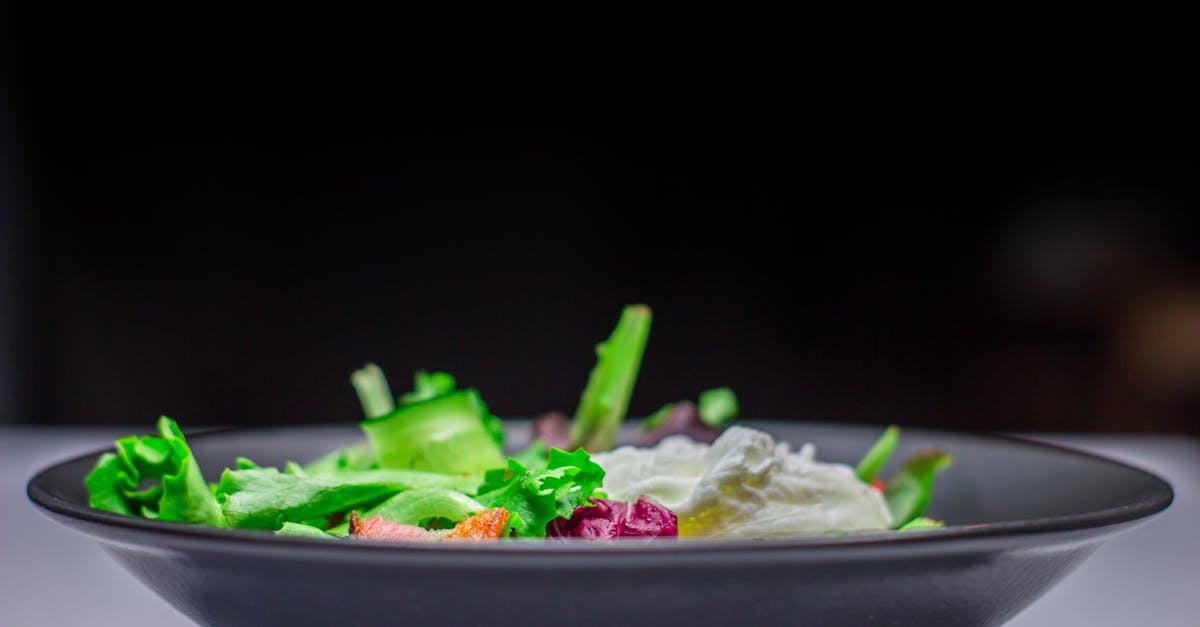
Moisture is the enemy of fresh salad greens and causes slimy decay. Placing a dry paper towel inside the bag or container of spinach absorbs excess humidity effectively. Replacing the towel every few days ensures the environment remains dry enough to preserve crispness. This small addition can double the lifespan of delicate lettuces.
Making Crystal Clear Ice
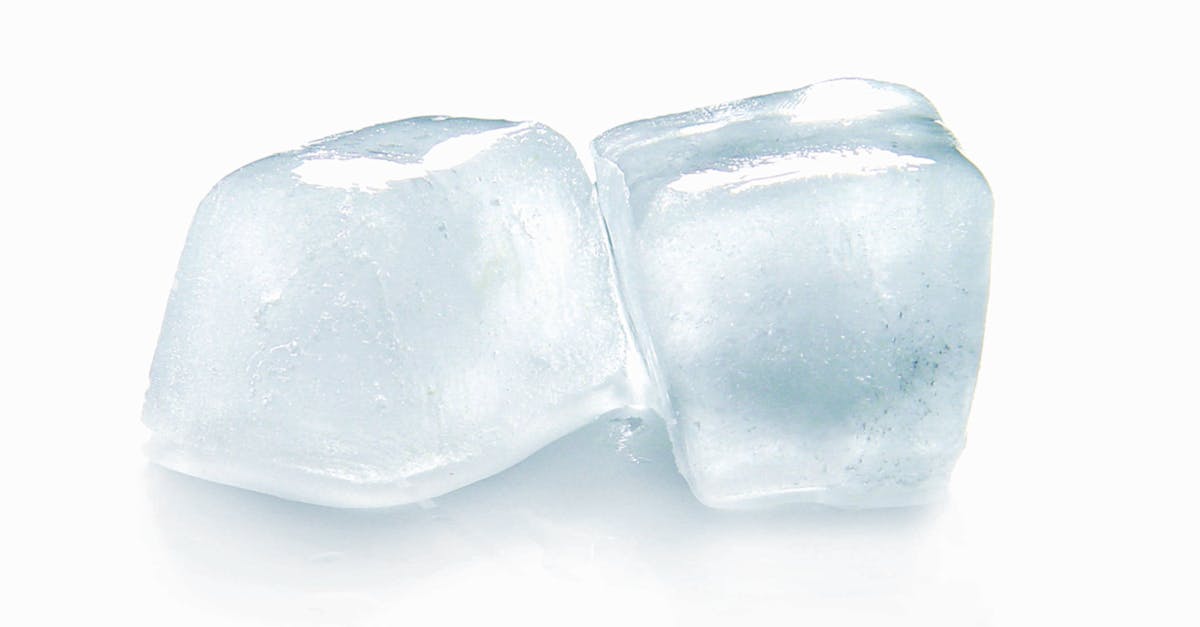
Standard ice cubes often turn out cloudy due to trapped air and impurities in tap water. Boiling the water before freezing releases the dissolved gases and results in beautiful clear ice. This improves the aesthetic of cocktails and prevents the ice from altering the taste of the drink. Using filtered water enhances this effect even further.
Cooling Coffee with Coffee Cubes

Adding regular ice to hot or room temperature coffee dilutes the flavor as it melts. Freezing leftover coffee into cubes allows you to chill your morning brew without watering it down. As the cubes melt they simply add more coffee flavor to the drink. This is essential for creating robust iced lattes at home.
Grating Frozen Ginger
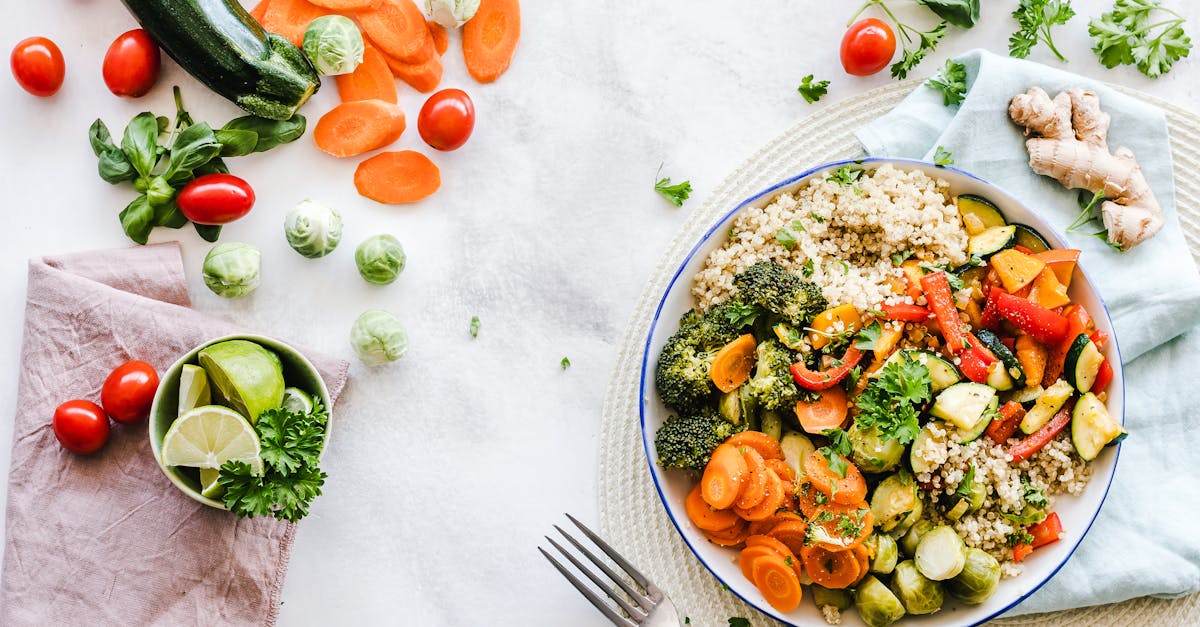
Fibrous ginger root can clog up a grater when it is fresh and soft. keeping a knob of ginger in the freezer makes it hard enough to grate into a fine powder. The frozen fibers snap rather than bending and fraying against the metal teeth. The resulting snow melts instantly into sauces and marinades without leaving stringy bits.
Removing Corn Silk

Shucking corn often leaves behind annoying strands of silk that are hard to pick off. Rubbing the cob with a clean damp kitchen towel pulls the remaining silks away effortlessly. The texture of the cloth grabs the fine threads that fingers often miss. This ensures your corn on the cob is clean and ready for the grill.
Scrambling Eggs with Cornstarch

Restaurant style scrambled eggs are often creamier than what is made at home. Whisking a small amount of cornstarch or potato starch with milk before adding it to the eggs prevents them from becoming rubbery. The starch inhibits protein bonds from tightening too much during the cooking process. You achieve soft and fluffy curds that hold their moisture well.
Peeling Potatoes After Boiling

Peeling raw potatoes removes a significant amount of flesh and nutrients. Boiling the potatoes with the skin on and then submerging them in an ice bath makes the skins slip off easily. You can simply twist the skin off with your hands without using a peeler. This saves time and maximizes the amount of potato you get to eat.
Slicing Meat Thinly
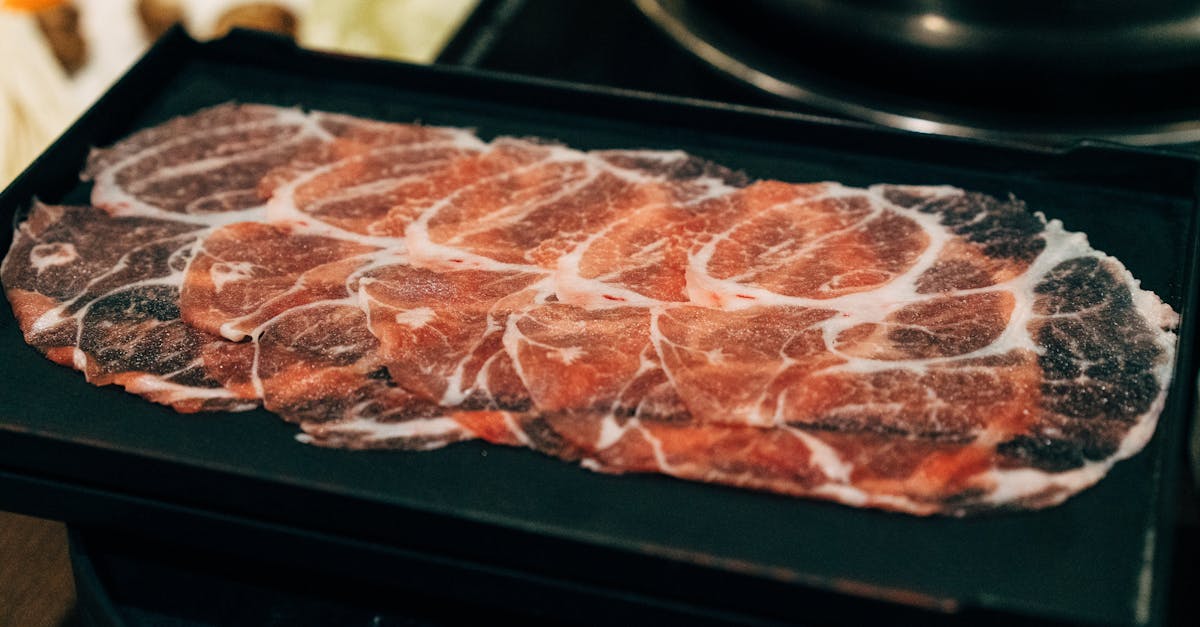
Cutting raw meat into thin strips for stir fry is challenging because the flesh moves under the knife. Placing the meat in the freezer for twenty minutes firms it up enough to hold its shape while cutting. The knife glides through the semi-frozen protein with precision and control. This ensures uniform cooking times for all your meat pieces.
Reheating Pizza in a Skillet
Microwaving leftover pizza results in a soggy and chewy crust. Heating the slice in a dry skillet over medium heat crisps up the bottom effectively. Adding a few drops of water and covering the pan steams the cheese until it melts perfectly. This method restores the texture to nearly fresh quality.
Stabilizing Cutting Boards

A slipping cutting board is a major safety hazard in the kitchen. Placing a damp paper towel or kitchen cloth underneath the board anchors it firmly to the counter. The friction prevents any sliding while you are chopping heavy or hard ingredients. It is a professional standard practice that should be used every time you cook.
Deseeding Pomegranate in Water
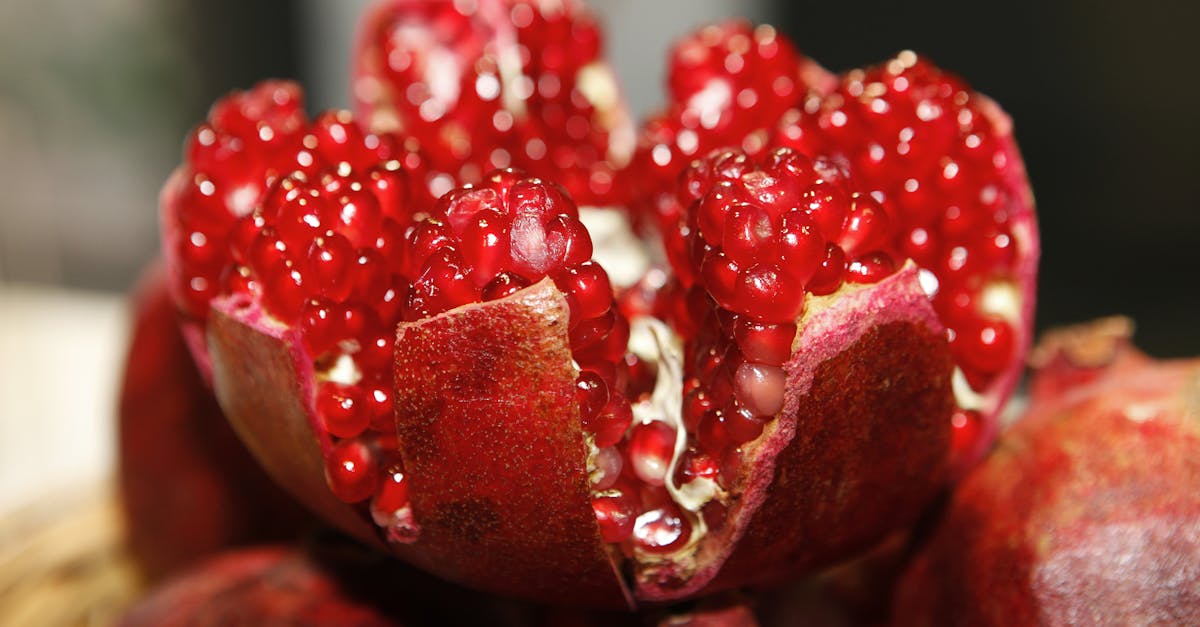
Removing pomegranate seeds can stain your clothes and kitchen red with juice. Breaking the fruit apart in a bowl of water allows the seeds to sink while the white membrane floats. You can skim off the pith and drain the seeds without any mess or splatter. This technique makes enjoying the fresh fruit much less intimidating.
Crispy Potatoes with Baking Soda
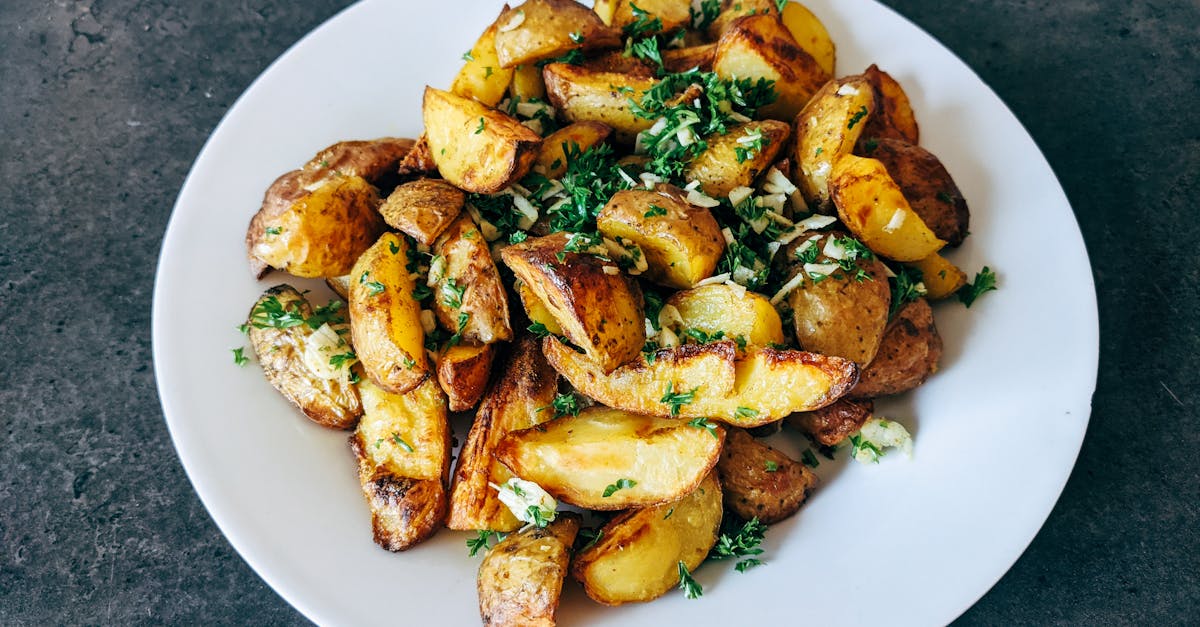
Roasting potatoes often results in a soft exterior rather than a satisfying crunch. Parboiling the potatoes in water with baking soda breaks down the pectin on the surface creates a starchy slurry. When roasted in hot fat this slurry dehydrates into an incredibly crispy crust. The texture rivals that of deep fried potatoes with much less oil.
Saving Parmesan Rinds

The hard rind of a parmesan wedge is too tough to grate but is packed with umami flavor. Simmering the rind in soups or tomato sauces releases savory depth that salt alone cannot achieve. The cheese softens and dissolves slightly to thicken the broth. Fish out any remaining hard pieces before serving the dish.
Checking Oil Temperature

frying requires the correct oil temperature to prevent greasy food. Dipping the handle of a wooden spoon into the oil is a safe way to test readiness without a thermometer. If steady bubbles form around the wood the oil is hot enough for frying. If it bubbles violently it is too hot and if nothing happens it is too cold.
Coating Measuring Cups
Sticky ingredients like honey or molasses are difficult to get out of measuring cups completely. Spraying the cup with nonstick spray or rubbing it with a little oil before measuring creates a slippery surface. The ingredient slides right out without leaving a significant residue behind. This ensures accuracy in your baking recipes and makes cleanup easier.
Steaming Broccoli in the Microwave

Steaming vegetables on the stove requires boiling water and dirtying a large pot. Placing chopped broccoli in a bowl with a splash of water and covering it with a plate steams it perfectly in the microwave. The trapped steam cooks the vegetable in just a few minutes while retaining nutrients. It is the fastest way to add a healthy side dish to any meal.
Using an Apple Slicer for Potatoes

Cutting potatoes into uniform wedges for baking takes practice and time. Pressing an apple slicer through a potato creates instant wedges that are equal in size. This ensures they all roast at the same rate and look visually appealing. It works best with round potatoes that fit within the diameter of the cutter.
Keeping Cookies Soft

Homemade cookies can dry out and become crumbly after a day or two. Storing them in a container with a slice of white bread keeps them chewy and moist. The cookies absorb moisture from the bread while the bread becomes stale and hard. This extends the shelf life of your baked goods significantly.
Hulling Strawberries with a Straw

Cutting the tops off strawberries wastes the fruit near the stem. Pushing a plastic straw from the bottom tip up through the green leaves removes the core cleanly. This method preserves the shape of the berry for beautiful presentation. It is safe enough for children to help with during kitchen prep.
Making Breadcrumbs from Stale Bread

Throwing away stale bread is a waste of money and potential ingredients. Pulsing dry bread slices in a food processor creates superior breadcrumbs compared to store bought versions. You can season them with herbs and store them in the freezer for months. They are perfect for coating cutlets or topping casseroles.
Cleaning Boards with Lemon

Cutting boards can absorb odors from onions and garlic over time. Scrubbing the surface with half a lemon and coarse salt deodorizes and sanitizes the wood naturally. The acid neutralizes smells while the salt acts as an abrasive scrub. Rinse with water and dry vertically to prevent warping.
Tell us which of these kitchen hacks surprised you the most by leaving a comment.




