The liver is one of the body’s most hardworking organs, quietly processing nearly everything that enters the bloodstream. Many people assume that over-the-counter medications are inherently safe because they do not require a prescription, but this widespread belief can lead to serious harm. Certain widely available drugs place enormous strain on liver cells, sometimes triggering damage that develops silently over weeks or months. Understanding which medications carry the greatest risk is an essential step in protecting long-term liver health.
Acetaminophen
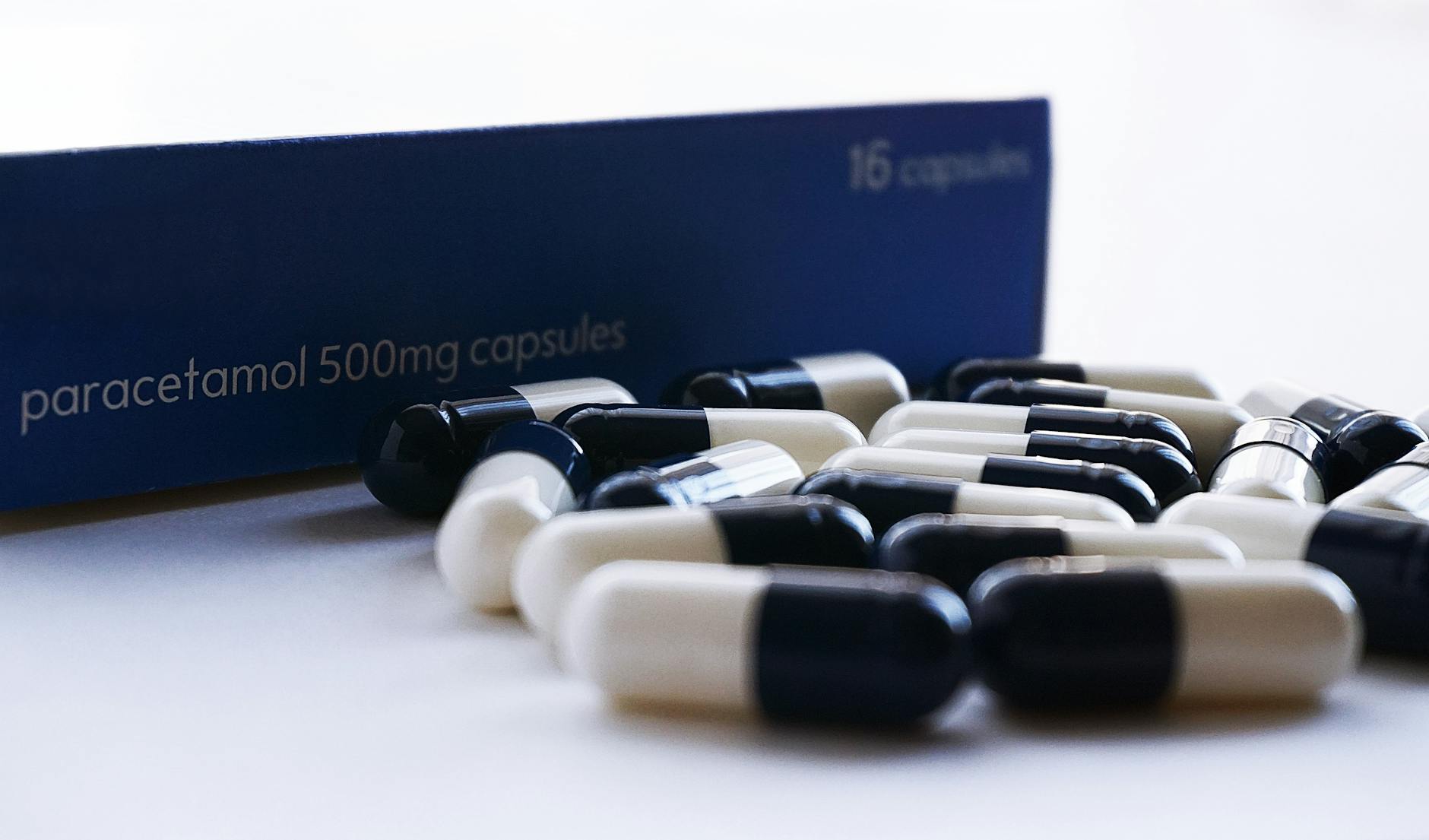
Acetaminophen is one of the most common causes of acute liver failure in the developed world, largely because it is found in hundreds of different products simultaneously. When taken in doses that exceed the recommended daily limit, it produces a toxic byproduct that overwhelms the liver’s natural detox pathways. The risk increases dramatically when combined with alcohol or when multiple acetaminophen-containing products are used at the same time. Even therapeutic doses can cause damage in people with pre-existing liver conditions or those who are malnourished. Reading labels carefully across all medications being taken at once is essential for avoiding accidental overdose.
Ibuprofen
Ibuprofen belongs to the class of nonsteroidal anti-inflammatory drugs and is widely used for pain, fever, and inflammation. While it is primarily associated with kidney and stomach issues, long-term or high-dose use can also contribute to liver injury. It reduces blood flow to the liver and may trigger a condition called drug-induced hepatitis in susceptible individuals. People who already have liver disease face a significantly higher risk of complications when using ibuprofen regularly. Short-term use at the lowest effective dose is generally considered safer for most healthy adults.
Naproxen
Naproxen is another nonsteroidal anti-inflammatory drug sold under popular brand names and commonly used for arthritis and muscle pain. It has a longer half-life than ibuprofen, meaning it stays in the body for an extended period and increases cumulative exposure for the liver. Cases of naproxen-induced hepatotoxicity have been documented in medical literature, with symptoms appearing weeks after treatment begins. The risk of liver damage rises when naproxen is taken alongside other medications that are also processed by the same liver enzymes. Regular monitoring of liver enzymes is advisable for anyone using naproxen on a long-term basis.
Aspirin
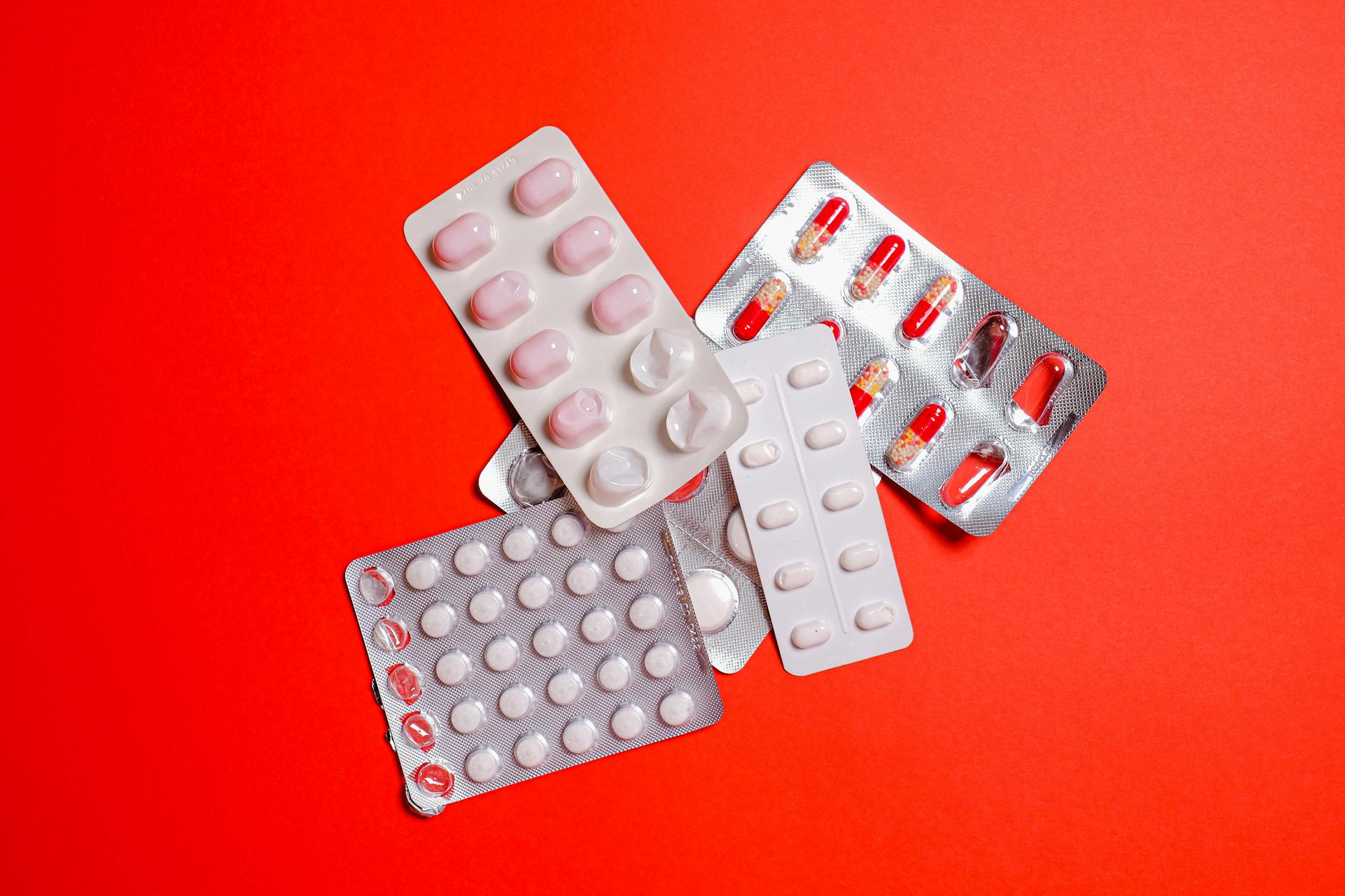
Aspirin in high doses has long been associated with a rare but serious condition called Reye’s syndrome, particularly in children, which causes acute liver swelling and failure. In adults, large quantities taken over extended periods can elevate liver enzymes and contribute to hepatotoxicity. Because aspirin is so familiar and widely available, many users do not consider it a medication requiring caution or monitoring. It inhibits specific liver enzymes and can interfere with the metabolism of other drugs processed through the same pathways. Low-dose aspirin for cardiovascular purposes carries a much smaller risk but should still be discussed with a healthcare provider.
Niacin
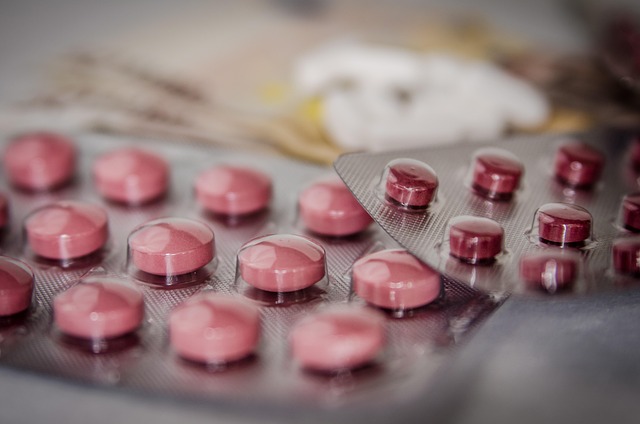
Niacin is a B vitamin sold in high-dose formulations as an over-the-counter supplement intended to support cholesterol management and cardiovascular health. At therapeutic doses it is genuinely effective, but it is also one of the more underappreciated causes of drug-induced liver injury. Sustained-release and extended-release formulations carry a higher risk of hepatotoxicity than immediate-release versions. Symptoms of niacin-related liver damage include nausea, fatigue, jaundice, and elevated liver enzymes. The line between a beneficial dose and a harmful one is narrow, making medical supervision particularly important.
Kava
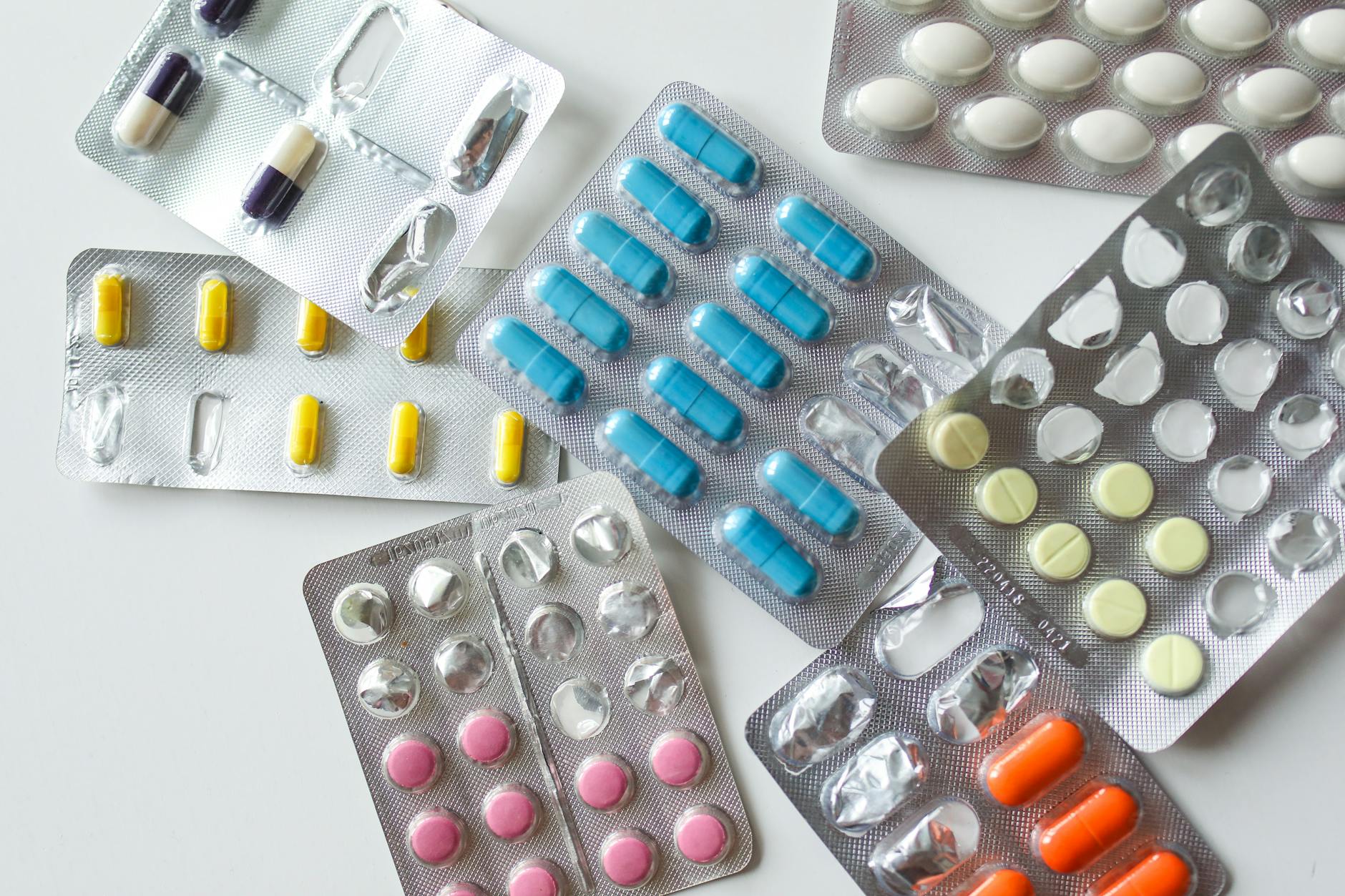
Kava is an herbal supplement derived from a Pacific plant and is frequently marketed in pharmacies and health stores as a natural remedy for anxiety and insomnia. Despite its plant-based origin, kava has been linked to severe liver damage including hepatitis, cirrhosis, and acute liver failure. Regulatory agencies in multiple countries have issued warnings or outright bans on kava products due to documented cases of serious harm. The toxic compounds in kava appear to interact directly with liver cells, and individual susceptibility varies unpredictably. People with existing liver conditions are strongly advised to avoid kava entirely.
Comfrey
Comfrey is an herbal remedy that has historically been used in topical and oral preparations for wound healing and joint pain. It contains pyrrolizidine alkaloids, a group of compounds known to cause a condition called hepatic veno-occlusive disease, which damages the blood vessels within the liver. Even low-level oral exposure over time has been shown in research to accumulate and cause irreversible harm. The herb remains legally available as a supplement in many markets despite repeated warnings from health authorities. External use on unbroken skin is generally considered much safer than oral consumption.
Valerian Root

Valerian root is a popular herbal sleep aid found in pharmacies worldwide and is often perceived as a gentle, natural alternative to pharmaceutical sedatives. However, several case reports have connected valerian supplementation to acute liver injury with symptoms including jaundice and significantly elevated liver enzymes. The exact mechanism of toxicity is not fully understood, but certain compounds in valerian appear to interfere with normal liver cell function. The risk appears higher when valerian is combined with other supplements or medications that also tax the liver. Standardized dosing and avoiding long-term unsupervised use are considered the most prudent approaches.
Green Tea Extract
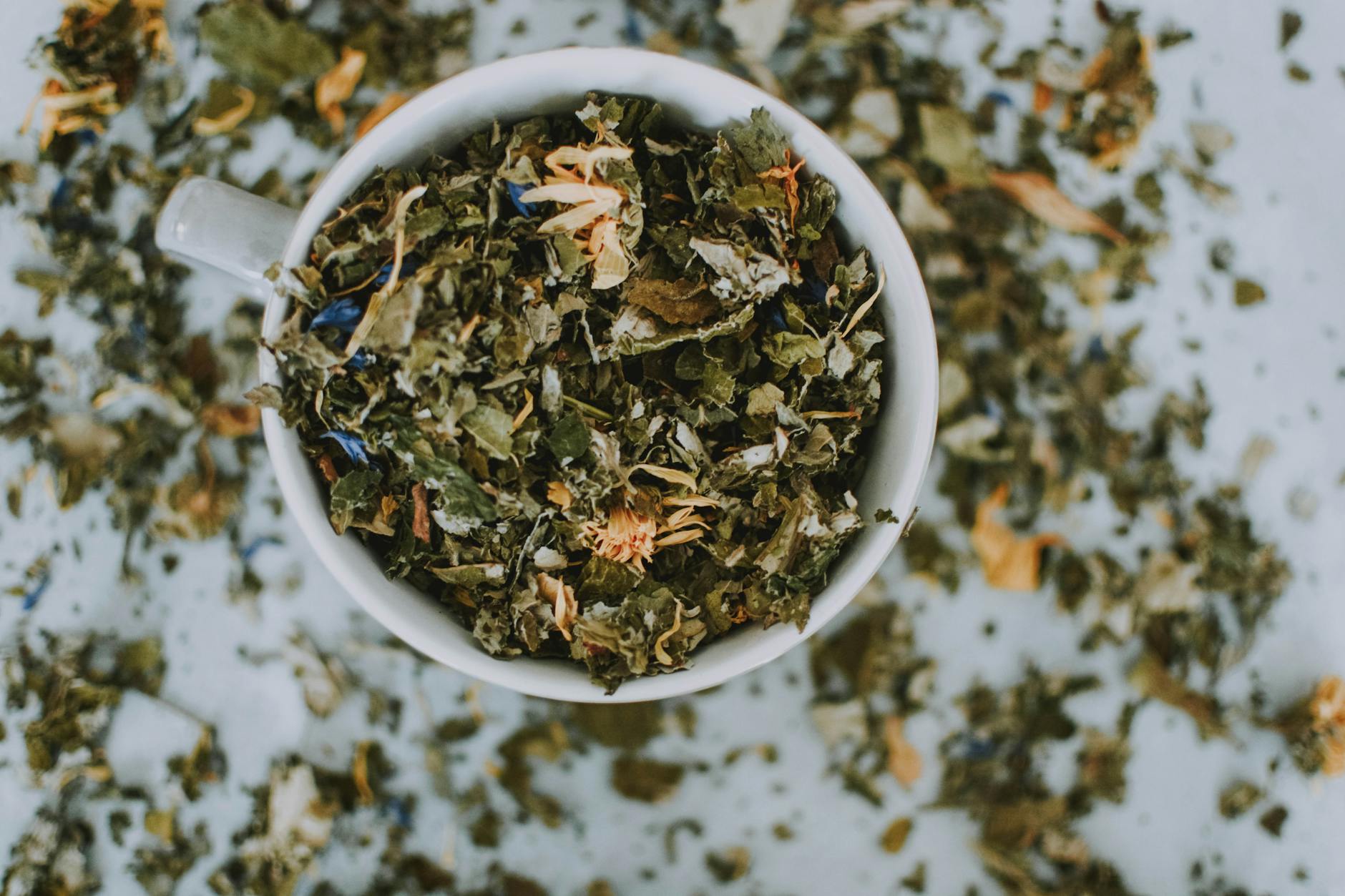
Green tea extract is sold in concentrated capsule or powder form as a weight loss and antioxidant supplement and is among the most popular products in its category. Unlike brewed green tea, which delivers a gentle dose of active compounds, concentrated extracts flood the body with catechins at levels far beyond what any dietary source would provide. These high concentrations have been linked to a pattern of liver injury that can range from mild enzyme elevation to fulminant liver failure. The U.S. Liver Foundation and regulatory bodies in Europe have flagged green tea extract as a significant cause of supplement-induced hepatotoxicity. Taking the supplement with food and avoiding high-dose formulations can reduce but not eliminate the risk.
Hydroxycut
Hydroxycut is a widely sold weight loss supplement line that contains a combination of herbal and stimulant ingredients marketed to support fat burning and metabolism. The product was voluntarily recalled in 2009 after the FDA received dozens of reports linking it to serious liver injuries and at least one death. Despite reformulation since that recall, ongoing concerns about its hepatotoxic potential persist in clinical literature. Multiple ingredient combinations in such products can have additive toxic effects that are difficult to predict in individual users. Consumers frequently underestimate the potency of multi-ingredient supplement blends sold in mainstream retail settings.
Phenylephrine
Phenylephrine is a decongestant found in a wide range of cold and allergy medications and is one of the most commonly purchased over-the-counter active ingredients. While its liver-toxic potential is lower than some others on this list, regular use at higher than recommended doses can place stress on the organ over time. It is frequently combined with acetaminophen in multi-symptom cold formulas, creating a compounded burden on the liver that users may not recognize. People with pre-existing liver conditions are particularly vulnerable to the cumulative effects of combination products containing phenylephrine. Carefully reviewing ingredient labels of any multi-symptom remedy is a basic but important precaution.
Chlorphenamine
Chlorphenamine is an antihistamine found in many over-the-counter allergy and cold combination medications and has been used clinically for decades. Though considered generally safe at standard doses, isolated cases of hepatotoxicity have been reported in individuals using the drug at higher doses or over extended periods. Its metabolism relies heavily on liver enzymes, meaning it competes with other drugs for the same processing pathways. In people who take multiple medications simultaneously, chlorphenamine can slow the breakdown of other substances and amplify their toxic potential. Using antihistamines only as needed rather than continuously is a simple way to reduce cumulative liver exposure.
Bismuth Subsalicylate

Bismuth subsalicylate is the active ingredient in widely trusted remedies for upset stomach, nausea, and traveler’s diarrhea. The salicylate component, which is chemically related to aspirin, is absorbed into the bloodstream and processed by the liver, creating a potential for hepatotoxicity at higher doses. Long-term or frequent use can lead to elevated liver enzymes and, in rare cases, more serious liver inflammation. Because bismuth products are perceived as gentle stomach remedies, users are often unaware that they carry a measurable liver risk. Limiting use to short-term treatment of acute gastrointestinal symptoms aligns with the safety guidelines recommended by most health authorities.
Dextromethorphan
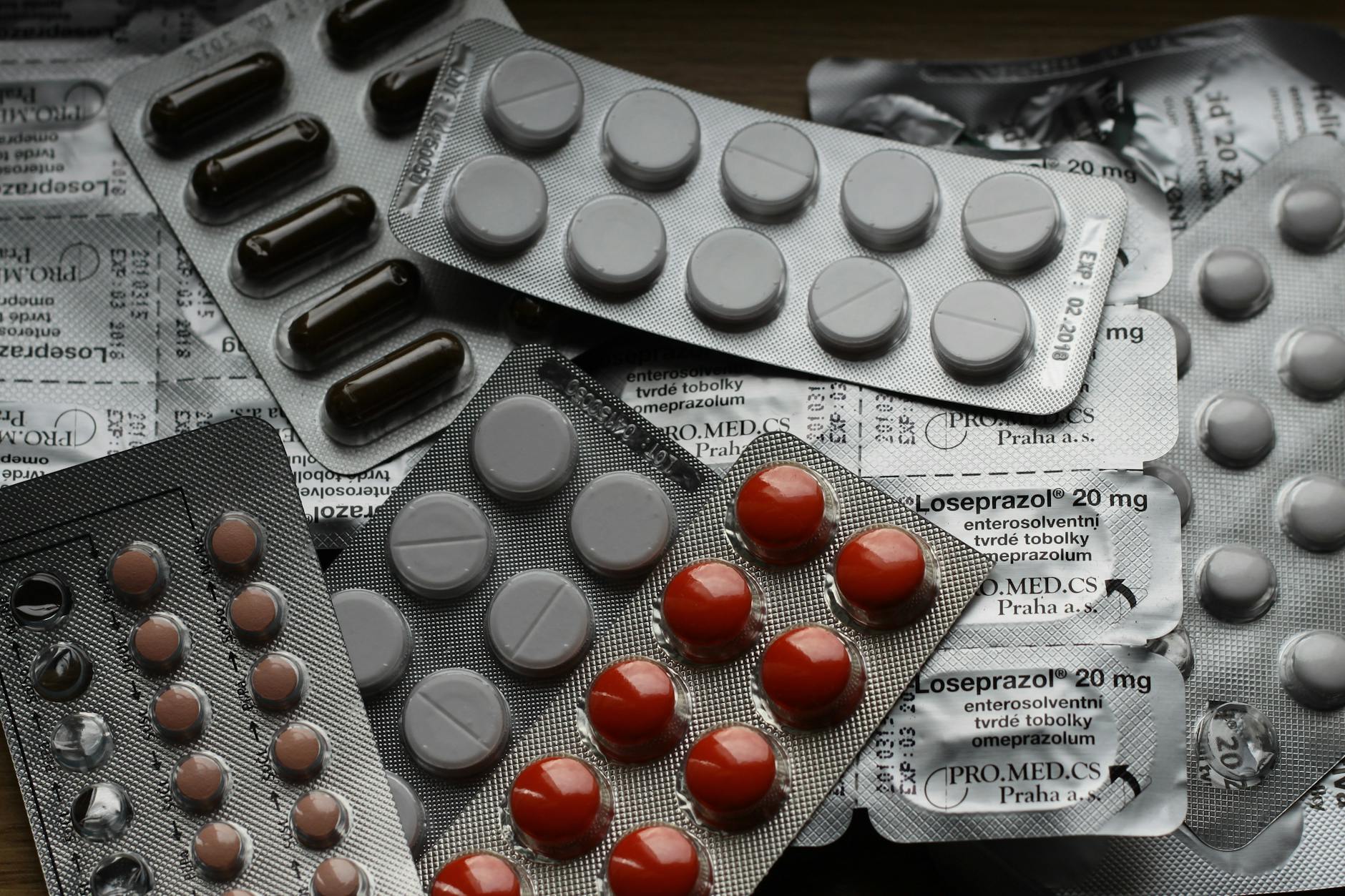
Dextromethorphan is a cough suppressant present in dozens of over-the-counter cold and flu preparations and is available in syrup, capsule, and lozenge formats. At normal doses it is considered safe, but misuse or consumption at higher than directed levels has been associated with liver stress and elevated enzyme levels. It is extensively metabolized by the liver, and in people who are slow metabolizers of certain enzymes, the drug accumulates and creates greater toxic exposure. The risk multiplies significantly when dextromethorphan is combined with alcohol or other substances that also depend on the same metabolic pathways. Using only the stated dose and avoiding combination with alcohol is the most straightforward protective measure.
Diphenhydramine
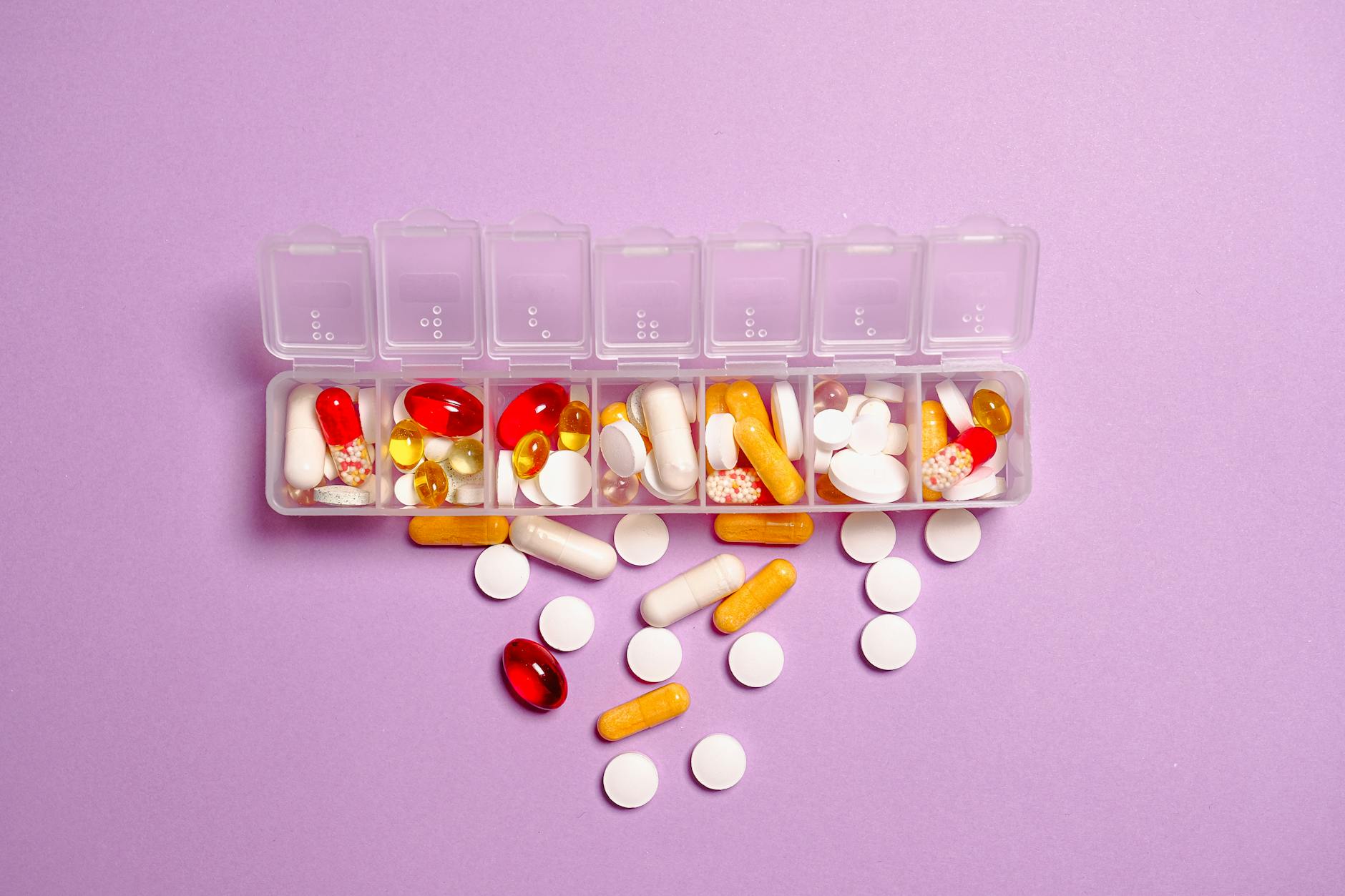
Diphenhydramine is one of the most ubiquitous over-the-counter ingredients in the world, appearing in sleep aids, allergy tablets, and motion sickness remedies. Regular long-term use is associated with accumulated liver stress, particularly in older adults whose liver function naturally declines with age. The drug is highly metabolized by the liver and can interfere with the processing of other medications taken concurrently. In rare documented cases, diphenhydramine has been linked to drug-induced liver injury presenting with jaundice and significant enzyme elevation. Given how routinely it is used as a nightly sleep aid, awareness of its liver implications is an important part of responsible long-term health management.
Which of these medications surprised you most? Share your thoughts in the comments.




