The animal kingdom is home to some of the most inventive and startling survival strategies ever observed by scientists and researchers. Over millions of years of evolution, creatures across every habitat have developed responses to predators that range from the chemically potent to the anatomically extreme. Some of these behaviors involve specialized body structures while others rely on trickery that effectively mimics death or deception. Many of these mechanisms are still being studied in laboratories as researchers work to understand their full biological complexity. From deep ocean floors to dense rainforest canopies, survival has taken forms that continue to astonish the scientific community.
Hagfish
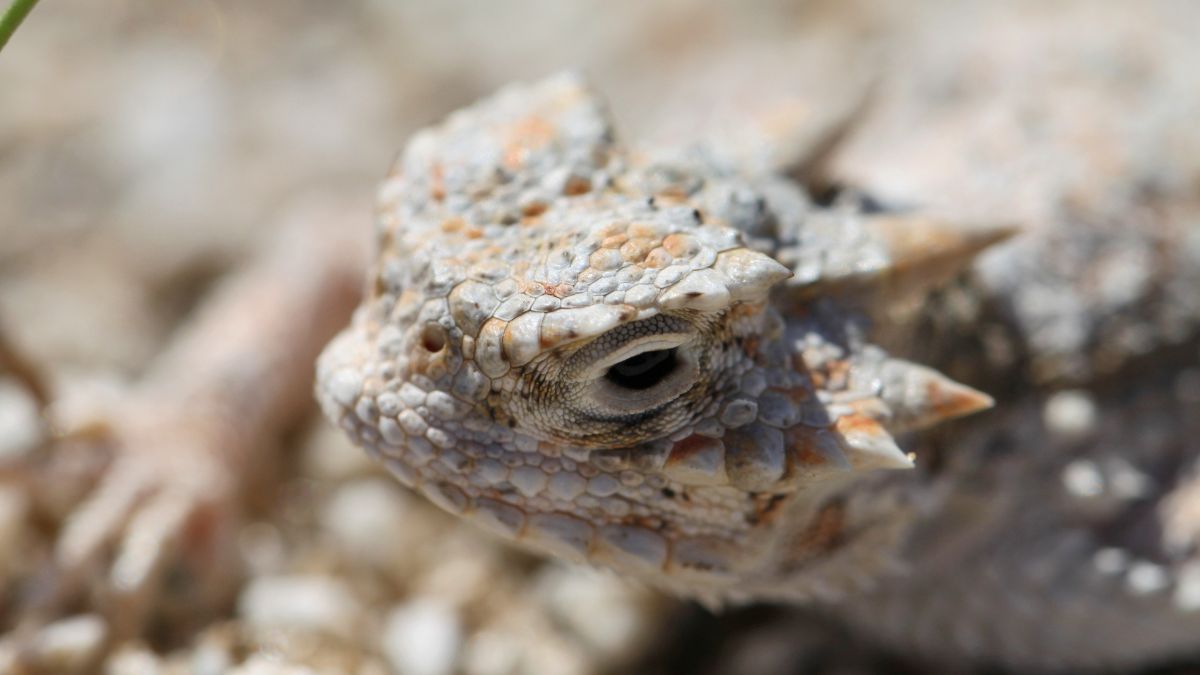
The hagfish is one of the ocean’s most ancient and unusual creatures, capable of producing enormous quantities of thick, fibrous slime within a matter of seconds. When threatened by a predator, this eel-like animal releases proteins and threads from pores along its body that expand on contact with seawater into a suffocating gel. This slime can clog the gills of fish that attempt to bite it, causing them to release their grip almost immediately. The hagfish then ties itself into a knot and slides through it to scrape the slime off its own body. This mechanism has been studied extensively as a model for next-generation bio-inspired materials.
Horned Lizard
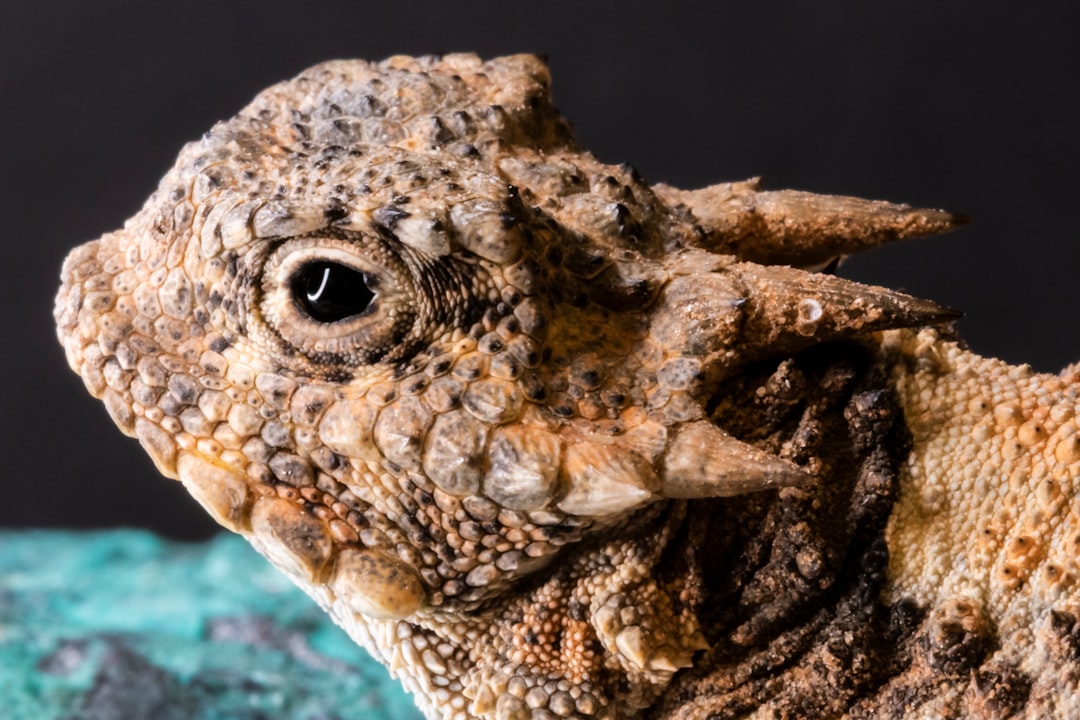
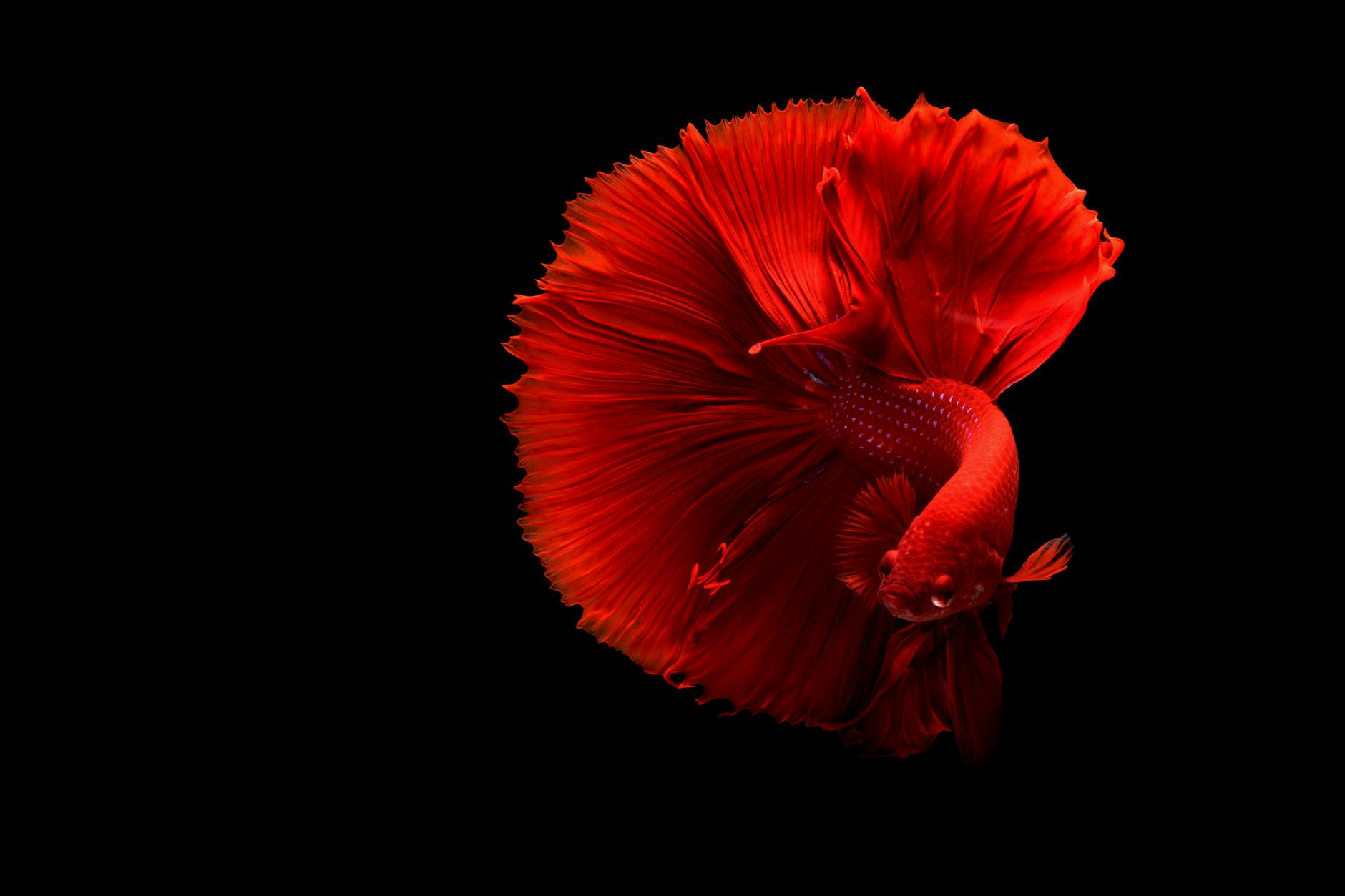
The horned lizard of North America has evolved one of the most shocking defensive behaviors documented in reptiles. When cornered by a predator, it can restrict blood flow from its head until the pressure causes tiny blood vessels around its eyes to rupture. This releases a stream of blood that can travel up to five feet and contains chemicals from the lizard’s ant-heavy diet that are repulsive to canine and feline predators. The behavior is known as autohaemorrhaging and is entirely voluntary, triggered by muscular contractions in the eye sockets. The lizard can lose up to a third of its total blood supply during this event and recover within a matter of weeks.
Exploding Ant
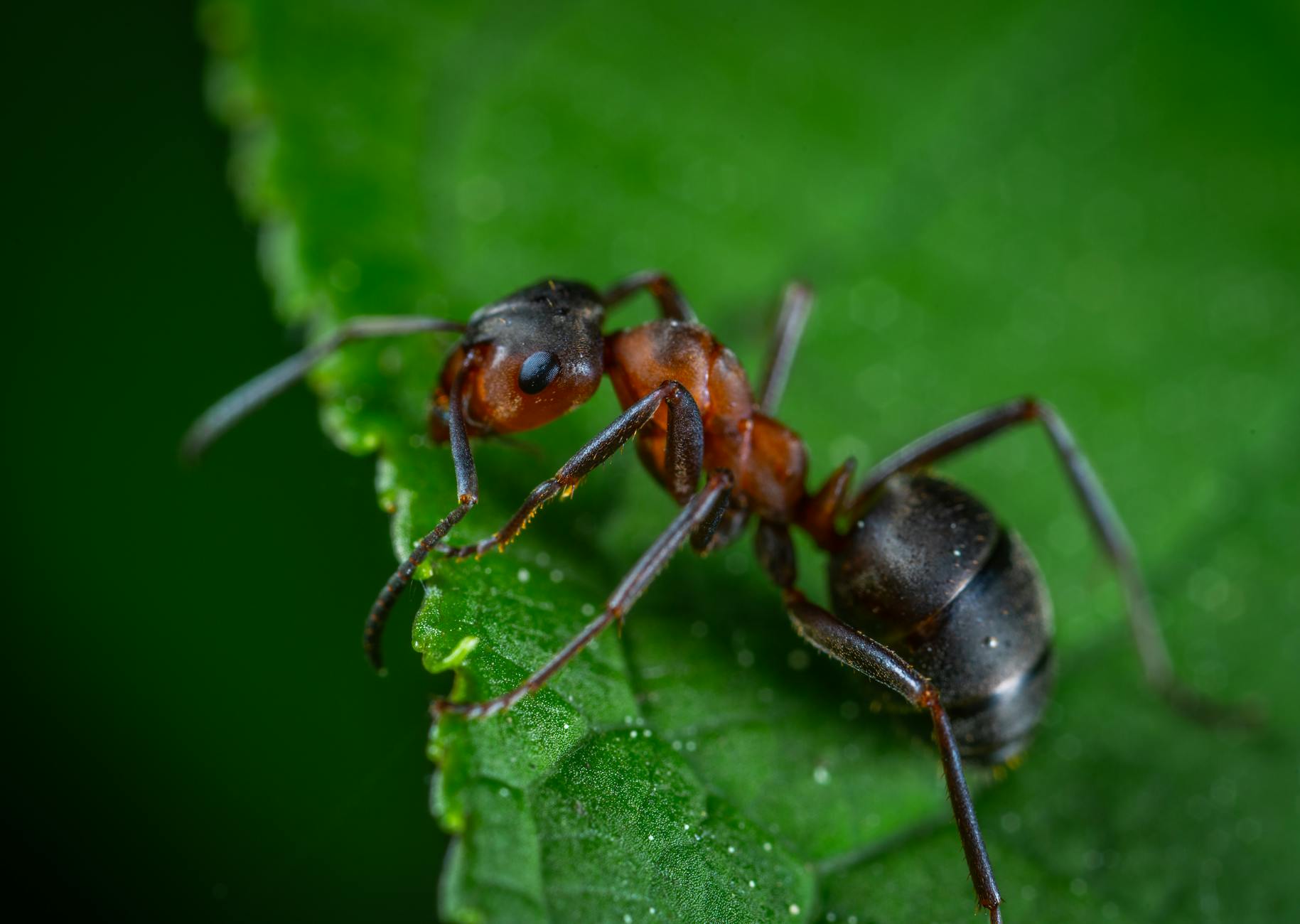
Certain species of carpenter ants found in Southeast Asia have developed a form of self-destruction as a last-resort defense for their colonies. Worker ants in these species possess oversized poison glands that run the entire length of their bodies. When under attack, these ants can voluntarily contract their abdominal muscles so forcefully that their bodies rupture, spraying a toxic and sticky substance over nearby enemies. This altruistic behavior eliminates threats while simultaneously sacrificing the individual for the protection of the colony. Scientists refer to this process as autothysis and consider it one of the most extreme examples of cooperative defense in the insect world.
Bombardier Beetle
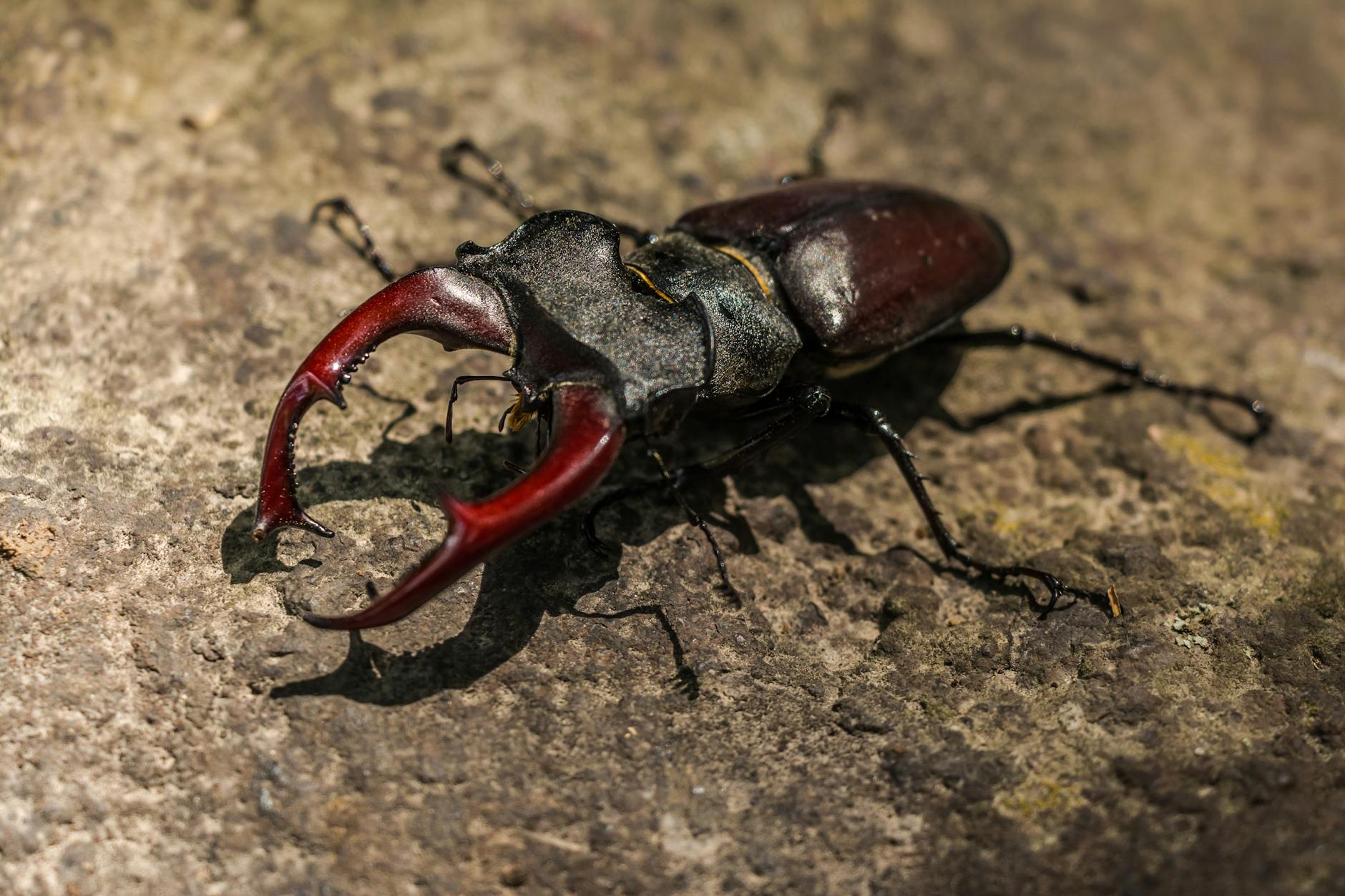
The bombardier beetle carries a built-in chemical weapon that it deploys with remarkable precision against predators. Two separate chambers within its abdomen store hydrogen peroxide and hydroquinone, which remain harmless until mixed with catalytic enzymes in a specialized reaction chamber. This produces a boiling hot chemical spray that exits the beetle’s body at nearly 100 degrees Celsius with an audible popping sound. The beetle can rotate the tip of its abdomen to aim the spray in almost any direction, including directly forward. This mechanism has inspired ongoing research into propulsion systems and remains one of the most studied chemical defenses in entomology.
Sea Cucumber
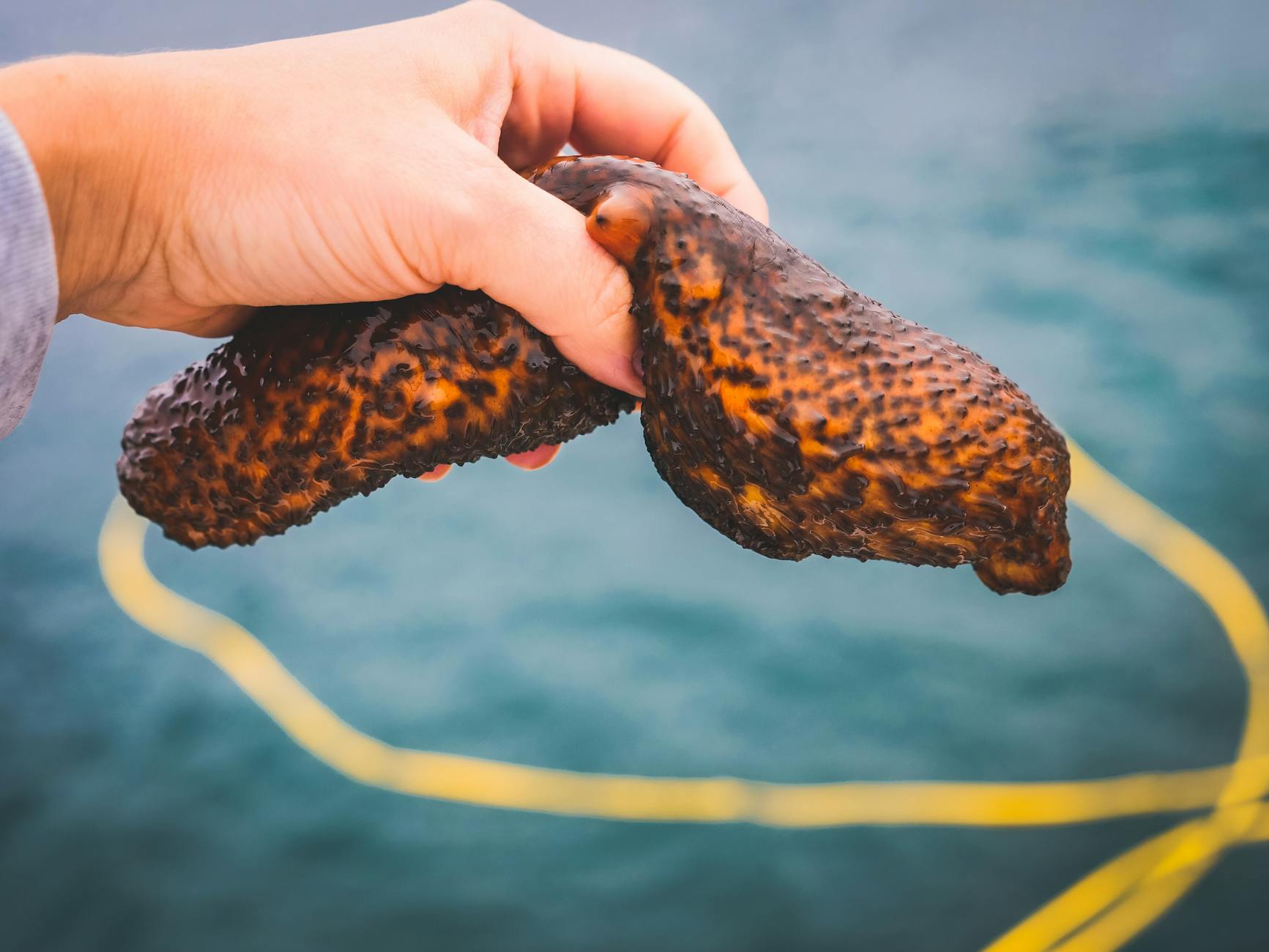
The sea cucumber appears deceptively passive on the ocean floor but harbors one of the most dramatic internal defense mechanisms in the animal kingdom. When threatened, it can expel its own internal organs through its body wall in a process called evisceration, ejecting them toward an attacker as a distraction. Some species also expel sticky threads called Cuvierian tubules that expand rapidly in water and immobilize attacking crustaceans and fish. The sea cucumber then retreats while its predator is tangled in the expelled material. It regenerates its lost organs over a period of several weeks without lasting damage to its overall health.
Virginia Opossum
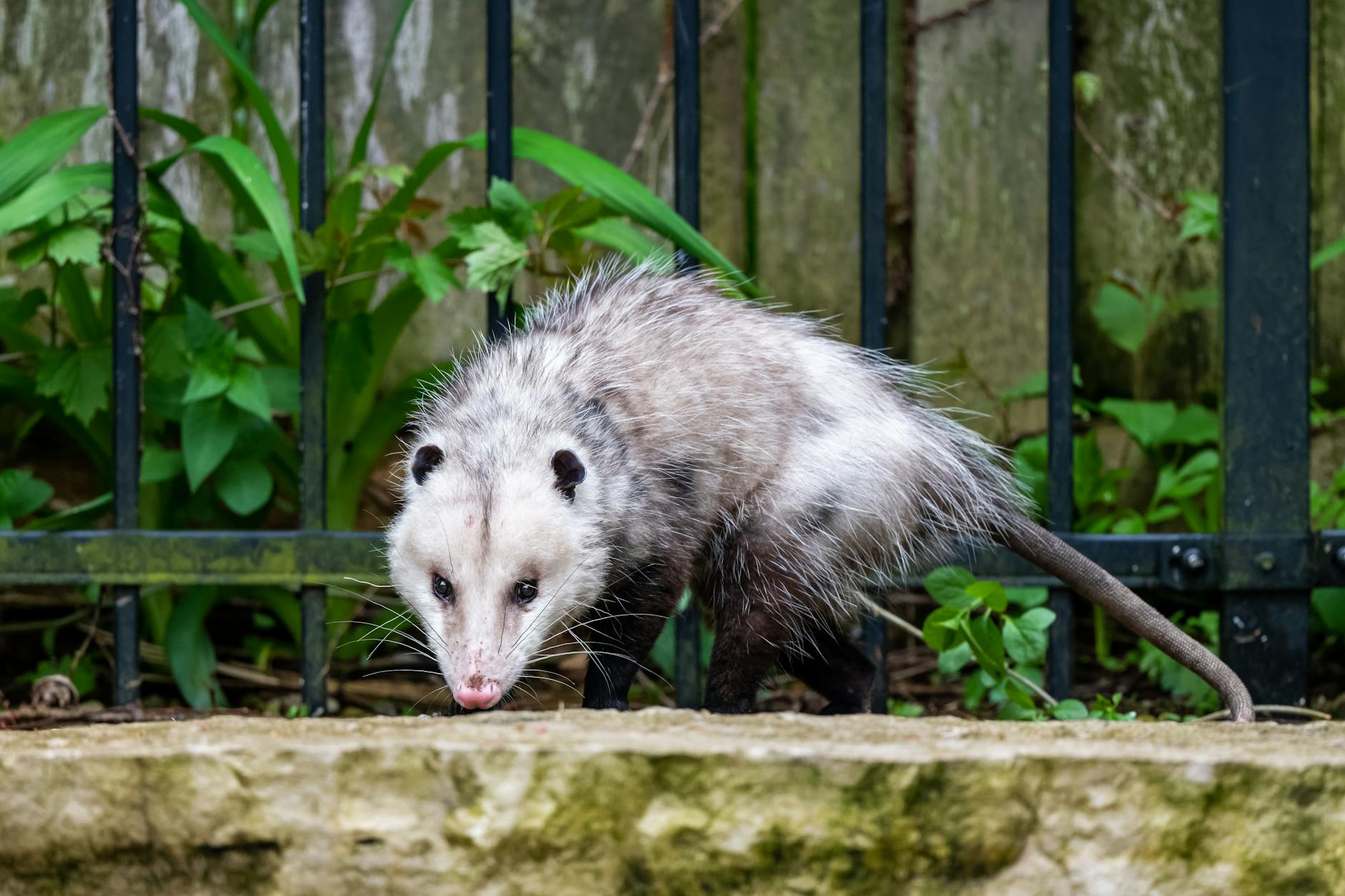
The Virginia opossum is the most recognizable practitioner of thanatosis, the instinctual behavior commonly known as playing dead. When overwhelmed by a predator, the opossum enters an involuntary comatose-like state that can last anywhere from a few minutes to several hours. During this time, its body goes limp, its mouth falls open, and it releases a foul-smelling fluid from anal glands that mimics the odor of a decomposing animal. Most predators that hunt primarily by movement or prefer live prey will lose interest and walk away. This response is entirely neurological and cannot be consciously controlled or stopped by the animal once it has begun.
Mimic Octopus
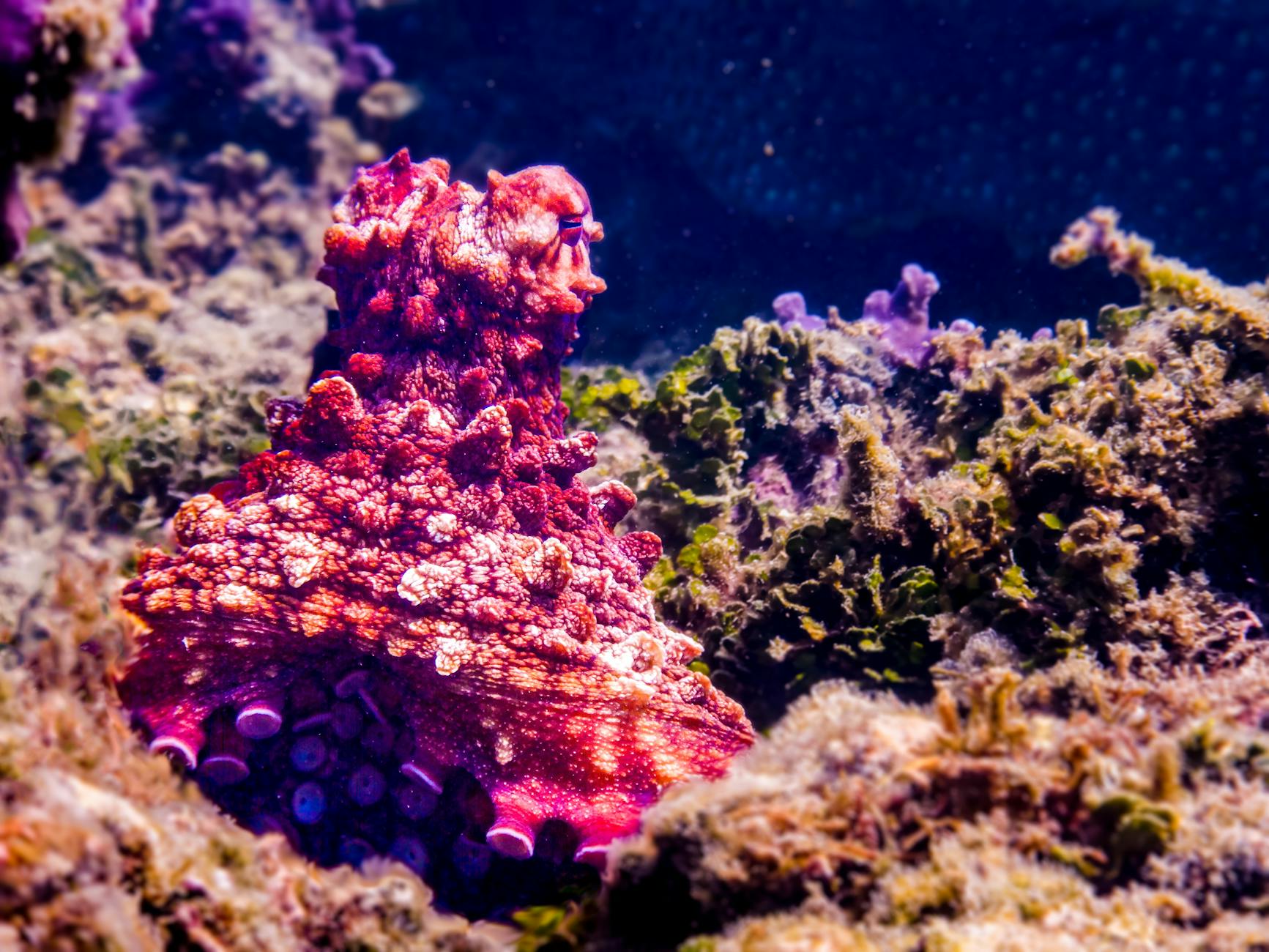
The mimic octopus of the Indo-Pacific is capable of impersonating the appearance and movements of multiple other species in real time. It can flatten and undulate its arms to resemble a flounder moving across the seafloor, tuck six of its arms back and wave two to imitate a banded sea snake, or spread its arms wide to mimic a venomous lionfish. This animal is the only known species to dynamically impersonate multiple different creatures rather than maintaining a single fixed mimicry behavior. Researchers believe it selects which animal to mimic based on the specific type of predator it encounters. The mimic octopus was not formally described by science until 1998 despite its presence in easily accessible shallow coastal waters.
Pistol Shrimp
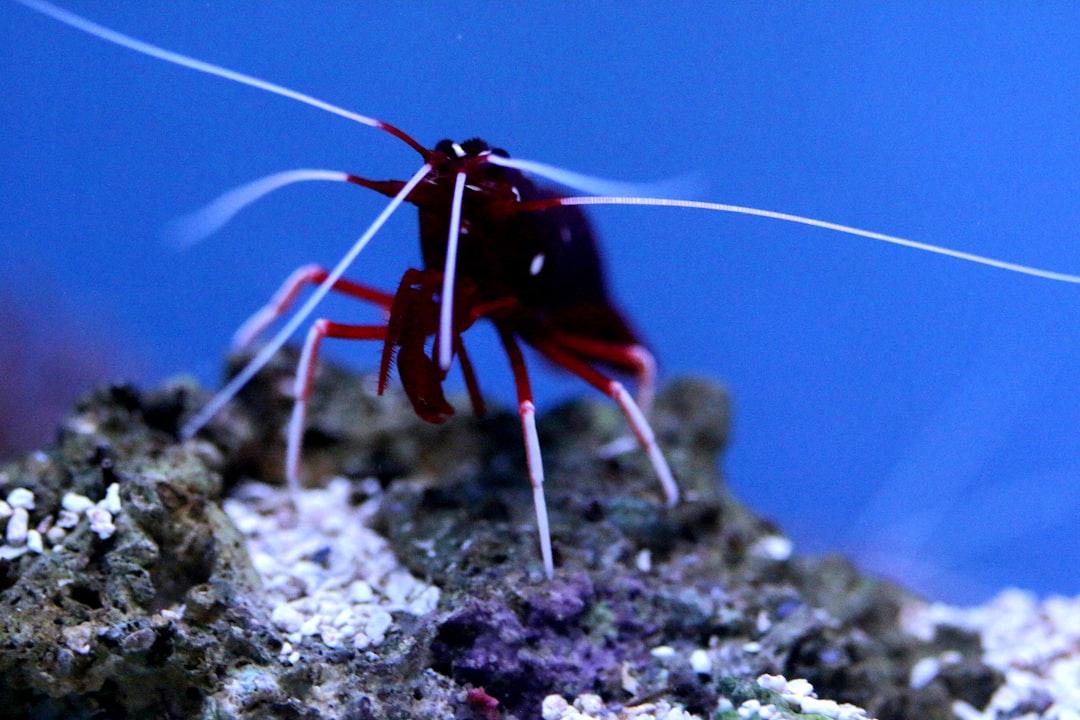
The pistol shrimp uses one of the most powerful physical forces in the natural world to stun and kill threats from a distance. Its oversized snapping claw closes so rapidly that it creates a cavitation bubble in the surrounding water, generating a pressure wave that briefly reaches temperatures comparable to the surface of the sun. This flash of heat and force can stun or kill small fish and invertebrates without any physical contact whatsoever. The snap also produces a sound louder than most gunshots, measuring up to 210 decibels in controlled conditions. Dense colonies of pistol shrimp on shallow reefs have been known to interfere with submarine sonar systems due to the sheer volume of their combined snapping activity.
Northern Fulmar
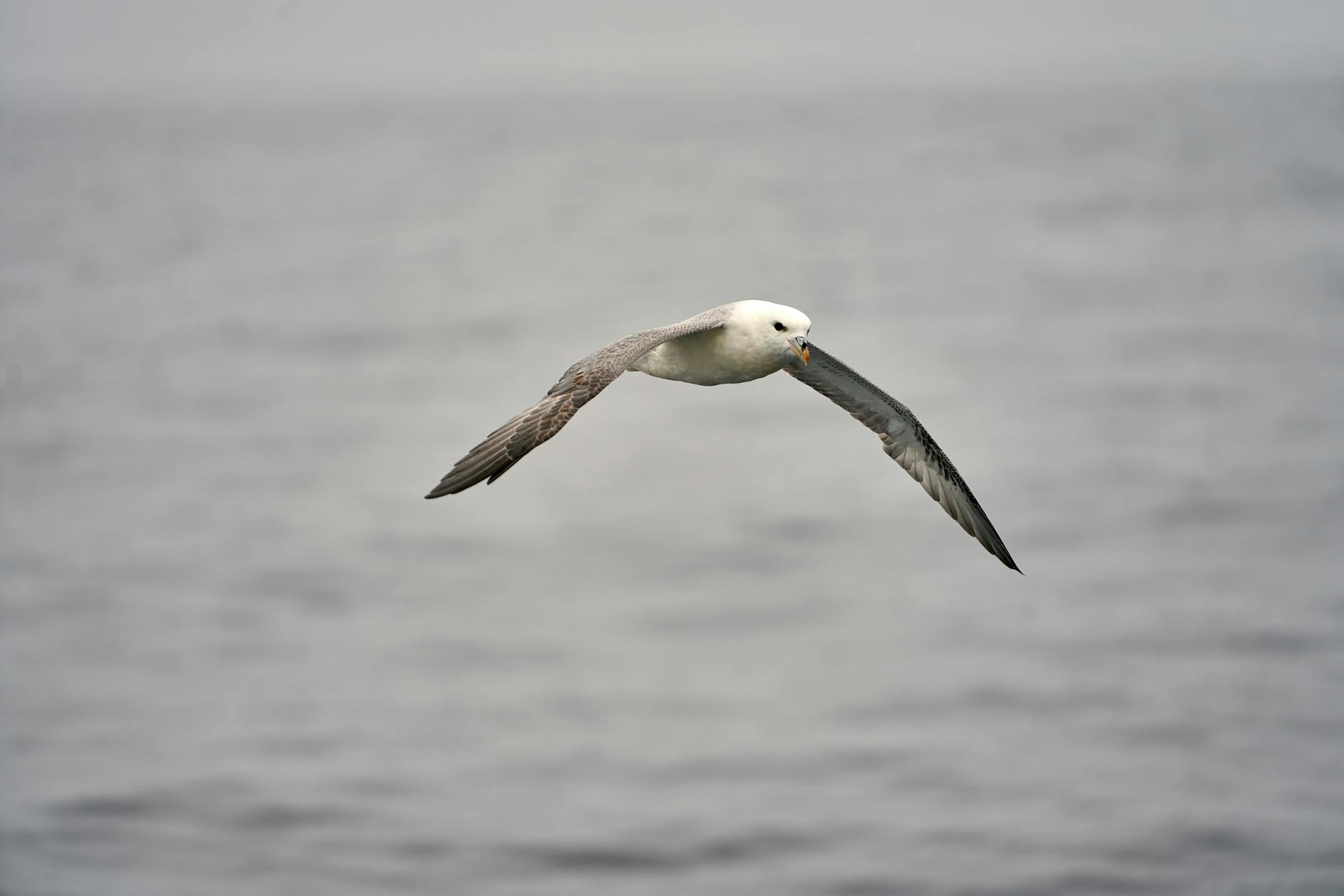
The northern fulmar, a seabird found across the North Atlantic and Arctic, defends itself and its nest by projectile vomiting a concentrated stomach oil at perceived threats. This orange or yellowish oil is produced from the bird’s digestive system and can be launched with considerable accuracy at predators approaching the nest or at rival birds in flight. The oil is not merely unpleasant but genuinely dangerous, as it mats the feathers of other birds and destroys their waterproofing and insulation capacity. A bird coated in fulmar oil that cannot groom itself faces the risk of dying from hypothermia or drowning. Even experienced ornithologists handling fulmars in the field take careful precautions to avoid being targeted.
Pufferfish
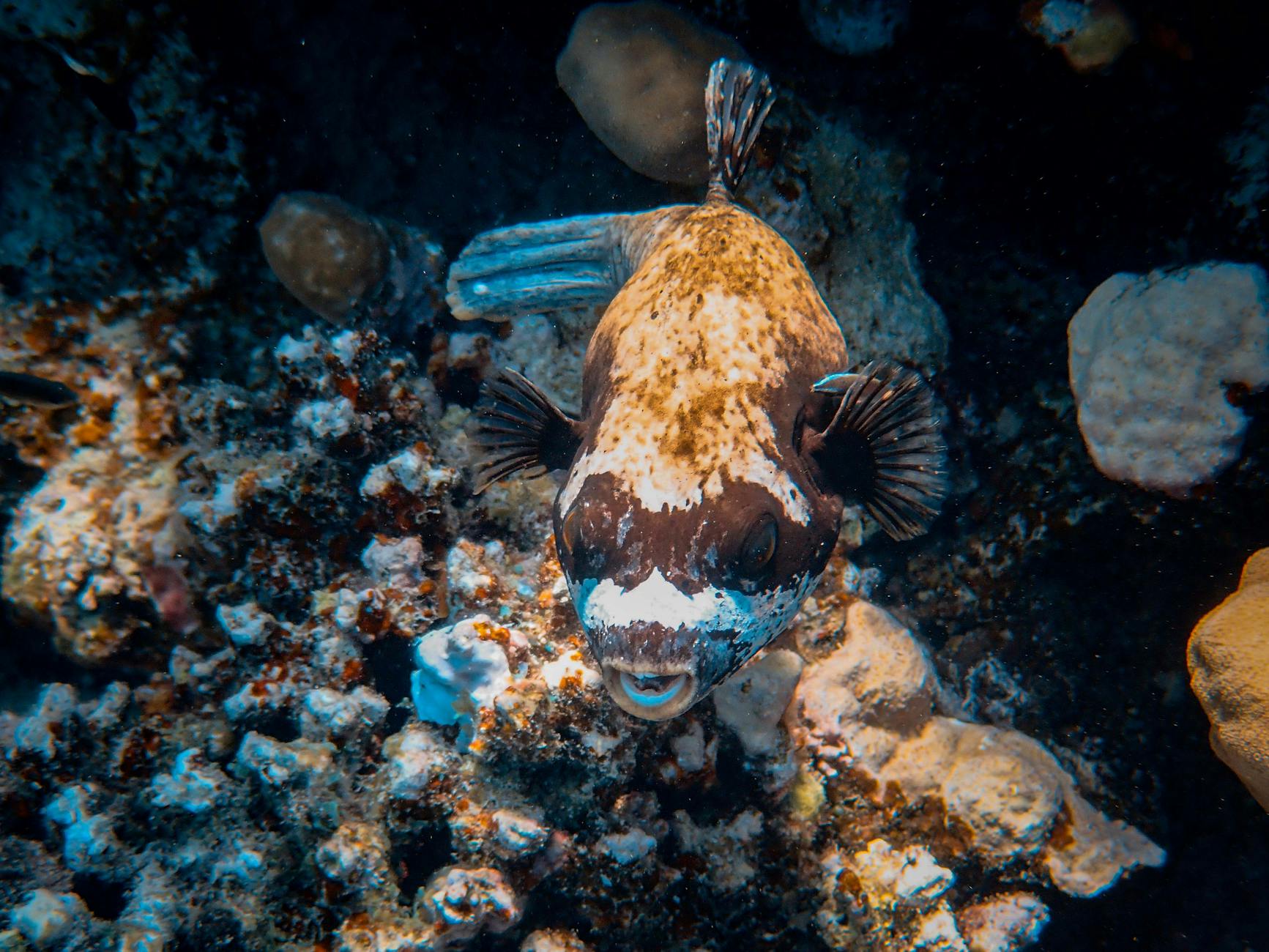
The pufferfish is perhaps the most visually recognizable defensive animal in the ocean, famous for its ability to rapidly inflate its body into a near-perfect sphere when threatened. It accomplishes this by gulping large quantities of water into an elastic stomach that can expand to several times its resting volume in seconds. This inflation makes the fish simultaneously too large to swallow and presents an exterior covered with stiff spines that deter biting attempts. Many pufferfish species also contain tetrodotoxin, one of the most potent neurotoxins found in nature, concentrated heavily in their organs and skin. A single pufferfish can carry enough toxin to kill dozens of adult humans, and no antidote currently exists.
Pangolin
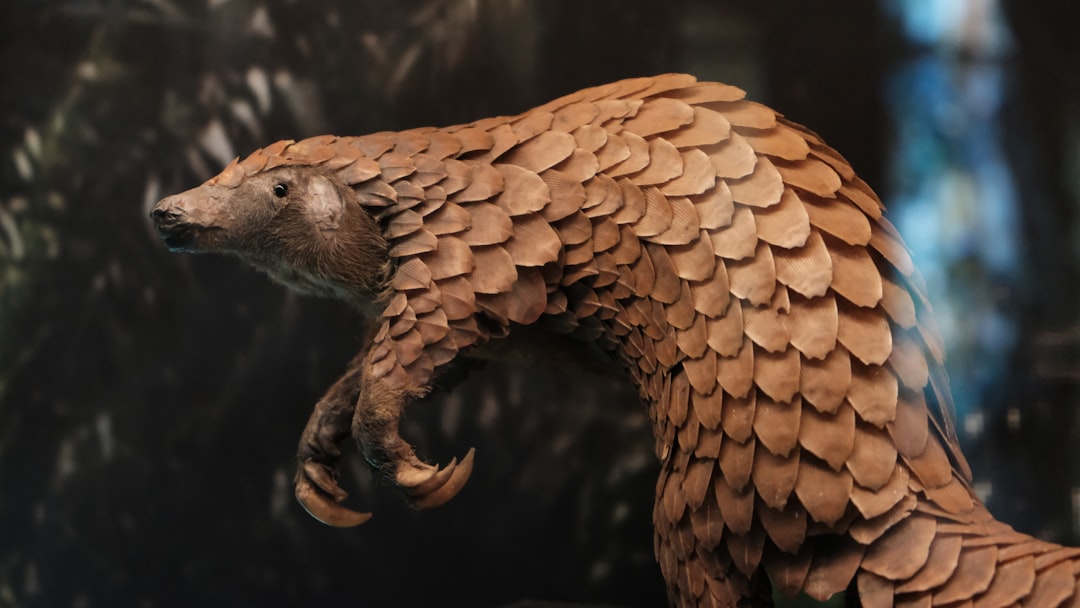
The pangolin is the world’s only mammal covered entirely in scales made of keratin, the same protein found in human fingernails and hair. When threatened, it rolls into a tight ball with its overlapping scales forming an almost impenetrable armor capable of resisting the jaws of lions and leopards. It tucks its soft face and vulnerable underbelly completely inside this defensive formation, leaving no exposed flesh accessible to attackers. Some pangolin species can also release a pungent secretion from glands near their tail that acts as an additional chemical deterrent. This combination of mechanical and chemical defenses has made the pangolin extraordinarily resilient against natural predators for tens of millions of years of evolutionary history.
Burrowing Owl
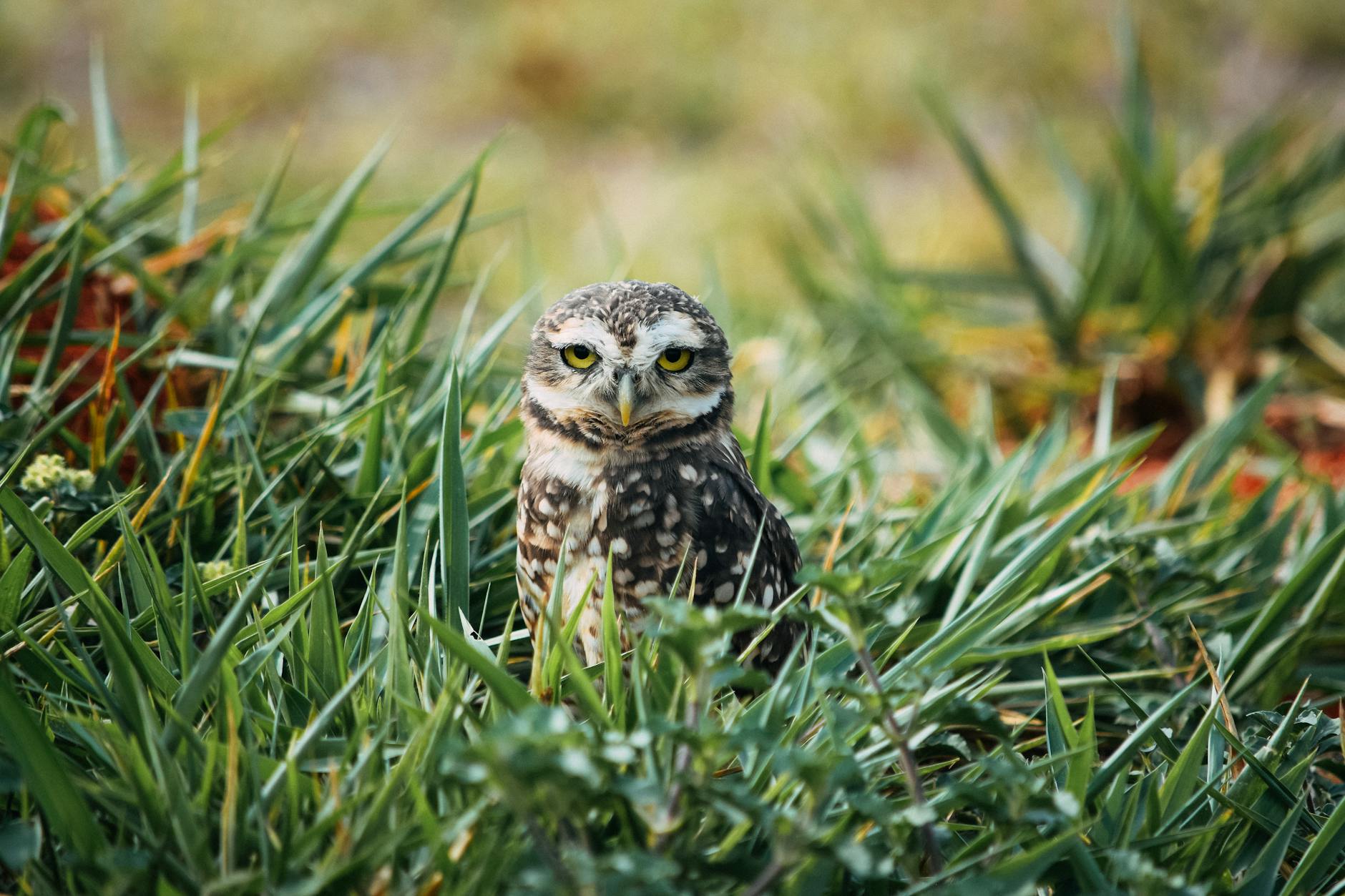
The burrowing owl has developed an acoustic defense that exploits the hardwired survival instincts of potential predators. When a threat approaches its underground nest, it produces a long hissing sound that closely mimics the warning rattle of a rattlesnake hiding inside a burrow. This mimicry has been documented to deter mammals and other birds that would otherwise investigate and raid the nest for eggs or chicks. The owl does not produce this sound in any other behavioral context, suggesting it evolved specifically as a deceptive alarm response. Researchers have noted the hissing is most frequently used by juveniles still developing their flight capabilities, when ground-based threats pose the greatest risk to their survival.
Cuttlefish
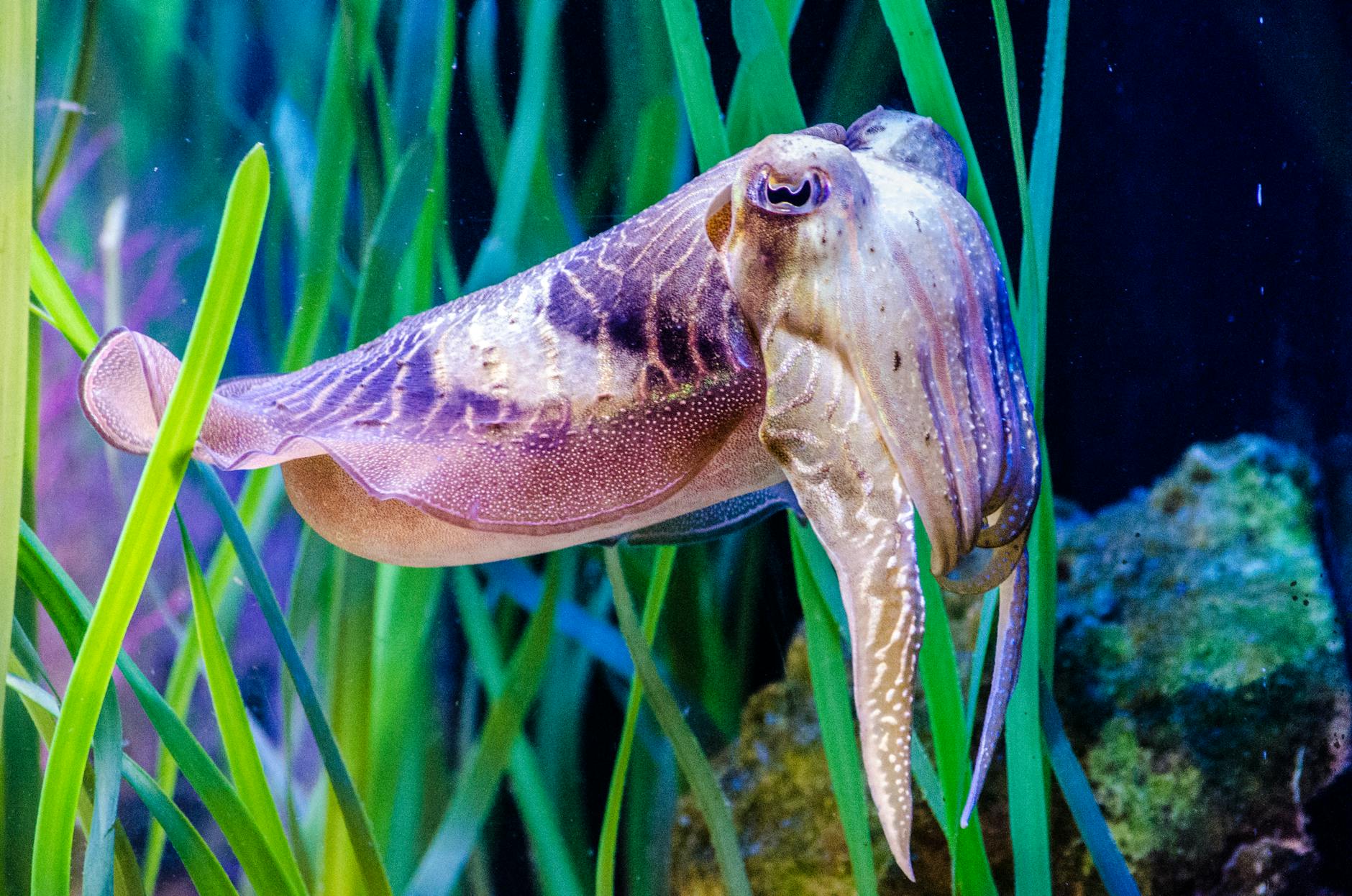
The cuttlefish possesses one of the most sophisticated camouflage systems ever studied in the animal kingdom, despite being completely colorblind. Thousands of specialized cells called chromatophores, iridophores, and papillae distributed across its skin can change color, pattern, and texture within milliseconds. It can create moving wave patterns across its body to confuse prey and produce polarized light signals invisible to most predators but detectable by other cuttlefish. When escape becomes necessary, it releases a cloud of dark ink containing dopamine that disrupts the olfactory and visual senses of pursuing predators. The neural architecture controlling its camouflage system is so complex that it is actively studied as a model for understanding distributed biological computing.
Striped Skunk
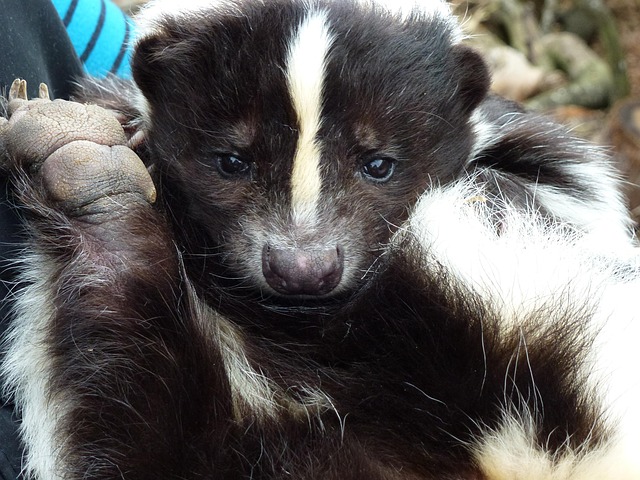
The striped skunk of North America is among the most chemically defended animals on the continent, capable of delivering a highly accurate spray from up to ten feet away. Its spray comes from two glands located beneath the tail that produce a sulfur-containing compound called thiol, which bonds strongly to skin and fur and resists ordinary washing with exceptional tenacity. Before spraying, the skunk performs a well-documented warning sequence involving foot stomping, tail raising, and a handstand posture to give larger animals an opportunity to retreat. The chemical can cause temporary blindness and intense nausea in animals and humans exposed at close range. A skunk can deliver up to six consecutive sprays before its glands require as many as ten days to fully replenish.
Glass Frog
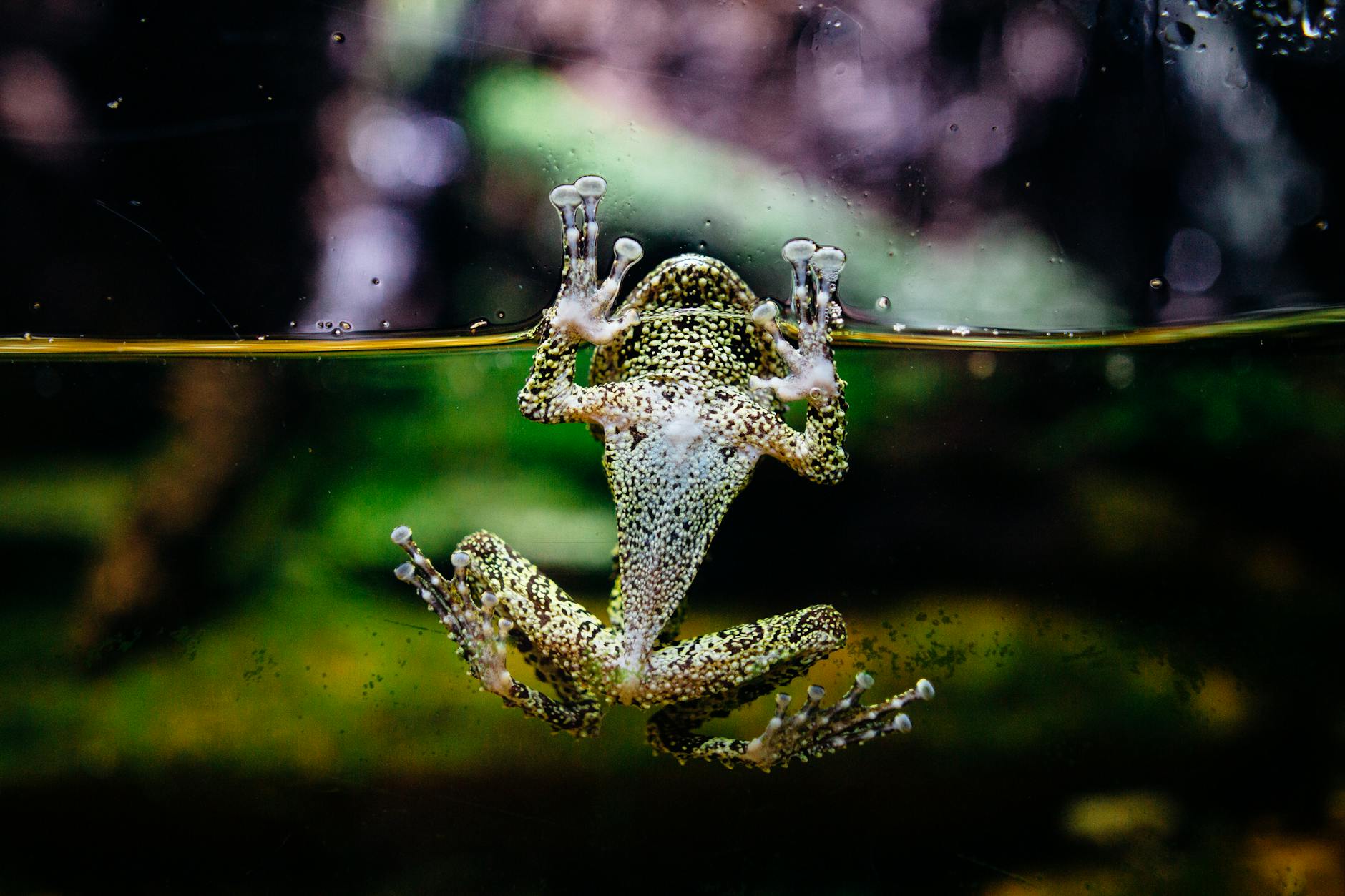
The glass frog of Central and South America has evolved near-total transparency as its primary defense against predators dwelling in the forest canopy. The underside of its skin is almost completely clear, making its beating heart, digestive tract, and developing eggs visible from outside the body. This transparency disrupts the visual outline of the frog against leaf surfaces, making it extraordinarily difficult for birds and snakes to detect against foliage. Recent research has revealed that glass frogs can hide up to 89 percent of their red blood cells in their liver while sleeping, reducing the contrast of blood vessels visible through their skin. This is the first documented example of active transparency control through deliberate blood cell management in any vertebrate animal.
Decorator Crab
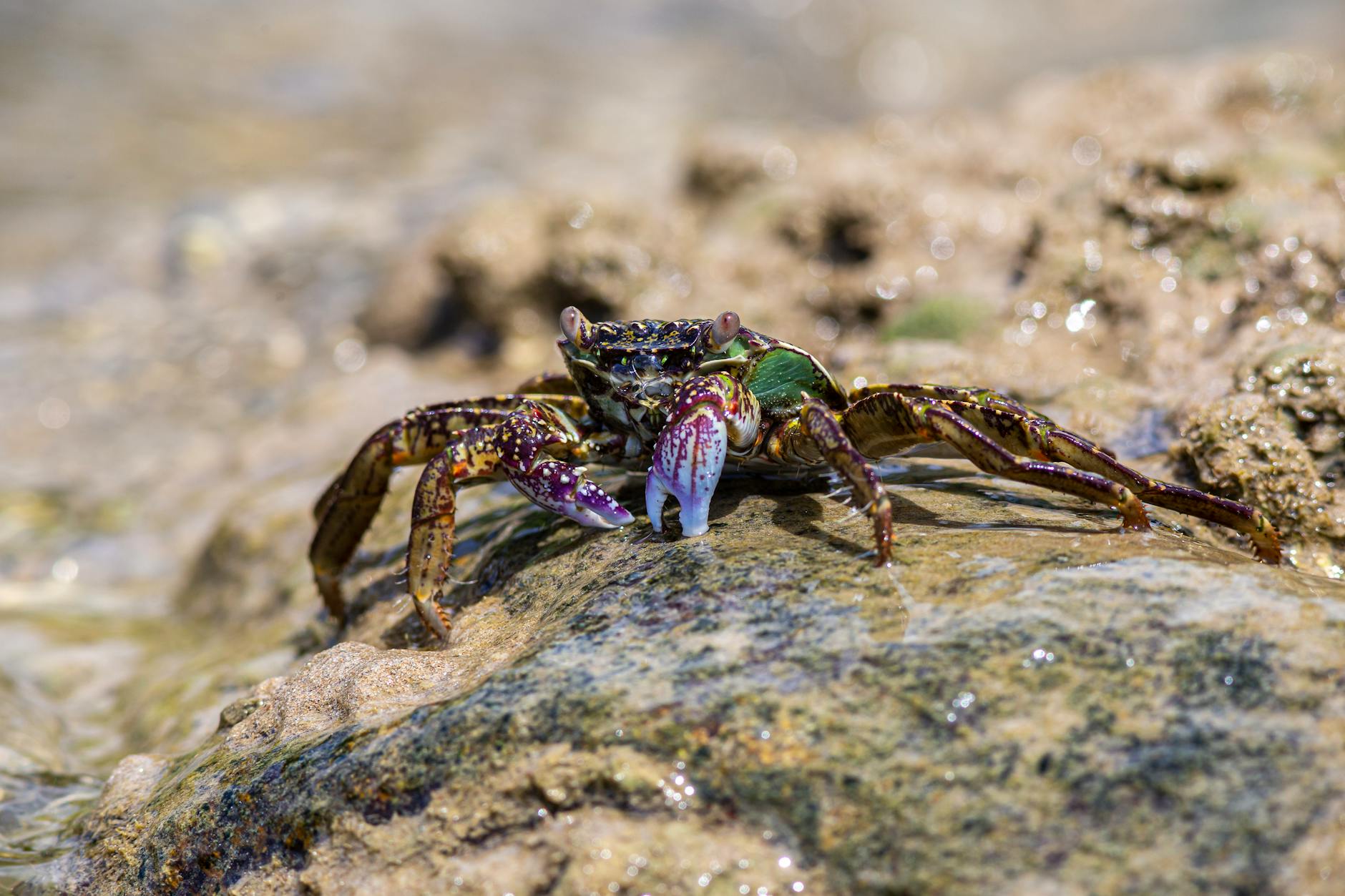
The decorator crab practices one of the most inventive forms of camouflage observed anywhere in the natural world. It deliberately attaches living organisms including sponges, algae, anemones, and small invertebrates to specialized hooked hairs covering its carapace and legs. These living decorations not only disguise the crab visually but can also deter predators through the toxins or stinging cells of the organisms attached to its shell. The crab actively curates its decoration choices based on the habitat it currently occupies, replacing organisms as it moves to new environments. When a decorator crab molts and grows a new shell, it carefully transfers its collected organisms to the fresh carapace before resuming its daily activity.
Mantis Shrimp
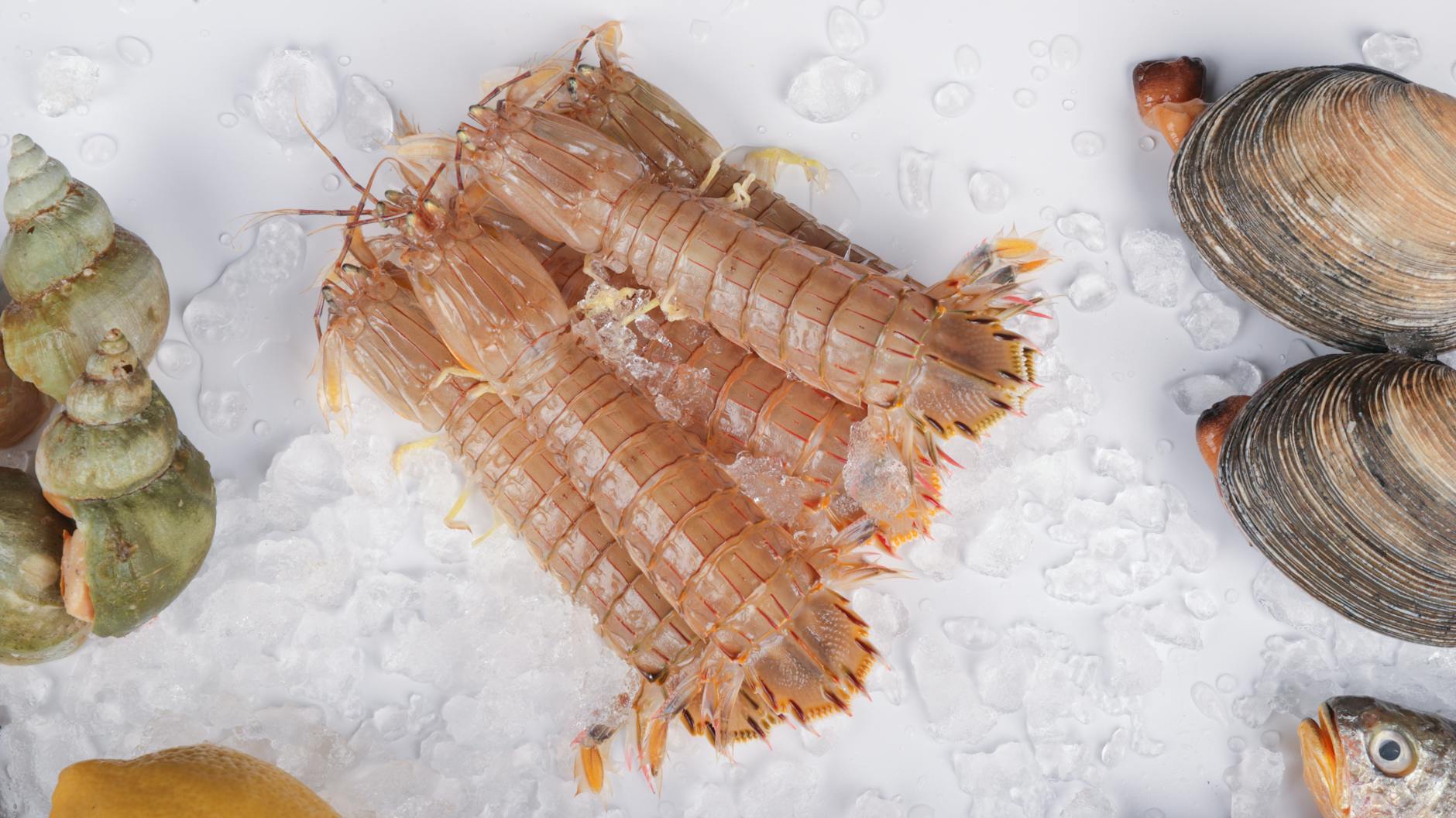
The mantis shrimp is widely regarded as one of the most physically powerful animals relative to its body size found anywhere on Earth. Its club-like front appendages can strike with the acceleration of a bullet, producing a force exceeding 1500 newtons from an animal weighing only a few ounces. These strikes are so powerful that they generate cavitation bubbles delivering a secondary impact even when the claw misses direct contact with the target. Mantis shrimp have been documented shattering aquarium glass and have caused injuries in researchers requiring medical stitches. Their visual system is equally remarkable, containing twelve to sixteen types of color receptors compared to just three found in the human eye.
Slow Loris
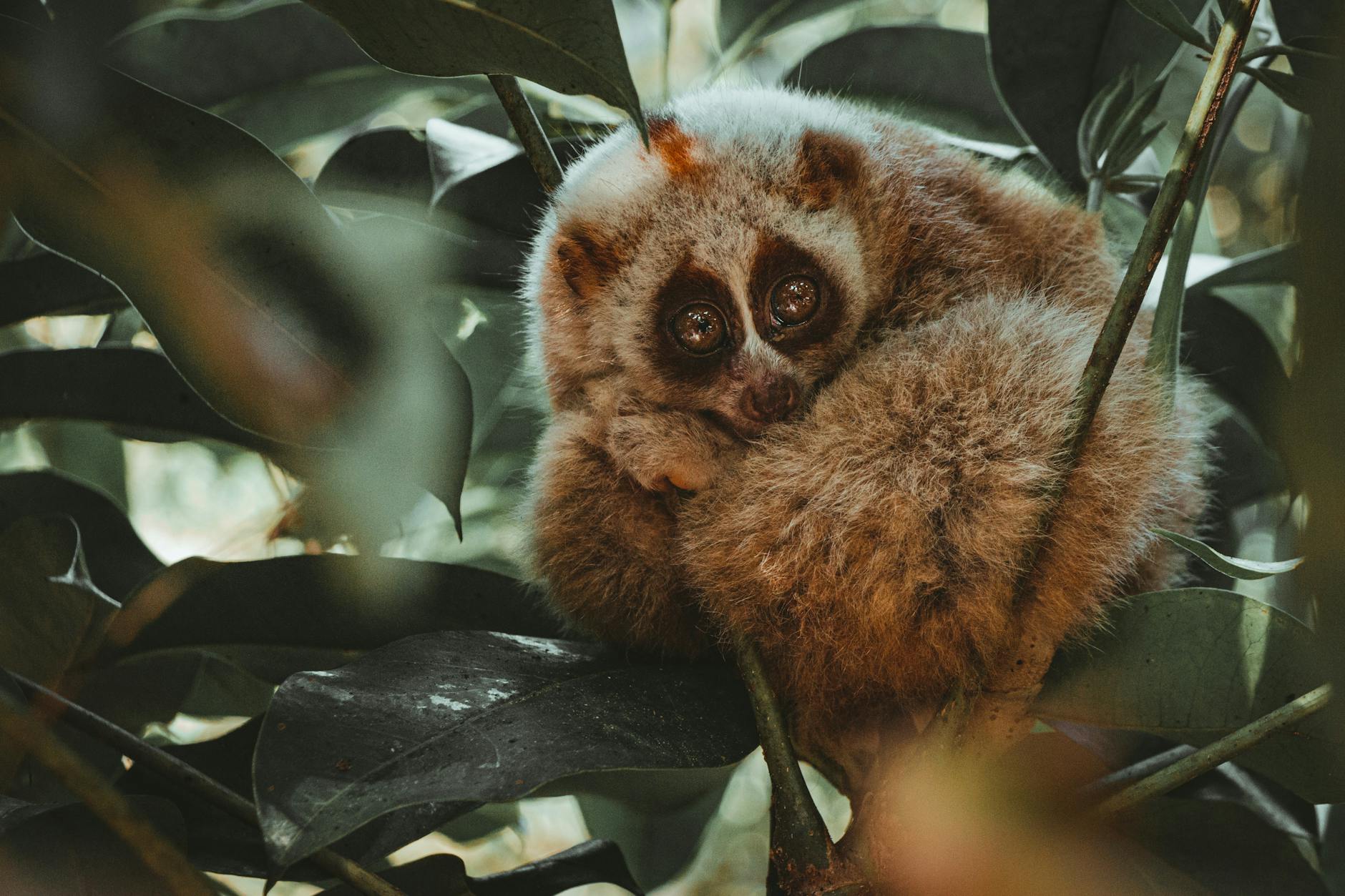
The slow loris of Southeast Asia is the only known venomous primate in the world, producing a toxic secretion from specialized glands on the inside of its elbows. It activates this venom by licking the gland and mixing the secretion with saliva, creating a compound it applies to its fur during grooming or delivers directly through a bite. The bite of a slow loris can cause anaphylactic shock and tissue necrosis in humans and is capable of killing smaller predators outright. Mothers also apply the mixed venom to their offspring before leaving them to forage, effectively coating the young animals in a chemical deterrent against opportunistic predators. The venom has been found to share chemical similarities with allergens produced by domestic cats, though its precise mechanisms remain an active area of ongoing research.
Iberian Newt
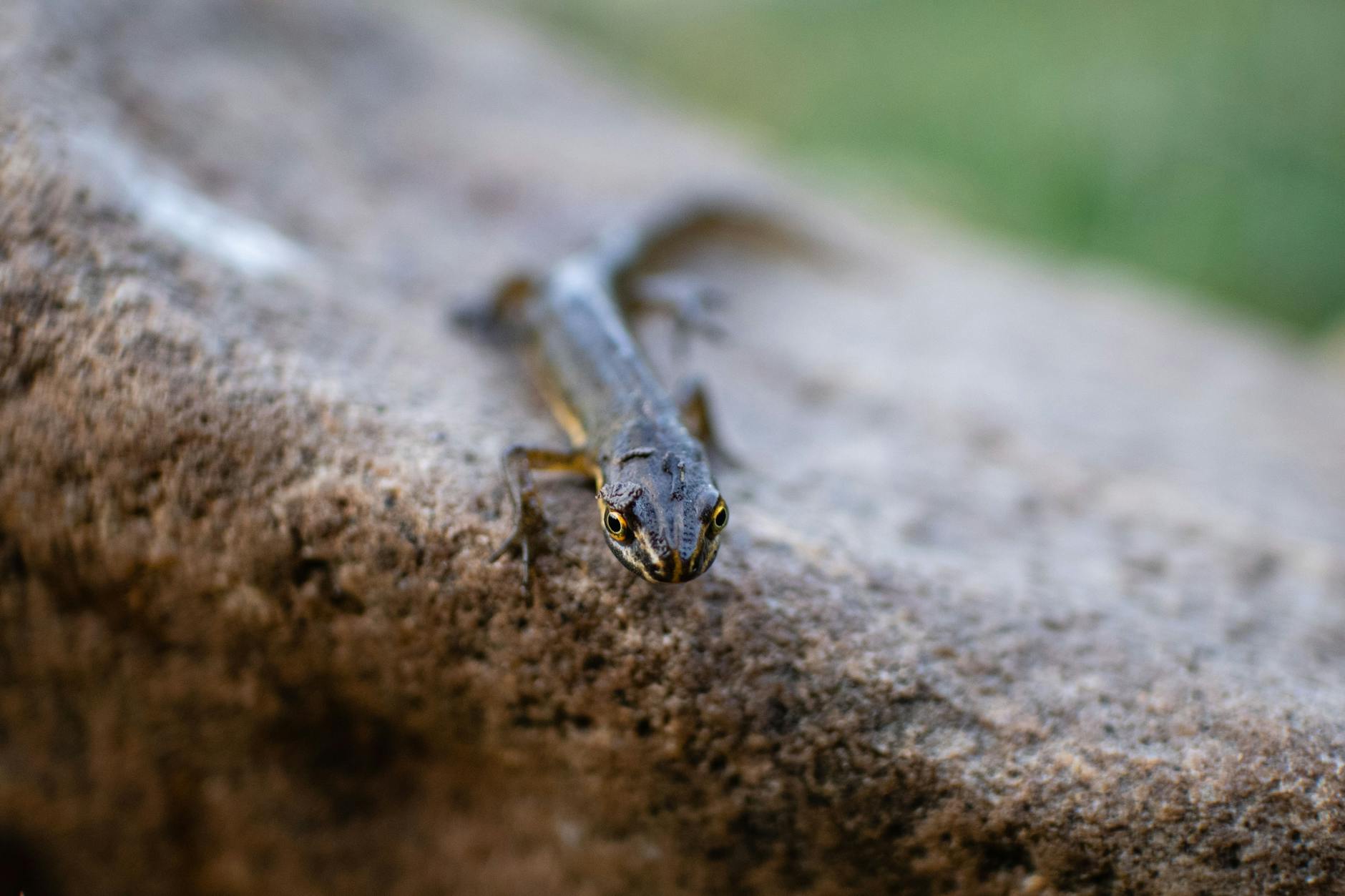
The Iberian ribbed newt of the Iberian Peninsula has evolved one of the most extreme physical defense strategies documented in any vertebrate animal. When seized by a predator, it can voluntarily push its own sharp rib bones outward through its skin, creating a row of protruding bony spikes along both sides of its body. The process simultaneously triggers the secretion of a toxic skin mucus, effectively turning the exposed ribs into venom-tipped puncturing weapons against whatever is gripping it. The punctured skin heals remarkably quickly due to the newt’s exceptional regenerative capabilities, leaving the animal largely unharmed after the encounter. This mechanism was first described in scientific literature in the 1870s but its full defensive function was not experimentally confirmed until the early 2000s.
Spitting Spider
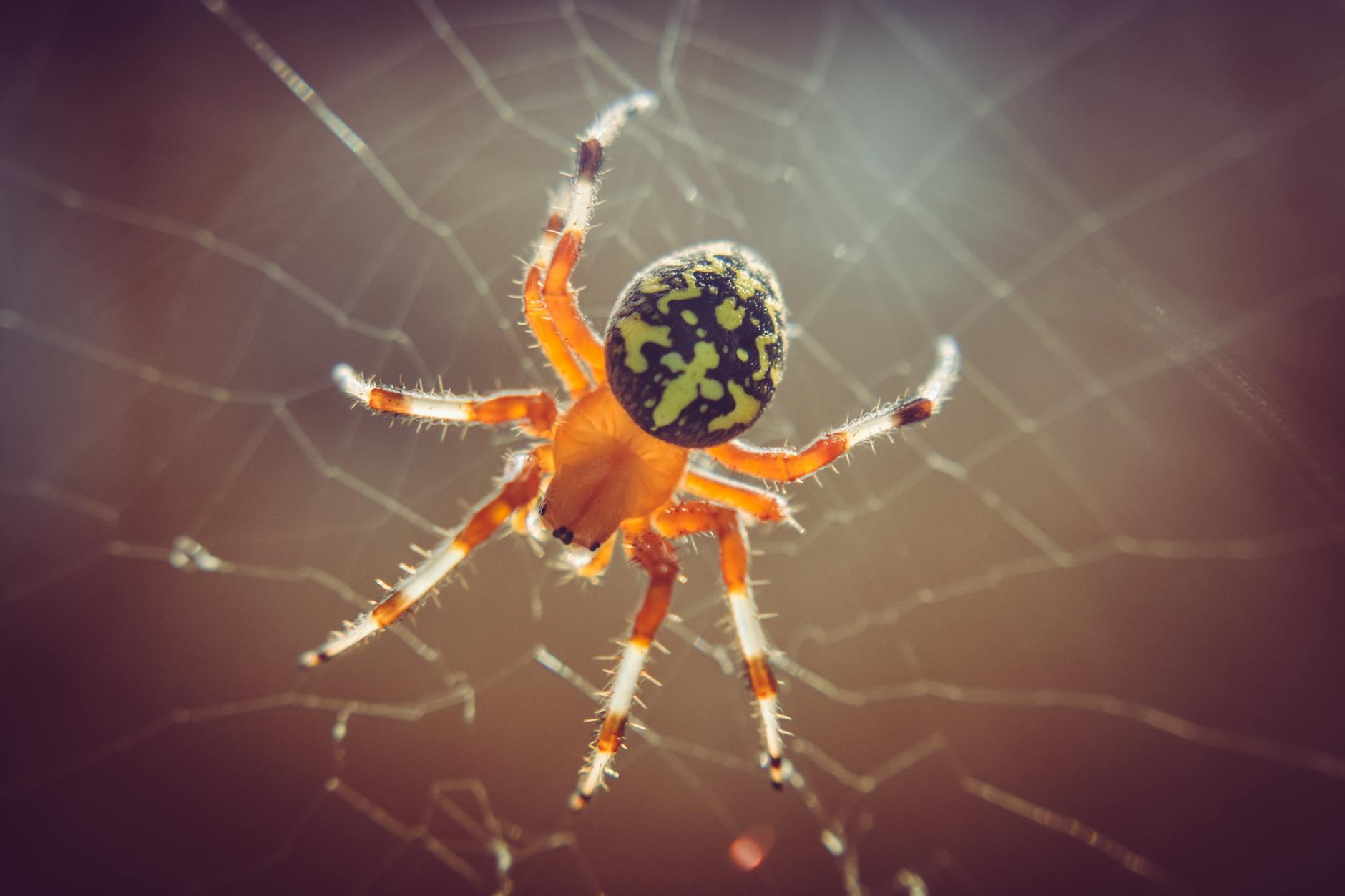
The spitting spider has developed a method of immobilizing threats and deterring predators without any direct physical contact. It produces a venomous and sticky silk from its fangs that it ejects at targets with exceptional speed and accuracy, creating a zigzag binding pattern that pins them in place. The ejected silk is both toxic and adhesive, meaning it simultaneously immobilizes and begins acting on the target before the spider approaches. This spider can aim and fire while remaining completely stationary, giving it a significant advantage over anything that might otherwise escape. High-speed camera studies have revealed that the entire spitting sequence from trigger to impact occurs in less than one seven-hundredth of a single second.
Potoo Bird
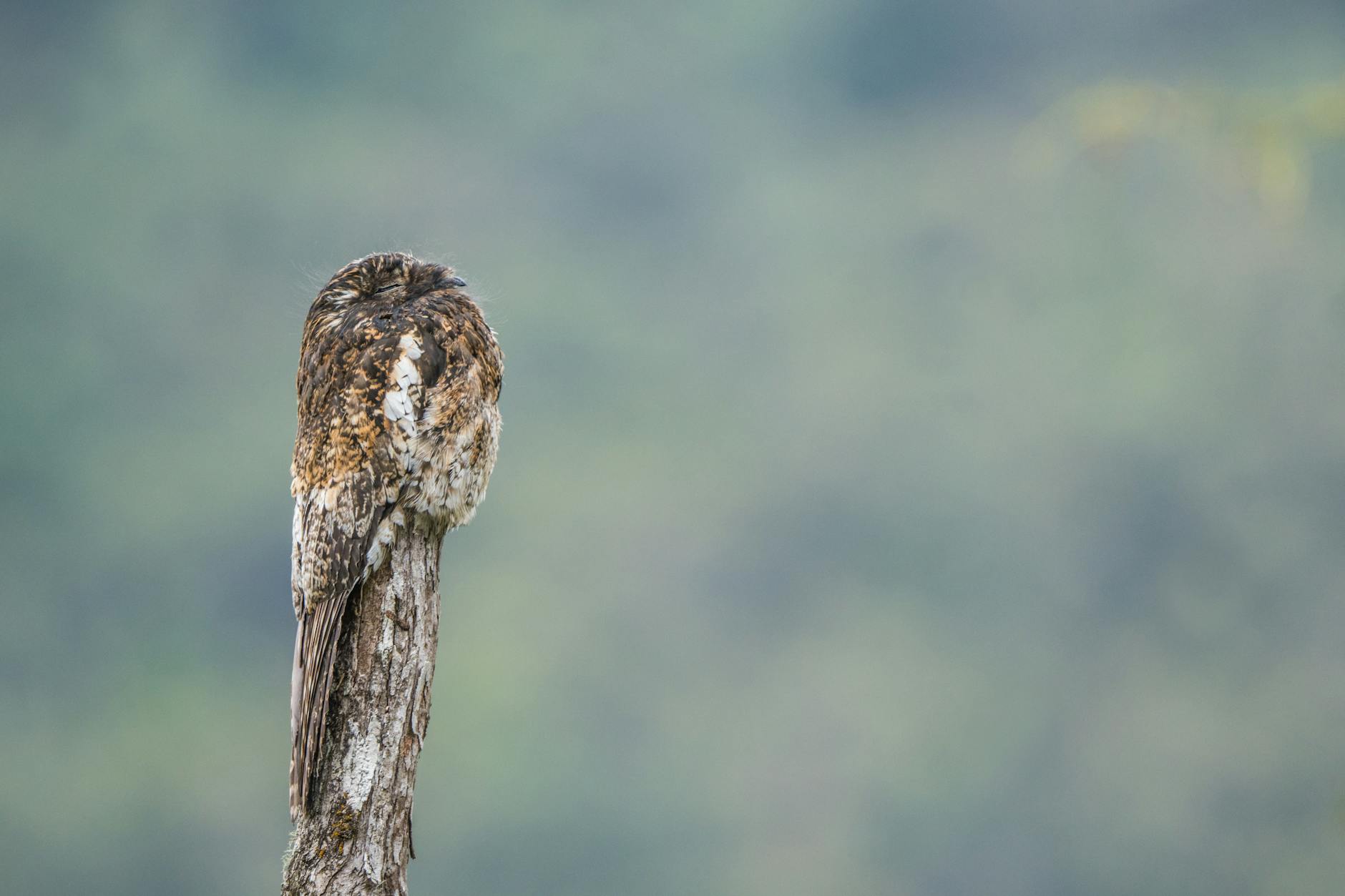
The potoo is a nocturnal bird found across Central and South America that relies on extraordinary camouflage rather than flight or aggression to evade predators. During daylight hours, it perches motionless at the broken end of a tree branch and stretches its neck upward to mimic the appearance of a dead tree stump with remarkable biological precision. Its streaked brown and gray plumage blends seamlessly into bark textures, and tiny slits in its closed eyelids allow it to detect approaching threats without exposing its eyes. If a predator comes very close, the potoo snaps its enormous eyes open and spreads its wings suddenly in a startling threat display intended to frighten the attacker away. This combination of passive concealment and sudden alarm behavior makes it one of the most behaviorally layered cryptic animals in the avian world.
Archerfish
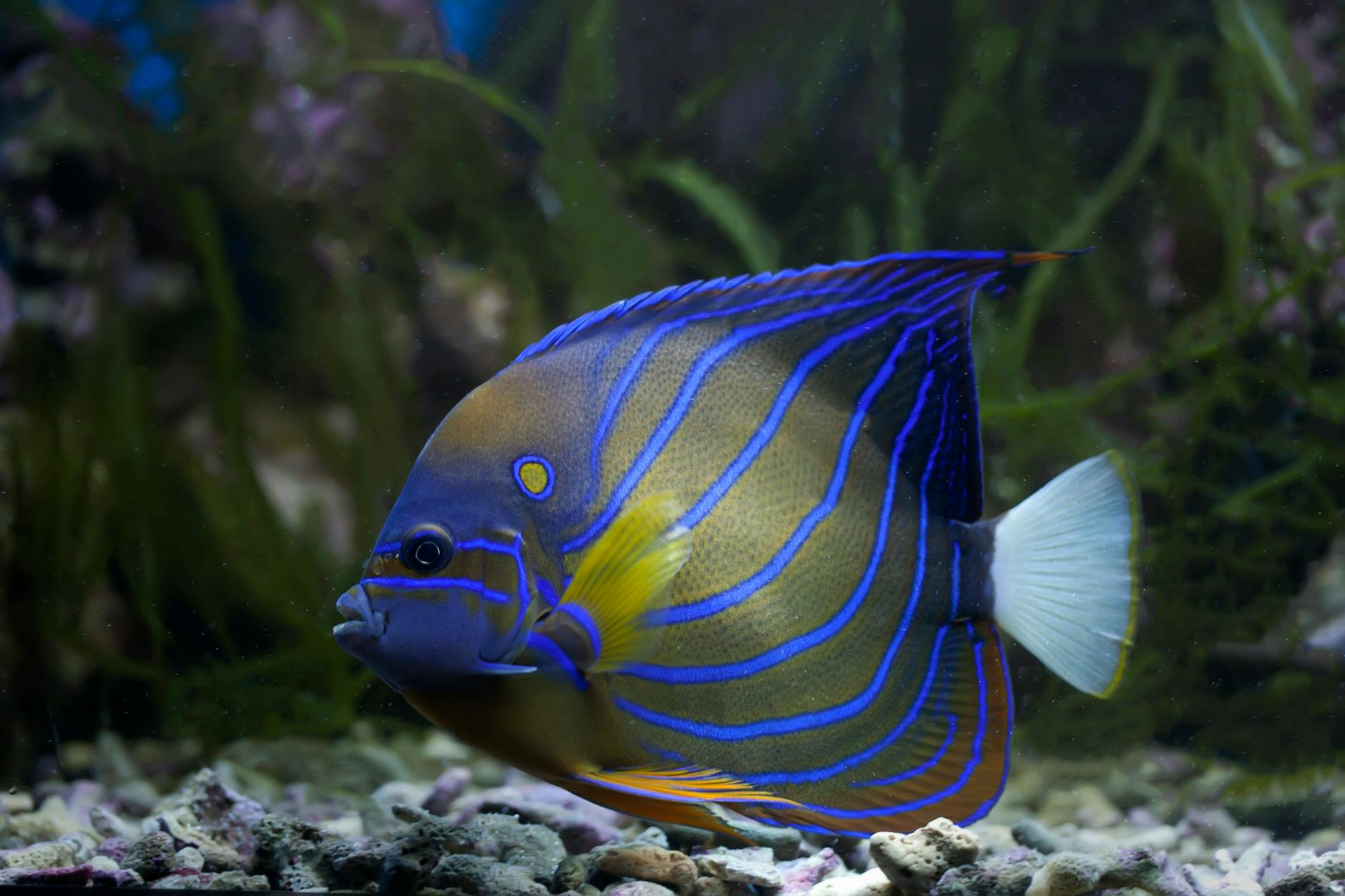
The archerfish of Southeast Asia and Northern Australia has developed a hunting and defensive skill that requires sophisticated real-time understanding of optics and ballistics. It hunts insects and small animals above the water surface by shooting precise jets of water from its mouth, automatically compensating for the refraction of light at the water’s boundary. This same ability functions as a defensive tool, allowing the fish to aim jets at the eyes of predatory birds or mammals leaning over the water’s edge. The archerfish can adjust both the power and focus of its shot depending on the distance and size of its target with notable consistency. Young archerfish develop shooting accuracy by observing experienced adults, making this a documented example of social learning behavior in fish.
Hognose Snake
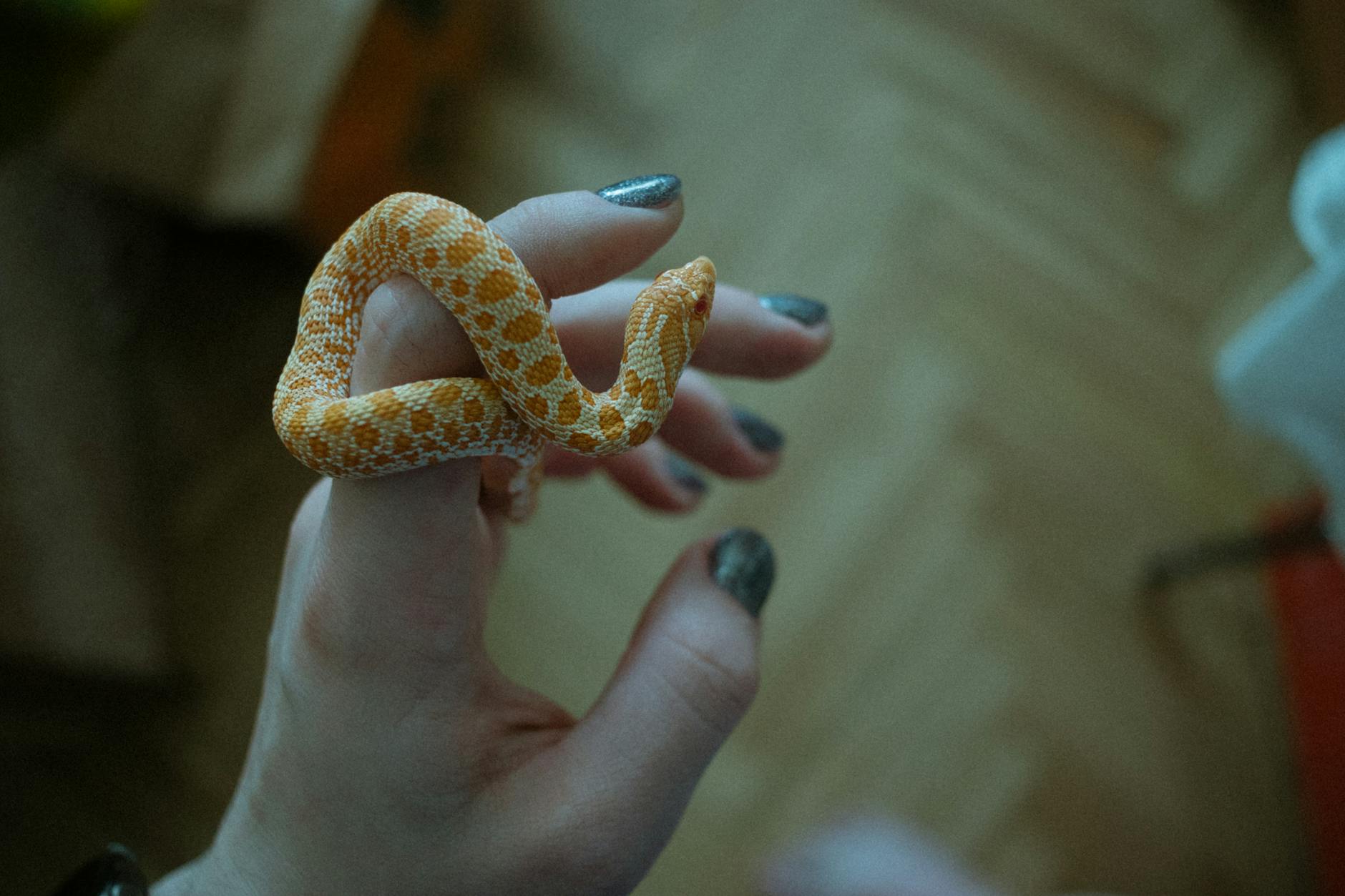
The eastern hognose snake of North America has developed a theatrical multi-stage defense response that has made it one of the most studied behavioral performers in the reptile world. When initially confronted by a threat, it flattens its neck into a cobra-like hood and produces a loud hissing display to appear larger and more dangerous than it truly is. If this display fails to deter the predator, the snake rolls onto its back, opens its mouth, allows its tongue to hang out, and releases a foul-smelling musk that mimics the odor of a rotting carcass. It maintains this position stubbornly and will even flip back over if a skeptical predator turns it upright, as if intent on sustaining the illusion of death. Despite this elaborate performance, the hognose snake is entirely harmless to humans and presents no genuine danger to large animals.
Hairy Frog
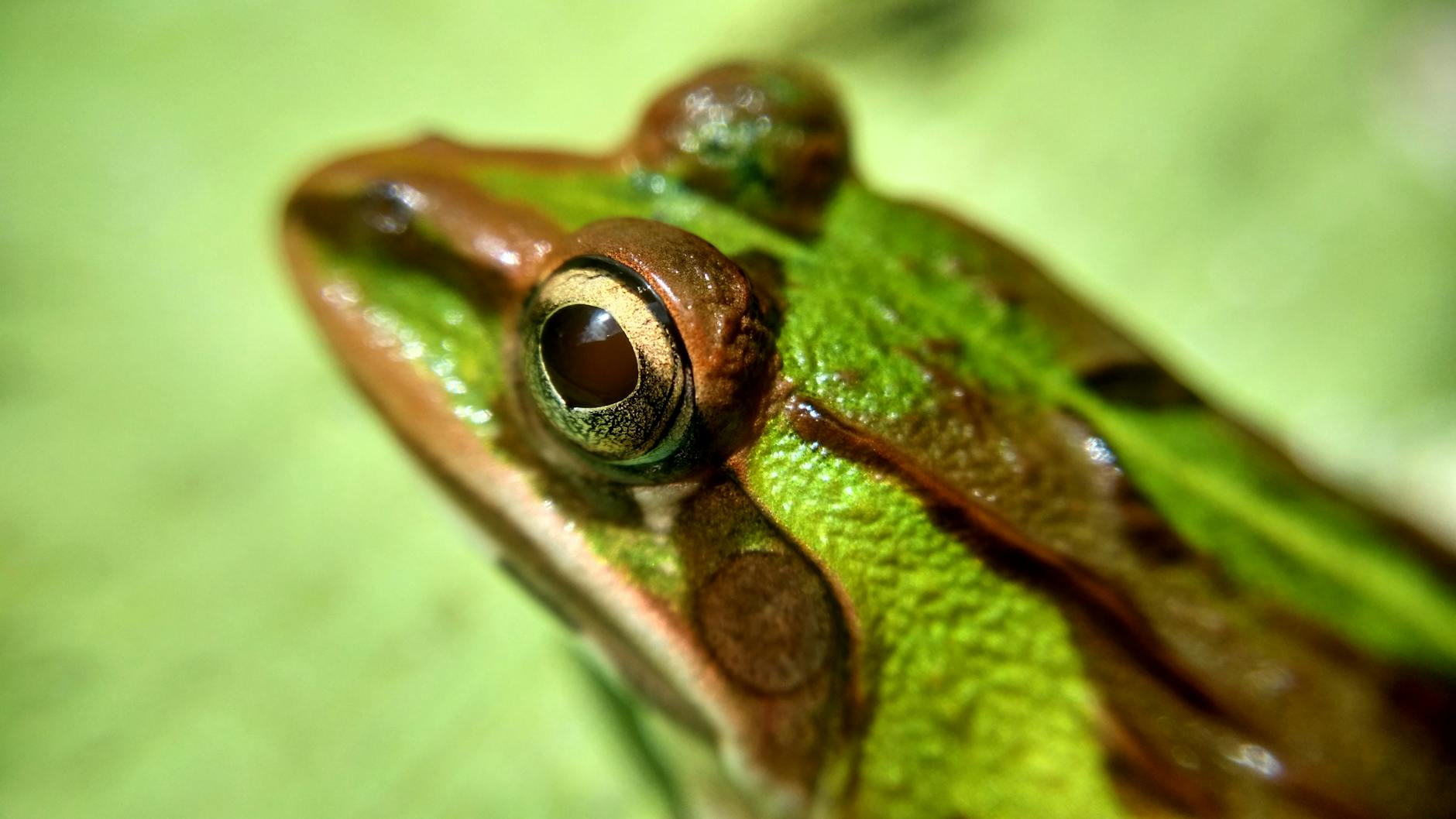
The hairy frog of Central Africa, sometimes called the horror frog, uses one of the most violent defensive mechanisms ever recorded in an amphibian. The hair-like filaments visible on breeding males are actually skin structures rich in blood vessels, thought to assist in oxygen absorption during the demands of the mating season. When threatened, the frog voluntarily fractures the bones in its own toes, forcing sharp bone fragments through the skin on its feet to create functional puncturing claws. Once the threat has passed, the claws retract beneath the skin as the fractured bones presumably begin their healing process. This mechanism is widely cited as the closest known biological equivalent to the retractable claws associated with the fictional Marvel character Wolverine.
Malaysian Walkingstick
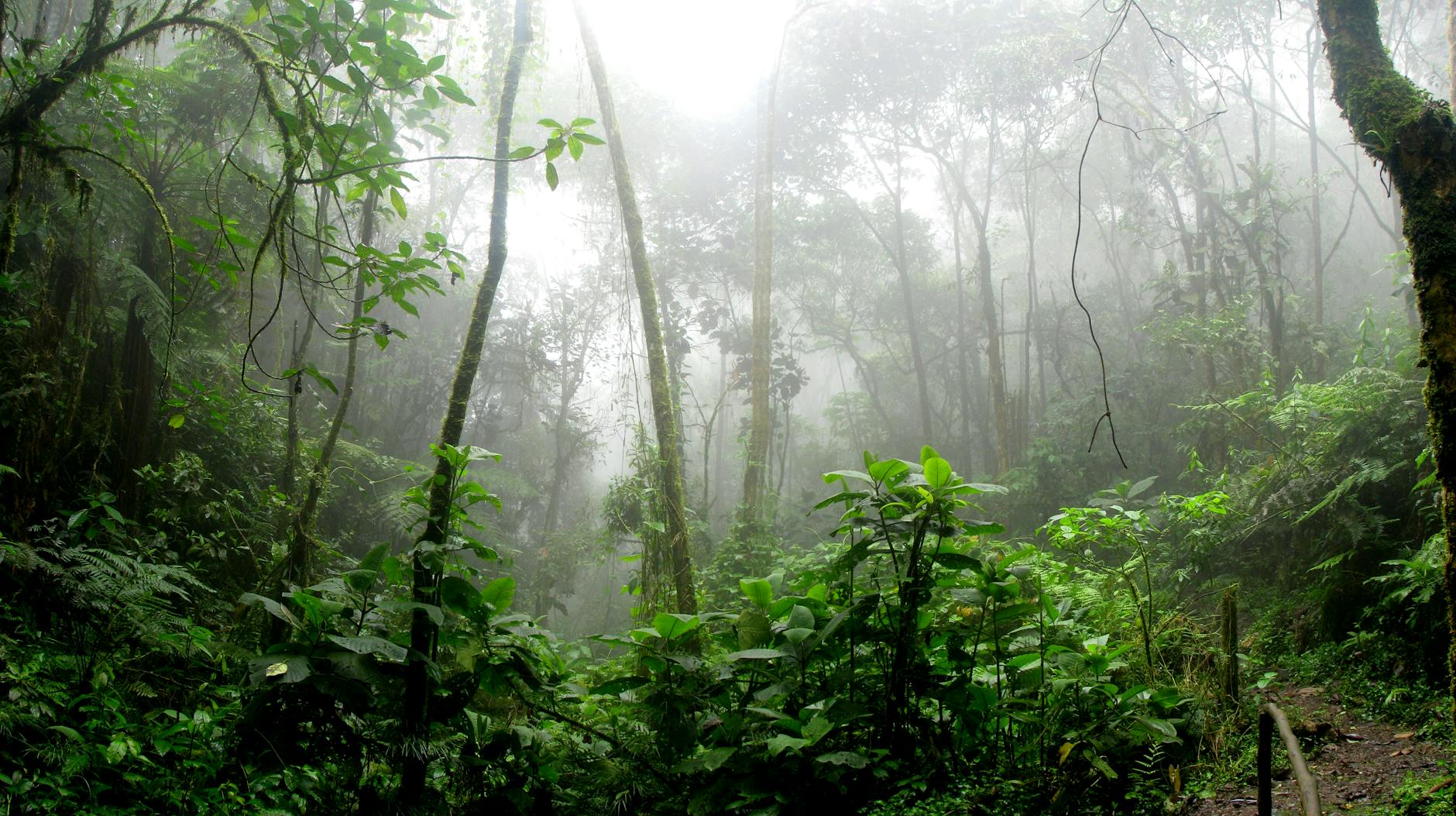
The Malaysian walkingstick is a giant stick insect that layers several distinct defenses into a single highly adapted body. Its elongated form and mottled brown-green coloration allow it to blend almost perfectly into the leaves and branches of its rainforest habitat, making visual detection by predators extremely difficult. When disturbed, it releases a chemical spray from glands behind its head that produces a strong milky odor capable of irritating the eyes and mucous membranes of approaching predators. If physically seized, it can shed a leg voluntarily in a process called autotomy, sacrificing the limb to escape, and will regenerate a functional replacement during its next molt. This insect also sways gently while at rest, mimicking the motion of leaves in a breeze to reinforce its camouflage even when observed at close range.
Which of these survival strategies do you find most astonishing? Share your thoughts in the comments.




