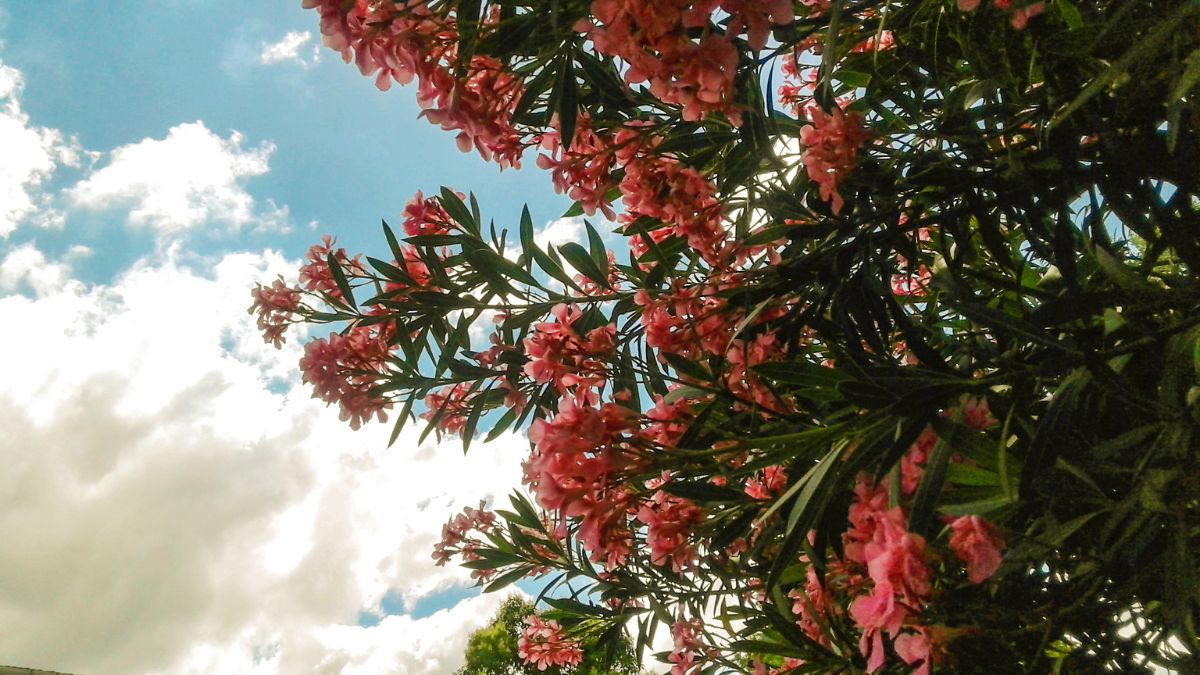
Many of the most stunning additions to a garden or home interior carry a serious hidden danger for canine companions. Dogs are naturally curious animals and will often sniff, chew, or swallow plant material without hesitation. Some of the most visually striking species contain compounds that can trigger severe reactions ranging from gastrointestinal distress to life-threatening organ failure. Pet owners and gardening enthusiasts alike benefit greatly from knowing which plants pose the greatest risk. This guide covers seventeen beautiful but dangerous plants that should be kept well out of reach of dogs.
Sago Palm
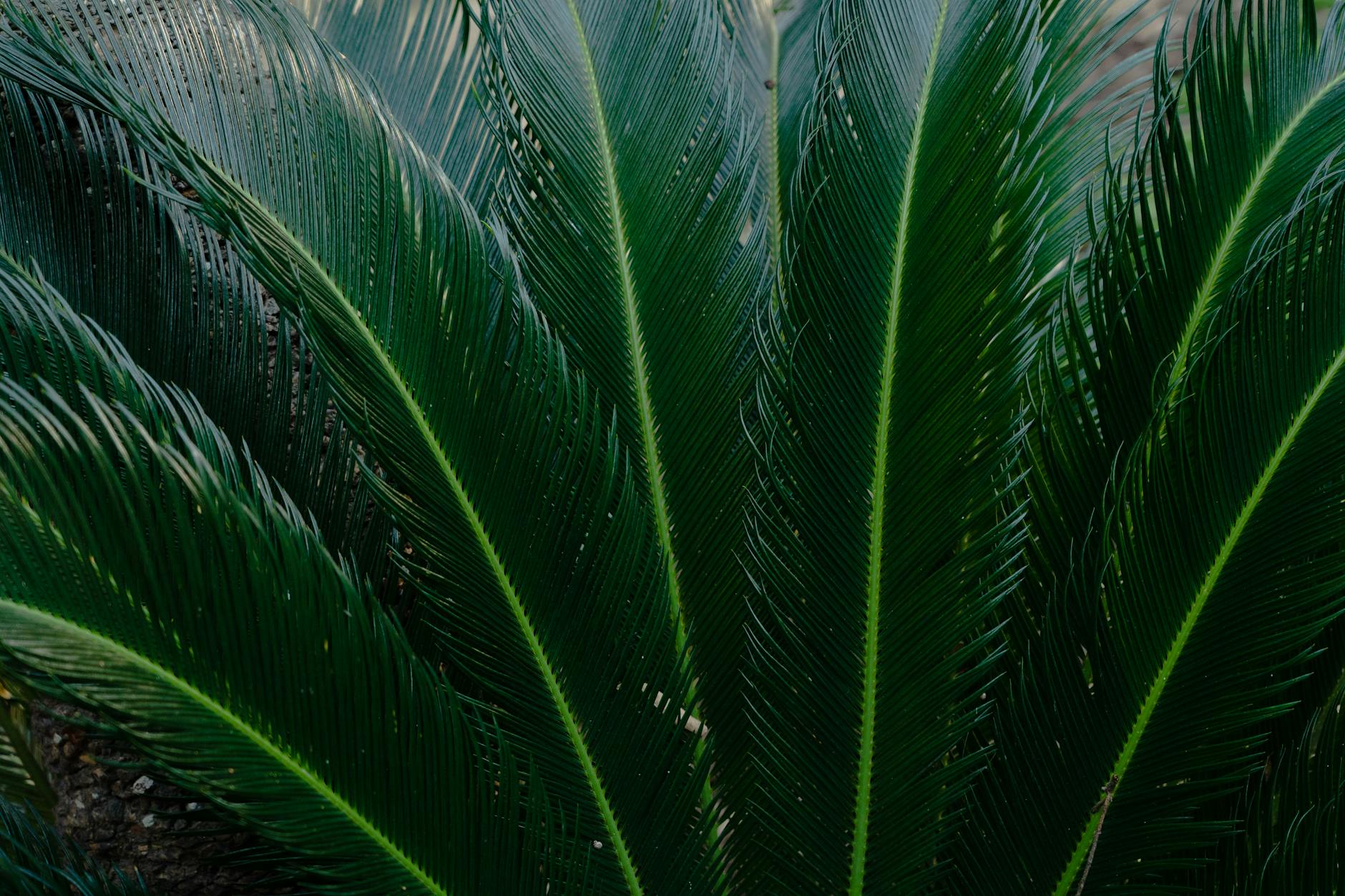
The sago palm is a popular ornamental plant prized for its dramatic, feathery fronds and tropical appearance. Every part of this plant is considered toxic to dogs, with the seeds carrying the highest concentration of dangerous compounds. Ingestion can lead to severe liver damage, vomiting, and neurological symptoms that progress rapidly. Even small amounts have been associated with fatal outcomes in dogs of all sizes. Veterinary attention should be sought immediately if any contact or ingestion is suspected.
Oleander
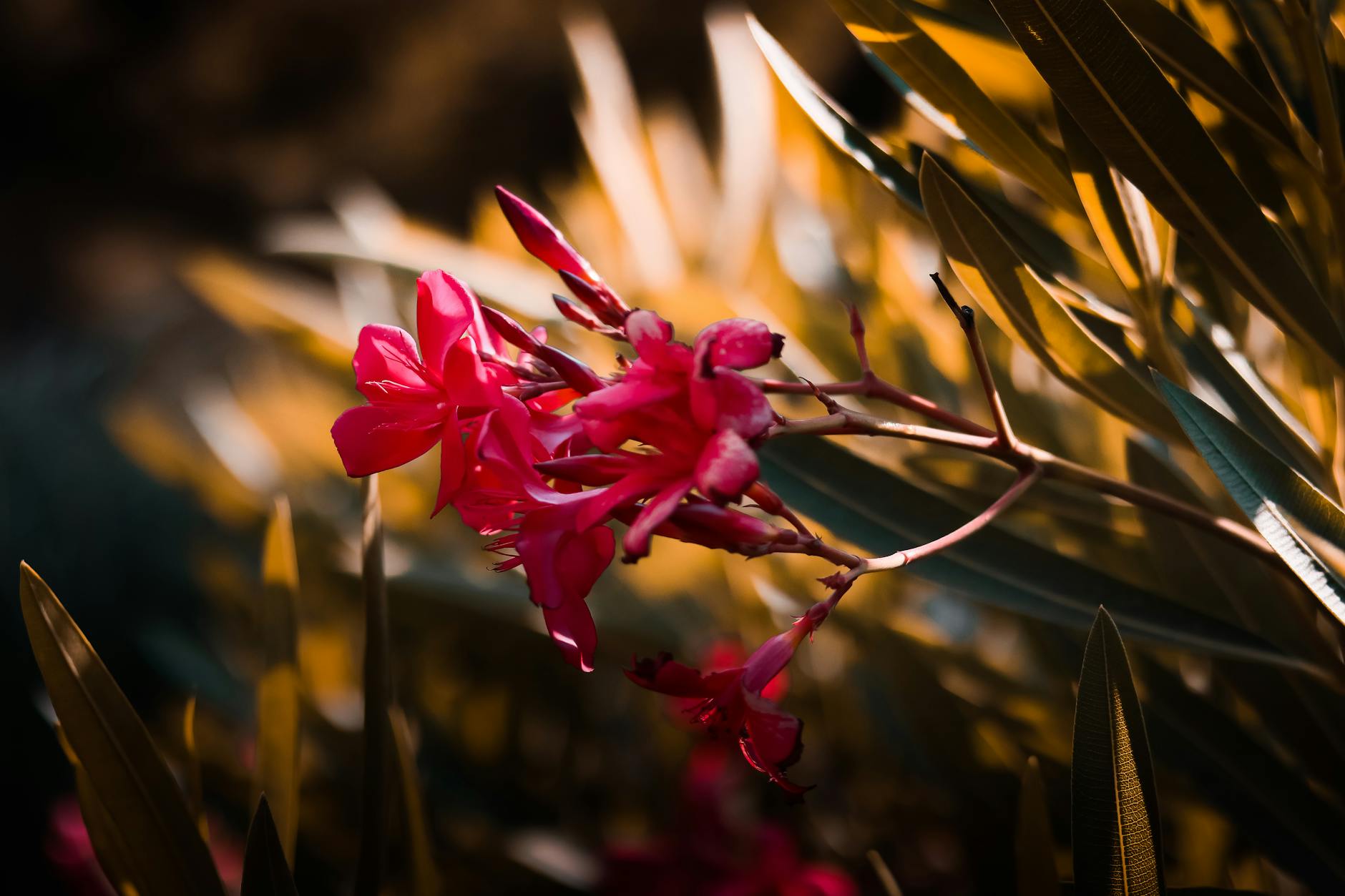
Oleander is a flowering shrub widely used in landscaping across warm climates for its abundant pink, red, or white blooms. It contains cardiac glycosides that interfere directly with heart function in dogs. Symptoms of poisoning include drooling, abdominal pain, irregular heartbeat, and collapse. The plant remains toxic even when dried, meaning fallen leaves and clippings also pose a threat. It is considered one of the most dangerous ornamental plants for pets.
Azalea
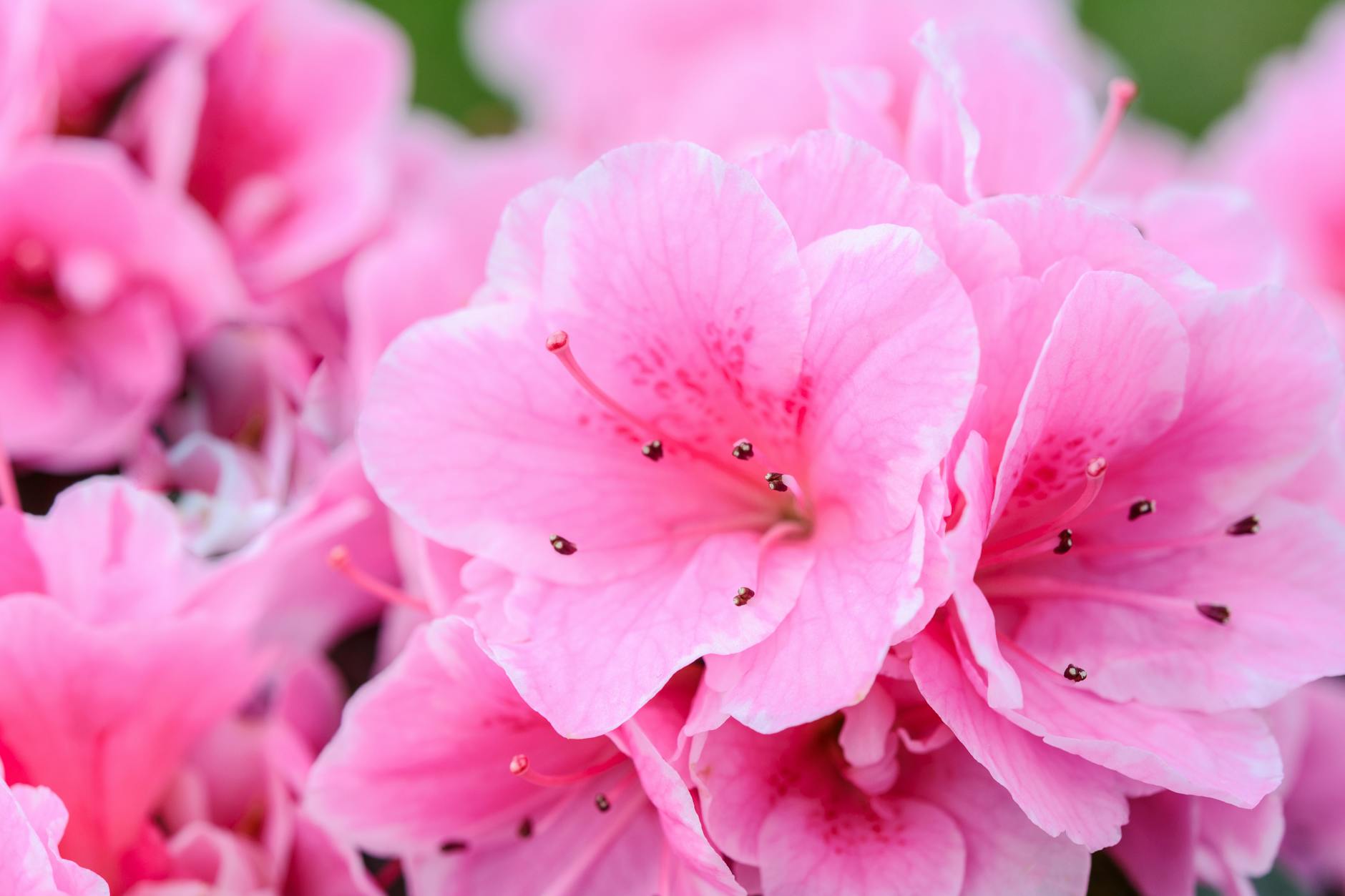
Azaleas are beloved for their spectacular bursts of color in spring and their dense, lush foliage throughout the year. They contain grayanotoxins, which disrupt the normal functioning of the nervous system and heart in dogs. A relatively small amount of plant material is enough to cause significant illness, including weakness, vomiting, and low blood pressure. Severe cases can result in tremors, coma, or death without prompt treatment. Both cultivated garden varieties and wild-growing azaleas carry this risk equally.
Lily of the Valley
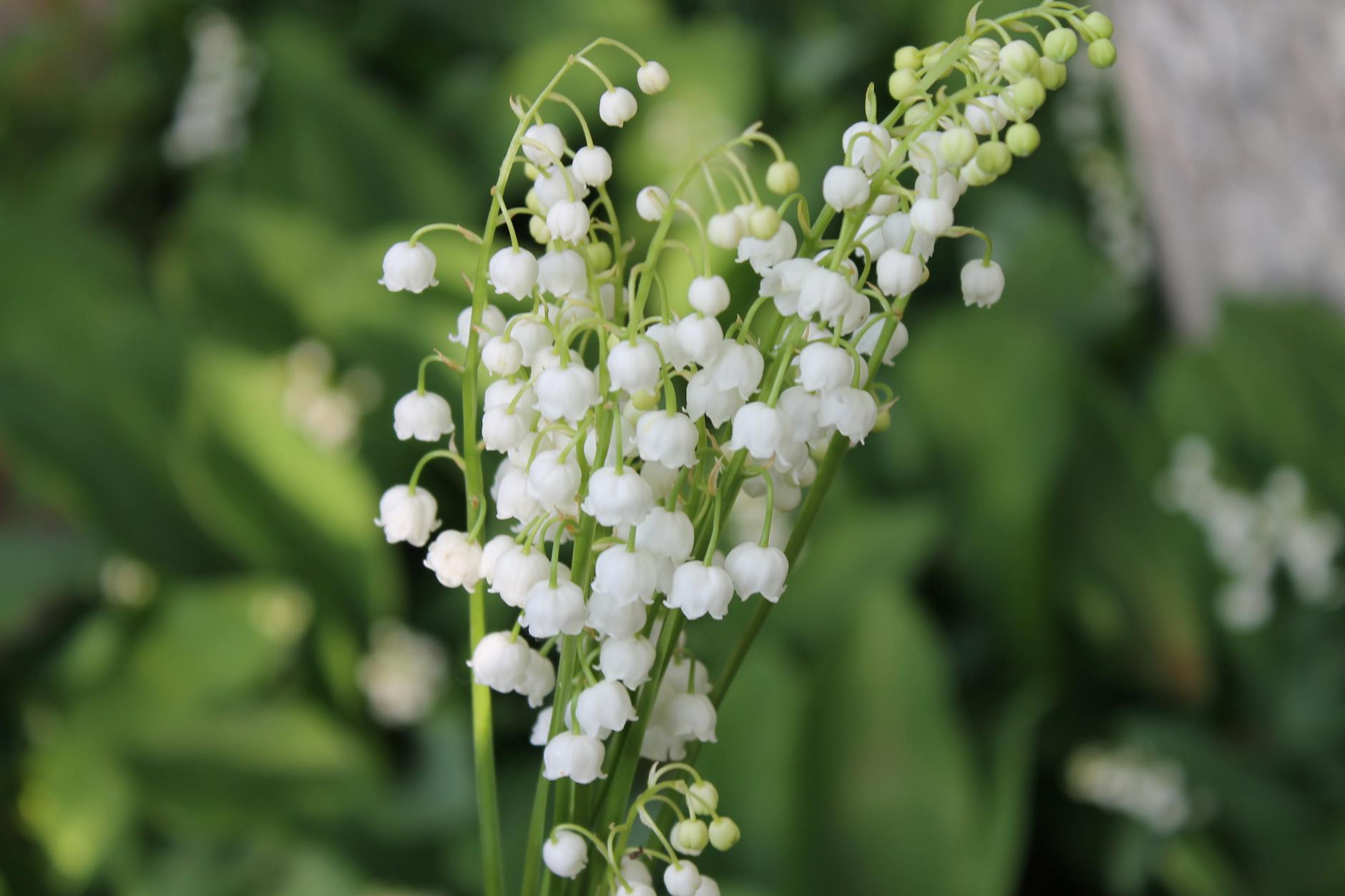
Lily of the valley is a delicate woodland plant known for its elegant white bell-shaped flowers and sweet fragrance. It contains cardiac glycosides that can cause serious heart arrhythmias when ingested by dogs. Additional symptoms include vomiting, diarrhea, reduced heart rate, and sudden drops in blood pressure. It is commonly used in bridal bouquets and ornamental garden borders, making household exposure a real concern. All parts of the plant including the berries are toxic to dogs.
Foxglove
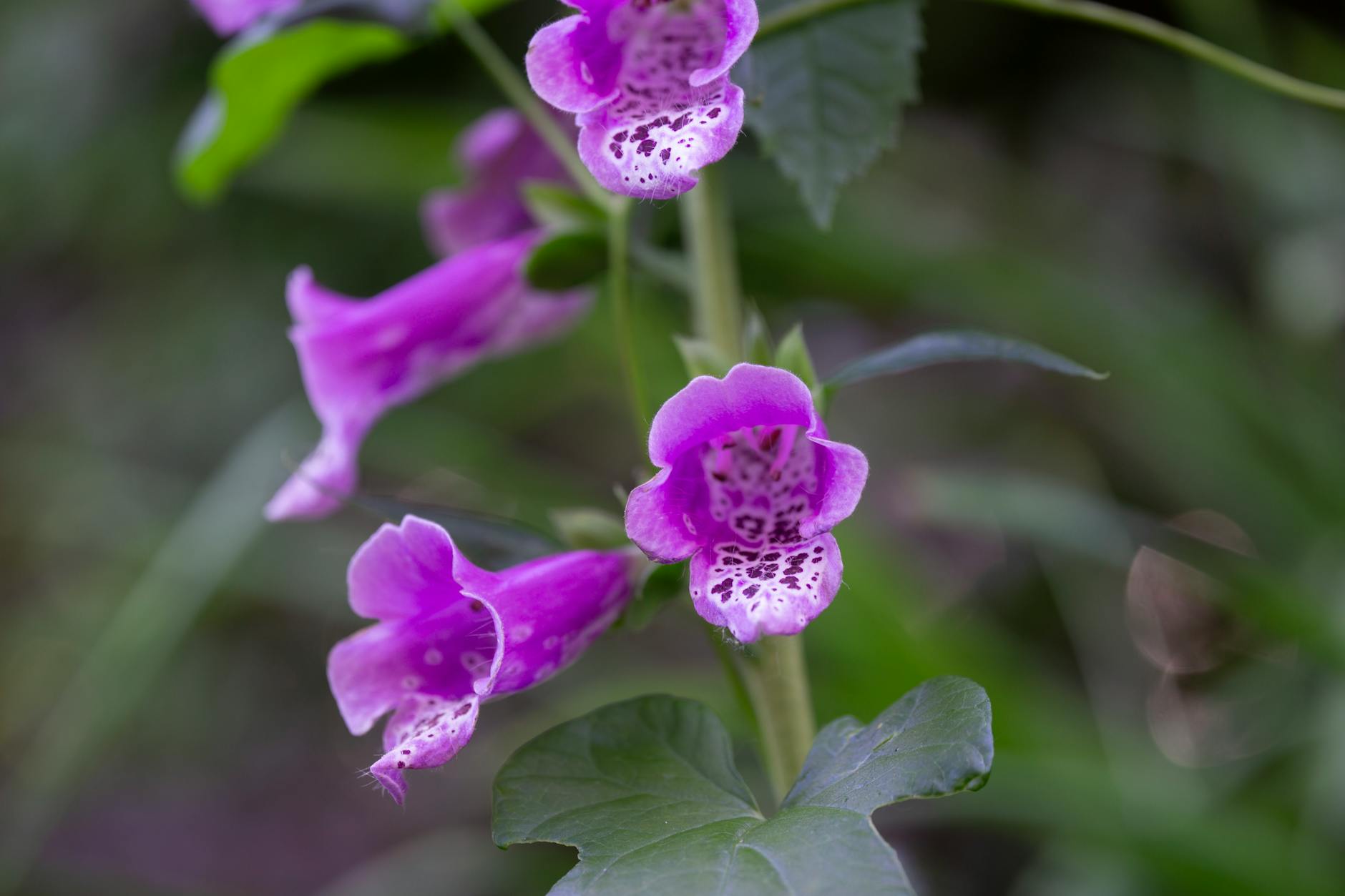
Foxglove is a tall, stately plant with tubular flowers in shades of purple, pink, and white that attract significant attention in cottage-style gardens. It is the natural source of digitalis, a compound that has powerful effects on cardiac muscle tissue. Dogs that consume foxglove may experience vomiting, cardiac arrhythmias, and seizures. The toxicity is present throughout the entire plant and does not diminish after the flowers have dropped. It is considered a high-risk plant in any garden shared with dogs.
Autumn Crocus
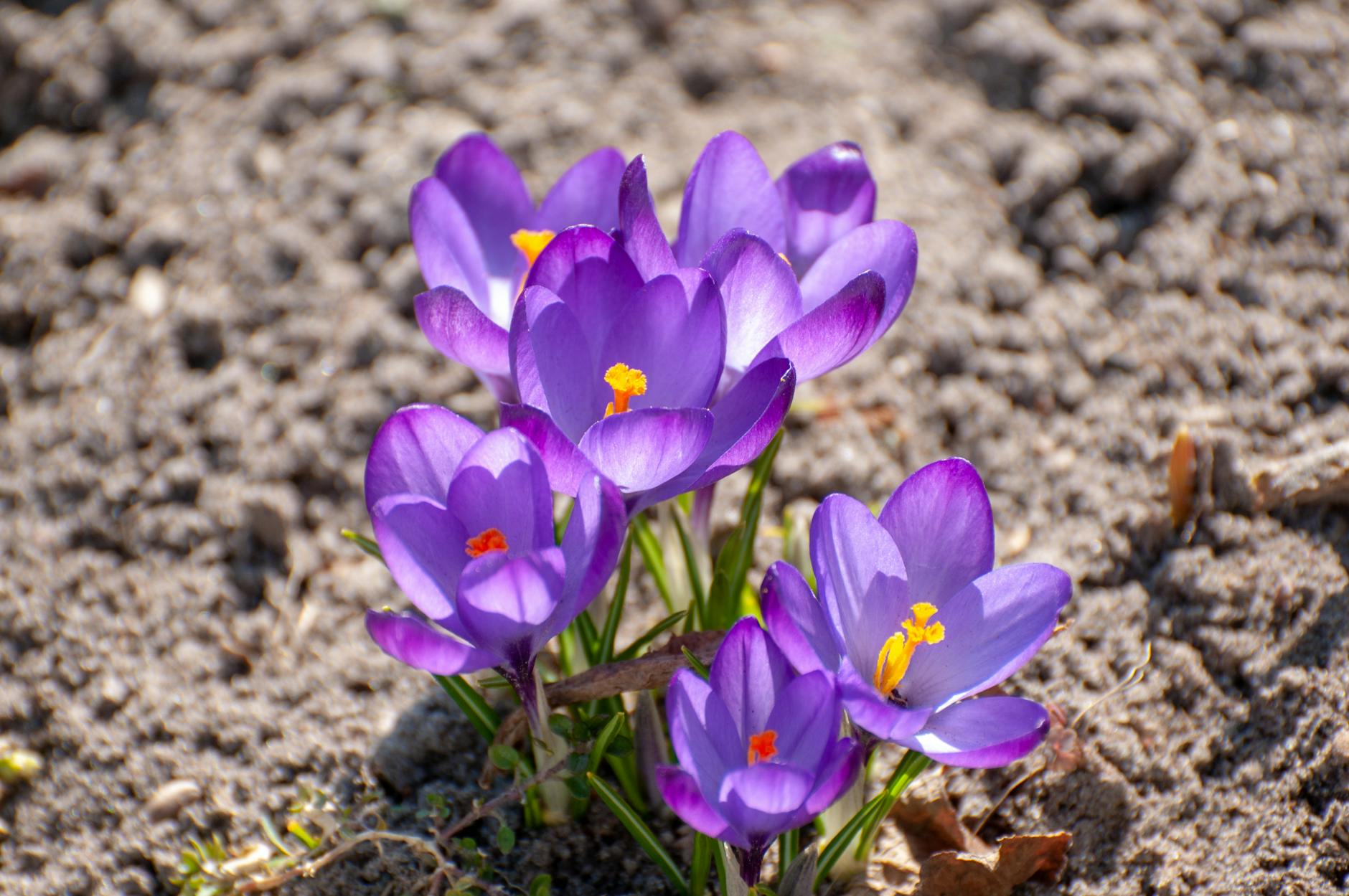
The autumn crocus is a striking flowering bulb that produces vivid purple blooms directly from the ground without accompanying foliage. It contains colchicine, a highly toxic alkaloid that affects multiple organ systems simultaneously in dogs. Symptoms can be delayed by several hours after ingestion, which sometimes leads owners to underestimate the severity of exposure. Kidney failure, liver damage, respiratory distress, and bone marrow suppression are among the documented outcomes. It is not to be confused with the common spring crocus, though that variety also causes mild toxicity.
Rhododendron
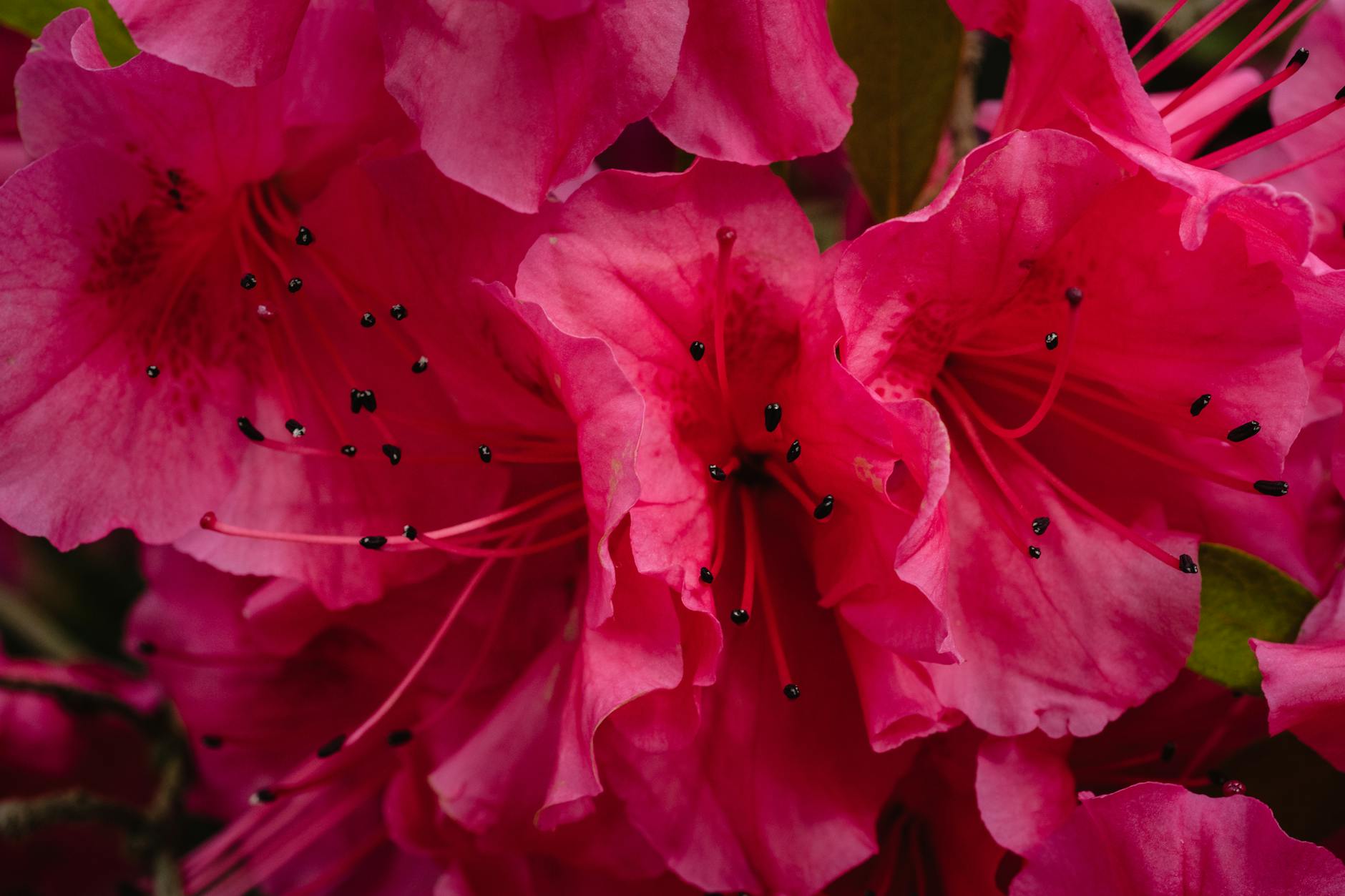
Rhododendron is a large, evergreen shrub closely related to the azalea that produces dramatic clusters of flowers in a wide range of colors. Like the azalea, it contains grayanotoxins that affect the nervous system and cardiovascular function of dogs. Ingestion of even a small number of leaves can result in drooling, loss of appetite, leg weakness, and heart irregularities. Large gardens and parks frequently feature rhododendron hedging, making accidental ingestion a possibility during outdoor walks. Symptoms typically appear within a few hours of exposure.
Tulip

Tulips are among the most recognizable and widely planted spring-blooming flowers in the world, found in gardens and floral arrangements everywhere. The bulb contains the highest concentration of toxic compounds, though all parts of the plant are considered harmful to dogs. Ingestion causes intense gastrointestinal upset, including drooling, nausea, and diarrhea. In larger amounts, central nervous system effects such as tremors and difficulty breathing have been observed. Dogs with a habit of digging in garden beds are particularly at risk during the spring bulb-planting season.
Daffodil
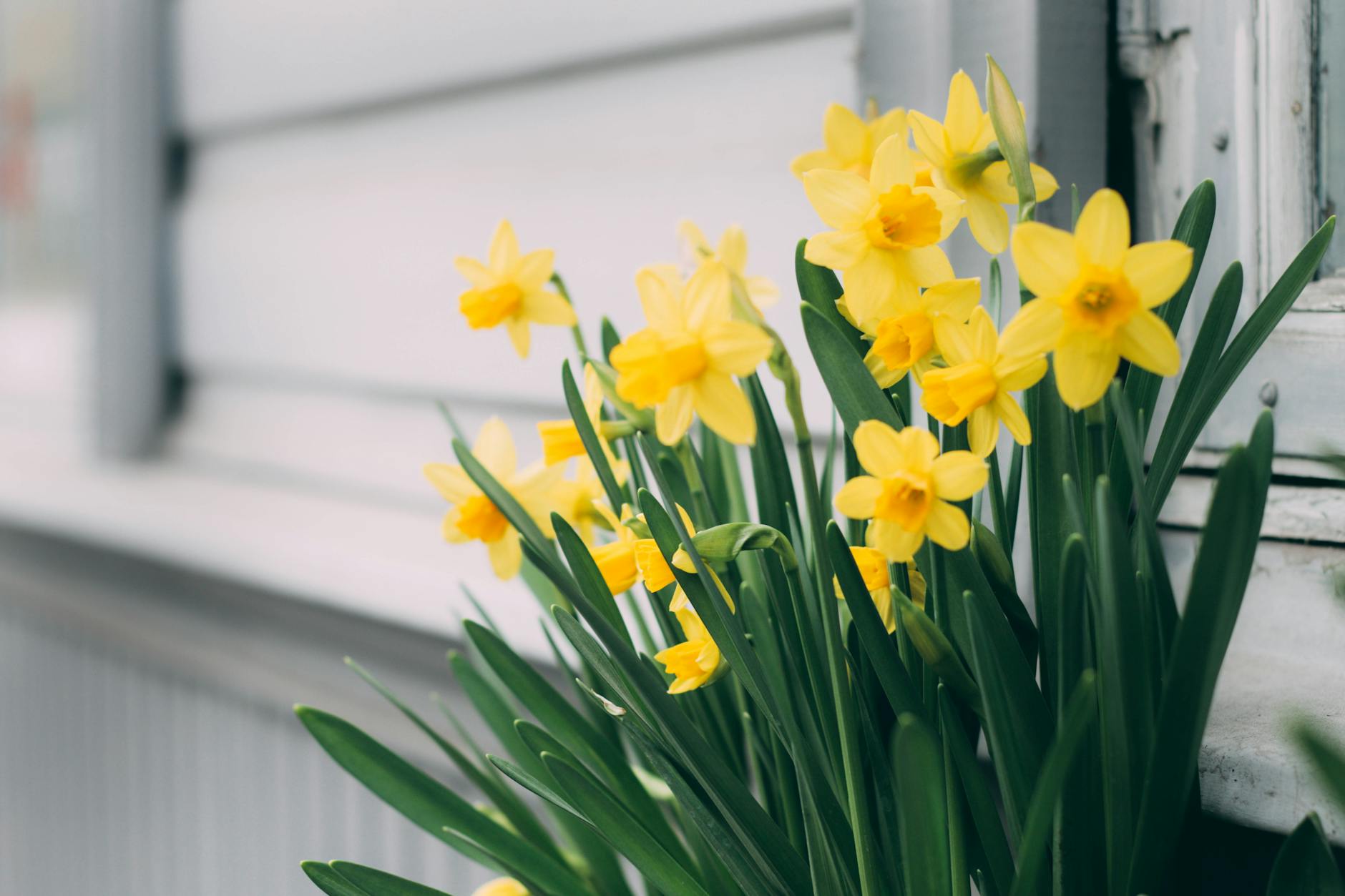
Daffodils are iconic spring flowers with cheerful yellow and white blooms that are cultivated widely in gardens and used in cut flower arrangements. All parts of the plant contain toxic alkaloids, with the bulb being the most concentrated source of danger for dogs. Symptoms of daffodil poisoning include severe vomiting, salivation, diarrhea, and in serious cases, heart problems and convulsions. The milky sap present in the stems can also cause skin irritation in sensitive animals. Daffodil water in vases has been known to cause illness when consumed by curious pets.
Lantana
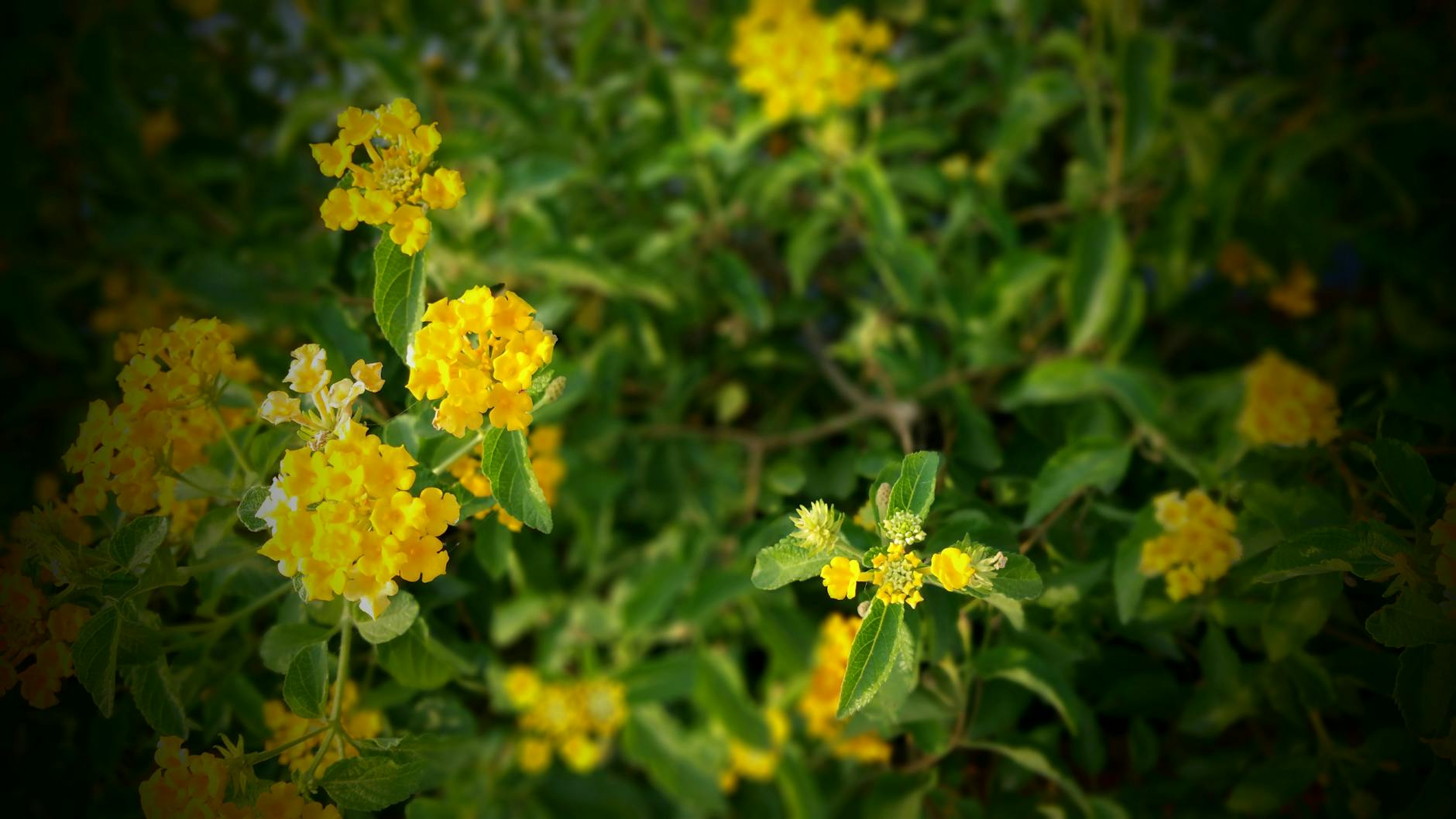
Lantana is a tropical and subtropical shrub admired for its multicolored flower clusters that shift between yellow, orange, red, and pink as they mature. The berries produced by the plant are especially toxic to dogs and can cause severe liver damage when ingested. Symptoms include vomiting, diarrhea, difficulty breathing, and weakness. The plant is widely used in warm-climate gardens and hanging baskets, increasing its accessibility to pets. Liver failure resulting from lantana poisoning can be fatal if treatment is delayed.
Yew
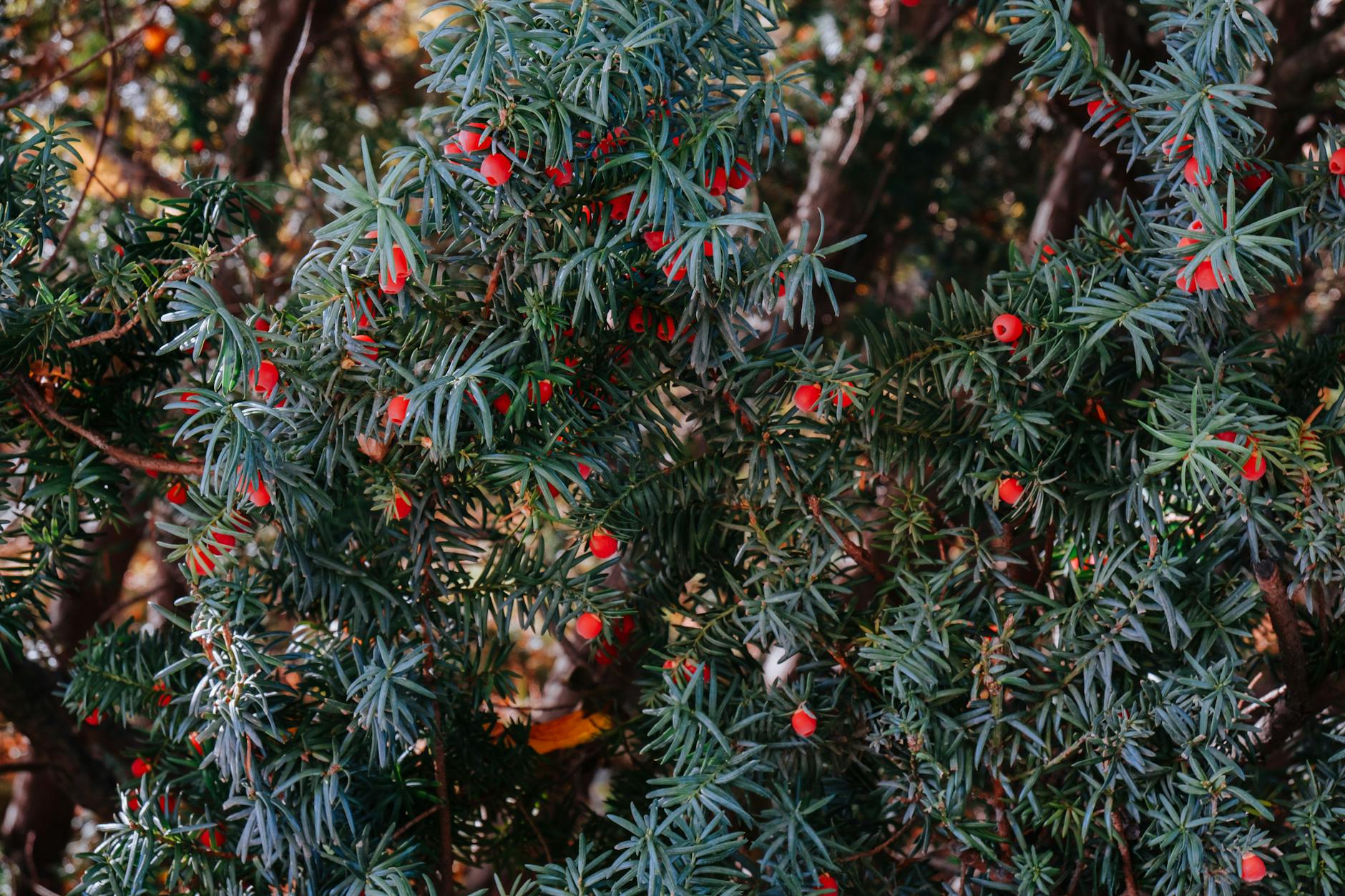
The yew is an ancient evergreen tree or shrub frequently planted in formal gardens, hedgerows, and around historic properties for its dense, dark green foliage. Nearly all parts of the plant contain taxine alkaloids, which are rapidly absorbed and can cause sudden cardiac arrest in dogs. One of the most alarming characteristics of yew poisoning is that death can occur with very little warning and in a short amount of time. The bright red berries are visually attractive to animals, increasing the likelihood of ingestion. It is considered one of the most acutely lethal plants for dogs in temperate climates.
Cyclamen
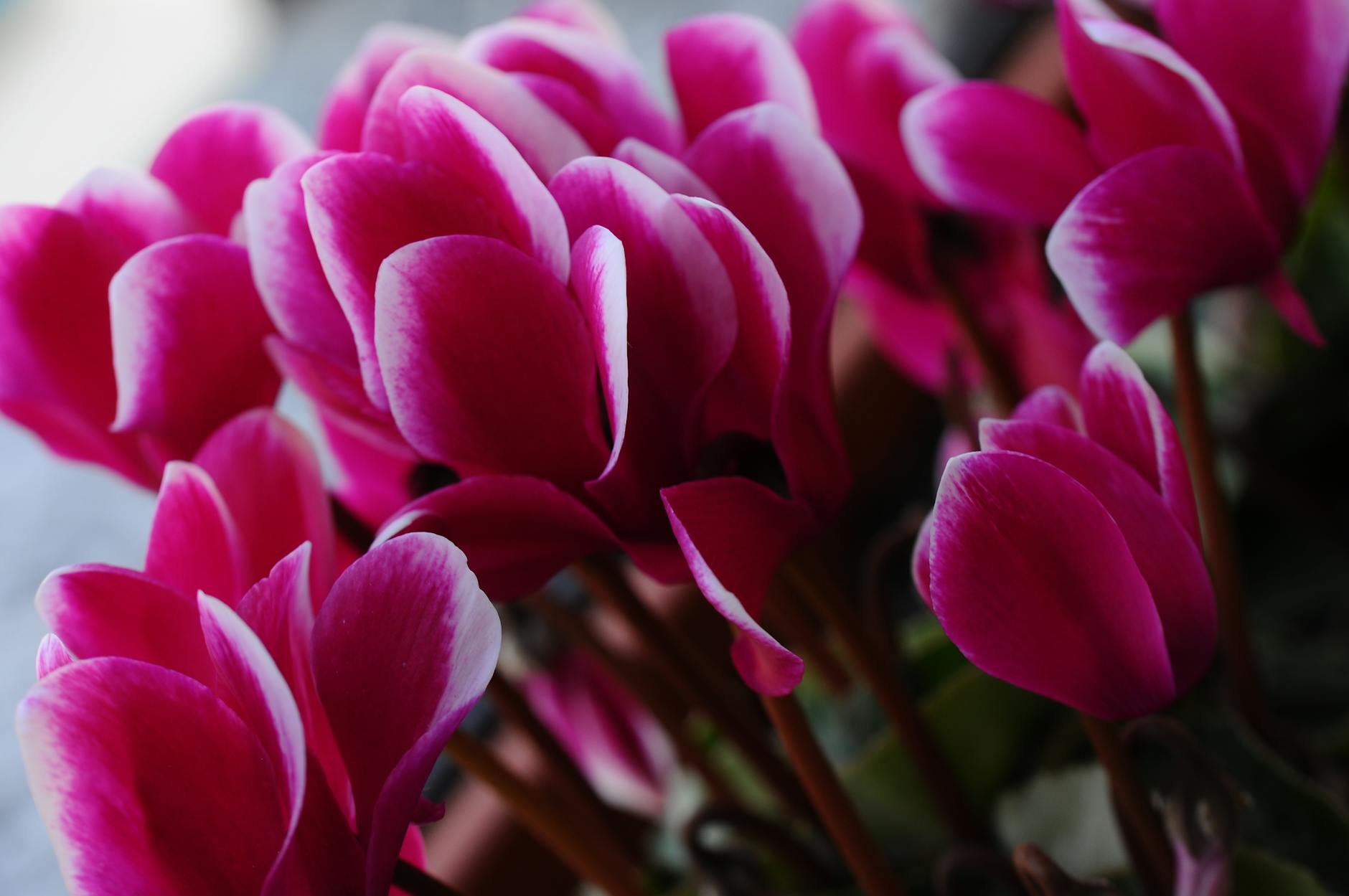
Cyclamen is a popular houseplant and garden flower grown for its elegant swept-back petals and patterned foliage in shades of pink, red, white, and purple. The tubers and roots contain the highest levels of toxic terpenoid saponins, which cause significant irritation to the gastrointestinal tract of dogs. Symptoms after ingestion include profuse drooling, vomiting, diarrhea, and in severe cases, seizures and heart rhythm abnormalities. Because cyclamen is so commonly kept indoors as a decorative plant, it poses a particular risk in homes with dogs. The severity of symptoms tends to increase with the amount consumed.
Kalanchoe
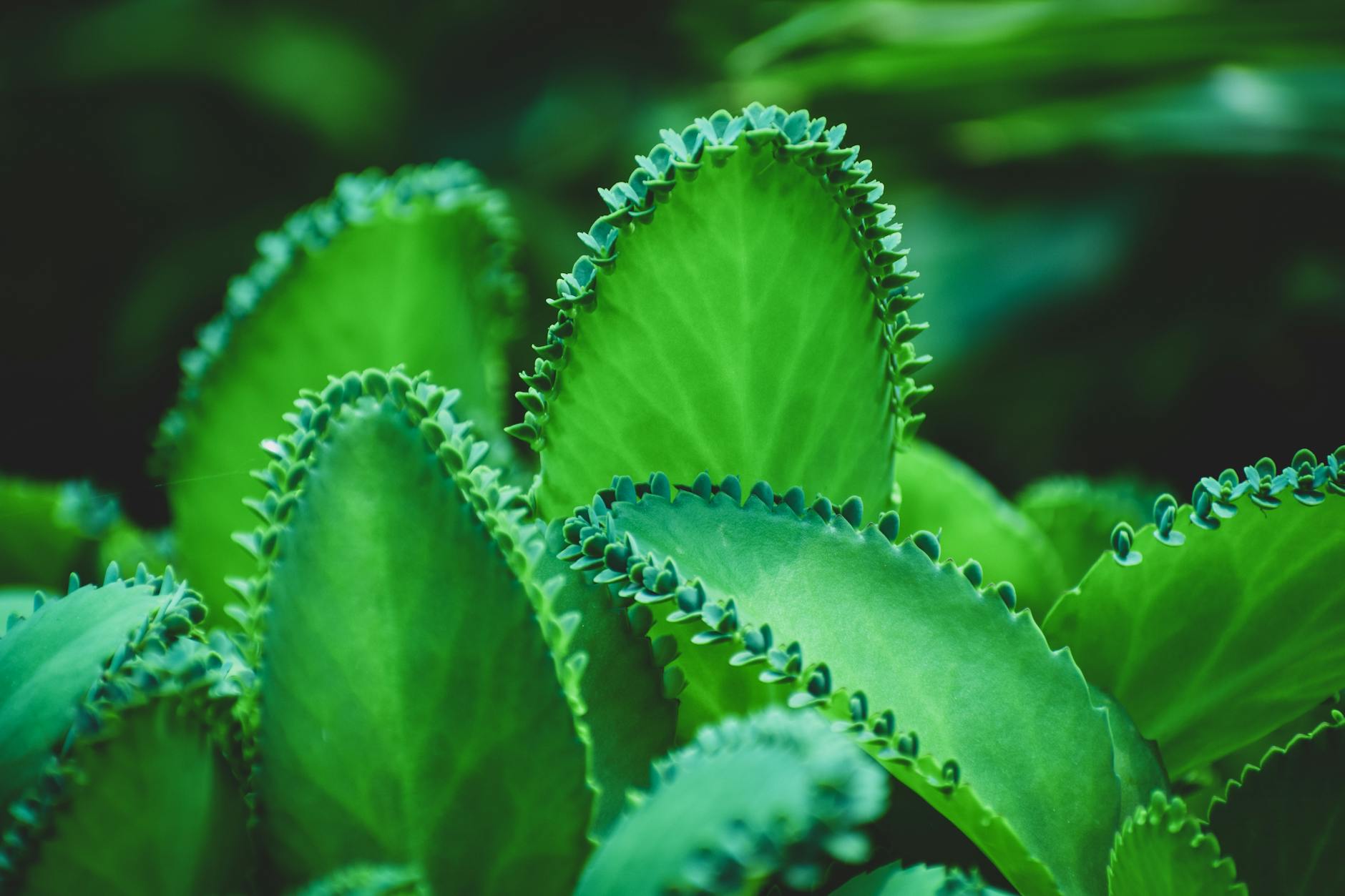
Kalanchoe is a succulent houseplant widely sold for its clusters of bright, long-lasting flowers in red, orange, yellow, and pink. It contains bufadienolide cardiac glycosides that affect heart muscle function in dogs. Symptoms of poisoning include vomiting, diarrhea, lethargy, and abnormal heart rate. In serious cases, seizures and fatal cardiac complications have been reported. Its popularity as a low-maintenance indoor plant means it is found in a large number of homes where dogs also reside.
Amaryllis
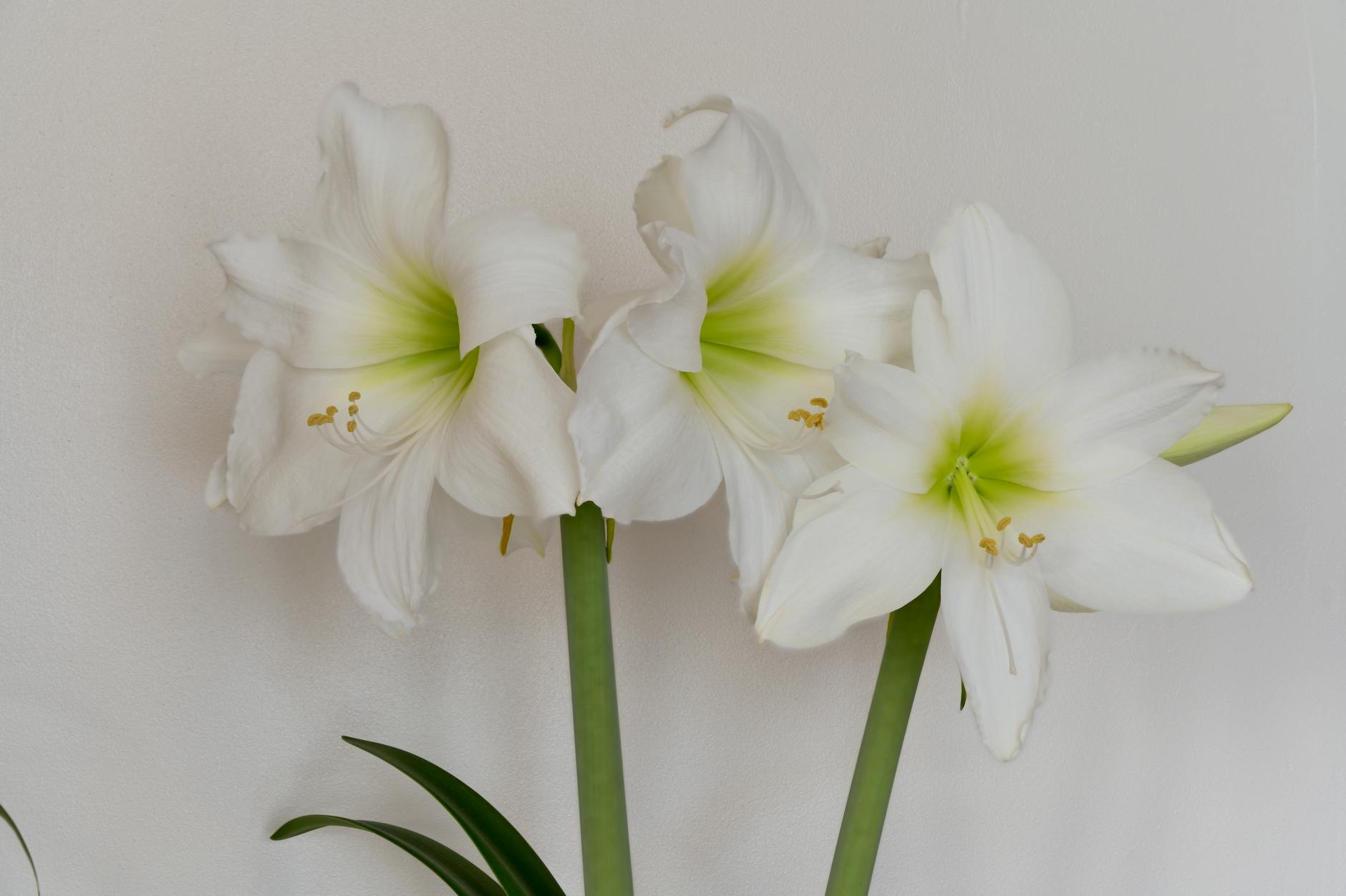
Amaryllis is a dramatic bulb plant cultivated for its large, trumpet-shaped flowers in bold shades of red, pink, white, and striped combinations. It contains phenanthridine alkaloids, which cause vomiting, abdominal pain, tremors, and drops in blood pressure in dogs. The bulb is the most toxic part of the plant, though all parts carry risk. Amaryllis is especially common as a potted holiday plant, increasing seasonal exposure in households with pets. Symptoms can appear within hours of ingestion and warrant immediate veterinary contact.
Hydrangea
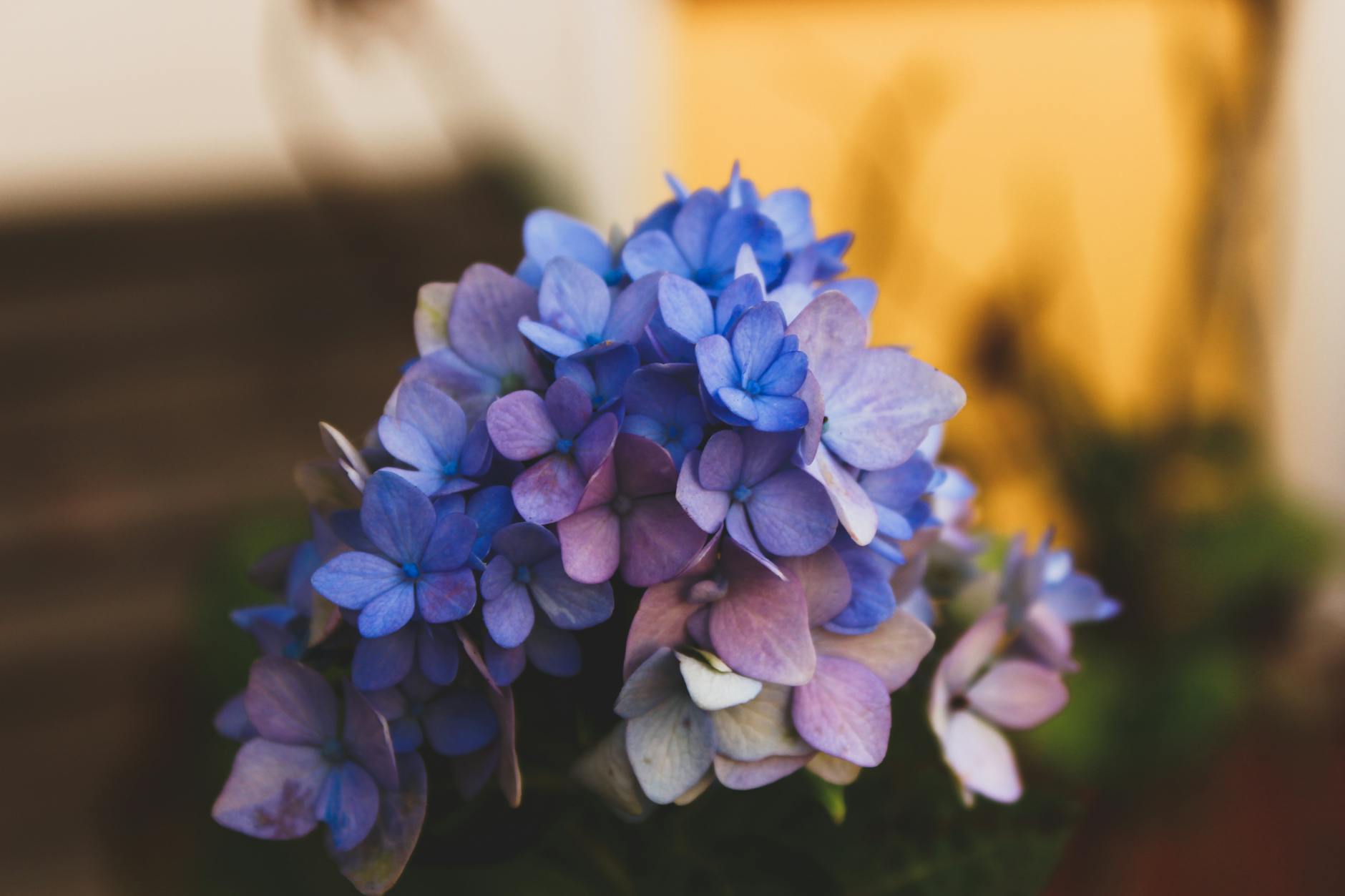
Hydrangeas are popular garden shrubs recognized for their large, rounded flower heads in shades of blue, pink, white, and purple that add structure and color to outdoor spaces. They contain cyanogenic glycosides, which the body can convert into toxic compounds when digested. Dogs that consume hydrangea leaves or flowers may exhibit vomiting, diarrhea, lethargy, and depression. While fatalities are less common than with some other toxic plants, the reaction can still be severe depending on the amount consumed. Cut hydrangeas displayed indoors are just as hazardous to dogs as those growing in the garden.
Wisteria

Wisteria is a climbing woody vine celebrated for its cascading clusters of fragrant purple or white flowers that create a spectacular display in late spring. All parts of the plant, particularly the seeds and pods, contain toxic lectins and wisterin glycoside. Ingestion causes severe digestive upset, including repeated vomiting, diarrhea, and abdominal pain that can last for extended periods. Dogs are often attracted to the fallen seed pods, which resemble play objects or food. Large doses can result in collapse and require urgent veterinary care.
Delphinium
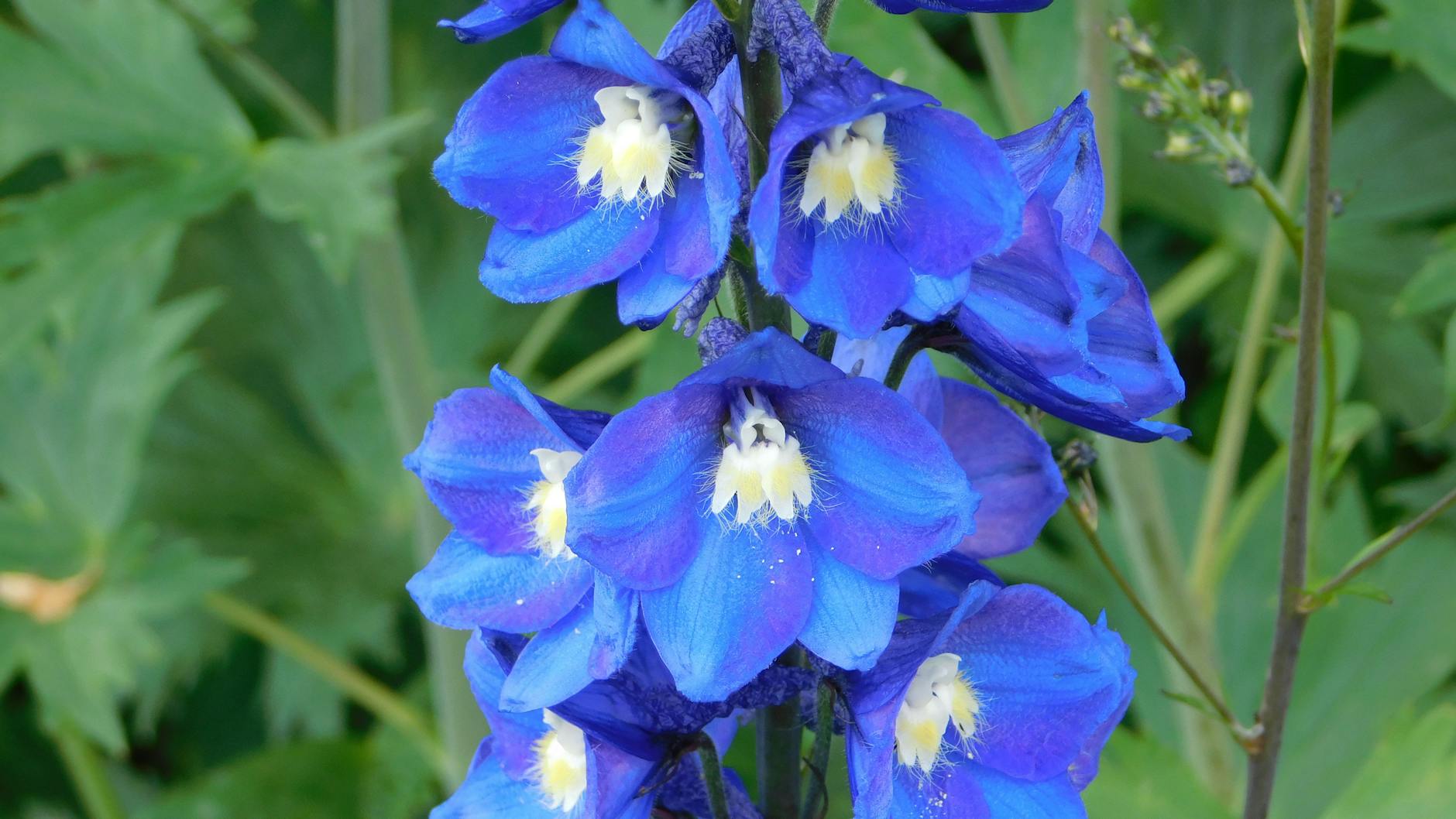
Delphinium is a tall, upright flowering plant prized for its dramatic spires of deep blue, purple, pink, and white blossoms that are a staple of cottage and cutting gardens. All parts of the plant contain diterpene alkaloids that are toxic to the nervous system and heart of dogs. Symptoms of poisoning include muscle weakness, abdominal pain, excessive salivation, and in serious cases, respiratory failure. Young plants and seeds carry the highest concentration of toxic compounds. Delphinium is frequently included in mixed floral arrangements and garden beds, which increases the likelihood of accidental exposure.
If you have experience with pet-safe gardening or know of other toxic plants that dog owners should watch out for, share your thoughts in the comments.




