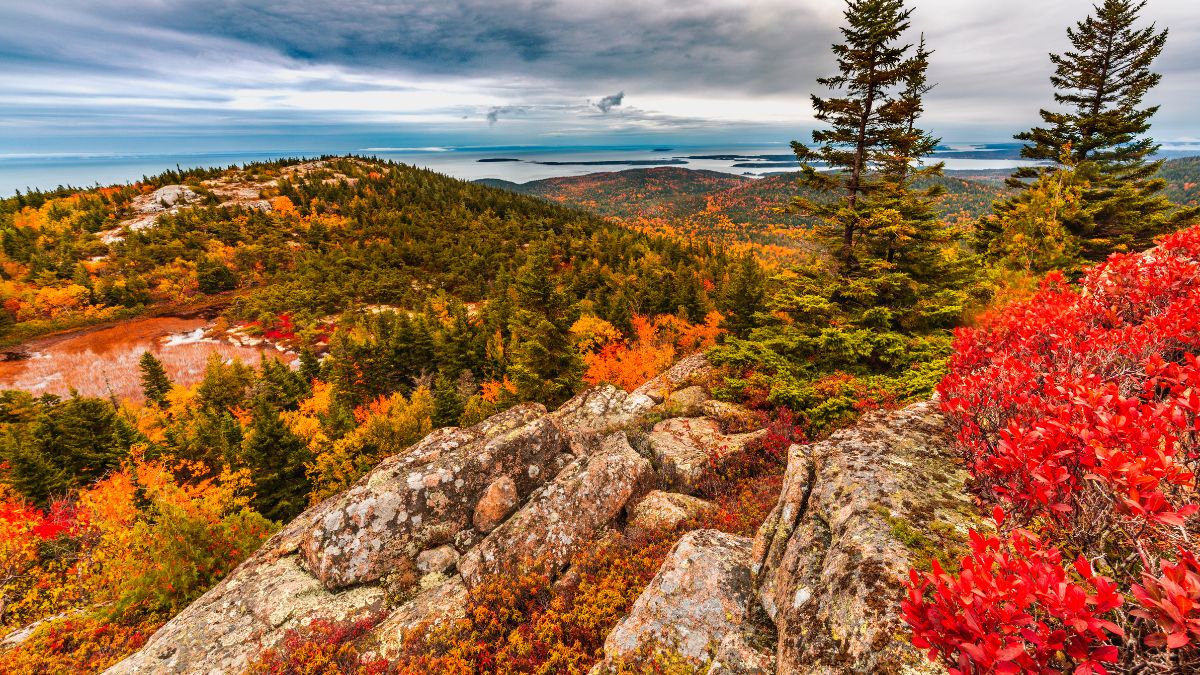
America’s national parks draw millions of visitors every year with their jaw-dropping landscapes, ancient forests, and sweeping vistas that seem almost too beautiful to be real. Behind the scenic overlooks and Instagram-worthy trails, however, many of these protected lands conceal dangers that range from geological instability to deadly wildlife encounters. Park rangers and researchers have documented phenomena that most casual visitors never suspect when they step out of their cars with a camera in hand. The contrast between breathtaking beauty and hidden peril is part of what makes these places so humbling and so unforgettable. These fifteen parks reveal just how thin the line can be between wonder and wilderness survival.
Yellowstone
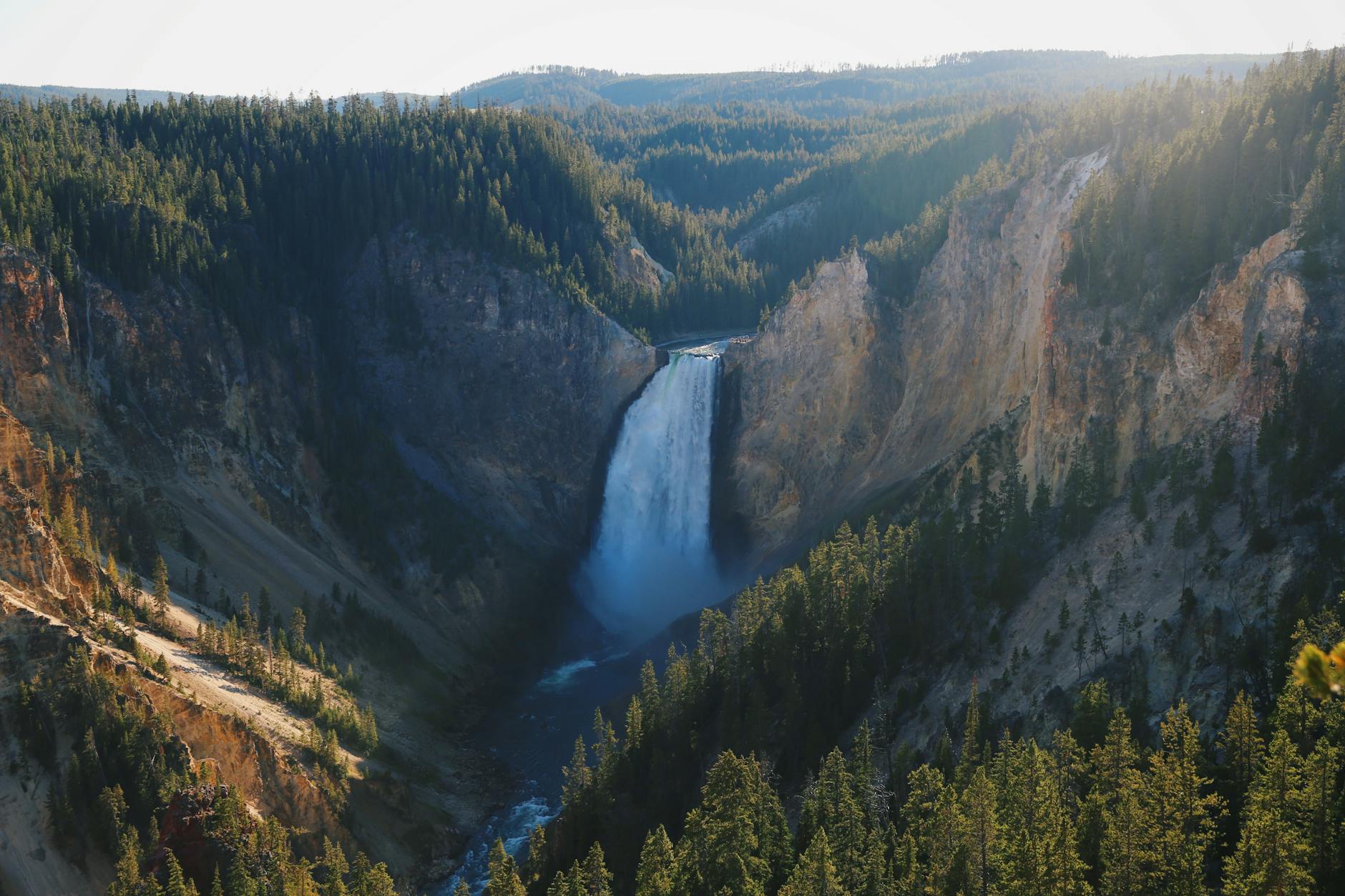
Yellowstone sits atop one of the most powerful supervolcanoes on Earth, and the ground beneath its famous geysers is in a constant state of thermal agitation. The park’s colorful hot springs can reach temperatures above 250 degrees Fahrenheit, and several visitors have suffered fatal injuries after accidentally falling or venturing off designated boardwalks. Ground that appears solid can give way without warning in hydrothermal zones, as the crust in some areas is just a few inches thick. Researchers also monitor the magma chamber below the park with seismic equipment, tracking an ongoing cycle of uplift and subsidence. The beauty of Old Faithful and the Grand Prismatic Spring exists in direct tension with the volcanic fury powering them.
Everglades
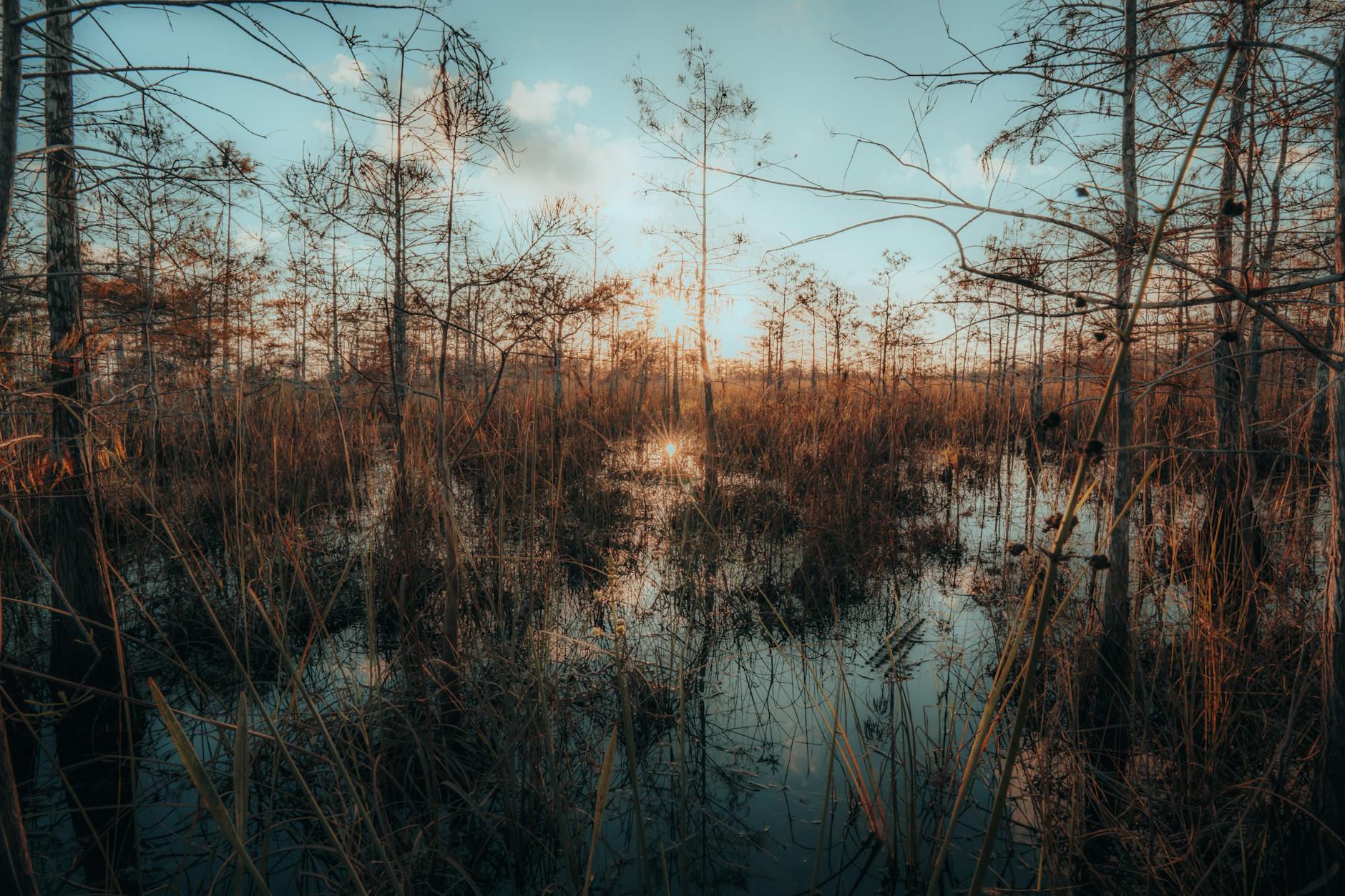
The Everglades is a vast, slow-moving river of grass that stretches across southern Florida and supports one of the most complex ecosystems in North America. Beneath the serene surface of its waterways lives an enormous population of American alligators, along with an expanding Burmese python invasion that has decimated native wildlife populations since the early 2000s. Visitors who wade off designated paths risk encountering both species in terrain that offers little visibility and even less escape. The park is also prone to sudden weather changes, with lightning strikes posing a serious threat to anyone caught in an open wetland during an afternoon storm. What appears to be a peaceful, slow landscape operates as a highly active predator environment at every level of the food chain.
Death Valley
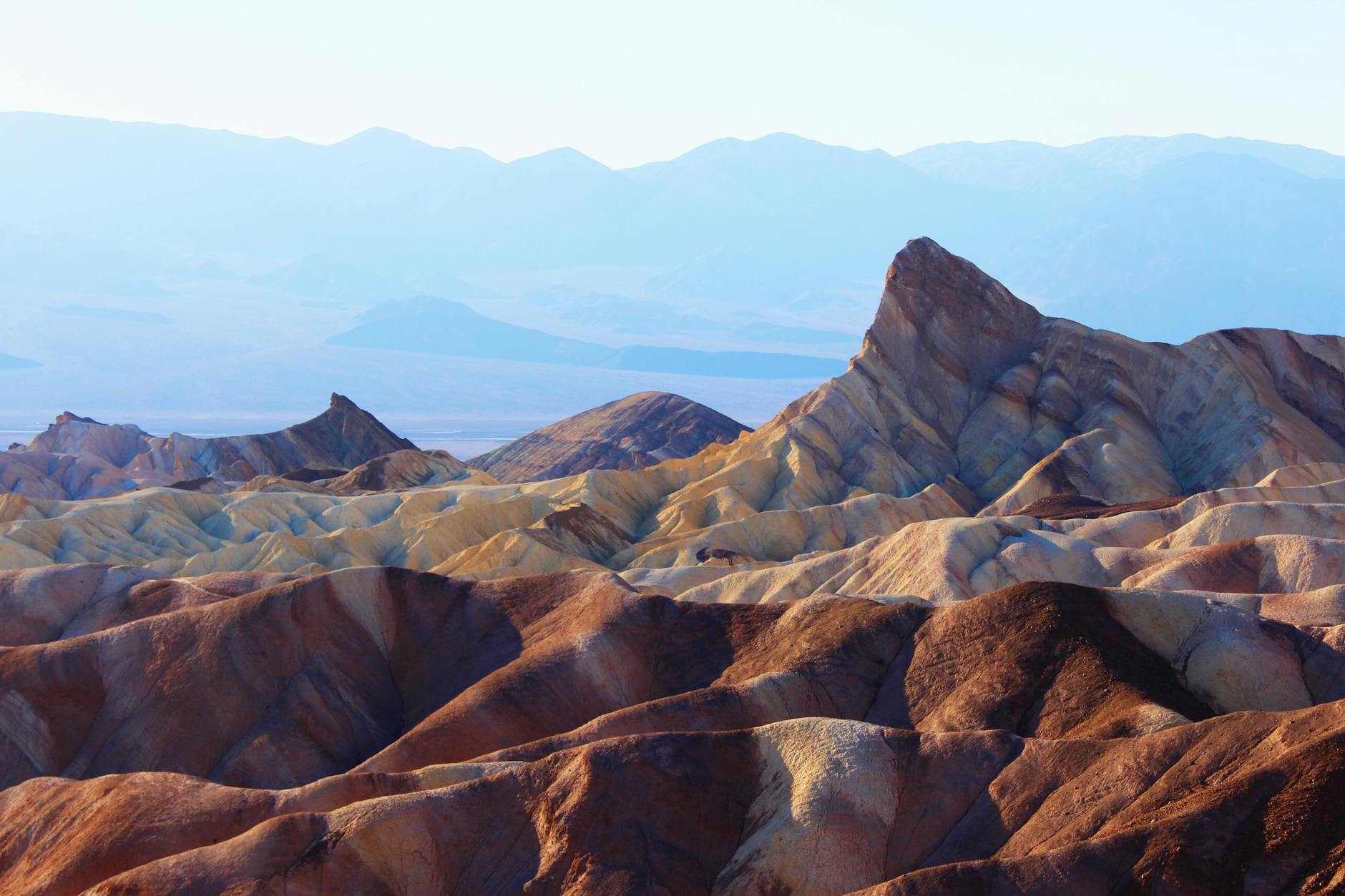
Death Valley holds the record for the highest reliably recorded air temperature on Earth, reaching 134 degrees Fahrenheit in 1913, a figure that places it in a category of danger few other landscapes can match. The desert floor’s dark salt flats absorb and radiate heat so intensely that ground temperatures can exceed 200 degrees during summer months, making it possible to suffer burns simply from contact with the surface. Flash floods are a counterintuitive but serious threat, as distant rainfall channels rapidly through steep canyon walls with almost no warning. The park’s remoteness means that vehicle breakdowns or hiking miscalculations can become life-threatening emergencies within hours. Its stark, otherworldly beauty has lured visitors into underestimating conditions that park rangers describe as genuinely unforgiving.
Denali
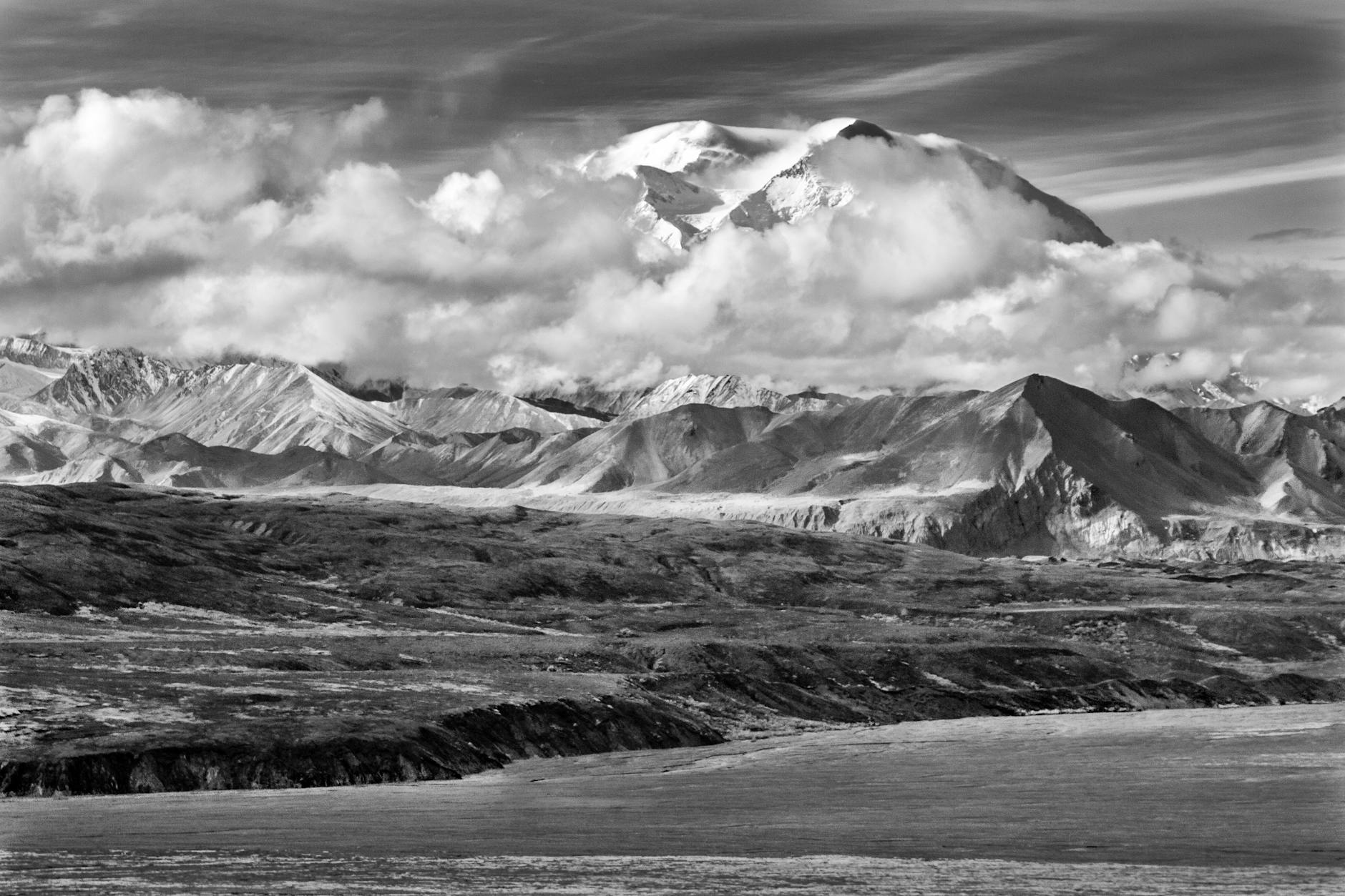
Denali is home to North America’s highest peak, rising over 20,000 feet above sea level in the heart of the Alaskan wilderness. The mountain generates its own weather systems, producing storms that can appear within minutes and drop temperatures to minus 40 degrees Fahrenheit even in summer. Climbers attempting the summit face crevasse fields, avalanche-prone slopes, and high-altitude pulmonary edema at a rate that makes Denali one of the most statistically dangerous mountains on the planet. Bears are a constant presence in the park’s lower elevations, and moose encounters on narrow trails have resulted in serious injuries. The park’s sheer scale means that search and rescue operations can take days to reach those in distress.
Zion
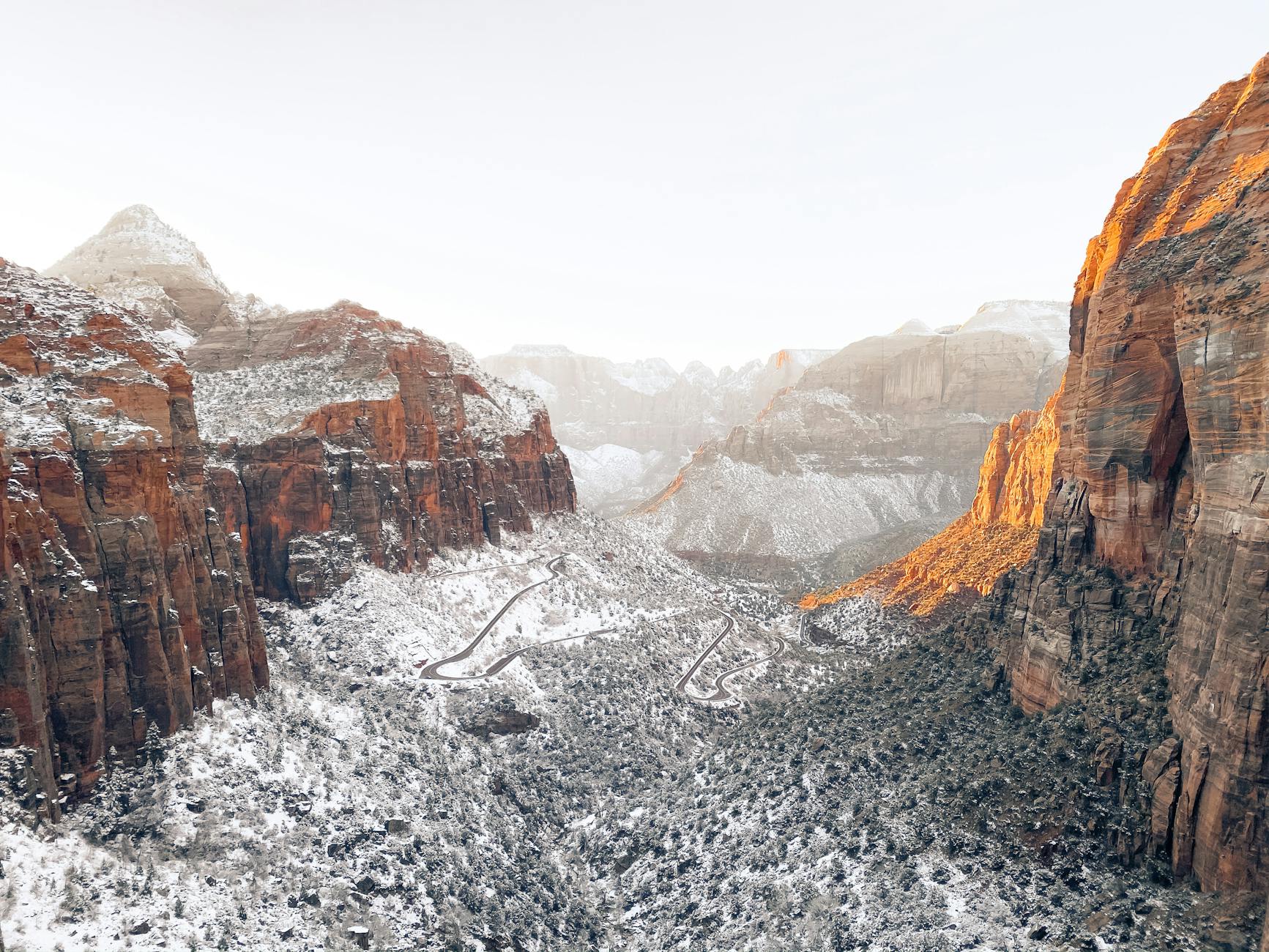
Zion National Park draws millions of visitors to its soaring red canyon walls and narrow slot canyon passages, but its geology creates hazards that are poorly understood by most tourists. The Narrows, one of the park’s most celebrated hikes, can flood with almost no warning when storms strike miles away in the watershed, sending walls of debris-filled water through the canyon at lethal speed. Rockfall is a persistent and underreported danger throughout the park, as the Navajo Sandstone formations are prone to sudden sheeting and slab failure. Heat exhaustion claims dozens of hikers each season on exposed trails where shade is virtually nonexistent during midday hours. Park rangers regularly conduct high-angle rescues on cliff faces where unprepared visitors become stranded attempting routes beyond their skill level.
Olympic
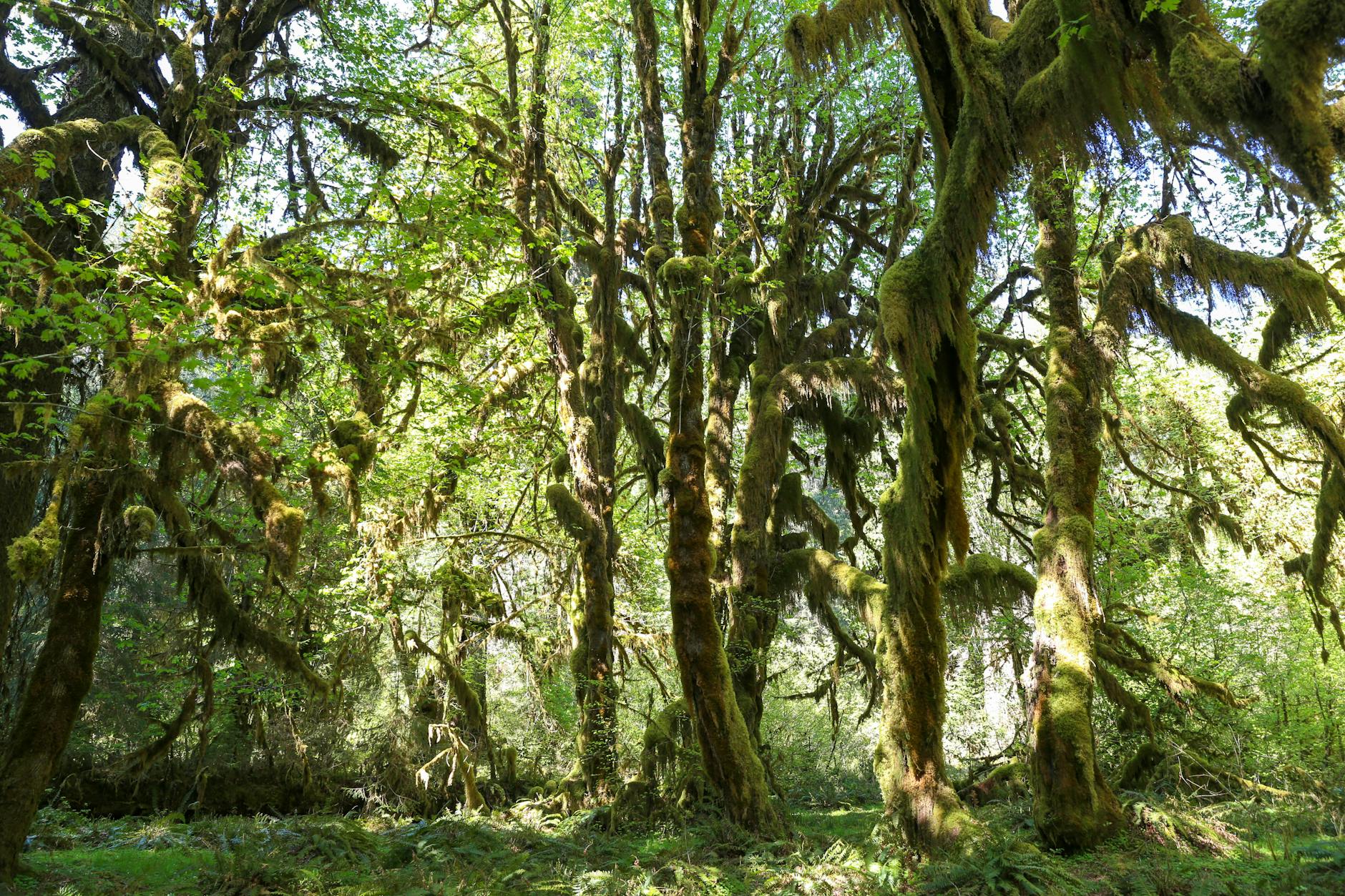
Olympic National Park encompasses temperate rainforest, alpine wilderness, and a rugged stretch of Pacific coastline within a single protected boundary. Its isolation and dense forest cover have been associated with a disproportionate number of disappearances over the decades, some of which remain unsolved despite extensive searches. The park’s old-growth forests are home to cougars that have stalked and attacked hikers and cyclists, with incidents documented along popular trail corridors. Coastal areas experience powerful sneaker waves that arrive without warning and have swept visitors off rocks with fatal results. The combination of terrain types means that conditions can shift dramatically within a single day of hiking.
Crater Lake
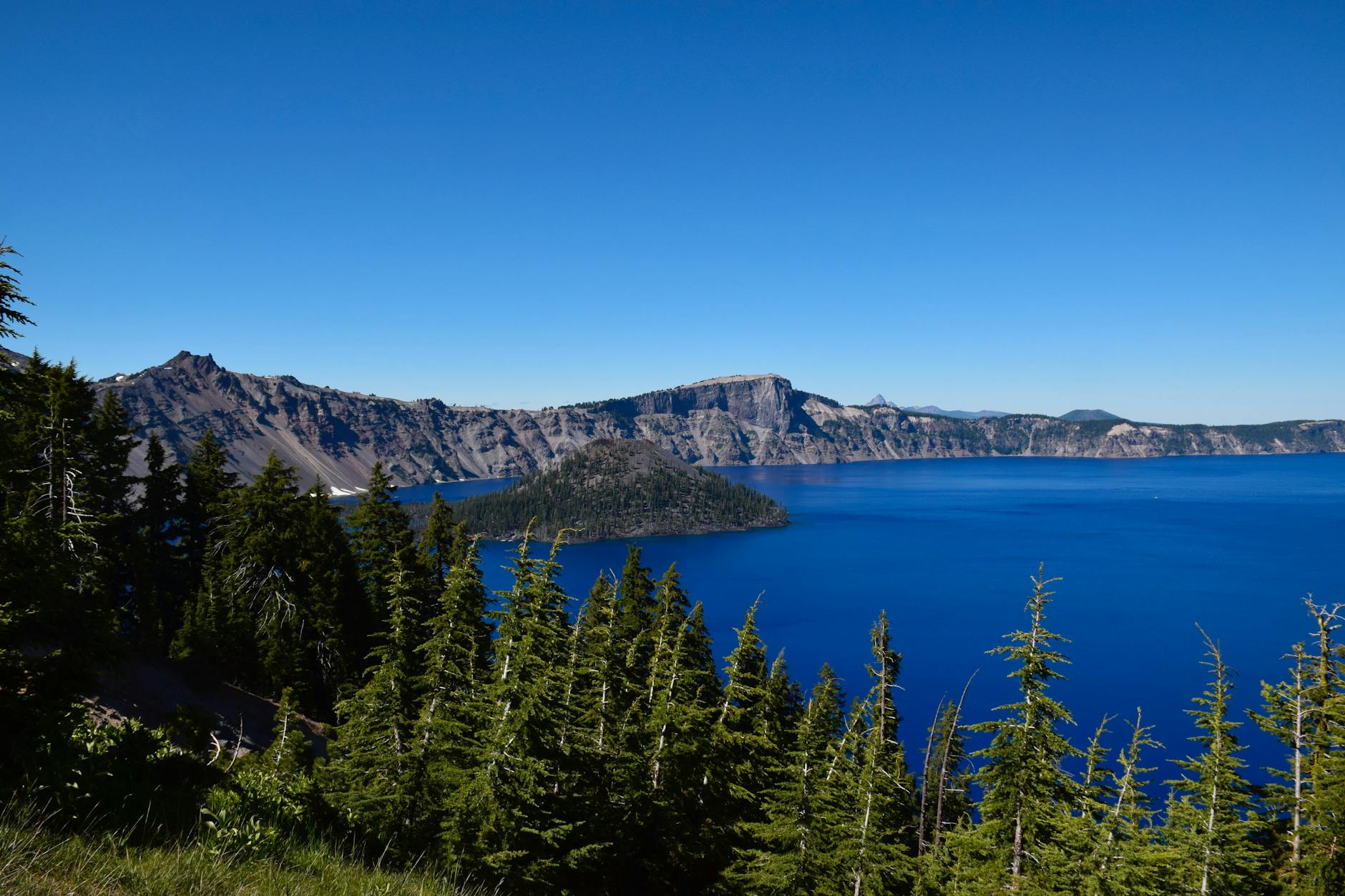
Crater Lake sits inside the caldera of a collapsed volcano in Oregon and contains the deepest lake in the United States, with depths plunging to nearly 2,000 feet. The water is extraordinarily clear and strikingly blue, but its temperature rarely rises above 55 degrees Fahrenheit even in summer, making it a hypothermia risk for swimmers within minutes of entry. The caldera walls that surround the lake are composed of loose volcanic material prone to collapse, and rockslides into the water have been recorded throughout the park’s history. Research expeditions using submersibles have discovered geothermal vents on the lake floor that support unusual microbial life in conditions of extreme pressure and heat. The lake’s volcanic origin is a reminder that the region remains geologically active on a long-term timescale.
Rocky Mountain
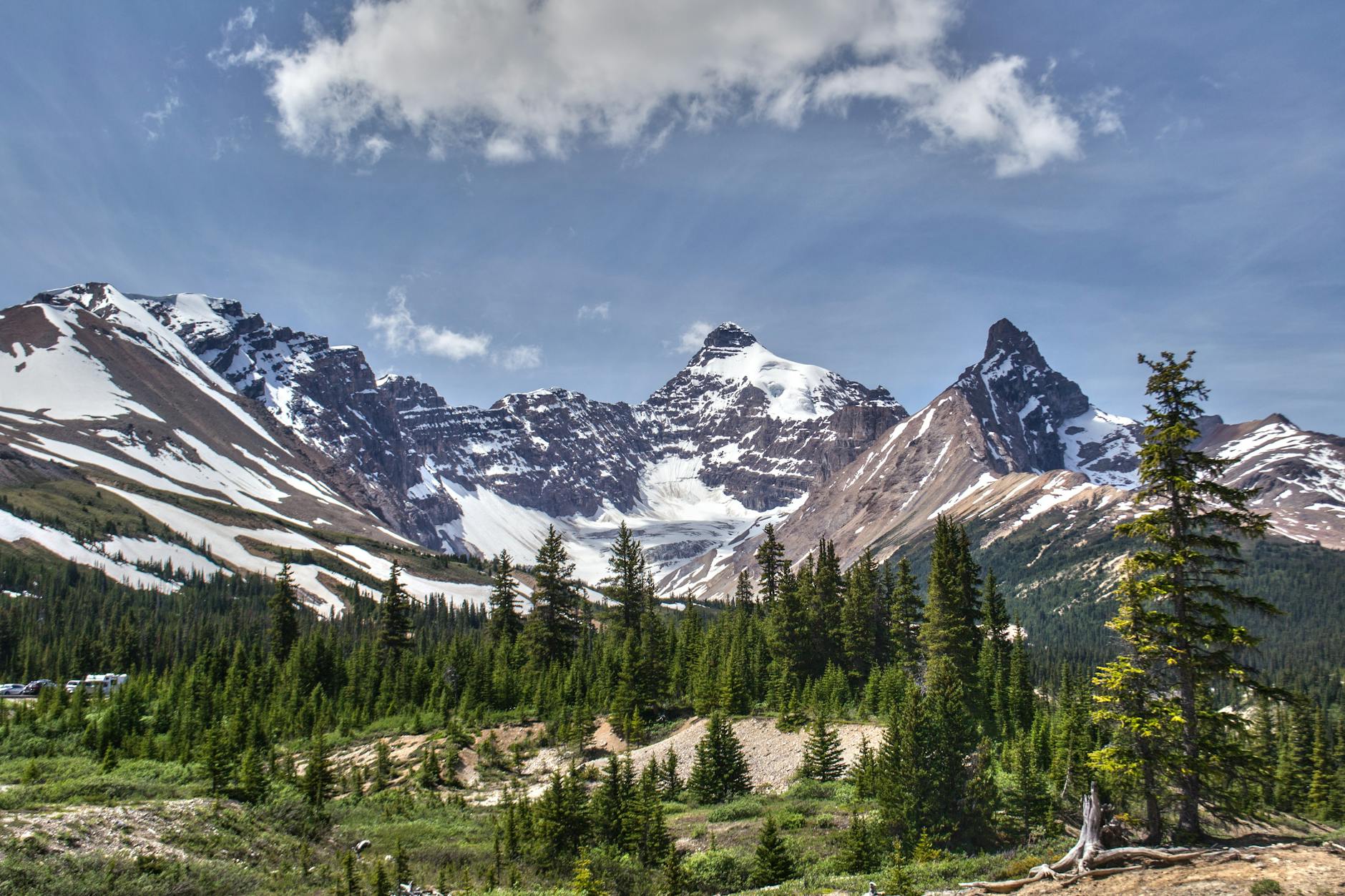
Rocky Mountain National Park straddles the Continental Divide in Colorado and offers some of the most accessible high-altitude terrain in the country. Altitude sickness affects a significant percentage of visitors, particularly those arriving from low-elevation areas and ascending rapidly to Trail Ridge Road, which crests above 12,000 feet. Lightning strikes are among the leading causes of weather-related fatalities in the park, as afternoon thunderstorms develop quickly over exposed tundra with no shelter for miles. The park is also home to a population of elk that can be unexpectedly aggressive during the fall rutting season, charging vehicles and people who approach too closely. Rapid temperature drops above treeline can turn a warm morning hike into a dangerous hypothermia scenario within a single hour.
Big Bend
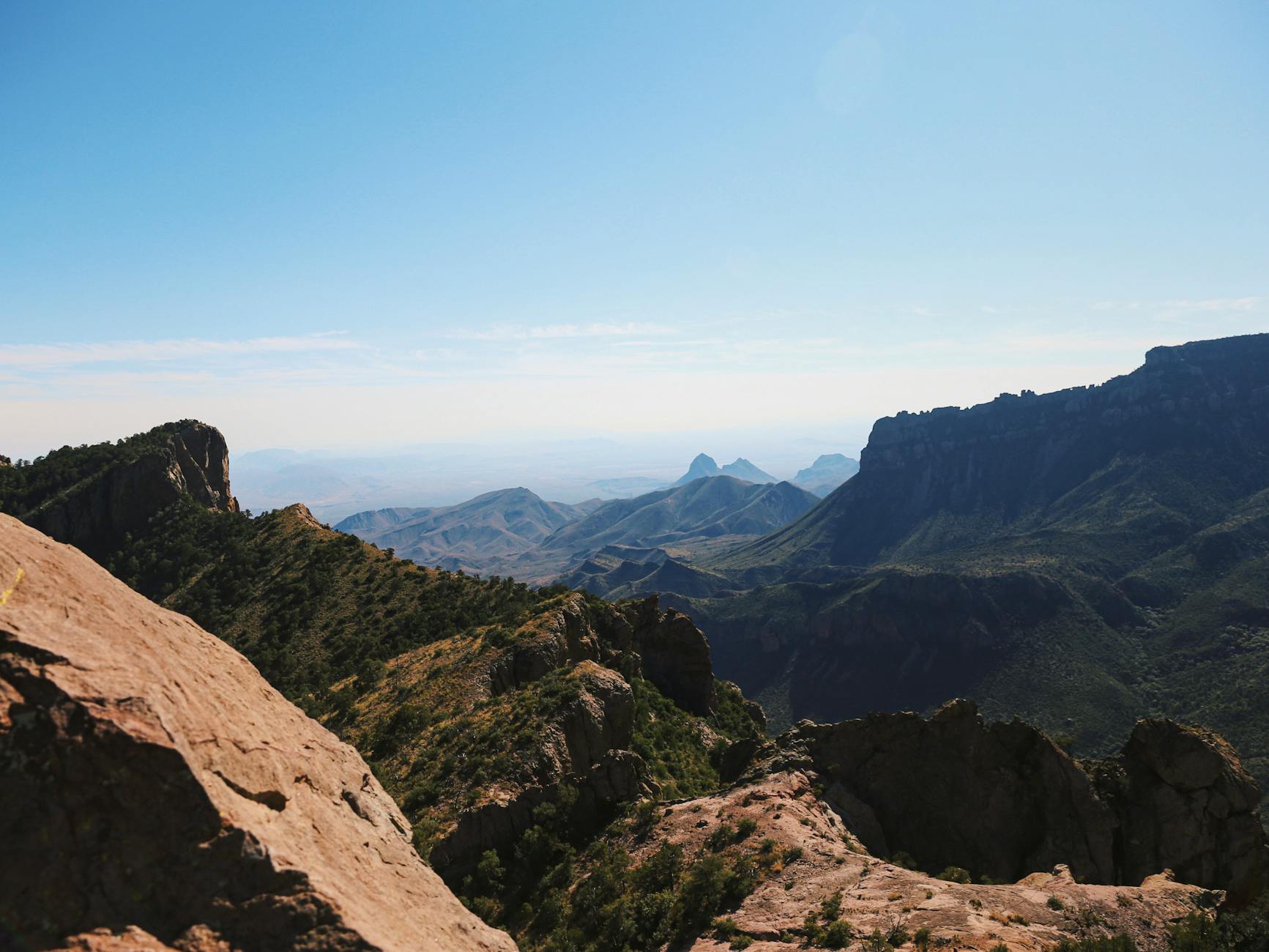
Big Bend sits in a remote corner of southwest Texas along the Rio Grande and receives fewer visitors than almost any other national park largely because of how difficult it is to reach. Its desert terrain reaches extreme temperatures in summer, and its isolation means that medical emergencies can take hours to respond to even with modern communication tools. The park borders an active international boundary, and smuggling activity through its backcountry has resulted in ranger advisories about specific trail corridors. Flash floods carve through the Chisos Mountains and canyon areas with particular intensity during monsoon season, leaving behind landscapes that shift dramatically from week to week. Wildlife including rattlesnakes, mountain lions, and black bears are frequently encountered on trails that see minimal foot traffic and no maintained ranger presence.
Glacier
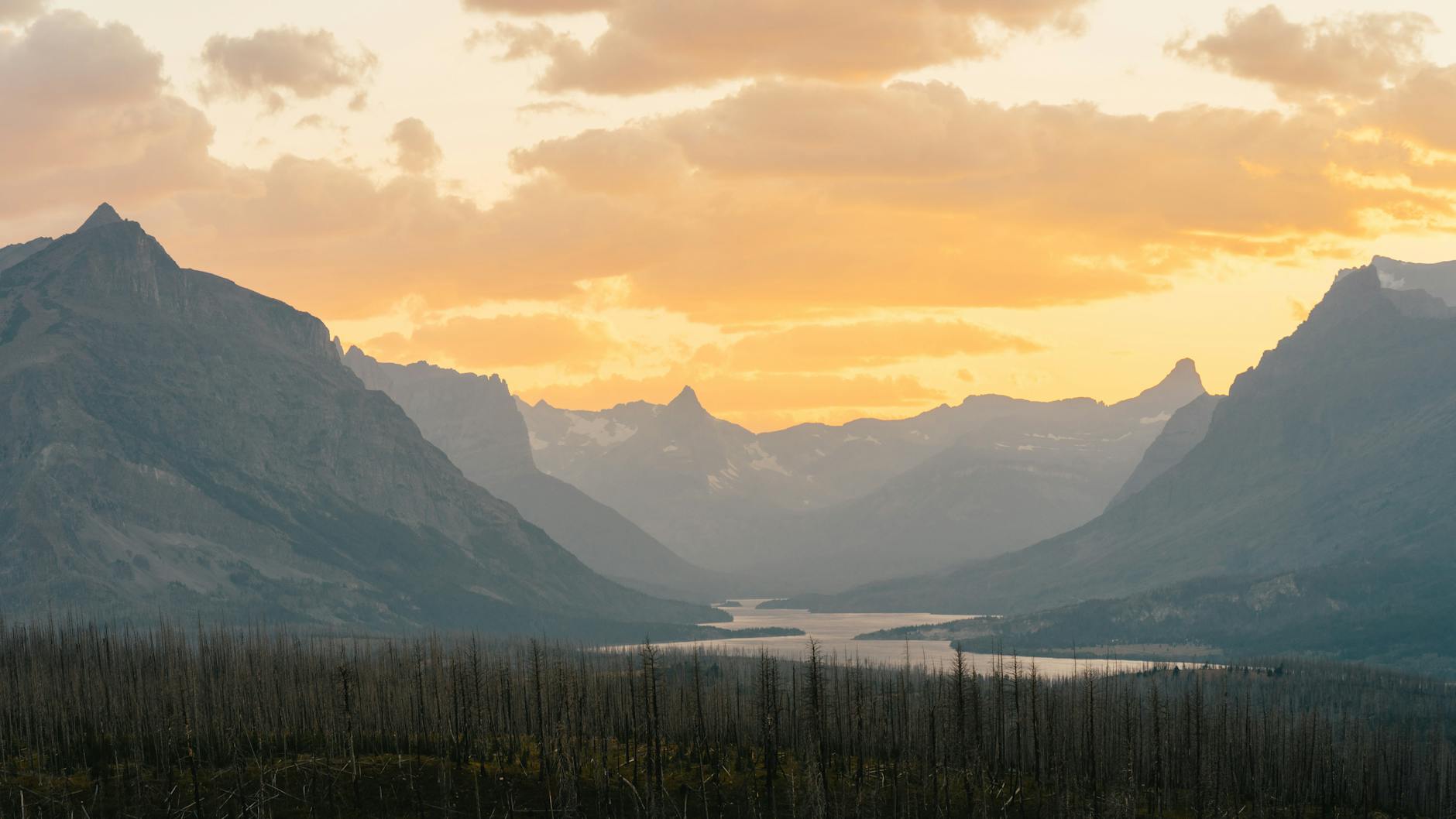
Glacier National Park in Montana is one of the most visually dramatic landscapes in North America, but its namesake glaciers are disappearing at a rate that scientists describe as alarming. The rapid glacial retreat exposes previously stable terrain to erosion and rockfall, creating hazards along trails that have been considered safe for generations. Grizzly bear encounters are more common in Glacier than in most other parks, and the dense terrain makes it difficult to maintain the recommended distance from animals. Hidden crevasses and ice bridges in remaining glacial areas can give way under the weight of hikers who venture onto them without technical equipment. The going-to-the-sun road, while spectacular, crosses terrain that produces avalanche conditions during shoulder seasons.
Sequoia
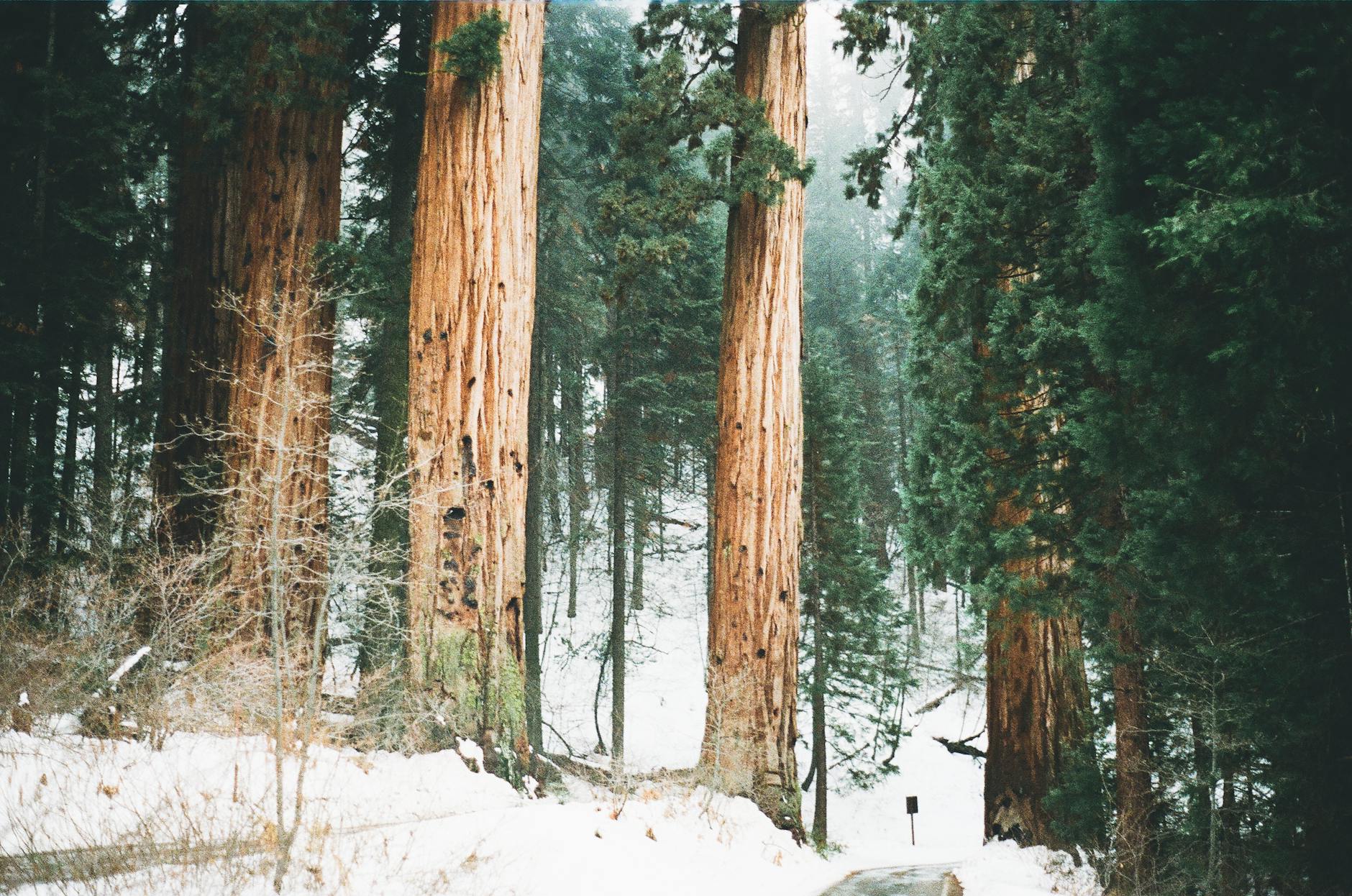
Sequoia National Park protects the largest trees on Earth by volume, and the scale of the giant sequoias creates a false sense of stability in the surrounding forest. The park experiences frequent rockfall events, particularly in the Tokopah Valley area, where granite faces shed large sections of stone with little warning. Mountain lions are a consistent presence throughout the park, and multiple stalking incidents have been reported by solo hikers on backcountry routes. The sequoias themselves, while ancient, can drop enormous limbs without warning, a phenomenon foresters call widow-makers, which has resulted in serious injuries at campgrounds and trailheads. The park sits within a seismically active region, and the effects of earthquakes on the root systems of ancient trees are an area of ongoing scientific concern.
Acadia
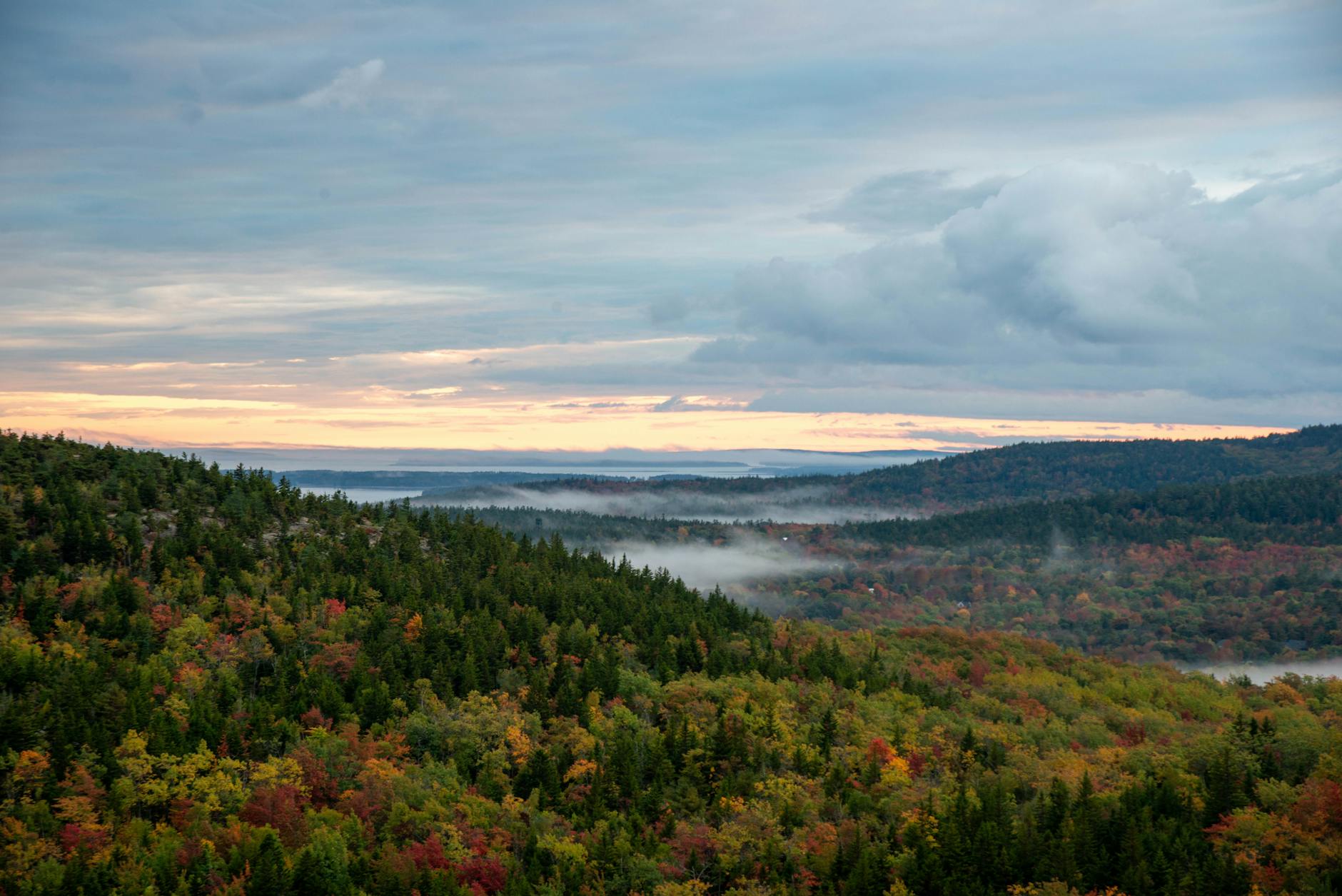
Acadia National Park on the coast of Maine presents a picture-perfect combination of granite headlands, forested hills, and dramatic ocean views that attracts visitors throughout the year. Its coastal terrain is among the most dangerous in the national park system, as the rocky shoreline produces powerful surge waves that can appear even on calm days and sweep hikers off exposed ledges into frigid water. Ocean temperatures off the Maine coast rarely exceed 55 degrees Fahrenheit, giving anyone swept in a survival window measured in minutes rather than hours. Fog descends rapidly over the island’s trails, turning familiar routes into disorienting mazes that have led to navigation emergencies. The park also sits along a major Atlantic storm corridor, and nor’easters can transform its trails into treacherous ice fields with little advance warning.
Great Smoky Mountains
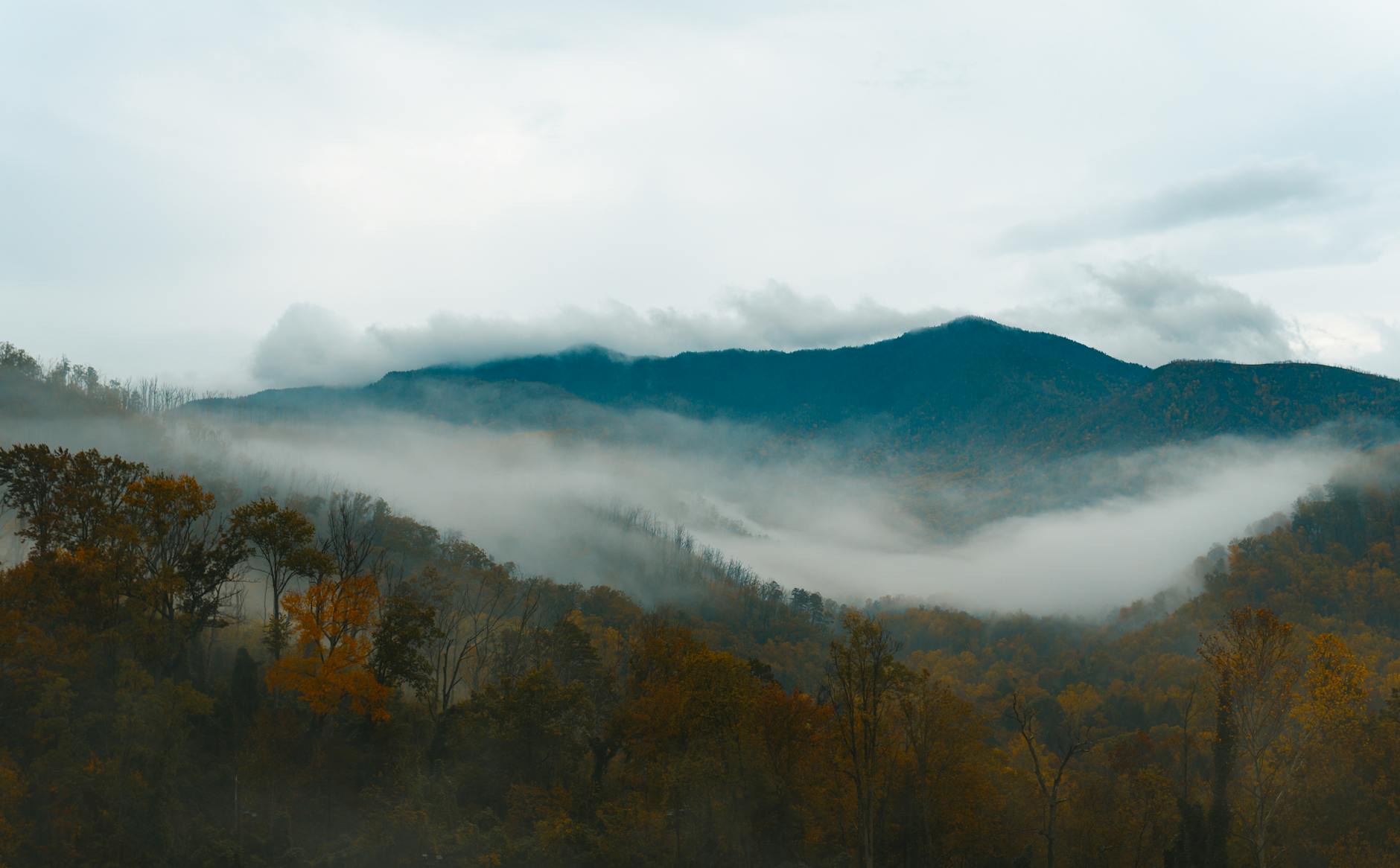
Great Smoky Mountains is the most visited national park in the United States, welcoming over 12 million people annually, yet it consistently records among the highest numbers of search and rescue operations of any park in the system. Its dense forest cover and lack of cell service create navigation challenges that catch underprepared hikers off guard, particularly as trails ascend into fog-covered ridgelines. The park is home to the largest population of black bears in the eastern United States, and food storage violations by campers have contributed to an increase in bold bear behavior near high-traffic areas. Flash flooding in its stream corridors is an underestimated hazard, as narrow gorges channel rainfall into powerful surges that move faster than most people can run. The park’s approachable reputation as a family destination contributes to a pattern of visitors arriving without gear appropriate for its often unpredictable weather.
Shenandoah
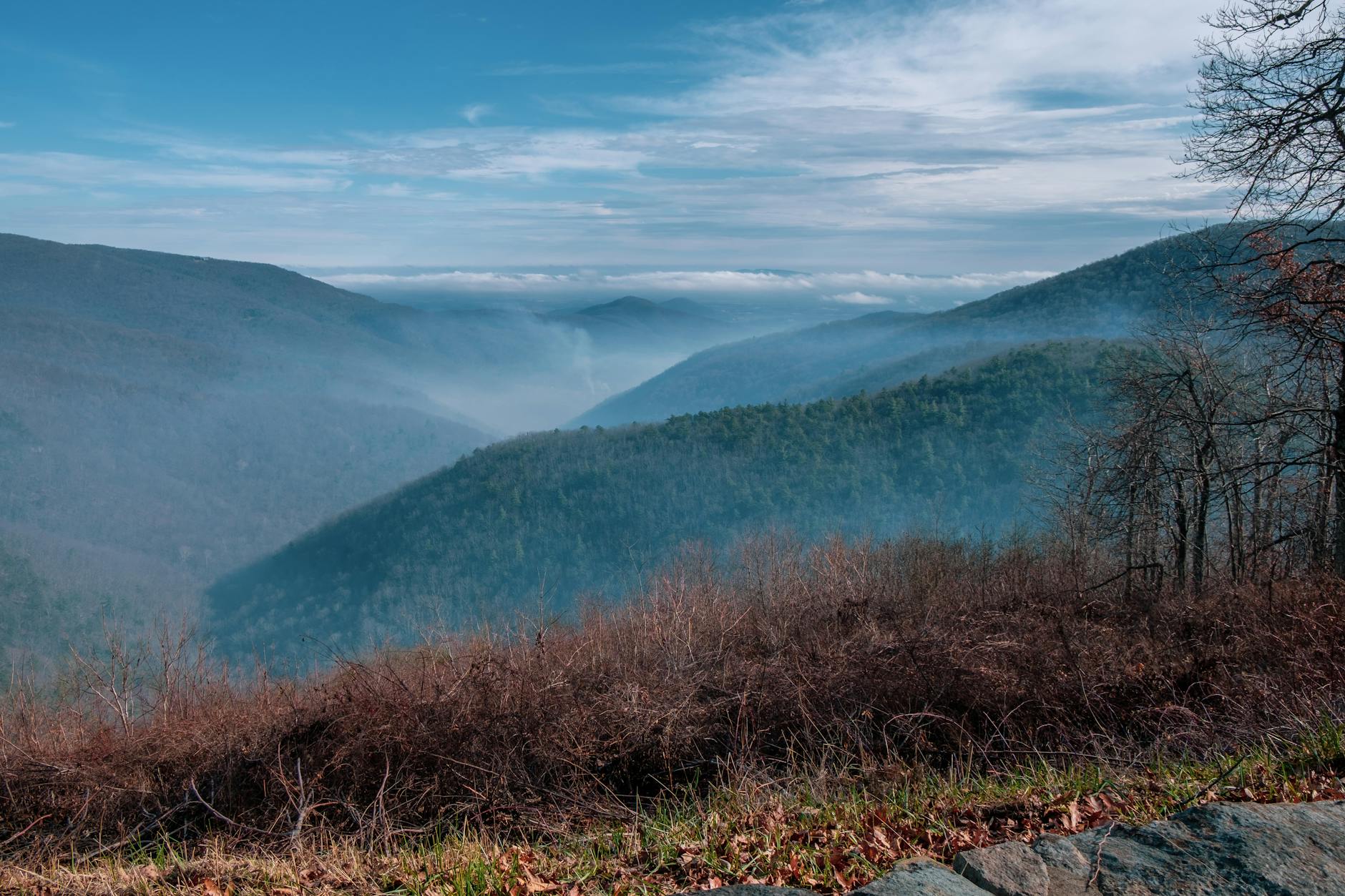
Shenandoah National Park follows the spine of the Blue Ridge Mountains through Virginia and is famous for the sweeping long-distance views from Skyline Drive. The park has been the site of a disproportionate number of mysterious disappearances over the decades, documented extensively in historical park records and investigated by law enforcement on multiple occasions. Copperhead and timber rattlesnake populations are dense along rocky ridgelines and in the forest understory, posing a bite risk that is particularly serious given the park’s distance from trauma centers in some sections. The Shenandoah River and its tributaries are subject to rapid and powerful flood events during heavy rainfall, with water levels rising several feet in a matter of hours. Deer overpopulation in the park has contributed to one of the highest concentrations of Lyme disease-carrying ticks on the East Coast.
Biscayne
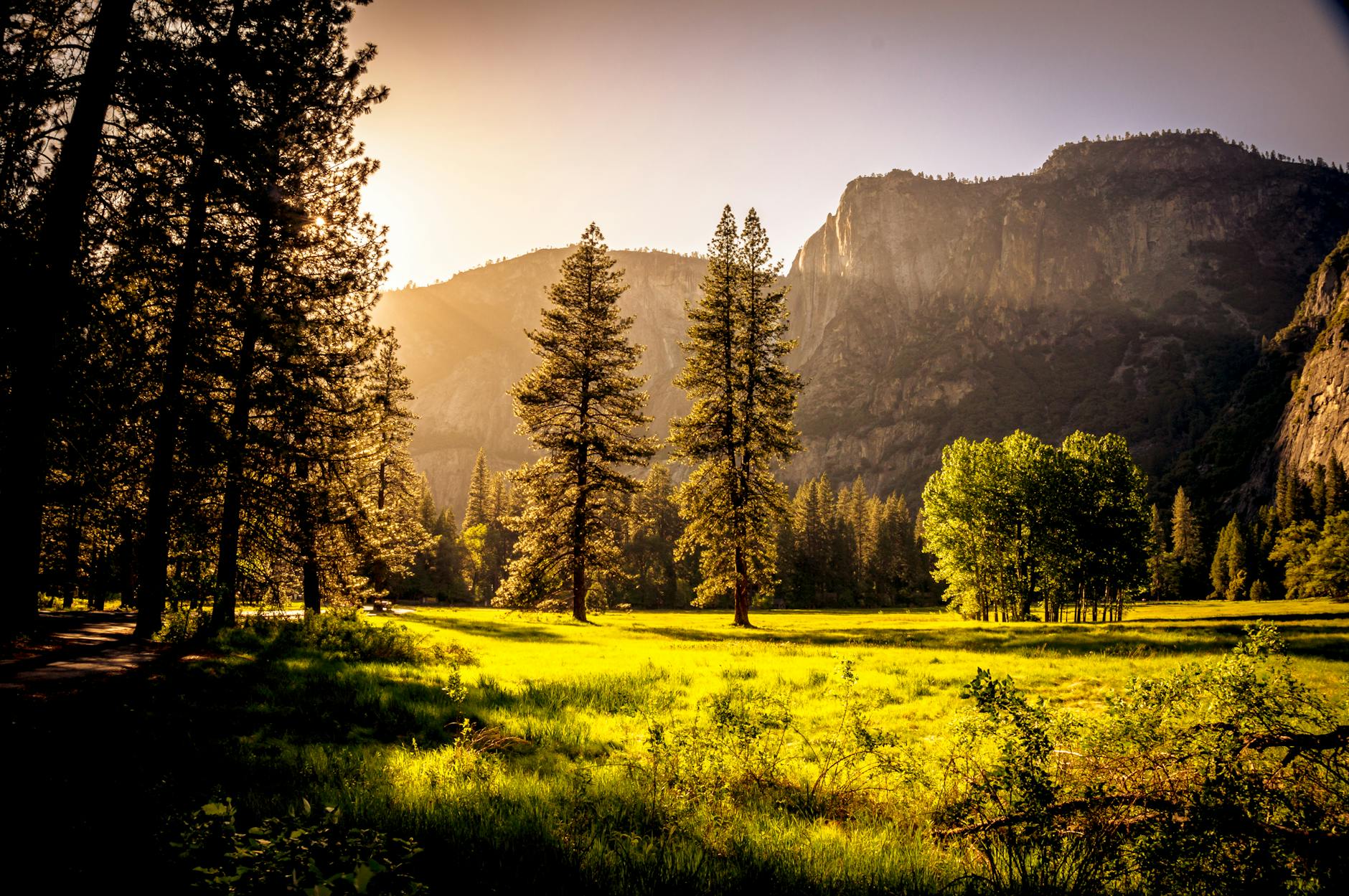
Biscayne National Park lies almost entirely underwater off the southern coast of Florida and encompasses coral reefs, mangrove shorelines, and open bay waters that appear calm and inviting from above. The park’s waters are shared with significant boat traffic from the greater Miami area, creating collision risks for swimmers and snorkelers who stray from designated zones. Bull sharks are among the species regularly observed in the shallow bay areas, and their documented tendency toward territorial behavior in murky water makes them among the most statistically dangerous sharks to encounter. Strong tidal currents sweep through the reef corridors with enough force to exhaust swimmers quickly, and the lack of natural landmarks in open water makes orientation difficult for those without navigation experience. The proximity to one of the largest urban areas in the country creates a sharp and easily underestimated contrast between its accessible appearance and its genuinely wild marine environment.
Which of these parks surprises you most with its hidden dangers? Share your thoughts in the comments.




