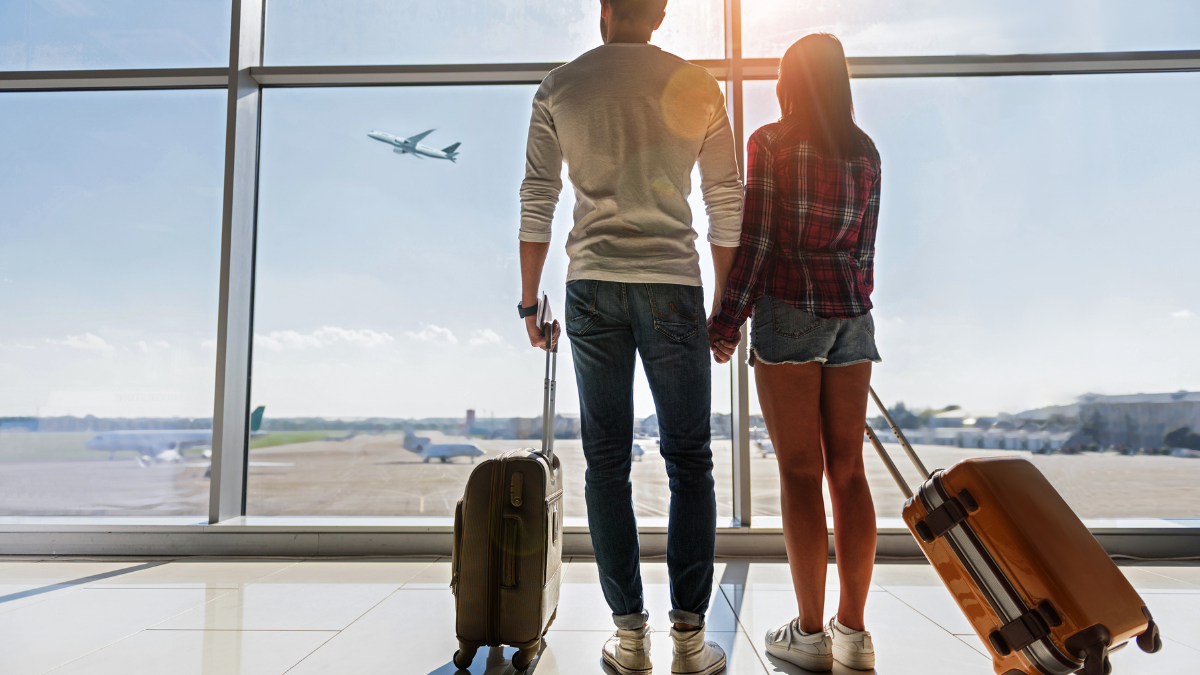
Dressing for air travel is more than a matter of style. What you choose to wear on a flight can directly affect your comfort, safety, and overall experience from departure to landing. Frequent flyers and travel experts consistently point to certain clothing and accessory choices that cause unnecessary discomfort or even risk during flights. Making smarter wardrobe decisions before you reach the airport can transform the entire journey. These are the things seasoned travelers and aviation professionals agree you should leave at home.
Tight Jeans
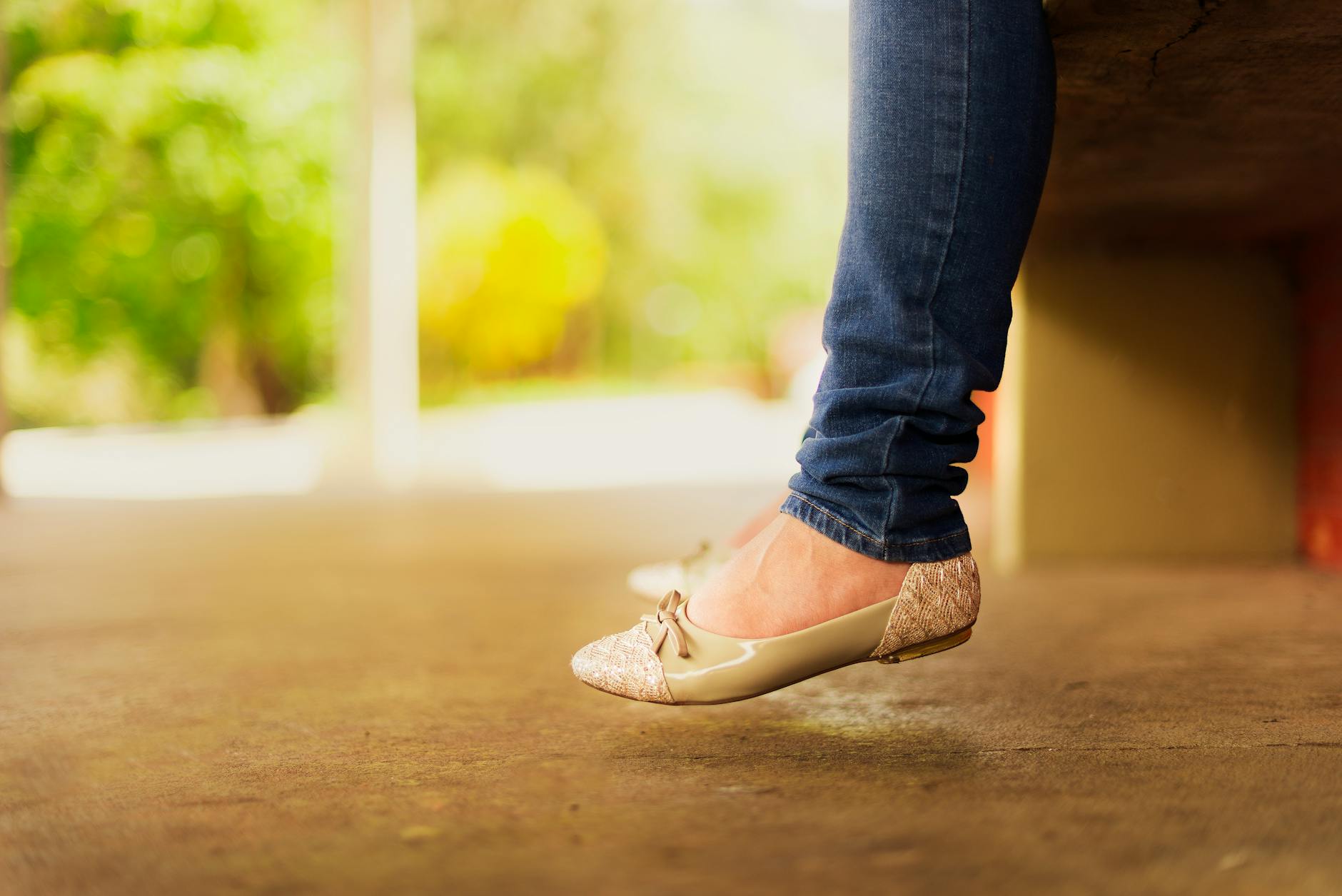
Fitted denim has no place in an airplane cabin for anyone planning a comfortable journey. The rigid fabric restricts circulation in the legs during prolonged sitting and can contribute to swelling and discomfort. Long-haul passengers especially report increased lower body stiffness when wearing tight jeans compared to softer alternatives. The waistband also tends to dig in painfully as the body naturally bloats at altitude due to cabin pressure changes.
High Heels
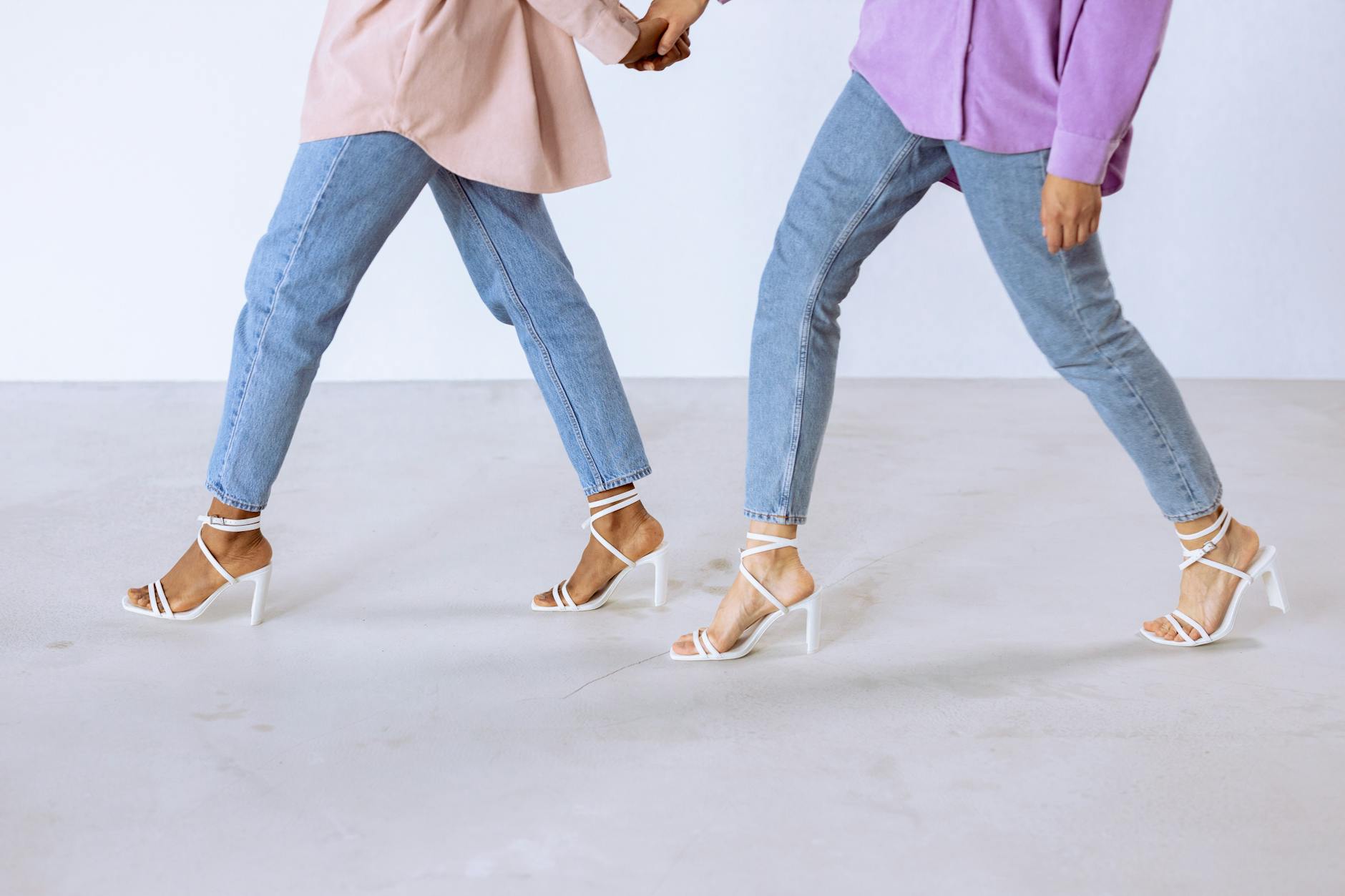
Heels create immediate problems from the moment you enter a busy airport terminal. Walking long distances across hard floors causes foot fatigue and joint strain that only compounds over a multi-hour flight. In the event of an emergency evacuation high heels are considered a safety hazard and are often required to be removed before exiting via an inflatable slide. Flat footwear is consistently recommended by aviation safety guidelines for all passengers regardless of destination dress codes.
Shapewear
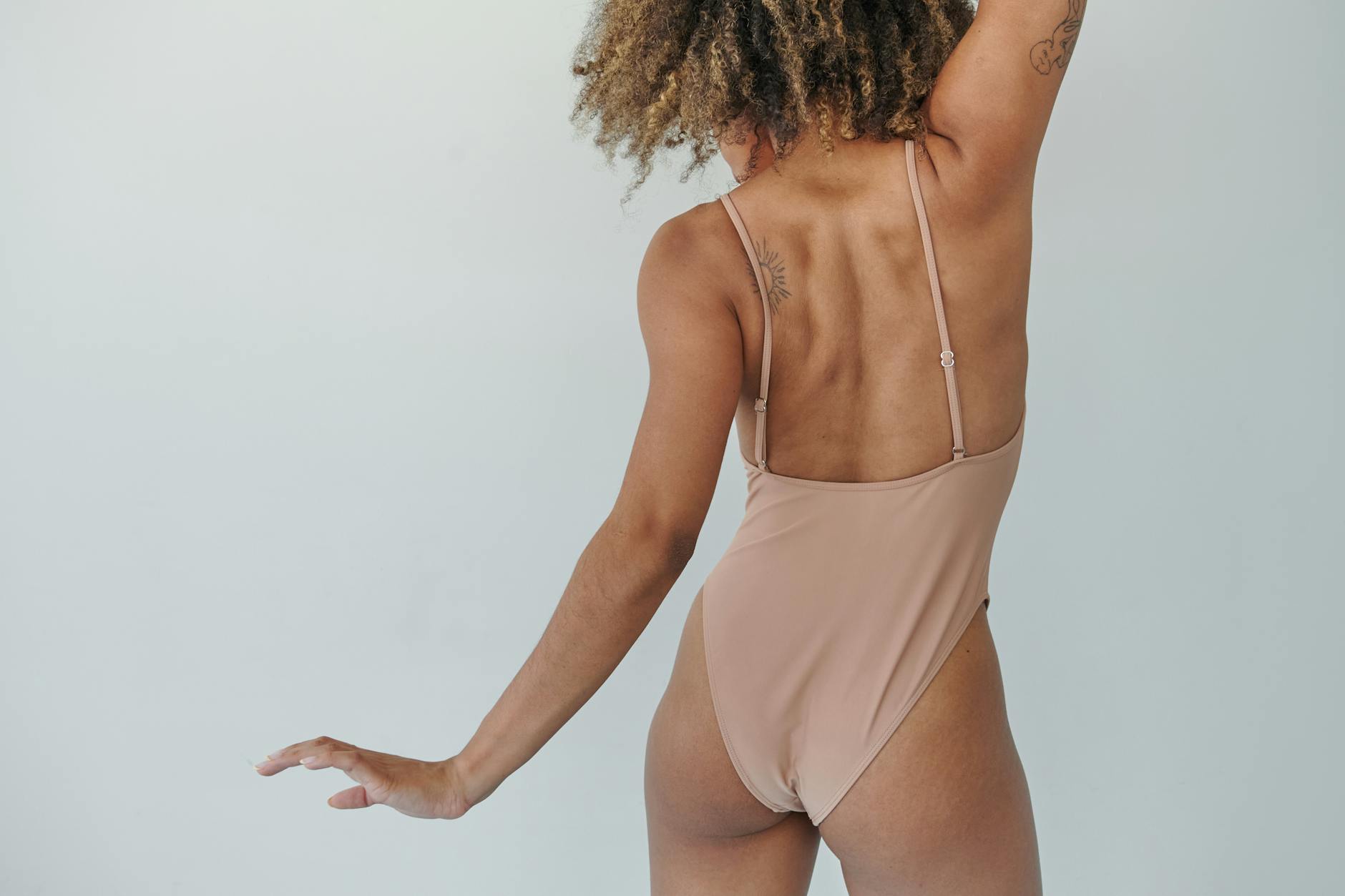
Compression undergarments worn for aesthetic purposes can interfere with normal circulation during extended periods of sitting. The restrictive nature of shapewear increases the risk of developing deep vein thrombosis on longer routes. Bloating caused by altitude changes makes tight undergarments increasingly uncomfortable as the flight progresses. Medical professionals routinely advise against wearing shapewear on any flight lasting more than two hours.
Flip Flops
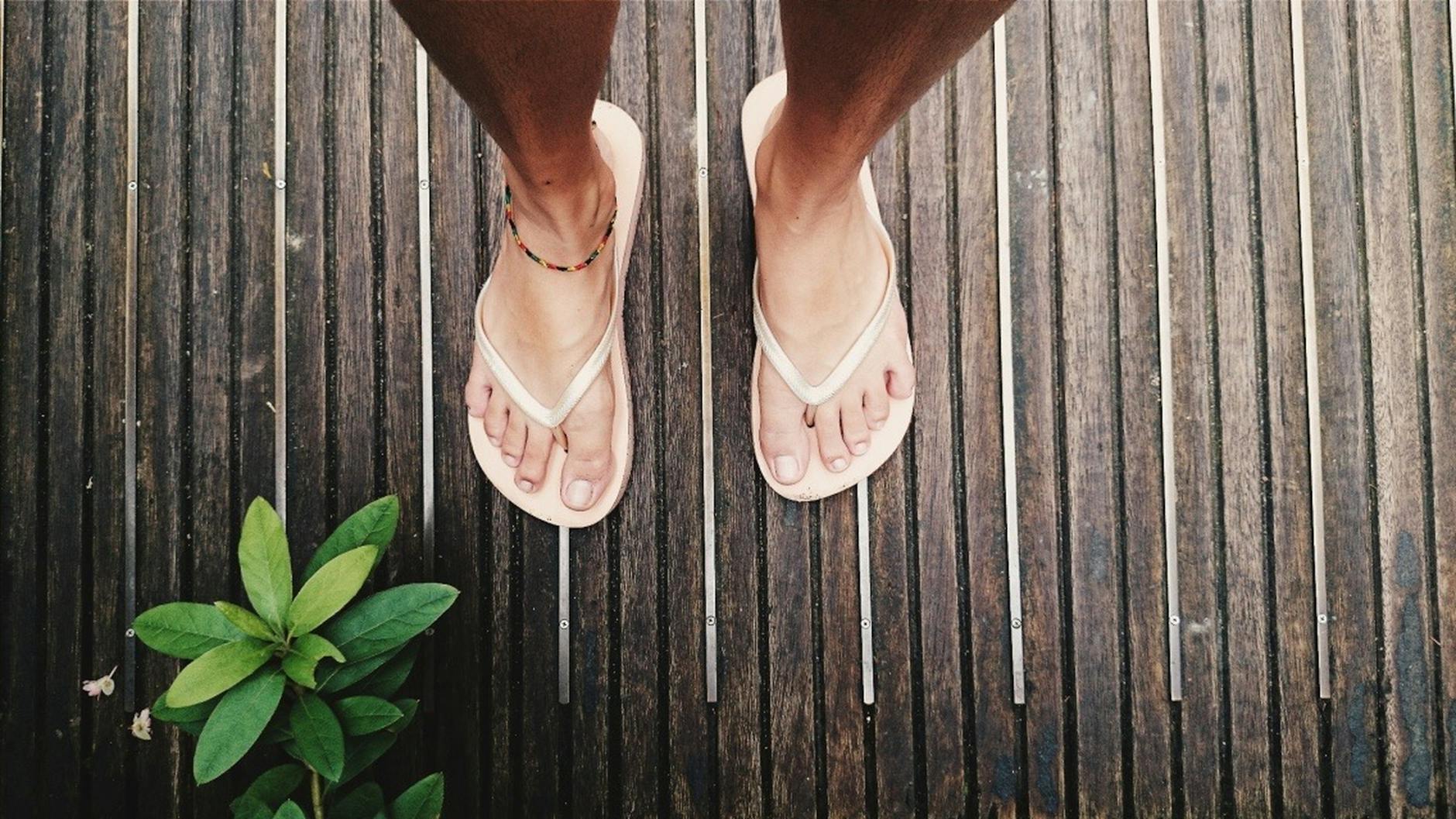
Open-toed sandals offer virtually no protection in the event of a cabin emergency or unexpected turbulence. Airport floors and airplane aisles are among the most heavily trafficked surfaces travelers encounter and bare feet are exposed to a significant bacterial load. Flip flops provide no ankle support during rushed boarding or deplaning in crowded terminals. The lack of secure fastening also makes them impractical and potentially dangerous when moving quickly through security or gate areas.
Heavy Perfume
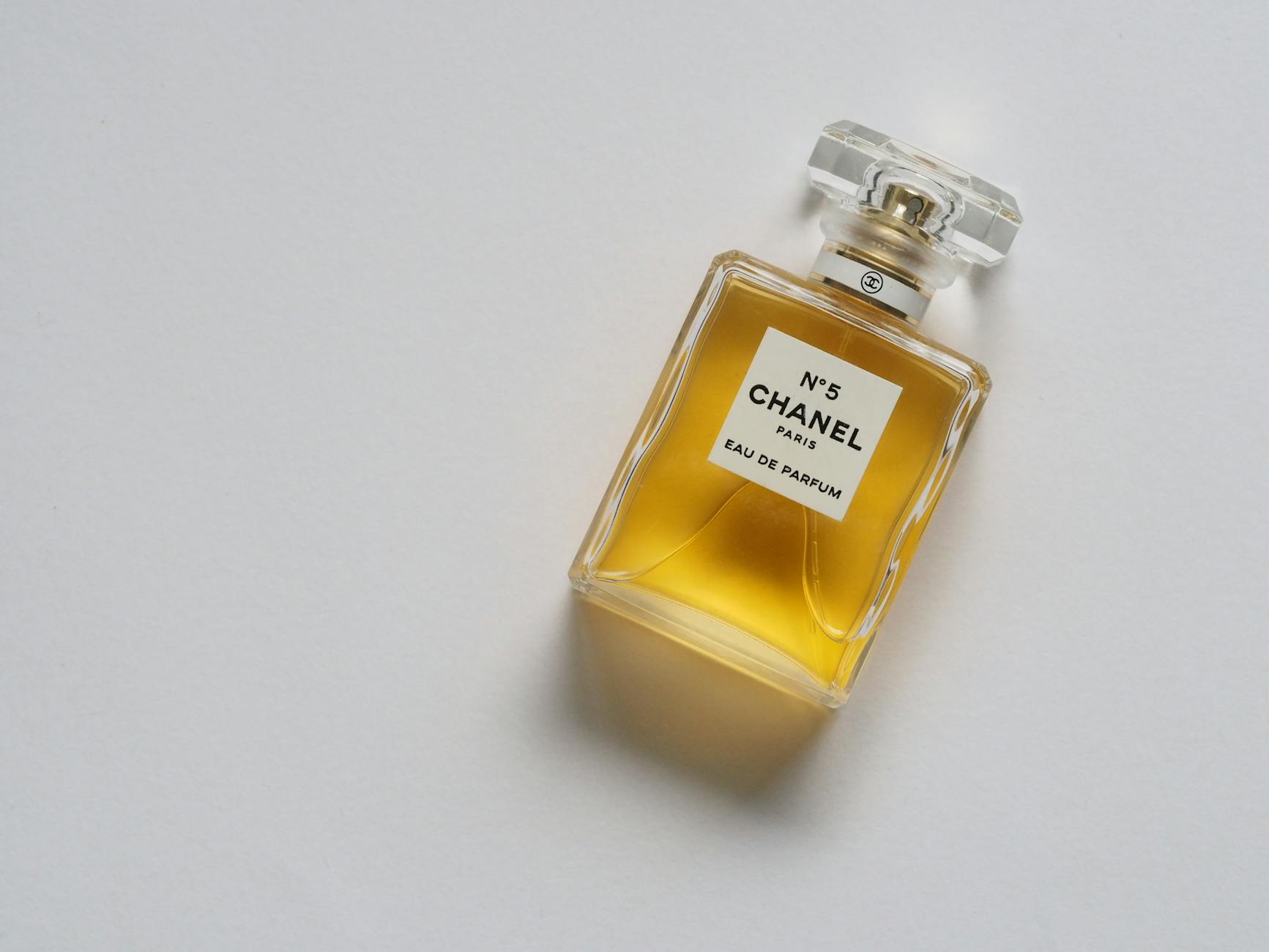
Strong fragrance worn on a plane affects every passenger seated in a confined and recirculated air environment. Many travelers suffer from fragrance sensitivities or allergies that can be triggered within the sealed cabin. Flight crews frequently deal with passenger complaints related to overpowering scents during long-haul routes. Wearing heavy perfume or cologne on a flight is widely regarded as one of the most common cabin etiquette oversights.
Scratchy Wool
Coarse wool fabrics become increasingly irritating against the skin during long periods of sedentary travel. The recycled cabin air tends to dry out the skin making any abrasive material feel more uncomfortable over time. Wool items that feel tolerable on the ground often cause noticeable itching or redness by the midpoint of a long flight. Softer natural fibers or synthetic blends designed for travel are far more practical for the cabin environment.
Contact Lenses
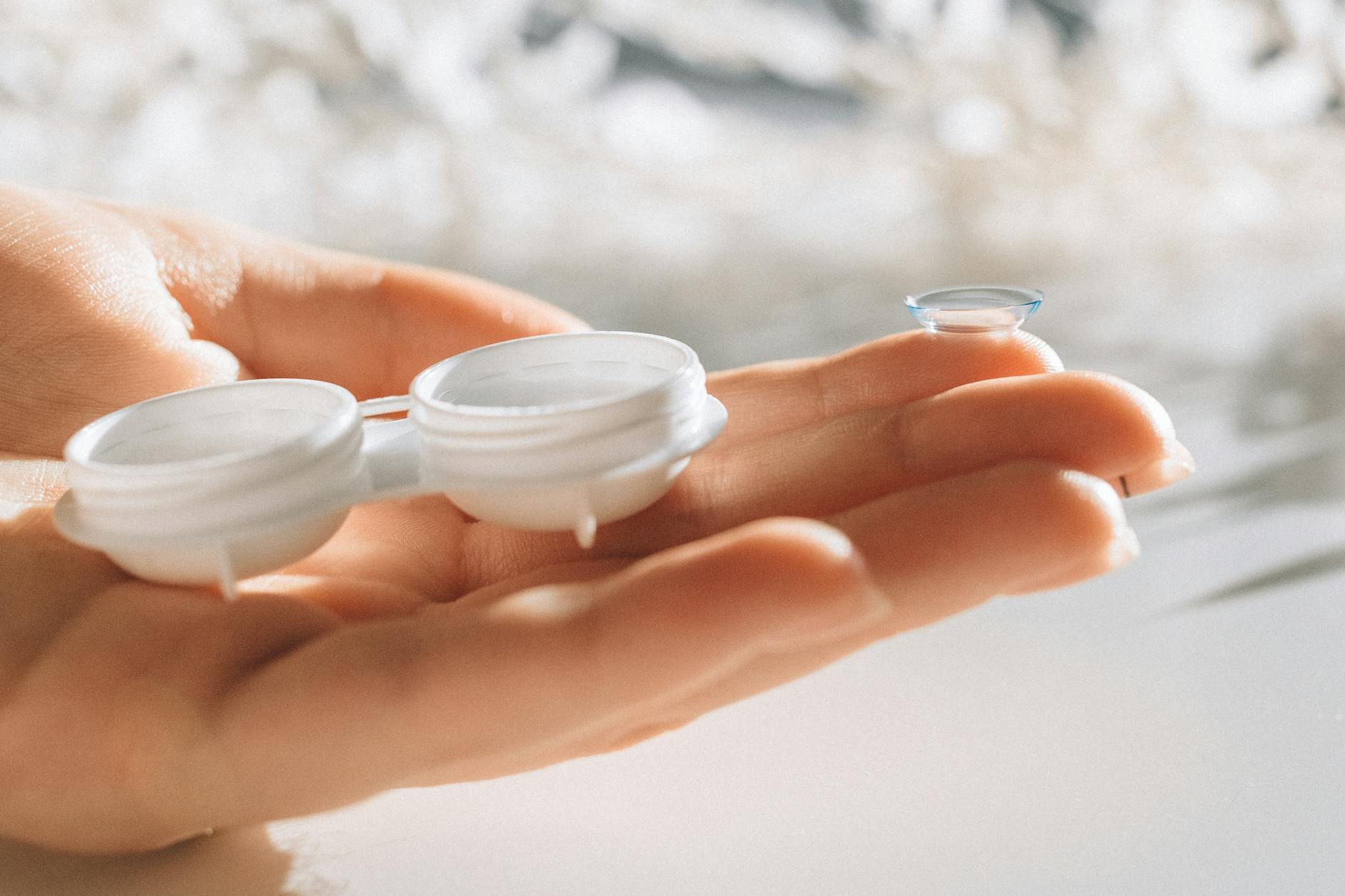
The extremely low humidity levels inside pressurized aircraft cabins dry out the eyes at an accelerated rate. Wearing contact lenses in this environment frequently leads to irritation and redness that worsens over the duration of the flight. Optometrists routinely advise patients to switch to glasses for any flight lasting more than three hours. Keeping lenses in during overnight flights significantly increases the risk of corneal abrasion and infection.
Stiff Dress Shoes
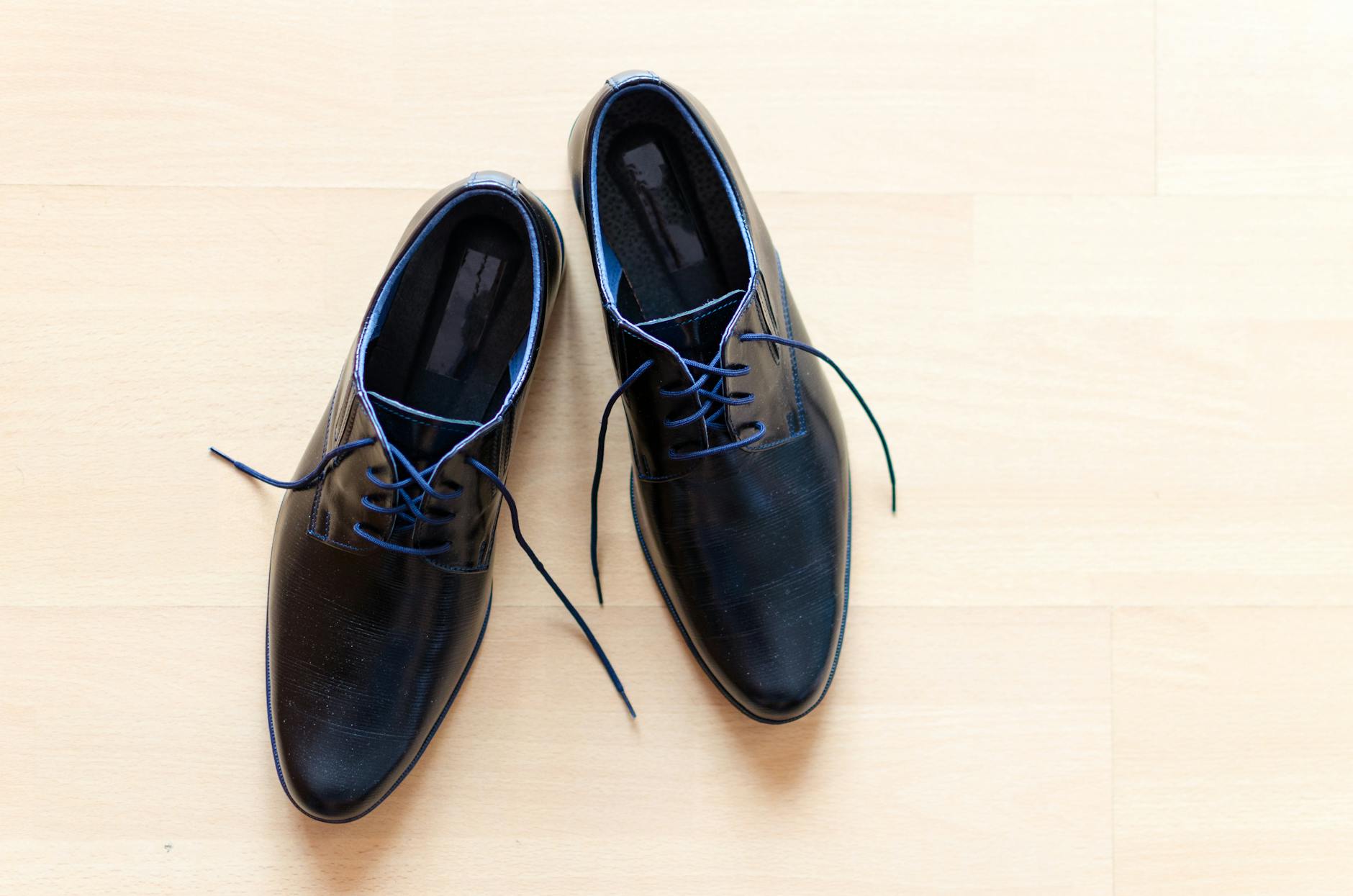
Formal leather shoes with rigid soles and tight toe boxes restrict natural foot movement during long periods of immobility. Feet tend to swell noticeably at cruising altitude which makes fitted shoes feel increasingly painful as a flight continues. Removing stiff shoes mid-flight and then attempting to put them back on before landing is a common and uncomfortable experience for many travelers. The material also offers no insulating warmth in a frequently cold cabin environment.
Novelty Socks
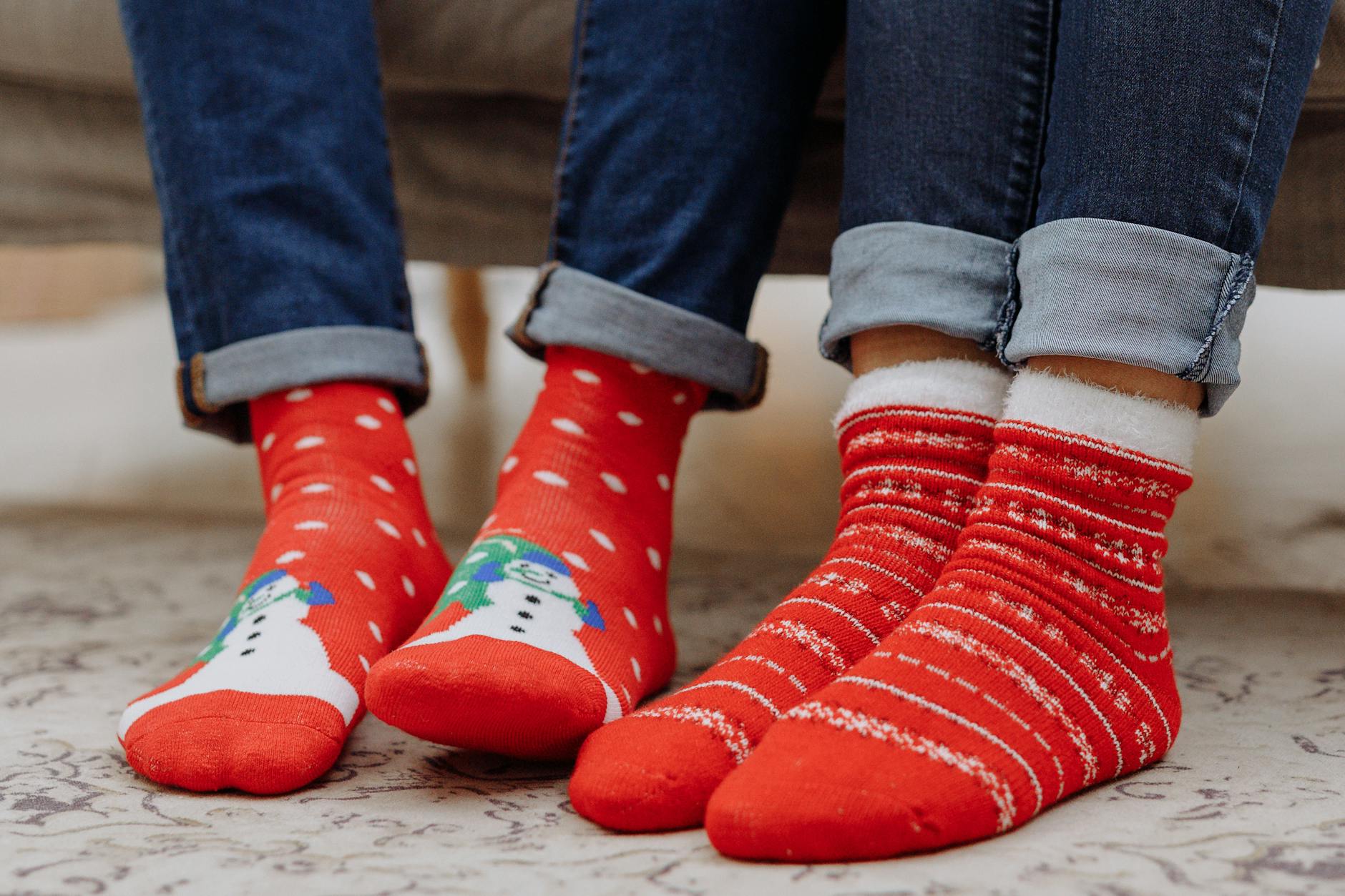
Thin novelty socks with tight elastic bands can restrict circulation in the feet and ankles during extended sitting. The novelty fabric blends used in these products are rarely breathable enough for the warm and dry air of a pressurized cabin. Compression travel socks or thick cotton alternatives serve both comfort and circulatory health far more effectively on long routes. Foot health during air travel is a frequently overlooked element of overall passenger wellbeing.
Mini Skirts
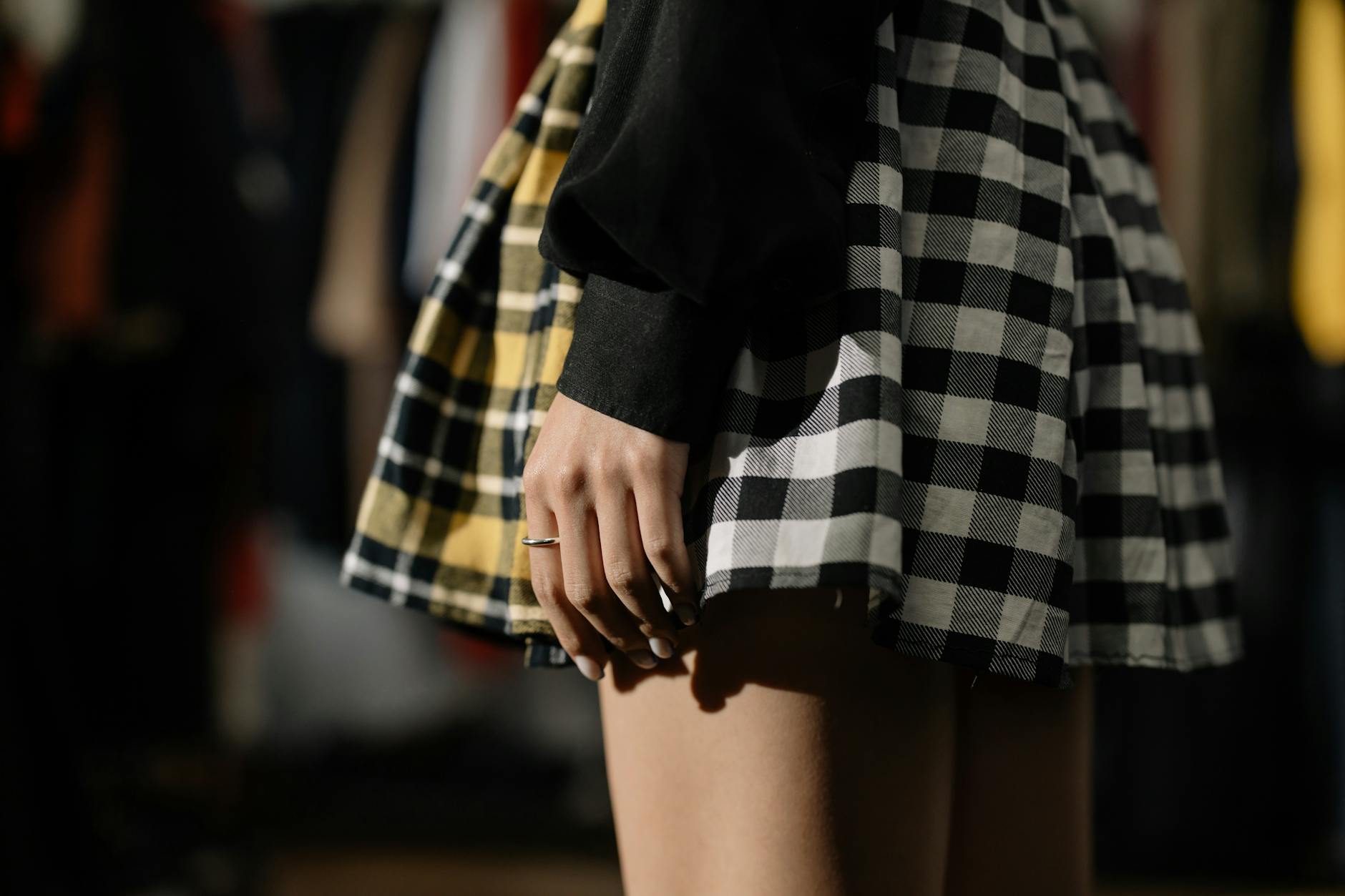
Very short hemlines create practical discomfort when navigating the awkward seating and overhead storage requirements of airplane travel. Moving through the aisle retrieving luggage or visiting the lavatory becomes unnecessarily difficult in restrictive short garments. The cold temperature of most aircraft cabins also means bare legs are left without insulation for the duration of the flight. Longer and more relaxed lower body options consistently deliver a more comfortable and practical travel experience.
Neckties
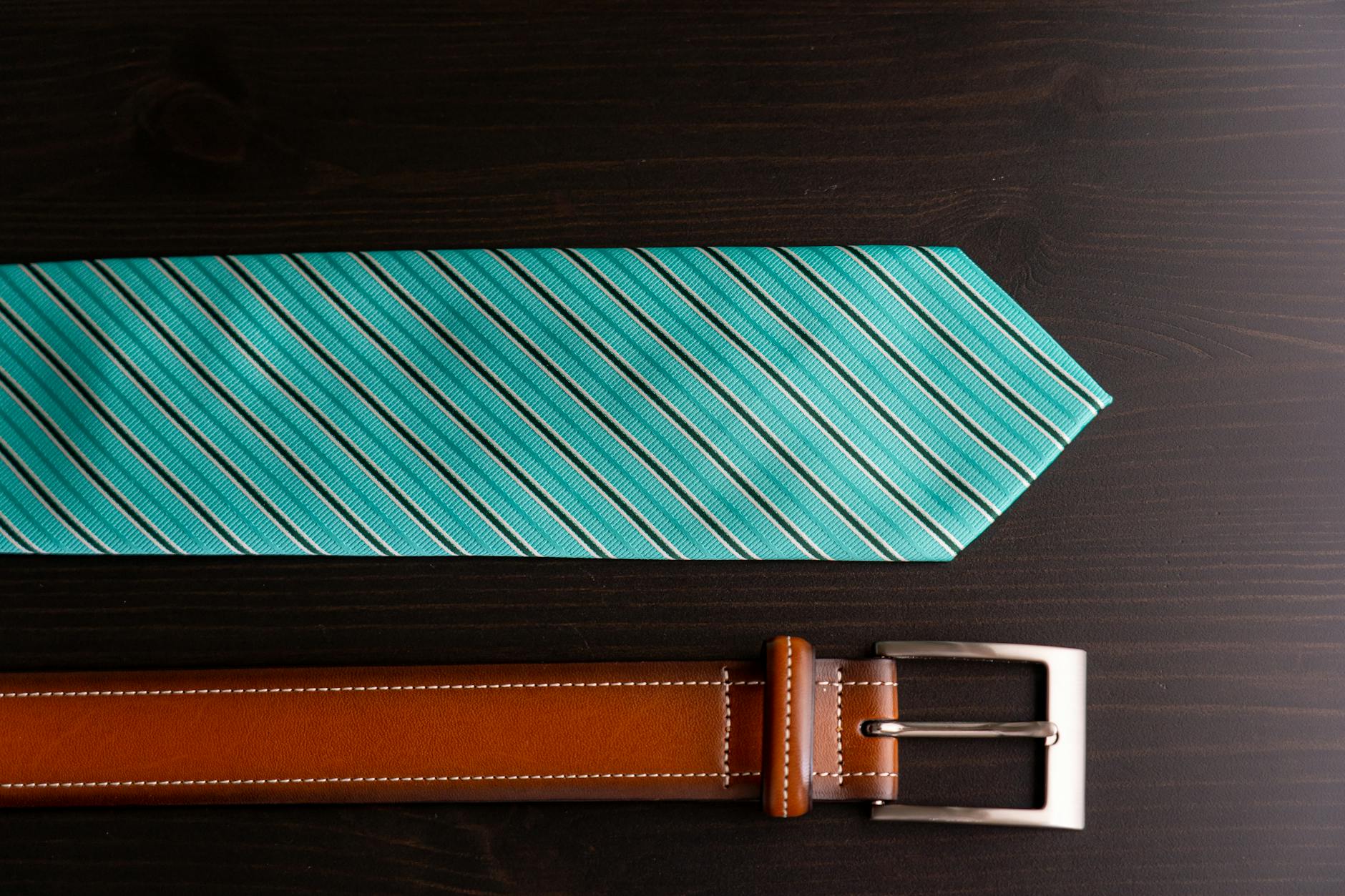
A tightly knotted necktie places constant pressure on the neck and throat during several hours of seated travel. The formal purpose of a tie is rarely relevant during the flight itself making it an unnecessary source of discomfort. Ties have also been known to trail into shared surfaces and food trays creating hygiene concerns in a high-contact environment. Packing a tie and putting it on after landing is a practical alternative endorsed by frequent business travelers.
Belt Buckles
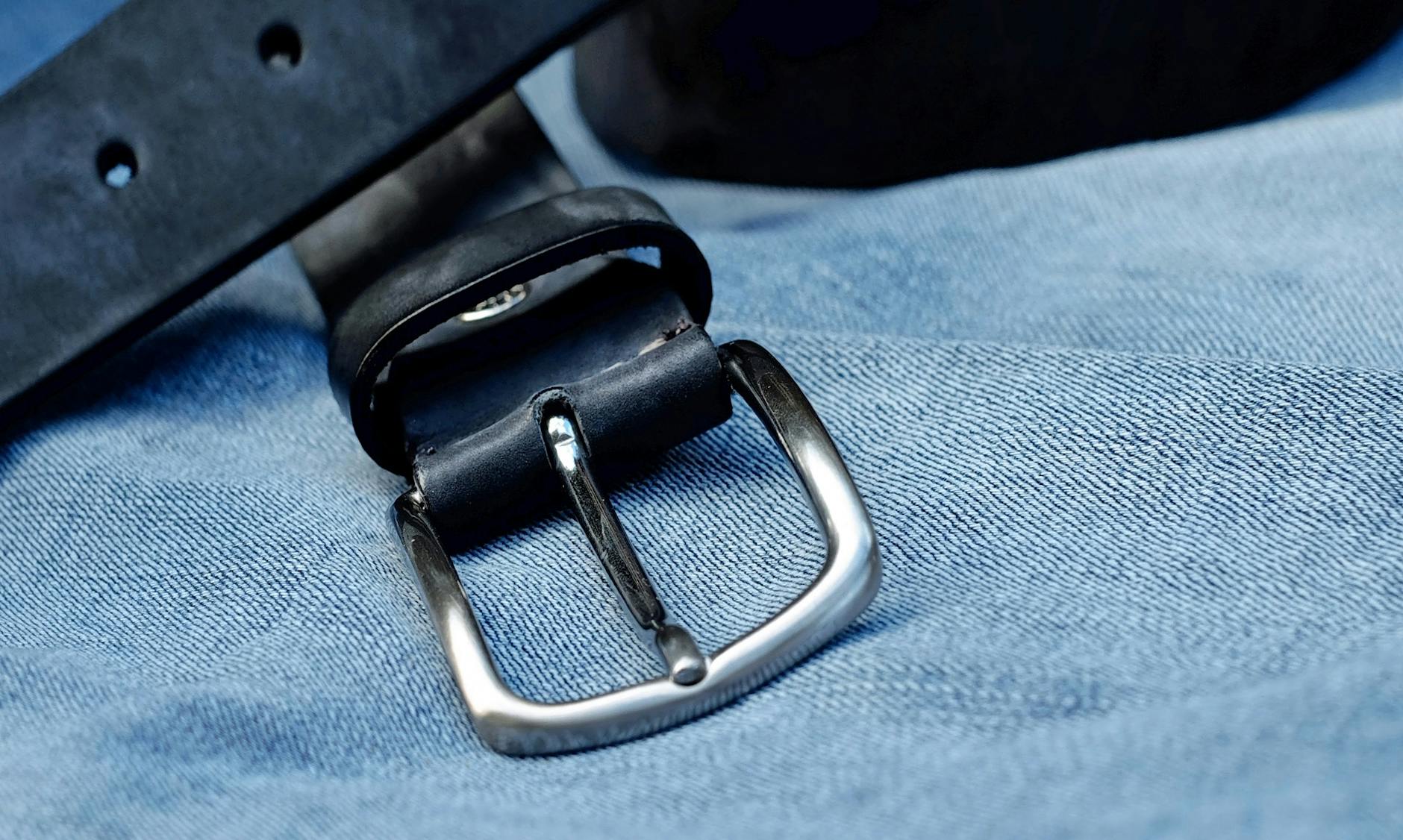
Large metal belt buckles trigger metal detectors and slow down the security screening process for everyone in line. Beyond the inconvenience at checkpoints a stiff and heavy buckle can press uncomfortably into the abdomen during hours of seated travel. The bloating that occurs naturally at altitude makes a tight waistband with a rigid fastening particularly unpleasant. Elastic waistbands or soft fabric ties are widely preferred by experienced travelers for exactly this reason.
Elaborate Jewelry
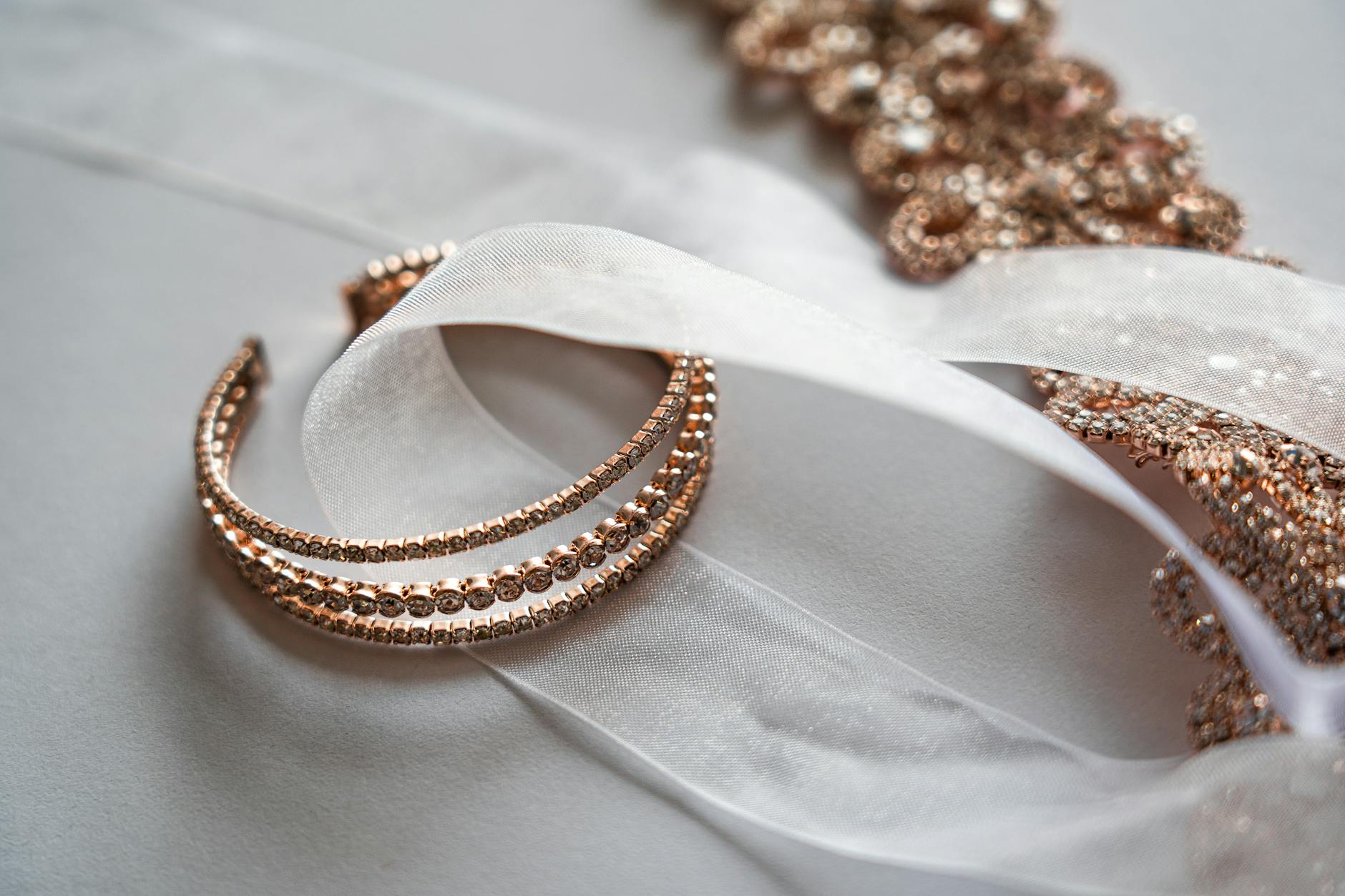
Layered necklaces bracelets and large earrings add unnecessary time to the security screening process and are easily snagged or lost in transit. Fine jewelry is also at risk of damage when stowing bags in overhead compartments or moving quickly through crowded boarding areas. The metal content of elaborate pieces consistently triggers additional screening measures that delay boarding. Most experienced travelers store valuable jewelry in carry-on bags and add accessories only upon arrival.
Silk Blouses
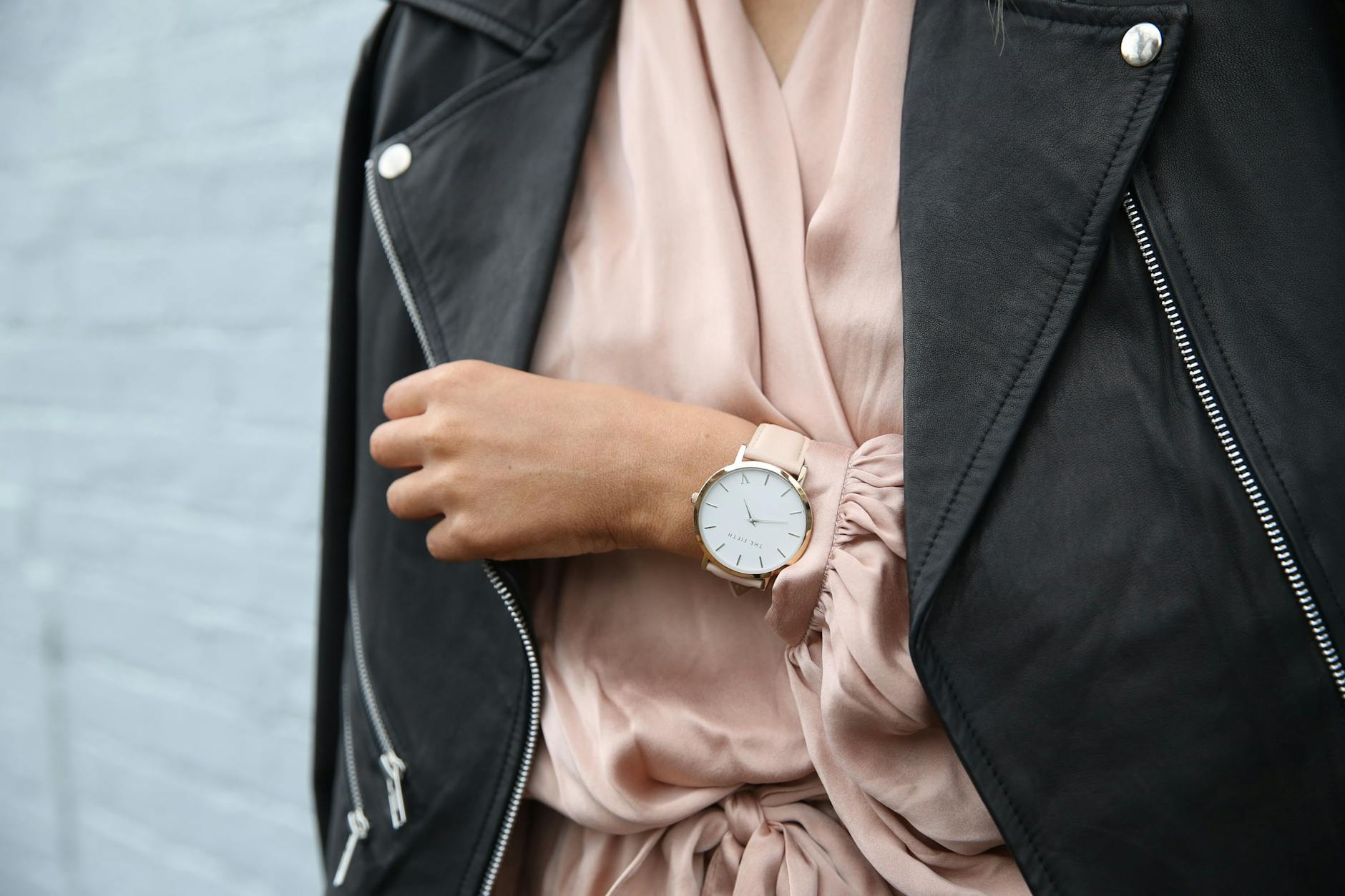
Delicate silk garments are easily stained by the food and beverages served in a confined tray-table environment. Silk also provides no warmth in a frequently chilled cabin and offers minimal stretch for the movement required during boarding and deplaning. The fabric is notoriously difficult to care for when accidents occur mid-flight with no laundry facilities available. Wrinkle-prone silk can leave travelers looking disheveled upon arrival despite their original intention to appear polished.
Lace-Up Boots
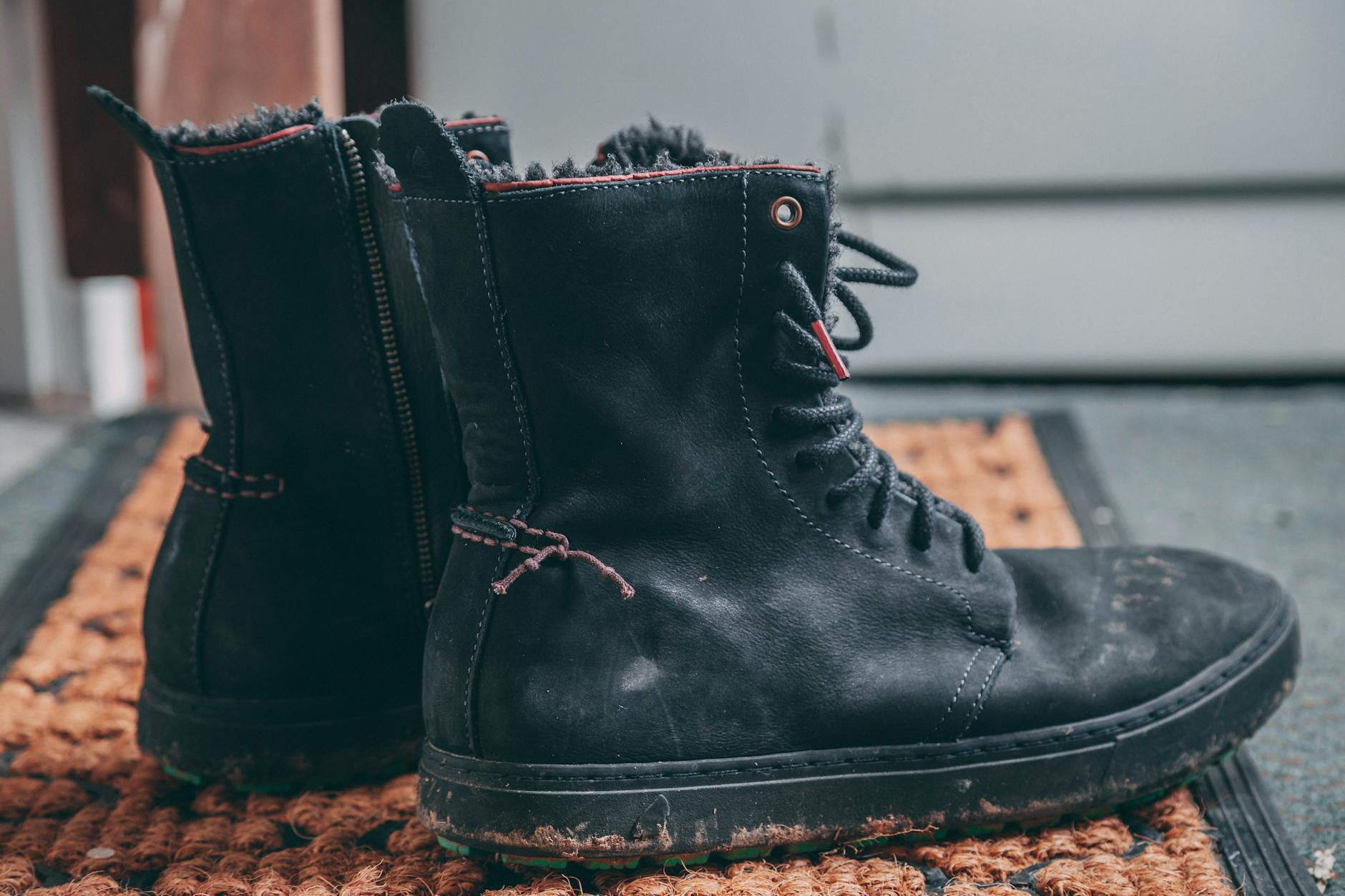
Knee-high or ankle boots with multiple lace eyelets are required to be removed at most international security checkpoints adding significant time to the screening process. Putting lace-up boots back on after security while other passengers move through creates unnecessary delays in a busy terminal environment. Tight boot shafts can also restrict circulation in the calves during long flights in the same way that fitted jeans affect the lower legs. Slip-on footwear alternatives eliminate this complication entirely.
Hats With Wide Brims

Structured wide-brimmed hats are impractical from the moment a passenger takes a window seat and leans against the headrest. The rigid brim interferes with seatback screens and reduces the personal space of passengers seated in adjacent seats. Storing a shaped hat safely during a flight requires extra thought and often results in the hat being crushed in an overhead bin. Soft beanies or foldable caps are far more compatible with the physical constraints of the airplane environment.
Synthetic Fabrics
Low-quality synthetic materials trap heat and moisture against the skin creating discomfort in the unpredictable temperature swings of a pressurized cabin. Non-breathable fabrics contribute to the general feeling of stuffiness and fatigue that many passengers experience on medium and long-haul routes. Static electricity is also a more common issue with synthetic fibers in the extremely dry cabin air environment. Natural fiber alternatives or specialist travel-specific blends consistently outperform basic synthetics for passenger comfort.
Bodycon Dresses

Form-fitting dresses with no stretch make the physical demands of airplane travel genuinely difficult to manage. Sitting for hours in a tightly fitted garment causes the hemline to ride up and the fabric to restrict movement across the hips and thighs. Navigating the lavatory in a small aircraft bathroom while wearing a bodycon dress is a commonly reported frustration among female travelers. Wrap dresses or relaxed midi options offer equivalent style with far greater practical comfort.
Itchy Turtlenecks

Close-fitting turtleneck collars feel increasingly constricting during the dehydration and mild swelling that passengers experience over the course of a long flight. The neck and jaw area is particularly sensitive to compression when seated upright for many hours without regular movement. Many travelers report removing or adjusting turtleneck garments mid-flight due to discomfort but find few practical solutions in a confined seat. A lightweight scarf carried separately provides the same warmth benefit with complete control over coverage and tightness.
Platform Shoes
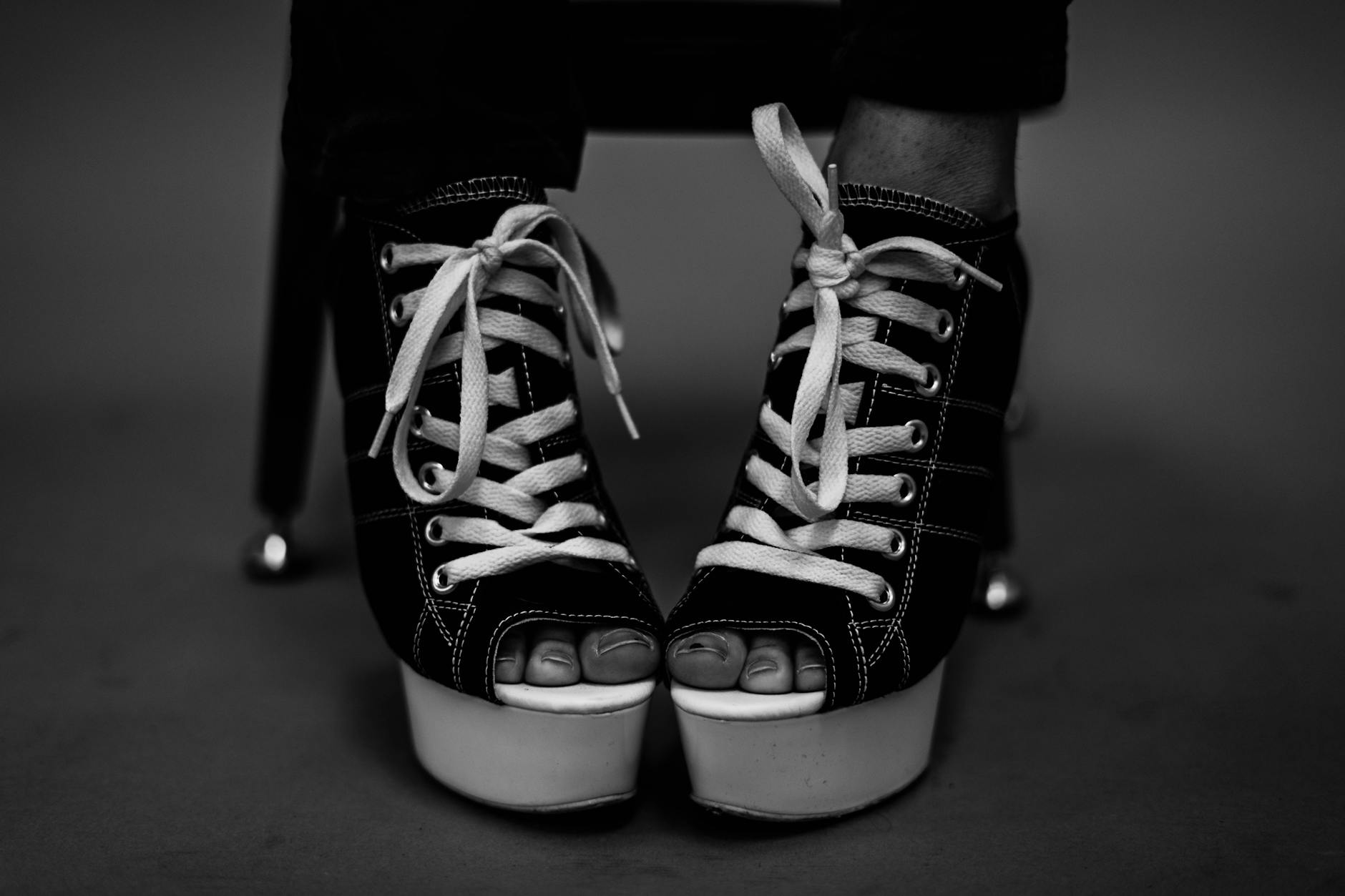
Thick-soled platform footwear creates serious balance and mobility risks on the uneven and often slippery surfaces of an active aircraft. The elevated heel combined with a wide platform sole makes navigating the narrow airplane aisle hazardous particularly during unexpected turbulence. Emergency evacuation procedures require rapid and stable movement across a range of surfaces that platform shoes are not designed to handle. Aviation safety literature consistently identifies unstable footwear as a contributing factor in boarding and deplaning incidents.
Heavily Logoed Clothing

Prominent designer logos or luxury brand markings on clothing can attract unwanted attention in busy international transit hubs. Security profiling and targeted theft at airports are documented concerns for travelers who visibly signal wealth through their wardrobe. Understated and neutral travel attire is routinely recommended by security consultants and experienced global travelers alike. Blending into a crowd is a practical safety strategy that begins with conscious clothing choices before leaving for the airport.
Glittery Tops

Sequined and glitter-covered garments shed particles continuously onto seats tray tables and neighboring passengers throughout a flight. The abrasive texture of heavy embellishment can cause skin irritation when pressed against an airplane seat for several hours. Sequin pieces also snag easily on the fabric of headrests and seatbelts creating both damage to the garment and frustration for the traveler. Evening wear with heavy embellishment is best packed carefully and reserved for the destination rather than worn during transit.
Corsets
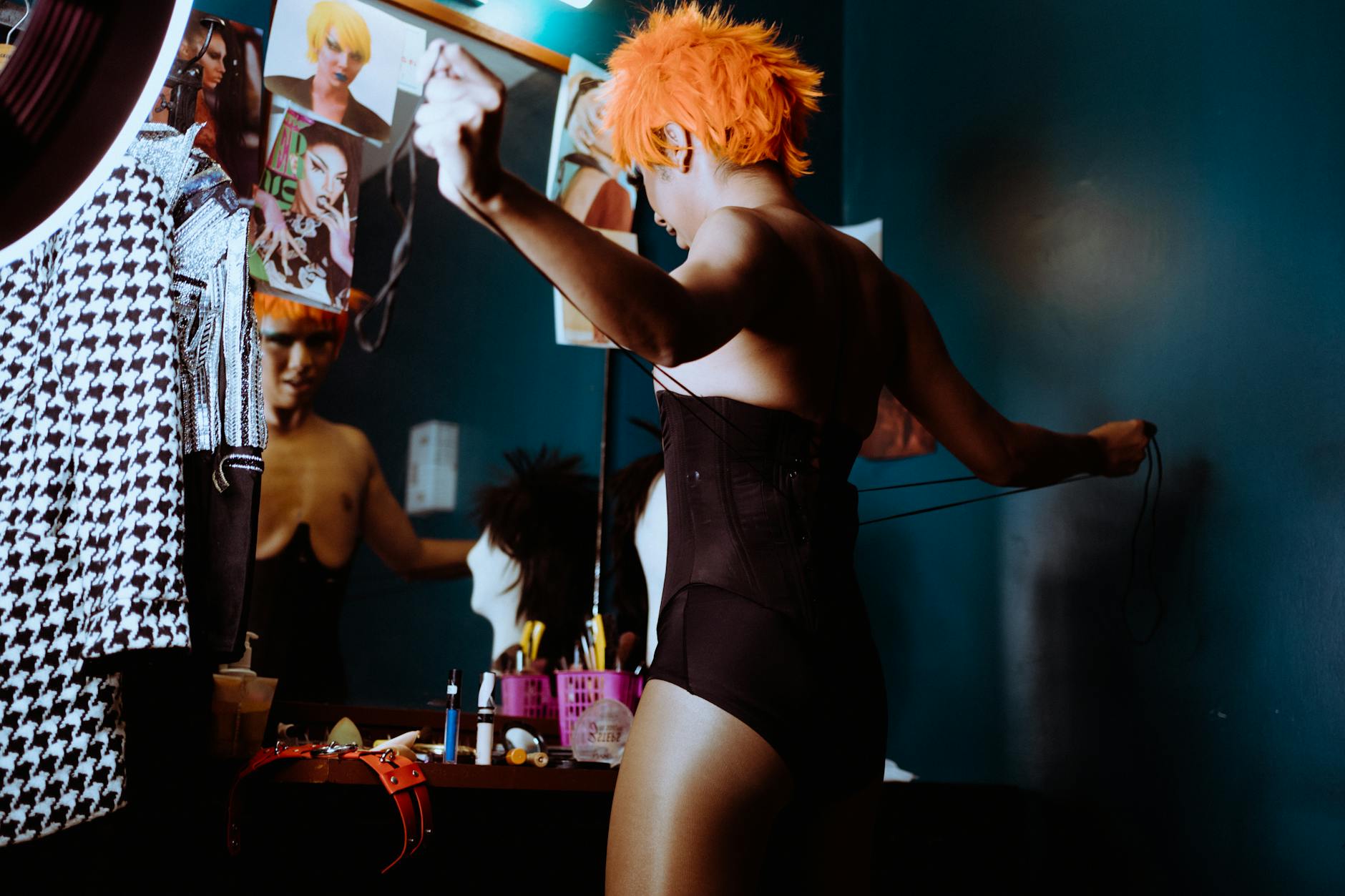
Structured boning in corsets and bustier tops restricts the natural expansion of the ribcage which is already affected by the pressurized cabin environment at altitude. Breathing can feel noticeably more labored in a rigid corset during the reduced oxygen levels present in airplane cabins. The fastening systems used in most corset styles make mid-flight adjustments extremely difficult without assistance. No garment that actively limits respiratory function should be worn for any flight of meaningful duration.
Strapless Tops

Strapless garments require constant physical adjustment to stay in place which becomes both inconvenient and distracting during hours of confined seating. The minimal fabric coverage offers no warmth against the consistently cool air circulation inside most aircraft. Moving through a crowded aisle or reaching into the overhead bin creates a genuine wardrobe malfunction risk with strapless styles. A simple layer worn over the top largely eliminates this issue but raises the question of why the strapless piece was chosen for travel in the first place.
Skinny Trousers
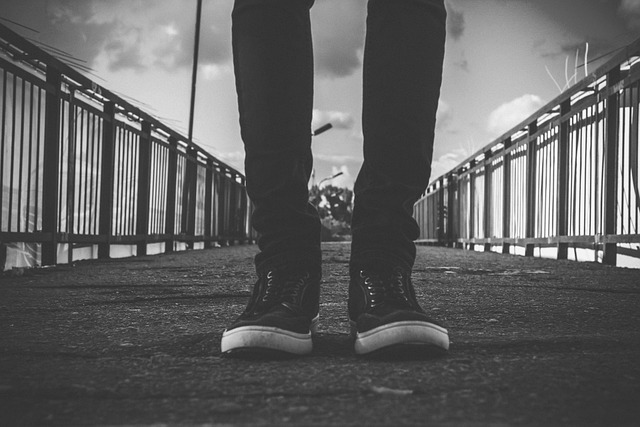
Trousers cut very close to the leg in non-stretch fabric share all the same circulation concerns as rigid denim jeans. The fitted cut across the knee joint becomes genuinely painful during several hours of bent-knee seating in a standard economy class seat. Ankle-grazing skinny trousers also expose the lower leg to the cold air that pools along the floor level of most aircraft cabins. Wide-leg or tapered trousers in stretch fabric provide a far more comfortable alternative with an equally polished appearance.
Shorts
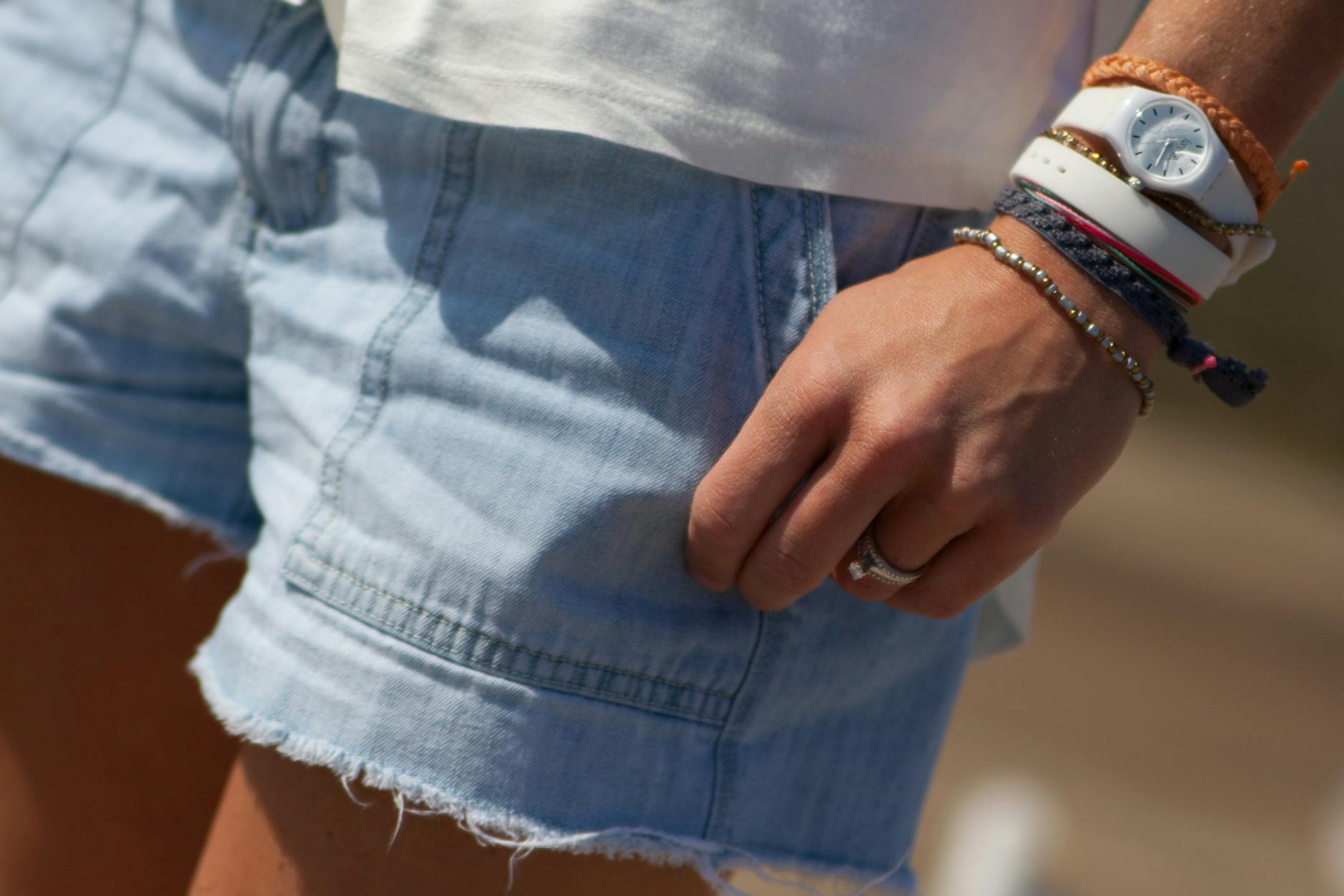
Very short shorts leave the majority of the thighs in direct contact with airplane seat upholstery for the entire duration of a flight. Aircraft seats are cleaned between flights with varying levels of thoroughness making direct skin contact with the surface a hygiene consideration. Cold cabin temperatures also make shorts a consistently uncomfortable choice for anyone seated near an air vent. The same practical concerns apply to crop tops and any garment that leaves large areas of skin exposed in the cabin environment.
Oversized Coats
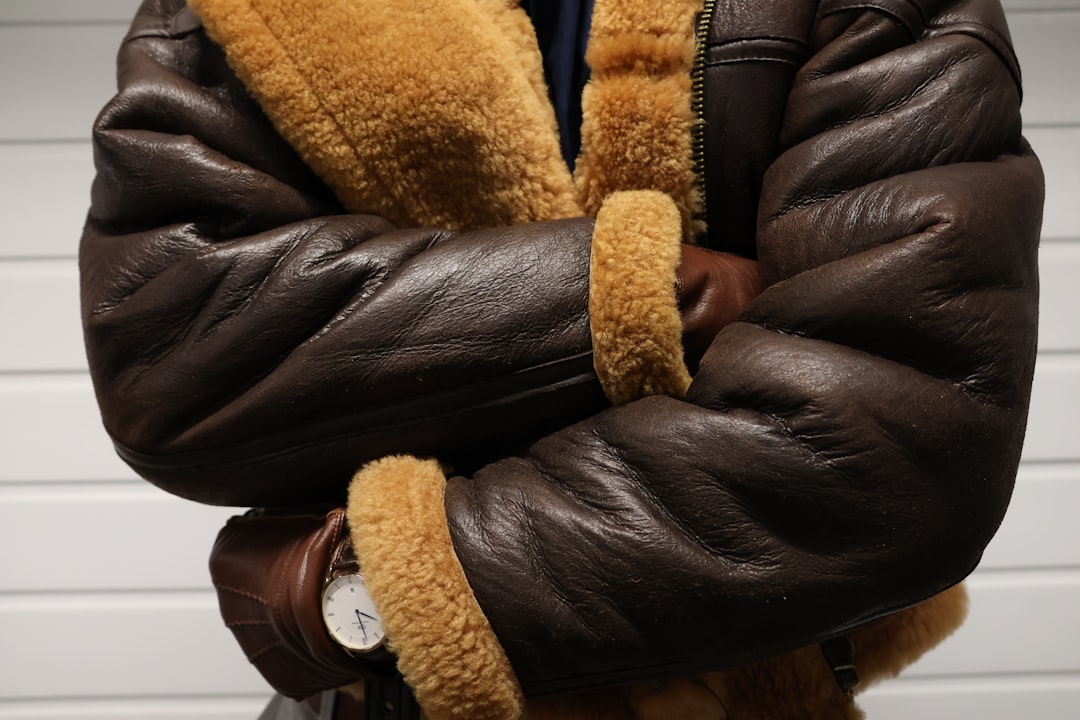
Bulky winter coats are cumbersome at security checkpoints and take up an excessive amount of overhead bin space that fellow passengers rely on for their own carry-on bags. Wearing a heavy coat throughout a flight causes overheating and significant discomfort in the variable temperature of the cabin. The large size of a padded coat makes maneuvering in a window seat and using the armrests genuinely difficult. Packing the coat in a luggage bag or compression sack and carrying a lighter layer onto the plane is considered standard courtesy among frequent flyers.
Noisy Accessories
Bangles charm bracelets and dangling earrings that make noise with movement become a source of irritation for neighboring passengers in the quiet cabin environment. The constant sound of clicking or jangling metal is amplified in the close quarters of an airplane seat particularly during overnight flights when passengers are attempting to sleep. Security screening also requires the removal of multiple bracelets and earrings creating additional time spent at the checkpoint tray. Minimizing noise-producing accessories is a small but meaningful contribution to shared cabin comfort.
Neon Colors
Highly saturated neon garments attract prolonged visual attention in the confined and close quarters of an airplane cabin. Travelers moving through international airports in neon clothing are also more easily identifiable to opportunistic thieves monitoring luggage handoffs in transit areas. Low visibility and discreet travel is consistently associated with safer and less stressful airport transit experiences. Neutral tones and muted palettes serve the practical needs of travel far more effectively than eye-catching statement shades.
Compression Swimwear

Wearing swimwear designed for competitive sport as an undergarment or base layer on a flight is a choice some travelers make to save packing space but the material is poorly suited to the cabin environment. The highly compressive and non-breathable nature of performance swimwear causes significant skin irritation during extended periods of seated immobility. Swimsuit fabrics are also designed for wet and active conditions making them an inappropriate choice for the dry recycled air of a pressurized aircraft. Lightweight travel underwear designed specifically for long journeys provides a far superior alternative.
See-Through Tops

Sheer garments without adequate layering are both a comfort and a practical concern in the cold and public environment of an airplane cabin. Travelers wearing see-through tops in a fully booked aircraft are frequently aware of discomfort that affects their confidence throughout the journey. The need to constantly hold a bag or jacket in front of the body for coverage creates physical fatigue on long flights. Opaque and layerable fabrics eliminate this concern while remaining entirely stylish and appropriate for modern travel.
Feathered Accessories
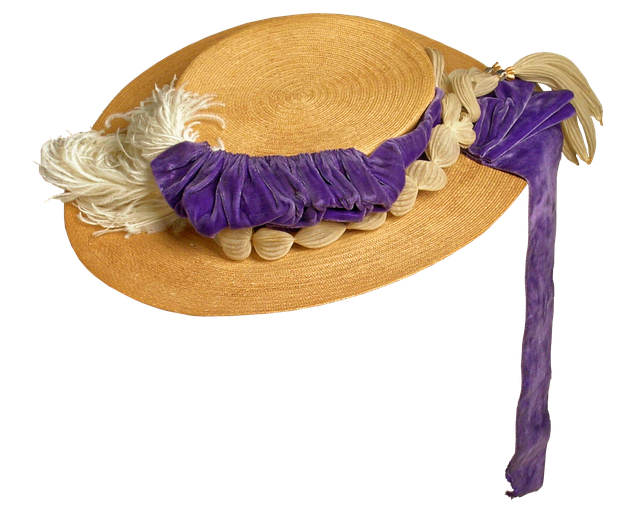
Feather trims on jackets bags or hats shed continuously and leave debris on surrounding seats tray tables and the clothing of nearby passengers. Customs and biosecurity regulations in many countries restrict the import of certain bird feathers creating potential complications at international arrivals. The delicate nature of feathered embellishments means they are almost always damaged during the storage and movement demands of air travel. Fashion accessories with structural integrity and no shedding materials are the only practical choice for the airplane environment.
Shoes Without Socks
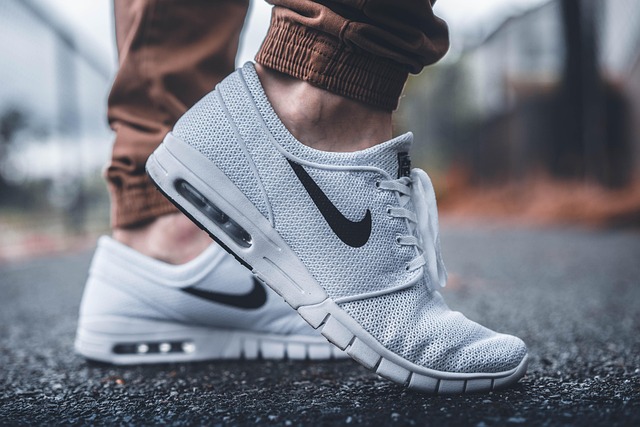
Boarding a flight without socks means spending hours with bare feet inside shoes in a warm and enclosed environment that promotes sweating and bacterial growth. Removing shoes mid-flight without socks exposes the feet directly to the floor of an airplane lavatory which is among the least hygienic surfaces in the cabin. The combination of heat foot moisture and enclosed footwear over several hours is associated with increased risk of fungal development. Lightweight travel socks are a minimal addition to any carry-on bag and serve an important hygiene function throughout the journey.
Embroidered Denim
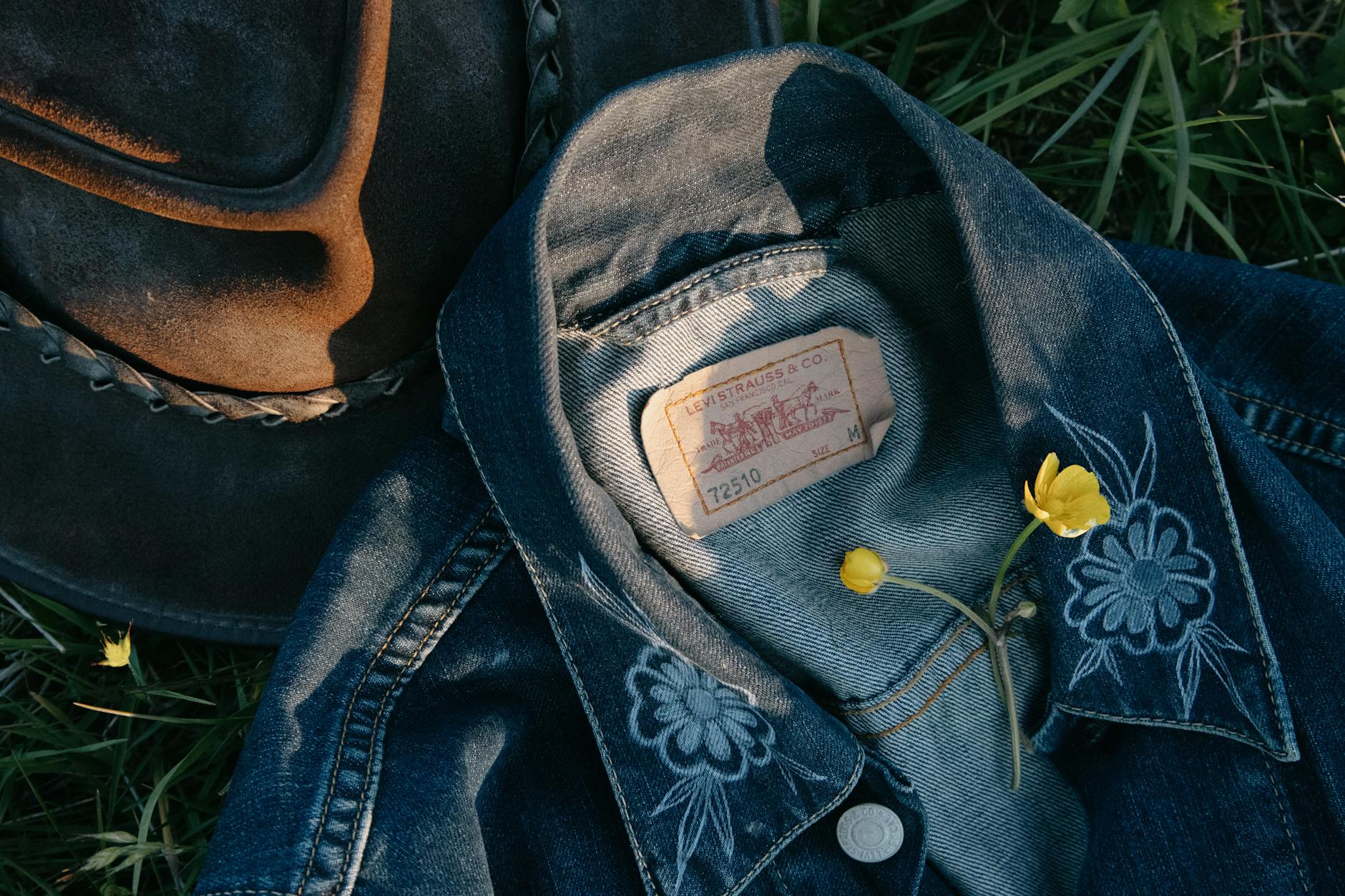
Heavily embroidered jeans or jackets combine the circulation problems of denim with the abrasive texture of raised stitching that presses into the skin during extended seated contact. The rigid indigo fabric offers no give around the waist and thighs in the way that seated air travel genuinely requires. Embroidery threads and beading used in decorative denim frequently snag on seat fabric and seatbelt webbing causing both garment damage and passenger frustration. The weight and stiffness of the material also make it one of the least packable items in any travel wardrobe.
Wet Hair

Boarding a long-haul flight with wet hair exposes the scalp to the cold circulated air of the cabin for the entire duration of the journey. The combination of prolonged moisture at the scalp and cold dry cabin air is associated with increased sensitivity and discomfort particularly on overnight routes. Sitting with a damp head against a shared headrest also creates hygiene concerns for subsequent passengers using the same seat. Drying hair fully or securing it in a protective style before arriving at the airport is a straightforward step that improves comfort for the entire flight.
Share your own airplane outfit dos and don’ts in the comments.




