Wedding planning involves navigating a complex web of etiquette and expectations that have evolved over decades. Couples often include specific rituals simply because they believe they are required rather than considering the guest experience. Many traditional elements can disrupt the flow of the celebration or create uncomfortable moments for attendees who simply want to celebrate. Modern receptions are increasingly moving away from rigid obligations in favor of genuine hospitality and comfort. This list explores the most common complaints regarding outdated or inconvenient nuptial customs.
Cash Bars

Guests usually anticipate an open bar as a standard gesture of gratitude from the hosts. Asking friends and family to pay for their own drinks often creates awkwardness throughout the evening. Many attendees do not carry physical cash and might be unable to purchase beverages at all. This approach can make the reception feel more like a transactional event rather than a celebration. It frequently results in guests leaving the party earlier than the couple might intend.
The Garter Toss

This tradition involves the groom retrieving a piece of lingerie from under the bride’s dress in front of everyone. Many guests find the act uncomfortable to watch especially when older relatives are present. The subsequent toss creates an awkward moment where reluctant bachelors are forced onto the dance floor. It disrupts the flow of the party and often pauses the music for too long. Modern couples often skip this to maintain a more sophisticated atmosphere.
Long Gaps Between Events

A distinct gap of several hours between the ceremony and reception leaves guests with nowhere to go. Out-of-town attendees often end up waiting in hotel lobbies or sitting in their cars in formal wear. This downtime kills the momentum of the day and exhausts people before the party even begins. It forces guests to figure out their own entertainment and meals during the awkward interim period. Hosting events back-to-back ensures a seamless experience for everyone involved.
Receiving Lines
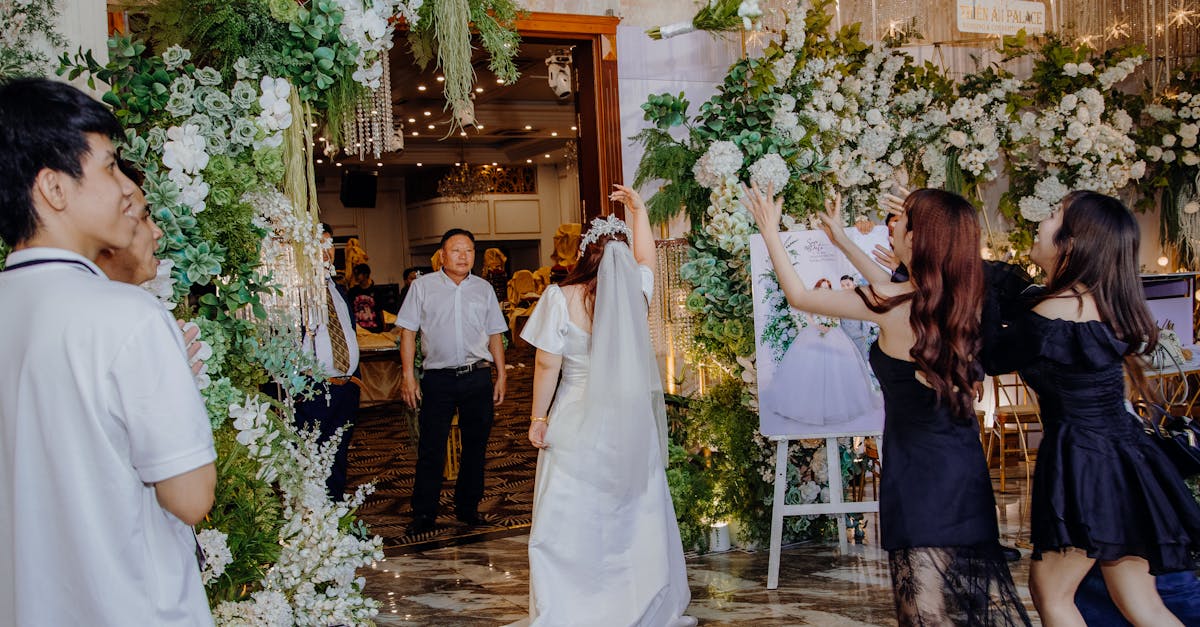
Standing in a long queue to greet the couple consumes a significant portion of the cocktail hour. Guests often feel hungry and impatient while waiting for their brief turn to speak. The couple rarely has enough time to have meaningful conversations during this rushed process. It can delay the start of dinner and leave the kitchen staff waiting to serve food. Visiting tables during dinner is generally preferred as a more organic way to say hello.
The Bouquet Toss
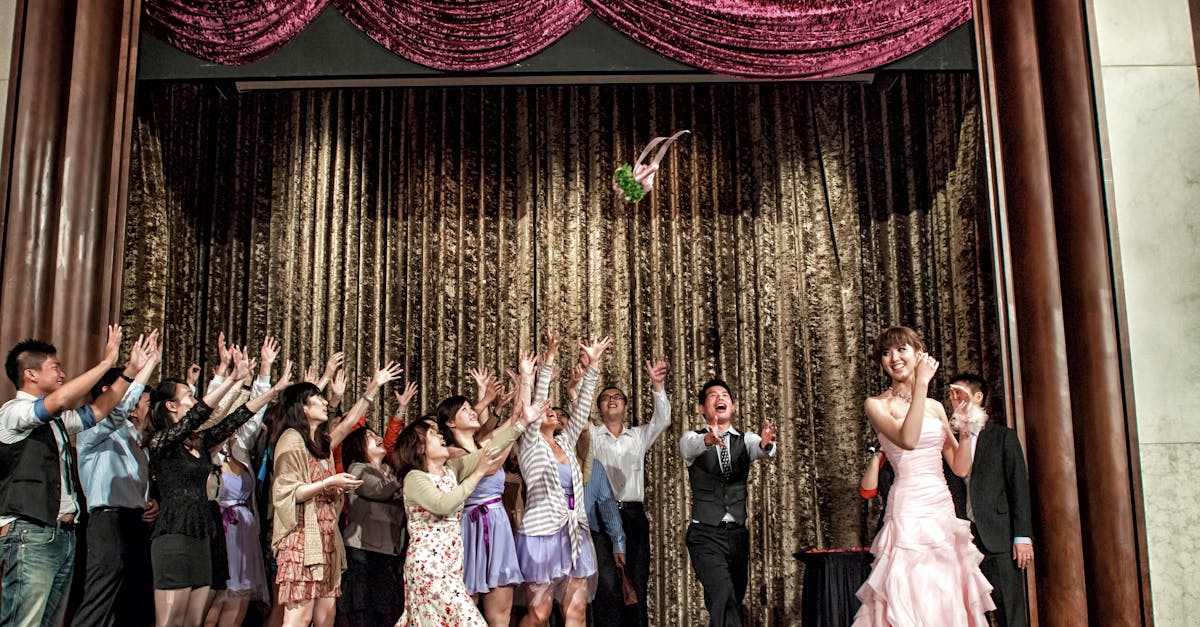
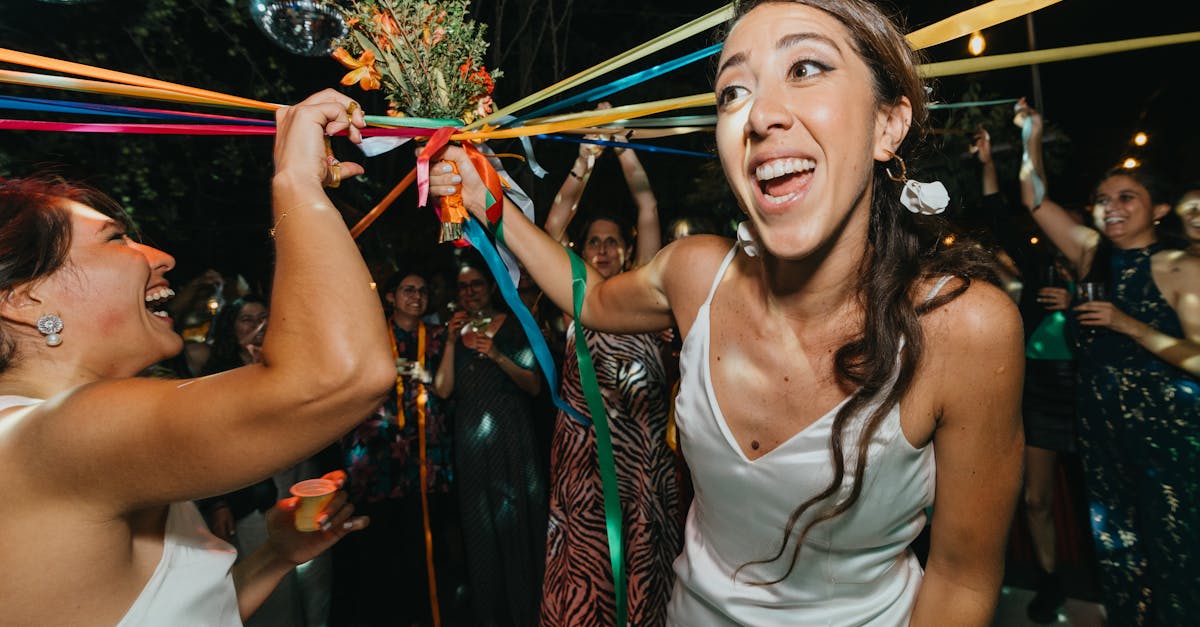
Single women are frequently dragged onto the dance floor against their will for this ritual. The tradition spotlights relationship status in a way that many find embarrassing or outdated. It creates a physical scuffle that can result in minor injuries or damaged dresses. The music stops and the energy on the dance floor dissipates while the event is organized. Replacing this with an anniversary dance often honors love without alienating single friends.
Endless Toasts
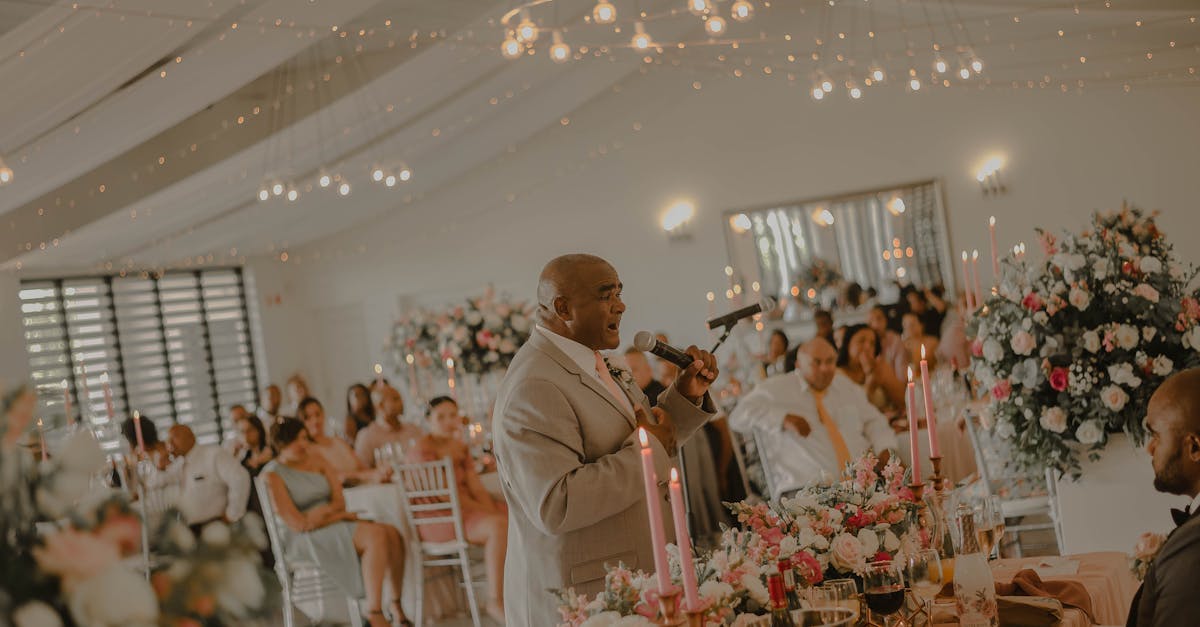
Speeches that drag on for more than a few minutes often lose the attention of the audience. Inside jokes between the speaker and the couple can alienate the rest of the room. Guests become restless when dinner service is delayed by an open microphone session. Emotional tributes are touching but they should remain concise to keep the evening moving. A strict time limit prevents the reception from feeling like a conference.
Complex Dress Codes

Terms like “beach chic” or “festive casual” often leave guests confused about what to wear. Attendees worry about being underdressed or overdressed when the guidelines are vague. This stress forces many people to purchase new outfits they may never wear again. Clear and standard categories like black tie or cocktail attire are much easier to interpret. Guests appreciate straightforward guidance that removes the guesswork from their preparation.
Destination Weddings on Holidays

Asking guests to travel during peak holiday weekends significantly increases their travel costs. Flights and hotels are at their most expensive and airports are incredibly crowded. Many people have their own family traditions they must sacrifice to attend the wedding. It places a heavy financial and logistical burden on those who feel obligated to go. Choosing a non-holiday weekend is generally more considerate of everyone’s time and budget.
Assigned Seating with Strangers

Guests usually prefer to sit with people they know rather than making small talk with strangers. Grouping all the single people together at one table creates an awkward social dynamic. Placing coworkers with family members can lead to stilted conversation during the meal. Effective seating charts prioritize existing relationships to ensure guests are comfortable and relaxed. People have a much better time when they can catch up with old friends.
The Money Dance
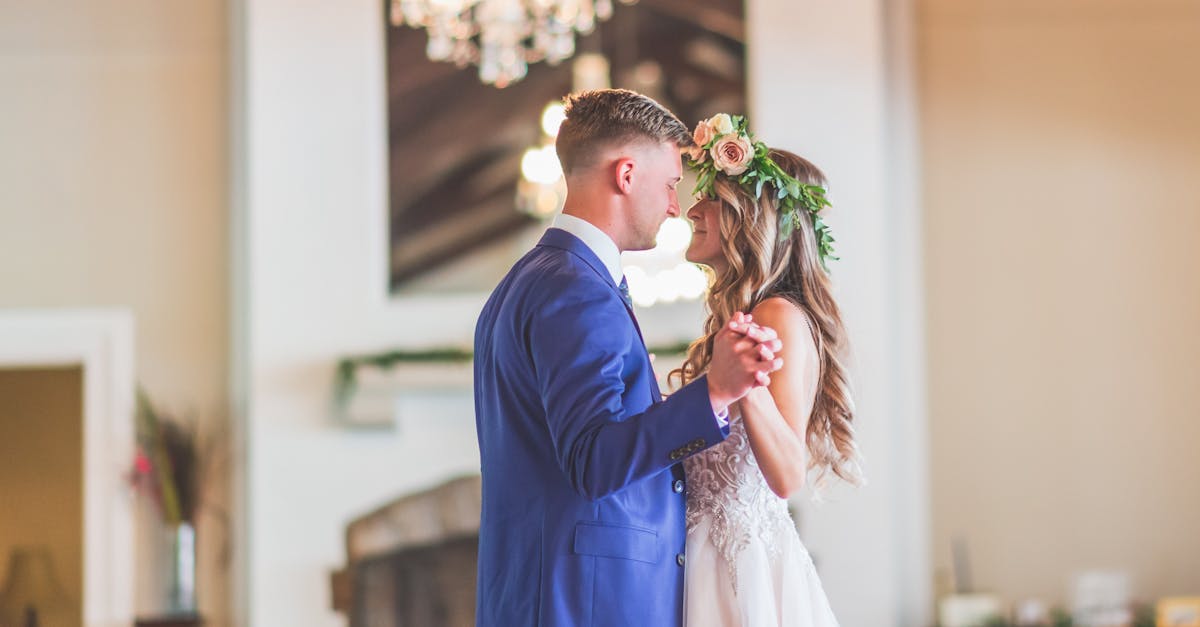
Asking guests to pay for a dance with the bride or groom can be perceived as poor etiquette. Guests have likely already spent money on gifts and travel and attire. Standing in line to pin cash on the couple takes time away from general dancing. It highlights financial contributions in a public setting which makes some people uneasy. Many couples now view this tradition as unnecessary double-dipping.
Outdoor Weddings in Extreme Weather

Hosting a ceremony outside without a tent or climate control can be miserable for guests. Intense heat melts makeup and leaves everyone sweating in their formal clothes. Unexpected rain or wind ruins hairstyles and creates mud that destroys shoes. Guests focus more on their physical discomfort than the vows being exchanged. Providing shelter and temperature control is essential for outdoor event success.
Generic Wedding Favors
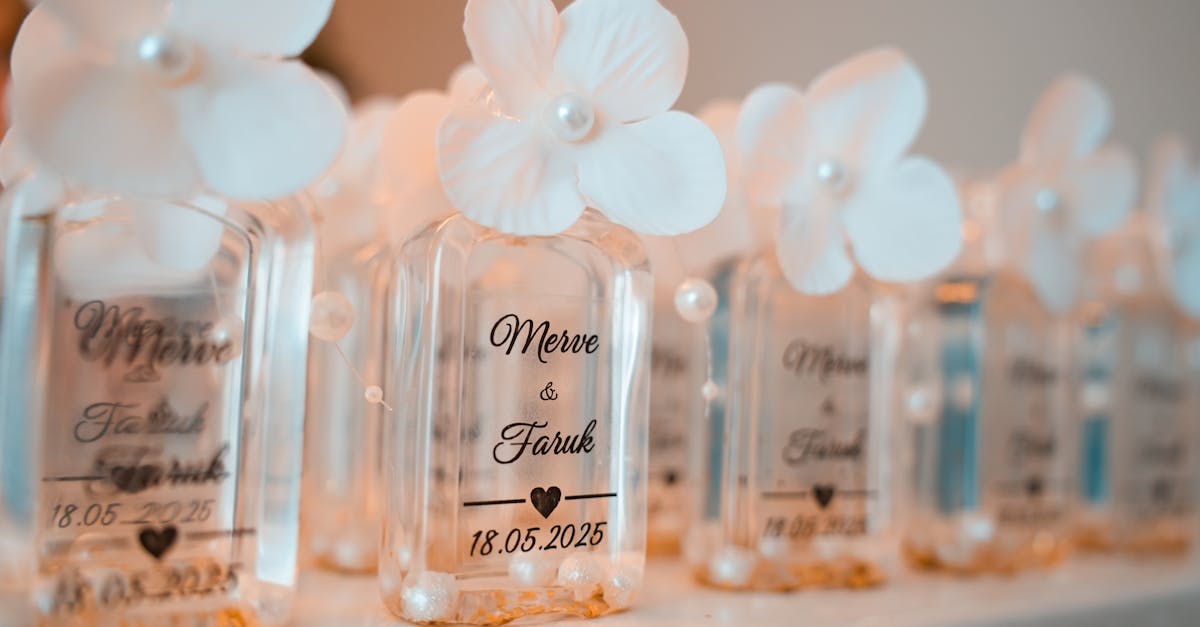
Small trinkets with the couple’s names and wedding date often end up in the trash. Guests rarely have a use for personalized shot glasses or koozies once the night is over. These items consume a large part of the budget with very little return on investment. Edible favors like cookies or local treats are usually the only ones people actually enjoy. Skipping favors entirely is often preferred over receiving clutter.
Cake Smashing

Watching a couple aggressively smash cake into each other’s faces can be cringe-worthy. It ruins the professional makeup and expensive attire that took hours to prepare. The mess creates a delay while the couple cleans up before returning to the party. Some guests view it as a sign of disrespect rather than a playful moment. Cutting the cake and feeding it gently is a more timeless approach.
Sweetheart Tables

Isolating the couple at a separate table removes them from the energy of the room. It makes it difficult for the wedding party and family to interact with them during dinner. The couple spends the meal on display rather than enjoying the company of their nearest and dearest. Sitting with parents or the bridal party fosters a warmer and more communal environment. It prevents the newlyweds from looking like spectators at their own event.
Overly Choreographed First Dances

Dances that involve complex mashups and surprise routines often feel forced or performative. The couple spends the entire song counting steps rather than sharing a romantic moment. Guests are forced to stand and watch a long performance that delays the opening of the dance floor. It changes the tone from a sentimental celebration to a talent show exhibition. A simple sway is often more touching and authentic to witness.
Weekday Weddings

Scheduling a wedding on a Tuesday or Wednesday forces guests to take time off work. It complicates travel plans and often requires attendees to leave the reception early. The party atmosphere is dampened when everyone is checking emails or worrying about the next morning. While it saves the couple money it passes the cost onto the guests in lost wages. Friday or Saturday events remain the standard for a reason.
Video Tributes
Stopping the reception to screen a long montage of photos halts the momentum of the party. The audio often struggles to compete with the ambient noise of the venue. Guests stand awkwardly straining to see a small screen while their drinks get warm. These slideshows are better suited for the rehearsal dinner where the audience is smaller. Keeping the visual elements in the background allows the party to continue uninterrupted.
Aggressive Unplugged Enforcement
While couples want guests to be present they dislike seeing security guards scold family members. Confiscating phones at the door treats adults like children and creates anxiety. Guests want to take a few personal photos to remember their own experience of the night. A polite sign requesting discretion is usually enough to manage the issue. Aggressive policing creates a negative vibe before the ceremony even starts.
Obscure Registry Items

Registries filled with expensive niche items often frustrate guests working with normal budgets. Asking for contributions to obscure funds without explanation can feel impersonal. Guests want to give gifts they know will be useful and appreciated in daily life. Providing a range of price points allows everyone to contribute comfortably. Clarity and variety are key to a successful gift list.
Dry Weddings

Failing to serve alcohol without informing guests beforehand can lead to disappointment. Many people enjoy a glass of wine or champagne as part of the celebratory ritual. The reception often ends much earlier as the dance floor remains empty. Providing at least beer and wine helps loosen the atmosphere and encourage mingling. If alcohol is not an option providing high-quality mocktails is a necessary courtesy.
Excessive PDA

Moments of extreme intimacy during the ceremony or first dance can make guests feel like intruders. Heavy making out is generally considered inappropriate for a public family gathering. It shifts the tone from romantic and respectful to voyeuristic and uncomfortable. Older relatives and children are often particularly embarrassed by these displays. Keeping affection sweet and tasteful respects the audience.
The Bouquet Toss Winners Dance
Forcing the person who caught the bouquet to dance with the garter catcher is notoriously awkward. These two people are usually strangers and may have significant age gaps. The DJ often plays suggestive music while the rest of the room watches in silence. It creates a high-pressure situation that no one actually enjoys. This outdated ritual has largely vanished for good reason.
Vague Invitations

Invitations that lack clear information about the timeline or venue cause unnecessary stress. Guests need to know if they receive a plus-one or if children are invited. Missing details force attendees to contact the couple or make assumptions that might be wrong. A dedicated wedding website with an FAQ section solves most of these problems. Clarity shows respect for the guests’ time and planning efforts.
Single’s Tables

Isolating unpartnered guests at a designated table spotlights their relationship status. It creates a dynamic where people feel like they are being set up against their will. Conversation can feel forced as everyone realizes why they were placed together. Mixing singles in with their established friend groups makes for a much better evening. People are happier sitting with those they actually know and love.
Head Tables

Seating the wedding party at a long table facing the room separates them from their dates. Partners of the bridesmaids and groomsmen are left to sit alone with strangers. The visual setup looks stiff and creates a barrier between the VIPs and the guests. It makes conversation difficult for those stuck at the ends of the long table. King’s tables or round tables allow for better social interaction.
Disorganized Buffet Lines

Releasing too many tables at once leads to long queues and cold food. Guests spend half of the dinner hour standing in line rather than eating and talking. Running out of popular dishes before the last table arrives is a major hospitality failure. Efficient service requires staff to manage the flow and replenish trays constantly. Plated dinners or well-managed food stations offer a smoother experience.
Late Night Snacks Instead of Dinner

Serving heavy appetizers or pizza late at night does not replace a full meal. Guests who arrive for the ceremony are starving by the time the reception is in full swing. Alcohol on an empty stomach leads to messy behavior and sickness. A proper dinner is necessary to fuel the crowd for a night of dancing. Snacks should be an addition rather than a substitution.
Loud DJ Announcements

DJs who constantly interrupt the music to make jokes or hype the crowd become annoying. Guests want to dance to the songs without hearing a running commentary. Mispronouncing names of the wedding party is a common and cringeworthy mistake. The entertainment should enhance the atmosphere rather than dominate it. A good DJ knows when to let the music speak for itself.
Photo Booth Queues

Placing a photo booth in a high-traffic area creates bottlenecks and blocks pathways. Slow printing or complex technology leads to long lines that pull people off the dance floor. The props often end up scattered around the venue creating a mess. If a booth is included it needs to be efficient and fast. Guests should not have to choose between dancing and getting a picture.
Grand Exits with Sparklers

Organizing a sparkler exit involves herding intoxicated guests into lines with fire hazards. It stops the party momentum as everyone waits for the couple to stage the photo. This often happens before the reception is actually over confusing those who want to stay. The resulting photos are rarely worth the logistical headache required to coordinate them. A simple goodbye allows the night to end naturally.
Asking Guests to Work

Assigning tasks like moving chairs or cutting cake to guests is a major breach of etiquette. Friends and family are invited to relax and celebrate not to provide free labor. It puts them in an awkward position where they cannot refuse the request. This creates resentment and prevents them from fully enjoying the event. Professional vendors should be hired to handle all logistical duties.
B-List Invites

Sending out a second round of invitations weeks after the first batch is obvious and insulting. Guests realize they were not the first choice when they receive a invite with a close RSVP deadline. It makes people feel like seat fillers rather than valued friends. It is better to have a smaller wedding than to tier the guest list. Everyone invited should feel equally important to the couple.
Multi-Day Obligations

Expecting guests to attend a welcome party and a rehearsal and a brunch is exhausting. It requires extra outfits and more time off work for everyone involved. The cost of attending multiple events adds up quickly for the average guest. While the couple is excited attendees often suffer from social fatigue. Making additional events optional relieves the pressure on the schedule.
Kid-Free Wedding Confusion

Explicitly stating “adults only” is fine but making exceptions confuses everyone. Guests who paid for sitters feel cheated when they see cousins or nieces running around. Inconsistent enforcement of the rule leads to hurt feelings and family drama. The policy needs to be applied strictly to everyone or not at all. Clear communication prevents surprises at the door.
Long Ceremonies

Ceremonies that extend beyond an hour often test the patience and comfort of the congregation. Guests start to fidget and lose focus on the significance of the moment. Outdoor settings make long durations even harder due to weather exposure. A concise ceremony keeps the energy high and the emotion impactful. The reception can start sooner when the vows are kept focused.
Paper Invites with No Digital RSVP
Requiring guests to mail back a card requires stamps and a trip to the post office. Cards often get lost in the mail leading to inaccurate headcounts. Digital RSVPs are instant and allow for easy tracking of dietary restrictions. Modern guests appreciate the convenience of clicking a link. It streamlines the process for both the couple and the attendees.
Lack of Vegetarian Options

Serving a single sad pasta dish as the only vegetarian alternative is a hospitality failure. Guests with dietary restrictions often leave weddings hungry because the food was an afterthought. Modern catering should offer robust and protein-rich plant-based meals. Treating all dietary needs with equal care ensures everyone feels welcome. No one should have to stop for fast food on the way home.
The Shoe Game

This trivia game involving the couple’s shoes often drags on longer than it is entertaining. The questions can become repetitive or inappropriately personal for a mixed audience. Guests watch passively while the music stops and the energy drops. It separates the couple from the guests rather than engaging them. Interactive entertainment works better when it involves the whole crowd.
Wedding Hashtags
Complex puns and long phrases make hashtags difficult to remember and type. Guests rarely use them resulting in a collection of photos that no one ever sees. The pressure to create a unique brand for the wedding feels performative. Social media algorithms make hashtags less useful for photo collection anyway. A shared digital album link is a more effective way to gather pictures.
Surprise Weddings
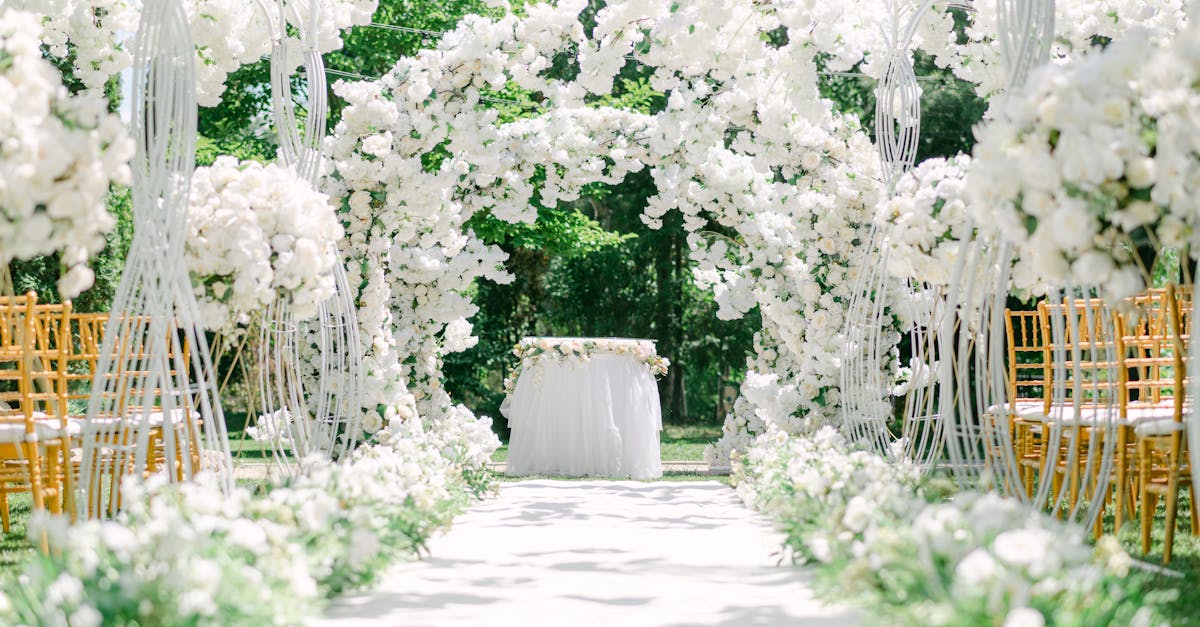
Inviting guests to a different event and springing a wedding on them can backfire. People may decline the invite thinking it is a casual birthday or dinner party. Attendees often feel underdressed or unprepared without a gift. The shock value rarely outweighs the regret of missing key people who didn’t show up. Honesty ensures that the people who matter most are present and prepared.
Please share which of these traditions you would personally eliminate in the comments.




