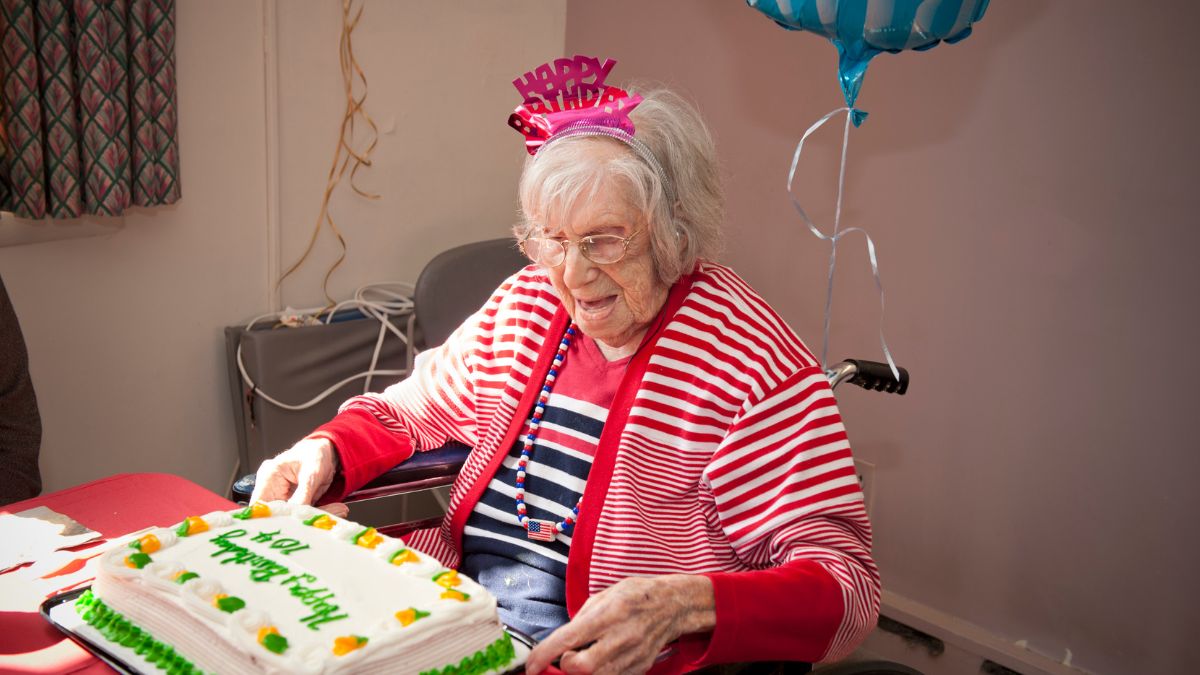
Across the world, people who have lived past the age of one hundred often point to a set of remarkably consistent daily practices as the foundation of their extraordinary longevity. Researchers and journalists who have spent time with these individuals frequently discover that their secrets are not rooted in expensive treatments or cutting-edge technology. Instead, the patterns that emerge are grounded in simplicity, community, and a deep sense of purpose that carries them through each day. The habits detailed here have been observed among centenarian populations spanning continents and cultures, from rural Japan to the mountains of Sardinia and beyond.
Early Rising
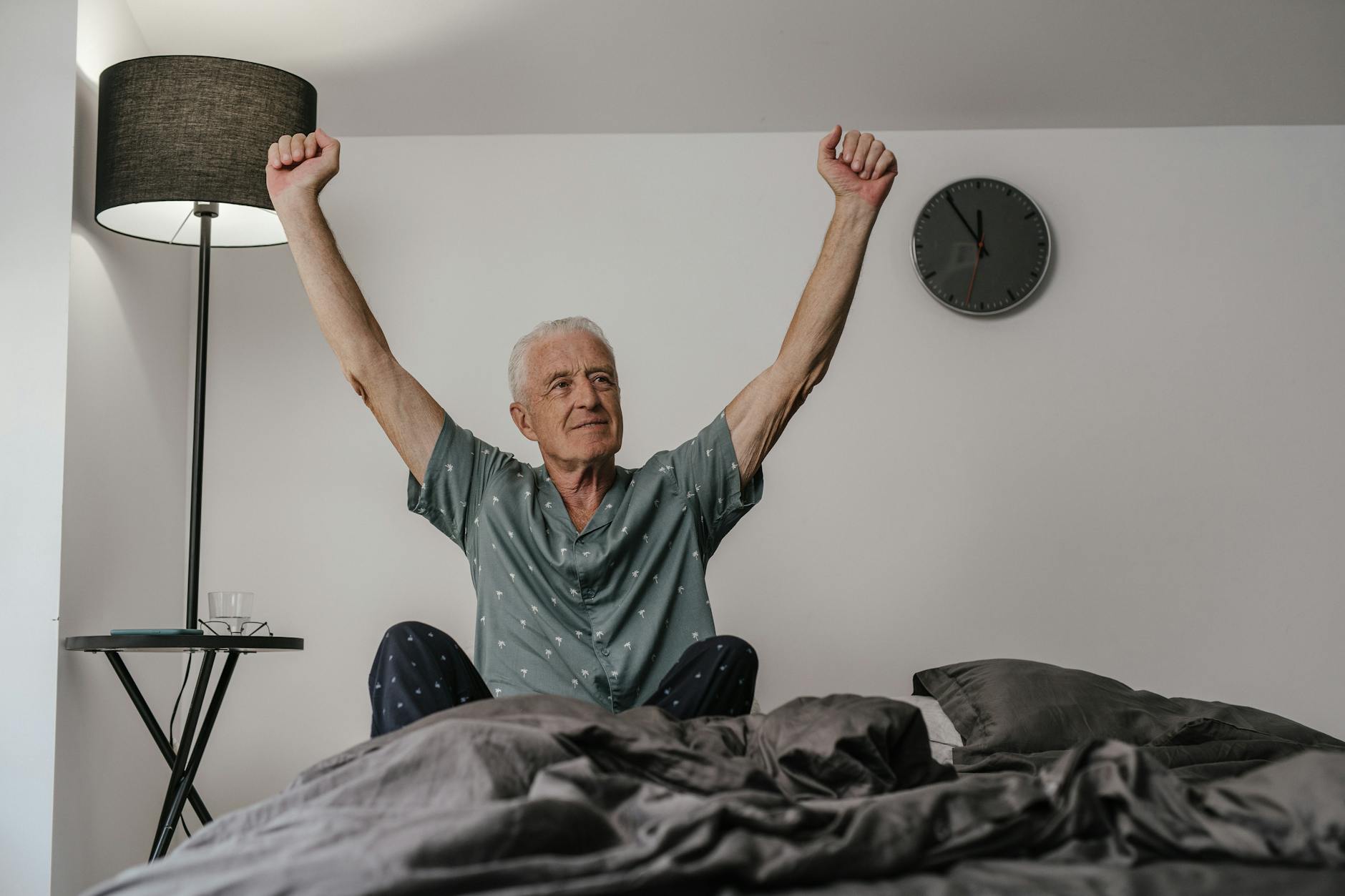
Centenarians across multiple blue zones consistently wake before sunrise, aligning their bodies with natural light cycles. This early start allows them to ease into the day with unhurried morning rituals that set a calm tone for hours ahead. Exposure to morning sunlight has been linked to better sleep regulation and improved mood in older adults. Many long-lived individuals report that their most cherished and productive hours belong to the quiet of early morning.
Daily Walking

Walking remains one of the most universally reported habits among people who live past one hundred. Unlike structured gym workouts, their movement is woven naturally into daily life through tending gardens, visiting neighbors, or walking to local markets. This low-impact activity keeps joints mobile and supports cardiovascular health without placing excessive strain on aging bodies. Studies of centenarian communities consistently show that incidental movement throughout the day contributes significantly to overall physical resilience.
Plant-Based Eating

The diets of most centenarians are overwhelmingly built around vegetables, legumes, whole grains, and seasonal fruits. Meat is consumed sparingly if at all, often appearing only during celebrations or as a small flavoring element in meals rather than as a main course. This nutritional pattern is naturally high in fiber and antioxidants while remaining low in the saturated fats associated with chronic disease. Many supercentenarians interviewed about their diets describe eating food grown close to home with very little processing involved.
Afternoon Napping

Short midday rest periods are a common feature of life in some of the world’s longest-lived communities, particularly in Mediterranean regions. These brief naps typically last between twenty and forty minutes and are taken as a natural part of the daily rhythm rather than as a response to illness or fatigue. Research suggests that regular short napping can reduce cardiovascular stress and support cognitive function in older populations. Centenarians who practice this habit often describe it as non-negotiable, treating it with the same importance as any meal.
Moderate Eating

A cultural rule observed among Okinawan centenarians instructs people to stop eating when they feel roughly eighty percent full. This practice of deliberate moderation prevents chronic overeating and reduces the metabolic burden placed on the digestive system over decades. Meals in long-lived communities are typically eaten slowly, in good company, and without the distraction of screens or multitasking. Portion sizes in these populations tend to be naturally smaller than those seen in modern Western eating cultures.
Strong Social Bonds

Centenarians almost universally maintain close, active relationships with family members, friends, and neighbors throughout their lives. Social connection has been identified by researchers as one of the most powerful predictors of longevity, with isolation linked to outcomes comparable to heavy smoking. Many hundred-year-old individuals describe belonging to a tight-knit circle of people who check on each other regularly and gather often. This network of mutual care provides both emotional support and a practical safety net that sustains wellbeing into very old age.
Purposeful Living

Having a clear sense of purpose or a reason to get out of bed each morning is a trait consistently identified in centenarian interviews across cultures. In Japan this concept is known as ikigai, while in Sardinia elders often describe their sense of duty to family and land as an animating life force. Purpose appears to buffer against depression and cognitive decline while also encouraging continued engagement with the world. Centenarians rarely describe retirement in terms of withdrawal but rather as a shift toward activities that carry deep personal meaning.
Herbal Teas
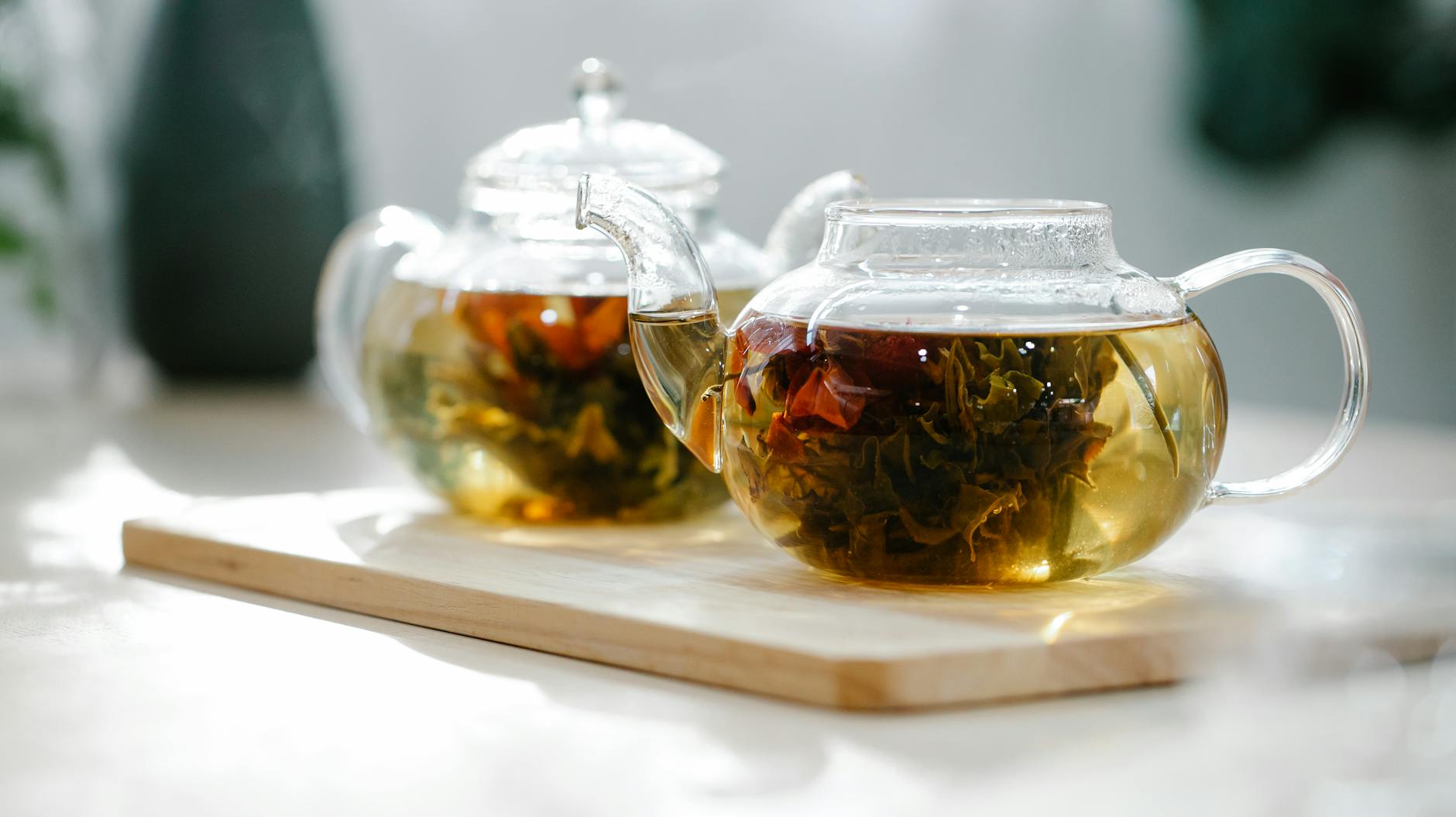
Many long-lived populations incorporate daily herbal tea rituals that have been passed down through generations. Sardinian centenarians are known for drinking milk thistle and rosemary infusions, while Okinawans favor bitter melon and turmeric preparations. These plants contain bioactive compounds that support liver function, reduce inflammation, and provide antioxidant protection to aging cells. The ritual of preparing and drinking tea also serves as a daily moment of calm that reinforces a slower and more mindful pace of life.
Stress Reduction
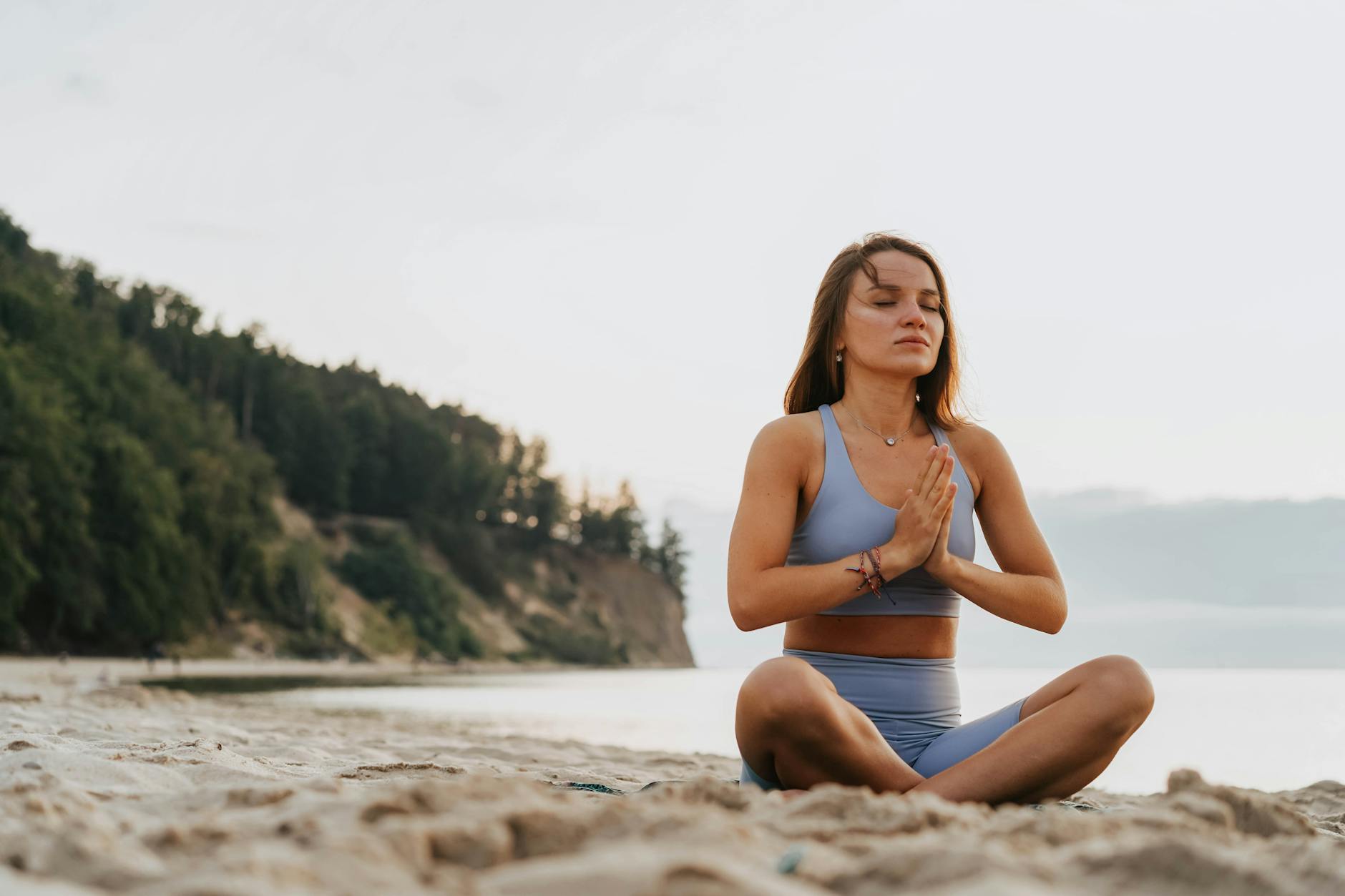
Centenarians consistently demonstrate an ability to shed stress rather than accumulate it, often citing prayer, meditation, or quiet time in nature as their tools. Research on populations with high longevity rates shows that chronic stress accelerates cellular aging by shortening telomeres and promoting systemic inflammation. The ability to let go of worry is not framed by these individuals as a personality trait but as a practiced daily discipline. Many report rituals performed at the same time each day specifically intended to release the tensions accumulated since morning.
Regular Gardening

Tending a garden serves as both physical exercise and a source of fresh food in many centenarian communities around the world. The activity involves bending, lifting, carrying, and walking in ways that naturally strengthen muscles and maintain flexibility without structured repetition. Gardening also provides meaningful daily routine, exposure to beneficial soil microorganisms, and a direct connection to seasonal food cycles. Many centenarians maintain small plots well into their nineties and beyond, describing the practice as inseparable from their identity.
Faith and Spirituality
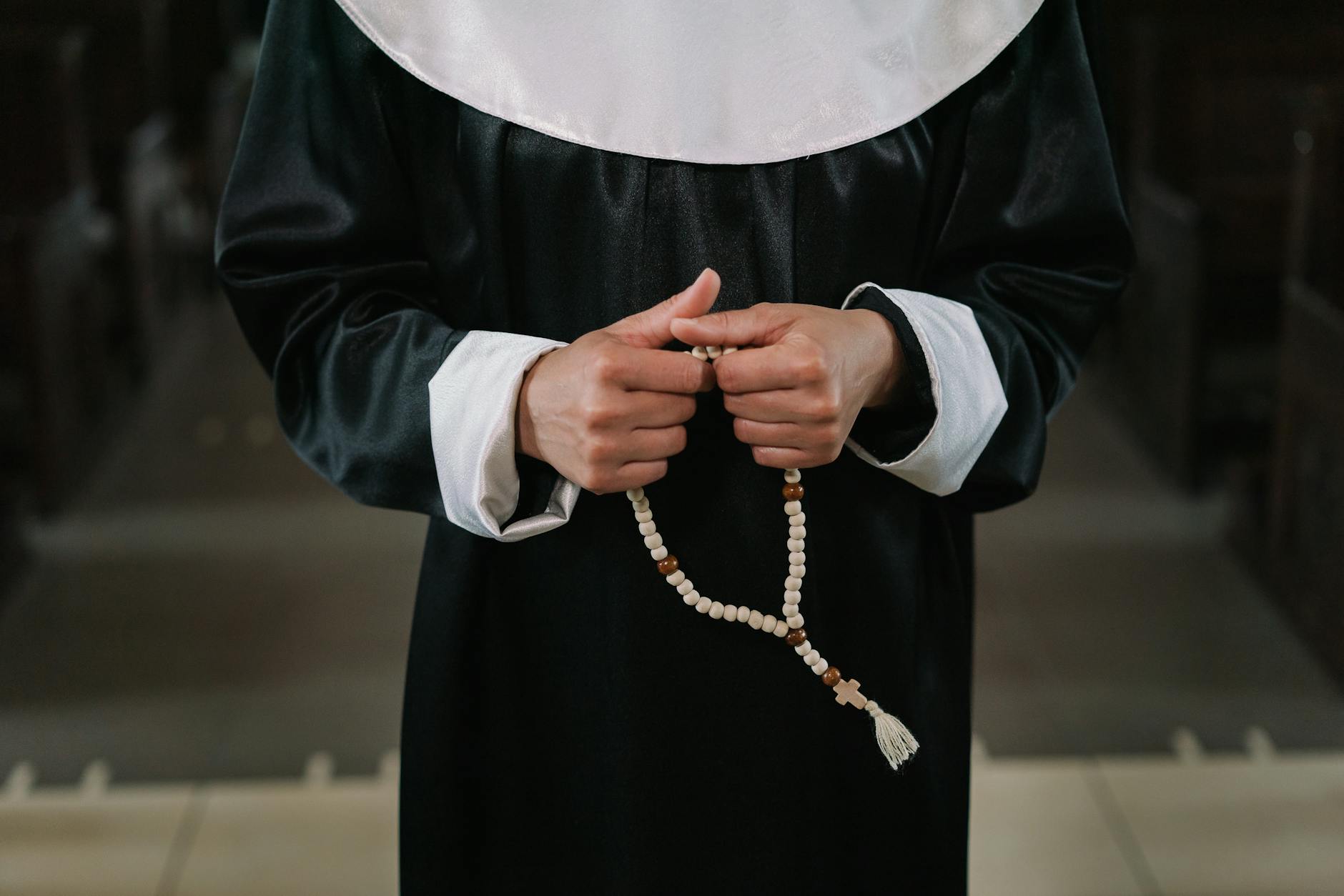
Participation in religious or spiritual practice appears with striking frequency in accounts of centenarian life regardless of the specific tradition involved. Regular attendance at religious services provides community, ritual structure, and a framework for processing grief and uncertainty that accumulates over a long life. Studies of Seventh-day Adventist communities in Loma Linda, California have documented significant longevity advantages attributed in part to their faith-based lifestyle practices. The sense of meaning and continuity that spiritual life provides appears to have measurable effects on mental and physical health over time.
Fermented Foods
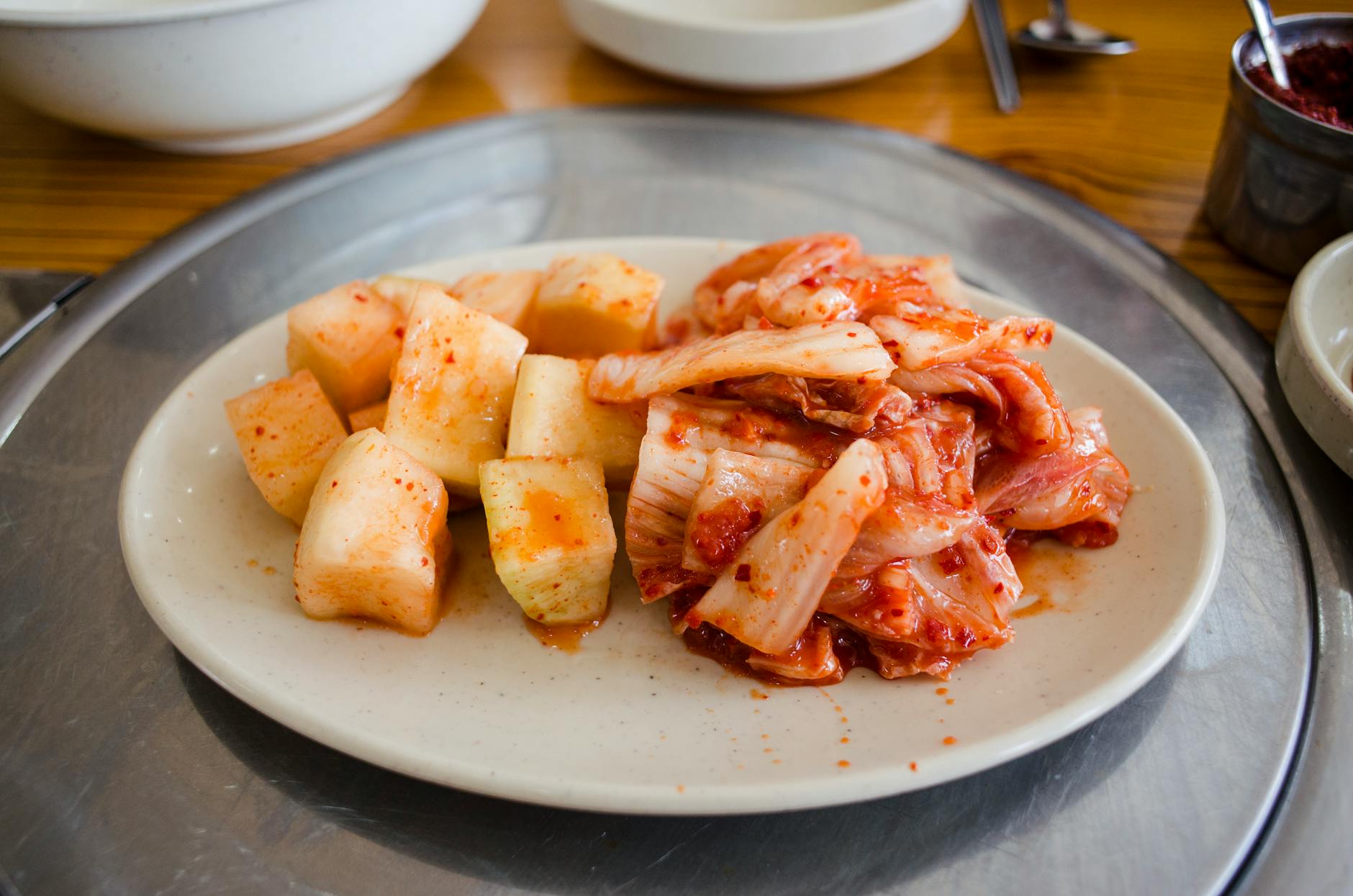
Traditional fermented foods feature prominently in the diets of many of the world’s oldest populations, supporting gut health through their rich probiotic content. Okinawans consume miso and pickled vegetables daily, while centenarians in the Caucasus region of Georgia have long favored fermented dairy products such as matsoni. A healthy gut microbiome is increasingly linked by researchers to immunity, brain function, and the regulation of inflammation throughout the body. These foods were integrated into daily life long before the science of probiotics was understood, driven purely by tradition and taste.
Family Meals

Sitting down to share meals with family members is a daily practice that holds deep cultural significance in most long-lived communities. The act of communal eating slows the pace of consumption and transforms nourishment into a social ritual that reinforces bonds between generations. Centenarians who live with or near extended family members tend to report greater happiness and lower rates of cognitive decline than those living in isolation. The table serves as a place where stories are exchanged and a sense of belonging is continuously renewed.
Manual Work
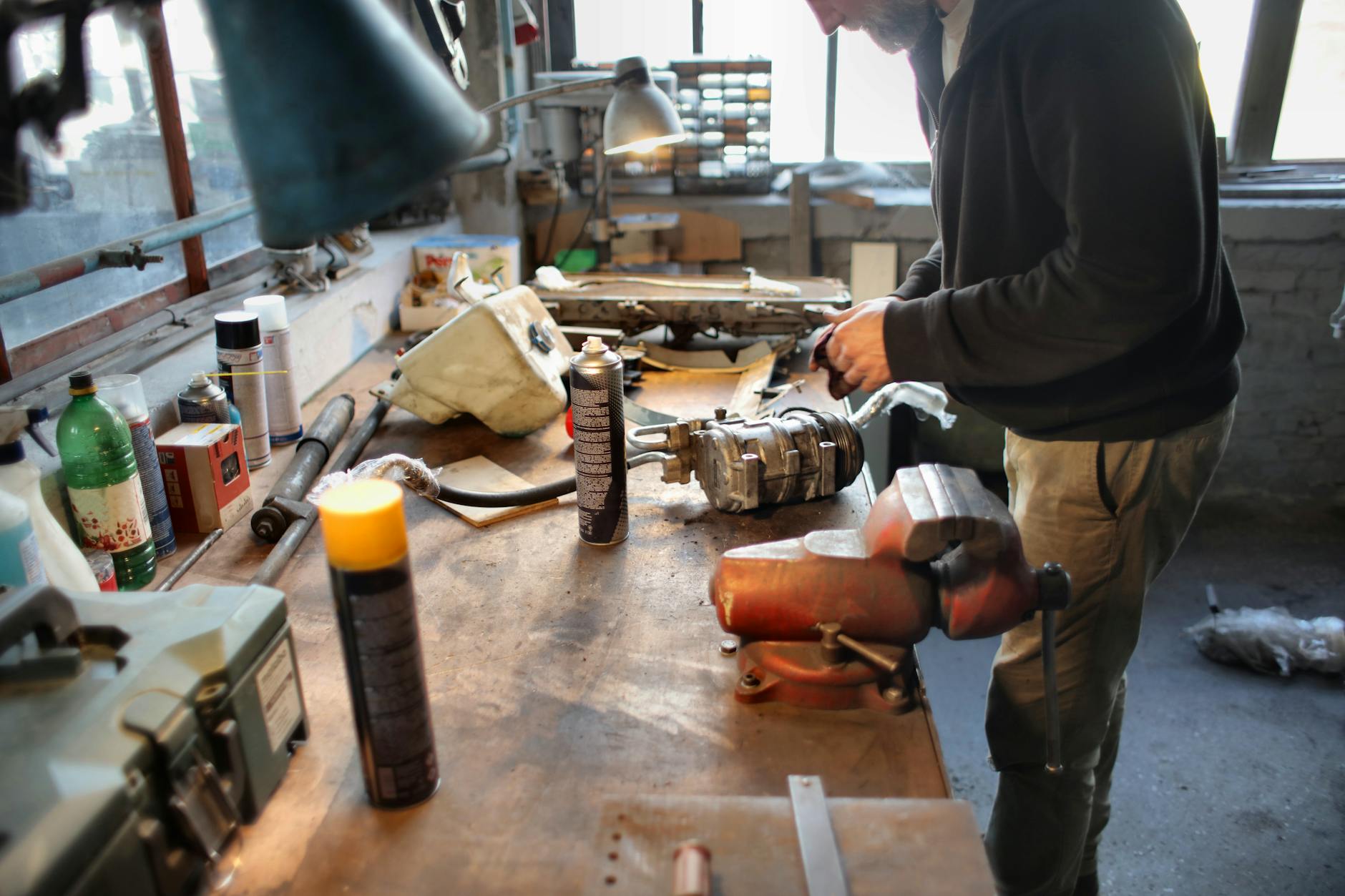
Continued engagement in practical physical labor well into old age is a recurring feature of centenarian life in rural communities. Whether chopping wood, carrying water, repairing fences, or washing by hand, these tasks demand functional strength and coordination that keep the body capable and engaged. This kind of work is not experienced as exercise for its own sake but as purposeful activity integrated into the maintenance of daily life. Many centenarians have never attended a gym but have maintained impressive physical function simply through decades of consistent manual engagement.
Limited Alcohol

Where alcohol is consumed in long-lived communities, it tends to appear in modest, ritualized amounts as part of social meals rather than as a daily independent habit. Sardinian centenarians are frequently noted for drinking small quantities of Cannonau red wine alongside food in the company of others. This wine is notably high in polyphenols, which are compounds associated with cardiovascular protection when consumed in moderation. The key distinction observed across centenarian populations is that alcohol is a social and cultural accompaniment rather than a solitary or stress-driven habit.
Quality Sleep

Long-lived individuals consistently prioritize sleep as a non-negotiable component of daily health rather than treating it as time that competes with productivity. Most centenarians report going to bed and waking at consistent times each day, reinforcing the circadian rhythms that govern hormone production and cellular repair. Sleep in these communities is often aided by physical tiredness from daytime activity, low exposure to artificial light after dark, and the absence of significant screen use before bed. Deep and restorative sleep appears to be one of the most fundamental biological processes underlying healthy aging across all populations studied.
Lifelong Learning

Keeping the mind actively engaged through learning, craft, music, or reading is a habit shared by many people who live exceptionally long lives. Centenarians in various parts of the world describe ongoing curiosity about the world around them as something that never faded with age. Cognitive engagement is believed to build neural reserves that provide a buffer against the decline associated with dementia and other age-related conditions. Many individuals over one hundred continue to learn new skills, take up instruments, or study languages with the same enthusiasm they had as young adults.
Time Outdoors
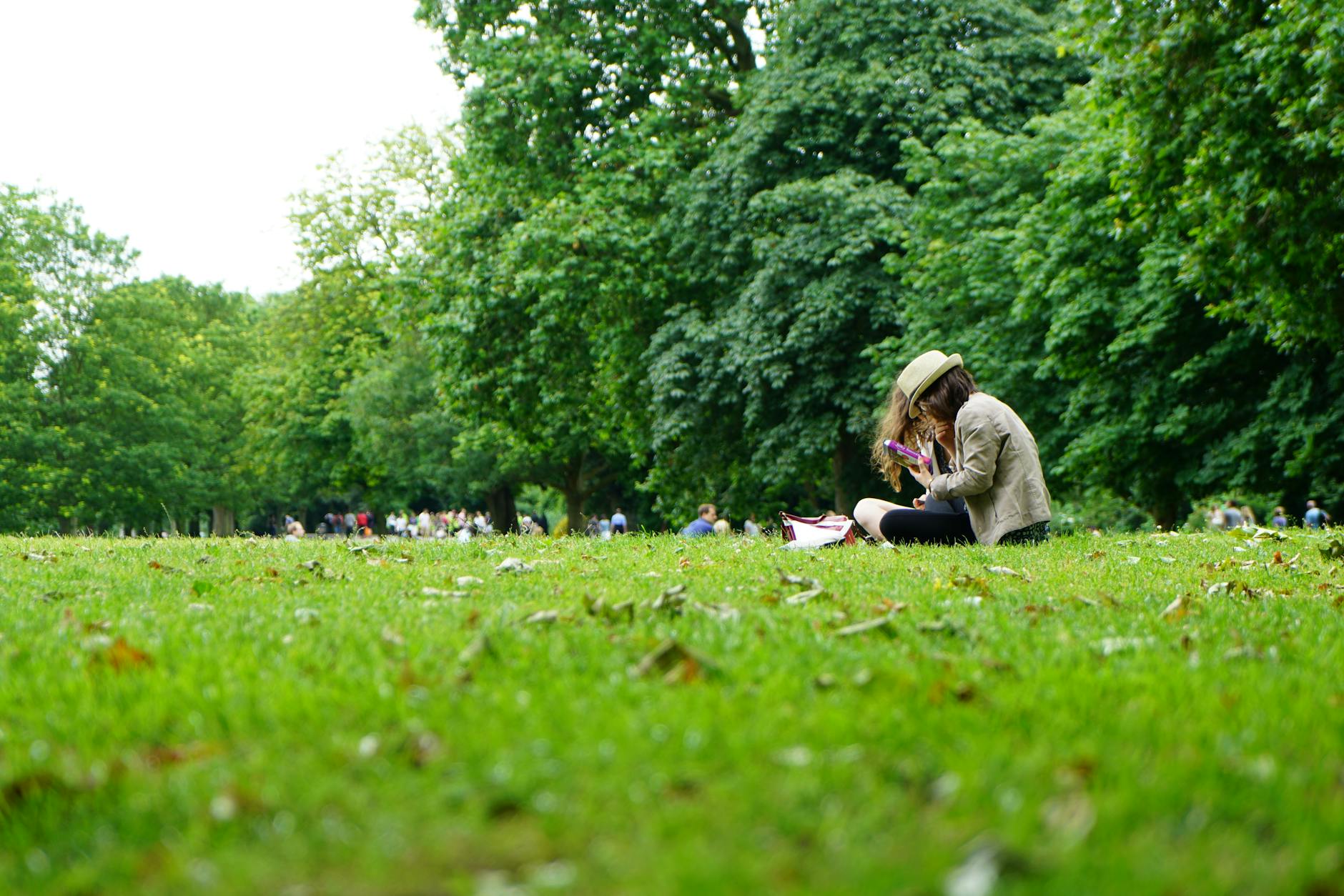
Spending meaningful time in natural outdoor environments each day is a habit deeply embedded in centenarian culture across multiple regions. Fresh air, natural light, contact with plants and soil, and the sensory engagement of outdoor spaces all contribute to physiological and psychological wellbeing. Vitamin D synthesis through sun exposure supports bone density, immune function, and mood regulation in ways that are difficult to replicate through supplementation alone. Many centenarians describe a visceral need to be outside each day regardless of the season, treating nature as both medicine and recreation.
Positive Outlook
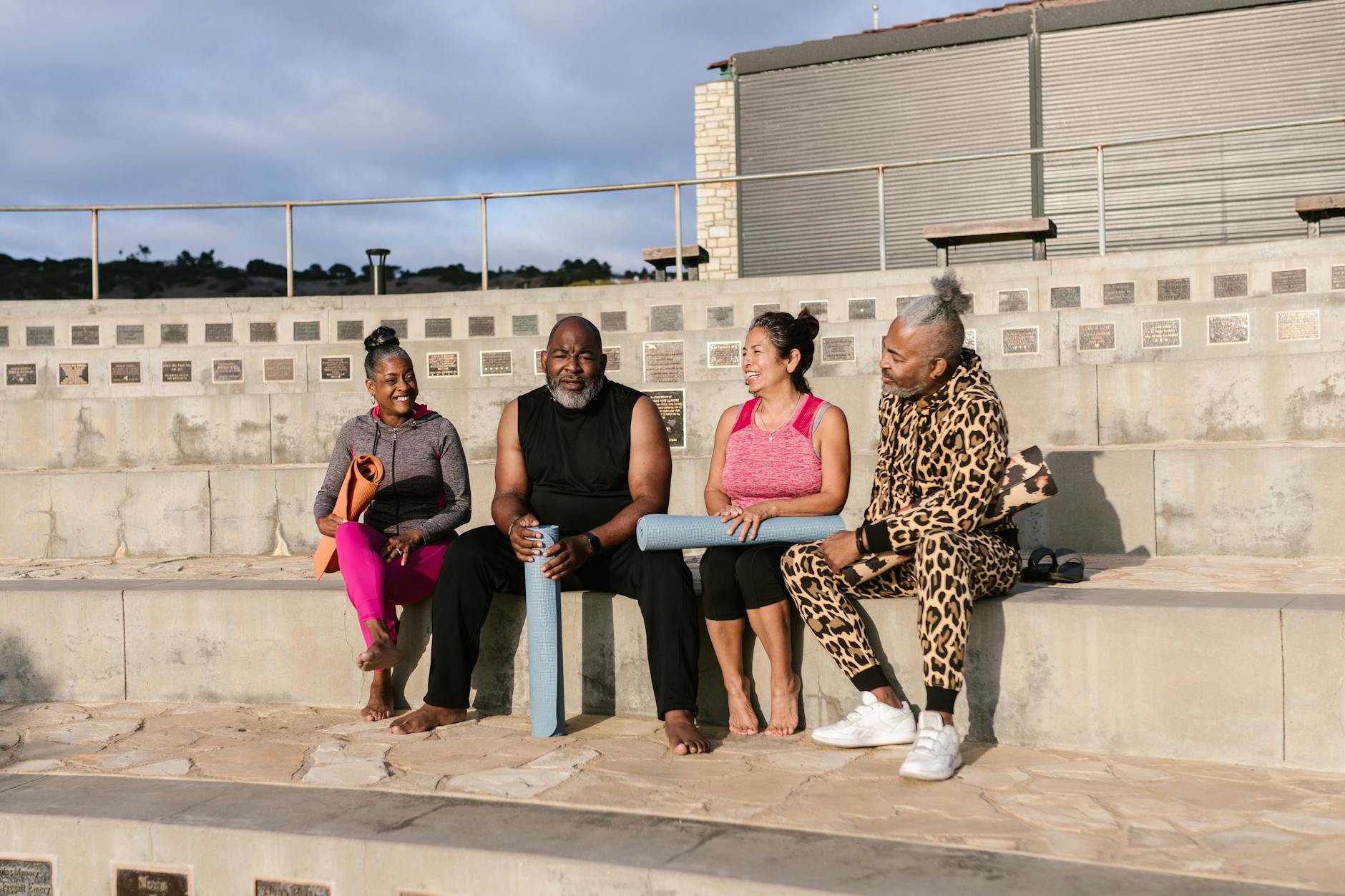
A consistently optimistic or accepting attitude toward life and aging is a psychological trait observed with remarkable frequency among centenarians interviewed around the world. This does not mean an absence of hardship but rather a cultivated tendency to focus on what is present and good rather than dwelling on loss or limitation. Researchers have linked positive emotional states to lower levels of inflammatory markers in the body and greater resilience in the face of illness. Many hundred-year-old individuals describe gratitude as a daily practice, often naming specific things they appreciate as part of their morning or evening ritual.
Laughter

Humor and the ability to laugh freely are qualities that long-lived people describe as essential companions throughout their entire lives. Regular laughter reduces levels of the stress hormone cortisol and triggers the release of endorphins, providing measurable physiological benefits beyond its immediate emotional lift. Centenarians in interviews frequently display a sharp wit and a tendency to find comedy in the ordinary details of daily life. The people around them consistently report that their humor feels genuine and unforced, a natural expression of the lightness with which they have learned to carry the weight of a very long life.
What daily habits do you practice that you believe will carry you into old age? Share your thoughts in the comments.




