Your garbage disposal is one of the most convenient tools in a modern kitchen, but it has firm limits that most homeowners discover only after an expensive plumbing call. Many common kitchen scraps can cause serious damage to the blades, the motor, or the pipes running beneath your home. Understanding which items to keep out of the drain can save significant money and extend the life of your appliance for years to come. This guide covers twenty of the most problematic offenders that plumbers and appliance experts consistently warn against.
Grease
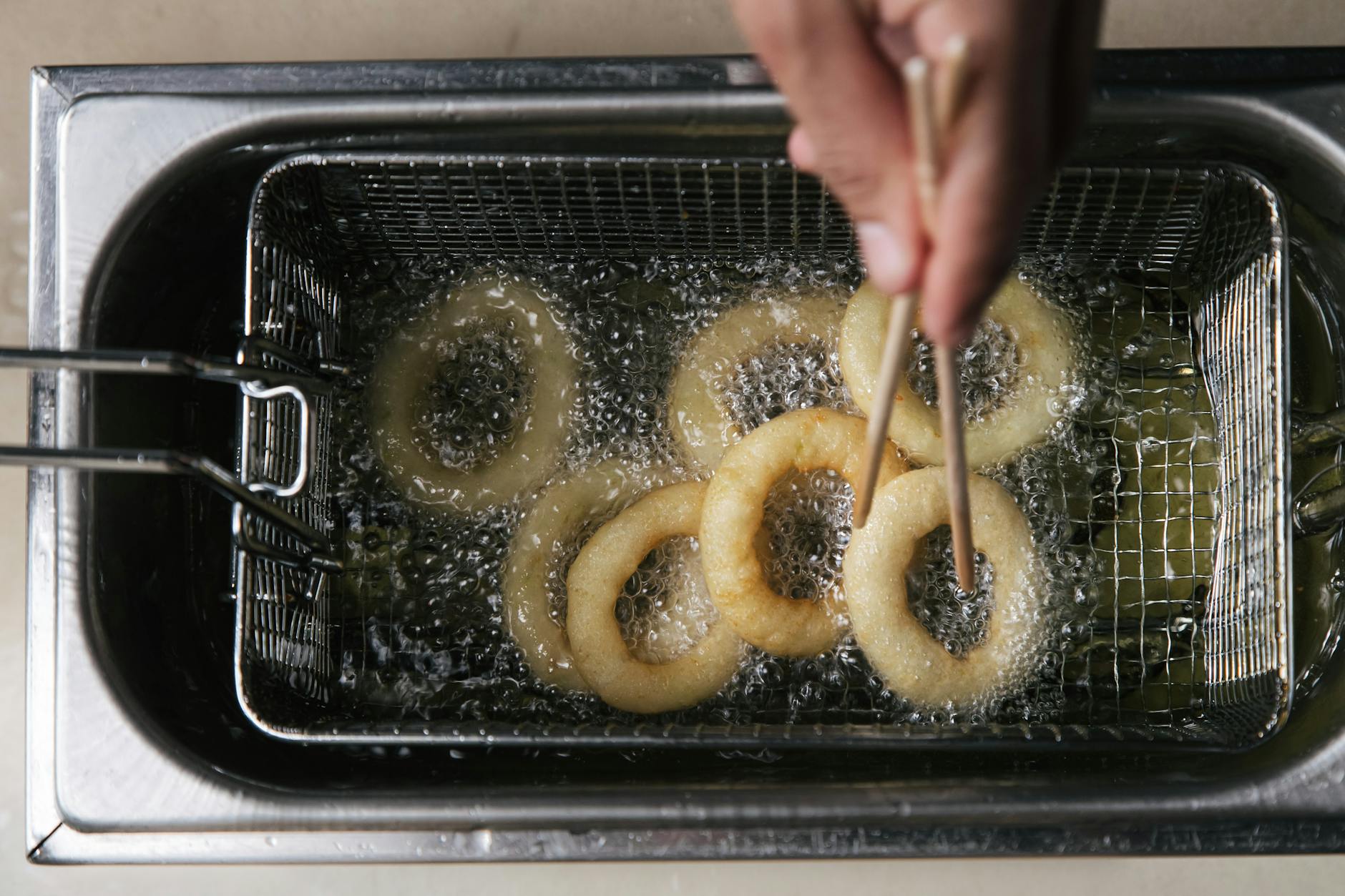
Liquid grease may flow easily down the drain when hot, but it solidifies as it cools and coats the interior of pipes in a thick layer. Over time this buildup narrows the pipe diameter and creates stubborn blockages that are difficult and costly to remove. Even small amounts of cooking oil or bacon fat contribute to the accumulation known among plumbers as fatbergs. Grease should always be collected in a container and disposed of in the trash once it has solidified.
Eggshells
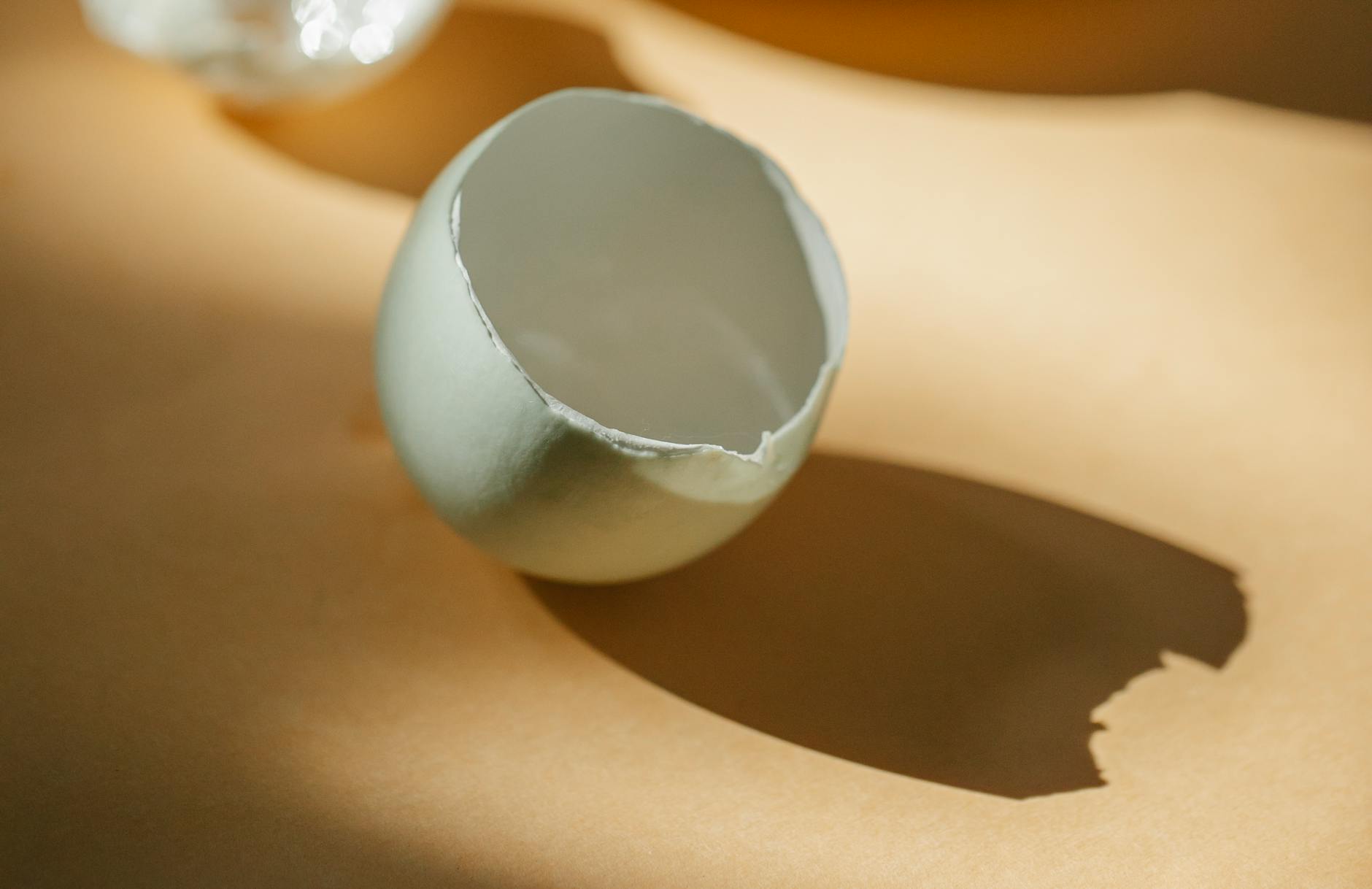
A widely repeated myth holds that eggshells sharpen disposal blades, but no mechanical evidence supports this claim. The thin membrane lining the inside of the shell can wrap around the grinding components and cause friction or jamming. Crushed shell particles also combine with grease and other debris to form a gritty paste that sticks to pipe walls. Composting eggshells is a far better alternative that benefits garden soil.
Coffee Grounds
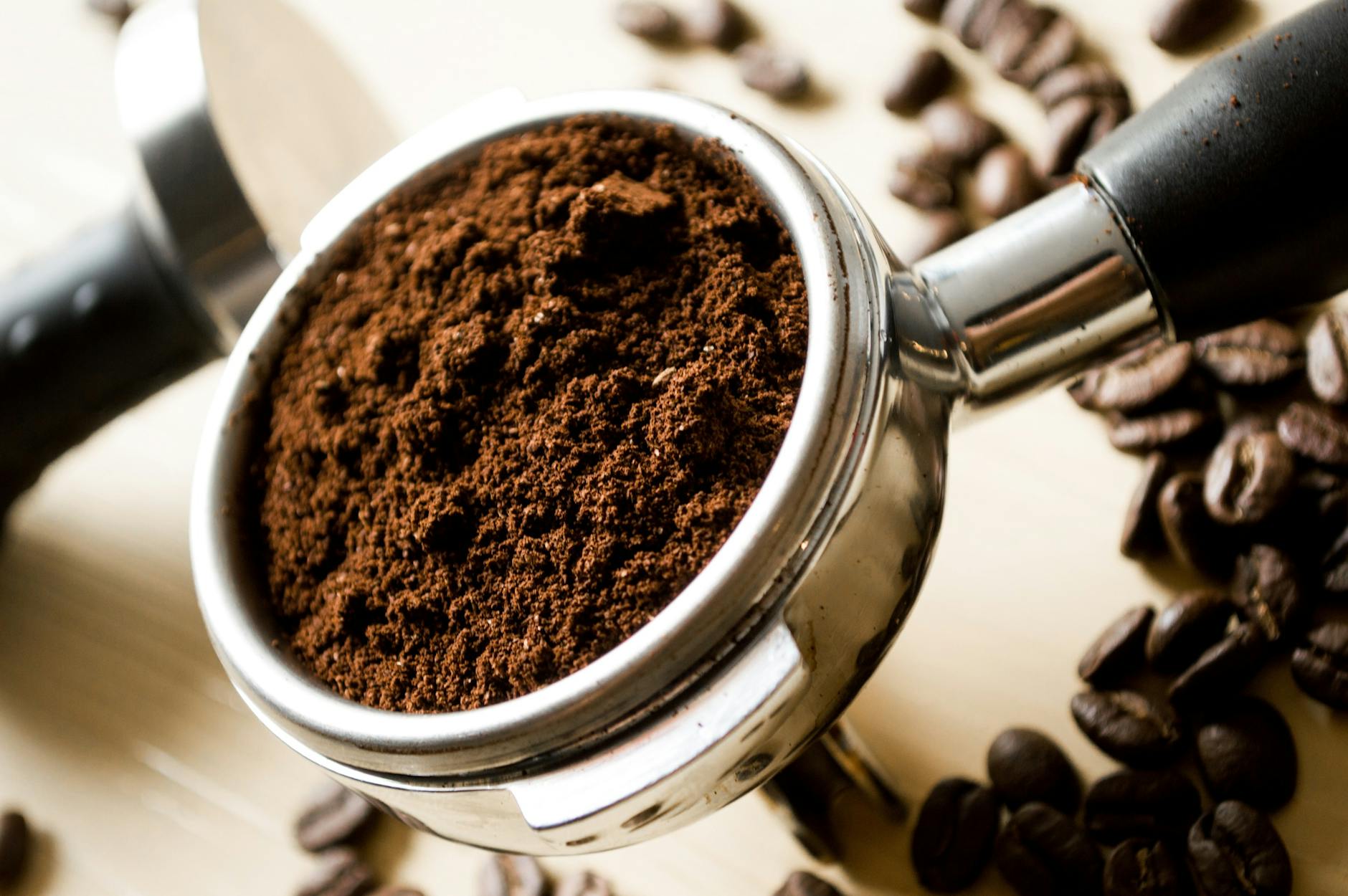
Coffee grounds feel fine and gritty and seem harmless when rinsed down the drain in small quantities. In reality they accumulate quickly and form a dense sediment that settles in the trap and lower pipe sections. Repeated flushing does not fully clear this sediment and blockages build up gradually over weeks. Used grounds are excellent additions to compost bins or garden beds where they improve drainage and acidity.
Pasta
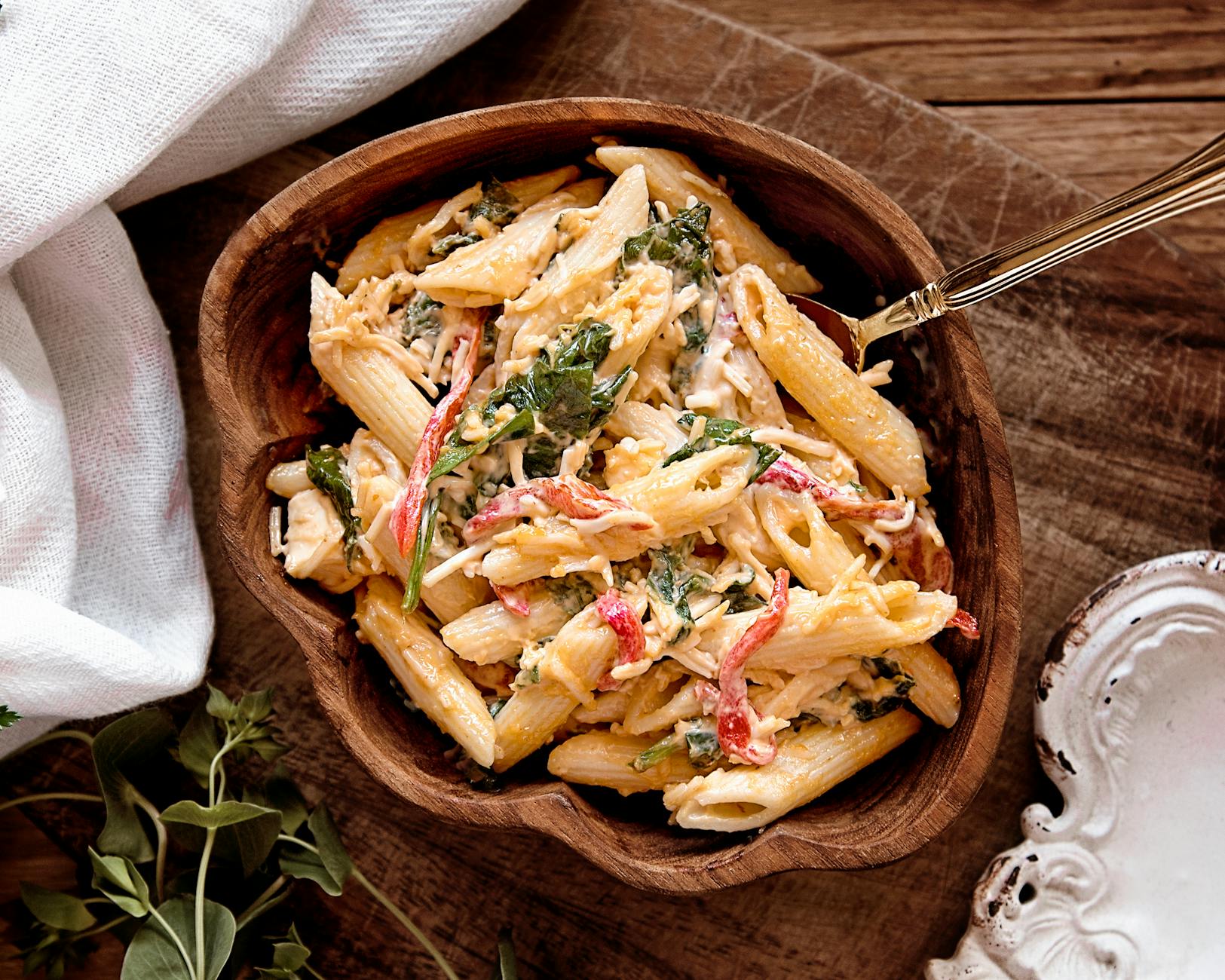
Cooked pasta continues to absorb water even after it reaches the drain and expands in the pipes. The starchy texture creates a thick paste that clings to the interior surfaces of the disposal and plumbing. Even when chopped by the blades the small pieces rehydrate and clump together downstream. Pasta scraps are best scraped directly into a trash bin or compost container.
Rice
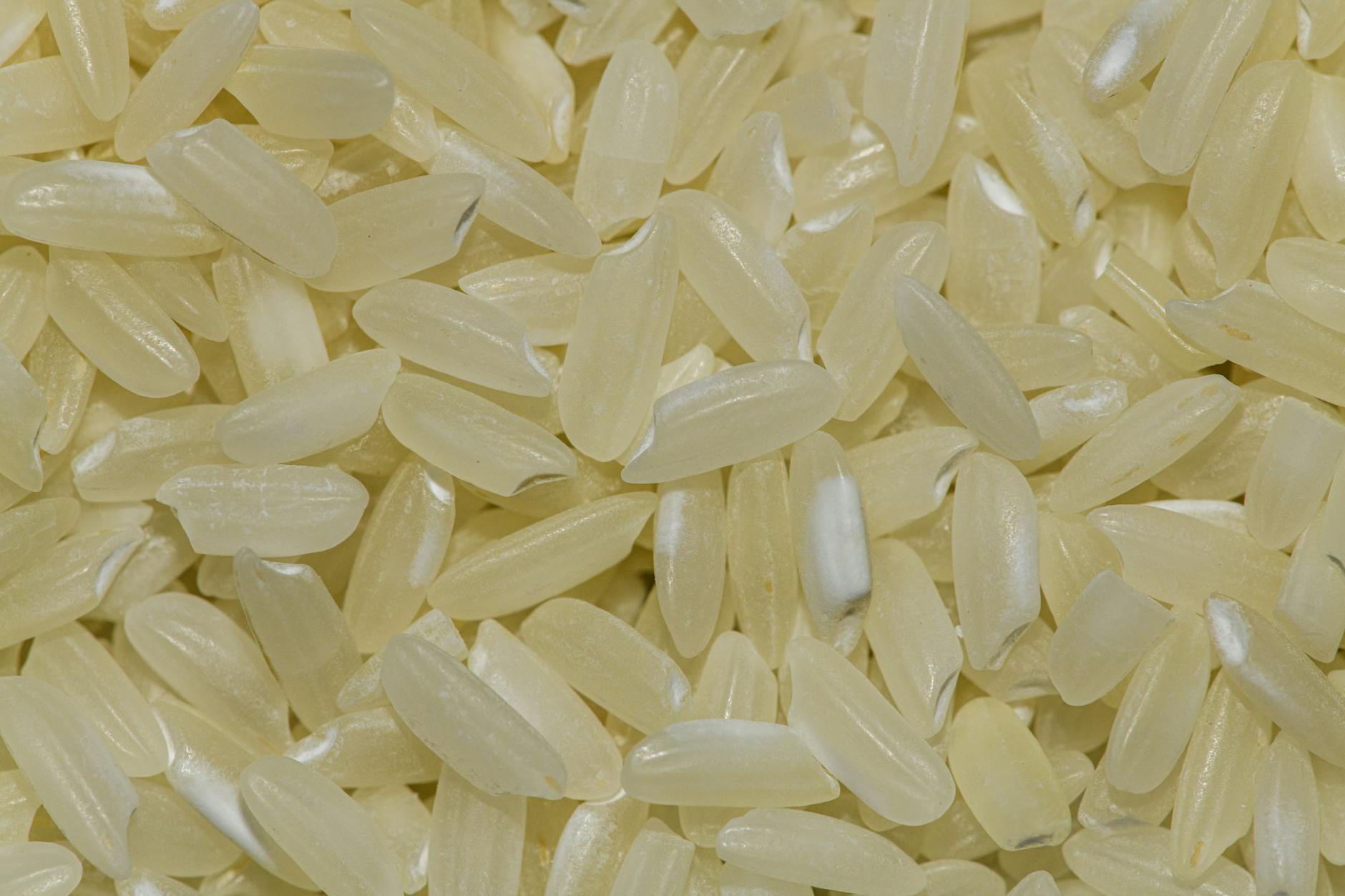
Rice behaves similarly to pasta and expands when it encounters any remaining moisture inside the drain system. The tiny grains slip past the blades without being fully broken down and settle further along the pipe. Over time a compacted mass of soggy rice can restrict water flow significantly. Disposing of rice in the trash or compost is the recommended practice for protecting your plumbing.
Bones
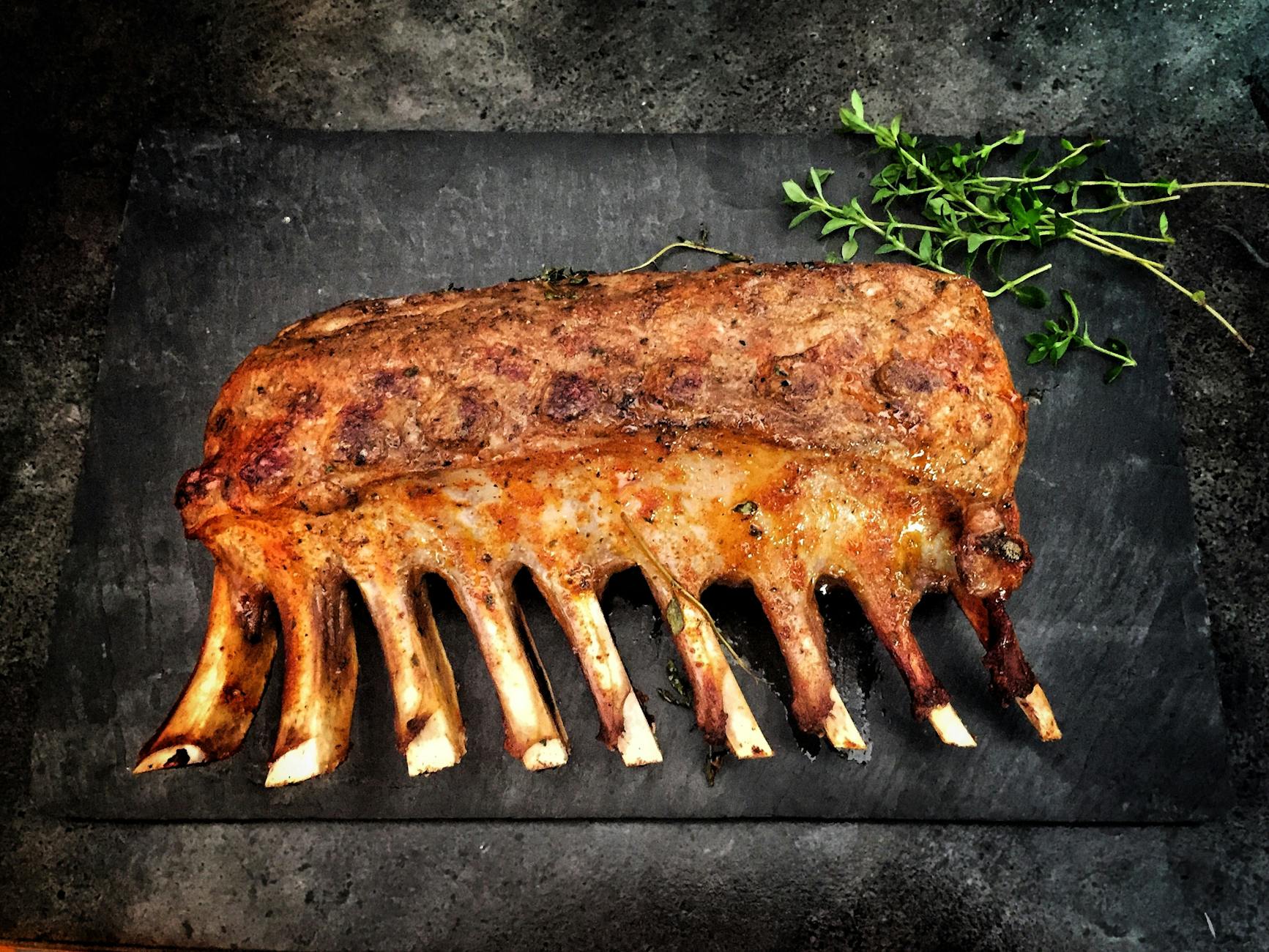
Hard bones from chicken, beef, or pork are among the most damaging items a disposal motor can encounter. The hardness of bone puts extreme strain on the grinding components and can crack or dull the blades in a single incident. Smaller bones from fish or poultry may seem manageable but still pose a serious risk to motor longevity. All bones should go directly into the trash or a dedicated stock pot if suitable for broth.
Fruit Pits
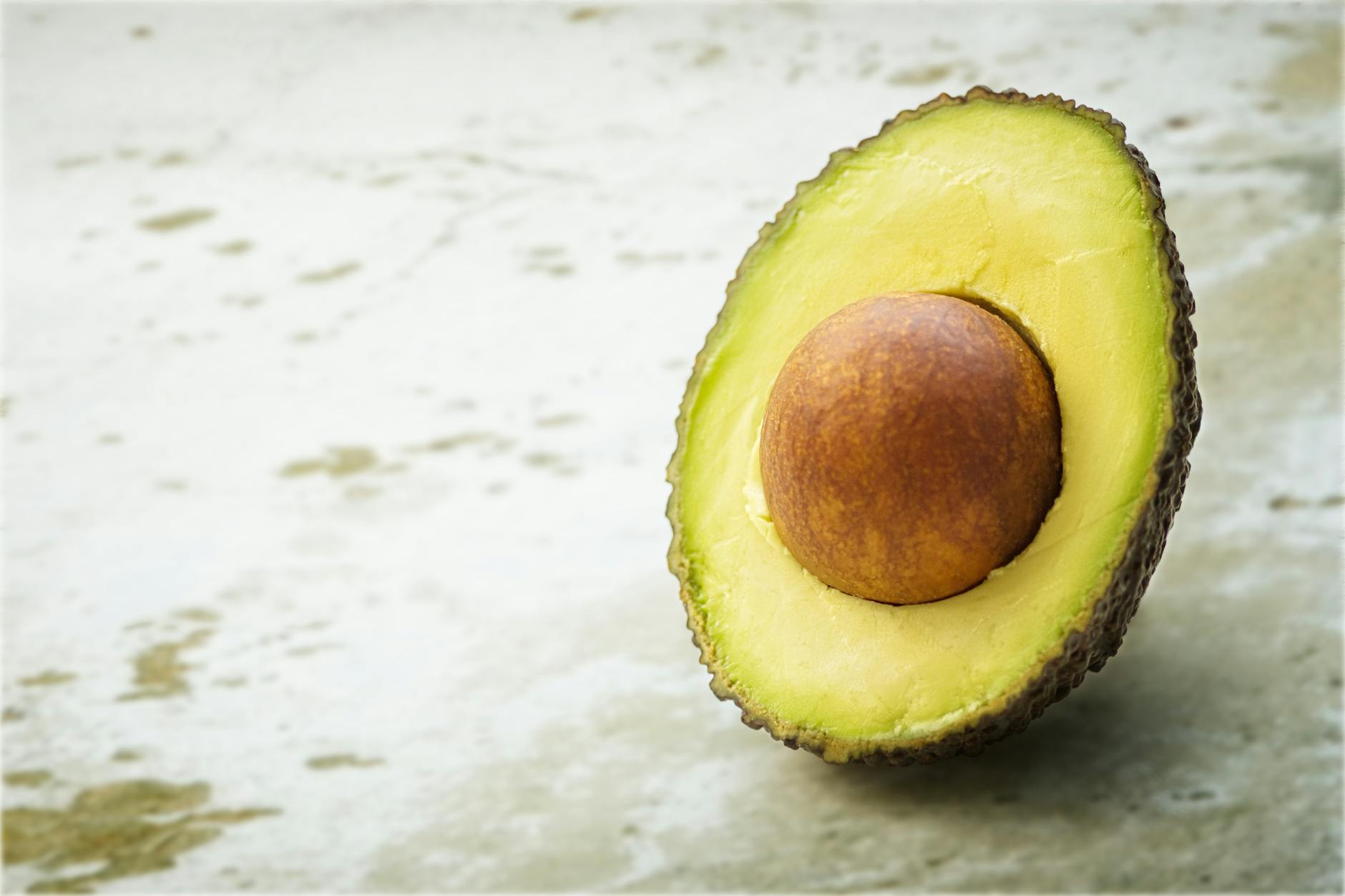
Cherry pits, peach pits, avocado seeds, and similar hard cores are far too dense for any residential garbage disposal to process. Attempting to grind them can immediately stall the motor or cause a loud rattling that signals internal damage. Even if the disposal survives the encounter the pit fragments can lodge in bends within the pipe. These items belong in the trash without exception.
Onion Layers
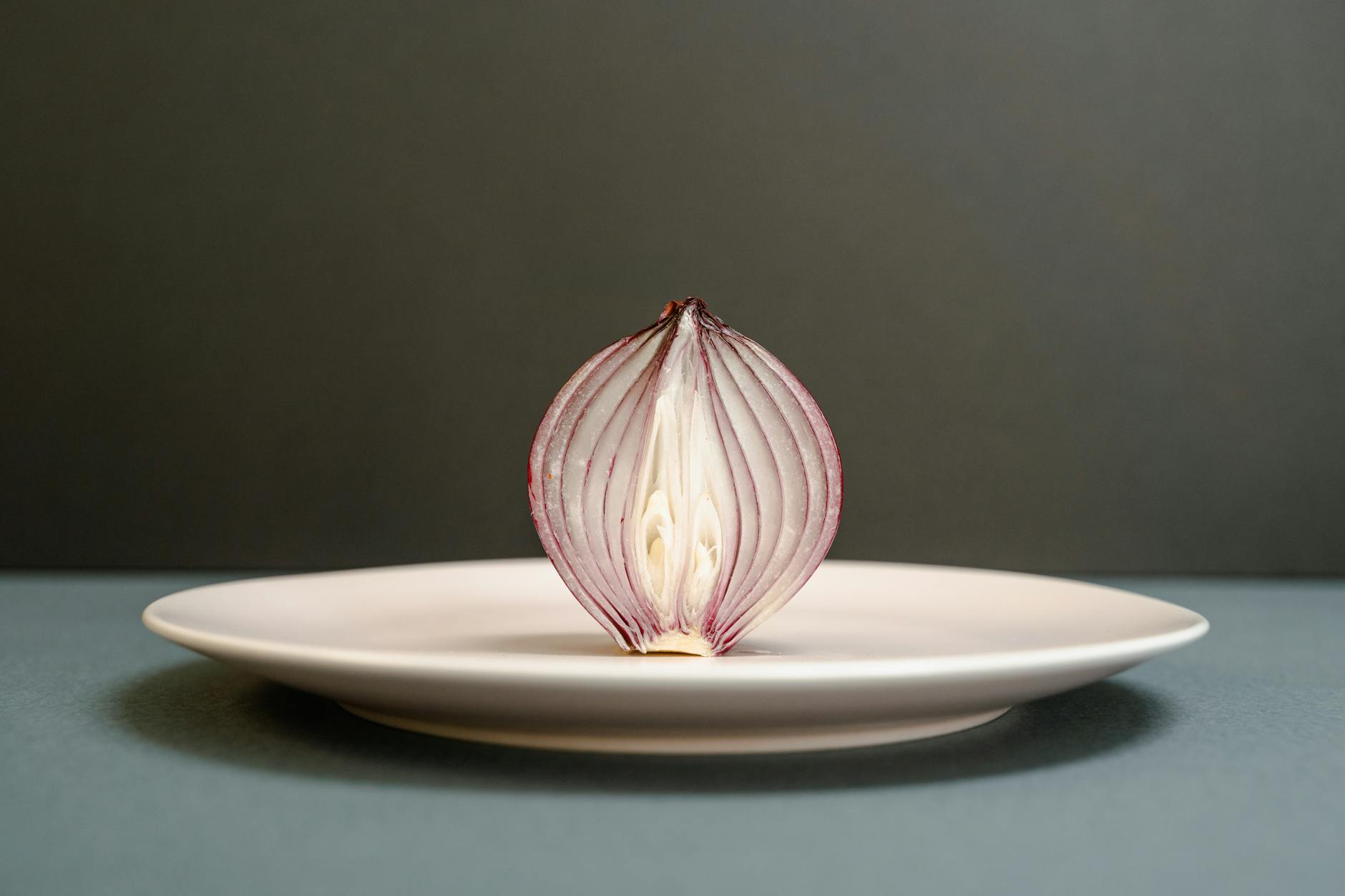
The dry outer papery layers of onions pass through the blades without being chopped and instead travel into the drain intact. Once inside the pipe these thin layers act like a net and trap other food particles passing through. The result is an organic mass that grows denser and more resistant to water flow over time. The outer skins should be removed and placed in a compost bin before any cooking begins.
Celery
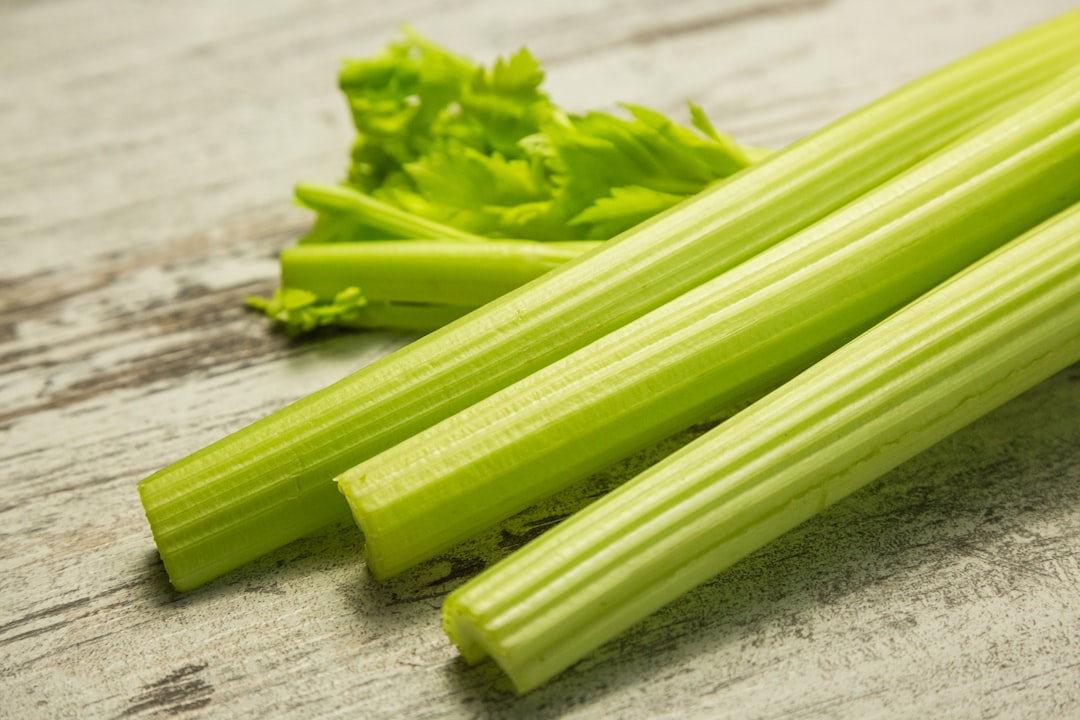
Celery stalks are packed with long stringy fibres that wrap around the spinning components of a disposal with ease. Once tangled the fibres can jam the motor and require manual removal which risks injury and voids some appliance warranties. The problem compounds because celery strings do not break down naturally in the pipe. Chopping celery scraps into a compost or trash bin prevents this entirely.
Artichokes
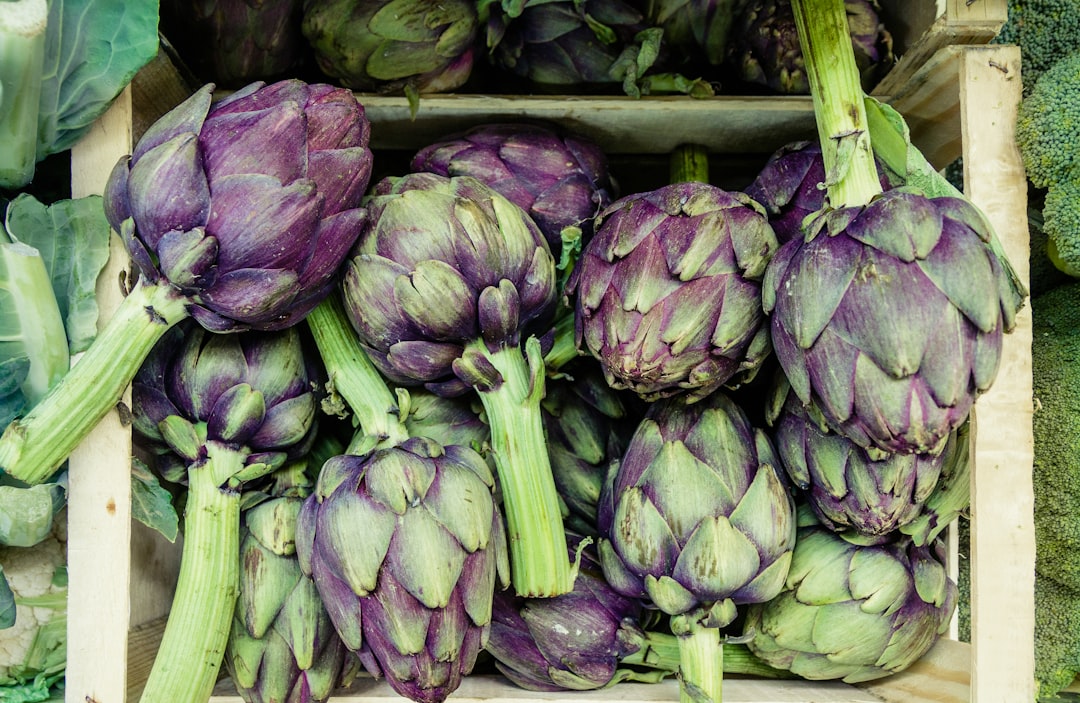
Artichokes contain some of the toughest plant fibres found in a standard kitchen and are a known disposal hazard. The layered leaves and the fibrous choke at the centre resist breaking down even under sustained grinding. Fragments that do pass through accumulate and combine with other debris in the trap. Artichoke scraps should be treated like yard waste and composted or bagged for bin disposal.
Potato Peels
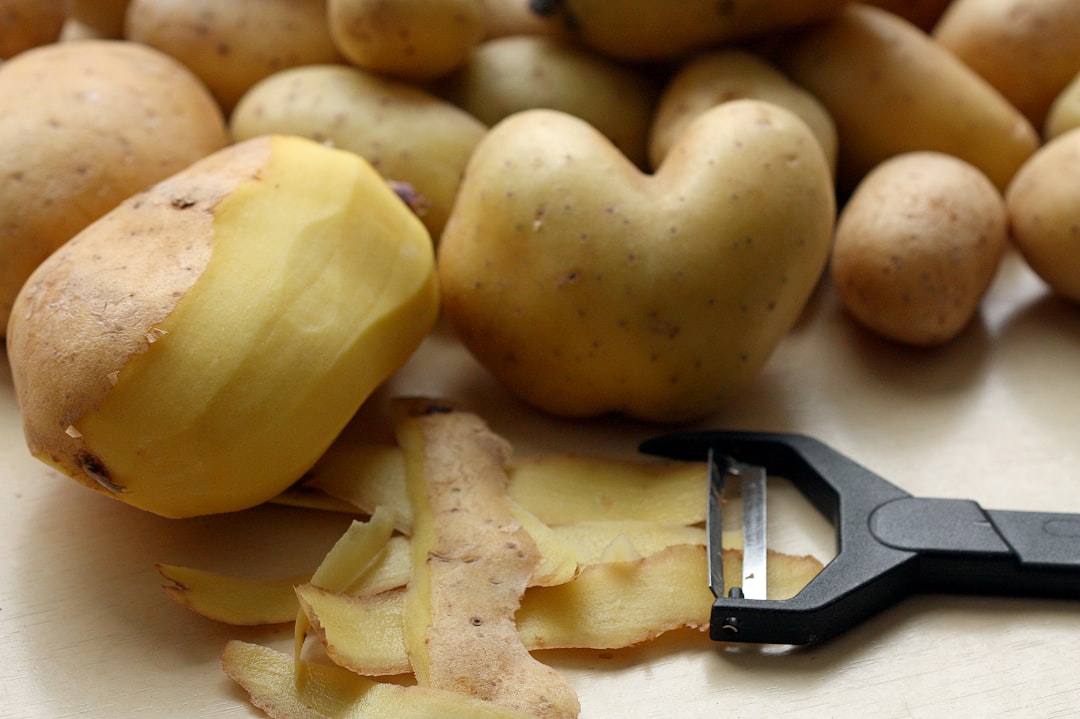
Potato peels are thin enough to slip past the blades and starchy enough to coat every surface they contact on the way through. A large quantity of peels processed at once can create a thick paste that effectively seals off the drain pipe. Even moderate amounts contribute to a gradual starchy buildup that slows drainage noticeably over months. Peeling potatoes over a compost bin or lined trash can eliminates the risk entirely.
Nuts
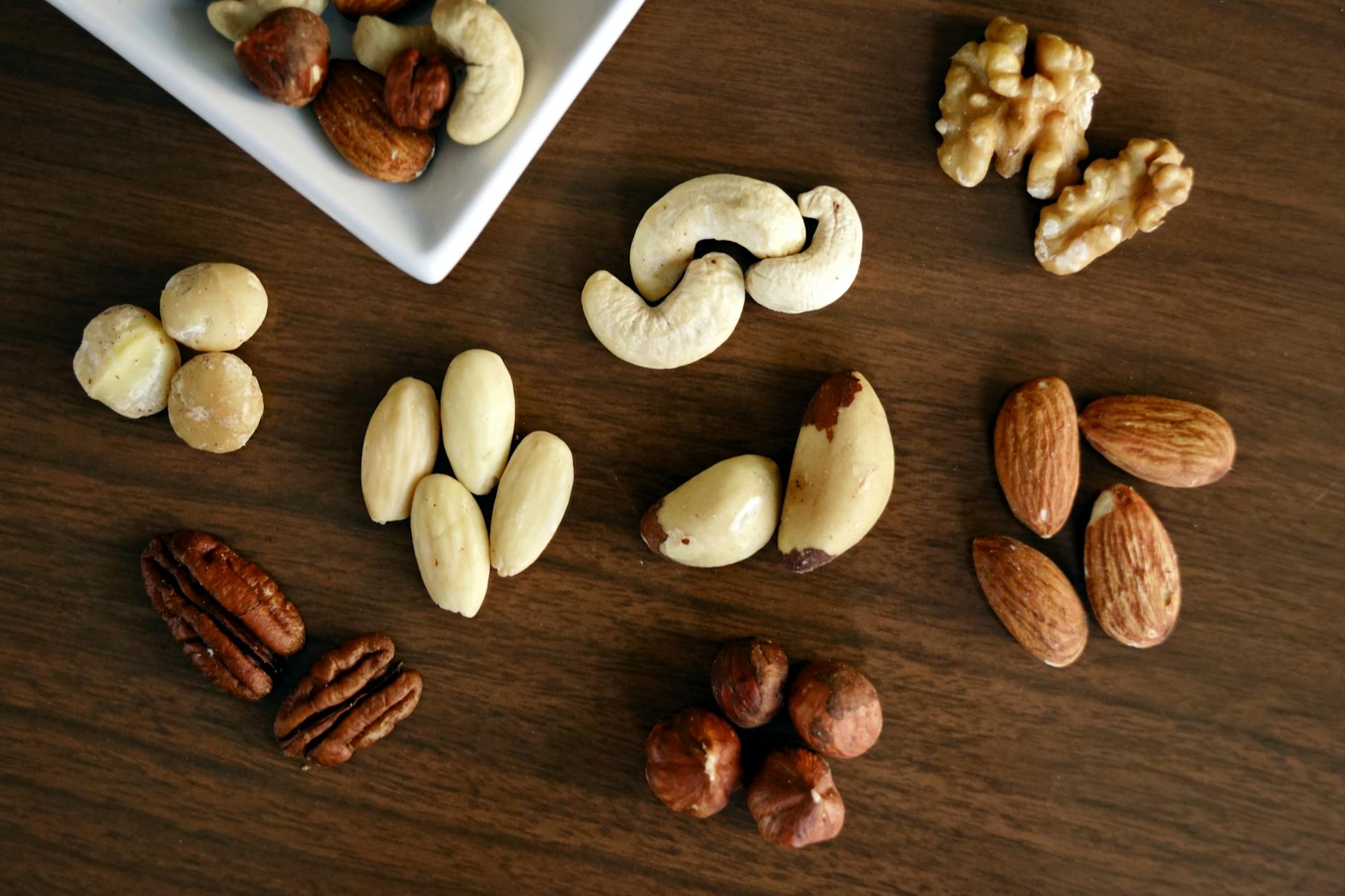
Nut shells are extremely hard and dense and can damage disposal blades much like bones and fruit pits. Even shelled nuts present a problem because the grinding process turns them into a thick natural butter that coats the inside of the disposal and pipes. Peanut butter consistency clogs are among the more unusual but documented causes of disposal failure. Nut scraps and shells should go into the trash or be used in baking and cooking before discarding.
Corn Husks
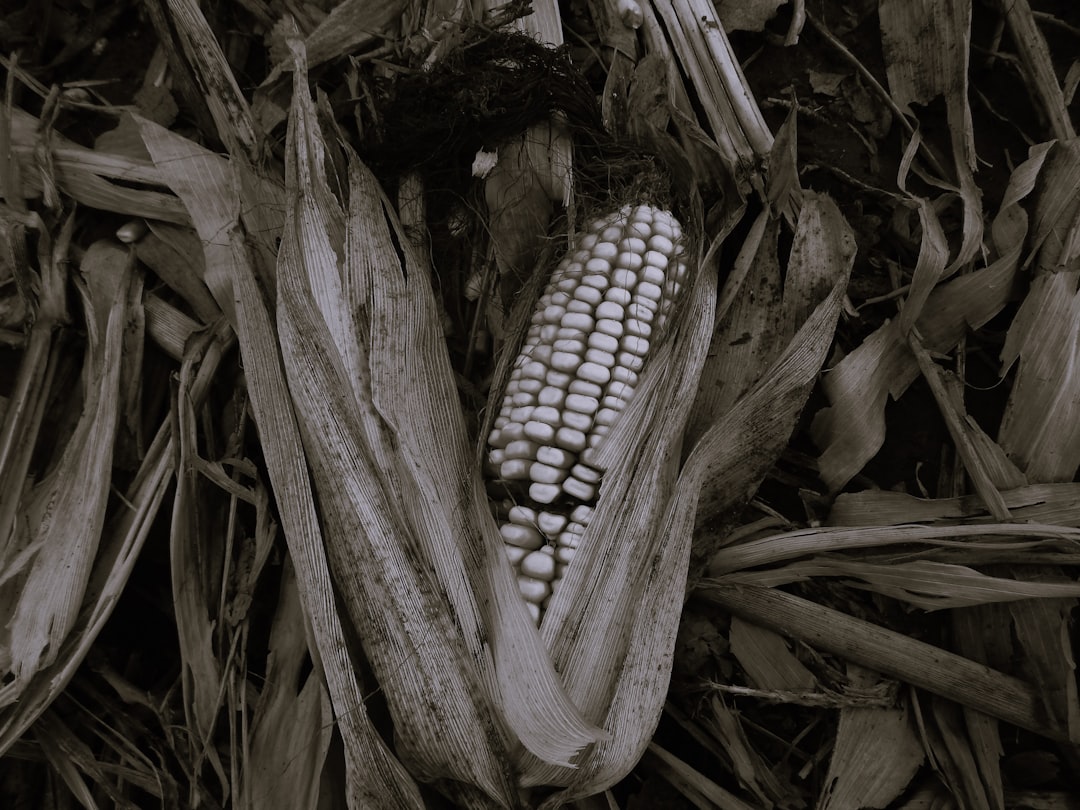
Corn husks are among the most fibre-dense plant materials found in a home kitchen. The long tough strands wrap around the grinding mechanism in the same way celery does and can burn out the motor under sustained resistance. Husks are also bulky and do not compress easily which adds physical strain to the components. Composting corn husks is straightforward and they break down well in outdoor bins.
Oats
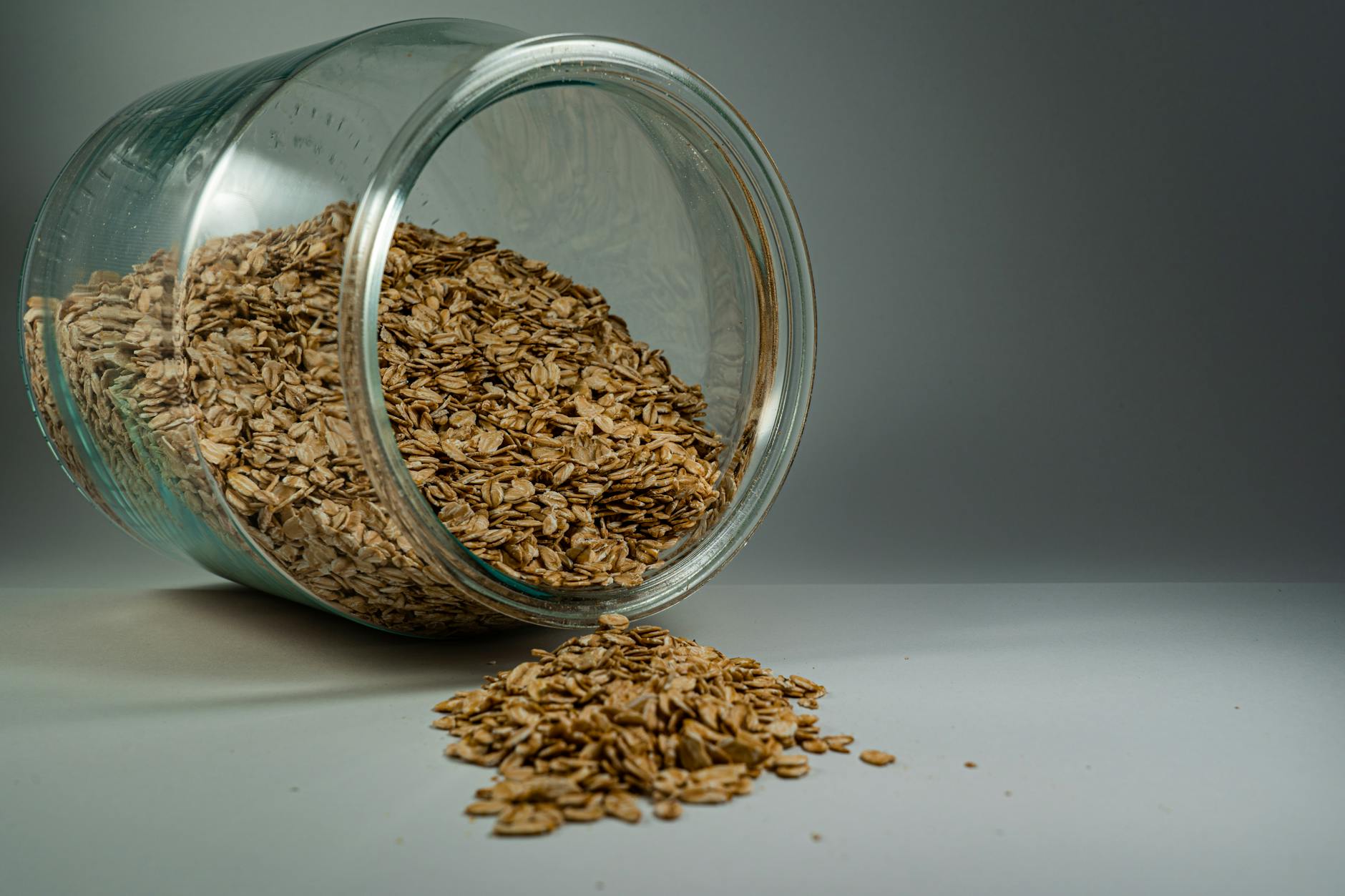
Raw or cooked oats absorb water rapidly and swell into a thick porridge-like substance inside the drain. This consistency adheres to pipe walls and dries into a hardened coating that narrows the passage for water and waste. Even a small serving of oatmeal rinsed down the drain regularly can produce significant buildup within a few months. Oat scraps should be scraped into the trash or repurposed as animal feed where appropriate.
Leeks
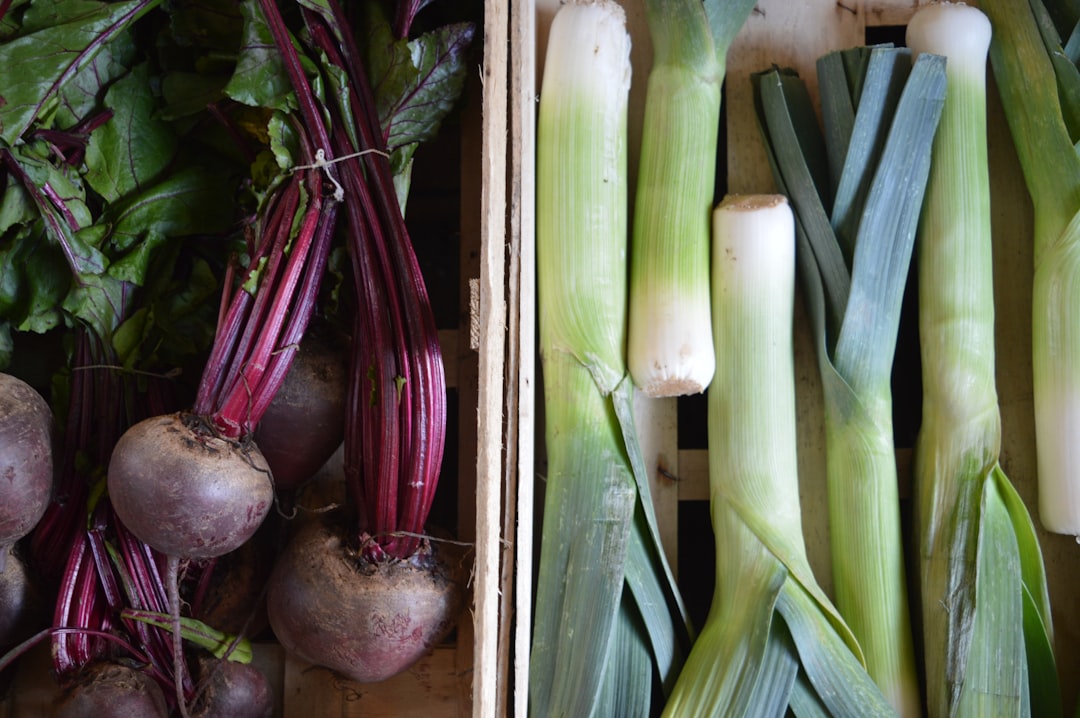
Leeks share the stringy layered structure of onions and celery and create similar wrapping hazards inside the disposal unit. The fibrous outer leaves in particular resist cutting and can pull other debris into a tangled mass around the blades. Inner layers that do pass through carry high starch content that coats the pipe walls. Trimmed leek tops and outer leaves are better suited to stock making or direct composting.
Asparagus
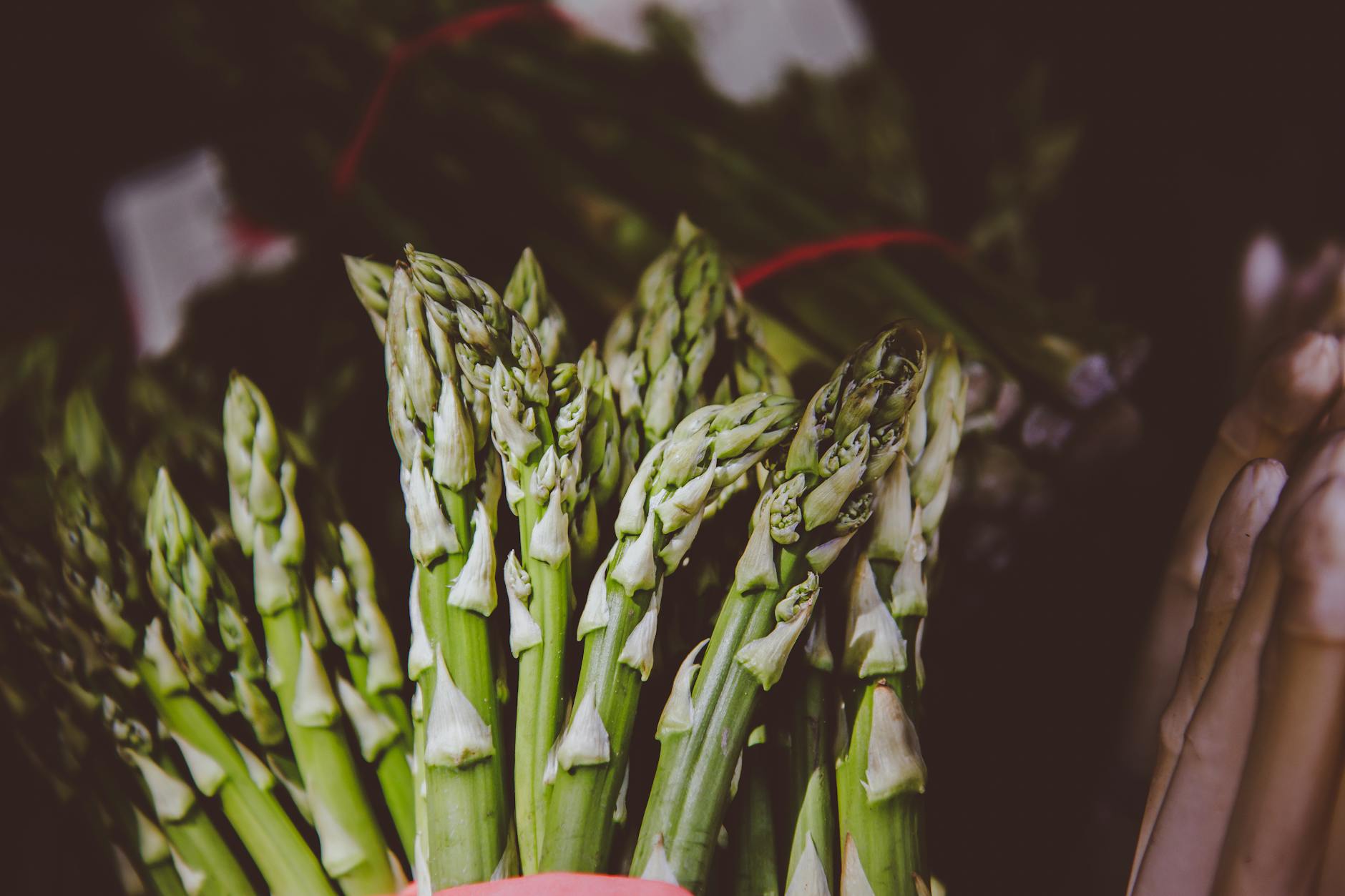
Asparagus stalks contain dense fibrous threads running along their length that resist mechanical grinding effectively. The woody ends of older stalks are particularly tough and can strain the motor during extended operation. Pieces that pass through the blades remain stringy and contribute to accumulation in the trap below the unit. Asparagus trimmings compost quickly and are a welcome addition to any kitchen compost system.
Paint

Latex or oil-based paint poured down any household drain introduces toxic compounds into the water system regardless of disposal use. Paint thickens inside pipes and bonds strongly to interior surfaces creating a permanent reduction in pipe capacity. Many municipalities classify paint disposal down drains as an environmental violation subject to fines. Dried paint scraps and containers should be taken to a local hazardous waste collection facility.
Medication
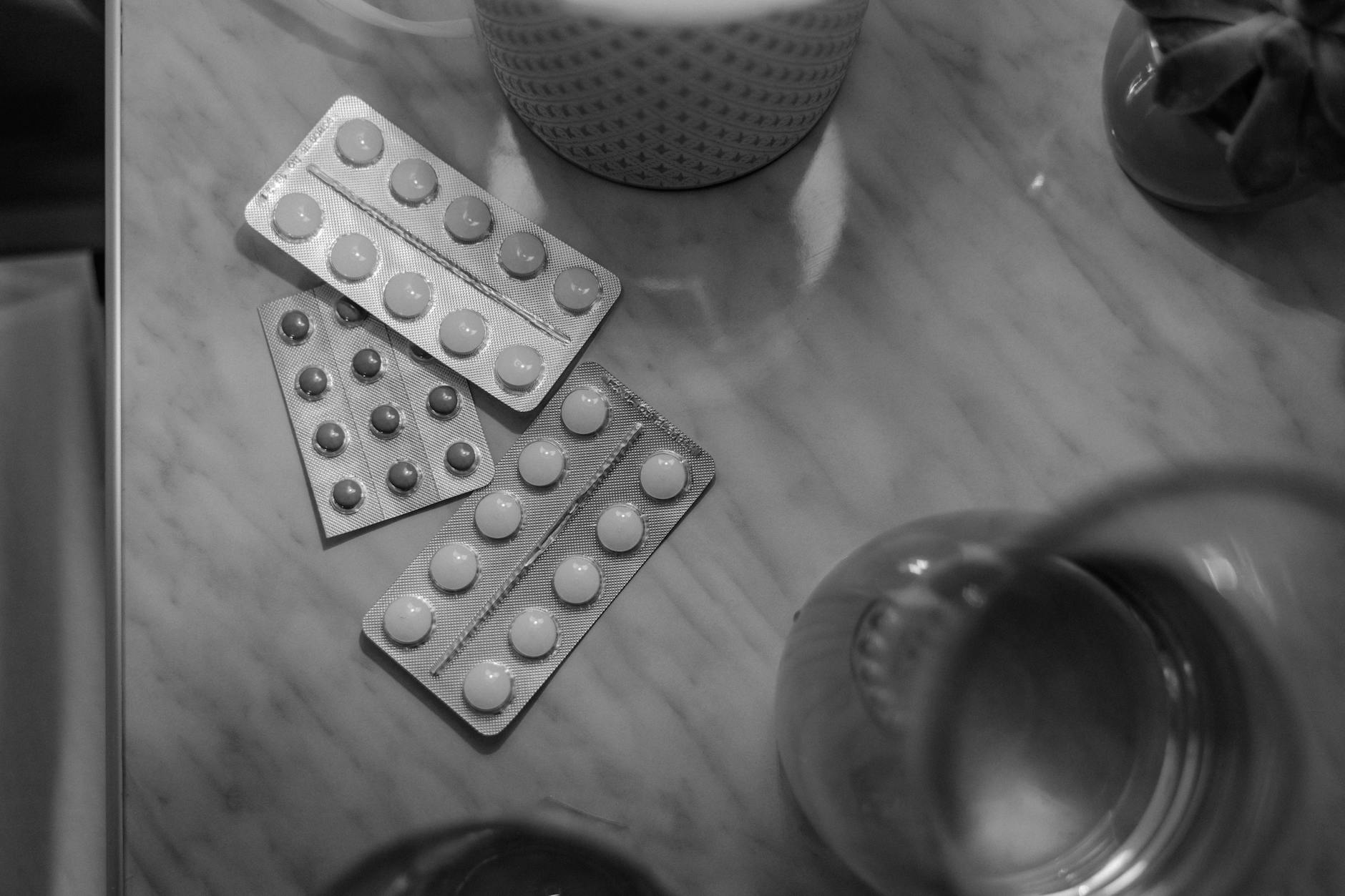
Flushing or grinding expired or unused medication sends pharmaceutical compounds directly into the water supply where they are difficult to filter out completely. Research has linked pharmaceutical runoff to measurable effects on aquatic ecosystems and water quality. Most pharmacies and hospitals operate take-back programs specifically designed for safe medication disposal. These programs are free and widely available in most regions.
Cleaning Products
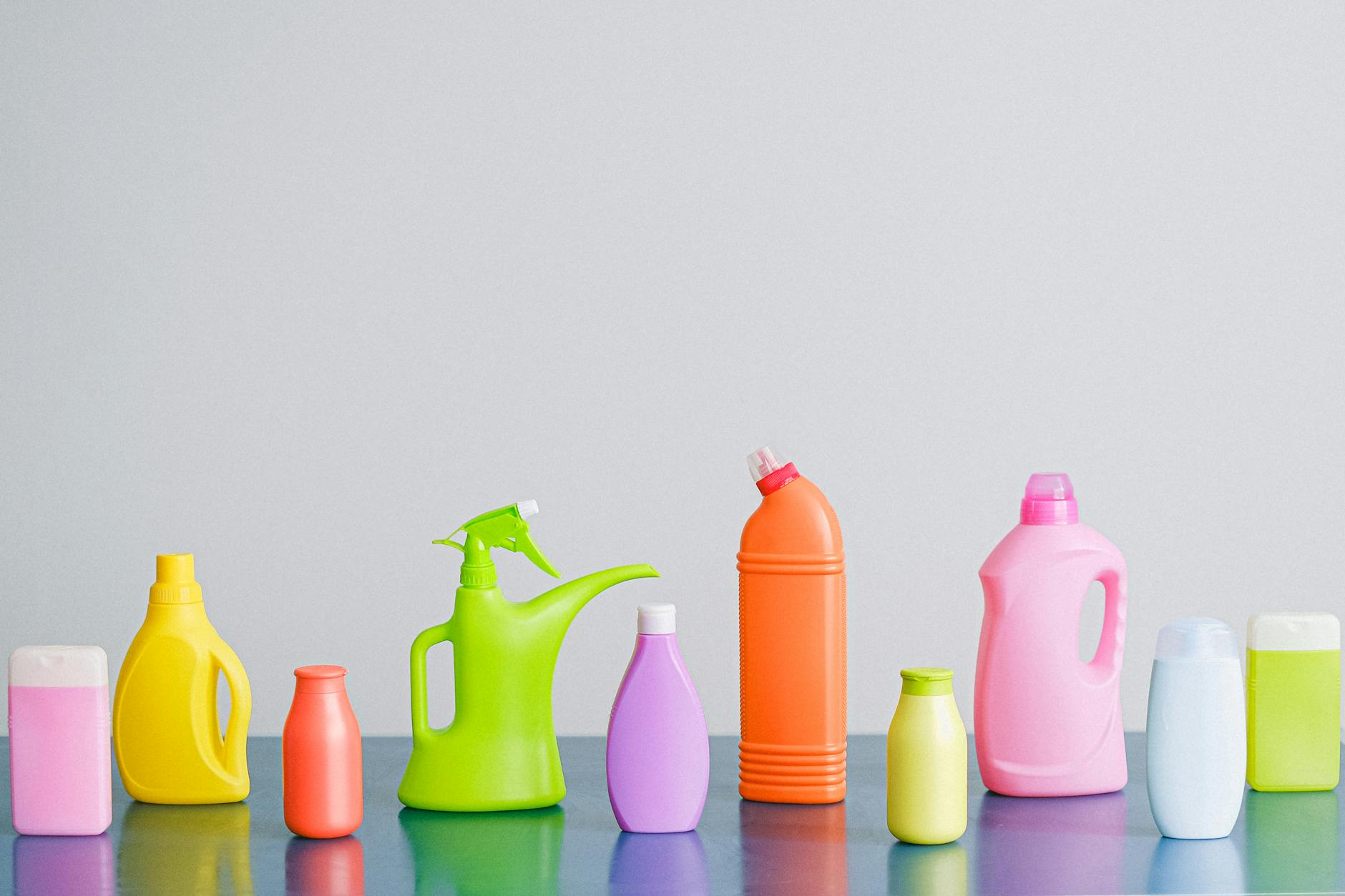
Harsh chemical cleaning products including bleach ammonia and drain cleaners corrode the metal and rubber components inside the disposal unit over time. Mixing residues of different chemicals in a confined space can also produce toxic fumes or unexpected reactions. Beyond the appliance itself these substances disrupt the bacterial balance in municipal water treatment systems. Household chemicals should be disposed of through designated hazardous waste channels.
Paper Products
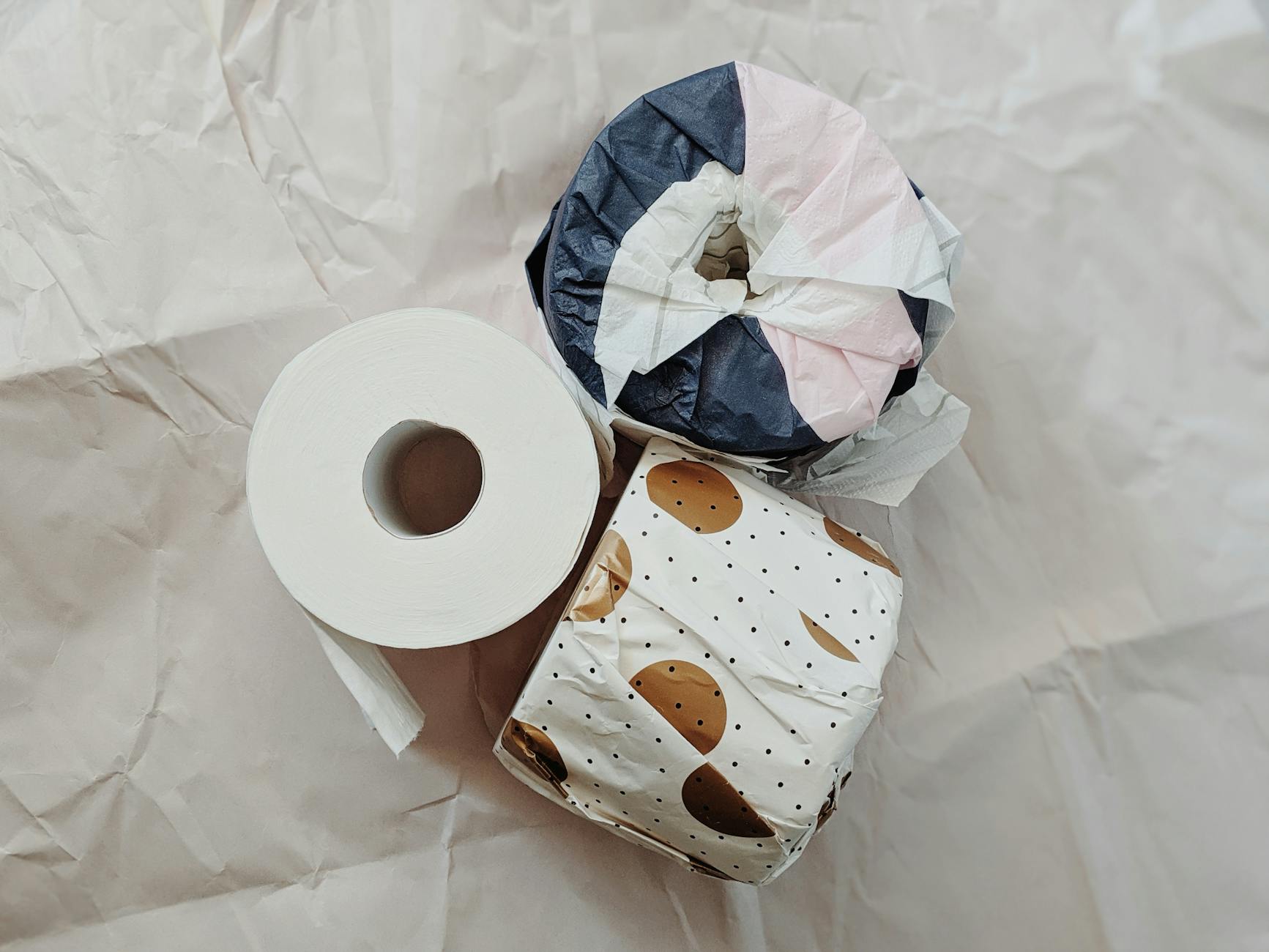
Paper towels napkins and cardboard fragments do not break down in the disposal the way food scraps do. They absorb water and expand into a pulpy mass that clogs the grinding chamber and the drain pipe simultaneously. Repeated disposal of paper materials can require professional dismantling of the unit to clear the obstruction. All paper waste belongs in the recycling bin or trash regardless of how small the piece appears.
If you have a disposal horror story or a tip that saved your kitchen plumbing share it in the comments.




